The Ville Haute, Luxembourg's old town on the rock
The Ville Haute (Uewerstad) is Luxembourg City's old town, on the plateau above the Alzette and Pétrusse valleys. It covers 105.90 hectares, had 3,509 residents on 31 December 2023 according to the city council, and lies inside the UNESCO site. It holds the main squares, the Grand Ducal Palace, the cathedral and the Corniche, all walkable in a morning.
In 30 seconds
Full read: 4 min
The Ville Haute (Uewerstad) is Luxembourg City's old town, on the plateau between the Alzette and the Pétrusse.
It covers 105.90 ha, had 3,509 residents on 31-12-2023 and sits inside the 1994 UNESCO site.
It holds Place Guillaume II, Place d'Armes, Place de la Constitution, the Grand Ducal Palace, the cathedral and the Corniche.
A morning on foot covers it; museums and the casemates take the whole day.
I'd walk it twice. Once in the morning for the squares and the cathedral, and again late in the day along its edges, the Corniche and the Holy Spirit plateau, which is when the old town stops feeling like a high street and shows you the fortress.
Sergio LeponeMy advice
Before you go
What I would keep in mind
01 Most beautiful
Three squares, three eras
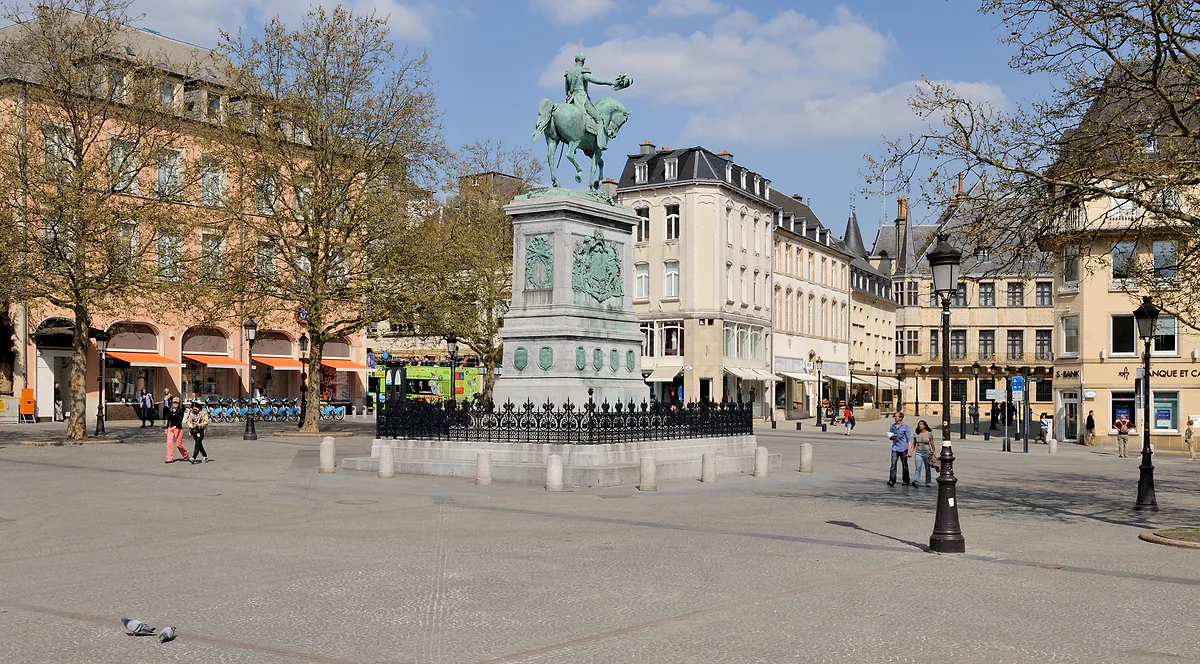
Place Guillaume II was a Franciscan friary, Place d'Armes was finished in 1671 as a parade ground and Place de la Constitution sits on a bastion of 1644. Walking from one to the next is the city's history in twenty minutes.
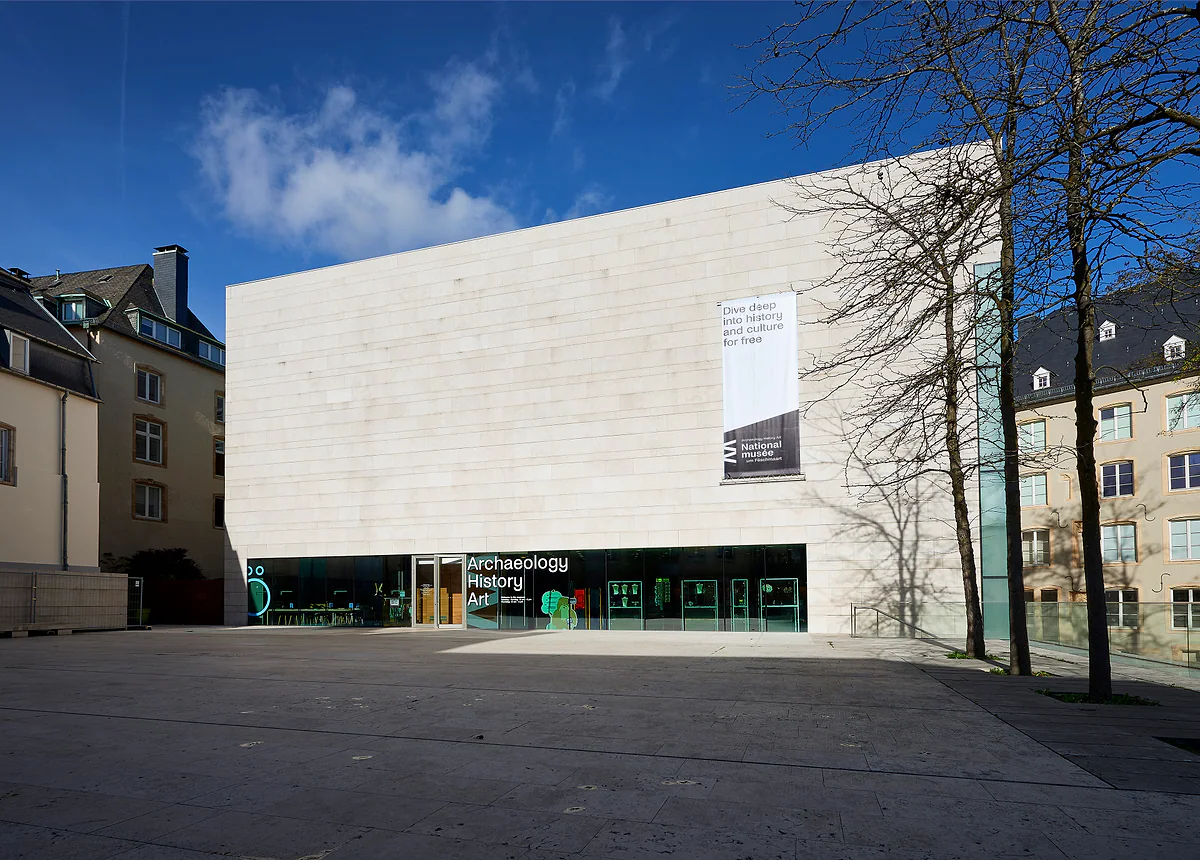
The Lëtzebuerg City Museum is free on Thursdays from 18:00 to 20:00, and the national museum on the old fish market lets everyone in free on Thursdays from 17:30 to 20:00, and under-26s at any time. That sorts out a Thursday afternoon.
The panoramic lift links Pescatore park, on the edge of the old town, with the Pfaffenthal. It's free, runs from 5:45 to 1:00 and closes one day a month from 9:00 for maintenance; in October 2026, that's the 5th.
The guided tour of the Grand Ducal Palace costs €18 and only runs in summer. In 2026 it ran from 18 July to 30 August and sold out. The 2027 dates haven't been published.
My own marks out of 10, weighing what each place reveals of the fortified city and how much you see without paying. The casemates start on its edge but have their own page.
The town hall square and home of the Wednesday and Saturday market. Almost every guided walk starts here.
7.4 out of 10
When someone tells you they saw Luxembourg in an afternoon, they nearly always mean the Ville Haute. Fair enough, since the squares, the palace and the shops are all here and close together. But the old town plays a trick on you. From the inside it looks like any comfortable European centre; from its edges it’s a fortress hanging over two valleys. This is how I’d walk it.
A plateau made for defence
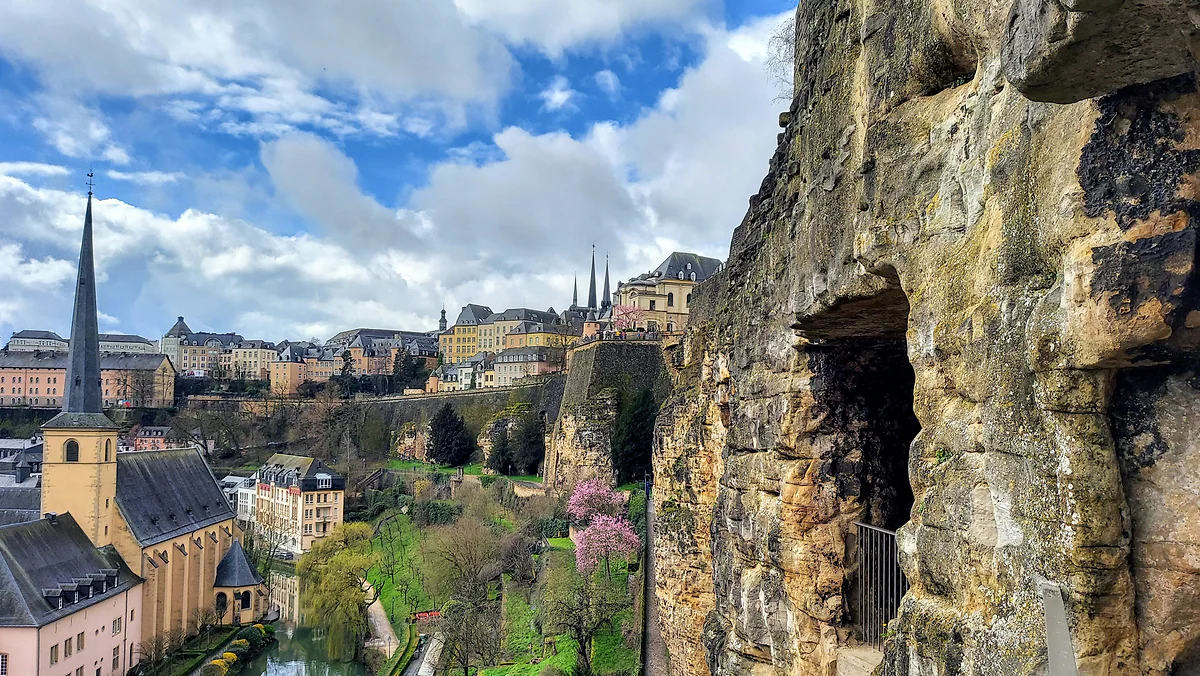
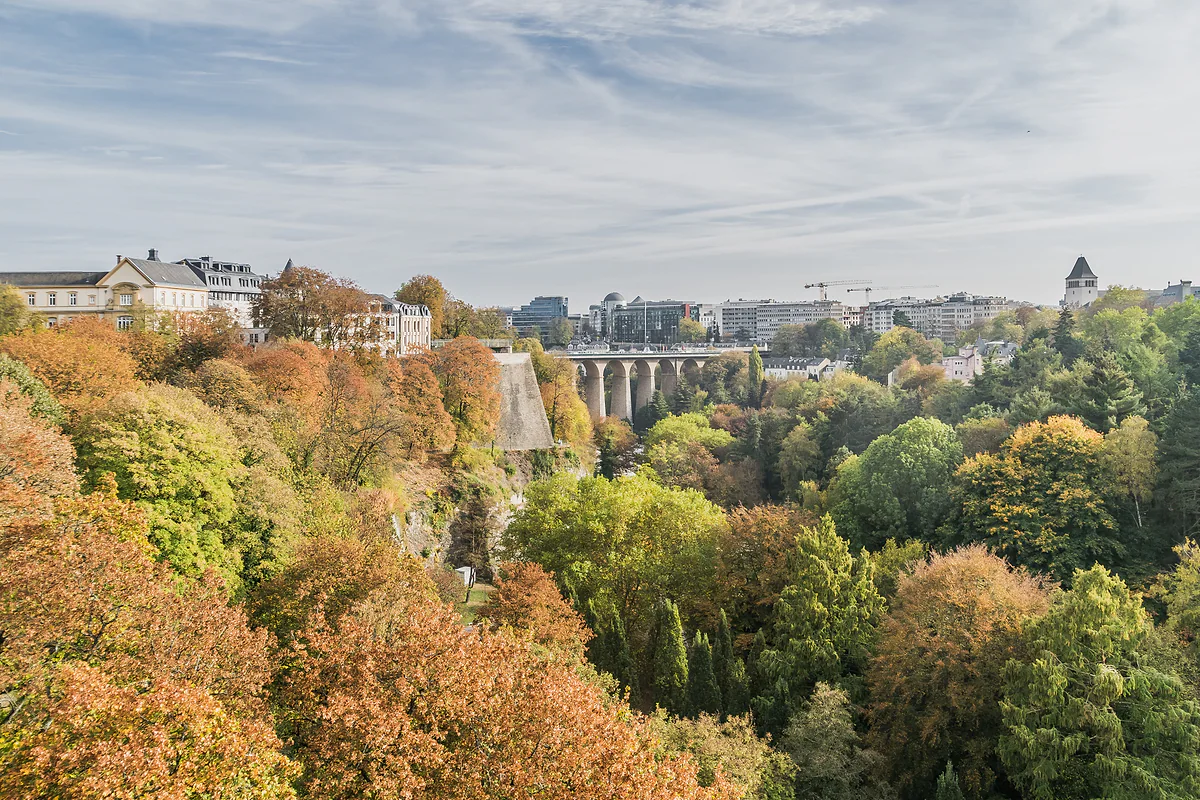
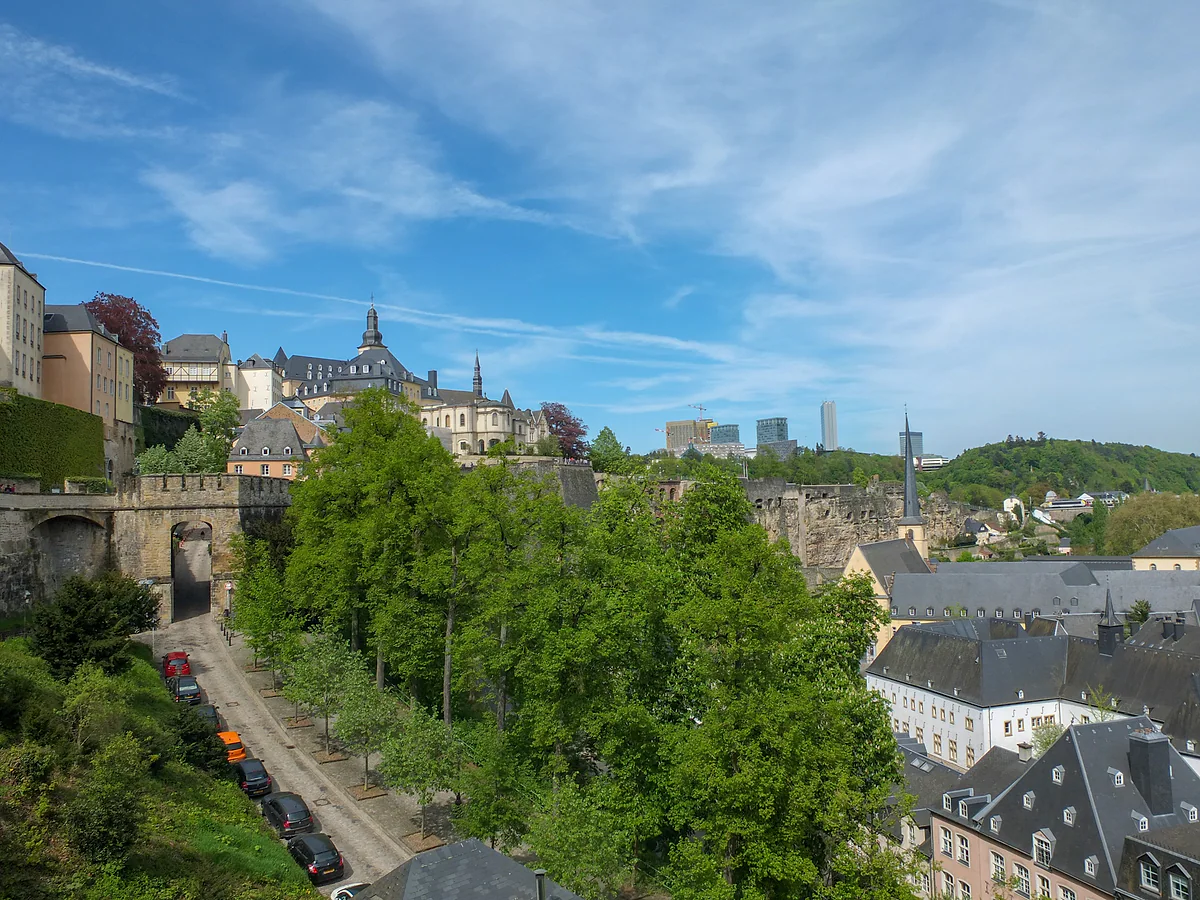
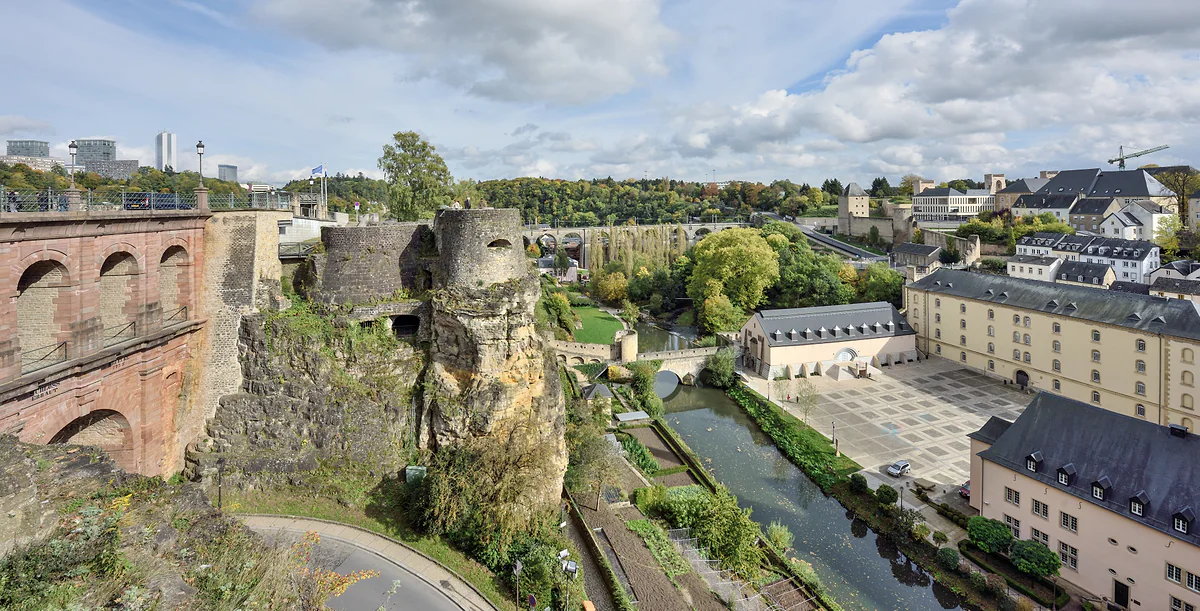
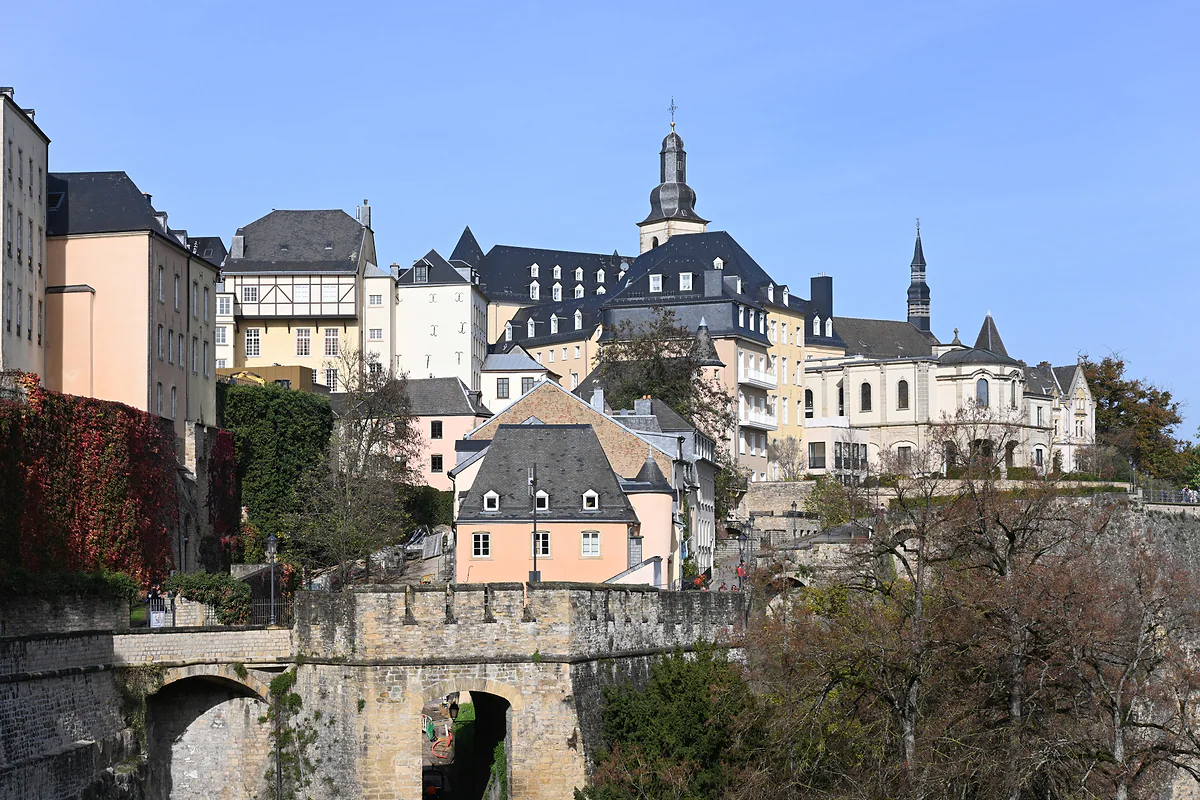
The Ville Haute sits on the rock that the Alzette and the Pétrusse wrap around almost completely. UNESCO describes it as a natural fortification that only needed closing on its western side, and that geography explains the whole district. The streets are narrow because the walls stopped the town spreading outwards, and the World Heritage listing points out that most of the old plan survives, with houses squeezed into a layout set by the needs of defence.
Inside those walls, noble families and the big religious orders built their town houses, known as refuges, to be near the administration. Many are now ministries or museums, though the fronts haven’t changed. The district covers 105.90 hectares and has only 3,509 residents according to the city council, and with so few people living here I’d call it a centre that lives mainly by day.
The squares, in the order I’d do them
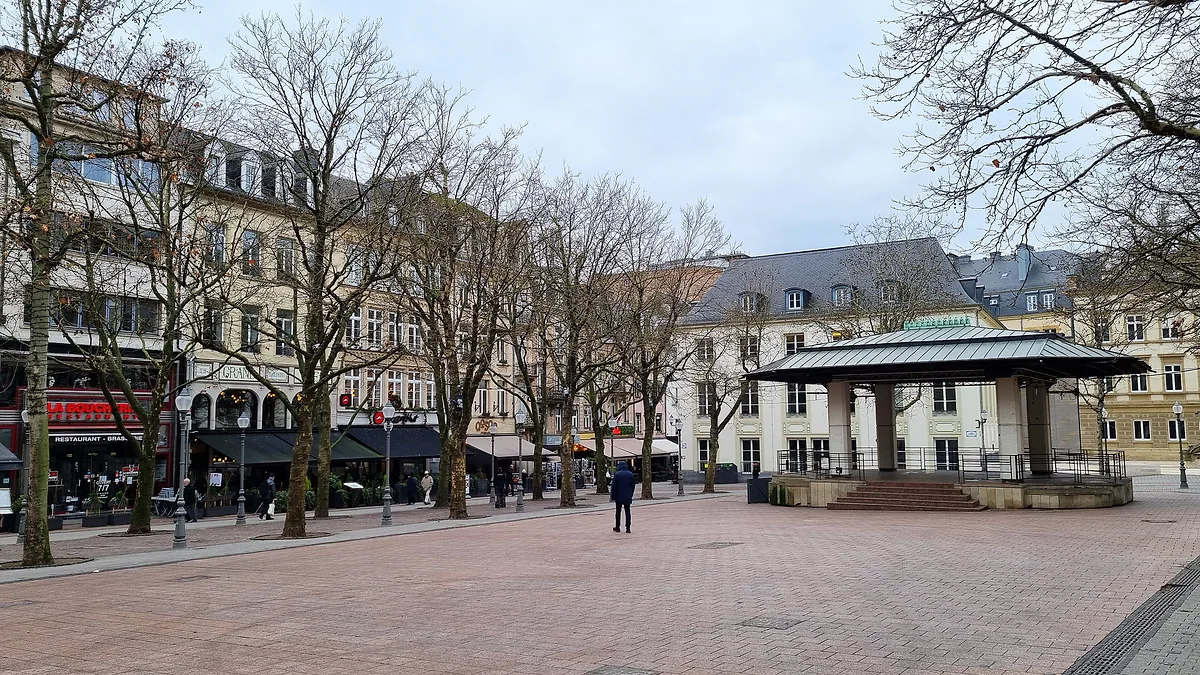
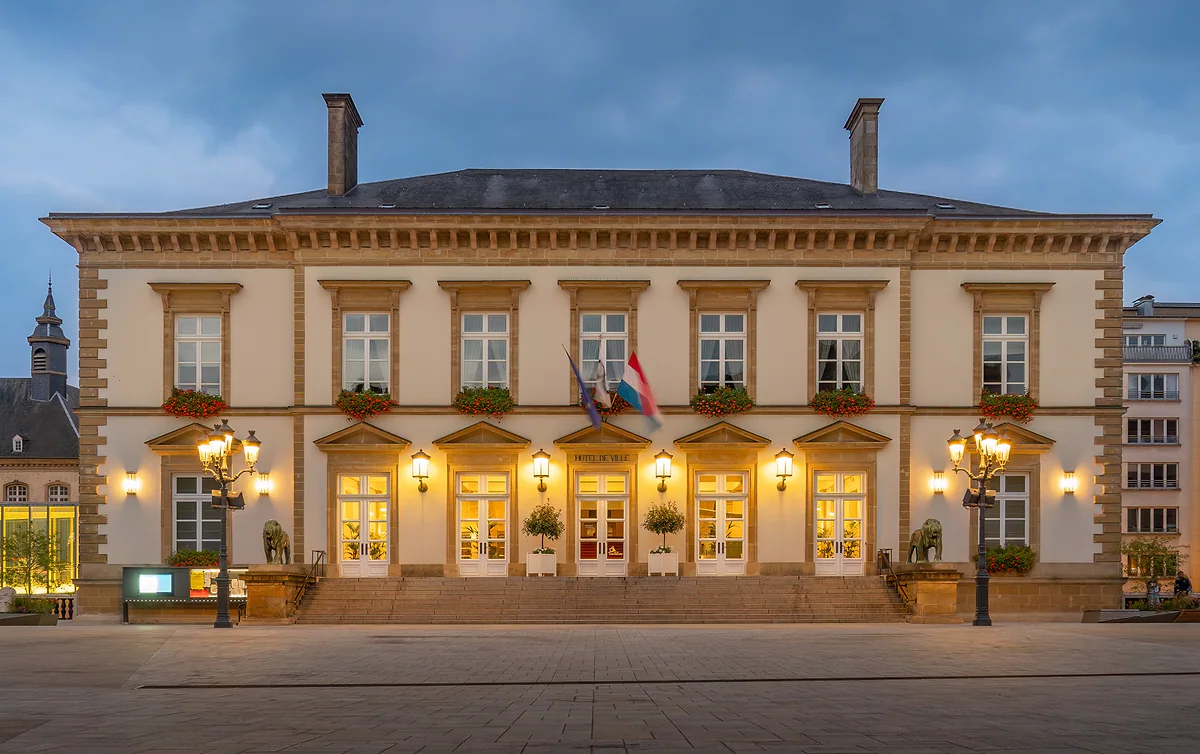
I’d start at Place Guillaume II, which everyone calls the Knuedler. The Hôtel de Ville and the city tourist office stand here, and on Wednesday and Saturday mornings so is the market. Two streets away is Place d’Armes, the «city’s living room», with its bandstand and the Cercle Cité. The third is Place de la Constitution on the southern edge, where the Gëlle Fra looks out over the Pétrusse valley.
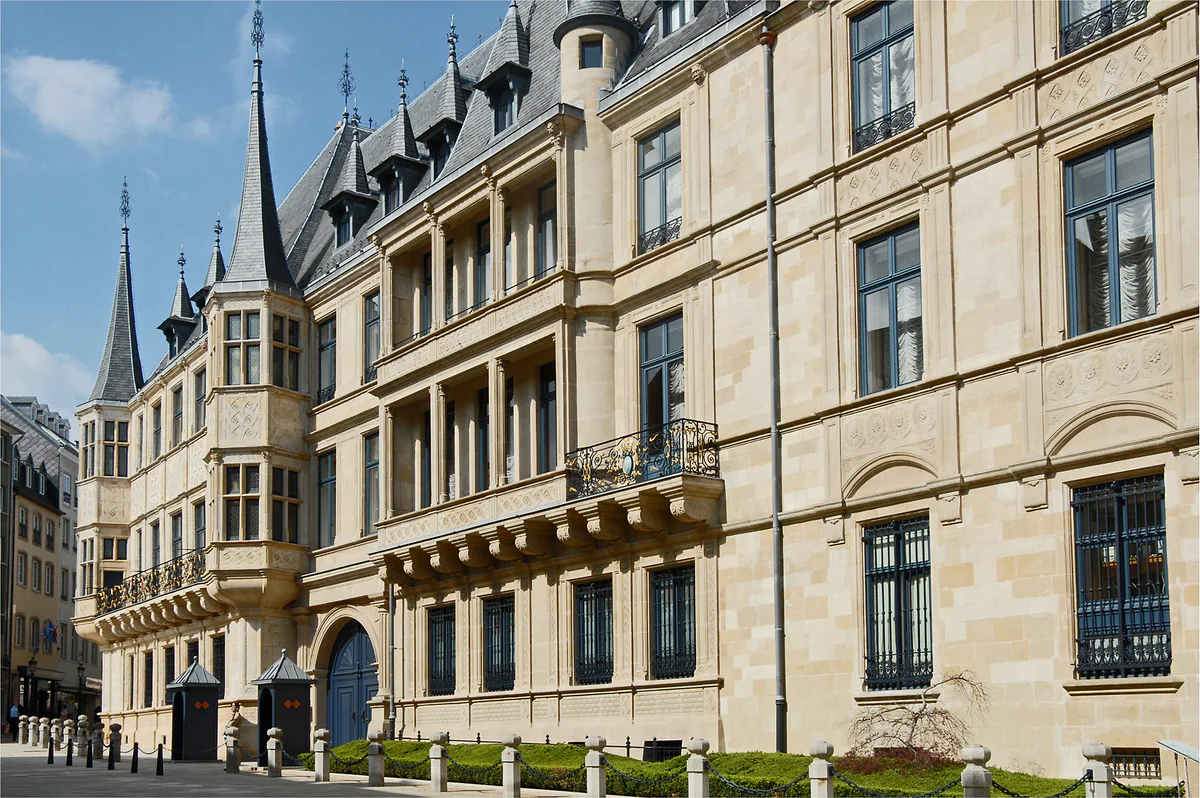
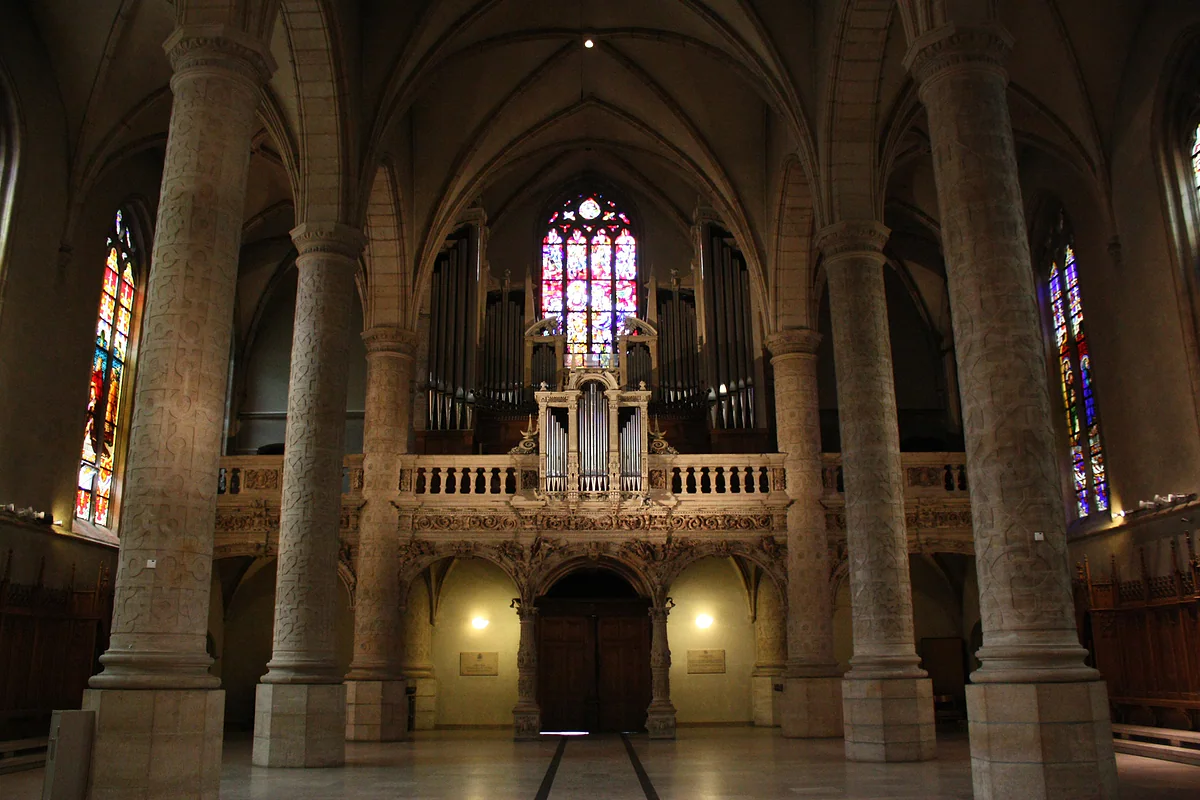
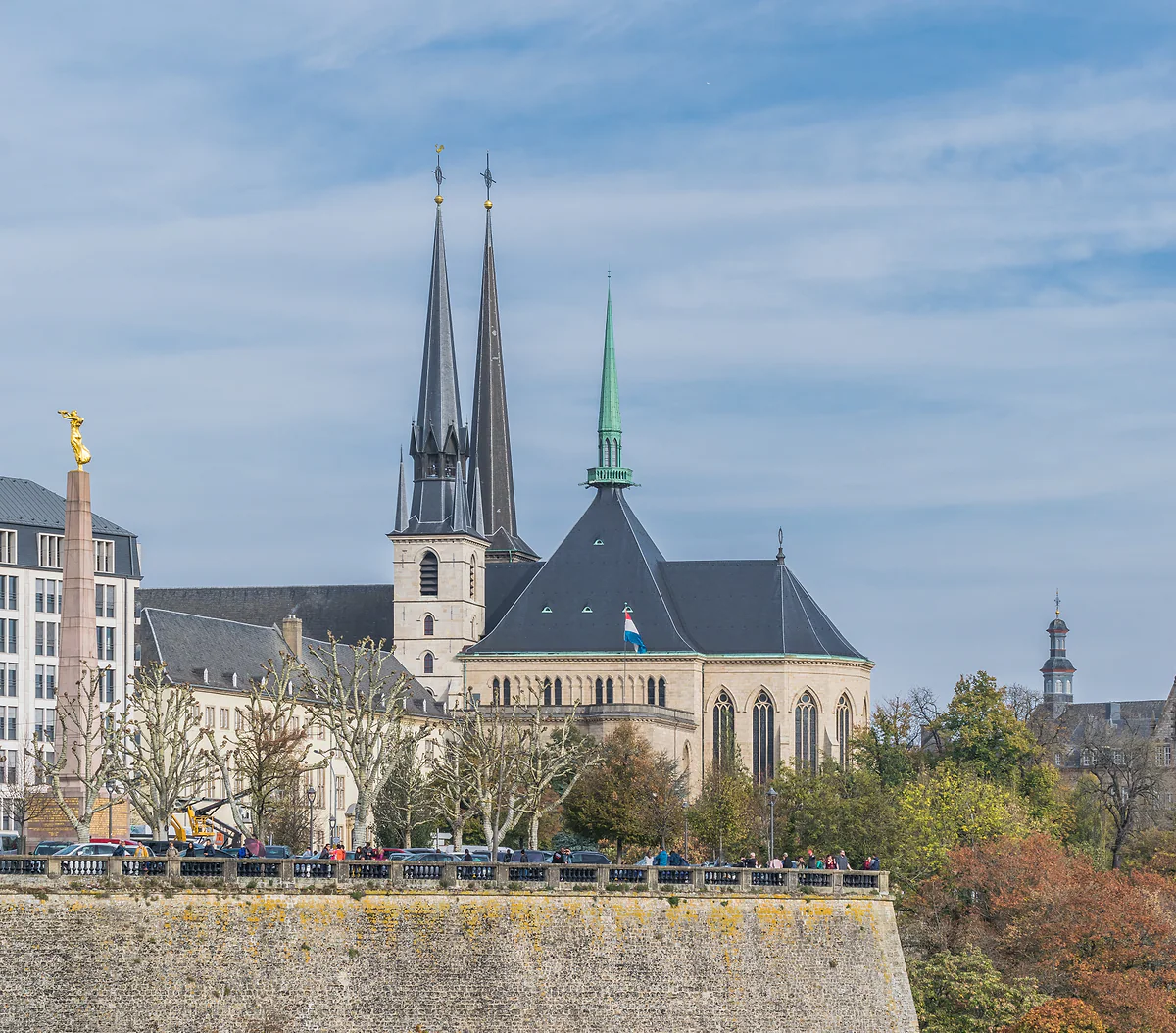
Between the first and the third you pass the Grand Ducal Palace, with its 16th-century front, and Notre-Dame Cathedral, which is free to visit. That’s a good hour, and you’ve seen what appears on the postcards of the centre. Next to the cathedral, Place de Clairefontaine with its statue of Grand Duchess Charlotte is worth a five-minute detour.
With half an hour left, I’d finish at the Marché-aux-Poissons, the Fëschmaart or Fish Market. The tourist office calls it the historic heart of the old town, because it was the crossroads of two Roman roads and the first markets were held here, in front of the Dukes’ castle. It was also known as the cheese market, and the houses around it are of real historical value. Today the Nationalmusée um Fëschmaart, the national museum of history and art, presides over it.
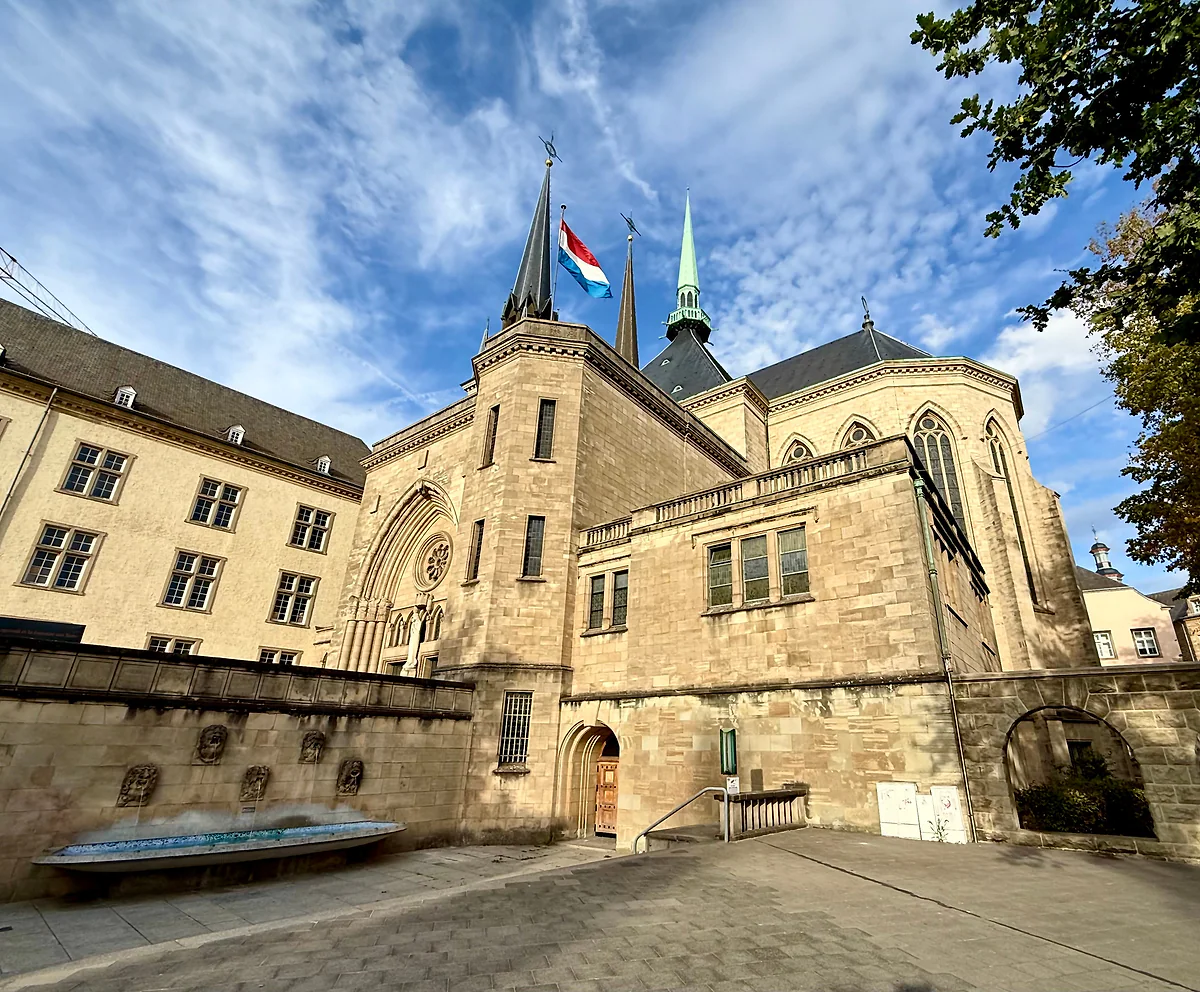
The Ville Haute changes character the moment you reach its walls. On the east, the Chemin de la Corniche runs along 17th-century ramparts with the Grund below. At its northern end is the Bock rock with the casemates, and at the southern end the Holy Spirit plateau, the Saint-Esprit Plateau, where the citadel stood and the law courts of the Cité judiciaire now rise. A lift from that plateau drops you into the Grund.
On the north side, in Pescatore park, is the other lift, the panoramic one, which goes down to the Pfaffenthal. It’s free and runs from 5:45 to 1:00. I like to use it the opposite way to most people, walking down the slopes beside the walls and riding back up. If the slopes aren’t for you, the Luxembourg sightseeing train does the circuit in about 40 minutes.
Museums for a wet afternoon
The district holds a good share of the capital’s museums. The national museum of history and art stands on the old fish market and costs €7, free for anyone under 26. The Lëtzebuerg City Museum on rue du Saint-Esprit tells the city’s story in its exhibition «The Luxembourg Story». Casino Luxembourg, given over to contemporary art, charges nothing. If I could only go into one, I’d pick the city museum, because it puts everything you’ve seen in the streets into order.
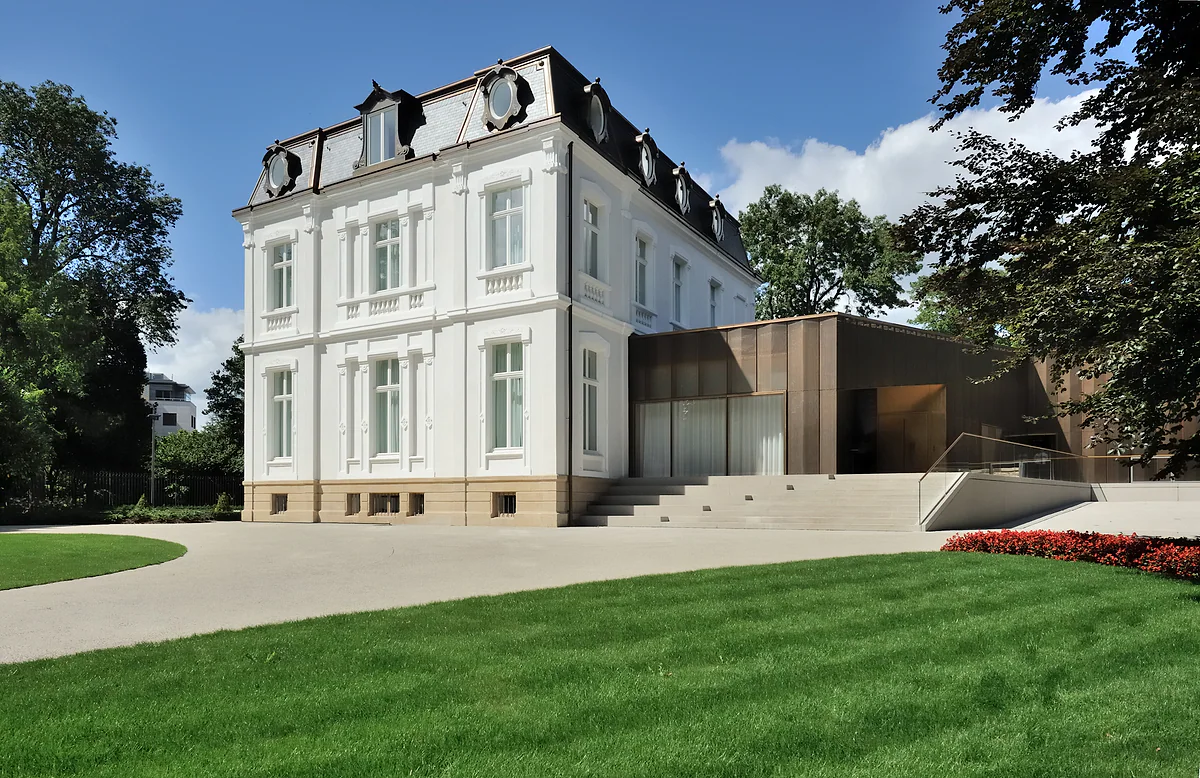
The city council’s own profile of the district also lists the Cinémathèque and Place du Théâtre, two stops most visitors walk straight past. And on the western side, the municipal park laid out by Édouard André from 1878 on land freed by the fortress gives you around 30 hectares of green right beside the shopping streets.
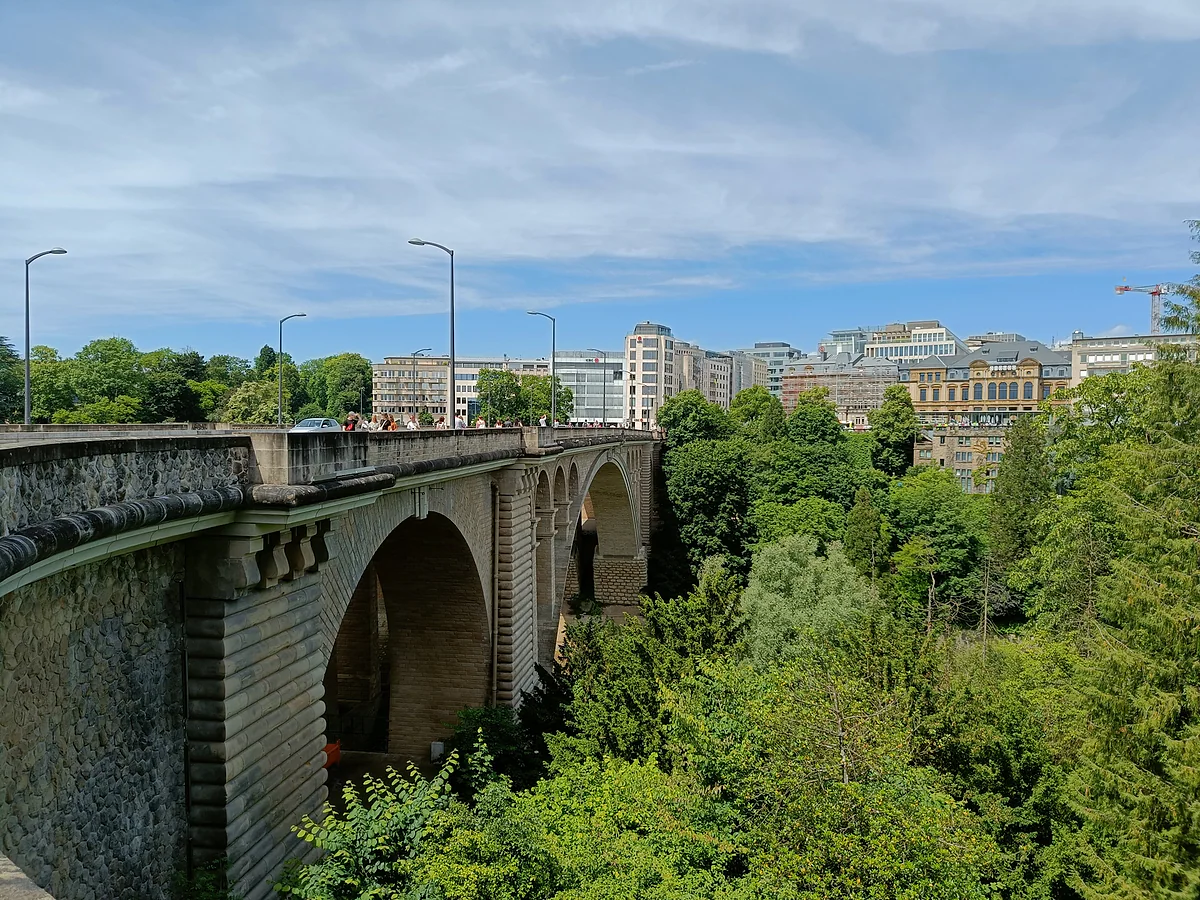
On the west, at the municipal park and avenue Émile Reuter, home of the Villa Vauban. On the south, at the Pétrusse valley, crossed by the Adolphe Bridge towards the station district. On the east and north, at the walls that drop to the Grund, Clausen and the Pfaffenthal. According to visitluxembourg, the Pfaffenthal and the Grund together form the oldest quarter of the city, and with the Ville Haute they make up what visitors call the old town. If you’re giving the capital a full day, see how I fit it together on my page about Luxembourg City.
One last practical point for a British visitor. The upper town sits inside the Schengen area, so there are no border checks once you’re here, but as a UK passport holder you’ll have been registered in the EES biometric system when you first entered the area.
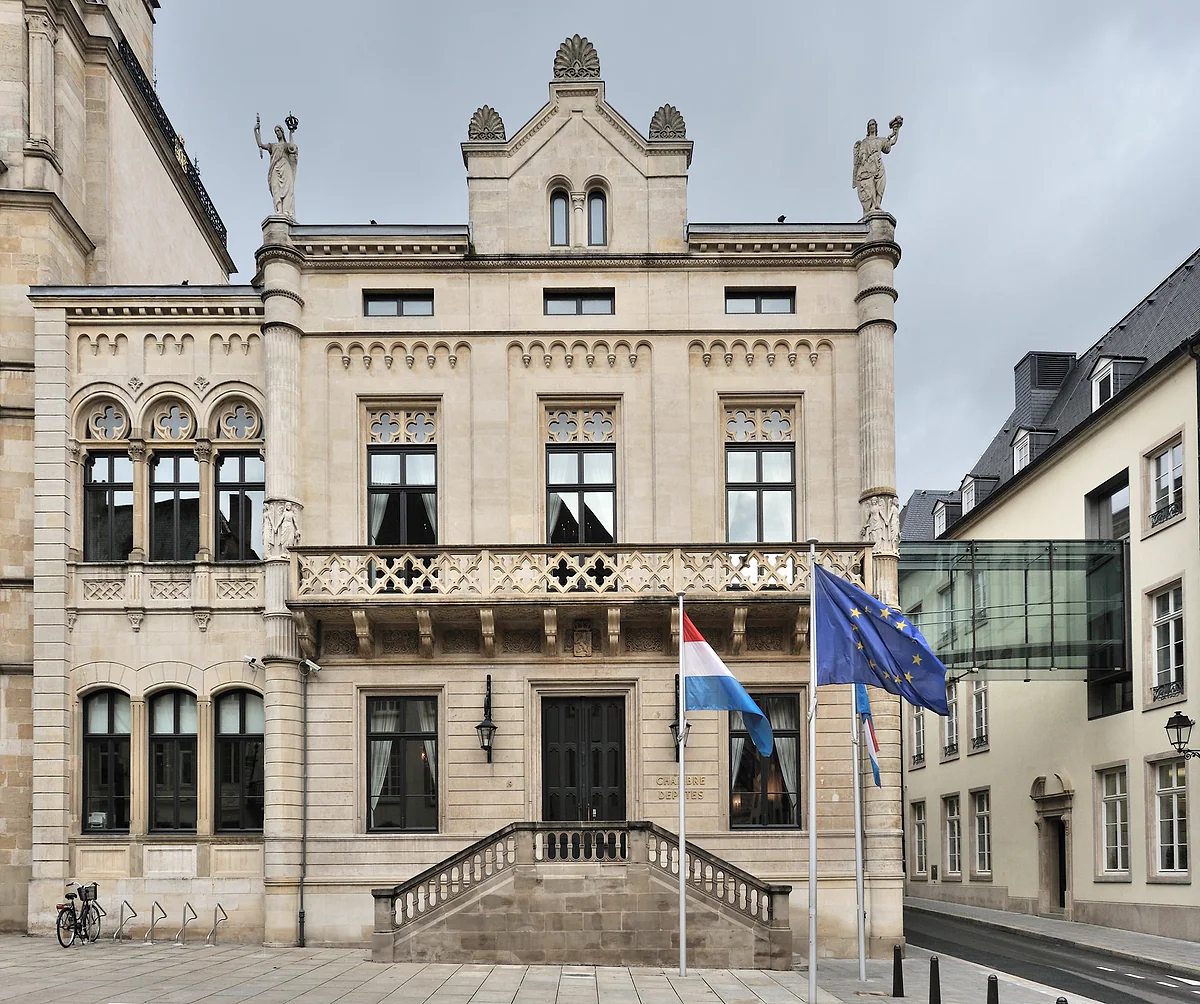
The Hôtel de la Chambre des Députés, seat of Luxembourg's Parliament, with a neo-Renaissance façade and flags
Place d'Armes in Luxembourg with its bandstand, café terraces and trees lining the square in winter
Luxembourg City Hall at dusk, with its neoclassical façade lit up and lamp posts on Place Guillaume II
Museums in the old town (as of September 2026)
Museum
Entry
Free
Where
Nationalmusée um Fëschmaart (MNHA)
€7
Under-26s; Thursdays 17:30-20:00
Marché-aux-Poissons
Lëtzebuerg City Museum
€5 (€3 concession)
Under-21s; Thursdays 18:00-20:00
14 rue du Saint-Esprit
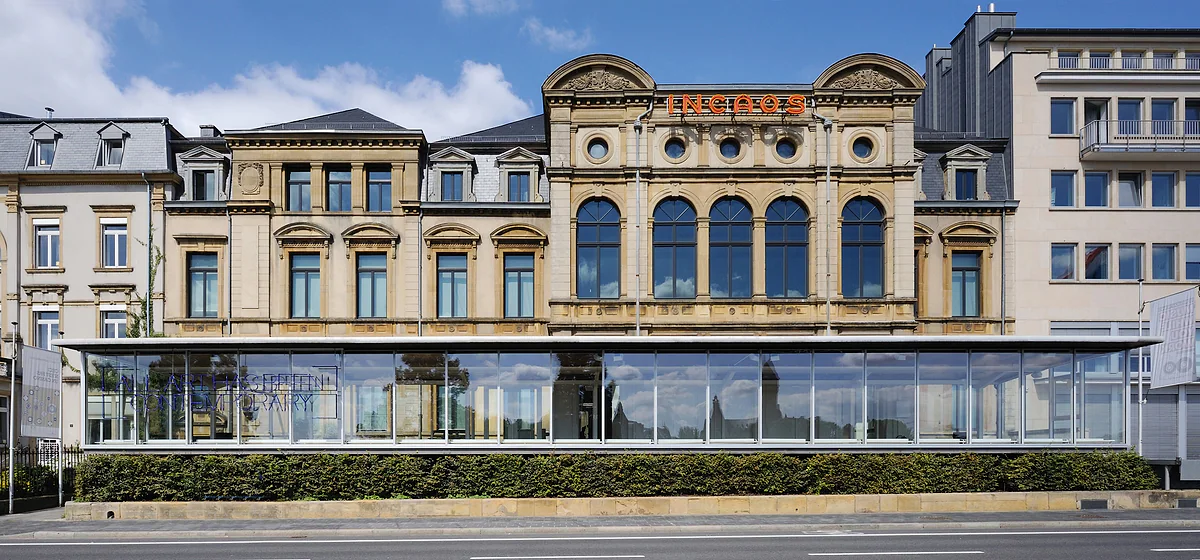
Casino Luxembourg, contemporary art
Free
Always
41 rue Notre-Dame
Villa Vauban, art museum
No published price
Not stated
18 avenue Émile Reuter
nationalmusee.lu, visitluxembourg and the Luxembourg City Tourist Office, checked on 29-09-2026. The city office says Casino Luxembourg shuts on Tuesdays; visitluxembourg lists it as open that day.
Test yourself
True or false?
0/3Pick before you peek.
The Ville Haute is the most populous district of Luxembourg City.
See the answer
False. It had 3,509 residents on 31 December 2023. Bonnevoie-Sud, with 13,345, was the biggest of the 24 districts.
Place d'Armes stands roughly 300 metres above sea level.
See the answer
True. The city council gives 304 m for the city centre at Place d'Armes. The capital's lowest point, in Beggen, is at 232 m.
UNESCO notes that the old town's street plan was shaped by defence.
See the answer
True. The listing explains that most of the plan survives and that houses had to fit a layout imposed by the demands of defence and war.
Residents on 31-12-2023
3,509
Area of the district
105.90 ha
Altitude at Place d'Armes
304 m
Year Place d'Armes was completed
1671
Map
Where Ville Haute is
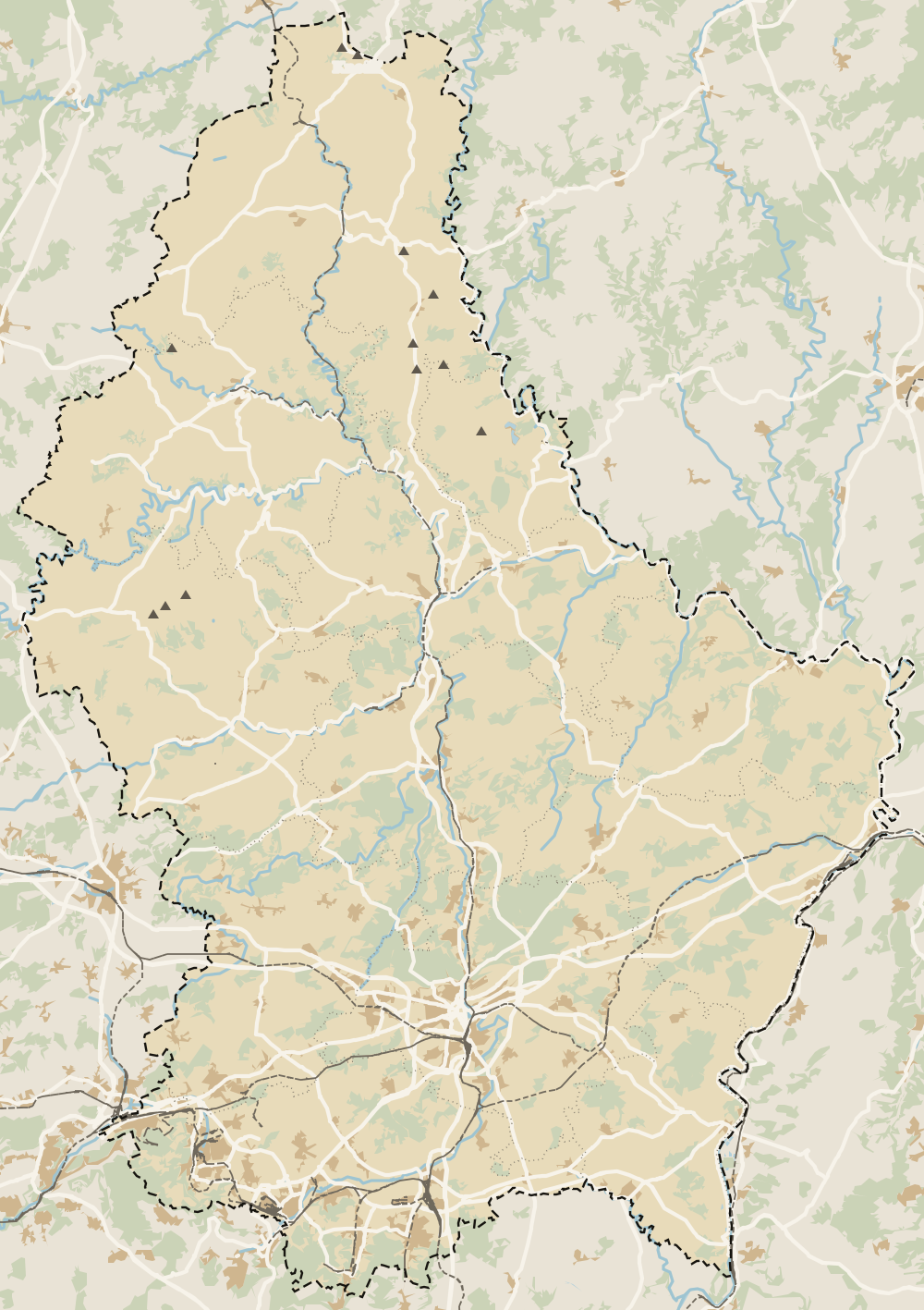
The thick dashed line is the border with Belgium, France and Germany, and the fine ones divide the twelve cantons. The Éislek lies to the north and the Moselle to the east. Every number opens its guide.
It's the upper town and old centre of the capital, on the plateau almost ringed by the Alzette and Pétrusse valleys. It's one of the city's 24 official districts and lies within the area UNESCO listed in 1994.
Where is the old town in Luxembourg City?
On the plateau in the middle of the city, around Place Guillaume II, Place d'Armes and Place de la Constitution. The riverside quarters of the Grund, Clausen and the Pfaffenthal complete the historic core below it.
How long do you need for Luxembourg's old town?
A morning covers the squares, the palace from outside, the cathedral and the Corniche. Add a museum or the guided casemates tour and you'll want the whole day.
What's the difference between the Ville Haute and the Grund?
The Ville Haute is the town on top, with the squares and institutions. The Grund is the river quarter at the foot of the walls. You go between them on foot by steps and slopes, or by the lift from the Holy Spirit plateau.
Is Luxembourg's old town pedestrianised?
Much of it. The city tourist office counts Place d'Armes within the pedestrian zone, and the shopping streets around it are traffic-free too.
Tourism graduate with a master’s in Tourism Management and Planning from the University of Málaga, who has travelled across Europe. He writes every guide from official sources and his own judgement.

 1Ville Haute 2Luxembourg City 3Grund 4Pfaffenthal 5Clausen 6Kirchberg 7Gare 8Hamm 9Luxembourg fortress 10Limpertsberg 11Pulvermühl 12Bonnevoie 13Hollerich 14Gasperich 15Belair 16Merl 17Cents 18Neudorf 19Weimerskirch 20Beggen 21Eich 22Dommeldange 23Mühlenbach 24Pétrusse Valley 25Rollingergrund 26Cessange 27Rham Plateau 28Tram and Bus Museum