Where to stay in Luxembourg, from the old town to the Ardennes
Luxembourg had 182 hotels and similar establishments in 2025, according to the national statistics office STATEC, and 57 of them were in Luxembourg City. For a short break, stay in the capital; for castles and forest, Vianden or Clervaux; for sandstone gorges, Echternach or Berdorf; for wine, the Moselle. Public transport is free nationwide, so staying out of town costs you nothing extra.
In 30 seconds
Full read: 3 min
STATEC counted 182 hotels in Luxembourg in 2025; 57 were in the capital.
For a first visit, stay in Luxembourg City centre; for the north, Vianden or Clervaux.
The Mullerthal and the Ardennes have far more camping places than hotel beds.
Buses, trams and second-class trains are free nationwide since 1 March 2020.
I'd spend the first two nights in the capital and then move once, to Vianden, Clervaux or the Mullerthal. The country is so small that it's tempting never to change hotel, but waking up in Vianden or Berdorf gives you the morning before the coach parties arrive, and that's when those places are at their best.
Sergio LeponeMy advice
Before you go
What I would keep in mind
01 Getting there
Buses, trams and trains are free
Since 1 March 2020, second-class trains, trams and buses cost nothing within Luxembourg, visitors included. Only first class and cross-border legs are charged, so a hotel outside the centre adds minutes, not fares.
The city's charges regulation sets a 3% tax on the room price before VAT, collected by the hotel. The version I've read dates from 2021, so treat it as a guide when you compare prices.
Vianden and Clervaux had seven hotel establishments each in 2025, according to STATEC. Not many, but they leave you the castle and the valley once the day-trippers have gone.
In 2025 the Mullerthal region had 19 campsites with 12,477 bed places against 20 hotels with 893. With a tent or a motorhome, that's where you'll find most choice.
My scores measure how well each area works for a four or five-day trip (what's on foot, rail or bus links, peace and quiet and the accommodation STATEC counts there). It's my opinion, not an official ranking.
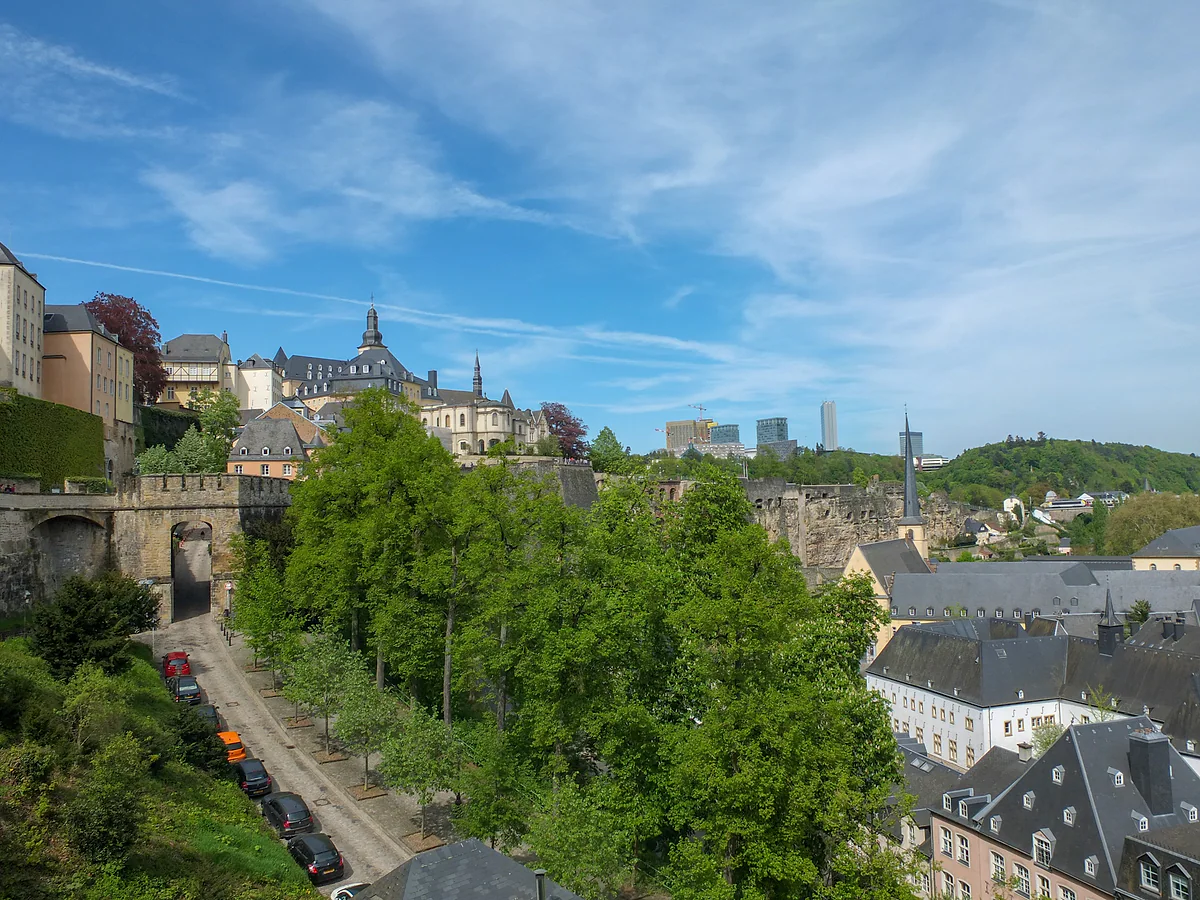
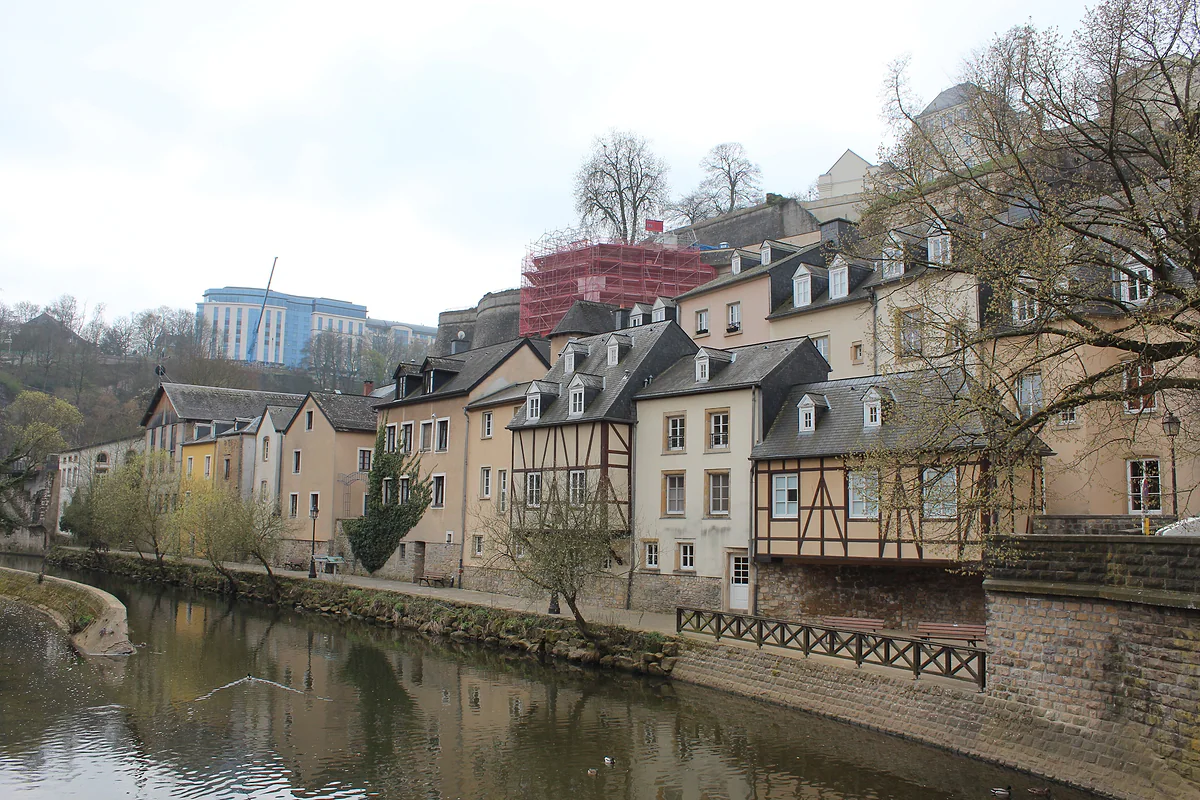
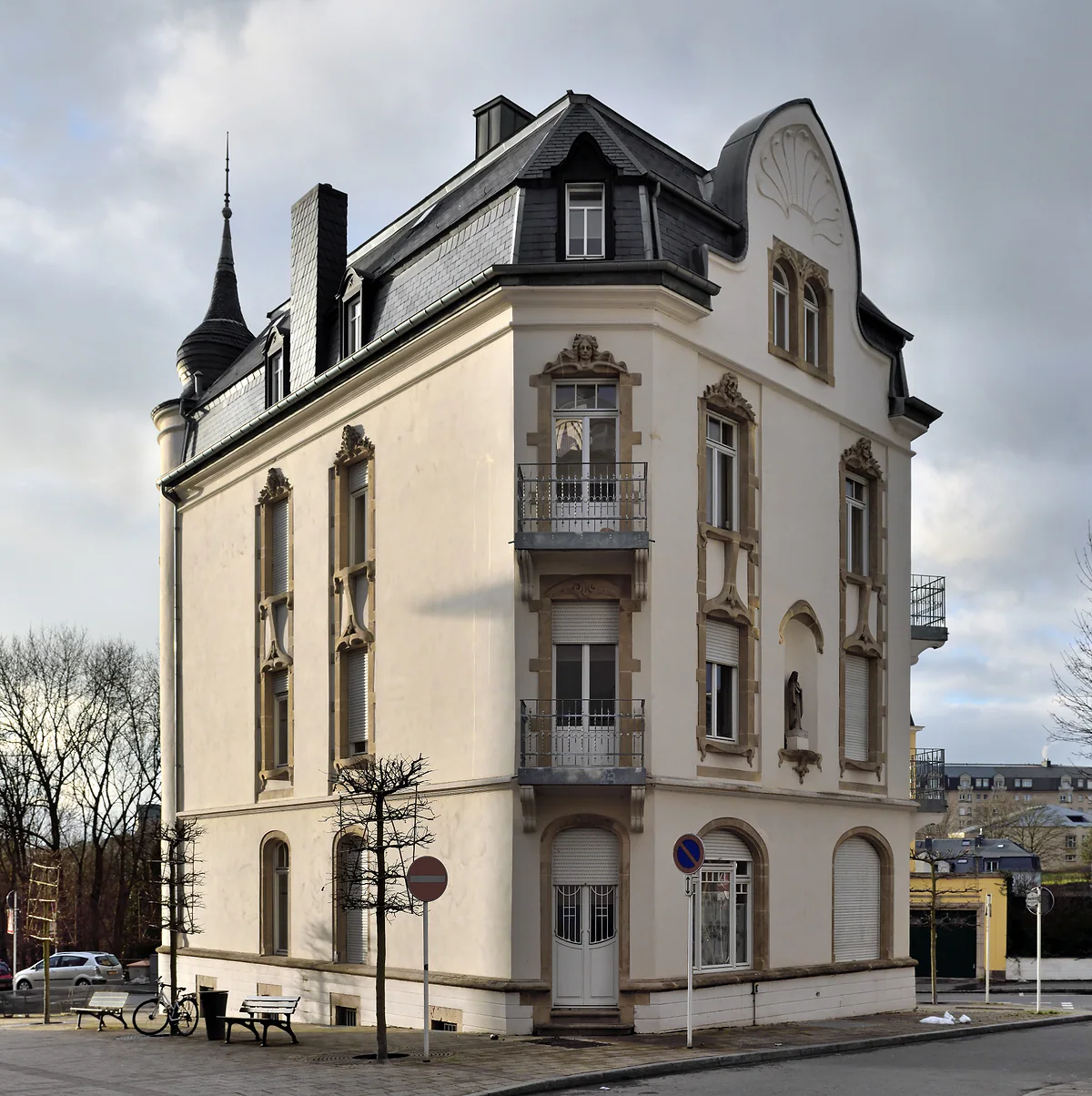
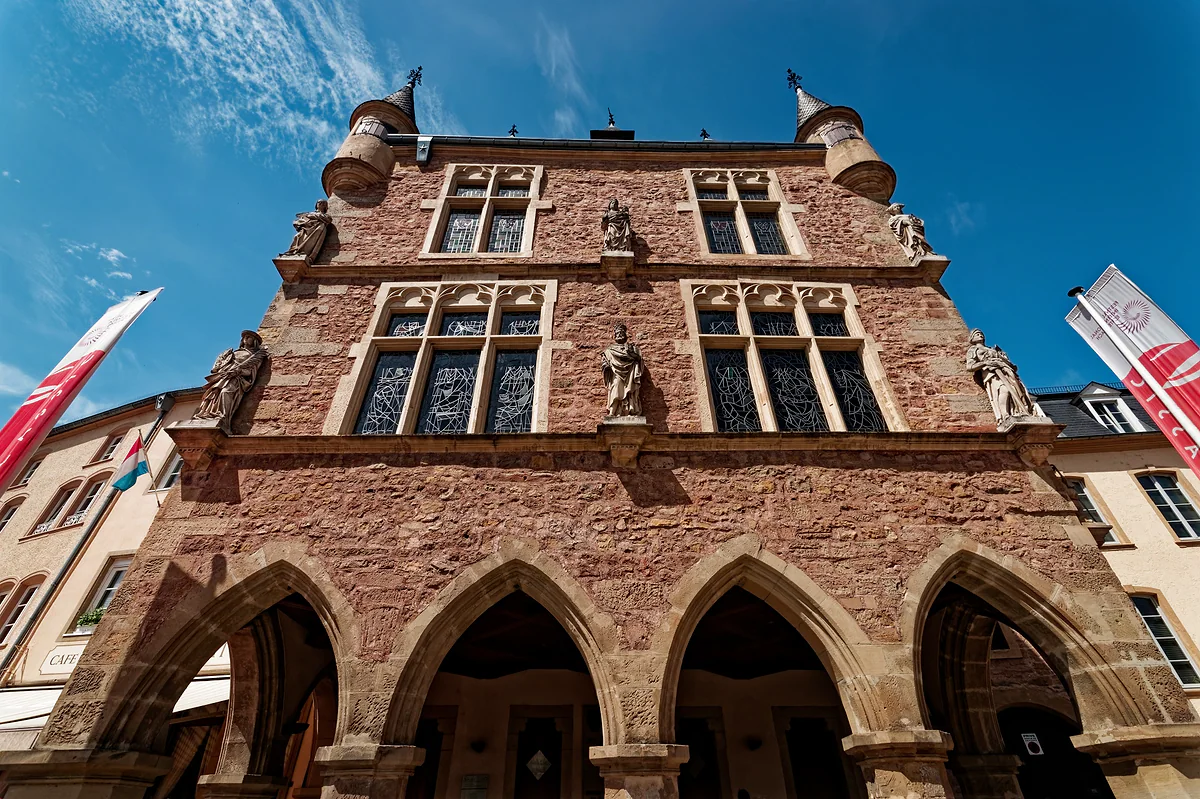
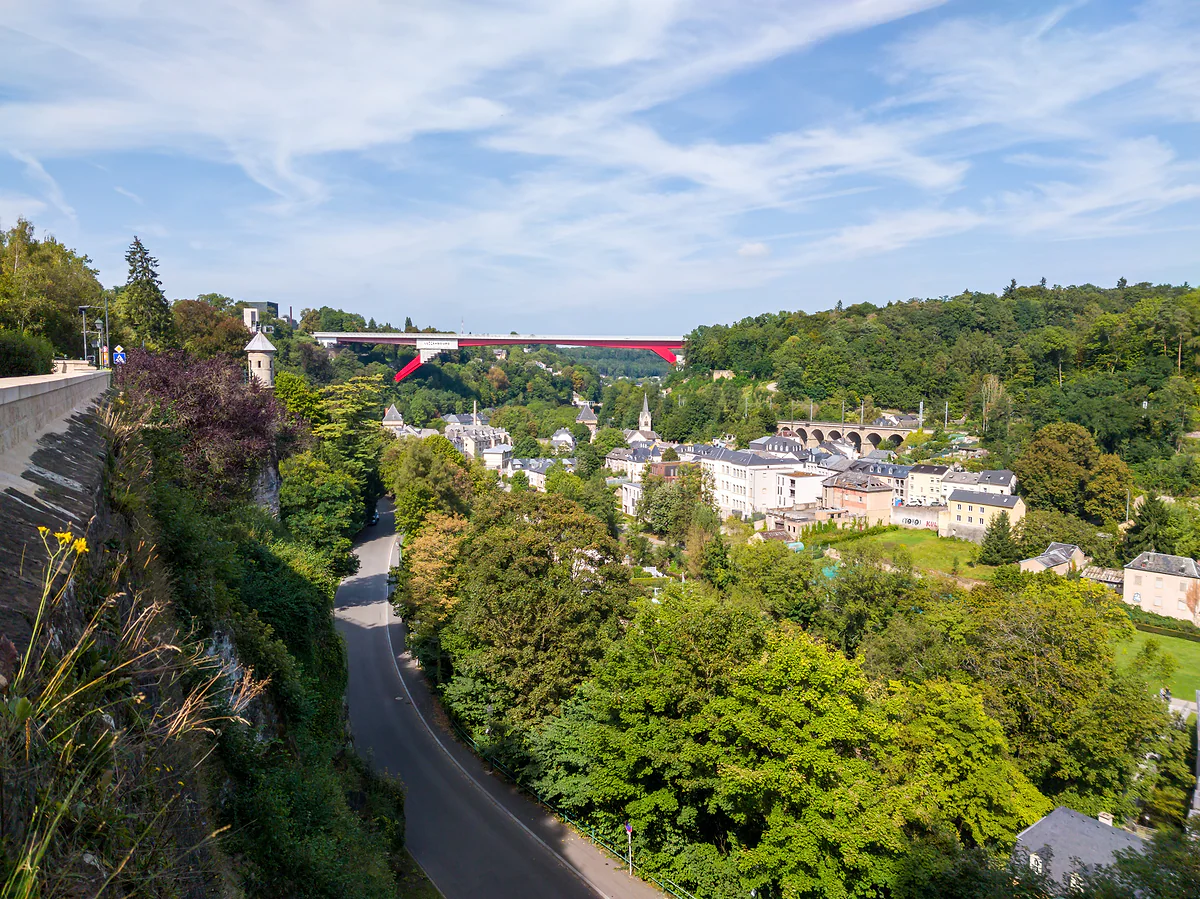
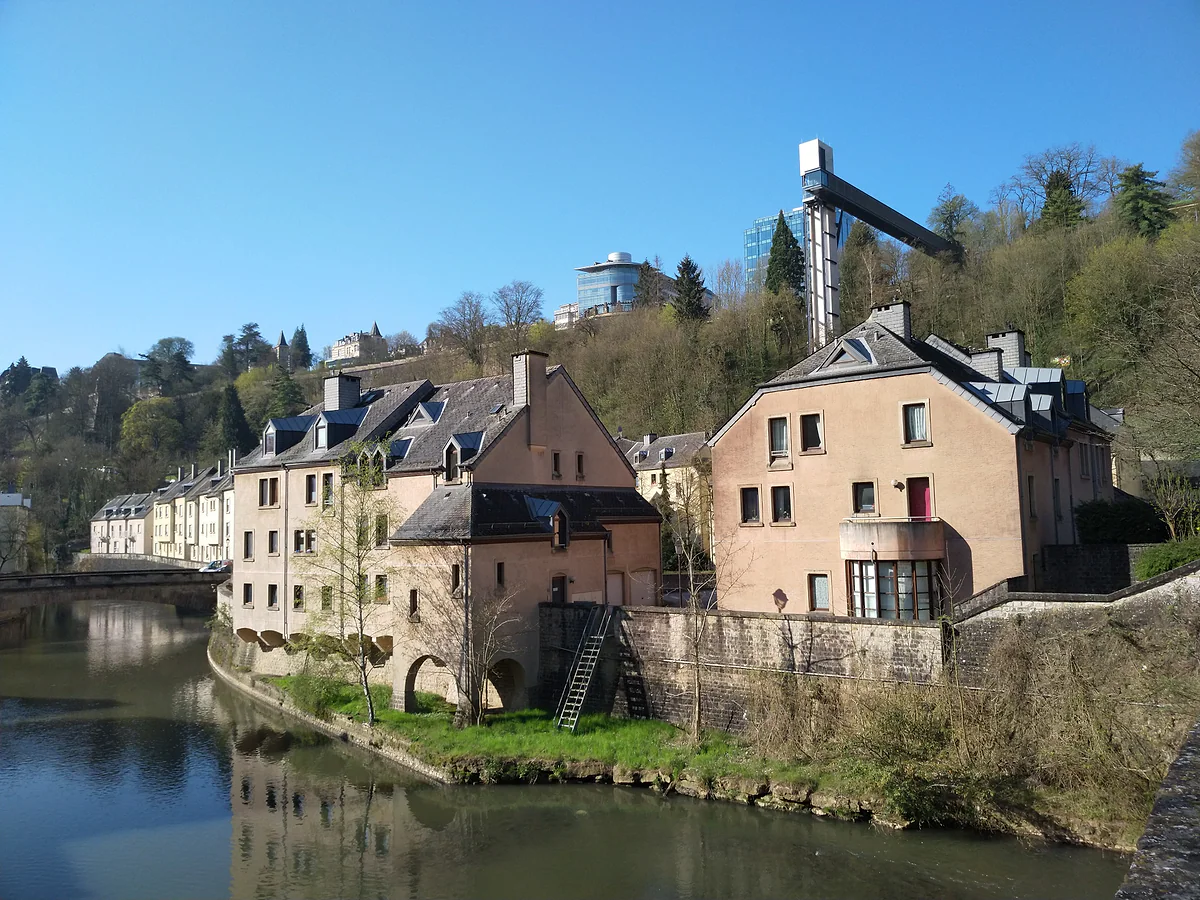
The Ville Haute and the Grund put the fortress, museums and casemates within walking distance, with the tram at Hamilius. The easiest base for a first visit.
Trains, trams and the airport buses on the doorstep. Handy for late arrivals and early departures, though it's also the area both the FCDO and Spain's foreign ministry flag for pickpockets.
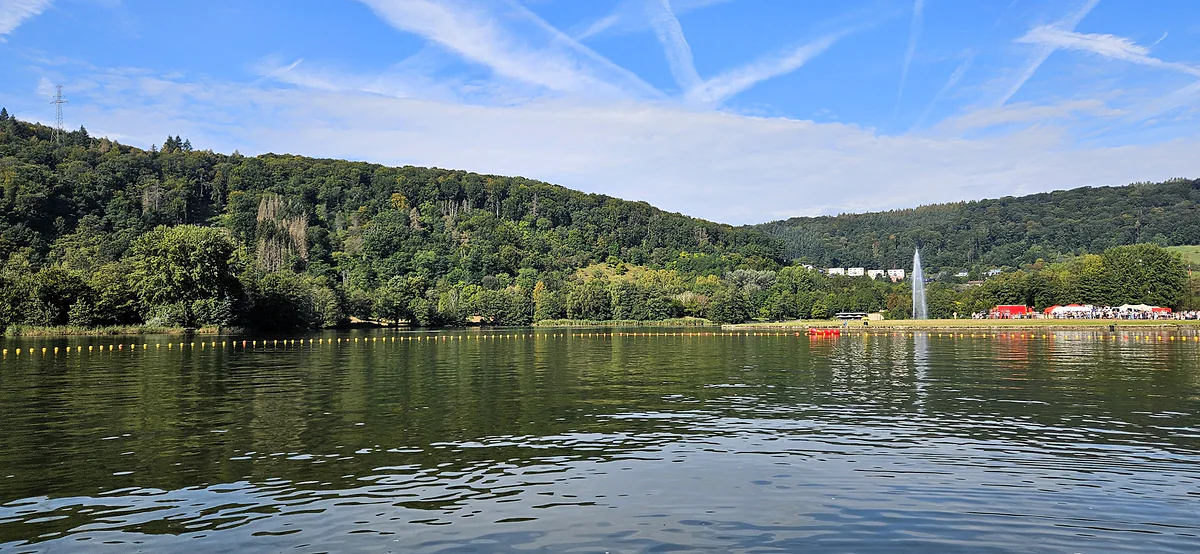
Vineyards, a riverside promenade and wine cellars. Hotel guests stay longest here, 2.38 nights on average, which tells you what people come for.
7.6 out of 10
You can drive across Luxembourg before lunch, and that’s exactly what trips people up. Plenty of visitors book four nights in the capital and do everything else as day trips. It works, but you miss the best of the country, which happens after the coaches have left. I won’t recommend individual hotels here, because there’s no official star list I can check them against. What I can give you is areas, with the figures STATEC publishes, and each area has its own page.
How much there is, and where
The statistics office counted 182 hotels and similar establishments nationwide in 2025, with 16,880 bed places, plus 64 campsites. Luxembourg City had 57 of those hotels and 7,806 bed places, close to half of all hotel capacity. The rest are scattered across small towns, often one or two per commune.
That has a practical consequence. Outside the capital supply is thin, and in the popular spots, Vianden or Echternach, you need to book further ahead than in the city. Unlike most destinations, it’s the villages that fill up first, not the capital.
Capital or countryside? How I’d split it
For a first trip of four or five nights, I’d do two bases. The first nights in the centre, with the fortress, the palace and the museums on foot, all covered in hotels in Luxembourg City centre. Then one or two nights in the north or the Mullerthal.
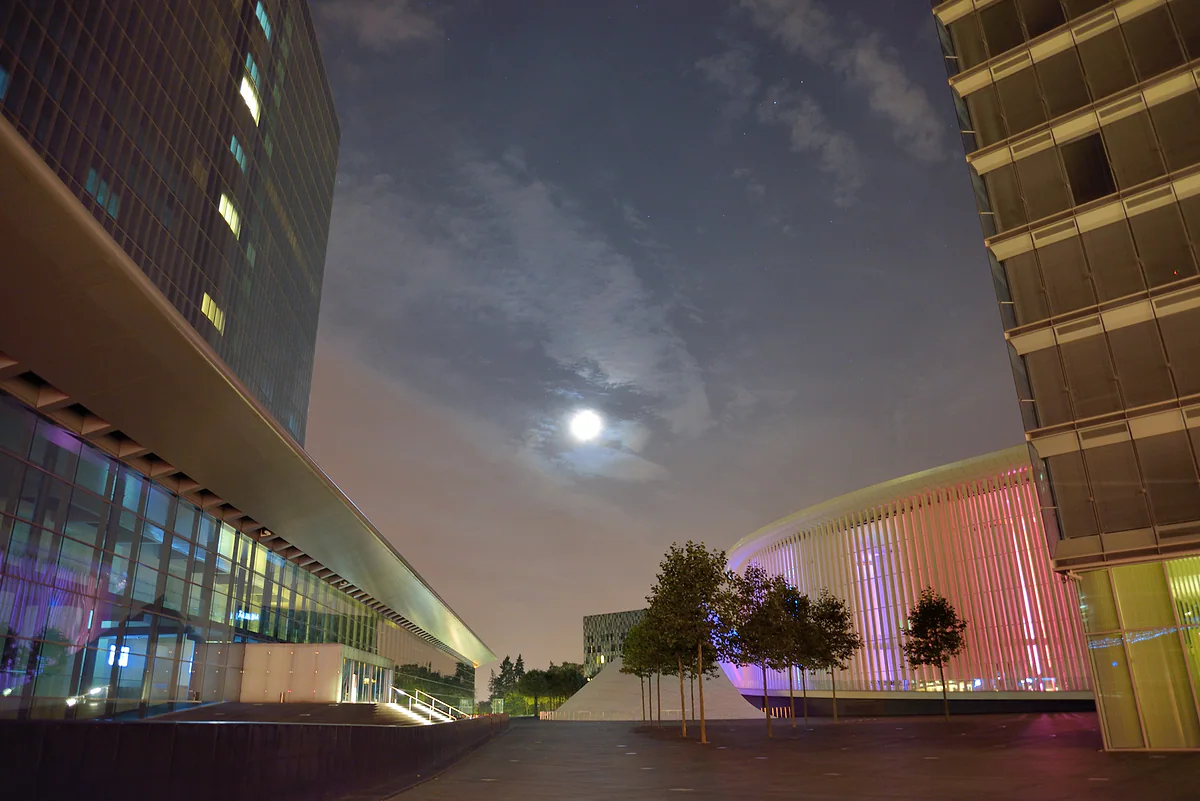
Arriving by train, or flying out at dawn, the station district or the airport itself can make sense, and both have their own guide. Kirchberg is a different proposition, suited to anyone here for the EU institutions or a concert at the Philharmonie.
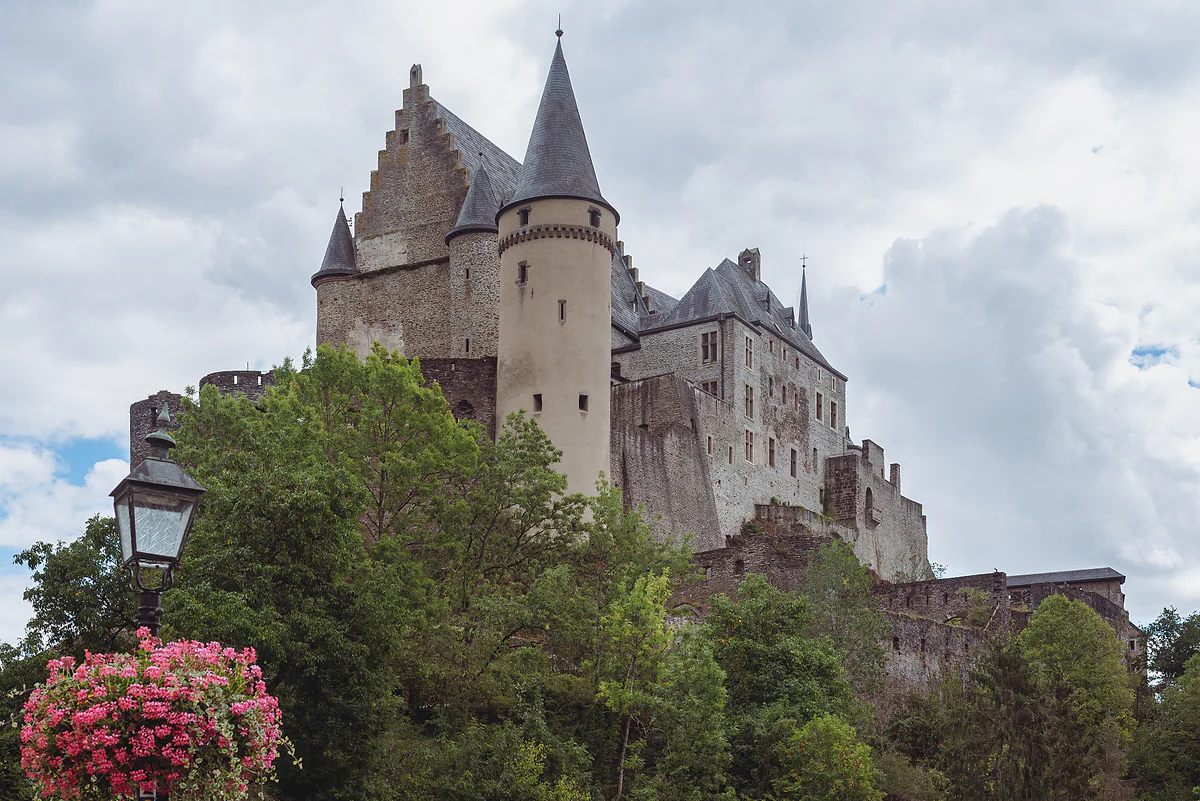
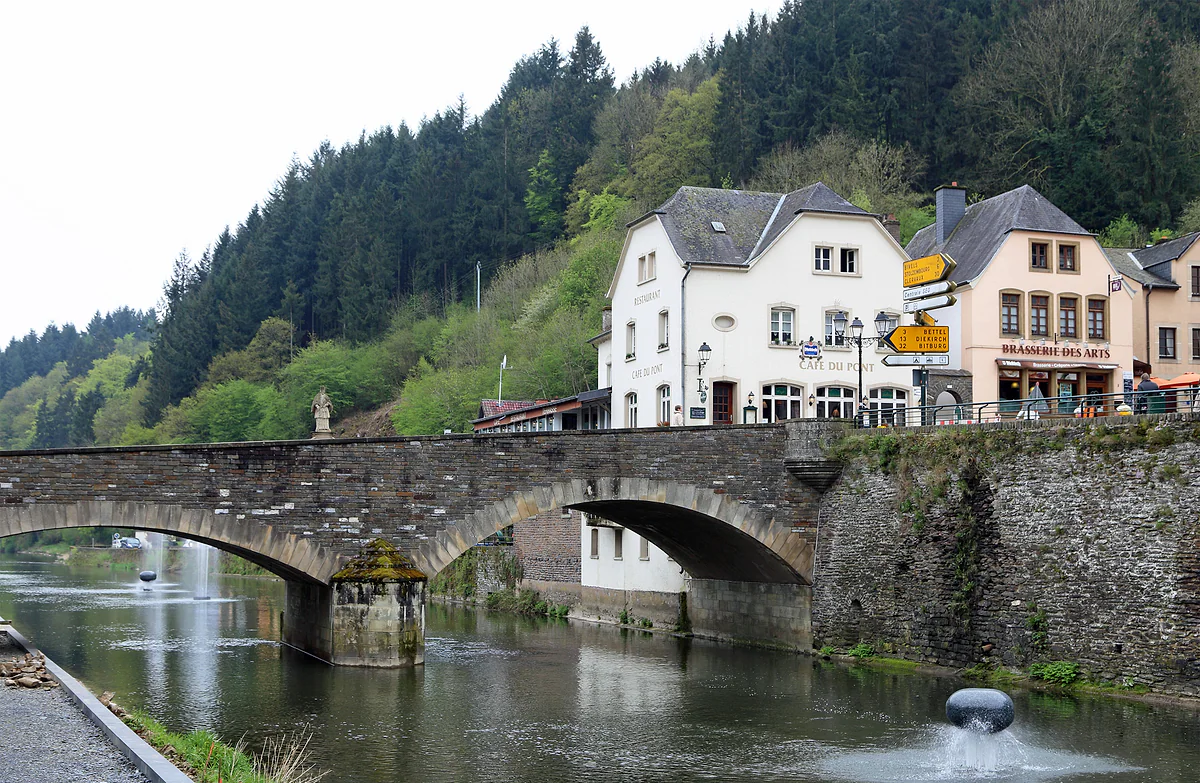
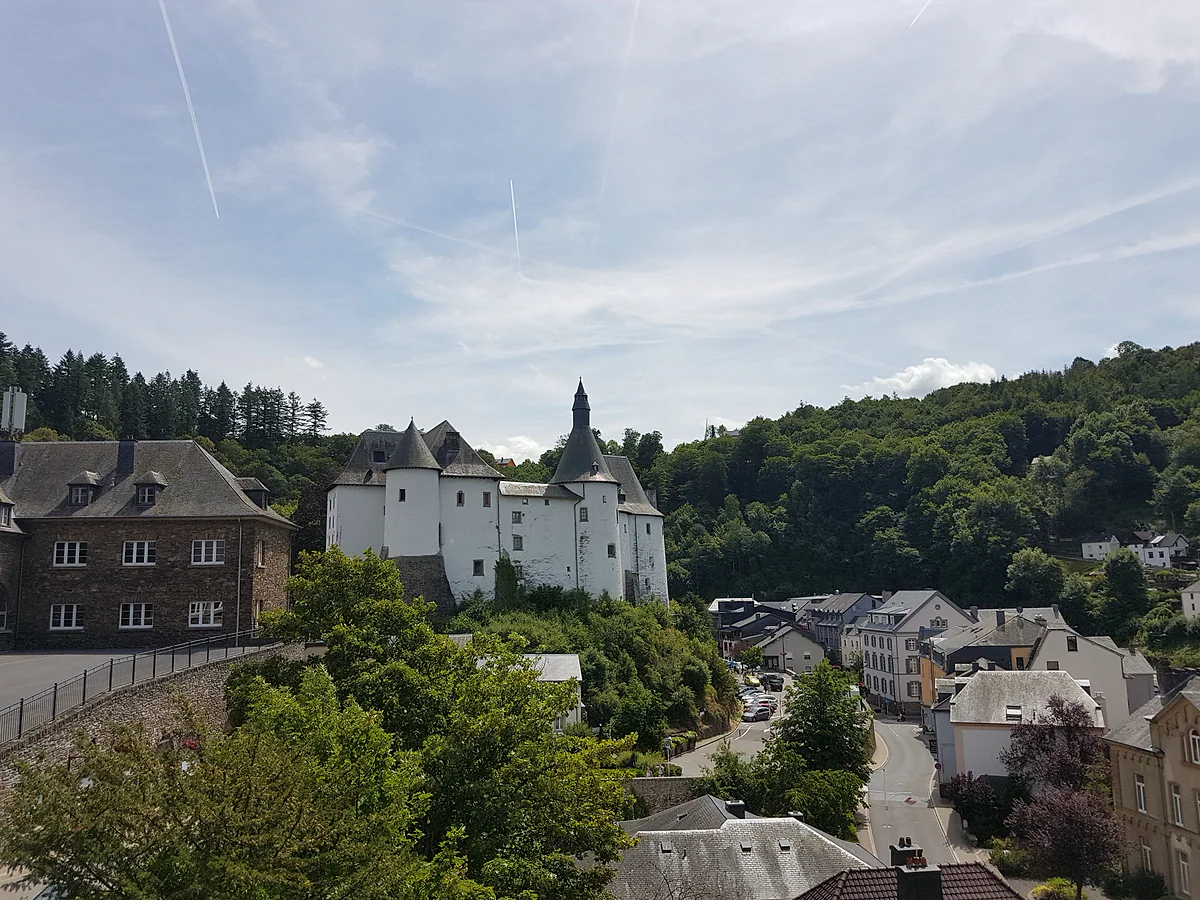
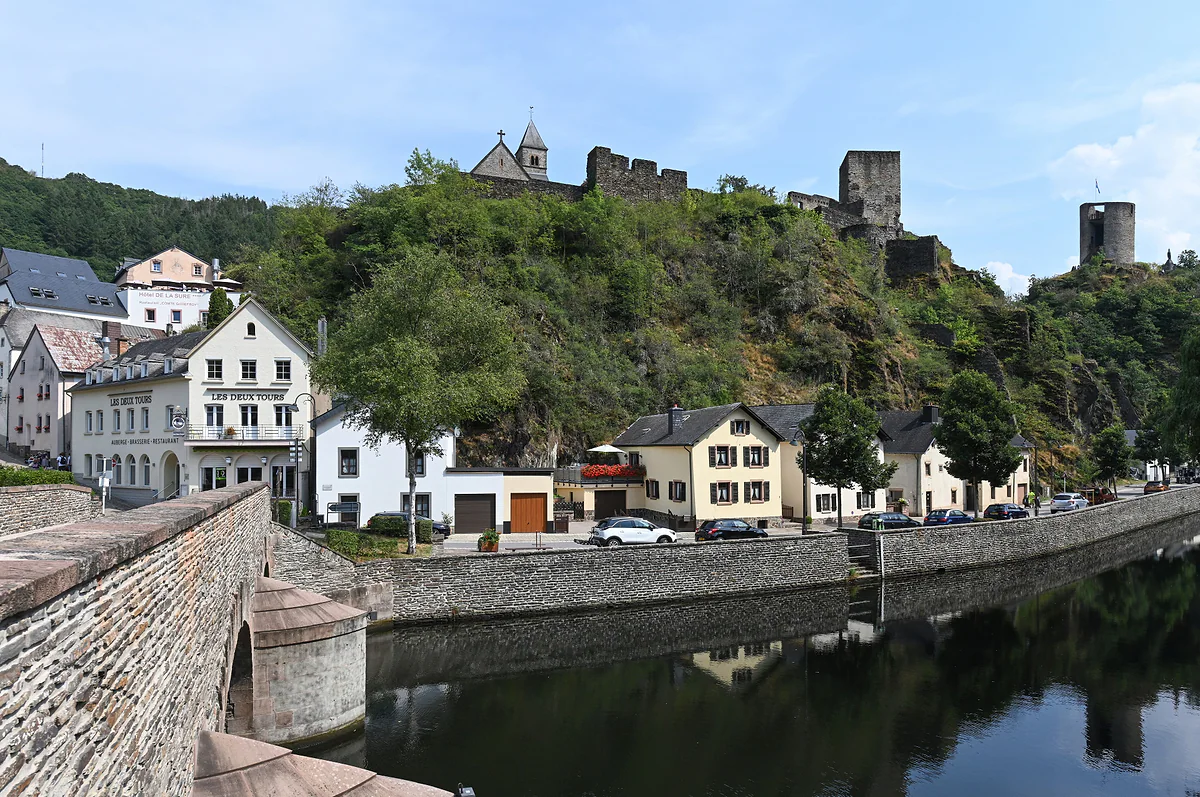
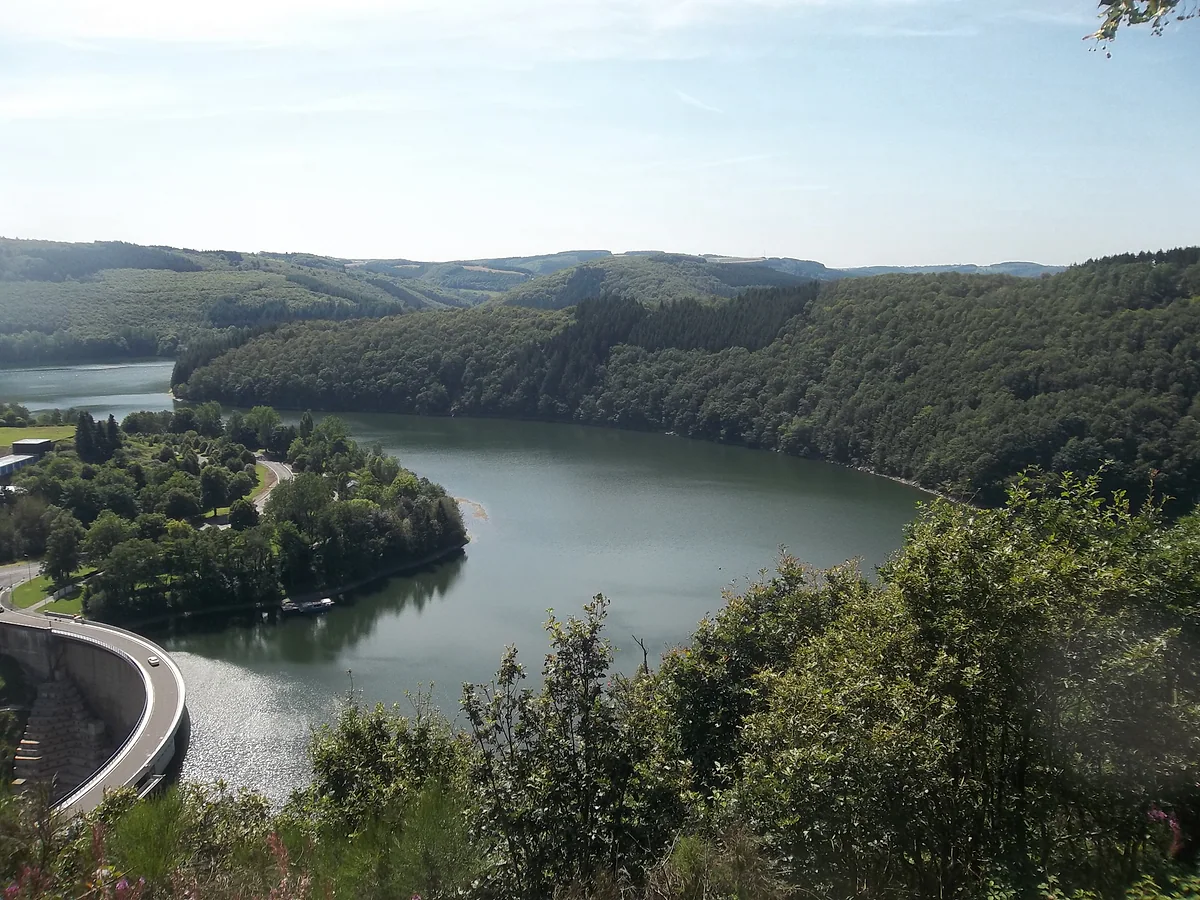
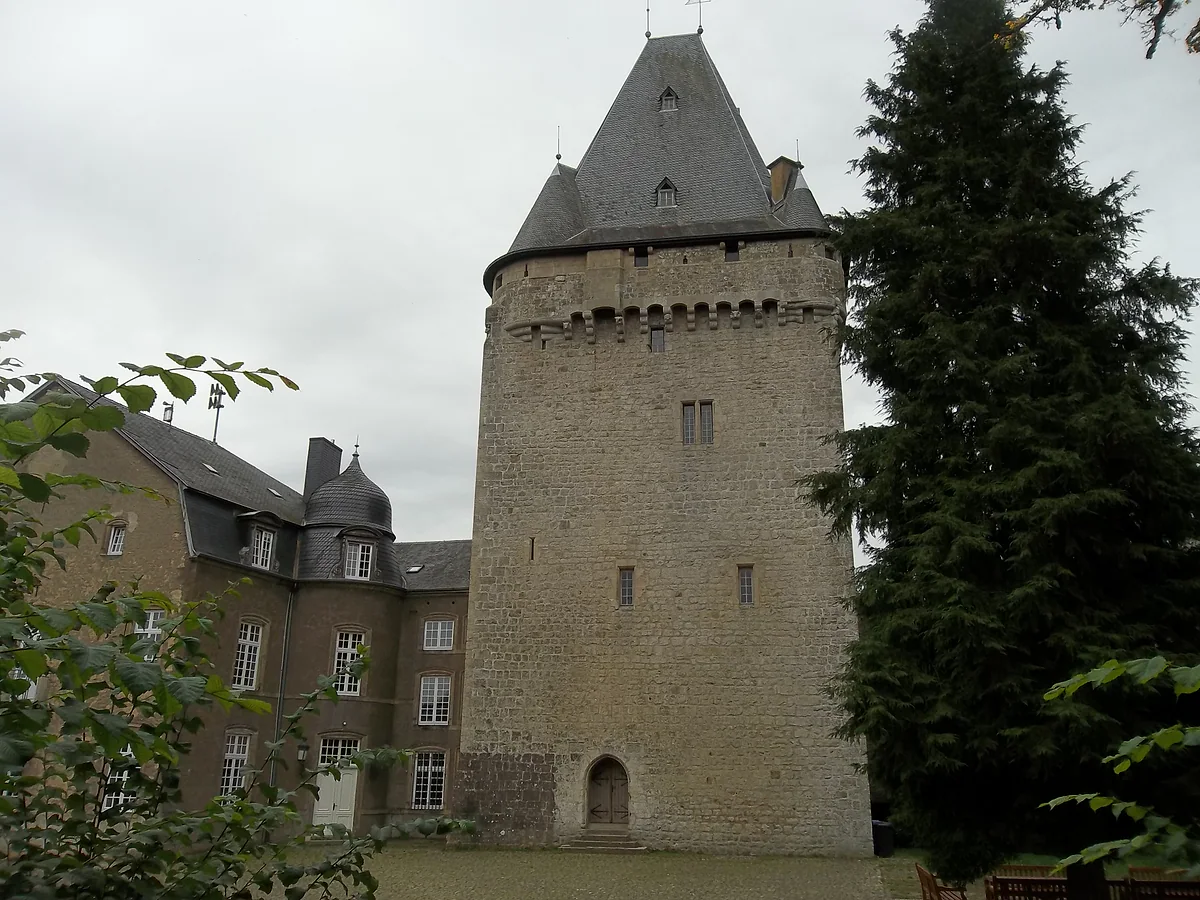
The Luxembourg Ardennes, known locally as the Éislek, have two obvious bases. Vianden, with its castle above the Our and seven hotel establishments in 2025, and Clervaux, with seven more, a railway station and The Family of Man exhibition in its castle. Further west, the Upper Sûre lake and the village of Esch-sur-Sûre are lovely in summer. In the middle, Diekirch and Ettelbruck are the practical choice, with trains and buses to almost everywhere.
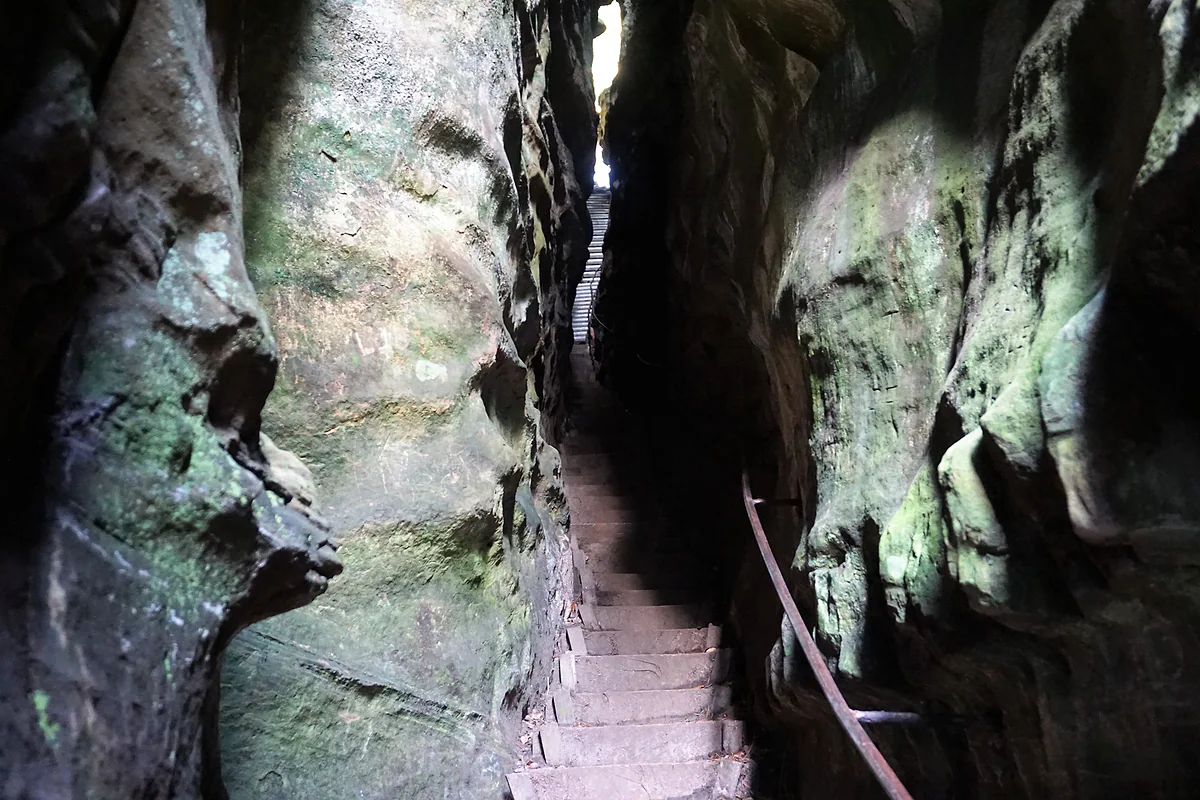
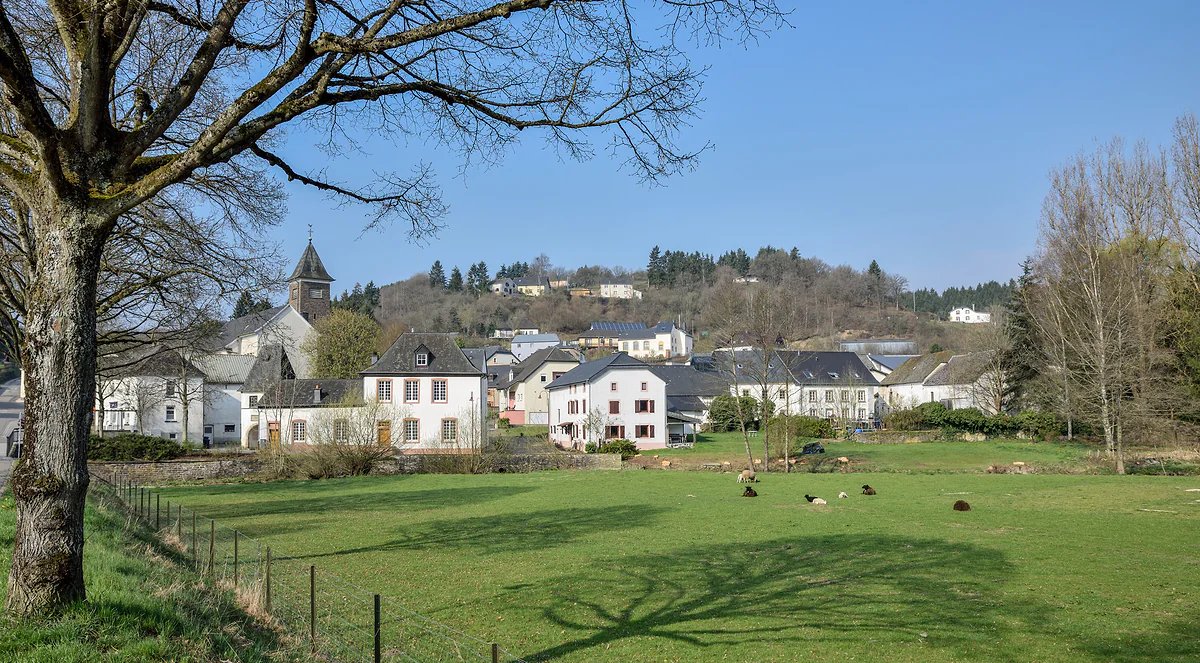
The Mullerthal is the sandstone country locals call Little Switzerland. Echternach, with six hotels, is the town; Berdorf, with five, is the walkers’ village. Camping rules here, with 12,477 camping bed places against 893 in hotels across the region.
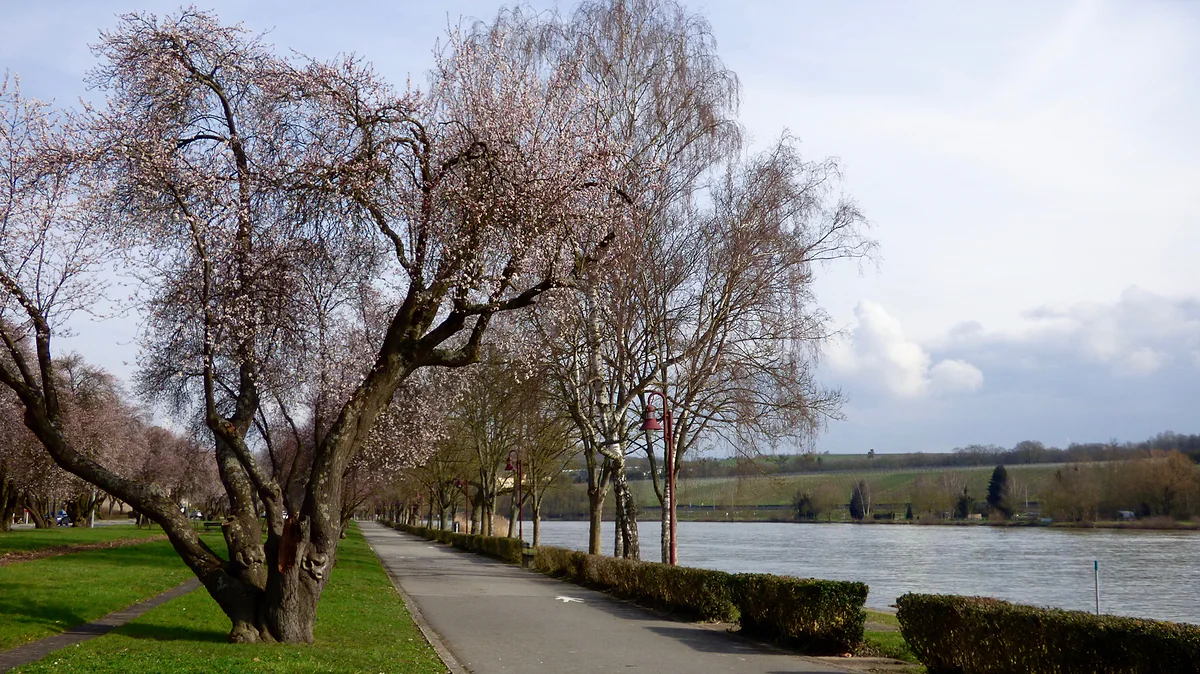
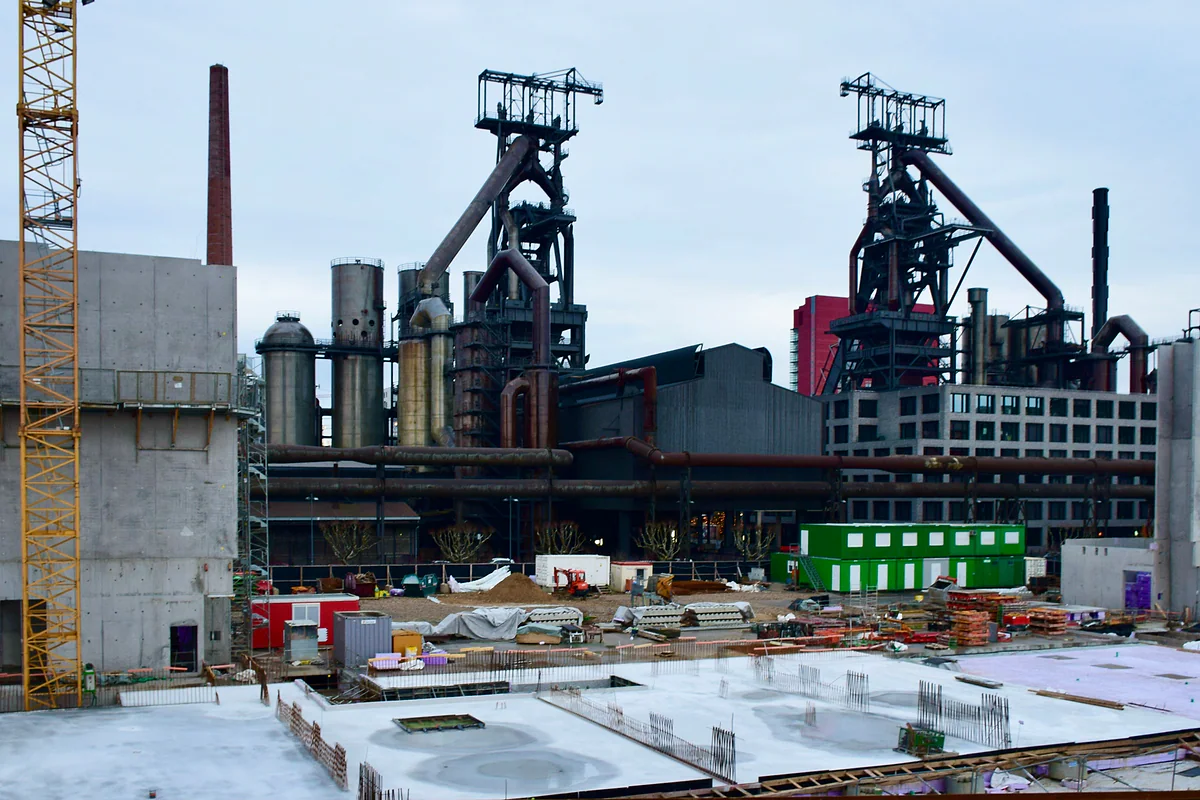
The Moselle is vines and river. Remich had four hotels in 2025 and the spa town of Mondorf-les-Bains eight. Down south, Esch-sur-Alzette and Belval open up the Minett, the old iron-mining region.
What the length of stay tells you
STATEC publishes how long guests stay on average in each region, and I think it’s the most honest number of the lot. Hotel guests in the Mullerthal stayed 1.79 nights on average in 2025, and 1.80 in the Ardennes. On the Moselle it rose to 2.38, and in the capital and its surroundings to 2.18.
Put simply, the north and the gorges are treated as a one-night stopover. That’s where I think many people go wrong. Two nights in Echternach or Vianden give you a full day’s walking without watching the clock, which is what those places deserve.
The strongest argument in Luxembourg is free public transport. Since 1 March 2020, second-class trains, trams and buses have been free within the country, visitors included. You only pay for first class and for the stretch across a border.
That changes the sums. A hotel in Ettelbruck or Esch-sur-Alzette with a station outside doesn’t cost you a penny in fares into town, and can beat a place in the capital that’s nowhere near a stop. My rule is simple. Choose the stop first and the hotel second.
The bit the room rate leaves out
In Luxembourg City, the municipal charges regulation sets a tourist tax of 3% of the room price before VAT, collected by the hotel. The version I’ve read dates from September 2021, and I couldn’t confirm it’s unchanged for 2026, so use it as a guide. To budget the whole trip, see is Luxembourg expensive.
If you want the cheapest bed possible, camping is the other route, and in the Ardennes and the Mullerthal there’s far more of it than hotel space. It’s all in camping in Luxembourg. Everything else, from sights to getting around, is in the Luxembourg travel guide.
Before you fix your dates, compare tickets to Luxembourg: the same journey can cost very different amounts from one day to the next.
Vianden Castle seen from below, with its stepped gable and pointed roofs, and flowers in the foreground
The tree-lined promenade at Remich beside the Moselle in late winter, with blossoming trees, lawns and the river
Which area suits which trip
Area
Best for
Hotels in 2025 (STATEC)
Getting there
Centre (Ville Haute and Grund)
First visit, museums, fortress
57 across the capital
Tram to Hamilius
Gare
Late arrivals, rail departures
Part of the 57
Train, tram, buses 16 and 29
Kirchberg
Business, Philharmonie, Mudam
Part of the 57
Tram and funicular
Airport (Findel, Sandweiler)
Dawn flights
3 in Sandweiler
Tram to the terminal
Vianden
Castle and the Our valley
7
Direct bus from Diekirch
Echternach
Mullerthal Trail, abbey
6
Bus (no railway station)
Clervaux
Ardennes, The Family of Man
7
Train, line 10
Mondorf-les-Bains
Spa and casino
8
Bus (no railway station)
Esch-sur-Alzette
Minett, Belval
6
Train, Esch/Alzette and Belval stations
Hotels and similar establishments by commune in 2025, STATEC dataset DF_D5251. Figures for the capital aren't broken down by district. Stations from CFL's list.
Hotels and bed places by STATEC tourist region (2025)
STATEC region
Hotels
Hotel bed places
Average stay
Luxembourg-City
57
7,806
2.18 nights (with surroundings)
Ardennes
34
2,293
1.80 nights
Sud
24
2,150
2.26 nights
Mullerthal
20
893
1.79 nights
Moselle
16
1,036
2.38 nights
STATEC datasets DF_D5201 and DF_D5303. The capital's average stay is combined with its surroundings (the Centre region).
Test yourself
True or false?
0/3Pick before you peek.
More than half of Luxembourg's hotels are in the capital.
See the answer
False. STATEC counted 57 in the commune of Luxembourg out of 182 in 2025, under a third, although they hold almost half the hotel beds.
Staying outside the capital means paying train fares every time you come into town.
See the answer
False. Since 1 March 2020, buses, trams and second-class trains are free within the country for everyone, tourists included.
The Mullerthal region has more camping places than hotel beds.
See the answer
True. In 2025 it had 12,477 bed places in 19 campsites and 893 in 20 hotels, according to STATEC.
For a first visit, Luxembourg City centre, in the Ville Haute or the Grund, as the main sights are walkable. If you're touring the country, add a night or two in Vianden, Clervaux or Echternach. With free public transport, getting about from any of them costs nothing.
Is it better to stay in Luxembourg City or elsewhere?
Both, ideally. The capital has 57 of the country's 182 hotels and the best links, but the castles of the north and the Mullerthal gorges are far better early in the morning, which means sleeping there.
How many hotels are there in Luxembourg?
STATEC counted 182 hotels and similar establishments in 2025, with 16,880 bed places, plus 64 campsites. Luxembourg City alone had 57 hotels and 7,806 bed places.
Is there a tourist tax in Luxembourg?
In Luxembourg City, yes. The city's charges regulation sets it at 3% of the room price before VAT, and the hotel collects it. The version I've read is from 2021 and I couldn't confirm it's unchanged for 2026.
Which area of Luxembourg City is safest to stay in?
Luxembourg is a low-crime country, but the FCDO warns of pickpockets on buses and at stations, especially Gare de Luxembourg, and Spain's foreign ministry names the Ville Haute and the station area. Normal city care is enough.
Do I need a car to stay outside the capital?
Not necessarily. Clervaux, Diekirch, Ettelbruck and Esch-sur-Alzette have railway stations, while Vianden, Echternach and Mondorf have no station and rely on buses, free like the trains. A car helps for the smaller villages.
Tourism graduate with a master’s in Tourism Management and Planning from the University of Málaga, who has travelled across Europe. He writes every guide from official sources and his own judgement.