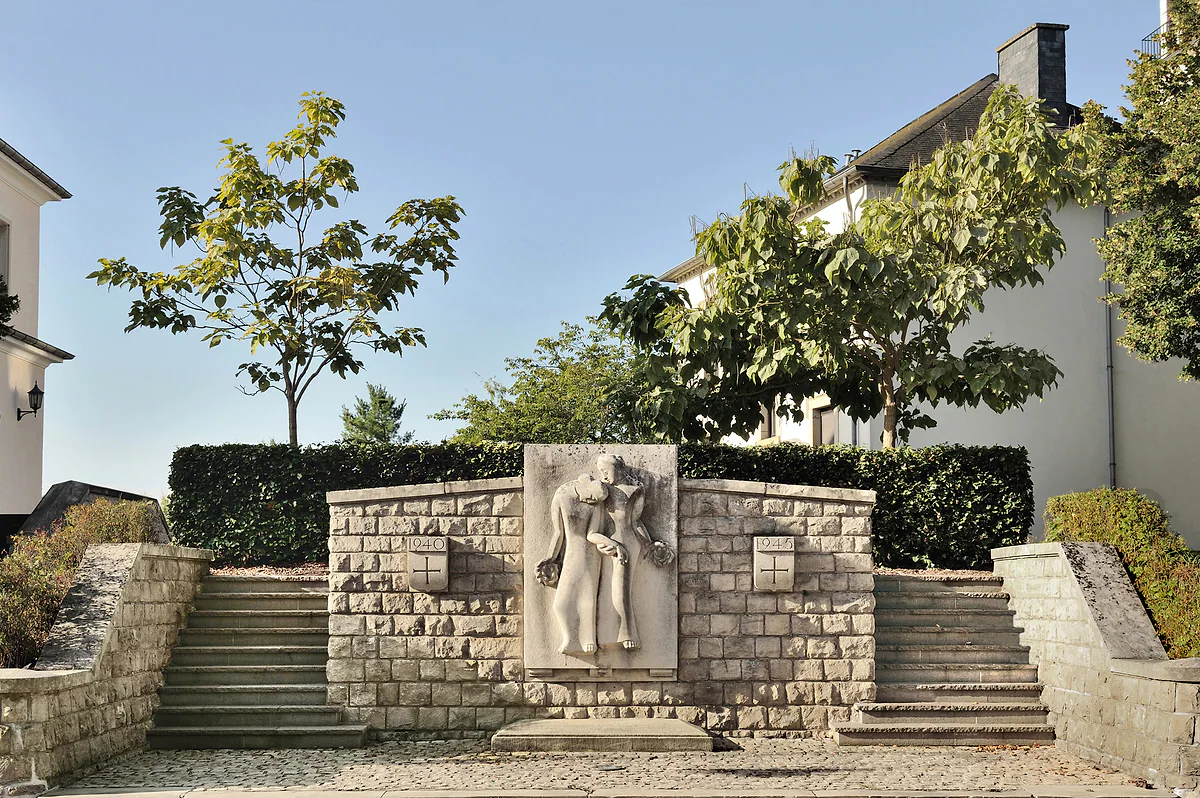
What happened, and where to remember it
Occupation, resistance and liberation in Luxembourg, 1940-1945
Germany invaded Luxembourg on 10 May 1940 and annexed it in all but name. The occupiers banned French, forcibly conscripted some 10,000 young men and deported the Jewish community, while the government sat out the war in London. The US Army liberated the country on 10 September 1944, but the Battle of the Bulge then devastated the north. 5,700 people died, about 2% of the population.
To understand this period I'd start at the National Resistance Museum in Esch-sur-Alzette, €5 and free for under-21s. And whichever way you head, keep a morning for the American Cemetery in the capital's Hamm district, where General Patton is buried.

Before you go
What I would keep in mind
-
01 To save money
A Resistance museum for €5
The National Museum of Resistance and Human Rights in Esch-sur-Alzette opened in 1956. It's open Tuesday to Sunday from 10:00 to 18:00 and free for under-21s.
National Resistance Museum -
02 Most beautiful
The statue the Nazis pulled down
The Gëlle Fra, the capital's war memorial, was removed in October 1940 on the orders of Gauleiter Gustav Simon. It went back on its obelisk in 1985 and now also honours the dead of this war.
Gëlle Fra -
03 Getting there
London was the government's wartime home
Grand Duchess Charlotte and the government fled on the night of the invasion, via Portugal and Canada, and settled in London to encourage the resistance. Charlotte returned on 14 April 1945.
history of Luxembourg
There’s a way of seeing Luxembourg as a calm, prosperous little country that history simply passed by. It isn’t true. Between 1940 and 1945 it was invaded, annexed in all but name, forced to send its young men into the army occupying it and, once liberated, torn apart again in the north. A great deal of what explains its attachment to its language and to Europe today goes back to these years.
10 May 1940
That morning the first German units crossed the Moselle, the Sûre and the Our. The country was prepared for an invasion but powerless against the war machine facing it, and after a few skirmishes its security forces had to hand over their weapons. It was the second time in less than 25 years that Luxembourg’s neutrality had been violated.
Warned that same night, Grand Duchess Charlotte and the government left. They went first to Portugal, then Canada and finally London, from where they encouraged the resistance. The official portal calls it a fortunate decision, because being on the Allied side guaranteed the country full international recognition after the war. For British readers it’s a neat link, London having been the setting for both treaties that shaped the country in the 19th century.
A country wiped off the map
Occupation meant the end of independence. In July and August 1940 the country came under direct German administration, run by Gustav Simon, Gauleiter of Koblenz-Trier. With the help of local collaborators, nicknamed «Gielemännercher», little yellow men, after their uniform, the occupiers abolished every state institution, banned French and launched an intense propaganda drive. In October 1940 they had the Gëlle Fra, the capital’s war memorial, taken down.
To give the annexation a veneer of legality, a census was held on 10 October 1941 with questions on nationality, ethnicity and language, in the hope that people would declare themselves German. Many answered «Luxembourgish» or left the boxes blank, and the administration called off the collection of forms. That date is now the National Day of Remembrance, though it isn’t a day off, as I explain in Luxembourg public holidays.
Once your dates are set, check which hotels are still free in Luxembourg before prices climb.
Conscription, strikes and deportations
On 30 August 1942 Germany decreed Luxembourg’s forced incorporation into the Reich. Many Luxembourgers saw straight away what it meant. Young men would be treated as Germans and made to do military service. Strikes broke out across the country, and the response was martial law and the execution of 21 strikers.
In all, some 10,000 Luxembourgers were forcibly enlisted in the German forces. More than a third refused to put on the uniform and went into hiding, and their families paid with deportation, prison, camps such as Hinzert and executions. The Jewish community suffered worst. Of around 4,000 Jewish people living in the country before the war, more than 90% never saw it again, and of nearly 1,300 deported only 69 survived. The resistance began by smuggling fugitives and escaped Allied airmen to the French and Belgian maquis, and by the end of the war its groups had united as the Unio’n.
Liberation, and the battle that followed
On 10 September 1944 the US Army liberated the country. But the Germans stabilised the front along the Moselle and counter-attacked in December. The Battle of the Bulge in Luxembourg devastated the north and east, and Vianden, the last town to be freed, wasn’t liberated until February 1945. The Grand Duchess returned on 14 April, and the war in Europe ended on 8 May. Among the traces of that winter are the 10,913 graves of the Sandweiler German war cemetery.
The official toll is 5,700 dead from the fighting and Nazi terror, about 2% of the population. One small story from those months is a favourite of mine. In December 1944, American soldiers stationed in Wiltz pooled the sweets from their care packages so the local children could have a St Nicholas party, and on 5 December a «Saint Nick» toured the town in a jeep. The tradition carries on.
Once your dates are set, check which hotels are still free in Luxembourg before prices climb.
Where to remember it today
If you only have time for one visit, I’d make it Esch-sur-Alzette’s national museum of the Resistance and human rights, open since 1956. Then the Luxembourg American Cemetery at Hamm, with more than 5,000 soldiers and General Patton’s grave, and Sandweiler’s German military cemetery, holding 10,913 graves, the first Germany established outside its own territory. For something longer, the Liberation Route Europe crosses the country over about 253 km.
The war in the capital, on foot
In Luxembourg City itself there are three places hardly anyone looks for, and to me they’re the hardest-hitting. The first is Villa Pauly, at 57 boulevard de la Pétrusse. According to visitluxembourg, the Gestapo set up its headquarters there in August 1940, and its cellars, turned into cells, were where opponents of the annexation were interrogated and often tortured. Two plaques outside remember the victims of the Resistance and the 1,300 Jews whose deportation was organised in the building. Today it houses the Resistance foundation and the Shoah remembrance foundation, and it isn’t open to visitors.
The second is at 13 avenue Jean-Pierre Pescatore, in the Fondation Pescatore. Patton made it the headquarters of his Third Army, and in the first-floor chapel, shortly before Christmas 1944, he said the prayer he’d had his chaplain write for better weather in the middle of the Battle of the Bulge. It’s a care home now and can’t be visited either, so I’d look from outside and fill in the story at the General Patton museum in Ettelbruck.
The third isn’t a building but a walk. The Shoah Memorial Trail from the capital’s tourist office takes about two hours over nine stops. It starts at the plaque in the glass hall of the central station, from where eight trains carried 659 Jewish men and women away from October 1941, and ends at the Mémorial de la Shoah on boulevard Roosevelt, with the Kaddish monument and a wall of 1,225 names. Of the roughly 4,000 Jews living in the country when the Germans arrived, 1,157 died in the genocide. It’s a walk I’d take slowly, without rushing on to anything else afterwards.
Beyond the capital, the Liberation Route Europe is a network of trails stretching over 10,000 km across Europe that follows the Allied advance. visitluxembourg puts the Luxembourg section at more than 270 km in all, from the Moselle to the Ardennes by way of the fortress and the Mullerthal, with a northern variant of almost 50 km. How it all fits into a thousand years of history is in history of Luxembourg.
If you would rather have a local show you round, book a guided tour in Luxembourg and choose by the reviews.
A car frees you from timetables: search car hire in Luxembourg on DiscoverCars and compare companies.
So you do not pay over the odds, look at trains, coaches and flights to Luxembourg on Omio and pick the one that suits you.
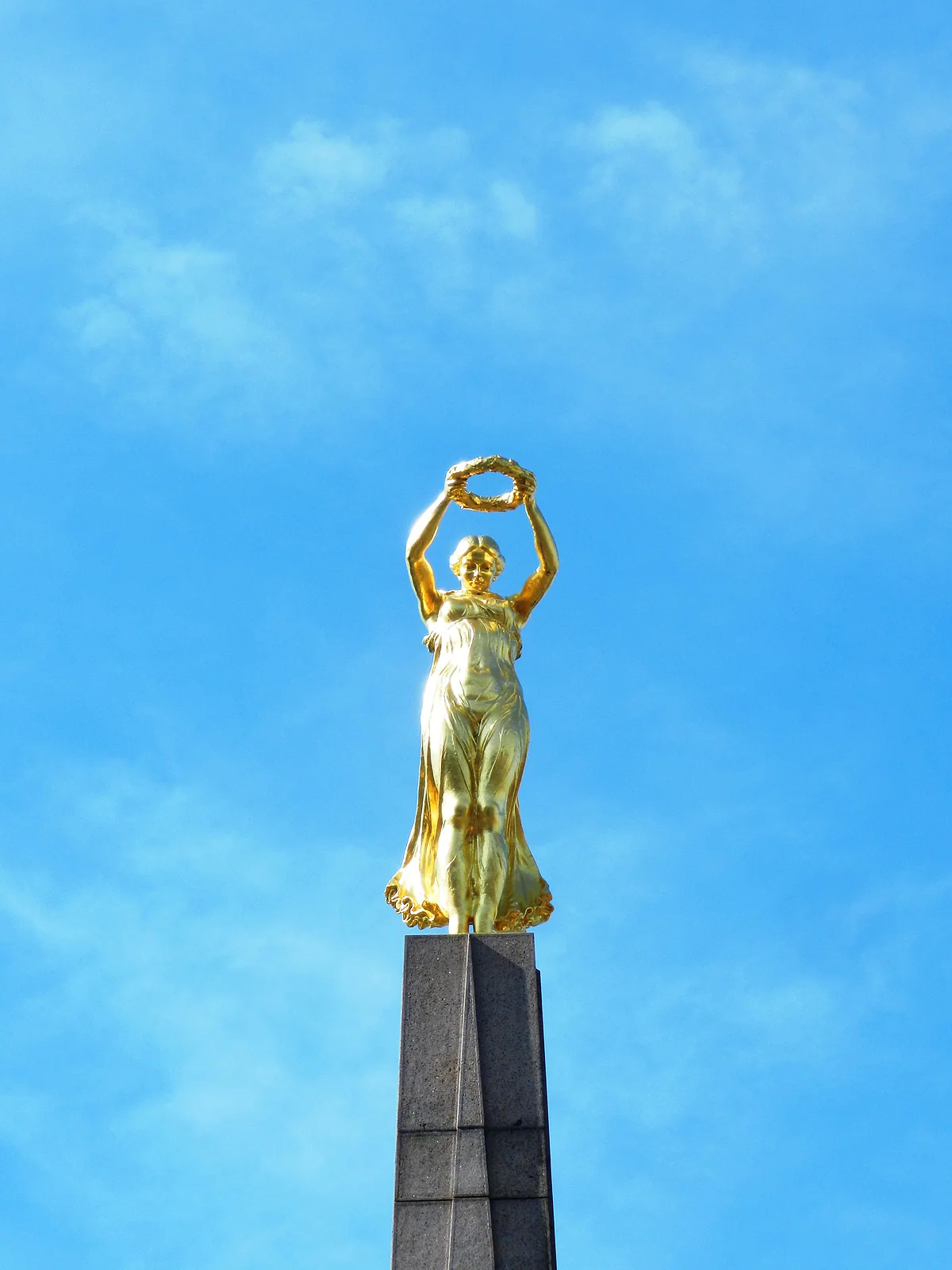
The Gëlle Fra, a golden figure holding up a laurel wreath, atop the obelisk of the Monument of Remembrance
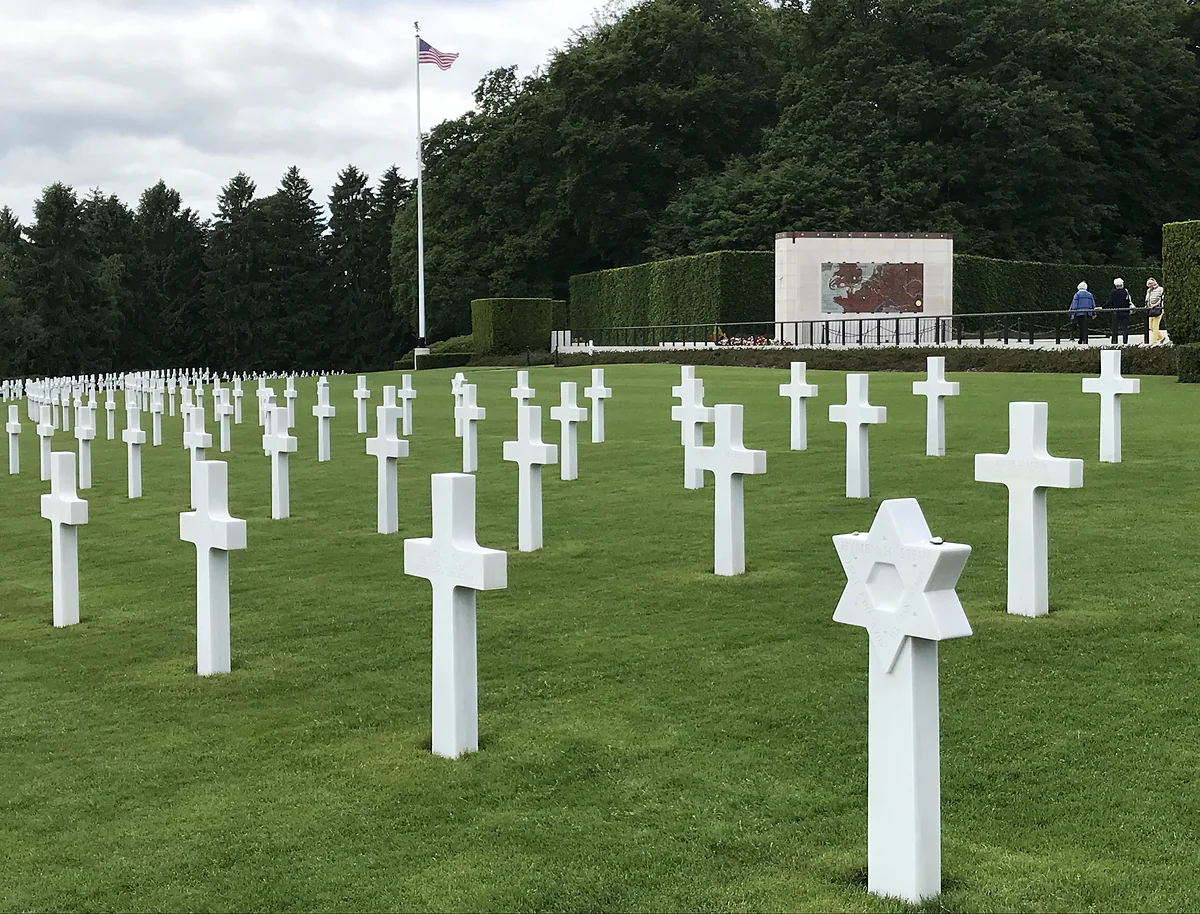
Rows of white crosses and a Star of David at the American cemetery in Hamm, with the flag and woodland behind
The war in Luxembourg, in dates
| Date | What happened |
|---|---|
| 10-5-1940 | German troops cross the Moselle, Sûre and Our; Grand Duchess Charlotte and the government go into exile |
| July-August 1940 | Direct German administration under Gustav Simon; French is banned |
| 10-10-1941 | Census in which many declare themselves «Luxembourgish»; the occupiers abandon it |
| 30-8-1942 | Forced incorporation into the Reich; strikes, 21 strikers shot |
| 10-9-1944 | The US Army liberates the country |
| 16-12-1944 | The German Ardennes offensive begins |
| February 1945 | Vianden, the last town to be liberated |
| 14-4-1945 | Grand Duchess Charlotte returns from exile |
Dates from luxembourg.public.lu (Second World War and Battle of the Bulge pages), checked on 29-09-2026. The two official pages give different days for Vianden, so I give only the month.
Where to remember the war
| Place | What it is | Practical details |
|---|---|---|
| National Resistance Museum (Esch-sur-Alzette) | Occupation, resistance and human rights | Tuesday to Sunday, 10:00-18:00; €5; free for under-21s |
| American Cemetery (Hamm, Luxembourg City) | Over 5,000 US soldiers, including Patton | Daily, 9:00-17:00; closed 25-12 and 1-1 |
| German war cemetery (Sandweiler) | 10,913 graves | Rue d'Itzig |
| Gëlle Fra (Place de la Constitution) | War memorial, pulled down in 1940 | Open air |
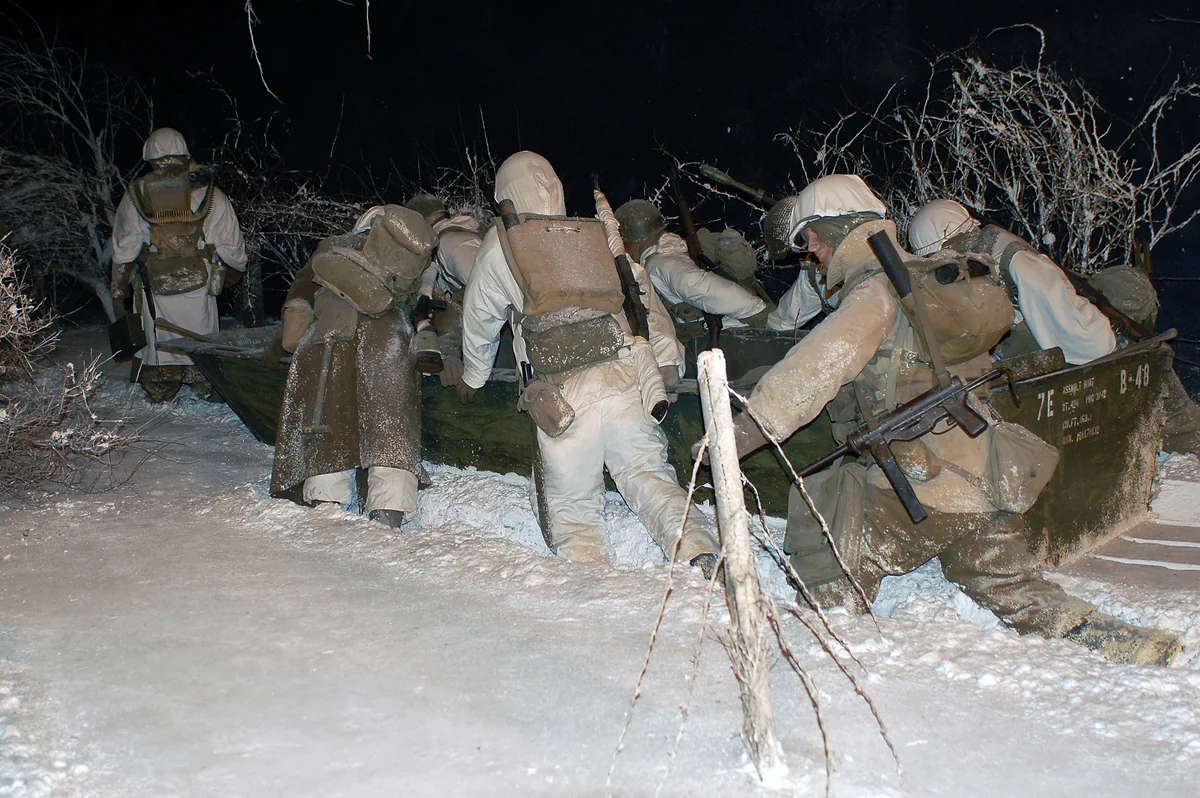
| National Museum of Military History (Diekirch) | Dioramas and over 100,000 artefacts | Tuesday to Sunday, 10:00-18:00; €5 |
Hours and prices from visitluxembourg and the Luxembourg City Tourist Office, September 2026.
Test yourself
True or false?
0/3 Pick before you peek.
-
Luxembourg fought on Germany's side in the Second World War.
See the answer
False. It was invaded and annexed in all but name. Its government was in exile in London on the Allied side, although some 10,000 young Luxembourgers were forcibly conscripted into the German army.
-
More than a third of those conscripted refused to wear German uniform.
See the answer
True. According to the official portal, over a third went into hiding, often with terrible consequences for their families.
-
Once liberated in September 1944, Luxembourg saw no more fighting.
See the answer
False. In December 1944 the German Ardennes offensive devastated the north and east, and Vianden wasn't liberated until February 1945.
What to see
What to see in Second World War
0 of 425 Luxembourg guides
Your next stamp
- History
- Luxembourg fortress
- National Day
- Place de la Constitution
- Luxembourg in two days
- Luxembourg City
- Map
- A Possen Museum
- American Cemetery
- Ansembourg
- Ansembourg Castles
- Asselborn
- Bascharage
- Beaufort castles
- Belval
- Belval blast furnaces
- Berg Castle
- Bernard-Massard cellars
- Bourglinster Castle
- Bourscheid Castle
- Brandenbourg
- Brandenbourg Castle
- Caves St Martin
- Christmas
- Clervaux Castle
- Echternach
- Echternach Abbey
- Ehnen
- Ehnen Wine Museum
- Esch-sur-Alzette
- Esch-sur-Sûre Castle
- European Museum Schengen
- Fond-de-Gras
- General Patton Museum
- German war cemetery
- Haff Réimech
- Hohllay
- Hollenfels Castle
- Hosingen
- Kautenbach
- Kneiff
- Koerich Castle
- Larochette Castle
- Lasauvage
- Mersch Castle
- Military History Museum
- Moersdorf
- Mondorf Domaine Thermal
- Munsbach Castle
- National Mining Museum
- Parc Merveilleux
- Park Sënnesräich
- Places to visit
- Remich
- Rindschleiden
- Schiessentümpel
- Septfontaines Castle
- Slate Museum
- Stolzembourg
- Tudor Museum
- Useldange Castle
- Valley of the Seven Castles
- Vianden
- Vianden Castle
- Ville Haute
- Wasserbillig Aquarium
- Weiswampach lakes
- Wiltz Castle
- Ahn
- Berdorf
- Bourscheid-Plage
- Butterfly garden
- Clervaux
- Differdange
- Echternach lake
- Grevenmacher
- Heringer Millen
- Hollenfels
- Luxembourg Science Center
- Meysembourg Castle
- Mullerthal
- National Resistance Museum
- Perekop
- Remerschen
- Schoenfels Castle
- The Family of Man
- Things to do
- Upper Sûre Lake
- Vianden chairlift
- Wasserbillig
- Clervaux Abbey
- Echternach Roman villa
- Éislek
- Insenborn
- Kallektuffquell
- Machtum
- Most beautiful places
- Our Nature Park
- Pétange
- Pettingen Castle
- Schueberfouer
- Schwebsingen
- Victor Hugo House
- Waldbillig
- Dudelange
- Kuelscheier
- Lultzhausen
- Moselle Valley
- Octave
- Prettiest villages
- Sanem
- Schengen
- Wellenstein
- Wiltz
- Wolfsschlucht
- Beaufort
- Bech-Kleinmacher
- Éimaischen
- Gaalgebierg
- Guttland
- Marnach
- Mondorf-les-Bains
- Putscheid
- Schifflange
- UNESCO World Heritage
- Carnival
- Consdorf
- Ellergronn
- Käerjeng
- Kayl
- Minett
- Munshausen
- Tandel
- Bech
- Buergbrennen
- Esch-sur-Sûre
- Rumelange
- Where is Luxembourg
- Is it a country?
- Lac de la Haute-Sûre (commune)
- Rosport-Mompach
- Wormeldange
- Larochette
- Mondercange
- Regions
- Bettembourg
- Bock Casemates
- Cantons
- Dancing procession
- Diekirch
- Fischbach
- Garnich
- Mersch
- Moselle wine route
- Ettelbruck
- Grund
- Heffingen
- Kehlen
- Lintgen
- Moselle river cruises
- Pétrusse Casemates
- Towns and villages
- Chemin de la Corniche
- Erpeldange-sur-Sûre
- Junglinster
- Kopstal
- Lorentzweiler
- Nommern
- Pfaffenthal
- Population
- Bissen
- Clausen
- Grand Ducal Palace
- Koerich
- Schieren
- Size
- Vallée de l'Ernz
- Feulen
- Kirchberg
- Languages
- Notre-Dame Cathedral
- Reisdorf
- Steinfort
- Bettendorf
- Habscht
- St Michael's Church
- Helperknapp
- Luxembourgish
- Place Guillaume II
- Name
- Place d'Armes
- Grand Duke
- Colmar-Berg
- Flaxweiler
- Gare
- Hamm
- Kirchberg funicular
- Mamer
- Mertert
- Minett Trail
- Mullerthal Trail
- Neumünster Abbey
- Parc Hosingen
- Pfaffenthal lift
- Political system
- Redange
- The Passerelle
- Wine festivals
- Winseler
- Beckerich
- Biwer
- EU institutions
- Goesdorf
- Limpertsberg
- Mudam
- Natur Musée
- Pulvermühl
- Stadtbredimus
- Troisvierges
- Wenzel walk
- Bonnevoie
- Bous-Waldbredimus
- Ell
- Flag
- Kiischpelt
- Manternach
- Philharmonie
- Vauban circuit
- Weiswampach
- Betzdorf
- Boulaide
- Dräi Eechelen Museum
- Facts
- Hollerich
- Lenningen
- Useldange
- Wincrange
- Bourscheid
- Dalheim
- Gasperich
- Public holidays
- Red Bridge
- Saeul
- Belair
- Vichten
- Battle of the Bulge
- Merl
- Préizerdaul
- Cents
- EU and Schengen
- Groussbus-Wal
- Entry requirements
- Neudorf
- Rambrouch
- Currency and payments
- Mertzig
- Weimerskirch
- Adolphe Bridge
- Beggen
- Escapardenne
- How to get there
- International March of Diekirch
- MNHA (National Museum)
- Rock climbing
- Sandweiler
- Bridges
- Eich
- Flights
- Golf
- Hesperange
- Lëtzebuerg City Museum
- Canoeing and kayaking
- Dommeldange
- Luxembourg airport
- Strassen
- Villa Vauban
- Airport to city centre
- Bertrange
- Casino Luxembourg
- Mühlenbach
- Swimming pools
- From Brussels
- Pétrusse Valley
- Rollingergrund
- Walferdange
- Cessange
- Day trip from Brussels
- Municipal Park
- Steinsel
- Free walking tours
- From Paris
- Niederanven
- From Frankfurt
- Schuttrange
- Sightseeing train and bus
- By train
- Contern
- By coach
- Weiler-la-Tour
- Driving
- Luxembourg in one day
- Pretzel Sunday
- Rham Plateau
- Tour de Luxembourg
- Candlemas (Liichtmëssdag)
- Car hire
- Saint-Esprit Plateau
- Luxembourg in three days
- Melusina statue
- Parking
- St Nicholas Day (Kleeschen)
- Fête de la Musique
- Luxembourg in four days
- Museums in Luxembourg
- Petrol
- Place de Clairefontaine
- A week in Luxembourg
- Getting around
- Luxembourg Marathon
- Tram and Bus Museum
- Free public transport
- Parks in Luxembourg City
- Road trip
- Belgium and Luxembourg
- Tram
- Buses
- Viewpoints
- Trains
- Luxembourg station
- Cycling
- LuxembourgPass
- Prices and budget
- On a budget
- Free things to do
- Mobile and roaming
- Healthcare
- Safety
- Scams
- Tourist information
- Packing list
- Swimming lakes
- With a dog
- Markets
- Tipping
- Shopping
- What to buy
- Shopping centres
- With kids
- For couples
- Playgrounds
- Adventure parks
- Nightlife
- Castles
- Theatres and concert venues
- Leudelange
- Nature parks
- Where to stay
- City-centre hotels
- Hiking
- Nature reserves
- Reckange-sur-Mess
- Hotels near the station
- Roeser
- Frisange
- Hotels in Kirchberg
- Airport hotels
- Dippach
- Hotels in Vianden
- Hotels in Echternach
- Hotels in Clervaux
- Hotels in Mondorf-les-Bains
- Hotels in Esch-sur-Alzette
- Hotels on the Moselle
- Mullerthal hotels
- Upper Sûre lake hotels
- Hotels in Diekirch and Ettelbruck
- Cheap hotels
- Luxury hotels
- Boutique hotels
- Spa hotels
- Family hotels
- Apartments
- Weather
- Youth hostels
- Best time to visit
- Campsites
- Holiday cottages
- In winter
- Castle hotels
- In spring
- Day trips
- In summer
- Around Luxembourg
- In autumn
- Ice skating
- Trier day trip
- Metz day trip
- Arlon day trip
- In January
- In February
- In March
- In April
- In May
- In June
- In July
- In August
- In September
- Food
- In October
- In November
- Where to eat
- In December
- Michelin restaurants
- Cheap eats
- Judd mat Gaardebounen
- Bouneschlupp
- Gromperekichelcher
- Kniddelen
- Quetschentaart
- Rieslingspaschtéit
- Events
- Wine
- Crémant
- Beer
Frequently asked questions
What happened to Luxembourg in WW2?
Germany invaded on 10 May 1940, annexed it in all but name and tried to Germanise it. The Grand Duchess and government went into exile, thousands of young men were forcibly conscripted and the Jewish community was deported. The US Army liberated it on 10 September 1944.
Was Luxembourg neutral in WW2?
Yes, it had been neutral since the 1867 Treaty of London. Germany violated that neutrality on 10 May 1940, the second time in under 25 years.
How many people from Luxembourg died in WW2?
About 5,700 people, around 2% of the population, victims of the fighting and of Nazi terror. Of nearly 1,300 Jews deported, only 69 survived.
Where was Luxembourg's government during the war?
Grand Duchess Charlotte and the government fled on the night of the invasion, first to Portugal, then Canada, and settled in London. Charlotte came home on 14 April 1945.
What is Luxembourg's National Day of Remembrance?
10 October, marking the census of 1941 in which the occupiers wanted people to declare themselves German and many answered «Luxembourgish» or left the boxes blank. The Germans called off the collection of forms.
Which WW2 sites can you visit in Luxembourg?
The most visited are the American Cemetery at Hamm, with Patton's grave, the German cemetery at Sandweiler, the Gëlle Fra in the capital, and the resistance museum in Esch-sur-Alzette and military history museum in Diekirch.
By
Tourism graduate with a master’s in Tourism Management and Planning from the University of Málaga, who has travelled across Europe. He writes every guide from official sources and his own judgement.
Published on . Updated on . Facts checked on .
Sources
- Luxembourg.public.lu, the Second World War
- Luxembourg.public.lu, the Battle of the Bulge
- Luxembourg.public.lu, the Gëlle Fra
- Visitluxembourg, National Resistance Museum
- LCTO, American military cemetery
- visitluxembourg, Villa Pauly
- visitluxembourg, Patton's headquarters
- LCTO, Shoah Memorial Trail
- visitluxembourg, Liberation Route Europe
Some links in this guide are affiliate links: if you book through them, the site earns a commission at no extra cost to you. Affiliate disclosure
Photos: Cayambe (CC BY-SA 3.0); Simo.Albo80 (CC BY-SA 4.0); Dudva (CC BY-SA 4.0), via Wikimedia Commons.