Twelve places with my own score
The best places to visit in Luxembourg, ranked
The places most worth visiting in Luxembourg are the capital's old town, with the Chemin de la Corniche and the Bock Casemates, Vianden Castle, the rocks and waterfall of the Mullerthal, and Bourscheid Castle. The Corniche and the Mullerthal are free; Vianden costs €13 and the casemates are now a guided tour at €20.
With three days, I'd give one whole day to the capital and split the other two between very different places, a castle in the north and a morning among the Mullerthal rocks. Three castles in one day just blur into each other.

Before you go
What I would keep in mind
-
01 Most beautiful
The Corniche, free and open all hours
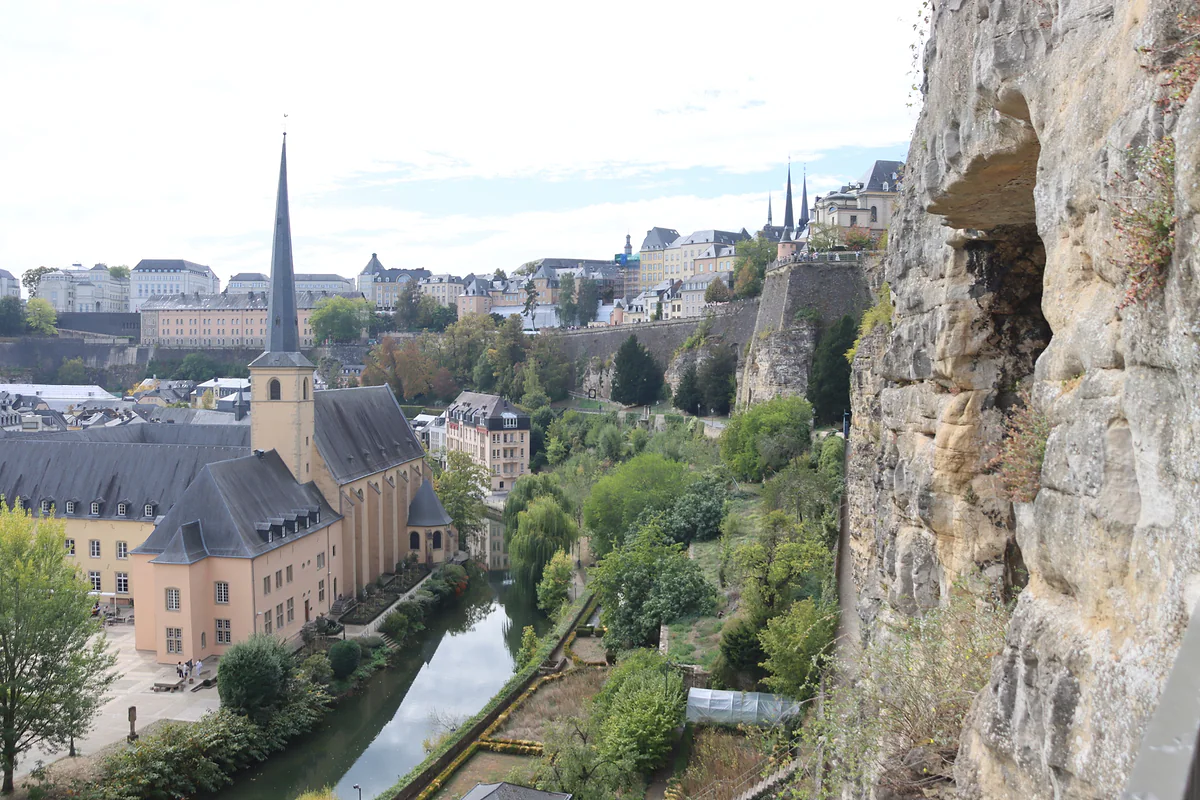
The Chemin de la Corniche runs from the Bock rock to the Citadelle du Saint-Esprit along 17th-century ramparts. The writer Batty Weber called it the most beautiful balcony in Europe, and I wouldn't argue.
Chemin de la Corniche -
02 To save money
Free museums for under-26s and on Thursday evenings
The Nationalmusée charges €7, but under-26s go free and so does everyone on Thursdays from 17:30 to 20:00. Mudam is free on Wednesdays from 18:00 to 21:00.
museums in Luxembourg -
03 Worth the splurge
The casemates, guided and in a small group
The city tourist office sells the Bock Casemates as a one-hour guided tour for €20 an adult, with no more than 20 people. The Pétrusse Casemates are a separate €24 tour. I'd pay for this before any museum.
Bock Casemates -
04 Getting there
You can do the whole list on free transport
Vianden, Clervaux, Echternach and Remich all have a train or bus from the capital, and standard class costs nothing. I'd plan the days region by region so you're not spending half of each one in transit.
Luxembourg free public transport
What I would book
- Places to stayBooking.com A base in the capital Free trains and buses run from the central station to Vianden, Clervaux, Echternach and the Moselle, and the old town is on foot.
- Places to stayBooking.com Echternach, for the Mullerthal Routes 1 and 2 of the Mullerthal Trail start in town, so you can set off walking straight from breakfast.
My ranking, scored
Places to visit in Luxembourg, my ranking
The scores are mine. I reward what you won't see in the same way next door in Belgium or Germany, what repays the time it asks for and what you can visit year-round, and I mark down anything that depends on a very short season or a ticket you can't get.
0 of 12 seen
-
The old town and the Chemin de la Corniche
World Heritage since 1994. A walk along 17th-century ramparts with the Grund and the Alzette below, which shows you in ten minutes why the city was called the Gibraltar of the North.
9.6 out of 10
-
Vianden Castle
Built between the 11th and 14th centuries on the remains of a Roman fort and a Carolingian refuge, it's the cradle of the House of Orange-Nassau and has belonged to the state since 1977. The most complete castle to see inside.
9.3 out of 10
-
Bock Casemates
Galleries cut into the rock where Count Sigefroi founded the city in 963. They're part of a 23 km underground network and these days you see them with a guide.
9.2 out of 10
-
The Mullerthal Trail and the Schiessentümpel
112 km of path in three loops through sandstone gorges, including the 40 m deep Wolfsschlucht and the Schiessentümpel waterfall, the most photographed spot in the region.
9.1 out of 10
-
The Grund and Neumünster Abbey
The lower town along the Alzette, with the old abbey that served as a military hospital and a prison before becoming a cultural centre. Walk down or take the lift from the Plateau du Saint-Esprit.
8.8 out of 10
-
Bourscheid Castle
The largest castle in the country, eleven towers standing 150 m above the Sûre. Less restored than Vianden, which is exactly why it feels more like an open-air ruin.
8.7 out of 10
-
Clervaux and The Family of Man
503 photographs by 273 photographers from 68 countries, on UNESCO's Memory of the World register since 2003, inside Clervaux Castle. Open from mid-March to 1 January.
8.6 out of 10
-
Echternach
The oldest town in the country, with the Basilica of St Willibrord, the abbey museum for €3 and a Roman villa. A good base for the Mullerthal.
8.4 out of 10
-
Esch-sur-Sûre and the Upper Sûre lake
A village tucked into a river bend, with a castle ruin you can wander freely, and a kilometre away the dam of the country's largest lake, where swimming is allowed from 1 May to 30 September.
8.3 out of 10
-
Remich and the Moselle
A 3 km riverside promenade, sightseeing boats and the Caves St Martin, with almost a kilometre of galleries in the rock. Best at wine o'clock.
8.0 out of 10
-
Belval blast furnaces
Blast furnace A in Esch-sur-Alzette costs €5 and has a viewing platform 40 m up. The clearest way to understand Luxembourg's steel story.
7.8 out of 10
-
Beaufort Castles
Two castles for one ticket, the medieval one built between 1050 and 1650 and open to visitors since 1932, and its 17th-century Renaissance neighbour. Right on the edge of the Mullerthal rocks.
7.7 out of 10
Luxembourg is deceptive. A country 82 km from top to bottom manages to hold a fortified capital, more than 70 castles, sandstone gorges and a valley of vineyards. This isn’t a list of everything there is. It’s what I’d put in front of someone coming for the first time, with a score and a reason for every place.
The capital comes first, and deserves to
Luxembourg City grew from a rocky spur wrapped by the Alzette in 963, and for centuries it was one of the great fortresses of Europe. What survives is an old town clinging to the cliff and a lower district, the Grund, down by the river. UNESCO listed the old quarters and fortifications in 1994, and that’s why the old town tops my list at 9.6.
I’d start on the Chemin de la Corniche, the rampart walk between the Bock and the Citadelle, and then drop down into the Grund. The Bock Casemates earn their 9.2 even with a guided tour to pay for, because going into the tunnels that held the fortress together changes how you see the city from above. In between you’ll pass the Grand Ducal Palace, open only in summer, and Notre-Dame Cathedral, which is free.
The castles I’d actually pay for
Of Luxembourg’s 70-plus castles, only a handful let you inside, and that’s where you need to choose. Vianden Castle is the most complete, with restored halls and the view over the Our valley, which is why it gets 9.3. In October it opens from 10:00 to 17:00 and an adult ticket is €13.
Bourscheid is a different animal. Its eleven towers stand 150 m above the Sûre and the visit feels more like a ruin than a palace, which I rather like. Clervaux is on the list for what’s inside, The Family of Man photography exhibition, and Beaufort closes it because it pairs so well with a walk. The full ranking, including the ones you can only see from outside, is in castles in Luxembourg.
Once your dates are set, check which hotels are still free in Luxembourg before prices climb.
Rocks, a waterfall and a lake you can swim in
The Mullerthal, nicknamed Little Switzerland, is for me the biggest surprise in the country. Think sandstone forest with narrow passages between the rocks, wooden ladders and the Wolfsschlucht, a gorge 40 m deep. The Mullerthal Trail adds up to 112 km in three loops, and you don’t need to walk them end to end. A half-day stretch from Echternach or Berdorf is plenty to get the idea.
Up north, the Upper Sûre lake covers around 380 hectares behind a dam built in 1961. It’s the largest body of water in the country, supplies drinking water to roughly 70% of the population and has designated swimming areas in summer. Esch-sur-Sûre, with its ruined castle, sits right beside it.
Is the Moselle worth it if you don’t drink wine?
Less so, honestly, which is why it’s in tenth place. Remich has a 3 km promenade under lime and cherry trees and boats leave from the quay, but what makes the Moselle special is the wine, with 1,189 hectares of vines in 2025 and crémant as its calling card. If that’s not for you, I’d spend the half day in the old mining south instead, at the Belval blast furnaces, where €5 gets you up to a platform 40 m above the ground.
Once your dates are set, check which hotels are still free in Luxembourg before prices climb.
What didn’t make the cut
The Grand Ducal Palace is the obvious gap, and the reason is the calendar. In 2026 it opened only from 18 July to 30 August, for 75-minute guided tours that sold out, and there’s no word yet on 2027. If they line up with your trip, book the moment they appear. I’ve also left out the Kirchberg, with Mudam and the Philharmonie, because it’s more about contemporary architecture than a first visit.
Fitting the list into your days
One day, the capital. Two days, the capital plus a castle up north. Three or four, add the Mullerthal and the Moselle. Public transport is free and reaches all of these, so you don’t need a car, although for Bourscheid or the Upper Sûre lake one saves time. If you’re planning several paid visits, price it against the LuxembourgPass, which covers 81 attractions.
When you’re after activities rather than sights, they’re in things to do in Luxembourg, and if it’s photographs you’re travelling for, my pick is in the most beautiful places in Luxembourg. The whole country, with its regions, transport and where to stay, is pulled together in my Luxembourg travel guide.
If you would rather have a local show you round, book a guided tour in Luxembourg and choose by the reviews.
A car frees you from timetables: search car hire in Luxembourg on DiscoverCars and compare companies.
So you do not pay over the odds, look at trains, coaches and flights to Luxembourg on Omio and pick the one that suits you.
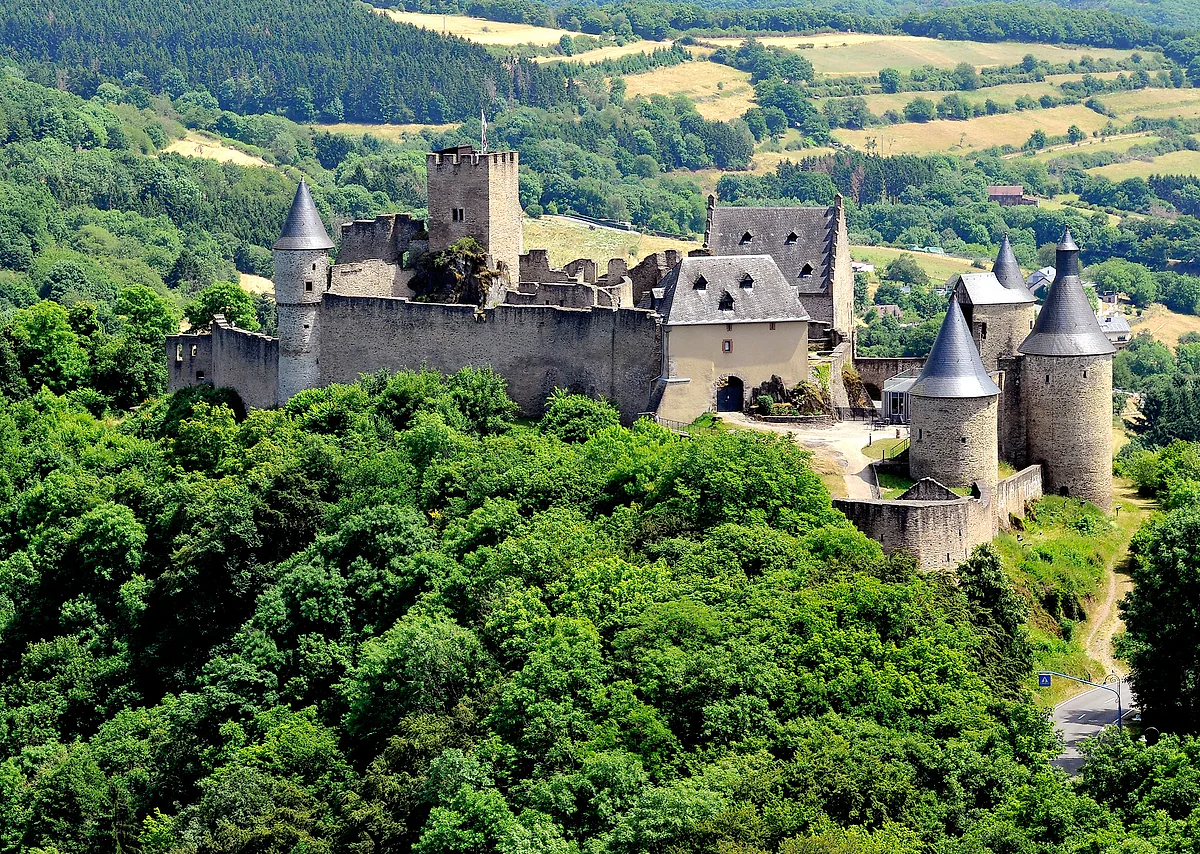
Bourscheid Castle with its walls and conical-roofed towers on a wooded spur, with fields in the background
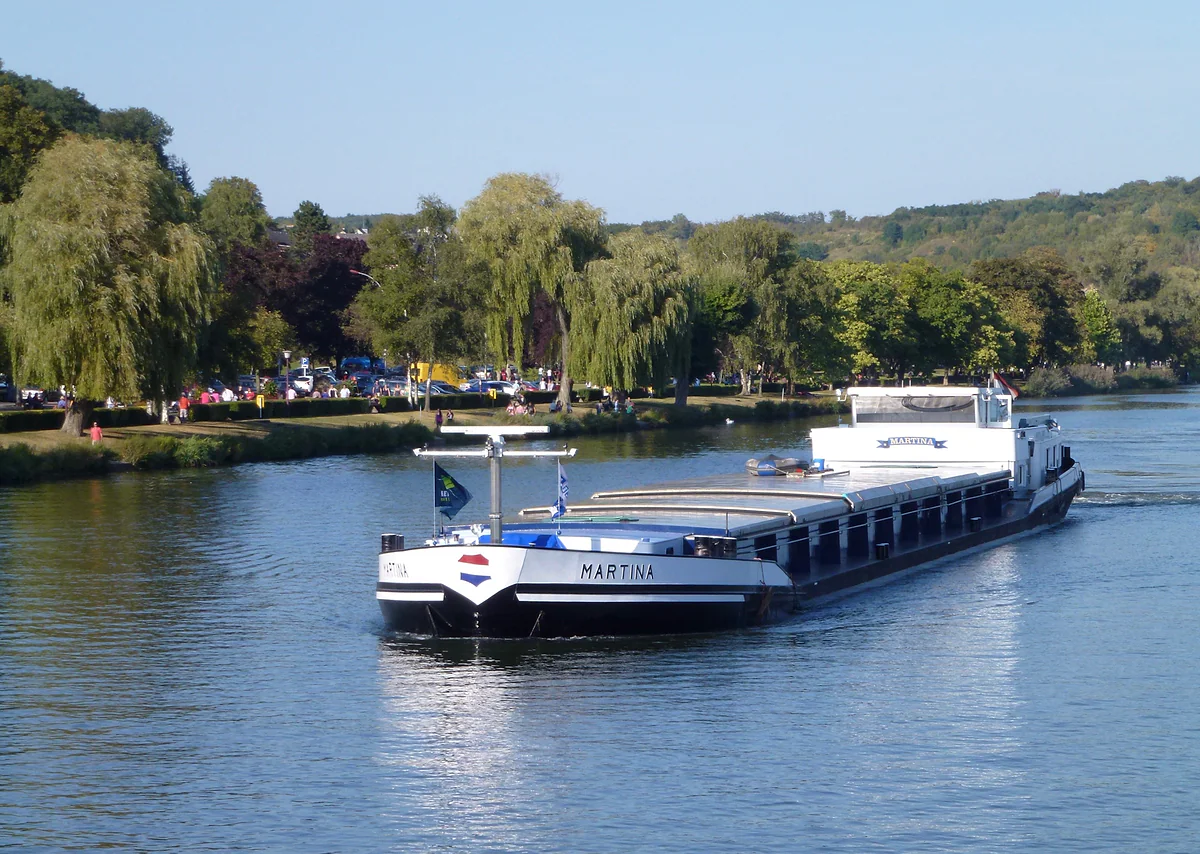
A cargo barge sailing along the Moselle at Remich, opposite the riverside promenade lined with weeping willows
What you pay for and what you don't
| Visit | Adult price | Note |
|---|---|---|
| Chemin de la Corniche and the Grund | Free | Walk at your own pace |
| Bock Casemates | €20 | City tourist office guided tour, 1 h; ages 4 to 12, €10 |
| Vianden Castle | €13 | 10:00-17:00 from 1-10 (until 30-9, to 18:00) |
| Bourscheid Castle | €7 | Ages 6 to 12, €4 |
| The Family of Man (Clervaux) | €6 | Free up to age 21; Wednesday to Sunday, 12:00-18:00 |
| Beaufort Castles | €8 | Students and seniors, €6 |
| Belval blast furnaces | €5 | €0.01 for under-21s and students; closed Tuesdays |
| Grand Ducal Palace | €18 | Summer only; in 2026, 18-7 to 30-8 and sold out |
Official prices checked on 29-09-2026. Castle hours are those Visit Luxembourg gave for the week of 29-09 to 05-10-2026 and may differ in high season.
Test yourself
True or false?
0/4 Pick before you peek.
-
You can wander the Bock Casemates on your own with an €11 ticket.
See the answer
False. On 29 September 2026 the city tourist office was selling them only as a one-hour guided tour at €20 an adult. The €11 ticket still shown on another site is one I couldn't confirm.
-
Bourscheid is the largest castle in Luxembourg.
See the answer
True. The government's official portal calls it «le plus grand château du pays», with eleven towers 150 m above the Sûre.
-
The Family of Man is an exhibition of paintings.
See the answer
False. It's 503 photographs by 273 photographers from 68 countries, shown at Clervaux Castle since 1994 and on the Memory of the World register since 2003.
-
Luxembourg City was founded in the 10th century on a rocky outcrop.
See the answer
True. In 963 Count Sigefroi acquired the Bock rock, which the official portal calls the cradle of the city. The exchange was formalised in 987.
0 of 425 Luxembourg guides
Your next stamp
- Viewpoints
- Most beautiful places
- Castles
- Things to do
- Prettiest villages
- For couples
- Moselle Valley
- A Possen Museum
- American Cemetery
- Ansembourg
- Ansembourg Castles
- Asselborn
- Bascharage
- Beaufort castles
- Belval
- Belval blast furnaces
- Berg Castle
- Bernard-Massard cellars
- Bourglinster Castle
- Bourscheid Castle
- Brandenbourg
- Brandenbourg Castle
- Caves St Martin
- Christmas
- Clervaux Castle
- Echternach
- Echternach Abbey
- Ehnen
- Ehnen Wine Museum
- Esch-sur-Alzette
- Esch-sur-Sûre Castle
- European Museum Schengen
- Fond-de-Gras
- General Patton Museum
- German war cemetery
- Haff Réimech
- Hohllay
- Hollenfels Castle
- Hosingen
- Kautenbach
- Kneiff
- Koerich Castle
- Larochette Castle
- Lasauvage
- Mersch Castle
- Military History Museum
- Moersdorf
- Mondorf Domaine Thermal
- Munsbach Castle
- National Mining Museum
- Parc Merveilleux
- Park Sënnesräich
- Remich
- Rindschleiden
- Schiessentümpel
- Septfontaines Castle
- Slate Museum
- Stolzembourg
- Tudor Museum
- Useldange Castle
- Valley of the Seven Castles
- Vianden
- Vianden Castle
- Ville Haute
- Wasserbillig Aquarium
- Weiswampach lakes
- Wiltz Castle
- Ahn
- Berdorf
- Bourscheid-Plage
- Butterfly garden
- Clervaux
- Differdange
- Echternach lake
- Grevenmacher
- Heringer Millen
- Hollenfels
- Luxembourg City
- Luxembourg Science Center
- Meysembourg Castle
- Mullerthal
- National Day
- National Resistance Museum
- Perekop
- Remerschen
- Schoenfels Castle
- The Family of Man
- Upper Sûre Lake
- Vianden chairlift
- Wasserbillig
- Clervaux Abbey
- Echternach Roman villa
- Éislek
- Insenborn
- Kallektuffquell
- Machtum
- Our Nature Park
- Pétange
- Pettingen Castle
- Schueberfouer
- Schwebsingen
- Victor Hugo House
- Waldbillig
- Dudelange
- Kuelscheier
- Lultzhausen
- Octave
- Sanem
- Schengen
- Wellenstein
- Wiltz
- Wolfsschlucht
- Beaufort
- Bech-Kleinmacher
- Éimaischen
- Gaalgebierg
- Guttland
- Marnach
- Mondorf-les-Bains
- Putscheid
- Schifflange
- UNESCO World Heritage
- Carnival
- Consdorf
- Ellergronn
- Käerjeng
- Kayl
- Map
- Minett
- Munshausen
- Tandel
- Bech
- Buergbrennen
- Esch-sur-Sûre
- Rumelange
- Where is Luxembourg
- Is it a country?
- Lac de la Haute-Sûre (commune)
- Rosport-Mompach
- Wormeldange
- Larochette
- Mondercange
- Regions
- Bettembourg
- Bock Casemates
- Cantons
- Dancing procession
- Diekirch
- Fischbach
- Garnich
- Mersch
- Moselle wine route
- Ettelbruck
- Grund
- Heffingen
- Kehlen
- Lintgen
- Moselle river cruises
- Pétrusse Casemates
- Towns and villages
- Chemin de la Corniche
- Erpeldange-sur-Sûre
- Junglinster
- Kopstal
- Lorentzweiler
- Nommern
- Pfaffenthal
- Population
- Bissen
- Clausen
- Grand Ducal Palace
- Koerich
- Schieren
- Size
- Vallée de l'Ernz
- Feulen
- Kirchberg
- Languages
- Notre-Dame Cathedral
- Reisdorf
- Steinfort
- Bettendorf
- Habscht
- St Michael's Church
- Helperknapp
- Luxembourgish
- Place Guillaume II
- Name
- Place d'Armes
- History
- Place de la Constitution
- Grand Duke
- Colmar-Berg
- Flaxweiler
- Gare
- Hamm
- Kirchberg funicular
- Luxembourg fortress
- Mamer
- Mertert
- Minett Trail
- Mullerthal Trail
- Neumünster Abbey
- Parc Hosingen
- Pfaffenthal lift
- Political system
- Redange
- The Passerelle
- Wine festivals
- Winseler
- Beckerich
- Biwer
- EU institutions
- Goesdorf
- Limpertsberg
- Mudam
- Natur Musée
- Pulvermühl
- Stadtbredimus
- Troisvierges
- Wenzel walk
- Bonnevoie
- Bous-Waldbredimus
- Ell
- Flag
- Kiischpelt
- Manternach
- Philharmonie
- Vauban circuit
- Weiswampach
- Betzdorf
- Boulaide
- Dräi Eechelen Museum
- Facts
- Hollerich
- Lenningen
- Useldange
- Wincrange
- Bourscheid
- Dalheim
- Gasperich
- Public holidays
- Red Bridge
- Saeul
- Belair
- Second World War
- Vichten
- Battle of the Bulge
- Merl
- Préizerdaul
- Cents
- EU and Schengen
- Groussbus-Wal
- Entry requirements
- Neudorf
- Rambrouch
- Currency and payments
- Mertzig
- Weimerskirch
- Adolphe Bridge
- Beggen
- Escapardenne
- How to get there
- International March of Diekirch
- MNHA (National Museum)
- Rock climbing
- Sandweiler
- Bridges
- Eich
- Flights
- Golf
- Hesperange
- Lëtzebuerg City Museum
- Canoeing and kayaking
- Dommeldange
- Luxembourg airport
- Strassen
- Villa Vauban
- Airport to city centre
- Bertrange
- Casino Luxembourg
- Mühlenbach
- Swimming pools
- From Brussels
- Pétrusse Valley
- Rollingergrund
- Walferdange
- Cessange
- Day trip from Brussels
- Municipal Park
- Steinsel
- Free walking tours
- From Paris
- Niederanven
- From Frankfurt
- Schuttrange
- Sightseeing train and bus
- By train
- Contern
- By coach
- Weiler-la-Tour
- Driving
- Luxembourg in one day
- Pretzel Sunday
- Rham Plateau
- Tour de Luxembourg
- Candlemas (Liichtmëssdag)
- Car hire
- Luxembourg in two days
- Saint-Esprit Plateau
- Luxembourg in three days
- Melusina statue
- Parking
- St Nicholas Day (Kleeschen)
- Fête de la Musique
- Luxembourg in four days
- Museums in Luxembourg
- Petrol
- Place de Clairefontaine
- A week in Luxembourg
- Getting around
- Luxembourg Marathon
- Tram and Bus Museum
- Free public transport
- Parks in Luxembourg City
- Road trip
- Belgium and Luxembourg
- Tram
- Buses
- Trains
- Luxembourg station
- Cycling
- LuxembourgPass
- Prices and budget
- On a budget
- Free things to do
- Mobile and roaming
- Healthcare
- Safety
- Scams
- Tourist information
- Packing list
- Swimming lakes
- With a dog
- Markets
- Tipping
- Shopping
- What to buy
- Shopping centres
- With kids
- Playgrounds
- Adventure parks
- Nightlife
- Theatres and concert venues
- Leudelange
- Nature parks
- Where to stay
- City-centre hotels
- Hiking
- Nature reserves
- Reckange-sur-Mess
- Hotels near the station
- Roeser
- Frisange
- Hotels in Kirchberg
- Airport hotels
- Dippach
- Hotels in Vianden
- Hotels in Echternach
- Hotels in Clervaux
- Hotels in Mondorf-les-Bains
- Hotels in Esch-sur-Alzette
- Hotels on the Moselle
- Mullerthal hotels
- Upper Sûre lake hotels
- Hotels in Diekirch and Ettelbruck
- Cheap hotels
- Luxury hotels
- Boutique hotels
- Spa hotels
- Family hotels
- Apartments
- Weather
- Youth hostels
- Best time to visit
- Campsites
- Holiday cottages
- In winter
- Castle hotels
- In spring
- Day trips
- In summer
- Around Luxembourg
- In autumn
- Ice skating
- Trier day trip
- Metz day trip
- Arlon day trip
- In January
- In February
- In March
- In April
- In May
- In June
- In July
- In August
- In September
- Food
- In October
- In November
- Where to eat
- In December
- Michelin restaurants
- Cheap eats
- Judd mat Gaardebounen
- Bouneschlupp
- Gromperekichelcher
- Kniddelen
- Quetschentaart
- Rieslingspaschtéit
- Events
- Wine
- Crémant
- Beer
Frequently asked questions
What is Luxembourg best known for as a destination?
Its capital, whose old quarters and fortifications have been a UNESCO World Heritage site since 1994, and its castles, more than 70 of them according to the government. The Mullerthal's sandstone gorges are the big surprise for most first-timers.
Is Luxembourg worth visiting?
Yes, especially if you leave the capital. The country is small, public transport is free and within an hour you can go from a fortified city to castles, sandstone forest or vineyards.
What can you see in Luxembourg in one day?
With one day I'd stay in the capital and do the Corniche, the Grund, the Bock Casemates and Place Guillaume II. I've laid it out hour by hour in my one-day itinerary.
What are the main landmarks in Luxembourg?
The fortress and old town of the capital, the Grand Ducal Palace, Notre-Dame Cathedral and the Gëlle Fra on Place de la Constitution. Outside the capital, the castles of Vianden, Bourscheid and Clervaux.
Are there free things to see in Luxembourg?
Plenty. The Corniche, the Grund, the city squares, the Pfaffenthal lift and the Mullerthal Trail cost nothing, and neither does the bus or train that gets you there.
Can I visit Luxembourg as a day trip from Brussels?
You can, but you'd only see the capital, and I'd rather give it at least two nights. The rail timings from Brussels aren't something I've been able to confirm from an official source, so check the CFL journey planner or mobiliteit.lu before booking.
By
Tourism graduate with a master’s in Tourism Management and Planning from the University of Málaga, who has travelled across Europe. He writes every guide from official sources and his own judgement.
Published on . Facts checked on .
Sources
Some links in this guide are affiliate links: if you book through them, the site earns a commission at no extra cost to you. Affiliate disclosure
Photos: FrDr (CC BY-SA 4.0); LBM1948 (CC BY-SA 4.0); Denise Hastert (CC BY-SA 4.0), via Wikimedia Commons.