The best things to do in Luxembourg are hiking through the Mullerthal rocks, taking a guided tour of the Bock Casemates, riding the country's only chairlift at Vianden, swimming in the Upper Sûre lake between May and September and visiting a crémant cellar on the Moselle. Much of it is free, and so is the transport to get there.
I find Luxembourg far more convincing when you're doing something than when you're looking at things. If I could only pick one activity, it would be a full morning in the Mullerthal rocks, and I'd save the second for the Moselle in the late afternoon, glass of crémant in hand.
Sergio LeponeMy advice
On the calendar
The dates at a glance
20Nov2026
Winterlights
Luxembourg City
20Aug2027
Schueberfouer
Champ du Glacis, Luxembourg City
Before you go
What I would keep in mind
01 Most beautiful
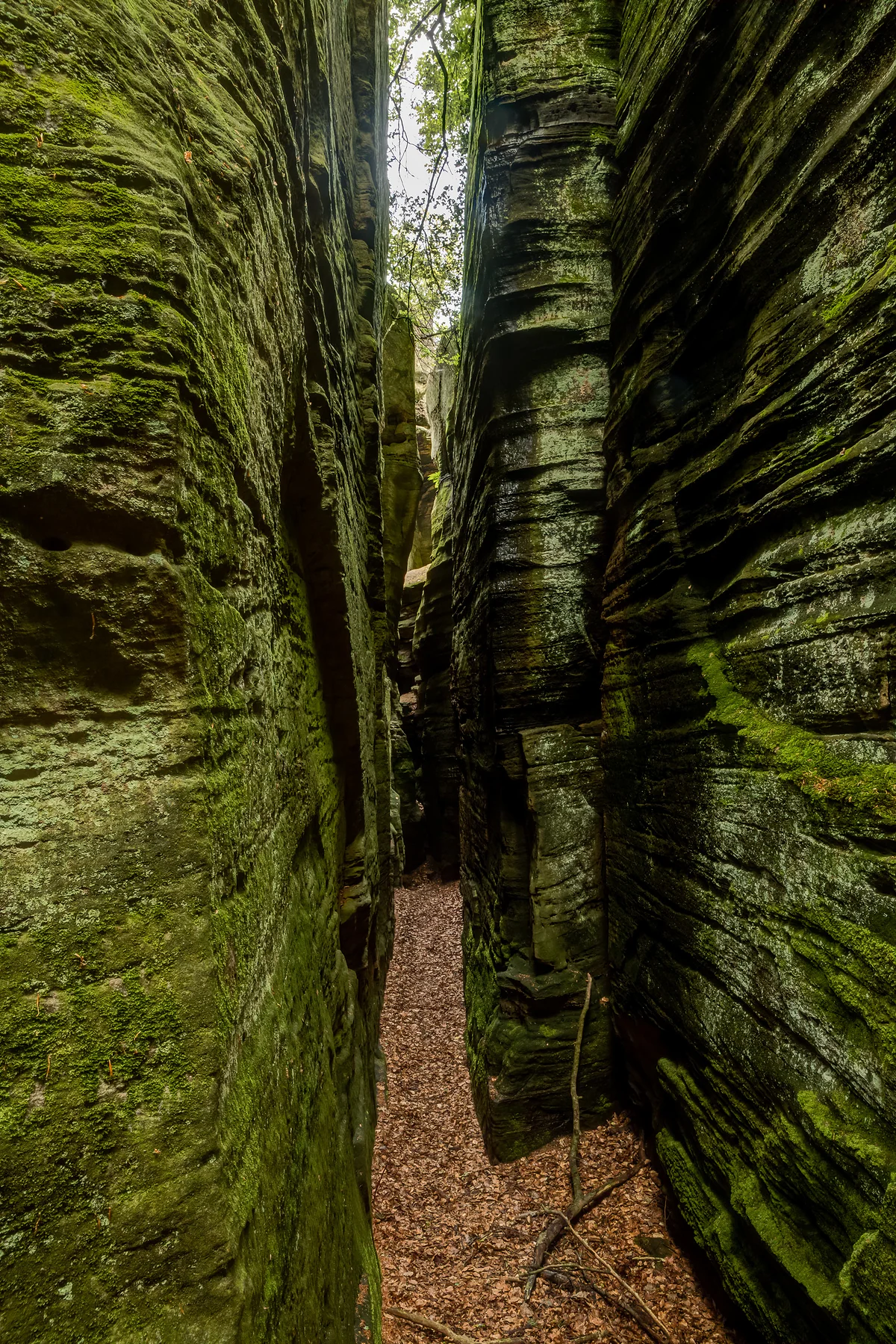
Rock corridors and ladders through the forest
The Mullerthal Trail covers 112 km in three loops, taking in the 40 m deep Wolfsschlucht gorge and the Schiessentümpel waterfall. You don't need to be a serious hiker; a half-day stretch is enough.
The Pfaffenthal panoramic lift links the upper town with the valley in 30 seconds, free, from 5:45 to 1:00. It closes one day a month for maintenance; in 2026, on 5 October, 2 November and 7 December.
Bernard-Massard in Grevenmacher opens from 10:00 to 18:00 (to 19:00 at weekends) and is the country's leading family producer, with nearly 3,500,000 bottles a year. Crémant de Luxembourg has existed as an appellation since 1991.
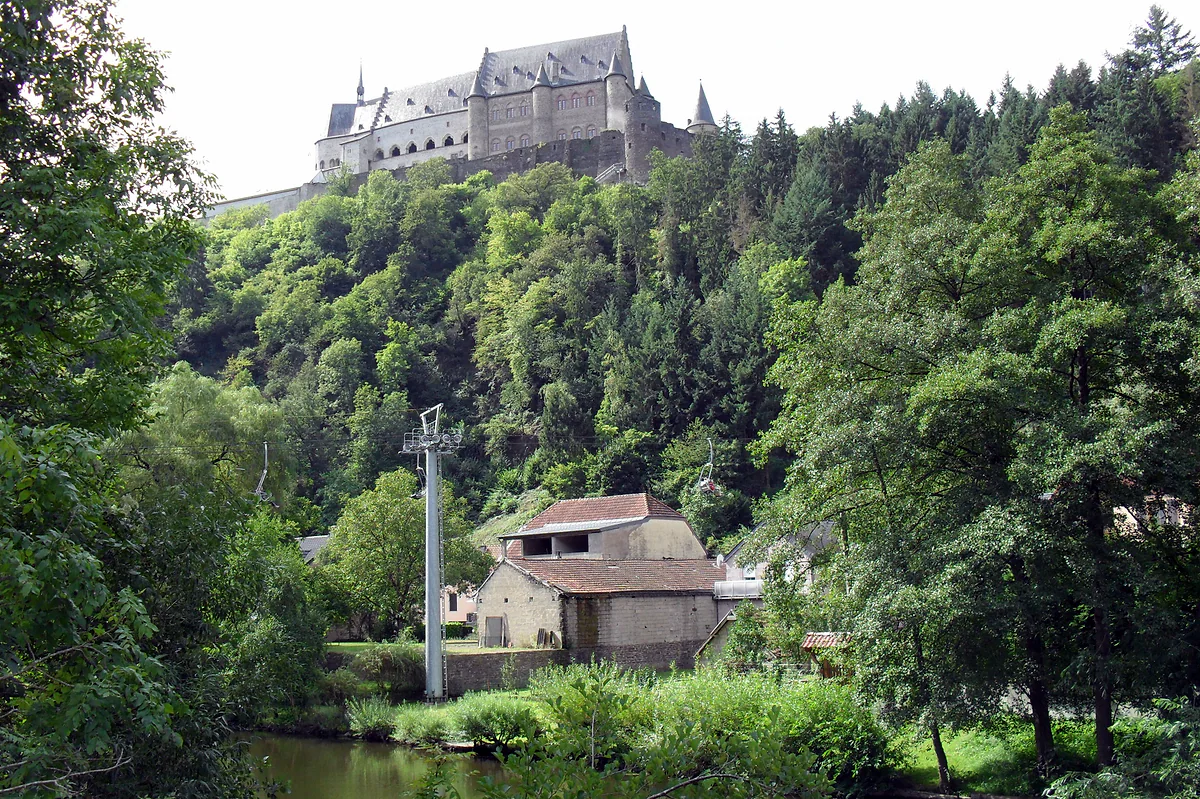
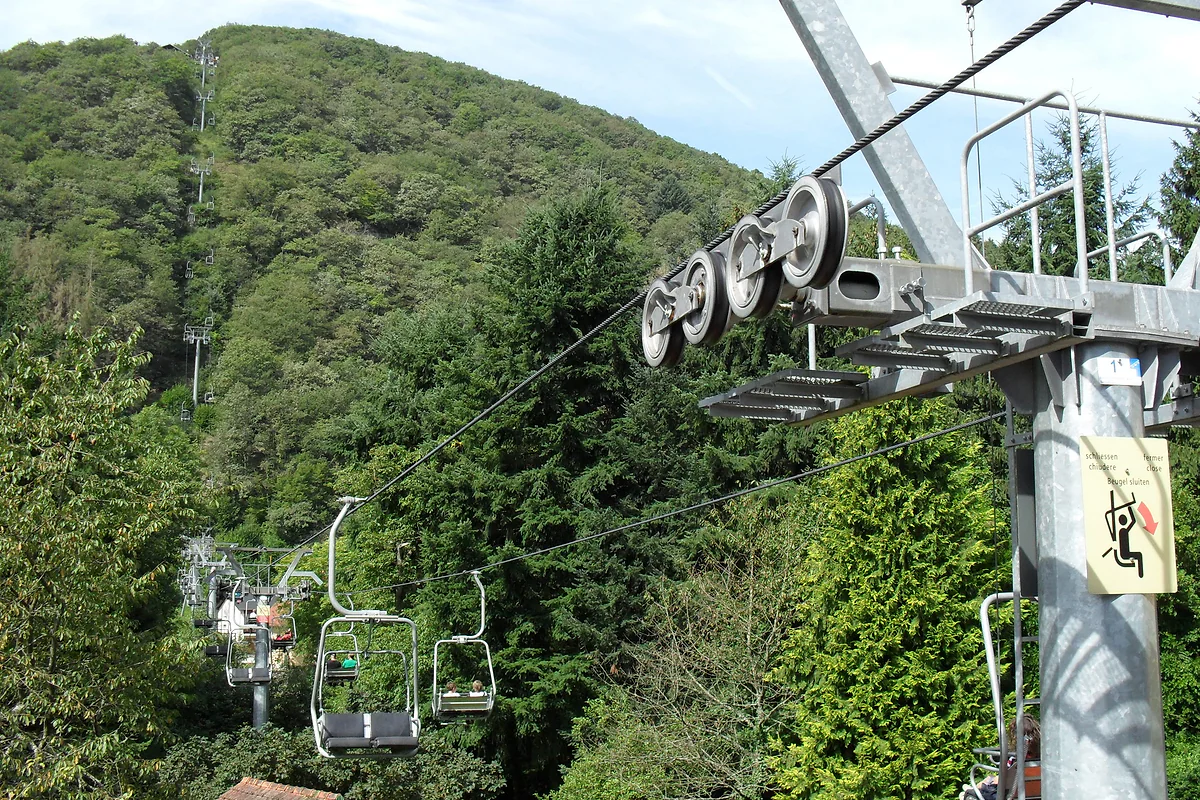
It's the only one in the country and climbs to 440 m above the Our valley. The 2026 season runs from 4 April to 19 October, and a return costs €9.50 for adults and €5 for children.
The scores are mine. I reward what you can only do here, what's enjoyable without spending and what works whatever the weather, and I mark down anything tied to a short season.
Narrow passages between sandstone rocks, the Wolfsschlucht and the Schiessentümpel. It carries the Leading Quality Trails - Best of Europe label and you can set off from Echternach without a car.
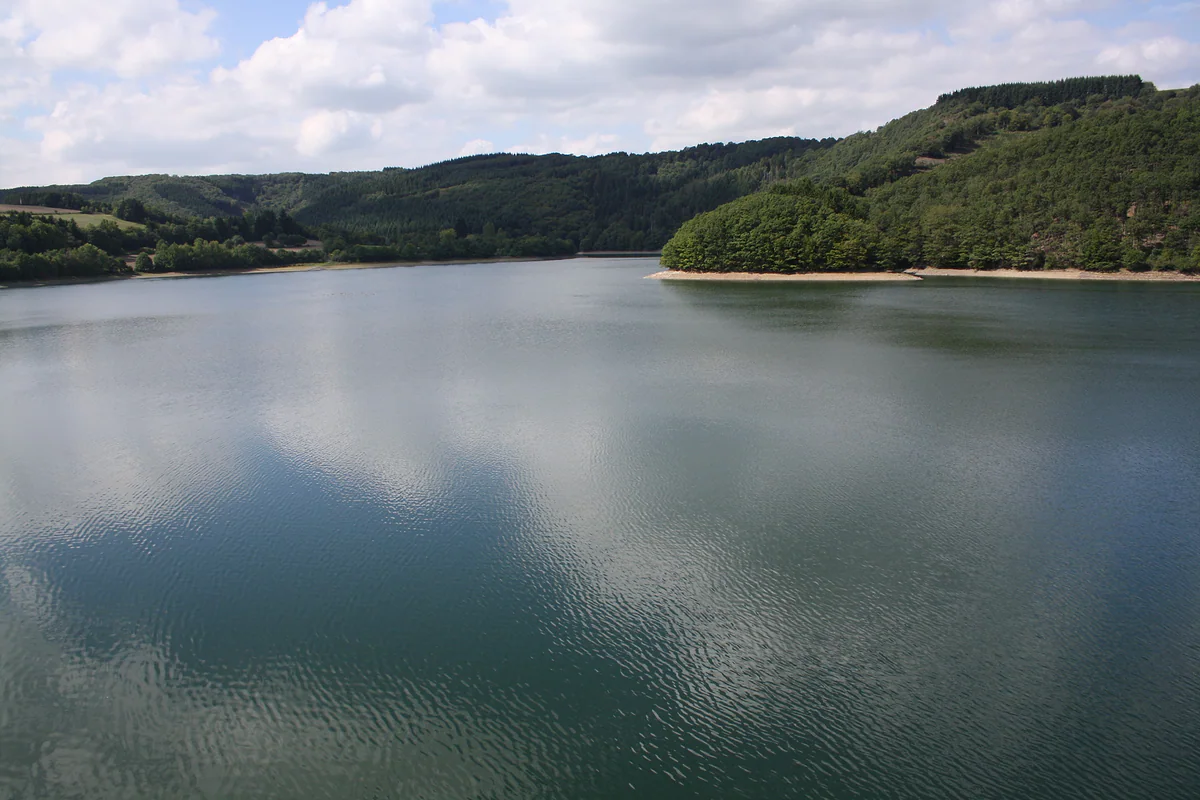
The largest lake in the country, with a watersports base at Lultzhausen and the Burfelt viewing platform 70 m above the water. Swimming is allowed in designated areas from 1 May to 30 September.
The Train 1900 runs from Pétange to Fond-de-Gras, and the Minièresbunn carries on to the mining village of Lasauvage through an old mine. A winner with children.
Mudam, in an I. M. Pei building opened in 2006, and the Dräi Eechelen Museum in the old Fort Thüngen. My rainy-day plan.
Time: Half a dayPrice: €10
7.2 out of 10
There are two ways to do Luxembourg. One is to tick off the monuments in the capital and fly home thinking it’s a country of office blocks. The other is to get out, walk, ride up something and go down into something, and that’s where the country wins. This ranking is about activities rather than places. For the places themselves, with scores, head to places to visit in Luxembourg.
Walking is what Luxembourg does best
If I had to recommend a single activity, it would be walking. The Mullerthal in the east is a sandstone forest threaded with tight rock corridors, wooden steps and footbridges, and its long-distance path holds the European walking label Leading Quality Trails. You don’t have to tackle all 112 km. A half-day stretch from Echternach or from the hamlet of Müllerthal will take you past the Wolfsschlucht or the Schiessentümpel, and the bus there is free.
Up north, the Escapardenne links two routes through the Ardennes, the Lee Trail and the Éislek Trail, 159 km in total. The second one crosses into Belgium and finishes at La Roche-en-Ardenne, although about 50 km of it stays on Luxembourg soil. Down south, the Minett Trail covers 90 km in ten stages through old mines and nature reserves, with eleven huts, the Kabaisercher, along the way. I gather every route in hiking in Luxembourg. If you’d rather cycle, Luxembourg’s cycle network already tops 600 km, with 950 planned, and bikes go on the train when there’s space, which makes a big difference in a country this size. The detail is in cycling in Luxembourg.
Going up, going down
Luxembourg is all changes of level, and several of its best experiences come down to that. In the capital, the panoramic lift drops from Pescatore park to the Pfaffenthal and the funicular climbs from the valley to the Kirchberg in 63 seconds, both free. Underground, the Bock Casemates now come as a guided tour at €20, and it’s the one thing I’d book ahead in high season.
At Vianden, the chairlift is the only one in the country and leaves you 440 m above the Our with the castle straight ahead. It runs from April to mid-October, so on a winter trip don’t count on it.
If you’d rather see the country from the air, visitluxembourg lists three options in the north, and each works differently. A balloon is the easiest for a visitor. Ballooning 50° Nord flies from Fouhren from mid-April to October, with flights at first light or towards the end of the day, and you book on its website. Tandem skydiving is run by the Cercle Para at Noertrange airfield, again bookable online. Paragliding is another matter, because the Cumulux club flies at Gringlee, Kautenbach and Michelau with members only and opens up to outsiders for one tandem weekend a year. For me the balloon is the splurge that pays off, with the Éislek laid out below you at dawn.
Between 1 May and 30 September you can swim in the lakes, always in the designated areas. The Upper Sûre is the largest in the country, with a watersports base at Lultzhausen and the Burfelt platform 70 m above the water. Echternach’s lake is smaller and has a swimming area at Adventure Island from 7:00 to 22:00, and in the south there are the Remerschen lakes beside the Haff Réimech reserve. I compare them all in swimming lakes in Luxembourg.
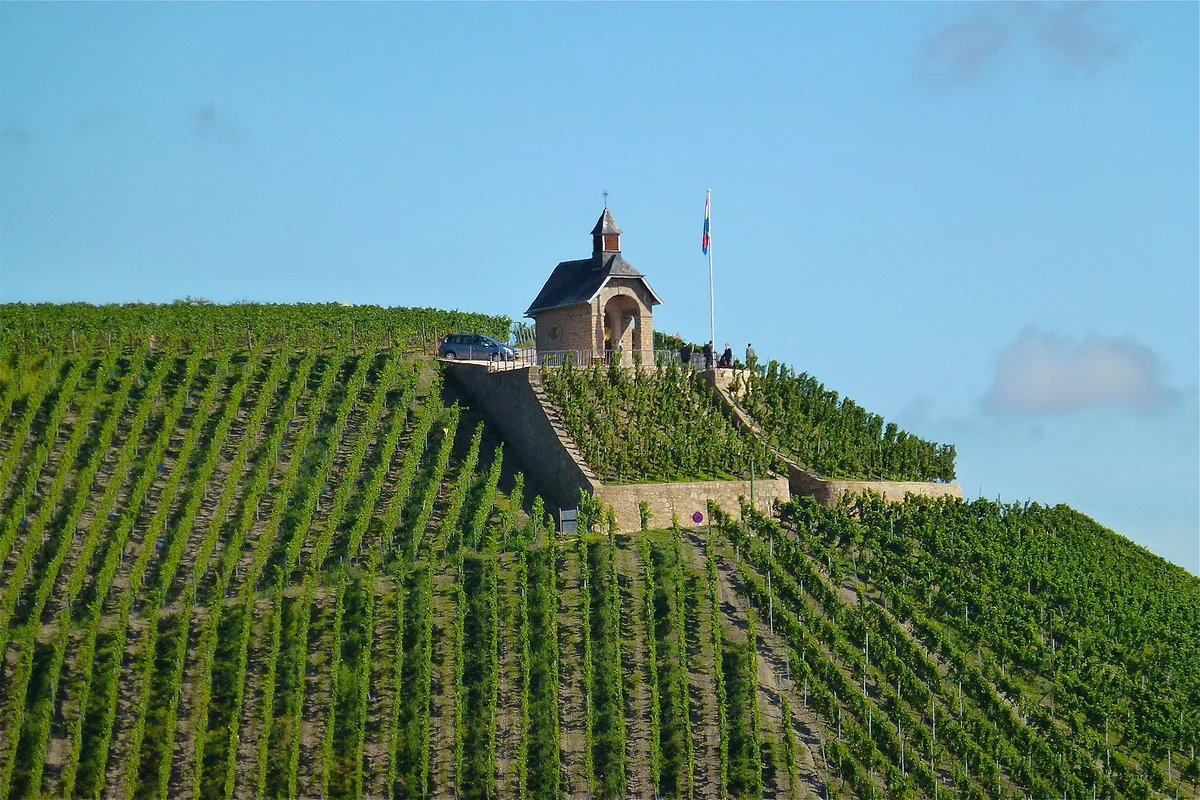
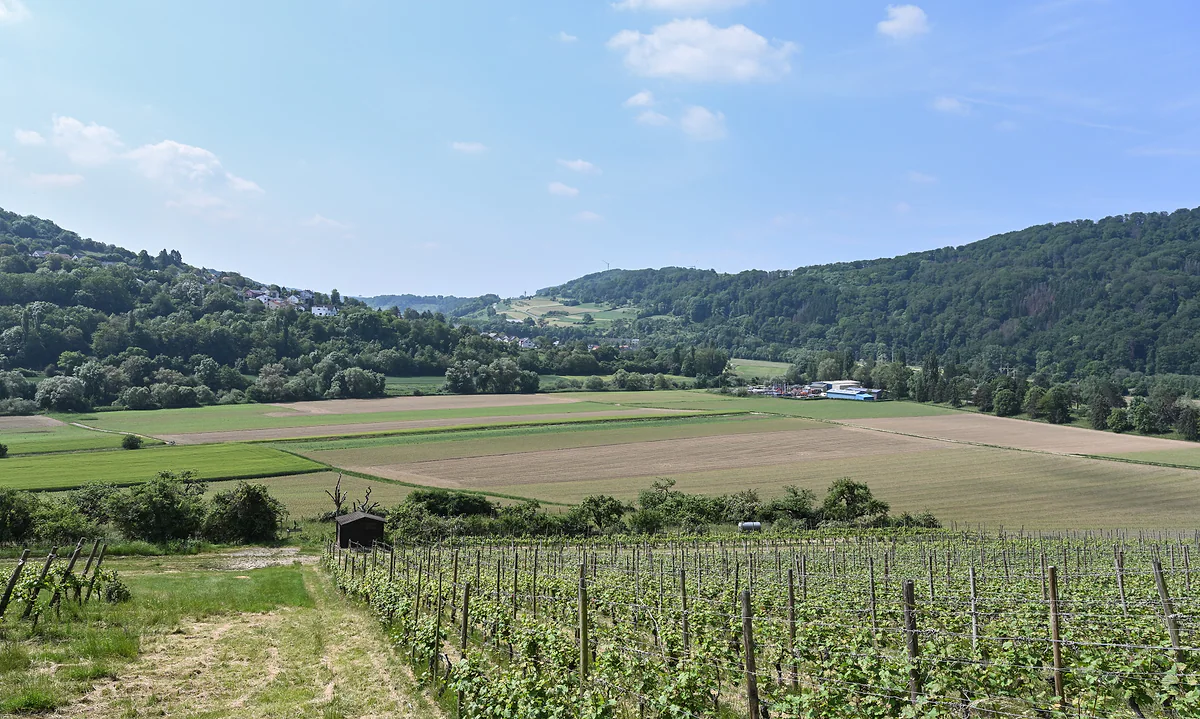
The Moselle is another story. There are more than 40 wine cellars and estates, and two of the big names welcome visitors, Bernard-Massard in Grevenmacher and Caves St Martin in Remich. The local sparkling wine, Crémant de Luxembourg, has been made to its own rules since 1991, from grapes picked by hand, pressed whole and left nine months on the lees. To add the river, sightseeing boats leave from the quays and longer trips go as far as Trier or Thionville. I’d go in the second half of the afternoon, when the sun drops over the vines.
What can you do in Luxembourg with children?
My favourite family day is in the south. The Train 1900 steam train runs from Pétange to Fond-de-Gras, and from there the Minièresbunn heads through an old mine to Lasauvage, from 1 May to the last weekend of September. At Rumelange, the National Mining Museum takes you into the gallery on a mine train, €14 an adult if you book. Everything else for families, parks and museums included, is in Luxembourg with kids.
Two events transform the capital. Winterlights, the Christmas markets and street entertainment, opens on 20 November 2026 and carries on until 3 January 2027. In summer, the Schueberfouer funfair fills the Champ du Glacis from 20 August to 8 September 2027, every day from midday to one in the morning. In between comes National Day on 23 June, with fireworks from the Adolphe Bridge the night before. The full calendar is in Luxembourg events.
The calm waters of the Upper Sûre Lake between forested hills, with clouds reflected on the surface
St Donatus Chapel on top of the Koeppchen at Wormeldange, surrounded by steep vineyards above the Moselle
Activities, price and season
Activity
Price
When
Mullerthal Trail
Free
Year-round
Bock Casemates guided tour
€20 adult
1-hour tour run by the city tourist office
Vianden chairlift
€9.50 return
4-4 to 19-10-2026
Swimming in the Upper Sûre lake
Free
1-5 to 30-9, in designated areas
Train 1900 and Minièresbunn
No price on the official listing
1-5 to the last weekend of September
Rumelange mine and train
€14 booked, €15 on the door
April to September, days vary by month
Mudam
€10
Free on Wednesdays, 18:00 to 21:00
Official figures checked on 29-09-2026. Seasonal hours change every year, so check before you go.
Test yourself
True or false?
0/3Pick before you peek.
Luxembourg has several tourist chairlifts in the north.
See the answer
False. Vianden's is «le seul télésiège du Grand-Duché», according to Visit Luxembourg. It climbs to 440 m above the Our valley.
You can swim in the Upper Sûre lake in summer.
See the answer
True. From 1 May to 30 September, in designated areas. The lake supplies drinking water to about 70% of the population, which is why swimming is limited to those zones.
The Mullerthal Trail is a single 30 km route.
See the answer
False. It's three routes of 36.7, 39.7 and 37.7 km, 112 km in all, plus five ExtraTours of 9.3 to 31.5 km, according to the trail operator.
My shortlist is a stretch of the Mullerthal Trail, a guided tour of the Bock Casemates, the Vianden chairlift and an afternoon at the Moselle wine cellars. In summer, add a swim in the Upper Sûre lake.
What can you do in Luxembourg when it rains?
The Bock Casemates, which are underground, and the capital's museums, such as the Nationalmusée (€7, free for under-26s) or Mudam. The wine cellars in Remich and Grevenmacher are indoors too.
What is there to do in Luxembourg at night?
The Pfaffenthal lift runs until 1:00, and on Friday and Saturday nights the City Night Bus runs until 3:30. Clausen is the district the city itself singles out for its cafés and restaurants.
Can you swim in Luxembourg?
Yes, in the Upper Sûre lake and the lake at Echternach, from 1 May to 30 September in designated areas. At Echternach, the Adventure Island zone is open from 7:00 to 22:00.
Are there free things to do in Luxembourg?
Lots. The Mullerthal Trail, the Chemin de la Corniche, the Pfaffenthal lift, the Kirchberg funicular and all public transport cost nothing. The Belval blast furnaces are effectively free for under-21s and students, who pay €0.01.
When is the Schueberfouer?
The 2027 edition runs from 20 August to 8 September on the Champ du Glacis, daily from 12:00 to 1:00. The 2028 dates have been announced as 23 August to 11 September.
Tourism graduate with a master’s in Tourism Management and Planning from the University of Málaga, who has travelled across Europe. He writes every guide from official sources and his own judgement.