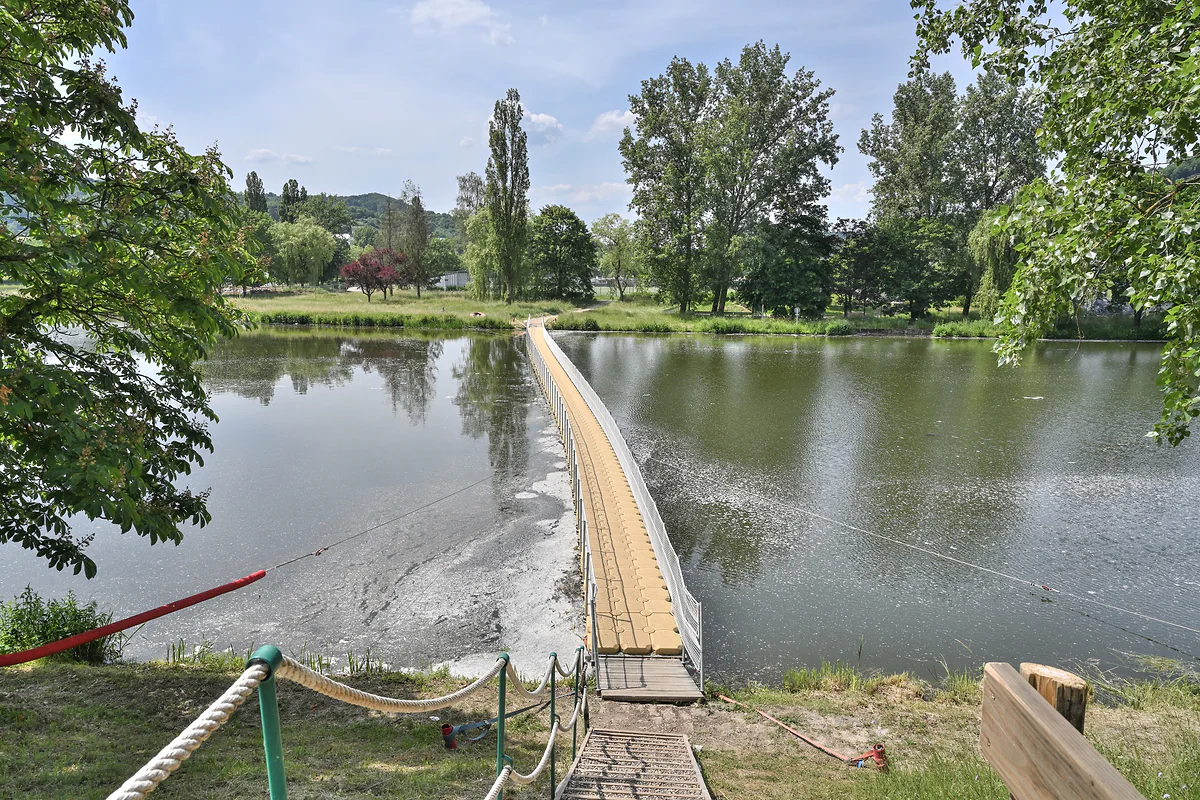
Hands-on museum in Rosport
The Tudor Museum, home of the man who electrified Echternach
The Tudor Museum in Rosport is devoted to Henri Owen Tudor (born 1859), the engineer who perfected the lead-acid battery and in 1886 brought electric street lighting to Echternach. It mixes traditional displays with hands-on experiments, opens Wednesday to Sunday from 14:00 to 18:00 and costs adults €5, with free entry for under-21s.
In 30 seconds
Full read: 3 min
- Rosport's Tudor Museum tells the story of Henri Tudor, a pioneer of the lead-acid battery.
- Tudor lit Echternach's streets in 1886, and his family home had electricity in 1882.
- Open Wednesday to Sunday, 14:00 to 18:00; €5 for adults, free up to 21.
It's a small museum, and that's the charm. I'd bring children of eight to ten, who get the most out of the experiments and the bikes that make electricity at the end. If you've just come from Echternach, it also explains why that town lit its streets so early.

Before you go
What I would keep in mind
-
01 To save money
Free for almost everyone young
Under-21s, students with a card and holders of the LuxembourgPass, an ICOM card or the Kulturpass get in free. Adults pay €5.
LuxembourgPass -
02 My tip
Afternoons only
It opens 14:00 to 18:00 and shuts on Mondays and Tuesdays. If you're walking Trail Route 1 from Echternach, aim to reach Rosport after lunch.
-
03 Most beautiful
The Tudor heritage walk
A 2.35 km circuit with 11 stops takes in the mills where the battery was developed and ends in the English-style park around the museum.
Rosport
Most people who stop in Rosport head for the reservoir or carry on along the Trail without a second look at a large English-style house set in its own park. Henri Tudor had it built in 1892, and villagers called it «d’neit Schlass», the new castle. Inside is one of the most enjoyable small museums in Luxembourg.
Who was Henri Tudor?
Henri Owen Tudor was born on 30 September 1859 at the Diesburger Hof near Ferschweiler, in Germany, the son of John Thomas Tudor and Marie Loser. He was educated at the college in Chimay and at the Free University of Brussels, qualifying as an engineer in 1883. The museum credits his passion for electricity to his physics teacher, Ernest Rousseau, and his cousin Nikolaus Josef Schalkenbach.
His breakthrough was an electrode design that finally made the lead-acid battery practical, both technically and commercially. Around 1881, during the holidays, he hooked a Gramme generator up to his father’s water mill and wired his home-made batteries into the circuit to keep the voltage steady. By October 1882 the family’s Irminenhof in Rosport had constant electric light, and the museum presents it as one of the first private houses in Europe to be lit by electricity. His first battery plates kept working for sixteen years without a break.
Lighting up Echternach
In 1886 Tudor offered Echternach electric light in place of its paraffin lamps. A power plant went into Echternach Abbey, and the lights were switched on on 24 October 1886. A second boiler soon followed to connect more homes, and towns in Belgium came asking for the same system. The museum doesn’t hide the irony, since in 1889 his own factory workers complained that they couldn’t use what they made, and Rosport only got electric street lighting in 1901.
To sleep close to everything, search places to stay in Echternach on Booking.com and filter by area before price.
From Rosport to Manchester
With his brother Hubert and his cousin, Tudor opened the Rosport works. An agent, Adolph Müller, won the exclusive right in 1888 to make and sell Tudor batteries in Germany, Central and Eastern Europe and Scandinavia, and the batteries were also produced in Hagen, Westphalia, and at Dukinfield, near Manchester. At the 1894 Lyon exhibition Tudor showed a power station that lit 500 lamps for four hours. In 1905 he unveiled a generator vehicle, the Energy-Car, in Liège, which never sold. In 1908 he closed the Rosport works and moved production to Florival in Belgium. The Tudor name, the museum points out, still appears on car starter batteries today.
The house itself belongs to the story. In 1891 Tudor married Marie-Madeleine Pescatore, and they had three children, Anne, Marie-Antoinette and John. The home he built near the Irminenhof was so large, and so English in style, that Rosport’s villagers nicknamed it the new castle, and that is the building you walk into today.
What you’ll see inside
Display cases sit alongside hands-on stations where you play with magnets, currents and battery chemistry, in rooms dressed as the 19th century and filled with period sounds. At the end, bikes let you turn whatever energy you have left into electricity. There’s an audio guide on the izi.travel app, and guided tours for groups and for children.
To sleep close to everything, search places to stay in Echternach on Expedia and filter by area before price.
Opening times, prices and getting there
The museum opens Wednesday to Sunday, 14:00 to 18:00. Adults pay €5, and entry is free for under-21s, students and holders of the LuxembourgPass, an ICOM card or the Kulturpass. A guided group tour, booked ahead, costs €75. The Rosport, Gemeng bus stop is outside, and buses are free throughout the country, so it’s an easy trip from Luxembourg City or Findel.
Is it worth the detour?
For anyone interested in the history of technology, absolutely. It’s one of the few museums in the country that tells an industrial story from inside a village, with the house, the mills and the works all on one 2.35 km walk. With children it earns its place too. On a first, single day in the Mullerthal, though, I’d put the Berdorf rocks and Echternach Abbey first and keep Rosport for a second day, with Girsterklaus chapel and some time on the Sûre.
The Tudor heritage walk starts nearby and ends in the park around the house. For everything else in the village, see Rosport.
If you are short on time, see the best tours in Tudor Museum and pick one that fits your day.
Where the bus does not go, a car does: compare car hire in Luxembourg before you arrive rather than at the desk.
If you still need a way in, check the best ticket deals to Luxembourg from where you are.
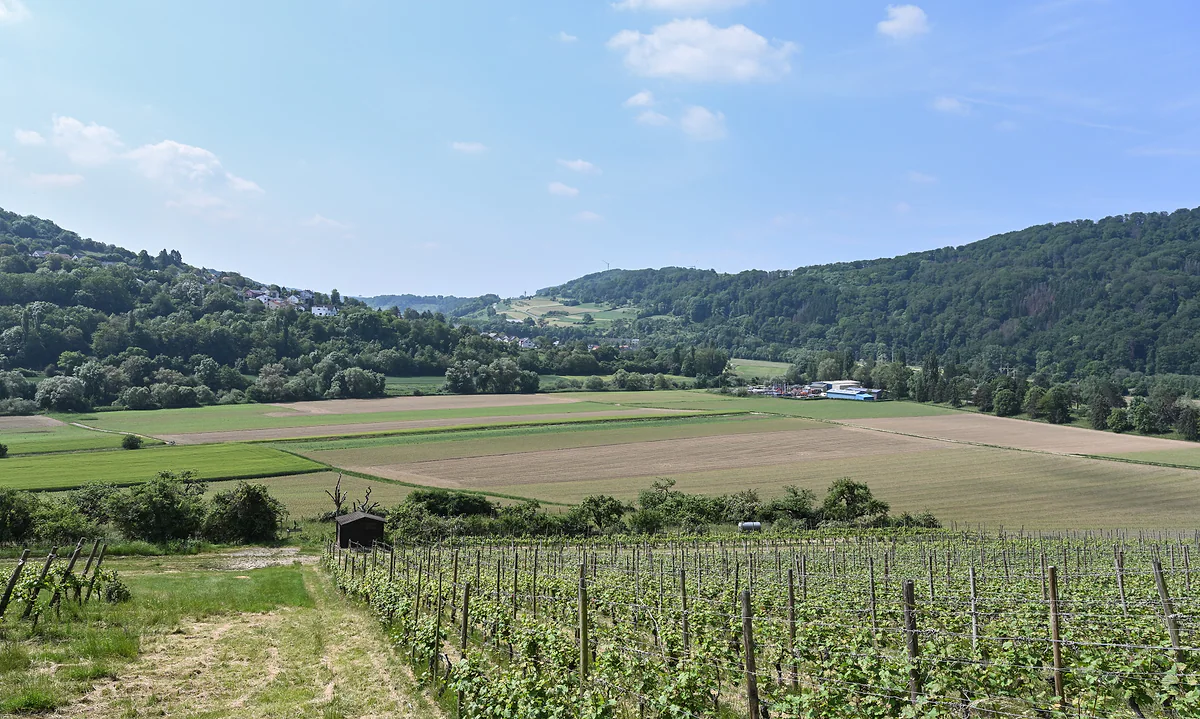
The Sûre valley near Rosport, with vines in the foreground, flat fields and wooded hills on the far side
Prices and opening
| Item | Detail |
|---|---|
| Adults aged 21 and over | €5 |
| Under-21s, students, ICOM, LuxembourgPass, Kulturpass | Free |
| Guided tour for groups | €75 per group, booking needed |
| Opening | Wednesday to Sunday, 14:00-18:00 |
| Contact | +352 73 00 66 206, [email protected] |
musee-tudor.lu and visitluxembourg.com, checked on 29-09-2026.
Henri Tudor's life in dates
| Year | Event |
|---|---|
| 1859 | Born on 30 September at the Diesburger Hof near Ferschweiler, Germany |
| 1882 | In October the Irminenhof in Rosport has constant electric light |
| 1883 | Qualifies as an engineer at the Free University of Brussels |
| 1886 | Echternach's electric street lighting switched on, 24 October |
| 1891 | Marries Marie-Madeleine Pescatore |
| 1908 | Closes the Rosport works; production moves to Florival, Belgium |
Museum biography (musee-tudor.lu), checked on 29-09-2026.
Test yourself
True or false?
0/3 Pick before you peek.
-
Echternach got electric street lighting thanks to Henri Tudor.
See the answer
True. It was switched on on 24 October 1886, powered by a plant set up in the abbey, according to the museum's biography.
-
The Rosport battery works stayed open until the Second World War.
See the answer
False. It closed in 1908 and production moved to the Florival works in Belgium, founded in 1901.
-
Under-21s get a half-price ticket.
See the answer
False. They pay nothing. Entry is free up to the age of 21.
- Adult ticket
- €5
- Electric light at the Irminenhof
- 1882
- Echternach's electric street lights
- 1886
- Life of his first battery plates
- 16 years
Map
Where Tudor Museum is
The thick dashed line is the border with Belgium, France and Germany, and the fine ones divide the twelve cantons. The Éislek lies to the north and the Moselle to the east. Every number opens its guide.
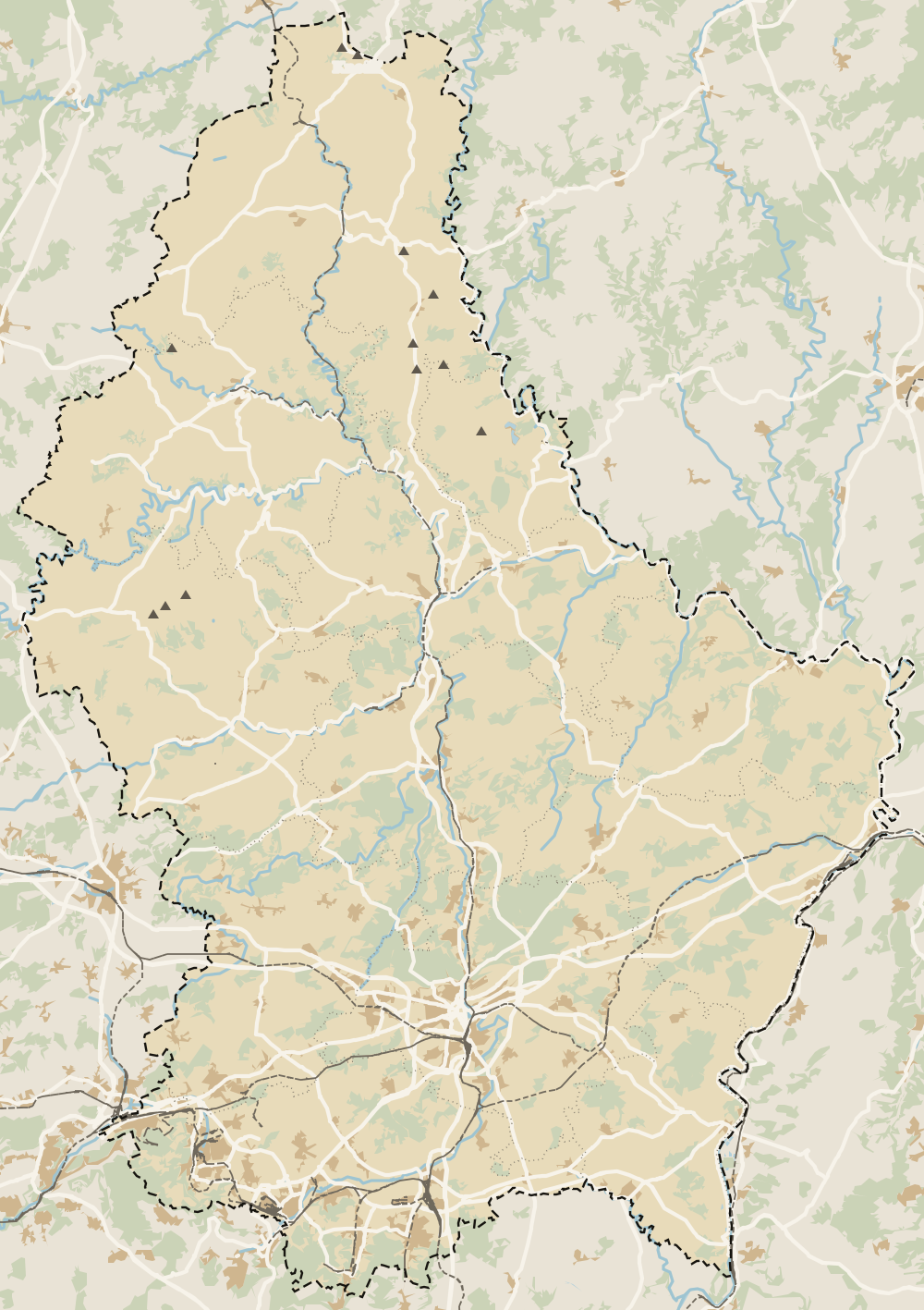
0 of 425 Luxembourg guides
Your next stamp
- Rosport-Mompach
- National Resistance Museum
- Wiltz Castle
- Dräi Eechelen Museum
- Echternach
- Hotels in Echternach
- Munsbach Castle
- Echternach Abbey
- A Possen Museum
- American Cemetery
- Ansembourg
- Ansembourg Castles
- Asselborn
- Bascharage
- Beaufort castles
- Belval
- Belval blast furnaces
- Berg Castle
- Bernard-Massard cellars
- Bourglinster Castle
- Bourscheid Castle
- Brandenbourg
- Brandenbourg Castle
- Caves St Martin
- Christmas
- Clervaux Castle
- Ehnen
- Ehnen Wine Museum
- Esch-sur-Alzette
- Esch-sur-Sûre Castle
- European Museum Schengen
- Fond-de-Gras
- General Patton Museum
- German war cemetery
- Haff Réimech
- Hohllay
- Hollenfels Castle
- Hosingen
- Kautenbach
- Kneiff
- Koerich Castle
- Larochette Castle
- Lasauvage
- Mersch Castle
- Military History Museum
- Moersdorf
- Mondorf Domaine Thermal
- National Mining Museum
- Parc Merveilleux
- Park Sënnesräich
- Places to visit
- Remich
- Rindschleiden
- Schiessentümpel
- Septfontaines Castle
- Slate Museum
- Stolzembourg
- Useldange Castle
- Valley of the Seven Castles
- Vianden
- Vianden Castle
- Ville Haute
- Wasserbillig Aquarium
- Weiswampach lakes
- Ahn
- Berdorf
- Bourscheid-Plage
- Butterfly garden
- Clervaux
- Differdange
- Echternach lake
- Grevenmacher
- Heringer Millen
- Hollenfels
- Luxembourg City
- Luxembourg Science Center
- Meysembourg Castle
- Mullerthal
- National Day
- Perekop
- Remerschen
- Schoenfels Castle
- The Family of Man
- Things to do
- Upper Sûre Lake
- Vianden chairlift
- Wasserbillig
- Clervaux Abbey
- Echternach Roman villa
- Éislek
- Insenborn
- Kallektuffquell
- Machtum
- Most beautiful places
- Our Nature Park
- Pétange
- Pettingen Castle
- Schueberfouer
- Schwebsingen
- Victor Hugo House
- Waldbillig
- Dudelange
- Kuelscheier
- Lultzhausen
- Moselle Valley
- Octave
- Prettiest villages
- Sanem
- Schengen
- Wellenstein
- Wiltz
- Wolfsschlucht
- Beaufort
- Bech-Kleinmacher
- Éimaischen
- Gaalgebierg
- Guttland
- Marnach
- Mondorf-les-Bains
- Putscheid
- Schifflange
- UNESCO World Heritage
- Carnival
- Consdorf
- Ellergronn
- Käerjeng
- Kayl
- Map
- Minett
- Munshausen
- Tandel
- Bech
- Buergbrennen
- Esch-sur-Sûre
- Rumelange
- Where is Luxembourg
- Is it a country?
- Lac de la Haute-Sûre (commune)
- Wormeldange
- Larochette
- Mondercange
- Regions
- Bettembourg
- Bock Casemates
- Cantons
- Dancing procession
- Diekirch
- Fischbach
- Garnich
- Mersch
- Moselle wine route
- Ettelbruck
- Grund
- Heffingen
- Kehlen
- Lintgen
- Moselle river cruises
- Pétrusse Casemates
- Towns and villages
- Chemin de la Corniche
- Erpeldange-sur-Sûre
- Junglinster
- Kopstal
- Lorentzweiler
- Nommern
- Pfaffenthal
- Population
- Bissen
- Clausen
- Grand Ducal Palace
- Koerich
- Schieren
- Size
- Vallée de l'Ernz
- Feulen
- Kirchberg
- Languages
- Notre-Dame Cathedral
- Reisdorf
- Steinfort
- Bettendorf
- Habscht
- St Michael's Church
- Helperknapp
- Luxembourgish
- Place Guillaume II
- Name
- Place d'Armes
- History
- Place de la Constitution
- Grand Duke
- Colmar-Berg
- Flaxweiler
- Gare
- Hamm
- Kirchberg funicular
- Luxembourg fortress
- Mamer
- Mertert
- Minett Trail
- Mullerthal Trail
- Neumünster Abbey
- Parc Hosingen
- Pfaffenthal lift
- Political system
- Redange
- The Passerelle
- Wine festivals
- Winseler
- Beckerich
- Biwer
- EU institutions
- Goesdorf
- Limpertsberg
- Mudam
- Natur Musée
- Pulvermühl
- Stadtbredimus
- Troisvierges
- Wenzel walk
- Bonnevoie
- Bous-Waldbredimus
- Ell
- Flag
- Kiischpelt
- Manternach
- Philharmonie
- Vauban circuit
- Weiswampach
- Betzdorf
- Boulaide
- Facts
- Hollerich
- Lenningen
- Useldange
- Wincrange
- Bourscheid
- Dalheim
- Gasperich
- Public holidays
- Red Bridge
- Saeul
- Belair
- Second World War
- Vichten
- Battle of the Bulge
- Merl
- Préizerdaul
- Cents
- EU and Schengen
- Groussbus-Wal
- Entry requirements
- Neudorf
- Rambrouch
- Currency and payments
- Mertzig
- Weimerskirch
- Adolphe Bridge
- Beggen
- Escapardenne
- How to get there
- International March of Diekirch
- MNHA (National Museum)
- Rock climbing
- Sandweiler
- Bridges
- Eich
- Flights
- Golf
- Hesperange
- Lëtzebuerg City Museum
- Canoeing and kayaking
- Dommeldange
- Luxembourg airport
- Strassen
- Villa Vauban
- Airport to city centre
- Bertrange
- Casino Luxembourg
- Mühlenbach
- Swimming pools
- From Brussels
- Pétrusse Valley
- Rollingergrund
- Walferdange
- Cessange
- Day trip from Brussels
- Municipal Park
- Steinsel
- Free walking tours
- From Paris
- Niederanven
- From Frankfurt
- Schuttrange
- Sightseeing train and bus
- By train
- Contern
- By coach
- Weiler-la-Tour
- Driving
- Luxembourg in one day
- Pretzel Sunday
- Rham Plateau
- Tour de Luxembourg
- Candlemas (Liichtmëssdag)
- Car hire
- Luxembourg in two days
- Saint-Esprit Plateau
- Luxembourg in three days
- Melusina statue
- Parking
- St Nicholas Day (Kleeschen)
- Fête de la Musique
- Luxembourg in four days
- Museums in Luxembourg
- Petrol
- Place de Clairefontaine
- A week in Luxembourg
- Getting around
- Luxembourg Marathon
- Tram and Bus Museum
- Free public transport
- Parks in Luxembourg City
- Road trip
- Belgium and Luxembourg
- Tram
- Buses
- Viewpoints
- Trains
- Luxembourg station
- Cycling
- LuxembourgPass
- Prices and budget
- On a budget
- Free things to do
- Mobile and roaming
- Healthcare
- Safety
- Scams
- Tourist information
- Packing list
- Swimming lakes
- With a dog
- Markets
- Tipping
- Shopping
- What to buy
- Shopping centres
- With kids
- For couples
- Playgrounds
- Adventure parks
- Nightlife
- Castles
- Theatres and concert venues
- Leudelange
- Nature parks
- Where to stay
- City-centre hotels
- Hiking
- Nature reserves
- Reckange-sur-Mess
- Hotels near the station
- Roeser
- Frisange
- Hotels in Kirchberg
- Airport hotels
- Dippach
- Hotels in Vianden
- Hotels in Clervaux
- Hotels in Mondorf-les-Bains
- Hotels in Esch-sur-Alzette
- Hotels on the Moselle
- Mullerthal hotels
- Upper Sûre lake hotels
- Hotels in Diekirch and Ettelbruck
- Cheap hotels
- Luxury hotels
- Boutique hotels
- Spa hotels
- Family hotels
- Apartments
- Weather
- Youth hostels
- Best time to visit
- Campsites
- Holiday cottages
- In winter
- Castle hotels
- In spring
- Day trips
- In summer
- Around Luxembourg
- In autumn
- Ice skating
- Trier day trip
- Metz day trip
- Arlon day trip
- In January
- In February
- In March
- In April
- In May
- In June
- In July
- In August
- In September
- Food
- In October
- In November
- Where to eat
- In December
- Michelin restaurants
- Cheap eats
- Judd mat Gaardebounen
- Bouneschlupp
- Gromperekichelcher
- Kniddelen
- Quetschentaart
- Rieslingspaschtéit
- Events
- Wine
- Crémant
- Beer
Frequently asked questions
How much is the Tudor Museum in Rosport?
€5 for adults aged 21 and over. Under-21s, students with a card and holders of the LuxembourgPass, an ICOM card or the Kulturpass go free.
When is the Tudor Museum open?
Wednesday to Sunday, 14:00 to 18:00. It's closed on Mondays and Tuesdays. Guided tours for groups are booked separately.
Who was Henri Tudor?
An engineer born in 1859 who improved the lead-acid battery until it became technically and commercially practical. It made electric street lighting possible across Europe, starting with Echternach in 1886.
Did Tudor batteries have a British connection?
Yes. The museum's biography lists battery production at Dukinfield, near Manchester, among the factories that made Tudor accumulators.
How do I get to the Tudor Museum?
By bus, free across Luxembourg, to the Rosport, Gemeng stop right outside. There's parking at the museum.
By
Tourism graduate with a master’s in Tourism Management and Planning from the University of Málaga, who has travelled across Europe. He writes every guide from official sources and his own judgement.
Published on . Facts checked on .
Sources
Some links in this guide are affiliate links: if you book through them, the site earns a commission at no extra cost to you. Affiliate disclosure
Photos: Cayambe (CC BY-SA 4.0); Cayambe (CC BY-SA 4.0), via Wikimedia Commons.