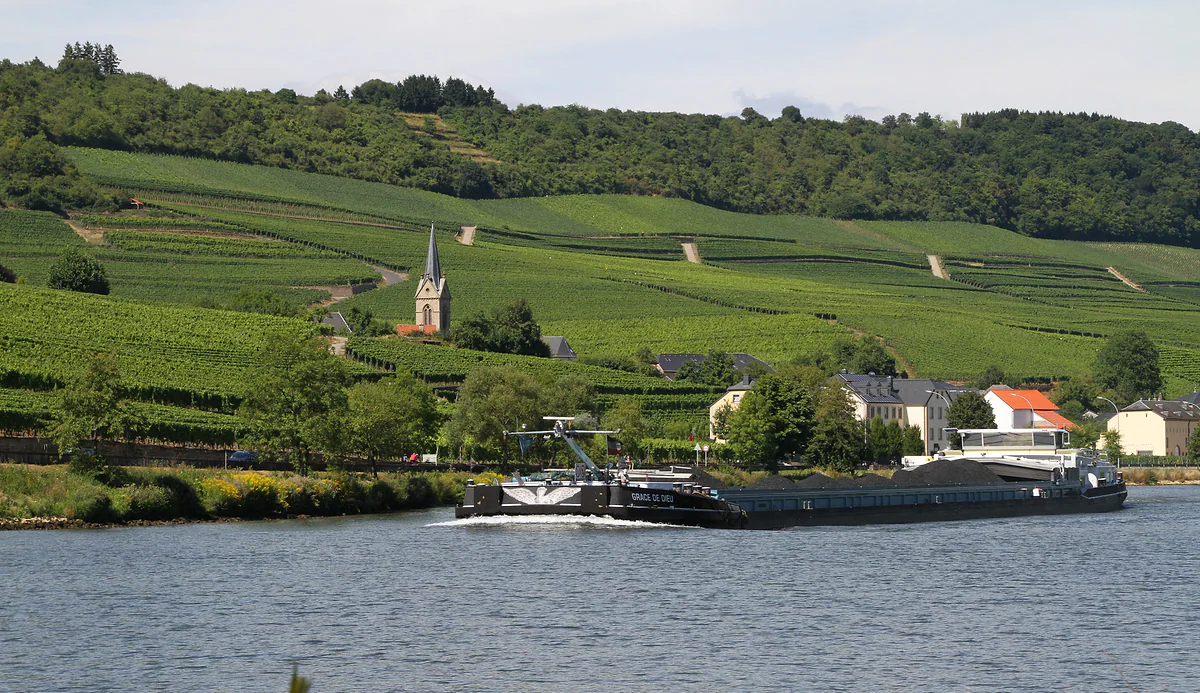
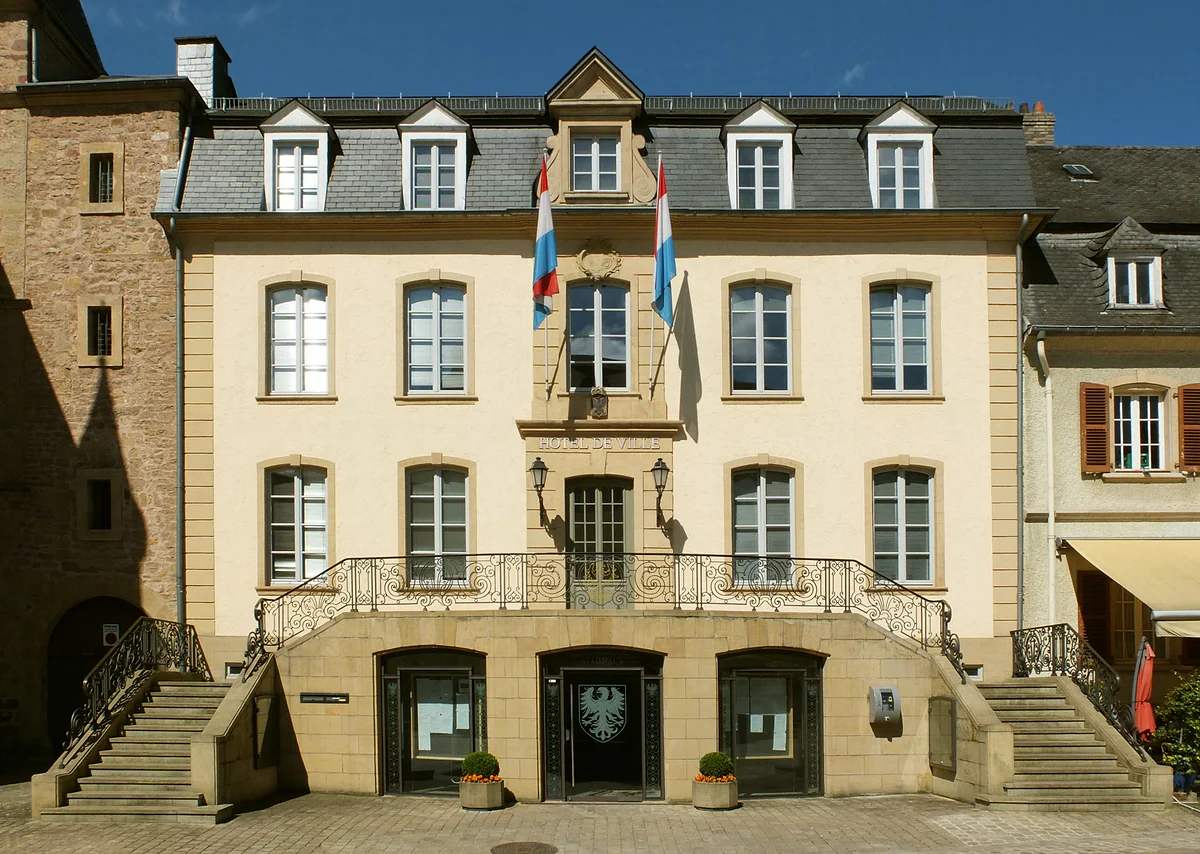
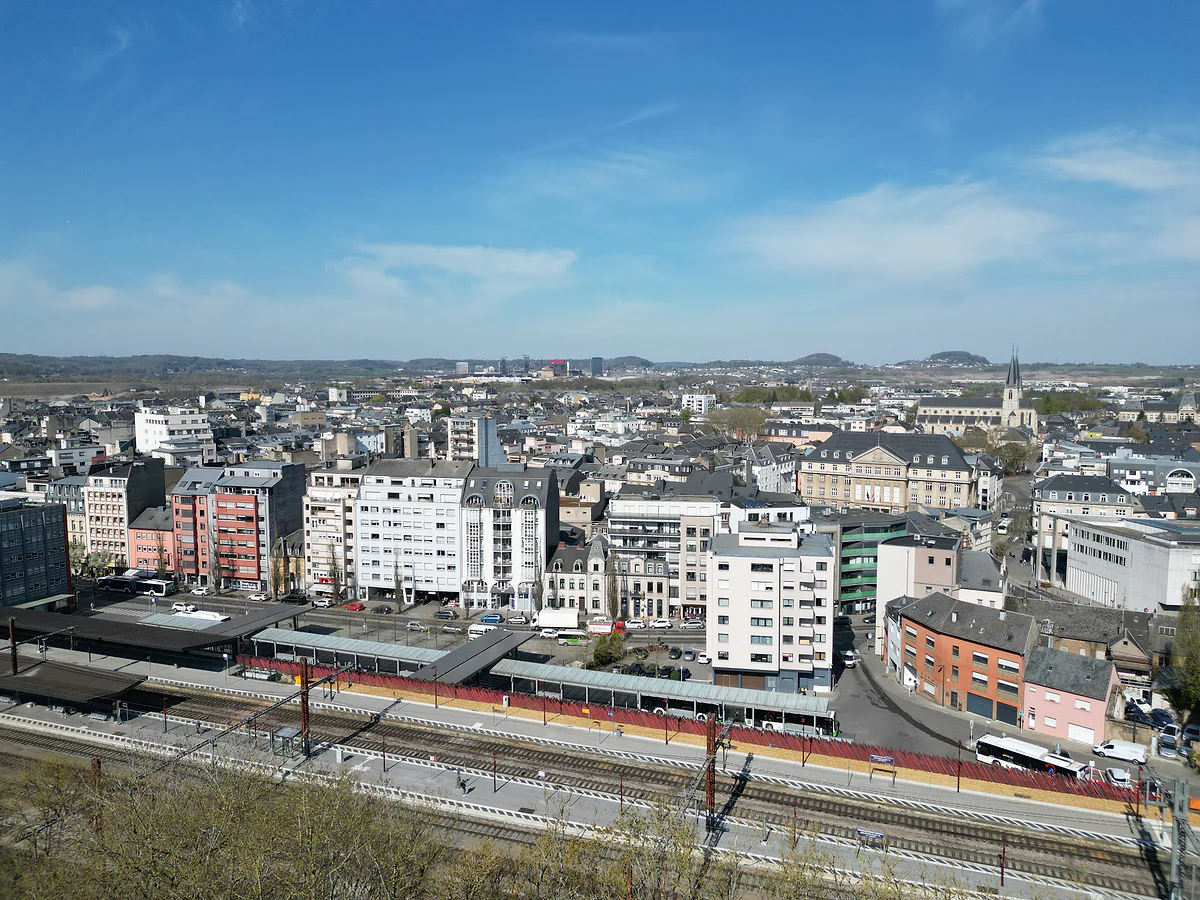
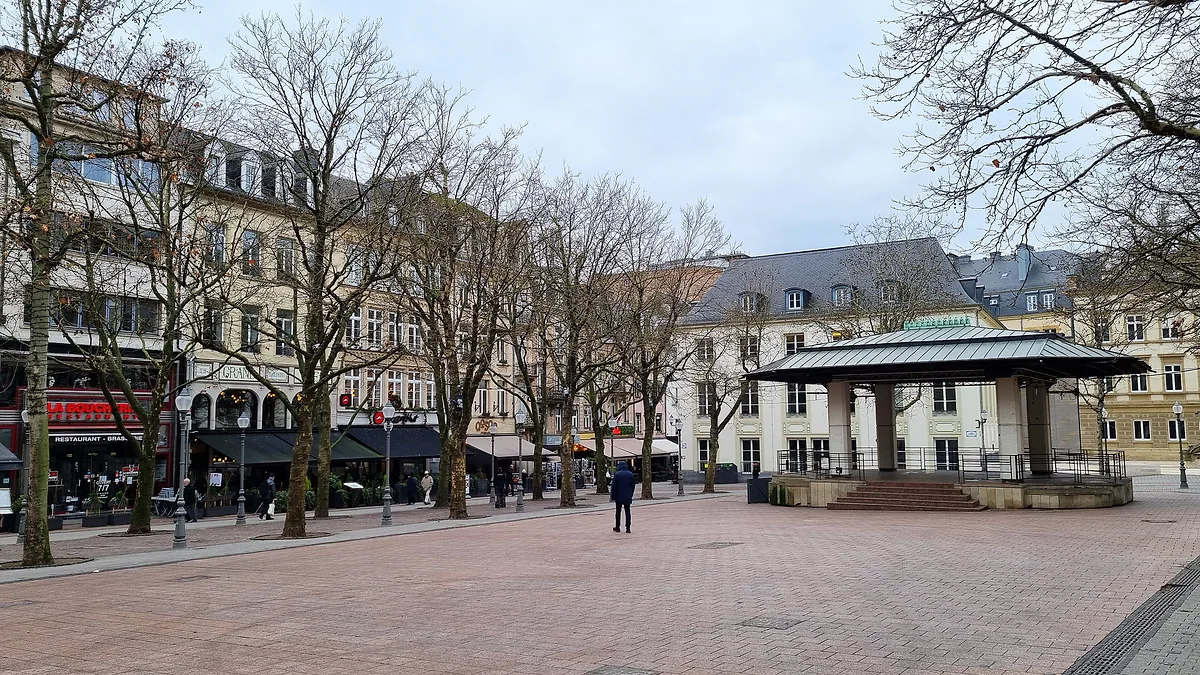
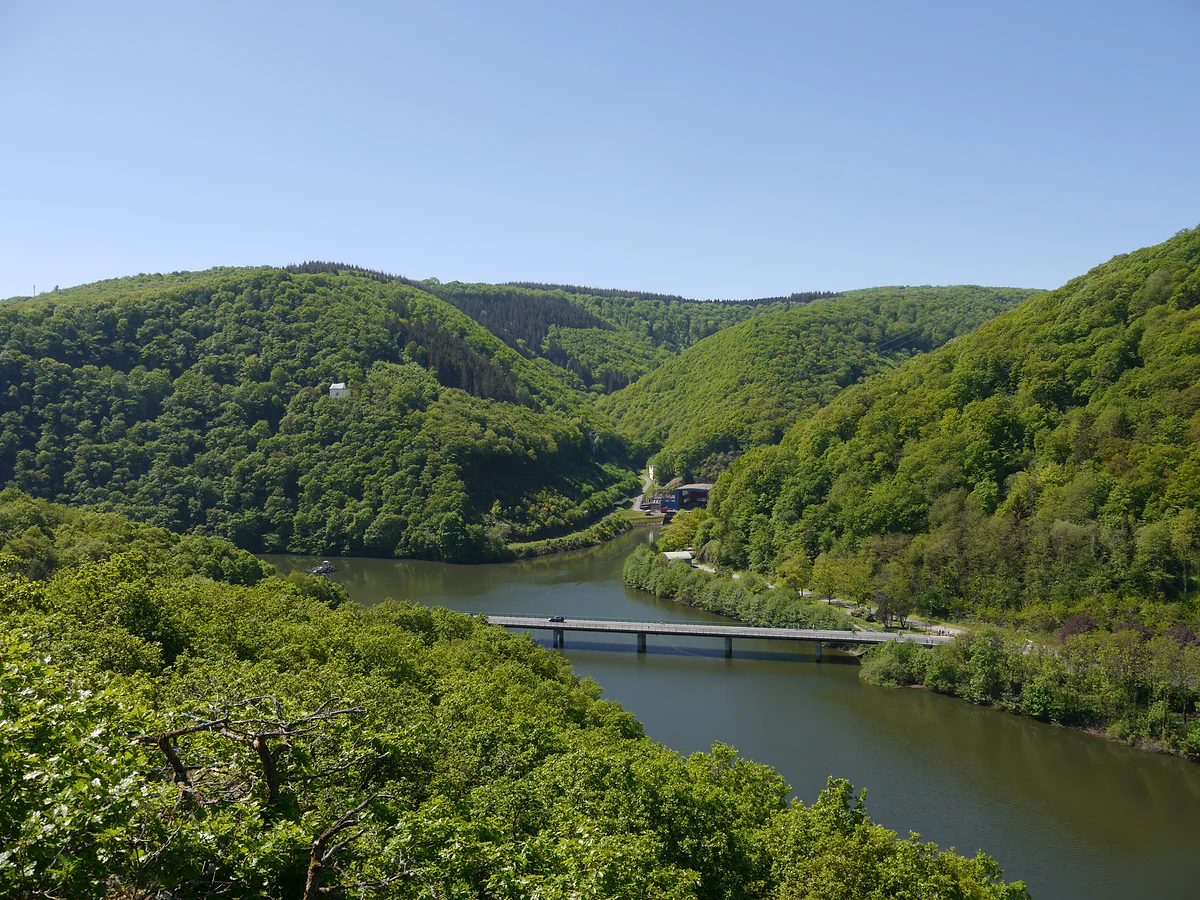
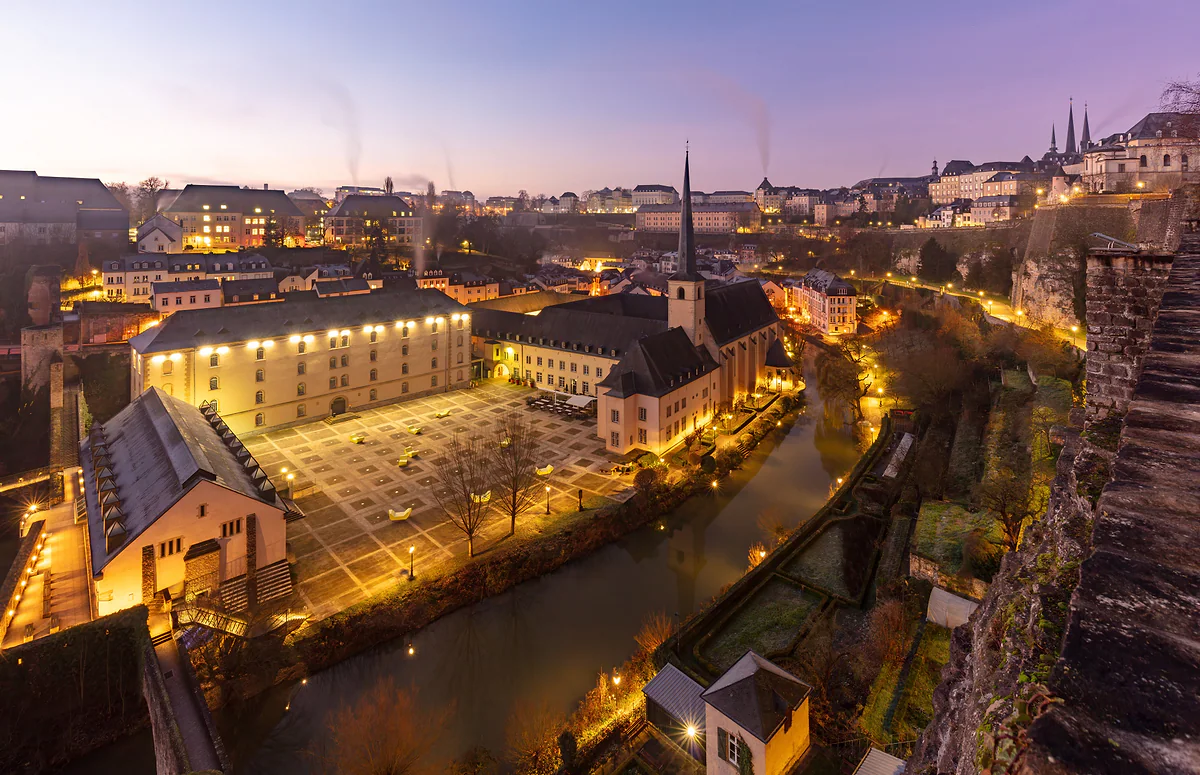
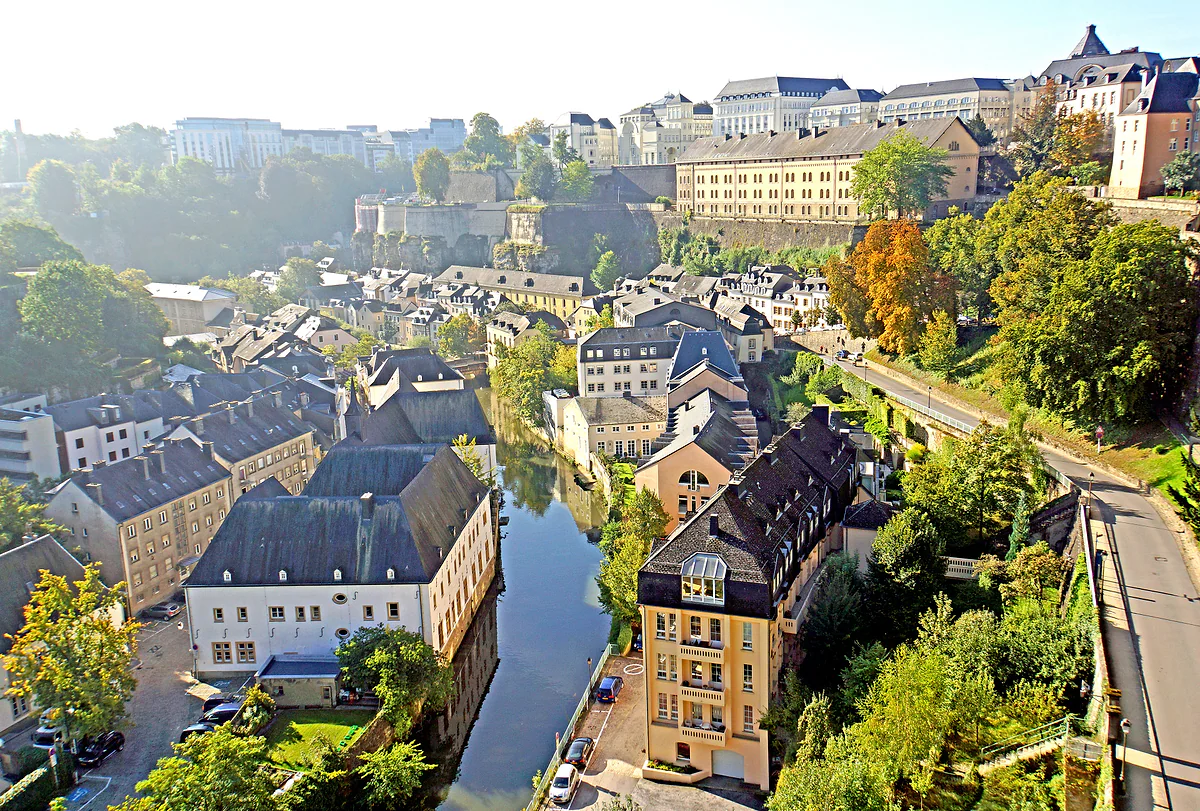
Luxembourg is a 2,586 km² grand duchy wedged between Belgium, Germany and France, home to 690,959 people on 1 January 2026, with Luxembourg City as its capital. It's a founding EU member in the euro and Schengen, so British visitors follow Schengen rules. Public transport has been free across the whole country, visitors included, since 1 March 2020.
In 30 seconds
Full read: 4 min
Luxembourg is a 2,586 km² grand duchy between Belgium, Germany and France, with 690,959 people on 1-1-2026.
The capital is Luxembourg City; Luxembourgish is the national language, but French is what you'll hear in shops.
It's in the EU, the euro and Schengen, so British visitors need a passport under 10 years old and go through the EES.
Public transport has been free nationwide since 1-3-2020, for tourists too.
There are 12 cantons, 100 communes and six tourist areas, from the capital to the Éislek, the Mullerthal and the Moselle.
I wouldn't spend the whole trip in the capital. Luxembourg fits comfortably into a week, and what makes it different is under an hour away on free trains and buses, in the sandstone gorges of the Mullerthal, the castles of the Éislek and the vineyards of the Moselle.
Sergio LeponeMy advice
Before you go
What I would keep in mind
01 To save money
Buses, trams and standard-class trains cost nothing
Since 1 March 2020 public transport has been free nationwide, and that includes tourists. You only pay for first class on the train (€3 for two hours, €6 for the day) and for the stretch that crosses the border.
Luxair publishes a direct Luxembourg to London City route, and British Airways and easyJet are among the sixteen airlines listed by the airport. By rail, the TGV from Paris Gare de l'Est takes 2 h 10 min.
Luxembourg follows Schengen rules, so your passport needs to be under 10 years old and valid for 3 months after you leave, and you'll register with the EES. Take your GHIC as well as insurance, and a type F adapter.
The old Luxembourg Card gets you free or discounted entry to 81 attractions nationwide. It comes as a 1, 2 or 3-day pass and for groups of up to five, but there's no family ticket.
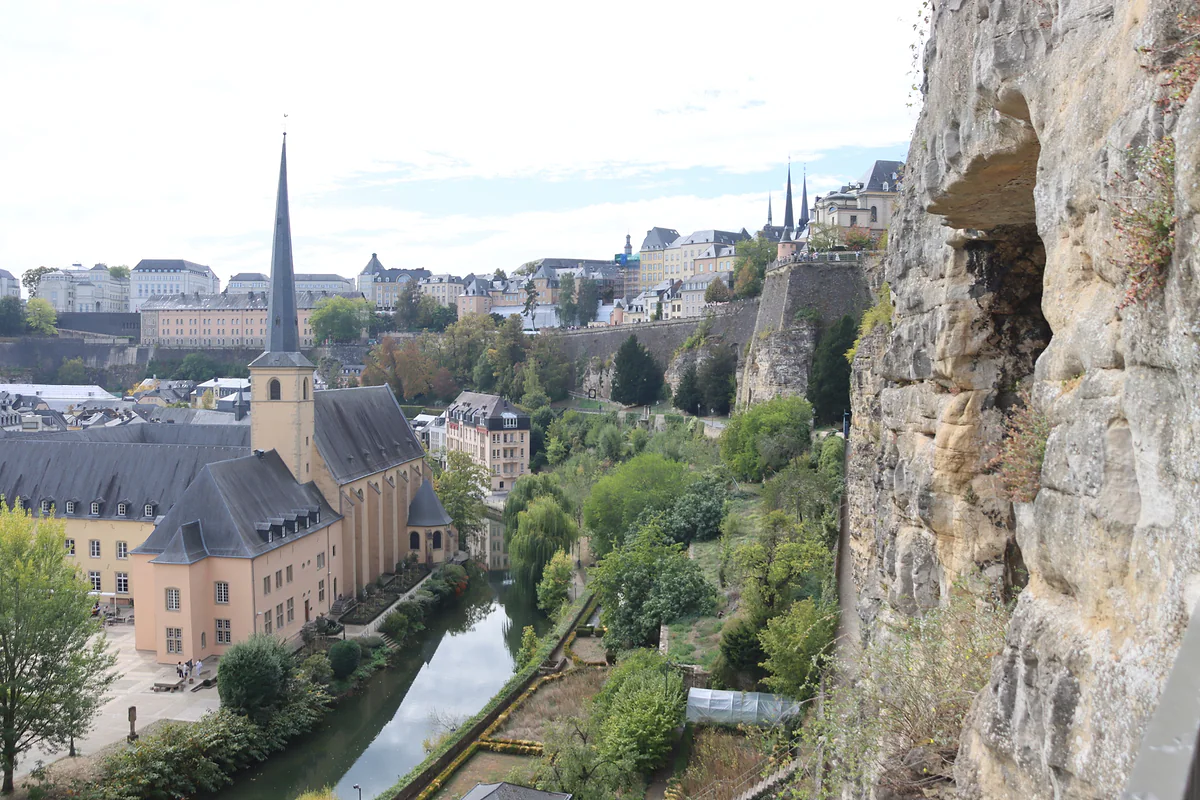
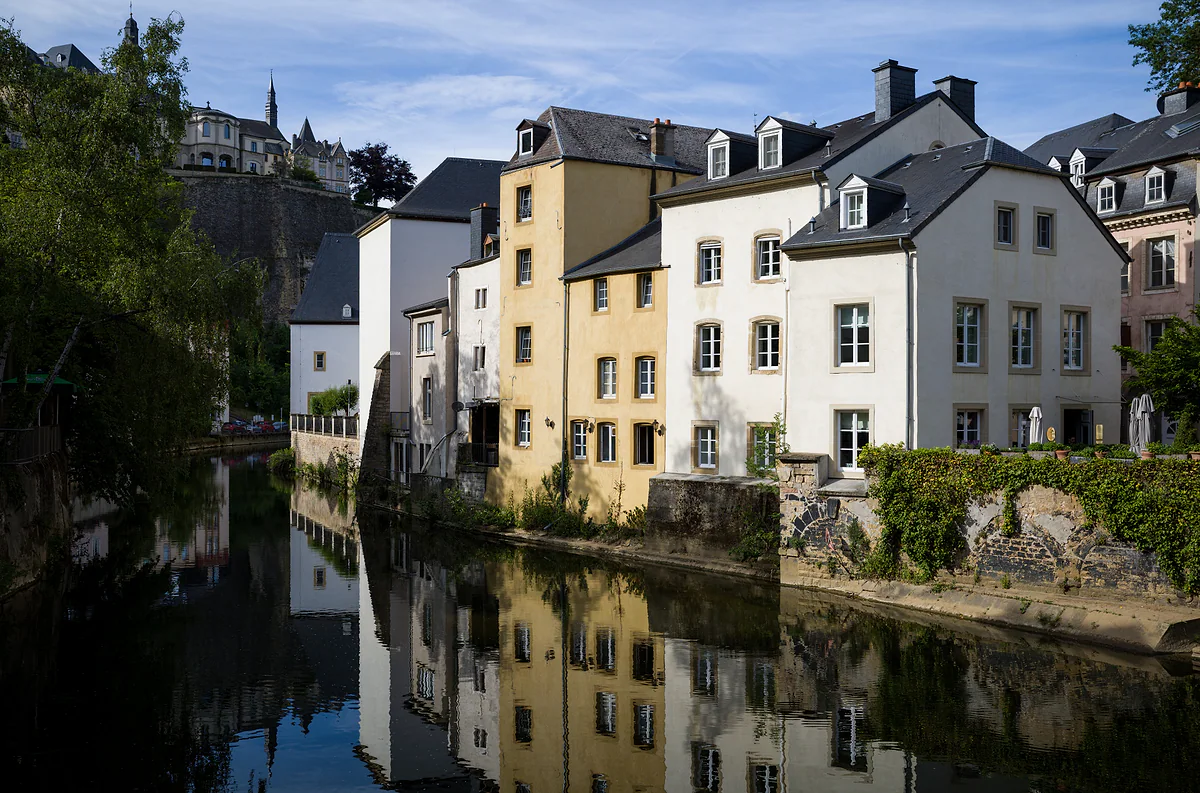
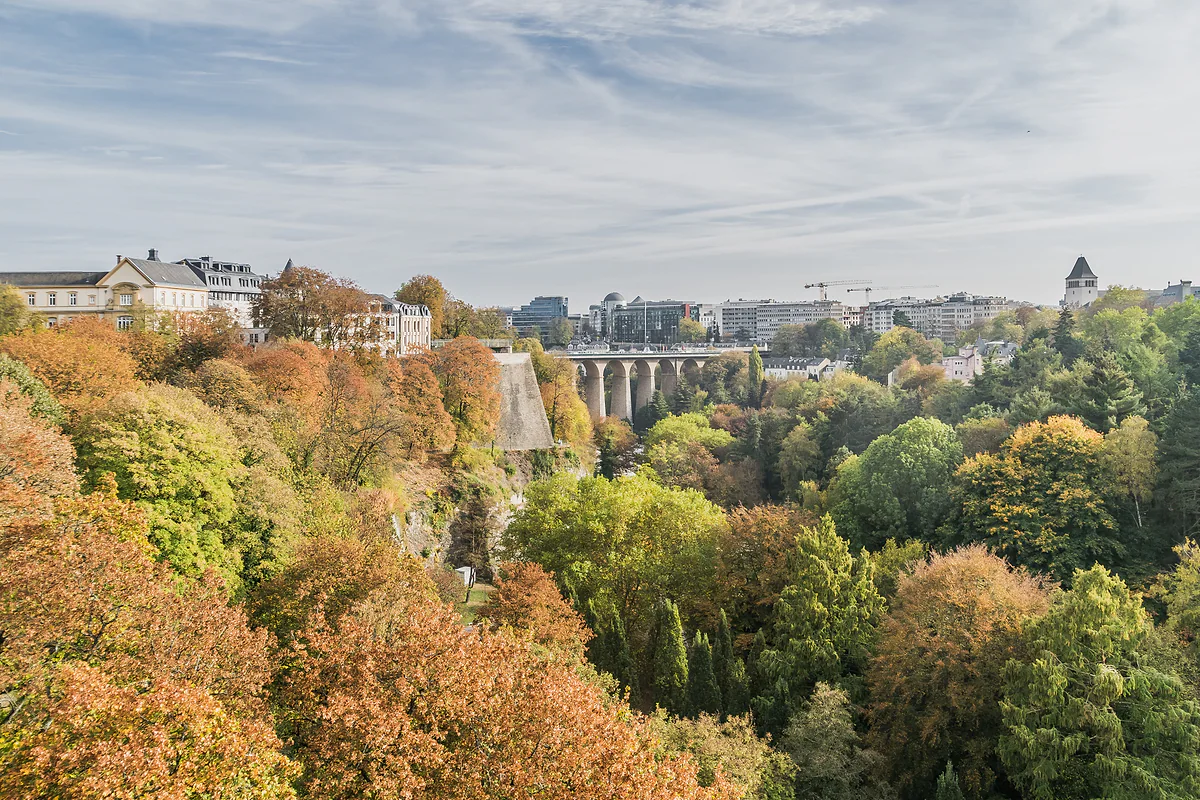
Luxembourg’s reputation is banks, investment funds and EU buildings, and it’s true that the Kirchberg plateau is a forest of glass. Look at it as a traveller, though, and a different country appears. A capital perched above two river gorges, more than 70 castles, sandstone woods that feel like somewhere much further away, and a river lined with vineyards on both banks. This is my guide to the grand duchy, in the order I’d read it.
What surprises most people. You don’t need a single ticket to get around. Buses, trams, the funicular and standard-class trains have cost nothing for anyone, residents or visitors, since 1 March 2020, and I explain how it works in Luxembourg free public transport.
A grand duchy between Belgium, Germany and France
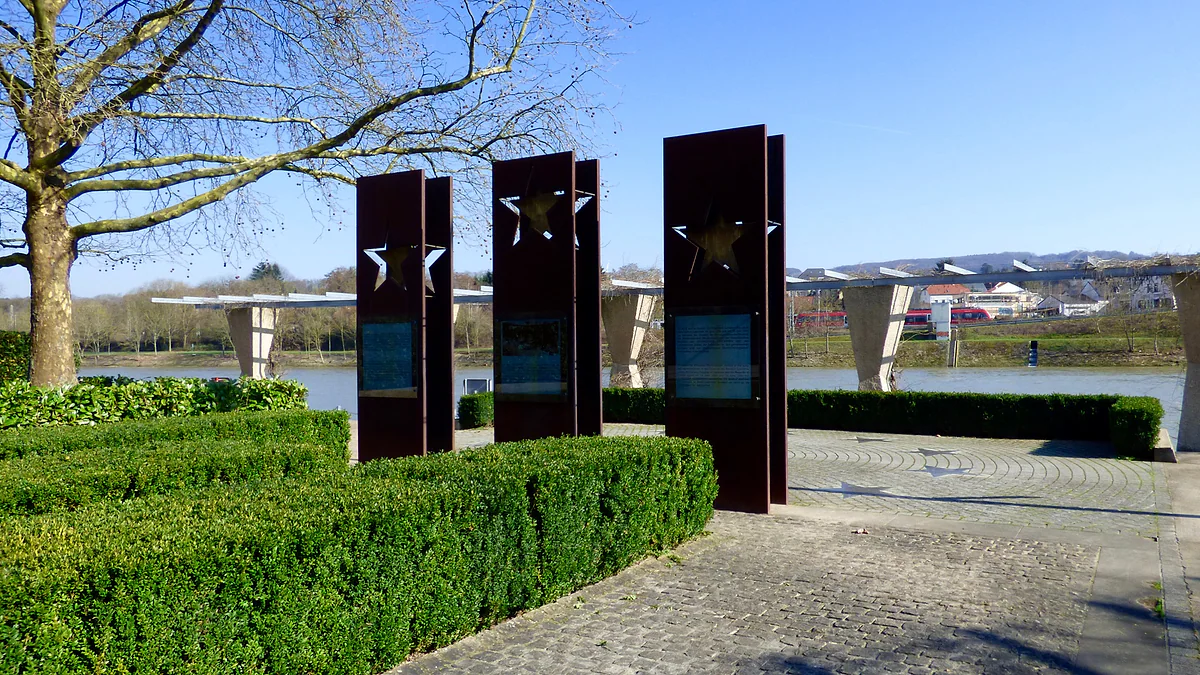
The country covers 2,586 km² in the heart of western Europe, with 356 km of border. Belgium accounts for 148 km, Germany 135 and France 73, according to STATEC. To the east, the Our and the Moselle form the border with Germany, and at Schengen all three countries meet. I place it properly in where is Luxembourg and on the map of Luxembourg.
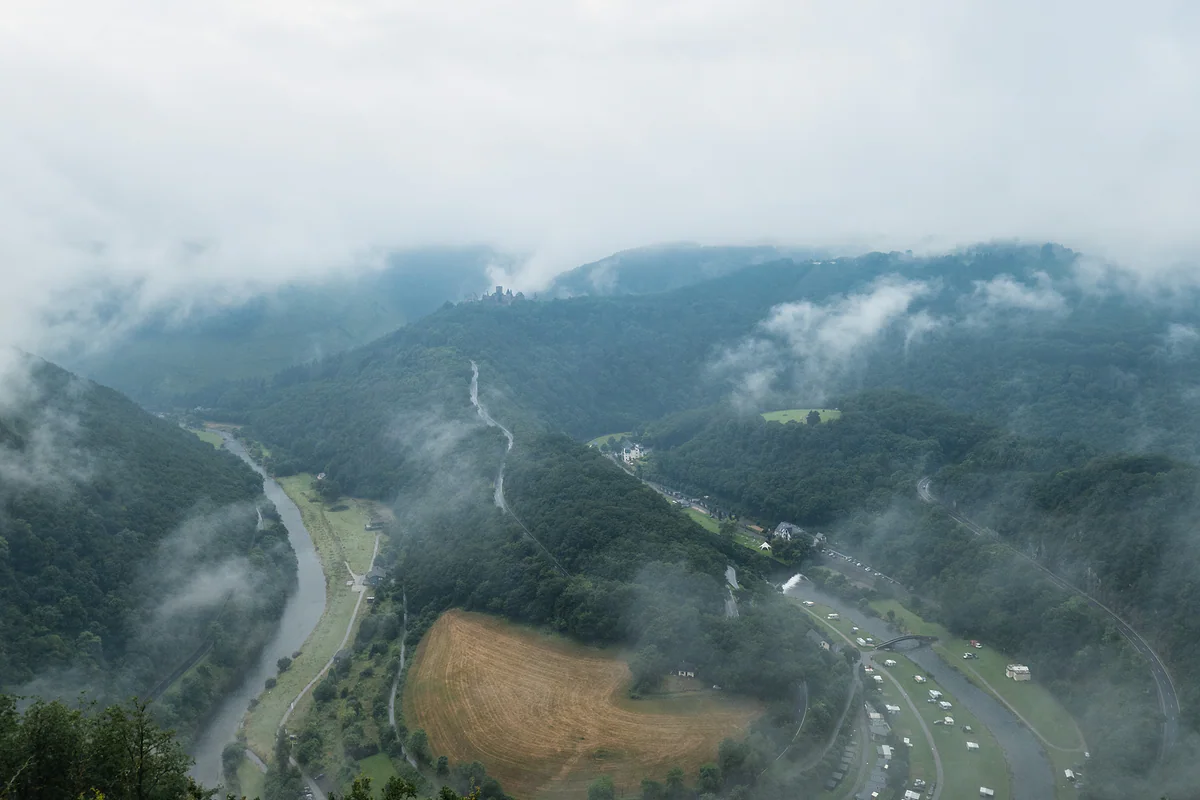
It’s 82 km from north to south and 57 km from east to west, and inside that sit two very different landscapes. Up top is the Éislek, the Luxembourg Ardennes, 828 km² of plateaux and steep wooded valleys; below it is the Guttland, the “good land”, with 1,758 km². The highest point is the Kneiff at 560 m and the lowest is 130 m at Wasserbillig. For comparisons that make sense of those numbers, see how big is Luxembourg.
The capital and five regions with their own character
The national tourist board splits the country into six destinations. Luxembourg City is one; the other five are the Éislek, the Mullerthal, the Moselle, the Guttland and the Minett, the red-earth mining country of the south. Which one suits you is in regions of Luxembourg.
Administratively it’s a different picture, with 12 cantons and 100 communes since 1 September 2023, when two mergers brought the total down to a hundred for the first time since at least 1840. They’re laid out in cantons of Luxembourg and, commune by commune, in towns in Luxembourg. If you only want the ones I’d put on a postcard, head for the prettiest villages in Luxembourg.
Both, which is where the confusion starts. The country is the Grand Duchy of Luxembourg, created by the Congress of Vienna in 1815 and holding its present borders since the Treaty of London in 1839. The capital shares its name. I untangle it in is Luxembourg a country.
690,959 people live here and nearly half hold a foreign passport. On top of that, around 237,200 cross-border workers come in from France, Germany and Belgium every working day. The full breakdown is in Luxembourg population, and the language mix that follows from it in what language do they speak in Luxembourg.
Where I’d start
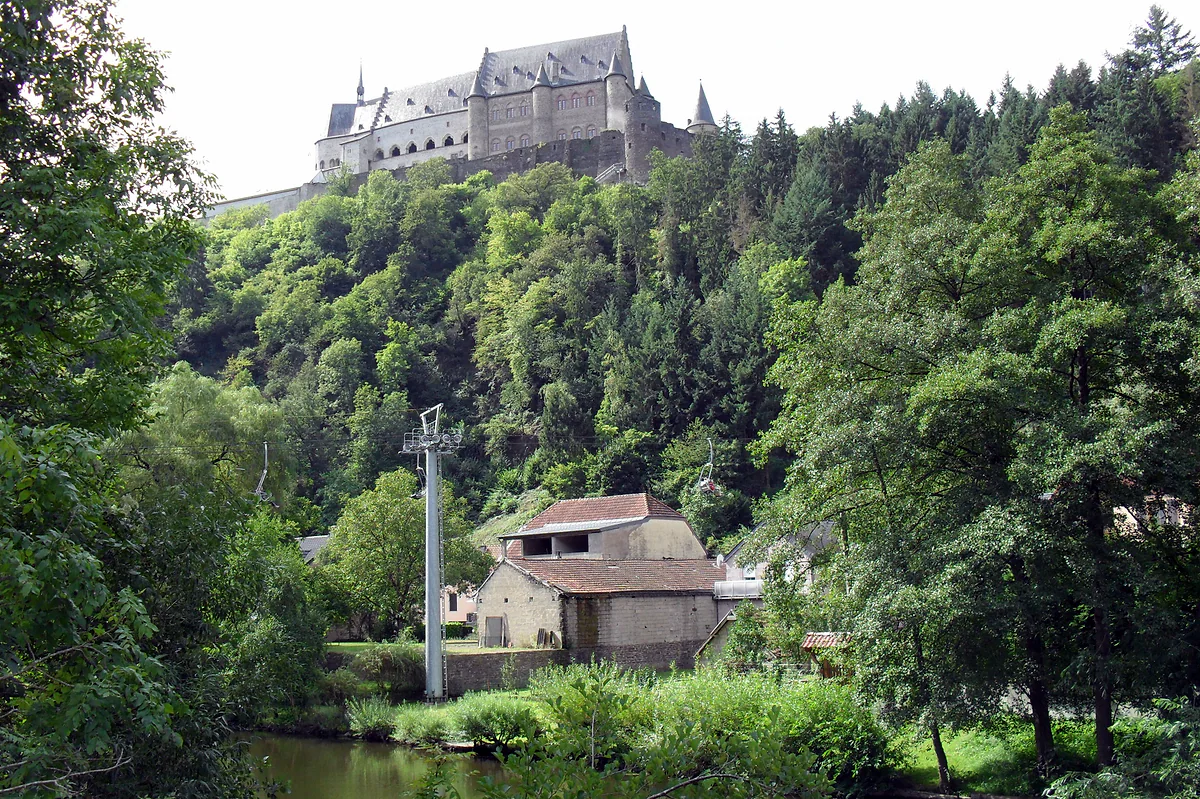
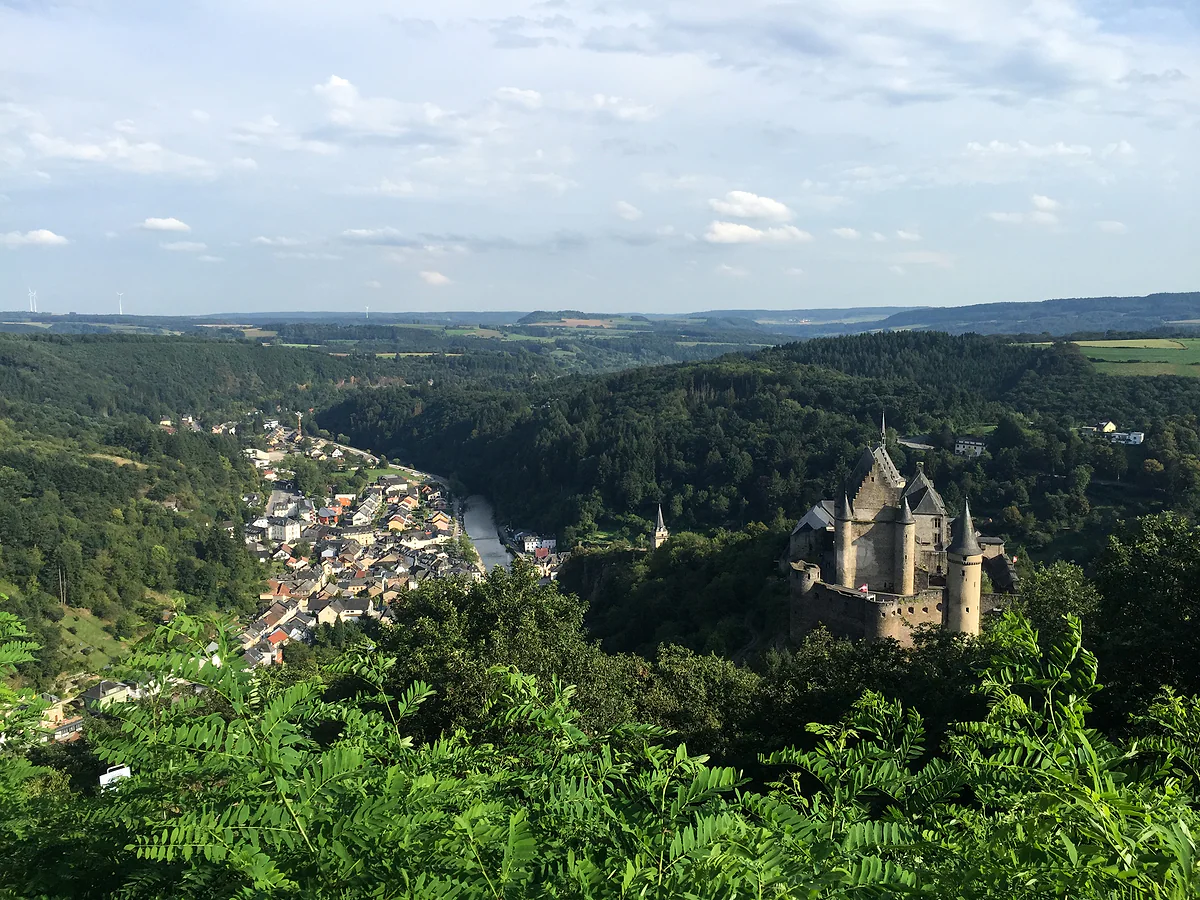
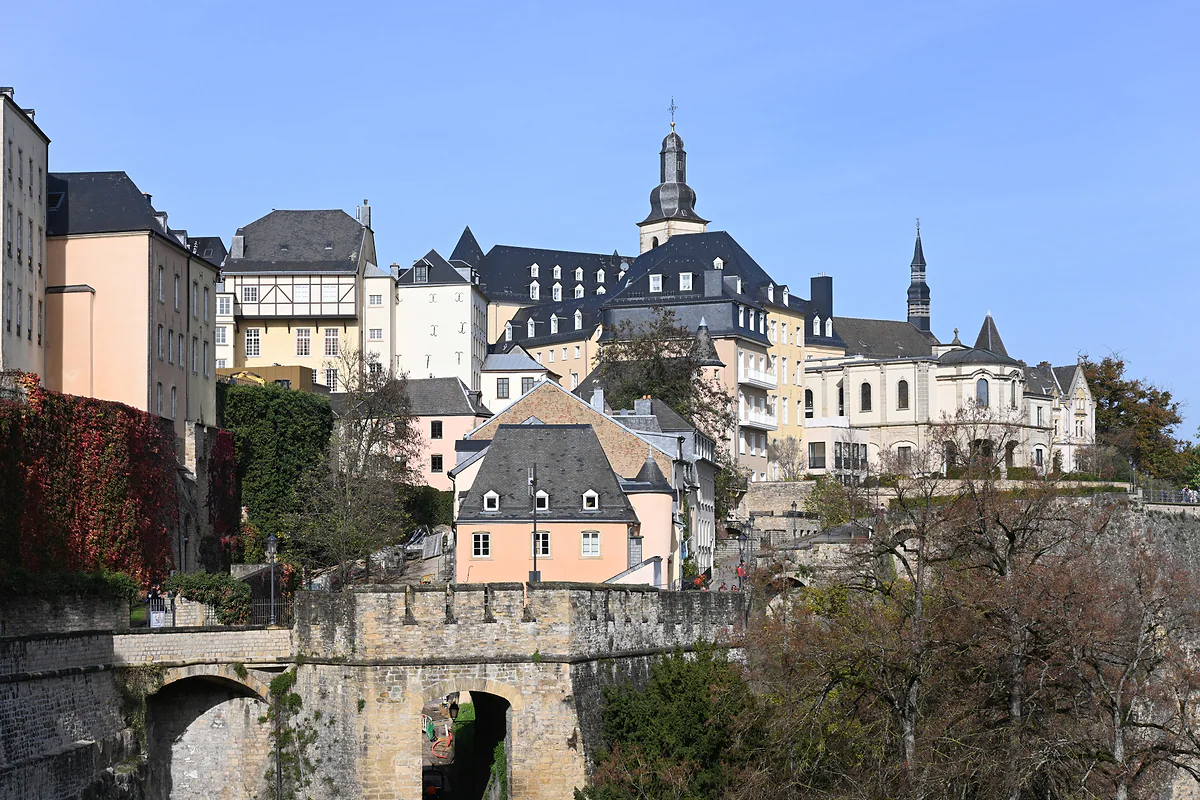
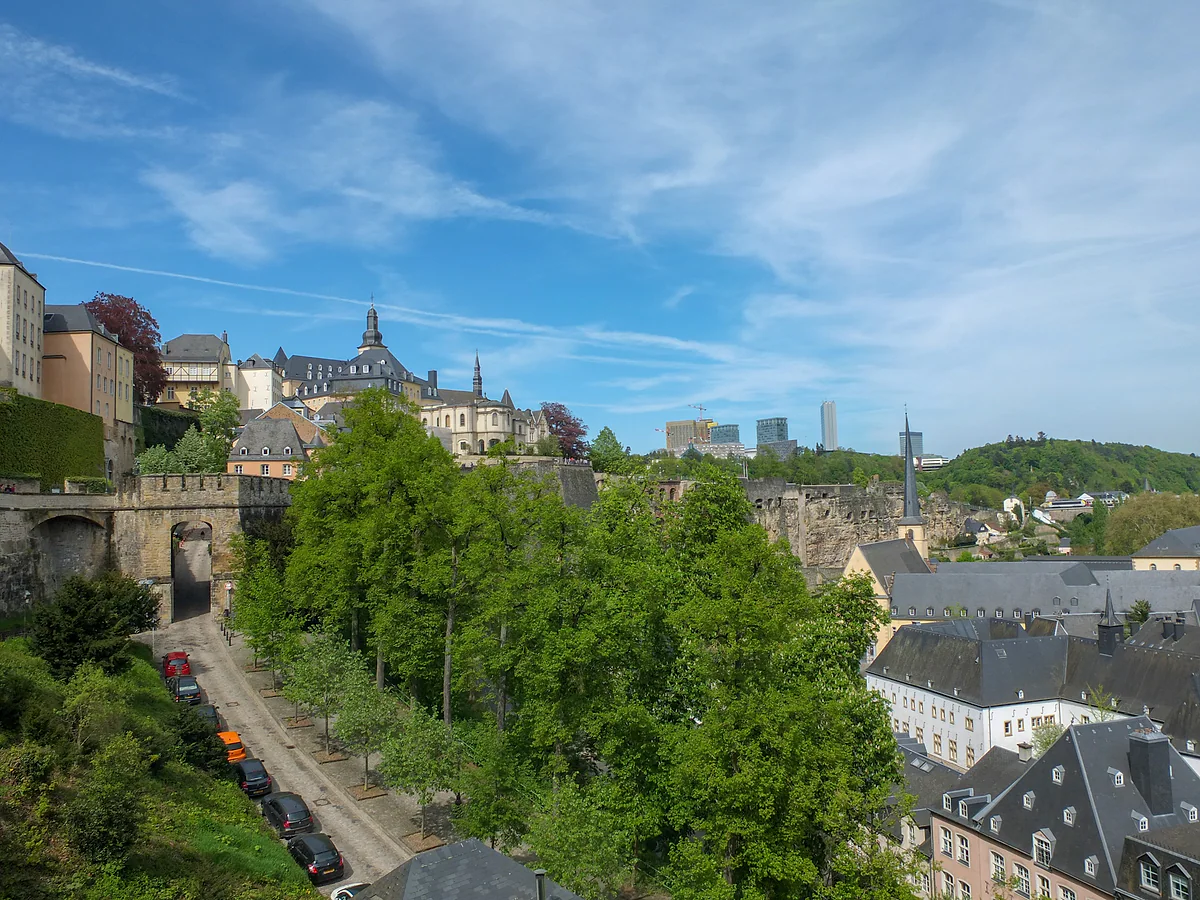
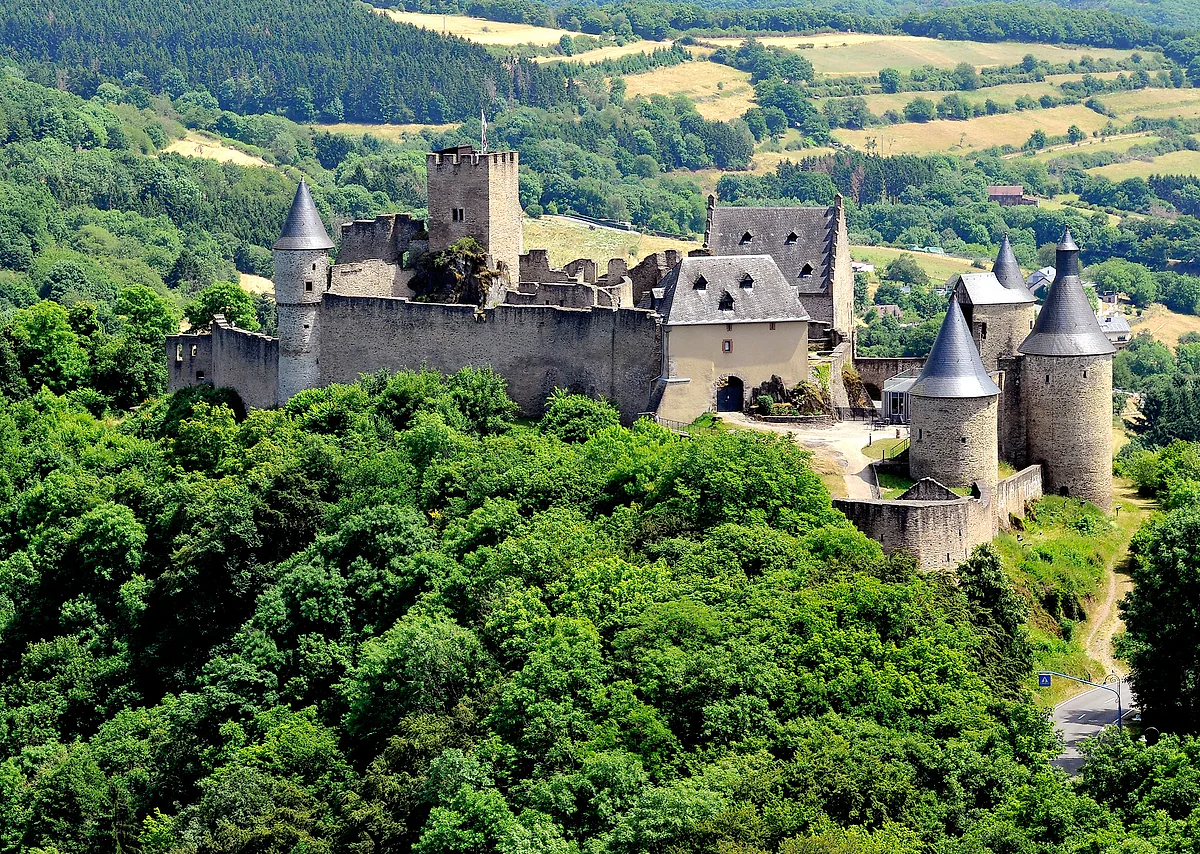
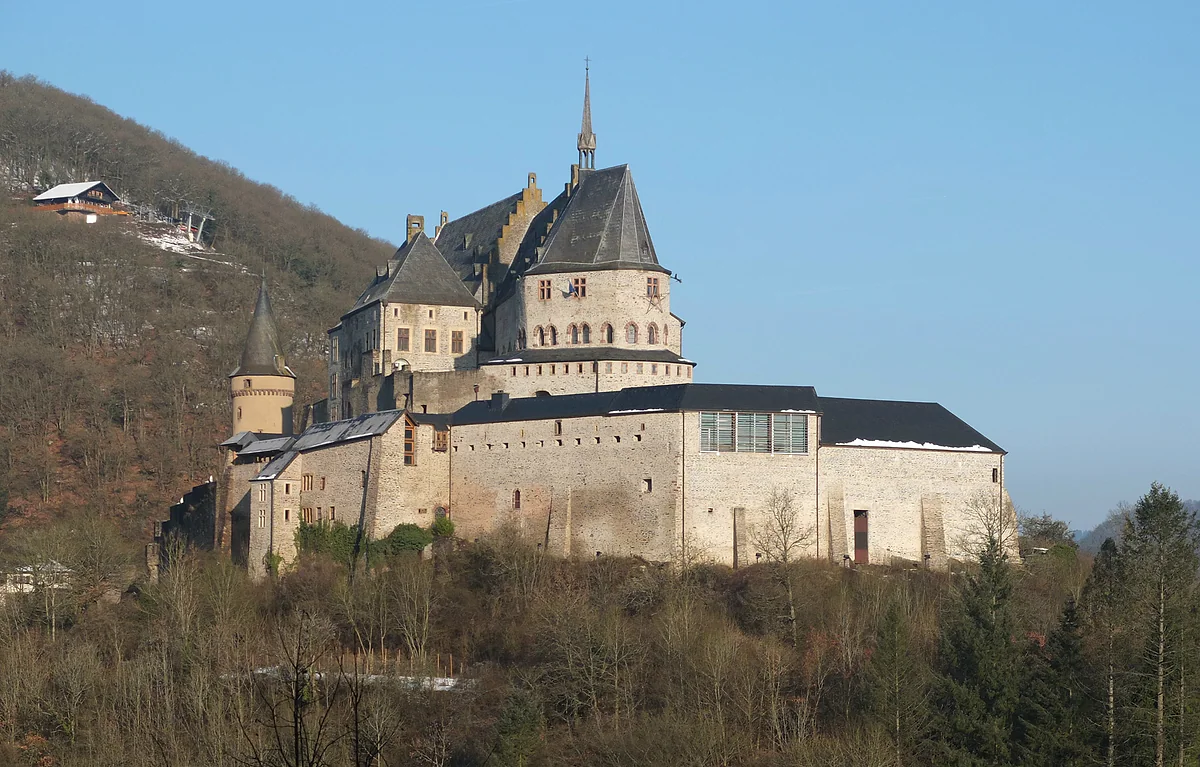
Places to visit in Luxembourg scores each spot and says why. Top of the pile is the old town, with the Bock Casemates and the Chemin de la Corniche, inscribed by UNESCO in 1994 along with the fortifications. Next comes Vianden Castle, built between the 11th and 14th centuries and owned by the state since 1977.
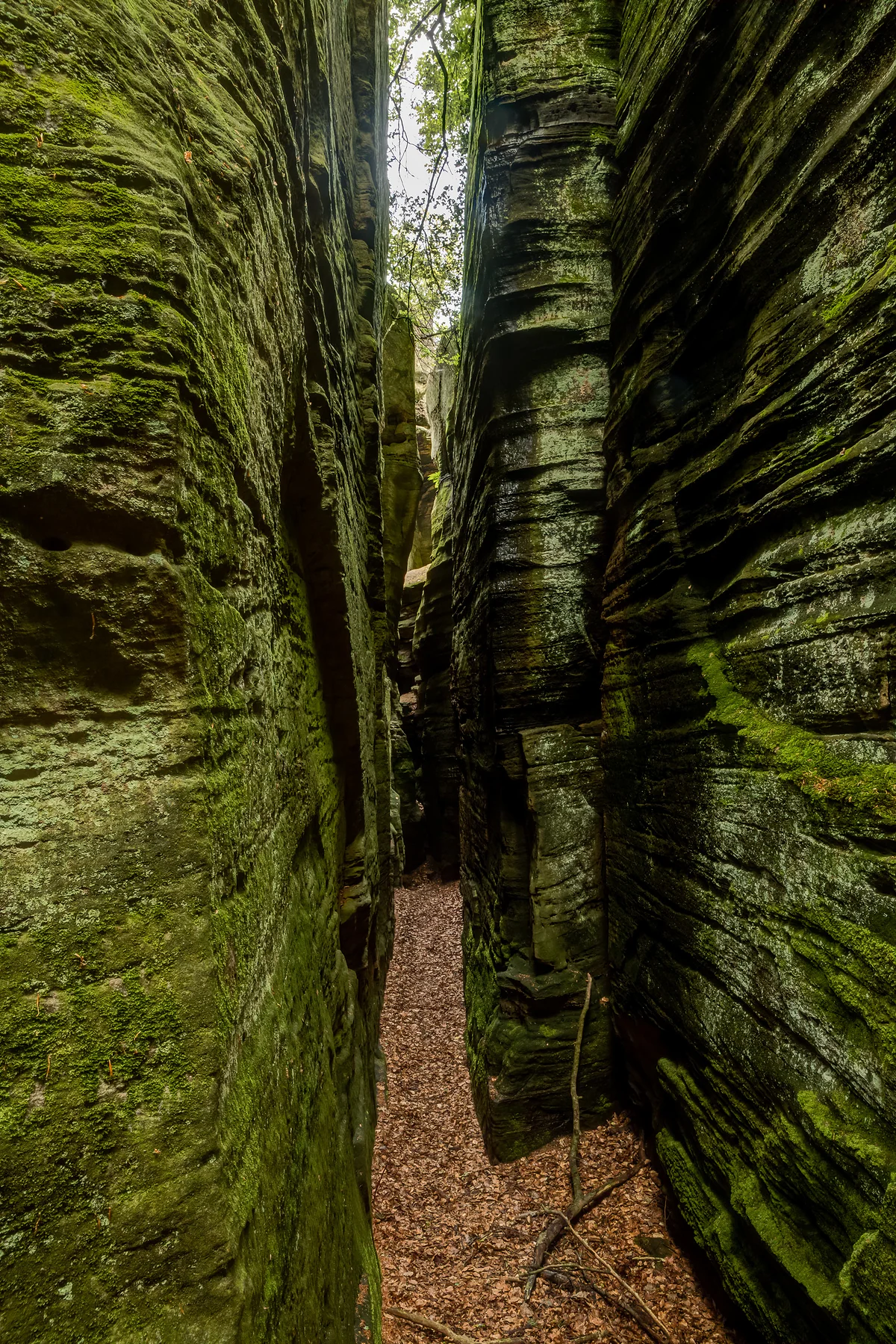
Outside the capital, the thing that pulls me most is the Mullerthal Trail, three routes of 36.7, 39.7 and 37.7 km through sandstone rocks and past the Schiessentümpel waterfall. Activities rather than sights, from a Moselle boat trip to a swim in the Upper Sûre lake, are in things to do in Luxembourg. For anyone travelling with a camera there’s most beautiful places in Luxembourg, and everything with a UNESCO label is in Luxembourg UNESCO World Heritage.
MeteoLux gives an average of 1.4 °C in January and 18.7 °C in July, with 831 mm of rain spread fairly evenly across the year. Nobody comes for the sun, and a waterproof earns its place in the case whatever the month. The liveliest times are summer, with National Day on 23 June and the Schueberfouer funfair, and winter, when the Winterlights markets open on 20 November 2026 and close on 3 January 2027. For advice month by month, see best time to visit Luxembourg.
Getting there from the UK and getting around for free
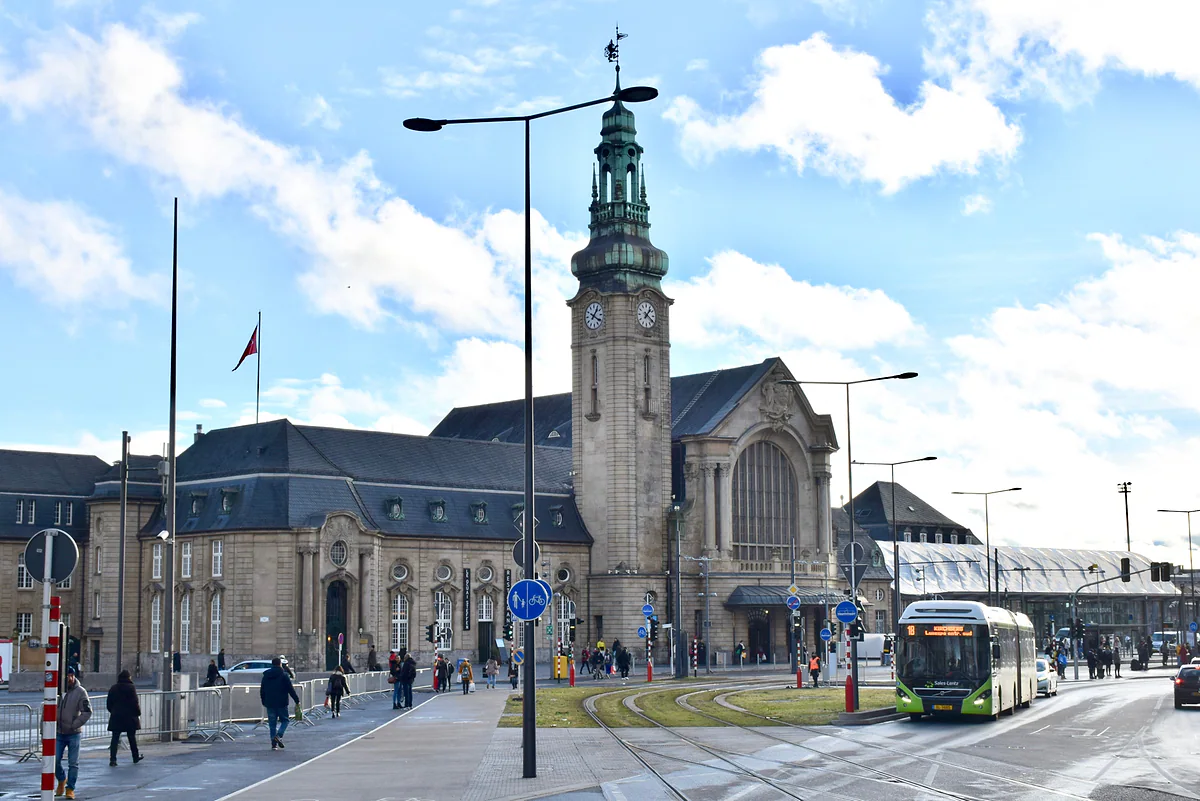
Findel airport is 10 km from the central station, and since 2 March 2025 the tram has run right to the terminal. Luxair publishes a direct route to London City, and British Airways, easyJet and Ryanair are among the sixteen airlines on the airport’s list, though I haven’t been able to confirm which UK routes each flies this season. By rail, you go via Paris, where the TGV to Luxembourg takes 2 h 10 min. All the routes, air and rail, are laid out in how to get to Luxembourg.
Once you’re in, free trains and buses take you from the capital to Vianden, Clervaux or Echternach, so the real question is where to sleep. I split the options by area in where to stay in Luxembourg, and if you plan to string together castles and museums, the LuxembourgPass can pay for itself.
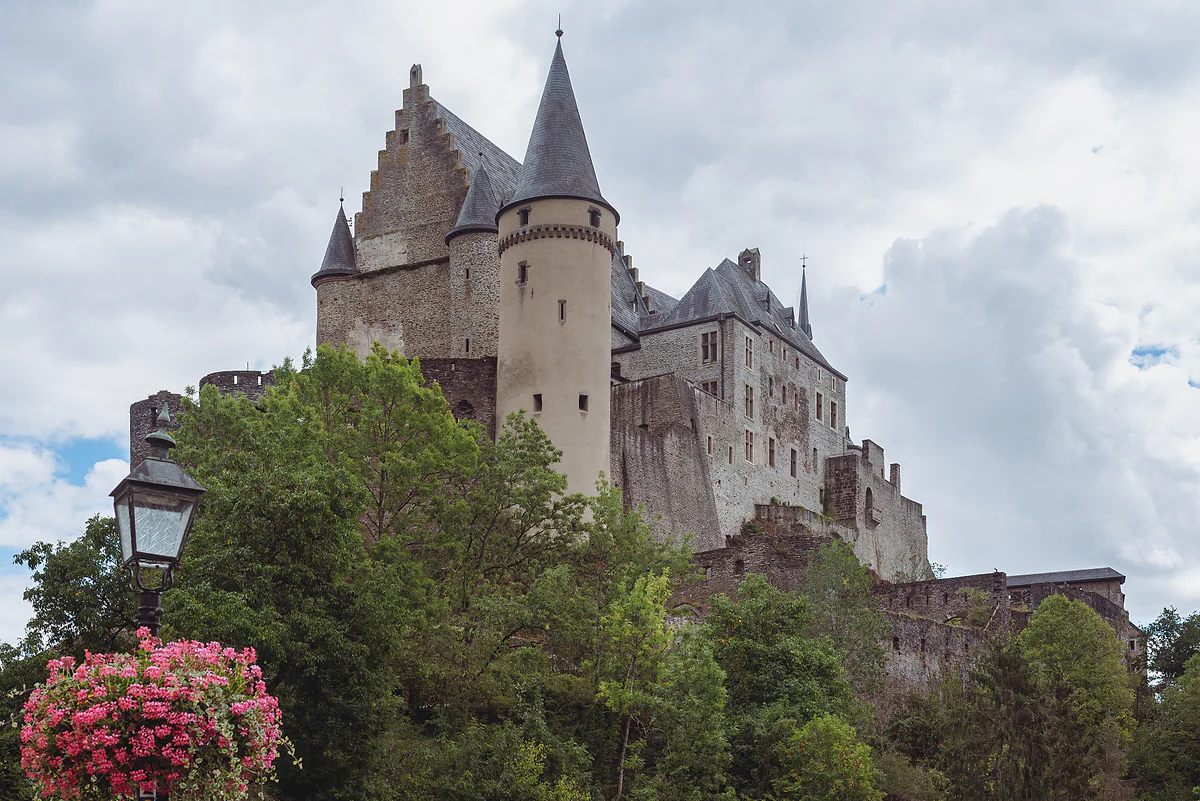
The restored Vianden Castle on its wooded hill, with slate-roofed towers and walls beneath a blue sky
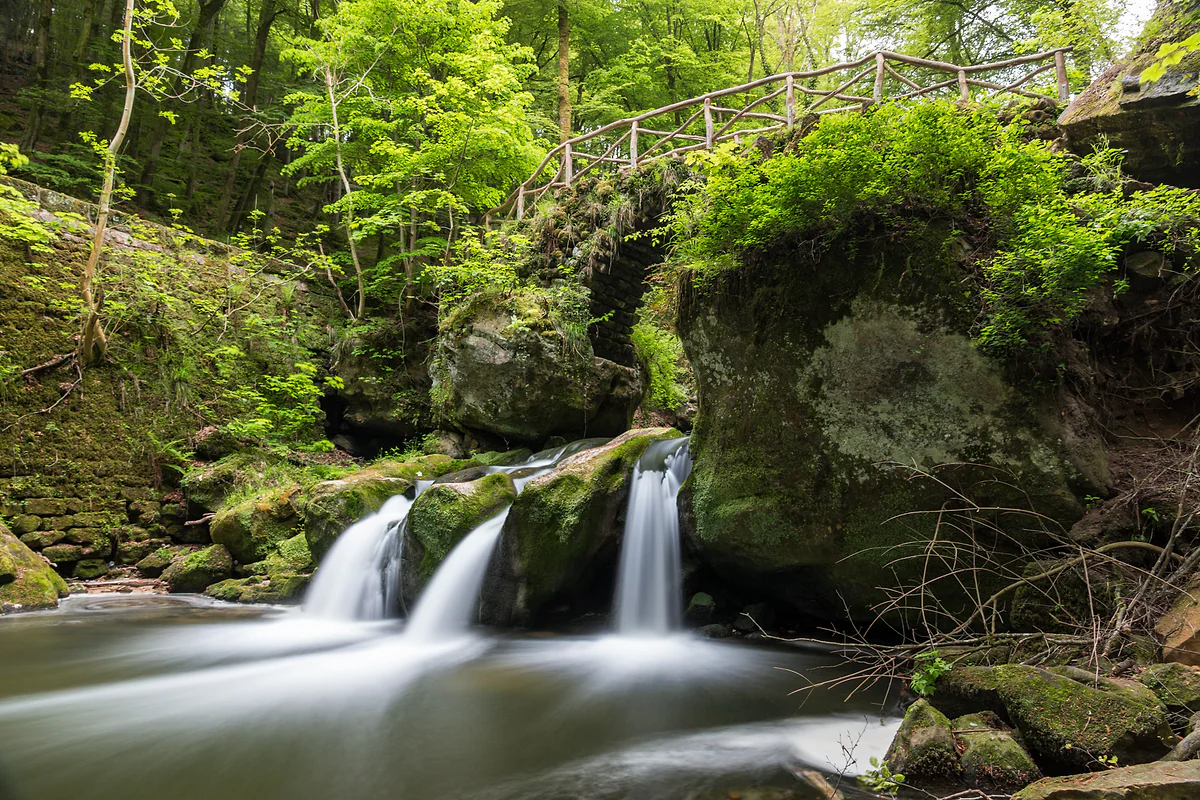
The Schiessentümpel in the Müllerthal region, with its three cascades, mossy rocks and a small stone bridge
Luxembourg in numbers
Fact
Figure
Source
Area
2,586 km² (Éislek 828, Guttland 1,758)
STATEC
Population
690,959 (1-1-2026)
STATEC
Foreign residents
46.6%
STATEC
Borders
356 km (148 with Belgium, 135 with Germany, 73 with France)
STATEC
Highest and lowest point
Kneiff, 560 m; 130 m at Wasserbillig
STATEC and Visit Luxembourg
Cantons and communes
12 and 100
luxembourg.public.lu
Dialling code
+352
Spanish Foreign Ministry
Prices and dates worth knowing
What
How much or when
Note
Public transport
Free
Buses, trams, funicular and standard-class trains within the country
First-class rail
€3 for two hours, €6 for the day
CFL national ticket
LuxembourgPass
From €23 (1 day, 1 person)
Prices published in September 2026
Grand Ducal Palace
€18 adults, €9 ages 4 to 12
Summer only; 2027 dates not yet announced
Shops
At most 5:00 to 21:00 on weekdays
Law of 19-12-2025, in force since 19-6-2026
National Day
23 June
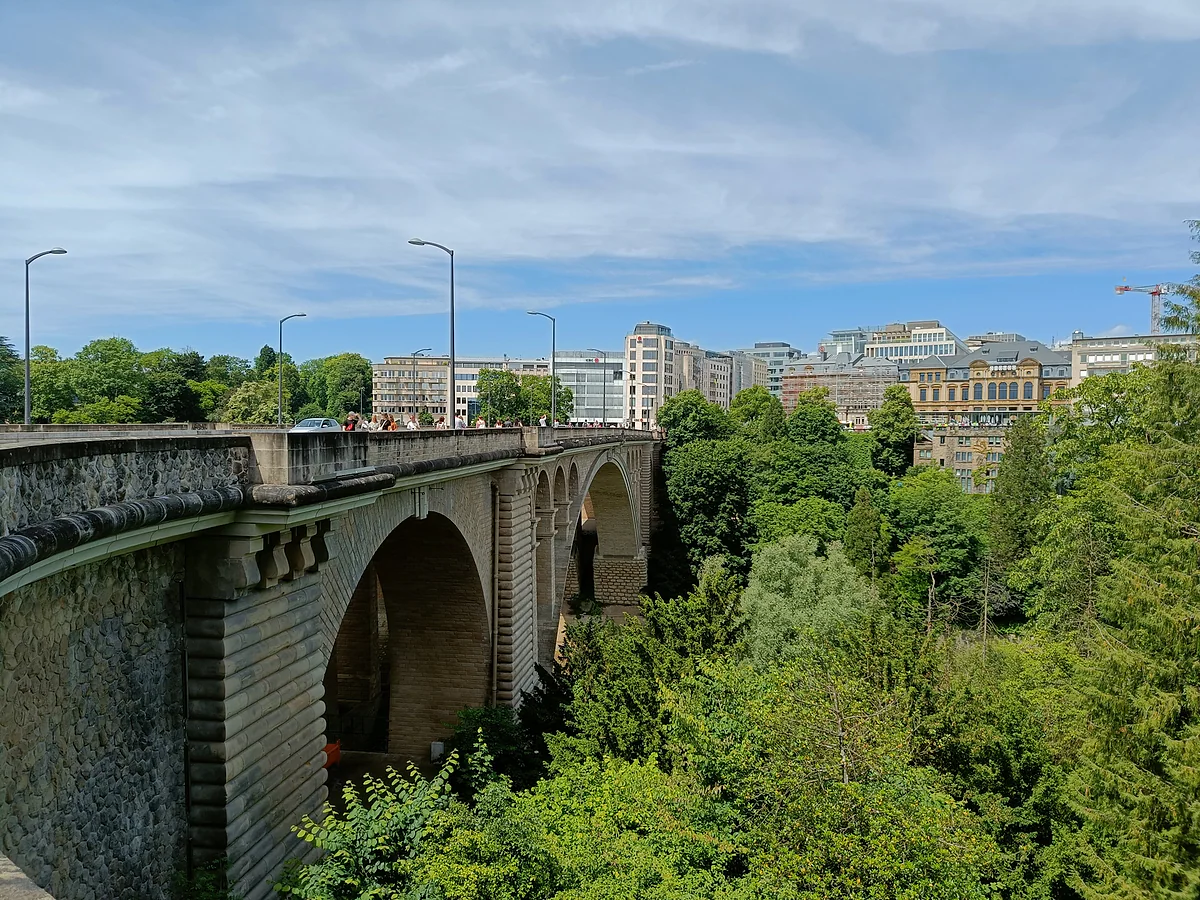
Fireworks from the Adolphe Bridge the evening before
Official figures checked on 29-09-2026. Shop hours are the legal maximum, not what each shop actually does.
Test yourself
True or false?
0/4Pick before you peek.
Luxembourg is the only grand duchy left in the world.
See the answer
True. The government's official portal says so in as many words, «Il n'y a qu'un seul Grand-Duché au monde». It's a constitutional monarchy with the Grand Duke as head of state.
Tourists have to pay for buses and trams in Luxembourg; only residents ride free.
See the answer
False. Since 1 March 2020 public transport has been free for residents, cross-border workers and tourists alike. Only first class on the train and cross-border sections are charged.
Grand Duke Henri is Luxembourg's current head of state.
See the answer
False. Henri abdicated on 3 October 2025 after 25 years on the throne, and his son, Grand Duke Guillaume, was sworn in the same day.
A UK photocard driving licence is enough to drive a hire car in Luxembourg.
See the answer
True. The Foreign Office says a UK photocard licence is valid for up to a year, although hire companies may set their own rules on age, years held or an international permit.
Total area
2,586 km²
Residents on 1-1-2026
690,959
Of residents are foreign nationals
46.6%
Communes in 12 cantons
100
The Kneiff, the highest point
560 m
Map
All 100 communes, from the Éislek to the Minett
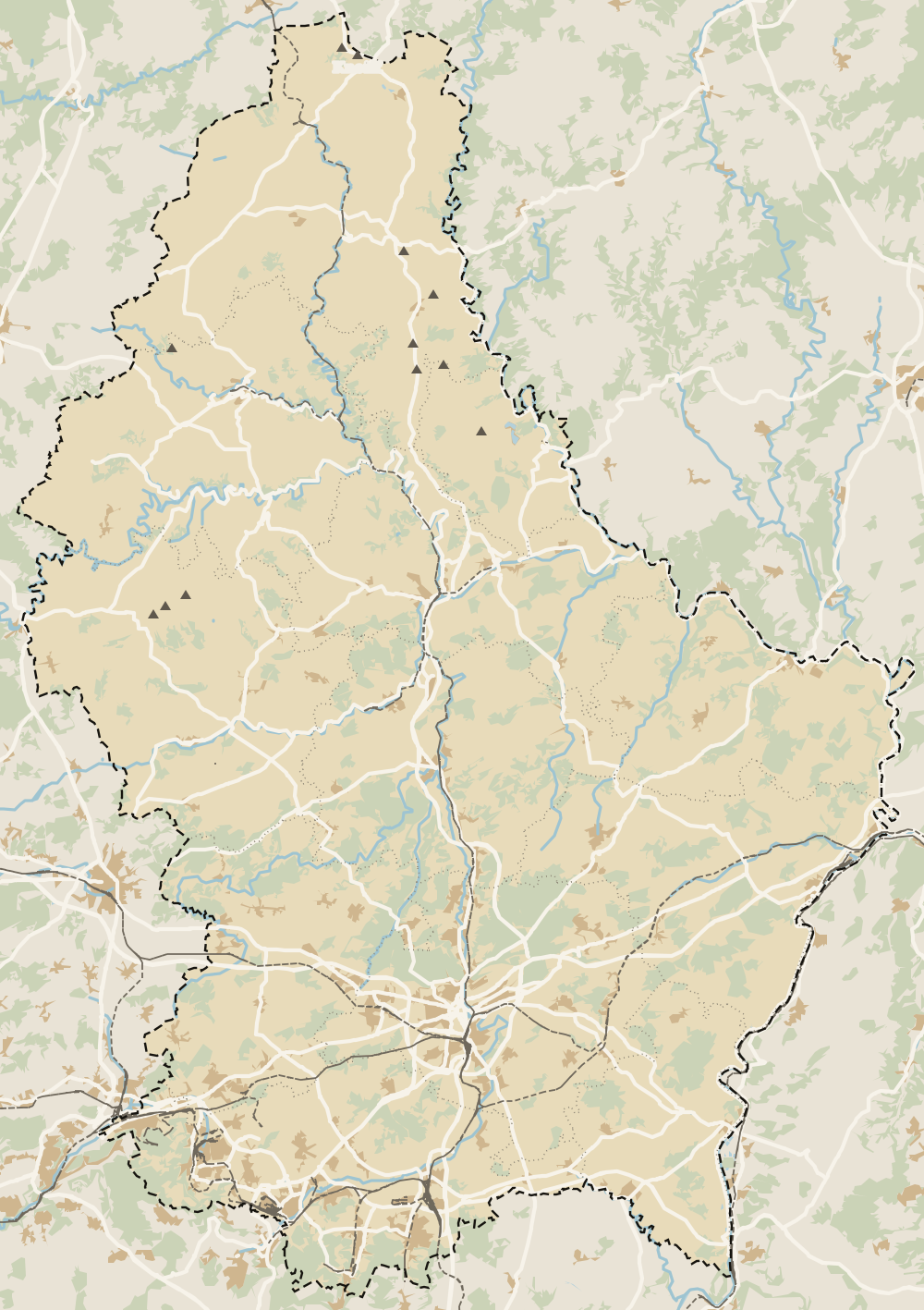
The thick dashed line is the border with Belgium, France and Germany, and the fine ones divide the twelve cantons. The Éislek lies to the north and the Moselle to the east. Every number opens its guide.
Yes. It's an independent state, the Grand Duchy of Luxembourg, a constitutional monarchy with Grand Duke Guillaume as head of state since 3 October 2025. It isn't part of Belgium, although Belgium has a province with the same name, a leftover of the 1839 partition.
Do I need a passport to visit Luxembourg from the UK?
Yes. Luxembourg follows Schengen rules, so the Foreign Office asks for a passport issued less than 10 years before you arrive and valid for at least 3 months after you leave. You can stay up to 90 days in any 180 without a visa, and you'll be registered on the EU's Entry/Exit System.
What language do they speak in Luxembourg?
Luxembourgish is the national language, and French and German are also used by the authorities. As a visitor you'll mostly be served in French, and an official 2018 survey found 80% of residents speak English.
Does my GHIC work in Luxembourg?
Yes, for medically necessary state healthcare, and an EHIC works too. The Foreign Office is clear that neither replaces travel insurance, so take out a policy as well.
How many people live in Luxembourg?
690,959 on 1 January 2026, according to STATEC, 1.3% more than a year earlier. Nearly half, 46.6%, are foreign nationals, and the Portuguese are the largest community.
Is Luxembourg worth visiting?
I think so, and more than people expect. The capital's old quarter is a World Heritage site, the country has more than 70 castles, and free public transport means getting around costs nothing.
What currency does Luxembourg use?
The euro, since 1 January 1999, so you'll need euros rather than pounds. Luxembourg has been an EU member since 1 January 1958 and part of the Schengen area since 26 March 1995.
Tourism graduate with a master’s in Tourism Management and Planning from the University of Málaga, who has travelled across Europe. He writes every guide from official sources and his own judgement.

 1Echternach 2Esch-sur-Alzette 3Remich 4Vianden 5Berdorf 6Clervaux 7Differdange 8Grevenmacher 9Luxembourg City 10Pétange 11Waldbillig 12Dudelange 13Sanem 14Schengen 15Wiltz 16Beaufort 17Mondorf-les-Bains 18Putscheid 19Schifflange 20Consdorf 21Käerjeng 22Kayl 23Tandel 24Bech 25Esch-sur-Sûre 26Rumelange 27Lac de la Haute-Sûre (commune) 28Rosport-Mompach 29Wormeldange 30Larochette 31Mondercange 32Bettembourg 33Diekirch 34Fischbach 35Garnich 36Mersch 37Ettelbruck 38Heffingen 39Kehlen 40Lintgen 41Erpeldange-sur-Sûre 42Junglinster 43Kopstal 44Lorentzweiler 45Nommern 46Bissen 47Koerich 48Schieren 49Vallée de l'Ernz 50Feulen 51Reisdorf 52Steinfort 53Bettendorf 54Habscht 55Helperknapp 56Colmar-Berg 57Flaxweiler 58Mamer 59Mertert 60Parc Hosingen 61Redange 62Winseler 63Beckerich 64Biwer 65Goesdorf 66Stadtbredimus 67Troisvierges 68Bous-Waldbredimus 69Ell 70Kiischpelt 71Manternach 72Weiswampach 73Betzdorf 74Boulaide 75Lenningen 76Useldange 77Wincrange 78Bourscheid 79Dalheim 80Saeul 81Vichten 82Préizerdaul 83Groussbus-Wal 84Rambrouch 85Mertzig 86Sandweiler 87Hesperange 88Strassen 89Bertrange 90Walferdange 91Steinsel 92Niederanven 93Schuttrange 94Contern 95Weiler-la-Tour 96Leudelange 97Reckange-sur-Mess 98Roeser 99Frisange 100Dippach