Malta, three islands in the middle of the Mediterranean
Malta is an EU republic of three inhabited islands, Malta, Gozo and Comino, covering 316 km² with 588,254 residents at the end of 2025. It lies 93 km south of Sicily, uses the euro, has English as an official language alongside Maltese and drives on the left. The capital, Valletta, has been a World Heritage Site since 1980.
In 30 seconds
Full read: 4 min
Malta is an EU republic of three inhabited islands, 316 km² in all, with 588,254 residents at the end of 2025.
It sits 93 km south of Sicily; the capital is Valletta and the most populous locality is St Paul's Bay.
It uses the euro, English is an official language, you drive on the left and the plugs are the same as in the UK.
Since 1 July 2026 there's a €1.50 a night eco-contribution per adult, capped at €22.50.
The Hypogeum and Comino's Blue Lagoon need booking; the Gozo ferry doesn't.
On a first trip I'd base myself in Valletta or Sliema and give Gozo a whole day, because it's the bit people cut and then regret. The one thing I'd book before leaving home is the Hypogeum, which only lets ten people in at a time.
Sergio LeponeMy advice
Before you go
What I would keep in mind
01 Most beautiful
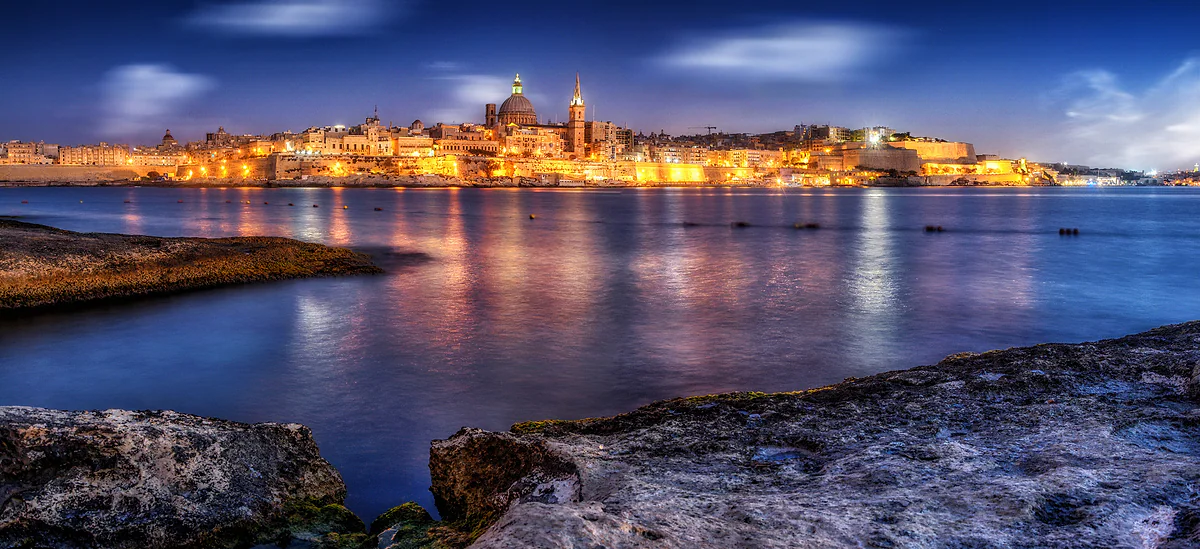
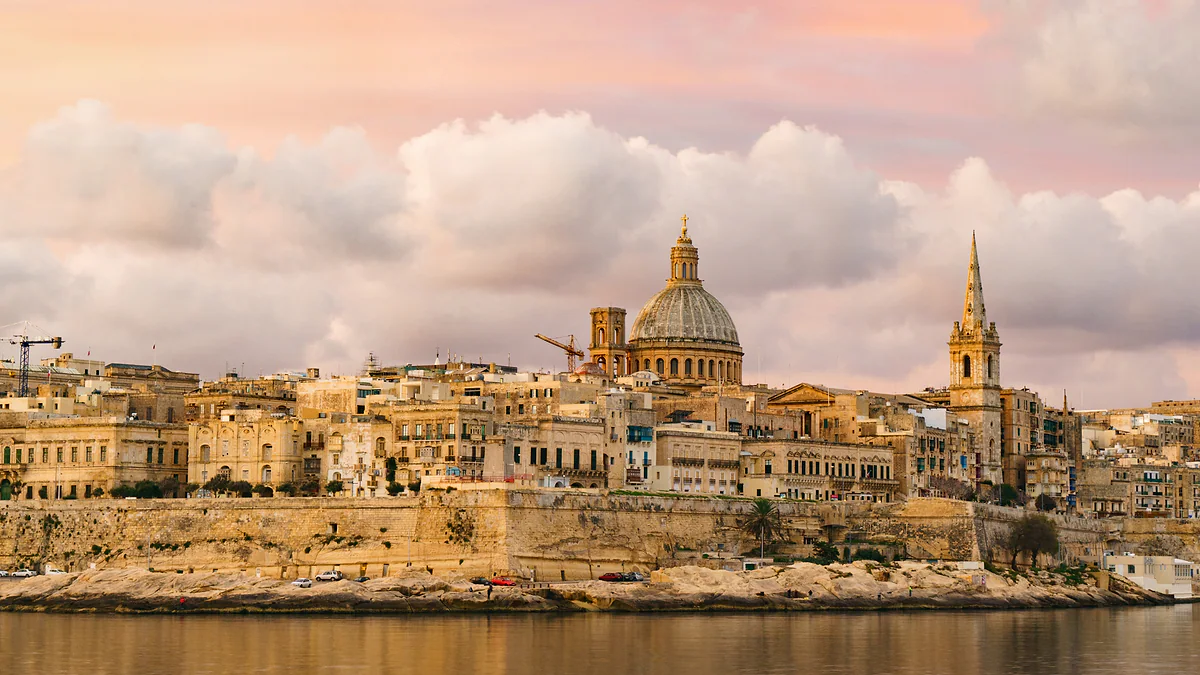
Valletta's walls from the Sliema ferry
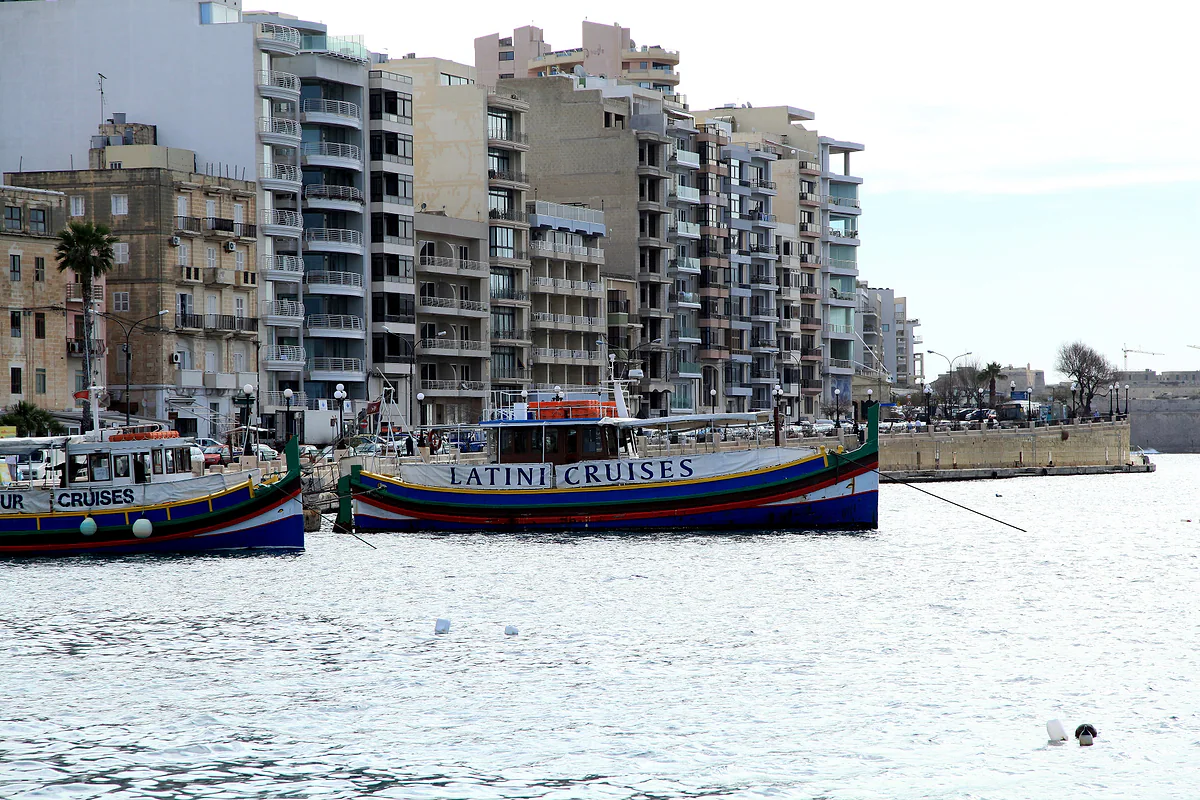
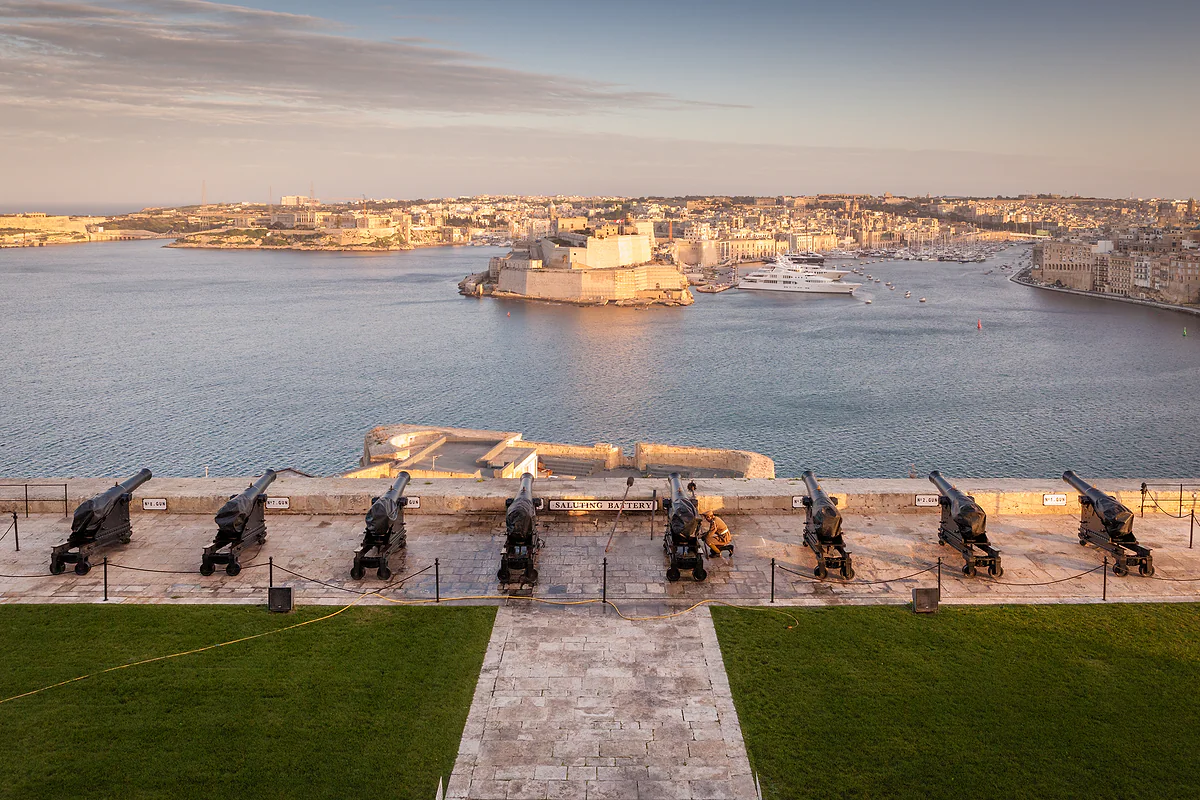
My favourite view in the country is the Valletta skyline from the Sliema ferry, with the Carmelite dome rising over the bastions. The crossing costs €3 one way, and it beats sitting on a bus round the harbour.
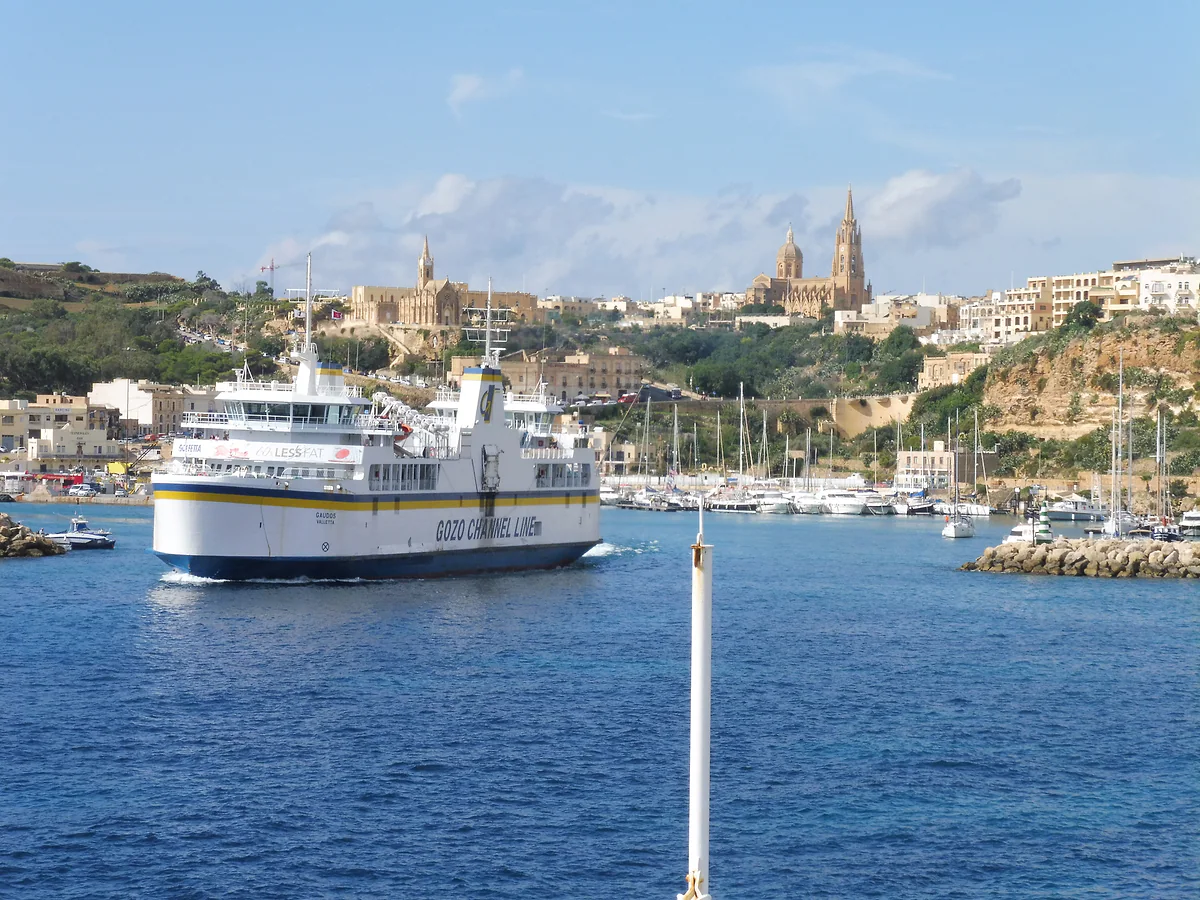
Gozo Channel sells a return ticket for €4.65, and you pay for it in Gozo when you come home. At Ċirkewwa you just walk on, with no booking and no ticket, first come first served.
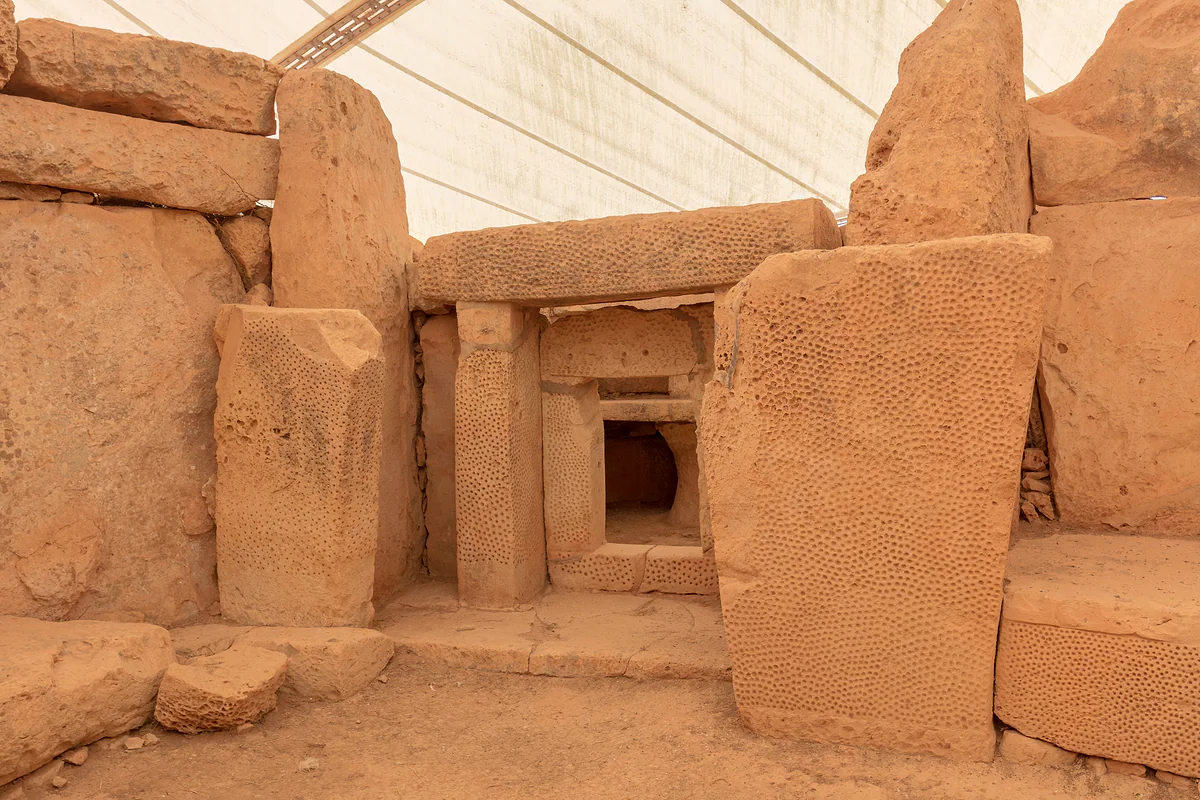
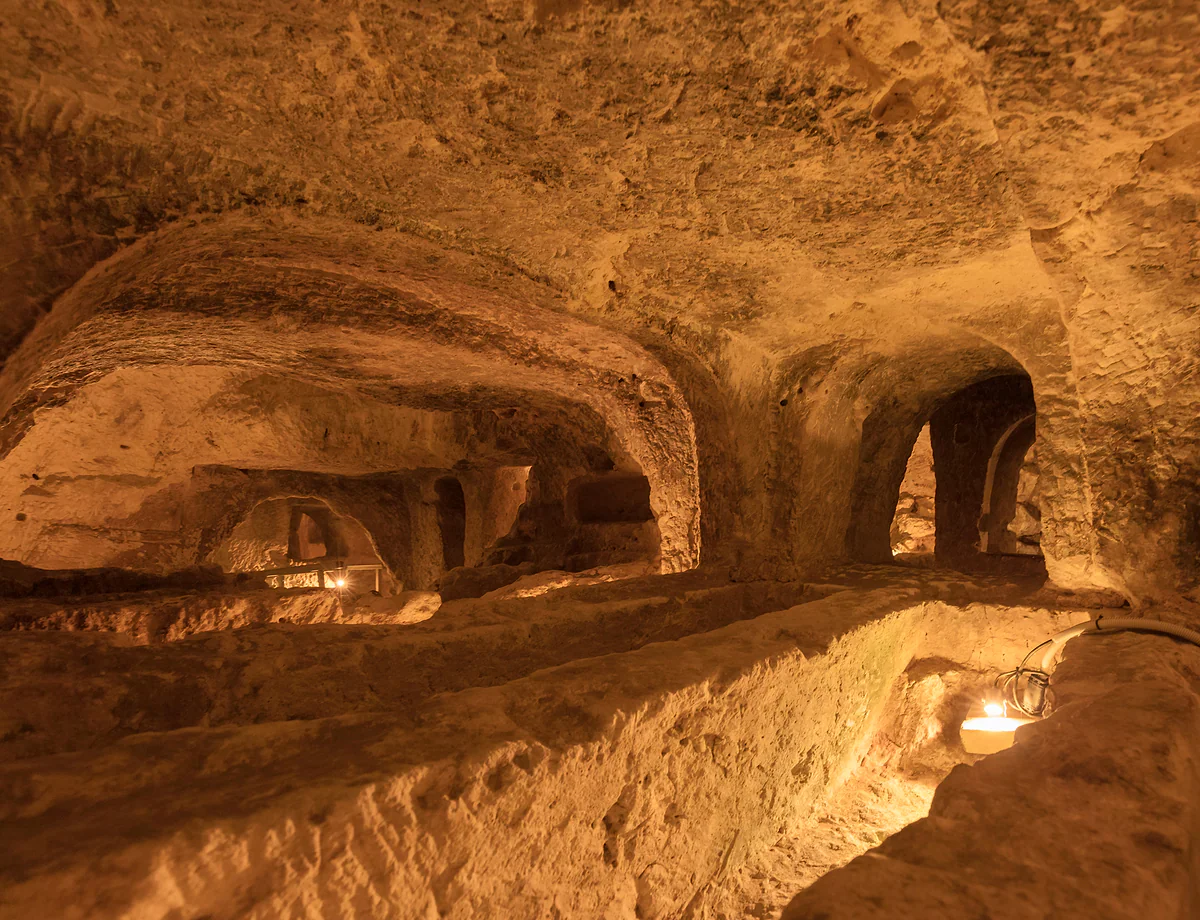
An underground burial complex in use from around 4000 BC, with the only prehistoric wall paintings found in the islands. Ten visitors at a time, no photos, and pre-booking is compulsory.
Spain's foreign ministry warns that many of Malta's white taxis don't run the meter. There are prepaid booths at the airport, in Sliema and in Valletta, and Bolt, Uber and eCabs all work here.
From 1 July 2026 every guest aged 18 or over pays €1.50 a night at any licensed accommodation, capped at €22.50 a stay. It's charged on top of whatever you paid for the room.
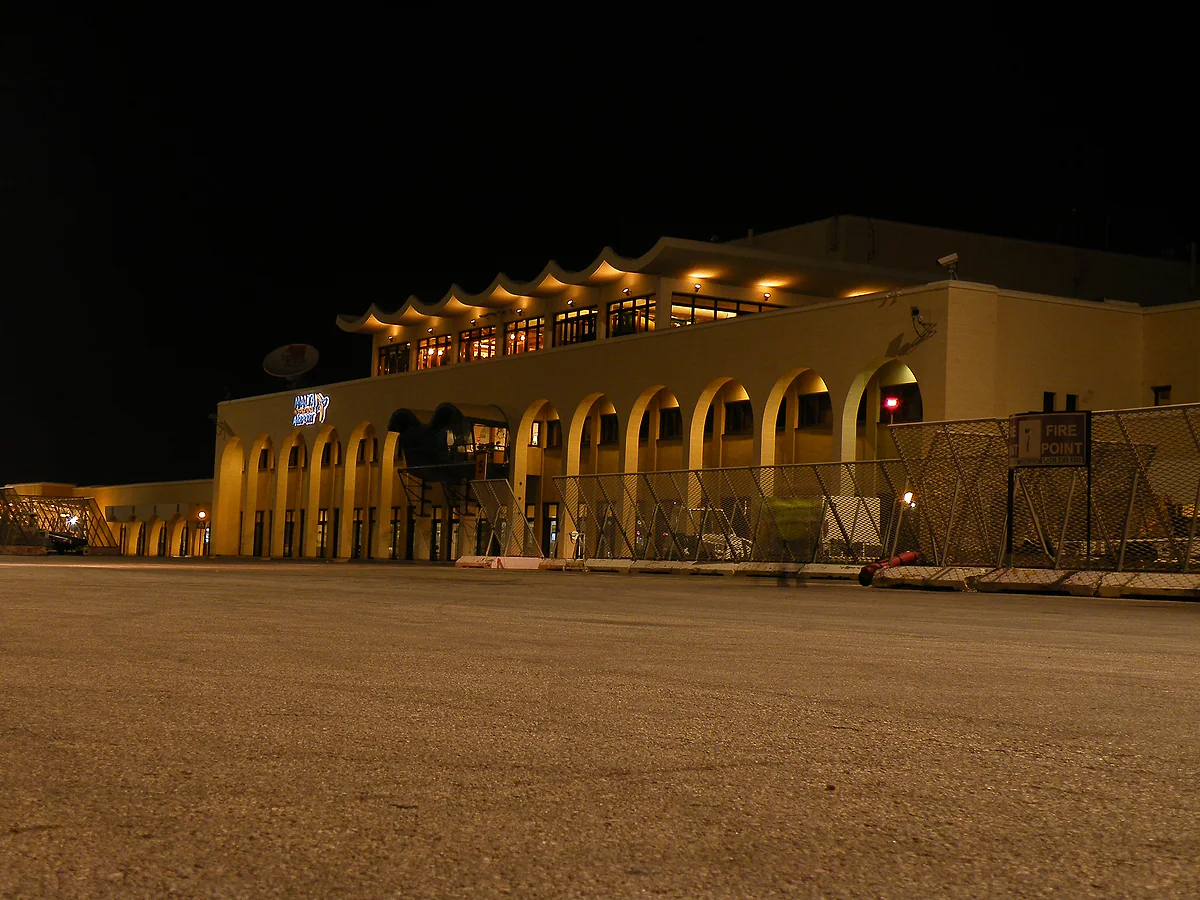
Airport Direct buses leave from the terminal for Valletta, Sliema, St Julian's, Buġibba and Ċirkewwa. It's €3 a head (€3.50 on the TD1), paid in cash or contactless on board.
Malta runs on the same square three-pin plug as the UK, at 230 V and 50 Hz. Your chargers and hairdryer will work straight out of the case, which is one less thing to pack.
Malta is easy to underestimate. On the map it’s a speck between Sicily and North Africa, 316 km² in total, roughly 122 square miles, and it’s tempting to think a long weekend will do. Then you find a capital that’s a World Heritage Site in its own right, stone temples that UNESCO ranks among the earliest free-standing buildings anywhere, a second island that runs at half the speed, and a sea that’s still around 26 °C in September. For me it’s one of the places in Europe that gives back most for every day you spend there, as long as you plan it island by island rather than from a list.
Three inhabited islands and a pocket-sized state
There are more islets in the archipelago, but the Maltese government is clear that only the three largest have people living on them. Malta itself, at 245 km², holds the capital, the airport and almost everyone. Gozo, 67 km², is more rural and 25 minutes away by ferry. Comino, about 3 km², is essentially a nature reserve with the Blue Lagoon and, according to the Gozo tourist board, two residents. Each gets its own section in the Maltese islands, and how they sit between Italy and Africa in where is Malta.
What catches people out is the density. At the end of 2025 there were 588,254 residents, 1,867 per square kilometre, and nearly a third held a foreign passport. Along the Sliema and St Julian’s seafront you feel it in the apartment blocks and the traffic. On Gozo, at 609 per square kilometre, you feel the opposite.
What to see on a first visit
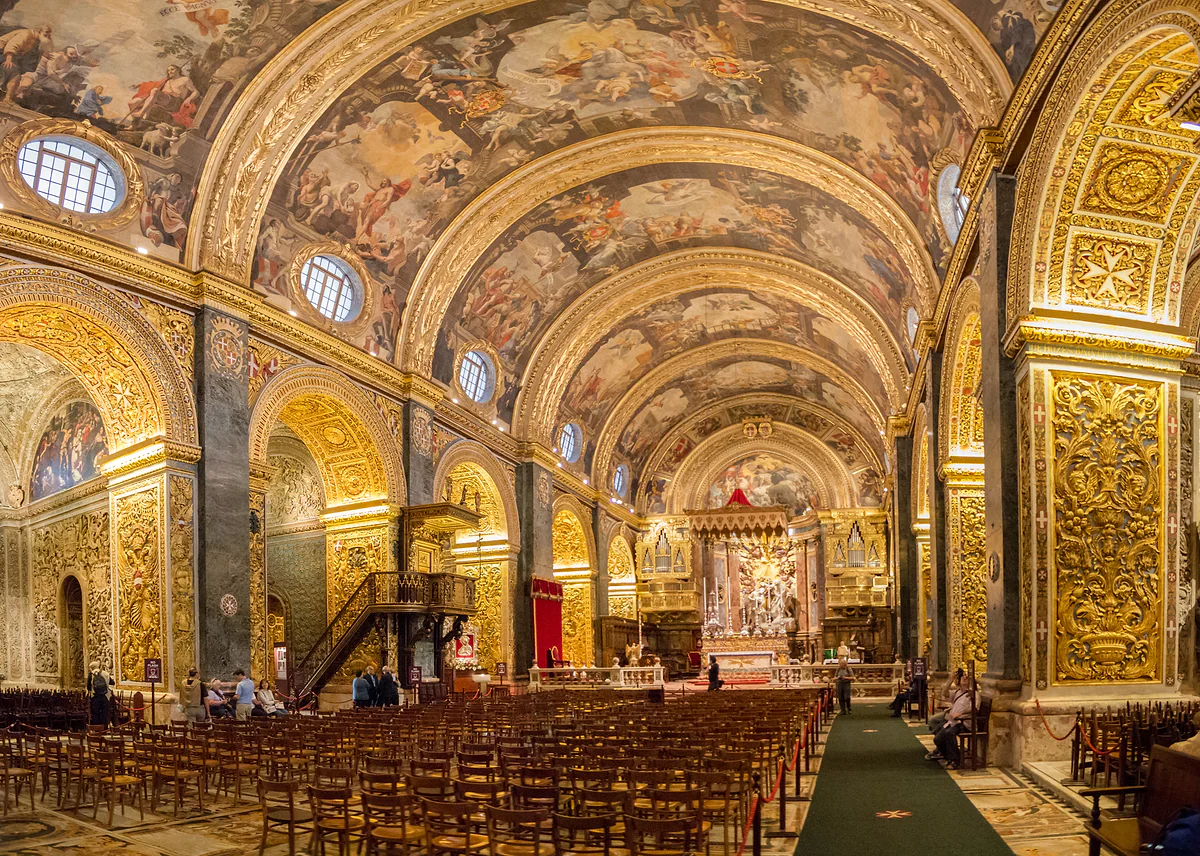
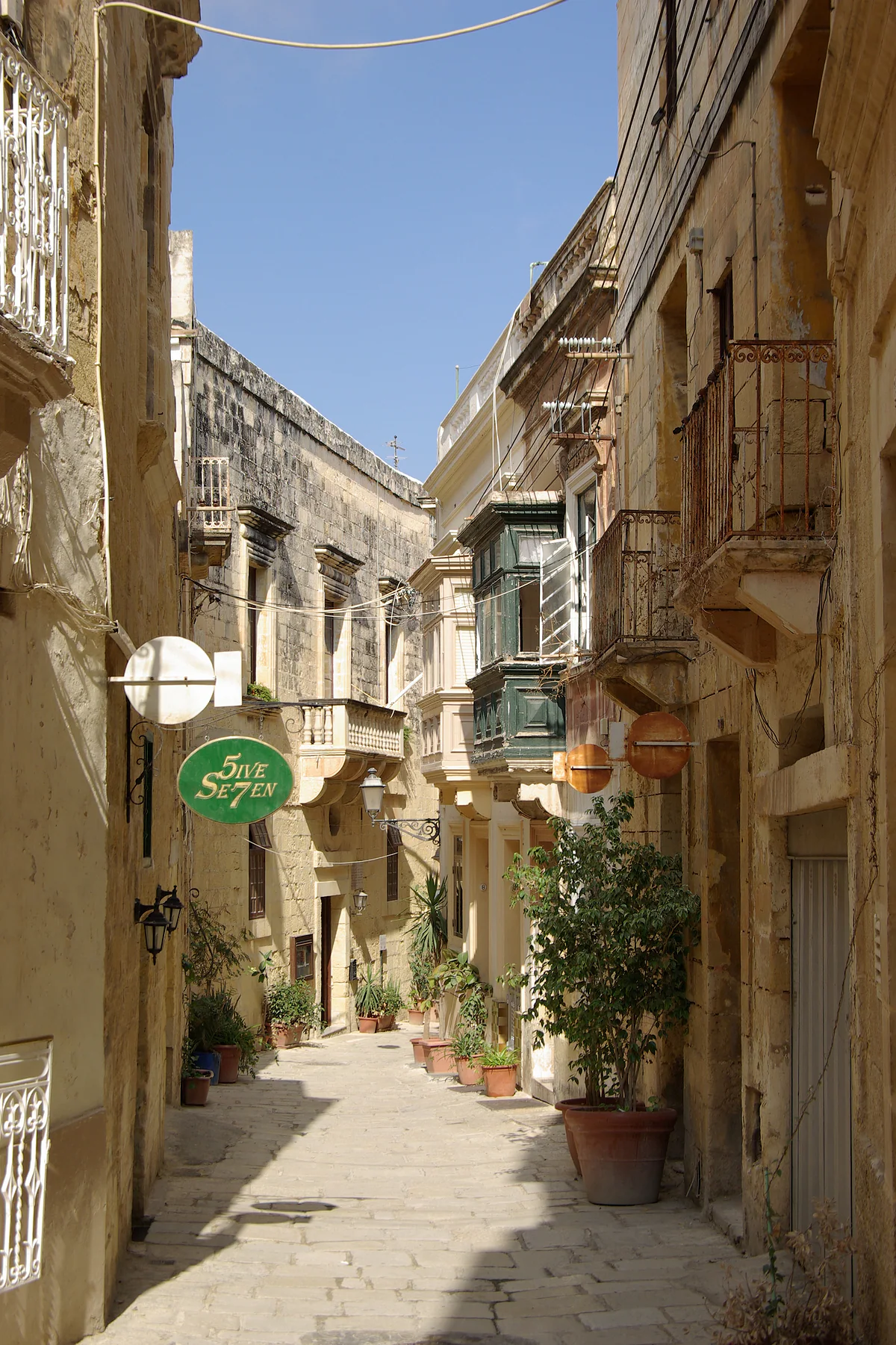
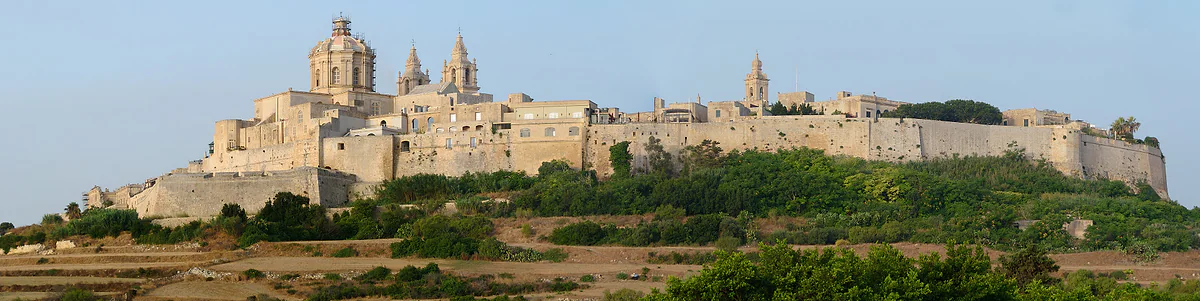
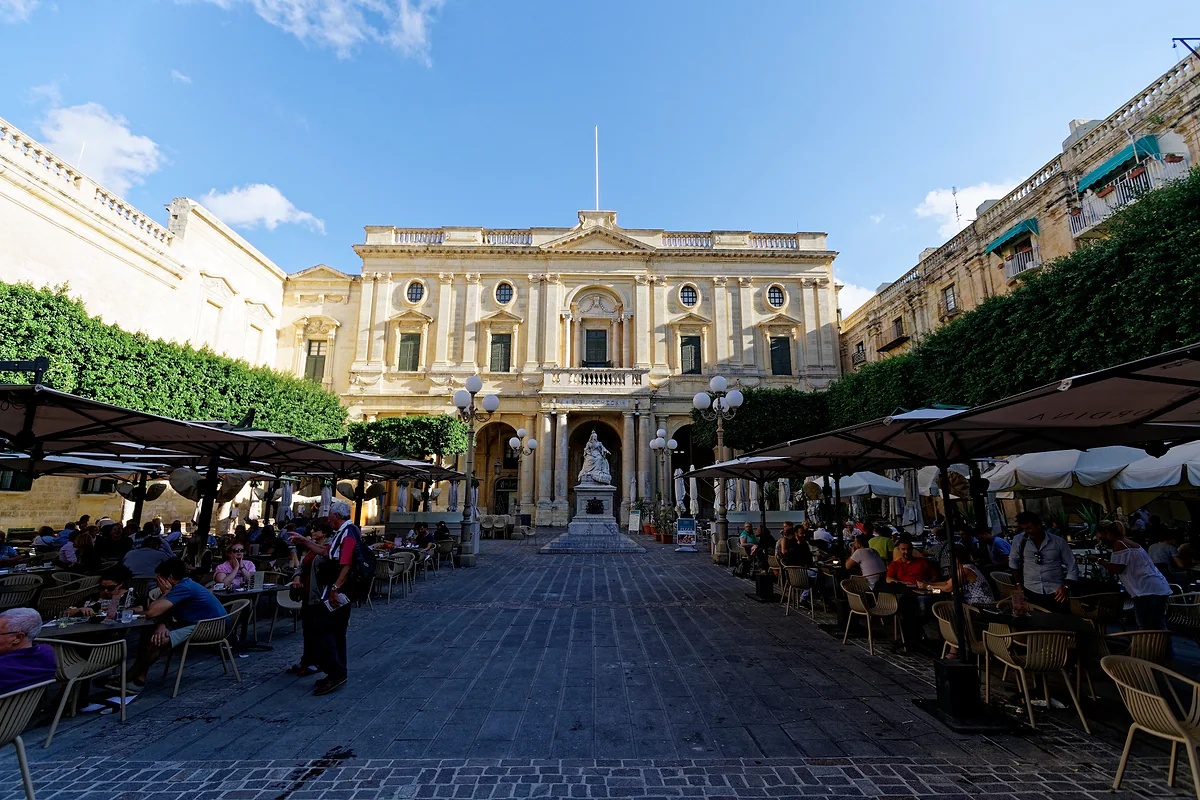
If I had to pick five things they’d be Valletta, Mdina, the megalithic temples, Gozo and the Grand Harbour seen from the Three Cities. Valletta is a tiny capital with an extraordinary amount inside it, 320 monuments in 55 hectares according to UNESCO, plus St John’s Co-Cathedral and its two Caravaggios. Mdina, home to 201 people, is the opposite, a walled hilltop town nicknamed the Silent City. That and nineteen more, each with its source, are in my Malta facts.
The temples are what most visitors skip and what I’d skip last. Ħaġar Qim and Mnajdra sit above the south coast, Ġgantija is on Gozo and the Hypogeum lies under an ordinary street in Paola. The full order, with my scores and prices, is in things to do in Malta.
Splitting your days
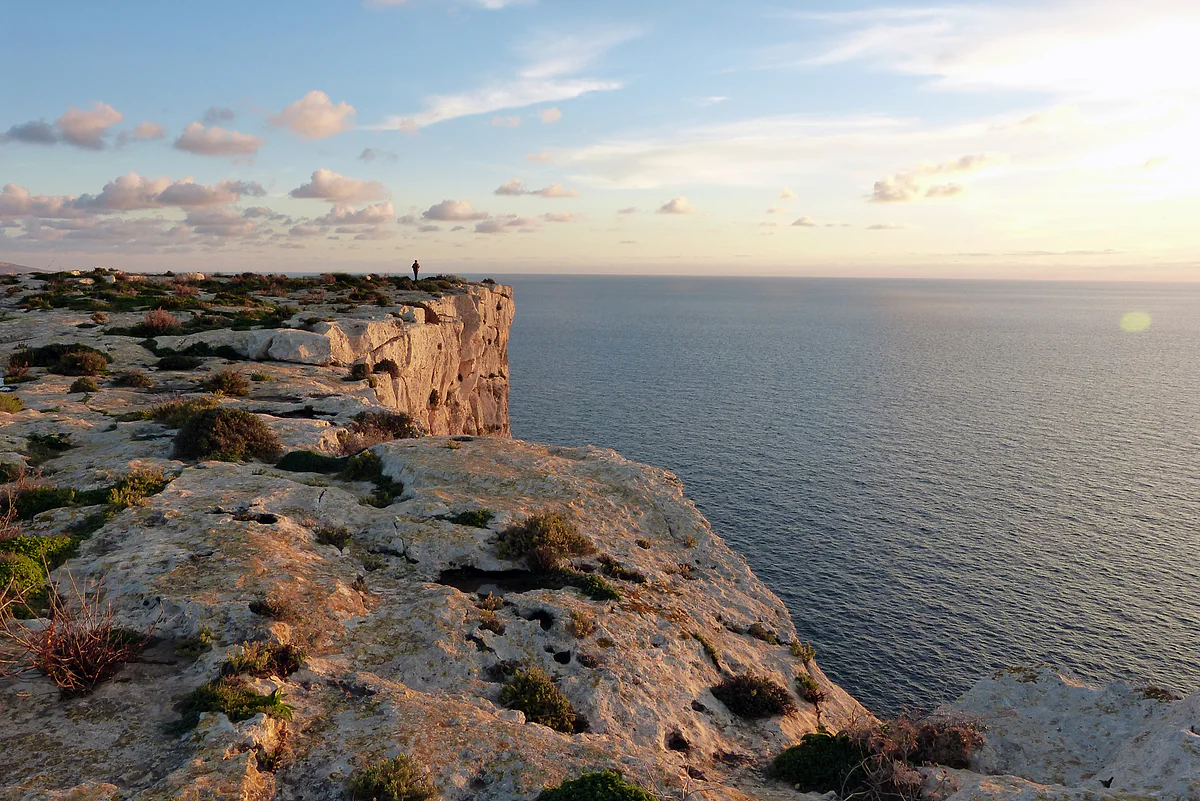
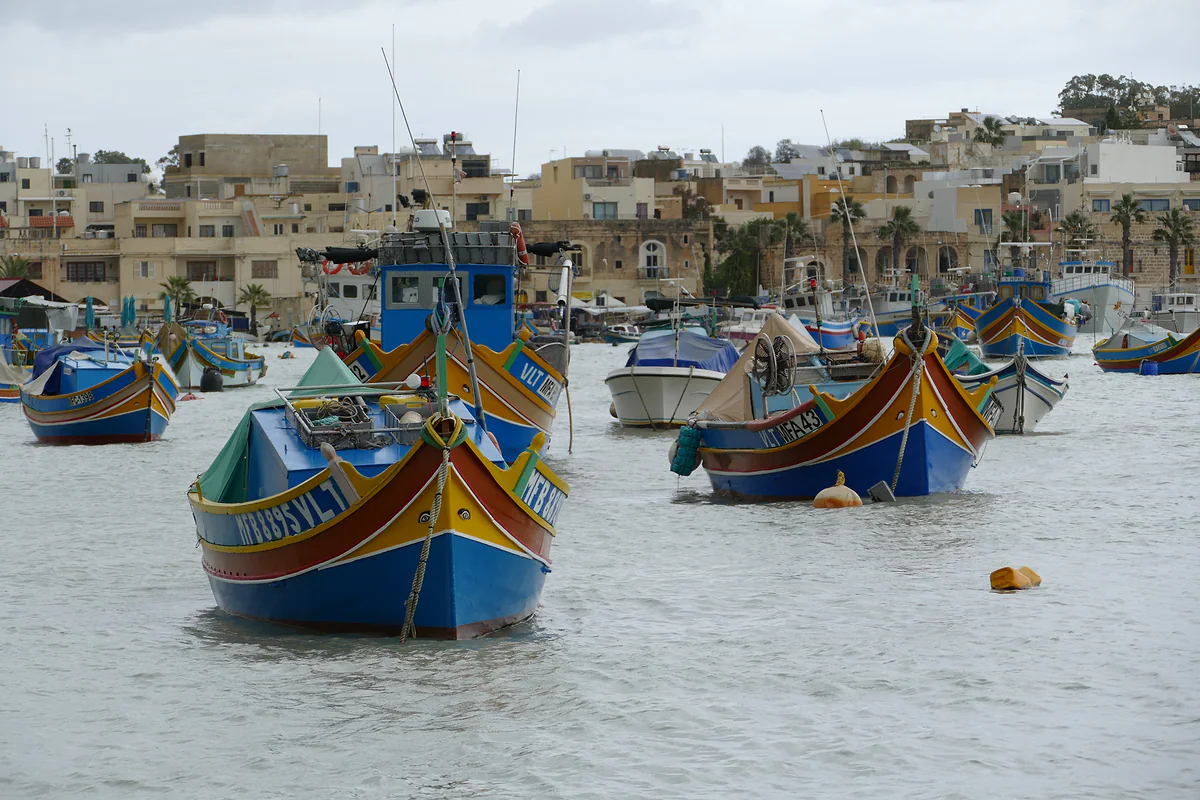
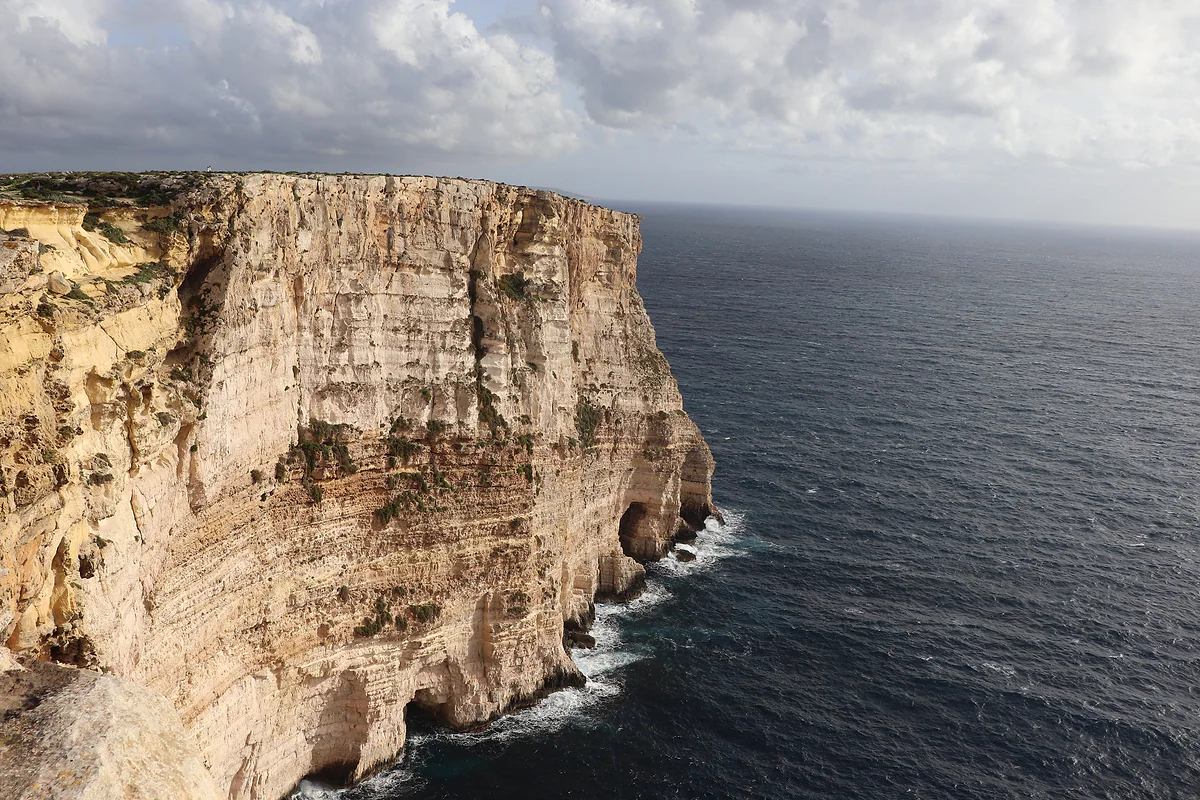
My four-day plan would be one day for Valletta and the harbour, one for Mdina, Rabat and the Dingli Cliffs, a third for the south (temples, the Blue Grotto and Marsaxlokk) and the fourth entirely on Gozo. With three days I’d drop the south; with a week I’d add Comino, an afternoon on a northern beach and a second Gozo day with a night there. If you’ve only got a cruise stop, Valletta is plenty on its own.
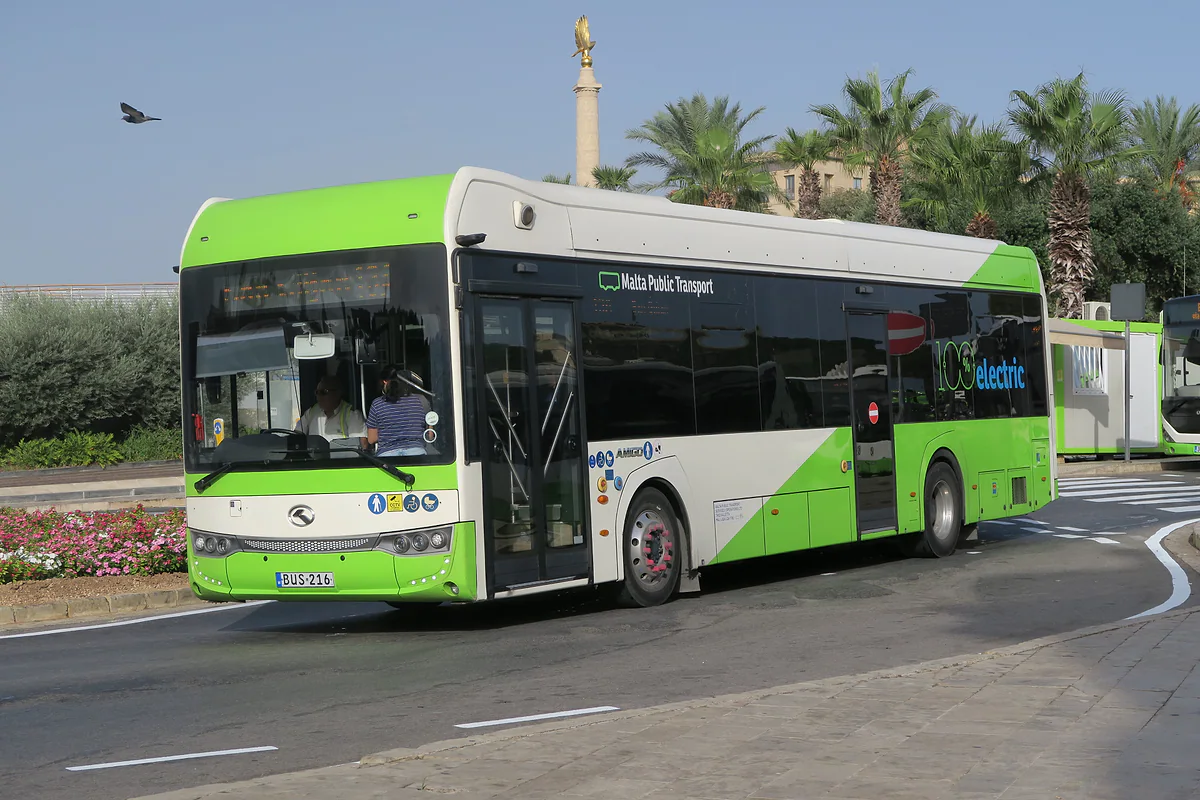
Buses reach almost everywhere. A single is €2 in the winter months and €2.50 in the summer ones, and it is valid for two hours with changes, while the four-day Explore Flex at €21 covers the airport express buses too. You’ll drive on the left, so hiring a car will feel familiar, but the Foreign Office describes local driving standards as poor and some roads as in bad shape. I’d only bother with a car on Gozo.
The practical bits for a British visitor
Malta joined the EU on 1 May 2004, entered Schengen on 21 December 2007 and switched to the euro in 2008. As a UK visitor you can stay 90 days in any 180 without a visa, but check your passport was issued less than ten years before you travel. The EU’s roam-like-at-home rule covers EU SIM cards, not UK contracts, so look up your own network’s Europe charges before you fly. Carry your GHIC, which the Foreign Office says gets you medically necessary state healthcare.
The rest will feel oddly like home. Plugs are the same three-pin type, English is an official language and traffic keeps left, just as it does at home. British rule ended with independence in 1964. The last British forces left on 31 March 1979, which Malta marks as Freedom Day.
Two bookings I wouldn’t leave to chance. The Hypogeum, because only ten people go in at a time and pre-booking is compulsory, and Comino’s Blue Lagoon, where anyone arriving by boat has needed a free time-slot booking since 1 May 2025, with three slots a day and a cap of 4,000 people. The Gozo ferry, on the other hand, isn’t booked at all.
Where to stay
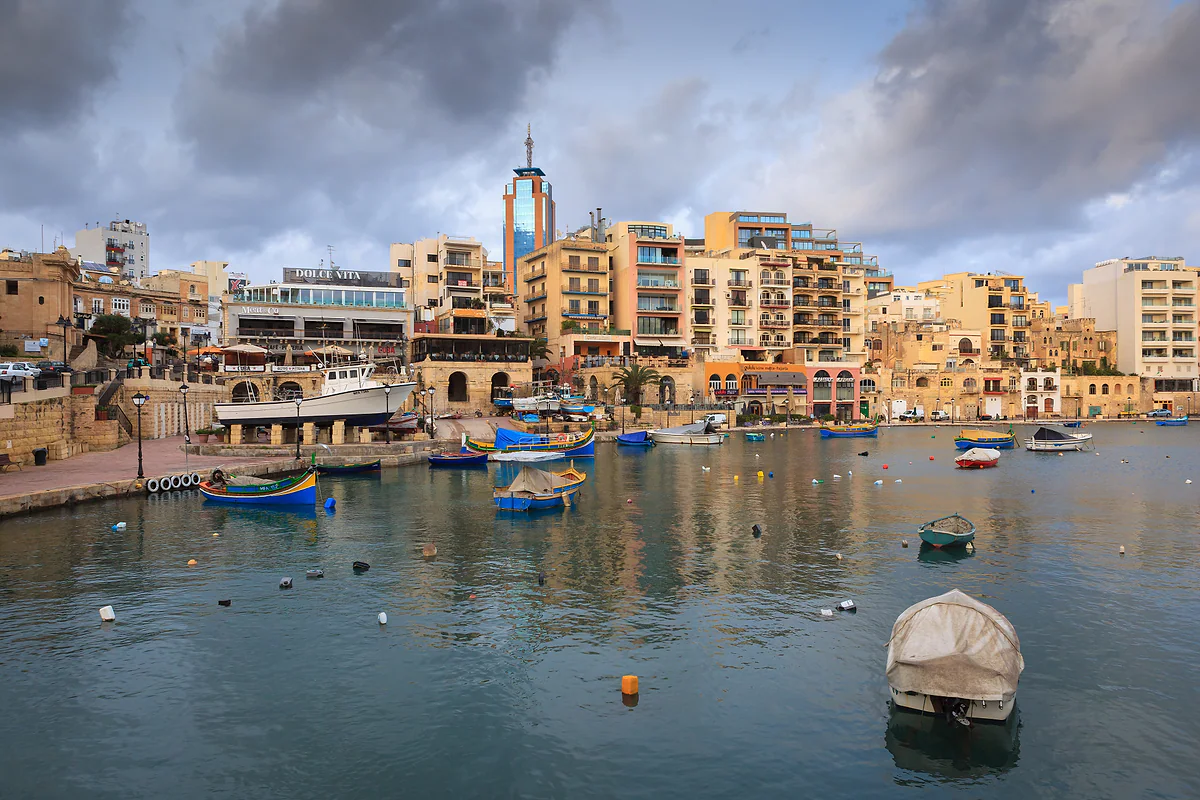
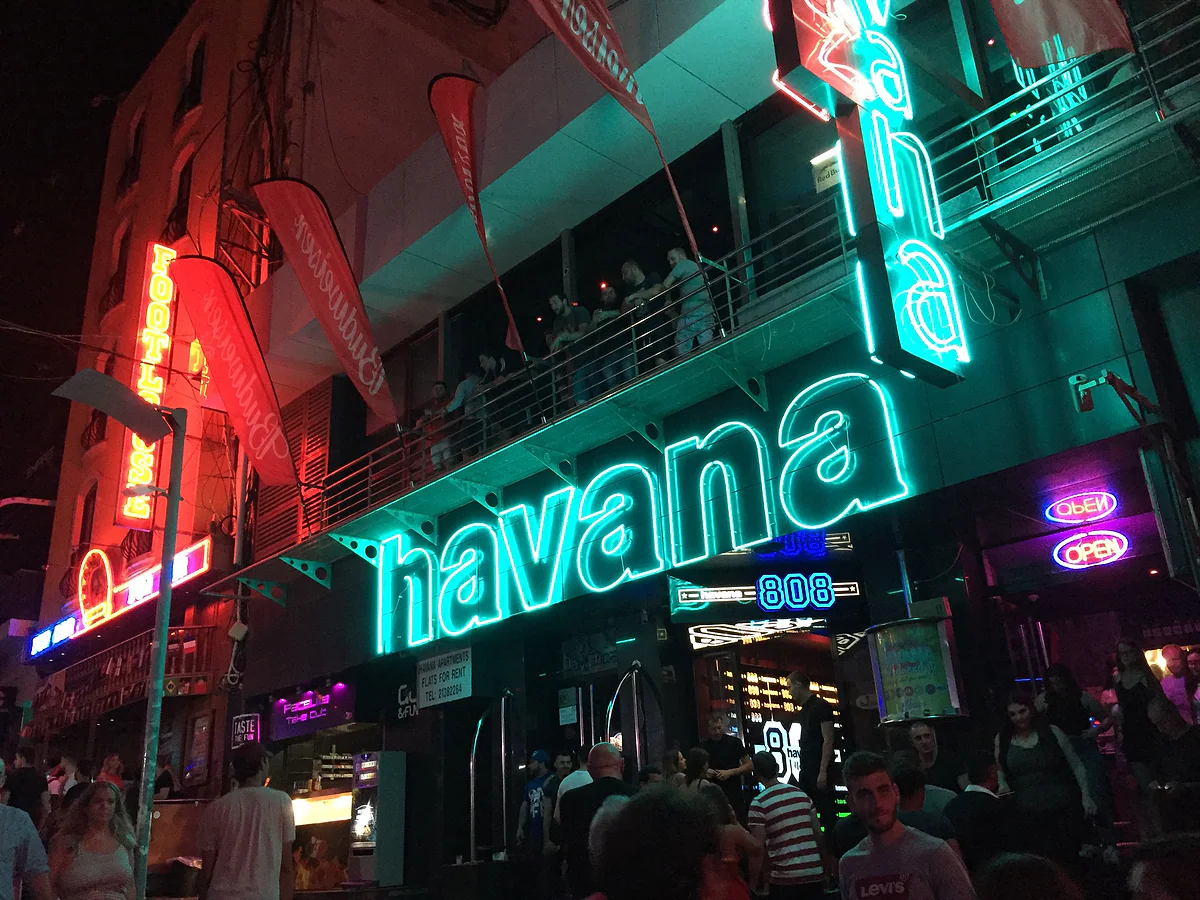
Valletta and Sliema are the bases I’d choose first time, linked by a €3 ferry that’s quicker than any bus. St Julian’s has more nightlife, and Paceville within it is where both the Foreign Office and Spain’s foreign ministry urge extra care after dark, with warnings about spiked drinks. Buġibba and Mellieħa suit a beach holiday and put you close to Ċirkewwa for Gozo. I weigh up each area in where to stay in Malta.
Since 1 July 2026 every adult also pays a €1.50 a night eco-contribution at licensed accommodation, capped at €22.50. It’s small, but it’s added on top of what you booked, so factor it in.
What Malta isn’t
It isn’t Italy, although it was tied to Sicily until 1530 and the food still shows it. Nor is it an island of endless sand, since most of the coast is rock and the sandy beaches are mainly in the north and on Gozo. And it isn’t a sunlounger destination. What makes Malta special is more than 7,000 years of history packed into a tiny space, from the temples to the Second World War shelters, and that means walking, climbing steps and going inside things. Come with that in mind and this small country will feel much bigger than it looks.
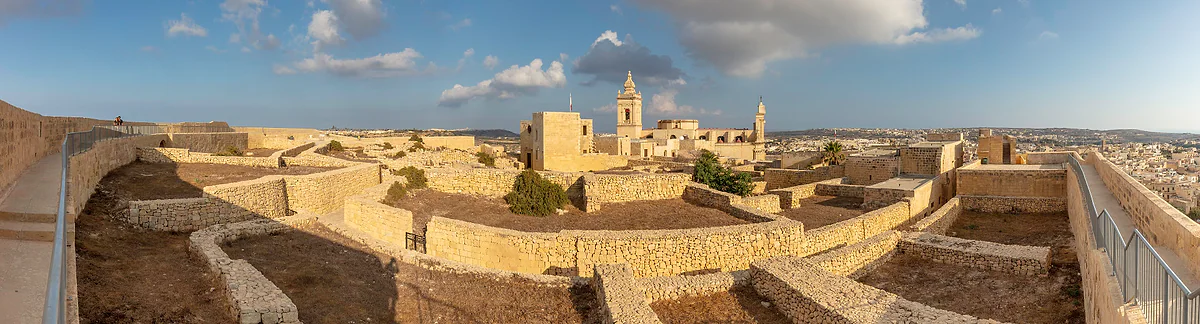
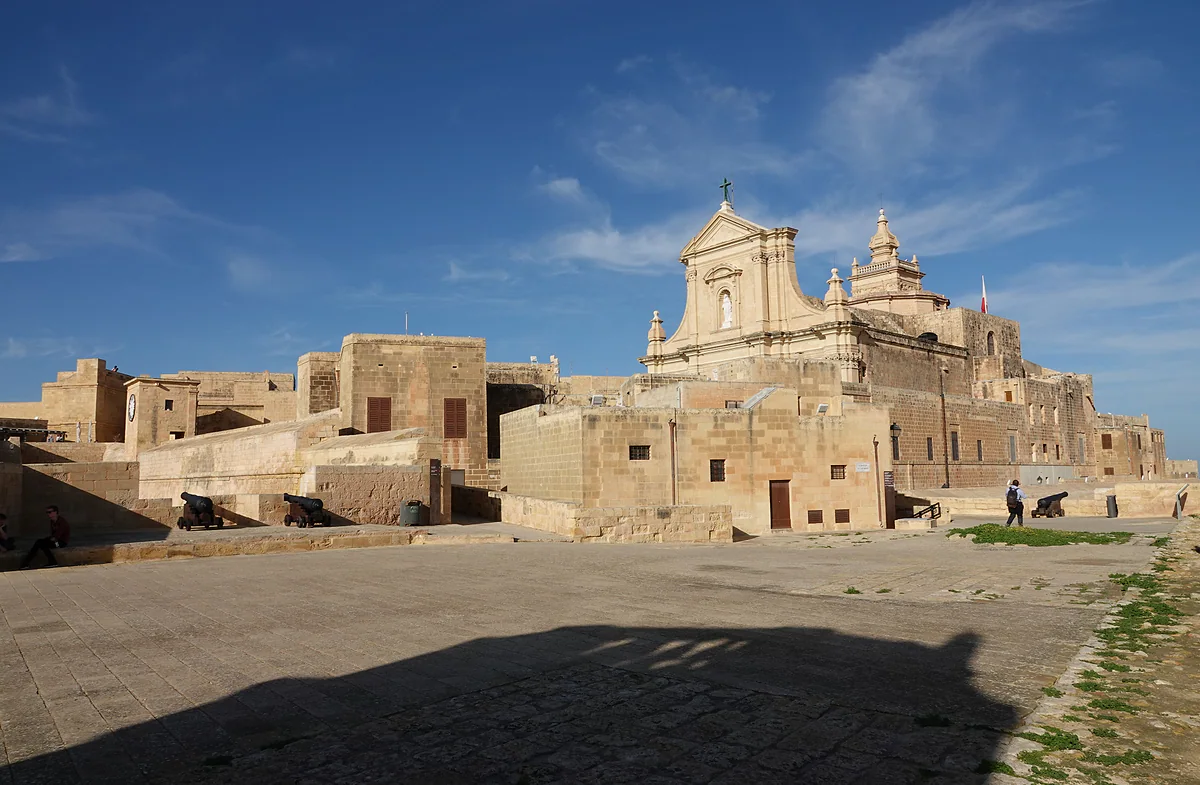
The Ċittadella in Victoria, Gozo, with the Cathedral of the Assumption rising above the stone walls and the cannons of St Michael's Bastion.
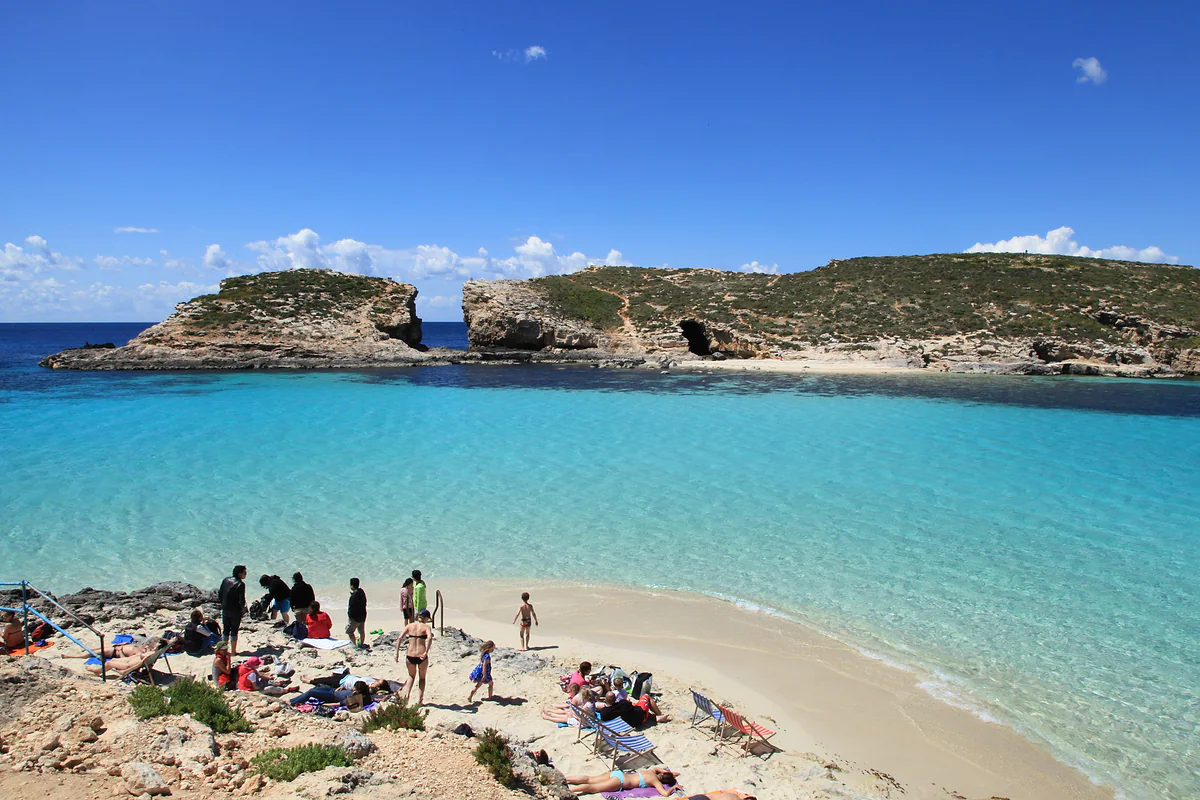
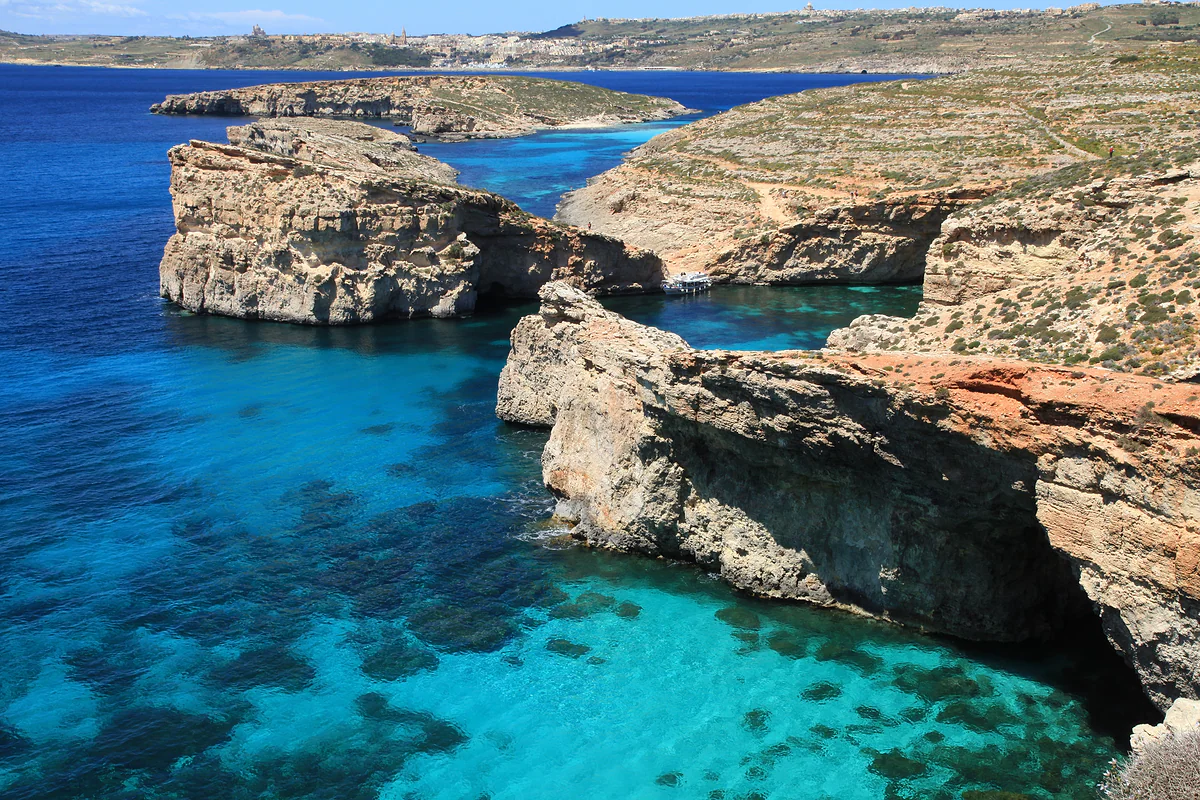
The turquoise water of the Blue Lagoon at Comino between the rocky islets and Cominotto, with Gozo and Malta behind on a clear day.
Malta in numbers
Fact
Figure
Source
Area
316 km² (Malta 245, Gozo 67, Comino about 3)
Government of Malta and Spanish foreign ministry
Population at 31-12-2025
588,254, of whom 31.1% foreign nationals
NSO
Capital
Valletta, 5,189 residents
NSO
Largest locality
St Paul's Bay, 43,095
NSO
Local councils
68 (54 on Malta, 14 on Gozo and Comino)
Spanish foreign ministry
Highest point
Ta' Dmejrek, 253 m
Spanish foreign ministry
Tourist arrivals in 2025
4,022,310
NSO
What getting around and getting in costs in 2026
Item
Price
Note
Single bus fare
€2 in winter, €2.50 in summer
Valid two hours with changes
Explore Flex travel card
€21 (4 days), €27 (7 days)
Includes the Airport Direct buses
Gozo ferry (Ċirkewwa-Mġarr)
€4.65 return
Paid in Gozo on the way back
Sliema-Valletta ferry
€3 single, €5 return
Daytime; €3.50 single at night
Heritage Malta Multisite Pass
€60 adult, 30 days
Excludes the Hypogeum and Underground Valletta
Eco-contribution
€1.50 per night per adult
Capped at €22.50 a stay
Official prices checked on 28-09-2026. The summer bus fare starts on 14 June.
Test yourself
True or false?
0/4Pick before you peek.
Malta is part of Italy.
See the answer
False. It has been independent since 1964 and a republic since 1974. It was tied to the Kingdom of Sicily until 1530, when the islands passed to the Order of St John.
Only three islands in the Maltese archipelago are inhabited.
See the answer
True. The Maltese government says only the three largest are, Malta, Gozo and Comino. Comino barely counts, since the Gozo tourist board says just two residents live there.
Valletta is the biggest town in Malta.
See the answer
False. It's the capital, but it had 5,189 residents at the end of 2025. St Paul's Bay is the largest, with 43,095, according to the NSO.
You need a travel adaptor for UK plugs in Malta.
See the answer
False. The Maltese government lists 230 V at 50 Hz with UK-style three-pin square plugs, so British chargers fit straight in.
Area of the archipelago
316 km²
Residents at 31 December 2025
588,254
Inhabited islands: Malta, Gozo and Comino
3
Distance to Sicily
93 km
Tourist arrivals in 2025
4,022,310
Map
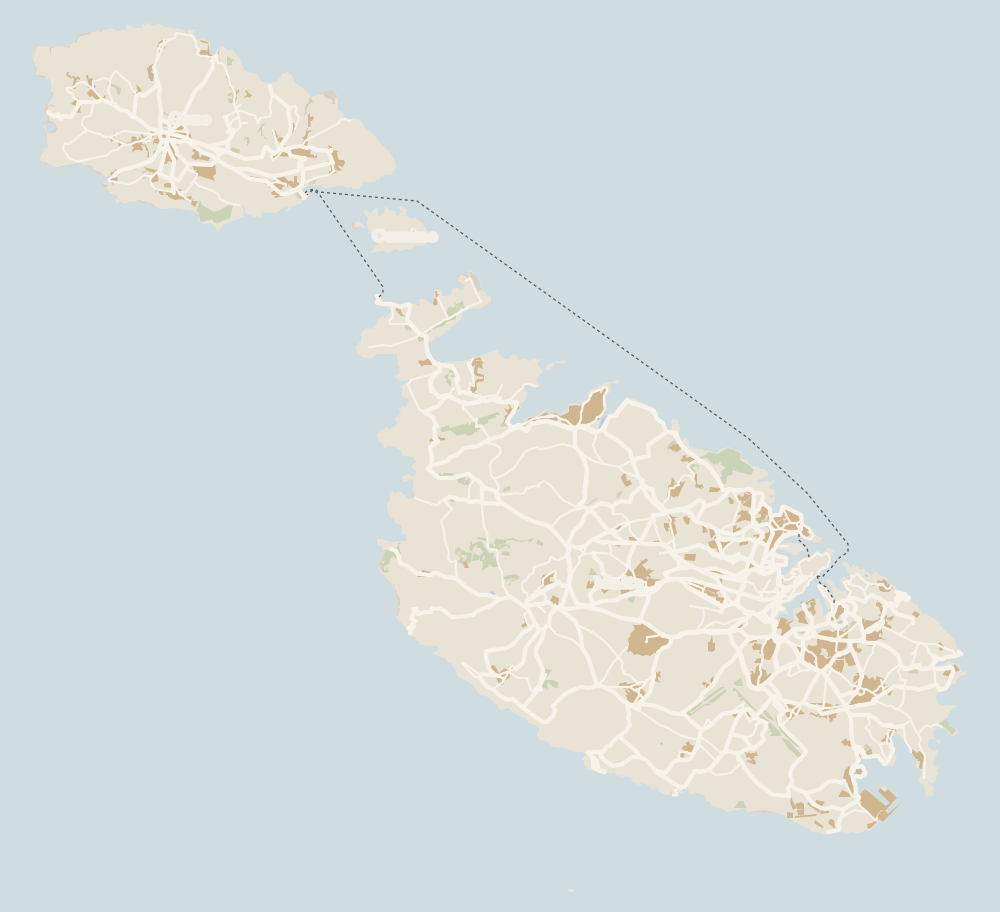
Malta, Gozo and Comino, council by council
Gozo lies to the north-west, across the channel the ferry crosses from Ċirkewwa, with Comino between the two islands. Every number opens its guide.
Right in the middle of the Mediterranean, 93 km south of Sicily and 288 km north of Libya, according to the Maltese government. It's an archipelago of 316 km², and only the three largest islands, Malta, Gozo and Comino, are inhabited.
Is Malta a country?
Yes. It became independent from the UK in 1964 and a republic on 13 December 1974, and it stayed in the Commonwealth. It joined the EU on 1 May 2004 and has used the euro since 2008.
Do they speak English in Malta?
Yes, English is one of the two official languages, alongside Maltese. Signs, menus and bus timetables are usually in both, so you won't need a phrasebook.
What do I need to enter Malta from the UK?
Malta follows Schengen rules, so UK visitors can stay up to 90 days in any 180 without a visa. The Foreign Office says your passport must have been issued less than 10 years before you arrive, and the EES system replaces manual stamping.
Does my GHIC work in Malta?
Yes. The Foreign Office says you need a GHIC or an EHIC to get medically necessary state healthcare in Malta. It isn't travel insurance, so I'd still take out a policy.
How many days do you need in Malta?
I'd say four: Valletta and the harbour, Mdina and Rabat, the south coast temples, and a full day on Gozo. Three days covers the main island, and a week lets you add Comino, a beach day and a slower Gozo.
Is Malta expensive?
Getting around is cheap, with buses at €2 or €2.50 and the Gozo ferry at €4.65 return. The big sights charge roughly €10 to €15 and the Hypogeum €35. Since July 2026 you also pay the €1.50 a night eco-contribution.
Tourism graduate with a master’s in Tourism Management and Planning from the University of Málaga, who has travelled across Europe. He writes every guide from official sources and his own judgement.

 1Gozo 2Comino 3Island of Malta 4Valletta 5Victoria 6Birgu 7Xagħra 8Nadur 9Senglea 10Cospicua 11Qala 12Għajnsielem 13Kalkara 14Paola 15Xewkija 16Sannat 17Tarxien 18Munxar 19Żabbar 20Fgura 21Fontana 22Kerċem 23Luqa 24Floriana 25Marsa 26Mellieħa 27Żebbuġ (Gozo) 28Marsalforn 29Santa Luċija 30San Lawrenz 31Xgħajra 32Għarb 33Żejtun 34Għasri 35Gudja 36Għaxaq 37Marsaxlokk 38Kirkop 39Mqabba 40Marsaskala 41Qrendi 42Żurrieq 43Mdina 44Mġarr (Gozo) 45Birżebbuġa 46Safi 47Rabat (Malta) 48Xlendi 49Siġġiewi 50Dingli 51Żebbuġ 52Mtarfa 53Balzan 54Lija 55Iklin 56Attard 57St Paul's Bay 58Buġibba 59Qawra 60Xemxija 61Mosta 62Naxxar 63Għargħur 64Mġarr (Malta) 65Sliema 66Tigné Point 67St Julian's 68Paceville 69Gżira 70Msida 71Ta' Xbiex 72Pietà 73Pembroke 74Swieqi 75San Ġwann 76Birkirkara 77Ħamrun 78Santa Venera 79Qormi