Getting around Malta without losing half a day to each trip
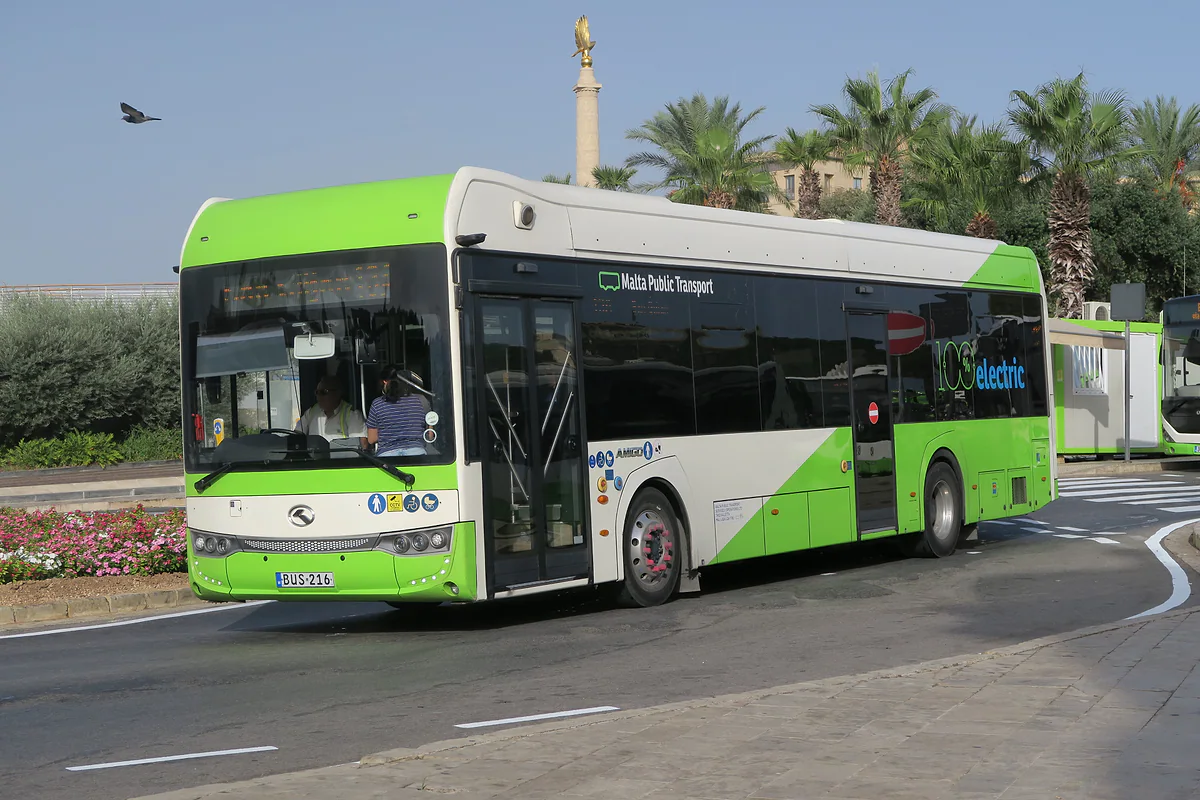
Getting around Malta is mostly a matter of buses and boats. Malta Public Transport's buses reach almost everywhere for €2.50 in summer and €2 in winter, with tickets valid for two hours including changes. Ferries link Valletta with Sliema and the Three Cities, and Ċirkewwa with Gozo in 25 minutes. Cars drive on the left, as at home, and make most sense on Gozo.
In 30 seconds
Full read: 3 min
Buses reach almost everywhere for €2.50 in summer and €2 in winter.
Explore Flex gives 4 days of buses for €21 or 7 days for €27, airport included.
Ferries cross from Valletta to Sliema or the Three Cities for €3 one way.
Cars drive on the left and are most useful on Gozo.
On a first trip I'd use buses and boats on the main island and only hire a car for Gozo, or for a single day in the south. Parking in Valletta and Sliema is hard work, and the ferry between the two beats any car.
Sergio LeponeMy advice
Before you go
What I would keep in mind
01 To save money
Explore Flex pays off from three rides a day
€21 buys 4 days of unlimited buses, airport lines included, and €27 buys 7. At €2.50 a single, three journeys a day already make it worthwhile.
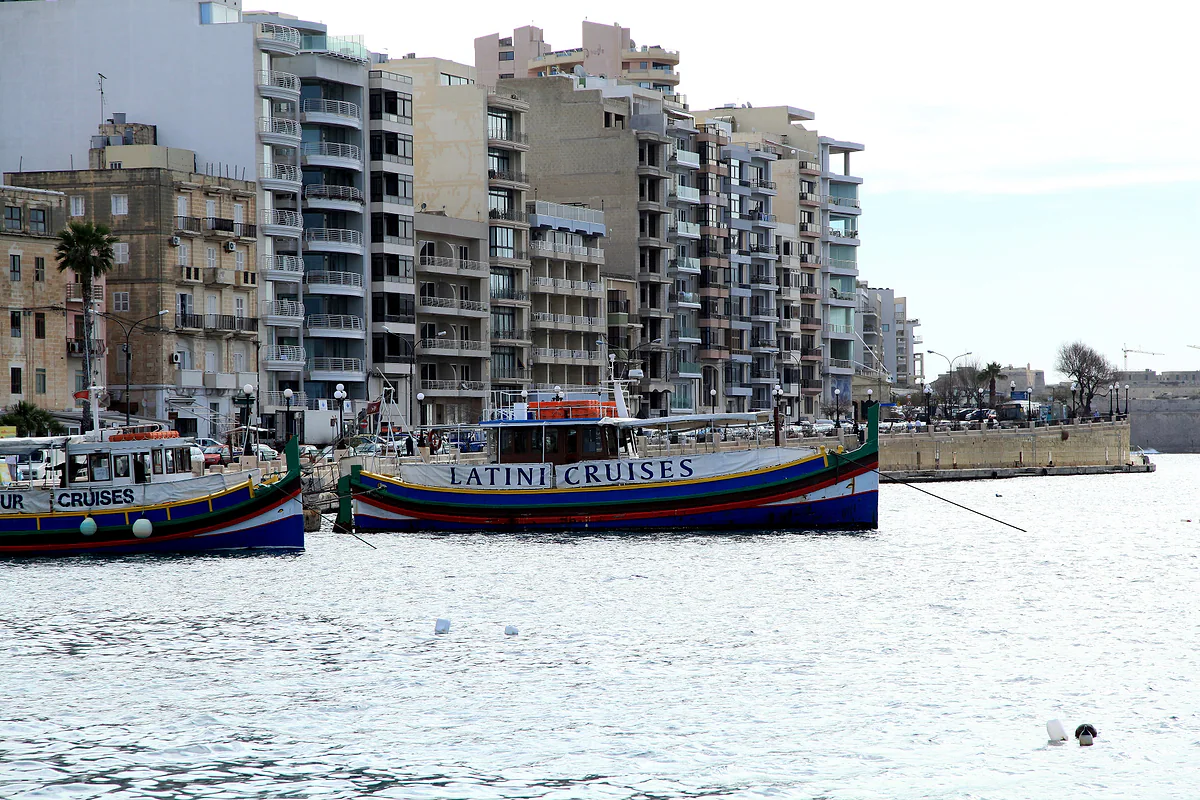
A non-stop ferry crosses between Sliema and Valletta for €3 one way. For me it's the nicest way across Marsamxett Harbour and it skips the seafront traffic.
Malta Public Transport fines anyone €50 for travelling without a valid ticket or not validating their card on boarding. Tap a contactless card and you're sorted.
My own scores out of 10 for a traveller without a car staying in Valletta, Sliema or St Julian's. I weigh cost, coverage and what each saves in time and stress. Opinion, with official fares alongside.
Handy at night or for the airport with luggage. Pricey for everyday use if you're on your own.
6.8 out of 10
Malta is small, but getting around it takes a bit of strategy. Distances are short and the traffic isn’t, so what makes the difference is combining bus, boat and, now and then, a car. Here’s how I’d do it depending on the kind of trip.
The bus is the backbone
Public transport in Malta means buses, run on both islands by Malta Public Transport. The tourism authority sums it up fairly, they serve the tourist areas, go practically everywhere and are cheap. A single on a day route costs €2.50 during the summer season (€2 in winter), covers two hours of changes and can be paid to the driver in cash, by card or with your phone. Every bus has free Wi-Fi.
For a stay of several days, I’d go straight for a pass. For several days, the Explore Flex gives unlimited travel, night and airport buses included, for €21 (4 days) or €27 (7 days). If two of you won’t travel much, the €19 12 Single Day Journeys card can be shared. All the useful routes, and how to buy each card, are in Malta buses.
The boats that dodge the traffic
This is my favourite Malta trick. There’s a non-stop ferry between Valletta and Sliema, and another between Valletta and Cospicua in the Three Cities. They cost €3 single and €5 return by day, sail every quarter of an hour on weekdays and in summer run until midnight on Sundays and public holidays. I’d use them whenever possible, and I explain the timetables in Valletta ferries.
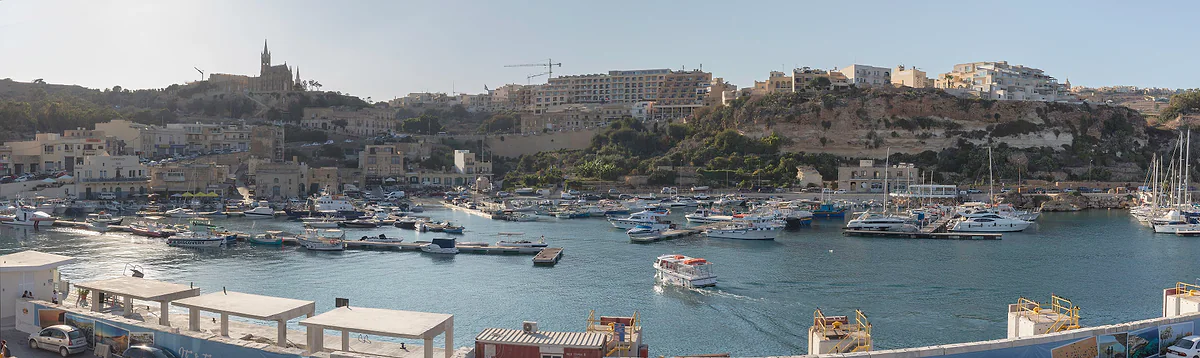
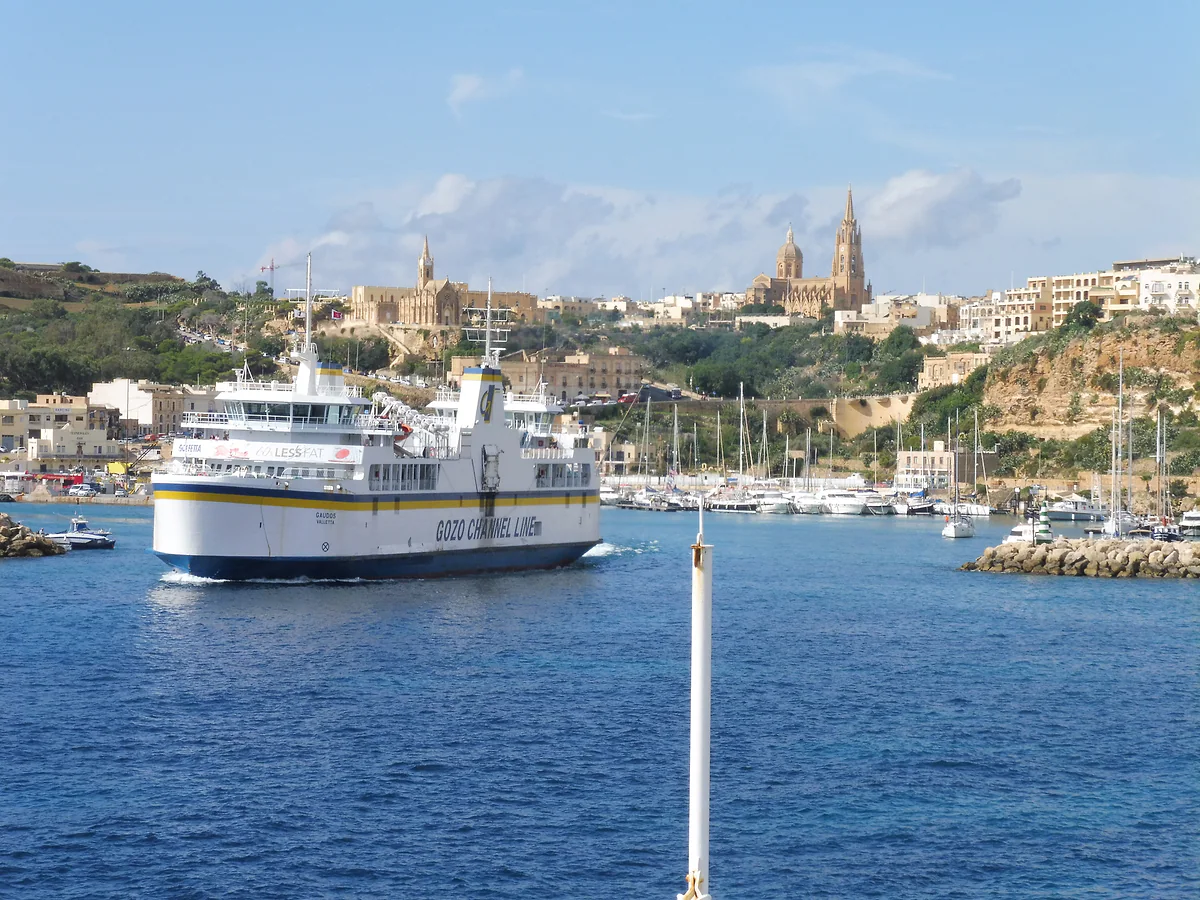
For Gozo, the boat isn’t optional. The Gozo Channel ferry leaves Ċirkewwa, at the northern tip, and reaches Mġarr in about 25 minutes. There’s no booking and the €4.65 return fare is paid on the way back from Gozo. From Valletta there’s also the Gozo Highspeed fast ferry, about 45 minutes. I compare them in the Malta to Gozo ferry. Comino is reached by small boats from Mġarr or Ċirkewwa.
Hire car or not?
A car has its moments in Malta, and the British driver has a head start. Both islands drive on the left, the road signs are in English and the limits are 80 km/h out of town and 50 km/h in it. gov.uk accepts a UK photocard licence but is frank that parts of the road network are in bad shape and local drivers aren’t the most careful.
That’s why I wouldn’t hire one for a stay in Valletta, Sliema or St Julian’s. I would for Gozo, where buses are less frequent and the sights are spread out, or for a day along the southern cliffs and temples. What to check in the contract, especially if you’re taking it on the Gozo ferry, is in car hire in Malta.
Taxis, ride-hailing and bikes
Public-service taxis are white and, according to the tourism authority, can pick you up anywhere except at bus stops. Its advice is to agree the fare before you get in, and Spain’s foreign ministry adds that many drivers don’t use the meter. Booths for paying in advance can be found at the airport and also in Sliema and Valletta, and Uber, Bolt and eCabs also operate. I compare them in taxis in Malta.
For short hops there’s tallinja Bike, Malta Public Transport’s shared e-bike scheme, with docks in Valletta, on the Waterfront, in St Julian’s and at the University. It’s €3 for the first half hour, or €1.50 with a tallinja or Explore card. The tourism authority warns that cycle lanes on main roads are limited, which I’d take seriously. Gozo is where I’d actually ride, and the three official routes, 27 to 42 km each, are in cycling in Malta.
There’s also the hop-on hop-off, which leaves from Valletta harbour and is sold as an Explore Flex add-on as well. For a single sightseeing day it can save a lot of route-planning.
How I’d plan it
A word on timing, too. In the winter season a bus ride costs 50 cents less, and the harbour ferries sail until midnight on summer Sundays, so the calendar shifts the sums a little either way.
Staying in Valletta or Sliema, buses and ferries cover nearly everything, with a 7-day Explore Flex if you’re doing day trips. For Gozo, one day by ferry and bus or, to see the whole island, two days with a car. And if you’re flying in, start with your first journey, sorted in Malta airport to Valletta.
Transport fares in Malta (September 2026)
Mode
Ticket
Fare
Day bus
Single, 2 hours with changes
€2.50 in summer, €2 in winter
Night or special bus
Single
€3
Airport Direct
Single
€3 (TD1, €3.50)
Explore Flex
4 or 7 days unlimited
€21 or €27
12 Single Day Journeys
12 journeys, shareable
€19
Sliema or Three Cities ferry
Single / return by day
€3 / €5
Gozo Channel ferry
Return, foot passenger
€4.65
tallinja Bike
First half hour
€3 (€1.50 with a tallinja card)
Malta Public Transport, Valletta Ferry Services and Gozo Channel, checked on 28 September 2026. The 2025-2026 bus winter season ran from 19 October to 13 June.
Test yourself
True or false?
0/3Pick before you peek.
In Malta you drive on the left, as in the UK.
See the answer
True. Malta's tourism authority confirms driving on the left on Malta and Gozo, with road signs in English.
A single bus ticket covers changes for two hours.
See the answer
True. Malta Public Transport says single tickets are valid for two hours, including transfers.
You need to book the Gozo Channel ferry days ahead.
See the answer
False. Gozo Channel boards first come, first served and takes no reservations. The return fare is paid in Gozo.
By bus and boat. Malta Public Transport buses reach almost every town for €2.50 in summer and €2 in winter, and ferries link Valletta with Sliema, the Three Cities and Gozo.
How much is the bus in Malta?
A single day ticket costs €2.50 in summer and €2 in winter and is valid for two hours including changes. Night buses are €3 and airport lines €3 (€3.50 on the TD1).
Do they drive on the left in Malta?
Yes, on both Malta and Gozo, with limits of 80 km/h on open roads and 50 km/h in built-up areas. gov.uk says you can drive on a UK photocard licence.
Is it worth hiring a car in Malta?
For Gozo, or to explore the south and west at your own pace, yes. For Valletta, Sliema and St Julian's I wouldn't, because traffic and parking eat more time than you save.
Is there Uber in Malta?
Spain's foreign ministry lists ride-hailing services such as Uber, Bolt and eCabs, alongside the white public-service taxis and other private firms.
Is there Wi-Fi on Malta's buses?
Yes. Malta Public Transport advertises free Wi-Fi on all its buses, on Malta and on Gozo.
Tourism graduate with a master’s in Tourism Management and Planning from the University of Málaga, who has travelled across Europe. He writes every guide from official sources and his own judgement.