May to 8 September 1565
The Great Siege of Malta, 1565, and the three places that still explain it
The Great Siege of Malta pitted an Ottoman force of some 40,000 men against around 700 Knights of St John and roughly 8,000 Maltese troops, according to VisitMalta. Fort St Elmo fell on 23 June after a month under attack, Fort St Angelo and Birgu held through the summer, and on 8 September 1565 the Ottomans withdrew. Valletta was founded the following year.
In 30 seconds
Full read: 4 min
- The Great Siege of Malta ran from May to 8 September 1565.
- Some 40,000 Ottomans attacked around 700 Knights and 8,000 Maltese troops, according to VisitMalta.
- Fort St Elmo fell on 23 June; Fort St Angelo and Birgu held until the Ottomans withdrew.
- Victory led to the founding of Valletta in 1566, named after Grand Master La Valette.
I'd see it in the order it happened, Fort St Elmo in the morning and Fort St Angelo in the afternoon, crossing the Grand Harbour by ferry in between. That way you understand why the Ottomans went for the tip of the Valletta peninsula first, and why they stalled at Birgu.

Before you go
What I would keep in mind
-
01 My tip
Cross the harbour the way the defenders saw it
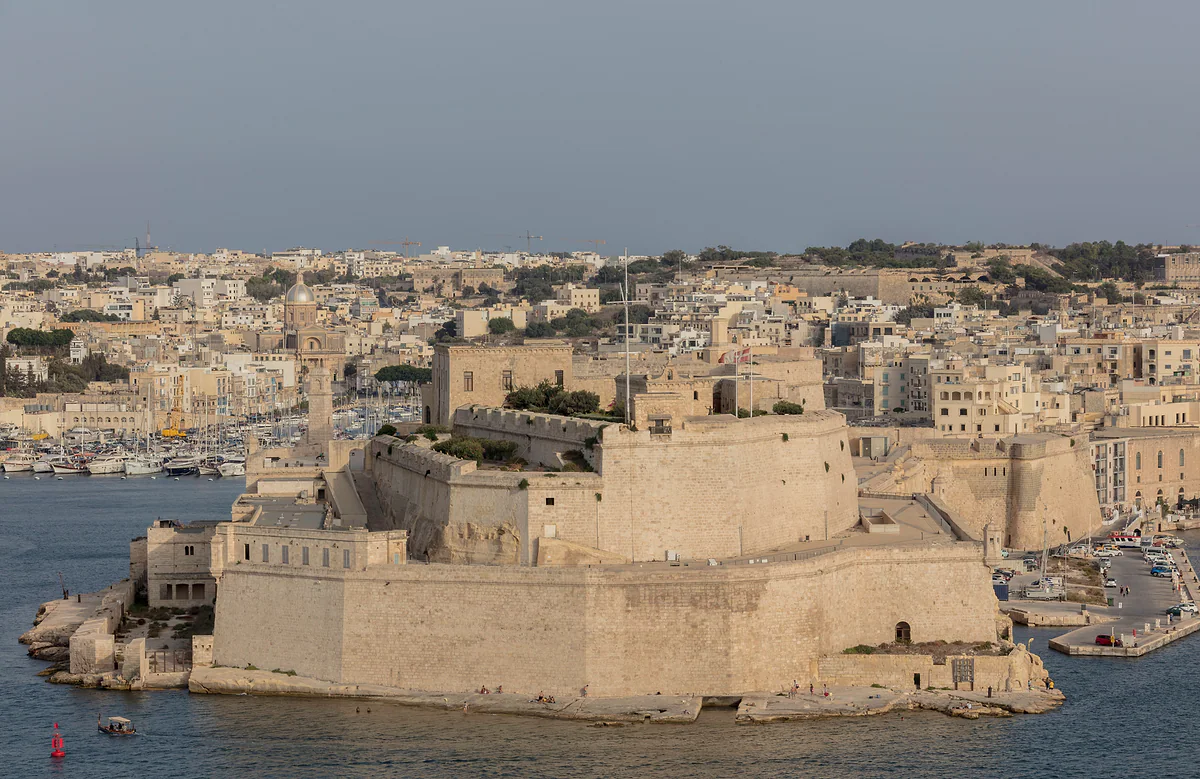
Heritage Malta notes that Fort St Angelo can also be reached by ferry and water taxi from Valletta, weather permitting. Seeing Fort St Elmo from the water explains the siege better than any model.
Fort St Angelo in Birgu -
02 Most beautiful
The siege on canvas at the Grandmaster's Palace
Matteo Perez d'Aleccio's Great Siege cycle hangs in the Grandmaster's Palace in Valletta. It's the winners' version of events, which is exactly why it's worth seeing.
Grandmaster's Palace in Valletta -
03 To save money
Two forts and the palace on one pass
Fort St Elmo (€10), Fort St Angelo (€10) and the Grandmaster's Palace (€12) add up to €32. Heritage Malta's €60 Multisite Pass covers all three plus the rest of its sites for 30 days.
Heritage Malta Multisite Pass
What I would book
VisitMalta quotes Voltaire saying nothing is better known than the Siege of Malta. Back home it rarely gets a mention, but on the islands it’s everywhere, in the 8 September holiday, in the palace paintings and in the name of the capital itself. Here’s what happened in 1565, using the figures the official sources give, and where the story still makes sense on the ground.
Why the Ottomans came for Malta
The Knights of St John had been in Malta for 35 years and knew how exposed they were. In 1551 an Ottoman raid carried off most of Gozo’s population into slavery, and in 1559 the Order hit back with a disastrous attack on Djerba, off the Tunisian coast. Malta had fine harbours and two forts, St Angelo in Birgu and the brand-new St Elmo at the tip of the Sciberras peninsula, where Valletta stands today.
Grand Master Jean de la Valette asked Charles V, the Pope and the Viceroy of Sicily for reinforcements. VisitMalta sums up the reply in three words. No help came. On the other side was Dragut, the corsair commanding Suleiman the Magnificent’s fleet.
The numbers, taken with a pinch of salt
In May 1565 the Ottoman fleet surrounded the islands. VisitMalta gives some 40,000 men against about 700 Knights and around 8,000 Maltese troops. Country people fled into Mdina and Birgu, burning crops and poisoning wells as they went so the invaders would find nothing.
I treat these numbers with respect but not blind faith. They’re the round figures of Malta’s official story, useful for grasping the imbalance rather than for precise arithmetic.
Fort St Elmo, the month that wrecked the plan
The Ottomans hit St Elmo first because it commanded the entrance to both harbours. Heritage Malta says it took the brunt of the attack and held out for a month, until 23 June. VisitMalta counts 36 days of assaults and 8,000 Ottoman dead to take it, and adds that Dragut was fatally wounded there.
For me, this is what decided the siege. One small fort tied down the bulk of the army for weeks the Ottomans would later badly miss. The building’s full story, including the first air raid on the islands in 1940, is in Fort St Elmo.
A summer of assaults on Fort St Angelo and Birgu
With St Elmo taken, Mustafa Pasha turned on Fort St Angelo and the fortified towns across the harbour. VisitMalta speaks of some ten attacks through the long, hot summer. On 18 August a huge part of the defences was breached and still the Ottomans couldn’t get in, with La Valette himself in the thick of it and refusing to surrender.
By September the attackers dreaded wintering on the island and morale was sinking. Then the long-awaited relief force landed at Mellieħa Bay and seized the high ground inland. The Ottoman army retreated, losing thousands more on the way out. It was 8 September, still a national holiday. Heritage Malta points out that the day marks both the end of the Great Siege and the announcement of Fascist Italy’s surrender in 1943, and, by pure chance, the Church celebrates the Nativity of Mary on the same date.
Where can you still see the Great Siege?
Three places explain it better than any book. Fort St Elmo, where the National War Museum’s gallery on the early Knights and the siege reopened on 1 August. Fort St Angelo, which the Order made its headquarters in 1530, which Heritage Malta credits with a major role in the defence. And the Grandmaster’s Palace, with the siege cycle painted by Matteo Perez d’Aleccio.
The fourth piece is the city itself. Valletta was born of the siege, founded in 1566 by the Grand Master whose name it carries, and VisitMalta says La Valette was buried there about three years later. A wander round Birgu, the town that took the summer’s assaults, closes the loop.
How I’d do it in a day
I’d start at 09:00 at Fort St Elmo, which stays open until 19:00 in summer, allowing the hour and a half Heritage Malta suggests as a minimum. Then up to the Grandmaster’s Palace, open 10:00 to 18:00, to see the paintings with the fort still fresh in mind. In the afternoon I’d cross to Birgu and give Fort St Angelo the two hours Heritage Malta recommends, with the Grand Harbour views as the light drops. If you’re going in autumn, bear in mind that all three close at 17:00 from 1 November, so the day gets shorter. What came before and after is in the history of Malta.
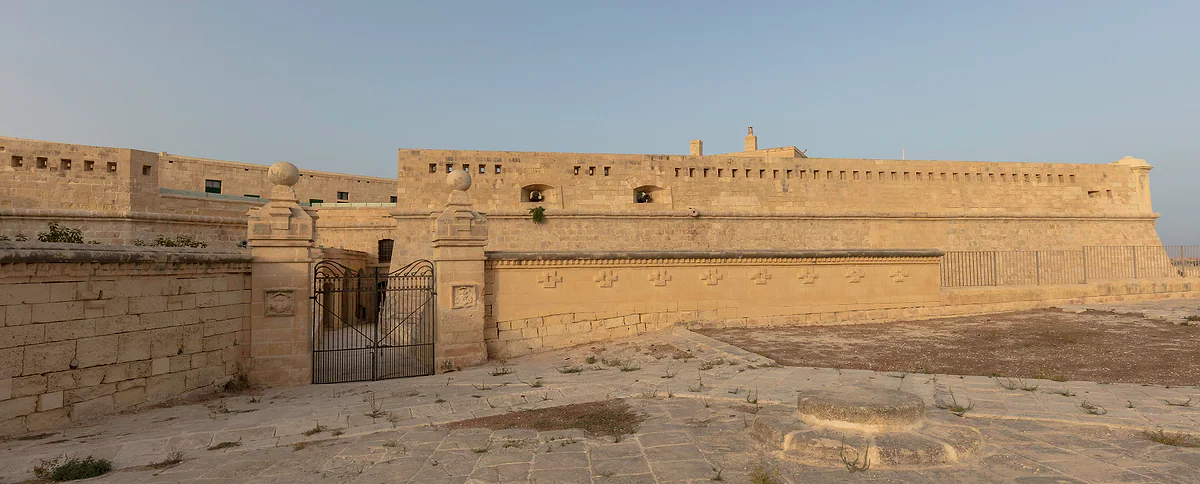
The walls and gateway of Fort St Elmo, at the tip of the Valletta peninsula, glowing in golden evening light under a clear sky.
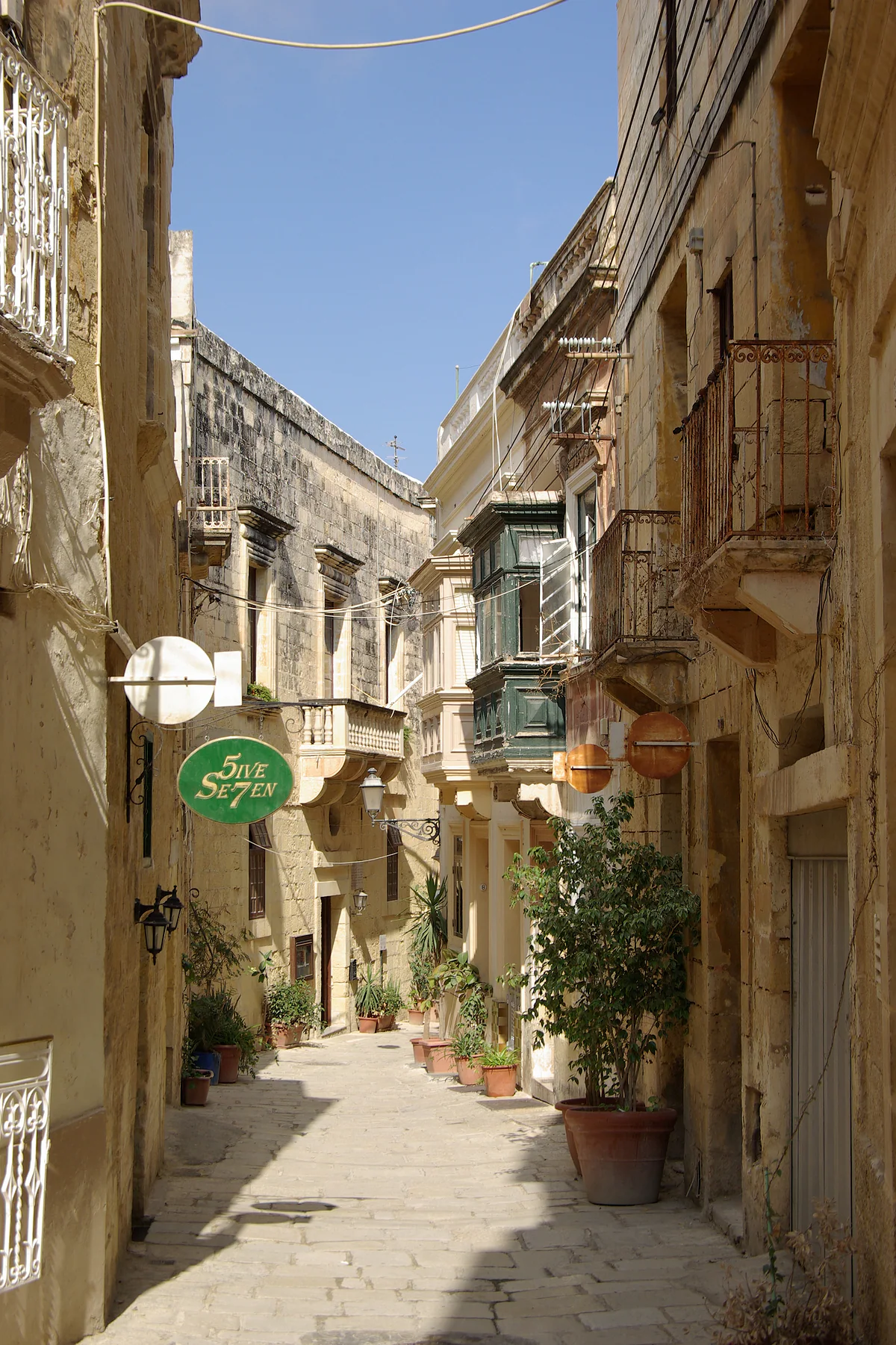
A narrow lane in Birgu, one of the Three Cities, with golden stone façades, enclosed balconies and potted plants by the doors.
The Great Siege by date
| Date | What happened |
|---|---|
| 1551 | Ottoman raid on Gozo; most of the population taken into slavery |
| 1552 | The Order builds the star-shaped Fort St Elmo |
| 1559 | The Knights' failed attack on Djerba, Tunisia |
| May 1565 | The Ottoman fleet arrives; people shelter in Mdina and Birgu |
| 23 June 1565 | Fort St Elmo falls after a month; Dragut is fatally wounded |
| 18 August 1565 | A huge breach in the defences, but Fort St Angelo holds |
| September 1565 | Relief forces land at Mellieħa Bay |
| 8 September 1565 | The Ottomans withdraw |
| 1566 | Valletta founded and named after the Grand Master |
Dates from Heritage Malta (Fort St Elmo), VisitMalta (the siege narrative) and UNESCO (the founding of Valletta).
Where to see the Great Siege today
| Place | Link to the siege | Adult | Hours to 31-10-2026 |
|---|---|---|---|
| Fort St Elmo and National War Museum | The fort that held for a month; gallery on the early Knights and the siege | €10 | 09:00-19:00 |
| Fort St Angelo, Birgu | The Order's headquarters and heart of the summer defence | €10 | 09:00-19:00 |
| Grandmaster's Palace, Valletta | Perez d'Aleccio's Great Siege paintings | €12 | 10:00-18:00 |
| Birgu (Vittoriosa) | The town that withstood the summer assaults | Free | Any time |
Prices and hours from Heritage Malta. From 1-11-2026 all three open daily from 09:00 to 17:00.
Test yourself
True or false?
0/3 Pick before you peek.
-
Fort St Elmo held out for the whole siege.
See the answer
False. It fell on 23 June 1565 after a month under attack. The fort that never fell was Fort St Angelo in Birgu, which held until the Ottomans left.
-
Valletta already existed before the Great Siege.
See the answer
False. It was founded in 1566, the year after, on the Sciberras peninsula. UNESCO says the siege mobilised the resources to build it.
-
The relief force that ended the siege landed at Mellieħa Bay.
See the answer
True. According to VisitMalta, it appeared at Mellieħa Bay in September and took the high ground inland, and the Ottomans withdrew.
- Men in the Ottoman force, per VisitMalta
- 40,000
- Knights defending, roughly
- 700
- Ottoman losses at Fort St Elmo alone, per VisitMalta
- 8,000
- Year Valletta was founded
- 1566
0 of 279 Malta guides
Your next stamp
- Fort St Elmo
- Second World War
- History
- Birgu
- Fort St Angelo
- Forts and fortifications
- Malta in one day
- Knights of Malta
- Things to do in Malta
- Gozo
- Most beautiful places
- Comino
- Prettiest villages
- UNESCO World Heritage Sites
- Where is Malta
- The Maltese islands
- Towns and villages
- Island of Malta
- Blue Lagoon
- Fort Rinella
- Gardjola Gardens
- Ħal Saflieni Hypogeum
- Is Malta a country?
- Popeye Village
- Tarxien Temples
- Things to do in Gozo
- Valletta
- Esplora
- Golden Bay
- Gozo day trip
- Inquisitor's Palace
- Population
- St John's Co-Cathedral
- St Mary's Tower
- Grandmaster's Palace
- How big is Malta
- Maritime Museum
- Mellieħa Bay
- Language
- Malta at War Museum
- Paradise Bay
- Barrakka Gardens
- Red Tower
- Religion
- Malta government
- Saluting Battery
- MUŻA
- National Museum of Archaeology
- Underground Valletta
- Lascaris War Rooms
- Casa Rocca Piccola
- Three Cities
- Victoria
- Manoel Theatre
- Weekend in Malta
- Xagħra
- City Gate and Parliament
- Malta in three days
- Nadur
- Senglea
- Cospicua
- Malta in four days
- Qala
- Valletta Waterfront
- Għajnsielem
- Kalkara
- Malta in five days
- Malta in a week
- Paola
- Xewkija
- Sannat
- Tarxien
- Munxar
- Żabbar
- Fgura
- Fontana
- Kerċem
- Luqa
- Floriana
- Marsa
- Mellieħa
- The Citadel, Gozo
- Żebbuġ (Gozo)
- Ġgantija Temples
- Marsalforn
- Santa Luċija
- Ramla Bay
- San Lawrenz
- Xgħajra
- Xwejni salt pans
- Calypso's Cave
- Għarb
- Żejtun
- Għasri
- Gudja
- San Blas Bay
- Għaxaq
- Ħondoq Bay
- Marsaxlokk
- Kirkop
- Marsaxlokk Fish Market
- Mqabba
- St Peter's Pool
- Marsaskala
- Qrendi
- Żurrieq
- Beaches
- Comino ferry
- EU, Schengen and the euro
- Ħaġar Qim and Mnajdra
- Mdina
- Mġarr (Gozo)
- Blue Grotto
- Diving
- Entry requirements
- Mdina Cathedral
- Xewkija Rotunda
- Birżebbuġa
- Money and payments
- Palazzo Falson
- Safi
- Shipwrecks
- Ta' Ċenċ Cliffs
- Għar Dalam
- Mdina Dungeons
- Mġarr ix-Xini
- Prices and budget
- Snorkelling
- Boat trips
- Malta on a budget
- Playmobil FunPark
- Rabat (Malta)
- Xlendi
- Dwejra
- Gozo beaches
- Siġġiewi
- St Paul's Catacombs
- Tipping
- Azure Window
- Domvs Romana
- Għar Lapsi
- Plugs
- Limestone Heritage Park
- St Paul's Grotto
- Ta' Pinu Basilica
- Time zone
- Buskett Gardens
- Mobile and roaming
- Wied il-Għasri
- Dingli
- Maltese cross
- Dingli Cliffs
- Flag
- Żebbuġ
- Coat of arms
- Mtarfa
- Balzan
- National anthem
- Lija
- Malta facts
- Game of Thrones
- Iklin
- Attard
- Film locations
- San Anton Gardens
- Ta' Qali Crafts Village
- Victoria Lines
- Megalithic temples
- Catacombs
- Museums
- Where to eat
- Where to stay
- Churches
- Hotels in Valletta
- Restaurants in Valletta
- Hotels in Sliema
- Maltese food
- Restaurants in Marsaxlokk
- Viewpoints
- Hotels in St Julian's
- Pastizzi
- Walking and hiking
- Hotels in Buġibba and Qawra
- Maltese rabbit stew
- Safety
- Hotels in Mellieħa
- Kinnie and Cisk
- Scams
- Gozo hotels
- Nightlife
- Tap water
- Boat parties
- Holiday packages
- Tourist tax
- All inclusive
- Gay Malta
- Sightseeing passes
- Apartments
- Malta with kids
- Public holidays
- How to get there
- Luxury
- Malta for couples
- Taxis and ride-hailing
- Weather
- Best time to visit
- Cycling
- English schools
- Flights
- Flights from Madrid
- Sea temperature
- Shopping and souvenirs
- Airport
- Free walking tours
- In winter
- Airport transfers
- Day trips and tours
- In summer
- Ferry from Sicily
- In January
- Cruise stop
- In February
- In March
- In April
- In May
- Getting around
- In June
- Buses
- July
- August
- Hop on hop off
- Gozo ferry
- September
- Gozo fast ferry
- October
- November
- Valletta ferries
- Car hire
- December
- Driving
- Events
- St Paul's Bay
- Village feasts
- Buġibba
- Christmas
- Easter
- Qawra
- Carnival
- Xemxija
- Fireworks festival
- Malta National Aquarium
- Isle of MTV
- St Paul's Islands
- Mosta
- Mosta Rotunda
- Naxxar
- Palazzo Parisio
- Għargħur
- Mġarr (Malta)
- Sliema
- Ta' Ħaġrat and Skorba Temples
- Għajn Tuffieħa Bay
- Tigné Point
- Ġnejna Bay
- St Julian's
- Paceville
- St George's Bay
- Gżira
- Msida
- Ta' Xbiex
- Pietà
- Pembroke
- Swieqi
- San Ġwann
- Birkirkara
- Ħamrun
- Santa Venera
- Qormi
Frequently asked questions
What was the Great Siege of Malta?
The Ottoman Empire's attempt to take Malta in 1565 from the Knights of St John and the Maltese. It lasted from May until 8 September and ended with the Ottomans pulling out.
How long did the Great Siege of Malta last?
Almost four months. The Ottoman fleet arrived in May 1565 and left on 8 September. The assault on Fort St Elmo alone took a month, until it fell on 23 June.
Who won the Great Siege of Malta?
The defenders. The Ottomans took Fort St Elmo but never Fort St Angelo or Birgu, and withdrew in September when relief forces landed at Mellieħa Bay.
How many soldiers fought in the Great Siege?
VisitMalta puts the Ottoman force at some 40,000 men against about 700 Knights and around 8,000 Maltese troops. It says the Ottomans lost 8,000 men taking Fort St Elmo alone.
Why is 8 September a holiday in Malta?
It's the national day of Our Lady of Victories. Heritage Malta links it to the end of the Great Siege in 1565 and to the announcement of Italy's surrender in 1943, and it also happens to be the feast of the Nativity of Mary.
Why is Valletta called Valletta?
After Grand Master Jean de la Valette, who led the defence in 1565 and founded the city the following year, according to VisitMalta.
By
Tourism graduate with a master’s in Tourism Management and Planning from the University of Málaga, who has travelled across Europe. He writes every guide from official sources and his own judgement.
Published on . Facts checked on .
Sources
Photos: Diego Delso (CC BY-SA 4.0); Diego Delso (CC BY-SA 4.0); Berthold Werner (CC BY-SA 3.0), via Wikimedia Commons.