Before you fly
Malta entry requirements from the UK: passport rules, EES and the 90-day limit
To enter Malta on a British passport, it must have been issued less than 10 years before you arrive and be valid for at least 3 months after you leave the Schengen area. You don't need a visa for up to 90 days in any 180, but you'll register fingerprints and a photo under the EU's Entry/Exit System, which is free.
In 30 seconds
Full read: 3 min
- Your British passport must be under 10 years old on arrival and valid 3 months after you leave Schengen.
- No visa for up to 90 days in any 180-day period.
- EES registration is free and your record lasts 3 years.
- Take a GHIC or EHIC, plus travel insurance.
I'd check both dates on every passport in the family the day you book, not the week you fly. The issue date catches people out far more than the expiry date, because a passport that looks valid can still be too old for Schengen.

Before you go
What I would keep in mind
-
01 My tip
The issue date matters as much as expiry
gov.uk warns that a passport renewed before 1 October 2018 may have an issue date more than 10 years old, which makes it invalid for Schengen even if it hasn't expired.
-
02 Getting there
Allow extra time for EES
On your first visit you may register at a special booth before passport control, and checks can also happen before boarding on the way out. Children aged 11 or under aren't fingerprinted.
-
03 My tip
UK prescriptions aren't recognised
gov.uk says Maltese pharmacists can't fill a UK prescription. If you need medication, a Maltese doctor has to assess you, and most pharmacies can arrange a private GP.
-
04 My tip
No ham sandwiches through customs
You can't bring meat, milk or products containing them into the EU, with exceptions such as powdered baby milk and special medical foods. Leave the packed lunch at home.
Malta may feel a little like home, with English on every sign and traffic on the left, but at the border it’s a Schengen country, and since Brexit that’s the set of rules a British traveller follows. None of it is complicated. There are just two passport dates to check, a limit on days and a new biometric registration to allow time for, and all of it comes from gov.uk’s advice for Malta, last updated on 11 August 2026.
The two passport dates that matter
gov.uk sets out both clearly. The issue date on your passport has to fall within the 10 years before your arrival, and the expiry date at least 3 months after the day you plan to leave the Schengen area. The second rule is the one people know; the first is the one that trips them up. If you renewed before 1 October 2018, your passport may carry an issue date more than 10 years old, and that makes it invalid for Schengen even though it hasn’t expired.
The advice applies to full British citizen passports. If you’re a dual national, gov.uk notes that to get back into the UK you’ll still need your British passport, in date, or a certificate of entitlement.
How long can you stay?
Up to 90 days in any 180-day period, without a visa, for holidays, family visits, business meetings or a short course. The catch is that it’s a Schengen-wide allowance. Days spent in France, Spain or Italy in the previous 180 count towards your total, and overstaying can lead to a ban from Schengen countries for up to 3 years. At the border you may also be asked to show a return or onward ticket and prove you have enough money for your stay.
If you’re planning to study English for a term or work, the rules are different. gov.uk points you to the Maltese High Commission in the UK and Malta’s Central Visa Unit.
What is EES, and what happens at the airport?
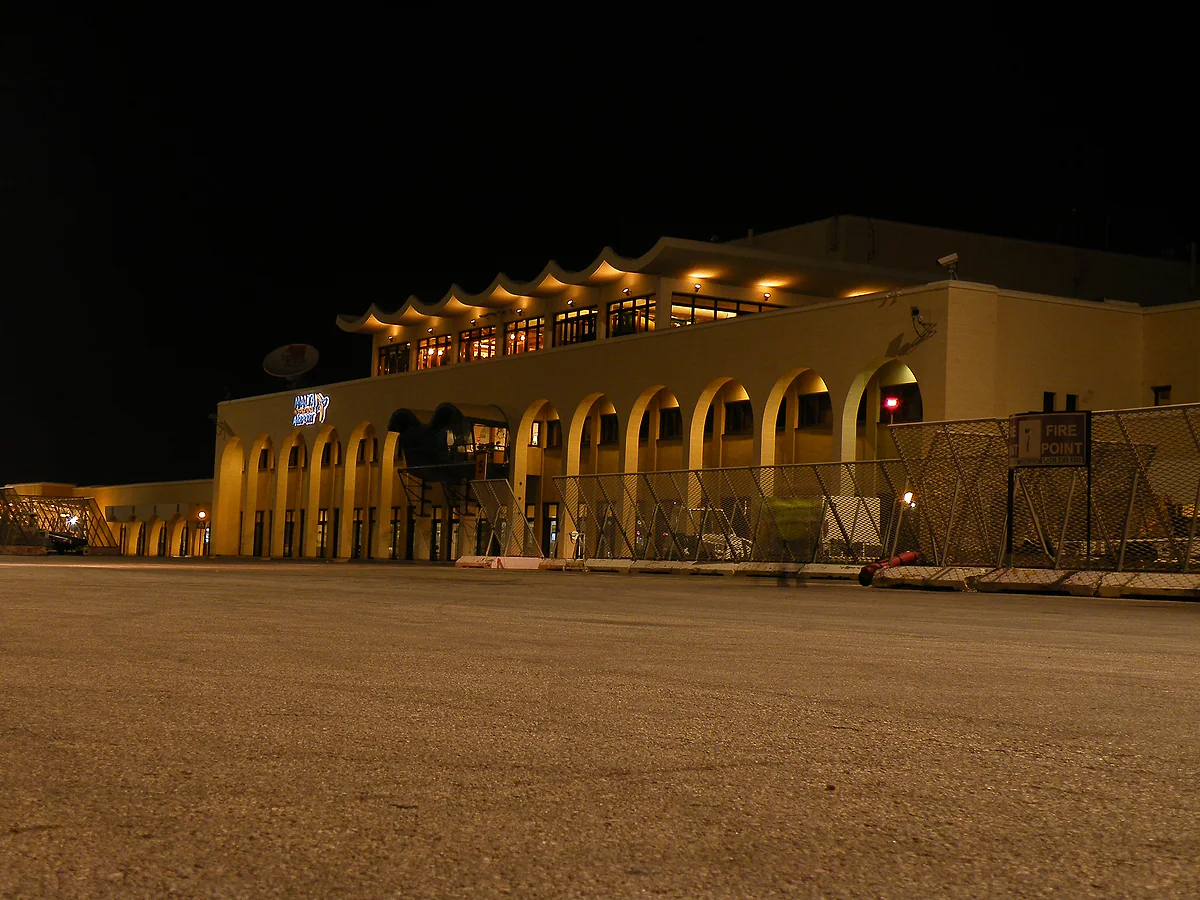
The EU’s Entry/Exit System replaces the old passport stamps with a digital record. On your first trip into Schengen you may be sent to a special booth to give your fingerprints and a photo before passport control. It’s free, the record lasts 3 years and children aged 11 or under don’t have their fingerprints taken. Nothing needs doing in advance, but gov.uk suggests allowing extra time, including when you leave, as checks may happen before boarding. I cover the arrival itself in my page on Malta airport.
Healthcare, medicines and insurance
A GHIC, or an EHIC if you still qualify for one, gives you medically necessary state healthcare in Malta. gov.uk is firm that it’s not a substitute for travel insurance, which covers things the card won’t, such as changes to bookings or getting you home. Two other points I’d note. UK prescriptions aren’t recognised in Malta, so any medication you need there requires a local doctor, and most pharmacies can arrange for you to see a private GP.
If you’re flying in with children
The rules are the same for children as for adults, with each child needing their own passport that meets both date rules. The EES difference is the fingerprints, which aren’t taken from children aged 11 or younger, though they can still be photographed. gov.uk’s Malta page doesn’t set out any extra consent paperwork for a child travelling with one parent, so I’d ask the airline what it expects before you fly.
Driving, customs and cash
A UK photocard licence is accepted for driving in Malta, while holders of the old paper version may have to swap it or add the right international permit. Traffic is on the left, which will feel familiar, though gov.uk describes local driving standards as poor; more in driving in Malta.
At customs, you can’t bring meat, milk or products containing them into the EU, apart from exceptions like powdered baby milk and special medical foods. Cash or travellers’ cheques worth €10,000 or more must be declared, or you risk having the money seized when you leave.
Arriving by ferry from Sicily
If you’re combining Malta with Sicily, Virtu Ferries runs the crossing from Pozzallo and only accepts ID cards and passports as travel documents; driving licences and residence cards aren’t valid. Under-12s can’t travel alone. The details are in my Sicily to Malta ferry guide. For everything else about Malta’s place in Europe, see is Malta in the EU.
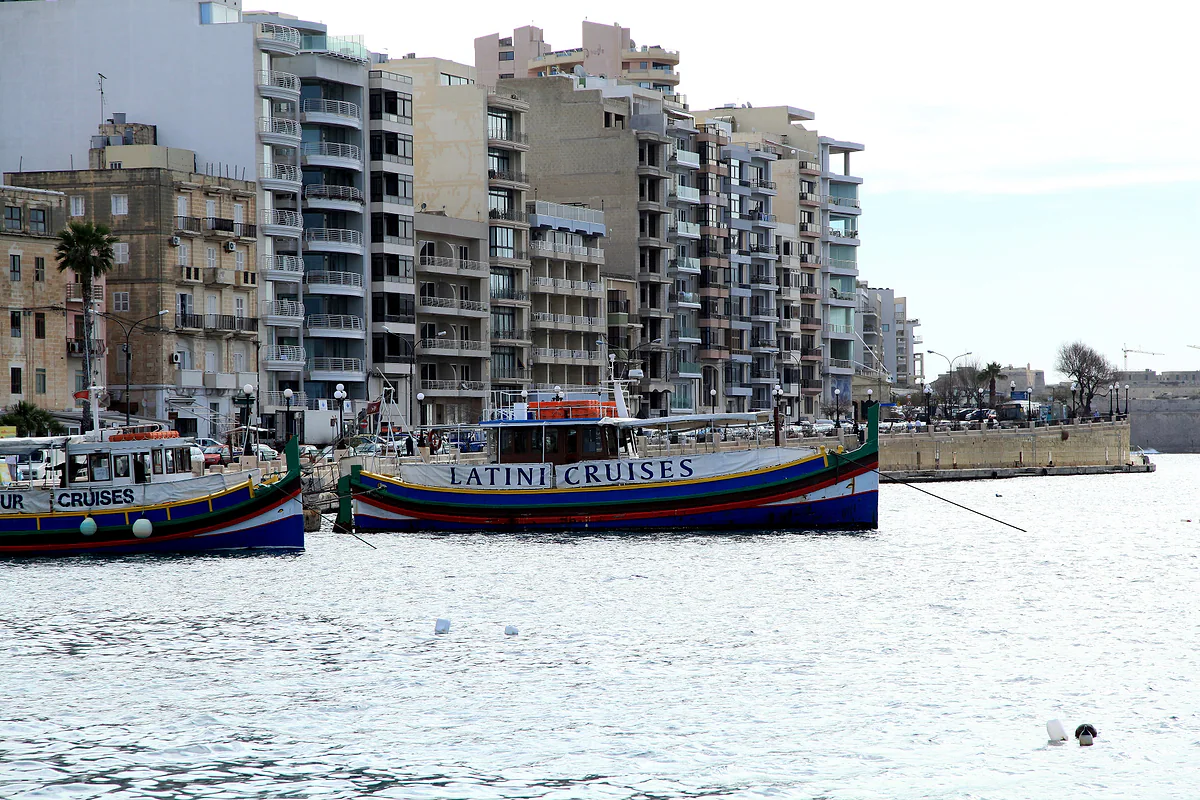
Excursion boats moored on the Sliema waterfront, where the ferry to Valletta and harbour cruises set off.
Malta entry checklist for UK passport holders
| Requirement | Rule | Source |
|---|---|---|
| Passport issue date | Less than 10 years before arrival | gov.uk |
| Passport expiry | At least 3 months after leaving Schengen | gov.uk |
| Length of stay | Up to 90 days in any 180, visa-free | gov.uk |
| EES | Fingerprints and photo; free; record valid 3 years | gov.uk |
| At the border | May need return ticket and proof of funds | gov.uk |
| Cash | Declare €10,000 or more | gov.uk |
| Food | No meat or milk products into the EU | gov.uk |
| Ferry from Pozzallo | ID card or passport only | Virtu Ferries |
gov.uk's Malta advice was last updated on 11 August 2026. Check it again before you travel, as Schengen rules are still being rolled out.
Test yourself
True or false?
0/3 Pick before you peek.
-
A British passport valid for another two years is always fine for Malta.
See the answer
False. It also needs an issue date less than 10 years before you arrive. An older passport can fail that rule while still being in date.
-
Under-12s have to give fingerprints for EES.
See the answer
False. Children aged 11 or younger won't have their fingerprints scanned, though they may be photographed.
-
A UK photocard driving licence is accepted in Malta.
See the answer
True. gov.uk confirms you can drive in Malta on a UK photocard licence. With an old paper licence you may need an international driving permit as well.
- Maximum age of your passport on arrival
- 10 years
- Validity needed after leaving Schengen
- 3 months
- Visa-free stay in any 180
- 90 days
- Cash above which you must declare
- €10,000
0 of 279 Malta guides
Your next stamp
- EU, Schengen and the euro
- How to get there
- Is Malta a country?
- English schools
- Flights
- Time zone
- Things to do in Malta
- Gozo
- Most beautiful places
- Comino
- Prettiest villages
- UNESCO World Heritage Sites
- Where is Malta
- The Maltese islands
- Towns and villages
- Island of Malta
- Blue Lagoon
- Fort Rinella
- Fort St Angelo
- Gardjola Gardens
- Ħal Saflieni Hypogeum
- Popeye Village
- Tarxien Temples
- Things to do in Gozo
- Valletta
- Esplora
- Golden Bay
- Gozo day trip
- Inquisitor's Palace
- Population
- St John's Co-Cathedral
- St Mary's Tower
- Grandmaster's Palace
- How big is Malta
- Maritime Museum
- Mellieħa Bay
- Fort St Elmo
- Language
- Malta at War Museum
- Paradise Bay
- Barrakka Gardens
- Red Tower
- Religion
- Malta government
- Saluting Battery
- MUŻA
- National Museum of Archaeology
- Underground Valletta
- Lascaris War Rooms
- Casa Rocca Piccola
- Malta in one day
- Three Cities
- Victoria
- Birgu
- Manoel Theatre
- Weekend in Malta
- Xagħra
- City Gate and Parliament
- Malta in three days
- Nadur
- Senglea
- Cospicua
- Malta in four days
- Qala
- Valletta Waterfront
- Għajnsielem
- Kalkara
- Malta in five days
- Malta in a week
- Paola
- Xewkija
- Sannat
- Tarxien
- Munxar
- Żabbar
- Fgura
- Fontana
- Kerċem
- Luqa
- Floriana
- Marsa
- Mellieħa
- The Citadel, Gozo
- Żebbuġ (Gozo)
- Ġgantija Temples
- Marsalforn
- Santa Luċija
- Ramla Bay
- San Lawrenz
- Xgħajra
- Xwejni salt pans
- Calypso's Cave
- Għarb
- Żejtun
- Għasri
- Gudja
- San Blas Bay
- Għaxaq
- Ħondoq Bay
- Marsaxlokk
- Kirkop
- Marsaxlokk Fish Market
- Mqabba
- St Peter's Pool
- Marsaskala
- Qrendi
- Żurrieq
- Beaches
- Comino ferry
- Ħaġar Qim and Mnajdra
- Mdina
- Mġarr (Gozo)
- Blue Grotto
- Diving
- Mdina Cathedral
- Xewkija Rotunda
- Birżebbuġa
- Money and payments
- Palazzo Falson
- Safi
- Shipwrecks
- Ta' Ċenċ Cliffs
- Għar Dalam
- Mdina Dungeons
- Mġarr ix-Xini
- Prices and budget
- Snorkelling
- Boat trips
- Malta on a budget
- Playmobil FunPark
- Rabat (Malta)
- Xlendi
- Dwejra
- Gozo beaches
- History
- Siġġiewi
- St Paul's Catacombs
- Tipping
- Azure Window
- Domvs Romana
- Għar Lapsi
- Great Siege of 1565
- Plugs
- Limestone Heritage Park
- Second World War
- St Paul's Grotto
- Ta' Pinu Basilica
- Buskett Gardens
- Knights of Malta
- Mobile and roaming
- Wied il-Għasri
- Dingli
- Maltese cross
- Dingli Cliffs
- Flag
- Żebbuġ
- Coat of arms
- Mtarfa
- Balzan
- National anthem
- Lija
- Malta facts
- Game of Thrones
- Iklin
- Attard
- Film locations
- Forts and fortifications
- San Anton Gardens
- Ta' Qali Crafts Village
- Victoria Lines
- Megalithic temples
- Catacombs
- Museums
- Where to eat
- Where to stay
- Churches
- Hotels in Valletta
- Restaurants in Valletta
- Hotels in Sliema
- Maltese food
- Restaurants in Marsaxlokk
- Viewpoints
- Hotels in St Julian's
- Pastizzi
- Walking and hiking
- Hotels in Buġibba and Qawra
- Maltese rabbit stew
- Safety
- Hotels in Mellieħa
- Kinnie and Cisk
- Scams
- Gozo hotels
- Nightlife
- Tap water
- Boat parties
- Holiday packages
- Tourist tax
- All inclusive
- Gay Malta
- Sightseeing passes
- Apartments
- Malta with kids
- Public holidays
- Luxury
- Malta for couples
- Taxis and ride-hailing
- Weather
- Best time to visit
- Cycling
- Flights from Madrid
- Sea temperature
- Shopping and souvenirs
- Airport
- Free walking tours
- In winter
- Airport transfers
- Day trips and tours
- In summer
- Ferry from Sicily
- In January
- Cruise stop
- In February
- In March
- In April
- In May
- Getting around
- In June
- Buses
- July
- August
- Hop on hop off
- Gozo ferry
- September
- Gozo fast ferry
- October
- November
- Valletta ferries
- Car hire
- December
- Driving
- Events
- St Paul's Bay
- Village feasts
- Buġibba
- Christmas
- Easter
- Qawra
- Carnival
- Xemxija
- Fireworks festival
- Malta National Aquarium
- Isle of MTV
- St Paul's Islands
- Mosta
- Mosta Rotunda
- Naxxar
- Palazzo Parisio
- Għargħur
- Mġarr (Malta)
- Sliema
- Ta' Ħaġrat and Skorba Temples
- Għajn Tuffieħa Bay
- Tigné Point
- Ġnejna Bay
- St Julian's
- Paceville
- St George's Bay
- Gżira
- Msida
- Ta' Xbiex
- Pietà
- Pembroke
- Swieqi
- San Ġwann
- Birkirkara
- Ħamrun
- Santa Venera
- Qormi
Frequently asked questions
What are the entry requirements for Malta from the UK?
A British passport issued less than 10 years before you arrive and valid for at least 3 months after you leave the Schengen area. No visa is needed for stays of up to 90 days in any 180-day period.
Do I need a visa to visit Malta from the UK?
Not as a tourist, for family visits, business meetings or short courses, according to gov.uk. Working in Malta has different rules.
How many months does my passport need for Malta?
At least 3 months beyond the day you plan to leave the Schengen area. The expiry date doesn't need to be within 10 years of the issue date, but the issue date must be less than 10 years before you arrive.
What is EES and does it apply in Malta?
It's the EU's Entry/Exit System, which replaces passport stamping with a digital record of fingerprints and a photo. It applies in Malta as a Schengen country, costs nothing and the record lasts 3 years.
Do I need a GHIC for Malta?
gov.uk says a GHIC or EHIC gives you medically necessary state healthcare in Malta. It isn't a replacement for travel insurance, which covers things like repatriation and changes to bookings.
Can I drive in Malta on a UK licence?
Yes, with a photocard licence. If you still have a paper one, gov.uk says you may need to update it or carry the correct international driving permit.
What if I overstay the 90 days?
gov.uk warns you could be banned from entering Schengen countries for up to 3 years. Longer stays need a Maltese visa or permit.
By
Tourism graduate with a master’s in Tourism Management and Planning from the University of Málaga, who has travelled across Europe. He writes every guide from official sources and his own judgement.
Published on . Facts checked on .
Sources
Photos: Savh (CC BY-SA 3.0); Frank Vincentz (CC BY-SA 3.0), via Wikimedia Commons.