From the Illyrians to 2006
The history of Montenegro, told through the places you'll visit
Montenegro's history starts with Illyrian tribes and the Roman province of Prevalis, moves through the medieval state of Duklja, later called Zeta, and the Petrović-Njegoš rulers of Cetinje, and reaches independence, declared by Parliament on 3 June 2006. The country joined the UN on 28 June 2006.
In 30 seconds
Full read: 3 min
- After Illyrians and Romans, the Middle Ages brought Duklja, later Zeta.
- The Petrović-Njegoš ruled from Cetinje from the 17th to the early 20th century.
- In 1878 Montenegro gained half of Lake Skadar.
- Independence was declared on 3 June 2006 and the UN admitted the country on 28 June.
For me, Montenegro's history makes far more sense arranged by place than by date. Doclea for Rome, Lake Skadar for the Middle Ages, Kotor for Venice and Cetinje for the Petrović rulers. Visit those four and you have the whole story.

Before you go
What I would keep in mind
-
01 Most beautiful
Doclea, the Roman city near Podgorica
Founded in the 1st century, 3 km from Podgorica where the Zeta and Morača meet. Legend has it as the birthplace of Diocletian.
Doclea -
02 Most beautiful
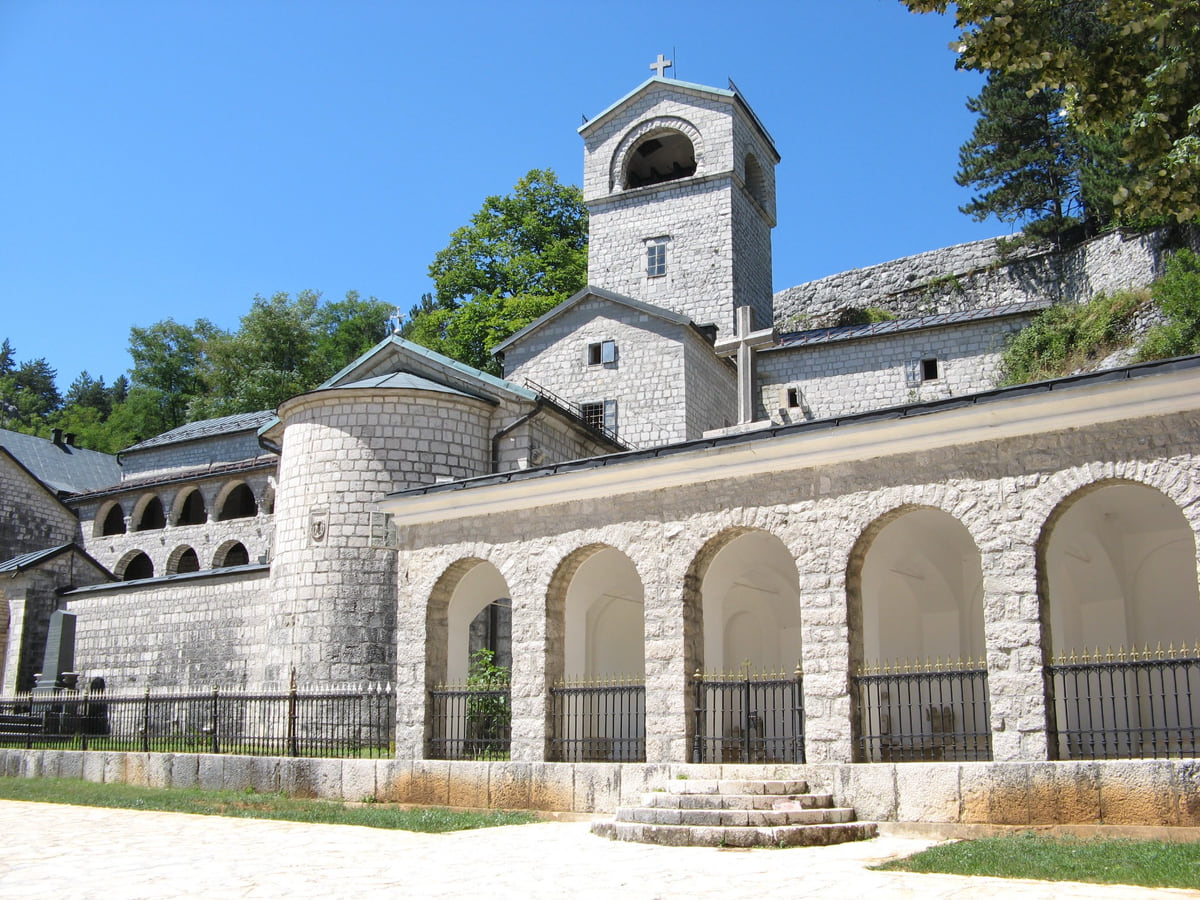
Cetinje, capital of the Petrović rulers
The Njeguši clan produced seven Petrović rulers over two centuries, five of them heads of both state and church, according to the National Parks.
Cetinje -
03 My tip
Kotor, Venice's bridgehead
UNESCO explains that Kotor and its neighbours were for centuries Venice's main bridgeheads on the southern Adriatic coast.
UNESCO sites in Montenegro -
04 My tip
2006 in three dates
Referendum on 21 May, result certified on 31 May and Parliament's declaration on 3 June. UN membership followed on 28 June.
Montenegro's Independence Day -
05 Most beautiful
A symbol set by the 2007 constitution
Today's flag, red with a gold border and the double-headed eagle, is defined by Article 4 of the constitution adopted in 2007.
Montenegro flag
What I would book
Montenegro has a long history for such a young state, which is why it’s worth getting it straight before you go. This isn’t a lecture on Balkan history, just the dates that have an official source and the places where you can see them. Anything without a source, such as the referendum result or the dates of 1910 and 1918, I leave out.
Illyrians, Rome and Doclea
The National Tourism Organisation places Illyrian tribes here between the 5th and 2nd centuries BC, followed by the Roman province of Prevalis, then Byzantium and the arrival of the Slavs in the 6th century. The most visible trace of that period is on the edge of Podgorica. Doclea, founded in the 1st century where the Zeta and Morača meet, 3 km from the capital, is said by legend to be Diocletian’s birthplace, and one of its treasures, the 4th-century Podgorica Cup, is now in the Hermitage. See Doclea.
Duklja, Zeta and Lake Skadar
The first state organisation appears in the 9th century. From the late 10th century, under Prince Vladimir, we hear of Duklja, renamed Zeta in the 11th century and raised to a kingdom under the Vojislavljević dynasty. The National Parks pick up the thread at Lake Skadar, the heart of Duklja and Zeta, with the Balšić rulers around 1360 and the Crnojević in the early 15th century, and note that in the early 16th century Crna Gora passed to the Ottoman Sanjak of Shkodër. The fortresses left from those centuries, such as Besac and Žabljak Crnojevića, are gathered in Montenegro’s fortresses.
Once your dates are set, check which hotels are still free in Cetinje before prices climb.
Venice on the coast, the Ottomans inland
Meanwhile the coast looked to Venice. UNESCO explains that Kotor and its neighbours were Venice’s main bridgeheads on the southern Adriatic, with their own schools of goldsmithing and architecture. Herceg Novi has a curious episode of its own, the Španjola fortress, which the National Tourism Organisation links to a brief Spanish conquest in 1538. Ulcinj, according to the same source, was a pirate base from 1571, and the ruins of Stari Bar still have Turkish baths and mosques standing.
The Petrović-Njegoš and Cetinje
From the 17th to the early 20th century the country was ruled by a dynasty from Njeguši, a village on Lovćen. The National Parks say it produced seven Petrović rulers, five of them metropolitans, heads of both state and church at once. The best known is Petar II Petrović Njegoš, prince-bishop and poet, whose mausoleum crowns Jezerski vrh. Their capital was Cetinje, which the constitution today calls the old royal capital, covered in Cetinje. In 1878 Montenegro gained half of Lake Skadar, according to the National Parks.
If you would rather have a local show you round, book a guided tour in Cetinje and choose by the reviews.
The 20th century, with the dates that have sources
For the 20th century I have few official dates. The National Parks recall the partisan republic of Durmitor, from October 1941 to June 1942, and the National Tourism Organisation says the Đurđevića Tara Bridge, finished in 1940, was partly blown up during the war and later rebuilt. At the UN in 2006, Serbia’s representative spoke of a century spent as a common State with Montenegro.
Independence in 2006
The referendum took place on 21 May 2006, now a state holiday. The Republic Referendum Commission certified the result on 31 May and Parliament declared independence on 3 June, under the Constitutional Charter of the State Union of Serbia and Montenegro, according to the EU Presidency’s statement to the OSCE. On 28 June the UN General Assembly admitted Montenegro by acclamation as its 192nd member. How the date is marked today is in Montenegro’s Independence Day.
Once your dates are set, check which hotels are still free in Cetinje before prices climb.
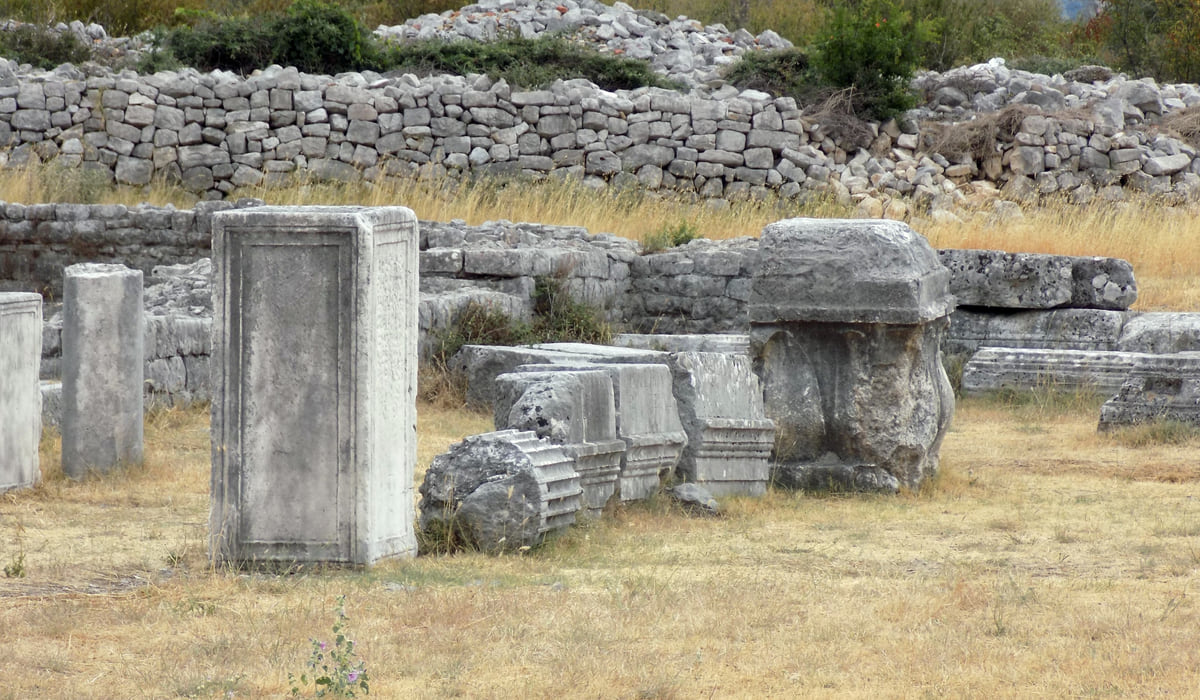
Columns and stone blocks of the Roman town of Doclea near Podgorica, among dry grass and low walls
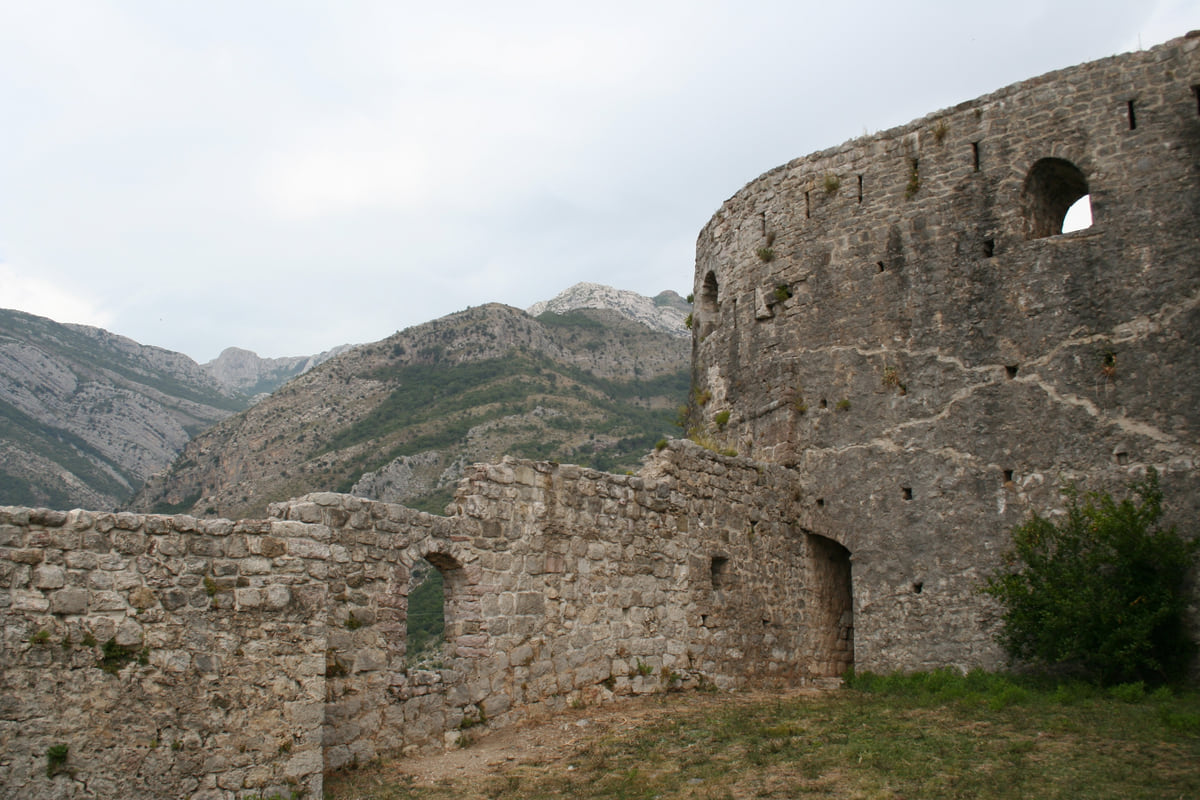
The walls and a round tower of Stari Bar, the ruined old town above Bar, with rocky mountains in the background
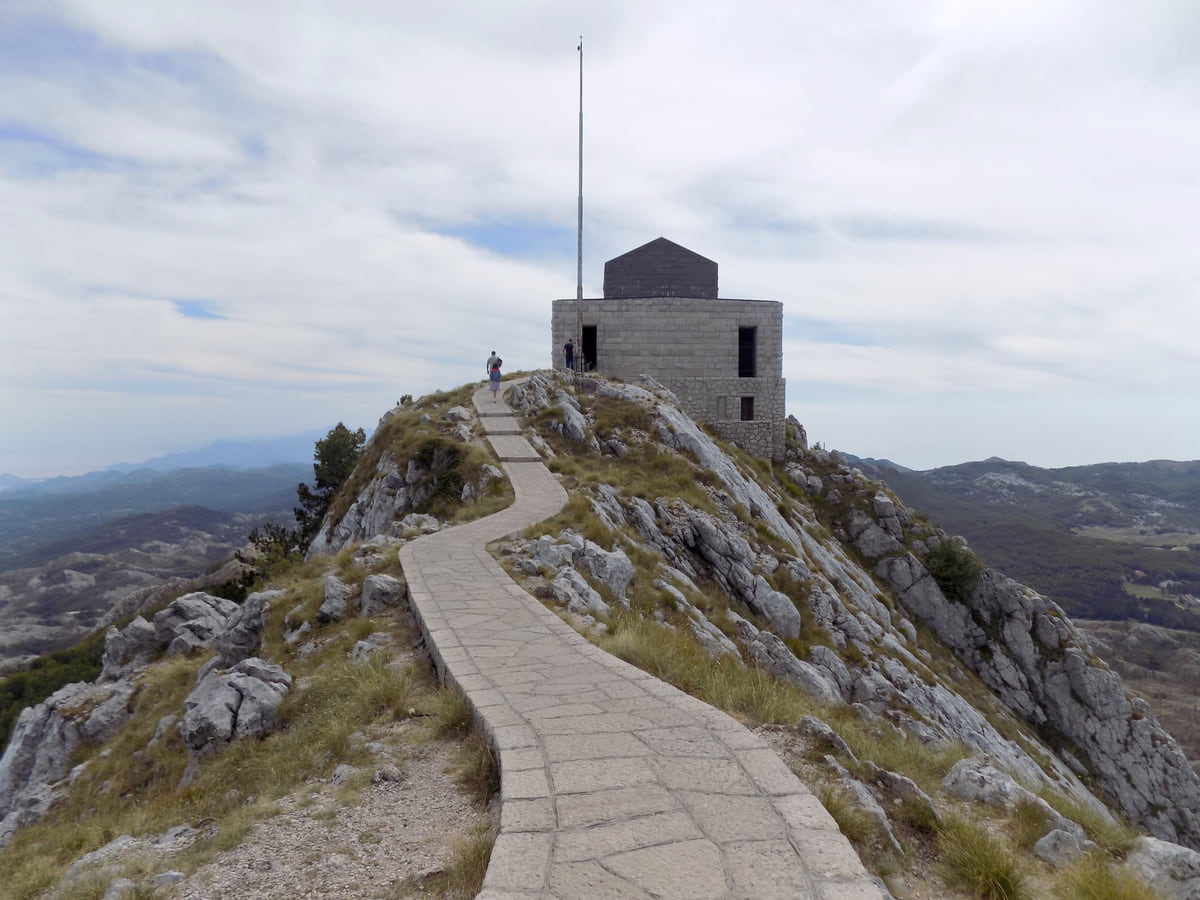
The stone path leading to Njegoš's mausoleum on the summit of Jezerski vrh, on Mount Lovćen, among rocks and mountains
Dates with an official source
| Period or date | What happened | Source |
|---|---|---|
| 5th to 2nd century BC | Illyrian tribes | National Tourism Organisation |
| Roman period | Province of Prevalis; Doclea founded in the 1st century | National Tourism Organisation |
| 6th century | Arrival of the Slavs | National Tourism Organisation |
| Late 10th century | Duklja under Prince Vladimir; renamed Zeta in the 11th century | National Tourism Organisation |
| Around 1360 and 15th century | Balšić and Crnojević rulers | National Parks |
| Early 16th century | Crna Gora becomes part of the Sanjak of Shkodër | National Parks |
| 1538 | Brief Spanish conquest of Herceg Novi | National Tourism Organisation |
| 17th to 20th century | Rule of the Petrović-Njegoš | National Parks |
| 1878 | Montenegro gains half of Lake Skadar | National Parks |
| October 1941 to June 1942 | Partisan republic of Durmitor | National Parks |
| 21-05-2006 | Independence referendum, now a state holiday | Holidays law |
| 03-06-2006 | Parliament declares independence | EU Presidency statement to the OSCE |
| 28-06-2006 | Joins the UN as 192nd member | United Nations |
Checked on 10-10-2026. The dates of 1910 and 1918 and the referendum result have no official source I've read and are left out.
Test yourself
True or false?
0/3 Pick before you peek.
-
Montenegro joined the UN in 2006 as its 192nd member.
See the answer
True. The General Assembly admitted it on 28 June 2006 by acclamation, on the recommendation of the Security Council.
-
Duklja and Zeta were two rival states.
See the answer
False. They're the same medieval state. Duklja was renamed Zeta in the 11th century, according to the National Tourism Organisation.
-
Herceg Novi was briefly held by Spain.
See the answer
True. The National Tourism Organisation links the Španjola fortress to the brief Spanish conquest of 1538.
- Founding of the Roman city of Doclea
- 1st c.
- Rulers from the Petrović dynasty
- 7
- Year of independence
- 2006
- Montenegro's UN member number
- 192
0 of 278 Montenegro guides
Your next stamp
- Independence Day
- Facts
- Where is it?
- Montenegro and the Balkans
- Five-day itinerary
- Border crossings
- Aman Sveti Stefan
- Budva Old Town
- Haj-Nehaj
- Kotor
- Lučice Beach
- Montenegro's coast
- Peaks of the Balkans
- Porto Montenegro
- Sea Dance Festival
- Splendid Conference & Spa Resort
- Stari Bar
- Ulcinj Old Town
- Bay of Kotor
- Budva Riviera
- Heroj submarine
- Iberostar Bellevue
- Old olive tree of Mirovica
- Tivat
- Velika plaža
- Ada Bojana
- Beaches in Budva
- Eurostars Queen of Montenegro
- Herceg Novi
- Kotor Old Town
- Mount Rumija
- Igalo
- Kotor city walls
- Mogren Beach
- Montenegro Beach Resort
- Svač
- Vrmac
- Hiking
- Jaz Beach
- Kanli kula
- Luštica peninsula
- St Tryphon Cathedral
- Ulcinj salt pans
- Forte Mare
- Gornja Lastva
- Maritime Museum, Kotor
- Slovenska Beach
- Drobni Pijesak Beach
- Kotor viewpoints
- Mamula
- Žanjic beach
- Kotor cruise port
- Orjen
- Plavi horizonti beach
- Sveti Nikola Island
- Blue Cave
- Restaurants in Budva
- Restaurants in Kotor
- Canyoning
- Hotels
- Perast
- Sutomore
- Sveti Stefan
- Čanj
- Luxury hotels
- Our Lady of the Rocks
- Pržno
- Things to do
- Activities
- All-inclusive hotels
- Bar Riviera
- Bečići
- Hotel Palma
- St George island
- Dobrota
- Hladna uvala
- Most beautiful places
- Petrovac
- Crvena stijena
- Prčanj
- Prettiest villages
- Cycling
- Risan
- UNESCO sites
- Heritage Grand Perast
- Map
- Hyatt Regency Kotor Bay
- Regions
- Cities
- Beaches in Bar
- Budva
- Central Montenegro
- Hotels in Budva
- Hotels in Kotor
- Iberostar Waves Herceg Novi
- Kitesurfing
- The name
- Beaches in Ulcinj
- Flag
- Hotels in Perast
- Palmon Bay Hotel & Spa
- Podgorica
- Cathedral of the Resurrection
- One&Only Portonovi
- Population
- Sandy beaches
- Azul Beach Resort Montenegro
- Naturist beaches
- Size
- Stara Varoš
- Doclea
- Language
- Mimosa Festival
- Medun
- Religion
- Zipline
- Currency
- Museums in Podgorica
- Dajbabe Monastery
- EU membership
- Restaurants in Podgorica
- Hotels in Podgorica
- Public holidays
- Avala Resort & Villas
- Bar
- Beaches in Kotor
- Birdwatching
- Hotels in Ulcinj
- Kotor carnival
- Time zone
- Tivat beaches
- Tuzi
- Boka Night
- Dukley Hotel & Resort
- Hotels in Tivat
- Zeta
- Caves
- Herceg Novi beaches
- National parks
- Šipčanik
- Hotels in Herceg Novi
- Monasteries
- Fortresses
- Fly fishing
- Museums
- Canyons and waterfalls
- Lakes
- Mountains
- Montenegro and Croatia
- Beaches
- Boat trips
- Cetinje
- Montenegro and Albania
- Nightlife
- Ulcinj
- Weather
- Best time to visit
- Cetinje Monastery
- Kayaking
- How to get there
- In summer
- King Nikola's Palace
- Sailing
- Biljarda
- Flights
- In winter
- Airports
- Museums in Cetinje
- New Year's Eve
- Lovćen
- Paragliding
- Tivat Airport
- Njegoš Mausoleum
- Podgorica Airport
- Dubrovnik to Kotor
- Kotor serpentine
- Belgrade to Montenegro
- Njeguši
- Ferry to Italy
- Njeguši prosciutto
- In January
- Lipa Cave
- Where to stay
- In February
- Kamenari-Lepetane ferry
- Pavlova strana
- Getting around
- In March
- Rijeka Crnojevića
- In April
- Trains
- Buses
- In May
- Car hire
- In June
- Driving
- In July
- In August
- Taxis
- Distances
- In September
- In October
- Road trip
- Food
- In November
- Lake Skadar
- Scenic drives
- In December
- Kotor cable car
- Virpazar
- Where to eat
- Budva to Kotor
- Godinje
- Wine
- Podgorica to Kotor
- Vranjina
- Besac fortress
- Prices and budget
- On a budget
- Žabljak Crnojevića
- Danilovgrad
- Entry requirements
- Ostrog Monastery
- Tourist registration
- Customs
- Nikšić
- Crvena Stijena cave
- Safety
- Events
- Healthcare
- Northern Montenegro
- Mobile and roaming
- Žabljak
- Durmitor
- Plugs
- Black Lake
- With kids
- Bobotov Kuk
- Holidays
- Day trips
- Stećci tombstones
- Hotels in Žabljak
- Three-day itinerary
- Skiing in Montenegro
- One-week itinerary
- Skiing in Žabljak
- Šavnik
- Ten-day itinerary
- Nevidio Canyon
- Tara Canyon
- Tara rafting
- Đurđevića Tara Bridge
- Plužine
- Lake Piva
- Piva Monastery
- Mojkovac
- Brskovo
- Pljevlja
- Husein Pasha Mosque
- Kolašin
- Hotels in Kolašin
- Skiing in Kolašin
- Biogradska Gora National Park
- Komovi
- Morača Monastery
- Morača Canyon
- Bijelo Polje
- Đalovića Cave
- Berane
- Andrijevica
- Petnjica
- Rožaje
- Plav
- Lake Plav
- Gusinje
- Vusanje
- Prokletije National Park
Frequently asked questions
When did Montenegro gain independence?
Parliament declared independence on 3 June 2006, after the referendum of 21 May and certification of the result on 31 May. On 28 June 2006 it joined the UN as the 192nd member state.
What was Serbia and Montenegro?
The state union Montenegro belonged to before 2006. According to the EU Presidency, Parliament's declaration of 3 June was made under Article 60 of the Constitutional Charter of the State Union of Serbia and Montenegro.
Was Montenegro part of Yugoslavia?
At the UN in 2006, Serbia's representative spoke of a century spent with Montenegro as a common State. I haven't read official dates for 1918 or the Yugoslav period, so I don't give them.
Who were the Petrović-Njegoš?
The dynasty that ruled Montenegro from the 17th to the early 20th century. The National Parks say the Njeguši clan produced seven rulers, five of them metropolitans who headed both state and church.
Was Montenegro part of the Ottoman Empire?
The National Parks say that in the early 16th century Crna Gora became part of the Sanjak of Shkodër, and that Durmitor was under Ottoman rule until 1878. The ruins of Stari Bar still have Turkish baths and mosques.
By
Tourism graduate with a master’s in Tourism Management and Planning from the University of Málaga, who has travelled across Europe. He writes every guide from official sources and his own judgement.
Published on . Facts checked on .
Sources
Some links in this guide are affiliate links: if you book through them, the site earns a commission at no extra cost to you. Affiliate disclosure
Photos: Koroner (CC BY-SA 3.0); BuhaM (CC BY-SA 4.0); chenyingphoto (CC BY 2.0); Milica Buha (CC BY-SA 4.0), via Wikimedia Commons.