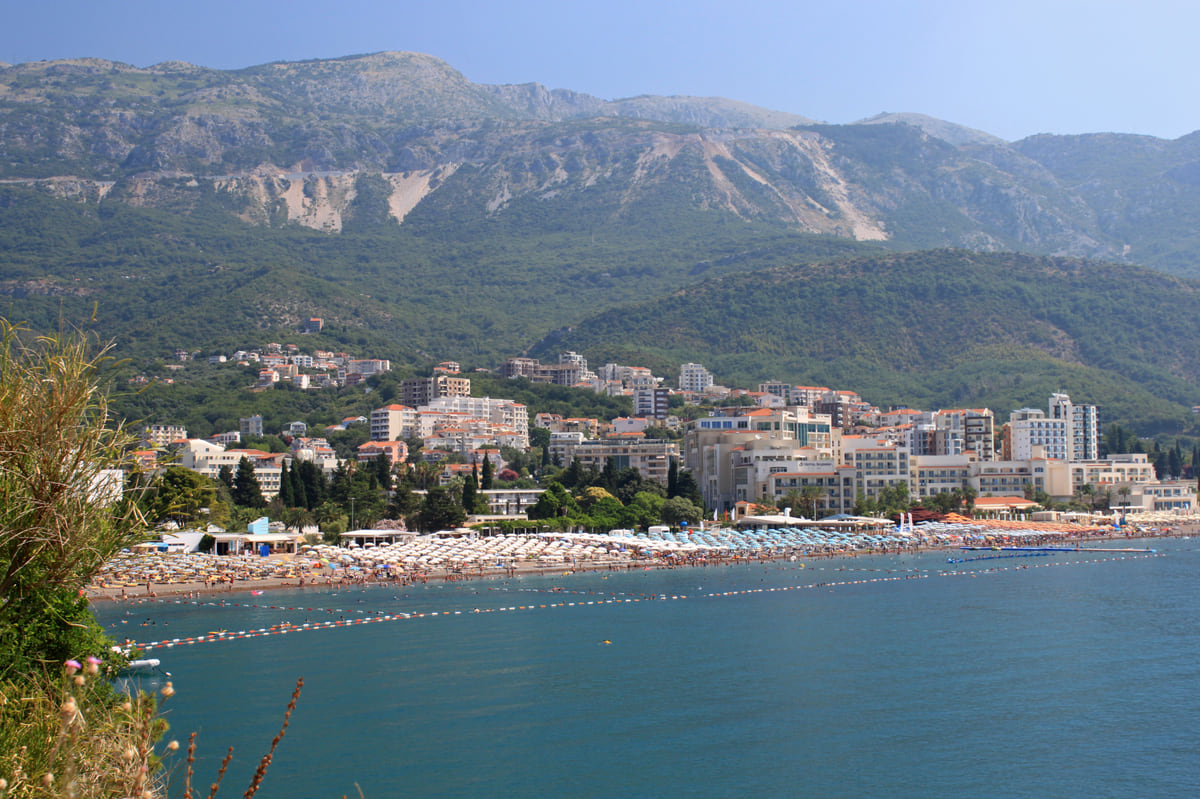
Budva, the resort that takes a third of Montenegro's visitors
Budva is Montenegro's busiest resort: the municipality logged 848,515 tourist arrivals in 2024, close to a third of the national total, according to MONSTAT. It has a walled old town more than 2,500 years old, a 38 km riviera of beaches and 27,445 residents in the 2023 census. Tivat Airport is about 20 km away.
In 30 seconds
Full read: 3 min
Budva is Montenegro's busiest resort, with 848,515 tourist arrivals in 2024.
Its walled old town is over 2,500 years old, with a Citadel first recorded in 1425.
The Budva Riviera has 38 km of beaches, from Jaz to Buljarica.
Tivat Airport is about 20 km away and Podgorica 60 km.
Budva has a party reputation, but I think it's better than that, as long as you avoid the old town at midday in August. I'd stay in Bečići or Pržno and walk into the old town late in the afternoon, once the sun is off the walls.
Sergio LeponeMy advice
Before you go
What I would keep in mind
01 Most beautiful
The old town from the Citadel
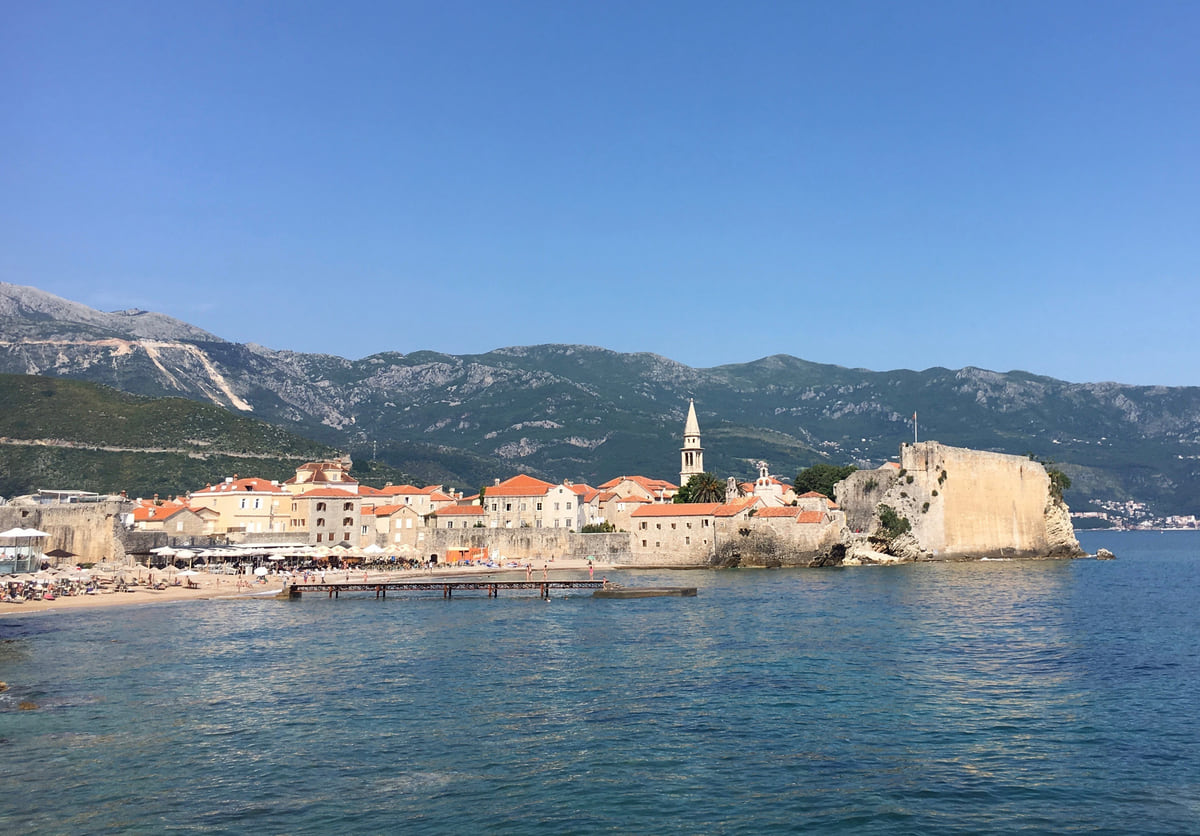
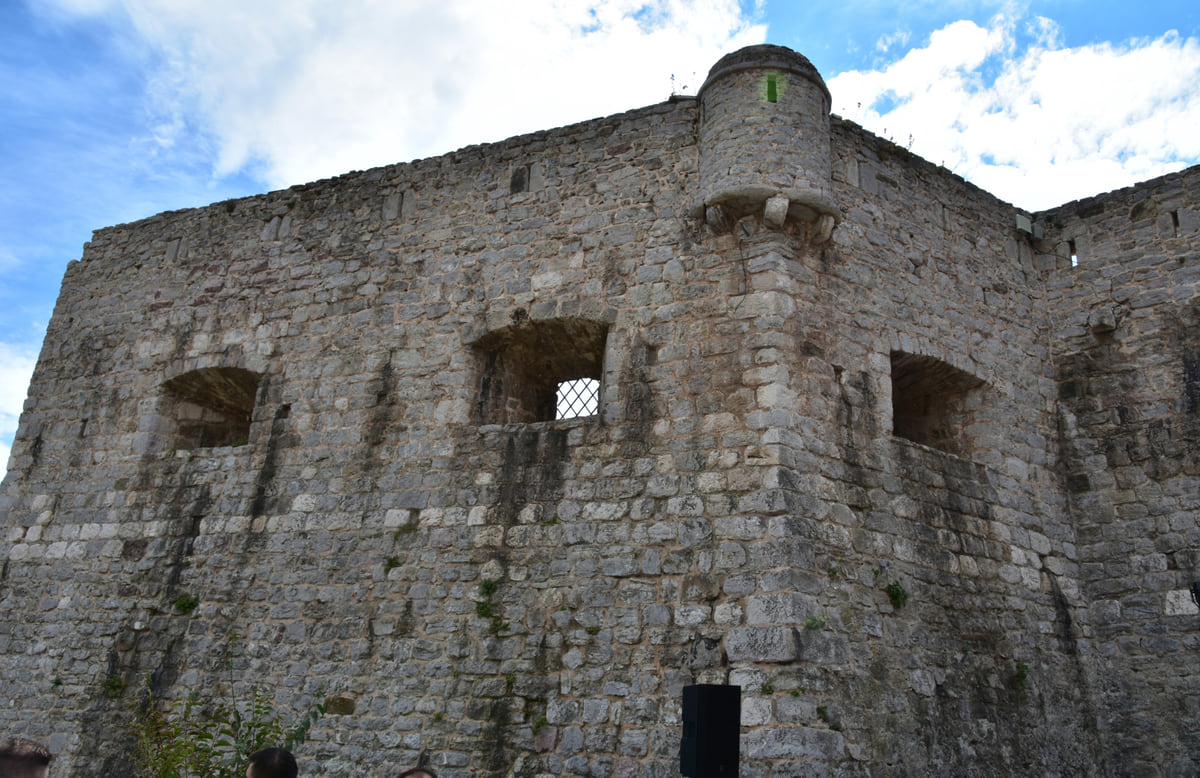
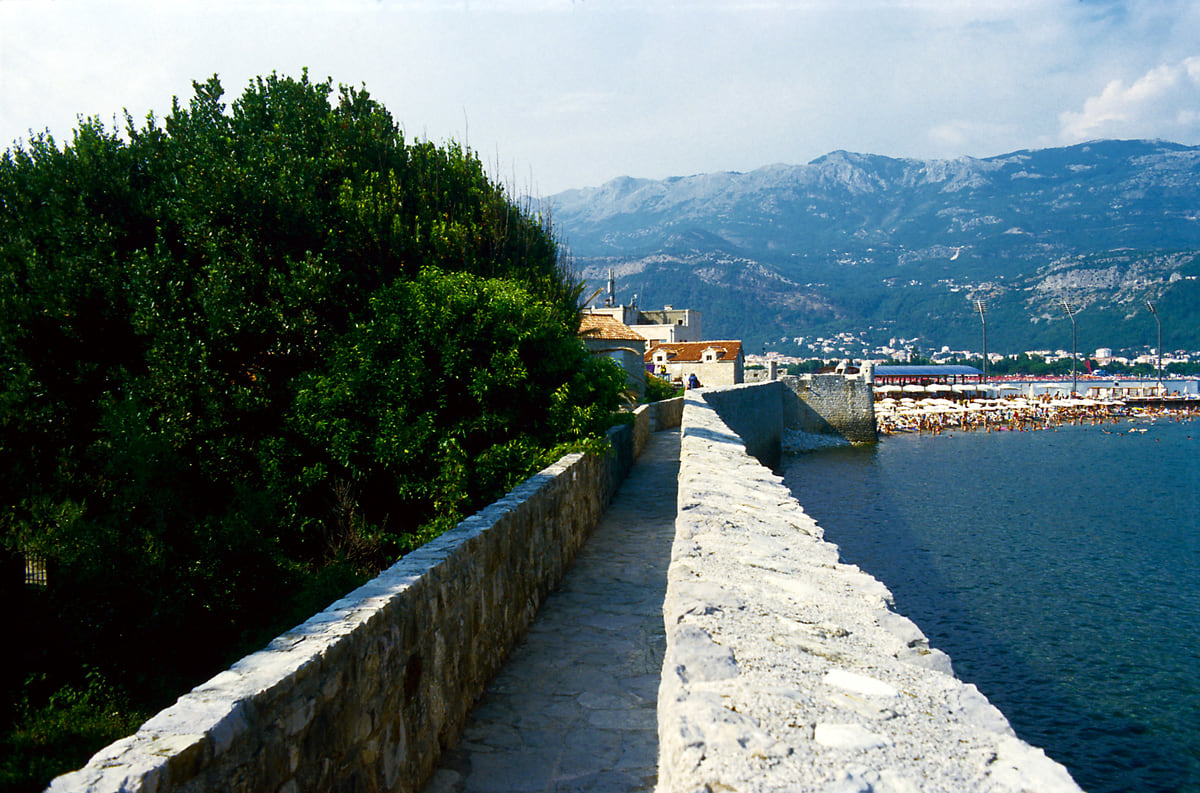
The fortress at the southern tip of the old town, first recorded in 1425, gives the best view over the rooftops, Sveti Nikola island and the coast towards Sveti Stefan.
Mediteran Express runs from the roundabout on Mediteranska Street to Sveti Stefan every ten minutes until 10pm, then every quarter of an hour into the small hours, says the local tourist board.
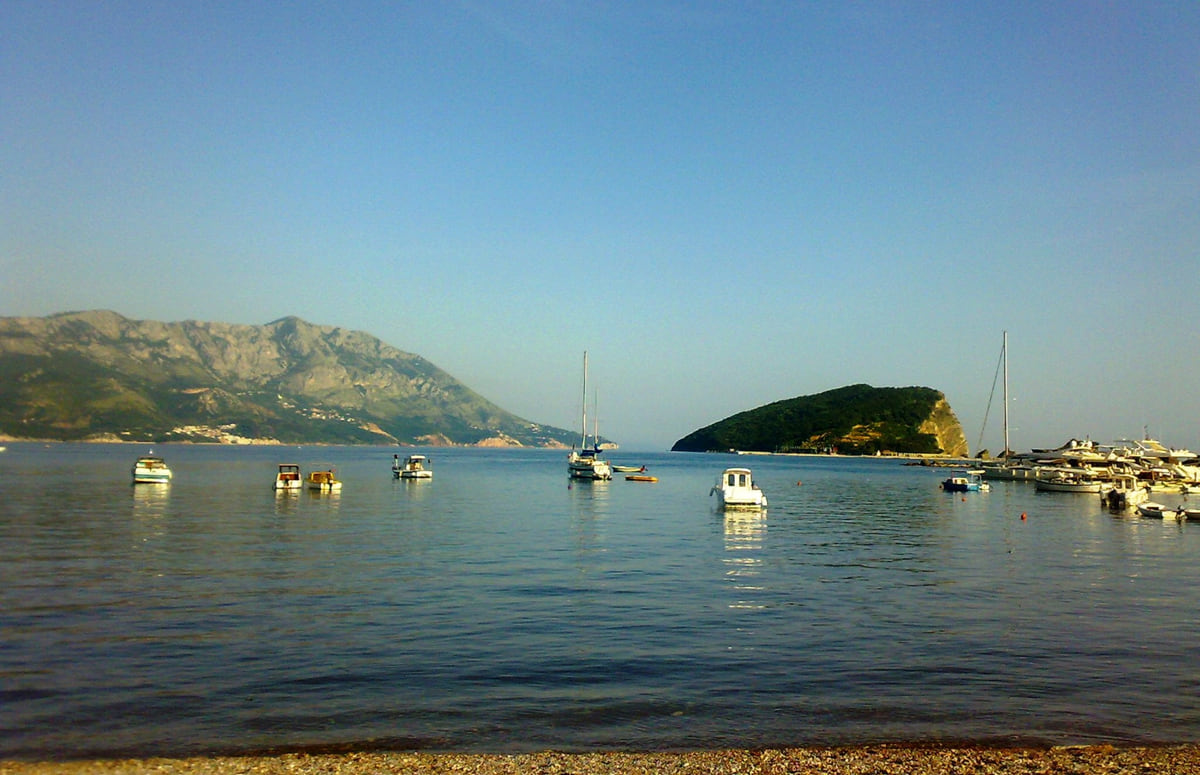
Sveti Nikola, under a kilometre offshore, has three sandy beaches. Boats leave from Slovenska plaža or the old town for 3 or 4 euros, according to the national tourist board.
Tivat is about 20 km away, Podgorica 60 km and Dubrovnik, over the Croatian border, 66 km. Flying into Dubrovnik means a border crossing and the Kamenari ferry on the way.
Walls rebuilt after the 1667 earthquake, six churches packed into a few lanes and a museum holding Hellenistic gold from the necropolis. This is why you come.
Head down early on the path from the Avala hotel, before the sunbeds fill up. When a southerly blows and the waves build, the tourist board says the path isn't safe.
The seafront path follows Slovenska plaža, goes through the Zavala tunnel and runs along Bečići beach to Kamenovo. Evening is the time to do it.
Times are a guide, based on the official opening hours checked for this guide.
If you’ve seen a holiday brochure for Montenegro, you’ve probably seen Budva. The numbers back that up. The municipality logged 848,515 tourist arrivals in 2024, close to a third of the country’s total, and more than five million overnight stays. Behind that volume is a town with a walled old quarter, an island just offshore and a string of coves that deserve more than a sunbed.
Why Budva isn’t just another resort
The local tourist board calls it one of the oldest settlements on the Adriatic, described as a “city of Illyria” more than two and a half thousand years ago. Legend credits Cadmus, the exiled king of Thebes, who supposedly arrived on an ox cart, which is where the name is said to come from. What stands today is younger, because the 1667 earthquake flattened the walls and towers, and the 1979 quake hit the old town again before it was patched up. I go through all of that in the Budva old town guide.
What I find interesting is the contrast. On one side of the sea gate you have stone lanes, a museum full of Hellenistic gold and a theatre festival that has filled the squares every summer since 1987. On the other, a modern town of hotels and flats whose population went from 19,218 in 2011 to 27,445 in 2023, according to MONSTAT.
The beaches, from Jaz to Buljarica
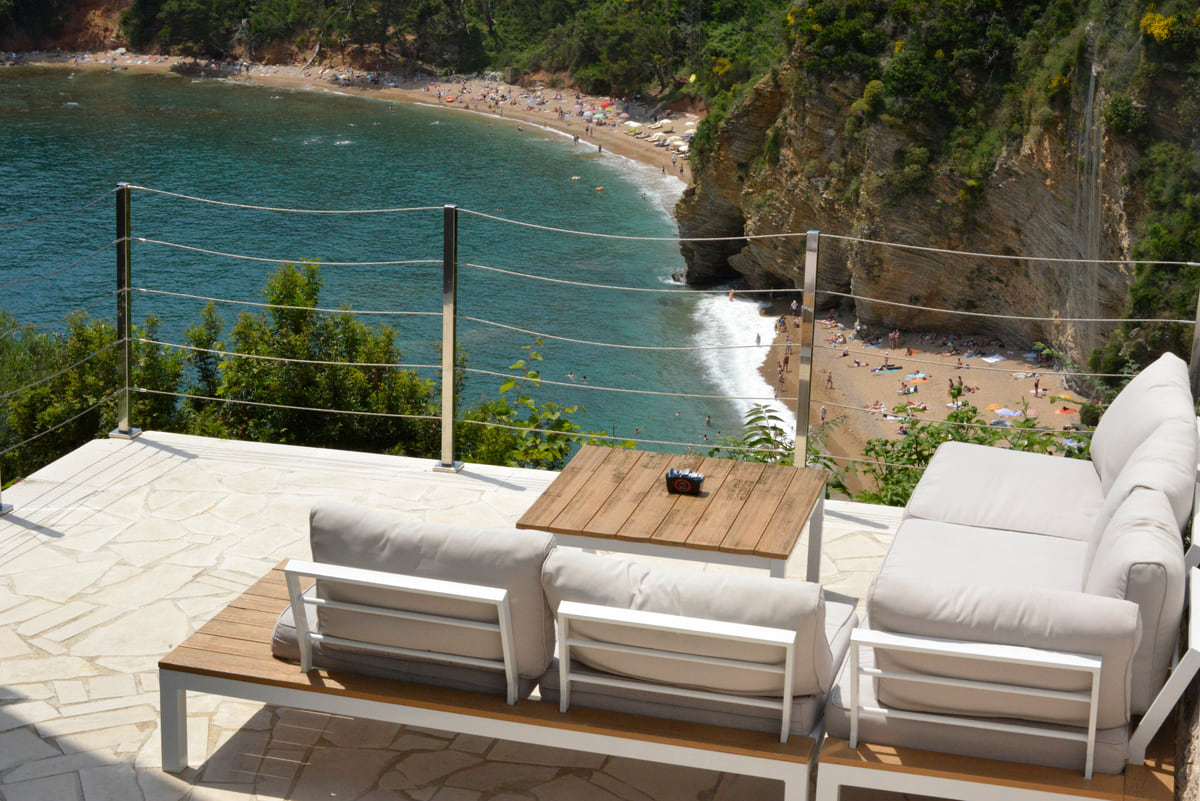
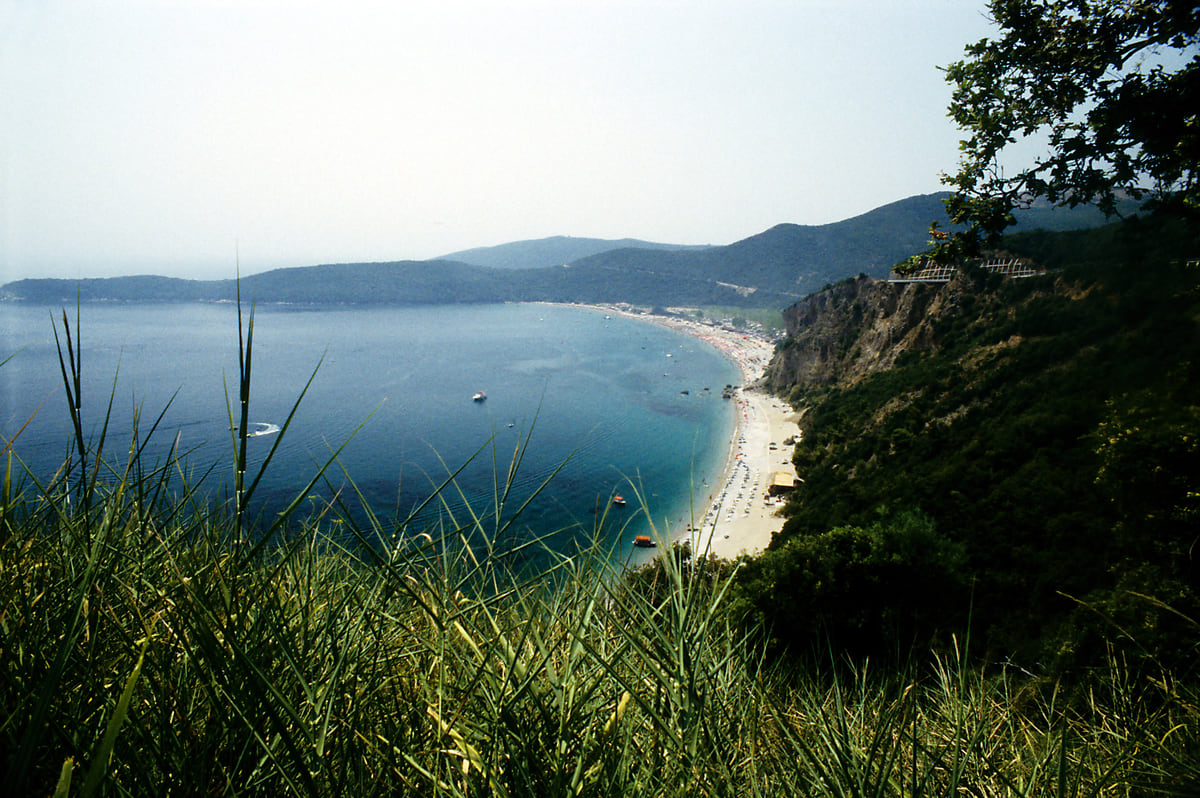
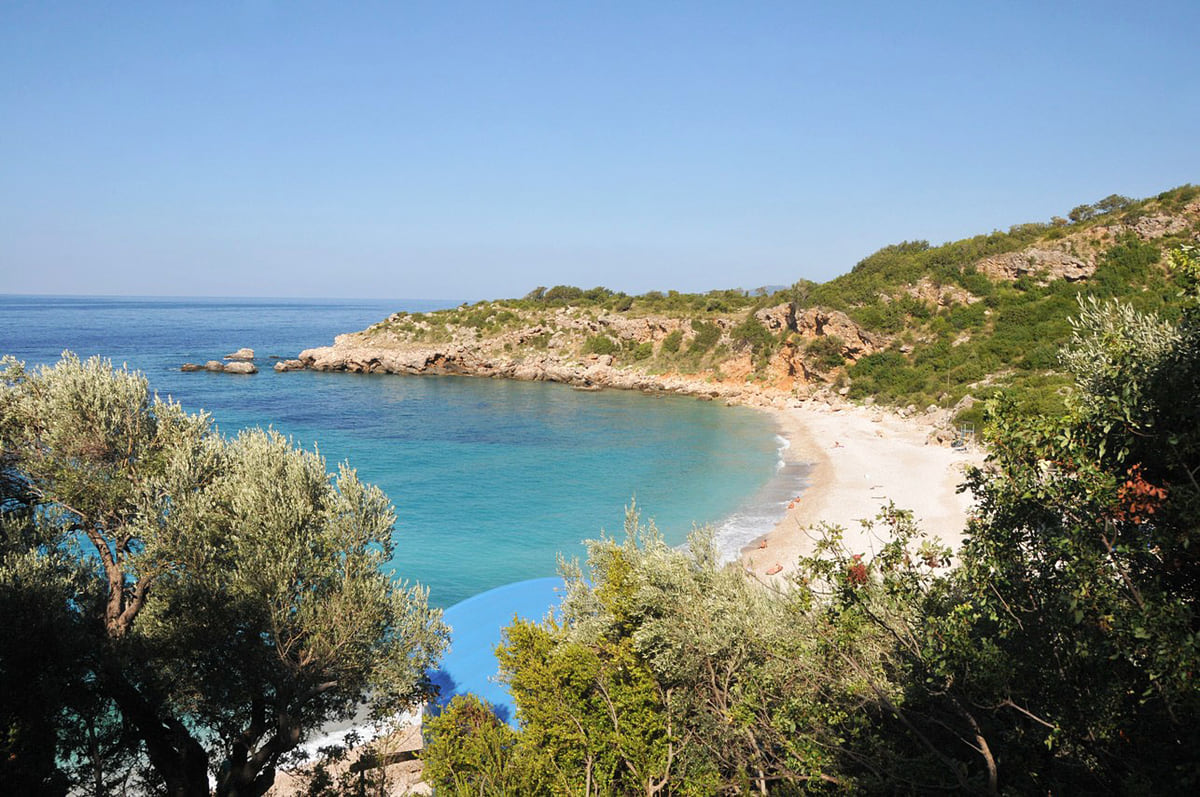
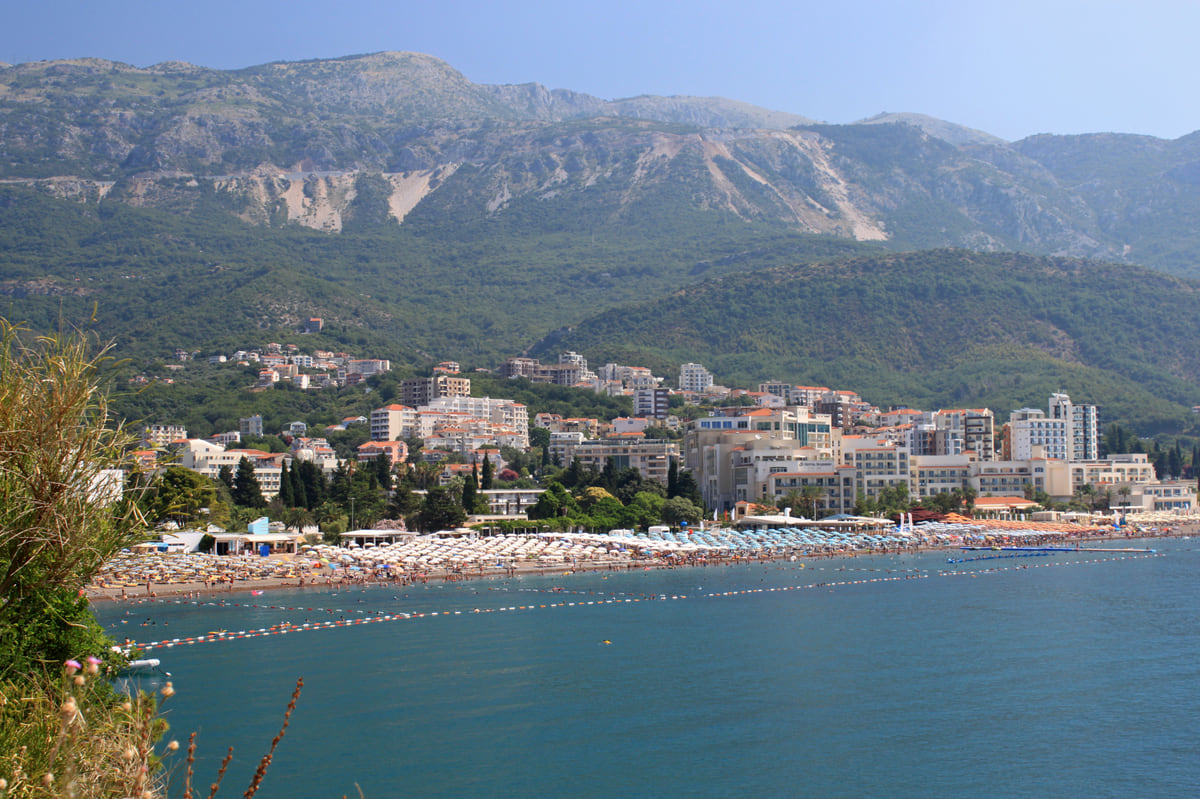
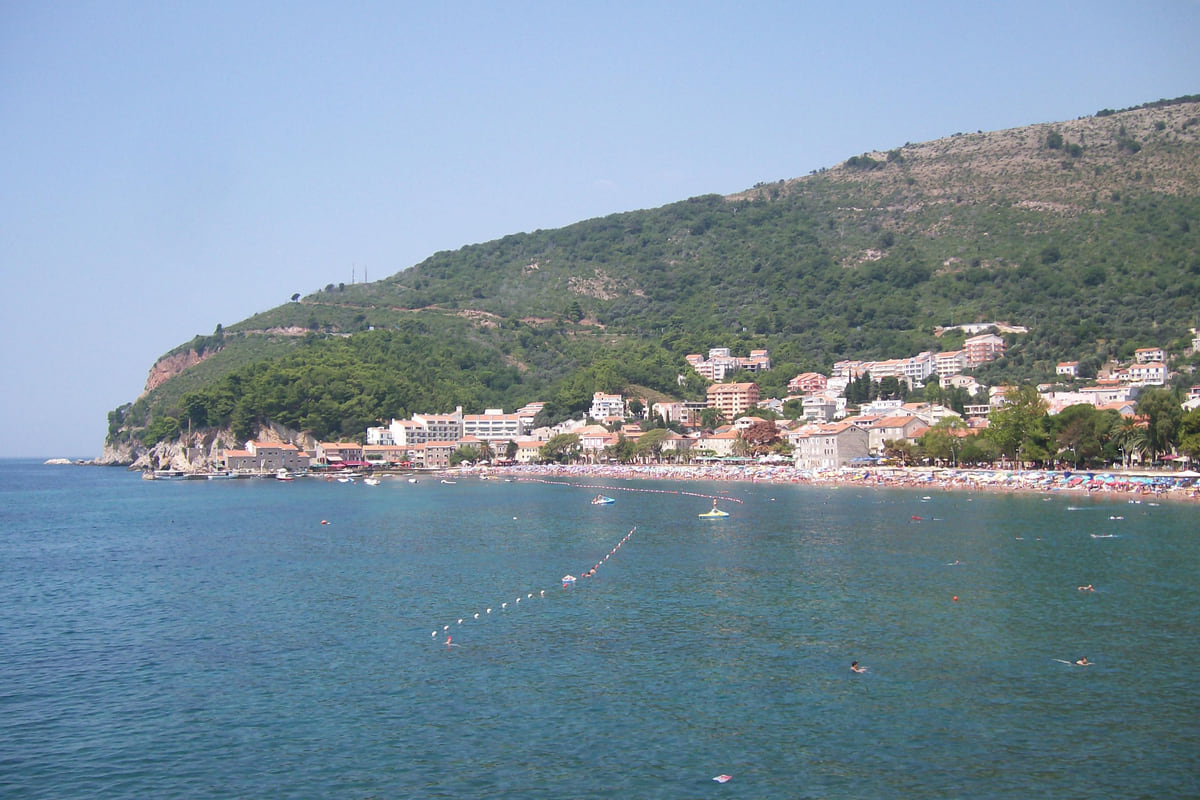
The Budva Riviera runs to 38 km of sand and pebble beaches, and in high summer the national tourist board reckons on around 100,000 swimmers a day. In town there’s Slovenska plaža, 1,600 metres long, plus the coves of Mogren and Ričardova glava right under the walls. North lies Jaz, over a kilometre long. South come Bečići, Pržno and the sandbar of Sveti Stefan with its two reddish beaches. I’ve listed them one by one, with their lengths, under beaches in Budva.
It’s easier than you might expect. Mediteran Express runs the town buses from the roundabout on Mediteranska Street, opposite the Perla café. The Sveti Stefan route calls at Bečići, Rafailovići, Kamenovo and Pržno every ten minutes until 10pm and keeps going until half past one, with the last bus back from Sveti Stefan at 2am. The Petrovac route runs roughly hourly, and another line serves Jaz and Ploče beach. Taxis wait on Slovenska obala, at the bus station and by the Bečići hotels. Remember that traffic drives on the right here, which matters if you hire a car at Tivat. For the hop round to the bay, see Budva to Kotor.
What’s on through the year
The tourist board’s calendar goes well beyond August. In 2026 there was an international carnival from 30 April to 3 May, a free concert in front of the old town on 9 May to open the season and another on 13 July, Statehood Day. Sea Dance returned to Bečići beach from 28 to 30 August, free with advance registration. And on Saturday 17 October 2026 Budva holds the 59th Dan širuna, its festival of fish, wine and beer outside the walls.
Stay a few days and the hinterland has things most visitors never see. The olive tree at Ivanovići, which the tourist board puts at around 2,000 years old, has been a protected natural monument since 1994 and is reached by a turning next to the Splendid hotel. Up in the hills of Paštrovići there are monasteries such as Praskvica, with a charter dated 1413, and Reževići, beside the Petrovac road, which the tourist board says was founded by King Stefan the First-Crowned in 1226. Down on the coast, Petrovac itself has a Venetian fort, a sixteenth-century lazaretto and two Roman floor mosaics found at Mirišta in 1902, one of them showing three fish sharing a single head. For where to stay, I split it by area in hotels in Budva.
When to go
I’d pick June or September, when the beach is inviting and August’s crowds haven’t arrived or have gone home. Budva lives all year round, but the beach scene and the late-night buses are a summer thing. To see where Budva fits into a trip along the whole shoreline, start with the Montenegrin coast.
Sveti Nikola island off Budva, covered in greenery, with small boats anchored in the bay and the mountainous coast
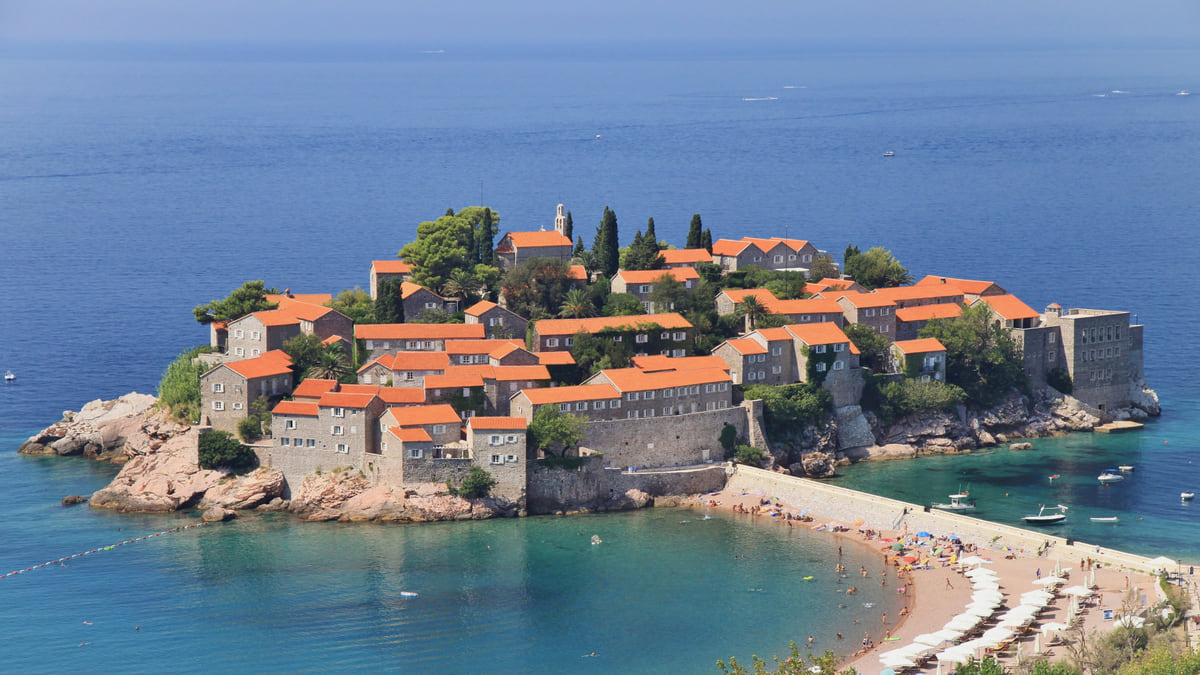
Sveti Stefan joined to the shore by a sandy isthmus, its stone houses and red roofs ringed by turquoise water
Budva town buses
Route
Stops and frequency
Budva centre - Sveti Stefan
Via Bečići, Rafailovići, Kamenovo, Pržno and Miločer. Every 10 minutes from 06:00 to 22:00, then every 15 or 30 minutes until 01:30
Budva centre - Petrovac
Via Sveti Stefan, Blizikuće, Reževići and Perazića do. Roughly hourly from 06:10 to 23:10
Budva - Jaz - Trsteno - Ploče
14 departures a day from the centre, 08:00 to 19:15
Budva centre - Aqua park
Hourly from 10:00 to 18:00
Budva Tourist Organisation, public transport page, checked on 10 October 2026. Run by Mediteran Express. Buses leave from the roundabout on Mediteranska Street, opposite the Perla café.
Budva in numbers
Figure
Value
Municipal population (2023)
27,445
Population in 2011
19,218
Settlements
80
Tourist arrivals (2024)
848,515
Overnight stays (2024)
5,412,910
MONSTAT, 2023 census and 2024 arrivals survey.
Test yourself
True or false?
0/3Pick before you peek.
Budva gets more tourists than any other municipality in Montenegro.
See the answer
True. It logged 848,515 arrivals in 2024, ahead of Herceg Novi, Ulcinj and Kotor, according to MONSTAT.
Budva's walls are the original medieval ones.
See the answer
False. The 1667 earthquake brought down the walls and towers, and new ones went up on the old foundations. The 1979 quake damaged the old town again, and it was restored over the following decade.
Podgorica is the closest airport to Budva.
See the answer
False. Tivat is, at about 20 km. Podgorica is 60 km away and Dubrovnik 66 km.
Tourist arrivals in 2024
848,515
Municipal population in 2023
27,445
Of beaches on the riviera
38 km
First record of the Citadel
1425
Map
Where Budva is
The Adriatic coast runs from Herceg Novi to Ulcinj; the centre holds Podgorica, Cetinje and Lake Skadar, and the north, Durmitor and the Tara Canyon. Every number opens its guide.
Yes, if you want beaches and a lively base. The walled old town, the Citadel and Mogren Beach are within walking distance, Sveti Stefan is a short bus ride away and Kotor is reachable for a day trip.
What is there to do in Budva?
Beach in the morning, old town in the afternoon and the promenade at dusk. In summer there are water sports on Slovenska plaža and in Bečići, tandem paragliding flights that land in Bečići and free concerts in front of the old town.
Is Budva a party town?
In summer, very much so. The tourist board lists clubs such as Top Hill above the town and Opera above Jaz beach, beach bars at Kamenovo, and free concerts on the square outside the old town walls.
How long should you spend in Budva?
Two or three days covers the old town, Mogren, Sveti Nikola and Sveti Stefan. Add a day for Kotor and another if you want the quieter beaches south towards Petrovac.
How far is Budva from Tivat Airport?
About 20 km, according to the Budva tourist board. Podgorica Airport is 60 km away and Dubrovnik, in Croatia, 66 km.
How many people live in Budva?
The municipality had 27,445 residents in the December 2023 census, up from 19,218 in 2011, according to MONSTAT.
Tourism graduate with a master’s in Tourism Management and Planning from the University of Málaga, who has travelled across Europe. He writes every guide from official sources and his own judgement.