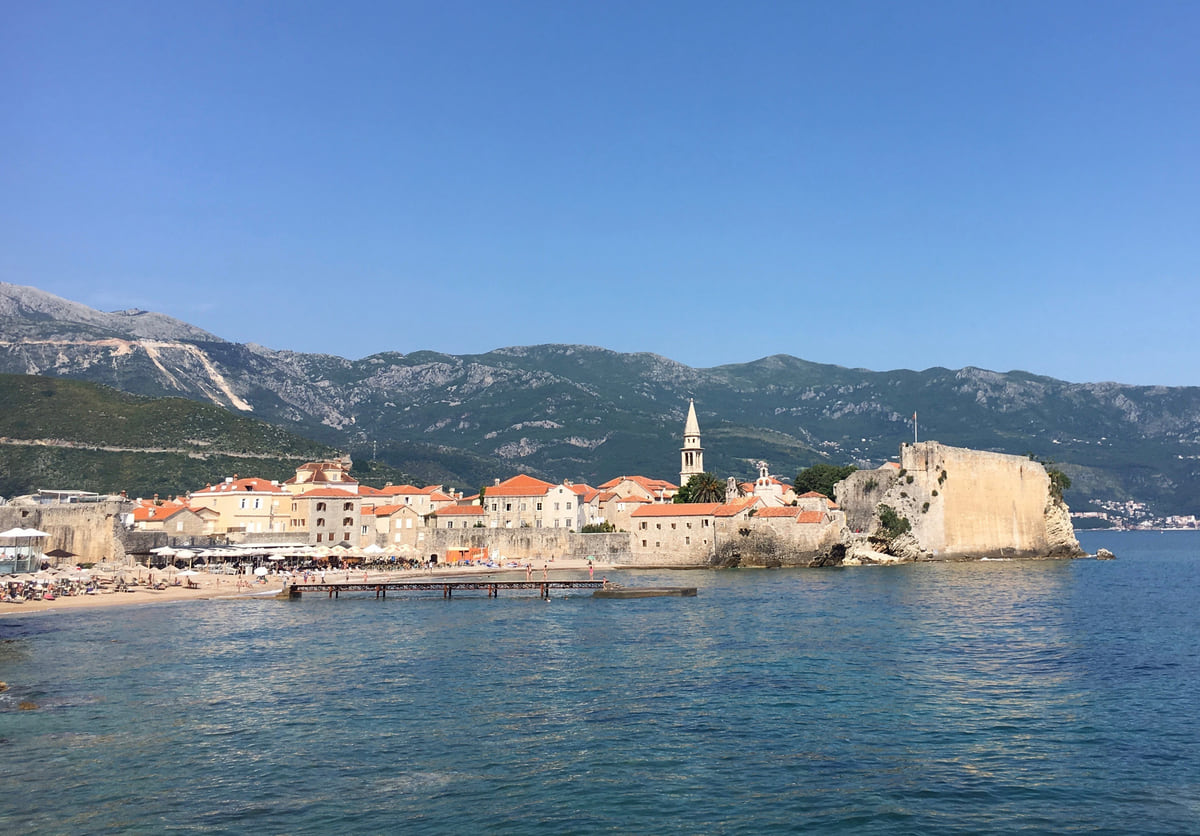
Low risk, with a few things to watch
Staying safe in Montenegro, what the official advice says
Montenegro is generally safe, with low crime according to Spain's foreign ministry, which marks no high-risk areas. gov.uk's advice focuses on pickpockets in tourist spots, some taxi drivers overcharging, card fraud, congested roads in summer and wildfires, common from April to October. The emergency number is 112.
In 30 seconds
Full read: 2 min
- Montenegro is generally safe, with low crime.
- Watch for pickpockets on the coast and in busy places.
- Licensed taxis with an agreed fare; cash machines inside banks.
- Wildfires are common from April to October; dial 112.
I'd worry more about the roads and the sun than about crime. What I would do is watch my wallet in Kotor and Budva in summer, use cash machines inside banks and fix the taxi fare before getting in.

Before you go
What I would keep in mind
-
01 Watch out
The overcharging taxi
gov.uk warns that some taxi drivers take advantage of tourists. Use licensed cabs and agree the per-km rate or the total up front.
taxis in Montenegro -
02 Watch out
Use cash machines inside banks
To avoid card skimming, gov.uk recommends ATMs inside bank branches, checking street machines for tampering and keeping your card in sight.
Montenegro currency -
03 My tip
Wildfires April to October
Common in the heat and drought. No fires or barbecues outside marked areas, stub cigarettes out properly and call 112 if you see one.
-
04 My tip
Stick to marked trails
Hikers have got lost after leaving marked paths. Tell someone your route, carry a charged phone and call 112 if you're in trouble.
hiking in Montenegro
What I would book
It’s one of the first questions people ask before booking, and the short answer is yes, Montenegro is a safe destination. Spain’s foreign ministry marks no high-risk areas and rates the whole country low risk, and gov.uk’s advice reads like that of any holiday destination. That doesn’t mean you can switch off completely. Below are the genuine risks, the common scams and the emergency numbers.
The overall picture
The Foreign Office says Montenegro has had no terrorist attacks in recent memory, while not ruling them out, and that protests sometimes happen, often outside government or religious buildings. They’re mostly peaceful but can cause traffic disruption. Violent crime between organised groups can occasionally affect bystanders, so stay away from confrontations. Spain’s foreign ministry describes the country as generally safe with low crime and says serious crimes against foreigners are rare.
Scams and petty crime
The everyday risks are those of any beach destination. gov.uk warns of pickpockets in tourist hotspots, on beaches, at airports and on public transport. Use the hotel safe, don’t leave luggage in a parked car and stay out of lonely streets late at night. Two specific traps. Some taxi drivers overcharge tourists, so fix the fare first, as I explain in taxis in Montenegro. Card cloning happens too: pick ATMs inside bank branches and never let your card out of sight at the till. If the terminal offers sterling, choose euros instead.
Once your dates are set, check which hotels are still free in Kotor before prices climb.
Laws worth knowing
Not having photo ID on you can earn a fine. Drugs, including cannabis, carry long jail sentences and heavy fines, and airports scan even transit passengers’ bags. Don’t photograph barracks, police stations, soldiers, officers or their vehicles: it’s against the law. gov.uk says same-sex couples are generally tolerated but public displays of affection could draw negative attention.
Nature, the sea and the road
This is where I’d focus. Wildfires are common from April to October, so no fires outside marked areas and stub cigarettes out properly. On the beach, follow the flags and the lifeguards, ask locally about jellyfish or sea urchins, and keep clear of the motorboats that zip close to swimmers in high summer; sea rescue is on 129. Before a tandem paraglide, ask to see the instructor’s licence. In the mountains, hikers have got lost after leaving marked paths. On the road, expect summer congestion and aggressive local driving, as I cover in driving in Montenegro.
If you would rather have a local show you round, book a guided tour in Kotor and choose by the reviews.
If something goes wrong
Dial 112 for any emergency. A stolen passport means applying for an emergency travel document, as a police report alone won’t get you on a plane. Relatives at home can ring the Foreign Office’s 24-hour line on 020 7008 5000. And don’t travel without insurance, because your GHIC needs local paperwork first, as explained in healthcare in Montenegro.
Once your dates are set, check which hotels are still free in Kotor before prices climb.
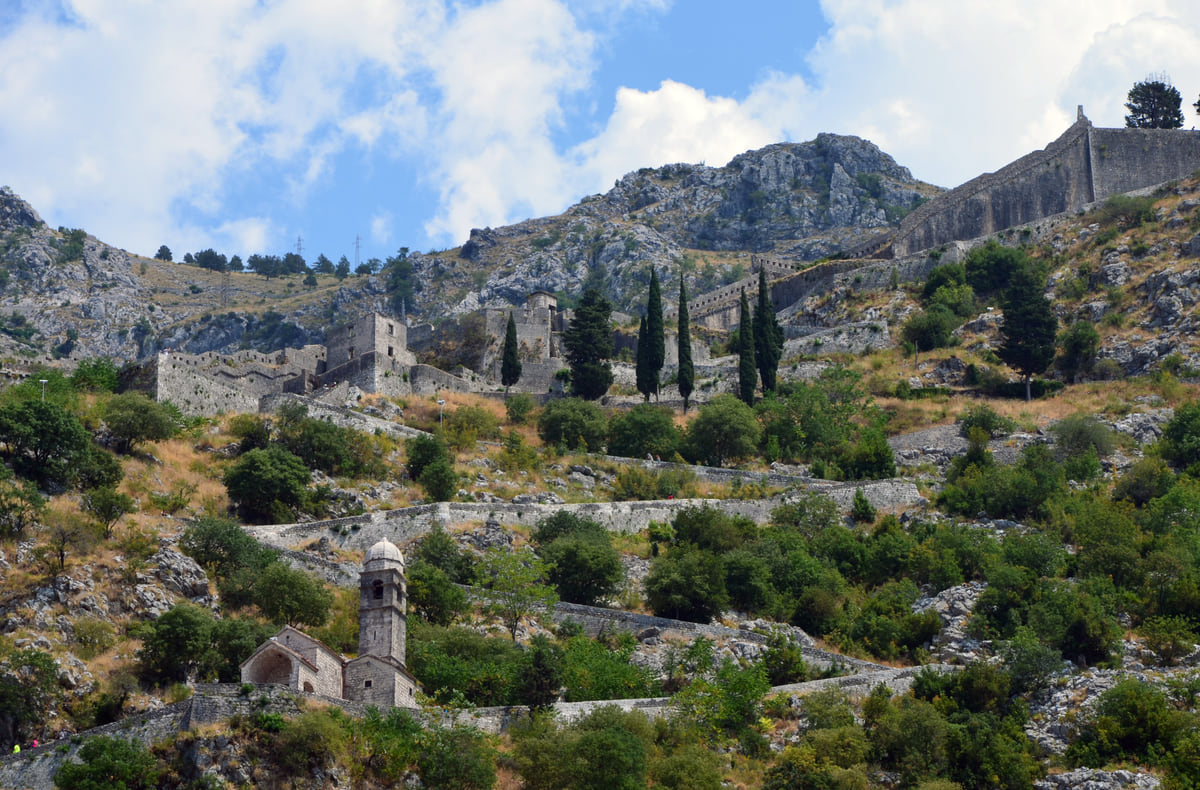
The walls of Kotor zigzagging up the rocky hillside towards St John's Fortress, between cypress trees and scrub
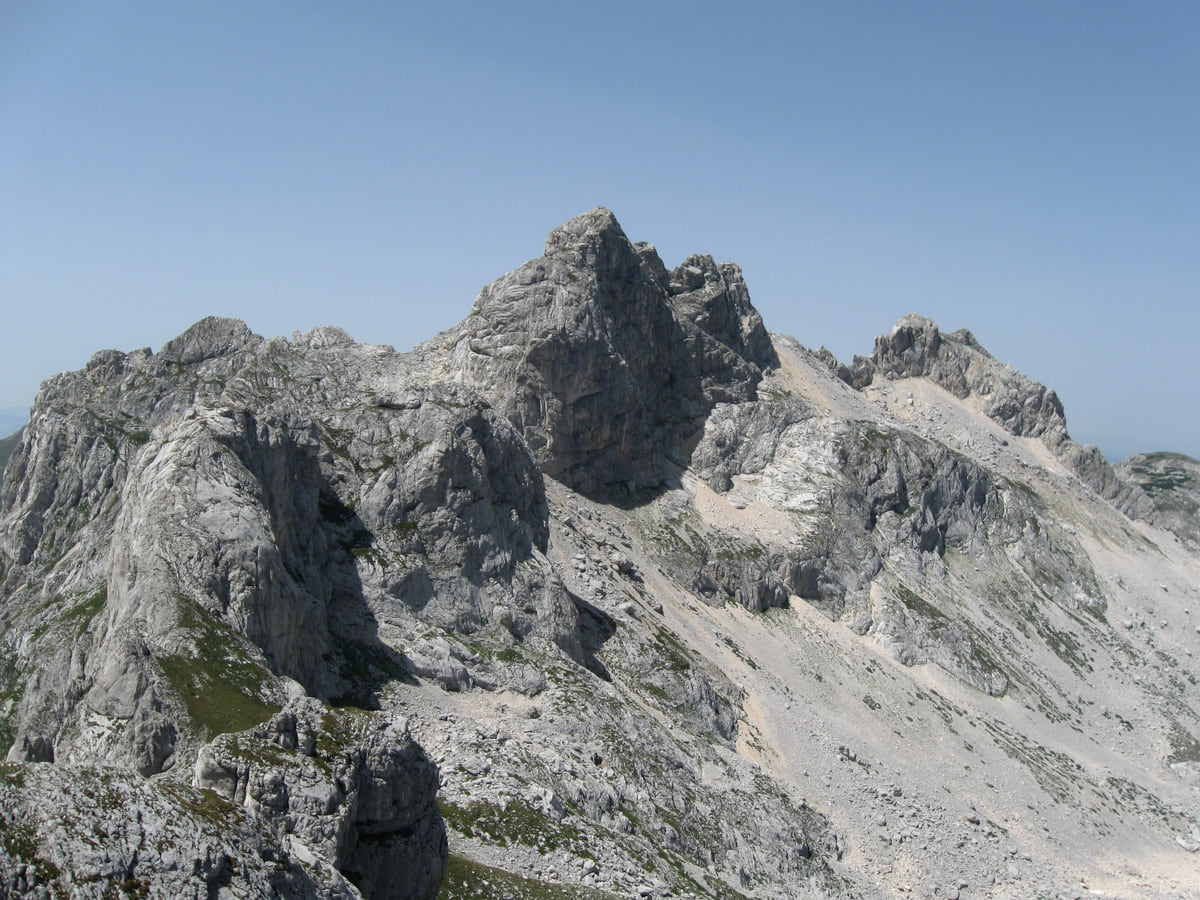
The limestone peaks of Bobotov Kuk and its neighbours in Durmitor, with grey walls and scree under a blue sky
Useful numbers
| Service | Number |
|---|---|
| Emergencies | 112 |
| Police | 122 |
| Fire brigade | 123 |
| Ambulance | 124 |
| Sea rescue | 129 |
| Roadside assistance (AMSCG) | +382 19807 |
| FCDO, London (if something happens to someone abroad) | 020 7008 5000 |
gov.uk (updated 13-08-2026) and Spain's foreign ministry (11-10-2026).
Test yourself
True or false?
0/3 Pick before you peek.
-
There are high-risk areas for travellers in Montenegro.
See the answer
False. Spain's foreign ministry marks none and rates the whole country as low risk.
-
Photographing police or military installations is illegal.
See the answer
True. gov.uk warns it could lead to arrest and prosecution.
-
A police report is enough to leave Montenegro if your passport is stolen.
See the answer
False. gov.uk says you need a replacement passport or an emergency travel document.
- Emergencies
- 112
- High-risk areas (Spanish advice)
- 0
- Sea rescue
- 129
- Last serious earthquake
- 1979
0 of 278 Montenegro guides
Your next stamp
- Healthcare
- Holidays
- Driving
- Aman Sveti Stefan
- Budva Old Town
- Haj-Nehaj
- Kotor
- Lučice Beach
- Montenegro's coast
- Peaks of the Balkans
- Porto Montenegro
- Sea Dance Festival
- Splendid Conference & Spa Resort
- Stari Bar
- Ulcinj Old Town
- Bay of Kotor
- Budva Riviera
- Heroj submarine
- Iberostar Bellevue
- Independence Day
- Old olive tree of Mirovica
- Tivat
- Velika plaža
- Ada Bojana
- Beaches in Budva
- Eurostars Queen of Montenegro
- Herceg Novi
- Kotor Old Town
- Mount Rumija
- Igalo
- Kotor city walls
- Mogren Beach
- Montenegro Beach Resort
- Svač
- Vrmac
- Hiking
- Jaz Beach
- Kanli kula
- Luštica peninsula
- St Tryphon Cathedral
- Ulcinj salt pans
- Forte Mare
- Gornja Lastva
- Maritime Museum, Kotor
- Slovenska Beach
- Drobni Pijesak Beach
- Kotor viewpoints
- Mamula
- Žanjic beach
- Kotor cruise port
- Orjen
- Plavi horizonti beach
- Sveti Nikola Island
- Blue Cave
- Restaurants in Budva
- Restaurants in Kotor
- Canyoning
- Hotels
- Perast
- Sutomore
- Sveti Stefan
- Čanj
- Luxury hotels
- Our Lady of the Rocks
- Pržno
- Things to do
- Activities
- All-inclusive hotels
- Bar Riviera
- Bečići
- Hotel Palma
- St George island
- Dobrota
- Hladna uvala
- Most beautiful places
- Petrovac
- Crvena stijena
- Prčanj
- Prettiest villages
- Cycling
- Risan
- UNESCO sites
- Heritage Grand Perast
- Map
- Hyatt Regency Kotor Bay
- Where is it?
- Regions
- Cities
- Beaches in Bar
- Budva
- Central Montenegro
- Hotels in Budva
- Hotels in Kotor
- Iberostar Waves Herceg Novi
- Kitesurfing
- The name
- Beaches in Ulcinj
- Flag
- Hotels in Perast
- Palmon Bay Hotel & Spa
- Podgorica
- Cathedral of the Resurrection
- One&Only Portonovi
- Population
- Sandy beaches
- Azul Beach Resort Montenegro
- Naturist beaches
- Size
- Stara Varoš
- Doclea
- Language
- Mimosa Festival
- Medun
- Religion
- Zipline
- Currency
- Museums in Podgorica
- Dajbabe Monastery
- EU membership
- History
- Restaurants in Podgorica
- Hotels in Podgorica
- Public holidays
- Avala Resort & Villas
- Bar
- Beaches in Kotor
- Birdwatching
- Hotels in Ulcinj
- Kotor carnival
- Time zone
- Tivat beaches
- Tuzi
- Boka Night
- Dukley Hotel & Resort
- Facts
- Hotels in Tivat
- Zeta
- Caves
- Herceg Novi beaches
- National parks
- Šipčanik
- Hotels in Herceg Novi
- Monasteries
- Fortresses
- Fly fishing
- Museums
- Canyons and waterfalls
- Lakes
- Mountains
- Montenegro and Croatia
- Beaches
- Boat trips
- Cetinje
- Montenegro and Albania
- Nightlife
- Ulcinj
- Weather
- Best time to visit
- Cetinje Monastery
- Kayaking
- Montenegro and the Balkans
- How to get there
- In summer
- King Nikola's Palace
- Sailing
- Biljarda
- Flights
- In winter
- Airports
- Museums in Cetinje
- New Year's Eve
- Lovćen
- Paragliding
- Tivat Airport
- Njegoš Mausoleum
- Podgorica Airport
- Dubrovnik to Kotor
- Kotor serpentine
- Belgrade to Montenegro
- Njeguši
- Ferry to Italy
- Njeguši prosciutto
- Border crossings
- In January
- Lipa Cave
- Where to stay
- In February
- Kamenari-Lepetane ferry
- Pavlova strana
- Getting around
- In March
- Rijeka Crnojevića
- In April
- Trains
- Buses
- In May
- Car hire
- In June
- In July
- In August
- Taxis
- Distances
- In September
- In October
- Road trip
- Food
- In November
- Lake Skadar
- Scenic drives
- In December
- Kotor cable car
- Virpazar
- Where to eat
- Budva to Kotor
- Godinje
- Wine
- Podgorica to Kotor
- Vranjina
- Besac fortress
- Prices and budget
- On a budget
- Žabljak Crnojevića
- Danilovgrad
- Entry requirements
- Ostrog Monastery
- Tourist registration
- Customs
- Nikšić
- Crvena Stijena cave
- Events
- Northern Montenegro
- Mobile and roaming
- Žabljak
- Durmitor
- Plugs
- Black Lake
- With kids
- Bobotov Kuk
- Day trips
- Stećci tombstones
- Hotels in Žabljak
- Three-day itinerary
- Five-day itinerary
- Skiing in Montenegro
- One-week itinerary
- Skiing in Žabljak
- Šavnik
- Ten-day itinerary
- Nevidio Canyon
- Tara Canyon
- Tara rafting
- Đurđevića Tara Bridge
- Plužine
- Lake Piva
- Piva Monastery
- Mojkovac
- Brskovo
- Pljevlja
- Husein Pasha Mosque
- Kolašin
- Hotels in Kolašin
- Skiing in Kolašin
- Biogradska Gora National Park
- Komovi
- Morača Monastery
- Morača Canyon
- Bijelo Polje
- Đalovića Cave
- Berane
- Andrijevica
- Petnjica
- Rožaje
- Plav
- Lake Plav
- Gusinje
- Vusanje
- Prokletije National Park
Frequently asked questions
Is Montenegro safe to visit?
Yes. Spain's foreign ministry describes it as generally safe with low crime, with no high-risk areas, and gov.uk's advice is about everyday precautions such as pickpockets, licensed taxis and card fraud.
Are there wildfires in Montenegro?
Yes, they're common from April to October because of the heat and dry weather, says gov.uk. Take care in the countryside, don't light fires outside marked areas and call 112 if you see one.
Is Montenegro safe for solo female travellers?
The official advice doesn't single out women travellers. gov.uk's general tips apply, such as avoiding isolated areas at night and using licensed taxis booked in advance or through an app.
Is Montenegro safe for LGBT travellers?
gov.uk says there's general tolerance of same-sex couples, but showing affection in public could attract negative attention. Spain's foreign ministry also recommends discretion.
Does Montenegro have earthquakes?
It's in a seismically active zone with small tremors through the year. The last serious one was in 1979, according to gov.uk; Spain's foreign ministry adds it measured 6.9 and killed 131 people.
By
Tourism graduate with a master’s in Tourism Management and Planning from the University of Málaga, who has travelled across Europe. He writes every guide from official sources and his own judgement.
Published on . Facts checked on .
Sources
Some links in this guide are affiliate links: if you book through them, the site earns a commission at no extra cost to you. Affiliate disclosure
Photos: Dirgela (CC BY-SA 4.0); Gzzz (CC BY-SA 4.0); Goran.Smith2 (CC BY-SA 3.0), via Wikimedia Commons.