Eating and drinking in Montenegro
Montenegrin wine, from Crmnica Vranac to the cellar in a tunnel
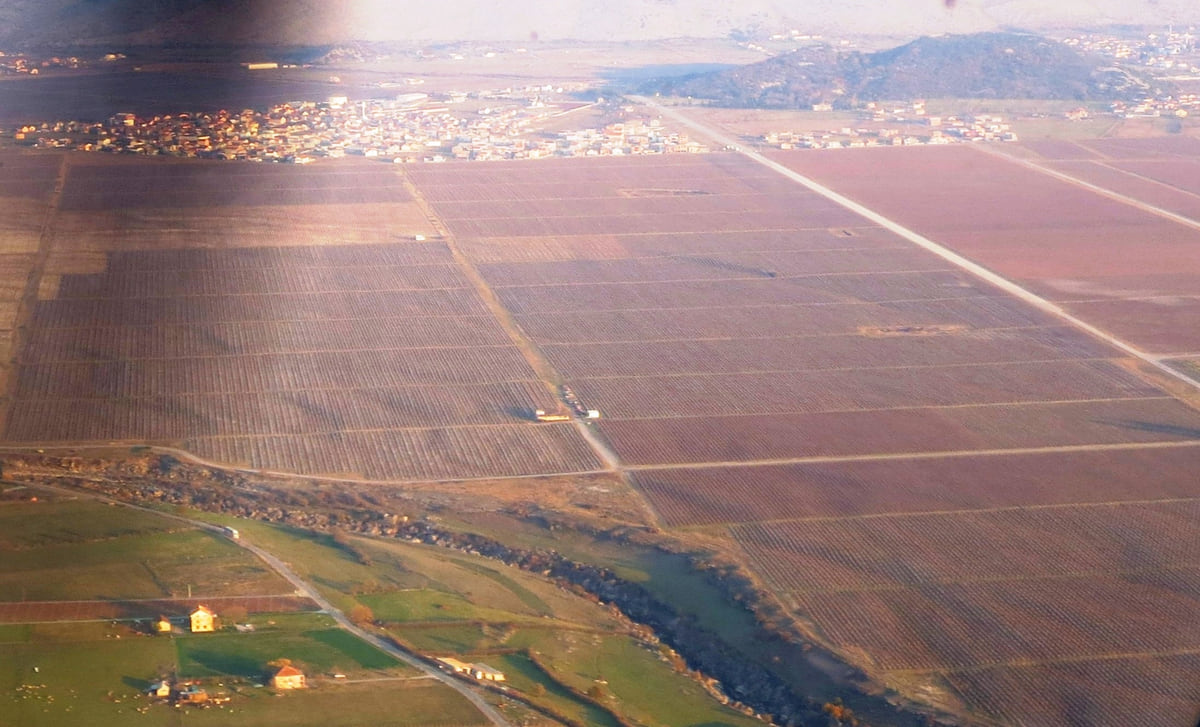
Montenegrin wine is mostly red, with one flagship grape, Vranac, alongside other natives such as Kratošija, Krstač and Žižko. The best-known areas surround Lake Skadar, with Crmnica considered the cradle of Vranac. The big producer, Plantaže, farms a 2,310-hectare vineyard near Podgorica and runs a cellar inside a former underground military airfield, Šipčanik.
In 30 seconds
Full read: 2 min
- Montenegrin wine is mostly red Vranac, the country's flagship grape.
- Crmnica, by Lake Skadar, is regarded as the cradle of Vranac.
- Plantaže farms 2,310 ha on Ćemovsko polje, near Podgorica.
- The Šipčanik cellar is in a former underground military airfield and opens by appointment.
If you only try one Montenegrin wine, make it a Crmnica Vranac at a family winery by Lake Skadar, with lake fish on the side. Šipčanik is worth seeing for the setting, but the wine makes more sense in the villages.

Before you go
What I would keep in mind
-
01 Worth the splurge
A tasting in a secret airfield
The Šipčanik cellar occupies a former secret military airfield, more than 30 metres underground in a 356-metre tunnel. You need to phone ahead to book.
Šipčanik wine cellar -
02 Most beautiful
Crmnica, the cradle of Vranac
The villages around Lake Skadar have been making wine for more than 500 years, according to the Bar tourist board, and Virpazar is the gateway.
Virpazar -
03 My tip
Ask for the wine routes map
The national tourist board says local tourist offices have a wine-routes map to help you plan winery visits.
-
04 To save money
The best souvenir fits in a suitcase
The national tourist board suggests taking home a bottle of Vranac, which it calls a national brand. If you're flying hand luggage only, buy it at the airport.
-
05 Getting there
Where to eat with the wine
The wineries and the areas where you eat best in Montenegro, from Lake Skadar to the coast.
where to eat in Montenegro -
06 Worth the splurge
A tasting in a Crmnica hamlet
In Godinje, population 44, there are cellars in tightly packed stone houses above Lake Skadar. It's where I'd look for the local vranac.
Godinje
What I would book
Montenegro isn’t on many people’s wine map, and that’s a shame. It has a characterful grape of its own, Vranac, centuries of winemaking around Lake Skadar and one of the oddest cellars in Europe, tucked inside a tunnel that used to be a military airfield. To me, a visit to a family winery is among my favourite things to do inland.
The grapes
The national tourist board likes to call the country one of the cradles of viticulture and puts its native varieties first, Vranac, Kratošija, Krstač and Žižko, among others. Vranac is the star, the red that the same site describes as a national brand and treasure. Alongside them, wineries make Cabernet Sauvignon, Merlot, Chardonnay, Marselan and Malvasia. The site suggests a tour of Vranac country, from the Podgorica subregion to Crmnica, its cradle, and Ulcinj, plus the sweet Doljani Vranac in the Katun and Rijeka nahijas.
Crmnica and Lake Skadar
The best-known vineyard areas, according to the national tourist board, are Crmnica, the nahijas, Komani, Bjelopavlići and the villages along Lake Skadar. The Bar tourist board says those villages have been making wine for more than 500 years, and it devotes a festival in Virpazar to wine and bleak, where the best wine and the best song about wine are chosen. This is the experience I’d recommend, a village winery with prosciutto, cheese, lake fish and a house Vranac. The national tourist board mentions the Radević, Mašanović, Krgović, Kopitović, Mola, Bogojević, Milović, Sjekloća, Buk and Rupice wineries, among others.
Once your dates are set, check which hotels are still free in Virpazar before prices climb.
Plantaže and Šipčanik
A few kilometres from Podgorica, on Ćemovsko polje, the company 13. Jul - Plantaže farms 2,310 hectares, billed by the national tourist board as Europe’s largest single-plot vineyard, producing about 22 million kilos of grapes a year, with three cellars holding up to 33 million litres. The most famous is Šipčanik, a former secret military airfield more than 30 metres underground in a 356-metre tunnel, home to Lesendro, an archive wine from the 1979 vintage. Visits are booked by phone.
The coast and the monasteries
There’s wine on the coast too. Near Savina monastery in Herceg Novi, a family winery works vineyards that date back to the 18th century and ages Cabernet Sauvignon and Merlot in French oak, along with Chardonnay and a Grenache rosé. The national tourist board also points out that many churches and monasteries have their own vineyards.
If you would rather have a local show you round, book a guided tour in Virpazar and choose by the reviews.
Planning it
The national tourist board says local tourist offices hand out a wine-routes map for planning winery visits. My advice is not to drive between wineries but to stay in Virpazar, Podgorica or on the bay and use taxis or a tour, and remember Montenegro’s drink-driving limit is less than half of England’s, according to the Foreign Office. To know what to eat with each wine, see Montenegrin food.
Once your dates are set, check which hotels are still free in Virpazar before prices climb.
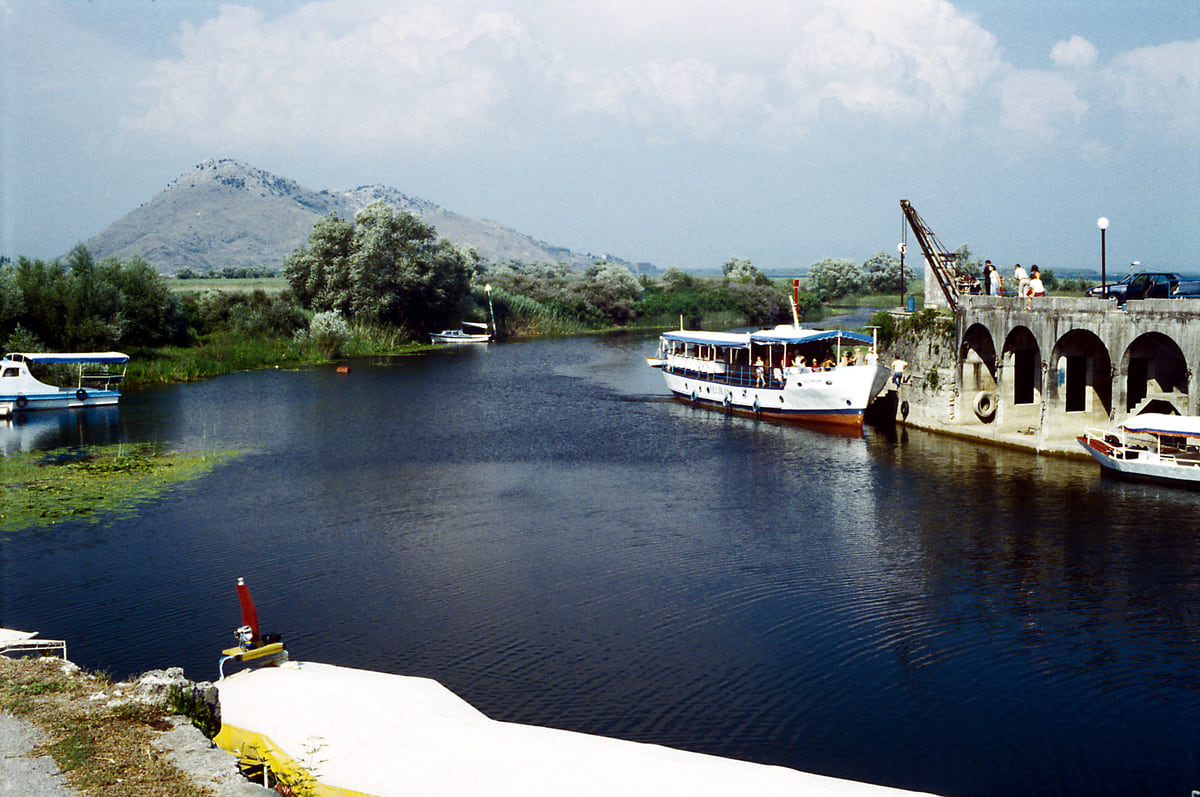
The small harbour at Virpazar on Lake Skadar, with excursion boats moored along the channel and mountains behind
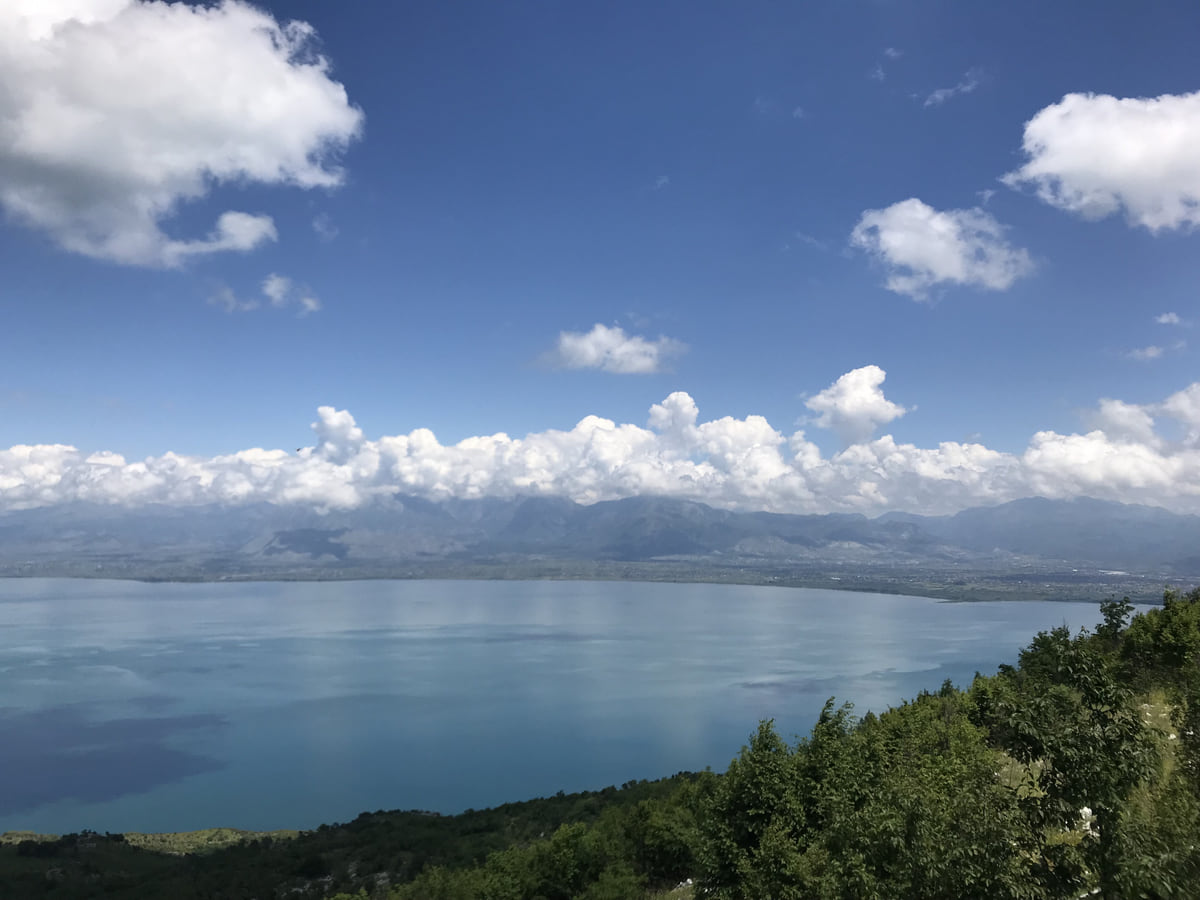
Lake Skadar from the Montenegrin shore, its blue water stretching to the mountains with white clouds on the horizon
Montenegrin wine in numbers
| Figure | Value | Source |
|---|---|---|
| Plantaže vineyard on Ćemovsko polje | 2,310 ha | Montenegro National Tourist Organisation |
| Grapes harvested a year | About 22 million kg | Montenegro National Tourist Organisation |
| Capacity of its three cellars | Up to 33 million litres | Montenegro National Tourist Organisation |
| Šipčanik tunnel | 356 m, more than 30 m underground | Montenegro National Tourist Organisation |
| Oldest archive wine | Lesendro, 1979 vintage | Montenegro National Tourist Organisation |
| Winemaking around Lake Skadar | Over 500 years | Bar Tourist Organisation |
Montenegro National Tourist Organisation, wine roads, and Bar Tourist Organisation, wine trails, checked on 11-10-2026.
Test yourself
True or false?
0/3 Pick before you peek.
-
The Šipčanik cellar is inside a former military airfield.
See the answer
True. According to the national tourist board, it occupies a former secret military airfield, in a 356-metre tunnel more than 30 metres underground.
-
Vranac is a white grape.
See the answer
False. It's a red grape, which the national tourist board presents as the national brand of Montenegrin wine.
-
The Plantaže vineyard covers more than 2,000 hectares.
See the answer
True. It covers 2,310 hectares on Ćemovsko polje, according to the national tourist board.
0 of 278 Montenegro guides
Your next stamp
- Šipčanik
- Godinje
- Virpazar
- Food
- Vranjina
- Lake Skadar
- Monasteries
- Central Montenegro
- Aman Sveti Stefan
- Budva Old Town
- Haj-Nehaj
- Kotor
- Lučice Beach
- Montenegro's coast
- Peaks of the Balkans
- Porto Montenegro
- Sea Dance Festival
- Splendid Conference & Spa Resort
- Stari Bar
- Ulcinj Old Town
- Bay of Kotor
- Budva Riviera
- Heroj submarine
- Iberostar Bellevue
- Independence Day
- Old olive tree of Mirovica
- Tivat
- Velika plaža
- Ada Bojana
- Beaches in Budva
- Eurostars Queen of Montenegro
- Herceg Novi
- Kotor Old Town
- Mount Rumija
- Igalo
- Kotor city walls
- Mogren Beach
- Montenegro Beach Resort
- Svač
- Vrmac
- Hiking
- Jaz Beach
- Kanli kula
- Luštica peninsula
- St Tryphon Cathedral
- Ulcinj salt pans
- Forte Mare
- Gornja Lastva
- Maritime Museum, Kotor
- Slovenska Beach
- Drobni Pijesak Beach
- Kotor viewpoints
- Mamula
- Žanjic beach
- Kotor cruise port
- Orjen
- Plavi horizonti beach
- Sveti Nikola Island
- Blue Cave
- Restaurants in Budva
- Restaurants in Kotor
- Canyoning
- Hotels
- Perast
- Sutomore
- Sveti Stefan
- Čanj
- Luxury hotels
- Our Lady of the Rocks
- Pržno
- Things to do
- Activities
- All-inclusive hotels
- Bar Riviera
- Bečići
- Hotel Palma
- St George island
- Dobrota
- Hladna uvala
- Most beautiful places
- Petrovac
- Crvena stijena
- Prčanj
- Prettiest villages
- Cycling
- Risan
- UNESCO sites
- Heritage Grand Perast
- Map
- Hyatt Regency Kotor Bay
- Where is it?
- Regions
- Cities
- Beaches in Bar
- Budva
- Hotels in Budva
- Hotels in Kotor
- Iberostar Waves Herceg Novi
- Kitesurfing
- The name
- Beaches in Ulcinj
- Flag
- Hotels in Perast
- Palmon Bay Hotel & Spa
- Podgorica
- Cathedral of the Resurrection
- One&Only Portonovi
- Population
- Sandy beaches
- Azul Beach Resort Montenegro
- Naturist beaches
- Size
- Stara Varoš
- Doclea
- Language
- Mimosa Festival
- Medun
- Religion
- Zipline
- Currency
- Museums in Podgorica
- Dajbabe Monastery
- EU membership
- History
- Restaurants in Podgorica
- Hotels in Podgorica
- Public holidays
- Avala Resort & Villas
- Bar
- Beaches in Kotor
- Birdwatching
- Hotels in Ulcinj
- Kotor carnival
- Time zone
- Tivat beaches
- Tuzi
- Boka Night
- Dukley Hotel & Resort
- Facts
- Hotels in Tivat
- Zeta
- Caves
- Herceg Novi beaches
- National parks
- Hotels in Herceg Novi
- Fortresses
- Fly fishing
- Museums
- Canyons and waterfalls
- Lakes
- Mountains
- Montenegro and Croatia
- Beaches
- Boat trips
- Cetinje
- Montenegro and Albania
- Nightlife
- Ulcinj
- Weather
- Best time to visit
- Cetinje Monastery
- Kayaking
- Montenegro and the Balkans
- How to get there
- In summer
- King Nikola's Palace
- Sailing
- Biljarda
- Flights
- In winter
- Airports
- Museums in Cetinje
- New Year's Eve
- Lovćen
- Paragliding
- Tivat Airport
- Njegoš Mausoleum
- Podgorica Airport
- Dubrovnik to Kotor
- Kotor serpentine
- Belgrade to Montenegro
- Njeguši
- Ferry to Italy
- Njeguši prosciutto
- Border crossings
- In January
- Lipa Cave
- Where to stay
- In February
- Kamenari-Lepetane ferry
- Pavlova strana
- Getting around
- In March
- Rijeka Crnojevića
- In April
- Trains
- Buses
- In May
- Car hire
- In June
- Driving
- In July
- In August
- Taxis
- Distances
- In September
- In October
- Road trip
- In November
- Scenic drives
- In December
- Kotor cable car
- Where to eat
- Budva to Kotor
- Podgorica to Kotor
- Besac fortress
- Prices and budget
- On a budget
- Žabljak Crnojevića
- Danilovgrad
- Entry requirements
- Ostrog Monastery
- Tourist registration
- Customs
- Nikšić
- Crvena Stijena cave
- Safety
- Events
- Healthcare
- Northern Montenegro
- Mobile and roaming
- Žabljak
- Durmitor
- Plugs
- Black Lake
- With kids
- Bobotov Kuk
- Holidays
- Day trips
- Stećci tombstones
- Hotels in Žabljak
- Three-day itinerary
- Five-day itinerary
- Skiing in Montenegro
- One-week itinerary
- Skiing in Žabljak
- Šavnik
- Ten-day itinerary
- Nevidio Canyon
- Tara Canyon
- Tara rafting
- Đurđevića Tara Bridge
- Plužine
- Lake Piva
- Piva Monastery
- Mojkovac
- Brskovo
- Pljevlja
- Husein Pasha Mosque
- Kolašin
- Hotels in Kolašin
- Skiing in Kolašin
- Biogradska Gora National Park
- Komovi
- Morača Monastery
- Morača Canyon
- Bijelo Polje
- Đalovića Cave
- Berane
- Andrijevica
- Petnjica
- Rožaje
- Plav
- Lake Plav
- Gusinje
- Vusanje
- Prokletije National Park
Frequently asked questions
What wine is Montenegro known for?
Red Vranac above all, the best-known native grape. There are also wines from Kratošija, Krstač and Žižko, plus international varieties such as Cabernet Sauvignon, Merlot, Chardonnay, Marselan and Malvasia.
What is Vranac?
Montenegro's best-known native red grape, which the national tourist board calls a national brand. It makes powerful wines, and Crmnica, by Lake Skadar, is regarded as its cradle.
Can you go wine tasting in Montenegro?
Yes. Šipčanik, Plantaže's underground cellar near Podgorica, can be visited by appointment, and there are plenty of family wineries in Crmnica, around Lake Skadar and on the Bay of Kotor.
What is the Savina winery in Montenegro?
A family winery near Savina monastery in Herceg Novi, working vineyards that date back to the 18th century and ageing Cabernet Sauvignon, Merlot, Chardonnay and a Grenache rosé in French oak, according to the national tourist board.
Where is Montenegro's biggest vineyard?
On Ćemovsko polje, a few kilometres from Podgorica. It belongs to 13. Jul - Plantaže, covers 2,310 hectares and is billed by the national tourist board as Europe's largest single-plot vineyard.
By
Tourism graduate with a master’s in Tourism Management and Planning from the University of Málaga, who has travelled across Europe. He writes every guide from official sources and his own judgement.
Published on . Facts checked on .
Sources
Some links in this guide are affiliate links: if you book through them, the site earns a commission at no extra cost to you. Affiliate disclosure
Photos: Bjoertvedt (CC BY-SA 4.0); Falk2 (CC BY-SA 4.0); 井上子木 (CC BY-SA 4.0), via Wikimedia Commons.