Lake Skadar, Ulcinj, Tivat and the north
Birdwatching in Montenegro, from Skadar's pelicans to the salt pans
Montenegro has recorded 352 bird species, 65% of Europe's total, according to the national tourist board, thanks to its position on the Adriatic migration corridor. The best places are Lake Skadar, with 280 species and the rare Dalmatian pelican, the Ulcinj salt pans with 240, and Tivat's Solila. Spring and autumn passage and winter are the best times.
In 30 seconds
Full read: 2 min
- Montenegro has recorded 352 bird species, 65% of Europe's total, according to the national tourist board.
- Lake Skadar has 280 species and the rare Dalmatian pelican; the Ulcinj salt pans have 240.
- The best times are passage at the end of February, in April and from August to November, plus winter.
- On Skadar, tell the national park a day ahead and pay the €5 entry fee.
With one day for birds, I'd spend it on Lake Skadar, in a traditional boat and with the national park told in advance. With two, I'd add the Ulcinj salt pans and finish on Velika plaža at sunset.

Before you go
What I would keep in mind
-
01 Most beautiful
Skadar's Dalmatian pelican
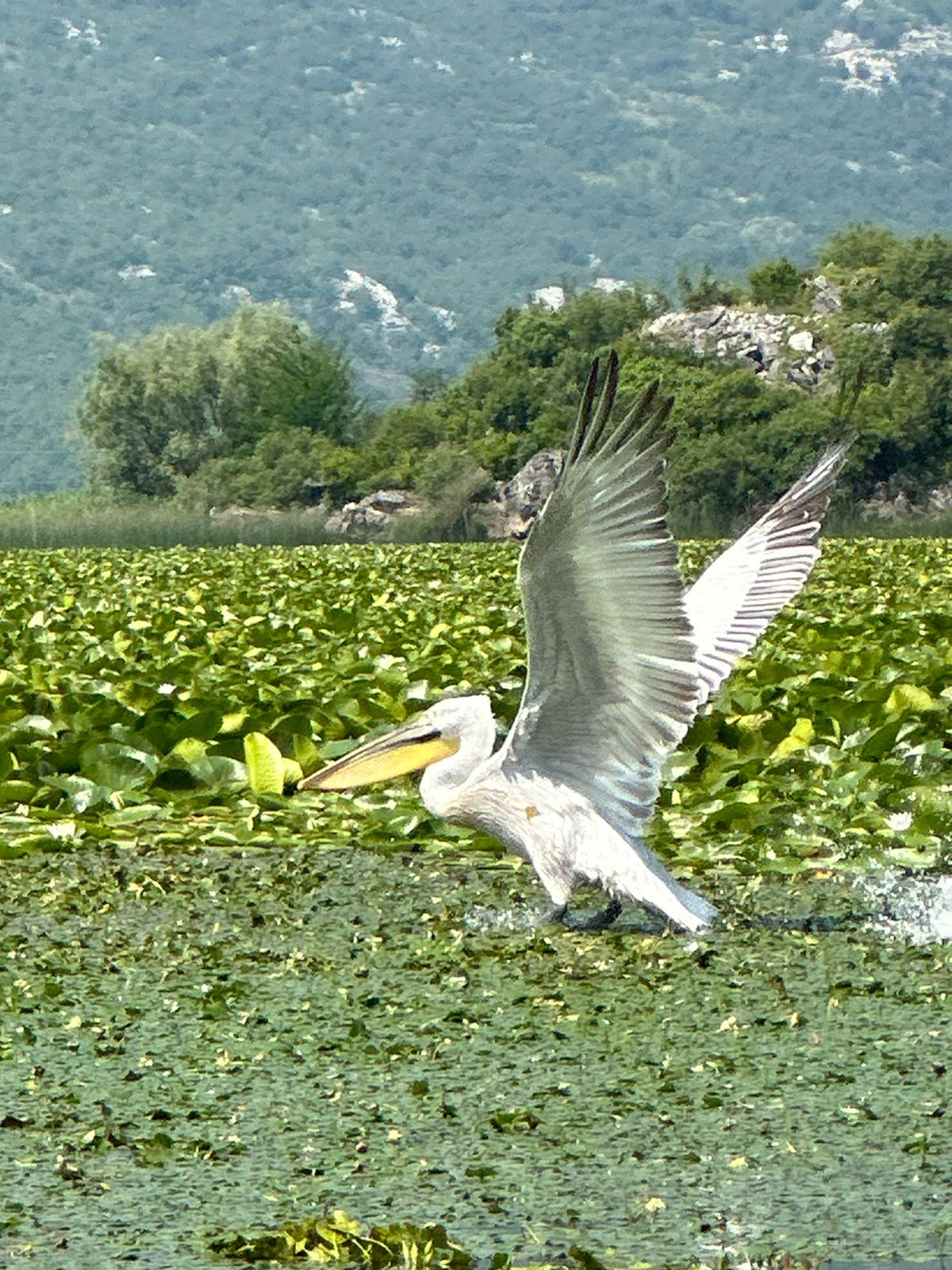
The national tourist board lists the rare Dalmatian pelican among the birds you can see in Montenegro, and Lake Skadar is its stage.
Lake Skadar -
02 My tip
Tell the national park a day ahead
The Bar tourist board says anyone planning to birdwatch on Lake Skadar should inform the national park at least one day in advance.
-
03 To save money
Viewing platforms on the lake
The national tourist board mentions birdwatching platforms at Stanaj, Žabljačke Livade, Plavnica and Raduš on the shores of Skadar.
Montenegro's lakes -
04 Getting there
The Ulcinj salt pans
An Important Bird Area since 1989, with 240 species and more than 20,000 birds in winter.
Ulcinj salina
What I would book
My ranking, scored
The best birdwatching spots in Montenegro
My own order, scored out of 10, weighing species numbers, how easy it is for a visitor without professional kit and what else the setting offers. The scores are my opinion; the facts come from the national tourist board.
0 of 5 seen
-
Lake Skadar
A national park since 1983 and a Ramsar site since 1995, with 280 species, viewing platforms and trips in traditional boats.
9.3 out of 10
-
Ulcinj salt pans
An Important Bird Area since 1989, with 240 species and big gatherings of waders in winter.
8.6 out of 10
-
Tivat Solila
About 114 species and, with luck, flamingos, right by the Bay of Kotor.
7.8 out of 10
-
Prokletije, Durmitor and Biogradska Gora
Mountain and woodland birds in the national parks of the north.
7.5 out of 10
-
Nikšić plain and reservoirs
The Krupac, Slano and Vrtac reservoirs, on the way between the coast and Podgorica.
6.9 out of 10
Montenegro is a small country with a big country’s bird list. The national tourist board puts it at 352 species, 65% of all those recorded in Europe, and puts that down to geography. The country sits right on the Adriatic migration corridor, and every year millions of birds pass overhead on their way between northern Europe and Africa. If you travel with binoculars, it’s one of the most rewarding places in the Balkans.
Lake Skadar, the main event
Lake Skadar has been a national park since 1983, an Important Bird Area since 1989 and a Ramsar site since 1995, and the national tourist board credits it with 280 species. Among those it names are glossy ibis, squacco heron, purple heron, whiskered tern, ferruginous duck, black-crowned night heron and, most sought after of all, the Dalmatian pelican. You watch from traditional wooden boats or from the platforms at Stanaj, Žabljačke Livade, Plavnica and Raduš. If you’d rather get about under your own steam, the park has cycle routes from Virpazar and Rijeka Crnojevića, which I cover in cycling in Montenegro. The Bar tourist board adds that winter brings birds from western Siberia and Africa, and that nearby Omerova gorica has a heron colony nesting in laurel trees. You should tell the national park at least a day ahead, and entry costs €5 per adult per day.
Ulcinj, between salt and sand
At the southern tip, the Ulcinj salt pans hold 240 species according to the national tourist board, while Ulcinj’s own board records over 20,000 in winter, most of them waders. Pratincoles, terns, sandpipers and stilts work the pools, and the fields towards Velika plaža hold larks and bee-eaters.
To sleep close to everything, search places to stay in Virpazar on Expedia and filter by area before price.
The Bay of Kotor and the rest of the coast
In Tivat, the Solila, old salt pans by the bay, hold about 114 species, and if you’re lucky you’ll see flamingos. At Buljarica beach, in Budva municipality, the national tourist board suggests looking out for Levant sparrowhawk and Eurasian reed warbler.
Inland and up in the mountains
On the way to Podgorica, the Nikšić plain with its Krupac, Slano and Vrtac reservoirs, the Zeta valley and Ćemovsko field are good for lowland species. Further north, the national parks of Durmitor, Biogradska Gora and Prokletije offer woodland and high-mountain birds. Prokletije is also where the Montenegrin stretch of the Peaks of the Balkans begins, so binoculars fit on a trek too. For more on the country’s birdlife, the national tourist board points to the Centre for the Protection and Research of Birds of Montenegro.
If you are short on time, see the best tours in Virpazar and pick one that fits your day.
When to go
According to the national tourist board, birds are easiest to see on passage at the end of February, in April and from August to November, and most active during breeding, mainly March, June and July. On Skadar, autumn and winter are best, when big flocks cross the lake. To me it’s the perfect excuse to visit Montenegro outside summer, with quieter hotels and no queues, and at €5 a day for the national park ticket, a morning on the lake is good value.
To sleep close to everything, search places to stay in Virpazar on Booking.com and filter by area before price.
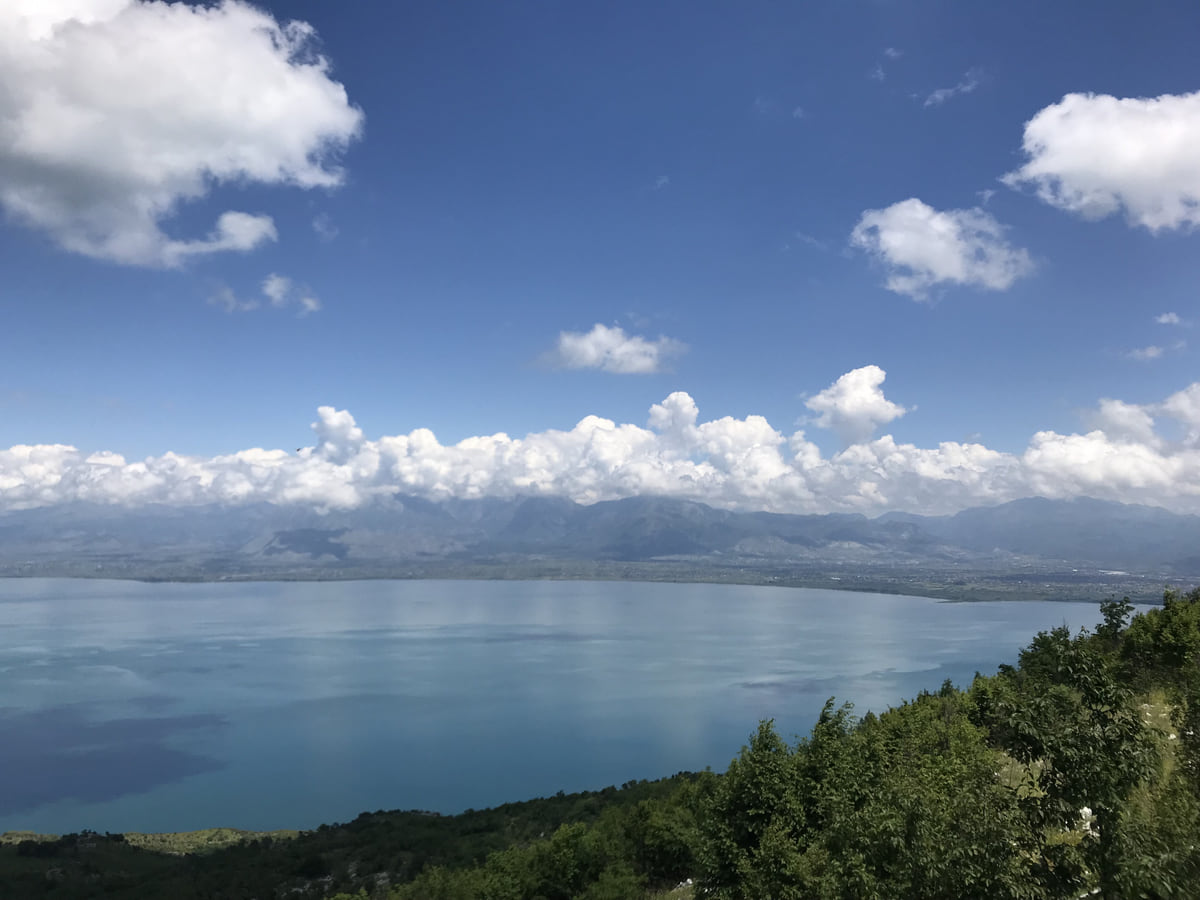
Lake Skadar from the Montenegrin shore, its blue water stretching to the mountains with white clouds on the horizon
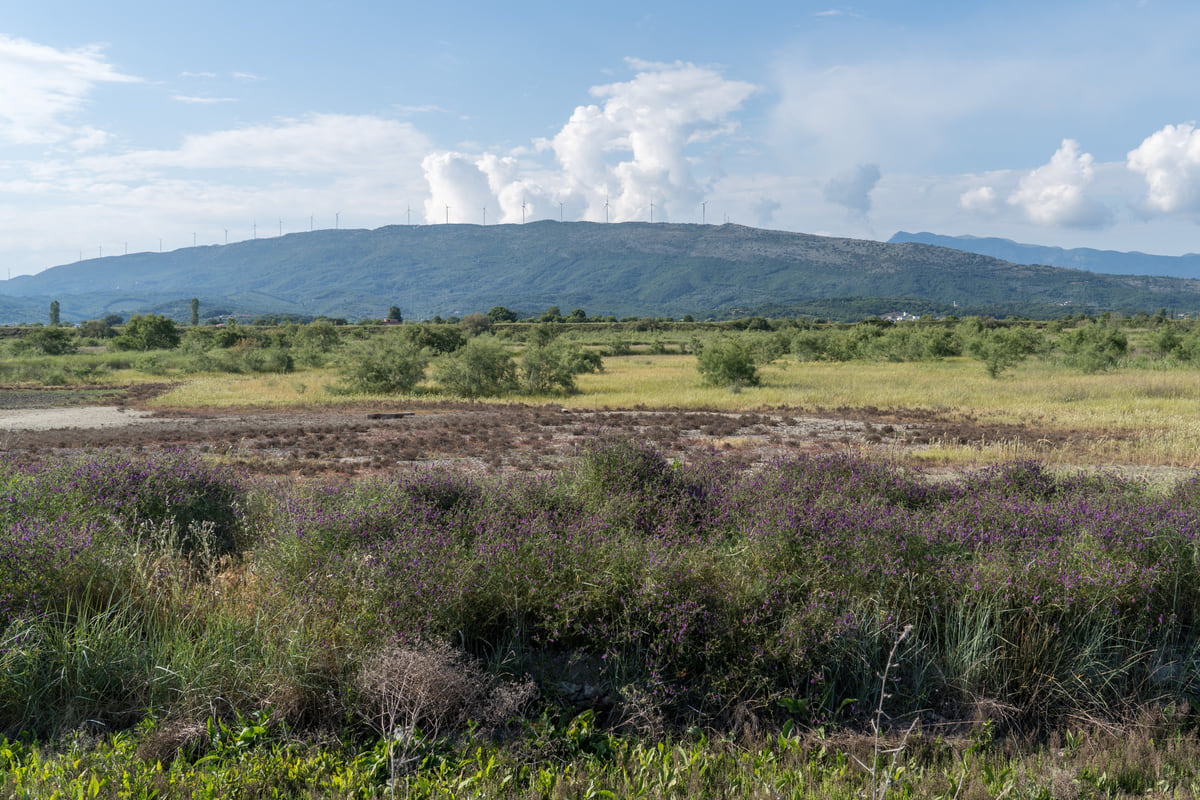
The old Ulcinj salt pans in spring, with purple-flowered scrub, dried-out pools and the wind-turbine ridge in the distance
Montenegro's key bird wetlands
| Place | Species | Protection |
|---|---|---|
| Lake Skadar | 280 | National park (1983), IBA (1989), Ramsar (1995), Emerald |
| Ulcinj salt pans | 240 | IBA (1989), private nature park (2004), Emerald |
| Tivat Solila | About 114 | Not given on the page |
| Prokletije | Not given | National park (2009), Emerald |
Montenegro National Tourist Organisation, bird watching page, checked on 11-10-2026. Entry to Lake Skadar National Park is €5 per adult per day, according to National Parks of Montenegro.
Test yourself
True or false?
0/3 Pick before you peek.
-
More than half of Europe's bird species have been recorded in Montenegro.
See the answer
True. The national tourist board gives 352 species, 65% of Europe's birdlife.
-
Summer is the best time for birdwatching on Lake Skadar.
See the answer
False. The national tourist board says autumn and winter are best on the lake, when large migrating flocks pass over.
-
You can see flamingos at Tivat's Solila.
See the answer
True. The national tourist board counts about 114 species at Solila and names flamingos as a favourite visitor.
0 of 278 Montenegro guides
Your next stamp
- Lake Skadar
- Things to do
- Five-day itinerary
- Hiking
- Lakes
- Central Montenegro
- Where to stay
- National parks
- Aman Sveti Stefan
- Budva Old Town
- Haj-Nehaj
- Kotor
- Lučice Beach
- Montenegro's coast
- Peaks of the Balkans
- Porto Montenegro
- Sea Dance Festival
- Splendid Conference & Spa Resort
- Stari Bar
- Ulcinj Old Town
- Bay of Kotor
- Budva Riviera
- Heroj submarine
- Iberostar Bellevue
- Independence Day
- Old olive tree of Mirovica
- Tivat
- Velika plaža
- Ada Bojana
- Beaches in Budva
- Eurostars Queen of Montenegro
- Herceg Novi
- Kotor Old Town
- Mount Rumija
- Igalo
- Kotor city walls
- Mogren Beach
- Montenegro Beach Resort
- Svač
- Vrmac
- Jaz Beach
- Kanli kula
- Luštica peninsula
- St Tryphon Cathedral
- Ulcinj salt pans
- Forte Mare
- Gornja Lastva
- Maritime Museum, Kotor
- Slovenska Beach
- Drobni Pijesak Beach
- Kotor viewpoints
- Mamula
- Žanjic beach
- Kotor cruise port
- Orjen
- Plavi horizonti beach
- Sveti Nikola Island
- Blue Cave
- Restaurants in Budva
- Restaurants in Kotor
- Canyoning
- Hotels
- Perast
- Sutomore
- Sveti Stefan
- Čanj
- Luxury hotels
- Our Lady of the Rocks
- Pržno
- Activities
- All-inclusive hotels
- Bar Riviera
- Bečići
- Hotel Palma
- St George island
- Dobrota
- Hladna uvala
- Most beautiful places
- Petrovac
- Crvena stijena
- Prčanj
- Prettiest villages
- Cycling
- Risan
- UNESCO sites
- Heritage Grand Perast
- Map
- Hyatt Regency Kotor Bay
- Where is it?
- Regions
- Cities
- Beaches in Bar
- Budva
- Hotels in Budva
- Hotels in Kotor
- Iberostar Waves Herceg Novi
- Kitesurfing
- The name
- Beaches in Ulcinj
- Flag
- Hotels in Perast
- Palmon Bay Hotel & Spa
- Podgorica
- Cathedral of the Resurrection
- One&Only Portonovi
- Population
- Sandy beaches
- Azul Beach Resort Montenegro
- Naturist beaches
- Size
- Stara Varoš
- Doclea
- Language
- Mimosa Festival
- Medun
- Religion
- Zipline
- Currency
- Museums in Podgorica
- Dajbabe Monastery
- EU membership
- History
- Restaurants in Podgorica
- Hotels in Podgorica
- Public holidays
- Avala Resort & Villas
- Bar
- Beaches in Kotor
- Hotels in Ulcinj
- Kotor carnival
- Time zone
- Tivat beaches
- Tuzi
- Boka Night
- Dukley Hotel & Resort
- Facts
- Hotels in Tivat
- Zeta
- Caves
- Herceg Novi beaches
- Šipčanik
- Hotels in Herceg Novi
- Monasteries
- Fortresses
- Fly fishing
- Museums
- Canyons and waterfalls
- Mountains
- Montenegro and Croatia
- Beaches
- Boat trips
- Cetinje
- Montenegro and Albania
- Nightlife
- Ulcinj
- Weather
- Best time to visit
- Cetinje Monastery
- Kayaking
- Montenegro and the Balkans
- How to get there
- In summer
- King Nikola's Palace
- Sailing
- Biljarda
- Flights
- In winter
- Airports
- Museums in Cetinje
- New Year's Eve
- Lovćen
- Paragliding
- Tivat Airport
- Njegoš Mausoleum
- Podgorica Airport
- Dubrovnik to Kotor
- Kotor serpentine
- Belgrade to Montenegro
- Njeguši
- Ferry to Italy
- Njeguši prosciutto
- Border crossings
- In January
- Lipa Cave
- In February
- Kamenari-Lepetane ferry
- Pavlova strana
- Getting around
- In March
- Rijeka Crnojevića
- In April
- Trains
- Buses
- In May
- Car hire
- In June
- Driving
- In July
- In August
- Taxis
- Distances
- In September
- In October
- Road trip
- Food
- In November
- Scenic drives
- In December
- Kotor cable car
- Virpazar
- Where to eat
- Budva to Kotor
- Godinje
- Wine
- Podgorica to Kotor
- Vranjina
- Besac fortress
- Prices and budget
- On a budget
- Žabljak Crnojevića
- Danilovgrad
- Entry requirements
- Ostrog Monastery
- Tourist registration
- Customs
- Nikšić
- Crvena Stijena cave
- Safety
- Events
- Healthcare
- Northern Montenegro
- Mobile and roaming
- Žabljak
- Durmitor
- Plugs
- Black Lake
- With kids
- Bobotov Kuk
- Holidays
- Day trips
- Stećci tombstones
- Hotels in Žabljak
- Three-day itinerary
- Skiing in Montenegro
- One-week itinerary
- Skiing in Žabljak
- Šavnik
- Ten-day itinerary
- Nevidio Canyon
- Tara Canyon
- Tara rafting
- Đurđevića Tara Bridge
- Plužine
- Lake Piva
- Piva Monastery
- Mojkovac
- Brskovo
- Pljevlja
- Husein Pasha Mosque
- Kolašin
- Hotels in Kolašin
- Skiing in Kolašin
- Biogradska Gora National Park
- Komovi
- Morača Monastery
- Morača Canyon
- Bijelo Polje
- Đalovića Cave
- Berane
- Andrijevica
- Petnjica
- Rožaje
- Plav
- Lake Plav
- Gusinje
- Vusanje
- Prokletije National Park
Frequently asked questions
Where is the best birdwatching in Montenegro?
Lake Skadar, the Ulcinj salt pans and Velika plaža, Tivat's Solila, the Nikšić plain and the national parks of the north, according to the national tourist board.
How many bird species are there in Montenegro?
352, according to the national tourist board, which works out at 65% of the species recorded in Europe.
When is the best time for birdwatching in Montenegro?
On passage at the end of February, in April and from August to November, and in the breeding season, mainly March, June and July. On Lake Skadar, autumn and winter are best.
Are there pelicans in Montenegro?
Yes. The national tourist board lists the rare Dalmatian pelican, and Lake Skadar is the place to look. The Ulcinj tourist board also mentions pelicans wintering at the salt pans.
Do you need a permit to birdwatch on Lake Skadar?
You pay the national park entry fee, €5 per adult per day, and the Bar tourist board says you should let the park know at least a day in advance for birdwatching.
By
Tourism graduate with a master’s in Tourism Management and Planning from the University of Málaga, who has travelled across Europe. He writes every guide from official sources and his own judgement.
Published on . Facts checked on .
Sources
Some links in this guide are affiliate links: if you book through them, the site earns a commission at no extra cost to you. Affiliate disclosure
Photos: ShotaNino (CC0 1.0); 井上子木 (CC BY-SA 4.0); Alexkom000 (CC BY 4.0), via Wikimedia Commons.