The Vatican Museums open Monday to Saturday from 08:00 to 20:00, last entry 18:00, and a ticket with the Sistine Chapel included costs €20 at the door or €25 booked online. On the last Sunday of each month they're free from 09:00 to 14:00. The route runs to 7 kilometres, so I wouldn't try to see it all; three well-chosen hours cover the essentials.
Before you go: hours and entry
When it opens
Monday to Saturday
08:00–20:00
Price and access
Price
€20 at the door, €25 online
Is Vatican Museums worth visiting?
✓Yes
Yes, but not all of it. Book the first slot, head for Raphael and the Sistine by way of the Pio Clementino and the long galleries, and treat everything else as a bonus if your legs allow.
My view on the visitSergio Lepone
I'd go in at 08:00, follow the order of the official guided tour and skip half the building without guilt, because anyone who tries to see it all arrives at Raphael and the Sistine worn out. Those two rooms are why you came, and the rest depends on how much energy you have left.
In 30 seconds
Full read: 7 min
The Vatican Museums open at 08:00 Monday to Saturday, let visitors in until 18:00, close at 20:00, and on Sundays they only open for the last one of the month.
You pay €20 on the door or €25 if you book online, Sistine Chapel included, and €10 or €15 on a reduced ticket.
The route covers 7 kilometres, so I'd allow three hours and focus on the Pinacoteca, the Laocoön, the Gallery of Maps, Raphael and the Sistine Chapel.
The door is on Viale Vaticano, near Ottaviano and Cipro metro stops, and online tickets are only sold at tickets.museivaticani.va.
On the last Sunday of each month you get in free from 09:00 to 14:00, but I'd rather pay for a weekday's first slot.
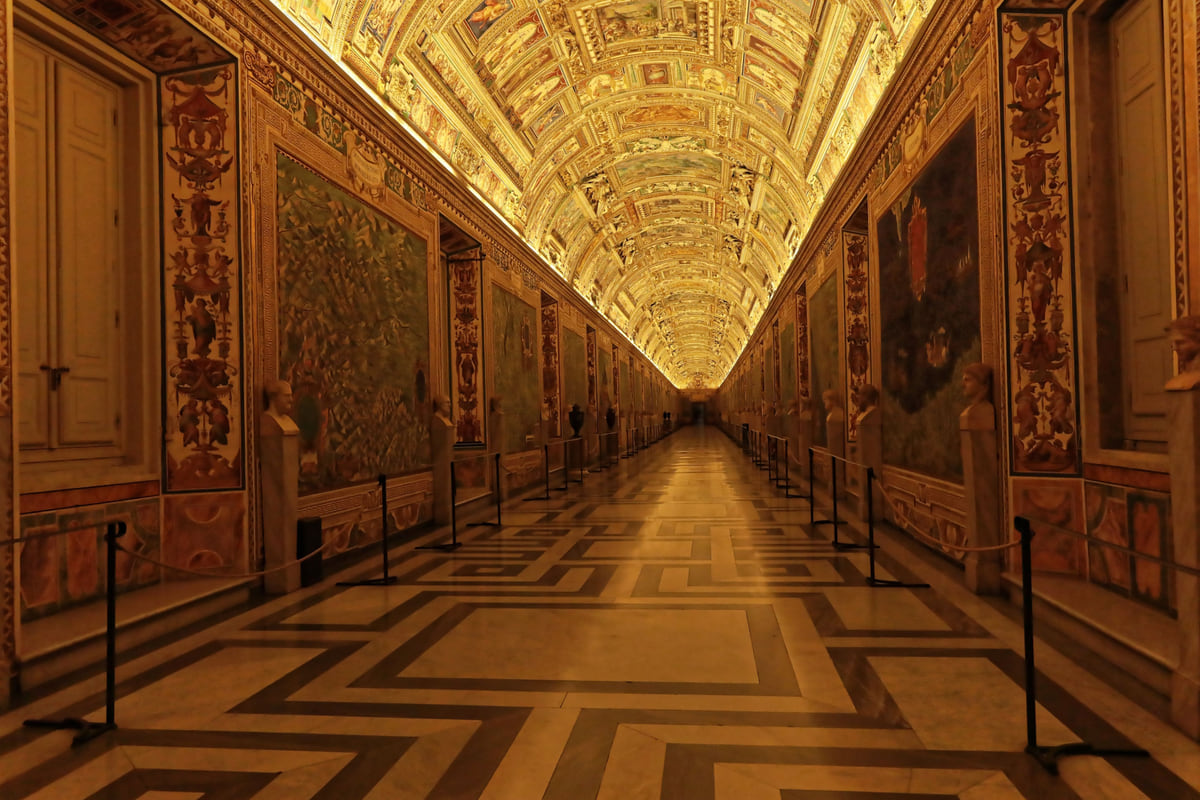
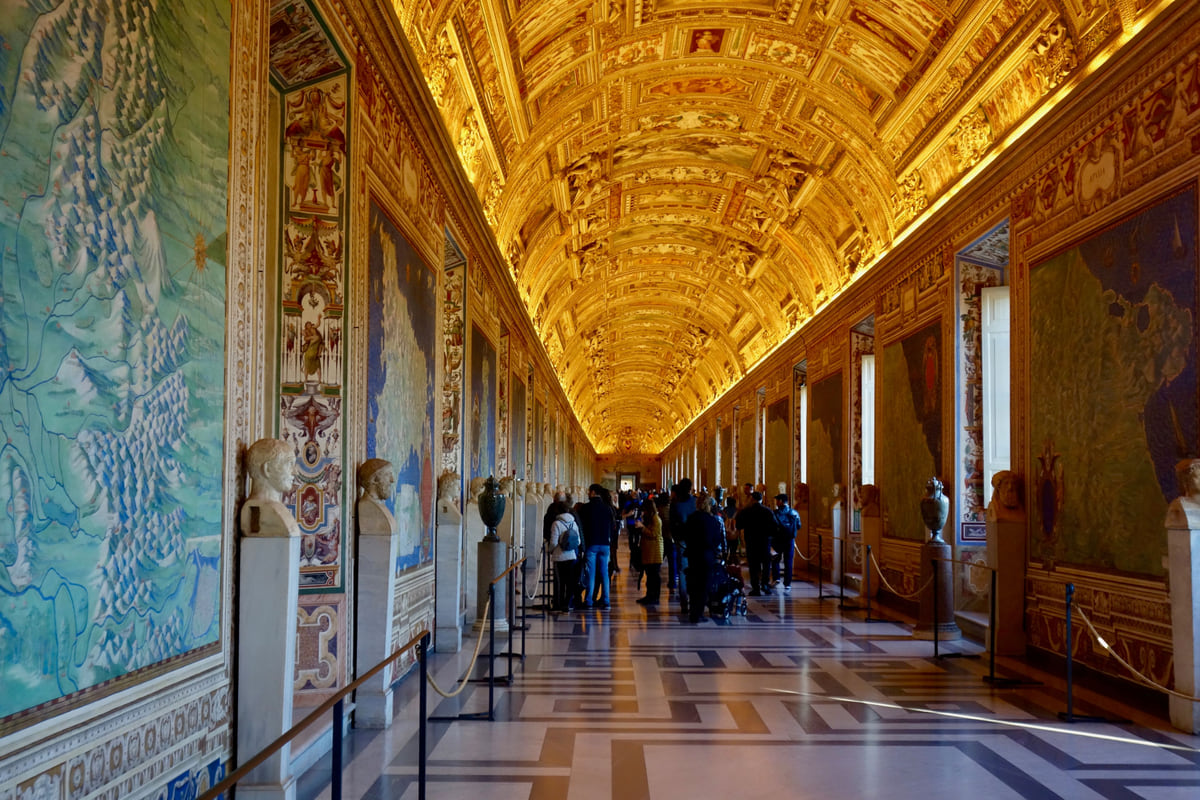
After the Sistine Chapel, it's the most beautiful room on the route for me. It's 120 metres long, with 40 painted maps of Italy and a gilded vault that steals every photo. Find a city you know on the maps, which is where the fun really is.
Online slots are released every half hour from 08:00. I'd book the first one and follow the official tours' sequence, from the Pinacoteca to the Sistine Chapel. Go in the afternoon and the 18:00 last entry leaves you two hours at most.
It opens from 09:00 to 14:00, last entry 12:30. Two remain in 2026, 29 November and 27 December. For €20 you can add the official guided tour of about three hours.
One official website, and it's rarely the first result
The museums only sell online at tickets.museivaticani.va and warn about lookalike domains charging a good deal more. If a standard ticket costs more than €25, you're on a resale site.
All six of the museums' food outlets take cash and cards except American Express and Diners Club. None of them can be used from outside without a ticket, and eating and drinking in the galleries is banned.
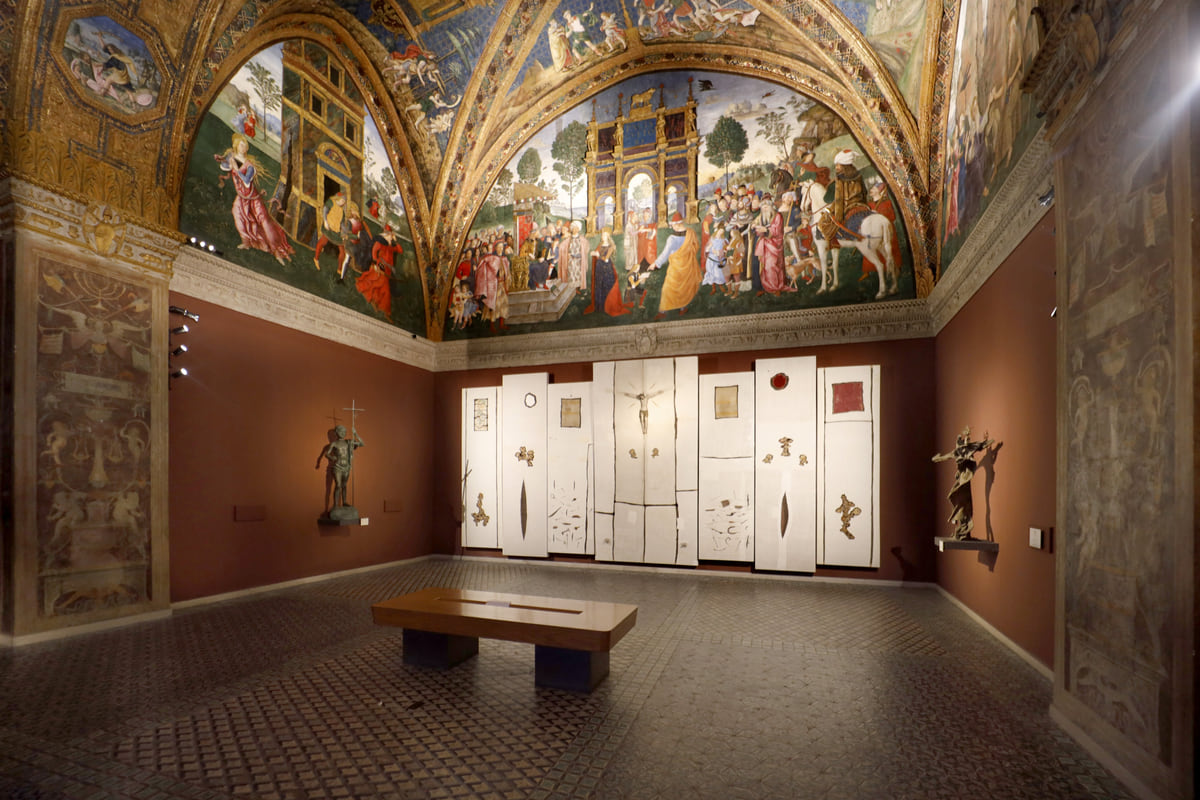
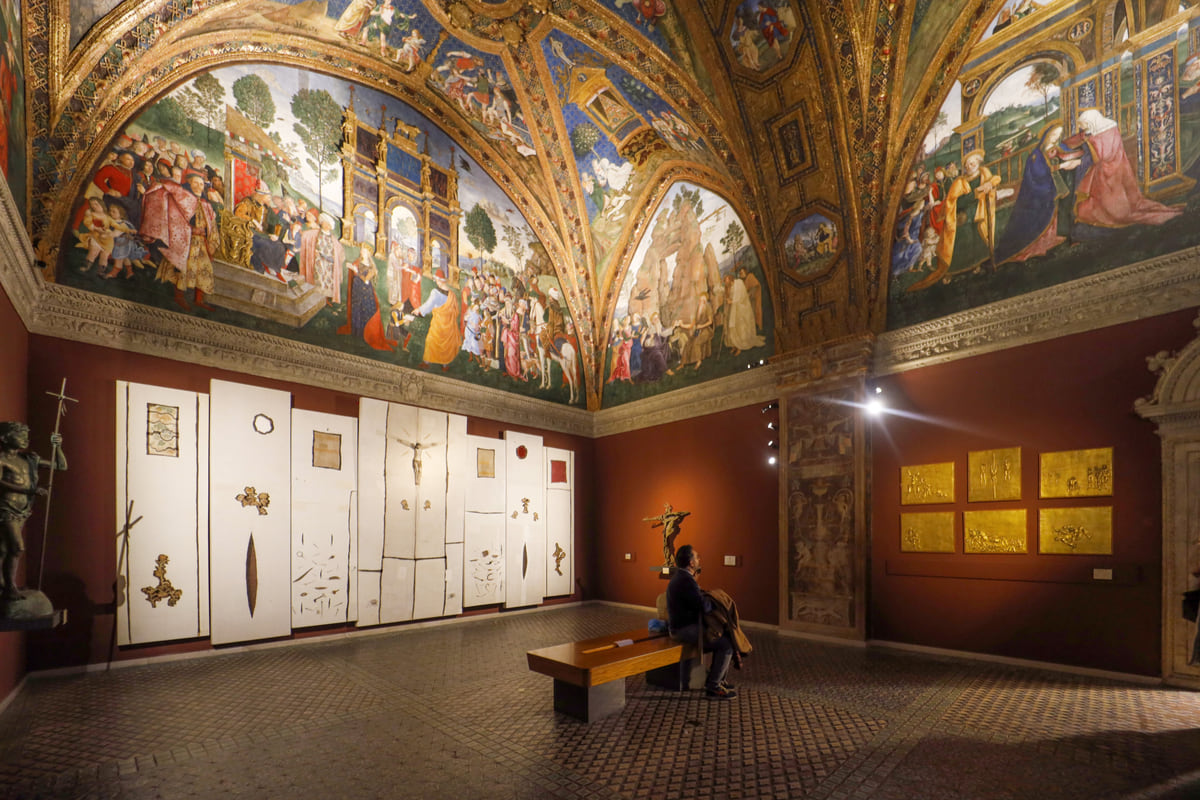
Bramante's Staircase, the Niccoline Chapel or the Cabinet of the Masks only open on a special group booking, €300 for one area, plus each person's ticket. It's the most exclusive thing the museums sell.
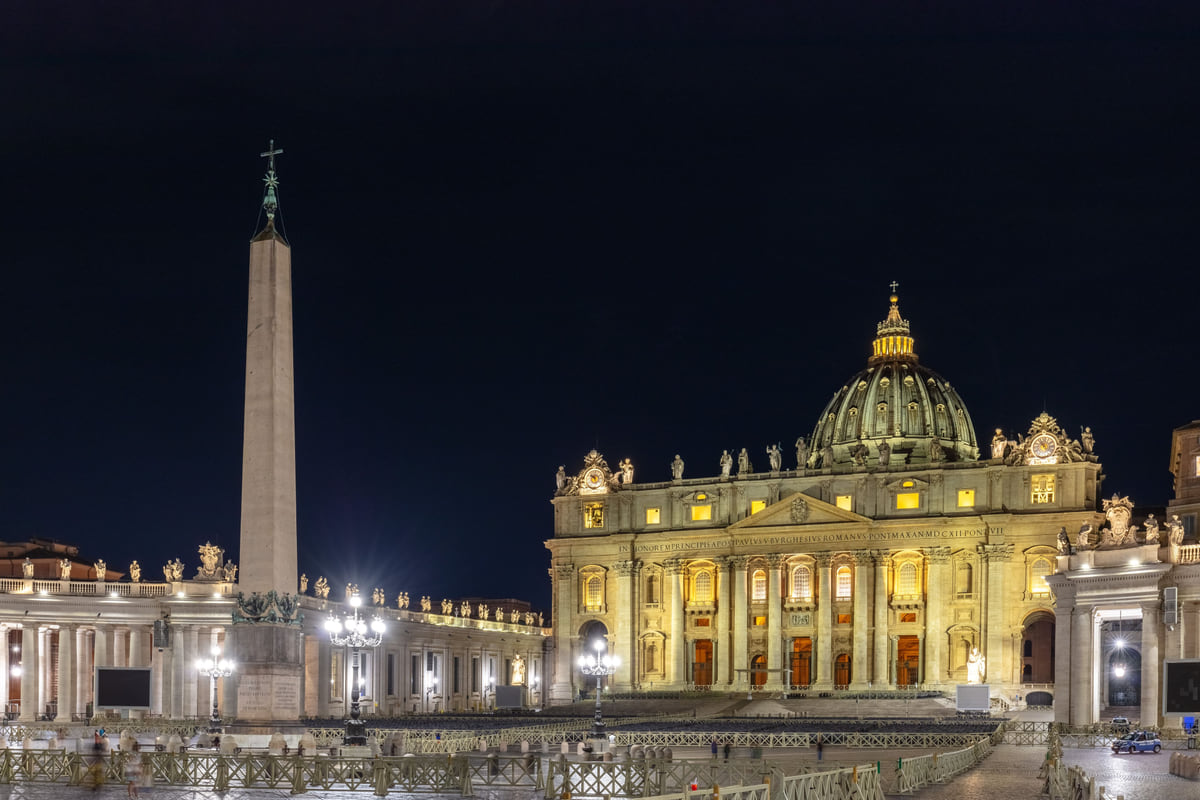
The entrance is on Viale Vaticano. The nearest metro stops are Ottaviano and Cipro on line A, and bus 49 pulls up on the forecourt itself. If you've booked, yours is the right-hand queue.
My own scores out of 10. They weigh how impressive the room or work is, what it tells you about the museums and how much effort it takes to reach on the route. The times are what I'd give each stop on a three-hour visit, not an official figure.
Michelangelo's ceiling (1508-1512) and Last Judgement (1536-1541) at the very end of the route. No photos and no phones, so arrive with the basics already read.
Time: 25 min
9.8 out of 10
2
Raphael Rooms
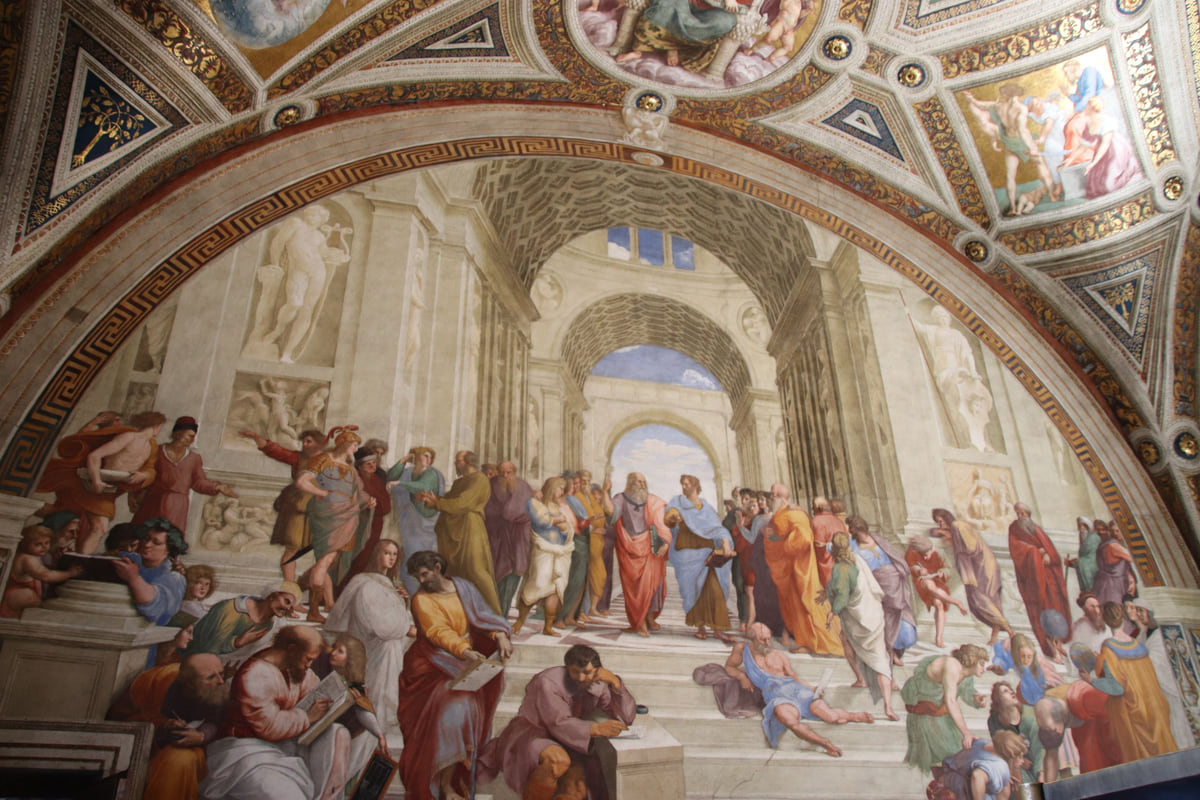
Four rooms painted by Raphael and his workshop between 1508 and 1524. The Segnatura, with The School of Athens, the Parnassus and the Disputation, is the one that earns the walk, painted while Michelangelo worked on the ceiling next door.
120 metres long, 40 maps of Italy painted in under two years and 51 panels in the gilded vault. It's the most photographed room, and to my mind the one that lives up to its photo best.
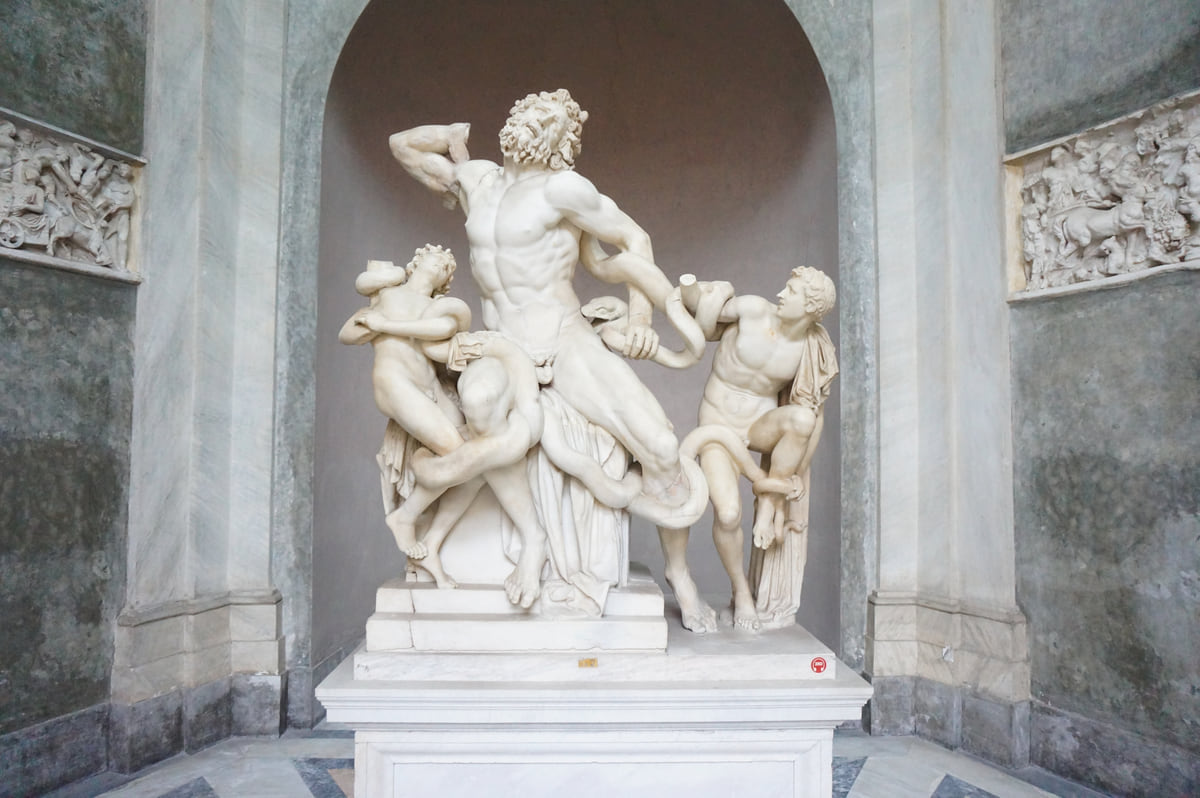
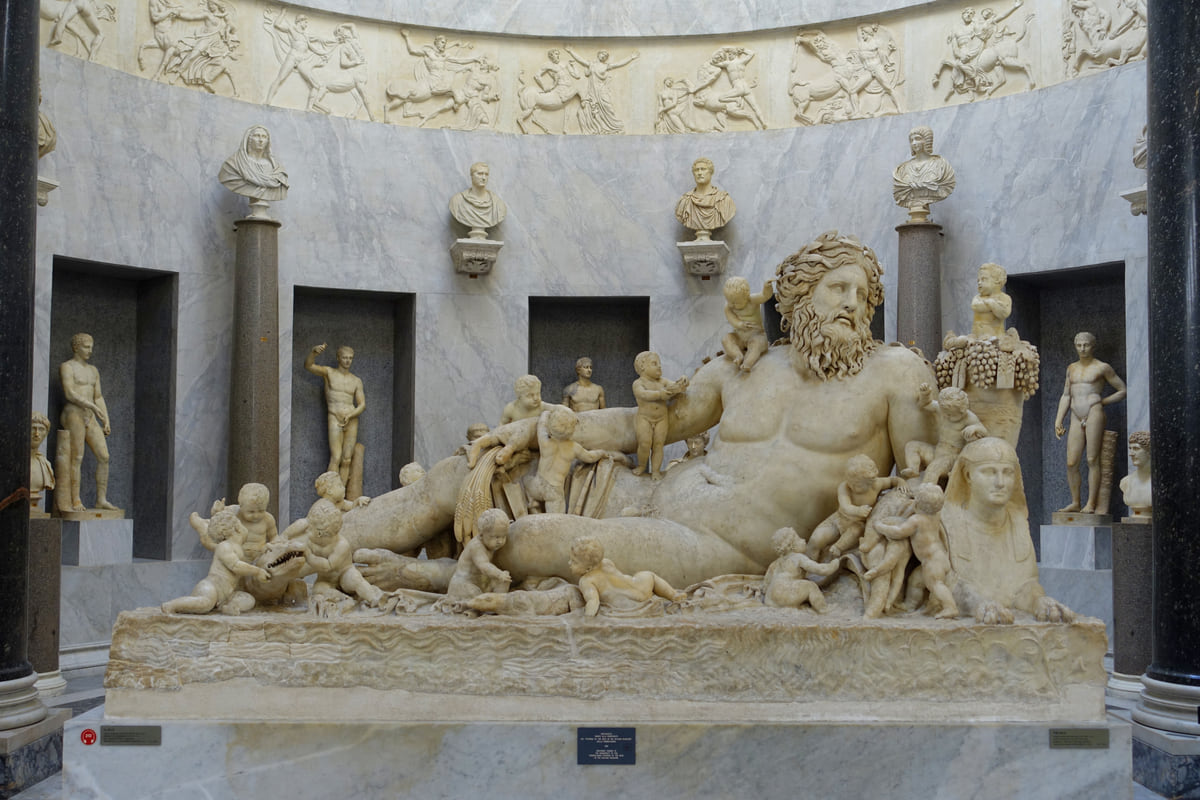
Dug up on the Esquiline in 1506, and the story of the museums starts with it. It's identified with the group Pliny credits to three sculptors from Rhodes and dated to around 40-30 BC.
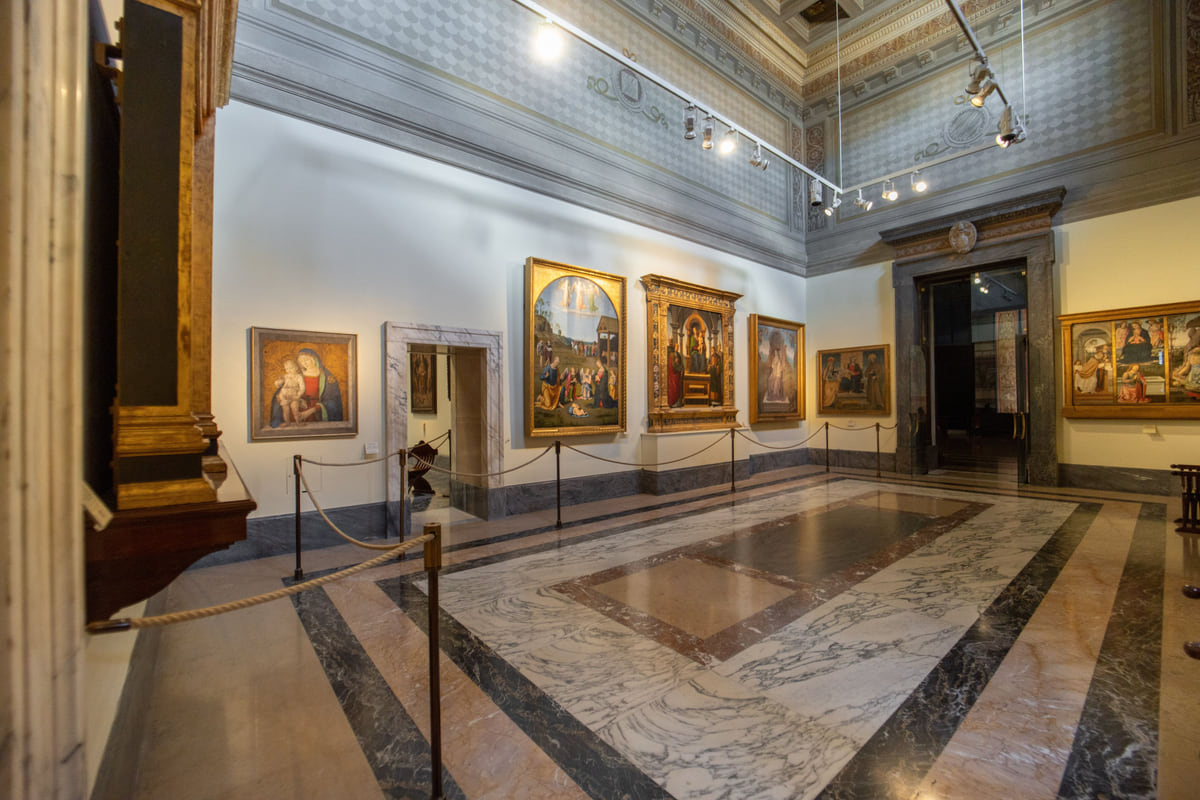
Around 460 paintings in 18 rooms, but I'd head straight for three, Raphael's Transfiguration, Leonardo's Saint Jerome and Caravaggio's Deposition.
Time: 35 min
8.9 out of 10
6
Apollo Belvedere
A Roman copy of a Greek bronze from around 330 BC, in the Belvedere since 1508. It shares the Octagonal Court with the Laocoön, so it costs you almost no detour.
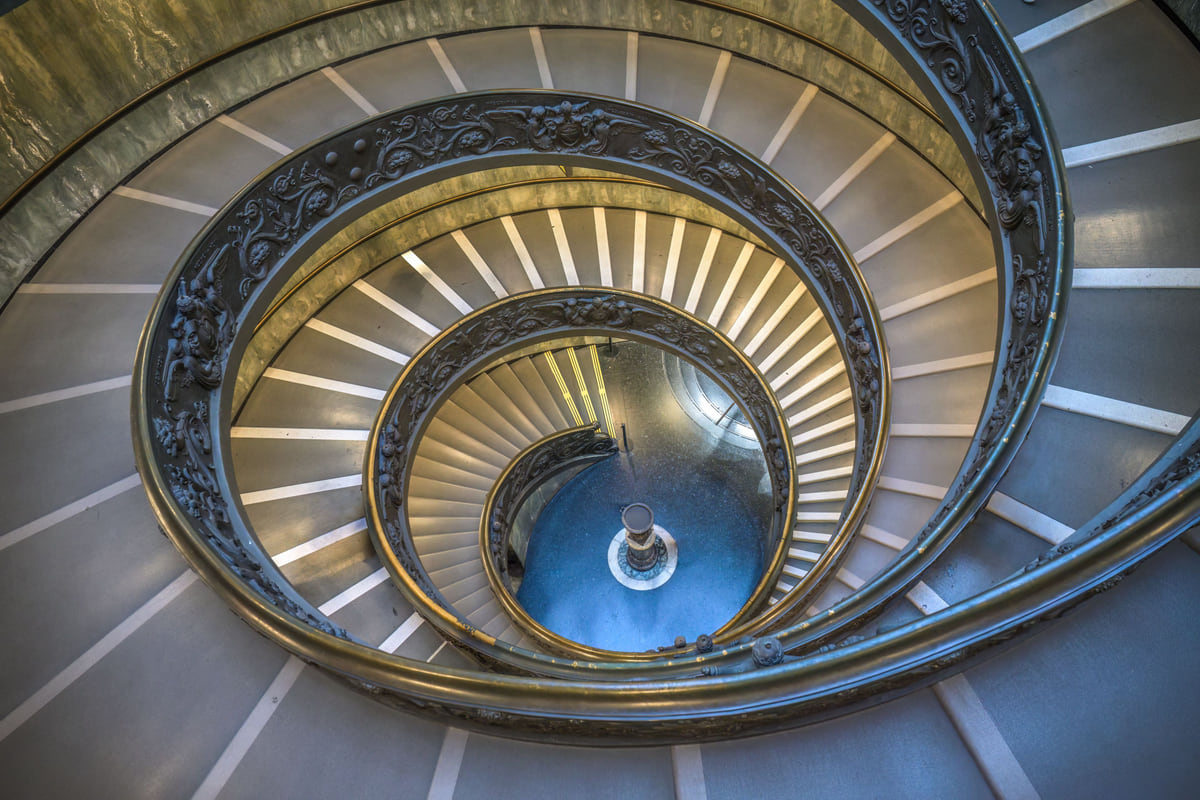
The double spiral you've seen in so many photos, usually credited to Giuseppe Momo. The museums have no page on it, so I won't put a date on it. Five minutes and a photo up towards the skylight.
Time: 5 min
8.0 out of 10
8
Gregorian Etruscan Museum
22 rooms with the grave goods of the Regolini-Galassi Tomb and the Mars of Todi. You can also see Bramante's Staircase from here, which you can't set foot on with a standard ticket.
Time: 20 min
7.7 out of 10
9
Gregorian Egyptian Museum
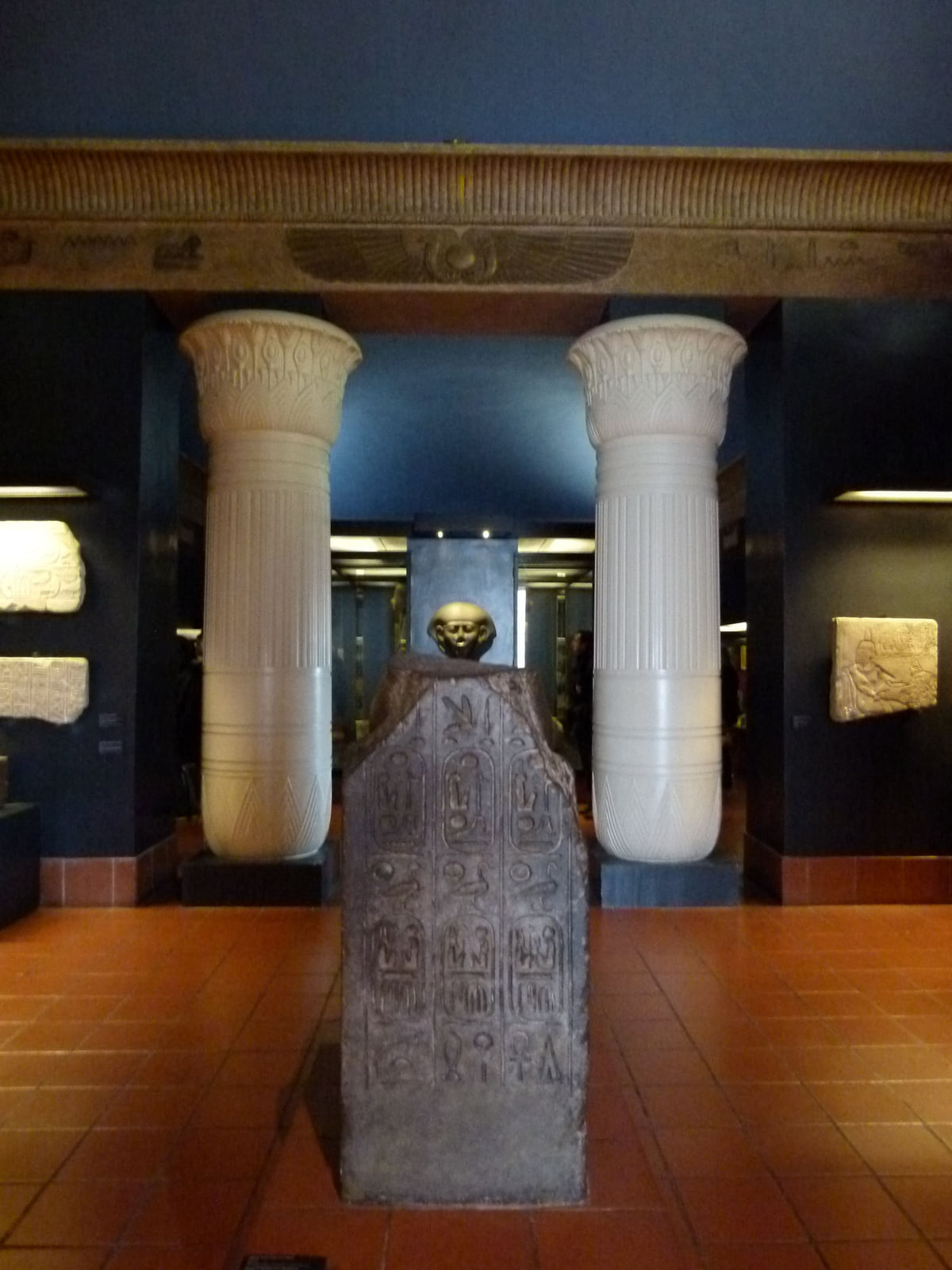
Nine rooms founded by Gregory XVI in 1839, with the Vatican Naophoros, bought without its head in 1738. I'd only add it if you have time in hand.
Time: 20 min
7.5 out of 10
10
Carriage Pavilion
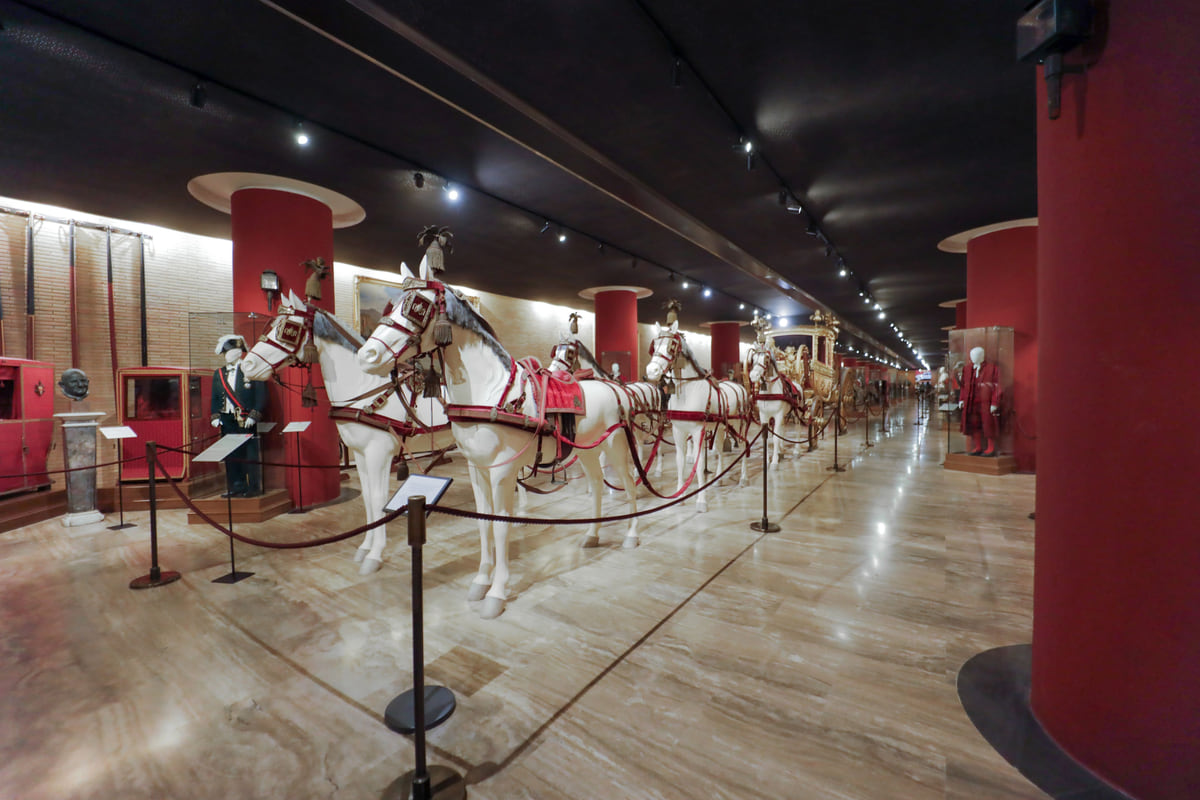
An 1826 gala coach next to three popemobiles, the Fiat Campagnola from the 1981 attack and Pope Francis's Renault 4. Not great art, but I find it the most human room in the place.
Time: 15 min
7.2 out of 10
The Vatican Museums aren’t one museum but a chain of them, linked by courtyards, corridors and long galleries, and their own website puts the route at seven kilometres. I think that number explains everything. Set out to see it all and you end up marching through rooms, reaching Raphael and Michelangelo with nothing left in the tank. Here’s what I’d see, in what order and how long I’d give each part.
Opening hours, tickets and what to know
The entrance is on Viale Vaticano, with the metro at Ottaviano or Cipro (line A) and bus 49 stopping on the forecourt. If you’ve booked, use the queue on the right. The cloakroom is free, and you’ll be asked to leave suitcases, rucksacks and bulky bags the staff consider unsuitable, plus medium or pointed umbrellas, tripods and alcohol. If you’re heading on to St Peter’s Basilica, the museums advise against leaving luggage in their cloakroom. There’s no wifi inside and in summer some rooms are only partly air-conditioned.
Personal photos are fine everywhere except the Sistine Chapel, never with flash or a selfie stick. Most of the museum is accessible, wheelchairs can be borrowed free at the cloakroom and there’s a barrier-free route with help from the attendants. The dress code and the rest of the rules are on how to visit the Vatican.
My three-hour route
I’m not inventing anything exotic. I take the order the official guided tours already use and put my own timings on it. Those tours, and the others on sale, are set out in Vatican guided tours. They’re a rough guide and assume you’ve booked the 08:00 slot.
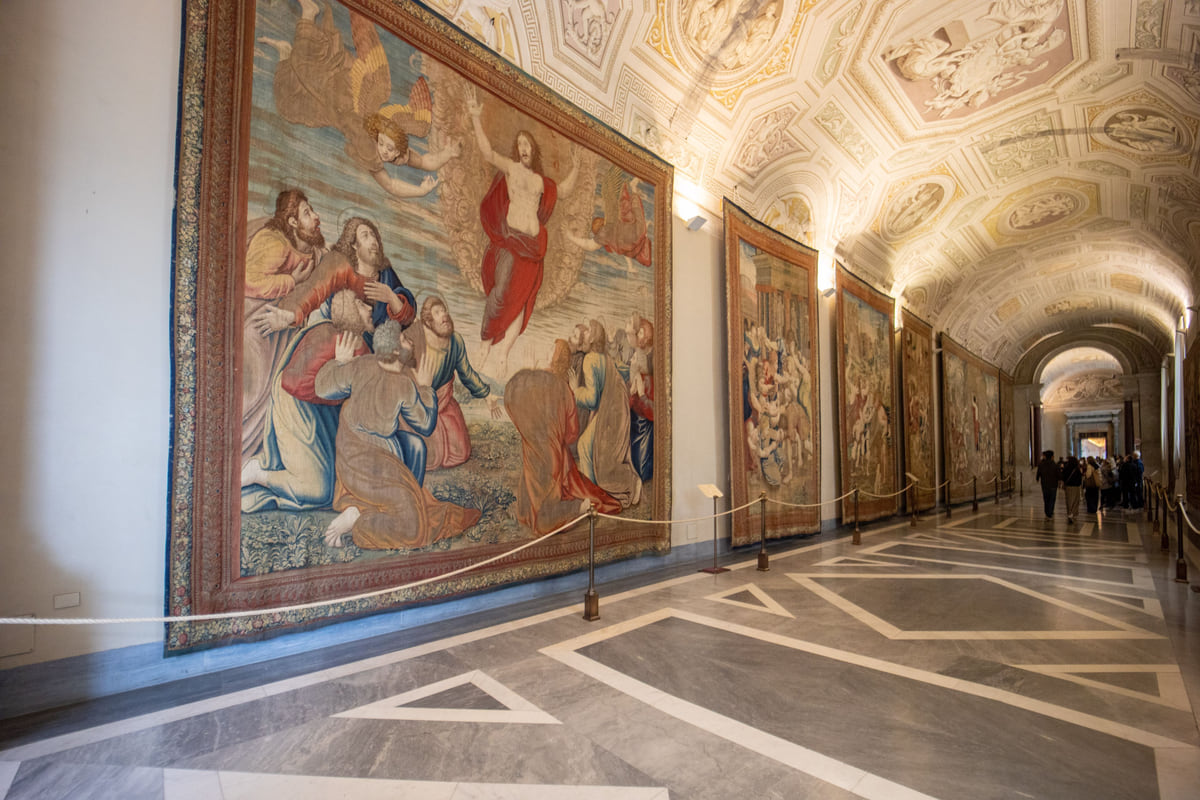
I’d start in the Pinacoteca for about 35 minutes, without walking all of it. Straight to room VIII for Raphael’s Transfiguration, room IX for Leonardo’s Saint Jerome and room XII for Caravaggio’s Deposition. Around 08:45 I’d move on to the Pio Clementino and the Octagonal Court, half an hour with the Laocoön and the Apollo. At 09:15 come the Gallery of the Candelabra, the Maps and the Gallery of Tapestries, another half hour, with the long stop in the Maps. At 09:45 I’d reach the Raphael Rooms, roughly 35 minutes focused on the Segnatura. And by about 10:20 I’d be in the Sistine Chapel, with 25 minutes to read the Sistine Chapel ceiling in three passes. Out by 11:00, with a coffee overdue and the feeling of having seen what matters.
If I had energy left, I’d add the Etruscan museum before the Egyptian one, because it gives you a view of Bramante’s Staircase. The official highlights tour, entry included, costs €40 (€30 reduced), and the official audio guide is €8 in twelve languages. If you’d rather be led round, every option is compared on the Vatican tickets page.
Raphael and the maps, the rooms that earn the ticket
The Raphael Rooms are four rooms of Julius II’s apartment, painted by Raphael and his workshop between 1508 and 1524. In order they’re the Segnatura (1508-1511), Heliodorus (1511-1514), the Fire in the Borgo (1514-1517) and the Hall of Constantine (1517-1524), largely done by his pupils because Raphael died on 6 April 1520. The one I wouldn’t skip is the Segnatura, with The School of Athens, the Disputation of the Holy Sacrament and the Parnassus. Look at the dates. While Raphael was painting these walls, Michelangelo was up his scaffold in the Sistine Chapel, a few metres away.
The Gallery of Maps has better numbers than its photo. It’s 120 metres long and 6 wide, Ottaviano Mascherino built it between 1578 and 1580, and it was painted in under two years under Girolamo Muziano and Cesare Nebbia, to a scheme by Egnazio Danti. That’s 40 maps of Italy and 51 panels in the vault. This is where I’d slow down even if I were short of time.
How long do you need at the Vatican Museums?
There’s no official figure for a self-guided visit, but the museums’ own tours, priced in Vatican guided tours, are a fair yardstick. The standard guided tour lasts about two hours, the Arte e Fede tour an hour and a half, and the last-Sunday tour, which takes in the Pinacoteca, Pio Clementino, upper galleries, Raphael Rooms and Sistine Chapel, about three. The combined tour with the Vatican Gardens also runs to roughly three hours.
My answer is three hours, and not a minute less on a first visit, broken down plan by plan in how long you need at the Vatican Museums. What really limits you is last entry. The museums open from 08:00 to 20:00, Monday to Saturday, but new visitors are let in only until 18:00 and staff start clearing the rooms half an hour before closing. Book one of the late slots and you’ll have two hours or less, and the cut always falls at the end, which is exactly where Raphael and the Sistine Chapel are. The times for the basilica, the dome and the Grottoes, which don’t match these, are gathered in Vatican opening hours. There are no night openings in 2026, and what you can do late in the day is covered in Vatican Museums night opening.
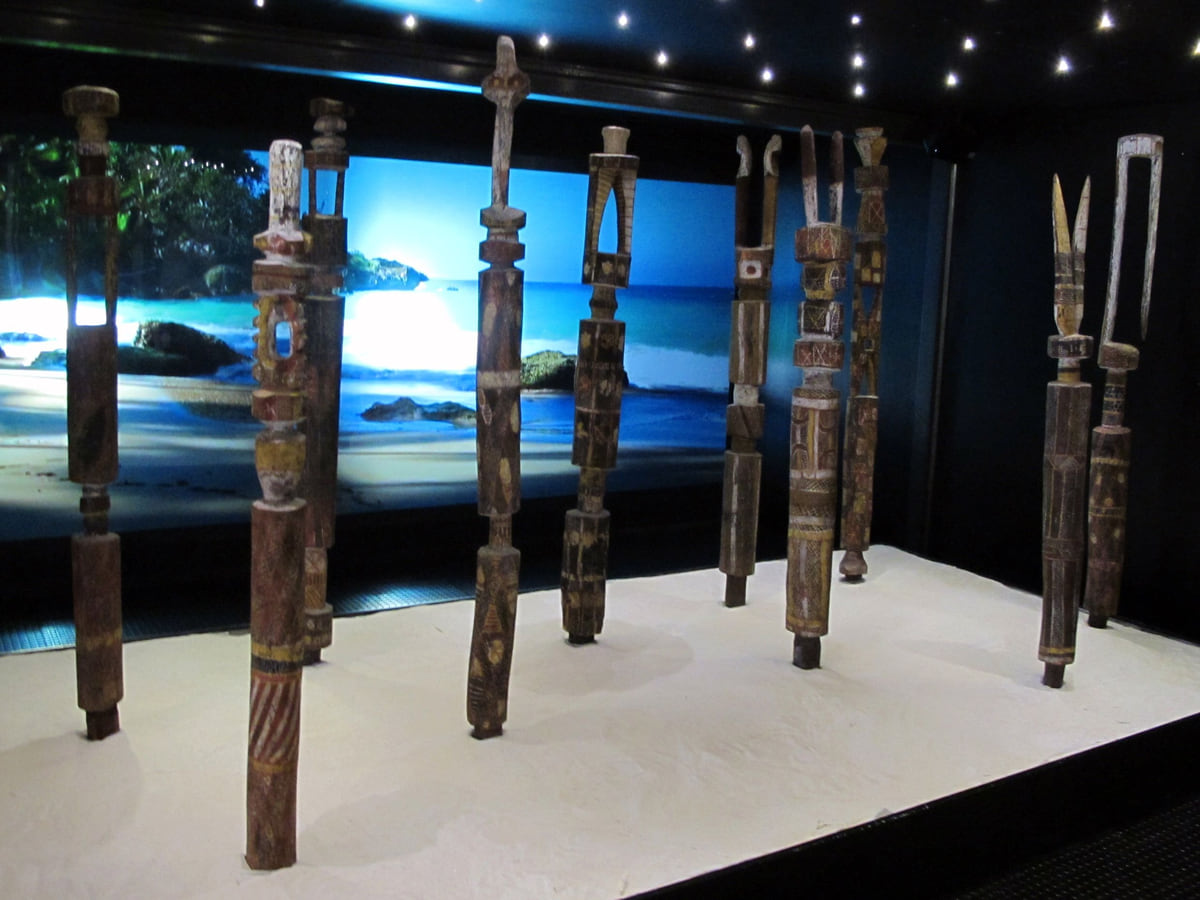
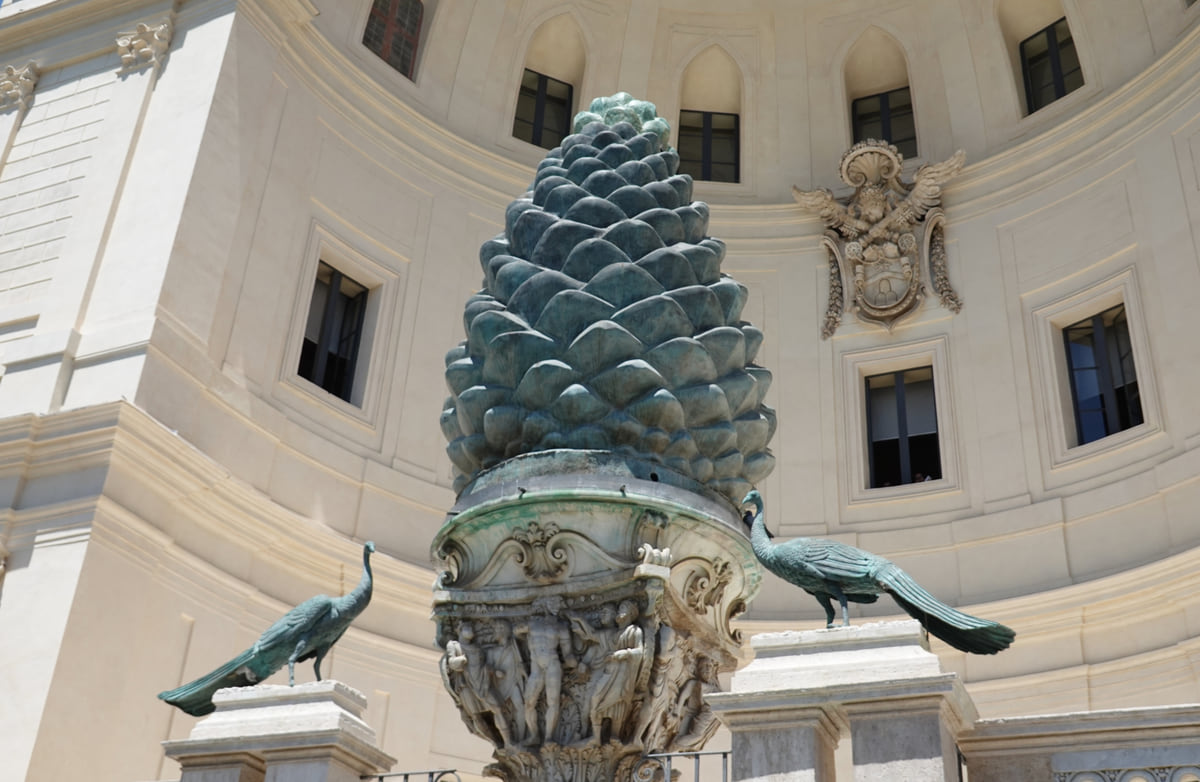
The Gregorian Etruscan Museum, opened in 1837, has 22 rooms with the grave goods of the Regolini-Galassi Tomb from Cerveteri and the Mars of Todi. The Vatican Egyptian Museum, from 1839, fills nine rooms and holds the Vatican Naophoros and two mummies. The Collection of Modern and Contemporary Art, opened in 1973, has around 8,000 works, with Van Gogh, Bacon, Chagall, Dalí and a Matisse room. And the Carriage Pavilion puts an 1826 gala coach beside popemobiles, the Fiat Campagnola from the 1981 attack on John Paul II and the Renault 4 given to Pope Francis in 2013. I find that last one the most likeable corner of the museums, though I wouldn’t put it ahead of any of the big rooms. On the first floor, the Chiaramonti Museum and Braccio Nuovo hold Augustus of Prima Porta, the Courtyard of the Pine Cone is the best open-air break and down in the basement sits the Anima Mundi ethnological museum. And if books are your thing, look on the Vatican Museums map for the Room of the Aldobrandini Wedding and the Library Museums, the closest you’ll get to the Vatican Library.
Then there are the two spiral staircases people mix up. The double spiral in so many photos is usually credited to Giuseppe Momo, and since the museums publish no page on it, I won’t give you a date I can’t stand behind. The other is Bramante’s Staircase, visible from the Etruscan museum but only open on a special booking at €300 per group. If that tempts you, it’s covered in exclusive Vatican experiences.
Where to eat without leaving the museums
Food and drink are banned in the galleries, but the museums run six places to eat. The self-service restaurant is for a proper lunch, with Italian pasta courses, meat and fish mains and set menus, children’s ones included. The pizzeria does pizza by the slice or sandwiches with a drink and dessert. Bistrot La Pigna, in the Pinecone Courtyard, has table service, Italian dishes and an American breakfast. The Caffetteria Centrale and Le Carrozze, by the exit of the Carriage Pavilion, are for a coffee and something savoury. And the Caffetteria Il Forno sits by the Sistine Chapel exit, on two floors and looking out towards St Peter’s.
I’d take my break at Il Forno, because that’s exactly when your legs will ask for one. None of these places can be reached without a museum ticket, they accept cash and most cards, though not American Express or Diners Club, and Il Forno isn’t wheelchair accessible. The official website publishes neither opening times nor menu prices. If you bring a packed lunch, the cloakroom looks after it free and you collect it the same day. Options outside, in Borgo and Prati, are on where to eat near the Vatican.
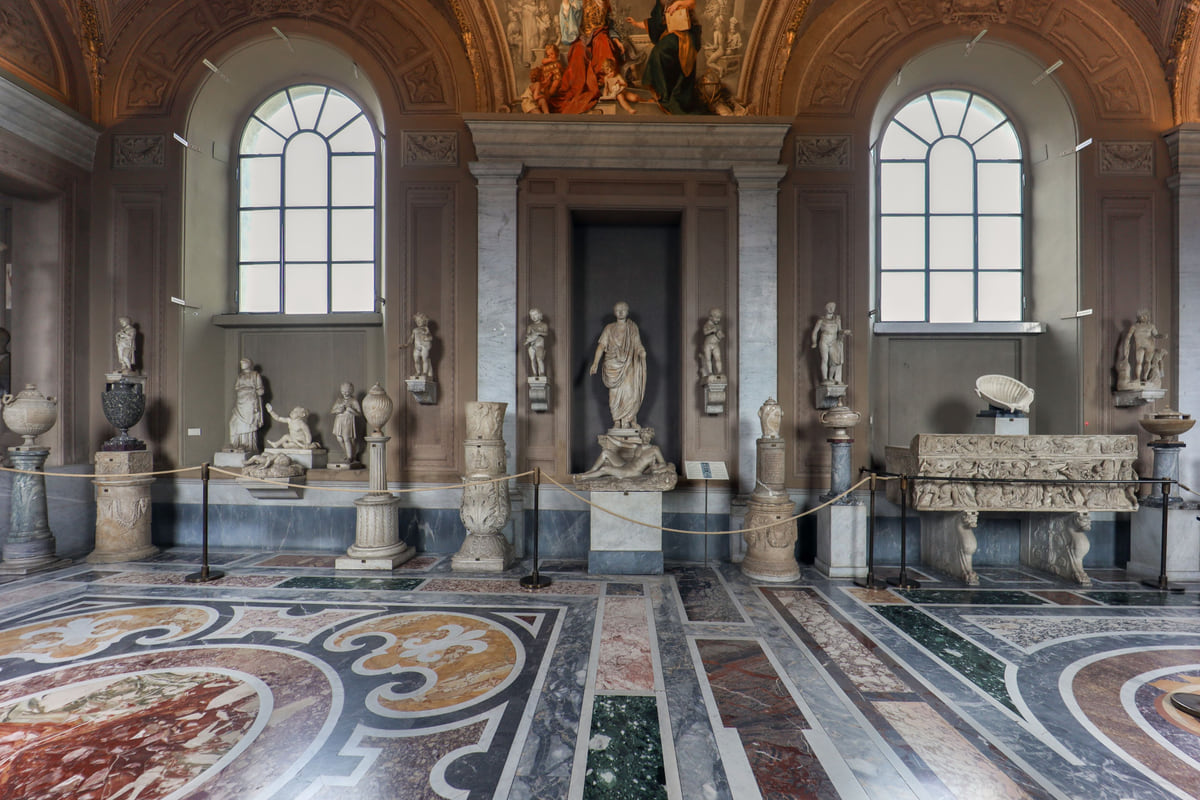
The collection goes back to 1506, when the Courtyard of the Statues, today’s Octagonal Court, took in the first group of classical sculpture. Julius II brought together pieces such as the Apollo Belvedere and the Laocoön, which had just been unearthed on the Esquiline. The Laocoön is identified with the group Pliny credits to Agesander, Athenodorus and Polydorus of Rhodes and is now dated to around 40-30 BC. The Apollo is a Roman copy, from the early second century AD, of a Greek bronze from around 330 BC.
That courtyard belongs to the Pio Clementino Museum, named after Clement XIV and Pius VI. Its finest pieces were carted off to Paris under the Treaty of Tolentino in 1797, and most came home after the Congress of Vienna in 1815, thanks to Antonio Canova. I like that detail because it explains why these statues are displayed rather like recovered trophies. Around that core grew the Pinacoteca, opened on 27 October 1932 with some 460 paintings in 18 rooms, Gregory XVI’s Egyptian and Etruscan museums, the modern art collection of 1973 and the Carriage Pavilion.
Fixed closures each year are 1 and 6 January, 11 February, 19 March, Easter Monday, 1 May, 29 June, 14 and 15 August and 8, 25 and 26 December. Online slots run every 30 minutes, from 08:00 to 17:30 on a weekday.
Tickets and official tours
Option
Full price
Reduced
Length
Ticket at the door
€20
€10
Self-guided
Ticket booked online
€25
€15
Self-guided
Official guided tour, Museums
€40
€30
About 2 hours
Guided tour, Arte e Fede
€40
€30
1 hour 30
Guided tour, Gardens and Museums
€45
€35
About 3 hours
Audio guide (optional)
€8
€8
Self-guided
Reduced tickets are for ages 7 to 18 and students up to 25 with a valid card. Under-7s go free. The only official online shop is tickets.museivaticani.va.
Raphael's School of Athens in the Room of the Segnatura in the Vatican Museums, with part of the painted vault above.
Giuseppe Momo's spiral staircase in the Vatican Museums seen from above, with its double helix and bronze balustrade.
Full-price ticket at the door, Sistine Chapel included
€20
Year the collection began, with the Laocoön
1506
Length of the Gallery of Maps
120 m
Paintings in the Pinacoteca, across 18 rooms
About 460
Common questions about Vatican Museums
How long do you need at the Vatican Museums?
The full route runs to 7 kilometres, so nobody sees it all in one go. The official highlights tour takes about two hours and the last-Sunday tour about three. I'd allow three hours for the essentials and another half hour if you want the Etruscan or Egyptian museum.
Does a Vatican Museums ticket include the Sistine Chapel?
Yes. The standard ticket covers the museums and the Sistine Chapel on the day it was issued. The chapel is part of the route, and the official guided tours finish there.
What are the Vatican Museums opening hours?
Monday to Saturday from 08:00 to 20:00, with last entry at 18:00. They are closed on Sundays except the last Sunday of the month, when entry is free from 09:00 to 14:00 (last entry 12:30).
How much is a Vatican Museums ticket?
A full-price ticket is €20 at the door and €25 online, because the official site adds a €5 booking fee. Reduced tickets cost €10 or €15, children under seven go free, and entry is free on the last Sunday of every month.
Can you eat inside the Vatican Museums?
Not in the galleries, where food and drink are banned. But there are six food outlets along the route, from the self-service restaurant to the pizzeria and the Il Forno café by the Sistine Chapel exit. You need a ticket to use them, and they take cash and cards except American Express and Diners.
What is the dress code for the Vatican Museums?
No sleeveless or low-cut tops, no shorts above the knee, no miniskirts and no hats. The same rule applies in the Sistine Chapel, St Peter's Basilica and the Vatican Gardens.
Can you take photos in the Vatican Museums?
Yes, for personal use and without flash, everywhere except the Sistine Chapel, where photos are banned. Tripods, drones, professional kit and selfie sticks are not allowed.
Tourism graduate with a master’s in Tourism Management and Planning from the University of Málaga, who has travelled across Europe. He writes every guide from official sources and his own judgement.