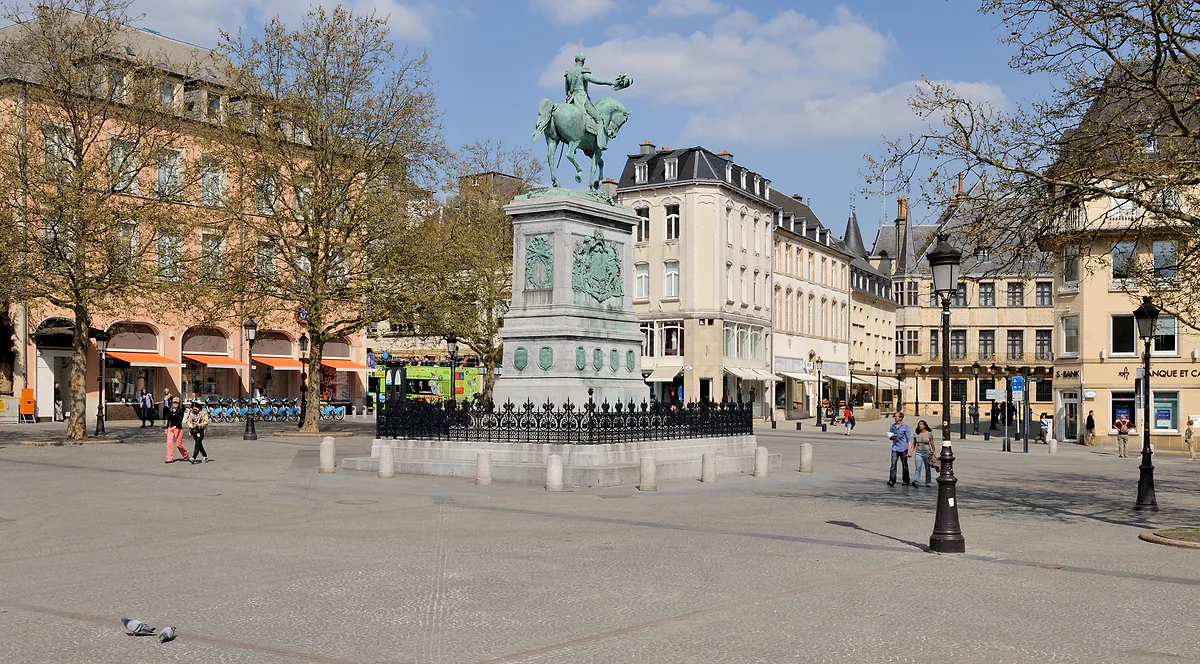
Euros, cards, cash machines, VAT and taxes
Luxembourg's currency, and how to pay without surprises
Luxembourg's currency is the euro, in use since 1 January 1999. You'll need euros rather than pounds, and cards are the easiest way to pay. Standard VAT is 17%, public transport is free, and hotels in Luxembourg City add a municipal tax of 3% of the room price excluding VAT. If a card machine offers to charge you in pounds, say no.
I'd pay for almost everything by card, using one without foreign transaction fees if you have it, and keep a little cash for emergencies. And whenever a card machine or cash machine offers to charge you in pounds, I'd choose euros every time.

Before you go
What I would keep in mind
-
01 Watch out
Always pay in euros, not pounds
Card machines and cash machines abroad often offer to charge you in your home currency. I'd always decline and pay in euros, then let your own bank do the conversion at its published rate.
-
02 To save money
Public transport costs nothing
Since 1 March 2020, buses, trams, the funicular and second-class trains have been free nationwide, visitors included. Only first class is charged, €3 for two hours or €6 for the day.
Luxembourg free public transport -
03 Watch out
Watch out around station cash machines
gov.uk warns of pickpockets on buses and at stations, particularly the main station, and advises not keeping your passport and cards together or getting distracted at cash machines.
-
04 My tip
Tickets bought on board are cash only
Buy a first-class or cross-border ticket on the train and CFL adds a surcharge of €1 to €9, payable in cash only. Use the ticket machine or the app beforehand.
trains in Luxembourg
Luxembourg’s currency is the euro, so the basics are quick. What deserves a bit more attention if you’re coming from the UK is how you pay, because that’s where the avoidable costs hide. The good news is that one of the biggest expenses of most city breaks, getting around, costs nothing here at all.
The euro, from the very start
Luxembourg has been in the eurozone since 1 January 1999, as one of its founders. Its coins have their own national side. According to the European Central Bank, they were designed by Yvette Gastauer-Claire in agreement with the Grand Ducal household and the government, and every one carries the profile of Grand Duke Henri, the year of issue and the country’s name in Luxembourgish, «Lëtzebuerg». Henri abdicated in 2025, but that’s how the ECB’s page describes them today. Where that word comes from is covered in Luxembourg name meaning.
Paying by card from the UK
Cards are the simplest way to pay. What they cost you depends on your own bank, not on Luxembourg. The EU has rules that stop banks charging more for a card payment or cash withdrawal in another EU country than at home, and that ban surcharges for using a card, but those protect cards issued in the EU. With a UK card, the foreign transaction fee and cash withdrawal charges are whatever your bank sets, so it’s worth checking before you travel and, if you travel often, using a card without foreign fees.
The one habit I’d insist on is refusing to pay in pounds. Card machines and cash machines abroad often offer to convert the amount into your home currency on the spot. I’d always choose euros and let your own bank do the conversion.
Once your dates are set, check which hotels are still free in Luxembourg before prices climb.
VAT and the hotel tax
Standard VAT in Luxembourg is 17%, with lower rates of 14%, 8% and 3%. The official page I’ve read doesn’t say which goods fall under each, so I won’t guess. As a non-EU visitor you may wonder about tax refunds, but that’s not something the sources I’ve used cover, so check with the shop.
Luxembourg City also has a hotel tax. Under the city’s schedule of charges, in its 2021 version, it amounts to 3% of the room charge before VAT, and the hotel, hostel or guesthouse collects it from guests who aren’t registered residents. I haven’t been able to confirm it in a more recent source, so I’m saying so. My advice is to compare the final booking price with taxes included.
Where your money goes, and where it doesn’t
The biggest saving is transport. Buses, trams, the funicular and second-class trains have been free across the whole country since 1 March 2020. A first-class ticket is €3 for two hours or €6 for a full day, and a first-class or cross-border ticket bought on the train carries a CFL surcharge of €1 to €9, cash only. Parking in the capital ranges from €0.50 to €2 an hour by zone, paid through the Indigo neo app. My tips for using it are in Luxembourg free public transport.
For museums and castles, the LuxembourgPass costs €23 for one person for one day, according to prices published in September 2026. It’s digital, activates when first scanned, and can be used within 365 days of the travel date you choose, with the days of a two- or three-day pass not needing to be consecutive. If you’re wondering whether all this makes Luxembourg a pricey trip, I look at that in is Luxembourg expensive. On tipping I haven’t found an official source, so no percentages from me; what can be said is in tipping in Luxembourg.
Once your dates are set, check which hotels are still free in Luxembourg before prices climb.
Precautions I’d take
gov.uk’s travel advice warns about pickpockets on buses and at stations, particularly the main station, and about thefts in hotel lobbies around Findel. It advises keeping your passport and cards in separate places and not getting distracted at cash machines. Cash of €10,000 or more, including travellers’ cheques, has to be declared on arrival or you risk having it seized on departure, and that applies to transit too. And note that on top of the public holidays, banks also stay shut on Good Friday and on Christmas Eve afternoon, as I explain in Luxembourg public holidays.
If you would rather have a local show you round, book a guided tour in Luxembourg and choose by the reviews.
A car frees you from timetables: search car hire in Luxembourg on DiscoverCars and compare companies.
So you do not pay over the odds, look at trains, coaches and flights to Luxembourg on Omio and pick the one that suits you.
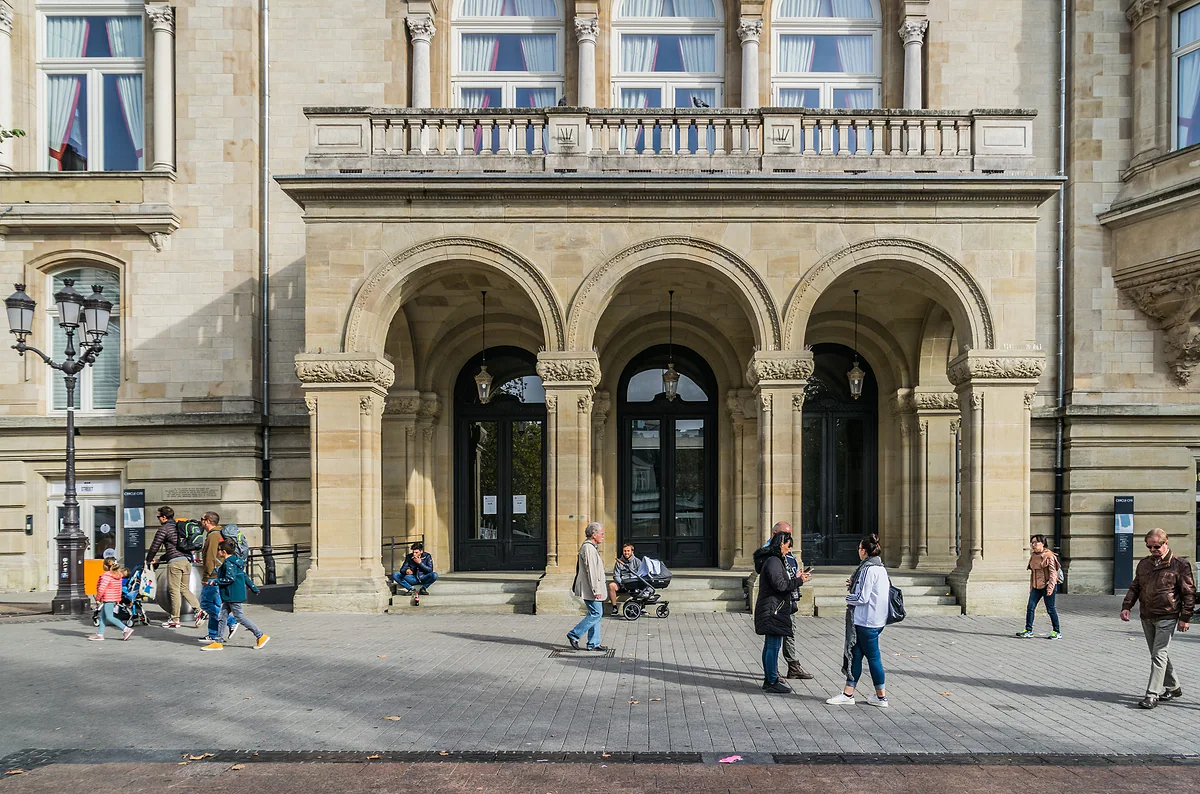
The entrance of the Cercle Cité on Place d'Armes, with three arches, a stone balcony and lamp posts along the façade
VAT rates in Luxembourg
| Rate | Percentage |
|---|---|
| Standard | 17% |
| Intermediate | 14% |
| Reduced | 8% |
| Super-reduced | 3% |
Luxembourg's indirect tax portal (pfi.public.lu), checked on 29-09-2026.
Official reference prices
| What | Price |
|---|---|
| Bus, tram and second-class train | Free |
| First-class train | €3 (2 hours) or €6 (all day) |
| Parking in the capital | €0.50 to €2 an hour, depending on the zone |
| LuxembourgPass (1 day, 1 person) | €23 |
| Grand Ducal Palace tour | €18 adults; €9 ages 4 to 12 |
| Hotel tax in the capital | 3% of the room price excluding VAT |
Prices from CFL, vdl.lu, visitluxembourg (LuxembourgPass prices published in September 2026) and monarchie.lu. The hotel tax comes from the city's 2021 schedule of charges.
Test yourself
True or false?
0/3 Pick before you peek.
-
Luxembourg still uses the Luxembourg franc.
See the answer
False. It has used the euro since 1 January 1999, as a founding member of the eurozone.
-
Standard VAT in Luxembourg is 17%.
See the answer
True. That's the standard rate, with reduced rates of 14%, 8% and 3%, according to the country's indirect tax portal.
-
Luxembourg's euro coins show the country's name in Luxembourgish.
See the answer
True. The European Central Bank says they carry the word «Lëtzebuerg», along with the year of issue and Grand Duke Henri's profile.
0 of 425 Luxembourg guides
Your next stamp
- Prices and budget
- LuxembourgPass
- Cheap hotels
- What to buy
- On a budget
- A Possen Museum
- American Cemetery
- Ansembourg
- Ansembourg Castles
- Asselborn
- Bascharage
- Beaufort castles
- Belval
- Belval blast furnaces
- Berg Castle
- Bernard-Massard cellars
- Bourglinster Castle
- Bourscheid Castle
- Brandenbourg
- Brandenbourg Castle
- Caves St Martin
- Christmas
- Clervaux Castle
- Echternach
- Echternach Abbey
- Ehnen
- Ehnen Wine Museum
- Esch-sur-Alzette
- Esch-sur-Sûre Castle
- European Museum Schengen
- Fond-de-Gras
- General Patton Museum
- German war cemetery
- Haff Réimech
- Hohllay
- Hollenfels Castle
- Hosingen
- Kautenbach
- Kneiff
- Koerich Castle
- Larochette Castle
- Lasauvage
- Mersch Castle
- Military History Museum
- Moersdorf
- Mondorf Domaine Thermal
- Munsbach Castle
- National Mining Museum
- Parc Merveilleux
- Park Sënnesräich
- Places to visit
- Remich
- Rindschleiden
- Schiessentümpel
- Septfontaines Castle
- Slate Museum
- Stolzembourg
- Tudor Museum
- Useldange Castle
- Valley of the Seven Castles
- Vianden
- Vianden Castle
- Ville Haute
- Wasserbillig Aquarium
- Weiswampach lakes
- Wiltz Castle
- Ahn
- Berdorf
- Bourscheid-Plage
- Butterfly garden
- Clervaux
- Differdange
- Echternach lake
- Grevenmacher
- Heringer Millen
- Hollenfels
- Luxembourg City
- Luxembourg Science Center
- Meysembourg Castle
- Mullerthal
- National Day
- National Resistance Museum
- Perekop
- Remerschen
- Schoenfels Castle
- The Family of Man
- Things to do
- Upper Sûre Lake
- Vianden chairlift
- Wasserbillig
- Clervaux Abbey
- Echternach Roman villa
- Éislek
- Insenborn
- Kallektuffquell
- Machtum
- Most beautiful places
- Our Nature Park
- Pétange
- Pettingen Castle
- Schueberfouer
- Schwebsingen
- Victor Hugo House
- Waldbillig
- Dudelange
- Kuelscheier
- Lultzhausen
- Moselle Valley
- Octave
- Prettiest villages
- Sanem
- Schengen
- Wellenstein
- Wiltz
- Wolfsschlucht
- Beaufort
- Bech-Kleinmacher
- Éimaischen
- Gaalgebierg
- Guttland
- Marnach
- Mondorf-les-Bains
- Putscheid
- Schifflange
- UNESCO World Heritage
- Carnival
- Consdorf
- Ellergronn
- Käerjeng
- Kayl
- Map
- Minett
- Munshausen
- Tandel
- Bech
- Buergbrennen
- Esch-sur-Sûre
- Rumelange
- Where is Luxembourg
- Is it a country?
- Lac de la Haute-Sûre (commune)
- Rosport-Mompach
- Wormeldange
- Larochette
- Mondercange
- Regions
- Bettembourg
- Bock Casemates
- Cantons
- Dancing procession
- Diekirch
- Fischbach
- Garnich
- Mersch
- Moselle wine route
- Ettelbruck
- Grund
- Heffingen
- Kehlen
- Lintgen
- Moselle river cruises
- Pétrusse Casemates
- Towns and villages
- Chemin de la Corniche
- Erpeldange-sur-Sûre
- Junglinster
- Kopstal
- Lorentzweiler
- Nommern
- Pfaffenthal
- Population
- Bissen
- Clausen
- Grand Ducal Palace
- Koerich
- Schieren
- Size
- Vallée de l'Ernz
- Feulen
- Kirchberg
- Languages
- Notre-Dame Cathedral
- Reisdorf
- Steinfort
- Bettendorf
- Habscht
- St Michael's Church
- Helperknapp
- Luxembourgish
- Place Guillaume II
- Name
- Place d'Armes
- History
- Place de la Constitution
- Grand Duke
- Colmar-Berg
- Flaxweiler
- Gare
- Hamm
- Kirchberg funicular
- Luxembourg fortress
- Mamer
- Mertert
- Minett Trail
- Mullerthal Trail
- Neumünster Abbey
- Parc Hosingen
- Pfaffenthal lift
- Political system
- Redange
- The Passerelle
- Wine festivals
- Winseler
- Beckerich
- Biwer
- EU institutions
- Goesdorf
- Limpertsberg
- Mudam
- Natur Musée
- Pulvermühl
- Stadtbredimus
- Troisvierges
- Wenzel walk
- Bonnevoie
- Bous-Waldbredimus
- Ell
- Flag
- Kiischpelt
- Manternach
- Philharmonie
- Vauban circuit
- Weiswampach
- Betzdorf
- Boulaide
- Dräi Eechelen Museum
- Facts
- Hollerich
- Lenningen
- Useldange
- Wincrange
- Bourscheid
- Dalheim
- Gasperich
- Public holidays
- Red Bridge
- Saeul
- Belair
- Second World War
- Vichten
- Battle of the Bulge
- Merl
- Préizerdaul
- Cents
- EU and Schengen
- Groussbus-Wal
- Entry requirements
- Neudorf
- Rambrouch
- Mertzig
- Weimerskirch
- Adolphe Bridge
- Beggen
- Escapardenne
- How to get there
- International March of Diekirch
- MNHA (National Museum)
- Rock climbing
- Sandweiler
- Bridges
- Eich
- Flights
- Golf
- Hesperange
- Lëtzebuerg City Museum
- Canoeing and kayaking
- Dommeldange
- Luxembourg airport
- Strassen
- Villa Vauban
- Airport to city centre
- Bertrange
- Casino Luxembourg
- Mühlenbach
- Swimming pools
- From Brussels
- Pétrusse Valley
- Rollingergrund
- Walferdange
- Cessange
- Day trip from Brussels
- Municipal Park
- Steinsel
- Free walking tours
- From Paris
- Niederanven
- From Frankfurt
- Schuttrange
- Sightseeing train and bus
- By train
- Contern
- By coach
- Weiler-la-Tour
- Driving
- Luxembourg in one day
- Pretzel Sunday
- Rham Plateau
- Tour de Luxembourg
- Candlemas (Liichtmëssdag)
- Car hire
- Luxembourg in two days
- Saint-Esprit Plateau
- Luxembourg in three days
- Melusina statue
- Parking
- St Nicholas Day (Kleeschen)
- Fête de la Musique
- Luxembourg in four days
- Museums in Luxembourg
- Petrol
- Place de Clairefontaine
- A week in Luxembourg
- Getting around
- Luxembourg Marathon
- Tram and Bus Museum
- Free public transport
- Parks in Luxembourg City
- Road trip
- Belgium and Luxembourg
- Tram
- Buses
- Viewpoints
- Trains
- Luxembourg station
- Cycling
- Free things to do
- Mobile and roaming
- Healthcare
- Safety
- Scams
- Tourist information
- Packing list
- Swimming lakes
- With a dog
- Markets
- Tipping
- Shopping
- Shopping centres
- With kids
- For couples
- Playgrounds
- Adventure parks
- Nightlife
- Castles
- Theatres and concert venues
- Leudelange
- Nature parks
- Where to stay
- City-centre hotels
- Hiking
- Nature reserves
- Reckange-sur-Mess
- Hotels near the station
- Roeser
- Frisange
- Hotels in Kirchberg
- Airport hotels
- Dippach
- Hotels in Vianden
- Hotels in Echternach
- Hotels in Clervaux
- Hotels in Mondorf-les-Bains
- Hotels in Esch-sur-Alzette
- Hotels on the Moselle
- Mullerthal hotels
- Upper Sûre lake hotels
- Hotels in Diekirch and Ettelbruck
- Luxury hotels
- Boutique hotels
- Spa hotels
- Family hotels
- Apartments
- Weather
- Youth hostels
- Best time to visit
- Campsites
- Holiday cottages
- In winter
- Castle hotels
- In spring
- Day trips
- In summer
- Around Luxembourg
- In autumn
- Ice skating
- Trier day trip
- Metz day trip
- Arlon day trip
- In January
- In February
- In March
- In April
- In May
- In June
- In July
- In August
- In September
- Food
- In October
- In November
- Where to eat
- In December
- Michelin restaurants
- Cheap eats
- Judd mat Gaardebounen
- Bouneschlupp
- Gromperekichelcher
- Kniddelen
- Quetschentaart
- Rieslingspaschtéit
- Events
- Wine
- Crémant
- Beer
Frequently asked questions
What currency does Luxembourg use?
The euro, since 1 January 1999. Luxembourg is a founding member of both the EU and the eurozone, so you'll need euros rather than pounds.
Can I use my UK debit or credit card in Luxembourg?
Yes, cards are the easiest way to pay. The fees depend on your UK bank, since the EU rules that cap card charges protect EU-issued cards, so check your card's foreign-use charges before you go.
Should I pay in pounds or euros in Luxembourg?
Euros. If a card terminal or cash machine offers to charge you in pounds, I'd decline and pay in the local currency, letting your own bank handle the conversion.
What's on Luxembourg's euro coins?
According to the European Central Bank, the profile of Grand Duke Henri, the year of issue and the country's name in Luxembourgish, «Lëtzebuerg». They were designed by Yvette Gastauer-Claire.
Is there a tourist tax in Luxembourg?
In Luxembourg City, hotels charge a municipal tax of 3% of the room price excluding VAT, according to the city's schedule of charges in its 2021 version. The accommodation collects it.
How much cash can I bring into Luxembourg?
As much as you like, but gov.uk says you must declare cash or travellers' cheques worth €10,000 or more, even if you're only passing through.
By
Tourism graduate with a master’s in Tourism Management and Planning from the University of Málaga, who has travelled across Europe. He writes every guide from official sources and his own judgement.
Published on . Facts checked on .
Sources
Some links in this guide are affiliate links: if you book through them, the site earns a commission at no extra cost to you. Affiliate disclosure
Photos: Cayambe (CC BY-SA 3.0); Krzysztof Golik (CC BY-SA 4.0), via Wikimedia Commons.