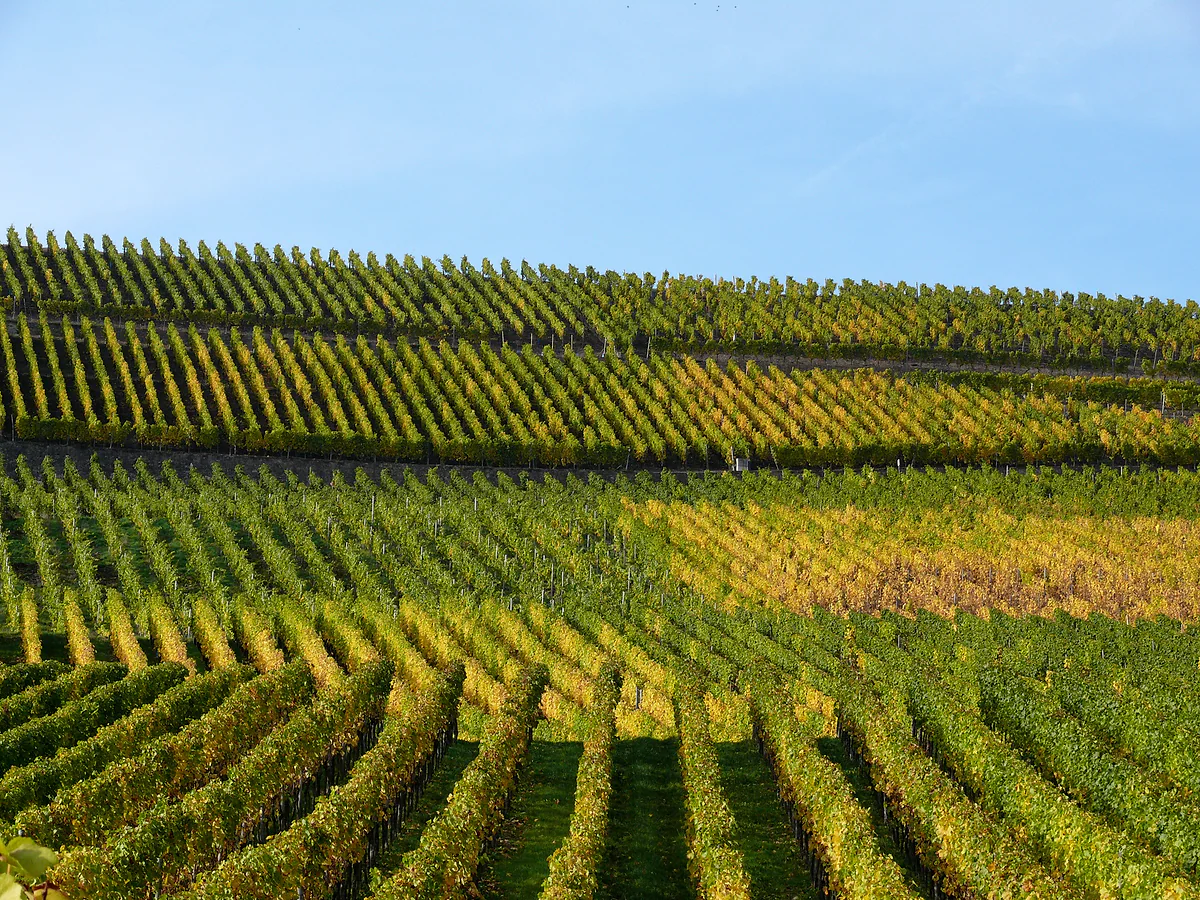
Folk and wine museum, Bech-Kleinmacher
A Possen Museum, a Moselle winegrowers' house from 1617
The A Possen Museum is in Bech-Kleinmacher, in the commune of Schengen, and tells the story of daily life and winemaking on the Luxembourg Moselle in the 19th and early 20th centuries. It fills several winegrowers' houses, the oldest from 1617. In September 2026 it opened Tuesday to Sunday, 10:00 to 18:00, at €5 for adults, free for children and free with the LuxembourgPass.
In 30 seconds
Full read: 3 min
- The A Possen Museum in Bech-Kleinmacher tells the story of 19th-century life and wine on the Moselle.
- It fills several winegrowers' houses, the oldest dating from 1617.
- It opens Tuesday to Sunday, 10:00 to 18:00, and costs €5 (children free).
- Entry is free with the LuxembourgPass.
To me this is the most human museum on the Moselle. It doesn't explain wine with statistics, it puts you in the kitchen and the barn of a winegrowing family two centuries ago, and an hour here tells you more about the valley than three tastings.

Before you go
What I would keep in mind
-
01 Most beautiful
The black kitchen of the Possenhaus
The heart of the museum is the Possenhaus, with its smoke-blackened kitchen and pot hook, the best room and the bedrooms where several generations lived together.
-
02 To save money
Children free, pass holders free
Children don't pay and adults are €5. Entry is free with the LuxembourgPass.
LuxembourgPass -
03 My tip
Open on some bank holidays
As well as Tuesday to Sunday, it opens on Easter Monday, Whit Monday, Ascension Day and Assumption Day, 10:00 to 18:00 with a break from 12:30 to 13:00.
-
04 Worth the splurge
Lunch in the museum's own tavern
Since 1977 the museum has run its own restaurant, the Wäistuff A Possen, serving Luxembourg dishes in a traditional setting. It's the natural end to a visit.
Luxembourg food
What I would book
My ranking, scored
What I wouldn't miss inside
My scores out of 10 for an hour-long visit, based on how much each room tells you about life on the Moselle.
0 of 4 seen
-
The Possenhaus black kitchen
The room that best explains how people lived, with the fire at the centre of the house and several generations under one roof.
9.0 out of 10
-
The Wëttelsscheier
The barn devoted to the winegrower's work, from vine to cooper, including the story of those who emigrated in the 19th century.
8.5 out of 10
-
The halette
A woman's sun bonnet the museum uses to tell the story of women's work in the vineyards and fields.
7.6 out of 10
-
The bread oven
Many families baked their own bread. The museum walks you through it, from sourdough to ash reused as washing powder or fertiliser.
7.2 out of 10
The A Possen Museum is what makes a stop in Bech-Kleinmacher worthwhile. It isn’t a wine museum of barrels and labels. It’s a Moselle winegrowers’ home kept as though the family had just stepped out. If you only have time for one museum in the whole valley, I’d choose this one.
A house from 1617 and two collectors
The story begins in 1965, when Gaby and Prosper Kayser-Gales, a couple of collectors devoted to Moselle history, bought the house known as the Possenhaus, whose origins go back to 1617. They first opened it to the public in 1967 and over the years bought the neighbouring houses to form today’s museum. A friends’ association followed in 1972 and the restaurant in 1977. Since 1993 a foundation has run it under an agreement with the national tourism directorate and the commune of Schengen, and in 2018 the museum concept was redesigned.
What’s inside?
The heart of it is the Possenhaus, which drops you into the routines of a Moselle household two centuries ago. There’s the black kitchen with its pot hook over the fire, the Stuff, which was the family’s best room, and the bedrooms where several generations shared the house. The furniture and utensils are the real thing.
The Wëttelsscheier, the old barn, is given over to the winegrower’s year, from tending the vines to making the wine and the cooper’s trade. It also covers what I find the most striking part of the whole museum, the hard living conditions that pushed many Moselle people to emigrate in the 19th century. One object sums it up, the halette, a woman’s sun bonnet the museum uses to tell the story of women’s work in the vineyards.
Other crafts are spread across the houses, from shoemaker to tailor and weaver, and a bread oven explains how each family baked with its own sourdough and reused the ash as washing powder or fertiliser. The regional tourist board mentions 400 m² of displays and a fine collection of toys and glassware.
To sleep close to everything, search places to stay in Remich on Booking.com and filter by area before price.
Hours, price and when to go
In September 2026 the hours were 10:00 to 18:00 every day except Monday. It also opens on four bank holidays, Easter Monday, Whit Monday, Ascension Day and Assumption Day, with a break from 12:30 to 13:00. Adults pay €5 and children go free, and the LuxembourgPass covers entry entirely. Tickets can be bought online.
An hour is enough to see it properly. I’d go in the morning before any groups arrive and keep the afternoon for tasting along the river.
With children, and the museum’s programme
The museum runs workshops for 6 to 12-year-olds, guided tours, talks on Moselle history and intergenerational activities, with themes that change through the year. I won’t give dates, because the programme online changes often, but it’s worth checking before a family trip. More ideas for the kids are in Luxembourg with kids.
The museum looks outward too. Together with the future Wäinhaus at Ehnen it has launched the Cahiers mosellans, a publication inviting researchers to write about the region, and its talks have covered subjects such as flax and hemp in the self-sufficient Moselle of the 18th and 19th centuries. It’s a small museum that behaves like a living archive, and you can feel it in the way it tells its story.
To sleep close to everything, search places to stay in Remich on Expedia and filter by area before price.
Getting there
The museum is at 2 Keeseschgässel in the centre of Bech-Kleinmacher, between Remich and Wellenstein. There’s no railway station, but buses are free inside Luxembourg and timetables are on mobiliteit.lu. If you arrive in Luxembourg City by train from Brussels or Paris, it makes a comfortable half-day out, and if you’re cycling along the riverbank from Remich it’s a stop you’ll pass anyway.
Lunch afterwards and where next
After your visit, the Wäistuff A Possen, the museum’s own restaurant since 1977, serves Luxembourg dishes in a traditional setting. It’s the only place to eat I’ll name on this page, because it’s part of the museum.
To round off the day, the Schengen Museum is a few kilometres south and also included in the LuxembourgPass. Further north, the wine museum at Ehnen was closed for renovation in September 2026, as I explain on the Ehnen Wine Museum page. For the rest of the country’s collections, see museums in Luxembourg.
If you are short on time, see the best tours in A Possen Museum and pick one that fits your day.
Where the bus does not go, a car does: compare car hire in Luxembourg before you arrive rather than at the desk.
If you still need a way in, check the best ticket deals to Luxembourg from where you are.
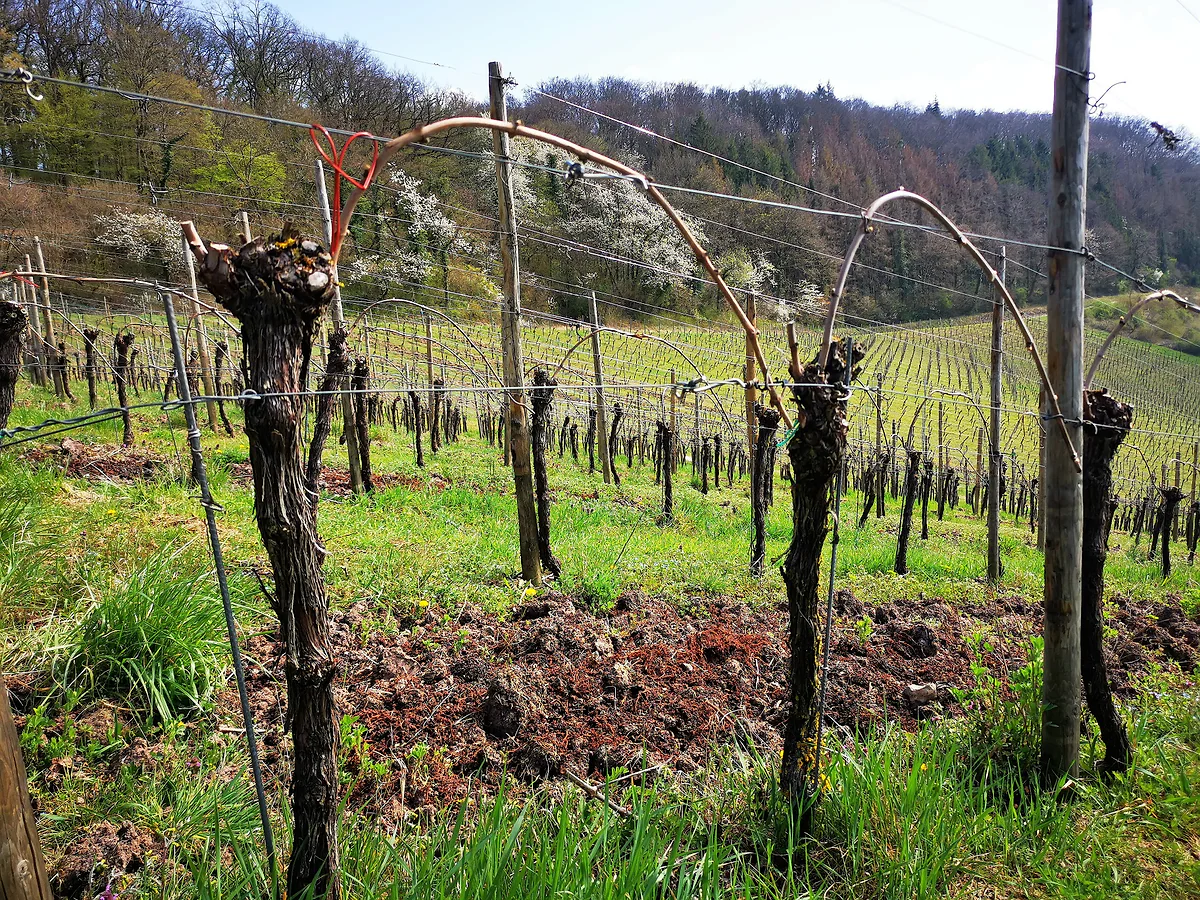
Old vines tied to their posts in the vineyards at Schwebsingen, with the green Moselle hillside behind
Opening hours and prices
| What | Detail |
|---|---|
| Hours | Tuesday to Sunday, 10:00-18:00; closed Mondays |
| Bank holidays open | Easter Monday, Whit Monday, Ascension and Assumption, 10:00-18:00 with a 12:30-13:00 break |
| Adults | €5 |
| Children | Free |
| LuxembourgPass | Free entry |
| Address | 2 Keeseschgässel, L-5404 Bech-Kleinmacher |
| Phone | +352 23 69 73 53 |
musee-possen.lu and visitluxembourg.com, checked on 30-09-2026. Prices and hours may change.
Test yourself
True or false?
0/3 Pick before you peek.
-
The A Possen Museum opens on Mondays.
See the answer
False. It's closed on Mondays. The only Mondays it opens are Easter Monday and Whit Monday, two of its four bank holiday openings.
-
The museum was founded by a couple of collectors.
See the answer
True. Gaby and Prosper Kayser-Gales bought the Possenhaus in 1965 and opened it to the public in 1967.
-
Children pay a reduced ticket.
See the answer
False. Children go free; adults pay €5, according to the museum's website.
- Date of the oldest house
- 1617
- First opened to the public
- 1967
- Adult ticket (2026)
- €5
- Of exhibition space, per visitmoselle
- 400 m²
Map
Where A Possen Museum is
The thick dashed line is the border with Belgium, France and Germany, and the fine ones divide the twelve cantons. The Éislek lies to the north and the Moselle to the east. Every number opens its guide.
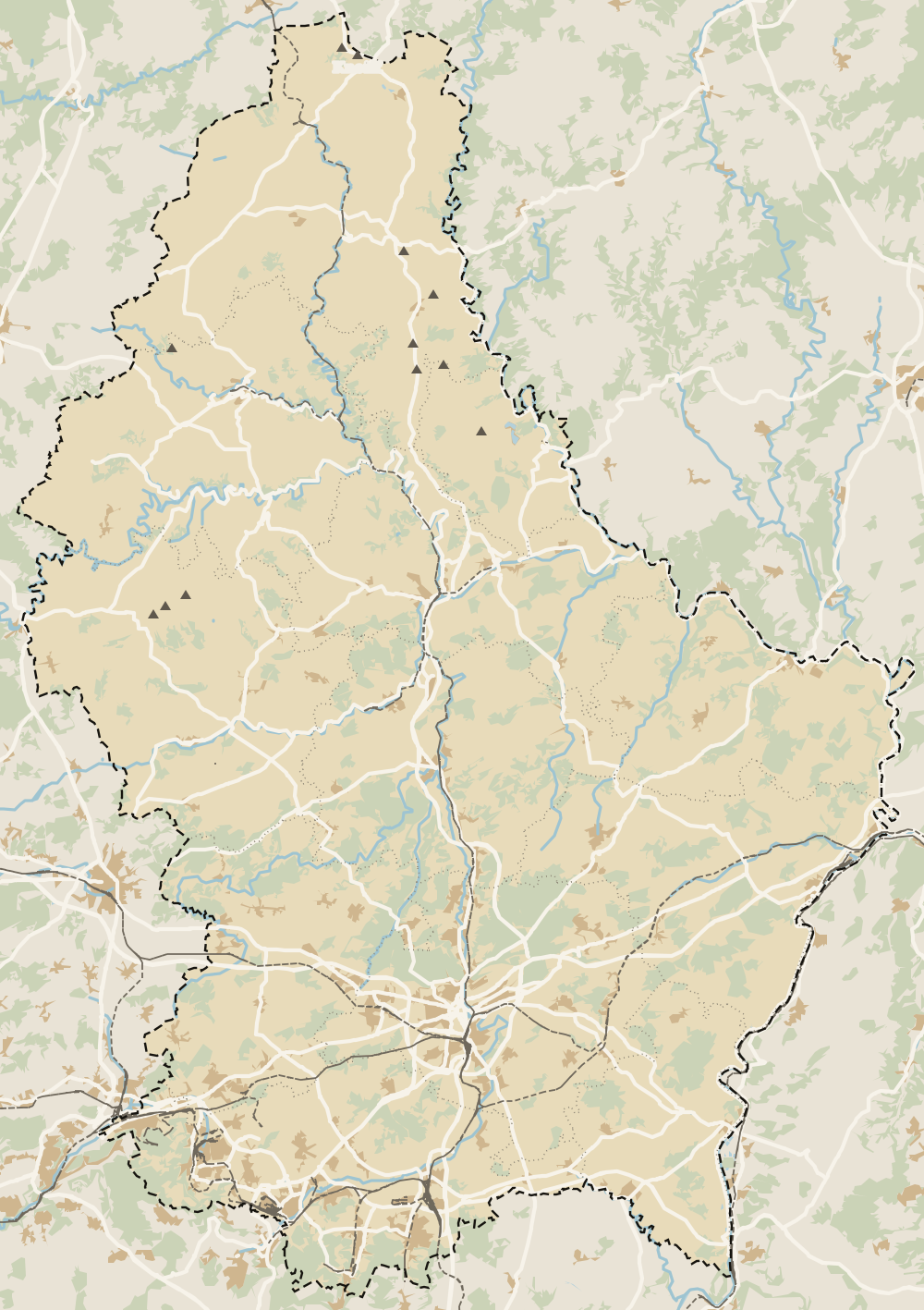
0 of 425 Luxembourg guides
Your next stamp
- Bech-Kleinmacher
- Ehnen Wine Museum
- Lenningen
- Moselle wine route
- Victor Hugo House
- Hotels on the Moselle
- American Cemetery
- Ansembourg
- Ansembourg Castles
- Asselborn
- Bascharage
- Beaufort castles
- Belval
- Belval blast furnaces
- Berg Castle
- Bernard-Massard cellars
- Bourglinster Castle
- Bourscheid Castle
- Brandenbourg
- Brandenbourg Castle
- Caves St Martin
- Christmas
- Clervaux Castle
- Echternach
- Echternach Abbey
- Ehnen
- Esch-sur-Alzette
- Esch-sur-Sûre Castle
- European Museum Schengen
- Fond-de-Gras
- General Patton Museum
- German war cemetery
- Haff Réimech
- Hohllay
- Hollenfels Castle
- Hosingen
- Kautenbach
- Kneiff
- Koerich Castle
- Larochette Castle
- Lasauvage
- Mersch Castle
- Military History Museum
- Moersdorf
- Mondorf Domaine Thermal
- Munsbach Castle
- National Mining Museum
- Parc Merveilleux
- Park Sënnesräich
- Places to visit
- Remich
- Rindschleiden
- Schiessentümpel
- Septfontaines Castle
- Slate Museum
- Stolzembourg
- Tudor Museum
- Useldange Castle
- Valley of the Seven Castles
- Vianden
- Vianden Castle
- Ville Haute
- Wasserbillig Aquarium
- Weiswampach lakes
- Wiltz Castle
- Ahn
- Berdorf
- Bourscheid-Plage
- Butterfly garden
- Clervaux
- Differdange
- Echternach lake
- Grevenmacher
- Heringer Millen
- Hollenfels
- Luxembourg City
- Luxembourg Science Center
- Meysembourg Castle
- Mullerthal
- National Day
- National Resistance Museum
- Perekop
- Remerschen
- Schoenfels Castle
- The Family of Man
- Things to do
- Upper Sûre Lake
- Vianden chairlift
- Wasserbillig
- Clervaux Abbey
- Echternach Roman villa
- Éislek
- Insenborn
- Kallektuffquell
- Machtum
- Most beautiful places
- Our Nature Park
- Pétange
- Pettingen Castle
- Schueberfouer
- Schwebsingen
- Waldbillig
- Dudelange
- Kuelscheier
- Lultzhausen
- Moselle Valley
- Octave
- Prettiest villages
- Sanem
- Schengen
- Wellenstein
- Wiltz
- Wolfsschlucht
- Beaufort
- Éimaischen
- Gaalgebierg
- Guttland
- Marnach
- Mondorf-les-Bains
- Putscheid
- Schifflange
- UNESCO World Heritage
- Carnival
- Consdorf
- Ellergronn
- Käerjeng
- Kayl
- Map
- Minett
- Munshausen
- Tandel
- Bech
- Buergbrennen
- Esch-sur-Sûre
- Rumelange
- Where is Luxembourg
- Is it a country?
- Lac de la Haute-Sûre (commune)
- Rosport-Mompach
- Wormeldange
- Larochette
- Mondercange
- Regions
- Bettembourg
- Bock Casemates
- Cantons
- Dancing procession
- Diekirch
- Fischbach
- Garnich
- Mersch
- Ettelbruck
- Grund
- Heffingen
- Kehlen
- Lintgen
- Moselle river cruises
- Pétrusse Casemates
- Towns and villages
- Chemin de la Corniche
- Erpeldange-sur-Sûre
- Junglinster
- Kopstal
- Lorentzweiler
- Nommern
- Pfaffenthal
- Population
- Bissen
- Clausen
- Grand Ducal Palace
- Koerich
- Schieren
- Size
- Vallée de l'Ernz
- Feulen
- Kirchberg
- Languages
- Notre-Dame Cathedral
- Reisdorf
- Steinfort
- Bettendorf
- Habscht
- St Michael's Church
- Helperknapp
- Luxembourgish
- Place Guillaume II
- Name
- Place d'Armes
- History
- Place de la Constitution
- Grand Duke
- Colmar-Berg
- Flaxweiler
- Gare
- Hamm
- Kirchberg funicular
- Luxembourg fortress
- Mamer
- Mertert
- Minett Trail
- Mullerthal Trail
- Neumünster Abbey
- Parc Hosingen
- Pfaffenthal lift
- Political system
- Redange
- The Passerelle
- Wine festivals
- Winseler
- Beckerich
- Biwer
- EU institutions
- Goesdorf
- Limpertsberg
- Mudam
- Natur Musée
- Pulvermühl
- Stadtbredimus
- Troisvierges
- Wenzel walk
- Bonnevoie
- Bous-Waldbredimus
- Ell
- Flag
- Kiischpelt
- Manternach
- Philharmonie
- Vauban circuit
- Weiswampach
- Betzdorf
- Boulaide
- Dräi Eechelen Museum
- Facts
- Hollerich
- Useldange
- Wincrange
- Bourscheid
- Dalheim
- Gasperich
- Public holidays
- Red Bridge
- Saeul
- Belair
- Second World War
- Vichten
- Battle of the Bulge
- Merl
- Préizerdaul
- Cents
- EU and Schengen
- Groussbus-Wal
- Entry requirements
- Neudorf
- Rambrouch
- Currency and payments
- Mertzig
- Weimerskirch
- Adolphe Bridge
- Beggen
- Escapardenne
- How to get there
- International March of Diekirch
- MNHA (National Museum)
- Rock climbing
- Sandweiler
- Bridges
- Eich
- Flights
- Golf
- Hesperange
- Lëtzebuerg City Museum
- Canoeing and kayaking
- Dommeldange
- Luxembourg airport
- Strassen
- Villa Vauban
- Airport to city centre
- Bertrange
- Casino Luxembourg
- Mühlenbach
- Swimming pools
- From Brussels
- Pétrusse Valley
- Rollingergrund
- Walferdange
- Cessange
- Day trip from Brussels
- Municipal Park
- Steinsel
- Free walking tours
- From Paris
- Niederanven
- From Frankfurt
- Schuttrange
- Sightseeing train and bus
- By train
- Contern
- By coach
- Weiler-la-Tour
- Driving
- Luxembourg in one day
- Pretzel Sunday
- Rham Plateau
- Tour de Luxembourg
- Candlemas (Liichtmëssdag)
- Car hire
- Luxembourg in two days
- Saint-Esprit Plateau
- Luxembourg in three days
- Melusina statue
- Parking
- St Nicholas Day (Kleeschen)
- Fête de la Musique
- Luxembourg in four days
- Museums in Luxembourg
- Petrol
- Place de Clairefontaine
- A week in Luxembourg
- Getting around
- Luxembourg Marathon
- Tram and Bus Museum
- Free public transport
- Parks in Luxembourg City
- Road trip
- Belgium and Luxembourg
- Tram
- Buses
- Viewpoints
- Trains
- Luxembourg station
- Cycling
- LuxembourgPass
- Prices and budget
- On a budget
- Free things to do
- Mobile and roaming
- Healthcare
- Safety
- Scams
- Tourist information
- Packing list
- Swimming lakes
- With a dog
- Markets
- Tipping
- Shopping
- What to buy
- Shopping centres
- With kids
- For couples
- Playgrounds
- Adventure parks
- Nightlife
- Castles
- Theatres and concert venues
- Leudelange
- Nature parks
- Where to stay
- City-centre hotels
- Hiking
- Nature reserves
- Reckange-sur-Mess
- Hotels near the station
- Roeser
- Frisange
- Hotels in Kirchberg
- Airport hotels
- Dippach
- Hotels in Vianden
- Hotels in Echternach
- Hotels in Clervaux
- Hotels in Mondorf-les-Bains
- Hotels in Esch-sur-Alzette
- Mullerthal hotels
- Upper Sûre lake hotels
- Hotels in Diekirch and Ettelbruck
- Cheap hotels
- Luxury hotels
- Boutique hotels
- Spa hotels
- Family hotels
- Apartments
- Weather
- Youth hostels
- Best time to visit
- Campsites
- Holiday cottages
- In winter
- Castle hotels
- In spring
- Day trips
- In summer
- Around Luxembourg
- In autumn
- Ice skating
- Trier day trip
- Metz day trip
- Arlon day trip
- In January
- In February
- In March
- In April
- In May
- In June
- In July
- In August
- In September
- Food
- In October
- In November
- Where to eat
- In December
- Michelin restaurants
- Cheap eats
- Judd mat Gaardebounen
- Bouneschlupp
- Gromperekichelcher
- Kniddelen
- Quetschentaart
- Rieslingspaschtéit
- Events
- Wine
- Crémant
- Beer
Frequently asked questions
What is the A Possen Museum?
A folk and wine museum of the Luxembourg Moselle in Bech-Kleinmacher. It recreates daily life, crafts and vineyard work in the 19th and early 20th centuries across several winegrowers' houses, the oldest from 1617.
How much does the A Possen Museum cost?
€5 for adults and free for children, according to the museum's website in September 2026. It's free with the LuxembourgPass.
When is the A Possen Museum open?
Tuesday to Sunday, 10:00 to 18:00, closed on Mondays. It also opens on four bank holidays a year: Easter Monday, Whit Monday, Ascension Day and Assumption Day.
Is the A Possen Museum good for children?
Yes. Children get in free, and the museum runs workshops for 6 to 12-year-olds and intergenerational activities. Check the programme on its website before you go.
How do I get to the A Possen Museum from Luxembourg City?
It's in Bech-Kleinmacher on the Moselle, between Remich and Wellenstein. Buses are free inside Luxembourg; there's no railway station in the village.
Who founded the A Possen Museum?
Gaby and Prosper Kayser-Gales, a collector couple who bought the house in 1965 and opened it to the public in 1967. Since 1993 a foundation has run it under an agreement with the national tourism directorate and the commune of Schengen.
By
Tourism graduate with a master’s in Tourism Management and Planning from the University of Málaga, who has travelled across Europe. He writes every guide from official sources and his own judgement.
Published on . Facts checked on .
Sources
Some links in this guide are affiliate links: if you book through them, the site earns a commission at no extra cost to you. Affiliate disclosure
Photos: Denise Hastert (CC BY-SA 4.0); GilPe (CC BY-SA 4.0), via Wikimedia Commons.