Fourteen sights with scores and prices
Things to do in Malta, ranked from the top
The things to do in Malta start with Valletta and St John's Co-Cathedral, the Ħal Saflieni Hypogeum, Mdina, the Ħaġar Qim and Mnajdra temples and, on Gozo, the Citadel and Dwejra. Heritage Malta runs most of them, with tickets from €5 to €15 and a €60 pass valid for 30 days that leaves out the Hypogeum.
In 30 seconds
Full read: 4 min
- Start with Valletta and St John's Co-Cathedral, which costs €15 and is closed on Sundays.
- The Hypogeum costs €35, takes ten visitors at a time and must be booked ahead.
- Mdina, Upper Barrakka and Dwejra are free.
- The €60 Multisite Pass covers 30 days of Heritage Malta sites, but not the Hypogeum.
- Gozo deserves a full day, and Comino's Blue Lagoon needs a free booking.
If you're going into four or more Heritage Malta sites, do the maths on the €60 Multisite Pass. The Hypogeum sits outside it, and I'd book that the same day I booked my flights.

Before you go
What I would keep in mind
-
01 Most beautiful
The Grand Harbour from Upper Barrakka
Upper Barrakka Gardens cost nothing and look straight across the Grand Harbour to Birgu and Senglea. Get there just before 12:00 or 16:00 and you'll see the Saluting Battery fire its gun below you.
Upper Barrakka Gardens -
02 To save money
The Multisite Pass pays for itself after four visits
It's €60 for 30 days across Heritage Malta's sites, the aquarium and the Gozo Citadel. The Grandmaster's Palace, Fort St Elmo, Ħaġar Qim and Ġgantija alone come to €42 bought separately.
Heritage Malta Multisite Pass -
03 Worth the splurge
Two Caravaggios in one room
The Beheading of St John the Baptist, a 520 by 360 cm canvas, and St Jerome Writing both hang in the Oratory of St John's. The €15 ticket includes an audio guide.
St John's Co-Cathedral in Valletta -
04 My tip
St John's is shut on Sundays
The co-cathedral opens Monday to Saturday with last entry at 16:00, and closes on Sundays and public holidays. If your Valletta day lands on a Sunday, swap it round.
Valletta, Malta's capital -
05 Watch out
The Azure Window is gone
Dwejra's famous rock arch fell into the sea in a storm in 2017 and is now a dive site. A trip sold on seeing it is really a trip to the bay, which is still worth the journey on its own.
Azure Window
My priorities
Unmissable
If you have time
What I would book
My ranking, scored
Things to do in Malta, in my order
My scores out of 10. I weigh how unique each place is, what it costs in time and money, and how much it tells you about the country if you only get one trip. Adult prices for 2026.
0 of 14 seen
-
Valletta
A walled capital founded in 1566, with 320 monuments in 55 hectares and World Heritage status since 1980. You see it on foot and the streets are free.
9.6 out of 10
-
St John's Co-Cathedral
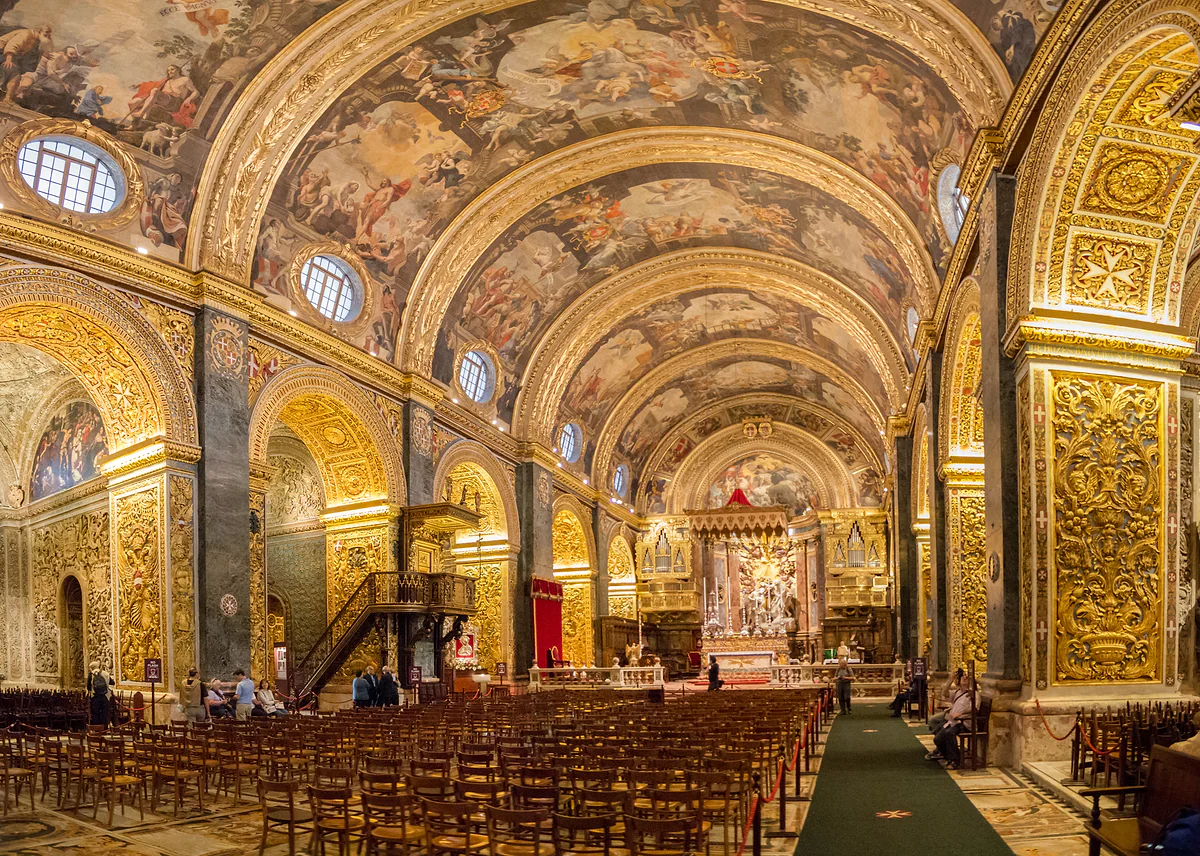
The Knights' own church, finished in 1577. Plain outside, gilded from floor to vault inside, with the two Caravaggios in the Oratory.
9.4 out of 10
-
Ħal Saflieni Hypogeum
A rock-cut burial complex in use from around 4000 BC, with the only prehistoric wall paintings found in the islands. Ten visitors at a time.
9.3 out of 10
-
Mdina
The Silent City, home to 201 people, with St Paul's Cathedral and the gate that turned up in Game of Thrones. Walking in costs nothing.
9.1 out of 10
-
Ħaġar Qim and Mnajdra
Two temple complexes more than 5,000 years old above the south coast, one of them lined up with the rising sun at the equinoxes.
8.9 out of 10
-
The Citadel, Victoria (Gozo)
The fortress above Gozo's capital, with the Old Prison and its graffiti, and a view of the whole island from the ramparts.
8.7 out of 10
-
Dwejra (Gozo)
The Inland Sea, Fungus Rock and the bay where the Azure Window stood. The arch has gone, but the coastline is still among the best in the country.
8.6 out of 10
-
Ġgantija (Gozo)
Two late Neolithic temples inside one boundary wall at Xagħra, with the Ta' Kola windmill of 1787 on the same ticket.
8.5 out of 10
-
The Three Cities and Fort St Angelo
Birgu, Senglea and Cospicua facing Valletta, and the fort the Knights made their headquarters in 1530. Arrive by ferry.
8.4 out of 10
-
Grandmaster's Palace
Home of the President's Office, with the Armoury and Matteo Perez d'Aleccio's Great Siege cycle. The Throne Room remains closed.
8.1 out of 10
-
Blue Lagoon (Comino)
Turquoise water between Comino and Cominotto, with a free compulsory booking since 2025. I knock points off for the crowds, not the place.
8.0 out of 10
-
Fort St Elmo and the National War Museum
The star fort that held out for a month in 1565 and took the islands' first air raid in 1940. Allow an hour and a half.
7.9 out of 10
-
Mosta Rotunda
A dome 39.6 m across inside, and a replica of the 1942 bomb that pierced it and never went off.
7.4 out of 10
-
Marsaxlokk Sunday market
The Sunday fish market among the painted luzzu boats. Midweek the village is calmer and the harbour looks just as good.
7.2 out of 10
Planning what to do in Malta has a catch. The country is small, what’s in it is enormous, and almost everything is under an hour away by bus. The most common mistake is cramming it all into three days and never actually going inside anything. So if you want a ready-made plan, mine is the Malta 4 day itinerary, Gozo included. I’d suggest the reverse, picking fewer places and seeing them properly, so here’s what I’d visit, with a score, a price and a reason for each position.
Why Valletta comes first
The Knights of St John began building the capital in 1566, with the Great Siege barely over, and UNESCO sees it as a Renaissance city conceived in one go, set out on a grid within its bastions. It packs 320 monuments into just 55 hectares, which UNESCO rates among the densest historic areas anywhere. In practice that means a morning’s stroll takes you past the palace of the grandmasters, the auberges where each nation’s knights lived, the Manoel Theatre and Fort St Elmo without a single bus.
Inside the walls, the one I wouldn’t miss is St John’s Co-Cathedral. The outside looks severe, deliberately so, because its architect Gironimo Cassar built it in the sombre mood the siege left behind. Inside, grandmaster after grandmaster added works until it became a treasure house. It holds the two paintings Caravaggio left on the island before the Order threw him out in 1608.
The things you won’t find anywhere else
Ask me what Malta has that Italy or Greece don’t, and the answer is underground and on the south coast. The Ħal Saflieni Hypogeum is a three-level cemetery cut into the rock, in use from around 4000 BC, holding the remains of some 7,000 people and the only prehistoric wall paintings in the islands. Only ten visitors go in at a time because of carbon dioxide and humidity, so the €35 tickets sell out. It’s the first booking I’d make.
The megalithic temples are the other reason to come. Ħaġar Qim and Mnajdra, at Qrendi above the southern sea, date back more than 5,000 years, and the doorway of Mnajdra’s south temple lines up with the rising sun at the equinoxes. Ġgantija on Gozo is two temples inside one wall. Few free-standing stone buildings anywhere are older, according to UNESCO, and I cover them together in the megalithic temples of Malta.
Mdina and the island’s interior
Mdina is the old capital, a walled hilltop town with 201 residents, the Baroque St Paul’s Cathedral and a gate that appeared in Game of Thrones. I like it best late in the day, once the streets empty and the Silent City nickname makes sense. Next door, Rabat has St Paul’s Catacombs, which Heritage Malta calls the earliest archaeological evidence of Christianity in Malta. Carry on south-west and you reach the Dingli Cliffs, which rise to 230 m above the sea according to Spain’s foreign ministry.
What about Gozo and Comino?
Gozo is more rural and slower, and that’s exactly why it deserves an unhurried day. The Citadel looms over Victoria, with the cathedral and the Old Prison, home to the largest collection of historic graffiti in the islands. Dwejra on the west coast brings together the Inland Sea, Fungus Rock and the bay where the Azure Window stood until 2017. I’ve ranked the island separately in things to do in Gozo.
Comino is a different proposition. The Blue Lagoon has the most turquoise water in the country and the biggest crowds, so since 1 May 2025 you’ve had to book one of three free time slots, with a cap of 4,000 people. Back in summer 2024, as many as 12,000 people crowded in at once. If you go, I’d take the early slot.
Things to do once you’ve done the sights
This is where people are surprised. At the 2025 boot Düsseldorf Dive Awards, Malta was voted the best place in the world to dive, and it has more than 40 dive centres plus wrecks from both world wars that approved centres can take you to. Even if you don’t dive, a boat trip along the coast or out to Comino shows you cliffs you’ll never see from land. And for a Sunday afternoon, Marsaxlokk’s market among the luzzu, the painted fishing boats, is about as photogenic as the island gets.
Keeping ticket costs down
Most of this ranking belongs to Heritage Malta, which sells the Multisite Pass at €60 for 30 days. The Grandmaster’s Palace, Fort St Elmo, Ħaġar Qim and Ġgantija alone add up to €42 in single tickets, so two more visits and it has paid for itself. St John’s, Mosta Rotunda and Popeye Village aren’t Heritage Malta sites, so they’re not included. Plenty is free anyway, from the streets of Valletta and Mdina to Upper Barrakka Gardens and the whole Dwejra coast. If you’d rather collect views than tickets, I’ve got a separate list of the most beautiful places in Malta.
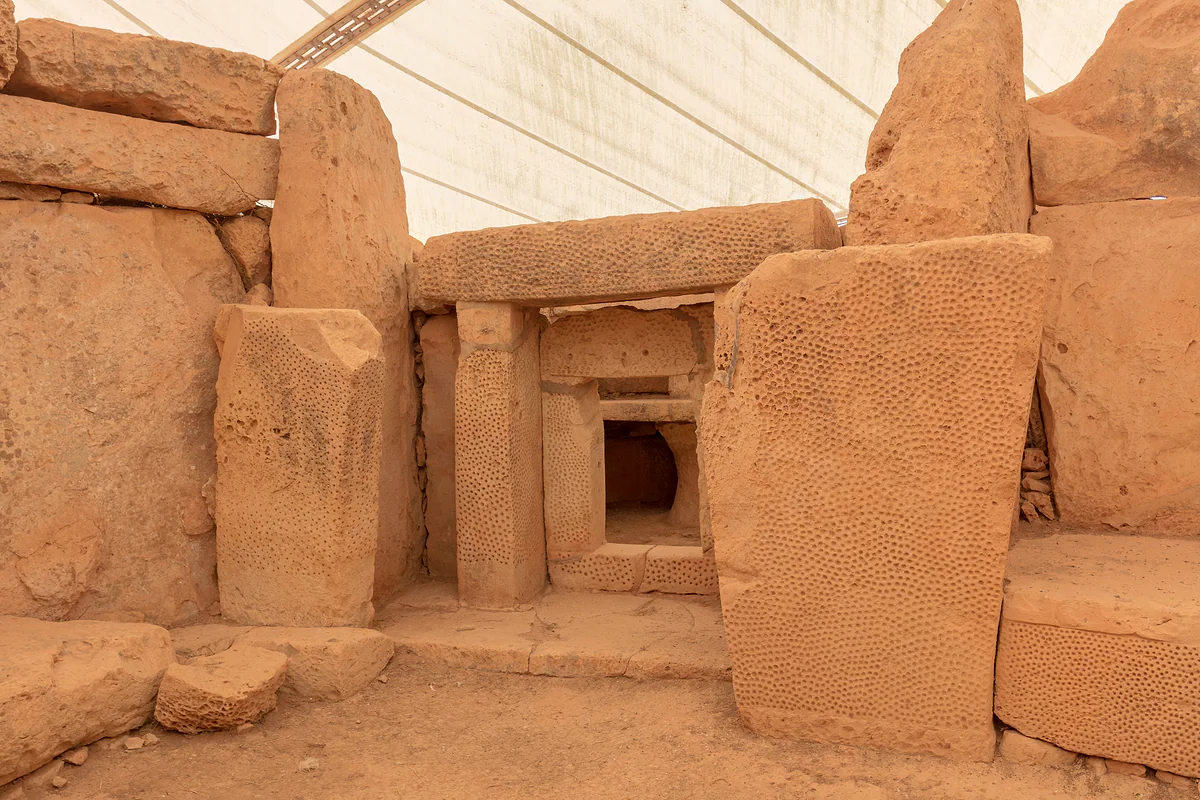
A trilithon doorway in the megalithic temple of Ħaġar Qim, with pitted limestone blocks, beneath the canopy that shelters the site.
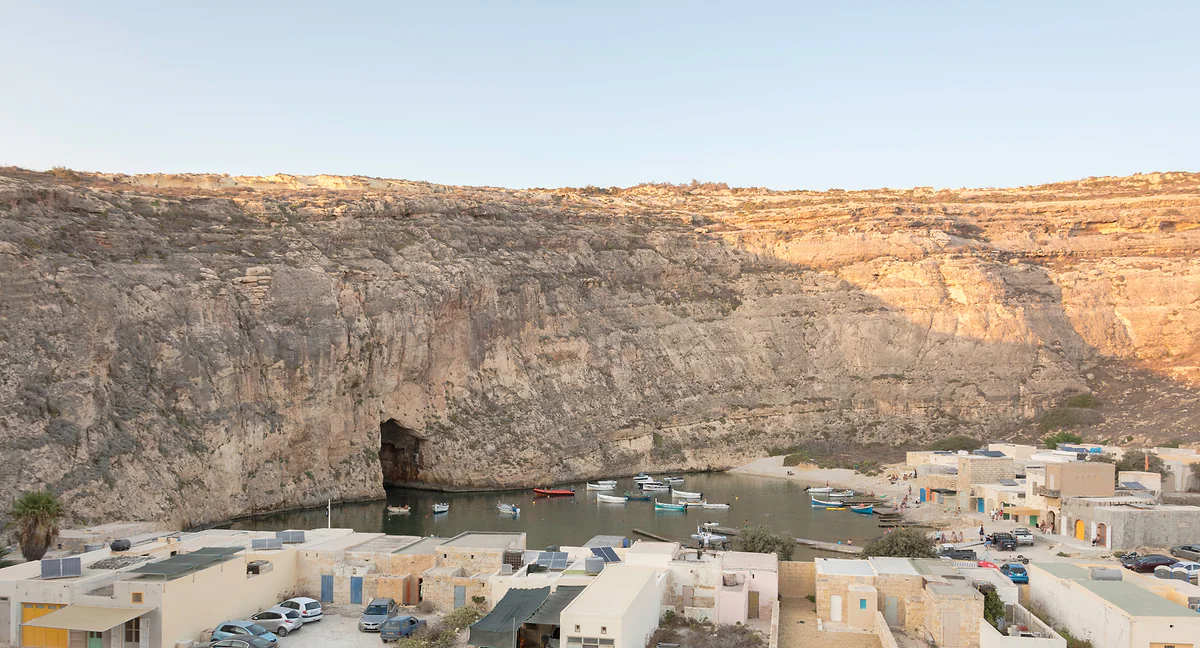
The Inland Sea lagoon at Dwejra ringed by cliffs, with the fishermen's boathouses and small boats along the shore in Gozo.
Opening times and prices for the main sights (2026)
| Sight | Opening times | Adult |
|---|---|---|
| St John's Co-Cathedral | Monday to Saturday 09:00-16:45, last entry 16:00; closed Sundays and public holidays | €15 |
| Ħal Saflieni Hypogeum | 10:00-18:00 until 3-1-2027, pre-booked only | €35 (last-minute €50) |
| Ħaġar Qim and Mnajdra | 09:00-19:00 until 31-10; 09:00-17:00 from 1-11 | €10 |
| Fort St Elmo | 09:00-19:00 until 31-10; 09:00-17:00 from 1-11 | €10 |
| Fort St Angelo | 09:00-19:00 until 31-10; 09:00-17:00 from 1-11 | €10 |
| Grandmaster's Palace | 10:00-18:00 until 31-10; 09:00-17:00 from 1-11 | €12 |
| Ġgantija and Ta' Kola windmill | 10:00-18:00 until 31-10; 09:00-17:00 from 1-11 | €10 |
| Mosta Rotunda | Monday to Friday 09:30-18:00, Saturday 09:30-16:30, Sunday 12:00-17:00 | €8 full, €5 short |
Heritage Malta times come from its official seasonal timetables; all its sites close on 1 January, Good Friday and 24, 25 and 31 December. St John's posted a notice about September 2026 opening hours that I couldn't read, so check its website. Services can close Mosta Rotunda at short notice.
Test yourself
True or false?
0/4 Pick before you peek.
-
The Heritage Malta Multisite Pass gets you into the Hypogeum.
See the answer
False. Heritage Malta's shop says the €60 pass is not valid for the Ħal Saflieni Hypogeum or Underground Valletta, which are paid separately.
-
Caravaggio painted two works in Malta that still hang in St John's.
See the answer
True. The Beheading of St John the Baptist and St Jerome Writing, from 1607-1608, are in the Oratory, according to the co-cathedral.
-
St John's Co-Cathedral is open seven days a week.
See the answer
False. It opens Monday to Saturday, 09:00 to 16:45 with last entry at 16:00, and closes on Sundays and public holidays.
-
You can still see the Azure Window from the Dwejra coast.
See the answer
False. The arch collapsed in a storm in 2017, according to the Gozo tourist board. What's left underwater is now a dive site.
- UNESCO World Heritage Sites
- 3
- Heritage Malta Multisite Pass, 30 days
- €60
- Visitors at a time inside the Hypogeum
- 10
- Monuments in Valletta's 55 hectares
- 320
0 of 279 Malta guides
Your next stamp
- Malta in a week
- Malta in five days
- Malta on a budget
- Malta in four days
- Churches
- Day trips and tours
- Prices and budget
- Walking and hiking
- Gozo
- Most beautiful places
- Comino
- Prettiest villages
- UNESCO World Heritage Sites
- Where is Malta
- The Maltese islands
- Towns and villages
- Island of Malta
- Blue Lagoon
- Fort Rinella
- Fort St Angelo
- Gardjola Gardens
- Ħal Saflieni Hypogeum
- Is Malta a country?
- Popeye Village
- Tarxien Temples
- Things to do in Gozo
- Valletta
- Esplora
- Golden Bay
- Gozo day trip
- Inquisitor's Palace
- Population
- St John's Co-Cathedral
- St Mary's Tower
- Grandmaster's Palace
- How big is Malta
- Maritime Museum
- Mellieħa Bay
- Fort St Elmo
- Language
- Malta at War Museum
- Paradise Bay
- Barrakka Gardens
- Red Tower
- Religion
- Malta government
- Saluting Battery
- MUŻA
- National Museum of Archaeology
- Underground Valletta
- Lascaris War Rooms
- Casa Rocca Piccola
- Malta in one day
- Three Cities
- Victoria
- Birgu
- Manoel Theatre
- Weekend in Malta
- Xagħra
- City Gate and Parliament
- Malta in three days
- Nadur
- Senglea
- Cospicua
- Qala
- Valletta Waterfront
- Għajnsielem
- Kalkara
- Paola
- Xewkija
- Sannat
- Tarxien
- Munxar
- Żabbar
- Fgura
- Fontana
- Kerċem
- Luqa
- Floriana
- Marsa
- Mellieħa
- The Citadel, Gozo
- Żebbuġ (Gozo)
- Ġgantija Temples
- Marsalforn
- Santa Luċija
- Ramla Bay
- San Lawrenz
- Xgħajra
- Xwejni salt pans
- Calypso's Cave
- Għarb
- Żejtun
- Għasri
- Gudja
- San Blas Bay
- Għaxaq
- Ħondoq Bay
- Marsaxlokk
- Kirkop
- Marsaxlokk Fish Market
- Mqabba
- St Peter's Pool
- Marsaskala
- Qrendi
- Żurrieq
- Beaches
- Comino ferry
- EU, Schengen and the euro
- Ħaġar Qim and Mnajdra
- Mdina
- Mġarr (Gozo)
- Blue Grotto
- Diving
- Entry requirements
- Mdina Cathedral
- Xewkija Rotunda
- Birżebbuġa
- Money and payments
- Palazzo Falson
- Safi
- Shipwrecks
- Ta' Ċenċ Cliffs
- Għar Dalam
- Mdina Dungeons
- Mġarr ix-Xini
- Snorkelling
- Boat trips
- Playmobil FunPark
- Rabat (Malta)
- Xlendi
- Dwejra
- Gozo beaches
- History
- Siġġiewi
- St Paul's Catacombs
- Tipping
- Azure Window
- Domvs Romana
- Għar Lapsi
- Great Siege of 1565
- Plugs
- Limestone Heritage Park
- Second World War
- St Paul's Grotto
- Ta' Pinu Basilica
- Time zone
- Buskett Gardens
- Knights of Malta
- Mobile and roaming
- Wied il-Għasri
- Dingli
- Maltese cross
- Dingli Cliffs
- Flag
- Żebbuġ
- Coat of arms
- Mtarfa
- Balzan
- National anthem
- Lija
- Malta facts
- Game of Thrones
- Iklin
- Attard
- Film locations
- Forts and fortifications
- San Anton Gardens
- Ta' Qali Crafts Village
- Victoria Lines
- Megalithic temples
- Catacombs
- Museums
- Where to eat
- Where to stay
- Hotels in Valletta
- Restaurants in Valletta
- Hotels in Sliema
- Maltese food
- Restaurants in Marsaxlokk
- Viewpoints
- Hotels in St Julian's
- Pastizzi
- Hotels in Buġibba and Qawra
- Maltese rabbit stew
- Safety
- Hotels in Mellieħa
- Kinnie and Cisk
- Scams
- Gozo hotels
- Nightlife
- Tap water
- Boat parties
- Holiday packages
- Tourist tax
- All inclusive
- Gay Malta
- Sightseeing passes
- Apartments
- Malta with kids
- Public holidays
- How to get there
- Luxury
- Malta for couples
- Taxis and ride-hailing
- Weather
- Best time to visit
- Cycling
- English schools
- Flights
- Flights from Madrid
- Sea temperature
- Shopping and souvenirs
- Airport
- Free walking tours
- In winter
- Airport transfers
- In summer
- Ferry from Sicily
- In January
- Cruise stop
- In February
- In March
- In April
- In May
- Getting around
- In June
- Buses
- July
- August
- Hop on hop off
- Gozo ferry
- September
- Gozo fast ferry
- October
- November
- Valletta ferries
- Car hire
- December
- Driving
- Events
- St Paul's Bay
- Village feasts
- Buġibba
- Christmas
- Easter
- Qawra
- Carnival
- Xemxija
- Fireworks festival
- Malta National Aquarium
- Isle of MTV
- St Paul's Islands
- Mosta
- Mosta Rotunda
- Naxxar
- Palazzo Parisio
- Għargħur
- Mġarr (Malta)
- Sliema
- Ta' Ħaġrat and Skorba Temples
- Għajn Tuffieħa Bay
- Tigné Point
- Ġnejna Bay
- St Julian's
- Paceville
- St George's Bay
- Gżira
- Msida
- Ta' Xbiex
- Pietà
- Pembroke
- Swieqi
- San Ġwann
- Birkirkara
- Ħamrun
- Santa Venera
- Qormi
Frequently asked questions
What is there to do in Malta on a first visit?
Valletta and St John's Co-Cathedral, Mdina, the Ħaġar Qim and Mnajdra temples, the Hypogeum if you can get a ticket, and a day on Gozo for the Citadel and Dwejra. With more time, the Three Cities by ferry and Comino.
What is there to do in Malta apart from sightseeing?
Diving, for a start. Malta was named the world's best diving destination at the 2025 boot Düsseldorf awards and has more than 40 dive centres. There are also boat trips to Comino, sandy beaches in the north and on Gozo, and cliff walks at Dingli.
What can you do in Malta for free?
Wander Valletta and Mdina, sit in Upper Barrakka Gardens, walk the Dingli Cliffs, explore Dwejra on Gozo and browse Marsaxlokk's Sunday market. None of those charge an entry fee.
Is the Heritage Malta Multisite Pass worth it?
Yes, if you'll visit four or more sites. It's €60 for adults, valid for 30 days from first use, and includes the aquarium and the Gozo Citadel, but not the Hypogeum or Underground Valletta.
What's worth seeing in Malta with only three days?
I'd give one day to Valletta and the harbour, one to Mdina, Rabat and the south coast temples, and one to Gozo. The hour-by-hour version is in my three-day itinerary.
Can you still see the Azure Window?
No. The arch at Dwejra collapsed in a storm in March 2017 and is now a dive site. The Wied il-Mielaħ window, also on Gozo, has become better known since.
By
Tourism graduate with a master’s in Tourism Management and Planning from the University of Málaga, who has travelled across Europe. He writes every guide from official sources and his own judgement.
Published on . Facts checked on .
Sources
Photos: Pedro J Pacheco (CC BY-SA 4.0); Diego Delso (CC BY-SA 4.0); Diego Delso (CC BY-SA 4.0), via Wikimedia Commons.