Valletta, a capital you can walk end to end before lunch
Valletta is Malta's capital, yet it has only 5,189 residents (NSO, end of 2025) and is nowhere near the biggest town. The Order of St John founded it in 1566, straight after the Great Siege, and UNESCO listed it in 1980 for its 320 monuments in 55 hectares. You can cross it on foot in under an hour, but there's easily two days inside.
In 30 seconds
Full read: 3 min
Valletta is Malta's capital, home to 5,189 people in 2025, founded by the Order of St John in 1566.
It has been a UNESCO World Heritage Site since 1980, with 320 monuments in 55 hectares.
The big three are St John's Co-Cathedral (€15), the Grandmaster's Palace (€12) and Fort St Elmo (€10).
The TD4 bus from the airport costs €3, and the ferry from Sliema €3 single.
St John's closes on Sundays and public holidays; Heritage Malta museums open every day.
I'd spend at least one night inside the walls. Valletta changes character once the cruise groups leave, and St John's and the Grandmaster's Palace are far better first thing than at midday.
Sergio LeponeMy advice
Before you go
What I would keep in mind
01 Most beautiful
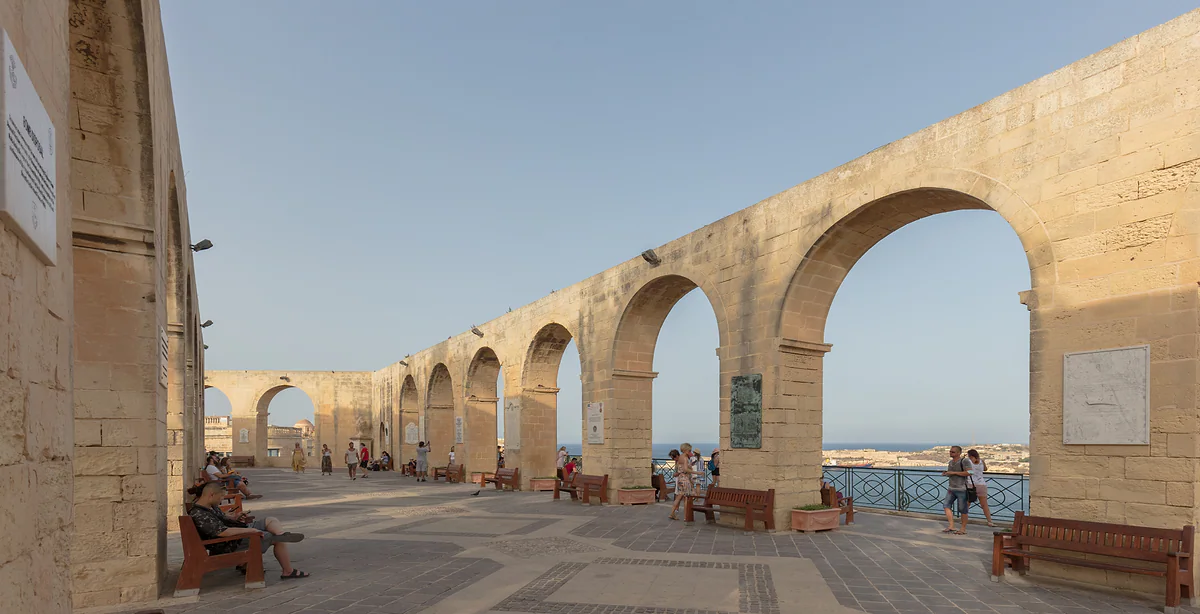
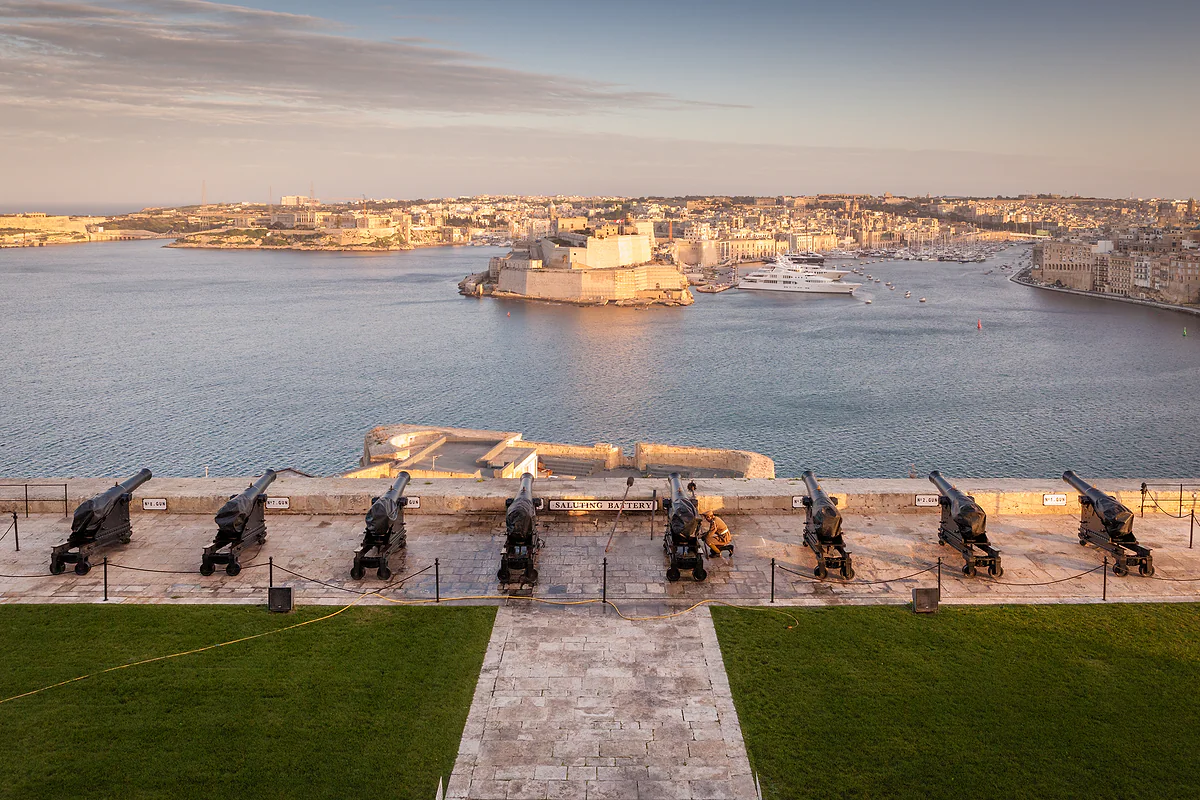
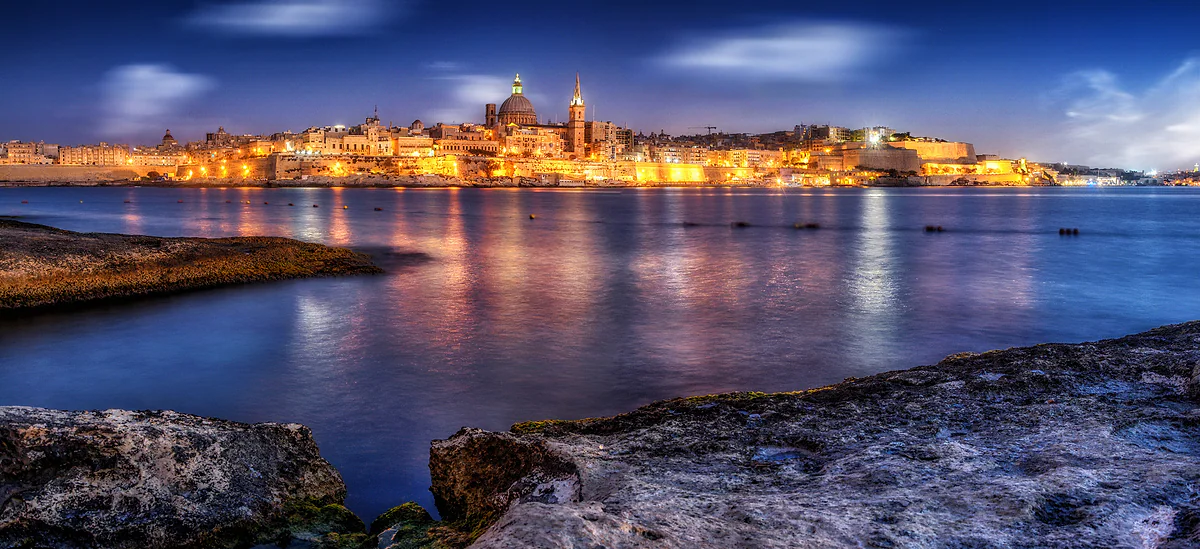
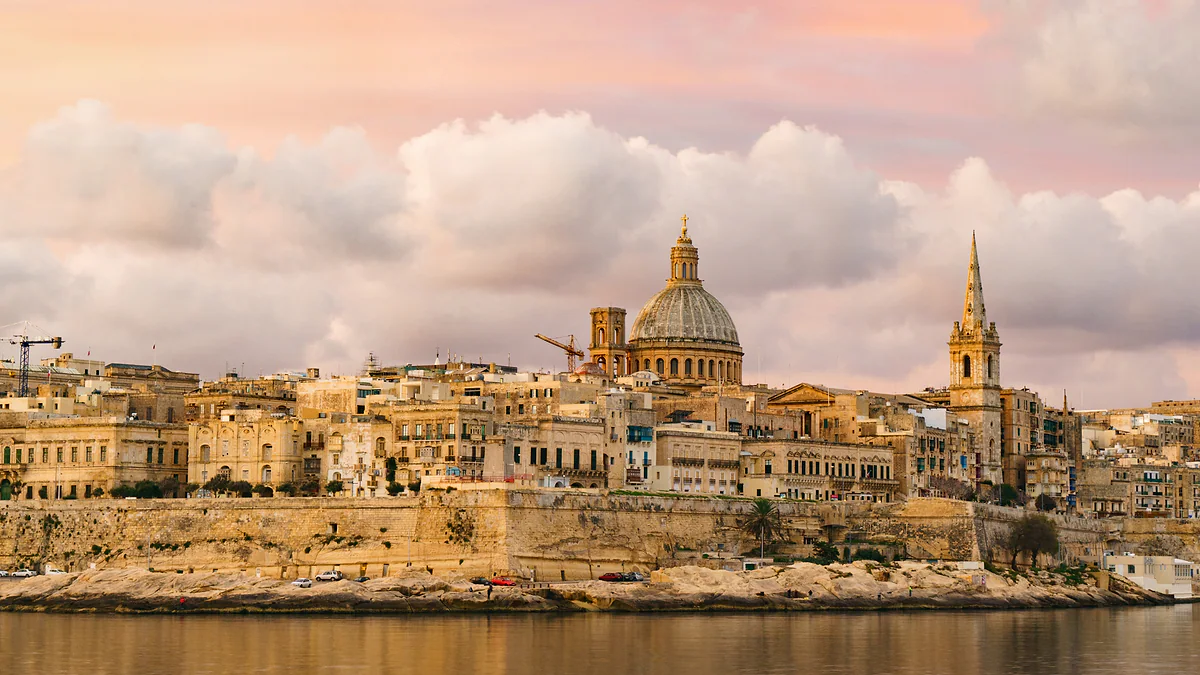
The Grand Harbour from Upper Barrakka
For me the view that sums up Valletta is from the Upper Barrakka Gardens, looking over the Grand Harbour to the Three Cities. At noon and at 16:00 the Saluting Battery fires its gun right below.
Heritage Malta's pass costs €60 and lasts 30 days across its museums and sites, the Grandmaster's Palace included. Add the temples and Mdina and it earns its keep. It doesn't cover Underground Valletta or the Hypogeum.
Malta Public Transport's TD4 leaves the airport every half hour and drops you at the Valletta terminus, by the Triton Fountain, for €3. Pay on board by contactless or cash.
The Co-Cathedral opens Monday to Saturday and closes on Sundays and public holidays. If your only Valletta day is a Sunday, swap things round and do the Heritage Malta museums, which open daily.
Underground Valletta costs €15 and only runs on Mondays, Wednesdays and Sundays at 10:00, 11:00, 12:00 and 13:00. One of Valletta's pricier tickets, but it shows you the city you can't see from the street.
My own scores out of 10. I weigh how much each place explains the city and the Knights, how it lands in person, and what it costs. This is opinion, not an official league table.
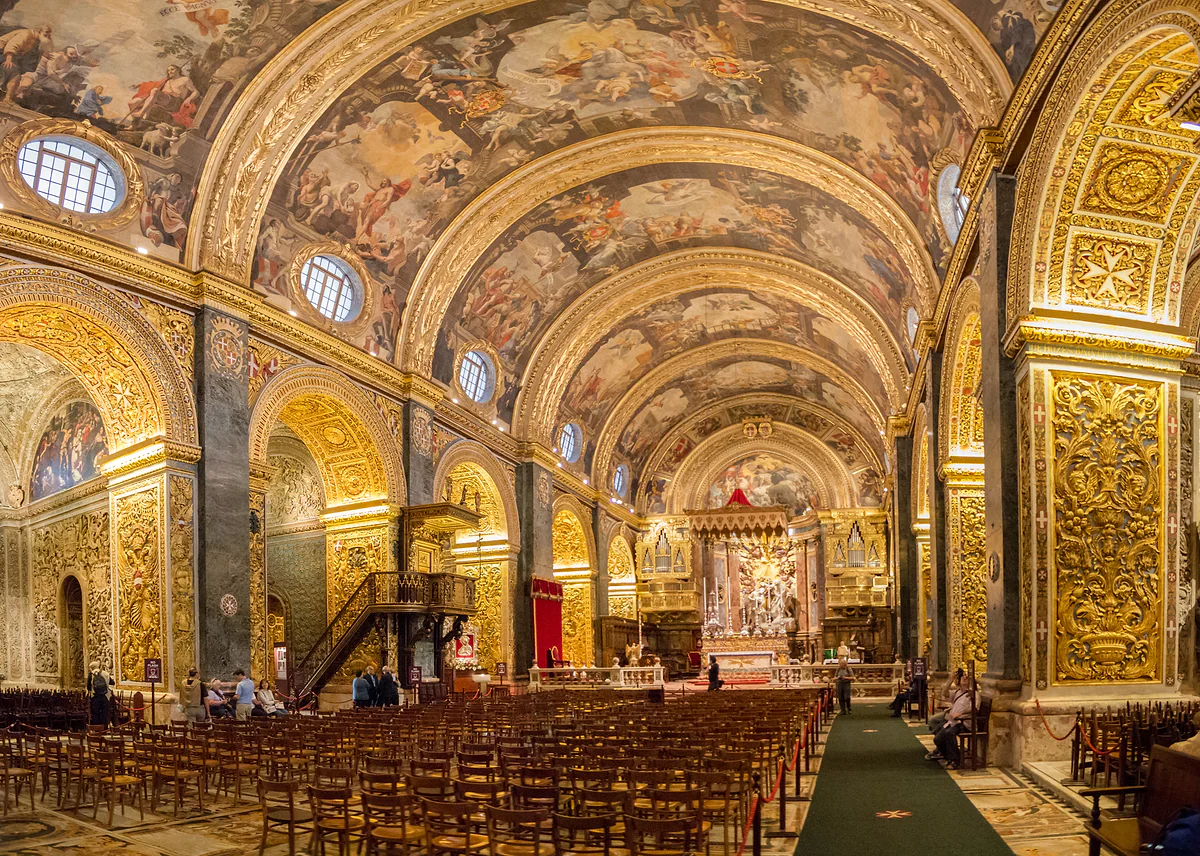
The Order's church, finished in 1577, with both Caravaggios in the Oratory. The Beheading of St John the Baptist measures 520 by 360 cm and is why plenty of people come to Malta at all.
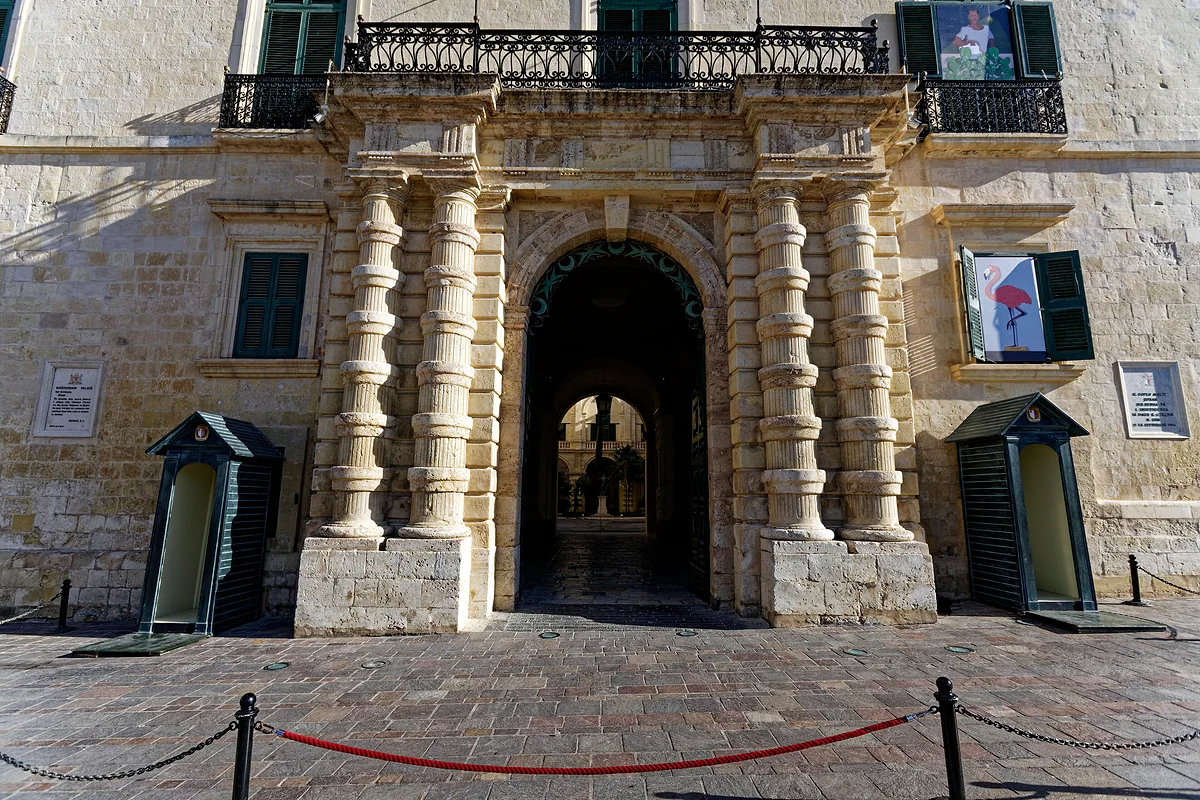
The Knights' first building in the new city, restored and now open across over 85% of its footprint, with Perez d'Aleccio's Great Siege cycle and the armour of Wignacourt and de Valette.
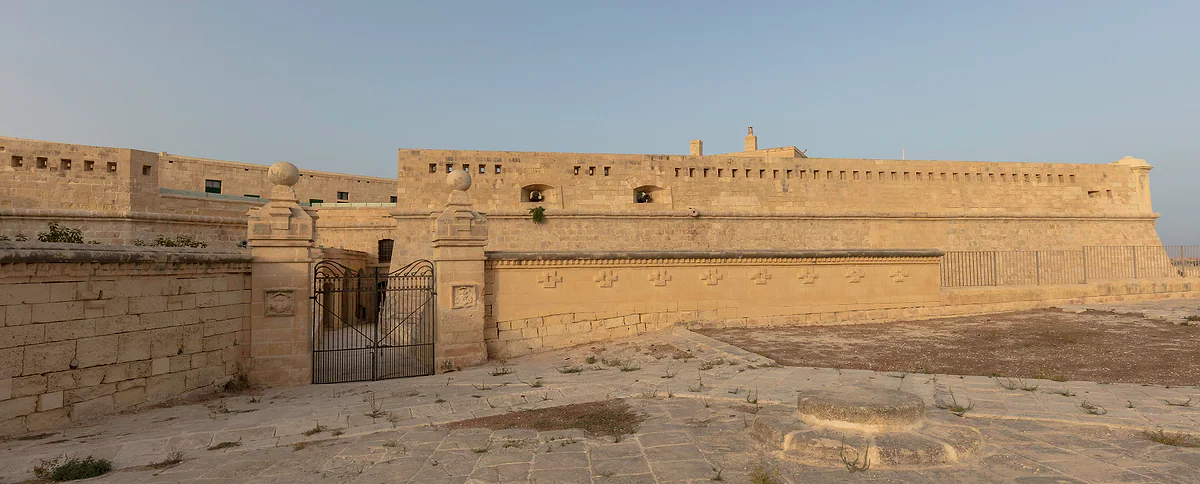
The star fort that held the Ottomans off for a month in 1565, plus a museum holding the George Cross and the Gladiator Faith. Heritage Malta suggests at least an hour and a half.
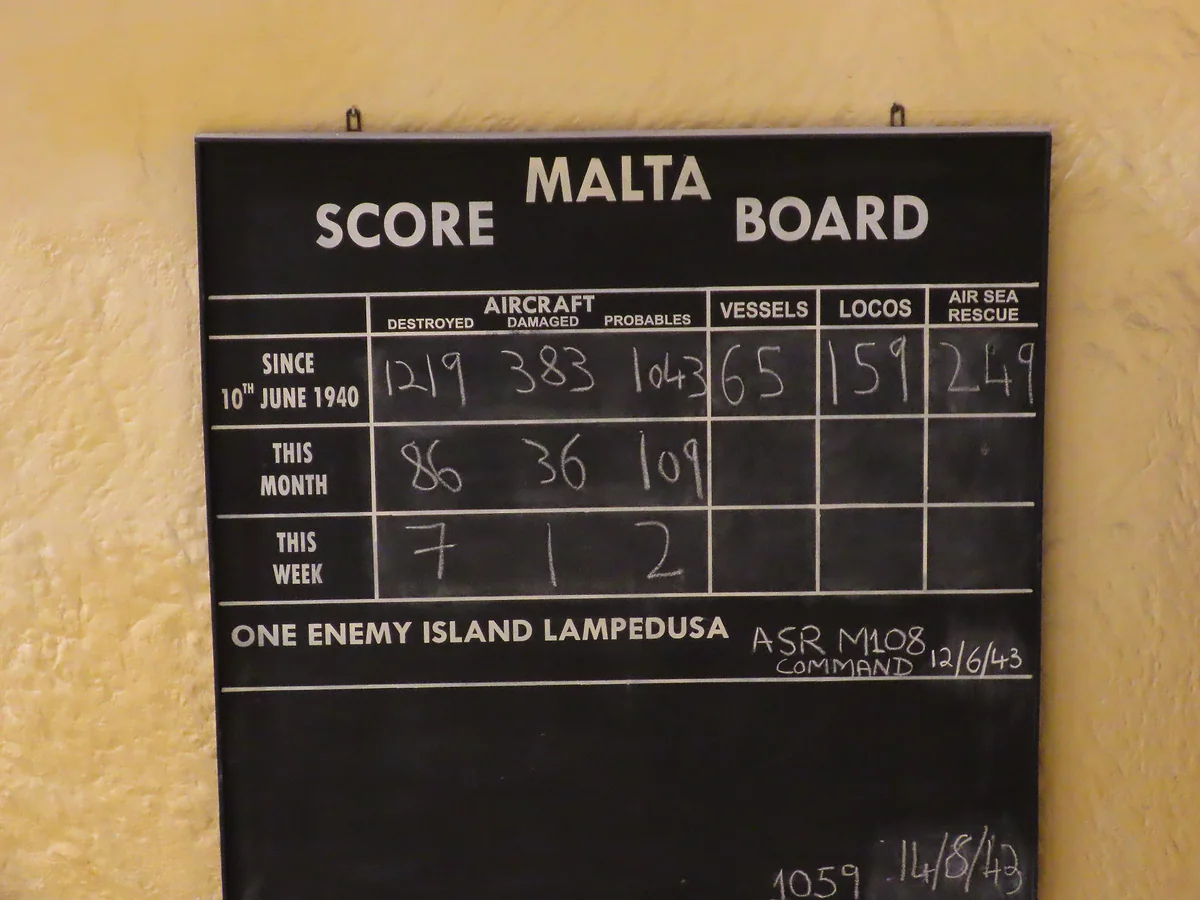
The underground HQ that ran Malta's air defence, and where Eisenhower set up his advance headquarters for the 1943 invasion of Sicily. Not cheap, but there's nothing like it.
The national art museum in the Auberge d'Italie, with Mattia Preti, Ribera and Valentin de Boulogne. An hour and a quarter well spent if you like painting.
A working theatre that opened in 1732, with a €10 guided tour. It would rank higher if tours didn't hinge on the rehearsal schedule.
Price: €10
7.4 out of 10
Valletta makes sense once you see it for what it was, a city built in one go by knights who had just come through a siege. That’s why the streets run dead straight, the walls wrap round everything and the big buildings sit five minutes apart. I’d give it a full day at the very least, and I’d sleep inside.
A capital with a village-sized population
It’s the seat of power and has been for centuries, but the headcount is small. The NSO puts it at 5,189 residents at the end of 2025, down on 2024 (5,197) and well down on 2012 (5,635). St Paul’s Bay is the biggest town in the country, with 43,095. That one figure tells me more about Valletta than any map, because by day it’s packed and by night it belongs to the people who live and sleep there.
UNESCO added it to the World Heritage list in 1980, making it one of Malta’s UNESCO World Heritage Sites alongside the Hypogeum and the megalithic temples. The case is that it holds 320 monuments within 55 hectares, “one of the most concentrated historic areas in the world”, and that it’s a late-Renaissance city planned from the outset. The monuments UNESCO names include the cathedral, the Palace of the Grand Master, the auberges of Castile and León, Provence, Italy, Aragon and Bavaria, and the Manoel Theatre. For the order that built it, head to the Knights of Malta and their story.
How I’d run the first day
I’d be at St John’s Co-Cathedral in Valletta when it opens at 09:00, Monday to Saturday. It’s the busiest place in town and the one that gains most from a quiet start. From there, along Republic Street, the Grandmaster’s Palace opens at 10:00 in season, and after that I’d head out to the tip of the peninsula for Fort St Elmo, which needs an hour and a half.
Around midday I’d drift back towards Upper Barrakka to watch the Saluting Battery fire at 12:00, with 16:00 as the fallback. The afternoon is for one more museum, Archaeology or MUŻA, and for wandering the side streets that tip down towards the sea. Step off Republic Street and it’s slopes and stairs, so wear proper shoes. If you’ve only got a few hours off a ship, my one-day Malta itinerary boils it down.
What earns its ticket, and what I’d think twice about
St John’s is the one visit I wouldn’t drop for anything. The €15 includes an audio guide, and the Oratory with its two Caravaggios justifies the price by itself. The freshly restored Grandmaster’s Palace comes next; Heritage Malta says it’s the busiest of all its sites, with some 300,000 visitors annually, and you can see why.
Where I’d pause is the running total. St John’s, the Palace, Fort St Elmo, Lascaris and Underground Valletta come to €72 a head. If you’ll be visiting three or more Heritage Malta sites over the trip, look at the €60 Multisite Pass, valid for 30 days. It doesn’t cover St John’s, which has its own foundation, or Lascaris and the Saluting Battery, which are run by the volunteer trust Wirt Artna and take cards only.
Getting in and getting about
The bus terminus sits at the city entrance by the Triton Fountain, and routes from all over the island end there. From the airport the TD4 runs every half hour for €3. A standard single costs €2.50 in the summer timetable (€2 in winter) and is good for two hours, changes included. British visitors will find the rest familiar, since Malta drives on the left and uses the same three-pin plug as at home.
By water, the Sliema ferry is €3 single and €5 return by day, and the Three Cities ferry runs from below Upper Barrakka. Passengers coming over from Cospicua are given a ticket for the Barrakka Lift up to the gardens. Timetables and evening fares are on Valletta’s ferries. Inside the walls, your feet are all the transport you need.
Eating and sleeping
Everything in Valletta is within walking distance; the catch is that rooms inside the walls are limited. I’d book early if you want a quiet street, and compare with Sliema across Marsamxett Harbour, which has far more choice. Areas and prices are in hotels in Valletta.
Since 1 July 2026 every licensed property adds the eco-contribution, €1.50 for each adult per night up to a maximum of €22.50 a visit. It’s added on top of the room rate.
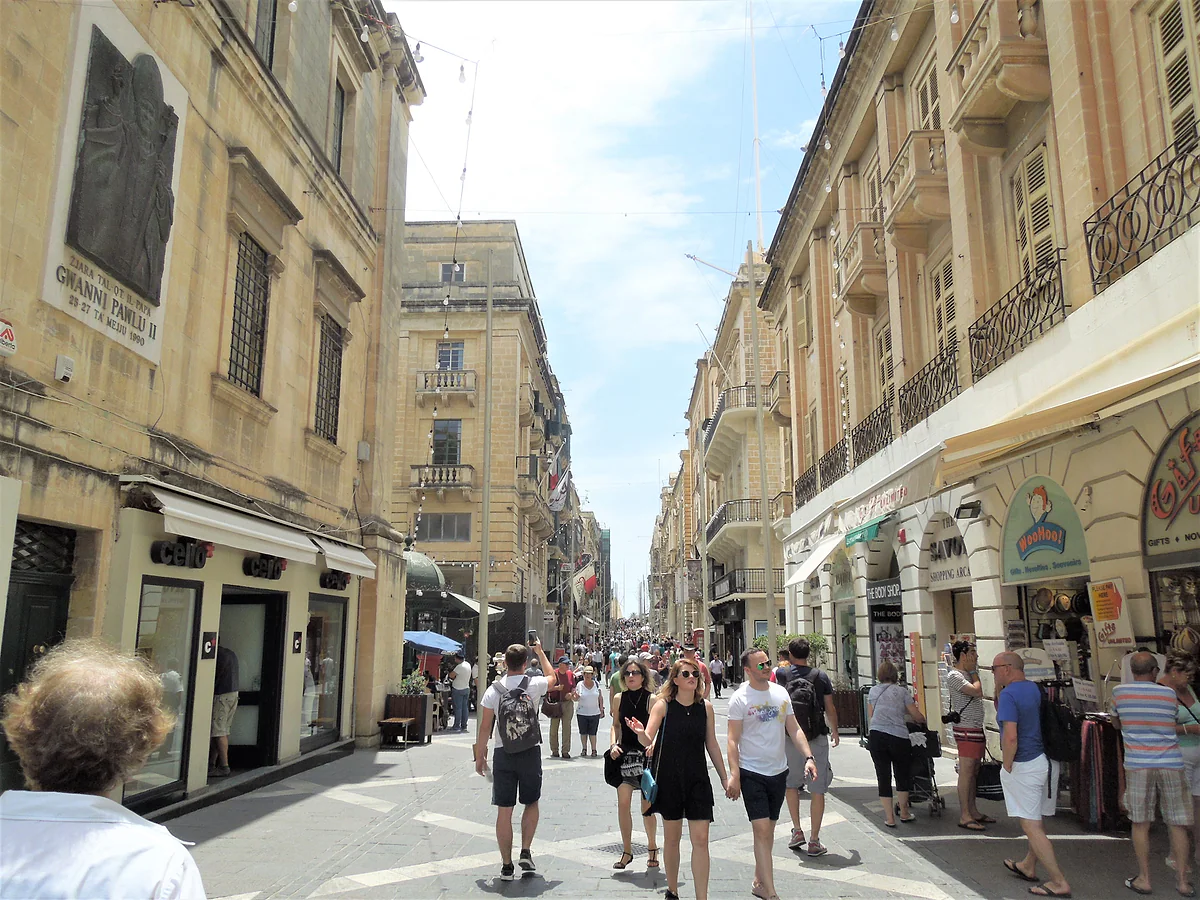
Republic Street, the main street of Valletta, busy with people walking between stone façades with balconies and shops on both sides.
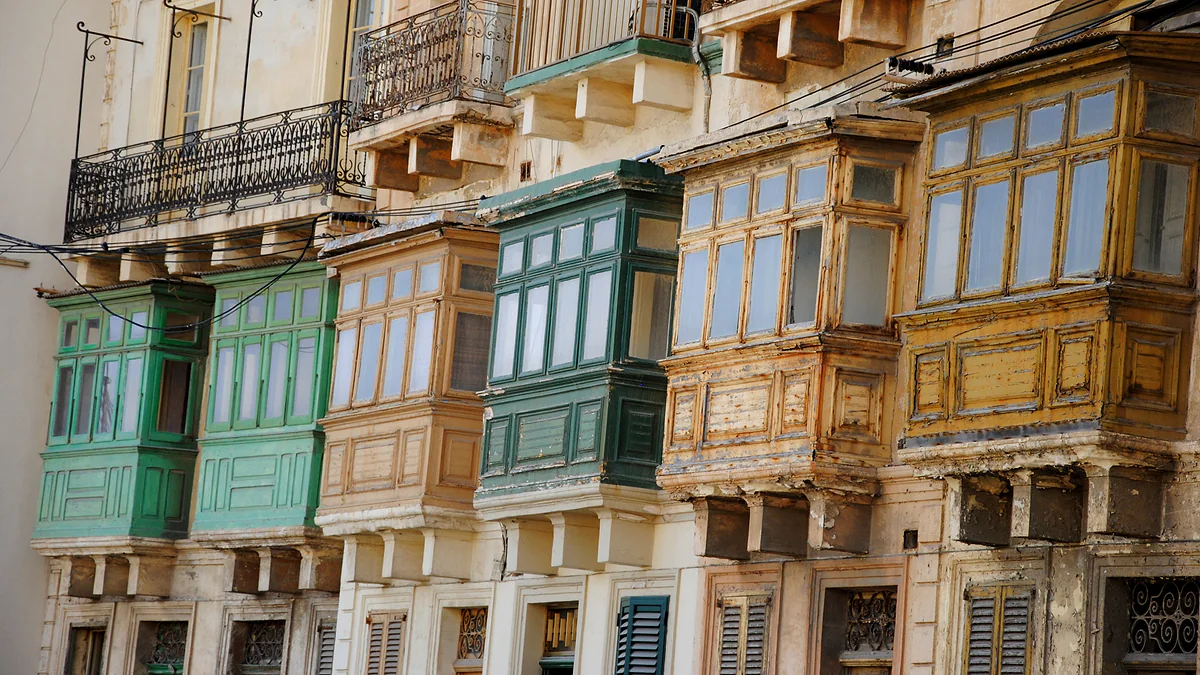
A row of enclosed wooden balconies in Valletta, painted green, ochre and cream, the classic feature of Maltese town houses.
Valletta's main tickets (September 2026)
Site
Adult
Run by
Open
St John's Co-Cathedral
€15
St John's Co-Cathedral Foundation
Mon to Sat, 09:00-16:45
Grandmaster's Palace
€12
Heritage Malta
Daily, 10:00-18:00
Fort St Elmo
€10
Heritage Malta
Daily, 09:00-19:00
MUŻA
€10
Heritage Malta
Daily, 10:00-18:00
National Museum of Archaeology
€5
Heritage Malta
Daily, 09:00-19:00
Underground Valletta
€15
Heritage Malta
Mon, Wed and Sun, 10:00-13:00, pre-booked
Lascaris War Rooms
€20
Fondazzjoni Wirt Artna
Mon to Sat, 09:30-17:30
Saluting Battery
€3
Fondazzjoni Wirt Artna
Mon to Sat, 09:30-17:30
Heritage Malta hours run to 31 October 2026; from 1 November to 28 February 2027 its sites open 09:00-17:00. All of them close on 1 January, Good Friday and 24, 25 and 31 December. Wirt Artna sites are card-only.
Getting into Valletta
From
How
Fare
Malta Airport
Bus TD4, every 30 minutes
€3
Sliema
Valletta Ferry Services
€3 single, €5 return (daytime)
Cospicua (Three Cities)
Ferry, Barrakka Lift ticket included
€3 single
Elsewhere on the island
Scheduled buses to the terminus
€2.50 in summer, €2 in winter
A single bus ticket lasts two hours with changes. The summer fare applies from 14 June; the 2025-26 winter fare ran from 19 October to 13 June.
Test yourself
True or false?
0/4Pick before you peek.
Valletta is the most populous town in Malta.
See the answer
False. It has 5,189 residents (NSO, 2025). St Paul's Bay is the biggest with 43,095, and Birkirkara, Mosta and Sliema are all far larger too.
Valletta was built after the Great Siege of 1565.
See the answer
True. The Order of St John founded it in 1566. UNESCO notes that the siege mobilised the resources Europe needed to build the new city.
St John's Co-Cathedral is open seven days a week.
See the answer
False. It opens Monday to Saturday, 09:00 to 16:45, and closes on Sundays and public holidays.
A cannon is fired in Valletta every day.
See the answer
True. The Saluting Battery fires at 12:00 and 16:00, Monday to Saturday, below the Upper Barrakka Gardens.
Residents at 31 December 2025 (NSO)
5,189
Monuments inside the walls, per UNESCO
320
Area those monuments occupy
55 ha
Year the city was founded, after the Great Siege
1566
Map
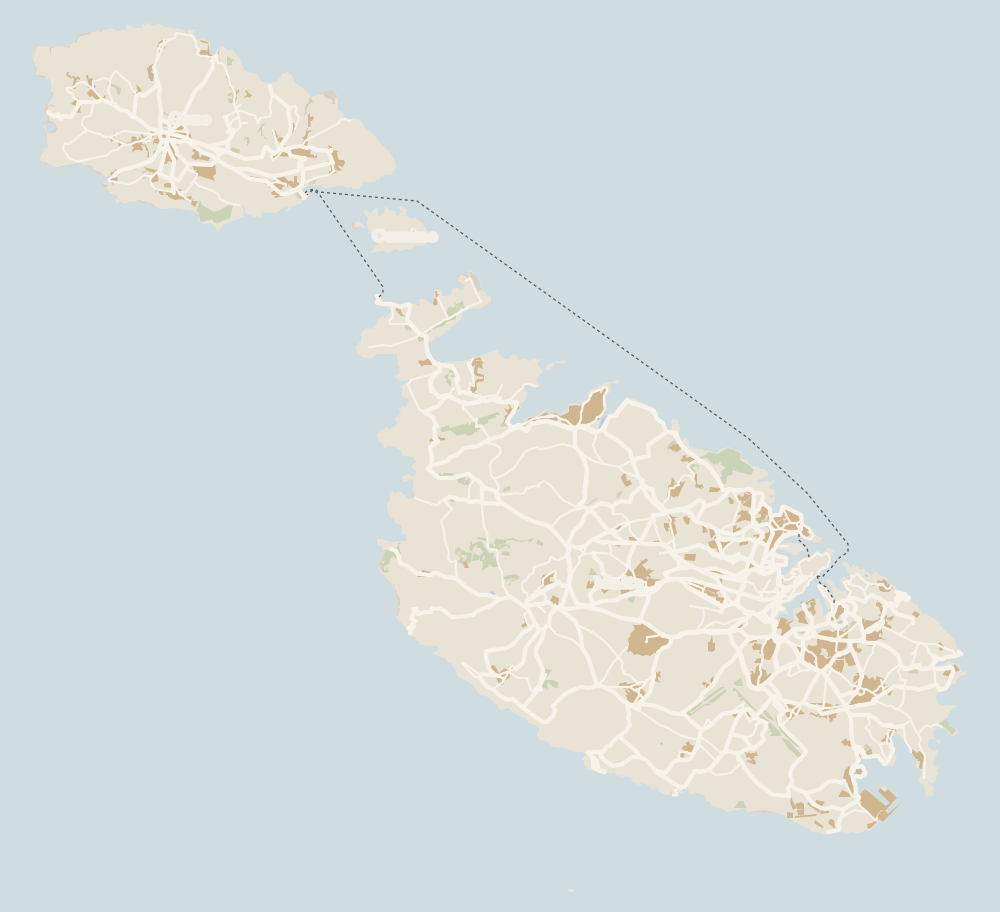
Where Valletta is
Gozo lies to the north-west, across the channel the ferry crosses from Ċirkewwa, with Comino between the two islands. Every number opens its guide.
St John's Co-Cathedral, the Grandmaster's Palace, Fort St Elmo and the Upper Barrakka Gardens with the noon gun are the core. Add the National Museum of Archaeology, MUŻA, the Lascaris War Rooms and Underground Valletta if you have a second day.
Is Valletta worth staying in?
I think so, for at least one night. You get the city on foot, ferries to Sliema and the Three Cities, and the airport bus at the gate. What you give up is a beach, which is a short trip away.
How do I get from Malta Airport to Valletta?
Take the TD4, which leaves the airport bus station every 30 minutes and costs €3 paid on board. It ends at the Valletta terminus at the city entrance. The official taxi service is Malta Taxi, with fares on its online calculator.
How many people live in Valletta?
5,189 at the end of 2025, according to Malta's National Statistics Office. The number is falling, from 5,635 in 2012. The most populous town in Malta is St Paul's Bay, with 43,095.
Why is Valletta a UNESCO World Heritage Site?
UNESCO listed it in 1980 as a single late-Renaissance creation, laid out on a grid inside bastioned walls. It packs 320 monuments into 55 hectares, one of the most concentrated historic areas in the world.
Is Valletta walkable?
Yes, the whole walled city is walkable, and you won't need a bus inside it. Expect slopes and steps as soon as you leave Republic Street, so leave the flip-flops for the beach.
Tourism graduate with a master’s in Tourism Management and Planning from the University of Málaga, who has travelled across Europe. He writes every guide from official sources and his own judgement.

 1Island of Malta 2Valletta 3Three Cities 4Kalkara 5Paola 6Tarxien 7Żabbar 8Fgura 9Luqa 10Floriana 11Marsa 12Mellieħa 13Santa Luċija 14Xgħajra 15Żejtun 16Gudja 17Għaxaq 18Marsaxlokk 19Kirkop 20Mqabba 21Marsaskala 22Qrendi 23Żurrieq 24Mdina 25Birżebbuġa 26Safi 27Rabat (Malta) 28Siġġiewi 29Dingli 30Żebbuġ 31Mtarfa 32Balzan 33Lija 34Iklin 35Attard 36Victoria Lines 37St Paul's Bay 38Mosta 39Naxxar 40Għargħur 41Mġarr (Malta) 42Sliema 43St Julian's 44Gżira 45Msida 46Ta' Xbiex 47Pietà 48Pembroke 49Swieqi 50San Ġwann 51Birkirkara 52Ħamrun 53Santa Venera 54Qormi