Slovenia is a central European country of 20,271 km² and 2,135,107 people (1 January 2026), between Italy, Austria, Hungary and Croatia, with 47 km of Adriatic coast. Its capital is Ljubljana. It's in the EU and Schengen and uses the euro, so British visitors follow the 90-in-180-day rule and need a passport under ten years old.
In 30 seconds
Full read: 3 min
Slovenia covers 20,271 km² and had 2,135,107 residents on 1 January 2026.
Its capital is Ljubljana, and it borders Italy, Austria, Hungary and Croatia.
It is in the EU and Schengen and has used the euro since 2007.
It has five UNESCO World Heritage properties and one national park, Triglav.
What I wouldn't do is rush Slovenia in two days of Ljubljana and Bled on a hop from Venice or Zagreb, as most people do. A week fits what defines it, the Julian Alps, the Karst caves and Piran, and two bases put everything in reach.
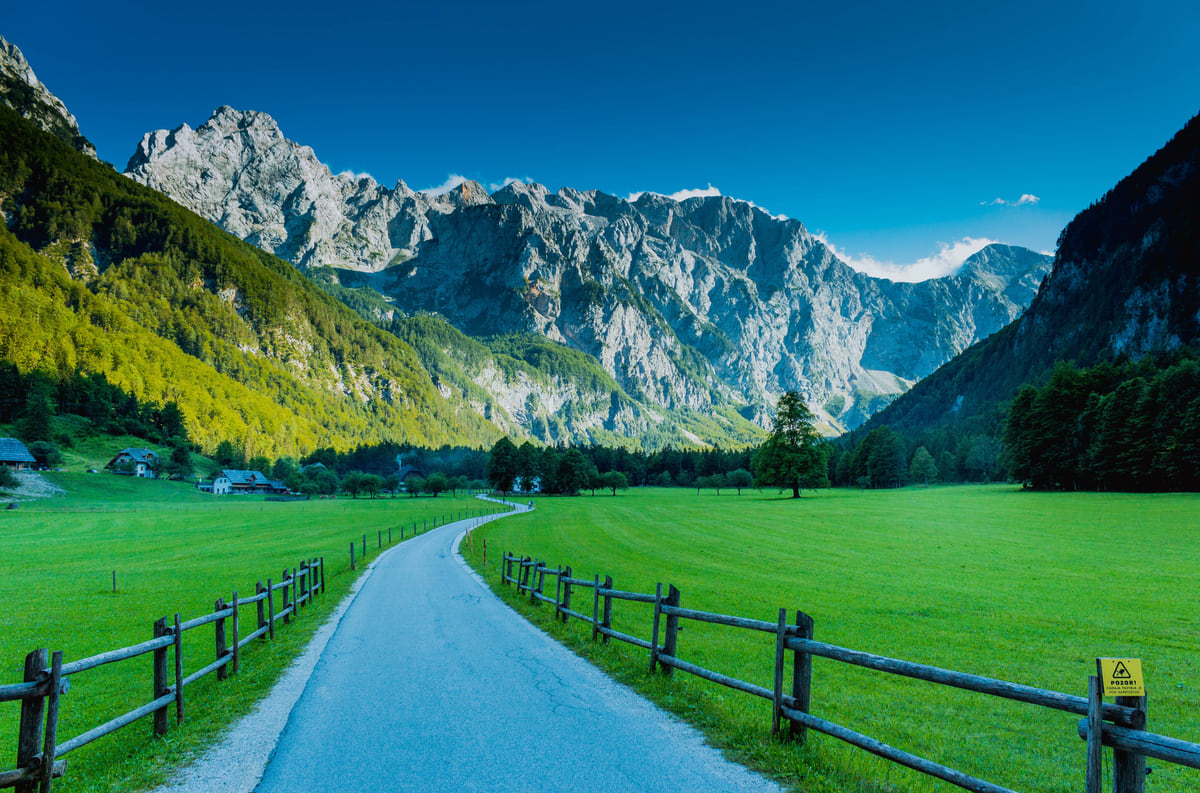
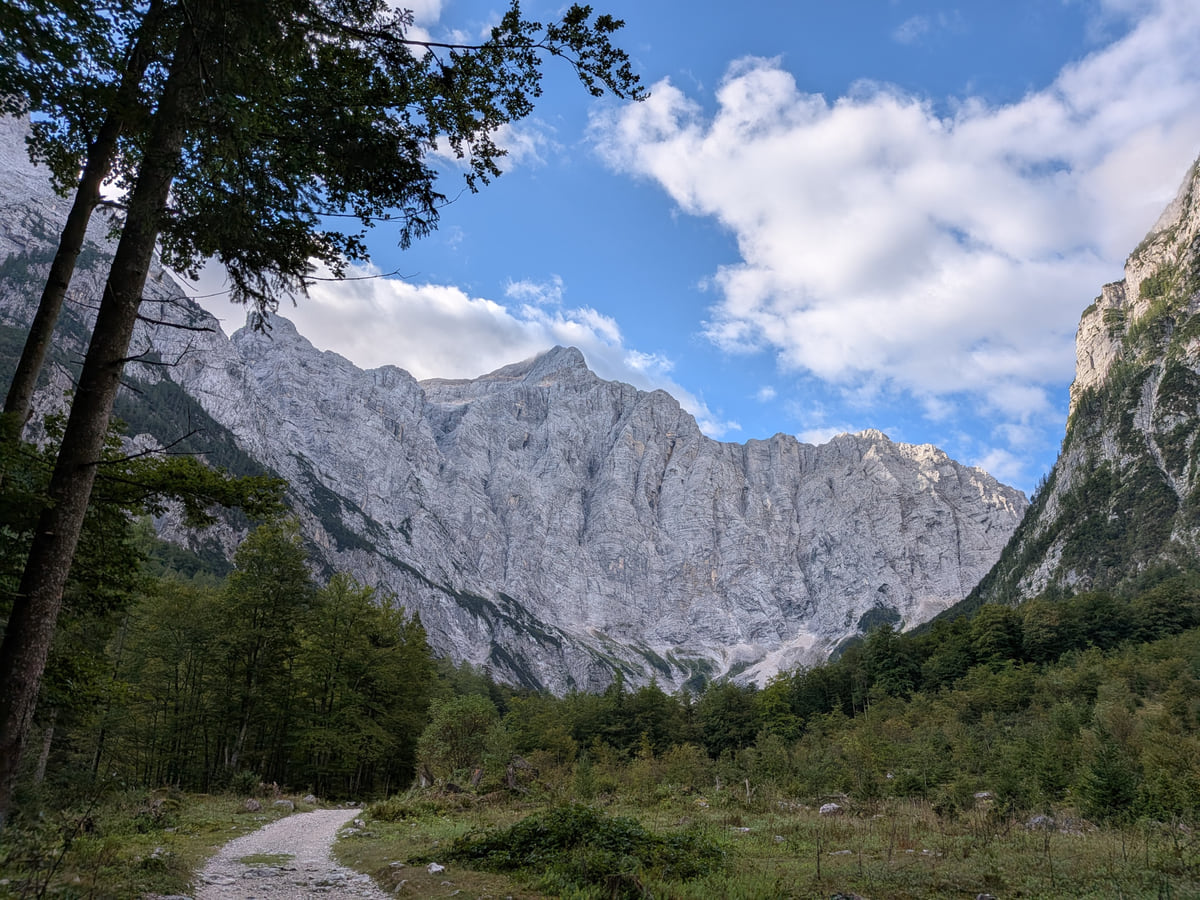
Triglav National Park covers 83,982 hectares and is Slovenia's largest protected area, according to the government. Lake Bohinj, Mount Triglav and the Seven Lakes Valley all sit inside it.
Slovenia has used the euro since 1 January 2007. Ljubljana's city buses don't take cash at all, so a contactless card or the Urbana card is what you'll need from day one.
Motorways and expressways need DARS's electronic vignette. The UK government warns about fake websites selling it; the only official shop is evinjeta.dars.si, linked to your number plate.
Bled is 50 km from Ljubljana according to the Slovenian Tourist Board, and the Alps and the coast are only a couple of hours apart. That's why I'd rather keep two bases than move hotel every night.
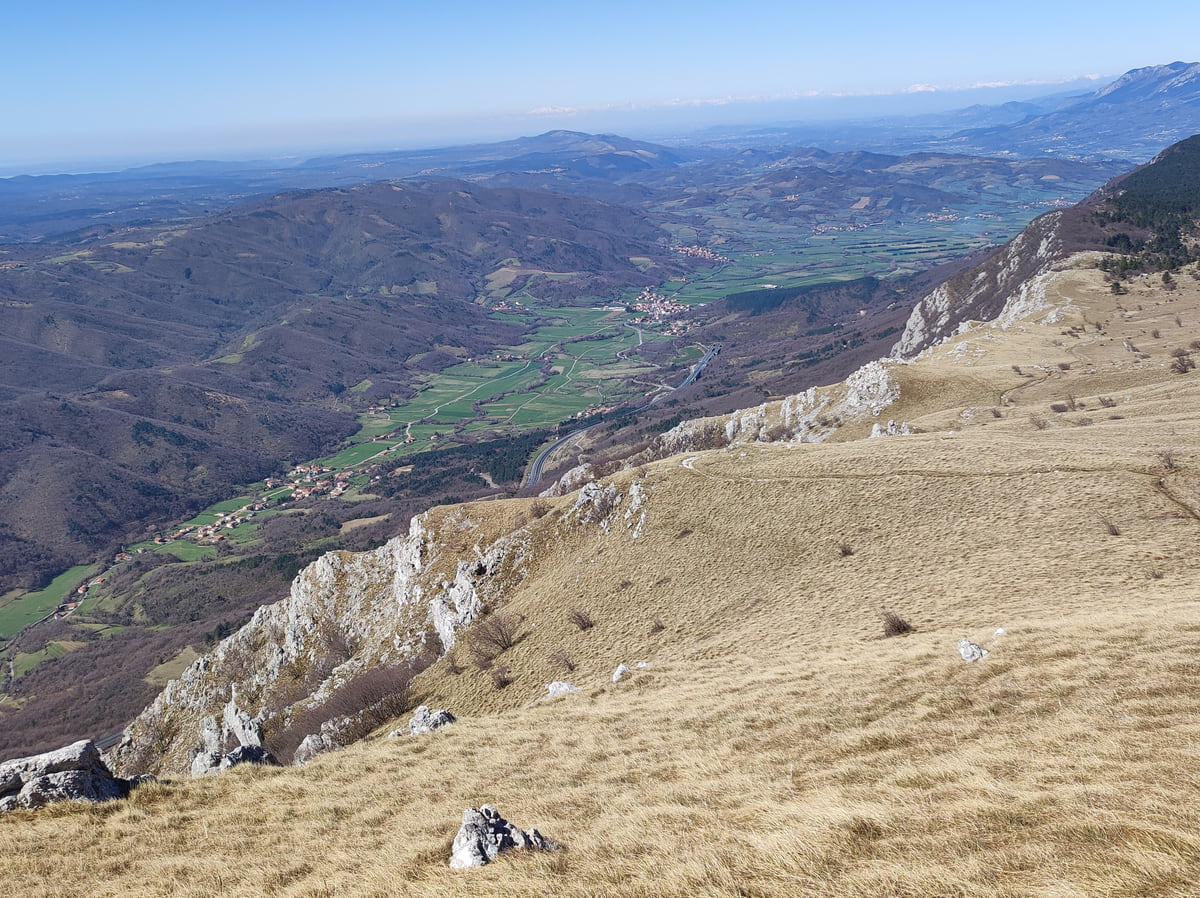
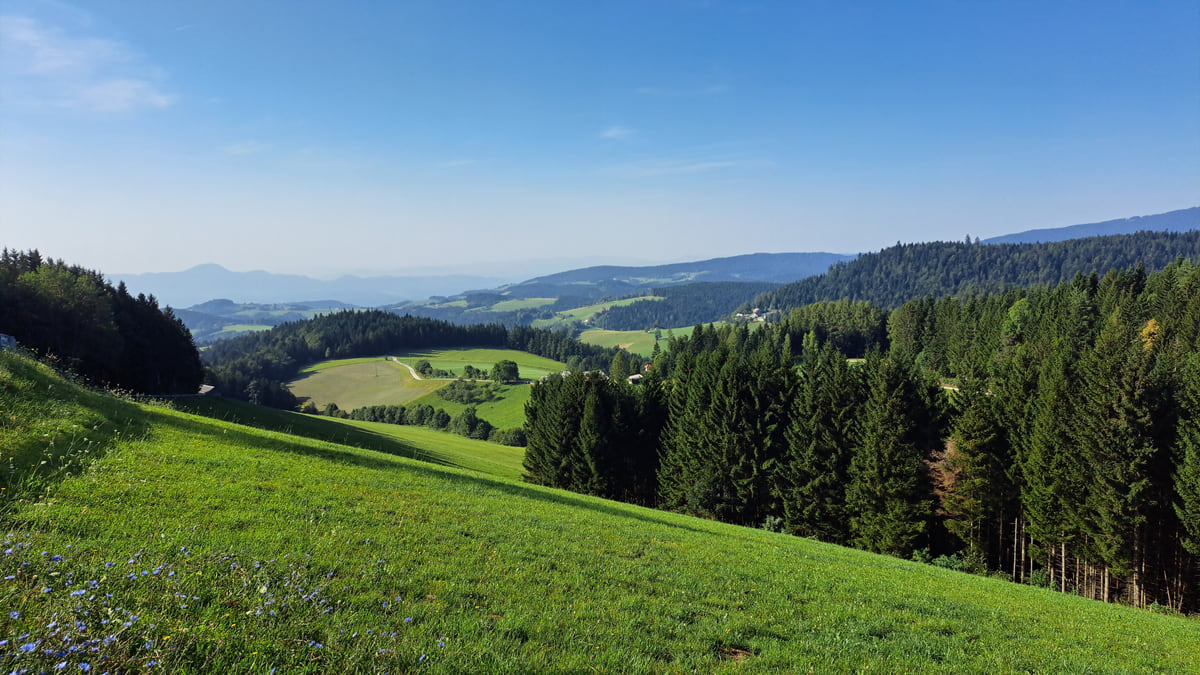
On 1 January 2026 Slovenia had 2,135,107 residents, according to SURS, and roughly one in seven lives in the municipality of Ljubljana, which counts 302,826. Its 1,322 km of land border run past Italy, Austria, Hungary and Croatia, with Croatia taking the longest share (672 km), and its only seafront is a short stretch on the Gulf of Trieste. The government sees it as the place where four great European landscapes overlap, Alpine, Mediterranean, Pannonian and Dinaric, and you notice the change every hundred kilometres or so.
There are 212 municipalities and 12 statistical regions. Those regions aren’t counties with councils; the government itself admits that the regions written into the constitution have never been created. For planning a trip I find the traditional areas more useful, the Julian Alps, Ljubljana and the centre, the coast and Karst, and the Pannonian east, which is how I’ve laid out the regions of Slovenia.
What to see in Slovenia first
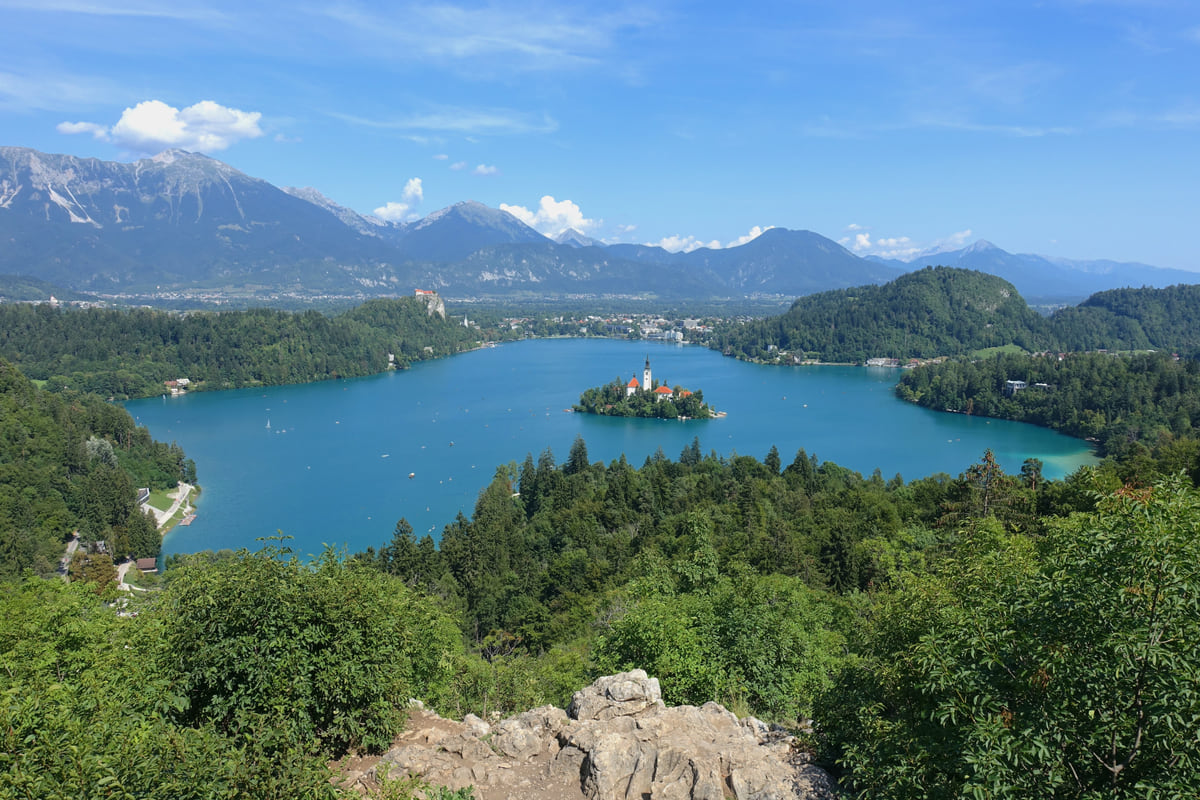
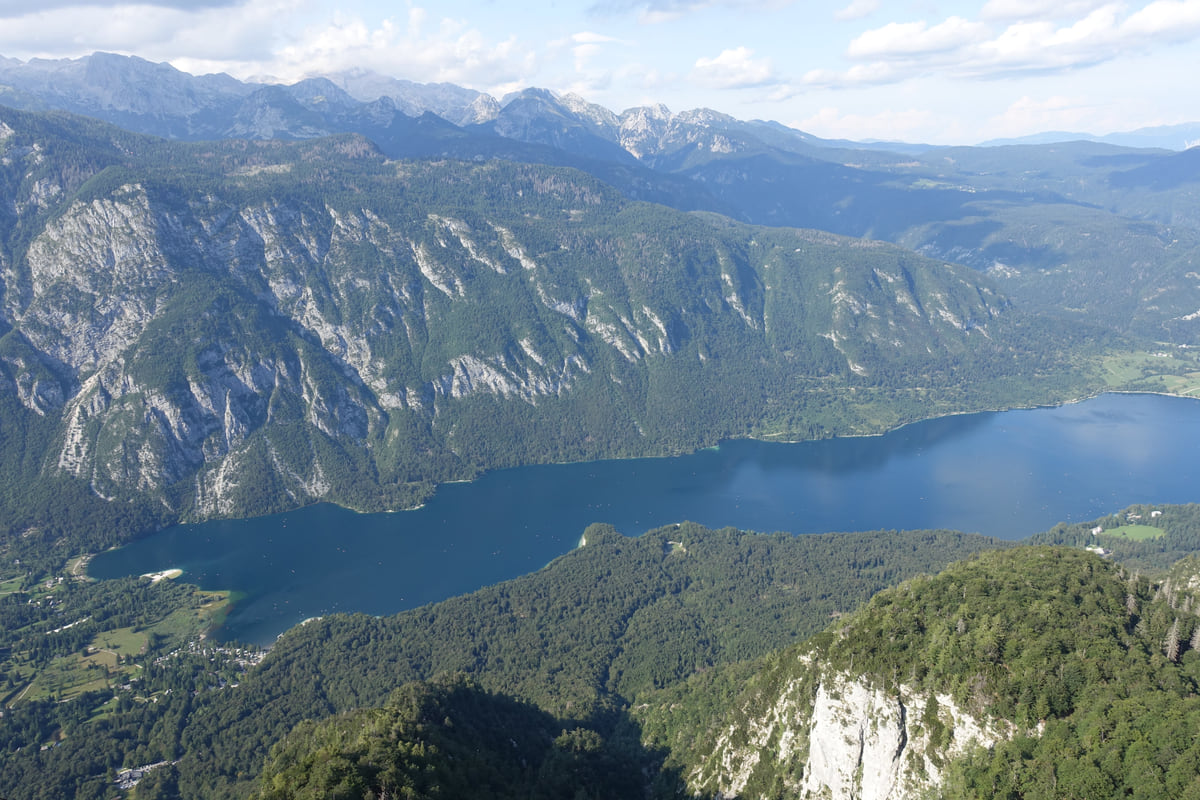
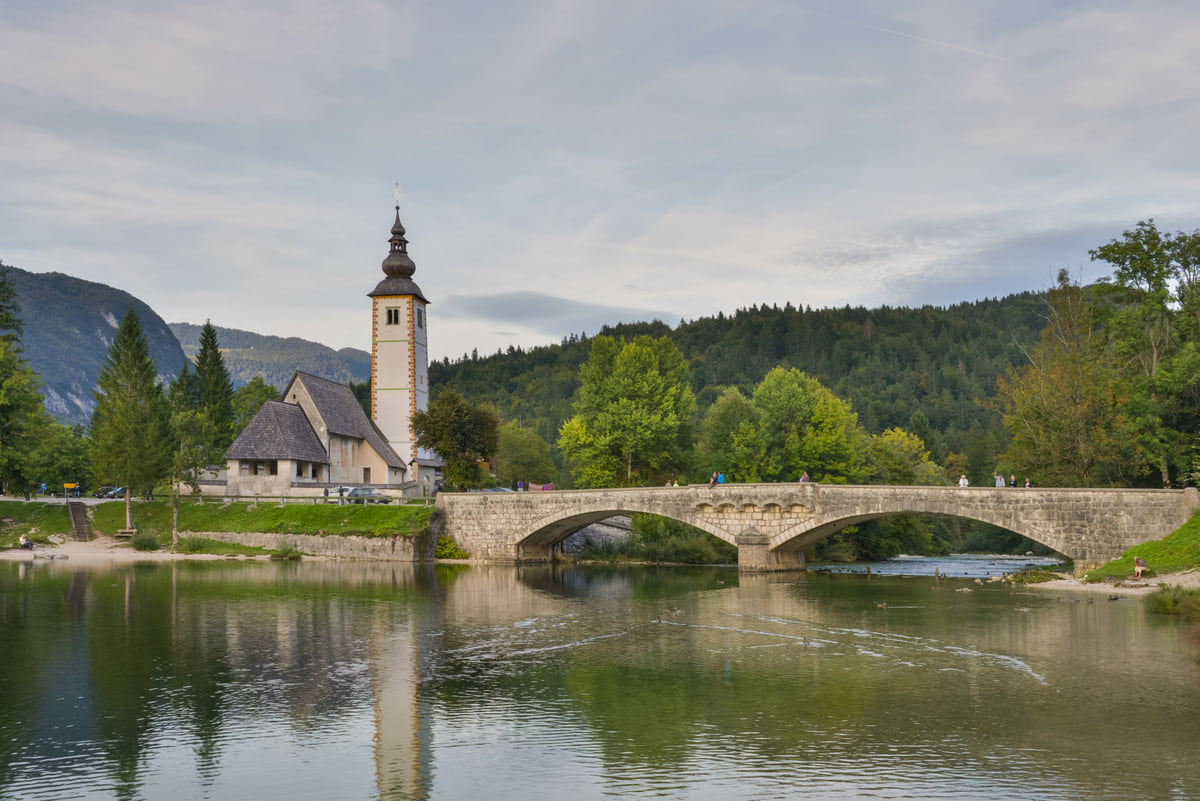
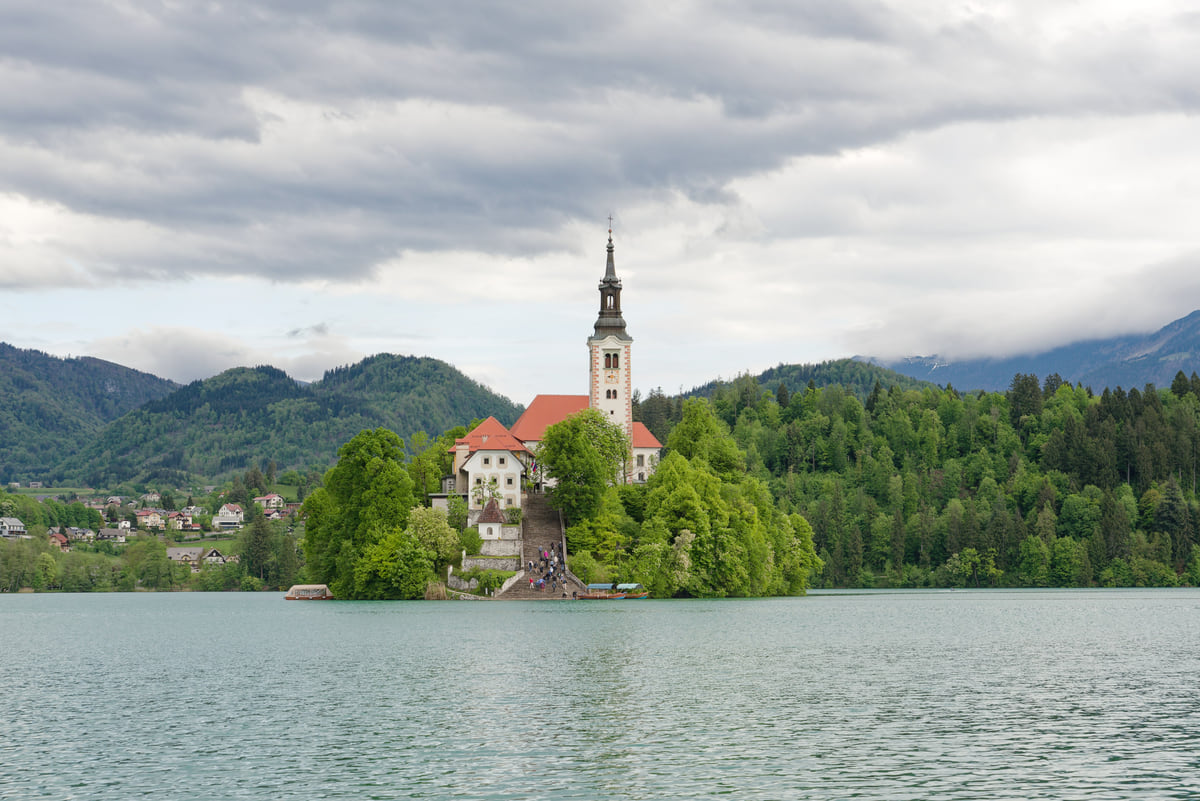
The postcard I’d take home is Lake Bled and its island, the only natural island in Slovenia according to the Tourist Board, reached by pletna, the traditional rowing boat. I wouldn’t stop there, though. Lake Bohinj, further west, is the country’s largest natural lake and sits inside Triglav National Park, the only national park Slovenia has, at 83,982 hectares.
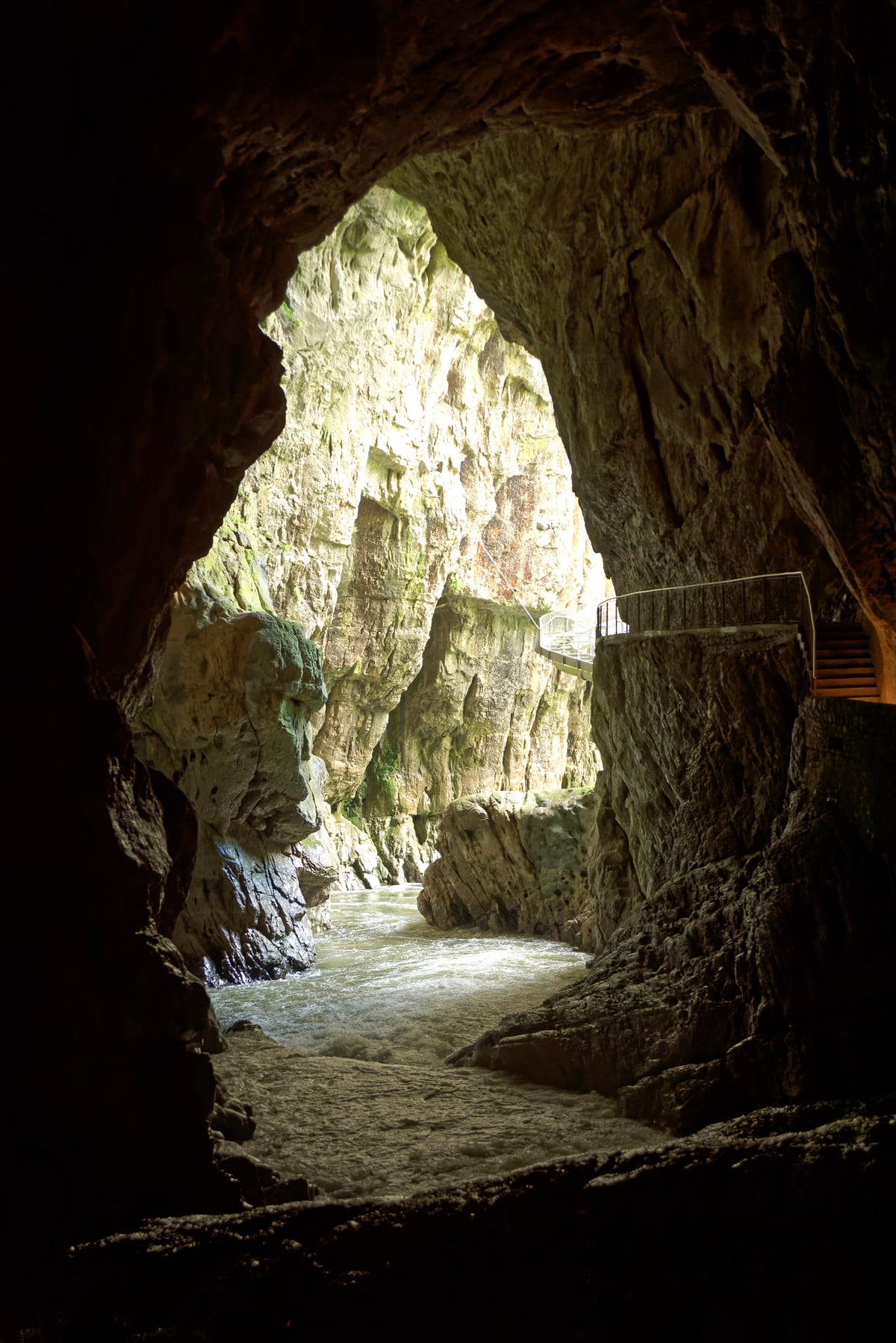
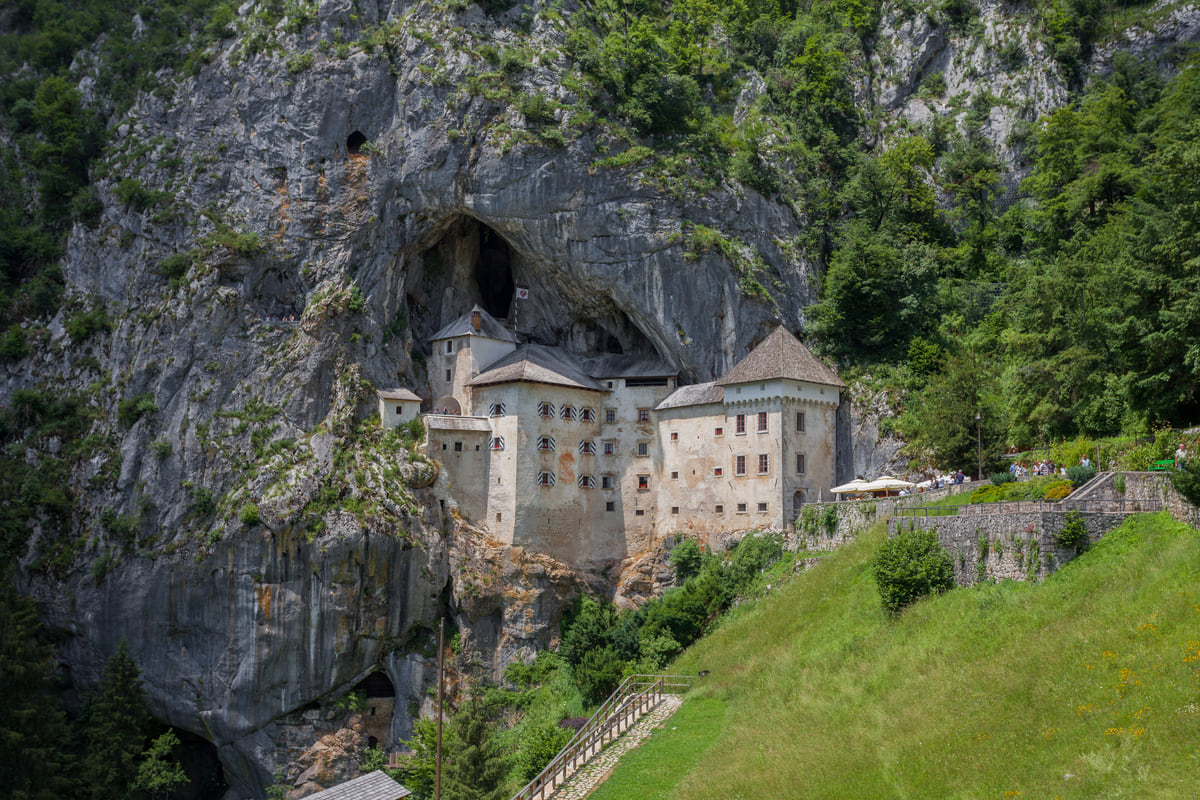
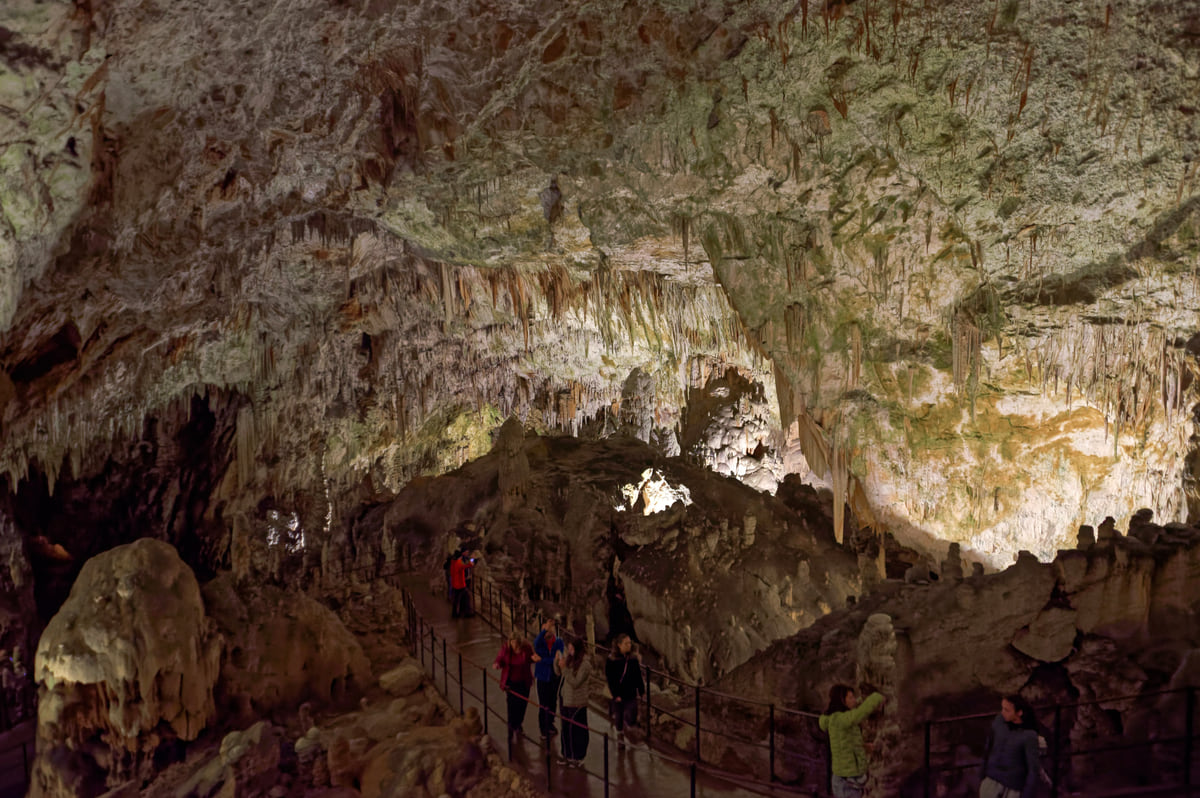
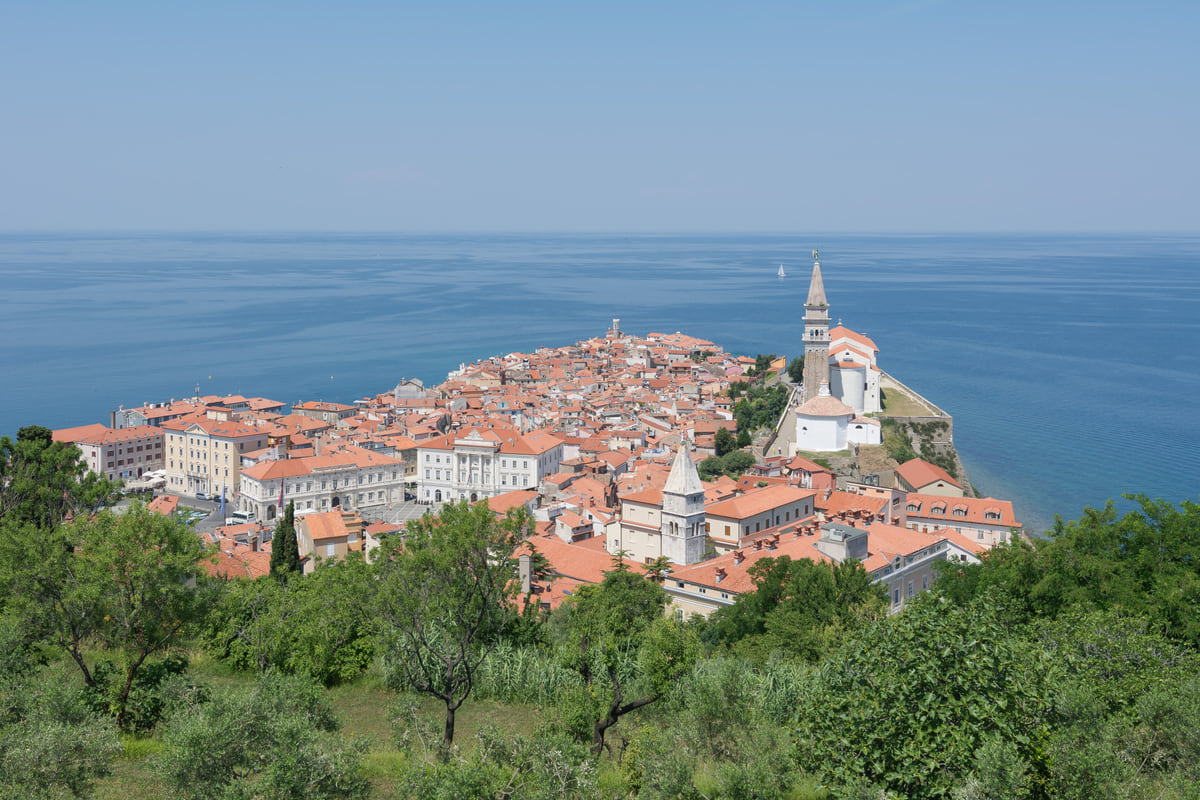
Underground, the Karst is in a league of its own. At Škocjan, listed by UNESCO in 1986, the Reka river has carved a colossal canyon underground, and at Postojna 19.5 km of passages are partly explored on a train with more than 140 years behind it. On the coast, Piran is for me the loveliest town on the Slovenian Adriatic. My full list, scored place by place, is in things to do in Slovenia.
Passports, the 90-day rule and the EES
NATO and the EU came in 2004, the euro at the start of 2007 and Schengen that December. For a UK passport holder the practical upshot is the Schengen rulebook. According to the FCDO, the passport should be less than a decade old on arrival with three months’ life left beyond your departure date, and no visa is needed for visits totalling up to 90 days within a rolling 180-day period. Since 10 April 2026 the EU’s Entry/Exit System registers non-EU travellers at Slovenia’s five external crossings, three airports and two seaports, so allow extra time at passport control.
One rule catches people out. You must register with the police within three days of arrival; a hotel or registered guesthouse does this for you, but in a private flat you should ask your host. The FCDO also suggests keeping a copy of your passport on you, since failing to show ID to the police can mean a fine. Everything is in Slovenia entry requirements.
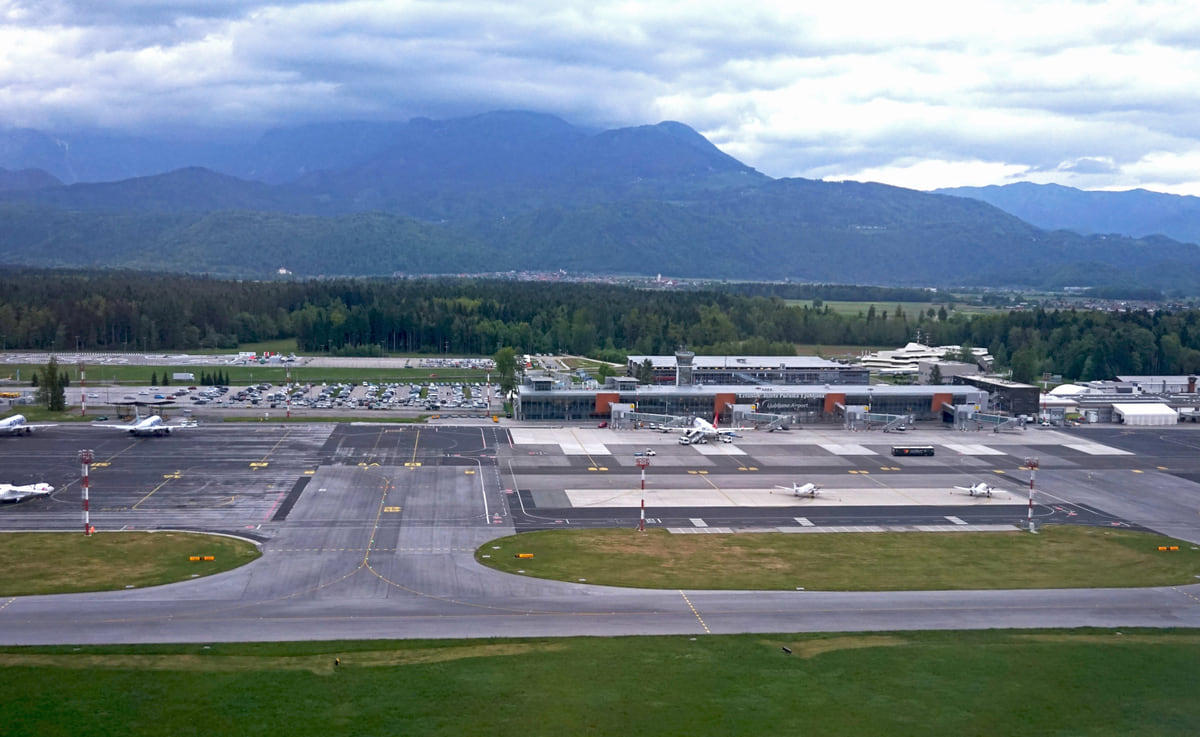
The main gateway is Ljubljana Jože Pučnik Airport at Brnik. Plenty of Britons fly into Venice, Trieste, Zagreb, Graz or Vienna instead, and I’d do the same if the fare is better, because the Tourist Board lists transfers and coaches from all of them. Trains run in from Austria, Italy, Croatia and Hungary. Air, rail, coach and road are compared in how to get to Slovenia.
Once you’re there, a car gives you the freedom the Alps deserve, but you’ll need DARS’s e-vignette for motorways and expressways, and in the depths of winter, winter tyres or chains are the law. Traffic keeps to the right. Buses reach almost every village, and central Ljubljana is closed to traffic, so in the capital you’ll walk.
When to visit Slovenia, and the crowds
SURS logged 6,993,930 tourist arrivals over 2025. Germany headed the list with 743,428, and British visitors made 188,257 arrivals. Ljubljana, Piran, Bled, Kranjska Gora and Bohinj take the lion’s share. In the capital the official 2001 to 2010 averages climb from 0.4°C in January to 21.9°C in July, so the country changes character with the seasons.
Given a free choice of dates, my pick would be June or September, with long days and, in my view, less of a crush at Bled than in August. Skiers have a case for winter too, with around 230 km of pistes across the country according to the Tourist Board. For a month-by-month view, see the best time to visit Slovenia. And to start planning, the practical side is gathered in the Slovenia travel guide.
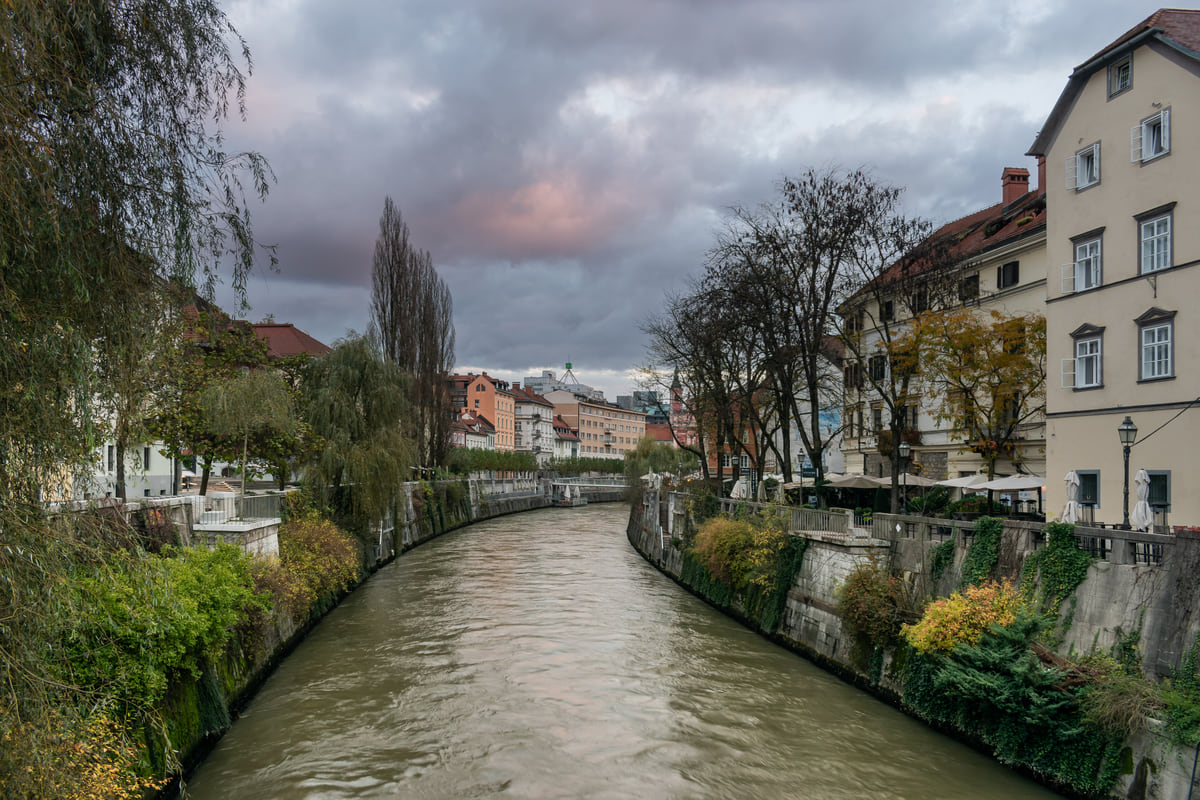
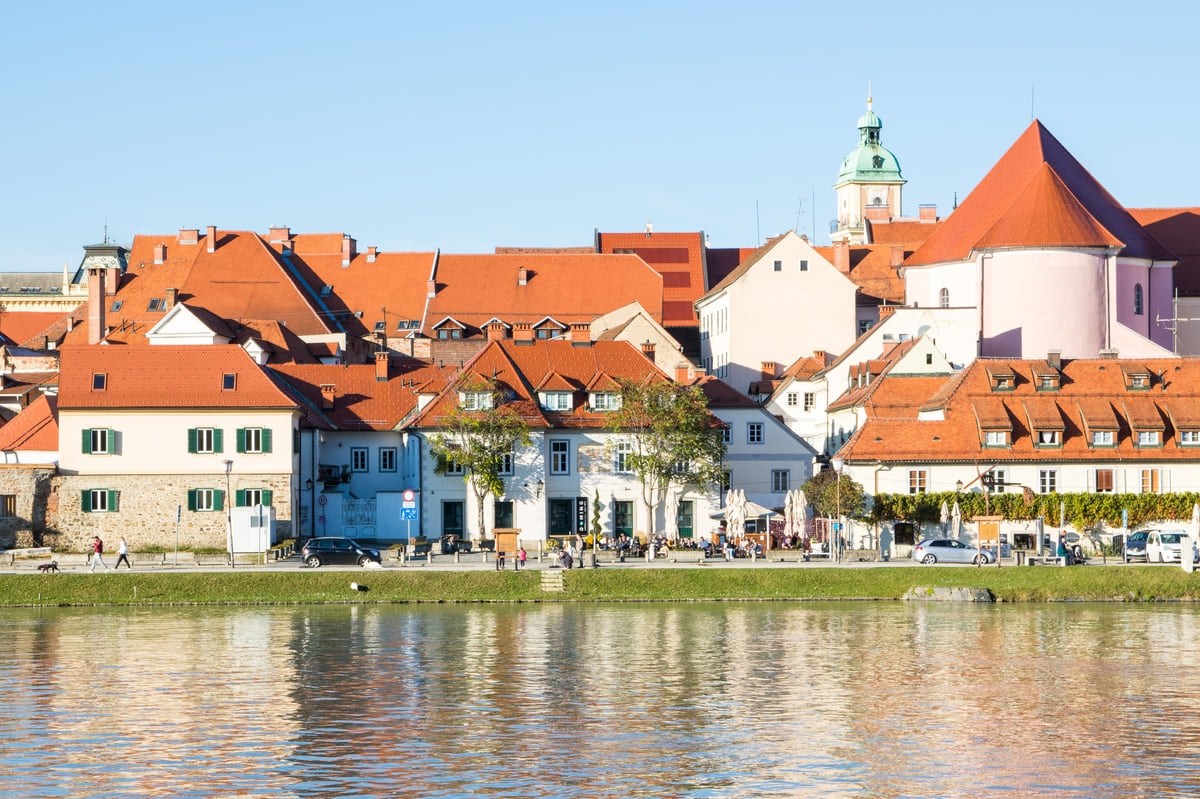
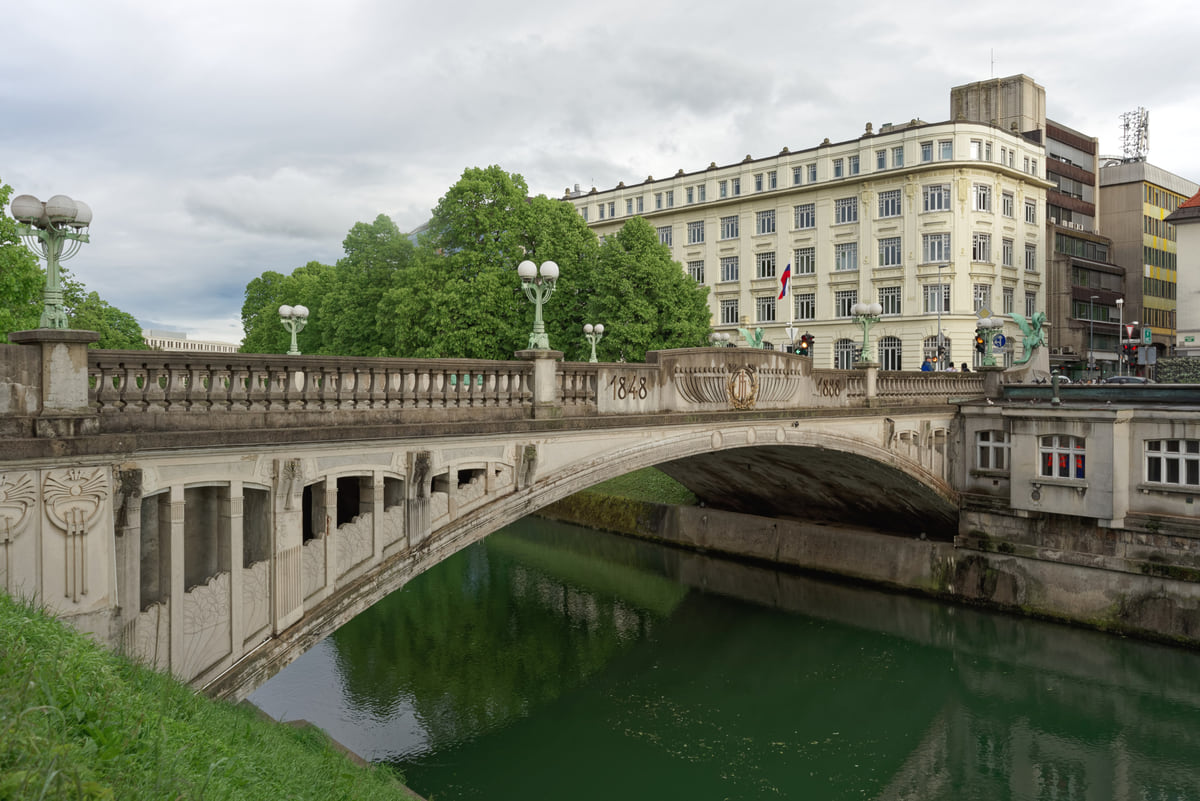
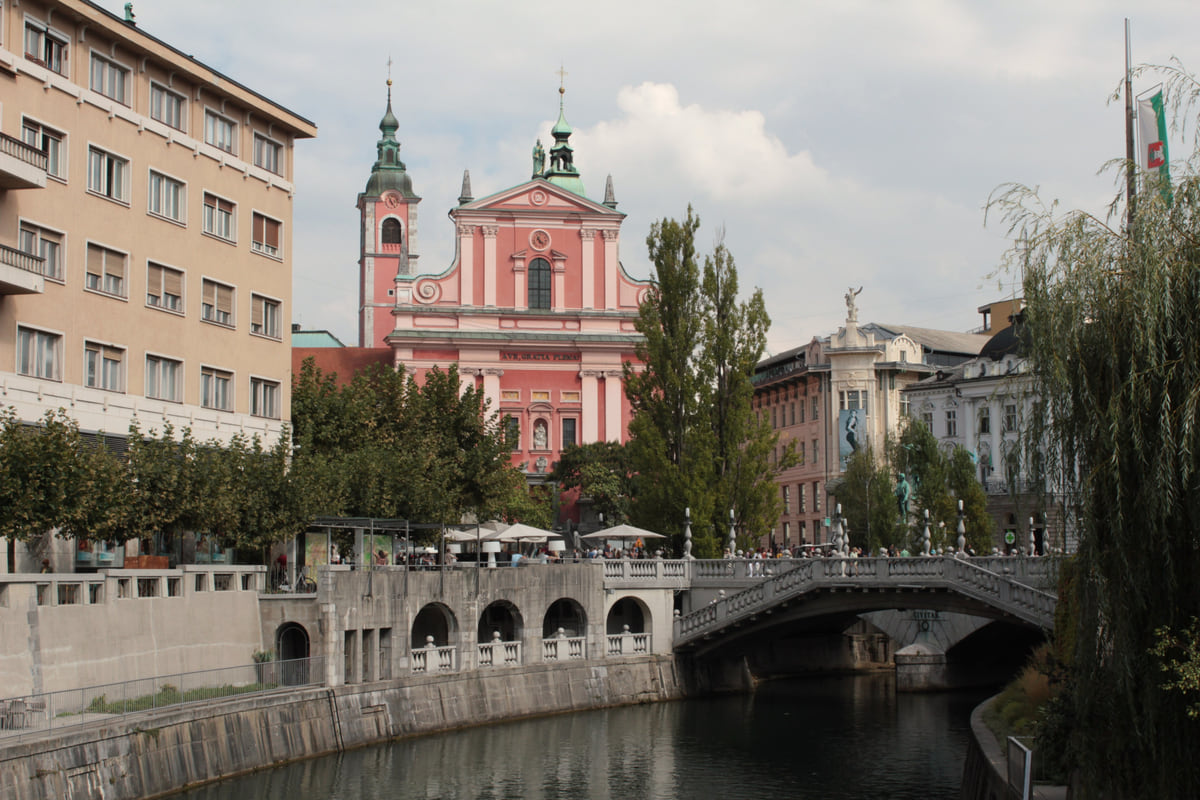
Plečnik's Triple Bridge over the Ljubljanica and the pink Franciscan church on Prešeren Square, framed by trees
A gallery in Postojna Cave with lit stalactites and rock columns above a path with visitors
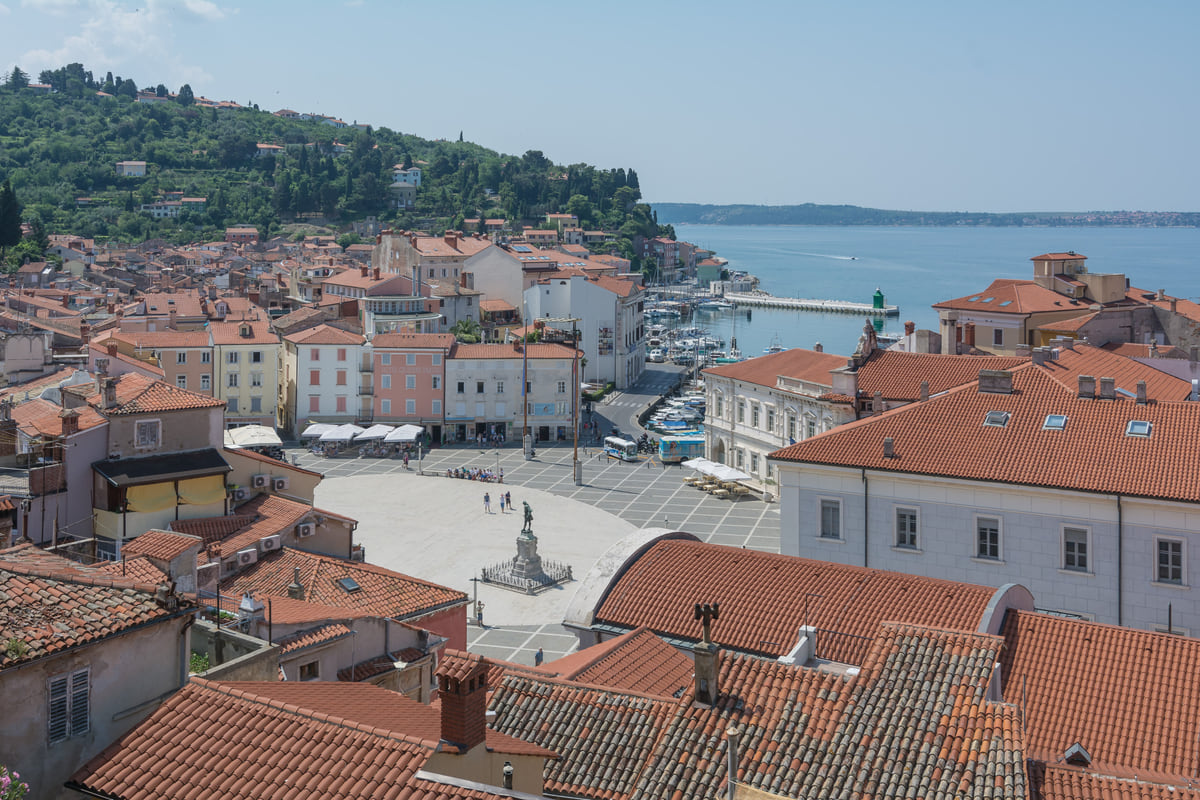
Piran's old town on its peninsula in the Adriatic, with red roofs, the bell tower and olive trees in the foreground
Slovenia in official figures
Figure
Value
Source
Area
20,271 km²
Government of Slovenia and SURS
Population on 1 Jan 2026
2,135,107
SURS
Municipalities
212
SURS
Statistical regions
12, with no regional government
SURS and government
Coastline
47 km
Government of Slovenia
Land borders
1,322 km
Government of Slovenia
Tourist arrivals in 2025
6,993,930
SURS
Checked on 4 October 2026 and again on 15 October 2026.
The five busiest municipalities in 2025
Municipality
Arrivals in 2025
Why people go
Ljubljana
1,392,728
The capital, its castle and river
Piran
631,821
The Venetian coast and Portorož
Bled
499,659
The lake with Slovenia's only natural island
Kranjska Gora
383,377
Skiing, the Vršič Pass and the upper Sava valley
Bohinj
323,794
The largest natural lake and Mount Triglav
SURS, arrivals and overnight stays by municipality, 2025.
Test yourself
Myths and facts about Slovenia
0/3Pick before you peek.
Slovenia and Slovakia are the same country.
See the answer
False. They are two separate countries. Slovenia's capital is Ljubljana and it has an Adriatic coast; Slovakia's is Bratislava and it is landlocked.
Slovenia has used the euro since 2007.
See the answer
True. It adopted the euro on 1 January 2007, according to the Slovenian government.
Slovenia's regions have their own governments, like counties with councils.
See the answer
False. The 12 regions are statistical. The government says the regions foreseen in the constitution have not been set up because there is no political consensus.
Official area
20,271 km²
Residents on 1 January 2026
2,135,107
Height of Triglav, the highest peak
2,864 m
Length of the Adriatic coastline
47 km
UNESCO World Heritage properties
5
Map
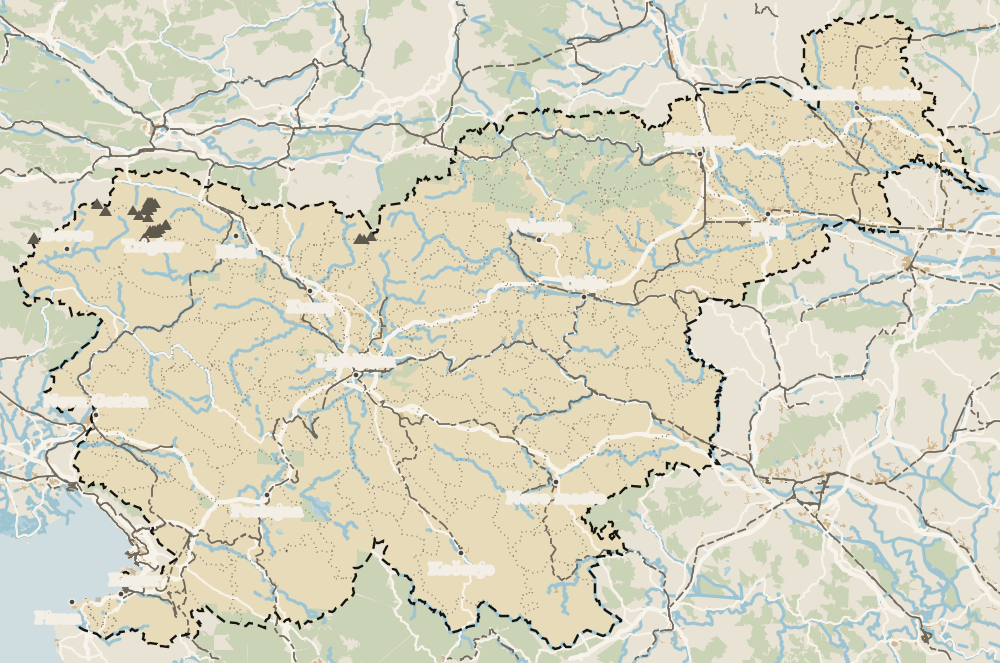
Slovenia, from the Julian Alps to the Adriatic
The Julian Alps, Triglav and the Soča valley lie to the north-west; Ljubljana sits in the centre; the Karst, its caves and the 47 km of coast are to the south-west, and Maribor, Ptuj and the Prekmurje plains to the east. Every number opens its guide.
Ljubljana. The municipality had 302,826 residents on 1 January 2026 according to SURS, and it was the most visited place in the country in 2025, with 1,392,728 tourist arrivals.
Is Slovenia in the EU?
Yes. It joined the European Union and NATO in 2004, adopted the euro on 1 January 2007 and became part of the Schengen area in December 2007.
Do I need a visa for Slovenia from the UK?
Not for tourism. The FCDO says Schengen rules apply, so you can stay up to 90 days in any 180, and your passport must be under ten years old and valid for at least three months after you leave the Schengen area.
Does the GHIC work in Slovenia?
Yes, for medically necessary treatment in the public system, according to gov.uk. It isn't a substitute for travel insurance, which you'll want for mountain rescue and anything the state system doesn't fully cover.
What language is spoken in Slovenia?
Slovenian, a South Slavic language. Italian and Hungarian are also official in the ethnically mixed areas on the coast and in Prekmurje, according to the government.
How many days do you need in Slovenia?
Three days gets you Ljubljana, Bled and Postojna Cave. A week adds Bohinj, the Soča Valley, the Karst and Piran, and ten days lets you reach the east, Maribor and Ptuj.
Questions about Slovenia? Write to me
If your question is not answered here, write to me and I will look it up in the official sources.
Tourism graduate with a master’s in Tourism Management and Planning from the University of Málaga, who has travelled across Europe. He writes every guide from official sources and his own judgement.

 1Koper 2Ljubljana 3Postojna 4Trbovlje 5Izola 6Kamnik 7Maribor 8Celje 9Domžale 10Piran 11Velenje 12Novo mesto 13Dolenjska 14Ptuj 15Murska Sobota 16Posavje 17Logatec 18Savinjska 19Gorenjska 20Koroška 21Goriška 22Podravje 23Pomurje 24Kranj 25Jesenice 26Nova Gorica 27Škofja Loka