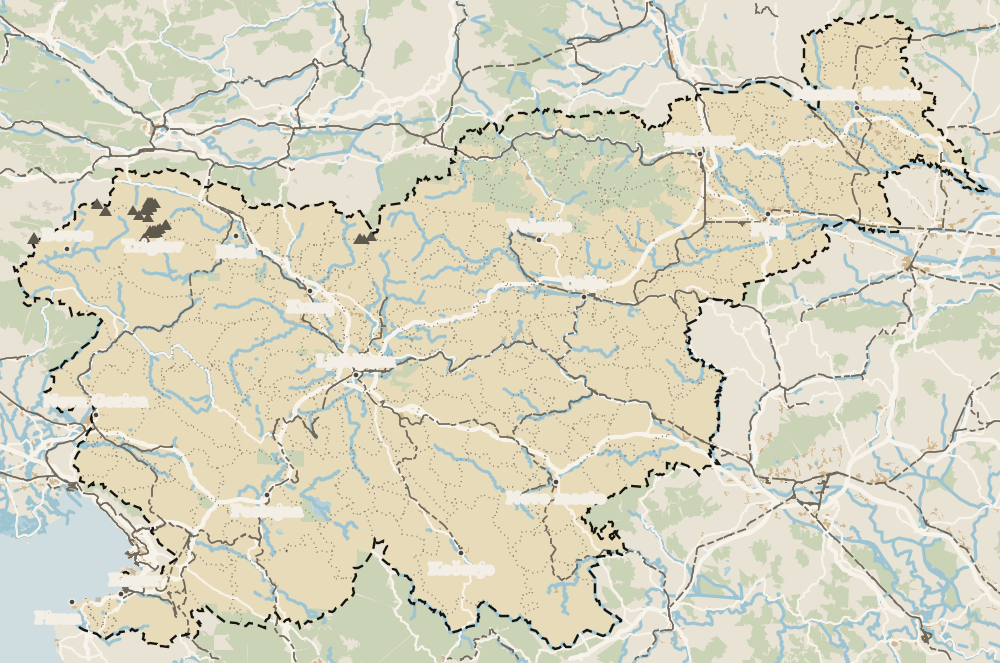
The Julian Alps, Triglav and the Soča valley lie to the north-west; Ljubljana sits in the centre; the Karst, its caves and the 47 km of coast are to the south-west, and Maribor, Ptuj and the Prekmurje plains to the east. Every number opens its guide.
Dolenjska, Lower Carniola, is the travel name for the Jugovzhodna Slovenija statistical region, the country's largest: 2,675 km², 21 municipalities, 1,052 settlements and 148,903 people on 1 January 2026 (SURS). It takes in Novo Mesto and the Krka, the Dolenjske and Šmarješke Toplice spas, Cviček wine, Bela Krajina on the Kolpa and the bear forests of Kočevje.
Dolenjska is where I'd send anyone who has done Bled and Piran and wants a more rural Slovenia. The tufa-lined Krka, a castle on an island and a vineyard cottage with Cviček make a trip you won't get in the Alps.
Sergio LeponeMy advice for Dolenjska
Dolenjska: the quick answer
Full read: 3 min
Jugovzhodna Slovenija is the largest statistical region, 2,675 km² and 21 municipalities.
Novo Mesto, on a bend of the Krka, is its main town.
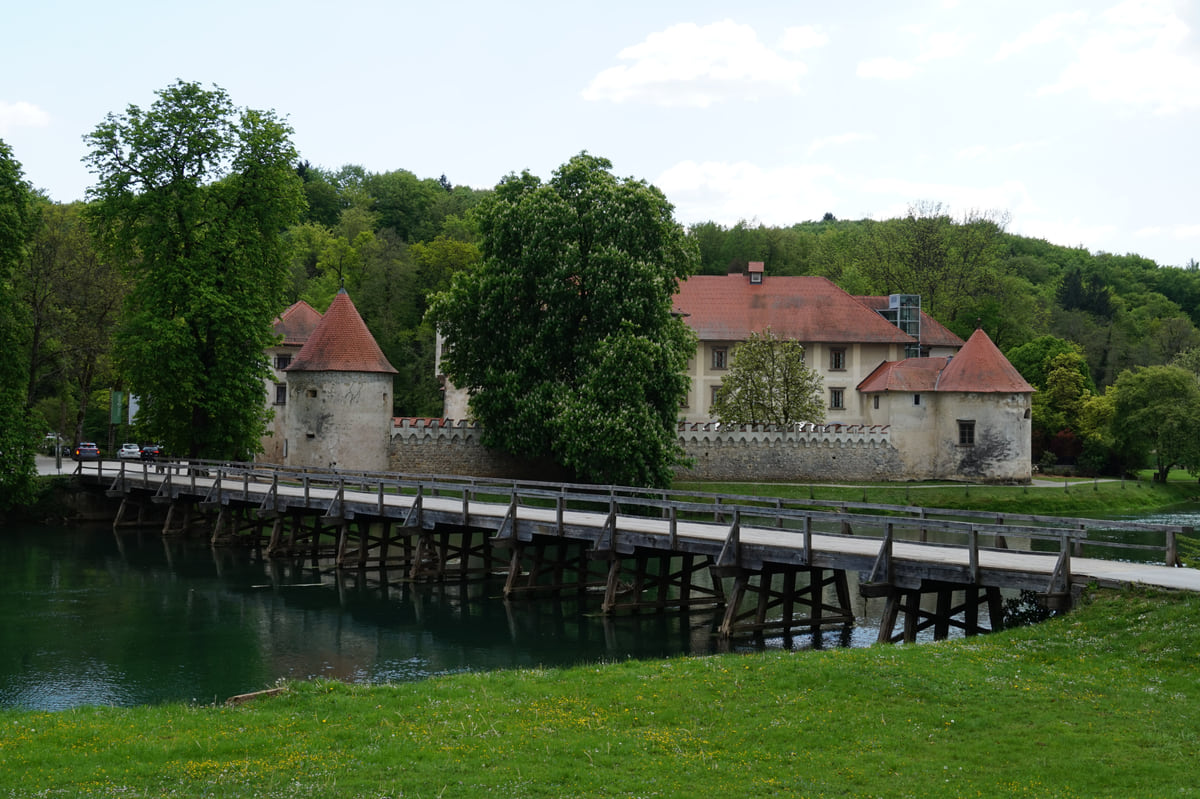
It has Cviček wine, two spas and Otočec Castle on an island.
To the south lie Bela Krajina and the bear forests of Kočevje.
Before you go
Worth knowing about Dolenjska
01 Most beautiful
Novo Mesto, the town on the bend
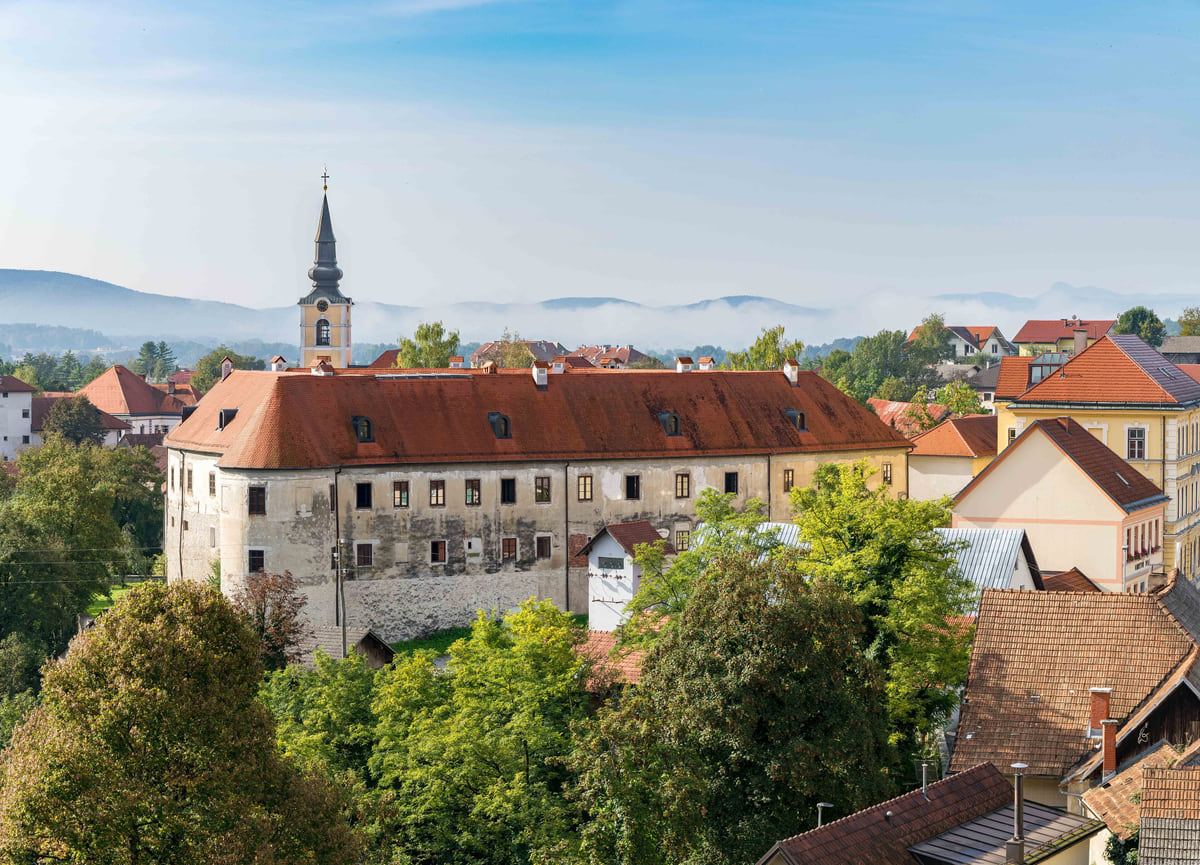
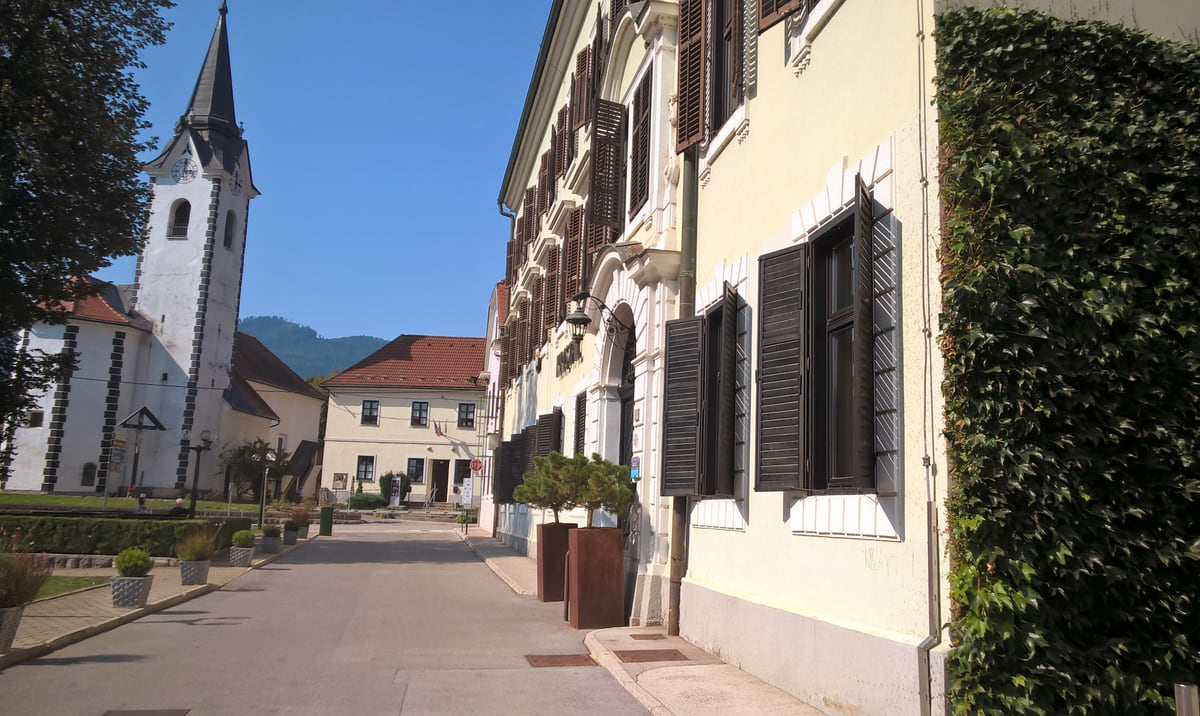
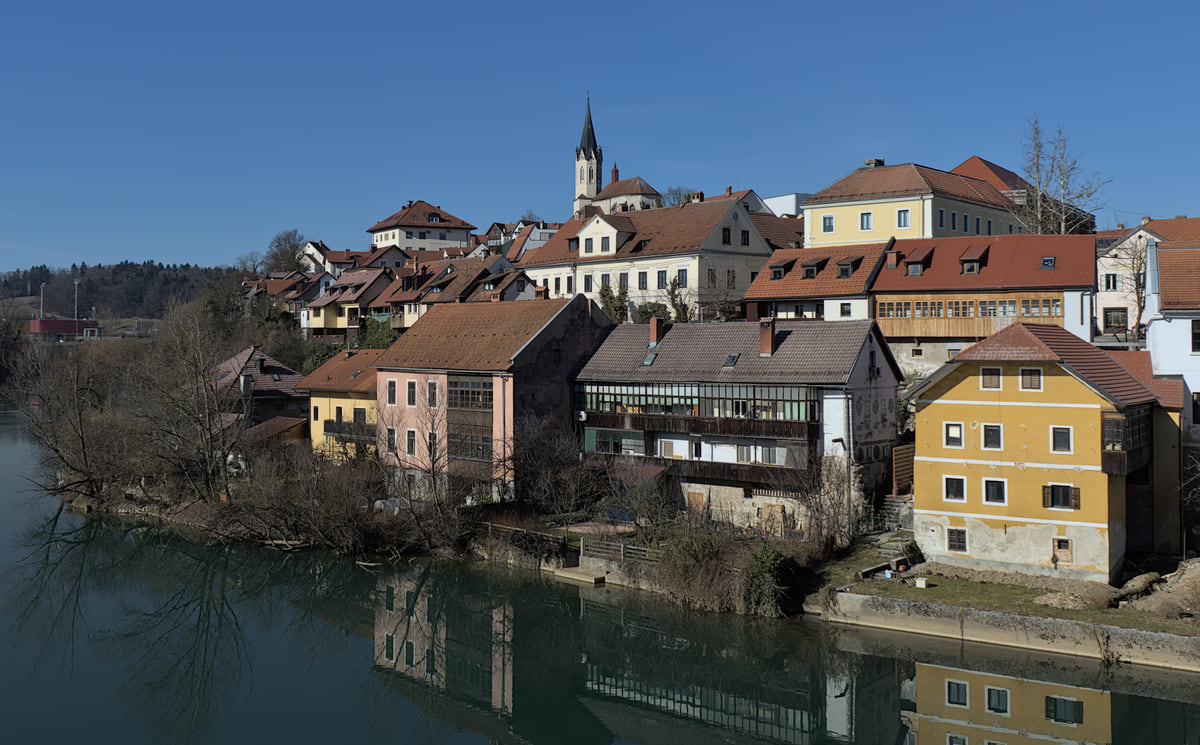
Novo Mesto sits on a meander of the Krka, with its main square, the cathedral of St Nicholas and the Breg riverside. Nine decorated situlae were found here, almost a quarter of those known worldwide.
Otočec Castle stands on an island in the Krka and is now a five-star Relais & Châteaux hotel, according to the tourist board. It's the region's big treat.
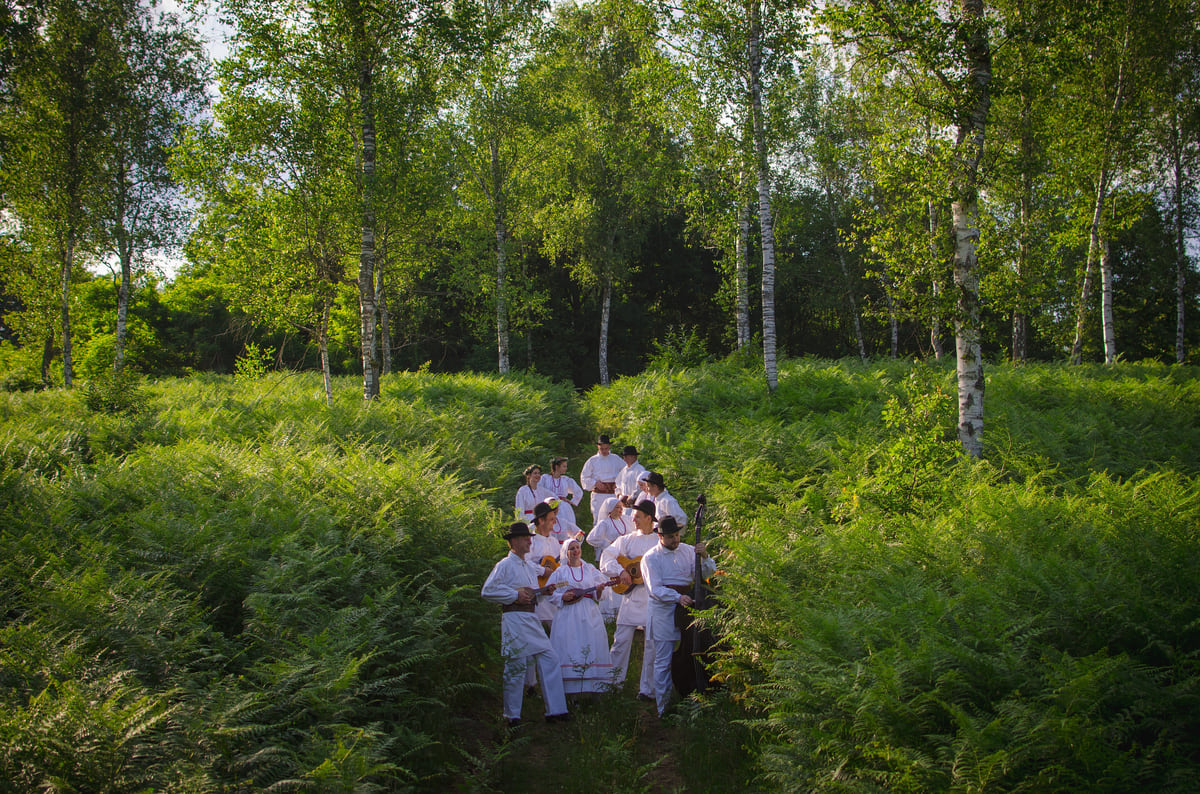
In the far south, Bela Krajina has birch meadows, the Kolpa as the border with Croatia and 40 per cent of its land in Natura 2000. It looks nothing like the Slovenia of the postcards.
The Kočevje area is around 90 per cent forest, has Slovenia's largest brown bear population and protects the Krokar virgin forest, a UNESCO World Heritage site since 2017.
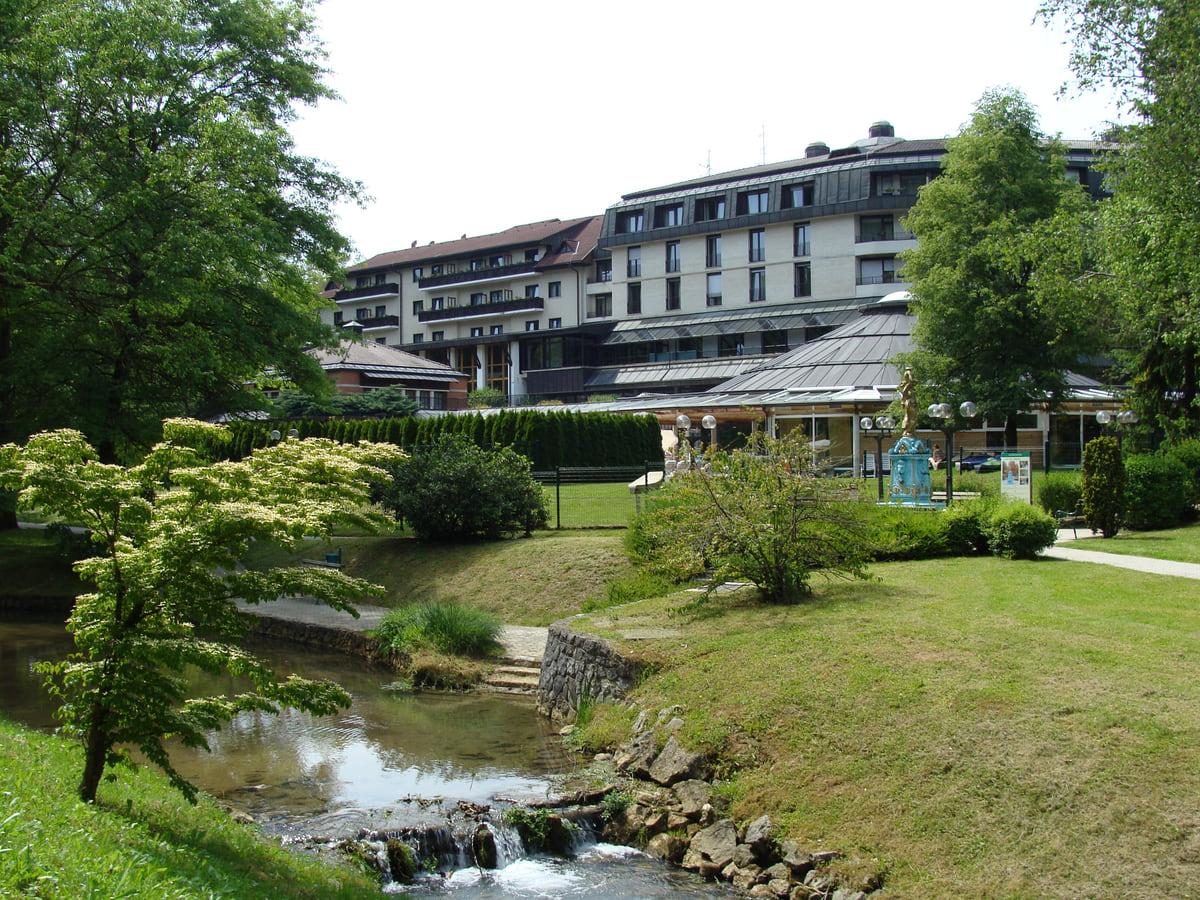
Dolenjske Toplice and Šmarješke Toplice draw thermal water from almost 1,000 metres underground. Outside peak season they make a comfortable base for touring the region.
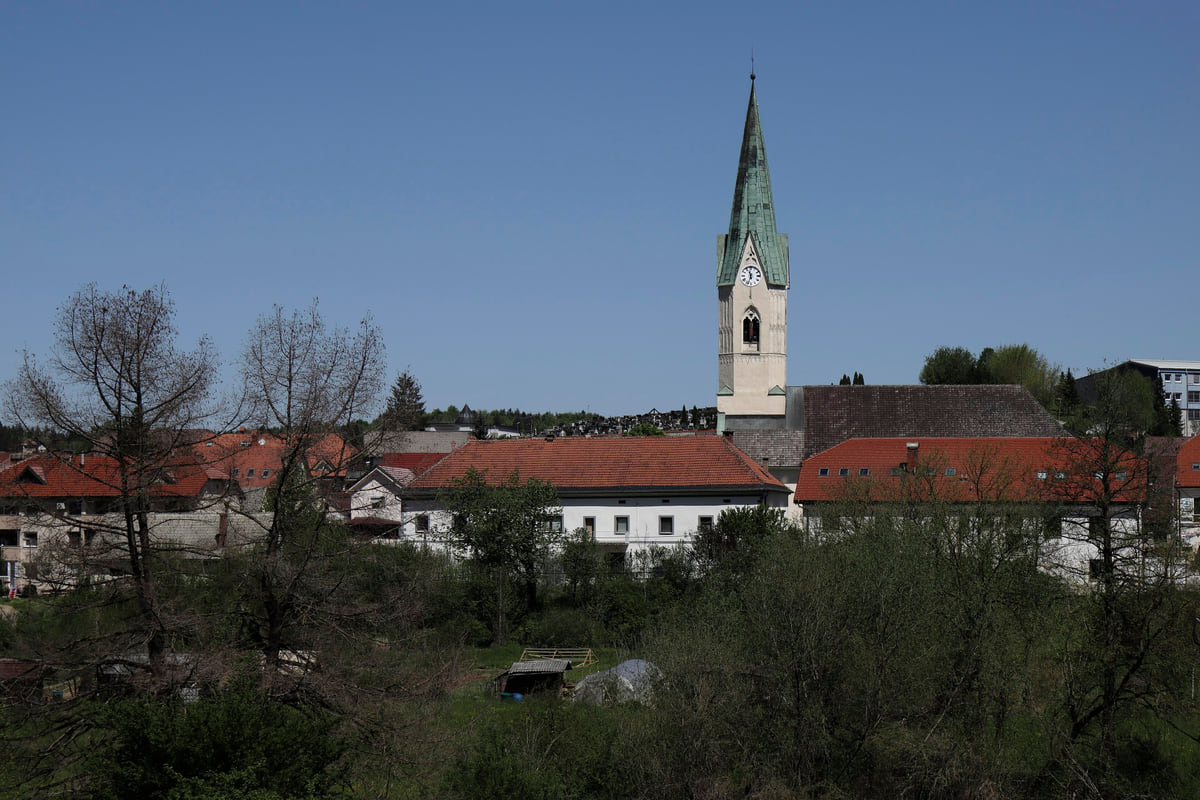
Trebnje, on the site of Roman Praetorium Latobicorum, has the Gallery of Self-Taught Artists, with around 1,500 works of naive art by more than 360 artists.
The SURS figures tell you a lot. Jugovzhodna Slovenija had 148,903 people on 1 January 2026, spread across 21 municipalities and 1,052 settlements, more than any other region. It recorded 168,020 tourist arrivals in 2025, a modest number next to Bled or Piran. I see that as a plus. This is a Slovenia of small villages, vineyards and forest, without the queues.
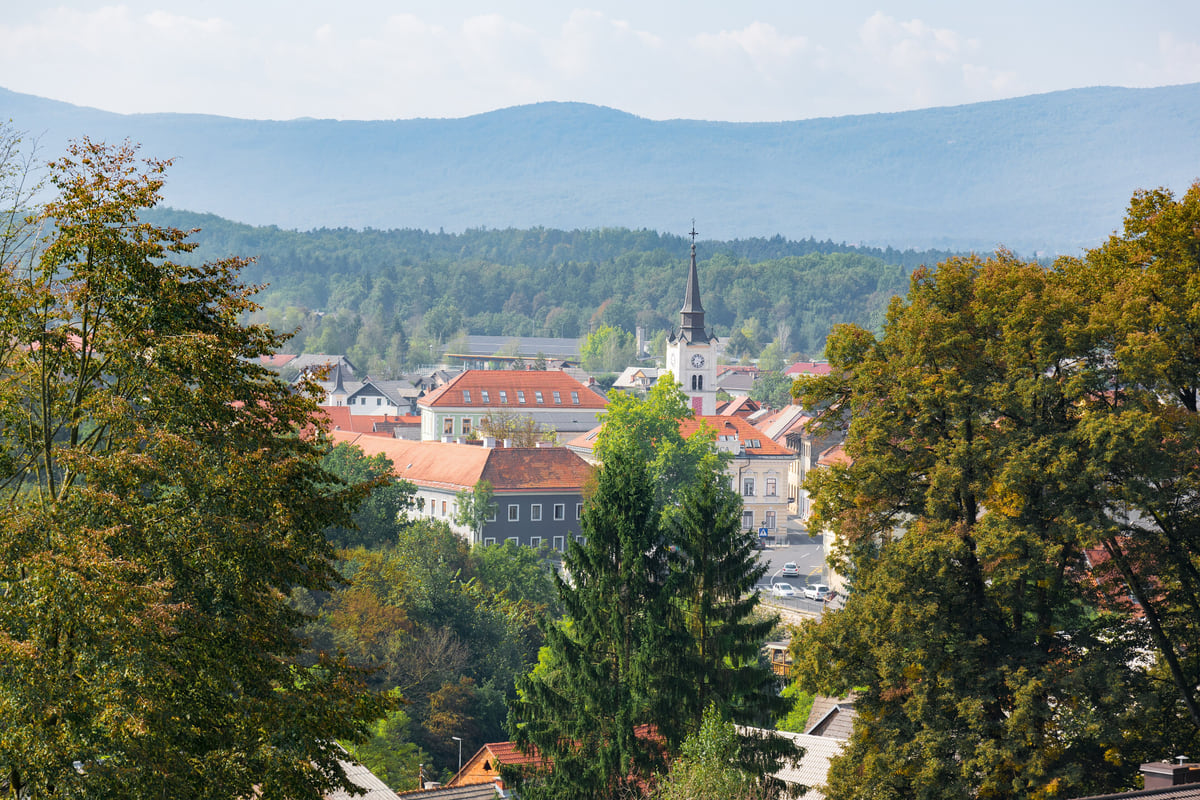
It packs in three distinct areas. In the north, Dolenjska proper, with Novo Mesto and the River Krka. In the south, Bela Krajina along the Kolpa. And in the west, the Kočevje and Ribnica area, which is almost all forest.
What to see in Dolenjska: Novo Mesto and the Krka
Novo Mesto is the main town, with 24,741 people in the settlement itself. Its old centre sits on a bend of the Krka, with the main square, the arcaded town hall, St Nicholas’s cathedral with an altarpiece by Tintoretto, and the Breg district above the water. It’s also a major archaeological site, because nine decorated situlae have been found here, almost a quarter of those known in the world.
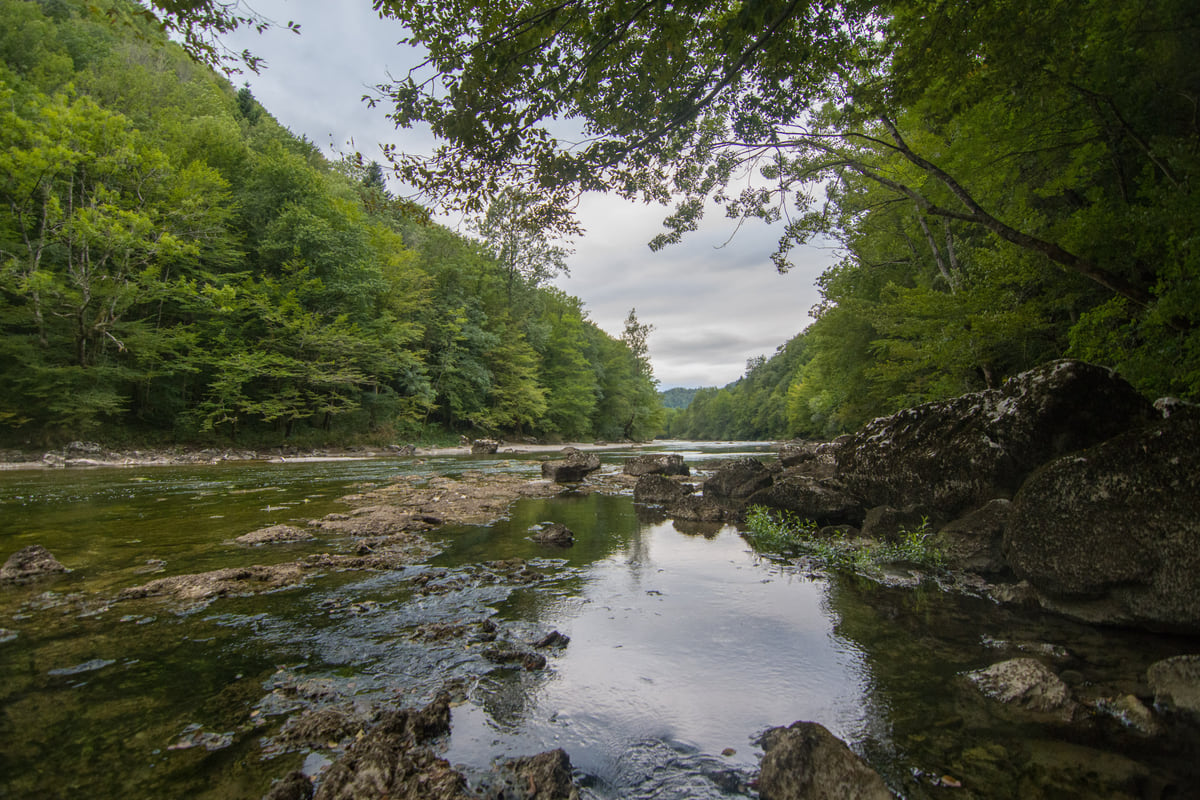
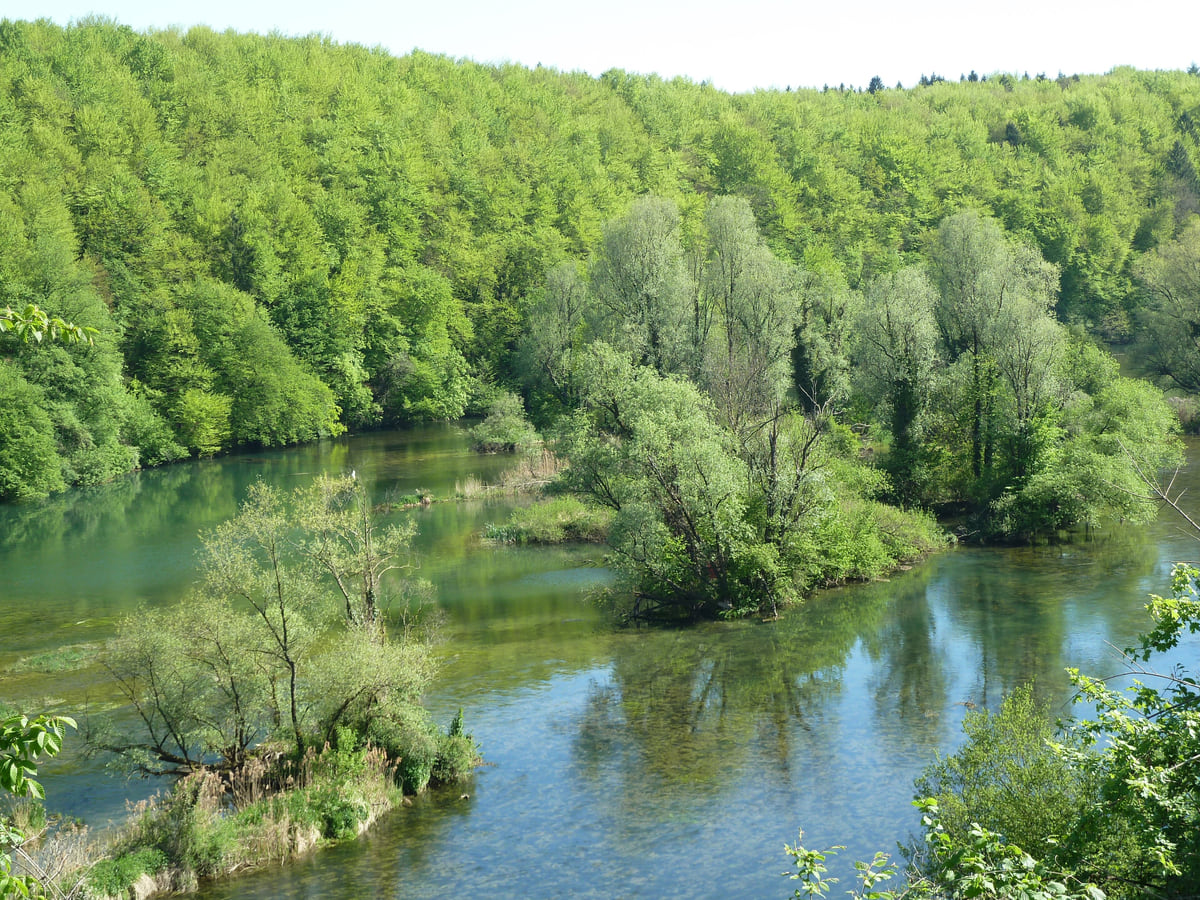
The River Krka ties everything together. It’s the only Slovenian river with tufa barriers, and around 30 beaver families live along its banks. Downstream of Novo Mesto, Otočec castle fills an island in the river and is now a five-star Relais & Châteaux hotel. Above the town rise the Gorjanci hills, with Trdinov Vrh at 1,178 m and a reserve of giant old trees.
Cviček and vineyard cottages
Dolenjska is a land of vine-covered hills and zidanice, the small vineyard cottages where wine is kept. The local wine is Cviček, a light wine from at least four grape varieties, 8 to 9 per cent alcohol and protected by its own geographical indication. For me the best way to understand the region is to sit in a zidanica with a glass of Cviček and a plate of matevž, the potato and bean mash the tourist board suggests as a local dish.
Across the region you’ll also find kozolci, the wooden hayracks, with an open-air museum the tourist board calls the first and only one of its kind, and Pleterje, the only working charterhouse in the Slavic world.
Two of Slovenia’s twelve certified natural health resorts are here. Dolenjske Toplice and Šmarješke Toplice draw thermal water from almost 1,000 metres down, and in 2025 they logged 129,288 and 120,722 overnight stays, according to SURS. The first has a medical rehabilitation centre and the second focuses on heart health. Both make good bases if you’re travelling slowly.
Bela Krajina and Kočevje, the wild south
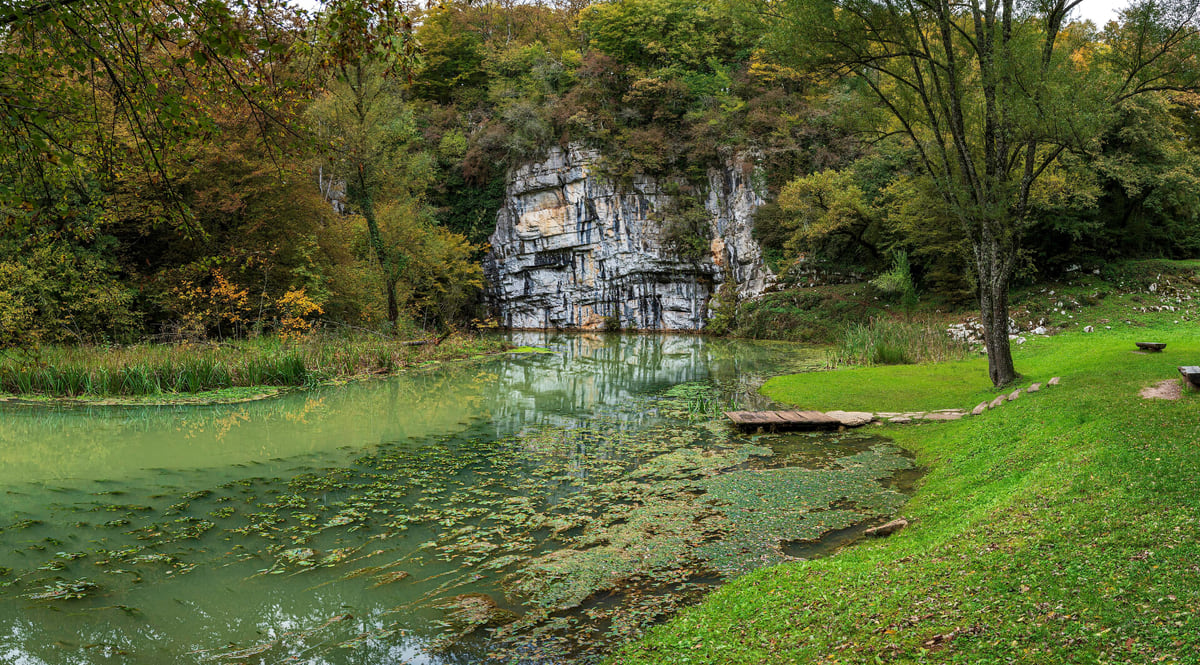
Bela Krajina, with Črnomelj, Metlika and Semič, is the southernmost part. The Kolpa forms the border with Croatia and ranks, for the tourist board, among the warmest and cleanest rivers in Slovenia. There are birch meadows, painted Easter eggs, the Krupa spring beneath a 30-metre rock face and the Jurjevanje festival.
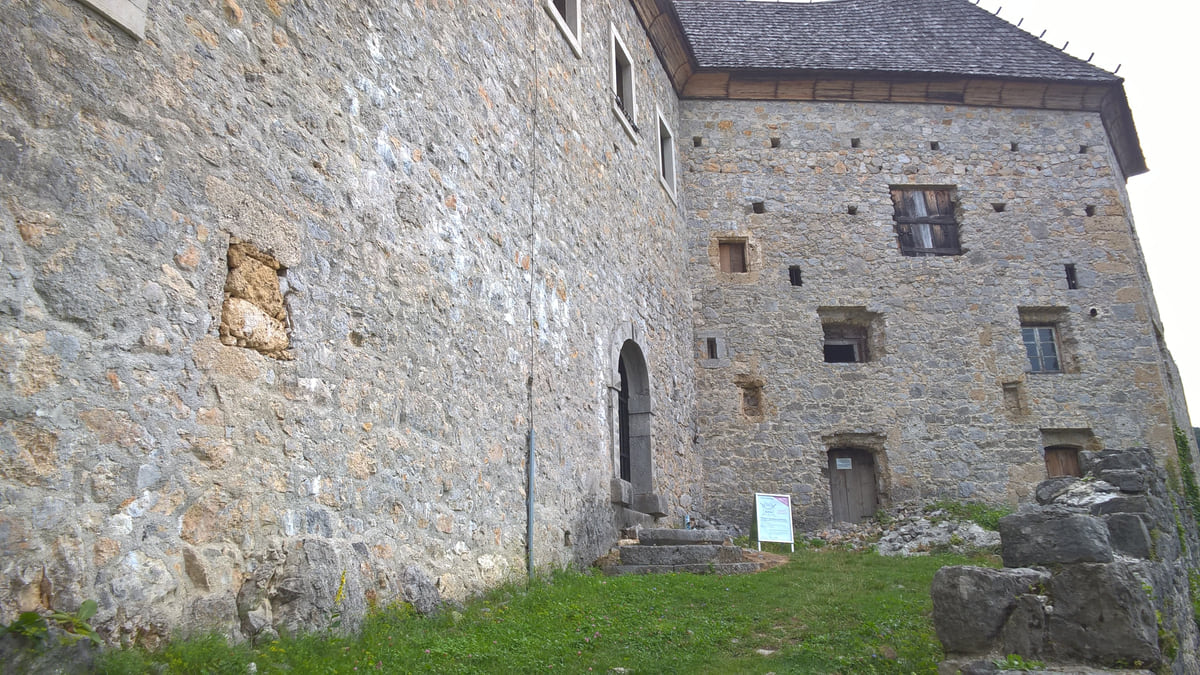
Kočevje is something else again. It’s Slovenia’s largest municipality at 555.6 km², and around 90 per cent of the area is forest. It has the country’s biggest brown bear population, plus lynx and wolves, and the Krokar virgin forest, a UNESCO World Heritage site since 2017. Next door, Kostel has the second-largest castle complex in Slovenia, and Osilnica, with 326 residents, is the country’s least populated municipality.
With two days, I’d do Novo Mesto and Otočec on the first, finishing in a vineyard cottage, and head down to Bela Krajina and the Kolpa on the second. With a third day, I’d add Kočevje and Kostel. If you’re driving from Ljubljana or on your way to Croatia, the region works well as a loop, and the spas give you a comfortable place to sleep. Just don’t try to rush it; Dolenjska rewards a slow pace more than any checklist.
It's a historic region in the south-east, known in English as Lower Carniola. In official statistics it falls within Jugovzhodna Slovenija, a statistical region with no government of its own, which also includes Bela Krajina and the Kočevje and Ribnica area.
What is there to see in Dolenjska?
Novo Mesto and its bend in the Krka, Otočec Castle on its island, Pleterje charterhouse, the kozolec hayracks, the spas at Dolenjske and Šmarješke Toplice, Trdinov Vrh in the Gorjanci hills and, further south, Bela Krajina and Kočevje.
What is the main town in Dolenjska?
Novo Mesto, with 38,678 people in the municipality and 24,741 in the town itself on 1 January 2026, according to SURS. It's Slovenia's seventh-largest settlement.
What wine is Dolenjska known for?
Cviček, a light wine made from at least four grape varieties, with 8 to 9 per cent alcohol and its own geographical indication. It's kept in zidanice, the little vineyard cottages typical of the region.
Are there bears in south-east Slovenia?
Yes, around Kočevje in the south of the region, which the tourist board says has the largest brown bear population in Slovenia, along with lynx and wolves.
Where should I stay in Dolenjska?
Novo Mesto is the most practical base. For a splurge, Otočec Castle; for rest, the spas at Dolenjske Toplice or Šmarješke Toplice; for the river, campsites and glamping by the Kolpa in Bela Krajina.
Questions about Dolenjska? Write to me
If you need something else to finish planning, write to me. I answer myself, no templates.
Tourism graduate with a master’s in Tourism Management and Planning from the University of Málaga, who has travelled across Europe. He writes every guide from official sources and his own judgement.

 1Novo mesto 2Dolenjska 3Krka River 4Bela krajina 5Črnomelj 6Metlika 7Semič 8Kočevje 9Kostel 10Dolenjske Toplice 11Šmarješke Toplice 12Trebnje