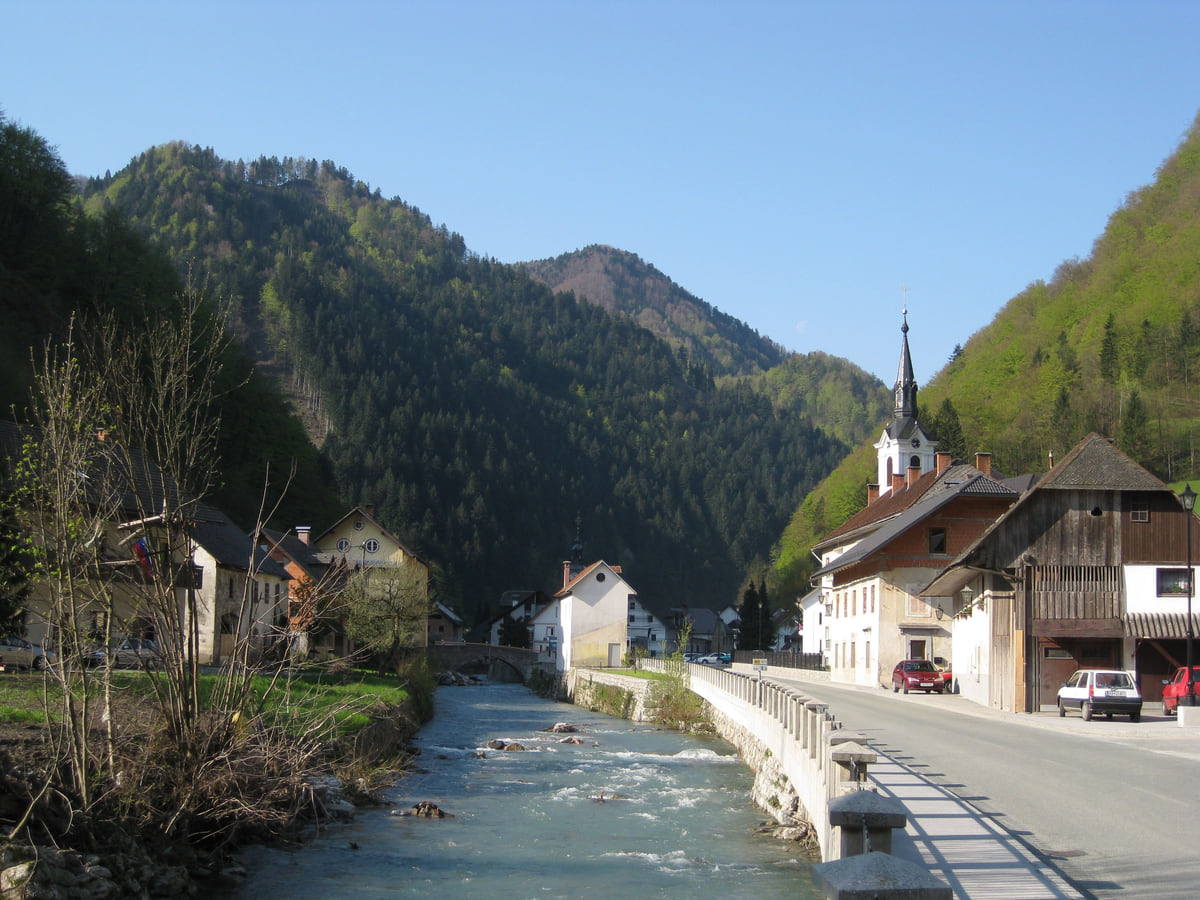
Selca valley, Gorenjska
Železniki, the village of nails and bobbin lace

- Population (1-1-2026)
- 2,856 village, 6,629 municipality
- Tourist arrivals (2025)
- 11,741
Map
Where Železniki is
The Julian Alps, Triglav and the Soča valley lie to the north-west; Ljubljana sits in the centre; the Karst, its caves and the 47 km of coast are to the south-west, and Maribor, Ptuj and the Prekmurje plains to the east. Every number opens its guide.
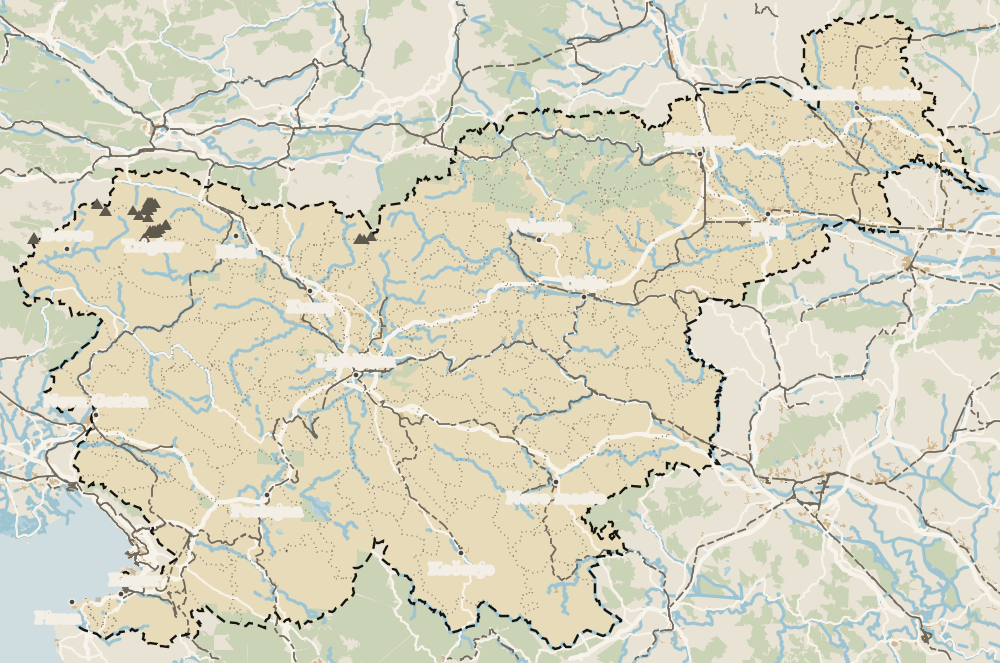 1Bled 2Gorenjska 3Bohinj 4Kranj 5Jesenice 6Škofja Loka 7Gorje 8Kranjska Gora 9Žirovnica 10Naklo 11Tržič 12Jezersko 13Cerklje na Gorenjskem 14Šenčur 15Radovljica 16Železniki 17Žiri 18Julian Alps
Map data © OpenStreetMap contributors (ODbL)
- 1BledGorenjska, Julian Alps
- 2GorenjskaRegions of Slovenia
- 3BohinjGorenjska, Julian Alps
- 4KranjGorenjska, Slovenia
- 5JeseniceGorenjska, Slovenia
- 6Škofja LokaGorenjska, Slovenia
- 7GorjeGorenjska
- 8Kranjska GoraGorenjska, Upper Sava Valley
- 9ŽirovnicaGorenjska
- 10NakloGorenjska, Kranj plain
- 11TržičGorenjska
- 12JezerskoGorenjska
- 13Cerklje na GorenjskemGorenjska
- 14ŠenčurGorenjska, Kranj plain
- 15RadovljicaGorenjska, 8 km from Bled
- 16ŽeleznikiSelca valley, Gorenjska
- 17ŽiriŠkofja Loka area, Gorenjska
- 18Julian AlpsAlpine Slovenia
What to see in Železniki, the iron village of the Selška Sora valley near Škofja Loka: the blast furnace on the square, Slovenia's first protected technical monument according to the tourist board, and the Železniki Museum, in the 17th-century Plavčeva house, telling the story of iron and bobbin lace. Around it, Sorica, with the painter Ivan Grohar's house, Davča, Dražgoše and Ratitovec.
I'd pair Železniki with Škofja Loka in a day: the furnace and museum in the morning, then the valley road up to Sorica and Ivan Grohar's house, which is lovely in itself.
What I would check before going
Bookings I would make
The practical bit
What the official sites leave out
-
01 Most beautiful
The smelting furnace
On the square in front of the museum stands the old smelting furnace, which the Slovenian Tourist Board considers the country's first protected technical monument.
museums in Slovenia -
02 Worth the splurge
Grohar's house in Sorica
The impressionist painter Ivan Grohar drew inspiration from this landscape again and again; his house in Sorica can be visited, and the village has plenty of curious corners.
Škofja Loka -
03 My tip
Dražgoše honey bread
The sunny village of Dražgoše is known for its decorated honey breads, and Davča for its tradition of weaving linen from flax.
Gorenjska -
04 Getting there
From Kropa to Železniki
Like Kropa on the other side of Jelovica, Železniki was a blacksmiths' village forging nails by the thousand; the two make most sense together.
Kropa
The blast furnace and the Železniki Museum
On the square stands the old smelting furnace, a unique example of Železniki’s technical heritage and, in the Slovenian Tourist Board’s words, Slovenia’s first protected technical monument and a blast furnace unique in Europe. In front of it is the Železniki Museum, in Plavčeva House, a founder’s house from the first half of the 17th century. Its collections explain the iron industry, from mining to ironworks and smithing, the timber trade, with coopers, charcoal burners and sawmills, and other subjects such as slate roofing, local societies, lace, the Professor Franc Koblar memorial room and the resistance in the Selca valley. If forging interests you, the blacksmiths’ village of Kropa lies on the other side of the Jelovica plateau.
Up the valley: Sorica, Davča and Dražgoše
The impressionist painter Ivan Grohar found inspiration in the countryside here again and again, and his house in Sorica, a village full of curious details, can be visited. Davča, which the Škofja Loka Tourist Board presents as the largest village in Slovenia, keeps up the tradition of weaving linen from flax, and its ethnographic museum in the Jemc homestead is devoted mainly to it. Sunny Dražgoše is known for its Dražgoše honey breads, a craft that also lives on in the lectar hearts of Radovljica.
Mountains all year round
Trails climb to the Sorica highland, which draws skiers in winter, and from there on to the ridge of Ratitovec, one of the favourite goals for walkers in the area. The ski areas of Stari vrh and Soriška planina are also in the Škofja Loka area, according to the Slovenian Tourist Board. From Soriška planina the road crosses to the far side of the mountain and drops towards the Bohinj valley, so Železniki can also be a different way into the Julian Alps, well away from the busiest routes and the summer traffic around the lakes.
To sleep close to everything, search places to stay in Škofja Loka on Expedia and filter by area before price.
Peter Prevc and a village of champions
The Škofja Loka Tourist Board points out that the spirit of forging your own fortune lives on. Železniki is home to Peter Prevc, one of the most famous Slovenian sportsmen, the ski jumper who was the first in the world to fly 250 metres. There’s much more of the region in my Gorenjska guide.
If you are short on time, see the best tours in Škofja Loka and pick one that fits your day.
To sleep close to everything, search places to stay in Škofja Loka on Booking.com and filter by area before price.
What to see in Železniki and its valley
| What | Details |
|---|---|
| Železniki Museum | Plavčeva House, Na plavžu 58; iron, timber and lace |
| Smelting furnace | On the square in front of the museum |
| Davča Ethnographic Museum | Jemc homestead, Davča 22; linen |
| Ivan Grohar's house | Sorica |
| Ratitovec | Hikers' ridge above the Sorica highland |
Škofja Loka Tourist Board, checked on 17-10-2026.
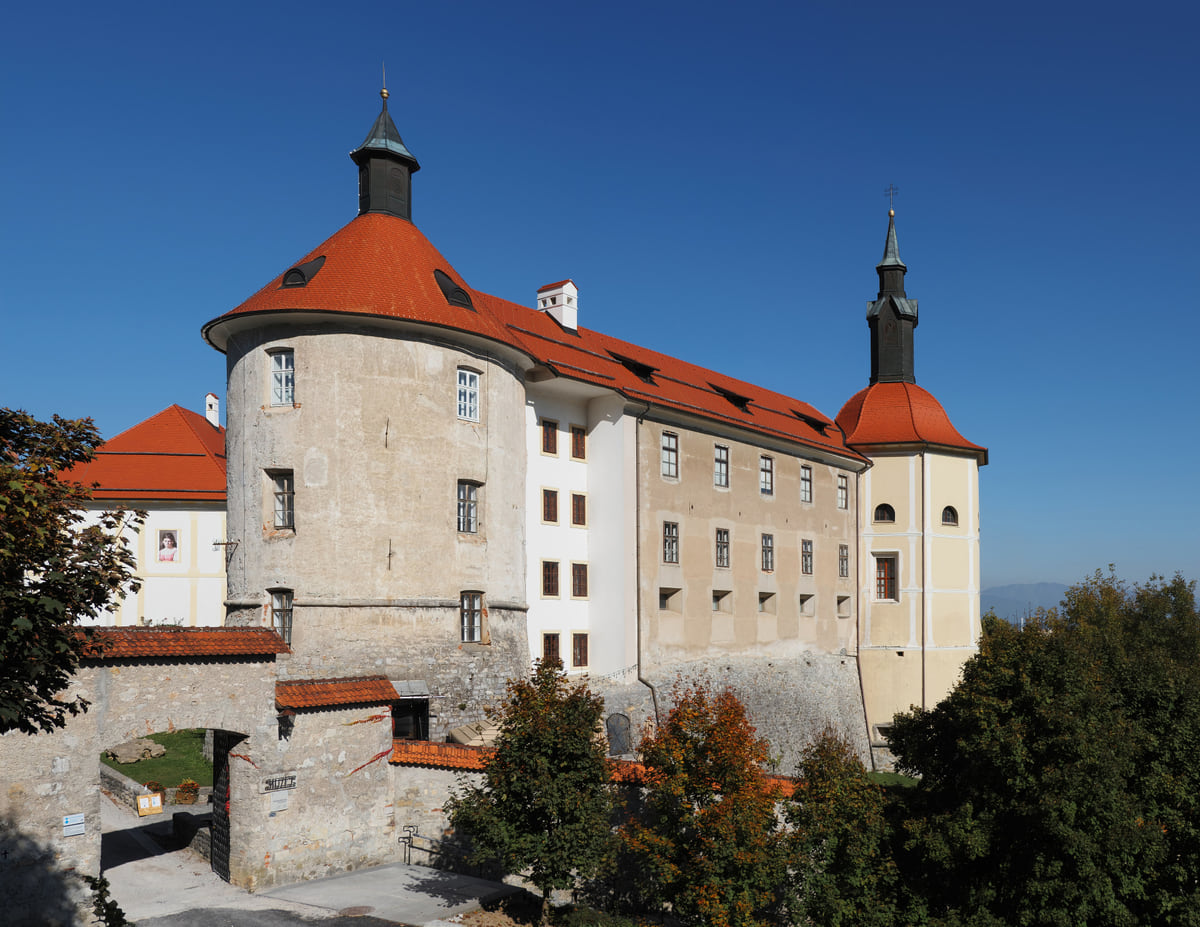
Škofja Loka Castle with its round tower and red roofs, among autumn trees under a deep blue sky
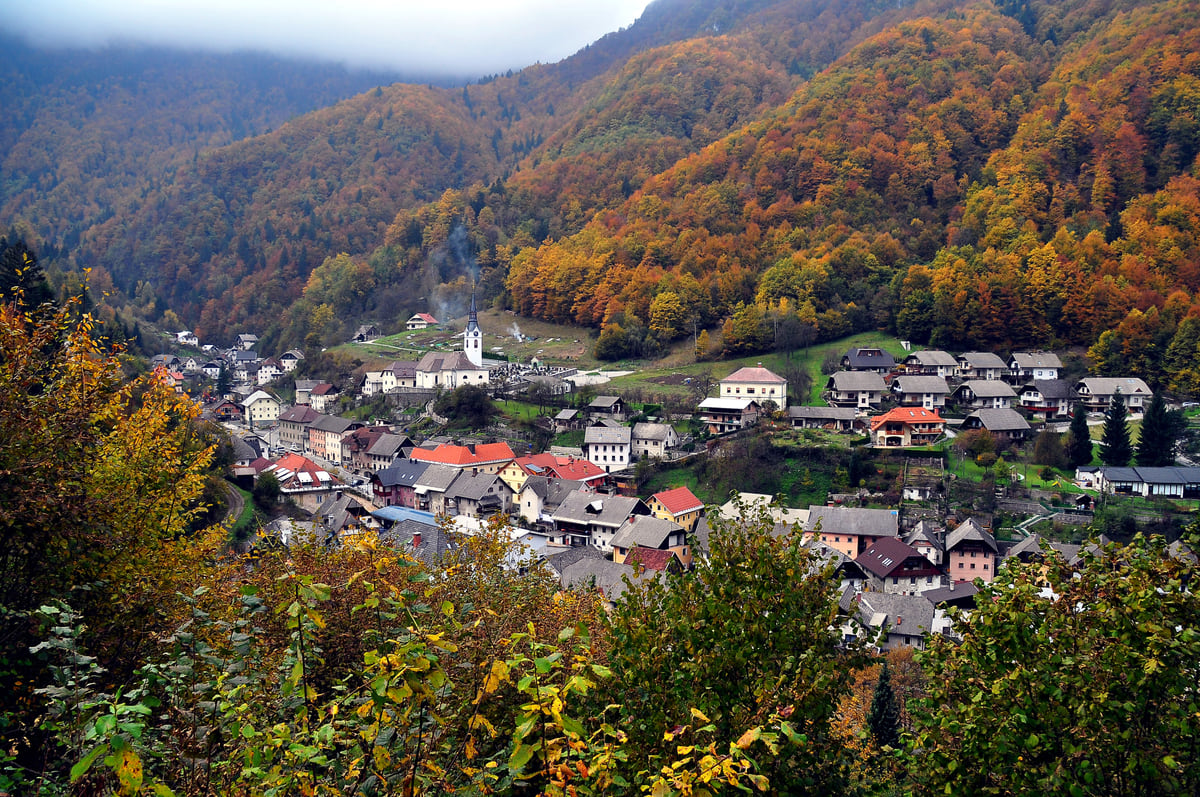
The village of Kropa in its valley floor, white houses and red roofs among wooded slopes in autumn colours
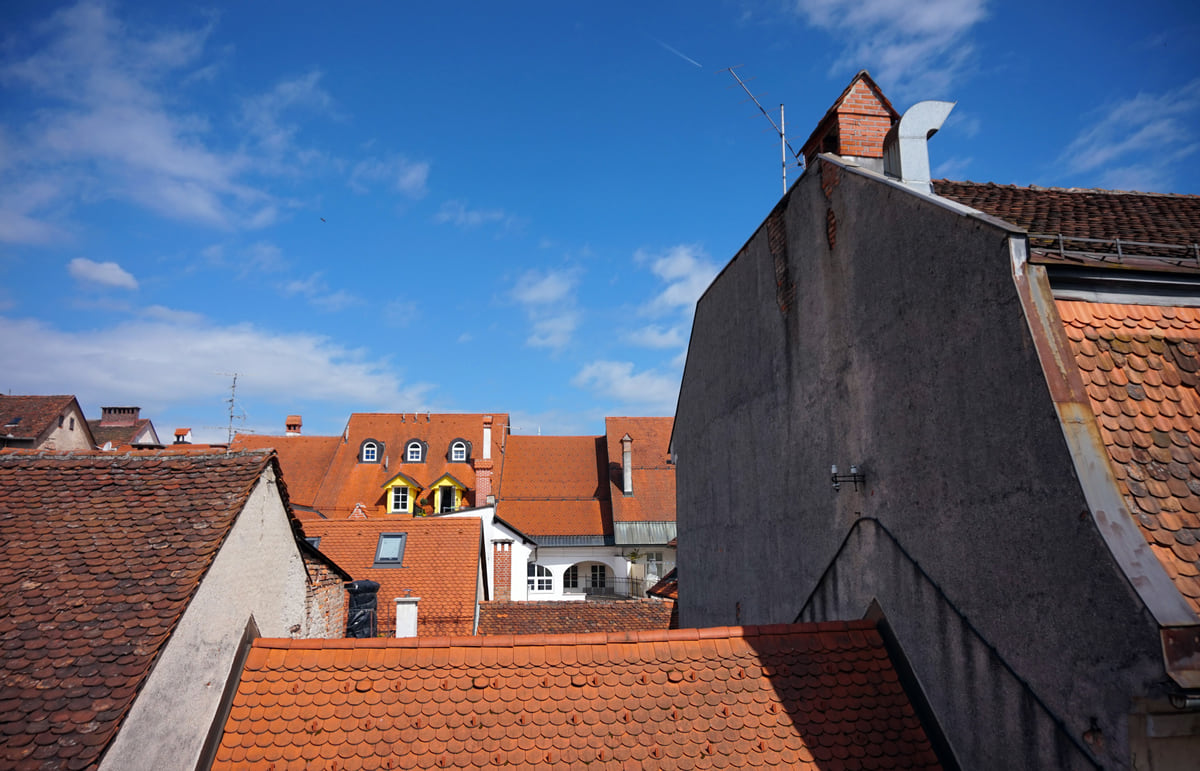
The red roofs and dormer windows of Kranj's old town, with a grey gable in the foreground and a blue sky
Test yourself
What people often get wrong about Železniki
0/3 Pick before you peek.
-
The Železniki smelting furnace is a protected technical monument.
See the answer
True. The Slovenian Tourist Board describes it as the first protected technical monument in the country.
-
Ivan Grohar was a musician from Sorica.
See the answer
False. He was an impressionist painter who found inspiration in this landscape again and again; his house is in Sorica.
-
Bobbin lace was made in Železniki.
See the answer
True. The museum holds a collection of local lace alongside its displays on the blacksmiths.
What people ask most about Železniki
What is there to see in Železniki?
The smelting furnace on the square, the Železniki Museum in Plavčeva House, and in the valley Ivan Grohar's house in Sorica, the Davča ethnographic museum, Dražgoše and the Ratitovec ridge.
What is in the Železniki Museum?
Collections on the iron industry, with mining, ironworks and smithing, on timber, with coopers, charcoal burners and sawing, plus slate roofs, lace and the Professor Franc Koblar memorial room.
What is Davča?
A village in the municipality that the Škofja Loka Tourist Board calls the largest village in Slovenia, with an ethnographic museum in the Jemc homestead devoted mainly to linen.
Can you ski near Železniki?
Yes, on the Sorica highland, which draws skiers in winter, according to the Škofja Loka Tourist Board.
Which athlete comes from Železniki?
Ski jumper Peter Prevc, who according to the Škofja Loka Tourist Board was the first in the world to jump 250 metres.
0 of 425 Slovenia guides
Your next stamp
- Kropa
- Žiri
- Jesenice
- Stara Fužina
- Tržič
- Šentjur
- Cerkno
- Ravne na Koroškem
- Bogenšperk Castle
- Bogojina
- Debeli rtič
- Ig pile dwellings
- Jeruzalem
- Kolpa River
- Koper
- Lake Cerknica
- Lipica
- Ljubljana
- Ljubljana to Bled
- Mariborsko Pohorje
- Mount Snežnik
- Palace Portorož
- Park of Military History
- Plečnik House
- Postojna
- Postojna Cave
- Škocjan Caves
- Štanjel
- Tartini Square
- Trbovlje
- Županova jama
- Izola
- Kamnik
- Karst
- Ljubljana to Postojna
- Lovrenc Lakes
- Maribor
- Portorož
- Predjama Castle
- Things to do in Ljubljana
- Travel guide
- Vilenica Cave
- Zagorje ob Savi
- Celje
- Cerknica
- Domžale
- Hrastnik
- Ljubljana in a day
- Ljubljana to Piran
- Piran
- Slovenian Istria
- Strunjan
- Things to do
- Activities
- Ankaran
- Grosuplje
- Litija
- Ljubljana in two days
- Pivka
- Sečovlje salt pans
- Velenje
- Brežice Castle
- Getting around Ljubljana
- Ilirska Bistrica
- Mežica Mine
- Most beautiful places
- Novo mesto
- Sevnica Castle
- Terme Olimia
- Vrhnika
- Žiče Charterhouse
- Dolenjska
- Ig
- Prettiest villages
- Ptuj
- Sežana
- Divača
- Medvode
- Murska Sobota
- Posavje
- World Heritage
- Hrpelje-Kozina
- Logatec
- Map
- Mengeš
- Brezovica
- Komen
- Savinjska
- Where is Slovenia
- Bled
- Brežice
- Čatež ob Savi
- Celje Castle
- Coal Mining Museum
- Gorenjska
- Hotels in Piran
- Hrastovlje
- Karawanken Geopark
- Koroška
- Kostanjevica Cave
- Kostel Castle
- Krokar primeval forest
- Kurentovanje
- Lent
- Ljubljana Castle
- Ljubljana Cathedral
- Logar Valley
- Oldest vine in the world
- Olimje
- Otočec
- Regions
- Rimske Toplice
- Rinka Waterfall
- Rogla
- Sava River
- Slovenj Gradec
- Topolšica
- Velika Planina
- Goriška
- Krško
- Lake Bled
- Municipalities
- Podravje
- Prešeren Square
- Restaurants in Piran
- Škocjan Inlet
- Volčji Potok Arboretum
- Bled Island
- Cities
- Mežica
- Pomurje
- Sevnica
- Socerb Castle
- Bled Castle
- Coast and Karst
- Dravograd
- Kostanjevica na Krki
- Population
- Notranjska
- Ojstrica viewpoint
- Radlje ob Dravi
- Size
- Central Slovenia
- Language
- Mislinja
- Plečnik's Ljubljana
- Slovenska Bistrica
- Vila Bled
- Currency
- Grand Hotel Toplice
- Ormož
- Zasavje
- EU and Schengen
- Hotel Savica Garni
- Hotels in Bled
- Pohorje
- Haloze
- History
- Restaurants in Bled
- Flag and symbols
- Hoče-Slivnica
- Bizeljsko
- Bohinj
- Christmas in Ljubljana
- City Hotel Ljubljana
- Gorjanci
- Kranj
- Krka River
- Laško
- Moravske Toplice
- Ptuj Castle
- Public holidays
- Rajhenburg Castle
- Šentilj
- Slovenia beaches
- Šmartno pri Litiji
- Uršlja Gora
- Brdo Castle
- Independence Day
- Lake Bohinj
- Ljubljana Festival
- Radenci
- Rogaška Slatina
- Day trips from Ljubljana
- Lendava
- Podčetrtek
- Savica waterfall
- Time zone
- Dobrna
- Facts
- Ljubljana nightlife
- Ljutomer
- Nova Gorica
- Vogel
- Bohinjska Bistrica
- Gornja Radgona
- Ljubljana Old Town
- Slovenia and Croatia
- Solkan
- Zreče
- Grad
- Sabotin
- Slovenia, Italy and Austria
- Slovenske Konjice
- Trnovo
- Goričko
- Holidays and tours
- Hotels in Bohinj
- Škofja Loka
- Vitanje
- Škofja Loka Castle
- Slovenia or Slovakia
- Šoštanj
- Veržej
- Slovenian phrases
- Slovenia in 3 days
- Bela krajina
- Caves in Slovenia
- Črnomelj
- Dragon Bridge
- Gorje
- Hiking
- Hotels in Maribor
- Kozjansko Regional Park
- Kranjska Gora
- Lake Ptuj
- Ljubljana Marshes
- Slovenia in 5 days
- Vinarium Tower
- Where to stay in Ljubljana
- Žalec
- Metlika
- Slovenia castles
- Slovenia in a week
- Slovenian Mountain Trail
- Triple Bridge
- Vintgar Gorge
- Vršič Pass
- Where to eat in Ljubljana
- Best viewpoints in Slovenia
- Central Market
- Juliana Trail
- Lake Jasna
- Road trip
- Semič
- Žirovnica
- Kočevje
- Metelkova
- Motorhome
- Museums in Slovenia
- Naklo
- Soča rafting
- Zelenci
- Jezersko
- Kostel
- Lake Planšar
- Skiing
- Slovenia with kids
- Slovenian Alpine Museum
- Tivoli Park
- Best time to visit
- Cerklje na Gorenjskem
- Cycling
- Dolenjske Toplice
- Ljubljanica river
- Mojstrana
- Šenčur
- Krvavec
- National Gallery
- Parenzana
- Peričnik waterfall
- Šmarješke Toplice
- Weather
- National and University Library
- Paragliding
- Slovenia in winter
- Strmol Castle
- Trebnje
- Vrata valley
- Climbing
- Events
- Martuljek waterfalls
- Žale
- Fly fishing
- In January
- Ljubljana museums
- National Museum of Slovenia
- Rateče
- Bovec
- Festival Lent
- Golf
- Hotels in Ptuj
- In February
- Kamnik-Savinja Alps
- Nature parks
- Parking in Ljubljana
- Pekel Cave
- Planica
- Snežnik Castle
- Solčava
- Gornji Grad
- In March
- Kranjska Gora ski resort
- Lakes
- Trenta
- Ziplines
- Alpe Adria Trail
- Hotels in Kranjska Gora
- In April
- Kanin
- Nazarje
- Waterfalls
- In May
- Rivers
- Virje waterfall
- Vransko
- Hotels in Bovec
- In June
- Mountains
- Dobra Vila Bovec
- In July
- Ljubljana Card
- Mozirje
- Spas
- In August
- Nebesa Chalets
- Rečica ob Savinji
- In September
- Kobarid
- Šmartno ob Paki
- In October
- Kobarid Museum
- Hiša Franko
- In November
- In December
- Radovljica
- In spring
- Museum of Apiculture
- In summer
- Tolmin
- Brezje
- In autumn
- Metaldays
- Tolmin Gorges
- Begunje
- Javorca church
- Slovenia in 10 days
- Most na Soči
- Two weeks in Slovenia
- Idrija
- Ljubljana Marathon
- How to get there
- Idrija mercury mine
- Wild Lake
- Flights
- Laufarji
- Divje babe
- Franja Partisan Hospital
- Ljubljana Airport
- Ajdovščina
- Nearby airports
- Venice to Ljubljana
- Vipava
- Vipavski Križ
- Zagreb to Ljubljana
- Brda
- Trains to Slovenia
- Getting around
- Šmartno
- Dobrovo Castle
- Trains
- Buses
- Julian Alps
- Car hire
- Triglav National Park
- Driving
- Pokljuka
- Triglav Lakes
- Vignette
- Mount Triglav
- Taxis
- Distances
- Soča Valley
- Soča River
- Trieste to Ljubljana
- Kozjak Waterfall
- Vienna to Ljubljana
- Boka Waterfall
- Budapest to Ljubljana
- Ljubljana to Maribor
- Walk of Peace
- Bled to Bohinj
- Mangart
- Lake Krn
- Prices and budget
- Slovenia on a budget
- Vipava Valley
- Free things to do
- Otlica Natural Window
- Entry requirements
- Rihemberk Castle
- Customs
- Safety
- Scams
- Bears
- Healthcare
- Mobile and roaming
- Plugs
- Packing list
- What to buy
- Hotels
- Campsites
- Farm stays
- Mountain huts
- Food
- Bled cream cake
- Wine
- Potica
- Prekmurska gibanica
- Štruklji
- Carniolan sausage
- Idrija žlikrofi
- Beer
- Tipping

Questions about Železniki? Write to me
If something does not add up or a fact is missing, write to me and I will answer myself.
My email sergiolepone@gmail.com
By
Tourism graduate with a master’s in Tourism Management and Planning from the University of Málaga, who has travelled across Europe. He writes every guide from official sources and his own judgement.
Published on . Updated on . Facts checked on .
Sources
Some links in this guide are affiliate links: if you book through them, the site earns a commission at no extra cost to you. Affiliate disclosure
Photos: Sl-Ziga (Public domain); Petar Milošević (CC BY-SA 4.0); Johann Jaritz (CC BY-SA 3.0); Tiia Monto (CC BY-SA 3.0), via Wikimedia Commons.