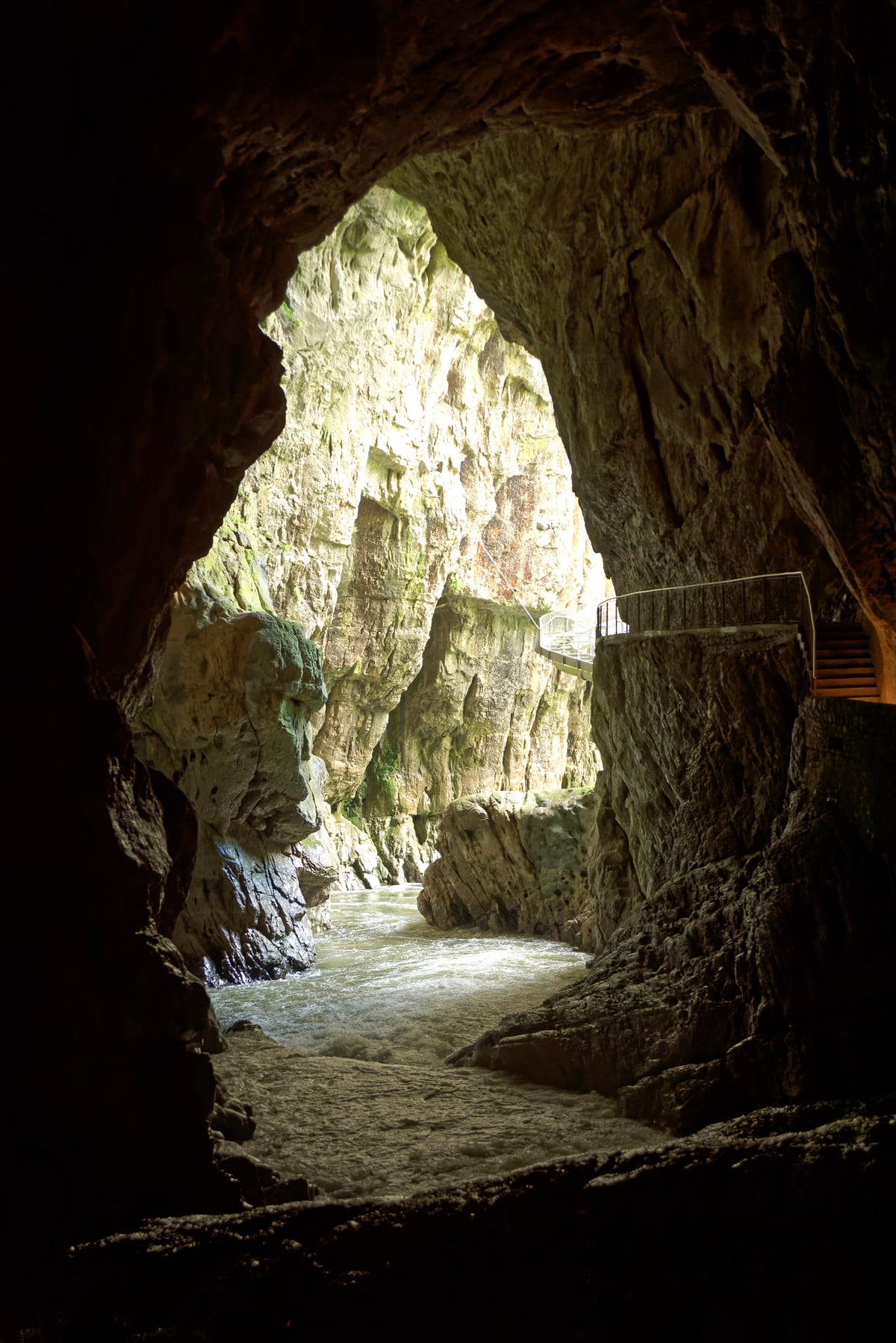
Slovenia's UNESCO sites are five World Heritage properties, not six. They are Škocjan Caves (1986), the pile dwellings at Ig (2011), the mercury heritage of Idrija, shared with Almadén (2012), the primeval beech forests of Krokar and Snežnik-Ždrocle, and Plečnik's works in Ljubljana (2021). The country also has two geoparks and four biosphere reserves.
My verdict
Yes
Yes, at least Škocjan and Plečnik's Ljubljana. The other three are worth it only if they fit your route, as Ig is mostly underground and the beech forests are for walkers.

If you only see one, make it Škocjan Caves, because the Reka's underground canyon is unlike anything else. You'll pass Plečnik's works without trying as you walk round Ljubljana, and Idrija is the one for anyone curious about mining history.
UNESCO sites in Slovenia, in short
Full read: 3 min
- Slovenia has five properties on the World Heritage List.
- Škocjan Caves came first, in 1986; Plečnik's works were the latest, in 2021.
- Idrija shares its listing with Almadén, and the Ig pile dwellings with five other countries.
- There is also intangible heritage, two geoparks and four biosphere reserves.
Before you go
What I would keep in mind
-
01 Most beautiful
A canyon underground
UNESCO describes Škocjan Caves as one of the largest known underground river canyons, with chambers up to 150 metres high and more than 120 metres wide.
Škocjan Caves -
02 My tip
Plečnik is free on foot
Most of the seven components of Plečnik's works are in central Ljubljana, including Trnovo Bridge and the Ljubljanica embankments. A walk is all it takes.
Plečnik's Ljubljana -
03 Worth the splurge
Idrija, the other half of Almadén
Idrija has shared its listing with Almadén in Spain since 2012. Mercury was found there in 1490 and UNESCO says these were the two largest mercury mines in the world.
Idrija -
04 Most beautiful
A carnival on the intangible list
The door-to-door processions of the Kurenti of Ptuj are UNESCO intangible heritage, according to the Tourist Board, and they parade at Kurentovanje, Slovenia's biggest carnival.
Kurentovanje carnival in Ptuj
What I would book for Slovenia
How many UNESCO sites does Slovenia have?
First, the number. The Tourist Board talks about six special heritage features, but UNESCO counts five properties with components in Slovenia, and that’s the figure I use. Three of them are shared with other countries, so what you see in Slovenia is one part of a bigger whole. Bear that in mind when a list tells you otherwise.
Škocjan Caves (1986)
The country’s first listing and, for me, the most impressive. They were inscribed in 1986 as a natural property covering 413 hectares around the hamlets of Škocjan, Matavun and Betanja, in the municipalities of Divača and Sežana. UNESCO ranks them among the biggest underground river canyons known anywhere, cut by the Reka, with chambers up to 150 metres high and more than 120 metres wide; the Martel Chamber exceeds two million cubic metres. It’s nothing like an ordinary show cave, and I go into it properly in Škocjan Caves.
Plečnik’s works in Ljubljana (2021)
The most recent listing is also the easiest to see. UNESCO protects seven components of Jože Plečnik’s work, namely Trnovo Bridge, the green promenade on Vegova Street, the embankments and bridges of the Ljubljanica, the Roman walls at Mirje, St Michael’s church in the marshes, St Francis of Assisi in Šiška and Žale, his garden of All Saints. Most of it is in the centre and free, so you’ll see it just by walking around. The full list and the order I’d follow are in Plečnik’s Ljubljana.
To sleep close to everything, search places to stay in Ljubljana on Expedia and filter by area before price.
Idrija, with Almadén (2012)
Being Spanish, this is the one that speaks to me most. Idrija forms a single property with Almadén, in Castilla-La Mancha, the Heritage of Mercury, inscribed in 2012. UNESCO explains that mercury was found at Idrija in 1490 and that the two were the largest mercury mines in the world, and it protects the storehouses, the infrastructure, the miners’ houses and the miners’ theatre. On top of that the town has the kamšt, a wooden water wheel 13.6 metres across, and its lace, taught at a school that has been running for more than 140 years. It makes an easy day out from Ljubljana, and if you’ve ever been to Almadén you’ll recognise the logic of a town built around a single mineral. More in Idrija.
The pile dwellings at Ig (2011)
The Prehistoric Pile Dwellings around the Alps form a six-country series, and Slovenia contributes two groups of pile dwellings at Ig, in the Ljubljana Marshes, one to the north and one to the south. To my eye it’s the least visual of the five, so I’d recommend it mainly to anyone with an interest in prehistory. How to visit is in the Ig pile dwellings.
To sleep close to everything, search places to stay in Ljubljana on Booking.com and filter by area before price.
The beech forests of Krokar and Snežnik-Ždrocle
The Ancient and Primeval Beech Forests of the Carpathians and Other Regions of Europe were inscribed in 2007 and extended in 2011, 2017 and 2021. Slovenia has two components, Krokar, in the Kočevje area, and Snežnik-Ždrocle. These are primeval forests, protected more for their ecological value than for tourism, and around Kočevje the Tourist Board mentions brown bears, lynx and wolves. For me it’s the most special listing for walkers and the least rewarding for anyone after a photo. I explain it in Krokar primeval forest.
What isn’t on the list but still counts
The Tourist Board also lists UNESCO intangible heritage, with the Kurent processions of Ptuj, the Škofja Loka Passion, whose manuscript dates from 1721, Lipizzaner horse breeding shared with seven other countries, bobbin lacemaking and midwifery. There are two UNESCO Global Geoparks, Idrija and Karavanke, the latter shared with Austria, and four biosphere reserves, the Julian Alps, which was Slovenia’s first, the Karst, Kozjansko and Obsotelje, and the Mura. On the tentative list sit the Walk of Peace along the Isonzo Front, the Franja Partisan Hospital, the Fužine plateaus and the Classical Karst.
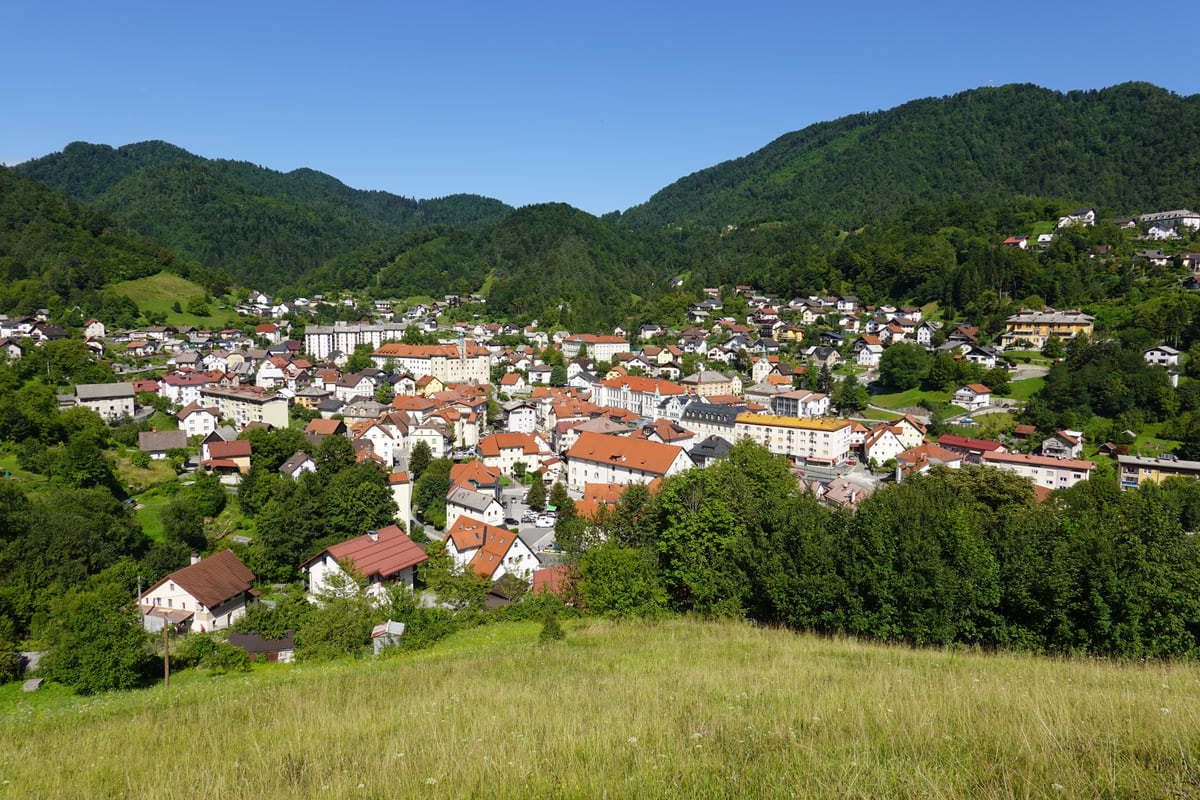
The town of Idrija in its valley, red roofs and white houses among wooded hills, seen from a meadow above
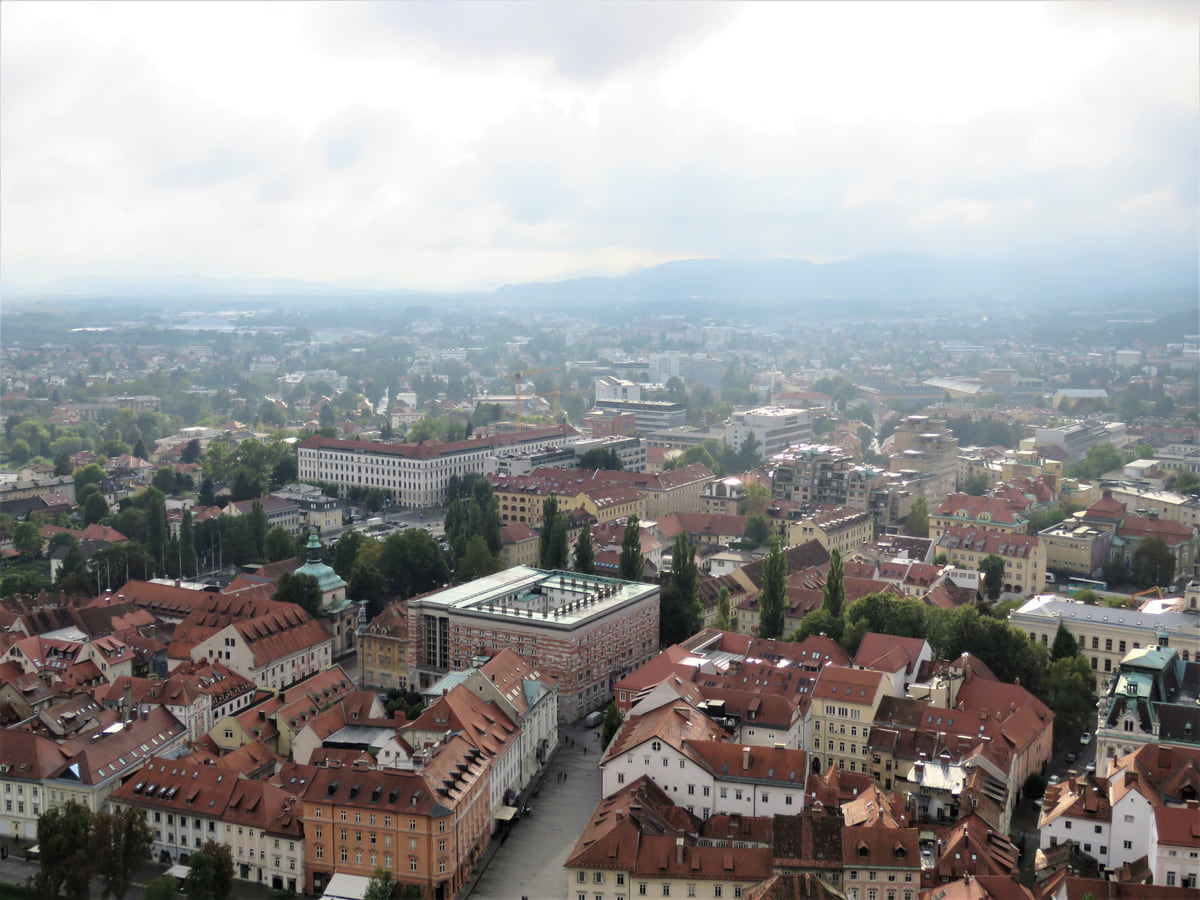
Red rooftops of central Ljubljana seen from the castle, with Plečnik's National and University Library among them
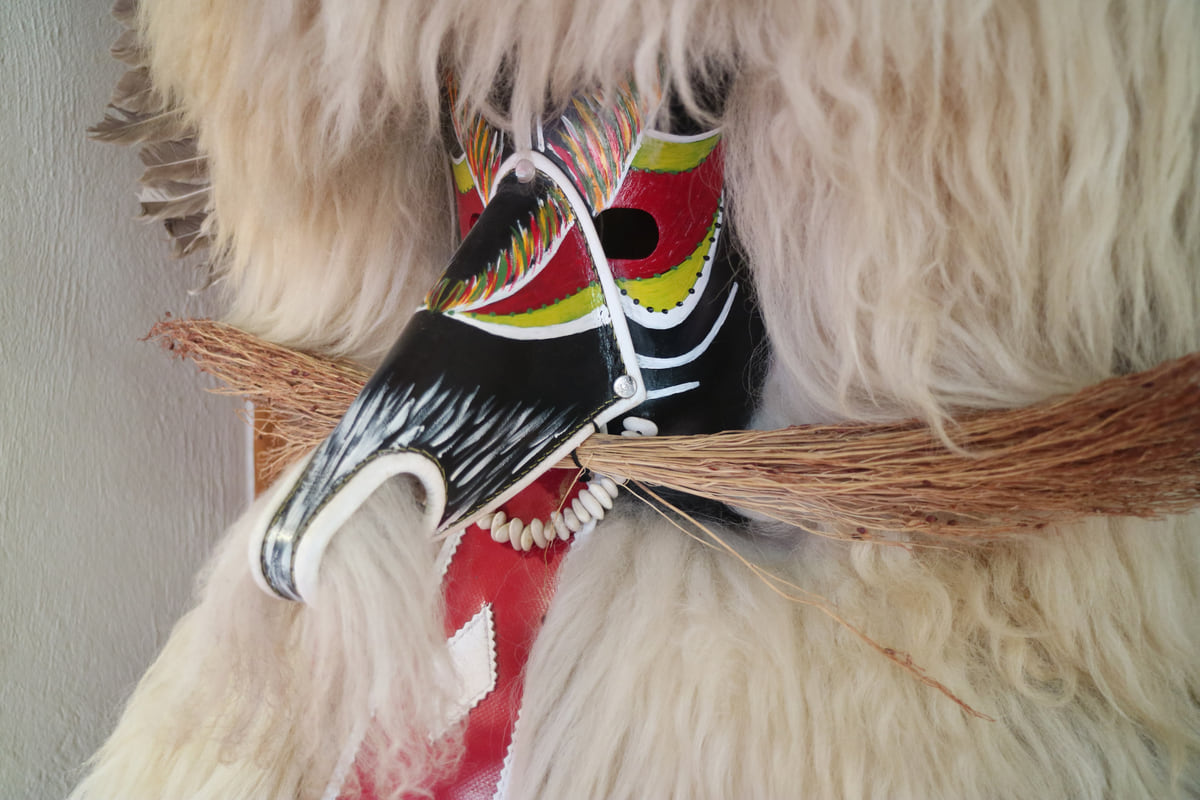
A kurent mask from the Ptuj carnival, with horns, a red and black beak and a white sheepskin around it
The five World Heritage properties with parts in Slovenia
| Property | Inscribed | Where in Slovenia |
|---|---|---|
| Škocjan Caves | 1986, natural, 413 ha | Škocjan, Matavun and Betanja (Divača and Sežana) |
| Prehistoric Pile Dwellings around the Alps | 2011, six-country series | Two groups of pile dwellings at Ig, in the Ljubljana Marshes |
| Heritage of Mercury. Almadén and Idrija | 2012, shared with Spain | Idrija |
| Ancient and Primeval Beech Forests of the Carpathians and Other Regions of Europe | 2007, extended 2011, 2017 and 2021 | Krokar and Snežnik-Ždrocle |
| The works of Jože Plečnik in Ljubljana | 2021 | Seven components in Ljubljana and the marshes |
UNESCO property pages on whc.unesco.org, checked on 4 October 2026.
Beyond the main list
| Category | In Slovenia |
|---|---|
| Intangible heritage | Kurent processions, the Škofja Loka Passion, Lipizzaner breeding, bobbin lace, midwifery |
| Tentative list | Walk of Peace, Franja Partisan Hospital, the Fužine plateaus, the Classical Karst |
| UNESCO Global Geoparks | Idrija, Karavanke (with Austria) |
| Biosphere reserves | Julian Alps, Karst, Kozjansko and Obsotelje, Mura |
Slovenian Tourist Board, UNESCO heritage page, checked on 4 October 2026.
Test yourself
True or false?
0/3 Pick before you peek.
-
Škocjan Caves were Slovenia's first World Heritage listing.
See the answer
True. They were inscribed in 1986 as a natural property of 413 hectares, according to UNESCO.
-
Idrija shares its World Heritage listing with a Spanish town.
See the answer
True. It shares the Heritage of Mercury listing with Almadén, inscribed in 2012.
-
All of Plečnik's UNESCO-listed works are in Ljubljana's old town.
See the answer
False. Some are further out, such as St Michael's church in the marshes, St Francis of Assisi in Šiška and Žale cemetery.
- World Heritage properties
- 5
- Škocjan Caves inscribed
- 1986
- Components of Plečnik's works
- 7
- Year mercury was found at Idrija
- 1490
0 of 425 Slovenia guides
Your next stamp
- Plečnik's Ljubljana
- Ig pile dwellings
- Krokar primeval forest
- Idrija
- Caves in Slovenia
- Bogenšperk Castle
- Bogojina
- Debeli rtič
- Jeruzalem
- Kolpa River
- Koper
- Lake Cerknica
- Lipica
- Ljubljana
- Ljubljana to Bled
- Mariborsko Pohorje
- Mount Snežnik
- Palace Portorož
- Park of Military History
- Plečnik House
- Postojna
- Postojna Cave
- Škocjan Caves
- Štanjel
- Tartini Square
- Trbovlje
- Županova jama
- Izola
- Kamnik
- Karst
- Ljubljana to Postojna
- Lovrenc Lakes
- Maribor
- Portorož
- Predjama Castle
- Things to do in Ljubljana
- Travel guide
- Vilenica Cave
- Zagorje ob Savi
- Celje
- Cerknica
- Domžale
- Hrastnik
- Ljubljana in a day
- Ljubljana to Piran
- Piran
- Slovenian Istria
- Strunjan
- Things to do
- Activities
- Ankaran
- Grosuplje
- Litija
- Ljubljana in two days
- Pivka
- Sečovlje salt pans
- Velenje
- Brežice Castle
- Getting around Ljubljana
- Ilirska Bistrica
- Mežica Mine
- Most beautiful places
- Novo mesto
- Sevnica Castle
- Terme Olimia
- Vrhnika
- Žiče Charterhouse
- Dolenjska
- Ig
- Prettiest villages
- Ptuj
- Sežana
- Divača
- Medvode
- Murska Sobota
- Posavje
- Hrpelje-Kozina
- Logatec
- Map
- Mengeš
- Brezovica
- Komen
- Savinjska
- Where is Slovenia
- Bled
- Brežice
- Čatež ob Savi
- Celje Castle
- Coal Mining Museum
- Gorenjska
- Hotels in Piran
- Hrastovlje
- Karawanken Geopark
- Koroška
- Kostanjevica Cave
- Kostel Castle
- Kurentovanje
- Lent
- Ljubljana Castle
- Ljubljana Cathedral
- Logar Valley
- Oldest vine in the world
- Olimje
- Otočec
- Regions
- Rimske Toplice
- Rinka Waterfall
- Rogla
- Sava River
- Slovenj Gradec
- Topolšica
- Velika Planina
- Goriška
- Krško
- Lake Bled
- Municipalities
- Podravje
- Prešeren Square
- Ravne na Koroškem
- Restaurants in Piran
- Škocjan Inlet
- Volčji Potok Arboretum
- Bled Island
- Cities
- Mežica
- Pomurje
- Sevnica
- Socerb Castle
- Bled Castle
- Coast and Karst
- Dravograd
- Kostanjevica na Krki
- Population
- Notranjska
- Ojstrica viewpoint
- Radlje ob Dravi
- Size
- Central Slovenia
- Language
- Mislinja
- Slovenska Bistrica
- Vila Bled
- Currency
- Grand Hotel Toplice
- Ormož
- Zasavje
- EU and Schengen
- Hotel Savica Garni
- Hotels in Bled
- Pohorje
- Haloze
- History
- Restaurants in Bled
- Flag and symbols
- Hoče-Slivnica
- Bizeljsko
- Bohinj
- Christmas in Ljubljana
- City Hotel Ljubljana
- Gorjanci
- Kranj
- Krka River
- Laško
- Moravske Toplice
- Ptuj Castle
- Public holidays
- Rajhenburg Castle
- Šentilj
- Slovenia beaches
- Šmartno pri Litiji
- Uršlja Gora
- Brdo Castle
- Independence Day
- Lake Bohinj
- Ljubljana Festival
- Radenci
- Rogaška Slatina
- Day trips from Ljubljana
- Jesenice
- Lendava
- Podčetrtek
- Savica waterfall
- Time zone
- Dobrna
- Facts
- Ljubljana nightlife
- Ljutomer
- Nova Gorica
- Vogel
- Bohinjska Bistrica
- Gornja Radgona
- Ljubljana Old Town
- Slovenia and Croatia
- Solkan
- Zreče
- Grad
- Sabotin
- Slovenia, Italy and Austria
- Slovenske Konjice
- Stara Fužina
- Trnovo
- Goričko
- Holidays and tours
- Hotels in Bohinj
- Škofja Loka
- Vitanje
- Škofja Loka Castle
- Slovenia or Slovakia
- Šoštanj
- Veržej
- Slovenian phrases
- Slovenia in 3 days
- Bela krajina
- Črnomelj
- Dragon Bridge
- Gorje
- Hiking
- Hotels in Maribor
- Kozjansko Regional Park
- Kranjska Gora
- Lake Ptuj
- Ljubljana Marshes
- Slovenia in 5 days
- Vinarium Tower
- Where to stay in Ljubljana
- Žalec
- Metlika
- Slovenia castles
- Slovenia in a week
- Slovenian Mountain Trail
- Triple Bridge
- Vintgar Gorge
- Vršič Pass
- Where to eat in Ljubljana
- Best viewpoints in Slovenia
- Central Market
- Juliana Trail
- Lake Jasna
- Road trip
- Semič
- Žirovnica
- Kočevje
- Metelkova
- Motorhome
- Museums in Slovenia
- Naklo
- Soča rafting
- Tržič
- Zelenci
- Jezersko
- Kostel
- Lake Planšar
- Skiing
- Slovenia with kids
- Slovenian Alpine Museum
- Tivoli Park
- Best time to visit
- Cerklje na Gorenjskem
- Cycling
- Dolenjske Toplice
- Ljubljanica river
- Mojstrana
- Šenčur
- Krvavec
- National Gallery
- Parenzana
- Peričnik waterfall
- Šmarješke Toplice
- Weather
- National and University Library
- Paragliding
- Slovenia in winter
- Strmol Castle
- Trebnje
- Vrata valley
- Climbing
- Events
- Martuljek waterfalls
- Žale
- Fly fishing
- In January
- Ljubljana museums
- National Museum of Slovenia
- Rateče
- Bovec
- Festival Lent
- Golf
- Hotels in Ptuj
- In February
- Kamnik-Savinja Alps
- Nature parks
- Parking in Ljubljana
- Pekel Cave
- Planica
- Snežnik Castle
- Solčava
- Gornji Grad
- In March
- Kranjska Gora ski resort
- Lakes
- Trenta
- Ziplines
- Alpe Adria Trail
- Hotels in Kranjska Gora
- In April
- Kanin
- Nazarje
- Waterfalls
- In May
- Rivers
- Virje waterfall
- Vransko
- Hotels in Bovec
- In June
- Mountains
- Šentjur
- Dobra Vila Bovec
- In July
- Ljubljana Card
- Mozirje
- Spas
- In August
- Nebesa Chalets
- Rečica ob Savinji
- In September
- Kobarid
- Šmartno ob Paki
- In October
- Kobarid Museum
- Hiša Franko
- In November
- In December
- Radovljica
- Železniki
- In spring
- Museum of Apiculture
- Žiri
- In summer
- Kropa
- Tolmin
- Brezje
- In autumn
- Metaldays
- Tolmin Gorges
- Begunje
- Javorca church
- Slovenia in 10 days
- Most na Soči
- Two weeks in Slovenia
- Ljubljana Marathon
- How to get there
- Idrija mercury mine
- Wild Lake
- Cerkno
- Flights
- Laufarji
- Divje babe
- Franja Partisan Hospital
- Ljubljana Airport
- Ajdovščina
- Nearby airports
- Venice to Ljubljana
- Vipava
- Vipavski Križ
- Zagreb to Ljubljana
- Brda
- Trains to Slovenia
- Getting around
- Šmartno
- Dobrovo Castle
- Trains
- Buses
- Julian Alps
- Car hire
- Triglav National Park
- Driving
- Pokljuka
- Triglav Lakes
- Vignette
- Mount Triglav
- Taxis
- Distances
- Soča Valley
- Soča River
- Trieste to Ljubljana
- Kozjak Waterfall
- Vienna to Ljubljana
- Boka Waterfall
- Budapest to Ljubljana
- Ljubljana to Maribor
- Walk of Peace
- Bled to Bohinj
- Mangart
- Lake Krn
- Prices and budget
- Slovenia on a budget
- Vipava Valley
- Free things to do
- Otlica Natural Window
- Entry requirements
- Rihemberk Castle
- Customs
- Safety
- Scams
- Bears
- Healthcare
- Mobile and roaming
- Plugs
- Packing list
- What to buy
- Hotels
- Campsites
- Farm stays
- Mountain huts
- Food
- Bled cream cake
- Wine
- Potica
- Prekmurska gibanica
- Štruklji
- Carniolan sausage
- Idrija žlikrofi
- Beer
- Tipping
UNESCO sites in Slovenia: questions and answers
How many UNESCO sites are in Slovenia?
Five World Heritage properties with components in Slovenia, according to UNESCO. The Tourist Board talks about six special heritage features, but the official list counts five.
Which was Slovenia's first World Heritage Site?
Škocjan Caves, inscribed in 1986 as a natural property covering 413 hectares.
Is Postojna Cave a UNESCO World Heritage Site?
No. The World Heritage cave is Škocjan. Postojna is the country's longest show cave, but it isn't on the list.
Which Plečnik works are UNESCO listed?
Seven components, according to UNESCO: Trnovo Bridge, the Vegova Street promenade, the Ljubljanica embankments and bridges, the Roman walls at Mirje, the churches of St Michael and St Francis of Assisi, and Žale cemetery.
What links Idrija with Almadén in Spain?
Together they form a single property, the Heritage of Mercury, inscribed in 2012. UNESCO explains that they were the two largest mercury mines in the world; at Idrija mercury was found in 1490.
Does Slovenia have UNESCO intangible heritage?
Yes. The Tourist Board lists the Kurent processions of Ptuj, the Škofja Loka Passion, Lipizzaner horse breeding, bobbin lacemaking and midwifery.

Questions about Slovenia? Write to me
If you need something else to finish planning, write to me. I answer myself, no templates.
My email sergiolepone@gmail.com
By
Tourism graduate with a master’s in Tourism Management and Planning from the University of Málaga, who has travelled across Europe. He writes every guide from official sources and his own judgement.
Published on . Updated on . Facts checked on .
Sources
Some links in this guide are affiliate links: if you book through them, the site earns a commission at no extra cost to you. Affiliate disclosure
Photos: Jakub Hałun (CC BY 4.0); Luka Peternel (CC BY-SA 4.0); G-Cup (CC BY-SA 4.0); Clemens Stockner (CC BY-SA 4.0), via Wikimedia Commons.