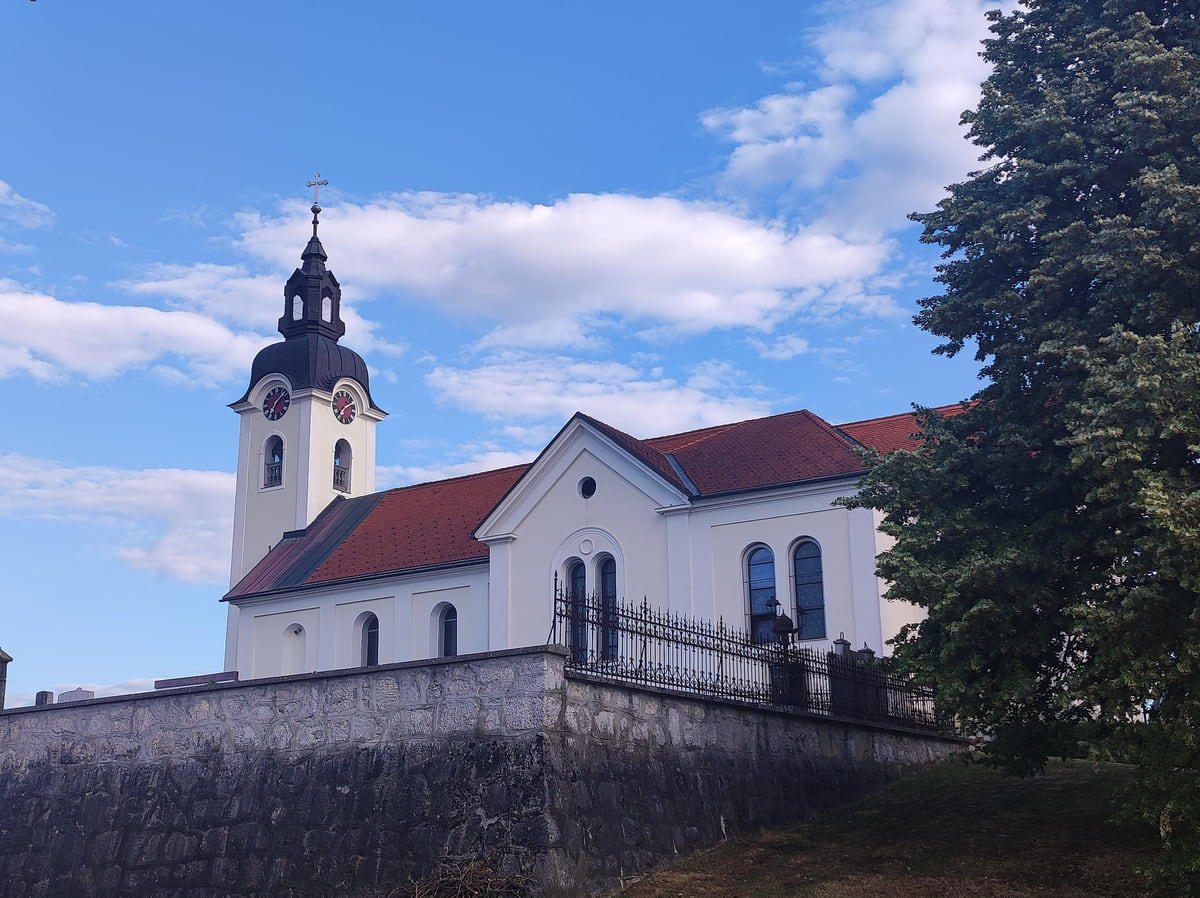
Town in central Slovenia
Domžale, the town that made straw hats for half of Europe

- Population
- 13,326 town, 38,326 municipality
- Municipality
- 72.3 km²
Map
Where Domžale is
The Julian Alps, Triglav and the Soča valley lie to the north-west; Ljubljana sits in the centre; the Karst, its caves and the 47 km of coast are to the south-west, and Maribor, Ptuj and the Prekmurje plains to the east. Every number opens its guide.
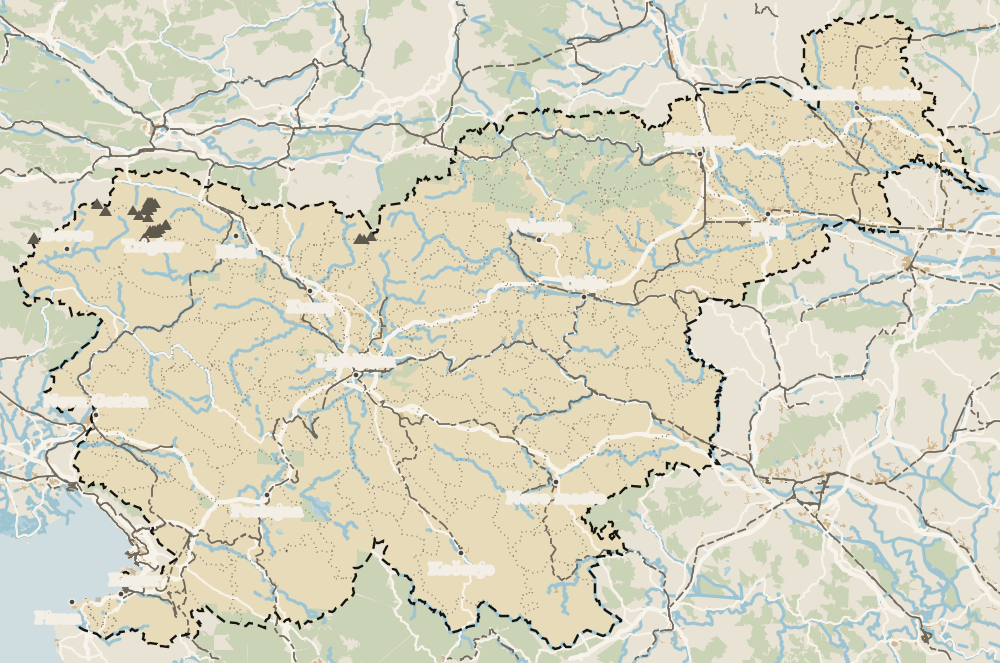 1Ljubljana 2Kamnik 3Domžale 4Grosuplje 5Vrhnika 6Ig 7Medvode 8Logatec 9Mengeš 10Brezovica 11Šmartno pri Litiji 12Ljubljana Marshes
Map data © OpenStreetMap contributors (ODbL)
- 1LjubljanaCapital of Slovenia
- 2KamnikTown in central Slovenia
- 3DomžaleTown in central Slovenia
- 4GrosupljeCentral Slovenia town
- 5VrhnikaCentral Slovenia town
- 6IgCentral Slovenia village
- 7MedvodeCentral Slovenia town
- 8LogatecCentral Slovenia town
- 9MengešCentral Slovenia village
- 10BrezovicaCentral Slovenia municipality
- 11Šmartno pri LitijiCentral Slovenia municipality
- 12Ljubljana MarshesLandscape park in central Slovenia
Domžale is Slovenia's straw hat town: 13,326 people between Ljubljana and Kamnik, at the head of a municipality of 38,326, one of the most populous in the country. It has no old town, because it grew around the factories that from the late 19th century sold straw hats across Europe, and that's what its Straw Hat Museum, opened in 2012, and a walk past the old factories explain.
Domžale isn't for glimpsing from the car. I'd follow the walk its tourist office suggests, from the band hall to the old market past the factories, and pair it with the Volčji Potok arboretum nearby.
In 30 seconds
Full read: 3 min
- Domžale is a town of 13,326 people between Ljubljana and Kamnik.
- It grew up around straw hat factories and has had its own museum since 2012.
- Up to 110 buses a day run from Ljubljana, taking 28 to 50 minutes.
- Nearby are Krumperk Castle, the Studenec theatre and the Volčji Potok arboretum.
What I would book
My checklist before setting off
My key points
What the official sites leave out
-
01 Most beautiful
A record 300,377 hats
The old Oberwalder factory, renamed Univerzale after the war, made 300,377 straw hats in 1964. The machines stopped in 2003.
-
02 My tip
A museum in the band hall
Since 2012 the Straw Hat Museum has been in the Godbeni dom, the 1929 brass band hall, the first of its kind in what was then Yugoslavia.
-
03 Getting there
Theatre under canvas
The Studenec summer theatre, near Krtina, is Slovenia's third-largest covered open-air theatre and keeps alive an amateur theatre tradition that began in 1949.
-
04 Money
A bus every few minutes
Ljubljana bus station listed 110 departures to Domžale on Monday 19 October 2026, taking 28 to 50 minutes.
day trips from Ljubljana
A town made of factories
The municipality of Domžale covers 72.3 km² next to Ljubljana and, with 38,326 inhabitants, is one of the most populous in the country; the town itself has 13,326. There are two theories about the name, according to the tourist office. One says it comes from Old Slavic and means cemetery; the other, that it refers to a riverbank. The name appears at the time of the Turkish raids.
What made Domžale grow was straw hats. The Slovenian Tourist Board recalls that the town and its surroundings were famous for making them, and the local tourist office tells the story factory by factory. Today’s town hall occupies the first Tyrolean factory, J. Mellitzer, Kleinlercher & Co., built in 1874 in the middle of a field; the town centre grew up around it later. In 1882 the Oberwalder brothers, also from Tyrol, opened another, which after the war was called Univerzale and made 300,377 hats in 1964, before the machines went silent in 2003. The largest of all, Ladstätter’s, styled itself a supplier to the imperial court, with its head office in Vienna and branches across Europe; all that remains of it now is a chimney in a car park.
What to see: the Straw Hat Museum and the walk
Since 2012 the Straw Hat Museum has been housed in the Godbeni dom, the brass band hall. The band was founded in 1884 by the schoolteacher Franc Pfeifer, and its hall, opened on 4 August 1929, was the first of its kind in what was then Yugoslavia.
The tourist office suggests a walk linking the museum with the Menačenk house, a tailors’ house of 1898 turned ethnological museum, with the Ahčin family’s furniture, tools and clothes and, in the attic, works by the sculptor France Ahčin. It continues up Goričica hill, where the Church of the Assumption, of 1892, stands on the site of a 16th-century fortified church, and past the Kulturni dom Franca Bernika, an Art Nouveau building of 1910 by the architect Franc Ravnikar, with a theatre and cinema. At the entrance to Češmin Park, the largest in town, stands the Zajec wayside shrine, a work by Plečnik from 1935 and 1936, and the walk ends at the market. More of the architect’s work is in Plečnik’s Ljubljana.
Castles, theatre and festivals
Outside town, Krumperk Castle is a Renaissance building of around 1580, with corner towers, built by the Ravbar knights. The mother of the historian Valvasor was born here, and Adam Ravbar lived here, hero of the battle of Sisak against the Turks on 22 June 1593. It is privately owned and not open inside, but there is a riding centre beside it and, nearby, the Železna jama cave.
The Studenec summer theatre, near Krtina, is according to the tourist office the third-largest covered open-air theatre in Slovenia, under a green canvas roof between the woods and the fields. The local company has been staging plays since 1949 and its summer festival runs from May to June. On top of that come a festival of comedy actors in Dob and EtnoRock, on the last Friday of August.
If you are staying the night, see the best hotel deals in Domžale for your dates: the well-placed rooms go fast.
Getting there and what to combine
Domžale is very well connected. Ljubljana bus station listed 110 departures on Monday 19 October 2026, from 4:30am to 11:30pm, taking 28 to 50 minutes, and 33 on the Saturday. By car, leave the A1 motorway at Domžale. The Ljubljana to Kamnik railway, which passes through, has been running since 1891.
It combines easily with its neighbours. The Volčji Potok arboretum is close by on the way to Kamnik, and Kamnik and Velika Planina lie a little further north. It is all in the guide to central Slovenia.
My take on Domžale
I would not come to Domžale for its own sake. But if you are heading for Kamnik or the arboretum, it makes a short stop with a story you do not expect, that of a town that sold straw hats across half of Europe, and the Studenec theatre in summer is worth the detour. Close by, Mengeš has the church of St Michael, reworked by Plečnik in the 1950s, and Jablje Castle.
If you are staying the night, see the best hotel deals in Domžale for your dates: the well-placed rooms go fast.
What to see in Domžale
| Place | What it is | Detail |
|---|---|---|
| Godbeni dom | Band hall and Straw Hat Museum | 1929; museum since 2012 |
| Menačenk house | Ethnological museum | Tailors' house of 1898 |
| Church of the Assumption, Goričica | Parish church | 1892, on the site of a 16th-century fortified church |
| Kulturni dom Franca Bernika | Art Nouveau cultural centre | 1910, by Franc Ravnikar |
| Town hall | Former straw hat factory | The first Tyrolean factory, 1874 |
| Krumperk Castle | Renaissance castle | Around 1580; private, with a riding centre |
Visit Domžale, checked on 17 October 2026.
Bus from Ljubljana to Domžale
| Day | Departures | Journey time |
|---|---|---|
| Monday 19 October 2026 | 110, from 4:30am to 11:30pm | 28 to 50 min |
| Saturday 24 October 2026 | 33, from 5:45am to 11pm | 28 to 37 min |
Ljubljana bus station, timetable search, checked on 17 October 2026.
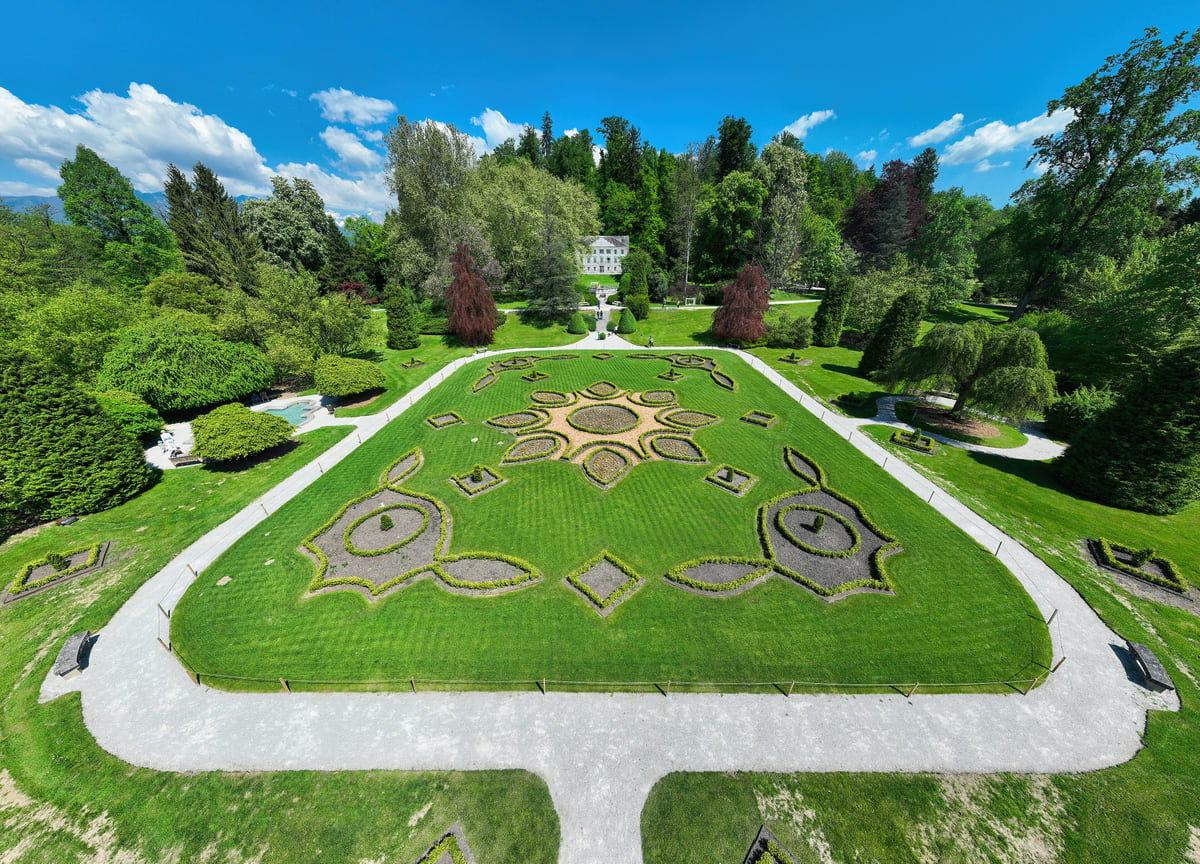
Gardens and lake at the Volčji Potok arboretum near Kamnik, Slovenia's largest botanical park
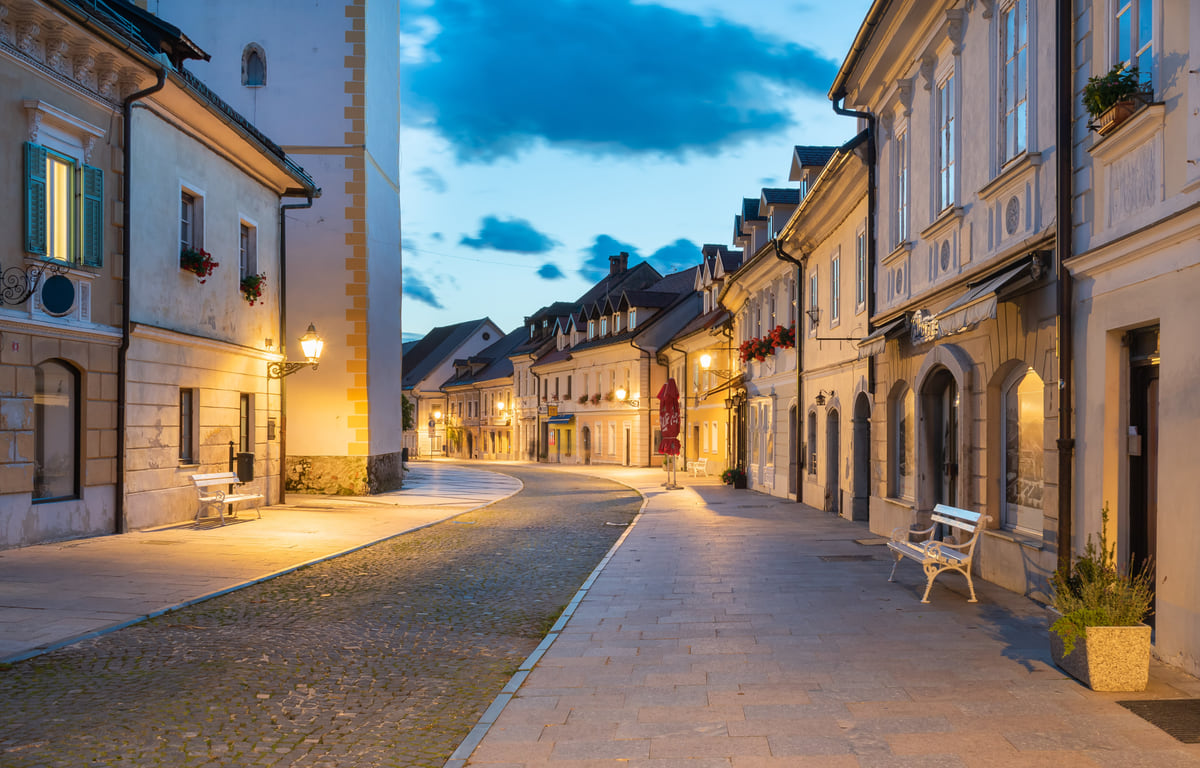
Šutna street in Kamnik at dusk, with the street lamps lit, colourful façades and the curving cobbled pavement
Test yourself
True or false?
0/3 Pick before you peek.
-
Domžale has a walled medieval old town.
See the answer
False. The tourist office says it never had an old town; the town grew up around its factories.
-
More than 300,000 straw hats were made in one Domžale factory in 1964.
See the answer
True. The Univerzale factory, formerly Oberwalder, reached 300,377 hats that year.
-
Domžale town hall occupies a former hat factory.
See the answer
True. It is the town's first Tyrolean straw hat factory, built in 1874.
- Hats made in 1964
- 300,377
- First Tyrolean factory
- 1874
- Godbeni dom band hall
- 1929
- Municipality population
- 38,326
Common questions about Domžale
What is there to see in Domžale?
The Straw Hat Museum in the Godbeni dom, the Menačenk house, the Church of the Assumption on Goričica hill, the Kulturni dom Franca Bernika and the old hat factories. Outside town, Krumperk Castle and the Studenec summer theatre.
Why is Domžale famous for straw hats?
Because from the late 19th century it was a straw hat manufacturing centre, with Tyrolean and local factories exporting across much of Europe. The Slovenian Tourist Board mentions it in its list of unusual museums.
How do I get from Ljubljana to Domžale?
By bus, with very frequent departures: 110 on Monday 19 October 2026, taking 28 to 50 minutes. By car, leave the A1 motorway at the Domžale exit.
What does the name Domžale mean?
The tourist office gives two explanations, that it comes from Old Slavic and means cemetery, or that it means a bank or shore of a river. The name appears at the time of the Turkish raids.
What festivals are held in Domžale?
The Studenec summer theatre festival, from May to June; a festival of comedy actors in Dob; and EtnoRock, on the last Friday of August.
0 of 425 Slovenia guides
Your next stamp
- Trbovlje
- Begunje
- Free things to do
- Mengeš
- Tržič
- Strmol Castle
- Nazarje
- Novo mesto
- Bogenšperk Castle
- Bogojina
- Debeli rtič
- Ig pile dwellings
- Jeruzalem
- Kolpa River
- Koper
- Lake Cerknica
- Lipica
- Ljubljana
- Ljubljana to Bled
- Mariborsko Pohorje
- Mount Snežnik
- Palace Portorož
- Park of Military History
- Plečnik House
- Postojna
- Postojna Cave
- Škocjan Caves
- Štanjel
- Tartini Square
- Županova jama
- Izola
- Kamnik
- Karst
- Ljubljana to Postojna
- Lovrenc Lakes
- Maribor
- Portorož
- Predjama Castle
- Things to do in Ljubljana
- Travel guide
- Vilenica Cave
- Zagorje ob Savi
- Celje
- Cerknica
- Hrastnik
- Ljubljana in a day
- Ljubljana to Piran
- Piran
- Slovenian Istria
- Strunjan
- Things to do
- Activities
- Ankaran
- Grosuplje
- Litija
- Ljubljana in two days
- Pivka
- Sečovlje salt pans
- Velenje
- Brežice Castle
- Getting around Ljubljana
- Ilirska Bistrica
- Mežica Mine
- Most beautiful places
- Sevnica Castle
- Terme Olimia
- Vrhnika
- Žiče Charterhouse
- Dolenjska
- Ig
- Prettiest villages
- Ptuj
- Sežana
- Divača
- Medvode
- Murska Sobota
- Posavje
- World Heritage
- Hrpelje-Kozina
- Logatec
- Map
- Brezovica
- Komen
- Savinjska
- Where is Slovenia
- Bled
- Brežice
- Čatež ob Savi
- Celje Castle
- Coal Mining Museum
- Gorenjska
- Hotels in Piran
- Hrastovlje
- Karawanken Geopark
- Koroška
- Kostanjevica Cave
- Kostel Castle
- Krokar primeval forest
- Kurentovanje
- Lent
- Ljubljana Castle
- Ljubljana Cathedral
- Logar Valley
- Oldest vine in the world
- Olimje
- Otočec
- Regions
- Rimske Toplice
- Rinka Waterfall
- Rogla
- Sava River
- Slovenj Gradec
- Topolšica
- Velika Planina
- Goriška
- Krško
- Lake Bled
- Municipalities
- Podravje
- Prešeren Square
- Ravne na Koroškem
- Restaurants in Piran
- Škocjan Inlet
- Volčji Potok Arboretum
- Bled Island
- Cities
- Mežica
- Pomurje
- Sevnica
- Socerb Castle
- Bled Castle
- Coast and Karst
- Dravograd
- Kostanjevica na Krki
- Population
- Notranjska
- Ojstrica viewpoint
- Radlje ob Dravi
- Size
- Central Slovenia
- Language
- Mislinja
- Plečnik's Ljubljana
- Slovenska Bistrica
- Vila Bled
- Currency
- Grand Hotel Toplice
- Ormož
- Zasavje
- EU and Schengen
- Hotel Savica Garni
- Hotels in Bled
- Pohorje
- Haloze
- History
- Restaurants in Bled
- Flag and symbols
- Hoče-Slivnica
- Bizeljsko
- Bohinj
- Christmas in Ljubljana
- City Hotel Ljubljana
- Gorjanci
- Kranj
- Krka River
- Laško
- Moravske Toplice
- Ptuj Castle
- Public holidays
- Rajhenburg Castle
- Šentilj
- Slovenia beaches
- Šmartno pri Litiji
- Uršlja Gora
- Brdo Castle
- Independence Day
- Lake Bohinj
- Ljubljana Festival
- Radenci
- Rogaška Slatina
- Day trips from Ljubljana
- Jesenice
- Lendava
- Podčetrtek
- Savica waterfall
- Time zone
- Dobrna
- Facts
- Ljubljana nightlife
- Ljutomer
- Nova Gorica
- Vogel
- Bohinjska Bistrica
- Gornja Radgona
- Ljubljana Old Town
- Slovenia and Croatia
- Solkan
- Zreče
- Grad
- Sabotin
- Slovenia, Italy and Austria
- Slovenske Konjice
- Stara Fužina
- Trnovo
- Goričko
- Holidays and tours
- Hotels in Bohinj
- Škofja Loka
- Vitanje
- Škofja Loka Castle
- Slovenia or Slovakia
- Šoštanj
- Veržej
- Slovenian phrases
- Slovenia in 3 days
- Bela krajina
- Caves in Slovenia
- Črnomelj
- Dragon Bridge
- Gorje
- Hiking
- Hotels in Maribor
- Kozjansko Regional Park
- Kranjska Gora
- Lake Ptuj
- Ljubljana Marshes
- Slovenia in 5 days
- Vinarium Tower
- Where to stay in Ljubljana
- Žalec
- Metlika
- Slovenia castles
- Slovenia in a week
- Slovenian Mountain Trail
- Triple Bridge
- Vintgar Gorge
- Vršič Pass
- Where to eat in Ljubljana
- Best viewpoints in Slovenia
- Central Market
- Juliana Trail
- Lake Jasna
- Road trip
- Semič
- Žirovnica
- Kočevje
- Metelkova
- Motorhome
- Museums in Slovenia
- Naklo
- Soča rafting
- Zelenci
- Jezersko
- Kostel
- Lake Planšar
- Skiing
- Slovenia with kids
- Slovenian Alpine Museum
- Tivoli Park
- Best time to visit
- Cerklje na Gorenjskem
- Cycling
- Dolenjske Toplice
- Ljubljanica river
- Mojstrana
- Šenčur
- Krvavec
- National Gallery
- Parenzana
- Peričnik waterfall
- Šmarješke Toplice
- Weather
- National and University Library
- Paragliding
- Slovenia in winter
- Trebnje
- Vrata valley
- Climbing
- Events
- Martuljek waterfalls
- Žale
- Fly fishing
- In January
- Ljubljana museums
- National Museum of Slovenia
- Rateče
- Bovec
- Festival Lent
- Golf
- Hotels in Ptuj
- In February
- Kamnik-Savinja Alps
- Nature parks
- Parking in Ljubljana
- Pekel Cave
- Planica
- Snežnik Castle
- Solčava
- Gornji Grad
- In March
- Kranjska Gora ski resort
- Lakes
- Trenta
- Ziplines
- Alpe Adria Trail
- Hotels in Kranjska Gora
- In April
- Kanin
- Waterfalls
- In May
- Rivers
- Virje waterfall
- Vransko
- Hotels in Bovec
- In June
- Mountains
- Šentjur
- Dobra Vila Bovec
- In July
- Ljubljana Card
- Mozirje
- Spas
- In August
- Nebesa Chalets
- Rečica ob Savinji
- In September
- Kobarid
- Šmartno ob Paki
- In October
- Kobarid Museum
- Hiša Franko
- In November
- In December
- Radovljica
- Železniki
- In spring
- Museum of Apiculture
- Žiri
- In summer
- Kropa
- Tolmin
- Brezje
- In autumn
- Metaldays
- Tolmin Gorges
- Javorca church
- Slovenia in 10 days
- Most na Soči
- Two weeks in Slovenia
- Idrija
- Ljubljana Marathon
- How to get there
- Idrija mercury mine
- Wild Lake
- Cerkno
- Flights
- Laufarji
- Divje babe
- Franja Partisan Hospital
- Ljubljana Airport
- Ajdovščina
- Nearby airports
- Venice to Ljubljana
- Vipava
- Vipavski Križ
- Zagreb to Ljubljana
- Brda
- Trains to Slovenia
- Getting around
- Šmartno
- Dobrovo Castle
- Trains
- Buses
- Julian Alps
- Car hire
- Triglav National Park
- Driving
- Pokljuka
- Triglav Lakes
- Vignette
- Mount Triglav
- Taxis
- Distances
- Soča Valley
- Soča River
- Trieste to Ljubljana
- Kozjak Waterfall
- Vienna to Ljubljana
- Boka Waterfall
- Budapest to Ljubljana
- Ljubljana to Maribor
- Walk of Peace
- Bled to Bohinj
- Mangart
- Lake Krn
- Prices and budget
- Slovenia on a budget
- Vipava Valley
- Otlica Natural Window
- Entry requirements
- Rihemberk Castle
- Customs
- Safety
- Scams
- Bears
- Healthcare
- Mobile and roaming
- Plugs
- Packing list
- What to buy
- Hotels
- Campsites
- Farm stays
- Mountain huts
- Food
- Bled cream cake
- Wine
- Potica
- Prekmurska gibanica
- Štruklji
- Carniolan sausage
- Idrija žlikrofi
- Beer
- Tipping

Questions about Domžale? Write to me
I read every email. If a fact is wrong or missing, tell me and I will check it.
My email sergiolepone@gmail.com
By
Tourism graduate with a master’s in Tourism Management and Planning from the University of Málaga, who has travelled across Europe. He writes every guide from official sources and his own judgement.
Published on . Updated on . Facts checked on .
Sources
Some links in this guide are affiliate links: if you book through them, the site earns a commission at no extra cost to you. Affiliate disclosure
Photos: Ajznponar (CC0); Petar Milošević (CC BY-SA 4.0); Krzysztof Golik (CC BY-SA 4.0), via Wikimedia Commons.