Pohorje
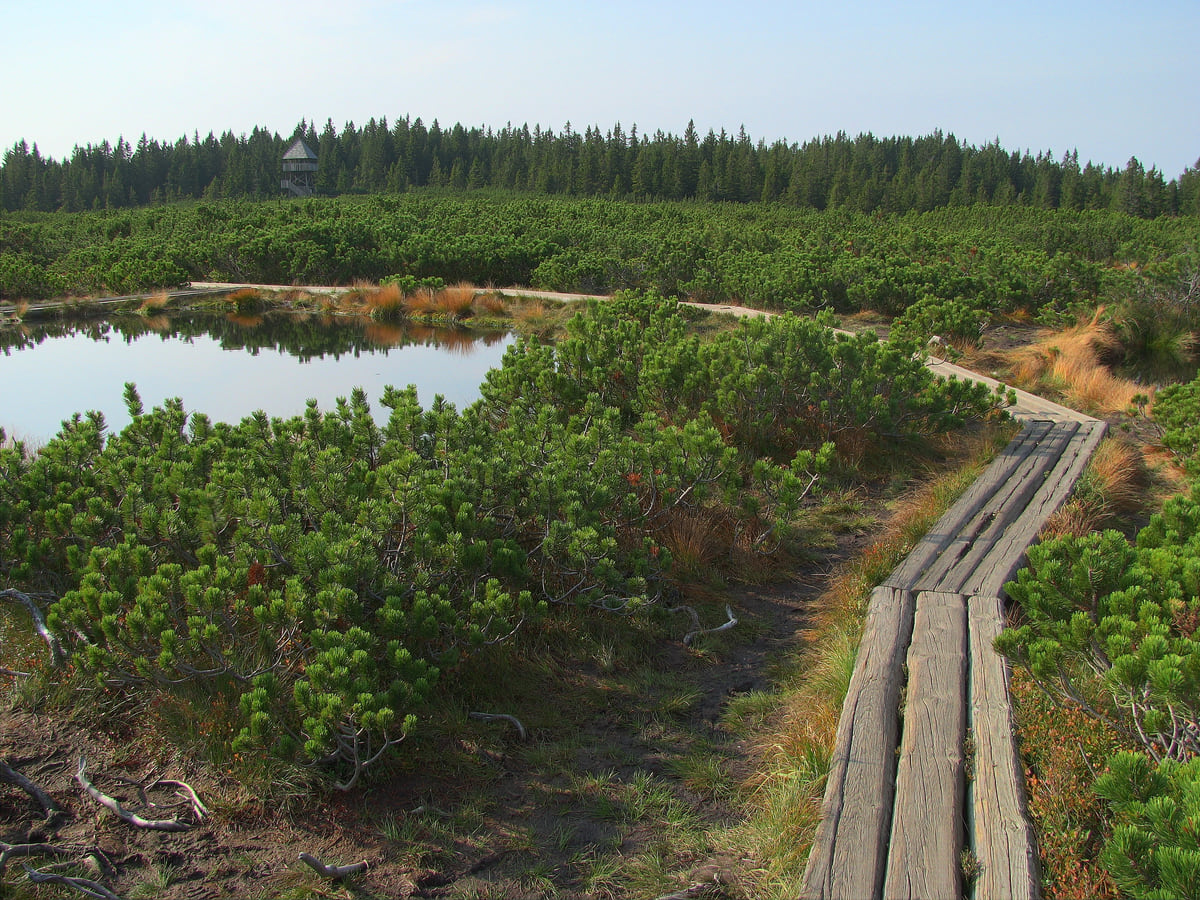
The Lovrenc lakes, dark windows in the peat bog

- Lakes
- About 20, some pond-sized
- Origin
- About 8,000 years ago
- Peat
- Up to 3 m thick
The Lovrenc lakes are around twenty dark, almost black pools in the Pohorje peat bog, in the municipality of Lovrenc na Pohorju. You visit them on wooden boardwalks leading to a viewing tower, never setting foot on the peat, which is up to 3 m thick. RTV Slovenia says they formed about 8,000 years ago and that the area is the largest wetland in the country.
You can see the lakes on a short walk, but I'd give them a quiet morning. I'd climb the tower to see the pools from above and stay on the boardwalks, because the bog is very fragile, then carry on walking across the Pohorje.
If you only read this
Full read: 2 min
- About 20 dark lakes in a Pohorje peat bog.
- Formed about 8,000 years ago.
- Slovenia's largest wetland, according to RTV.
- Seen from boardwalks and a wooden tower.
Is it worth it?
Yes
A short, unusual stop: black pools in a peat bog, seen from boardwalks and a tower. Worth it if you're walking the Pohorje anyway; not a trip on its own.
My key points
Before you go to Pohorje, this
-
01 Most beautiful
Almost black water
All the lakes are very dark, almost black, because of the peat beneath them, according to RTV Slovenia.
-
02 Worth the splurge
Endangered dragonflies
Two endangered dragonflies live in the bog, the moorland hawker and the white-faced darter, along with rare plants such as the Rannoch-rush.
-
03 My tip
Up the tower
The best view is from the wooden tower beside the highest pool, according to the tourist board, and panels beneath it explain the plants and wildlife.
-
04 Getting there
The rest of the range
The lakes sit high on Pohorje, Slovenia's only silicate range, with forests, ski resorts and other bogs.
Pohorje
What I would book
Visiting: boardwalks and tower
In the middle of the bog stands a wooden tower, and the tourist board says the best views are from the one beside the highest pool. Panels beneath the tower explain the plants and animals. Boardwalks link the tower with the woods, and you walk along them without ever entering the bog.
Above all, this is a protected nature reserve. RTV reports that when scientists found one of the boardwalks was damaging the habitat, it was closed and the vegetation left to recover. The authorities realised the bog will only stay special if it’s left alone, with as little interference as possible.
What the Lovrenc lakes are
RTV Slovenia explains that the Lovrenc moors are the largest wetland in Slovenia and one of the southernmost in Europe. They formed about 8,000 years ago, when rainwater was trapped above an impermeable layer of silicate rock, the same rock that makes Pohorje Slovenia’s only silicate range, according to the tourist board. Peat gradually built up on top, reaching 3 m in places.
There are about 20 small lakes. Some are no bigger than ponds, and all have very dark, almost black water because of the peat beneath them. Around them stretch gentle meadows and moss-covered wetland.
Rare plants and dragonflies
What really sets the bog apart is its life. RTV mentions plants that grow only in habitats like this, such as the Rannoch-rush and a rare subspecies of crowberry, plus two endangered dragonflies, the moorland hawker and the white-faced darter. The tourist board speaks of peat bog pools and beds of rare plants visible from the path. Elsewhere on Pohorje it mentions the carnivorous sundew, and notes that the range has many protected areas within the Natura 2000 network. Pohorje Regional Park, of around 52 km², protects the range’s alpine bogs along with its plains and primeval forest.
Peat also has a gentler use on the range. At the Terme Zreče spa, on the Rogla side, the tourist board suggests a peat bath, which it describes as a natural source of health and well-being.
If you are staying the night, see the best hotel deals in Lovrenc na Pohorju for your dates: the well-placed rooms go fast.
When to go and how long
I’d pair the lakes with a walk on Pohorje on a summer or autumn day. The tower and boardwalks don’t take long, but the place makes you want to linger.
What’s nearby on the Pohorje
The lakes lie in the municipality of Lovrenc na Pohorju, which SURS puts at 2,981 people on 1 January 2026. From here Pohorje carries on towards Rogla, with its treetop walk, and towards Maribor, with the Mariborsko Pohorje ski resort.
So you do not lose the morning at the ticket office, browse tickets and tours in Lovrenc Lakes on GetYourGuide.
If you are staying the night, see the best hotel deals in Lovrenc na Pohorju for your dates: the well-placed rooms go fast.
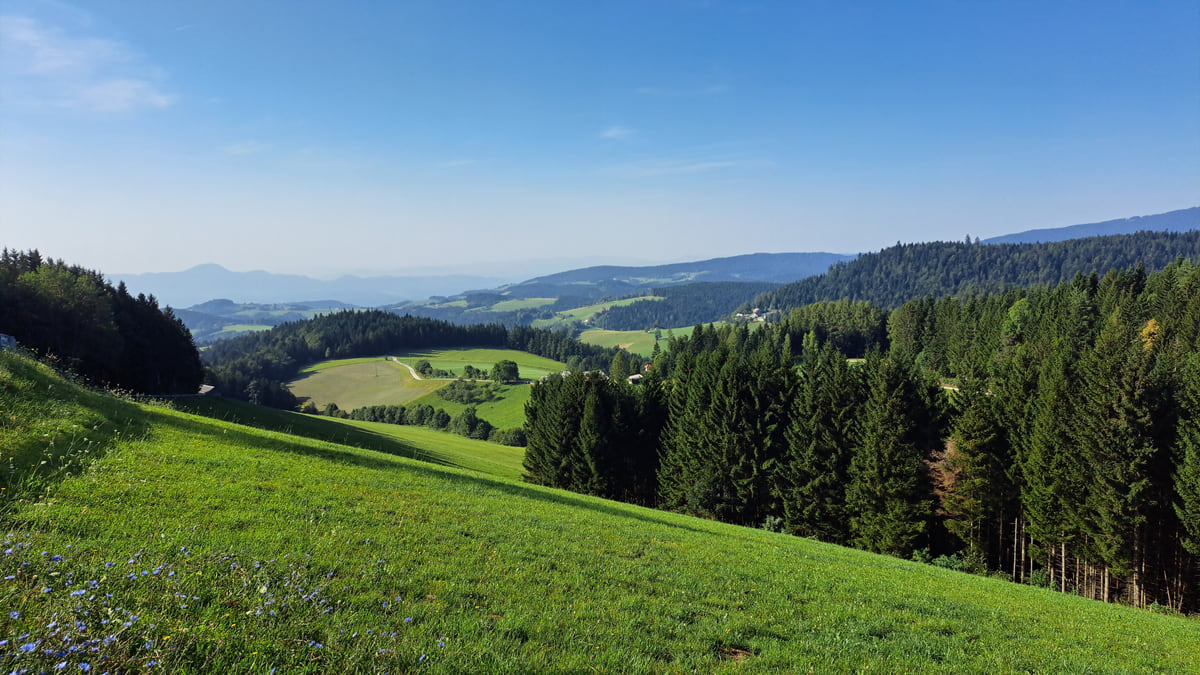
Green meadows and spruce forest on the Pohorje on a clear day, with hills fading towards the horizon
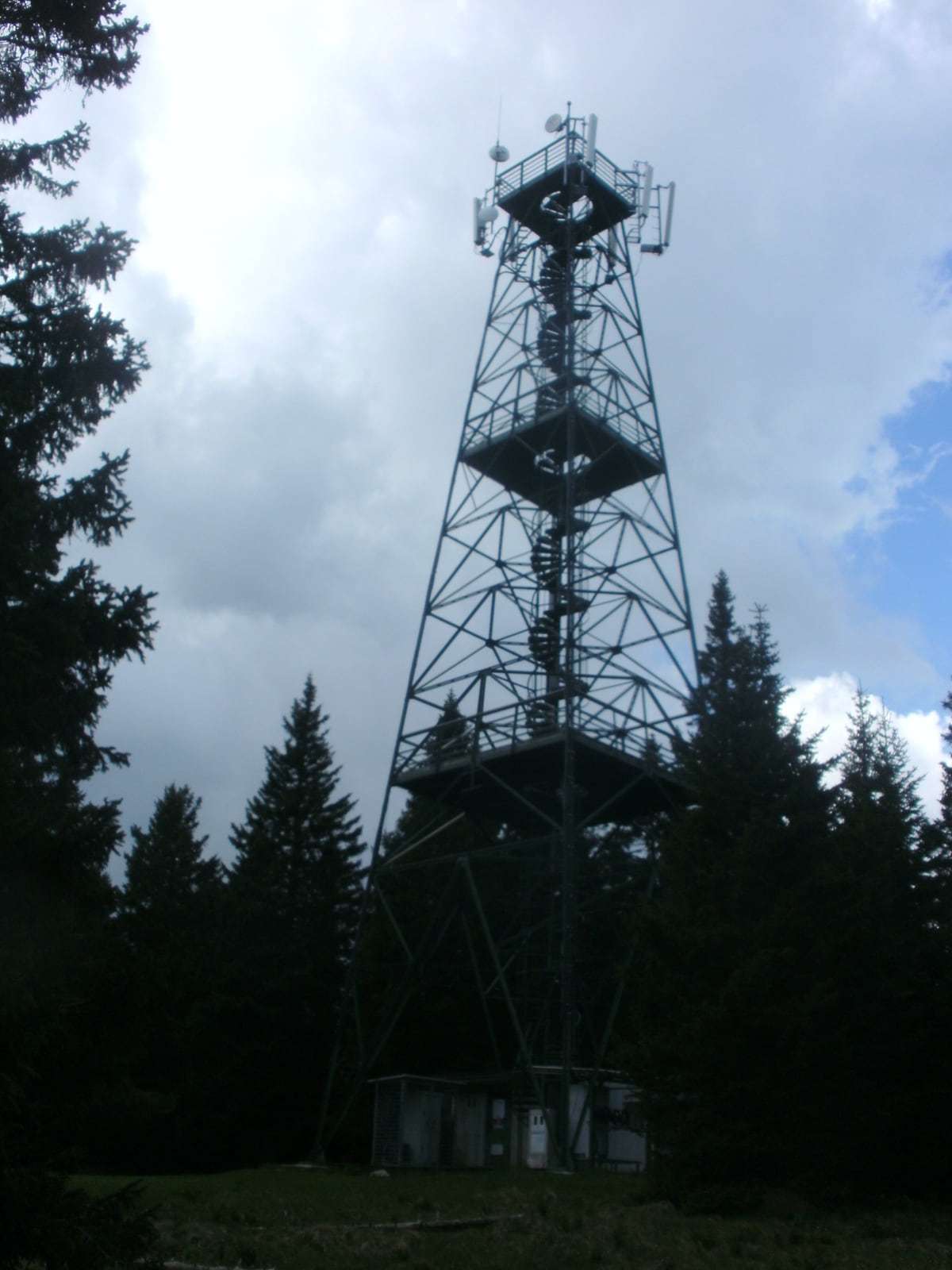
Metal observation tower at Rogla among the Pohorje spruces, on the high plateau of the resort
Test yourself
True or false?
0/3 Pick before you peek.
-
At the Lovrenc lakes you can walk freely across the bog.
See the answer
False. You stay on the boardwalks. One was closed after it was found to be damaging the habitat, according to RTV Slovenia.
-
The lakes' water is dark because of the peat.
See the answer
True. The peat beneath gives them their almost black colour.
-
The lakes formed about 8,000 years ago.
See the answer
True. When rain was trapped above a layer of impermeable silicate rock.
Map
Where Lovrenc Lakes is
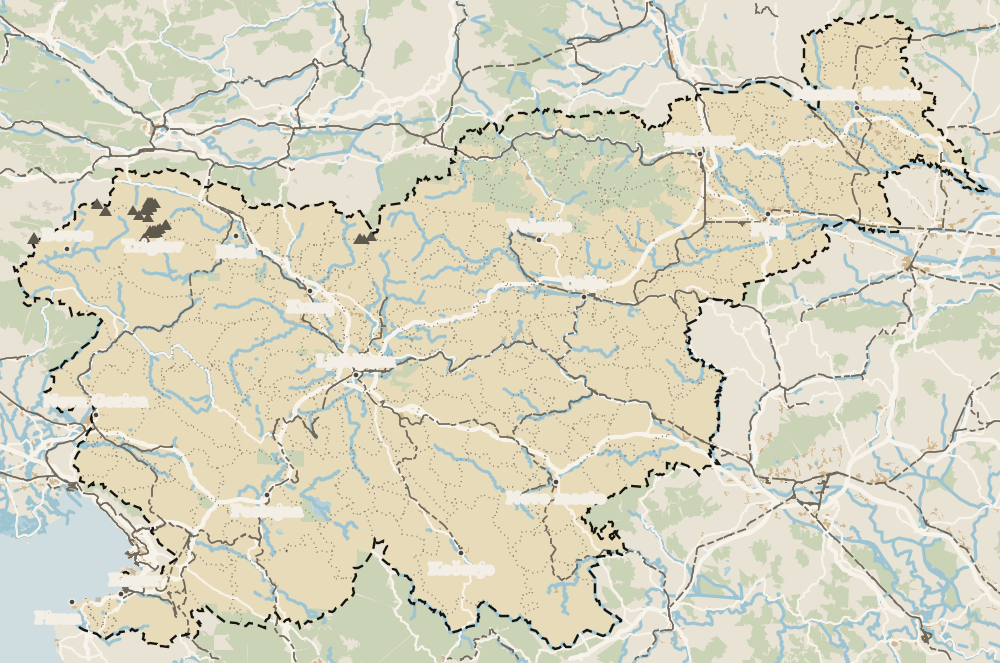
The Julian Alps, Triglav and the Soča valley lie to the north-west; Ljubljana sits in the centre; the Karst, its caves and the 47 km of coast are to the south-west, and Maribor, Ptuj and the Prekmurje plains to the east. Every number opens its guide.
Frequently asked questions
How many lakes are there?
About 20, according to RTV Slovenia. Some are no bigger than ponds, and all of them have dark, almost black water.
How did they form?
About 8,000 years ago, when rainwater was trapped above an impermeable layer of silicate rock. Peat built up on top, up to 3 m thick.
Can you walk on the bog?
No. You follow wooden boardwalks linking the viewing tower with the woods, and never enter the marsh. One walkway that was damaging the habitat was closed so the vegetation could recover.
What plants and animals live here?
RTV Slovenia mentions the Rannoch-rush, a rare subspecies of crowberry and two endangered dragonflies, the moorland hawker and the white-faced darter.
Where are they?
High on Pohorje, in north-east Slovenia, in the municipality of Lovrenc na Pohorju, west of Maribor.
0 of 425 Slovenia guides
Your next stamp
- Pohorje
- Lakes
- Lake Bohinj
- Spas
- Virje waterfall
- Krokar primeval forest
- Slovenia beaches
- Wild Lake
- Bogenšperk Castle
- Bogojina
- Debeli rtič
- Ig pile dwellings
- Jeruzalem
- Kolpa River
- Koper
- Lake Cerknica
- Lipica
- Ljubljana
- Ljubljana to Bled
- Mariborsko Pohorje
- Mount Snežnik
- Palace Portorož
- Park of Military History
- Plečnik House
- Postojna
- Postojna Cave
- Škocjan Caves
- Štanjel
- Tartini Square
- Trbovlje
- Županova jama
- Izola
- Kamnik
- Karst
- Ljubljana to Postojna
- Maribor
- Portorož
- Predjama Castle
- Things to do in Ljubljana
- Travel guide
- Vilenica Cave
- Zagorje ob Savi
- Celje
- Cerknica
- Domžale
- Hrastnik
- Ljubljana in a day
- Ljubljana to Piran
- Piran
- Slovenian Istria
- Strunjan
- Things to do
- Activities
- Ankaran
- Grosuplje
- Litija
- Ljubljana in two days
- Pivka
- Sečovlje salt pans
- Velenje
- Brežice Castle
- Getting around Ljubljana
- Ilirska Bistrica
- Mežica Mine
- Most beautiful places
- Novo mesto
- Sevnica Castle
- Terme Olimia
- Vrhnika
- Žiče Charterhouse
- Dolenjska
- Ig
- Prettiest villages
- Ptuj
- Sežana
- Divača
- Medvode
- Murska Sobota
- Posavje
- World Heritage
- Hrpelje-Kozina
- Logatec
- Map
- Mengeš
- Brezovica
- Komen
- Savinjska
- Where is Slovenia
- Bled
- Brežice
- Čatež ob Savi
- Celje Castle
- Coal Mining Museum
- Gorenjska
- Hotels in Piran
- Hrastovlje
- Karawanken Geopark
- Koroška
- Kostanjevica Cave
- Kostel Castle
- Kurentovanje
- Lent
- Ljubljana Castle
- Ljubljana Cathedral
- Logar Valley
- Oldest vine in the world
- Olimje
- Otočec
- Regions
- Rimske Toplice
- Rinka Waterfall
- Rogla
- Sava River
- Slovenj Gradec
- Topolšica
- Velika Planina
- Goriška
- Krško
- Lake Bled
- Municipalities
- Podravje
- Prešeren Square
- Ravne na Koroškem
- Restaurants in Piran
- Škocjan Inlet
- Volčji Potok Arboretum
- Bled Island
- Cities
- Mežica
- Pomurje
- Sevnica
- Socerb Castle
- Bled Castle
- Coast and Karst
- Dravograd
- Kostanjevica na Krki
- Population
- Notranjska
- Ojstrica viewpoint
- Radlje ob Dravi
- Size
- Central Slovenia
- Language
- Mislinja
- Plečnik's Ljubljana
- Slovenska Bistrica
- Vila Bled
- Currency
- Grand Hotel Toplice
- Ormož
- Zasavje
- EU and Schengen
- Hotel Savica Garni
- Hotels in Bled
- Haloze
- History
- Restaurants in Bled
- Flag and symbols
- Hoče-Slivnica
- Bizeljsko
- Bohinj
- Christmas in Ljubljana
- City Hotel Ljubljana
- Gorjanci
- Kranj
- Krka River
- Laško
- Moravske Toplice
- Ptuj Castle
- Public holidays
- Rajhenburg Castle
- Šentilj
- Šmartno pri Litiji
- Uršlja Gora
- Brdo Castle
- Independence Day
- Ljubljana Festival
- Radenci
- Rogaška Slatina
- Day trips from Ljubljana
- Jesenice
- Lendava
- Podčetrtek
- Savica waterfall
- Time zone
- Dobrna
- Facts
- Ljubljana nightlife
- Ljutomer
- Nova Gorica
- Vogel
- Bohinjska Bistrica
- Gornja Radgona
- Ljubljana Old Town
- Slovenia and Croatia
- Solkan
- Zreče
- Grad
- Sabotin
- Slovenia, Italy and Austria
- Slovenske Konjice
- Stara Fužina
- Trnovo
- Goričko
- Holidays and tours
- Hotels in Bohinj
- Škofja Loka
- Vitanje
- Škofja Loka Castle
- Slovenia or Slovakia
- Šoštanj
- Veržej
- Slovenian phrases
- Slovenia in 3 days
- Bela krajina
- Caves in Slovenia
- Črnomelj
- Dragon Bridge
- Gorje
- Hiking
- Hotels in Maribor
- Kozjansko Regional Park
- Kranjska Gora
- Lake Ptuj
- Ljubljana Marshes
- Slovenia in 5 days
- Vinarium Tower
- Where to stay in Ljubljana
- Žalec
- Metlika
- Slovenia castles
- Slovenia in a week
- Slovenian Mountain Trail
- Triple Bridge
- Vintgar Gorge
- Vršič Pass
- Where to eat in Ljubljana
- Best viewpoints in Slovenia
- Central Market
- Juliana Trail
- Lake Jasna
- Road trip
- Semič
- Žirovnica
- Kočevje
- Metelkova
- Motorhome
- Museums in Slovenia
- Naklo
- Soča rafting
- Tržič
- Zelenci
- Jezersko
- Kostel
- Lake Planšar
- Skiing
- Slovenia with kids
- Slovenian Alpine Museum
- Tivoli Park
- Best time to visit
- Cerklje na Gorenjskem
- Cycling
- Dolenjske Toplice
- Ljubljanica river
- Mojstrana
- Šenčur
- Krvavec
- National Gallery
- Parenzana
- Peričnik waterfall
- Šmarješke Toplice
- Weather
- National and University Library
- Paragliding
- Slovenia in winter
- Strmol Castle
- Trebnje
- Vrata valley
- Climbing
- Events
- Martuljek waterfalls
- Žale
- Fly fishing
- In January
- Ljubljana museums
- National Museum of Slovenia
- Rateče
- Bovec
- Festival Lent
- Golf
- Hotels in Ptuj
- In February
- Kamnik-Savinja Alps
- Nature parks
- Parking in Ljubljana
- Pekel Cave
- Planica
- Snežnik Castle
- Solčava
- Gornji Grad
- In March
- Kranjska Gora ski resort
- Trenta
- Ziplines
- Alpe Adria Trail
- Hotels in Kranjska Gora
- In April
- Kanin
- Nazarje
- Waterfalls
- In May
- Rivers
- Vransko
- Hotels in Bovec
- In June
- Mountains
- Šentjur
- Dobra Vila Bovec
- In July
- Ljubljana Card
- Mozirje
- In August
- Nebesa Chalets
- Rečica ob Savinji
- In September
- Kobarid
- Šmartno ob Paki
- In October
- Kobarid Museum
- Hiša Franko
- In November
- In December
- Radovljica
- Železniki
- In spring
- Museum of Apiculture
- Žiri
- In summer
- Kropa
- Tolmin
- Brezje
- In autumn
- Metaldays
- Tolmin Gorges
- Begunje
- Javorca church
- Slovenia in 10 days
- Most na Soči
- Two weeks in Slovenia
- Idrija
- Ljubljana Marathon
- How to get there
- Idrija mercury mine
- Cerkno
- Flights
- Laufarji
- Divje babe
- Franja Partisan Hospital
- Ljubljana Airport
- Ajdovščina
- Nearby airports
- Venice to Ljubljana
- Vipava
- Vipavski Križ
- Zagreb to Ljubljana
- Brda
- Trains to Slovenia
- Getting around
- Šmartno
- Dobrovo Castle
- Trains
- Buses
- Julian Alps
- Car hire
- Triglav National Park
- Driving
- Pokljuka
- Triglav Lakes
- Vignette
- Mount Triglav
- Taxis
- Distances
- Soča Valley
- Soča River
- Trieste to Ljubljana
- Kozjak Waterfall
- Vienna to Ljubljana
- Boka Waterfall
- Budapest to Ljubljana
- Ljubljana to Maribor
- Walk of Peace
- Bled to Bohinj
- Mangart
- Lake Krn
- Prices and budget
- Slovenia on a budget
- Vipava Valley
- Free things to do
- Otlica Natural Window
- Entry requirements
- Rihemberk Castle
- Customs
- Safety
- Scams
- Bears
- Healthcare
- Mobile and roaming
- Plugs
- Packing list
- What to buy
- Hotels
- Campsites
- Farm stays
- Mountain huts
- Food
- Bled cream cake
- Wine
- Potica
- Prekmurska gibanica
- Štruklji
- Carniolan sausage
- Idrija žlikrofi
- Beer
- Tipping

Questions about Pohorje? Write to me
I read every email. If a fact is wrong or missing, tell me and I will check it.
My email sergiolepone@gmail.com
By
Tourism graduate with a master’s in Tourism Management and Planning from the University of Málaga, who has travelled across Europe. He writes every guide from official sources and his own judgement.
Published on . Updated on . Facts checked on .
Sources
Some links in this guide are affiliate links: if you book through them, the site earns a commission at no extra cost to you. Affiliate disclosure
Photos: breki74 from Maribor, Slovenia (CC BY-SA 2.0); Andrej Jakobčič (CC BY-SA 3.0); Shabicht (CC BY-SA 4.0), via Wikimedia Commons.