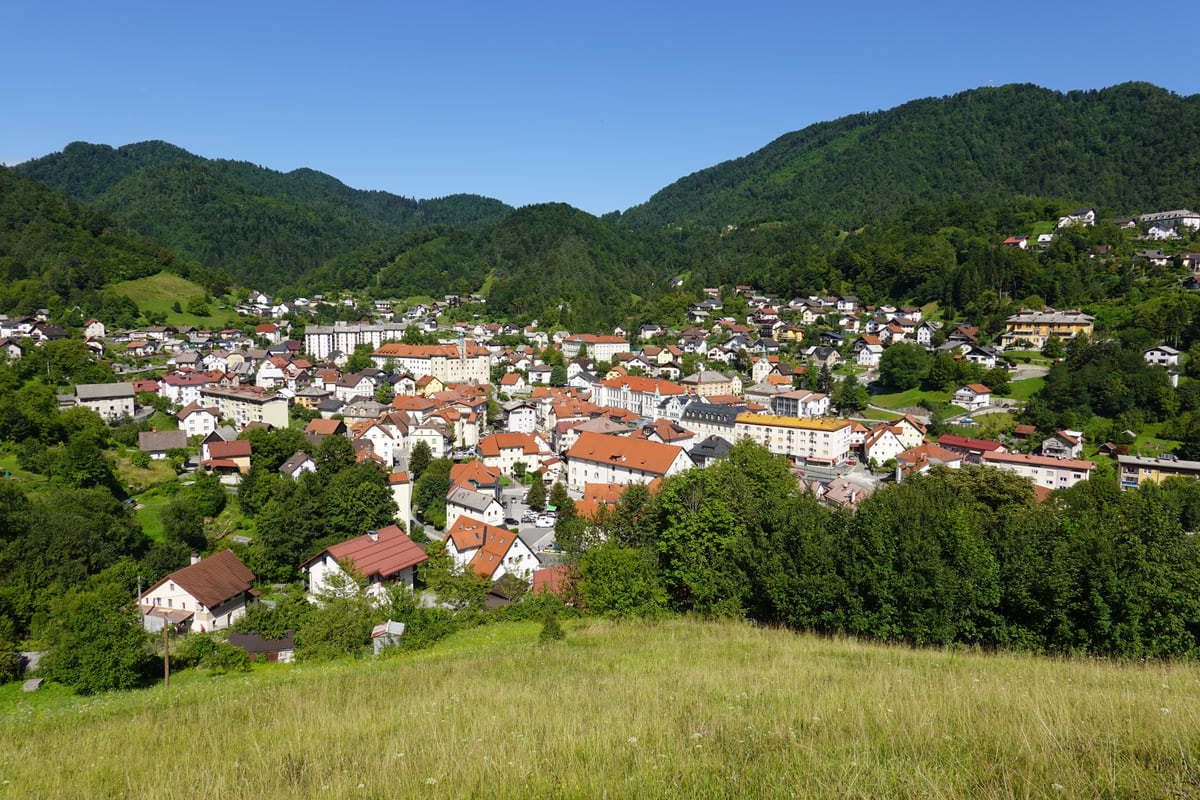
Goriška, pre-Alpine Slovenia
Idrija, the town of mercury and lace

- Population (1-1-2026)
- 5,701 town, 11,482 municipality
- Mercury discovered
- 1490
Map
Where Idrija is
The Julian Alps, Triglav and the Soča valley lie to the north-west; Ljubljana sits in the centre; the Karst, its caves and the 47 km of coast are to the south-west, and Maribor, Ptuj and the Prekmurje plains to the east. Every number opens its guide.
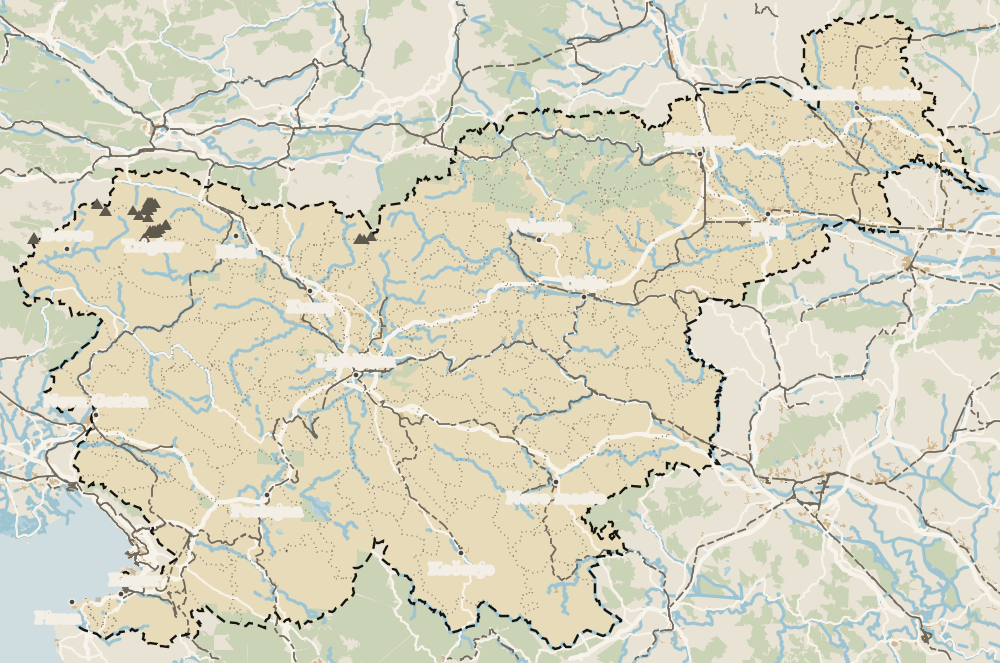 1Goriška 2Nova Gorica 3Bovec 4Kobarid 5Tolmin 6Idrija 7Cerkno 8Ajdovščina 9Vipava 10Brda 11Soča Valley 12Vipava Valley
Map data © OpenStreetMap contributors (ODbL)
- 1GoriškaRegions of Slovenia
- 2Nova GoricaGoriška, Slovenia
- 3BovecSoča Valley, Goriška
- 4KobaridSoča Valley, Goriška
- 5TolminSoča Valley, Goriška
- 6IdrijaGoriška, pre-Alpine Slovenia
- 7CerknoGoriška, Idrijca valley
- 8AjdovščinaVipava Valley, Goriška
- 9VipavaVipava Valley, Goriška
- 10BrdaGoriška, on the Italian border
- 11Soča ValleyGoriška, Julian Alps
- 12Vipava ValleyGoriška
Idrija is Slovenia's oldest mining town, with 5,701 people at the head of a municipality of 11,482 (SURS). It all began in 1490 with the discovery of mercury, and its mine became the world's second largest. Since 2012 its mercury heritage has been UNESCO World Heritage together with Almadén, and its bobbin lace is intangible heritage.
Idrija needs a night, because mine, castle and lace fill the day. I'd go down the mine in the morning, have žlikrofi for lunch and keep the afternoon for Gewerkenegg Castle and the walk beside the Rake channel to the Wild Lake.
What I would check before going
Bookings I would make
The practical bit
Before you go to Idrija, this
-
01 Most beautiful
Anthony's Main Road
The mine entrance, dug in 1500, is according to the body that manages it the oldest preserved mine entrance in Europe, and it's visited with a guide.
Idrija mercury mine -
02 Worth the splurge
Make your own lace
The Idrija tourist board offers a workshop with a lacemaking teacher where you make a simple lace bracelet, in Slovenia's capital of bobbin lace.
UNESCO sites in Slovenia -
03 My tip
Žlikrofi with an EU seal
This pasta filled with spiced potato carries the EU Traditional Speciality Guaranteed label, and it's served with smukavc, ocvirkovca and a sip of geruš.
Slovenian food -
04 Getting there
On to Cerkno
Idrija shares its municipal museum with Cerkno to the north, home to the Franja Partisan Hospital and the Divje babe cave.
Cerkno
What to see in Idrija, the mercury mine
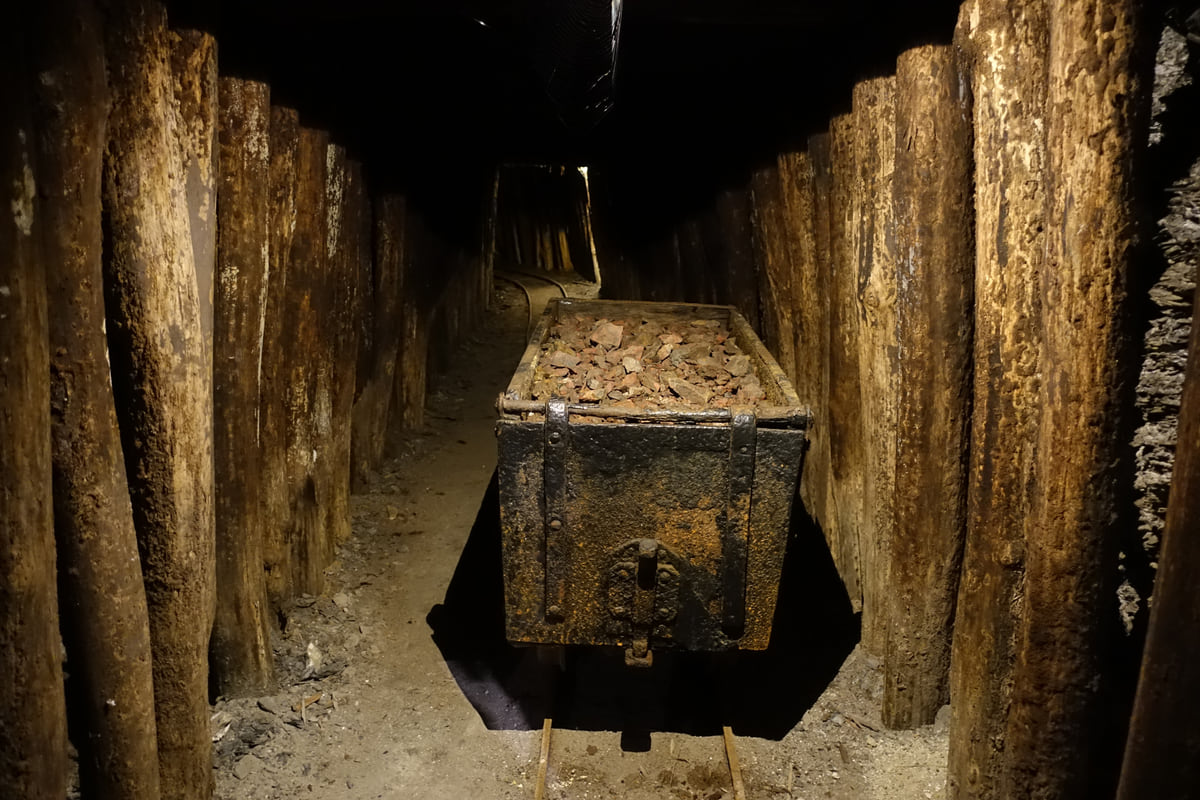
Beneath the streets lies the mine that made the town. Through the entrance building you reach Anthony’s Main Road, dug in 1500, which CUDHg Idrija describes as Europe’s oldest surviving mine entrance, and a guide leads you through the oldest part of the mine, with veins of cinnabar, droplets of mercury and an underground chapel. In the old smelting plant, an interactive exhibition explains this metal, liquid at room temperature, and there stands the world’s largest rotary furnace for extracting mercury. Over five centuries the furnaces turned out more than three million steel flasks of mercury. It’s all covered in detail in the guide to the Idrija mercury mine.
With the mine booming, in the 18th century Idrija became the second largest town in Carniola, with workers from many lands. The polymath Jožef Mrak, builder of the klavže dams, and the natural scientists Giovanni Antonio Scopoli and Balthasar Hacquet all worked here.
Gewerkenegg Castle and the kamšt
Gewerkenegg Castle, whose German name means the mining castle, was built between 1522 and 1533 around a chapel from 1493. No noble family ever lived in it. It was the seat of the mine’s administration and the store for mercury and grain for the miners, and today it houses the Idrija Municipal Museum, with five centuries of the mine and town and their links with Almadén. The arcaded courtyard with its Baroque frescoes was restored between 1988 and 2017.
On the edge of town stands the kamšt, a wooden water wheel from 1790, more than 13 m across, which for over 150 years pumped water out of the shafts so the miners could work. The Idrija tourist board describes it as the largest of its kind preserved in Europe. Its name comes from the German Wasserkunst.
Idrija bobbin lace
In the 17th century the miners’ wives began making bobbin lace, and its delicacy won over the upper classes. The most famous lacemaker was Ivanka Ferjančič, the first teacher at the Idrija Lace School, open now for over 140 years. Today Idrija lace is on UNESCO’s intangible heritage list, giving the town three UNESCO titles in all, which the tourist board says puts it among the country’s capitals of this heritage. The wider picture is in the guide to UNESCO World Heritage Sites in Slovenia.
Once your dates are set, check which hotels are still free in Idrija before prices climb.
The geopark and the Wild Lake
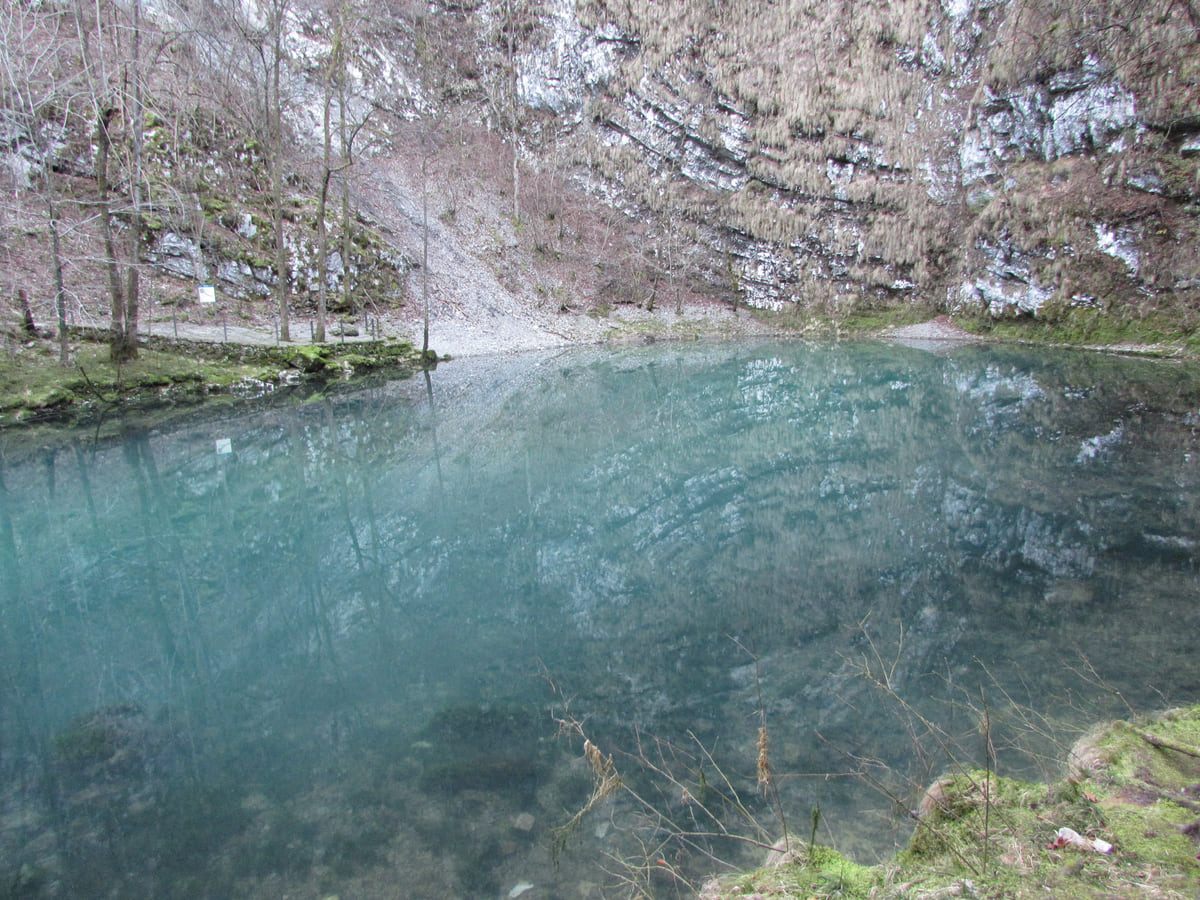
The whole municipality forms the Idrija UNESCO Global Geopark, almost 300 km² in size. There are walking and cycling routes, the klavže dams above steep gorges, the Rake channel that once carried water to the mine, and the natural scientists’ path leading to the Wild Lake (Divje jezero), one of the largest and most interesting karst springs in Slovenia according to the Idrija tourist board. At the visitor centre you learn about the tectonic trench and the mercury deposit, and the sharp-eyed can even spot dinosaur footprints.
Žlikrofi and Idrija’s festivals
Idrija’s dish is žlikrofi, a pasta filled with spiced potato that carries the EU Traditional Speciality Guaranteed label. It comes with smukavc stew, the ocvirkovca and zeljševka rolls, prfarski štruklji and a sip of geruš, a wormwood spirit. Every autumn, Mercury Days remember the miners with talks, experiments and tours, and the lace festival takes place every year. To the north, Cerkno rounds off the trip.
If you would rather have a local show you round, book a guided tour in Idrija and choose by the reviews.
Once your dates are set, check which hotels are still free in Idrija before prices climb.
What to see in Idrija
| What | Details |
|---|---|
| Anthony's Main Road | Mine entrance from 1500; guided tour of 1 h 30 min |
| Mercury smelting plant | Interactive exhibition and the world's largest rotary furnace |
| Gewerkenegg Castle | Municipal Museum; October to April, daily 9:00-17:00 |
| Kamšt | Wooden water wheel from 1790, over 13 m across |
| Wild Lake | Karst spring at the end of the Rake channel |
| Geopark visitor centre | Written in Rocks exhibition |
Idrija Tourist Board, CUDHg Idrija and Idrija Municipal Museum, checked on 17-10-2026. Castle from May to September, daily 9:00-19:00.
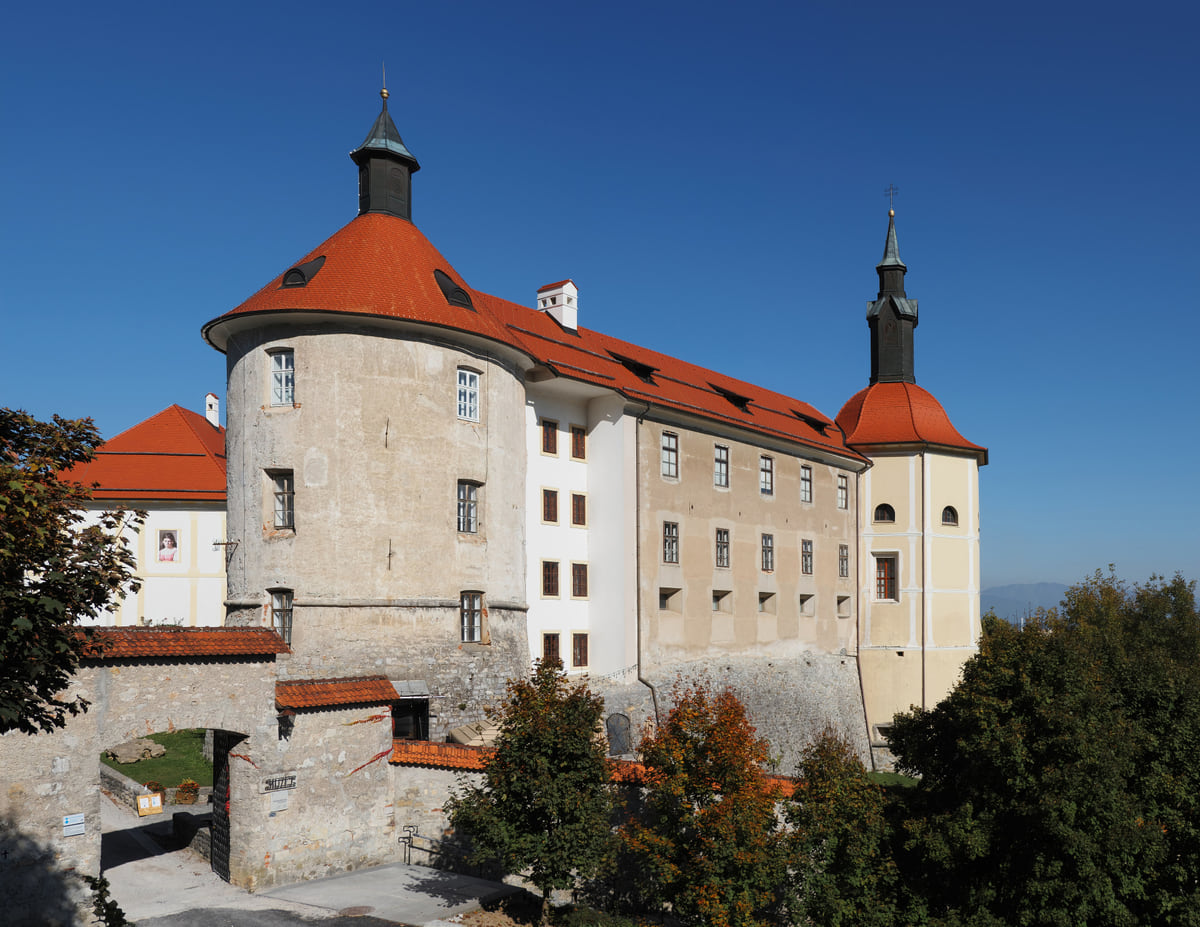
Škofja Loka Castle with its round tower and red roofs, among autumn trees under a deep blue sky
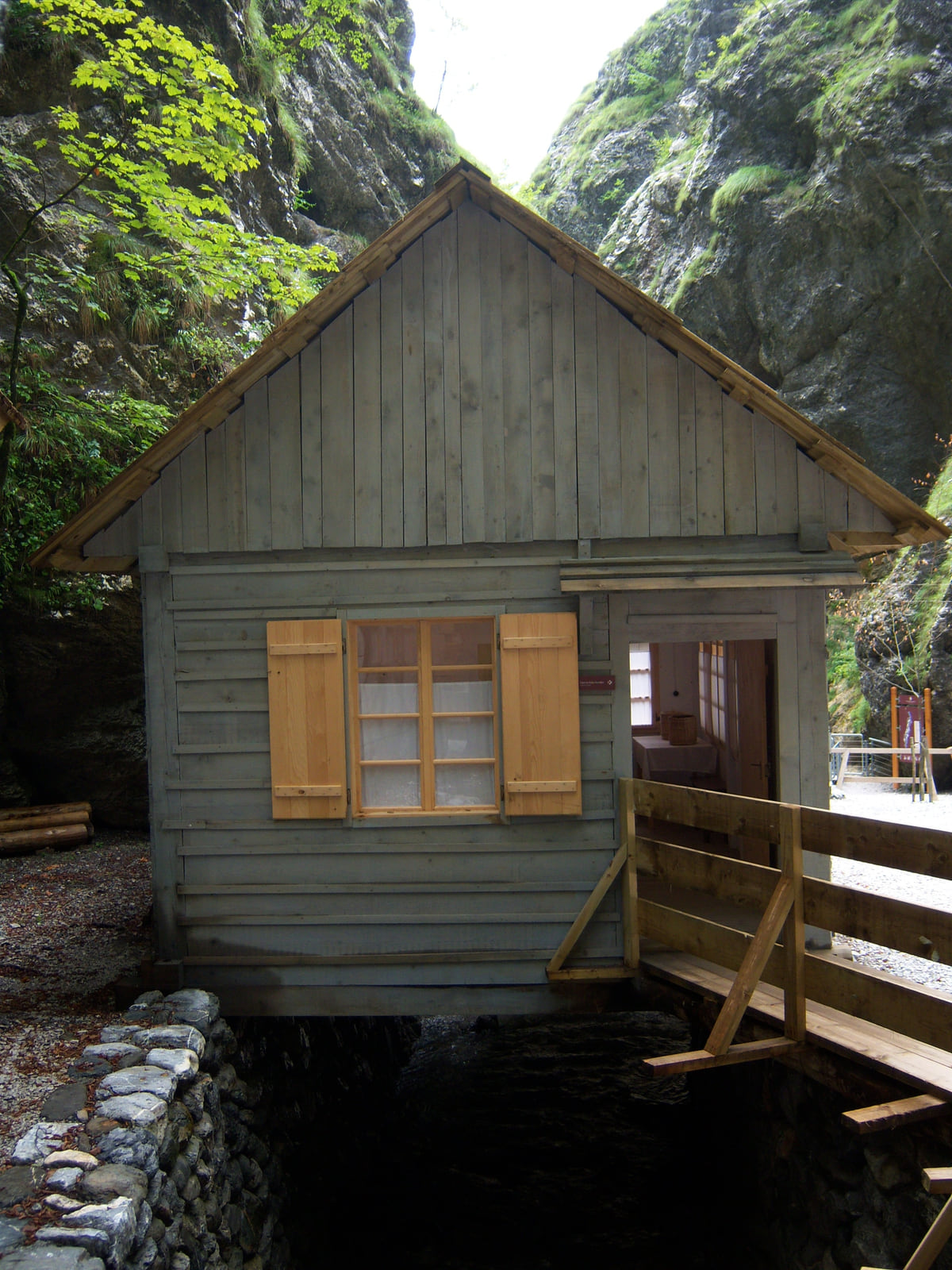
A wooden hut of the Franja Partisan Hospital in the Pasice gorge, with shutters and a wooden walkway
Test yourself
What people often get wrong about Idrija
0/3 Pick before you peek.
-
Idrija's mercury was discovered in the 15th century.
See the answer
True. Legend says that in 1490 a tub maker soaking a tub in a stream found drops of a heavy, shining metal.
-
A noble family lived in Gewerkenegg Castle.
See the answer
False. No noble family ever lived there; from the 16th century to the Second World War it housed the mine's administration.
-
The Idrija kamšt is a wooden water wheel.
See the answer
True. It dates from 1790, measures over 13 m across and the Idrija tourist board calls it the largest of its kind preserved in Europe.
What to see
Idrija, place by place
Idrija: questions and answers
What is there to see in Idrija?
The mercury mine through Anthony's Main Road, the smelting plant, Gewerkenegg Castle with the Municipal Museum, the kamšt, the miner's house, the lace school and, in the geopark, the Rake channel, the klavže dams and the Wild Lake.
Why is Idrija a World Heritage Site?
For its mercury heritage, inscribed by UNESCO in 2012 together with Almadén. The Idrija mine was the second largest producer of mercury in the world.
What is Idrija lace?
A bobbin lace made by miners' wives since the 17th century. UNESCO lists it as intangible heritage, and the lace school has been teaching for over 140 years.
What should you eat in Idrija?
Idrija žlikrofi, pasta filled with spiced potato carrying the EU Traditional Speciality Guaranteed label, the smukavc stew, the ocvirkovca and zeljševka rolls, prfarski štruklji and the wormwood spirit geruš.
What is the Idrija Geopark?
A UNESCO Global Geopark of almost 300 km² covering the whole municipality, with hiking and cycling routes, the klavže dams, the Rake channel, the Wild Lake and even dinosaur footprints.
0 of 425 Slovenia guides
Your next stamp
- Idrija mercury mine
- World Heritage
- Idrija žlikrofi
- Wild Lake
- Litija
- Cerkno
- Ig pile dwellings
- Velenje
- Bogenšperk Castle
- Bogojina
- Debeli rtič
- Jeruzalem
- Kolpa River
- Koper
- Lake Cerknica
- Lipica
- Ljubljana
- Ljubljana to Bled
- Mariborsko Pohorje
- Mount Snežnik
- Palace Portorož
- Park of Military History
- Plečnik House
- Postojna
- Postojna Cave
- Škocjan Caves
- Štanjel
- Tartini Square
- Trbovlje
- Županova jama
- Izola
- Kamnik
- Karst
- Ljubljana to Postojna
- Lovrenc Lakes
- Maribor
- Portorož
- Predjama Castle
- Things to do in Ljubljana
- Travel guide
- Vilenica Cave
- Zagorje ob Savi
- Celje
- Cerknica
- Domžale
- Hrastnik
- Ljubljana in a day
- Ljubljana to Piran
- Piran
- Slovenian Istria
- Strunjan
- Things to do
- Activities
- Ankaran
- Grosuplje
- Ljubljana in two days
- Pivka
- Sečovlje salt pans
- Brežice Castle
- Getting around Ljubljana
- Ilirska Bistrica
- Mežica Mine
- Most beautiful places
- Novo mesto
- Sevnica Castle
- Terme Olimia
- Vrhnika
- Žiče Charterhouse
- Dolenjska
- Ig
- Prettiest villages
- Ptuj
- Sežana
- Divača
- Medvode
- Murska Sobota
- Posavje
- Hrpelje-Kozina
- Logatec
- Map
- Mengeš
- Brezovica
- Komen
- Savinjska
- Where is Slovenia
- Bled
- Brežice
- Čatež ob Savi
- Celje Castle
- Coal Mining Museum
- Gorenjska
- Hotels in Piran
- Hrastovlje
- Karawanken Geopark
- Koroška
- Kostanjevica Cave
- Kostel Castle
- Krokar primeval forest
- Kurentovanje
- Lent
- Ljubljana Castle
- Ljubljana Cathedral
- Logar Valley
- Oldest vine in the world
- Olimje
- Otočec
- Regions
- Rimske Toplice
- Rinka Waterfall
- Rogla
- Sava River
- Slovenj Gradec
- Topolšica
- Velika Planina
- Goriška
- Krško
- Lake Bled
- Municipalities
- Podravje
- Prešeren Square
- Ravne na Koroškem
- Restaurants in Piran
- Škocjan Inlet
- Volčji Potok Arboretum
- Bled Island
- Cities
- Mežica
- Pomurje
- Sevnica
- Socerb Castle
- Bled Castle
- Coast and Karst
- Dravograd
- Kostanjevica na Krki
- Population
- Notranjska
- Ojstrica viewpoint
- Radlje ob Dravi
- Size
- Central Slovenia
- Language
- Mislinja
- Plečnik's Ljubljana
- Slovenska Bistrica
- Vila Bled
- Currency
- Grand Hotel Toplice
- Ormož
- Zasavje
- EU and Schengen
- Hotel Savica Garni
- Hotels in Bled
- Pohorje
- Haloze
- History
- Restaurants in Bled
- Flag and symbols
- Hoče-Slivnica
- Bizeljsko
- Bohinj
- Christmas in Ljubljana
- City Hotel Ljubljana
- Gorjanci
- Kranj
- Krka River
- Laško
- Moravske Toplice
- Ptuj Castle
- Public holidays
- Rajhenburg Castle
- Šentilj
- Slovenia beaches
- Šmartno pri Litiji
- Uršlja Gora
- Brdo Castle
- Independence Day
- Lake Bohinj
- Ljubljana Festival
- Radenci
- Rogaška Slatina
- Day trips from Ljubljana
- Jesenice
- Lendava
- Podčetrtek
- Savica waterfall
- Time zone
- Dobrna
- Facts
- Ljubljana nightlife
- Ljutomer
- Nova Gorica
- Vogel
- Bohinjska Bistrica
- Gornja Radgona
- Ljubljana Old Town
- Slovenia and Croatia
- Solkan
- Zreče
- Grad
- Sabotin
- Slovenia, Italy and Austria
- Slovenske Konjice
- Stara Fužina
- Trnovo
- Goričko
- Holidays and tours
- Hotels in Bohinj
- Škofja Loka
- Vitanje
- Škofja Loka Castle
- Slovenia or Slovakia
- Šoštanj
- Veržej
- Slovenian phrases
- Slovenia in 3 days
- Bela krajina
- Caves in Slovenia
- Črnomelj
- Dragon Bridge
- Gorje
- Hiking
- Hotels in Maribor
- Kozjansko Regional Park
- Kranjska Gora
- Lake Ptuj
- Ljubljana Marshes
- Slovenia in 5 days
- Vinarium Tower
- Where to stay in Ljubljana
- Žalec
- Metlika
- Slovenia castles
- Slovenia in a week
- Slovenian Mountain Trail
- Triple Bridge
- Vintgar Gorge
- Vršič Pass
- Where to eat in Ljubljana
- Best viewpoints in Slovenia
- Central Market
- Juliana Trail
- Lake Jasna
- Road trip
- Semič
- Žirovnica
- Kočevje
- Metelkova
- Motorhome
- Museums in Slovenia
- Naklo
- Soča rafting
- Tržič
- Zelenci
- Jezersko
- Kostel
- Lake Planšar
- Skiing
- Slovenia with kids
- Slovenian Alpine Museum
- Tivoli Park
- Best time to visit
- Cerklje na Gorenjskem
- Cycling
- Dolenjske Toplice
- Ljubljanica river
- Mojstrana
- Šenčur
- Krvavec
- National Gallery
- Parenzana
- Peričnik waterfall
- Šmarješke Toplice
- Weather
- National and University Library
- Paragliding
- Slovenia in winter
- Strmol Castle
- Trebnje
- Vrata valley
- Climbing
- Events
- Martuljek waterfalls
- Žale
- Fly fishing
- In January
- Ljubljana museums
- National Museum of Slovenia
- Rateče
- Bovec
- Festival Lent
- Golf
- Hotels in Ptuj
- In February
- Kamnik-Savinja Alps
- Nature parks
- Parking in Ljubljana
- Pekel Cave
- Planica
- Snežnik Castle
- Solčava
- Gornji Grad
- In March
- Kranjska Gora ski resort
- Lakes
- Trenta
- Ziplines
- Alpe Adria Trail
- Hotels in Kranjska Gora
- In April
- Kanin
- Nazarje
- Waterfalls
- In May
- Rivers
- Virje waterfall
- Vransko
- Hotels in Bovec
- In June
- Mountains
- Šentjur
- Dobra Vila Bovec
- In July
- Ljubljana Card
- Mozirje
- Spas
- In August
- Nebesa Chalets
- Rečica ob Savinji
- In September
- Kobarid
- Šmartno ob Paki
- In October
- Kobarid Museum
- Hiša Franko
- In November
- In December
- Radovljica
- Železniki
- In spring
- Museum of Apiculture
- Žiri
- In summer
- Kropa
- Tolmin
- Brezje
- In autumn
- Metaldays
- Tolmin Gorges
- Begunje
- Javorca church
- Slovenia in 10 days
- Most na Soči
- Two weeks in Slovenia
- Ljubljana Marathon
- How to get there
- Flights
- Laufarji
- Divje babe
- Franja Partisan Hospital
- Ljubljana Airport
- Ajdovščina
- Nearby airports
- Venice to Ljubljana
- Vipava
- Vipavski Križ
- Zagreb to Ljubljana
- Brda
- Trains to Slovenia
- Getting around
- Šmartno
- Dobrovo Castle
- Trains
- Buses
- Julian Alps
- Car hire
- Triglav National Park
- Driving
- Pokljuka
- Triglav Lakes
- Vignette
- Mount Triglav
- Taxis
- Distances
- Soča Valley
- Soča River
- Trieste to Ljubljana
- Kozjak Waterfall
- Vienna to Ljubljana
- Boka Waterfall
- Budapest to Ljubljana
- Ljubljana to Maribor
- Walk of Peace
- Bled to Bohinj
- Mangart
- Lake Krn
- Prices and budget
- Slovenia on a budget
- Vipava Valley
- Free things to do
- Otlica Natural Window
- Entry requirements
- Rihemberk Castle
- Customs
- Safety
- Scams
- Bears
- Healthcare
- Mobile and roaming
- Plugs
- Packing list
- What to buy
- Hotels
- Campsites
- Farm stays
- Mountain huts
- Food
- Bled cream cake
- Wine
- Potica
- Prekmurska gibanica
- Štruklji
- Carniolan sausage
- Beer
- Tipping

Questions about Idrija? Write to me
If something does not add up or a fact is missing, write to me and I will answer myself.
My email sergiolepone@gmail.com
By
Tourism graduate with a master’s in Tourism Management and Planning from the University of Málaga, who has travelled across Europe. He writes every guide from official sources and his own judgement.
Published on . Updated on . Facts checked on .
Sources
Some links in this guide are affiliate links: if you book through them, the site earns a commission at no extra cost to you. Affiliate disclosure
Photos: Luka Peternel (CC BY-SA 4.0); Petar Milošević (CC BY-SA 4.0); Walter Della Schiava (CC BY-SA 3.0), via Wikimedia Commons.