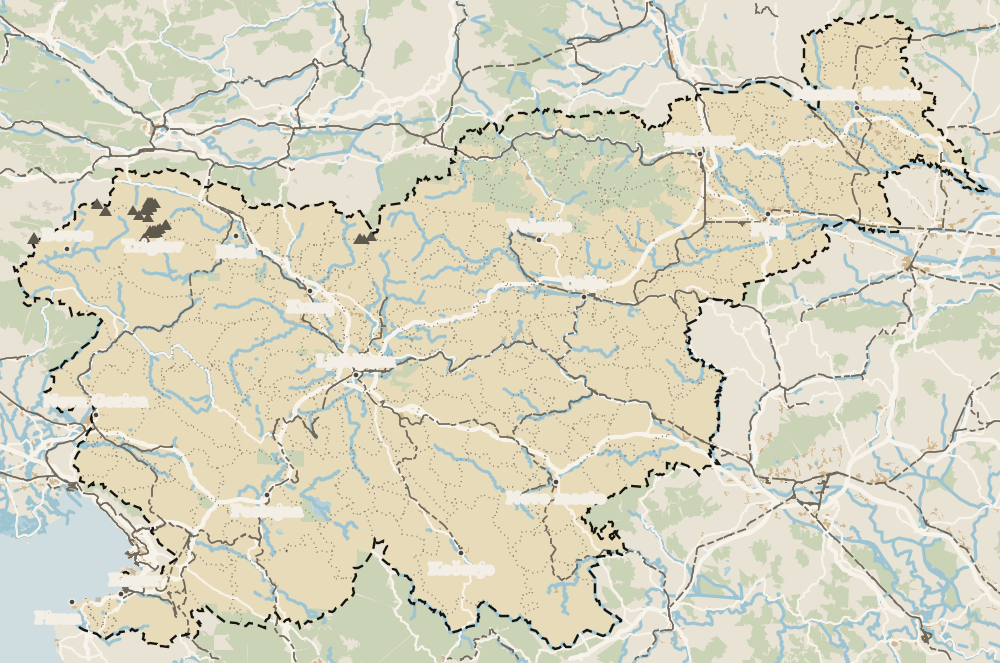
The Julian Alps, Triglav and the Soča valley lie to the north-west; Ljubljana sits in the centre; the Karst, its caves and the 47 km of coast are to the south-west, and Maribor, Ptuj and the Prekmurje plains to the east. Every number opens its guide.
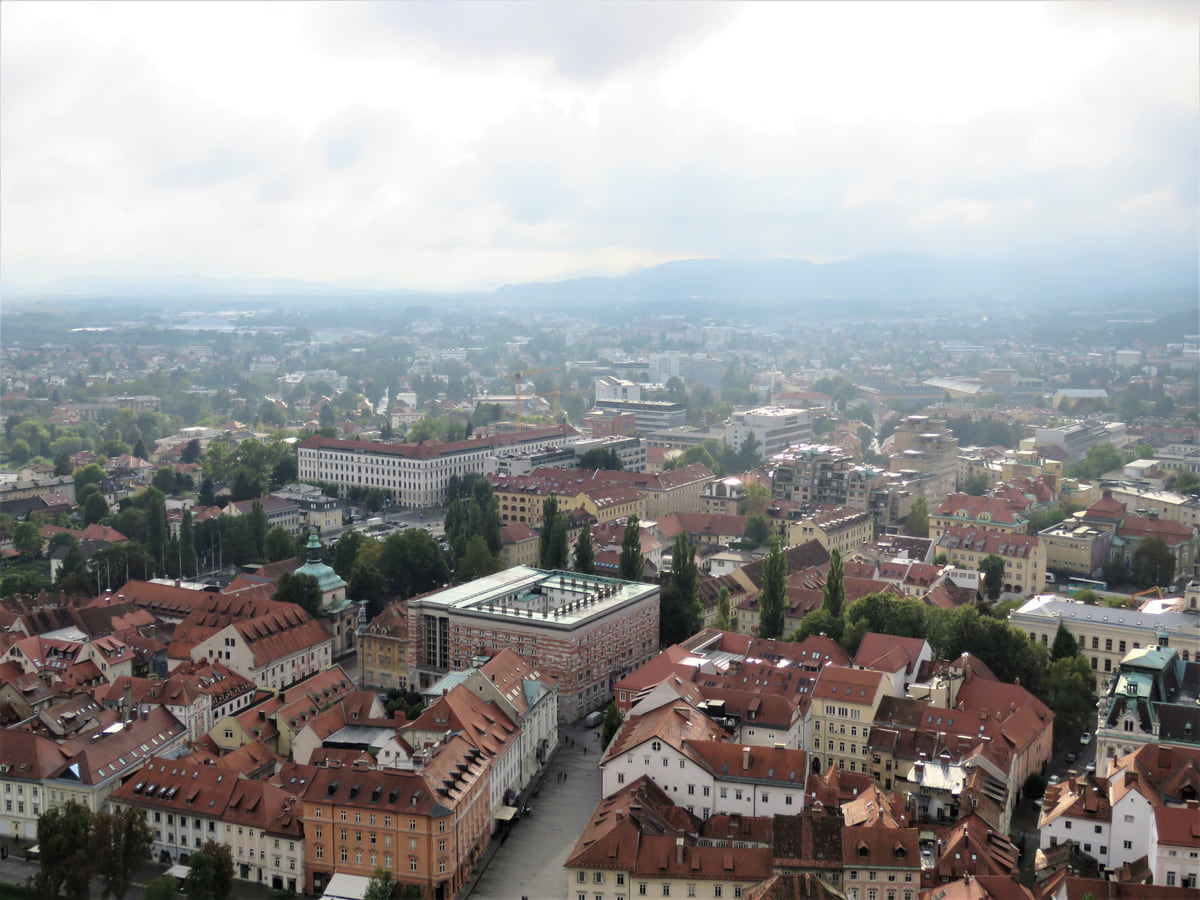
Ljubljana is the capital of Slovenia and you see it on foot: its traffic-free centre runs from the castle to the Ljubljanica river and the works of Jože Plečnik, a World Heritage Site since 2021. One day covers the essentials and two leave time for museums, Metelkova and Tivoli Park. It has 293,244 people and drew 1,392,728 tourist arrivals in 2025, more than anywhere else in the country.
You can see Ljubljana in a day, but I'd give it two and use it as a base for day trips. It's small, relaxed and eats well, and Bled, Postojna and Kamnik are all a bus ride away, so staying central saves you changing hotels.
Sergio LeponeMy advice for Ljubljana
Ljubljana: the quick answer
Full read: 3 min
Ljubljana is Slovenia's capital, with 293,244 people in the city on 1 January 2026.
It was the country's busiest municipality for tourism in 2025, with 1,392,728 arrivals.
The centre is traffic-free and easy on foot between the castle, the river and Plečnik's works.
Two days covers it well, and it makes the best base for Bled, Postojna or Kamnik.
Before you go
Before you go to Ljubljana, this
01 Most beautiful
The river and Plečnik's bridges
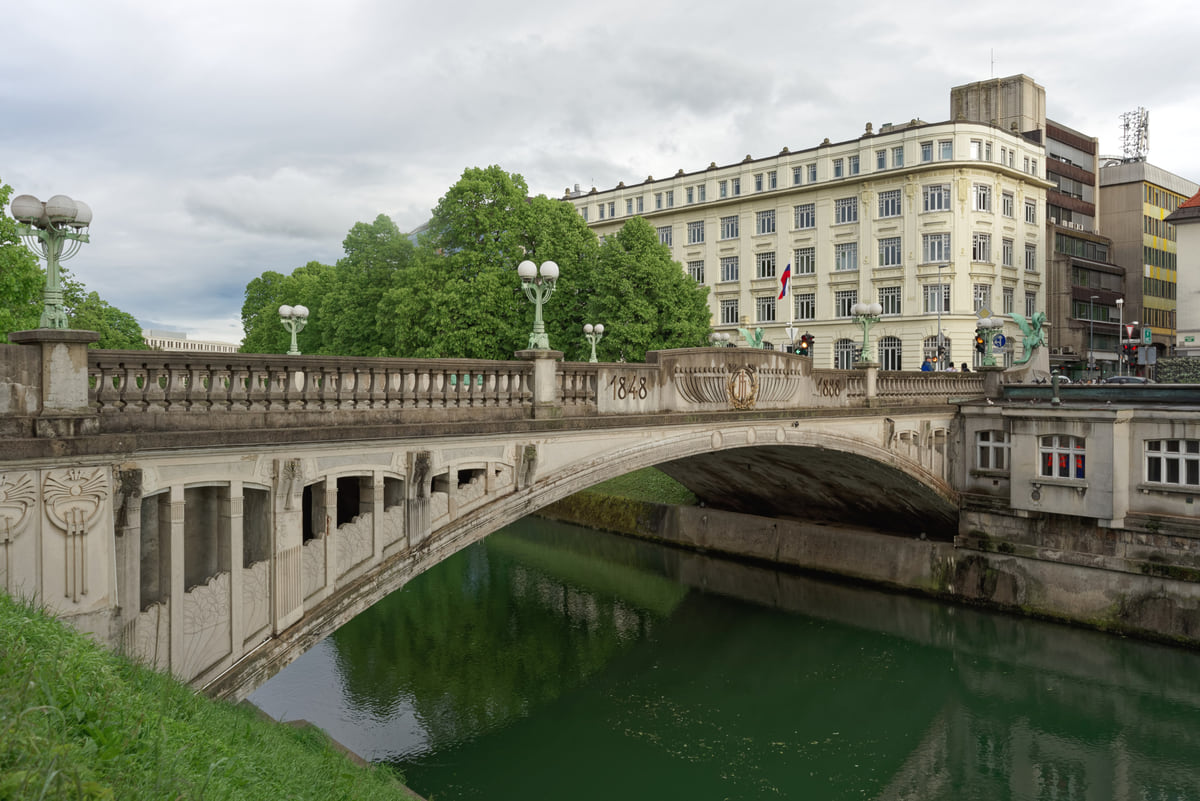
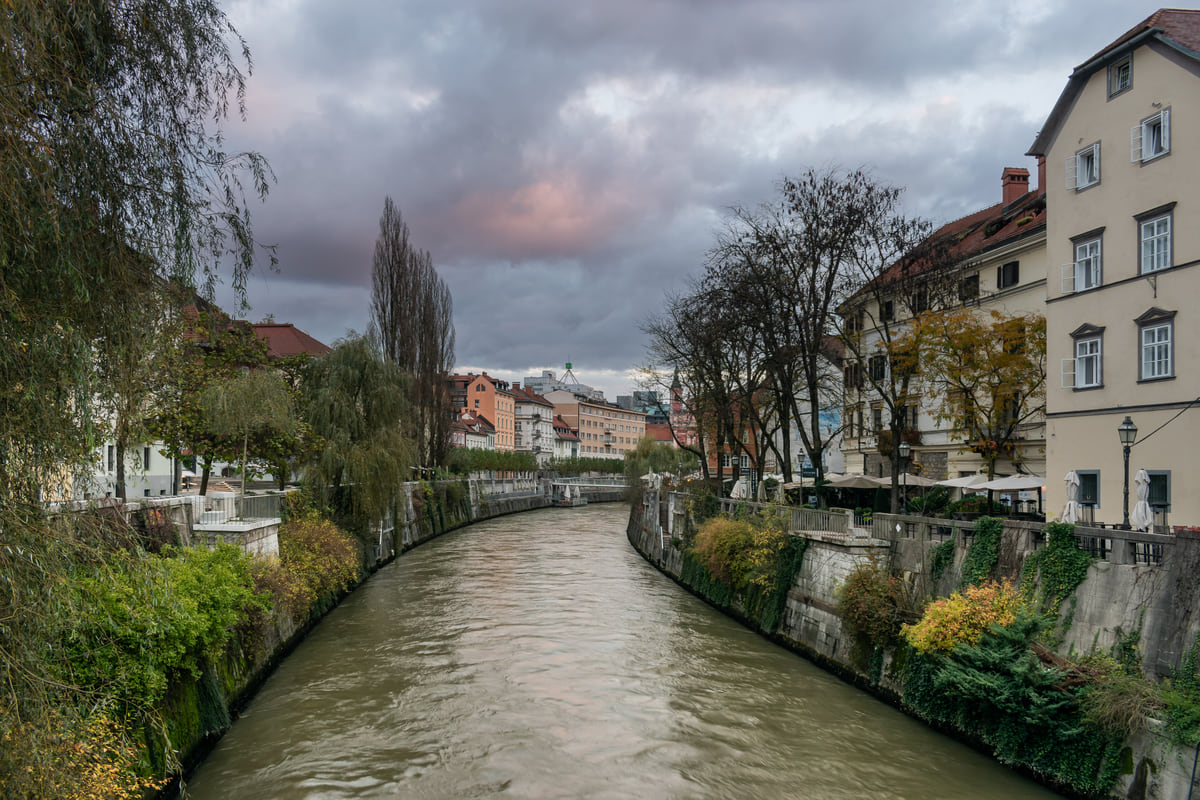
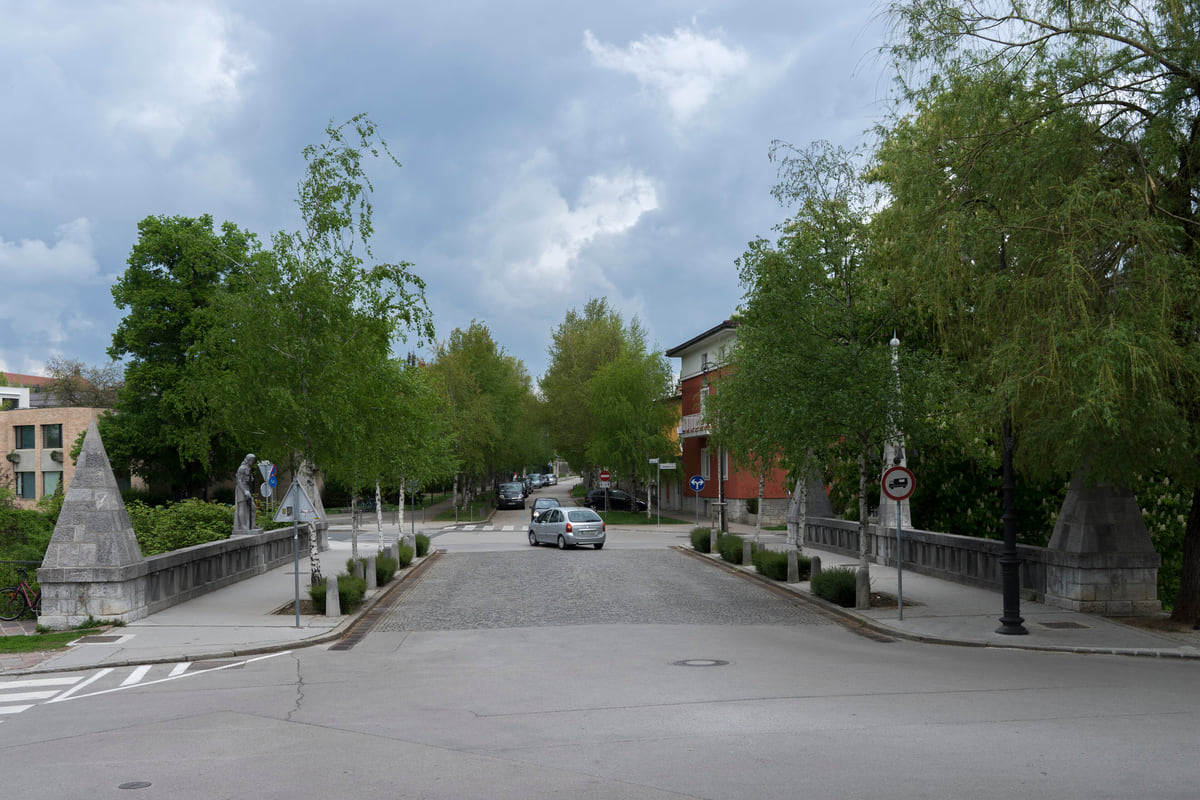
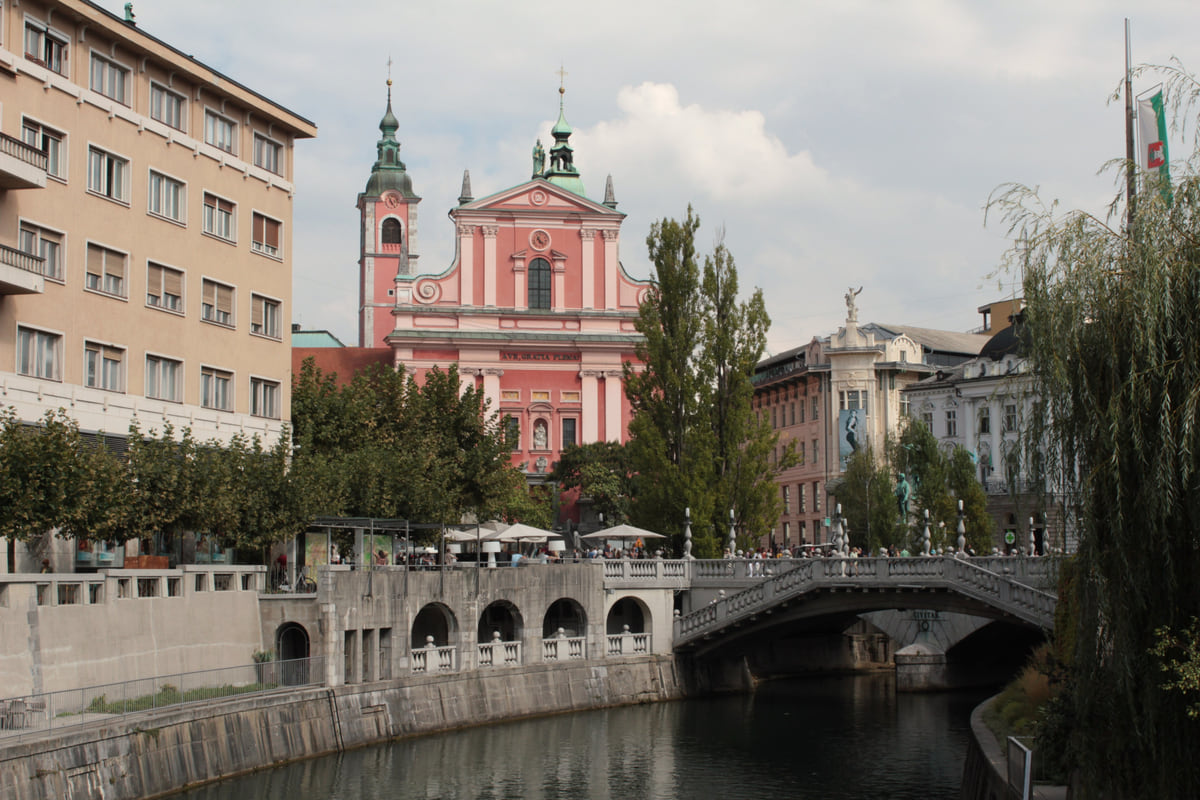
The Ljubljanica runs through the centre past the Triple Bridge, the Cobblers' Bridge and the embankments Plečnik designed between the wars. UNESCO added them to the listing of his works in 2021.
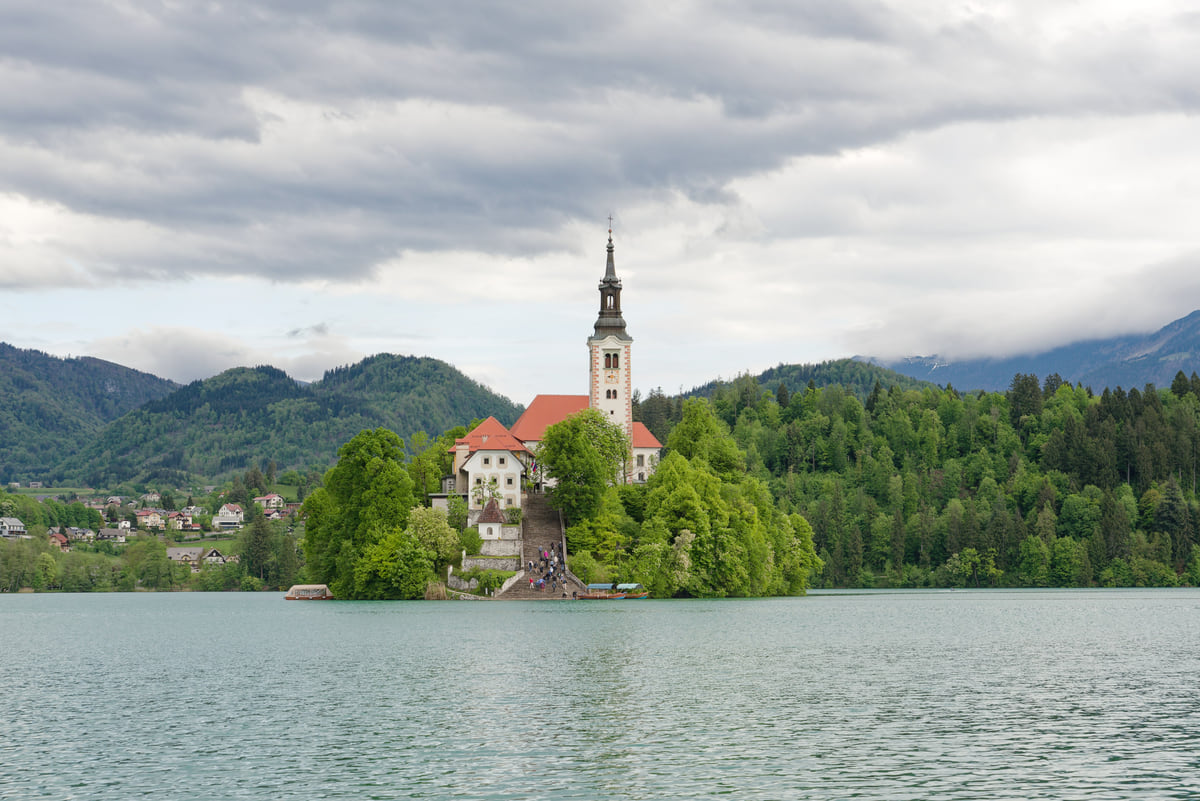
Ljubljana bus station runs more than 20 daily departures to Bled between 6:00 and 21:00, and the stop is five minutes from the lake. The easiest day trip from the capital.
From March to October, on fine Fridays, Pogačar Square fills with the Odprta kuhna street-food market. In 2026 it gathered more than 65 vendors and around 280 dishes.
My own marks out of 10, weighing what you would not find in other European capitals and what it costs in time and money. Opinion, not an official rating.
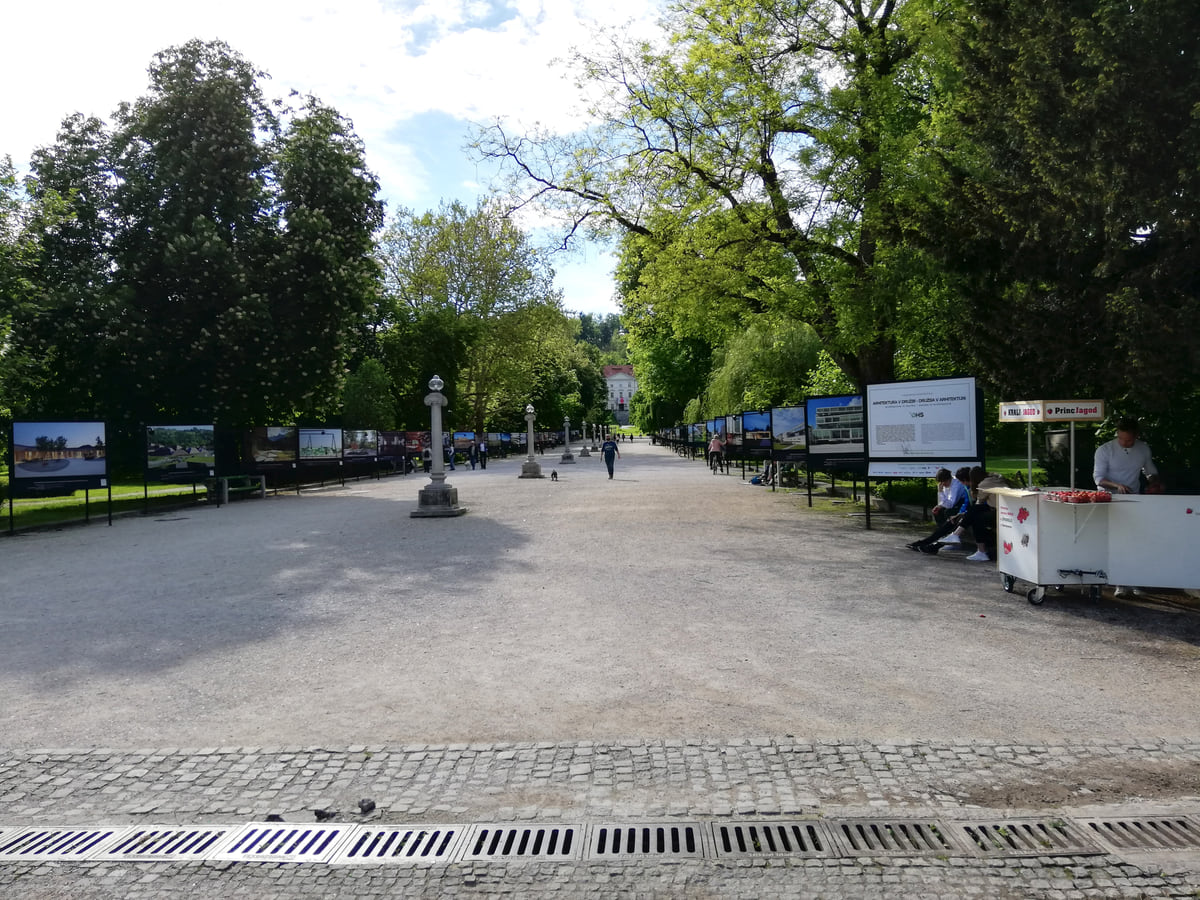
The city's great park, gateway to the Rožnik and Šiška hills, a short walk from the centre.
7.8 out of 10
Things to do in Ljubljana
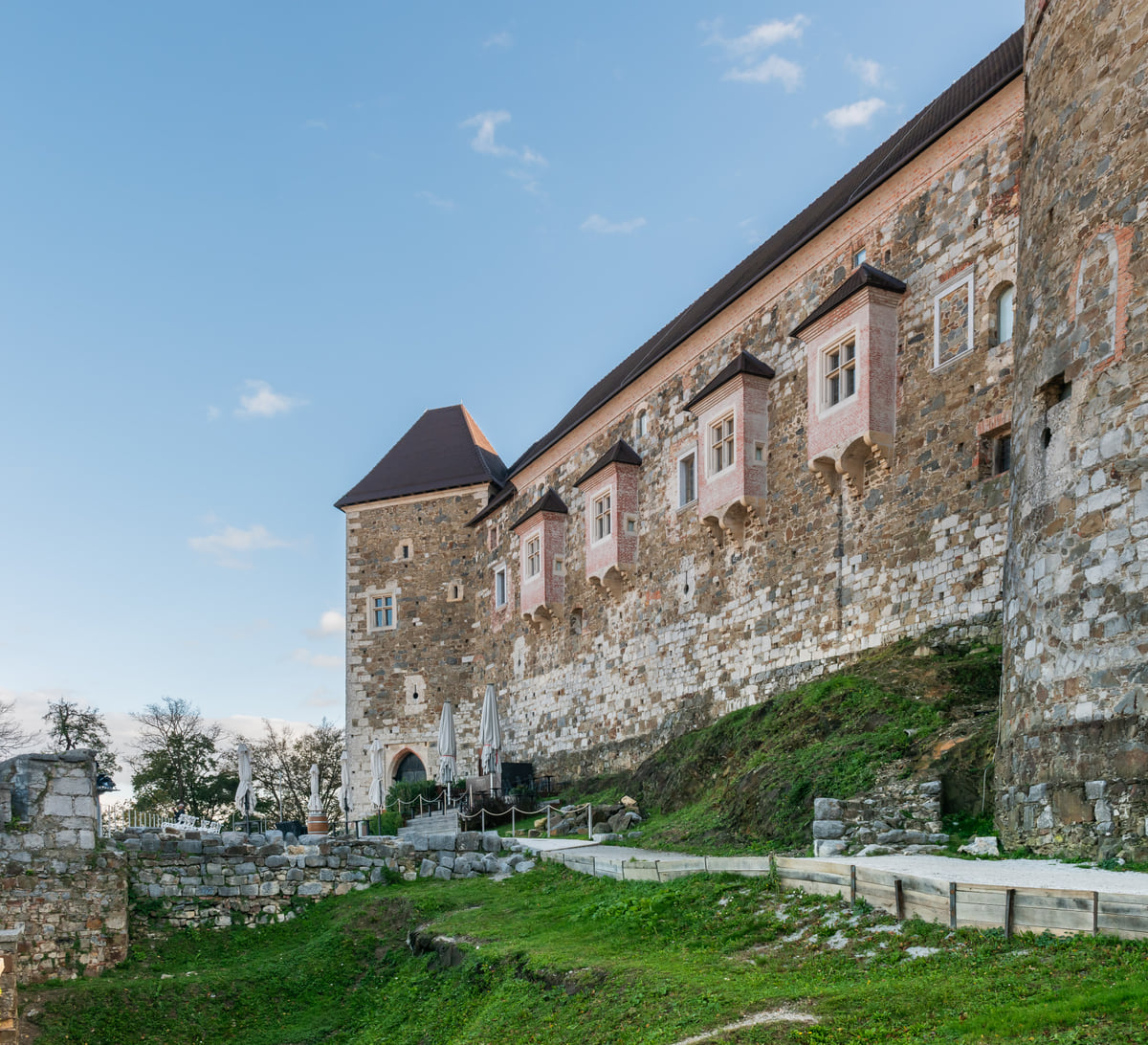
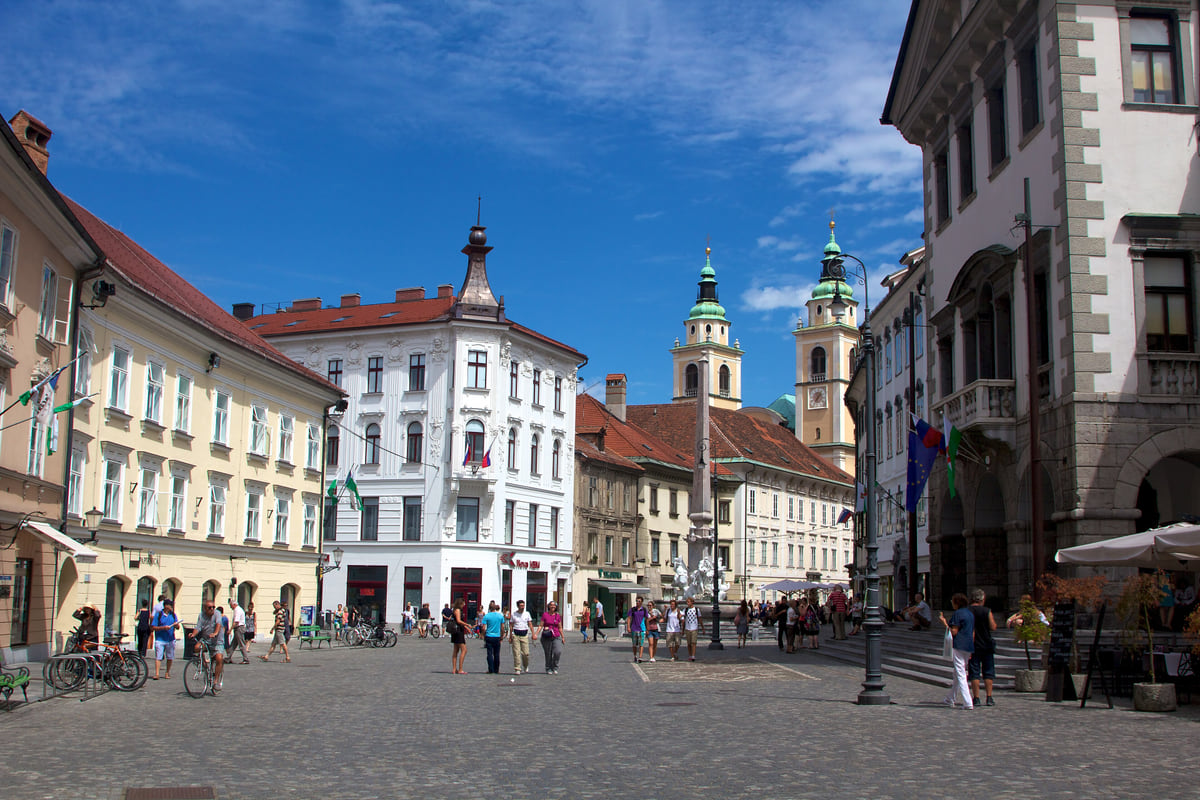
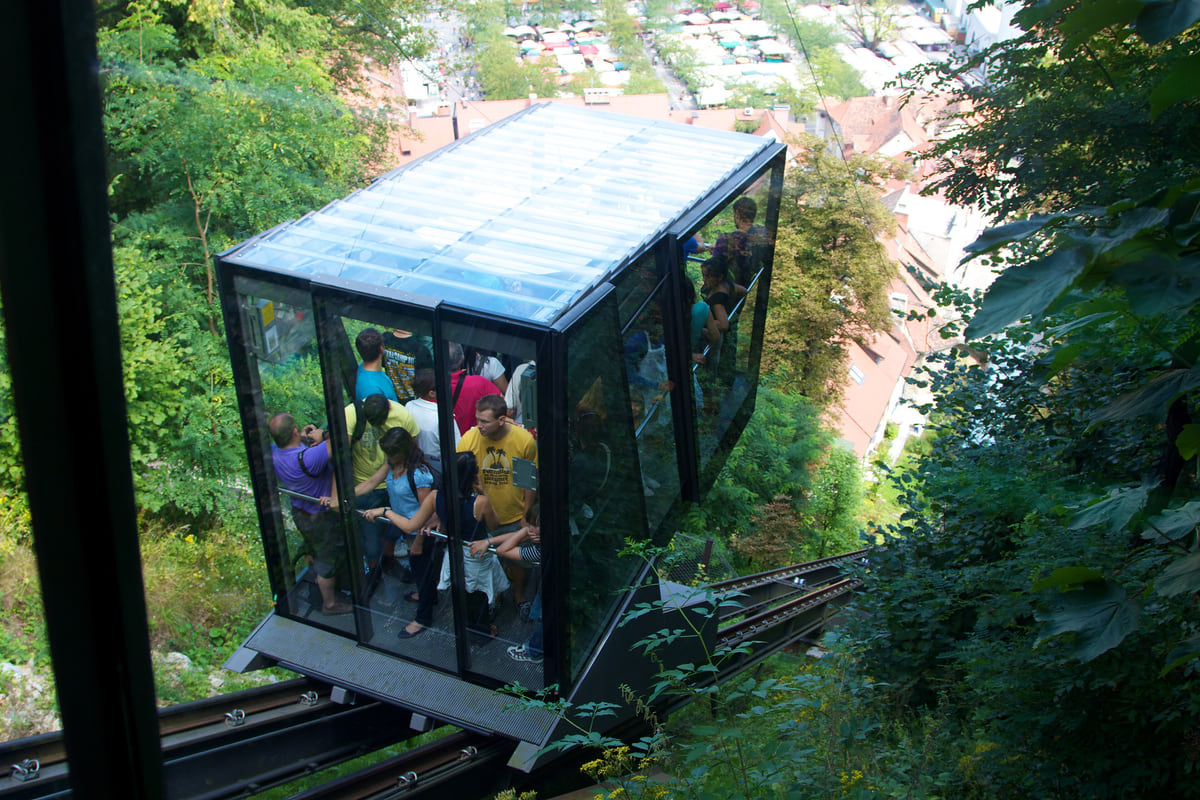
I would start with the river. The Ljubljanica flows under the Triple Bridge, the Dragon Bridge, the Butchers’ Bridge and the Cobblers’ Bridge, and its whole course is part of the Natura 2000 network. Then Ljubljana Castle, on its hill for around 900 years, with a tower at 400 m above sea level. And between the two, the old town, with the cathedral, the town hall and Prešeren Square.
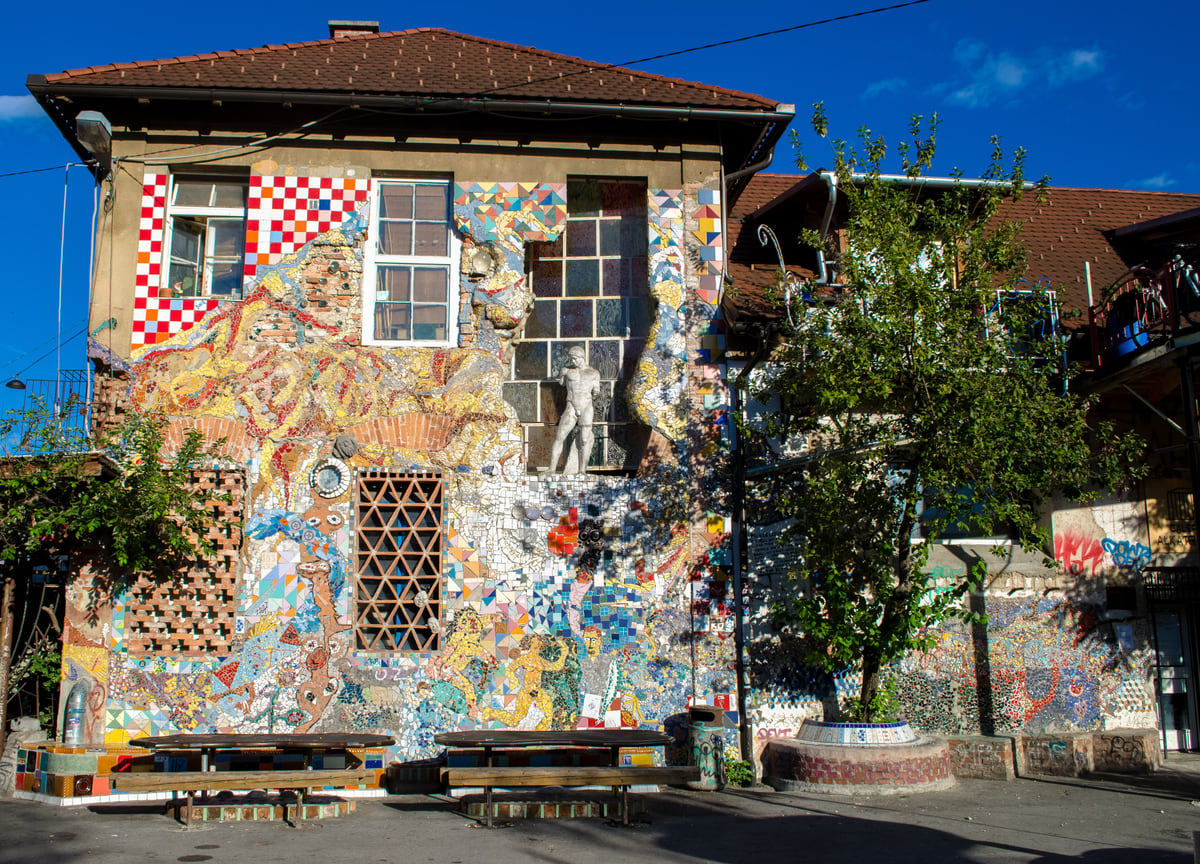
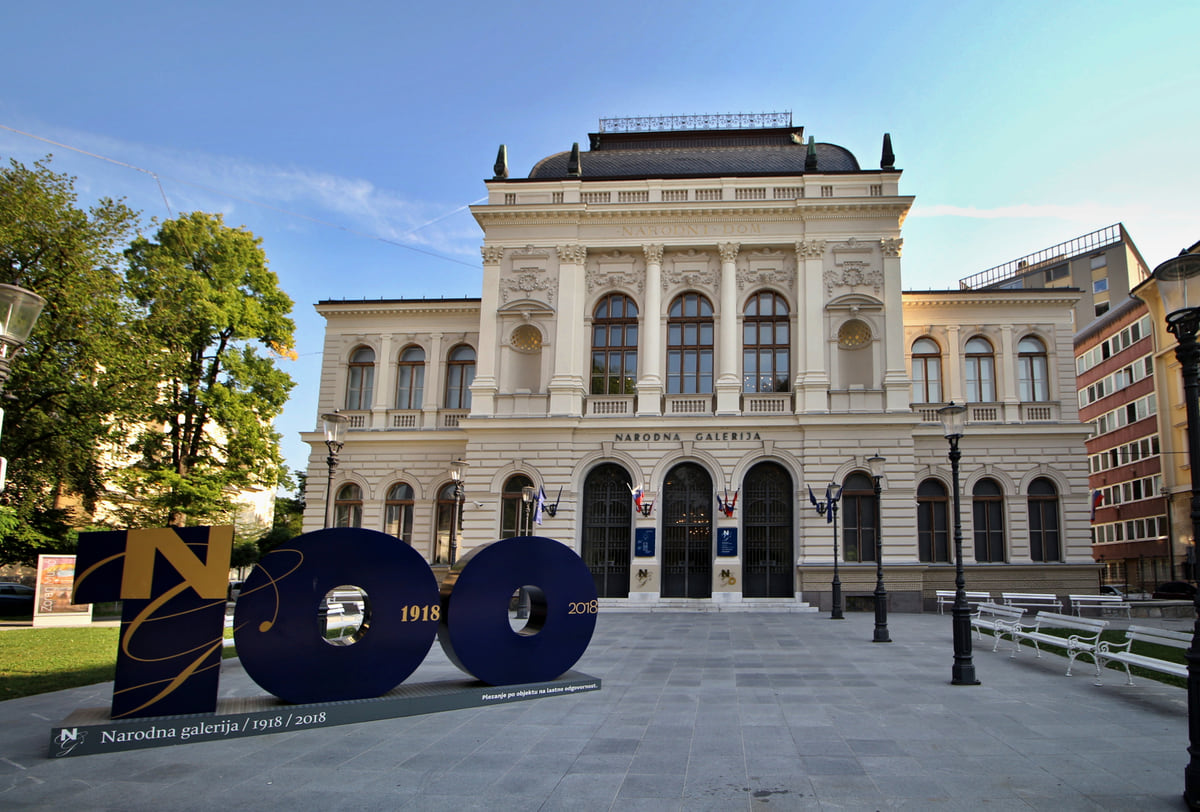
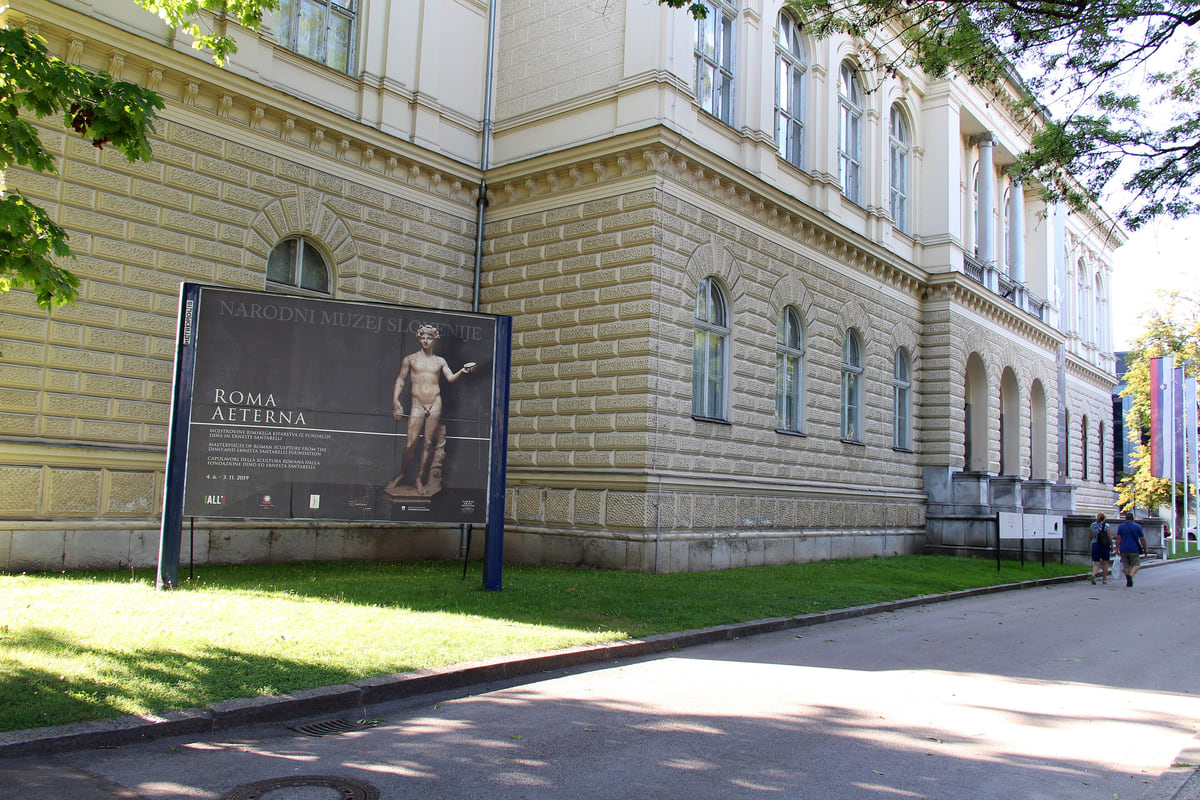
The rest depends on your tastes. The National Gallery has the country’s biggest holding of Slovenian art, running from medieval times to the 1900s, Metelkova is the city’s alternative arts centre and Tivoli Park opens onto the Rožnik and Šiška hills. I rank the lot, with marks, in things to do in Ljubljana.
How many days, and when to go
One day covers the centre. Two leave time for museums, Metelkova and the park without clock-watching. If you are planning day trips, I would stay three or four nights. Official statistics give averages of 0.4 °C in January and 21.9 °C in July for 2001 to 2010, with September the wettest month.
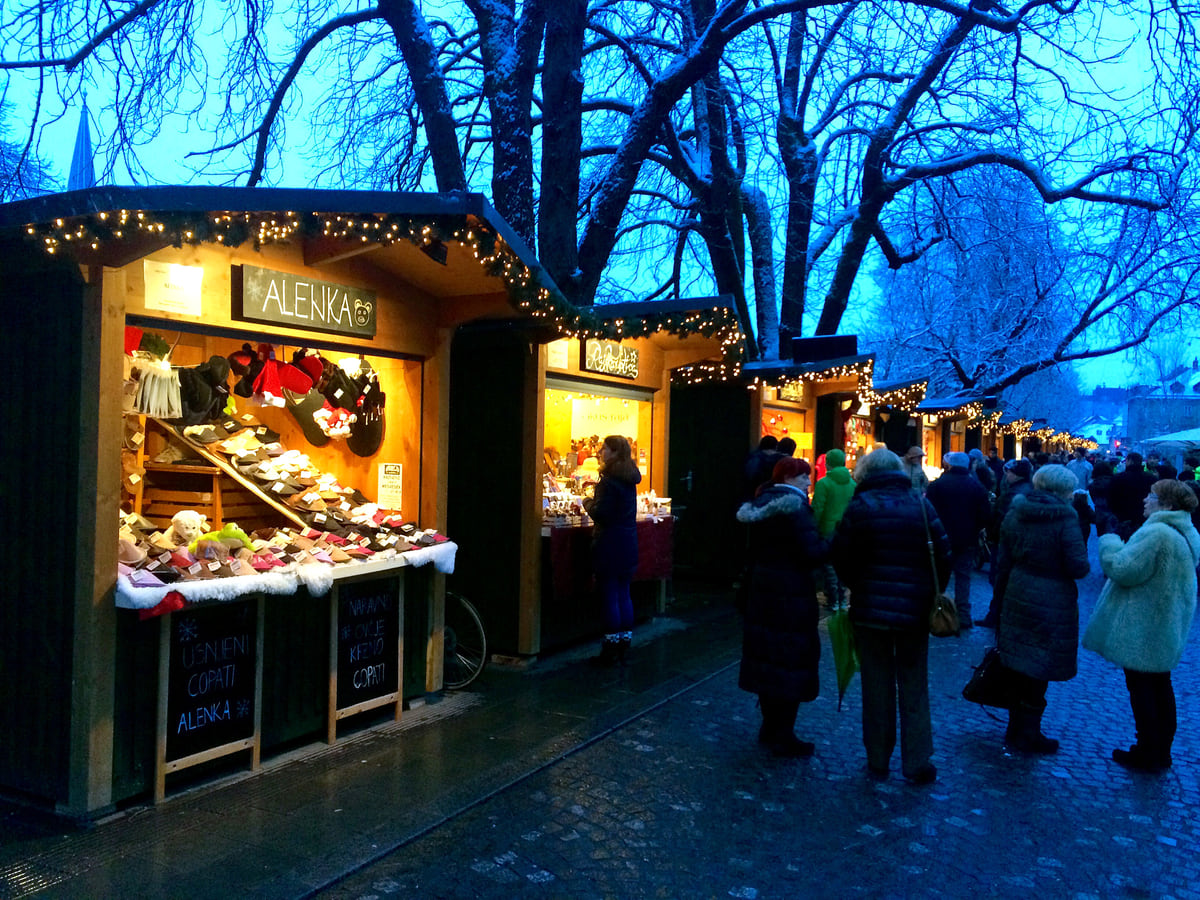
Summer belongs to the Ljubljana Festival, with concerts and opera at Križanke, and in October the city marathon takes over the streets, closing even some central car parks. In December the streets fill with Urban Modic’s light installations and Christmas market stalls.
Getting around the city
Mostly on foot. LPP city buses take no cash, so use a contactless card or buy an Urbana card from machines, newsagents or the bus station. For short hops there are BicikeLJ public bikes, and the Urban electric train loops past the main sights with an audio guide in eleven languages. Jože Pučnik Airport is at Brnik, north of the city, with shuttles, taxis and buses.
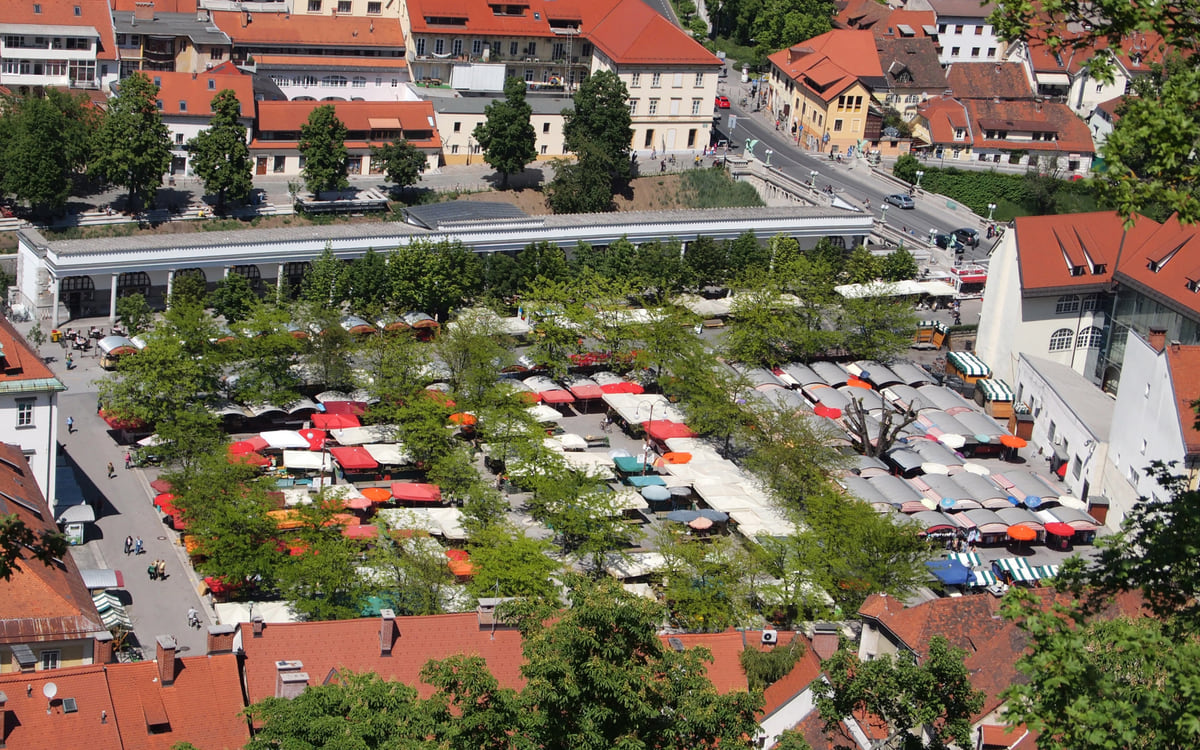
For a first visit, stay central, because everything is walkable and so is the bus station. My comparison of districts lives in where to stay in Ljubljana. For food, the central market and the Friday Odprta kuhna, from March to October, are the two fixtures I would not miss, and the city has restaurants in the Michelin guide. My picks are in where to eat in Ljubljana.
Day trips from Ljubljana
Ljubljana is the best base in the country. Every day more than 20 buses leave the bus station for Bled, which the tourist board puts at 50 km, plus others that drop you right outside Postojna Cave Park. Kamnik is 23 km away with Velika planina above it, and in winter you can ski at Krvavec, only 42 km off. All the options, with how to reach each one, are in day trips from Ljubljana.
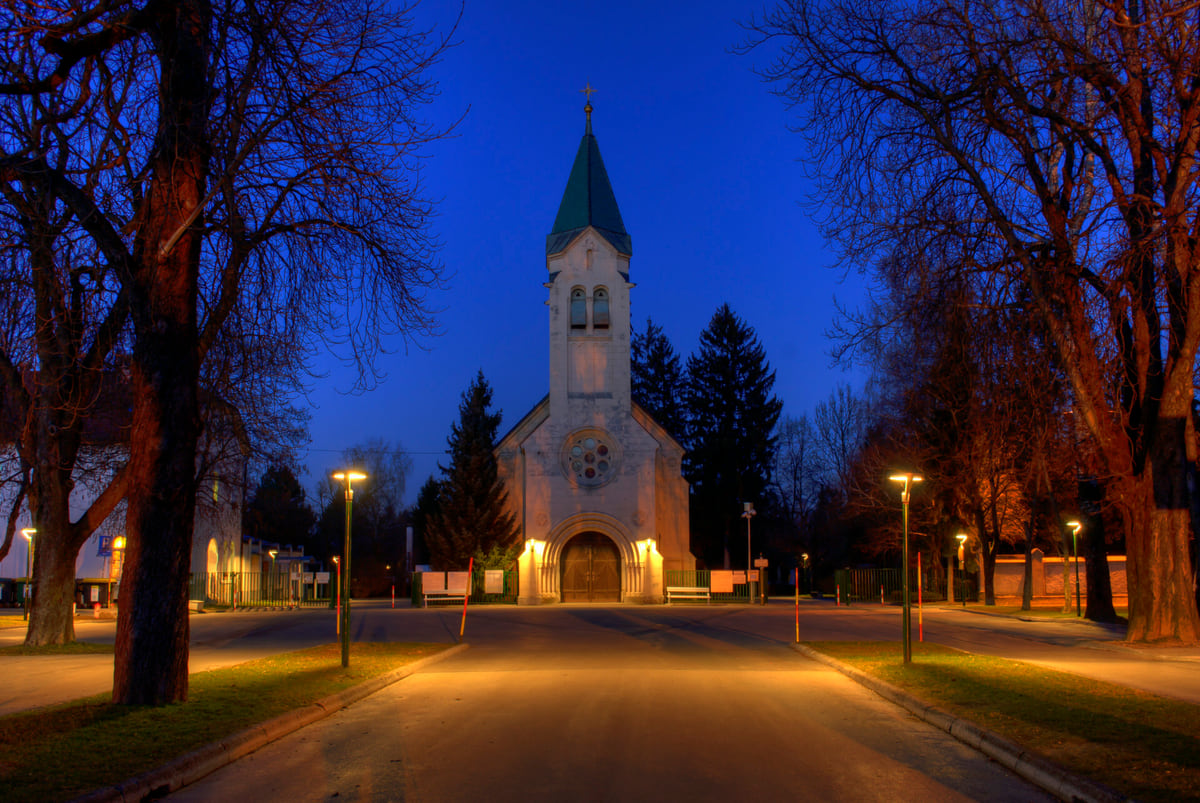
UNESCO puts it best. Plečnik’s works, built between the two world wars, turned a provincial town of the Austro-Hungarian Empire into the symbolic capital of the Slovenes through human-centred urban design. Squares, parks, streets, promenades, bridges, the national library, churches, the market and Žale cemetery have formed a World Heritage Site since 2021, which I explain in Plečnik’s Ljubljana.
Add to that a municipal choice you notice on every corner. Only the tourist train and the little electric Kavalir cars may drive through the centre, and the tourist board puts public green space at over 542 m² a head, close to half of it forest. Small wonder it was European Green Capital in 2016.
The history runs deep. At the foot of the castle hill stood Roman Emona, whose walls went up in AD 14 and 15 and which had about 6,000 inhabitants, according to the castle itself. From 1809 to 1813 the city was the seat of the governor of Napoleon’s Illyrian Provinces, the government notes. And the tourist board enjoys noting that its name sounds almost like «ljubljena», Slovene for beloved.
The stone curtain wall and a tower of Ljubljana Castle on its hill, with green grass in front and a clear blue sky
Ljubljana's Dragon Bridge over the Ljubljanica, with bronze dragons at each end and city buildings behind
Ljubljana Central Market from the castle, with colourful stall awnings, Plečnik's colonnade and red rooftops
Ljubljana in figures
Figure
Value
Source
City population (1-1-2026)
293,244
SURS
Municipality population (1-1-2026)
302,826
SURS
Municipality area
275 km²
SURS
Tourist arrivals (2025)
1,392,728
SURS
Overnight stays (2025)
2,844,129
SURS
Average annual temperature (2001-2010)
11.3 °C
SURS
SURS (SiStat), checked on 04-10-2026. Temperatures from the Ljubljana Bežigrad station.
Titles cited by the Slovenian Tourist Board
Title
Year
European Green Capital
2016
UNESCO City of Literature
Current
European Best Destination
2022
Works of Plečnik, World Heritage
2021
Slovenian Tourist Board and UNESCO, checked on 04 and 15-10-2026.
Test yourself
How much do you know about Ljubljana?
0/3Pick before you peek.
Ljubljana's city centre is closed to traffic.
See the answer
True. Only the tourist train and the electric Kavalir vehicles run there, according to the tourist board.
You can pay cash on Ljubljana's city buses.
See the answer
False. No. You pay by contactless bank card or with the Urbana card.
Ljubljana was European Green Capital.
See the answer
True. In 2016, according to the tourist board, which highlights more than 542 m² of public green space per resident.
The Ljubljanica with the Triple Bridge and the Dragon Bridge, the castle, the old town and cathedral, Plečnik's central market, the National and University Library and Tivoli Park. I rank them, with marks, in my list of things to do.
How many days do you need in Ljubljana?
One is enough for the compact centre, which is easy on foot. Two lets you add museums, Metelkova and Tivoli without rushing. If you are planning day trips, I would stay three or four nights.
What is the capital of Slovenia?
Ljubljana, with 293,244 people in the city on 1 January 2026, according to SURS. It is the seat of the government and the National Assembly.
Is Ljubljana walkable?
Very. The centre is closed to traffic except for the tourist train and the electric Kavalir buggies, and the main sights lie within a short walk of each other.
How do I get from Ljubljana Airport to the city?
Jože Pučnik Airport at Brnik has shuttles, licensed taxis, hire cars and buses to nearby towns, according to the tourist board. City Hotel, for instance, puts it 25 km from the centre.
What is the weather like in Ljubljana?
Official statistics give an average of 0.4 °C in January and 21.9 °C in July for 2001 to 2010, with September the wettest month.
What day trips can I do from Ljubljana?
Bled, 50 km away according to the tourist board, Kamnik and Velika planina, Postojna and Predjama, Škocjan and the coast at Piran. Most have direct buses from the capital's bus station.
Questions about Ljubljana? Write to me
If you need something else to finish planning, write to me. I answer myself, no templates.
Tourism graduate with a master’s in Tourism Management and Planning from the University of Málaga, who has travelled across Europe. He writes every guide from official sources and his own judgement.

 1Ljubljana 2Kamnik 3Domžale 4Grosuplje 5Vrhnika 6Ig 7Medvode 8Logatec 9Mengeš 10Brezovica 11Šmartno pri Litiji 12Ljubljana Marshes