Vipava Valley, Ajdovščina
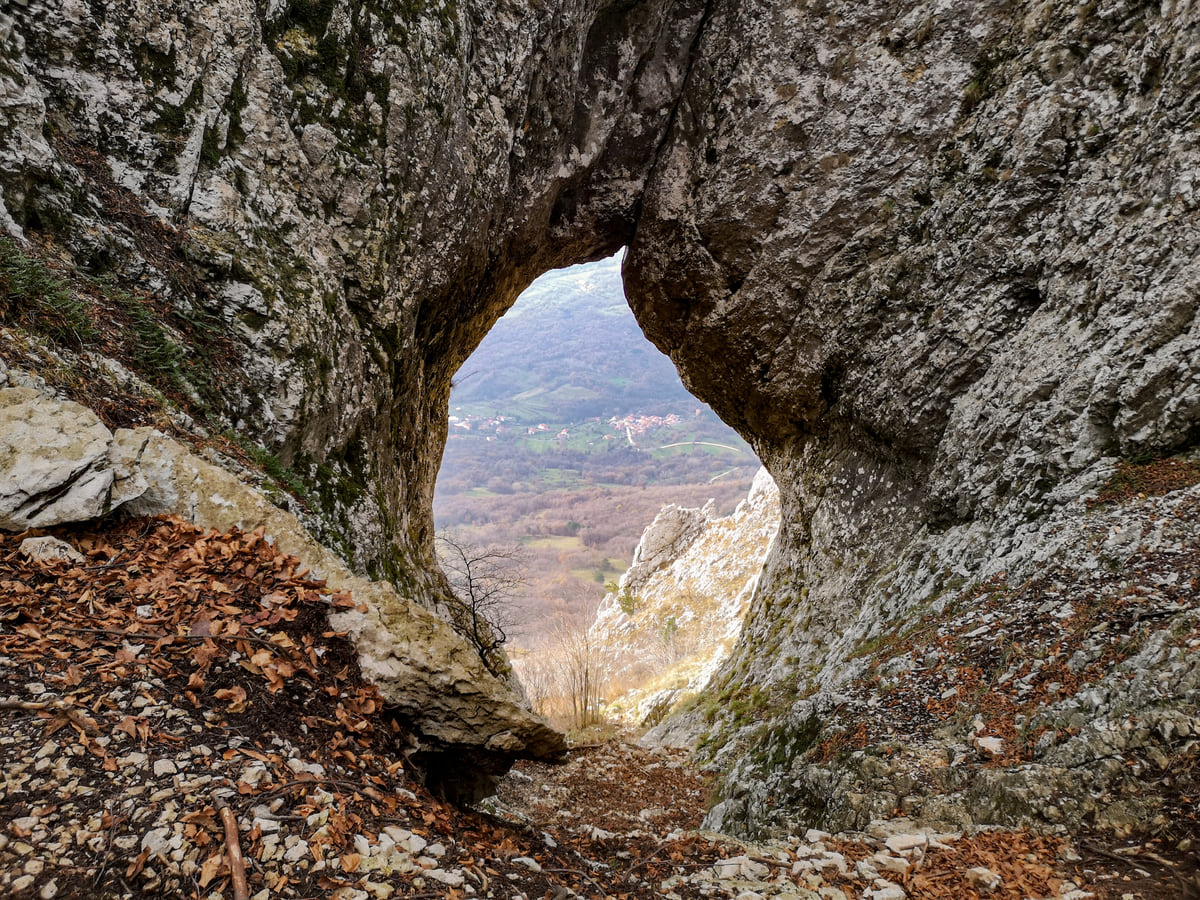
The Otlica window, the Vipava Valley through the rock

- Origin
- Tectonic fault, weathering and erosion
- From Otlica
- 30 minutes on foot
- From the Hubelj
- A harder climb from Ajdovščina
The Otlica window (Otliško okno) is a natural arch 12 m high and 7 m wide on the edge of the Trnovo Forest above Ajdovščina, with a view over the whole Vipava Valley. You reach it in 30 minutes on foot from the village of Otlica, or by a much harder climb from the Hubelj spring.
My checklist before setting off
The Otlica window takes only a short while, so I'd pick the moment: drive up to Otlica in the late afternoon, do the walk with the low light coming across the valley and go down to Ajdovščina for dinner.
My key points
What the official sites leave out
-
01 Worth the splurge
The Devil's horn
Legend says the Devil stumbled under a load he couldn't carry and, as he fell, his horn punctured the rock and left the hole.
Vipava Valley -
02 My tip
The short way in
The nearest starting point is the village of Otlica, about a pleasant 30-minute walk from the window.
Ajdovščina -
03 Most beautiful
The Stone Snail
A few minutes from the window is the Stone Snail, a spiral-shaped stone installation that's also worth a stop.
hiking in Slovenia -
04 Getting there
The Trail along the Edge
Pot po Robu runs along the rim of the Trnovo plateau from Col to Predmeja and passes the Otlica window.
hiking in Slovenia
What I would book
Getting there: from Otlica or from the Hubelj
The nearest starting point is the village of Otlica itself, from where a pleasant walk takes you to the window. Another popular route, a little harder because it’s uphill all the way, starts at the Hubelj spring above Ajdovščina. The area is full of trails, and along the rim of the Trnovo plateau, passing the window, runs Pot po Robu, the Trail along the Edge, which starts in Col and ends in Predmeja. Times are in the table, and for more routes like this see the guide to hiking in Slovenia.
A few minutes from the window is the Stone Snail, a spiral-shaped stone installation that’s also worth a stop.
What is the Otlica window?
The window is a natural bridge that began with an intense tectonic fault and was enlarged by weathering and erosion. The opening is 12 m high and 7 m wide, and below it is a smaller one. Local legend explains it differently. The Devil stumbled because he couldn’t manage the load on his back, and as he fell his horn punched through the rock and left the hole.
The name has a story too. Otlica comes from «votel» or «otel», as the word for hollow is pronounced here, and «otla gora» or «otlica» would translate as something like hollow mountain.
The Trnovo Forest foothills
The window belongs to a protected area, the southern foothills of the Trnovo Forest, which close off almost the entire Vipava Valley to the north. They are tiered sheer walls, inselbergs, natural bridges and rock shelters shaped over millennia. This is where the Dinaric world meets the Submediterranean, and the dry, windswept meadows hold edelweiss and hladnikia, a plant that lives on only about 4 km² of this forest. The Vipava Valley Tourist Board notes that these slopes are best explored on foot.
To sleep close to everything, search places to stay in Ajdovščina on Expedia and filter by area before price.
What else to see nearby
On the same plateau edge is the other famous window, the Skozno natural bridge above the Lijak stream, and below the walls rise the Hubelj, the valley’s largest water source, and the Lijak, a special type of karst spring. Down in the valley, Vipavski Križ and its walls are a short drive away.
The valley’s tourist board also points to two quieter sights along these foothills. Near St Mary’s Church above Vitovlje lies Lake Vitovlje, the highest and the only natural lake in the whole Vipava Valley, held on a layer of impermeable flysch, and above the village of Črniče the Konjščak stream has carved a gorge with steep, sheer cliffs.
To sleep close to everything, search places to stay in Ajdovščina on Booking.com and filter by area before price.
How to reach the Otlica window
| Route | Details |
|---|---|
| From the village of Otlica | About 30 minutes on foot, the shortest way |
| From the Hubelj spring | Popular route with more climbing, from Ajdovščina |
| Pot po Robu | Trail along the plateau edge, Col to Predmeja, via the window |
Vipava Valley Tourist Board, checked on 17-10-2026.
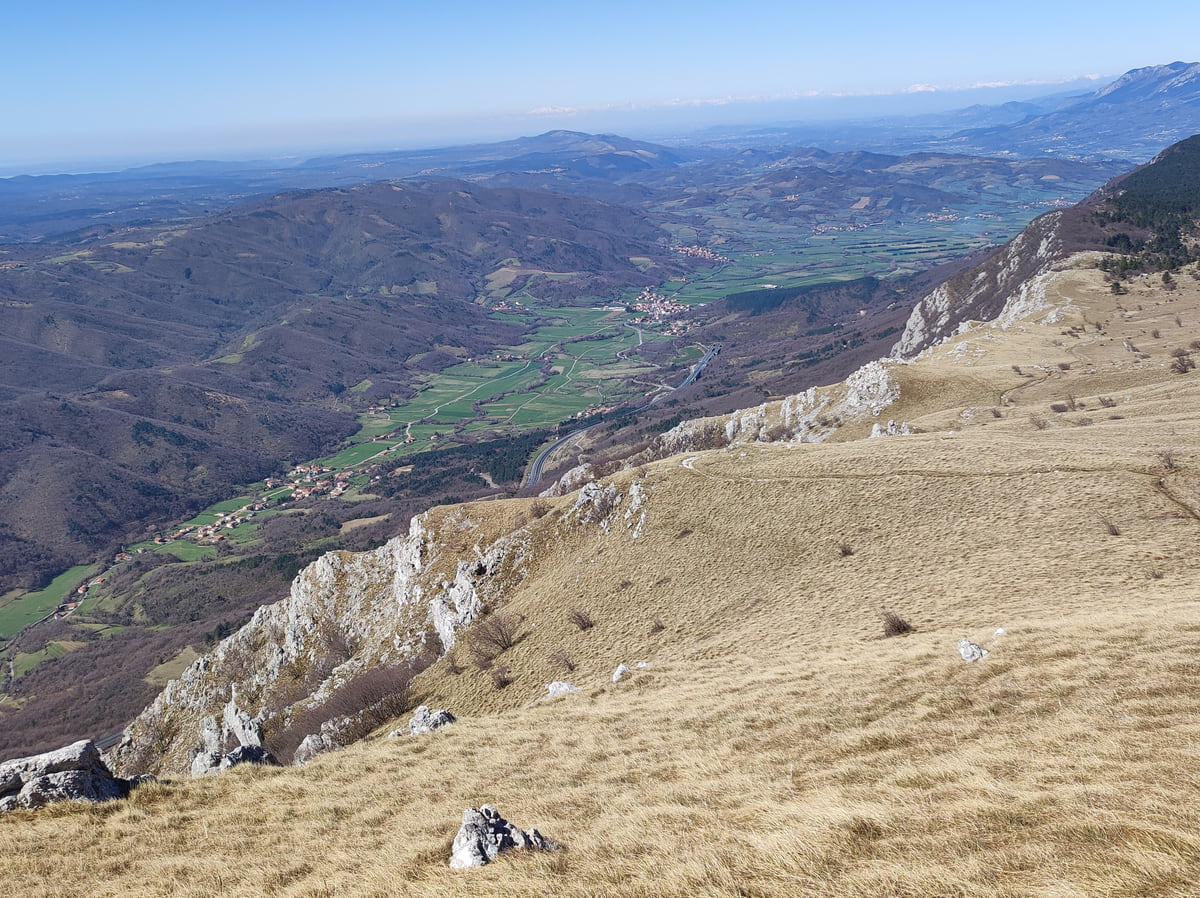
The Vipava Valley from the Nanos plateau, with dry grassy and rocky slopes and villages and fields below
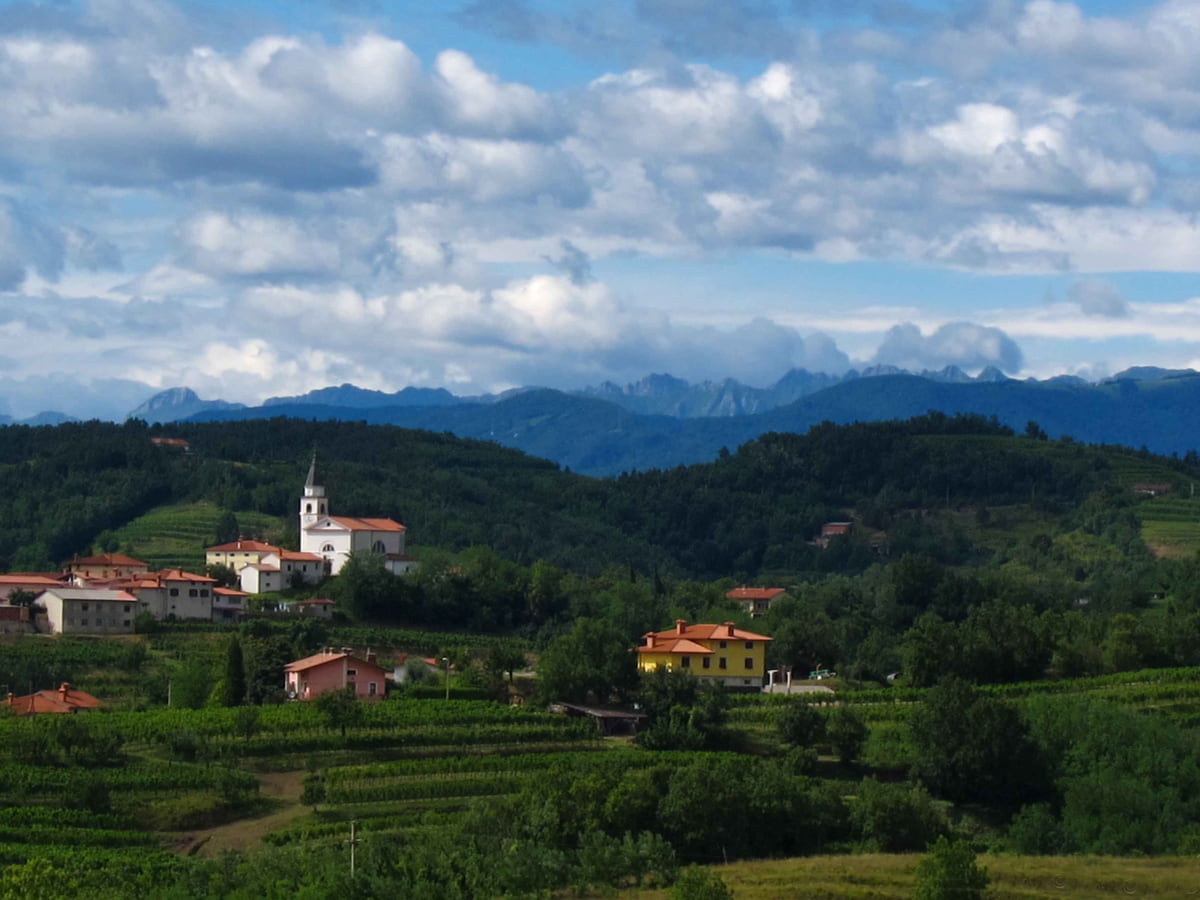
A village and its church among the vineyard hills of Goriška Brda, with snow-capped Alpine peaks in the distance
Test yourself
True or false?
0/3 Pick before you peek.
-
The Otlica window is man-made.
See the answer
False. It's a natural bridge formed by a tectonic fault, weathering and erosion of the rock.
-
There's a smaller window below the big one.
See the answer
True. The Vipava Valley Tourist Board says a smaller opening sits below the 12 m window.
-
Getting there takes a full day's hike.
See the answer
False. From the village of Otlica a walk of about 30 minutes is enough, according to the valley's tourist board.
Map
Where Otlica Natural Window is
The Julian Alps, Triglav and the Soča valley lie to the north-west; Ljubljana sits in the centre; the Karst, its caves and the 47 km of coast are to the south-west, and Maribor, Ptuj and the Prekmurje plains to the east. Every number opens its guide.
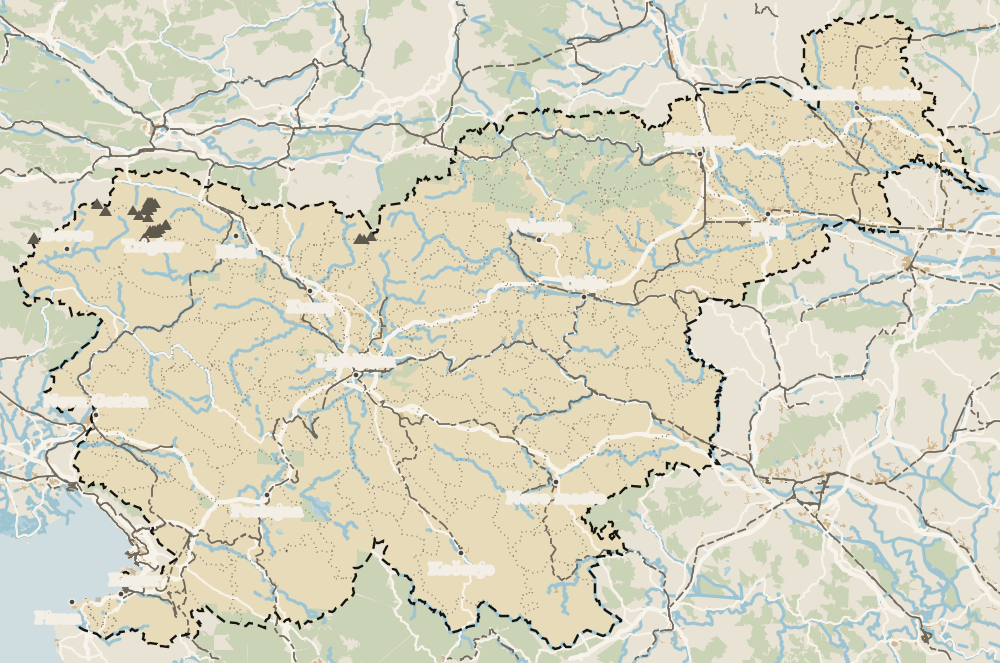 1Vipava Valley 2Otlica Natural Window 3Rihemberk Castle
Map data © OpenStreetMap contributors (ODbL)
Frequently asked questions
Where is the Otlica window?
On the slopes above Ajdovščina, on the edge of the Trnovo Forest near the village of Otlica, in the Vipava Valley.
How long does it take to get there?
About 30 minutes on foot from the village of Otlica. From the Hubelj spring above Ajdovščina the route is longer and climbs more.
How was it formed?
It's a natural bridge created by an intense tectonic fault and enlarged by weathering and erosion of the bedrock. Below the big window is a smaller one.
What does Otlica mean?
The village name comes from «votel» or «otel», hollow in the local speech, and «otla gora» or «otlica» would translate as something like hollow mountain.
What else is there nearby?
The Stone Snail, a few minutes away, the Pot po Robu trail along the plateau edge and, in the same forest, the Skozno natural bridge above the Lijak stream.
0 of 425 Slovenia guides
Your next stamp
- Vipava Valley
- Ajdovščina
- Vintgar Gorge
- Ojstrica viewpoint
- Vipavski Križ
- Topolšica
- Tolmin Gorges
- Best viewpoints in Slovenia
- Bogenšperk Castle
- Bogojina
- Debeli rtič
- Ig pile dwellings
- Jeruzalem
- Kolpa River
- Koper
- Lake Cerknica
- Lipica
- Ljubljana
- Ljubljana to Bled
- Mariborsko Pohorje
- Mount Snežnik
- Palace Portorož
- Park of Military History
- Plečnik House
- Postojna
- Postojna Cave
- Škocjan Caves
- Štanjel
- Tartini Square
- Trbovlje
- Županova jama
- Izola
- Kamnik
- Karst
- Ljubljana to Postojna
- Lovrenc Lakes
- Maribor
- Portorož
- Predjama Castle
- Things to do in Ljubljana
- Travel guide
- Vilenica Cave
- Zagorje ob Savi
- Celje
- Cerknica
- Domžale
- Hrastnik
- Ljubljana in a day
- Ljubljana to Piran
- Piran
- Slovenian Istria
- Strunjan
- Things to do
- Activities
- Ankaran
- Grosuplje
- Litija
- Ljubljana in two days
- Pivka
- Sečovlje salt pans
- Velenje
- Brežice Castle
- Getting around Ljubljana
- Ilirska Bistrica
- Mežica Mine
- Most beautiful places
- Novo mesto
- Sevnica Castle
- Terme Olimia
- Vrhnika
- Žiče Charterhouse
- Dolenjska
- Ig
- Prettiest villages
- Ptuj
- Sežana
- Divača
- Medvode
- Murska Sobota
- Posavje
- World Heritage
- Hrpelje-Kozina
- Logatec
- Map
- Mengeš
- Brezovica
- Komen
- Savinjska
- Where is Slovenia
- Bled
- Brežice
- Čatež ob Savi
- Celje Castle
- Coal Mining Museum
- Gorenjska
- Hotels in Piran
- Hrastovlje
- Karawanken Geopark
- Koroška
- Kostanjevica Cave
- Kostel Castle
- Krokar primeval forest
- Kurentovanje
- Lent
- Ljubljana Castle
- Ljubljana Cathedral
- Logar Valley
- Oldest vine in the world
- Olimje
- Otočec
- Regions
- Rimske Toplice
- Rinka Waterfall
- Rogla
- Sava River
- Slovenj Gradec
- Velika Planina
- Goriška
- Krško
- Lake Bled
- Municipalities
- Podravje
- Prešeren Square
- Ravne na Koroškem
- Restaurants in Piran
- Škocjan Inlet
- Volčji Potok Arboretum
- Bled Island
- Cities
- Mežica
- Pomurje
- Sevnica
- Socerb Castle
- Bled Castle
- Coast and Karst
- Dravograd
- Kostanjevica na Krki
- Population
- Notranjska
- Radlje ob Dravi
- Size
- Central Slovenia
- Language
- Mislinja
- Plečnik's Ljubljana
- Slovenska Bistrica
- Vila Bled
- Currency
- Grand Hotel Toplice
- Ormož
- Zasavje
- EU and Schengen
- Hotel Savica Garni
- Hotels in Bled
- Pohorje
- Haloze
- History
- Restaurants in Bled
- Flag and symbols
- Hoče-Slivnica
- Bizeljsko
- Bohinj
- Christmas in Ljubljana
- City Hotel Ljubljana
- Gorjanci
- Kranj
- Krka River
- Laško
- Moravske Toplice
- Ptuj Castle
- Public holidays
- Rajhenburg Castle
- Šentilj
- Slovenia beaches
- Šmartno pri Litiji
- Uršlja Gora
- Brdo Castle
- Independence Day
- Lake Bohinj
- Ljubljana Festival
- Radenci
- Rogaška Slatina
- Day trips from Ljubljana
- Jesenice
- Lendava
- Podčetrtek
- Savica waterfall
- Time zone
- Dobrna
- Facts
- Ljubljana nightlife
- Ljutomer
- Nova Gorica
- Vogel
- Bohinjska Bistrica
- Gornja Radgona
- Ljubljana Old Town
- Slovenia and Croatia
- Solkan
- Zreče
- Grad
- Sabotin
- Slovenia, Italy and Austria
- Slovenske Konjice
- Stara Fužina
- Trnovo
- Goričko
- Holidays and tours
- Hotels in Bohinj
- Škofja Loka
- Vitanje
- Škofja Loka Castle
- Slovenia or Slovakia
- Šoštanj
- Veržej
- Slovenian phrases
- Slovenia in 3 days
- Bela krajina
- Caves in Slovenia
- Črnomelj
- Dragon Bridge
- Gorje
- Hiking
- Hotels in Maribor
- Kozjansko Regional Park
- Kranjska Gora
- Lake Ptuj
- Ljubljana Marshes
- Slovenia in 5 days
- Vinarium Tower
- Where to stay in Ljubljana
- Žalec
- Metlika
- Slovenia castles
- Slovenia in a week
- Slovenian Mountain Trail
- Triple Bridge
- Vršič Pass
- Where to eat in Ljubljana
- Central Market
- Juliana Trail
- Lake Jasna
- Road trip
- Semič
- Žirovnica
- Kočevje
- Metelkova
- Motorhome
- Museums in Slovenia
- Naklo
- Soča rafting
- Tržič
- Zelenci
- Jezersko
- Kostel
- Lake Planšar
- Skiing
- Slovenia with kids
- Slovenian Alpine Museum
- Tivoli Park
- Best time to visit
- Cerklje na Gorenjskem
- Cycling
- Dolenjske Toplice
- Ljubljanica river
- Mojstrana
- Šenčur
- Krvavec
- National Gallery
- Parenzana
- Peričnik waterfall
- Šmarješke Toplice
- Weather
- National and University Library
- Paragliding
- Slovenia in winter
- Strmol Castle
- Trebnje
- Vrata valley
- Climbing
- Events
- Martuljek waterfalls
- Žale
- Fly fishing
- In January
- Ljubljana museums
- National Museum of Slovenia
- Rateče
- Bovec
- Festival Lent
- Golf
- Hotels in Ptuj
- In February
- Kamnik-Savinja Alps
- Nature parks
- Parking in Ljubljana
- Pekel Cave
- Planica
- Snežnik Castle
- Solčava
- Gornji Grad
- In March
- Kranjska Gora ski resort
- Lakes
- Trenta
- Ziplines
- Alpe Adria Trail
- Hotels in Kranjska Gora
- In April
- Kanin
- Nazarje
- Waterfalls
- In May
- Rivers
- Virje waterfall
- Vransko
- Hotels in Bovec
- In June
- Mountains
- Šentjur
- Dobra Vila Bovec
- In July
- Ljubljana Card
- Mozirje
- Spas
- In August
- Nebesa Chalets
- Rečica ob Savinji
- In September
- Kobarid
- Šmartno ob Paki
- In October
- Kobarid Museum
- Hiša Franko
- In November
- In December
- Radovljica
- Železniki
- In spring
- Museum of Apiculture
- Žiri
- In summer
- Kropa
- Tolmin
- Brezje
- In autumn
- Metaldays
- Begunje
- Javorca church
- Slovenia in 10 days
- Most na Soči
- Two weeks in Slovenia
- Idrija
- Ljubljana Marathon
- How to get there
- Idrija mercury mine
- Wild Lake
- Cerkno
- Flights
- Laufarji
- Divje babe
- Franja Partisan Hospital
- Ljubljana Airport
- Nearby airports
- Venice to Ljubljana
- Vipava
- Zagreb to Ljubljana
- Brda
- Trains to Slovenia
- Getting around
- Šmartno
- Dobrovo Castle
- Trains
- Buses
- Julian Alps
- Car hire
- Triglav National Park
- Driving
- Pokljuka
- Triglav Lakes
- Vignette
- Mount Triglav
- Taxis
- Distances
- Soča Valley
- Soča River
- Trieste to Ljubljana
- Kozjak Waterfall
- Vienna to Ljubljana
- Boka Waterfall
- Budapest to Ljubljana
- Ljubljana to Maribor
- Walk of Peace
- Bled to Bohinj
- Mangart
- Lake Krn
- Prices and budget
- Slovenia on a budget
- Free things to do
- Entry requirements
- Rihemberk Castle
- Customs
- Safety
- Scams
- Bears
- Healthcare
- Mobile and roaming
- Plugs
- Packing list
- What to buy
- Hotels
- Campsites
- Farm stays
- Mountain huts
- Food
- Bled cream cake
- Wine
- Potica
- Prekmurska gibanica
- Štruklji
- Carniolan sausage
- Idrija žlikrofi
- Beer
- Tipping

Questions about Otlica Natural Window? Write to me
I read every email. If a fact is wrong or missing, tell me and I will check it.
My email sergiolepone@gmail.com
By
Tourism graduate with a master’s in Tourism Management and Planning from the University of Málaga, who has travelled across Europe. He writes every guide from official sources and his own judgement.
Published on . Updated on . Facts checked on .
Sources
Some links in this guide are affiliate links: if you book through them, the site earns a commission at no extra cost to you. Affiliate disclosure
Photos: TadejM (CC BY-SA 4.0); Ajznponar (CC0); neiljs (CC BY 2.0), via Wikimedia Commons.