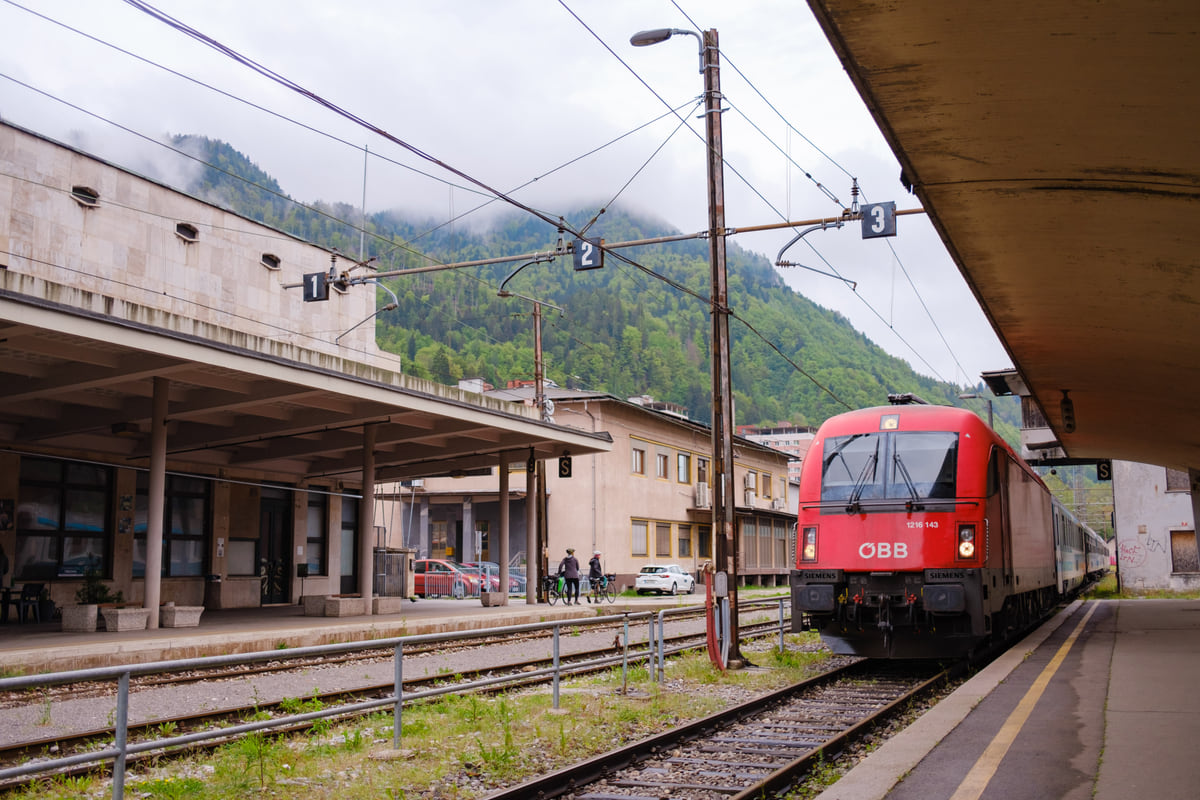
Gorenjska, Slovenia
Jesenice, a town forged in steel at the foot of the Karawanks

- Population (1-1-2026)
- 13,740 in the town
- Municipality
- 21,769 people, 75.9 km²
Map
Where Jesenice is
The Julian Alps, Triglav and the Soča valley lie to the north-west; Ljubljana sits in the centre; the Karst, its caves and the 47 km of coast are to the south-west, and Maribor, Ptuj and the Prekmurje plains to the east. Every number opens its guide.
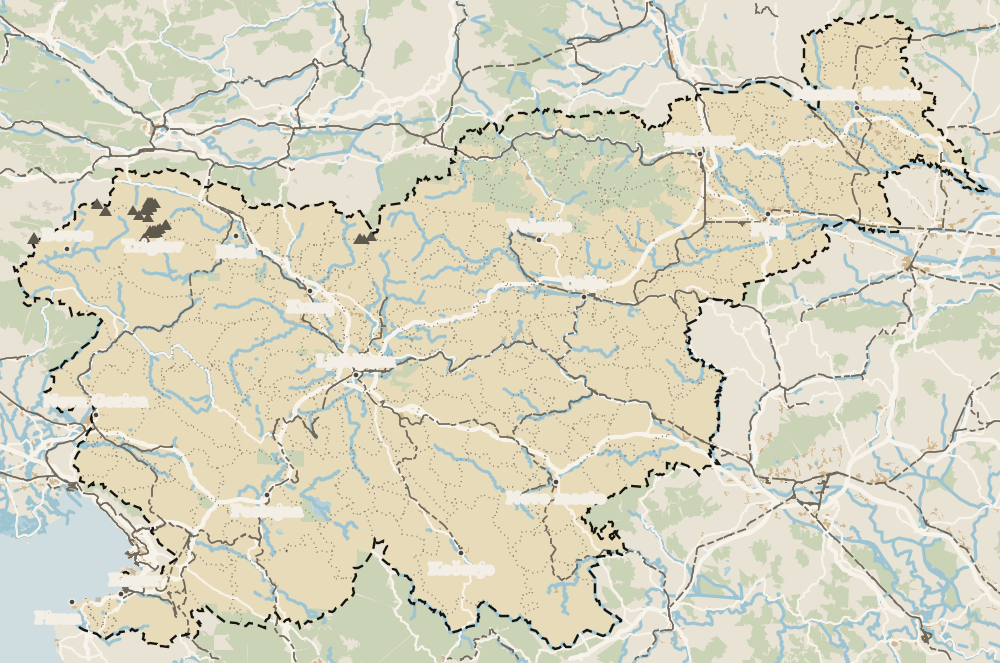 1Bled 2Gorenjska 3Bohinj 4Kranj 5Jesenice 6Škofja Loka 7Gorje 8Kranjska Gora 9Žirovnica 10Naklo 11Tržič 12Jezersko 13Cerklje na Gorenjskem 14Šenčur 15Radovljica 16Železniki 17Žiri 18Julian Alps
Map data © OpenStreetMap contributors (ODbL)
- 1BledGorenjska, Julian Alps
- 2GorenjskaRegions of Slovenia
- 3BohinjGorenjska, Julian Alps
- 4KranjGorenjska, Slovenia
- 5JeseniceGorenjska, Slovenia
- 6Škofja LokaGorenjska, Slovenia
- 7GorjeGorenjska
- 8Kranjska GoraGorenjska, Upper Sava Valley
- 9ŽirovnicaGorenjska
- 10NakloGorenjska, Kranj plain
- 11TržičGorenjska
- 12JezerskoGorenjska
- 13Cerklje na GorenjskemGorenjska
- 14ŠenčurGorenjska, Kranj plain
- 15RadovljicaGorenjska, 8 km from Bled
- 16ŽeleznikiSelca valley, Gorenjska
- 17ŽiriŠkofja Loka area, Gorenjska
- 18Julian AlpsAlpine Slovenia
Jesenice is an iron and steel town in the Upper Sava Valley, between the Julian Alps and the Karawanks, by the north-western border. It has 13,740 people in the town and 21,769 in the municipality, according to SURS. Its industrial story is told in the Stara Sava quarter, home to the Iron Museum, and at Kos Manor, from 1521.
Jesenice isn't pretty the way Bled is and doesn't try to be, which is why it interests me. I'd recommend it to anyone wanting the working, steel-making side of Gorenjska, and in May I'd pair it with the Golica daffodils.
What I would book
My key points
What the official sites leave out
-
01 Most beautiful
The Golica daffodils in May
In May the meadows of Golica, a 1,836 m Karawanks peak above Jesenice, turn white with daffodils. Locals call them ključavnice.
hiking in Slovenia -
02 My tip
One ticket, two museums
Admission to the Slovenian Ironworks Museum at Stara Sava, €5 for adults, also gets you into Kos Manor and its exhibition on the youth of the 'red dust town'.
museums in Slovenia -
03 Getting there
The station for trains from Austria
The Villach to Ljubljana train calls at Jesenice several times a day, and the Bohinj line to Nova Gorica starts here, with direct trains to Bohinj.
train to Slovenia -
04 Getting there
Six museums in the Upper Sava Valley
The Gornjesavski Museum, based in Jesenice, also runs the Slovenian Alpine Museum in Mojstrana and the museums in Kranjska Gora and Rateče.
Slovenian Alpine Museum
A steel town between two ranges
Jesenice sits in the Upper Sava Valley, in Gorenjska, between the Julian Alps and the Karawanks, close to the country’s north-western border. The town has 13,740 residents and the municipality 21,769 on 1 January 2026, spread over 75.9 km² and 13 settlements, according to SURS. The government includes it in its list of Slovenia’s main towns. As a tourist place it keeps a low profile, with 19,550 arrivals in 2025 against more than 380,000 in neighbouring Kranjska Gora. Those visitors spent 40,603 nights in the municipality, which tells you most people treat it as a stopover rather than a base.
The tourist board points out that between the two world wars visitors were already coming by train for the scenery, and that the town had a beautification society working to improve its looks and draw tourists.
What to see, Stara Sava and Kos Manor
The heart of a visit is Stara Sava, the original ironworks core. Here the Slovenian Ironworks Museum holds the permanent exhibition From Ore to Steel, the domestic life of ironworkers and an art collection. The most vivid part is the Kasarna, a block of workers’ housing where a 1930s and 1940s flat has been reconstructed. In the museum workshops you can make coffee the way workers’ families did, and the tourist board mentions a breakfast with the ironworker’s wife experience.
Kos Manor, at Cesta maršala Tita 64, was built in 1521 by Žiga Dietrichstein, a Habsburg tenant, and still carries the Bela Peč coat of arms above the balcony door. It passed through the Khevenhüllers, the princes of Eggenberg and the counts of Trillegkh before the merchant Frančišek Pavel Kos bought it in 1812 and gave it his name. It has served as a school, a court, offices and a prison during both world wars. Today it hosts temporary exhibitions and the permanent show The Youth of the Red Dust Town, about industrialisation. One ticket covers both, and the prices are in the table above.
The Golica daffodils in May
In May something happens that’s worth the trip on its own. The meadows of Golica, a 1,836 m Karawanks peak above Jesenice, turn white with daffodils, known locally as ključavnice, and from a distance they look like snow. In some years the road to Planina pod Golico has been closed at weekends with a free bus from Jesenice, according to the tourist board. If you’re here to walk, my hiking in Slovenia guide covers more Karawanks routes.
If you are staying the night, see the best hotel deals in Kranjska Gora for your dates: the well-placed rooms go fast.
Jesenice, a railway junction
Jesenice is a stop on the train from Villach in Austria, which carries on to Ljubljana several times a day, and the Bohinj line to Nova Gorica starts here, with a direct train to Bohinj for skiers in winter. The Juliana Trail passes through too, on the 20.5 km stage from Mojstrana to Jesenice. You’ll find it under the Juliana Trail.
The valley’s other museums
The Gornjesavski Museum, based in Jesenice, runs six museums with eight permanent exhibitions across the Upper Sava Valley. Beyond Jesenice, it looks after the Slovenian Alpine Museum in Mojstrana, the Alpine house in Kranjska Gora with its exhibition on Josip Vandot, author of the Kekec stories, and the Rateče museum with its escape house. Jesenice also has Jože Bedič’s geological and palaeontological collection, which the museum calls the largest and most important fossil collection in Slovenia.
So you do not lose the morning at the ticket office, browse tickets and tours in Kranjska Gora on GetYourGuide.
Fitting it into a trip
I wouldn’t sleep in Jesenice on a first trip. I’d come for the day from Bled or Kranjska Gora, on a Tuesday to Friday morning so the ironworks museum is open, and head up Golica in the afternoon if it’s May. The two museums open on different days, so check the table; Wednesday to Friday they overlap. And if you arrive by train from Ljubljana or Austria, you can do the whole day without a car.
If you are staying the night, see the best hotel deals in Kranjska Gora for your dates: the well-placed rooms go fast.
Jesenice museums: opening hours and prices
| Museum | Opening hours | Admission |
|---|---|---|
| Slovenian Ironworks Museum (Kasarna and Stara Sava) | Tuesday to Friday, 9am to 2pm | Adults €5; children, students and pensioners €3; family €12 |
| Kos Manor | Wednesday to Saturday, noon to 6pm | Included with the Ironworks Museum ticket; temporary exhibitions free |
| Ironworks Museum (Kolpern) | During public events and by appointment | Depends on the event |
Gornjesavski Museum Jesenice, opening times and prices, checked on 15-10-2026. Groups of at least 10 can book visits outside opening hours.
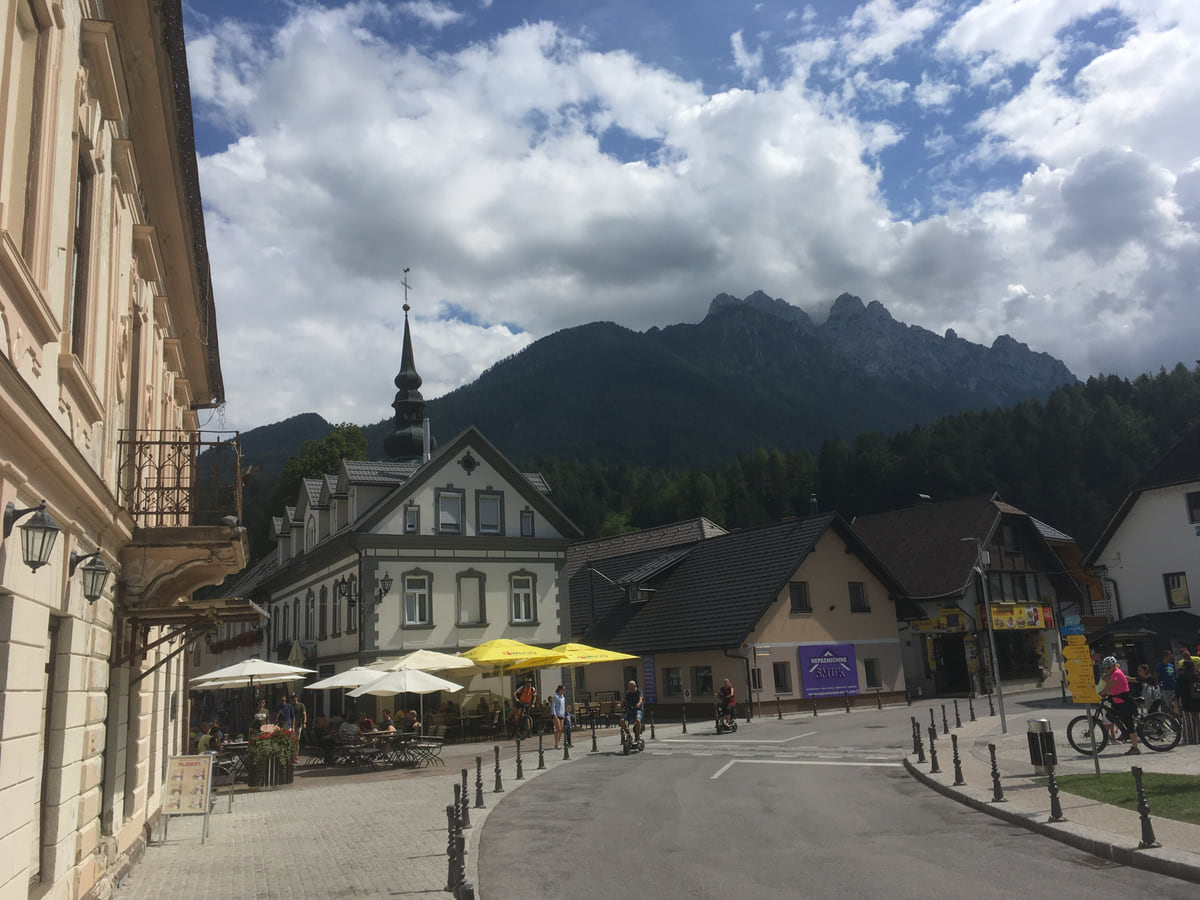
A street in the centre of Kranjska Gora with café terraces, alpine houses and the church tower beneath the mountains
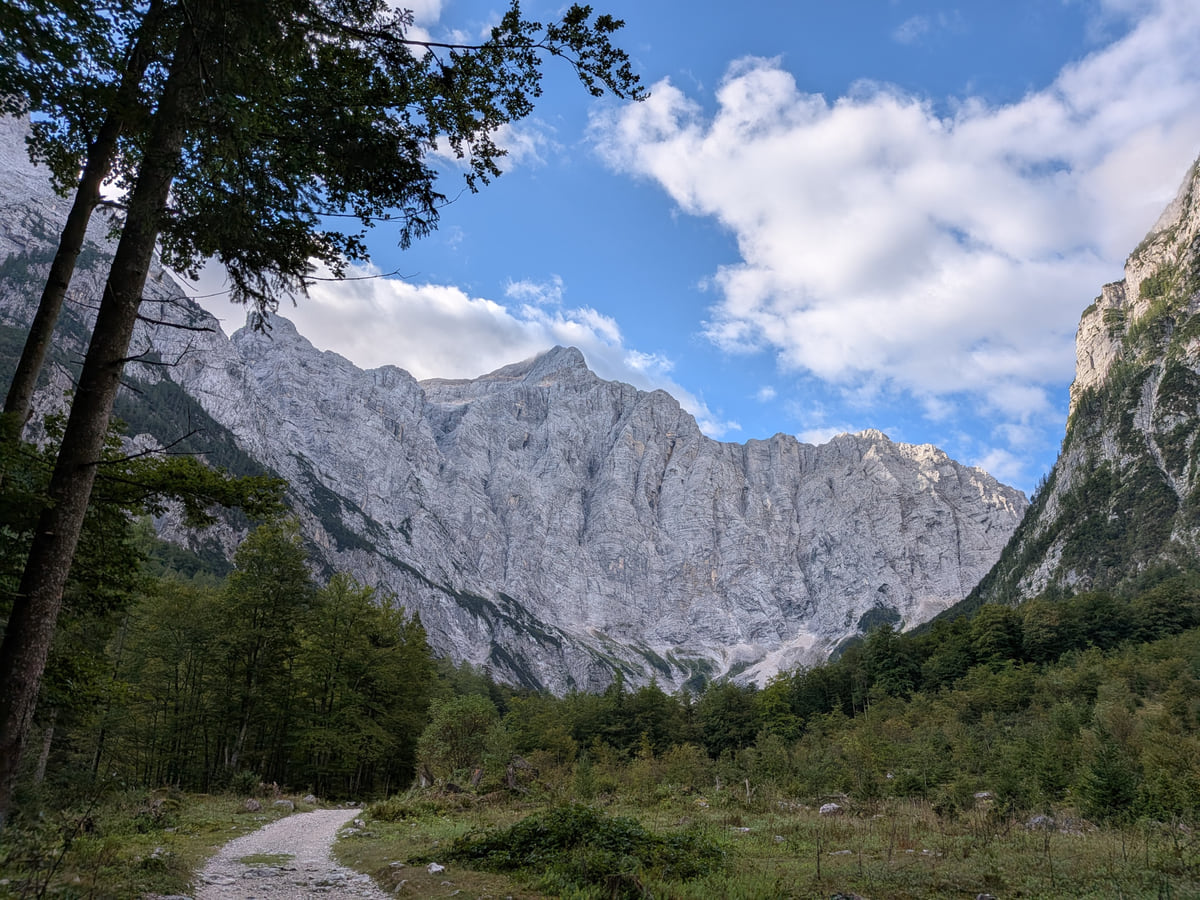
The great north face of Triglav from a path in the Vrata valley, framed by trees, under a blue sky with white clouds
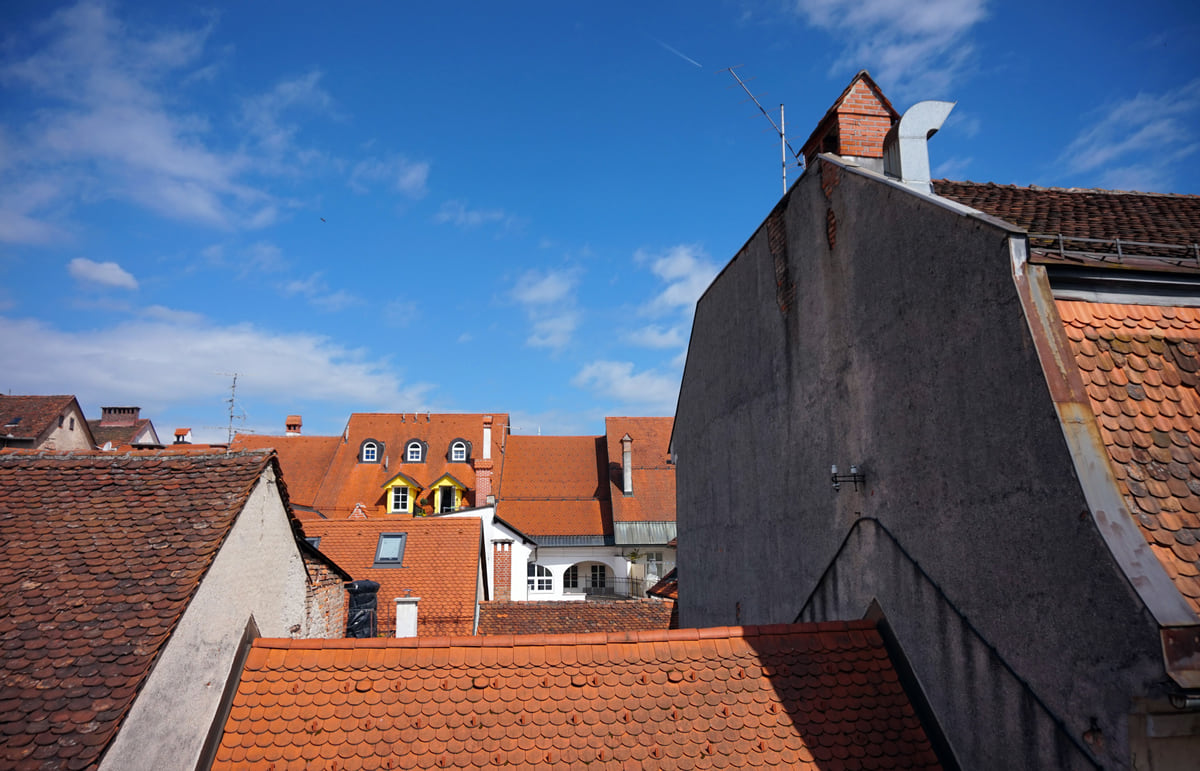
The red roofs and dormer windows of Kranj's old town, with a grey gable in the foreground and a blue sky
Test yourself
True or false?
0/3 Pick before you peek.
-
Kos Manor in Jesenice dates from the 16th century.
See the answer
True. Žiga Dietrichstein, a Habsburg tenant, built it in 1521; it's named after the merchant Frančišek Pavel Kos, who bought it in 1812.
-
The Golica daffodils bloom in midsummer.
See the answer
False. They flower in May, when the meadows of this Karawanks peak look as white as if it had snowed.
-
Jesenice lies between the Julian Alps and the Karawanks.
See the answer
True. The tourist board places it between the two ranges, close to Slovenia's north-western border.
Quick questions about Jesenice
What is there to see in Jesenice?
The Stara Sava ironworkers' quarter with the Slovenian Ironworks Museum, the Kasarna with a reconstructed 1930s and 1940s worker's flat, Kos Manor from 1521 and, in May, the daffodil meadows of Golica.
Where is Jesenice?
In the Upper Sava Valley in Gorenjska, between the Julian Alps and the Karawanks and near Slovenia's north-western border. The Villach to Ljubljana train stops here.
How many people live in Jesenice?
The town had 13,740 residents and the municipality 21,769 on 1 January 2026, according to SURS. The government lists it among the country's main towns.
Why is Jesenice called a steel town?
For centuries it was an ironworking and steelmaking centre that helped put Slovenia on Europe's steel map, says the tourist board. Stara Sava preserves the original ironworks core.
When do the Golica daffodils flower?
In May, according to the tourist board. In some years the road to Planina pod Golico has been closed at weekends with a free bus from Jesenice, so check what applies when you go.
0 of 425 Slovenia guides
Your next stamp
- Litija
- Kropa
- Kranj
- Železniki
- Trbovlje
- Hrastnik
- Ravne na Koroškem
- Velenje
- Bogenšperk Castle
- Bogojina
- Debeli rtič
- Ig pile dwellings
- Jeruzalem
- Kolpa River
- Koper
- Lake Cerknica
- Lipica
- Ljubljana
- Ljubljana to Bled
- Mariborsko Pohorje
- Mount Snežnik
- Palace Portorož
- Park of Military History
- Plečnik House
- Postojna
- Postojna Cave
- Škocjan Caves
- Štanjel
- Tartini Square
- Županova jama
- Izola
- Kamnik
- Karst
- Ljubljana to Postojna
- Lovrenc Lakes
- Maribor
- Portorož
- Predjama Castle
- Things to do in Ljubljana
- Travel guide
- Vilenica Cave
- Zagorje ob Savi
- Celje
- Cerknica
- Domžale
- Ljubljana in a day
- Ljubljana to Piran
- Piran
- Slovenian Istria
- Strunjan
- Things to do
- Activities
- Ankaran
- Grosuplje
- Ljubljana in two days
- Pivka
- Sečovlje salt pans
- Brežice Castle
- Getting around Ljubljana
- Ilirska Bistrica
- Mežica Mine
- Most beautiful places
- Novo mesto
- Sevnica Castle
- Terme Olimia
- Vrhnika
- Žiče Charterhouse
- Dolenjska
- Ig
- Prettiest villages
- Ptuj
- Sežana
- Divača
- Medvode
- Murska Sobota
- Posavje
- World Heritage
- Hrpelje-Kozina
- Logatec
- Map
- Mengeš
- Brezovica
- Komen
- Savinjska
- Where is Slovenia
- Bled
- Brežice
- Čatež ob Savi
- Celje Castle
- Coal Mining Museum
- Gorenjska
- Hotels in Piran
- Hrastovlje
- Karawanken Geopark
- Koroška
- Kostanjevica Cave
- Kostel Castle
- Krokar primeval forest
- Kurentovanje
- Lent
- Ljubljana Castle
- Ljubljana Cathedral
- Logar Valley
- Oldest vine in the world
- Olimje
- Otočec
- Regions
- Rimske Toplice
- Rinka Waterfall
- Rogla
- Sava River
- Slovenj Gradec
- Topolšica
- Velika Planina
- Goriška
- Krško
- Lake Bled
- Municipalities
- Podravje
- Prešeren Square
- Restaurants in Piran
- Škocjan Inlet
- Volčji Potok Arboretum
- Bled Island
- Cities
- Mežica
- Pomurje
- Sevnica
- Socerb Castle
- Bled Castle
- Coast and Karst
- Dravograd
- Kostanjevica na Krki
- Population
- Notranjska
- Ojstrica viewpoint
- Radlje ob Dravi
- Size
- Central Slovenia
- Language
- Mislinja
- Plečnik's Ljubljana
- Slovenska Bistrica
- Vila Bled
- Currency
- Grand Hotel Toplice
- Ormož
- Zasavje
- EU and Schengen
- Hotel Savica Garni
- Hotels in Bled
- Pohorje
- Haloze
- History
- Restaurants in Bled
- Flag and symbols
- Hoče-Slivnica
- Bizeljsko
- Bohinj
- Christmas in Ljubljana
- City Hotel Ljubljana
- Gorjanci
- Krka River
- Laško
- Moravske Toplice
- Ptuj Castle
- Public holidays
- Rajhenburg Castle
- Šentilj
- Slovenia beaches
- Šmartno pri Litiji
- Uršlja Gora
- Brdo Castle
- Independence Day
- Lake Bohinj
- Ljubljana Festival
- Radenci
- Rogaška Slatina
- Day trips from Ljubljana
- Lendava
- Podčetrtek
- Savica waterfall
- Time zone
- Dobrna
- Facts
- Ljubljana nightlife
- Ljutomer
- Nova Gorica
- Vogel
- Bohinjska Bistrica
- Gornja Radgona
- Ljubljana Old Town
- Slovenia and Croatia
- Solkan
- Zreče
- Grad
- Sabotin
- Slovenia, Italy and Austria
- Slovenske Konjice
- Stara Fužina
- Trnovo
- Goričko
- Holidays and tours
- Hotels in Bohinj
- Škofja Loka
- Vitanje
- Škofja Loka Castle
- Slovenia or Slovakia
- Šoštanj
- Veržej
- Slovenian phrases
- Slovenia in 3 days
- Bela krajina
- Caves in Slovenia
- Črnomelj
- Dragon Bridge
- Gorje
- Hiking
- Hotels in Maribor
- Kozjansko Regional Park
- Kranjska Gora
- Lake Ptuj
- Ljubljana Marshes
- Slovenia in 5 days
- Vinarium Tower
- Where to stay in Ljubljana
- Žalec
- Metlika
- Slovenia castles
- Slovenia in a week
- Slovenian Mountain Trail
- Triple Bridge
- Vintgar Gorge
- Vršič Pass
- Where to eat in Ljubljana
- Best viewpoints in Slovenia
- Central Market
- Juliana Trail
- Lake Jasna
- Road trip
- Semič
- Žirovnica
- Kočevje
- Metelkova
- Motorhome
- Museums in Slovenia
- Naklo
- Soča rafting
- Tržič
- Zelenci
- Jezersko
- Kostel
- Lake Planšar
- Skiing
- Slovenia with kids
- Slovenian Alpine Museum
- Tivoli Park
- Best time to visit
- Cerklje na Gorenjskem
- Cycling
- Dolenjske Toplice
- Ljubljanica river
- Mojstrana
- Šenčur
- Krvavec
- National Gallery
- Parenzana
- Peričnik waterfall
- Šmarješke Toplice
- Weather
- National and University Library
- Paragliding
- Slovenia in winter
- Strmol Castle
- Trebnje
- Vrata valley
- Climbing
- Events
- Martuljek waterfalls
- Žale
- Fly fishing
- In January
- Ljubljana museums
- National Museum of Slovenia
- Rateče
- Bovec
- Festival Lent
- Golf
- Hotels in Ptuj
- In February
- Kamnik-Savinja Alps
- Nature parks
- Parking in Ljubljana
- Pekel Cave
- Planica
- Snežnik Castle
- Solčava
- Gornji Grad
- In March
- Kranjska Gora ski resort
- Lakes
- Trenta
- Ziplines
- Alpe Adria Trail
- Hotels in Kranjska Gora
- In April
- Kanin
- Nazarje
- Waterfalls
- In May
- Rivers
- Virje waterfall
- Vransko
- Hotels in Bovec
- In June
- Mountains
- Šentjur
- Dobra Vila Bovec
- In July
- Ljubljana Card
- Mozirje
- Spas
- In August
- Nebesa Chalets
- Rečica ob Savinji
- In September
- Kobarid
- Šmartno ob Paki
- In October
- Kobarid Museum
- Hiša Franko
- In November
- In December
- Radovljica
- In spring
- Museum of Apiculture
- Žiri
- In summer
- Tolmin
- Brezje
- In autumn
- Metaldays
- Tolmin Gorges
- Begunje
- Javorca church
- Slovenia in 10 days
- Most na Soči
- Two weeks in Slovenia
- Idrija
- Ljubljana Marathon
- How to get there
- Idrija mercury mine
- Wild Lake
- Cerkno
- Flights
- Laufarji
- Divje babe
- Franja Partisan Hospital
- Ljubljana Airport
- Ajdovščina
- Nearby airports
- Venice to Ljubljana
- Vipava
- Vipavski Križ
- Zagreb to Ljubljana
- Brda
- Trains to Slovenia
- Getting around
- Šmartno
- Dobrovo Castle
- Trains
- Buses
- Julian Alps
- Car hire
- Triglav National Park
- Driving
- Pokljuka
- Triglav Lakes
- Vignette
- Mount Triglav
- Taxis
- Distances
- Soča Valley
- Soča River
- Trieste to Ljubljana
- Kozjak Waterfall
- Vienna to Ljubljana
- Boka Waterfall
- Budapest to Ljubljana
- Ljubljana to Maribor
- Walk of Peace
- Bled to Bohinj
- Mangart
- Lake Krn
- Prices and budget
- Slovenia on a budget
- Vipava Valley
- Free things to do
- Otlica Natural Window
- Entry requirements
- Rihemberk Castle
- Customs
- Safety
- Scams
- Bears
- Healthcare
- Mobile and roaming
- Plugs
- Packing list
- What to buy
- Hotels
- Campsites
- Farm stays
- Mountain huts
- Food
- Bled cream cake
- Wine
- Potica
- Prekmurska gibanica
- Štruklji
- Carniolan sausage
- Idrija žlikrofi
- Beer
- Tipping

Questions about Jesenice? Write to me
I read every email. If a fact is wrong or missing, tell me and I will check it.
My email sergiolepone@gmail.com
By
Tourism graduate with a master’s in Tourism Management and Planning from the University of Málaga, who has travelled across Europe. He writes every guide from official sources and his own judgement.
Published on . Updated on . Facts checked on .
Sources
Some links in this guide are affiliate links: if you book through them, the site earns a commission at no extra cost to you. Affiliate disclosure
Photos: Bvcmz248.5 (CC0); .snoopy. (CC BY-SA 4.0); MKrolik-WMF (CC0); Tiia Monto (CC BY-SA 3.0), via Wikimedia Commons.