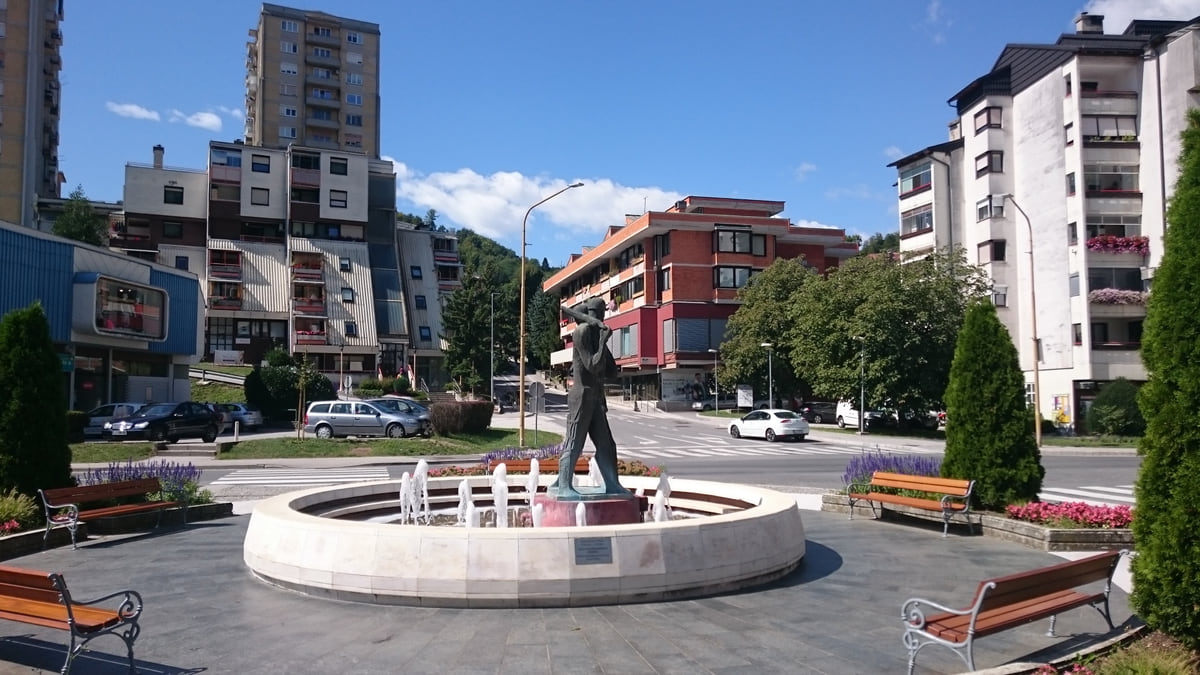
Zasavje town
Hrastnik, coal, glass and chemicals in Zasavje's narrowest valley

- Population
- 4,667 the town, 8,755 the municipality
- Municipality
- 58.5 km² and 19 settlements
Map
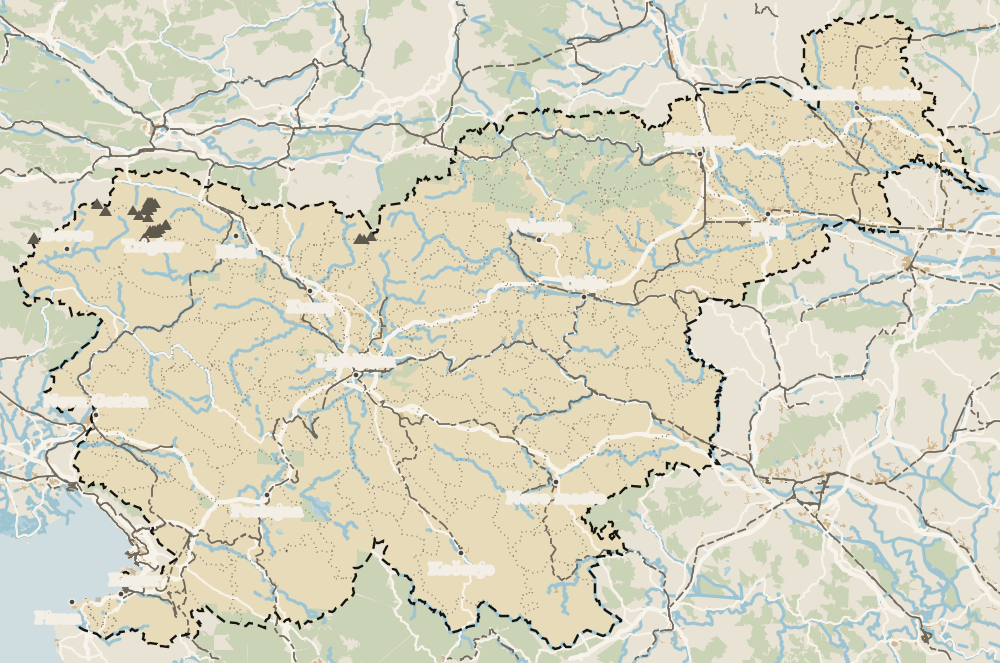
Where Hrastnik is
The Julian Alps, Triglav and the Soča valley lie to the north-west; Ljubljana sits in the centre; the Karst, its caves and the 47 km of coast are to the south-west, and Maribor, Ptuj and the Prekmurje plains to the east. Every number opens its guide.
Hrastnik is a mining town of 4,667 people in a narrow valley that runs down to the Sava, at the head of Zasavje's smallest municipality (8,755 residents over 58.5 km²). It grew around a coal mine already working in 1822 and the glass and chemical works that opened in 1860. Its free museum tells that story.
I'd come on a weekday, as the museum opens only on weekday mornings. Then I'd order the Zasavje menu and try funšterc, the miners' sun, before heading up towards Kopitnik.
Hrastnik, in short
Full read: 2 min
- Hrastnik has 4,667 people and is Zasavje's smallest municipality.
- It grew around the mine, the glassworks and the chemical factory.
- Its museum is free and opens on weekday mornings.
- The municipal holiday, 3 July, marks the 1934 miners' strike.
My key points
Before you go to Hrastnik, this
-
01 Most beautiful
The miners' sun
The municipality recommends trying funšterc, known as knapovsko sonce, the miners' sun, and krumpantoč, a potato cutlet. Some restaurants serve a Zasavje menu of local dishes.
-
02 To save money
A free museum
Hrastnik Museum charges nothing. It opens Monday to Friday from 8am to 2pm, and outside those hours takes groups of ten or more by appointment.
-
03 Getting there
The Pot Srečno
The miners' trail links Laško, Hrastnik, Trbovlje and Zagorje ob Savi over 29.7 km, and the Hrastnik section is the longest, at 9.3 km.
Zagorje ob Savi -
04 My tip
Where to sleep
The municipality itself suggests mountain huts, private rooms or the youth centre in Trbovlje, as Hrastnik has almost no hotels.
What I would book
What Hrastnik is, a mining valley
Hrastnik has 4,667 residents, and the municipality 8,755 across 19 settlements and 58.5 km², the smallest in Zasavje, according to SURS. The municipality says about 600 people lived in the area in the 14th century and that the first census, in 1869, counted 3,847. Growth came with the mine and the railway, whose first train passed through in 1849, when the mine had already been working since 1822. The name Hrastnik only took hold in 1929; before then the centre of the valley was called Sv. Lenart.
In 1860 the two factories that still define the town arrived. Edvard J. Heider moved the glassworks from Jurklošter, because there was coal here for the furnaces, and Franc Gossleth brought the chemical works from Trieste. Both still occupy the southern end of the valley, and the glassworks now sells upmarket glassware under its own brand.
What to see, the museum and the Mlakar flat
The museum occupies a yellow-orange former German school of 1907, on the road from the centre to the chemical works. It became a museum in 1977 and now holds collections on the Podkraj archaeological site, the local gentry, the glassworks, the chemical works, schooling in Zasavje and the puppets of a local troupe. There is no charge, and the doors are open on weekdays from eight until two.
In the old mining colony at Resnica, the Mlakar flat has recreated a miner’s home since 1980, with two rooms and objects of the period. Communists met here between 1932 and 1941, and it was declared a monument in 2007. At Šavna Peč, a restored granary has held an ethnological collection and works by the translator Anton Sovre since 2012.
St Barbara and the 1934 strike
St Barbara is the patron saint of Hrastnik’s miners, and one of the shafts is named after her, with a chapel at its entrance. The miners’ greeting, «Srečno», good luck, comes from that life of constant danger. The municipal holiday on 3 July recalls the hunger strike the miners began on that day in 1934 against low pay and weeks of three or four working days, which lasted until the 5th.
To sleep close to everything, search places to stay in Ljubljana on Expedia and filter by area before price.
Dol, Kopitnik and getting there
About two kilometres away lies Dol pri Hrastniku, with 1,373 people according to SURS, which appears as Tal in a 13th-century land register and grew up around the church of St James. The municipality has Natura 2000 areas, isolated rock towers such as the Jelenove skale, the Kovška luknja cave, the Bajdetov graben ravine with its waterfalls and Kopitnik, rich in Illyrian flora with some Alpine species and proposed as a landscape park.
Hrastnik lies between Trbovlje and Zidani Most, and the Sava valley trains stop at its station. It is best combined with its neighbours on a tour of the region, starting from Zagorje ob Savi or Litija.
If you are short on time, see the best tours in Ljubljana and pick one that fits your day.
To sleep close to everything, search places to stay in Ljubljana on Booking.com and filter by area before price.
What to see in Hrastnik
| Place | What it is |
|---|---|
| Hrastnik Museum | Former 1907 school with collections on mining, glass, chemicals and puppets |
| Mlakar flat (Resnica) | Miner's home in the old colony, a monument since 2007 |
| Šavna Peč granary | Ethnological collection and works by Anton Sovre, open since 2012 |
| Dol pri Hrastniku | Village of 1,373 people with the church of St James |
| Kopitnik | Illyrian flora and Alpine species; a proposed landscape park |
Visit Hrastnik and the municipality of Hrastnik, checked on 19 Oct 2026.
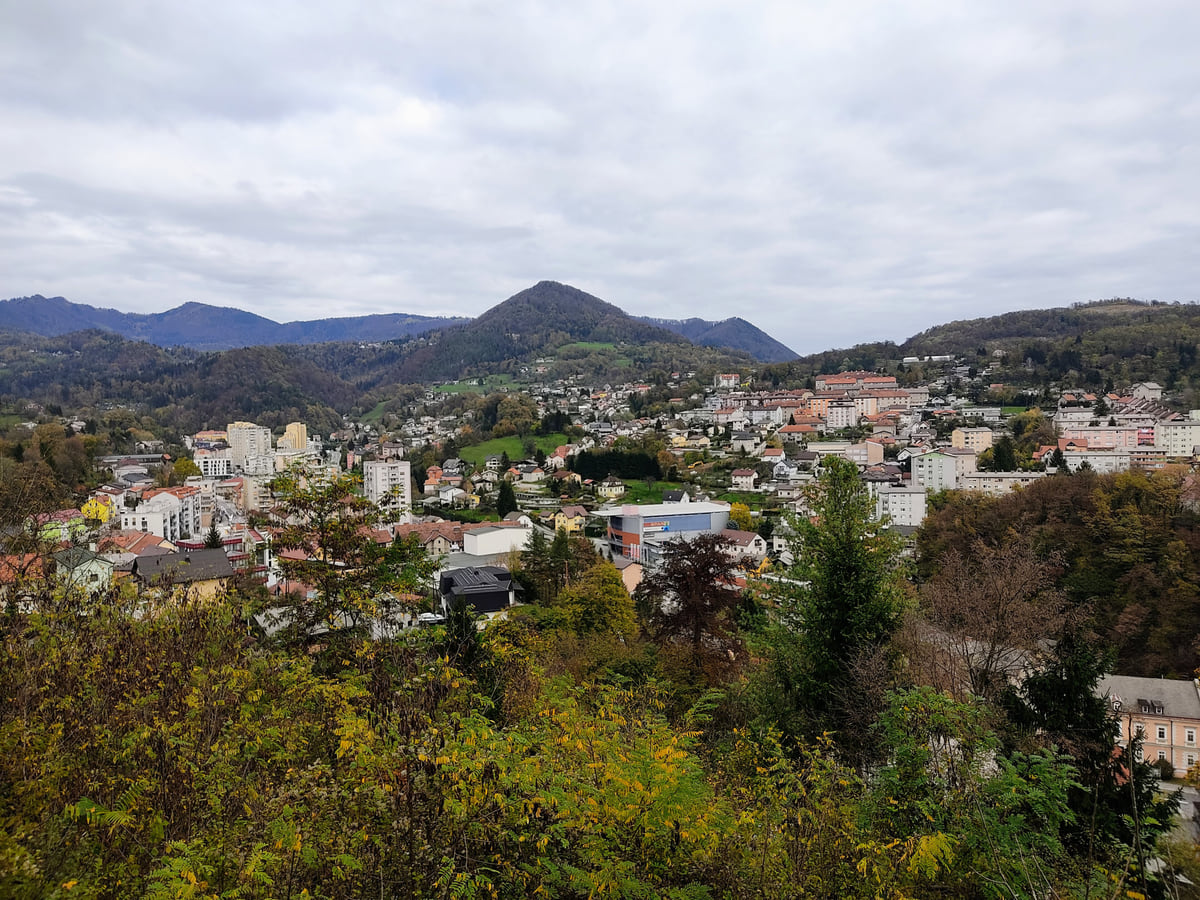
Trbovlje in its narrow Zasavje valley, the former mining town's flats and houses set between wooded hillsides
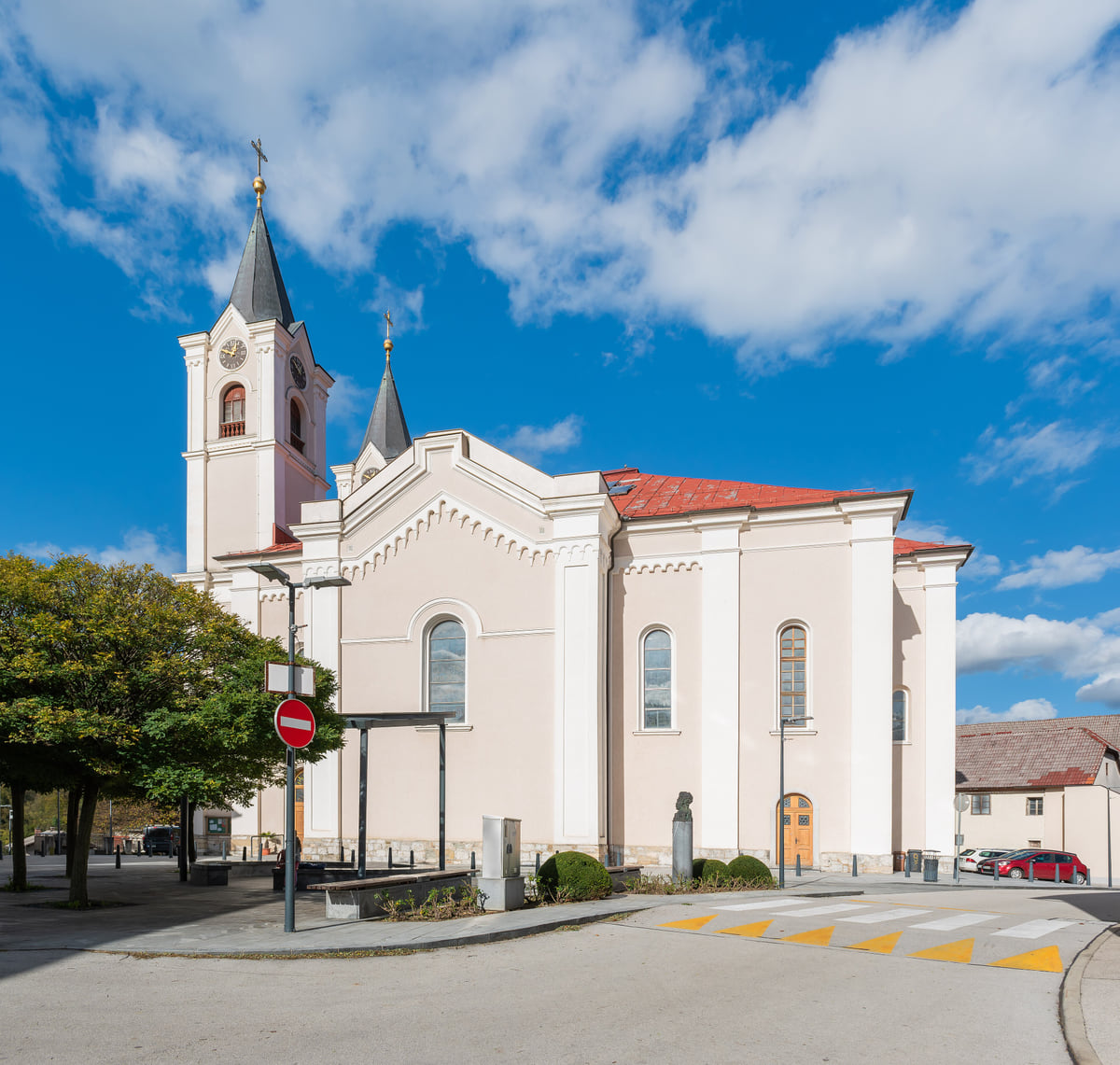
The church of Saints Peter and Paul, with its two white towers, in the centre of Zagorje ob Savi under a blue sky
Test yourself
True or false?
0/3 Pick before you peek.
-
Hrastnik has been called Hrastnik since the Middle Ages.
See the answer
False. The name only took hold in 1929; before that the centre of the valley was known as Sv. Lenart, according to the municipality.
-
Hrastnik's glassworks and chemical works opened in the same year.
See the answer
True. Both started production in 1860, drawn by the coal and by the railway, which had run through Hrastnik since 1849.
-
Hrastnik had the fewest tourists of any Zasavje municipality in 2025.
See the answer
True. SURS recorded 404 arrivals, against 4,527 in Zagorje ob Savi.
- People in the town
- 4,667
- Mine already working
- 1822
- Glassworks and chemical works open
- 1860
- Tourist arrivals in 2025
- 404
Common questions about Hrastnik
What is there to see in Hrastnik?
The free Hrastnik Museum, the Mlakar miner's flat at Resnica, the Šavna Peč granary with Anton Sovre's work, the miners' monument, the churches of St Nicholas and of St James at Dol pri Hrastniku, and the rocks and woods of Kopitnik.
How much is Hrastnik Museum?
Nothing; entry is free. It opens Monday to Friday from 8am to 2pm and is closed at weekends, when you can only visit by appointment.
Why is Hrastnik's holiday on 3 July?
Because on 3 July 1934 the miners began a hunger strike against low pay and weeks of only three or four working days. It lasted until 5 July.
What is made in Hrastnik?
Glass and chemicals, since 1860. Edvard J. Heider moved the glassworks here from Jurklošter and Franc Gossleth brought the chemical works from Trieste. Both are still in the southern part of the valley.
Where can I stay in Hrastnik?
There is very little. The municipality points to mountain huts, private rooms, the youth centre in Trbovlje or neighbouring towns. The easiest plan is a day trip from Ljubljana.
0 of 425 Slovenia guides
Your next stamp
- Trbovlje
- Velenje
- Zasavje
- Litija
- Zagorje ob Savi
- Krško
- Coal Mining Museum
- Things to do
- Bogenšperk Castle
- Bogojina
- Debeli rtič
- Ig pile dwellings
- Jeruzalem
- Kolpa River
- Koper
- Lake Cerknica
- Lipica
- Ljubljana
- Ljubljana to Bled
- Mariborsko Pohorje
- Mount Snežnik
- Palace Portorož
- Park of Military History
- Plečnik House
- Postojna
- Postojna Cave
- Škocjan Caves
- Štanjel
- Tartini Square
- Županova jama
- Izola
- Kamnik
- Karst
- Ljubljana to Postojna
- Lovrenc Lakes
- Maribor
- Portorož
- Predjama Castle
- Things to do in Ljubljana
- Travel guide
- Vilenica Cave
- Celje
- Cerknica
- Domžale
- Ljubljana in a day
- Ljubljana to Piran
- Piran
- Slovenian Istria
- Strunjan
- Activities
- Ankaran
- Grosuplje
- Ljubljana in two days
- Pivka
- Sečovlje salt pans
- Brežice Castle
- Getting around Ljubljana
- Ilirska Bistrica
- Mežica Mine
- Most beautiful places
- Novo mesto
- Sevnica Castle
- Terme Olimia
- Vrhnika
- Žiče Charterhouse
- Dolenjska
- Ig
- Prettiest villages
- Ptuj
- Sežana
- Divača
- Medvode
- Murska Sobota
- Posavje
- World Heritage
- Hrpelje-Kozina
- Logatec
- Map
- Mengeš
- Brezovica
- Komen
- Savinjska
- Where is Slovenia
- Bled
- Brežice
- Čatež ob Savi
- Celje Castle
- Gorenjska
- Hotels in Piran
- Hrastovlje
- Karawanken Geopark
- Koroška
- Kostanjevica Cave
- Kostel Castle
- Krokar primeval forest
- Kurentovanje
- Lent
- Ljubljana Castle
- Ljubljana Cathedral
- Logar Valley
- Oldest vine in the world
- Olimje
- Otočec
- Regions
- Rimske Toplice
- Rinka Waterfall
- Rogla
- Sava River
- Slovenj Gradec
- Topolšica
- Velika Planina
- Goriška
- Lake Bled
- Municipalities
- Podravje
- Prešeren Square
- Ravne na Koroškem
- Restaurants in Piran
- Škocjan Inlet
- Volčji Potok Arboretum
- Bled Island
- Cities
- Mežica
- Pomurje
- Sevnica
- Socerb Castle
- Bled Castle
- Coast and Karst
- Dravograd
- Kostanjevica na Krki
- Population
- Notranjska
- Ojstrica viewpoint
- Radlje ob Dravi
- Size
- Central Slovenia
- Language
- Mislinja
- Plečnik's Ljubljana
- Slovenska Bistrica
- Vila Bled
- Currency
- Grand Hotel Toplice
- Ormož
- EU and Schengen
- Hotel Savica Garni
- Hotels in Bled
- Pohorje
- Haloze
- History
- Restaurants in Bled
- Flag and symbols
- Hoče-Slivnica
- Bizeljsko
- Bohinj
- Christmas in Ljubljana
- City Hotel Ljubljana
- Gorjanci
- Kranj
- Krka River
- Laško
- Moravske Toplice
- Ptuj Castle
- Public holidays
- Rajhenburg Castle
- Šentilj
- Slovenia beaches
- Šmartno pri Litiji
- Uršlja Gora
- Brdo Castle
- Independence Day
- Lake Bohinj
- Ljubljana Festival
- Radenci
- Rogaška Slatina
- Day trips from Ljubljana
- Jesenice
- Lendava
- Podčetrtek
- Savica waterfall
- Time zone
- Dobrna
- Facts
- Ljubljana nightlife
- Ljutomer
- Nova Gorica
- Vogel
- Bohinjska Bistrica
- Gornja Radgona
- Ljubljana Old Town
- Slovenia and Croatia
- Solkan
- Zreče
- Grad
- Sabotin
- Slovenia, Italy and Austria
- Slovenske Konjice
- Stara Fužina
- Trnovo
- Goričko
- Holidays and tours
- Hotels in Bohinj
- Škofja Loka
- Vitanje
- Škofja Loka Castle
- Slovenia or Slovakia
- Šoštanj
- Veržej
- Slovenian phrases
- Slovenia in 3 days
- Bela krajina
- Caves in Slovenia
- Črnomelj
- Dragon Bridge
- Gorje
- Hiking
- Hotels in Maribor
- Kozjansko Regional Park
- Kranjska Gora
- Lake Ptuj
- Ljubljana Marshes
- Slovenia in 5 days
- Vinarium Tower
- Where to stay in Ljubljana
- Žalec
- Metlika
- Slovenia castles
- Slovenia in a week
- Slovenian Mountain Trail
- Triple Bridge
- Vintgar Gorge
- Vršič Pass
- Where to eat in Ljubljana
- Best viewpoints in Slovenia
- Central Market
- Juliana Trail
- Lake Jasna
- Road trip
- Semič
- Žirovnica
- Kočevje
- Metelkova
- Motorhome
- Museums in Slovenia
- Naklo
- Soča rafting
- Tržič
- Zelenci
- Jezersko
- Kostel
- Lake Planšar
- Skiing
- Slovenia with kids
- Slovenian Alpine Museum
- Tivoli Park
- Best time to visit
- Cerklje na Gorenjskem
- Cycling
- Dolenjske Toplice
- Ljubljanica river
- Mojstrana
- Šenčur
- Krvavec
- National Gallery
- Parenzana
- Peričnik waterfall
- Šmarješke Toplice
- Weather
- National and University Library
- Paragliding
- Slovenia in winter
- Strmol Castle
- Trebnje
- Vrata valley
- Climbing
- Events
- Martuljek waterfalls
- Žale
- Fly fishing
- In January
- Ljubljana museums
- National Museum of Slovenia
- Rateče
- Bovec
- Festival Lent
- Golf
- Hotels in Ptuj
- In February
- Kamnik-Savinja Alps
- Nature parks
- Parking in Ljubljana
- Pekel Cave
- Planica
- Snežnik Castle
- Solčava
- Gornji Grad
- In March
- Kranjska Gora ski resort
- Lakes
- Trenta
- Ziplines
- Alpe Adria Trail
- Hotels in Kranjska Gora
- In April
- Kanin
- Nazarje
- Waterfalls
- In May
- Rivers
- Virje waterfall
- Vransko
- Hotels in Bovec
- In June
- Mountains
- Šentjur
- Dobra Vila Bovec
- In July
- Ljubljana Card
- Mozirje
- Spas
- In August
- Nebesa Chalets
- Rečica ob Savinji
- In September
- Kobarid
- Šmartno ob Paki
- In October
- Kobarid Museum
- Hiša Franko
- In November
- In December
- Radovljica
- Železniki
- In spring
- Museum of Apiculture
- Žiri
- In summer
- Kropa
- Tolmin
- Brezje
- In autumn
- Metaldays
- Tolmin Gorges
- Begunje
- Javorca church
- Slovenia in 10 days
- Most na Soči
- Two weeks in Slovenia
- Idrija
- Ljubljana Marathon
- How to get there
- Idrija mercury mine
- Wild Lake
- Cerkno
- Flights
- Laufarji
- Divje babe
- Franja Partisan Hospital
- Ljubljana Airport
- Ajdovščina
- Nearby airports
- Venice to Ljubljana
- Vipava
- Vipavski Križ
- Zagreb to Ljubljana
- Brda
- Trains to Slovenia
- Getting around
- Šmartno
- Dobrovo Castle
- Trains
- Buses
- Julian Alps
- Car hire
- Triglav National Park
- Driving
- Pokljuka
- Triglav Lakes
- Vignette
- Mount Triglav
- Taxis
- Distances
- Soča Valley
- Soča River
- Trieste to Ljubljana
- Kozjak Waterfall
- Vienna to Ljubljana
- Boka Waterfall
- Budapest to Ljubljana
- Ljubljana to Maribor
- Walk of Peace
- Bled to Bohinj
- Mangart
- Lake Krn
- Prices and budget
- Slovenia on a budget
- Vipava Valley
- Free things to do
- Otlica Natural Window
- Entry requirements
- Rihemberk Castle
- Customs
- Safety
- Scams
- Bears
- Healthcare
- Mobile and roaming
- Plugs
- Packing list
- What to buy
- Hotels
- Campsites
- Farm stays
- Mountain huts
- Food
- Bled cream cake
- Wine
- Potica
- Prekmurska gibanica
- Štruklji
- Carniolan sausage
- Idrija žlikrofi
- Beer
- Tipping

Questions about Hrastnik? Write to me
I read every email. If a fact is wrong or missing, tell me and I will check it.
My email sergiolepone@gmail.com
By
Tourism graduate with a master’s in Tourism Management and Planning from the University of Málaga, who has travelled across Europe. He writes every guide from official sources and his own judgement.
Published on . Updated on . Facts checked on .
Sources
Some links in this guide are affiliate links: if you book through them, the site earns a commission at no extra cost to you. Affiliate disclosure
Photos: J.O. (CC BY-SA 4.0); Viktar Palstsiuk (CC BY-SA 4.0); Tournasol7 (CC BY 4.0), via Wikimedia Commons.