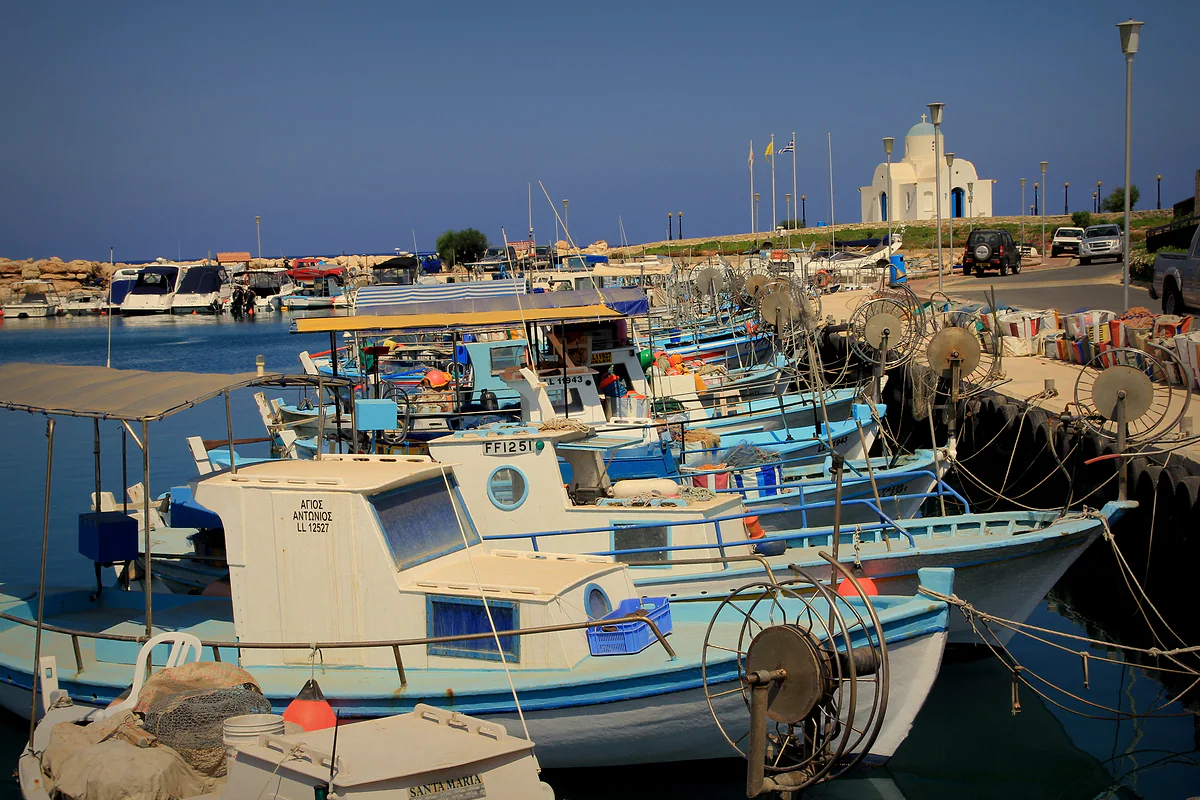
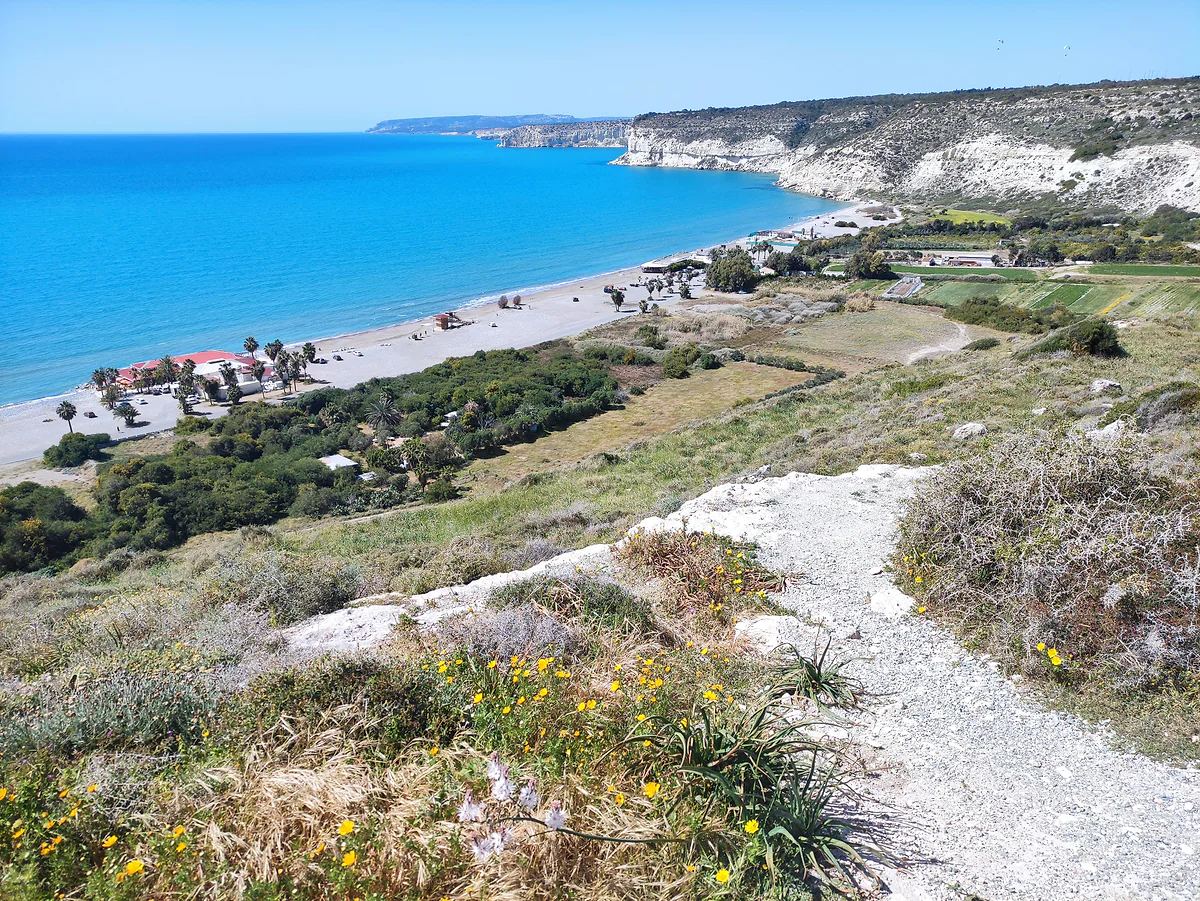
Cyprus is a 9,253 km² island in the eastern Mediterranean, the third largest in the sea, an EU member since 2004 and in the euro since 2008. The Republic had 996,600 residents at the end of 2025, according to CYSTAT, and its capital is Nicosia. Since 1974 the north of the island has not been under the effective control of its government.
In 30 seconds
Full read: 5 min
Cyprus is a 9,253 km² island in the eastern Mediterranean, the third largest in the sea.
The Republic joined the EU in 2004 and the euro in 2008, but it isn't in Schengen or the EES.
The capital is Nicosia, and Greek and Turkish are the official languages.
Since 1974 the north hasn't been under government control, and the UN's Green Line crosses the island.
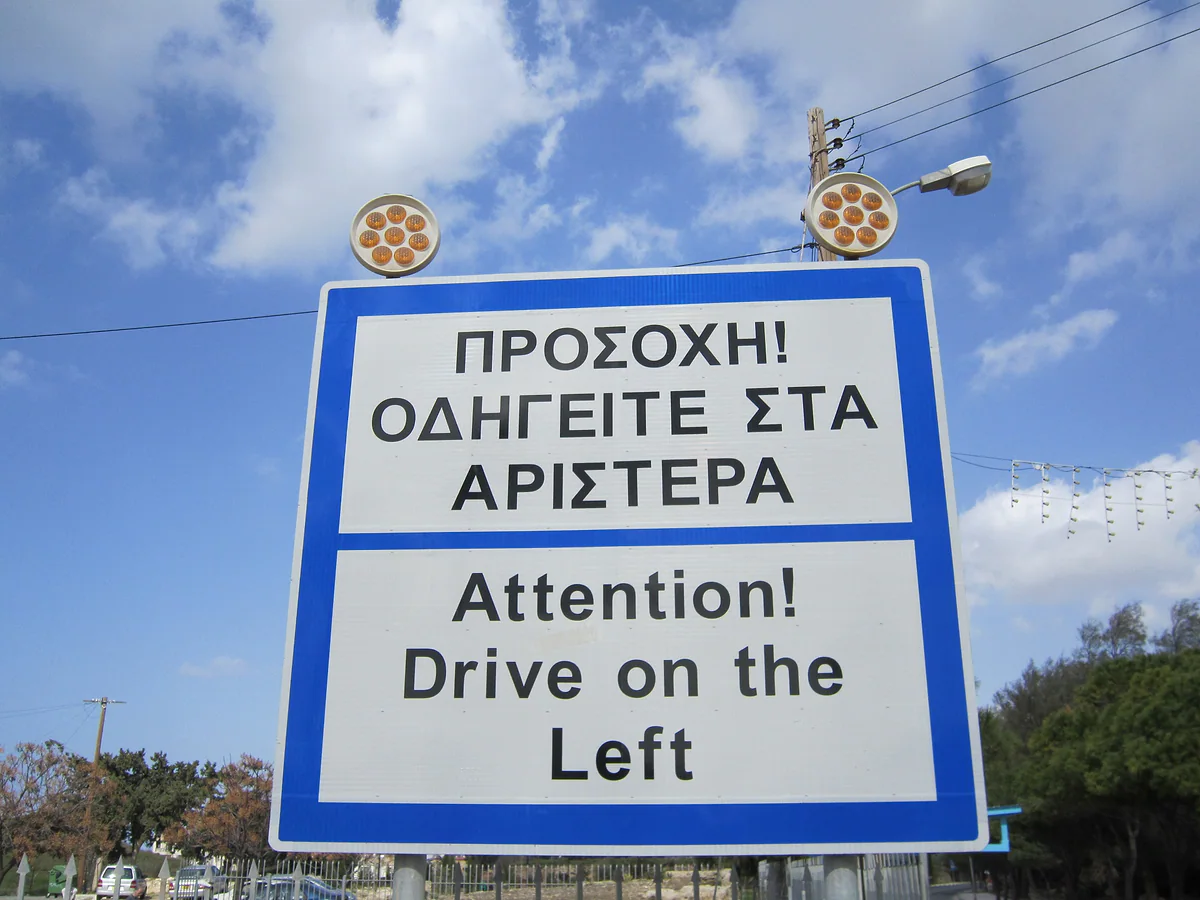
There are no trains, you drive on the left, and UK flights land at Larnaca and Paphos.
I wouldn't try to do Cyprus from one hotel. I'd split the trip, a few nights in Paphos for the mosaics and the west coast and a few more in Limassol or up in the Troodos for the painted churches, and I'd keep one full day for Nicosia.
Sergio LeponeMy advice
Before you go
What I would keep in mind
01 Most beautiful
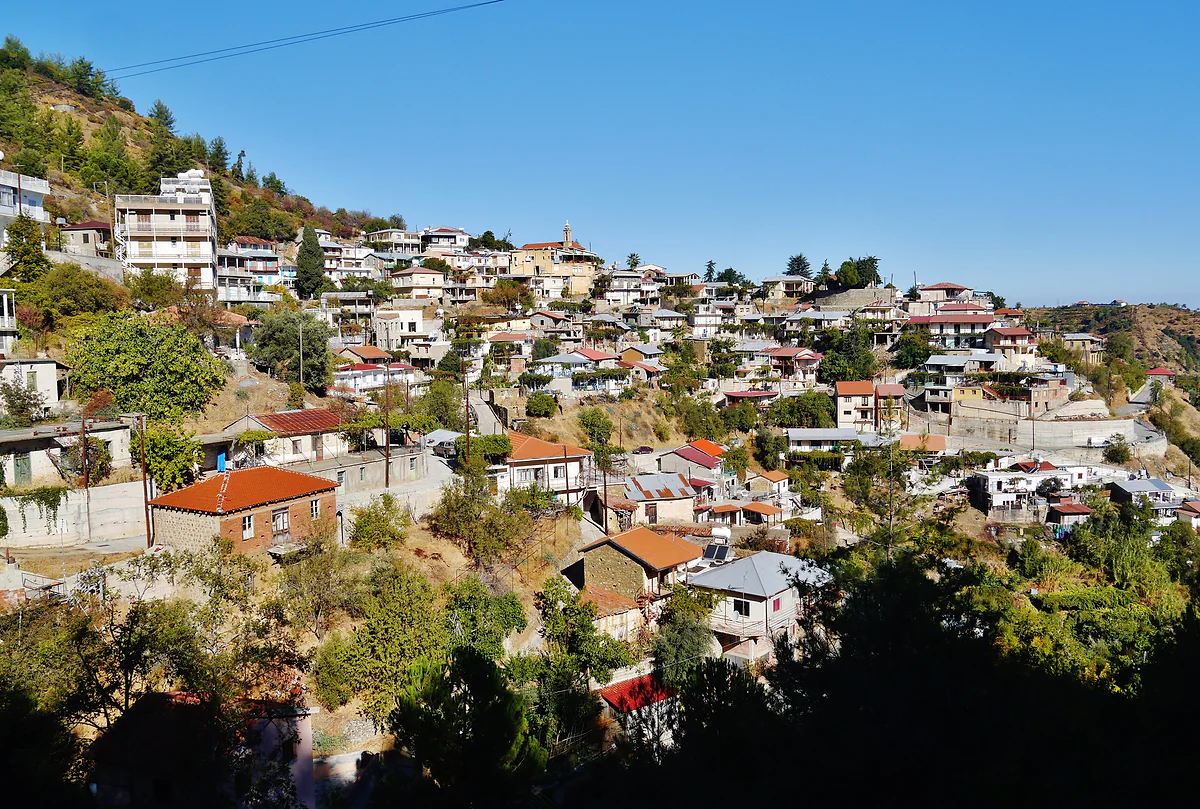
The best of the island is up in the mountains
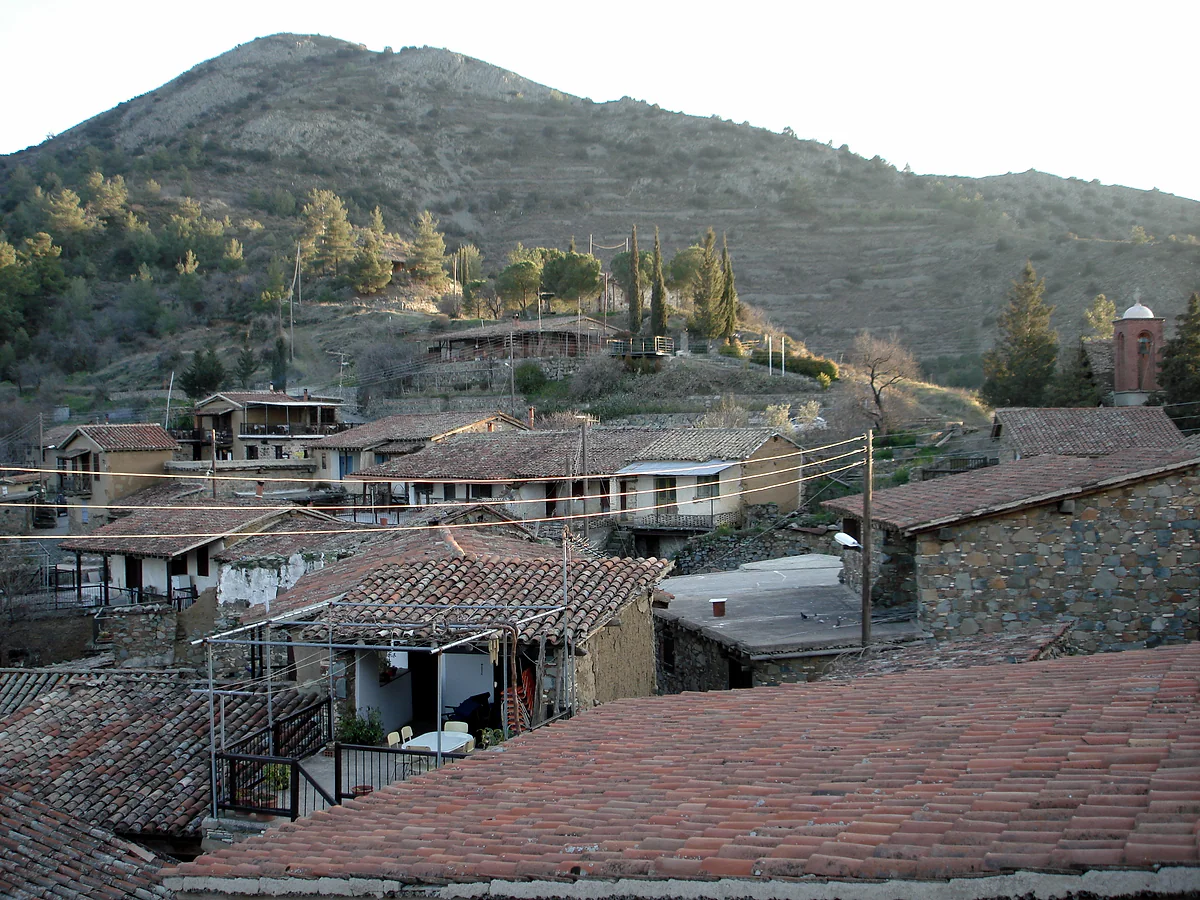
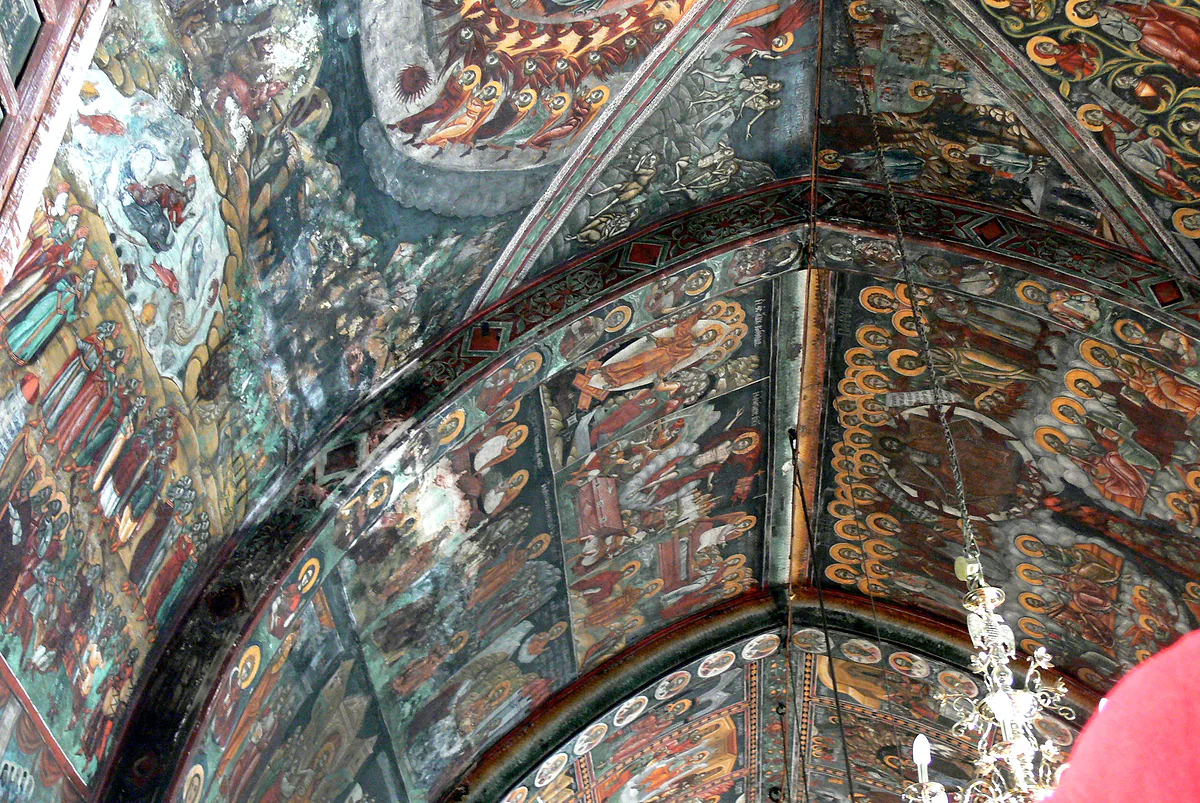
For me, the ten painted churches of the Troodos, on the World Heritage List since 1985, are what set Cyprus apart from every other sunshine island. UNESCO lists them as a single property spread across the mountain valleys.
Gov.uk points out that surcharge-free roaming in the EU is no longer guaranteed for UK networks, so ask your provider what Cyprus costs. And a SIM bought in the Republic generally won't work in the north, as the Spanish foreign ministry warns.
Cyprus has no railway or underground, as the Spanish foreign ministry confirms. For the villages a hire car is the practical choice, and traffic keeps left, just as gov.uk reminds British drivers.
Gov.uk says Cyprus isn't in the Schengen area and isn't affected by the Entry/Exit System. Days here don't count towards your 90 in Schengen, but make sure your passport is stamped in and out.
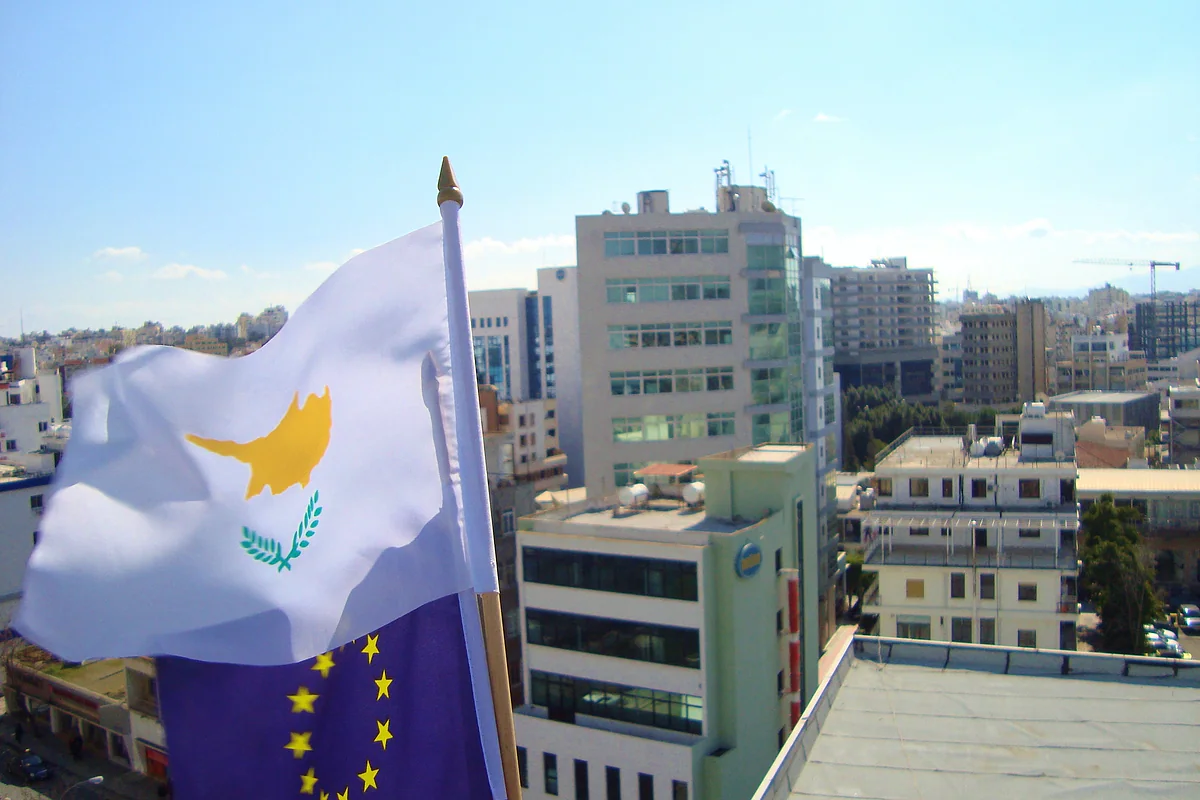
The Republic has used the euro since 1 January 2008. In the north the currency is the Turkish lira, although the Spanish foreign ministry notes that the euro is commonly accepted there.
Gov.uk warns that entering through the north, such as via Ercan Airport, counts as illegal entry for the Republic, with fines possible. Fly into Larnaca or Paphos and use a crossing point.
Plenty of British visitors know Cyprus as a week of sunshine in Paphos or Ayia Napa, and that’s fair enough, because that’s how it’s usually sold. I’m more interested in the whole island. An EU country with some of the finest Roman mosaics in the eastern Mediterranean, Byzantine churches painted from floor to roof up in the mountains, wine villages built of stone and a capital cut in two by a UN zone. This is where I gather all my Cyprus guides, in the order I’d read them.
What surprises people on arrival. Cyprus is an EU member that pays in euros, yet it sits outside Schengen and the EES, so your passport gets an old-fashioned stamp. And since 1974 the north of the island hasn’t been under the effective control of the Republic’s government. I explain both in northern Cyprus and the Green Line.
Bigger than most people expect
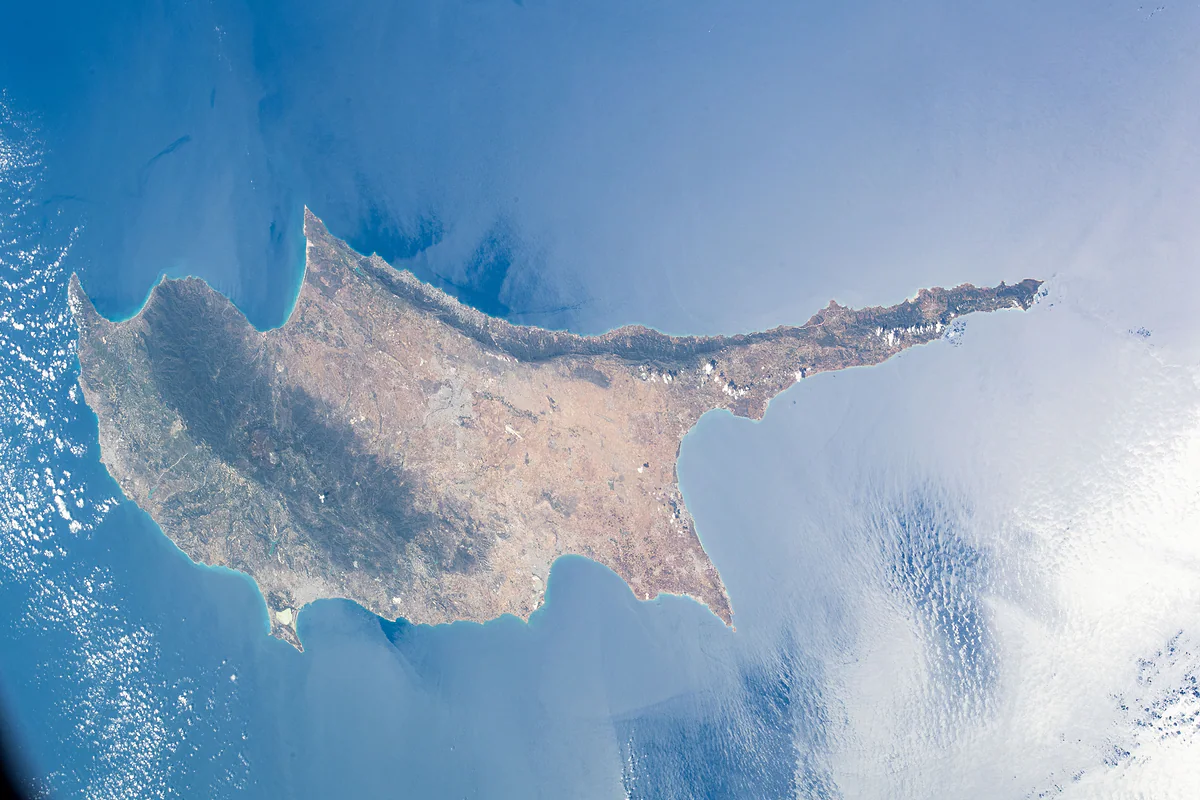
Cyprus covers 9,253 km² by the Spanish foreign ministry’s and Eurostat’s count, and measures about 240 km long and 100 km wide in CYSTAT’s figures. The Spanish foreign ministry calls it the third largest island in the Mediterranean by both size and population. You’ll find it in the far east of the Mediterranean, some 40 miles off Turkey and 60 from Syria. I put it on the map properly in where is Cyprus.
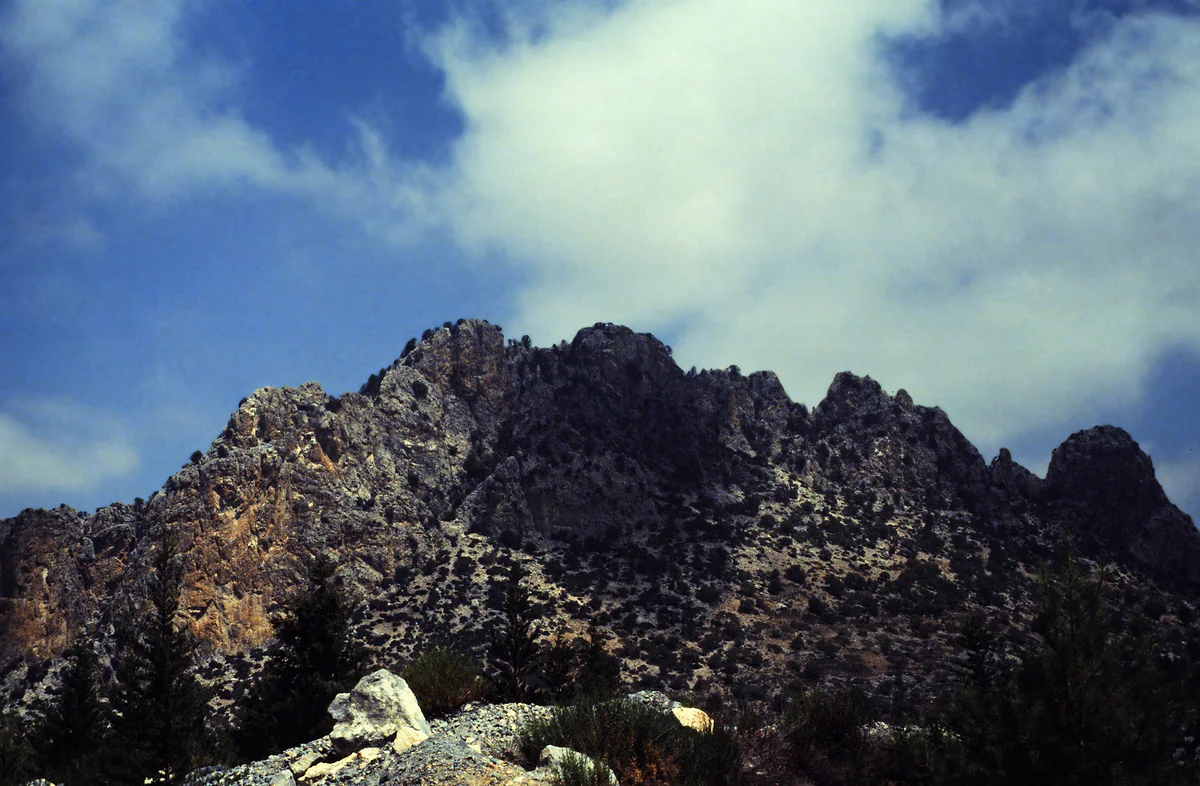
What beach-only visitors rarely expect is the mountains. The Troodos range fills the centre and south-west, topped by Mount Olympus at 1,953 m according to CYSTAT, and a second range runs along the north coast, with the Mesaoria plain and Nicosia in between. If you’d like a sense of scale, try how big is Cyprus, and the full plan with the districts and the UN zone is in the map of Cyprus.
Six districts and an island divided since 1974
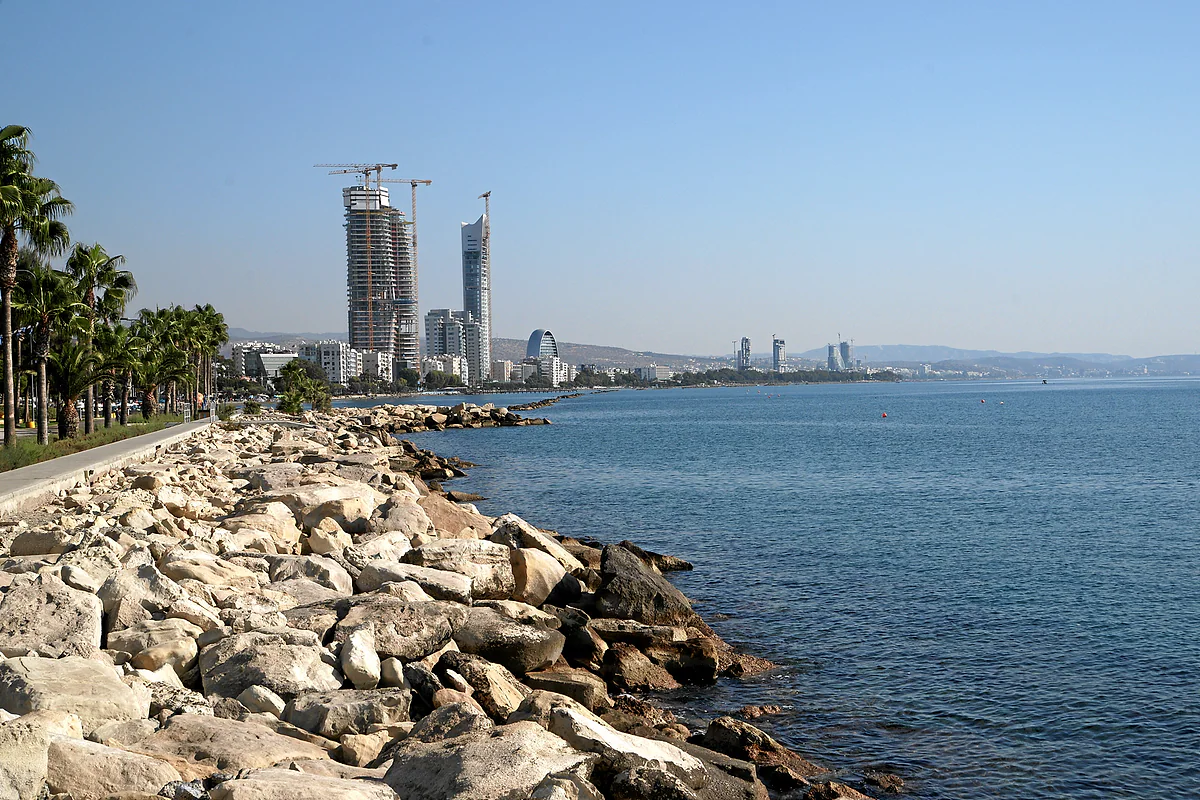
The Republic is organised into six districts, namely Nicosia, Famagusta, Larnaca, Limassol, Paphos and Kyrenia. Kyrenia, says the Spanish foreign ministry, is wholly outside the government’s reach, while the first three are only partly. What each one offers, and which suits which trip, is in the districts of Cyprus.
The division dates from 1974. From that year the government lost effective control of the north, and in 1983 the self-declared ‘Turkish Republic of Northern Cyprus’ was proclaimed there, recognised only by Turkey. The UK doesn’t recognise it, gov.uk says plainly. Between the two runs the UN buffer zone, about 180 km long according to UNFICYP, and the crossing points have been open since 2003. That’s why is Cyprus part of Greece has a longer answer than most people expect.
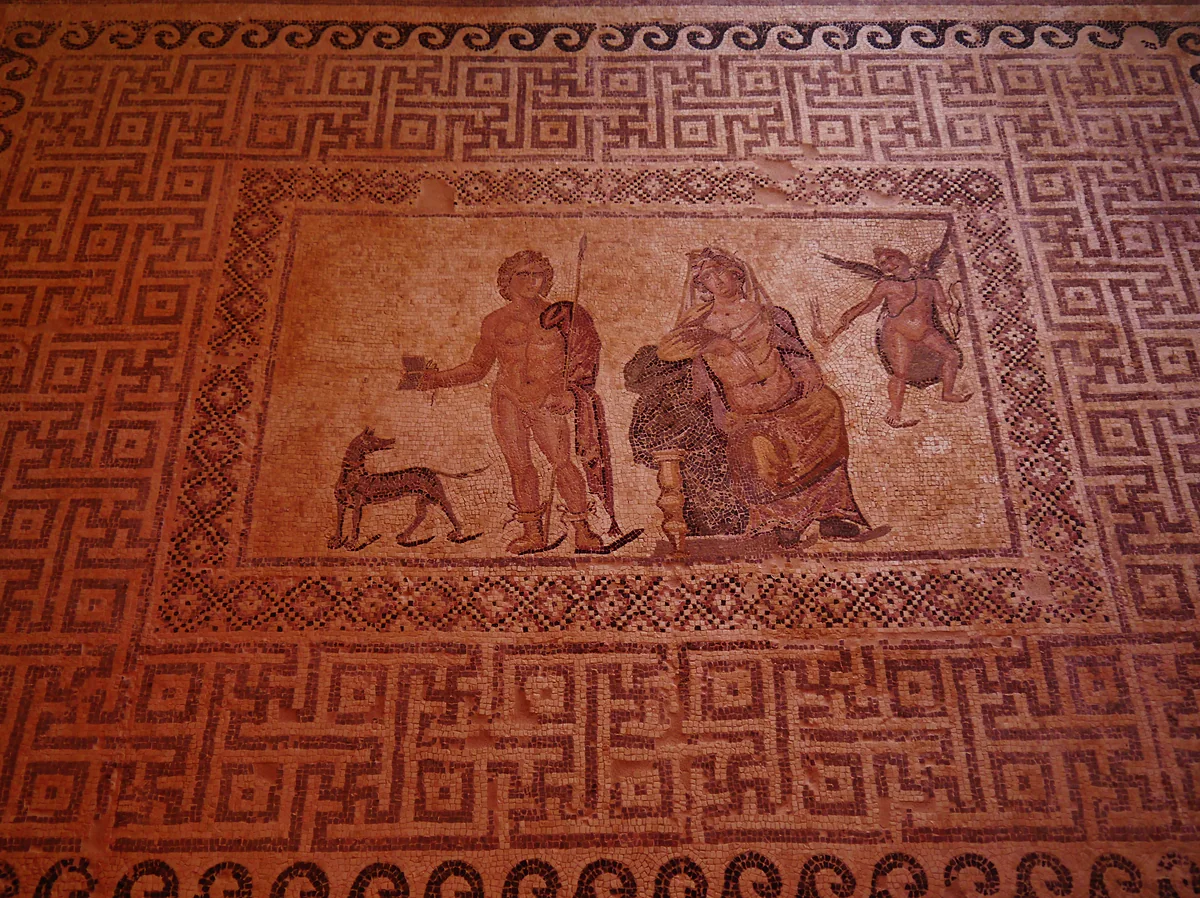
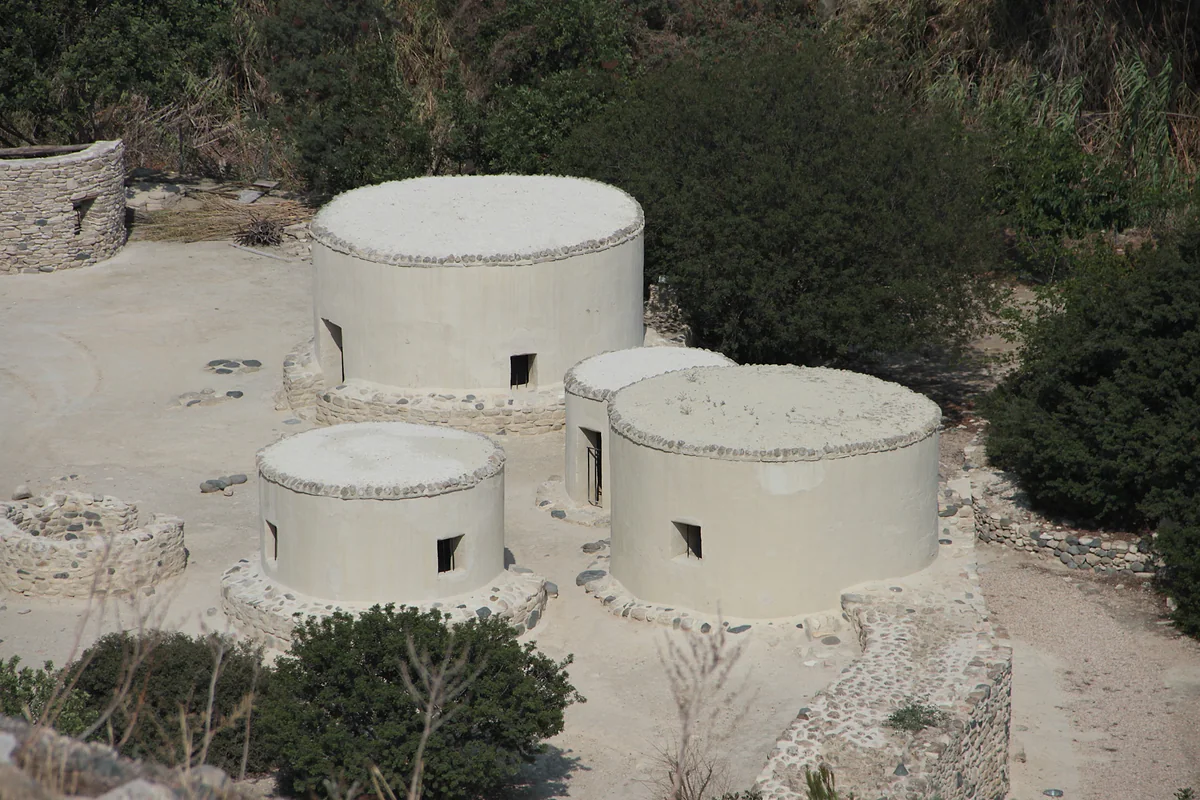
My full ranking, with a score and the reasoning, is in places to visit in Cyprus. At the top I put the Kato Paphos Archaeological Park, with the floor mosaics of the Roman villas of Nea Paphos. Then come Kourion, west of Limassol, with its Graeco-Roman theatre, and the painted churches of the Troodos. Paphos, the churches and the Neolithic village of Choirokoitia are the three entries on UNESCO’s list, which I go through in UNESCO World Heritage in Cyprus.
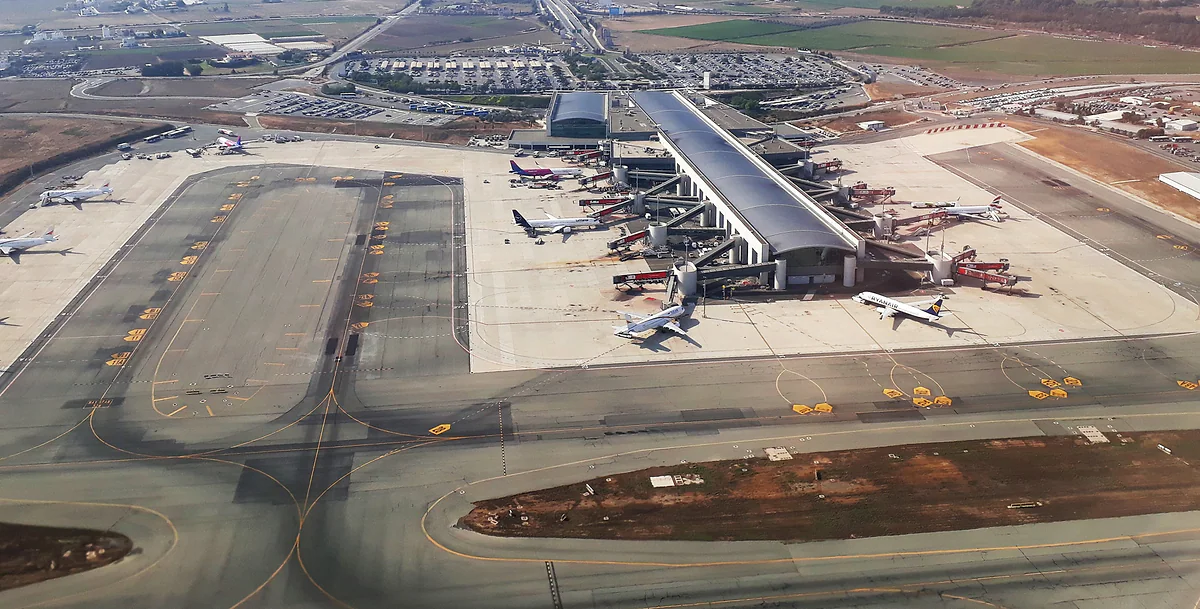
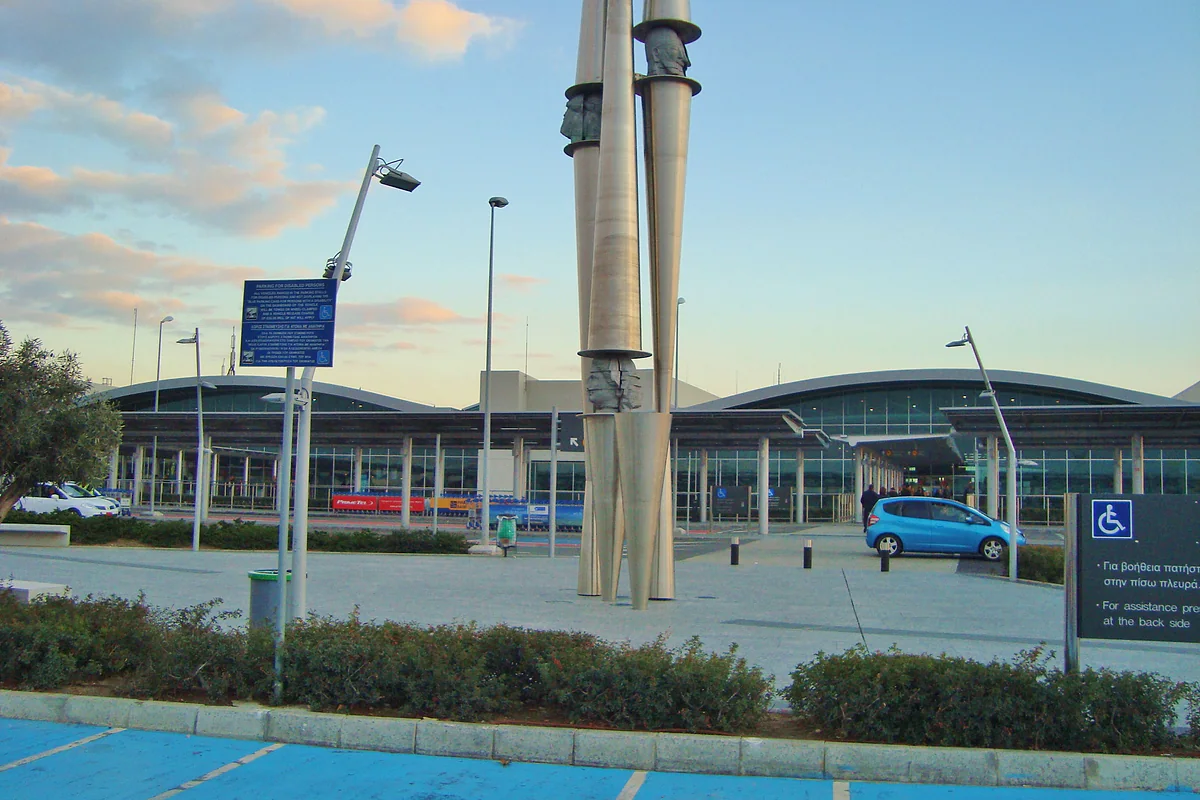
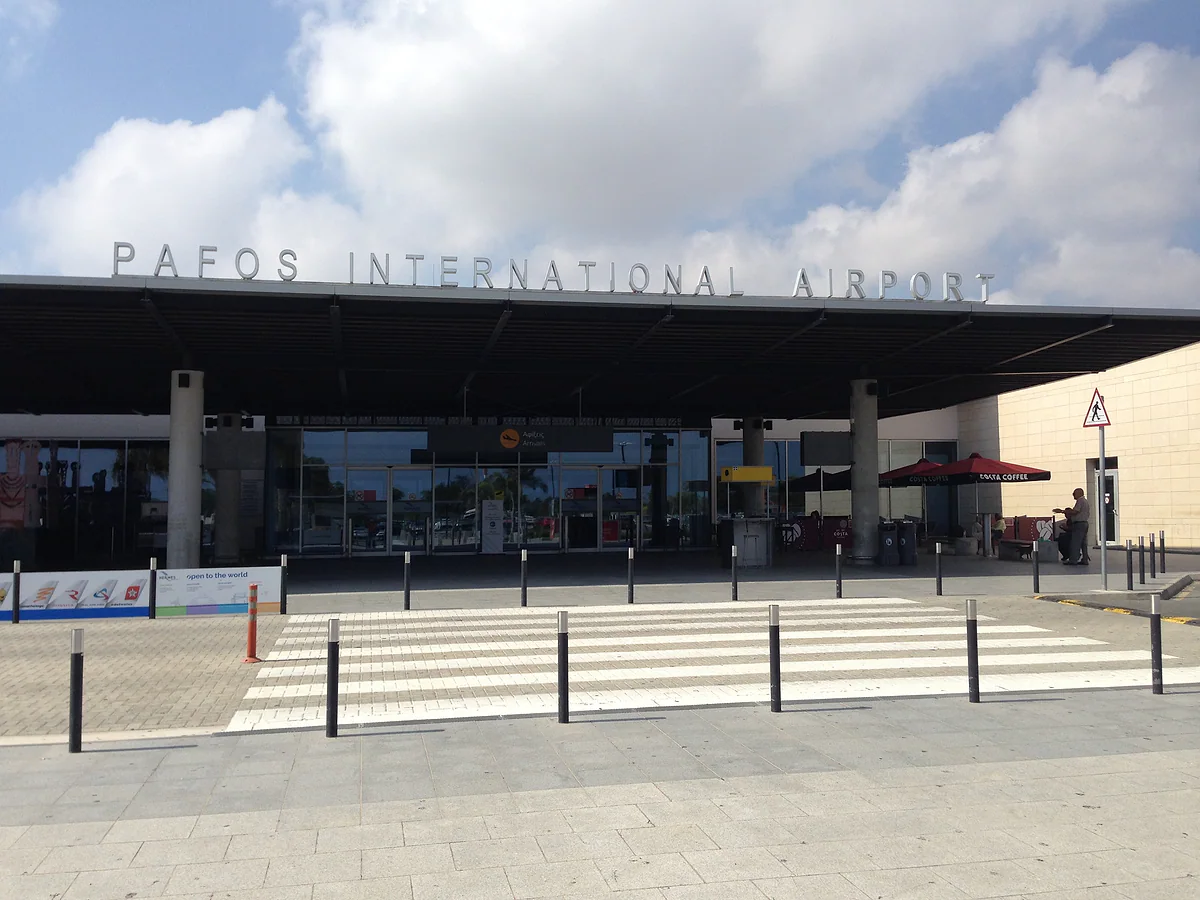
You fly into Larnaca or Paphos, the Republic’s two international airports. Which UK airports have direct flights changes from season to season, and I haven’t found an official schedule I’m able to quote, so check with the airline before you book. The rest is in how to get to Cyprus. Coming by ship? Start with Cyprus cruises.
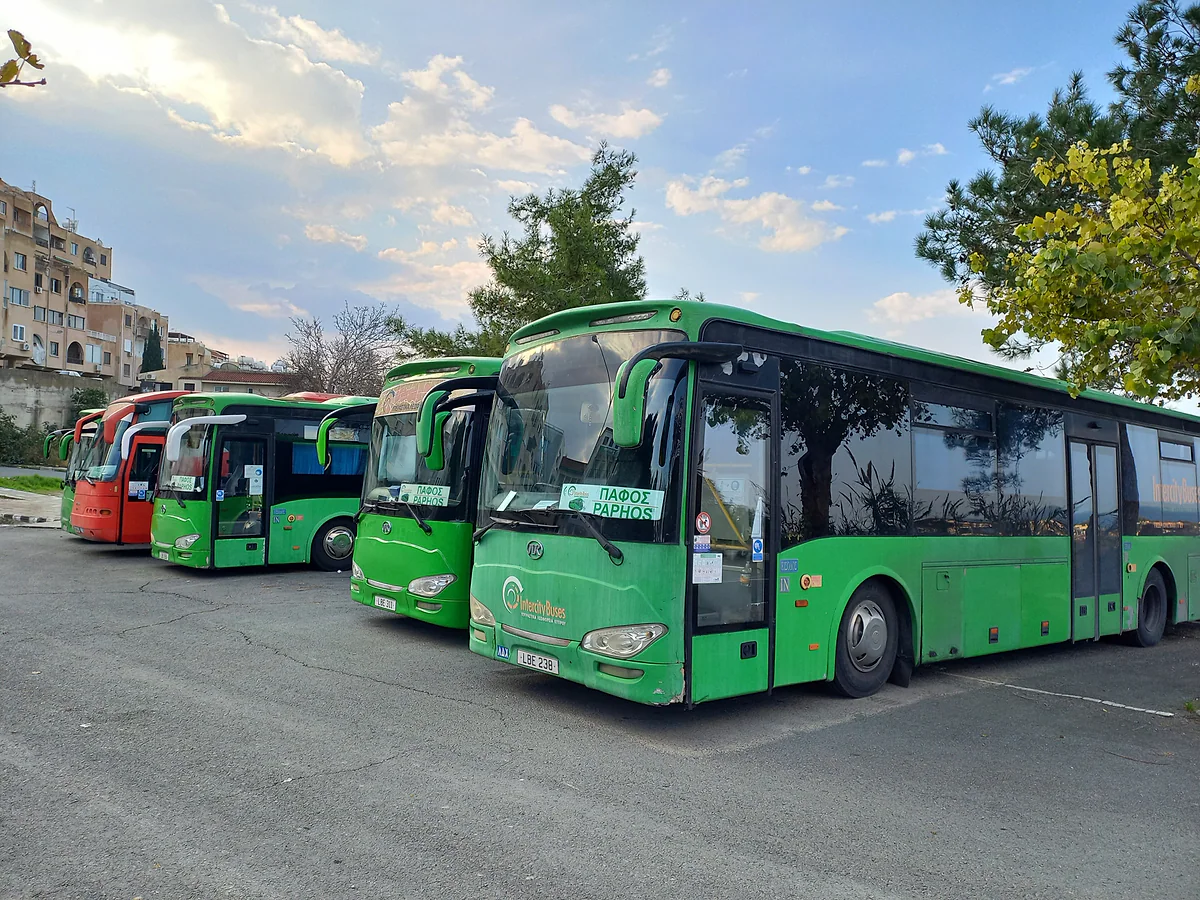
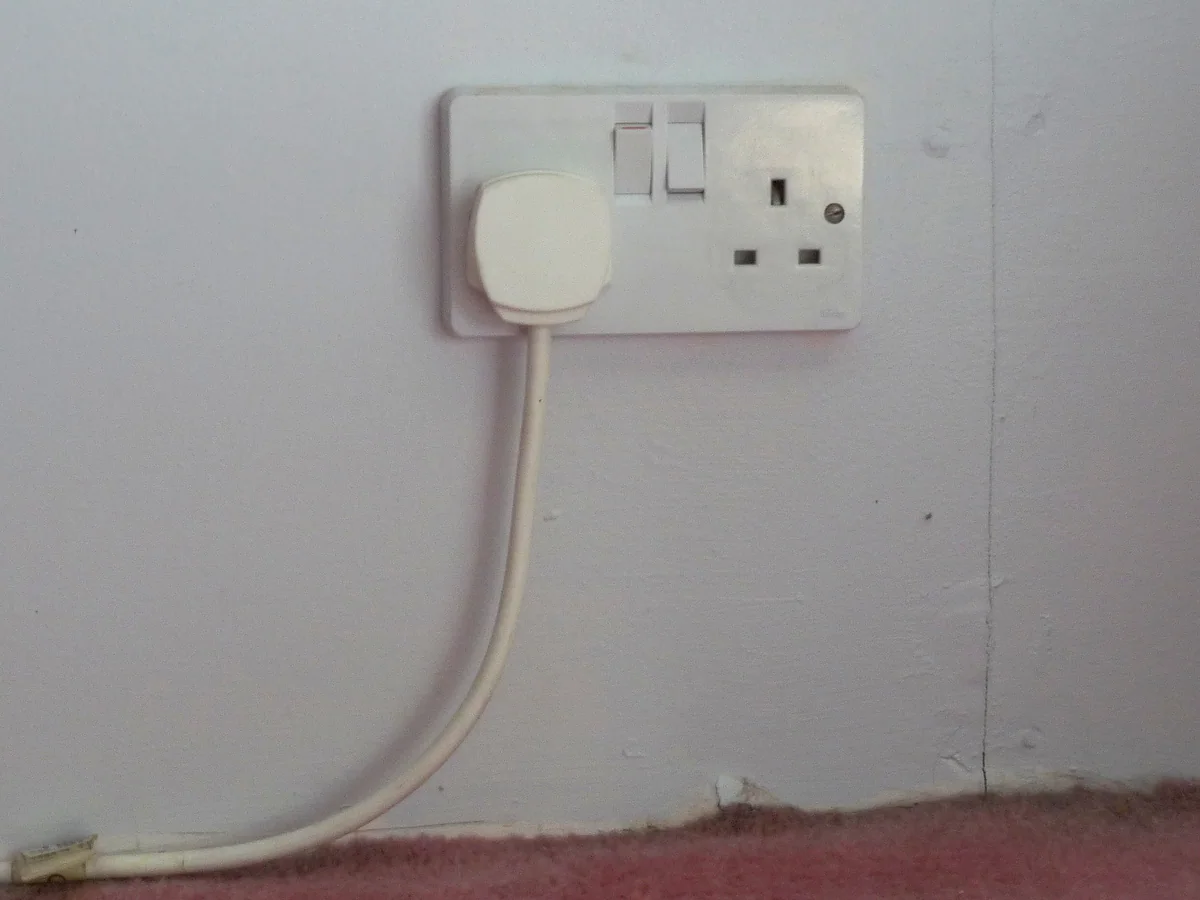
Once you land, forget trains, because there aren’t any. Buses link the towns, but for the Troodos and the villages a car makes life easier, and traffic keeps left, just like in Britain. Which languages you’ll hear, and what the census says about English, is in languages in Cyprus. Take your GHIC for the Republic, and bear in mind that travel insurance matters more if you plan to cross to the north. No adaptor needed, as I explain in plugs in Cyprus.
One last thing. The British Sovereign Base Areas of Akrotiri and Dhekelia are still UK territory, and two of the crossings to the north sit inside Dhekelia. Before you go anywhere near the Green Line, read crossing to northern Cyprus, where I cover the crossing points, the documents and what you can bring back. To fine-tune your plans, check the time in Cyprus, the Cyprus entry requirements and the public holidays in Cyprus, and for a bit of fun, my facts about Cyprus.
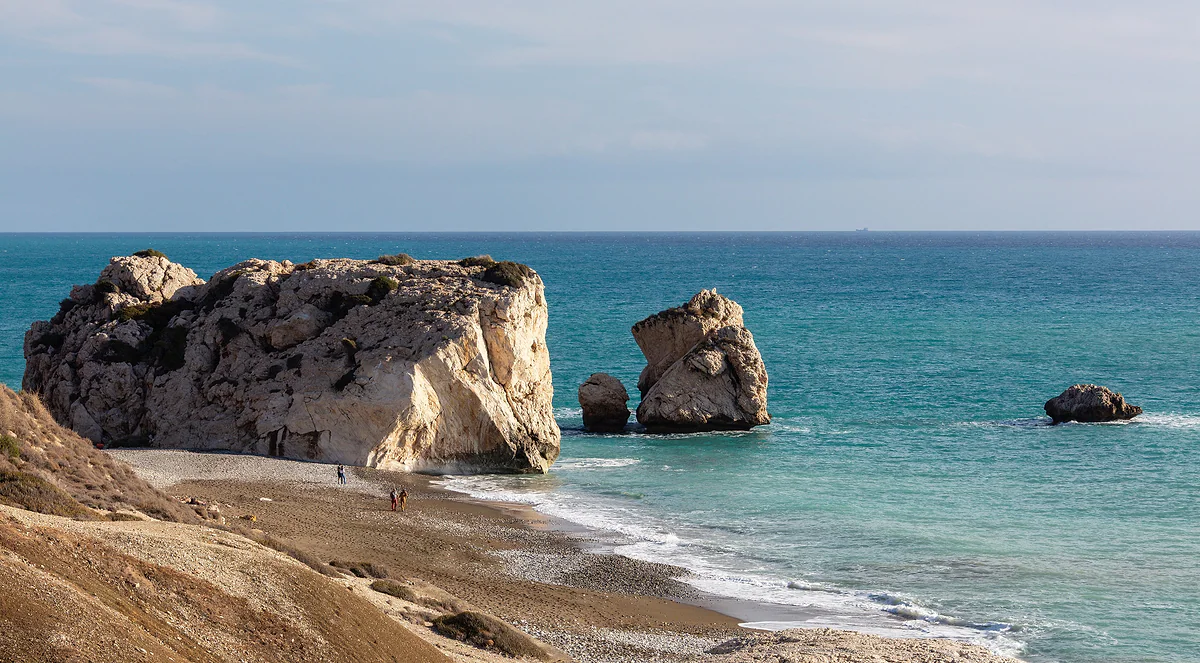
Aphrodite's Rock (Petra tou Romiou) on the south coast of Cyprus, with a turquoise sea and the beach below
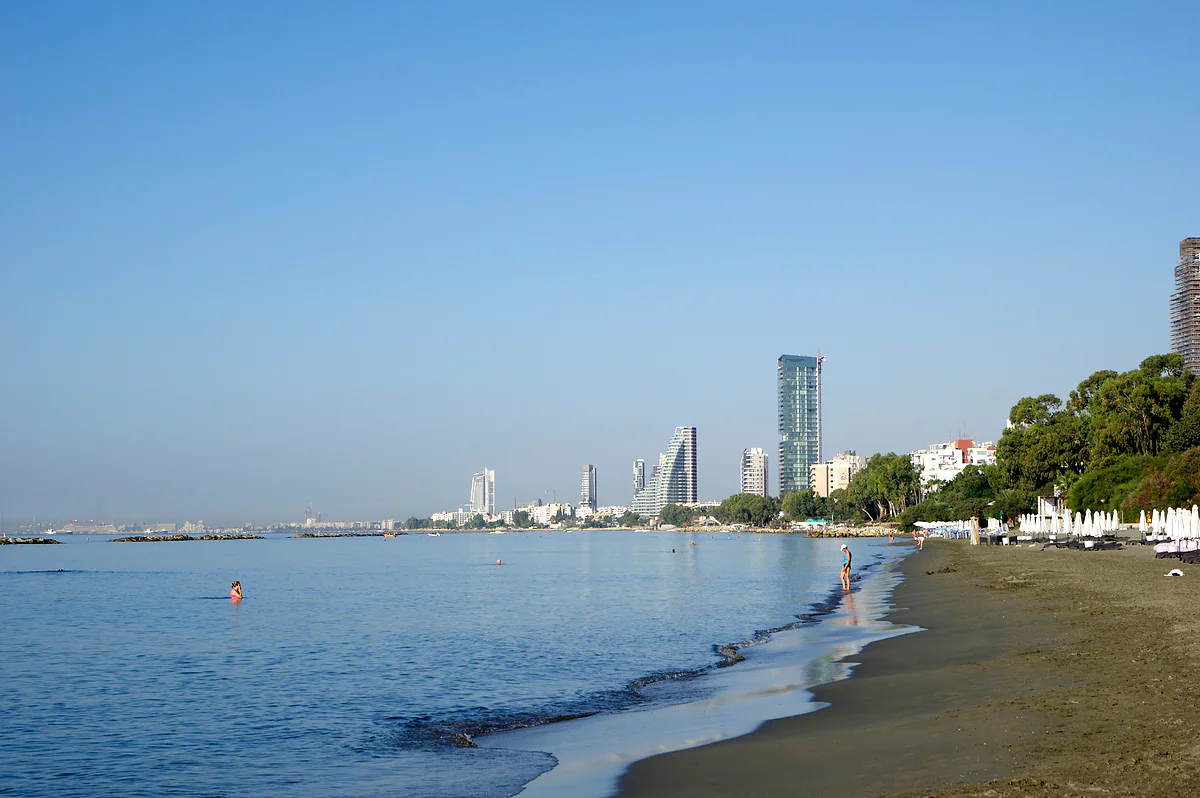
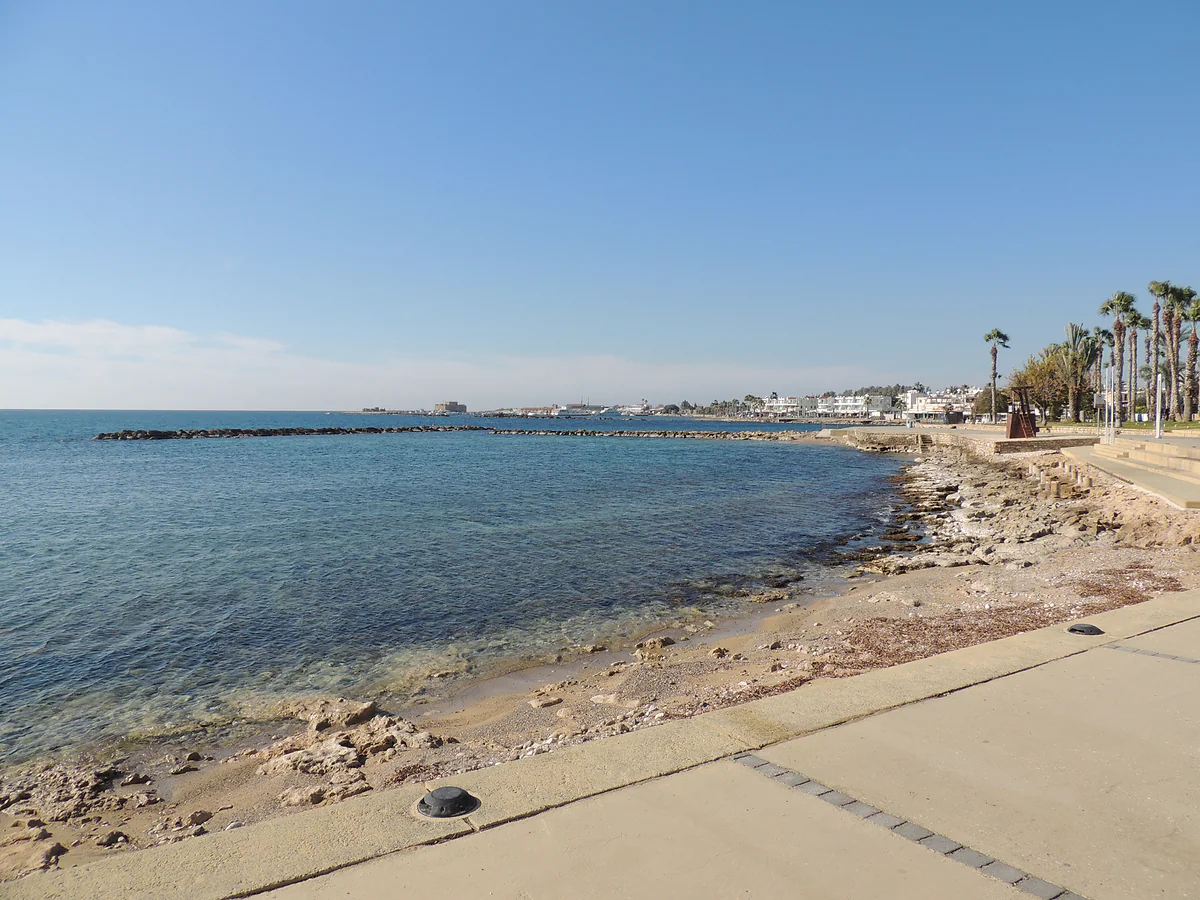
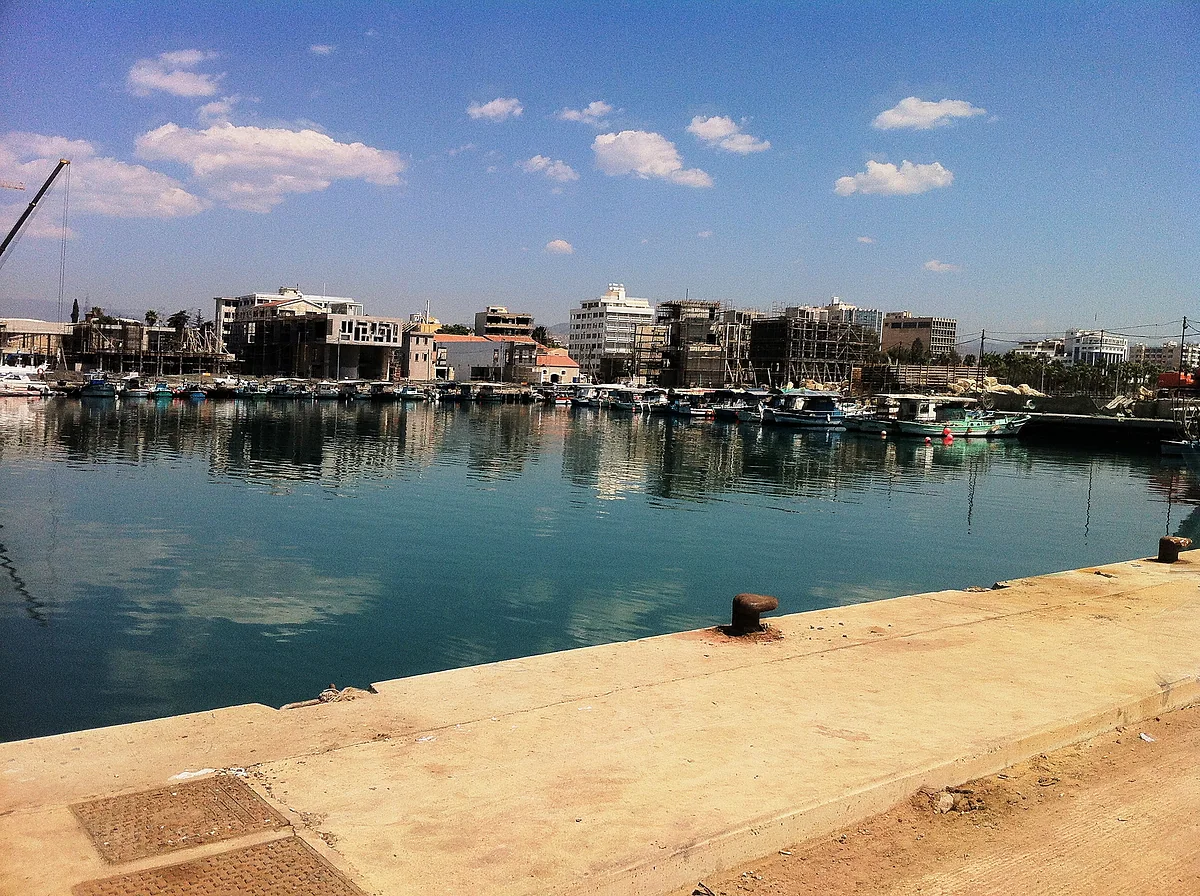
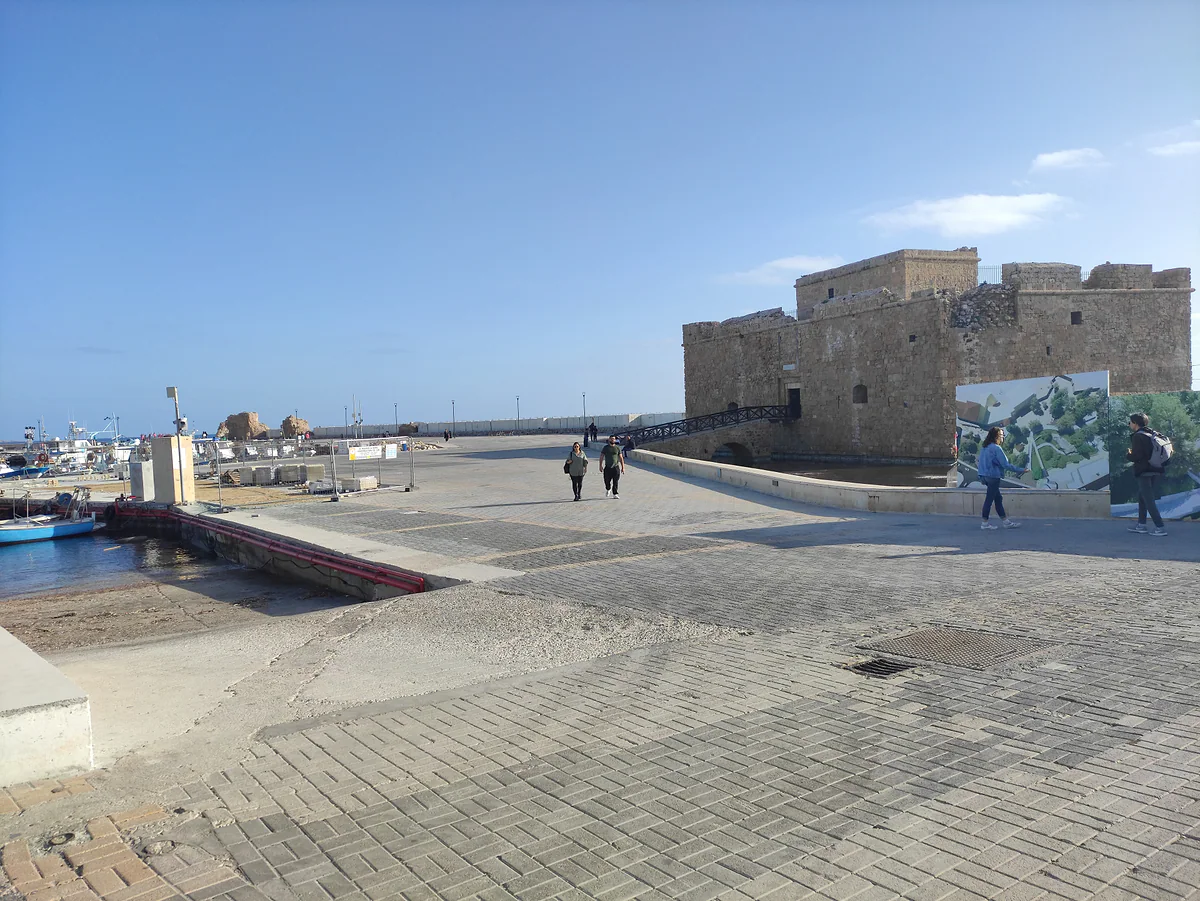
Paphos Castle at the end of the harbour pier, with boats moored alongside and the Kato Paphos seafront behind
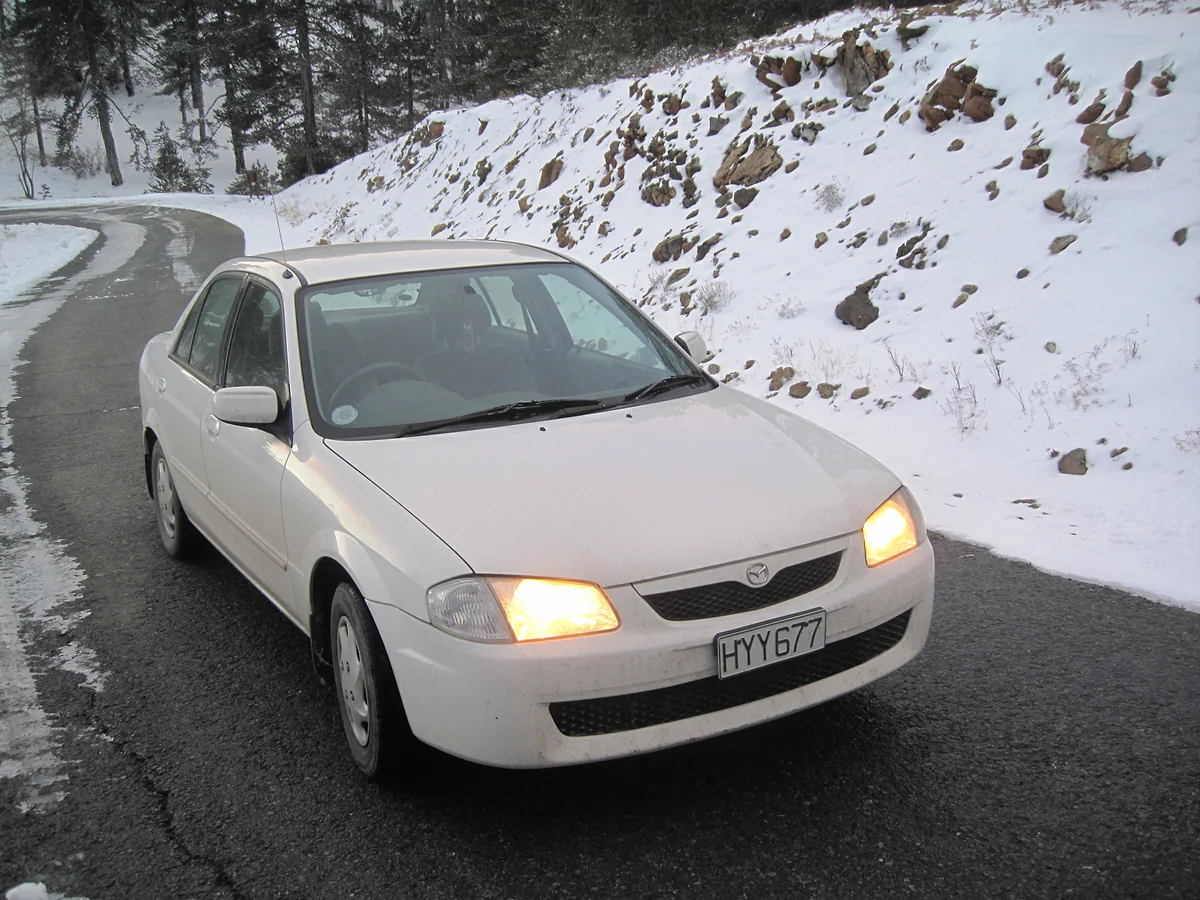
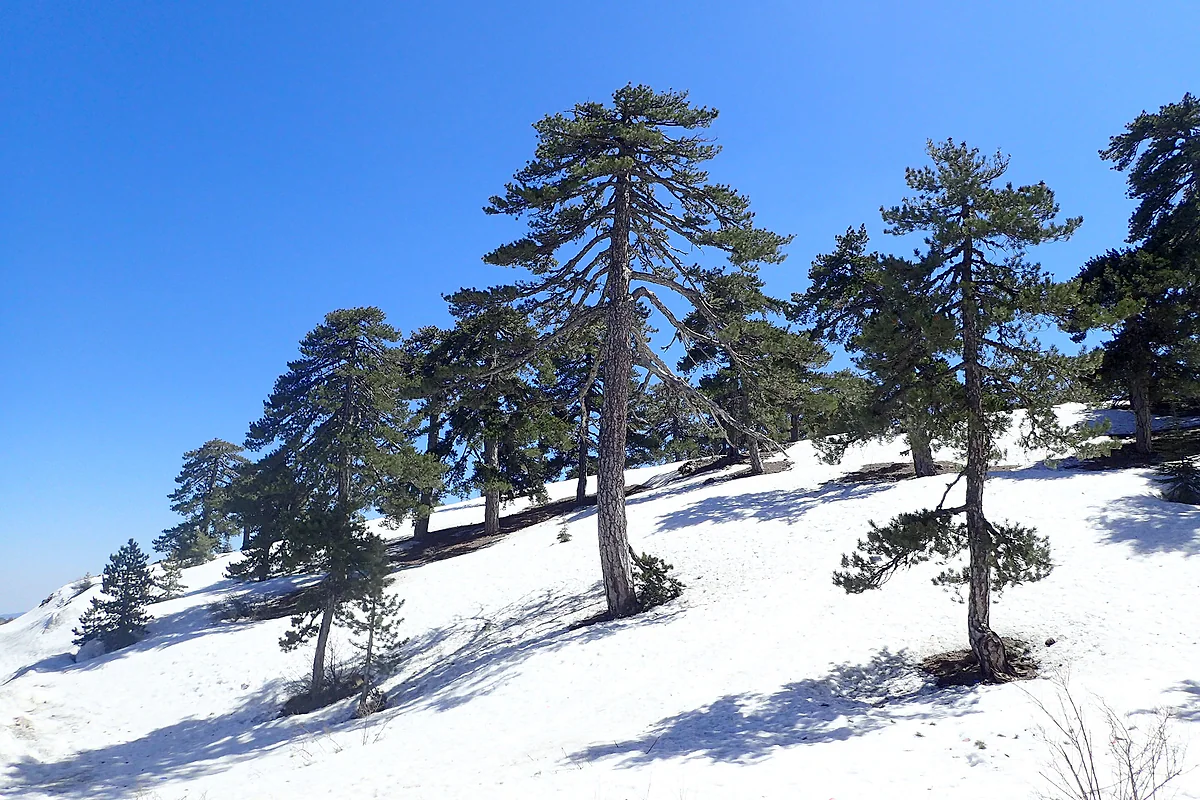
Snow among the black pines of the Troodos Mountains in winter, under a clear blue sky in central Cyprus
Cyprus in numbers
Fact
Figure
Source
Area of the island
9,253 km²
Spanish foreign ministry and Eurostat
Outside government control
3,355 km²
Spanish foreign ministry
Length and width
240 km east to west, 100 km north to south
CYSTAT
Population
996,600 at end of 2025 (provisional)
CYSTAT
2021 census
923,381
CYSTAT
Highest point
Mount Olympus, 1,953 m
CYSTAT and the Spanish foreign ministry
Districts
6
Spanish foreign ministry
UN buffer zone
About 180 km end to end
UNFICYP
Before you book
What
Detail
Note
Passport
Issued under 10 years ago, valid 3 months after you leave
Gov.uk
Visa
None for up to 90 days
Gov.uk
Schengen and EES
Not part of either
Get your passport stamped
Emergencies
112
As across the EU
Airports
Larnaca and Paphos
The Republic's two international airports
Official sources checked on 3 October 2026. CYSTAT figures cover only the government-controlled area of the Republic.
Test yourself
True or false?
0/4Pick before you peek.
Time spent in Cyprus counts towards your 90 days in the Schengen area.
See the answer
False. Gov.uk is clear that Cyprus isn't part of Schengen, so visits there don't count towards your Schengen 90 days, and the EES doesn't apply on arrival.
In Cyprus you drive on the left.
See the answer
True. Gov.uk and the Spanish foreign ministry both confirm it, a legacy of British administration from 1878 to 1960.
You can cross Cyprus by train.
See the answer
False. The Spanish foreign ministry says the island has no railway or underground. You get around by bus, taxi or car.
Cyprus has three properties on the World Heritage List.
See the answer
True. UNESCO lists Paphos (1980), the painted churches in the Troodos region (1985) and Choirokoitia (1998).
Area of the whole island
9,253 km²
Residents at end of 2025 (CYSTAT)
996,600
Districts
6
Mount Olympus, the island's high point
1,953 m
World Heritage properties
3
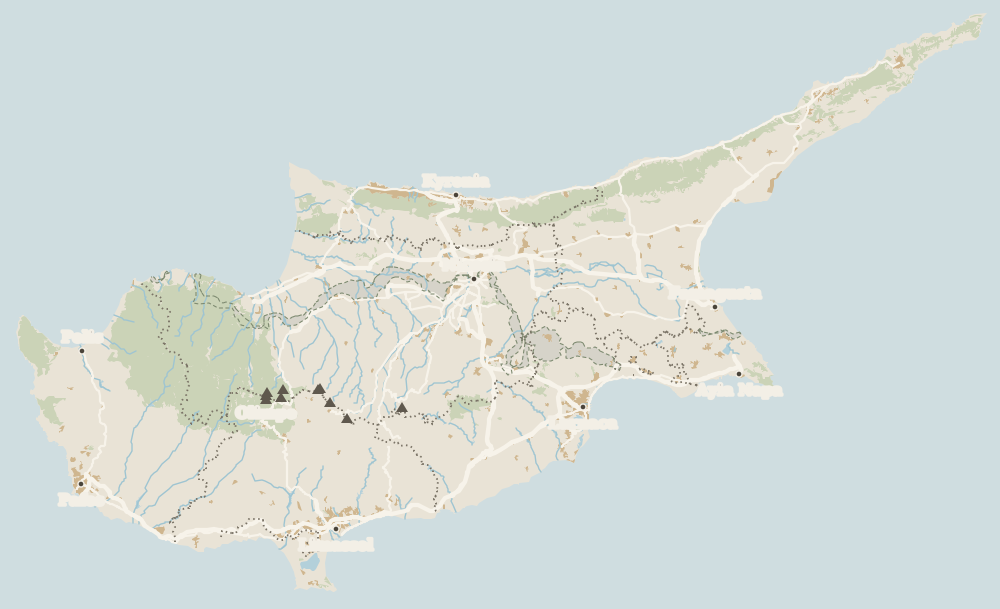
Map
Cyprus, from Paphos to Cape Greco
The grey strip with green dashes across the island is the UN buffer zone, the Green Line; to the north is the part of the island not under the control of the Government of the Republic. The Troodos fill the centre and west. Every number opens its guide.
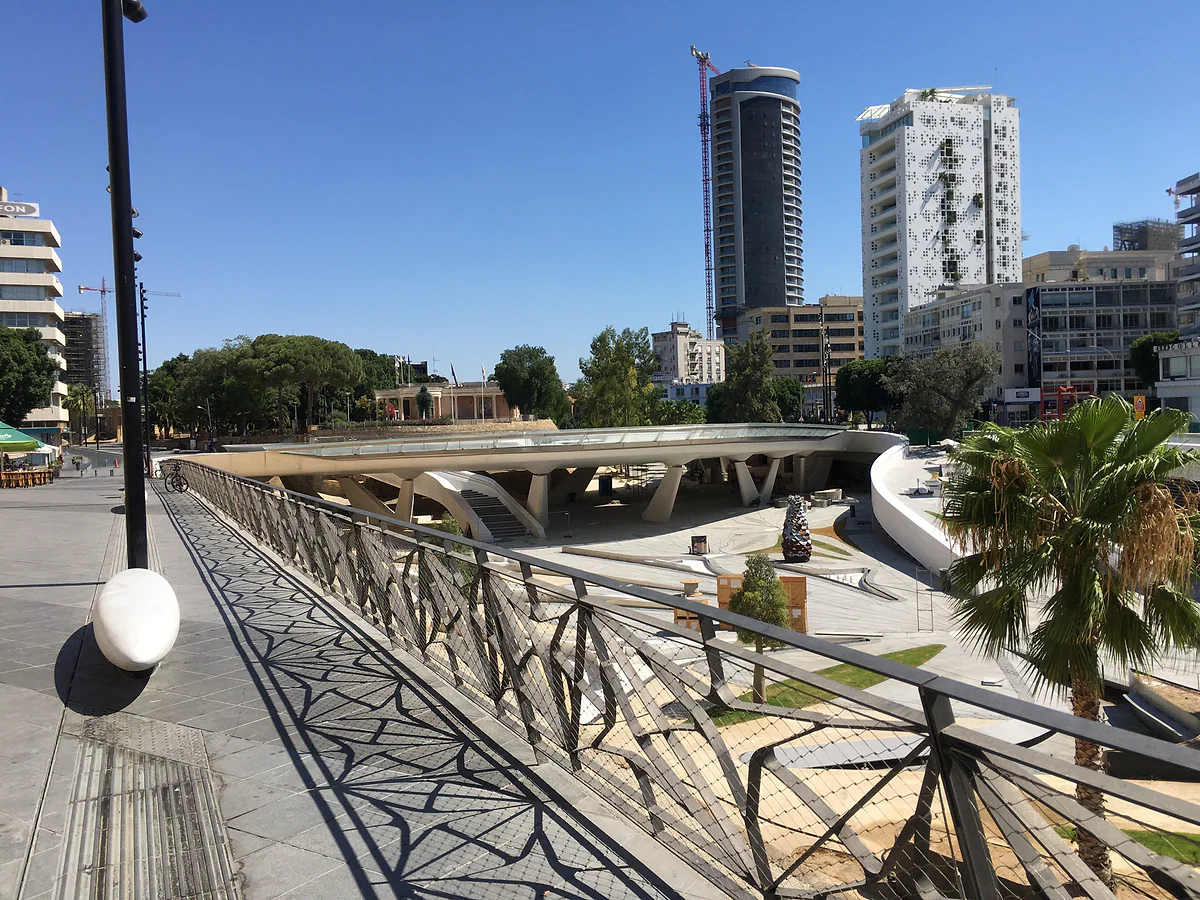
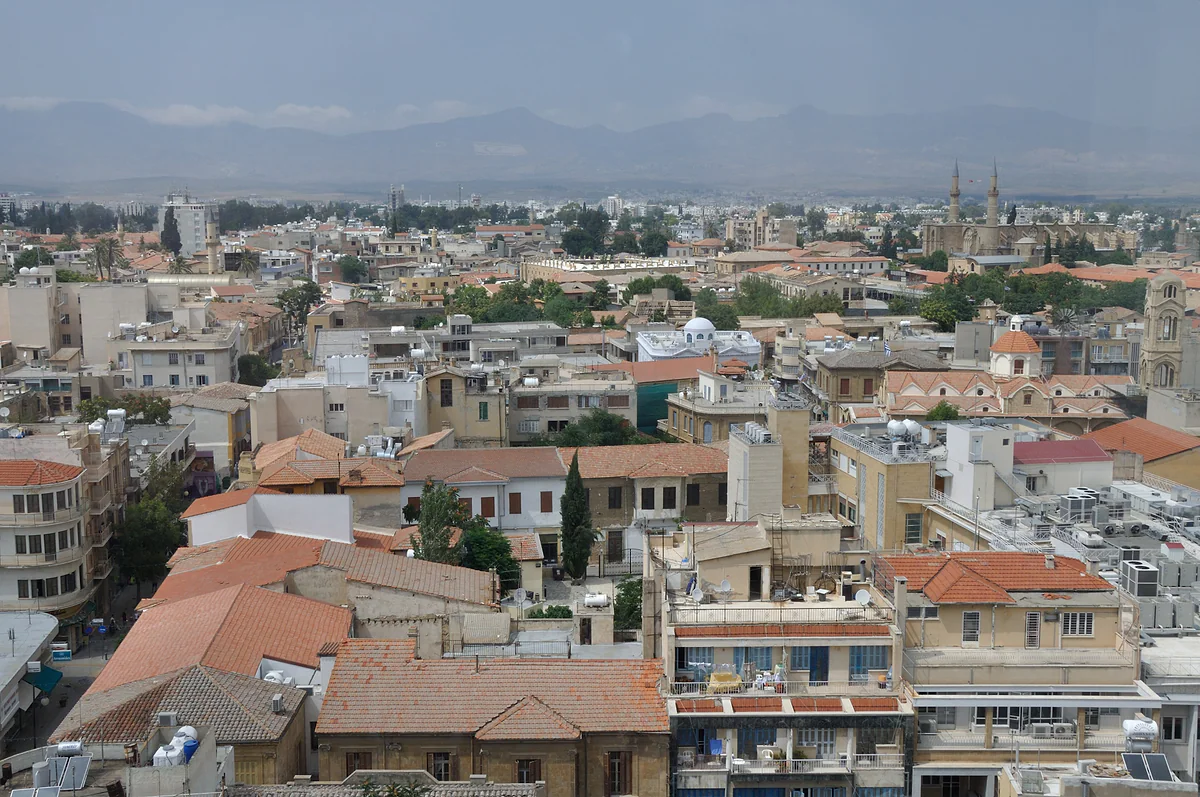
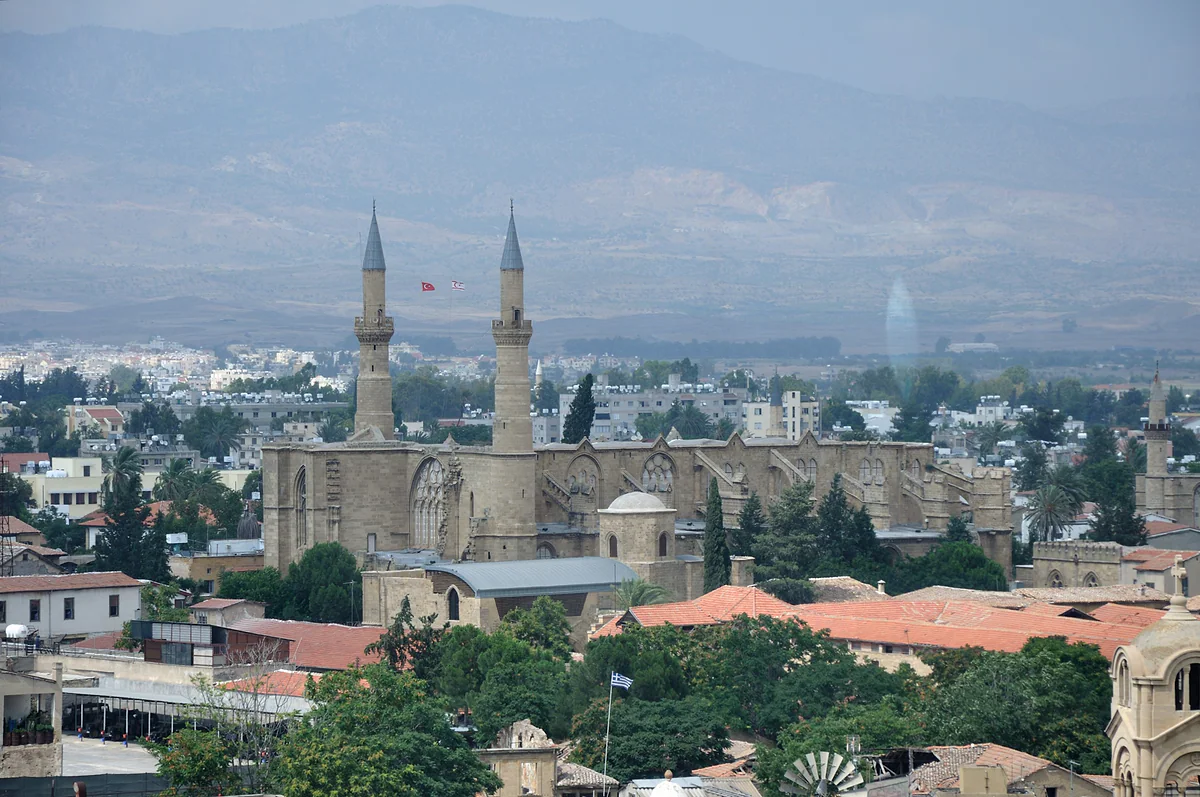
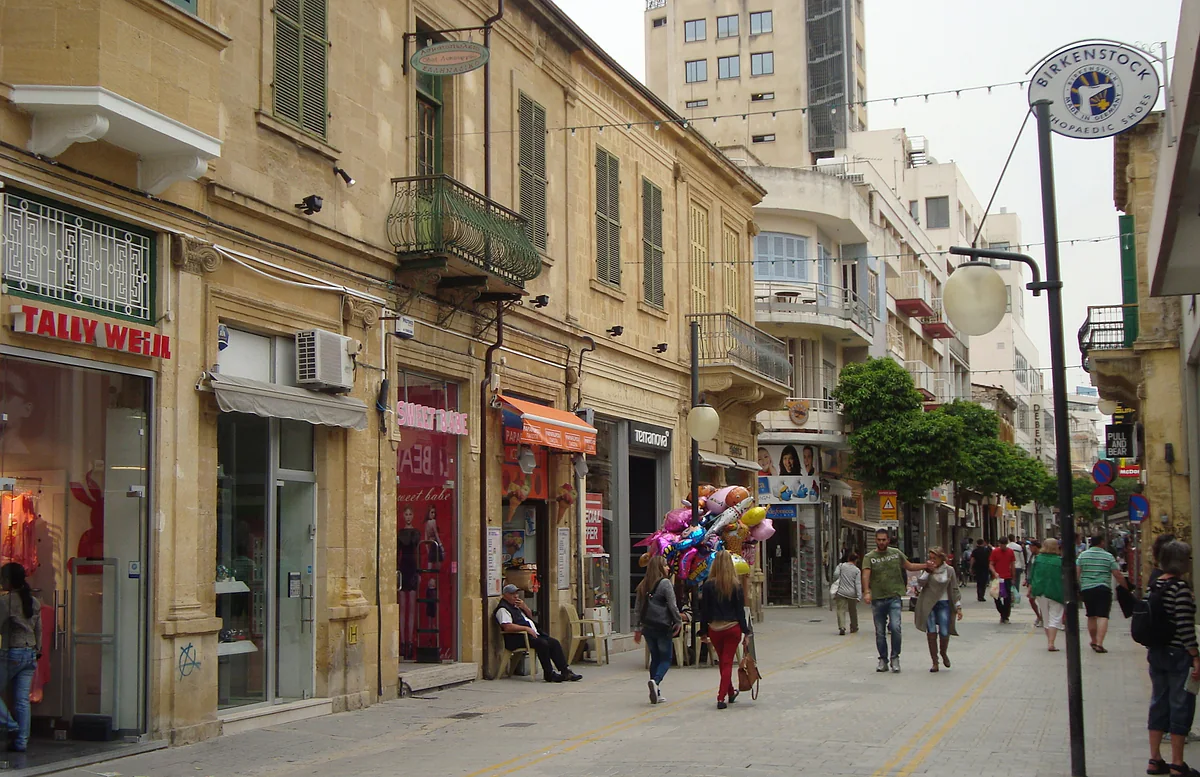
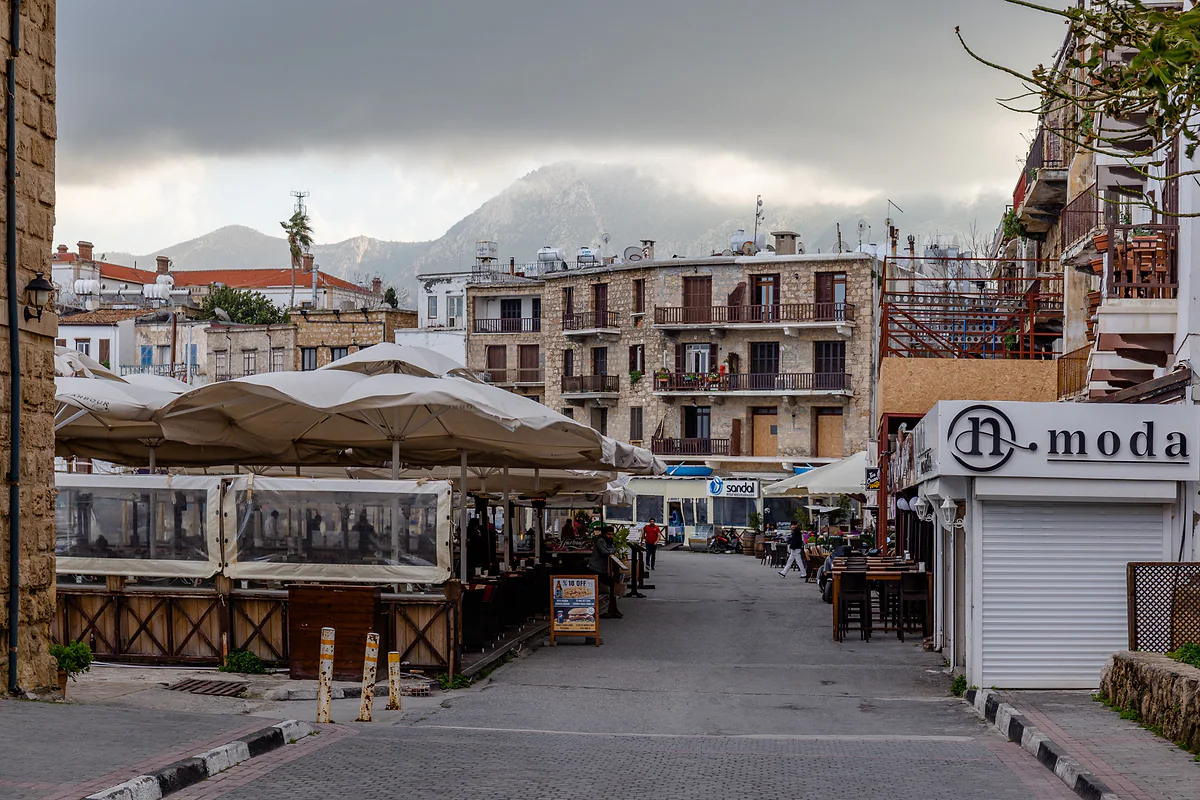
Nicosia, called Lefkosia in Greek and Lefkoşa in Turkish. The UN buffer zone runs through it, as UNFICYP explains. Its urban area had 269,900 residents at the end of 2024, according to CYSTAT.
Where is Cyprus located?
In the far east of the Mediterranean. The Sovereign Base Areas Administration puts it about 40 miles south of Turkey, 60 miles west of the Syrian coast and 220 miles north of Egypt.
Is Cyprus part of Greece?
No. The Republic of Cyprus has been an independent state since 16 August 1960 and an EU member since 2004. Since 1974 the north has not been under its government's effective control, and the self-declared 'Turkish Republic of Northern Cyprus', proclaimed in 1983, is recognised only by Turkey.
What language is spoken in Cyprus?
Greek and Turkish are the official languages, though only Greek is an official EU language. In the 2021 census English was the second most declared language in the Republic, well ahead of Turkish, a legacy you can trace back to British rule from 1878 to 1960.
Is Cyprus in the EU?
Yes, since 1 May 2004, and it adopted the euro on 1 January 2008. It isn't in the Schengen area yet, which is why gov.uk tells British visitors that time here doesn't count towards their Schengen 90 days.
Do I need a visa for Cyprus from the UK?
No, not for stays of up to 90 days for tourism. Gov.uk asks for a passport issued less than 10 years before you arrive, valid for at least 3 months after you leave, with a blank page for stamps.
Is Cyprus worth visiting?
I think so, especially if you want more than a beach. On an island 240 km long you get three World Heritage properties, mountains approaching 2,000 metres with stone villages, and a capital split by the Green Line.
Tourism graduate with a master’s in Tourism Management and Planning from the University of Málaga, who has travelled across Europe. He writes every guide from official sources and his own judgement.
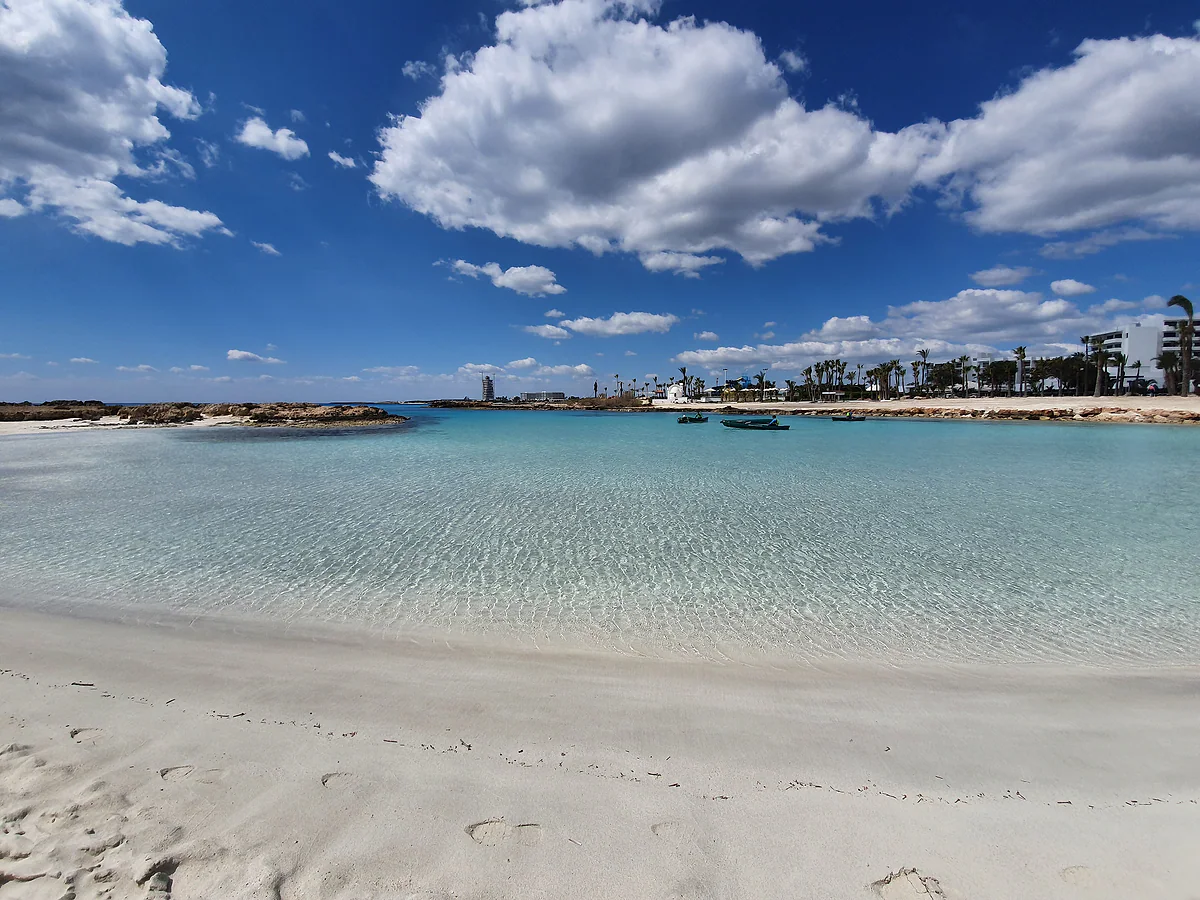

 1Larnaca 2Limassol 3Krasochoria 4Limassol District 5Larnaca district 6Paphos district 7Paphos 8Polis Chrysochous 9Kyrenia 10Ayia Napa 11Famagusta district 12Famagusta 13Morphou 14Protaras 15Paralimni 16Nicosia district 17Nicosia 18Troodos Mountains