A protected wetland next to Larnaca
Larnaca Salt Lake, the flamingos' winter home

- Lakes
- Aliki, Orphani, Soros and the Airport lake
- Area
- 2.2 km², according to the tourist board
- Flamingos
- Roughly November to March
Larnaca Salt Lake is really four lakes, Aliki, Orphani, Soros and the Airport lake, between the city and the airport, with 2.2 km² of water according to the tourist board. It's a Ramsar wetland and a Natura 2000 site, and from roughly November to March it fills with flamingos. A 4 km trail runs along it from the Kamares aqueduct.
What I would check before going
For the flamingos, I'd go between December and February, late in the afternoon, and walk the Aliki stretch with binoculars. And no wading in for a photo; it's forbidden and disturbs the birds.
In 30 seconds
Full read: 2 min
- Four salt lakes lie between Larnaca and the airport.
- Flamingos come from November to March.
- A 4 km trail starts at the Kamares aqueduct.
- Wading in to get closer to the birds is forbidden.
The practical bit
Worth knowing about Larnaca Salt Lake
-
01 Most beautiful
Tens of thousands of flamingos
When the lake is full, the tourist board speaks of tens of thousands of flamingos, and of their honking call, which keeps the flock together.
-
02 Watch out
No wading in
Wading into the lake to get closer to the flamingos is forbidden, because it does them real harm. They're easy to see from the shore and the bird hide.
-
03 Getting there
Hala Sultan on the shore
The Hala Sultan Tekke mosque stands on the west shore, about 1.6 km from the middle of the lake as the crow flies.
Hala Sultan Tekke mosque
Bookings I would make
The salt lake is what I recommend most in Larnaca to anyone travelling in winter. About 2 km from the centre, between the city and the airport, thousands of pink flamingos stop to feed on a sheet of water with the Hala Sultan mosque behind. Outside that season the flamingos aren’t there, so timing matters.
When to see the flamingos
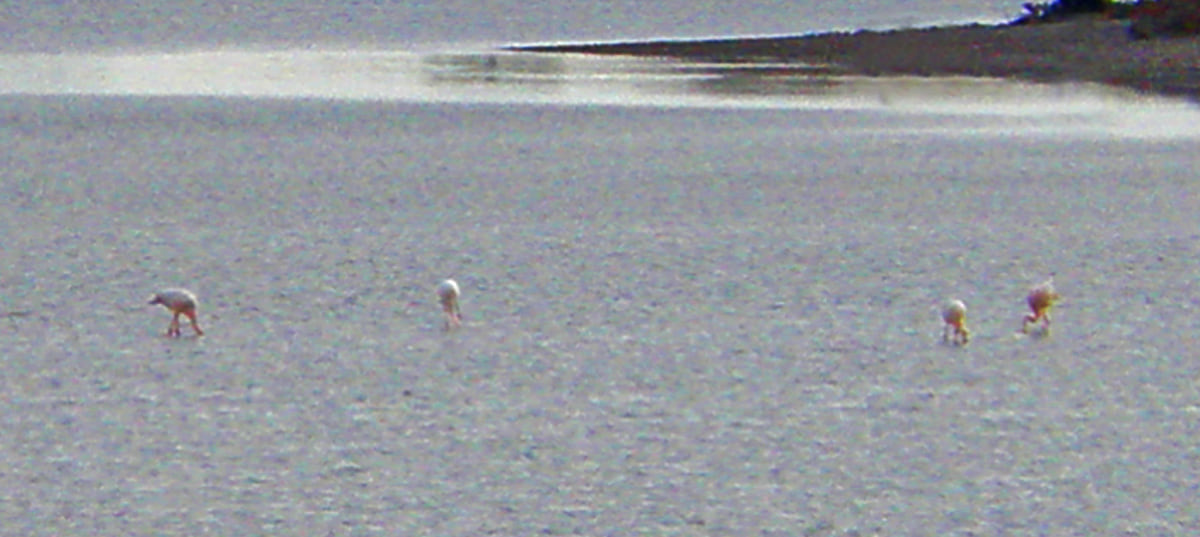
It all starts with a dark red alga that grows in the lake. Small shrimp feed on it, and flamingos and other migratory birds feed on the shrimp, more than 85 species according to the board. The flamingos arrive with the first rains, usually in November, and stay until March. When the lake is full there can be tens of thousands, and their honking, which they use to keep the flock together, follows walkers along the shore. The main photo shows them wading through the water.
There’s one firm rule. Wading into the lake to get closer is forbidden, because it does them real harm. You can see them perfectly well from the shore.
The 4 km trail
The trail is 4 km long and part of the European E4 long-distance path. It has two starting points. One at the Kamares aqueduct and the other at the salt collection area on Artemis Avenue, towards the old airport, 150 m past the District Court. The board notes that Artemis and Aphrodite-Astarte were worshipped here, and that a sculpture of Artemis was found in the area, with a copy now on the Artemis Avenue roundabout. It also praises the deep red sunsets.
Once your dates are set, check which hotels are still free in Larnaca before prices climb.
Four lakes, not one
The Larnaca Tourism Board explains that it isn’t one lake but four. The main one, with the trail and the bird hide, is called Aliki. Then come Orphani, Soros and the Airport lake, stretching to the villages of Pervolia, Meneou and Dromolaxia. The board gives a surface area of 2.2 km², and the UNESCO entry speaks of about 1,761 ha for the whole complex with its shores.
Given its ecological value, it’s one of the most important wetlands in Cyprus. It’s a Ramsar wetland of international importance, a Natura 2000 site, a Specially Protected Area under the Barcelona Convention and a BirdLife Important Bird Area. Its salt was harvested from Roman times until the 20th century, and in the Middle Ages Larnaca was even called Salinas.
Hala Sultan Tekke, across the water
Across the water stands Hala Sultan Tekke, and since 2016 the mosque and the lake have shared a place on UNESCO’s Tentative List. Central Larnaca is about 2 km away and Mackenzie beach 1.5. If wetlands interest you, compare it with Akrotiri Salt Lake in Limassol. The rest of the area’s wetlands and villages are in Larnaca district.
If you would rather have a local show you round, book a guided tour in Larnaca Salt Lake and choose by the reviews.
A car frees you from timetables: search car hire in Larnaca on DiscoverCars and compare companies.
Once your dates are set, check which hotels are still free in Larnaca before prices climb.
The salt lake in figures
| Detail | Information | Source |
|---|---|---|
| Water surface | 2.2 km² | Larnaca Tourism Board |
| Complex including shores | About 1,761 ha | UNESCO Tentative List |
| Birds | More than 85 migratory species | Larnaca Tourism Board |
| Flamingos | From the first rains, around November, until March | Larnaca Tourism Board |
| Trail | 4 km, two starting points, part of the E4 | Larnaca Tourism Board |
| Salt | Harvested from Roman times to the 20th century | UNESCO Tentative List |
Read on 4 October 2026.
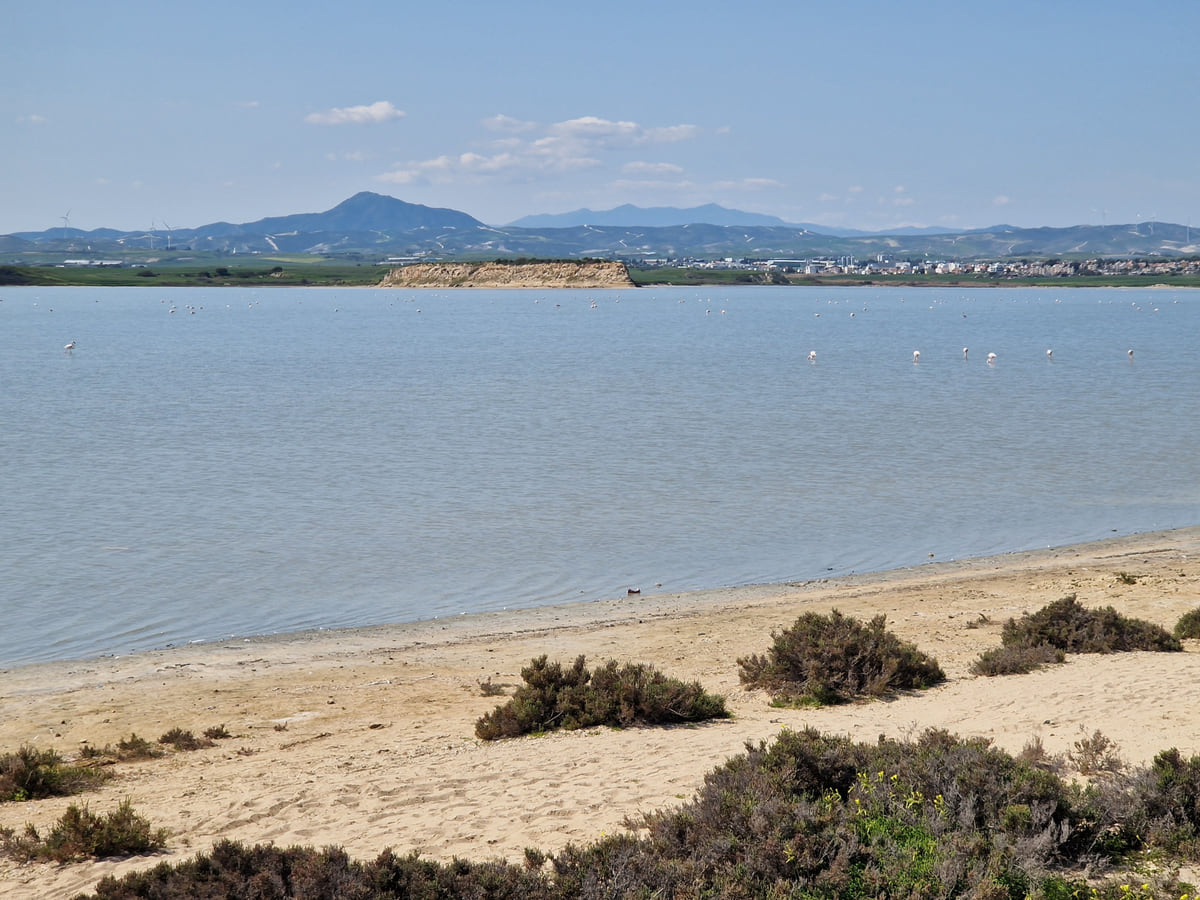
The shore of Larnaca Salt Lake with scrub and sand, calm water and the mountains of the interior in the distance
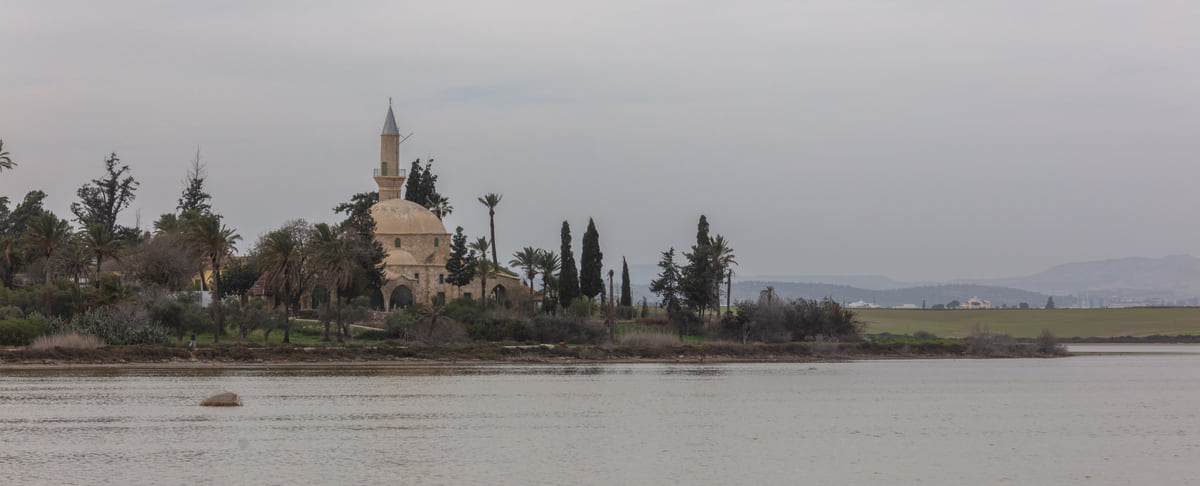
Hala Sultan Tekke across Larnaca Salt Lake, its minaret and dome rising among palms and cypresses on the far shore
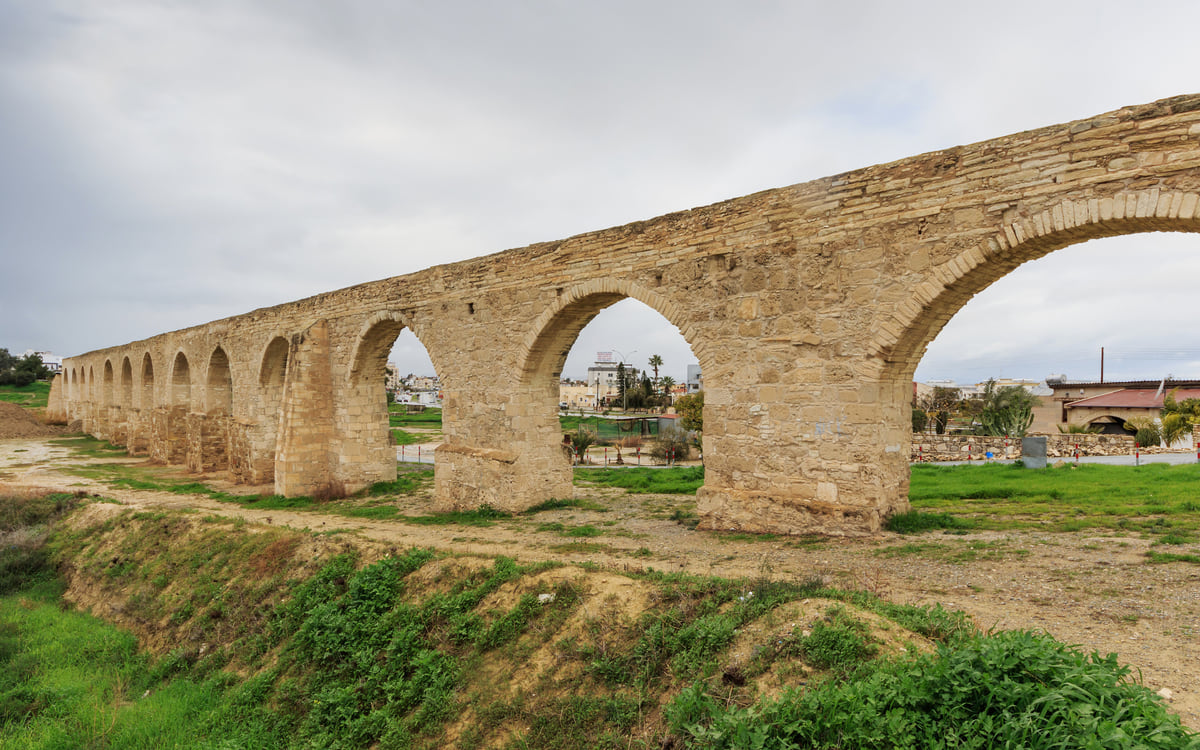
The stone arches of the 18th-century Kamares aqueduct in Larnaca, lined up across a stretch of green grassland
Test yourself
What people often get wrong about Larnaca Salt Lake
0/3 Pick before you peek.
-
Flamingos are at Larnaca Salt Lake all year round.
See the answer
False. They arrive with the first rains, usually in November, and stay until March, according to the tourist board.
-
Larnaca Salt Lake is a Ramsar wetland.
See the answer
True. The tourist board says it is a Ramsar wetland, a Natura 2000 site, a Barcelona Convention protected area and a BirdLife IBA.
-
The lake trail is part of the European E4 path.
See the answer
True. That's what the Larnaca Tourism Board says of the 4 km trail.
Map
Where Larnaca Salt Lake is
The grey strip with green dashes across the island is the UN buffer zone, the Green Line; to the north is the part of the island not under the control of the Government of the Republic. The Troodos fill the centre and west. Every number opens its guide.
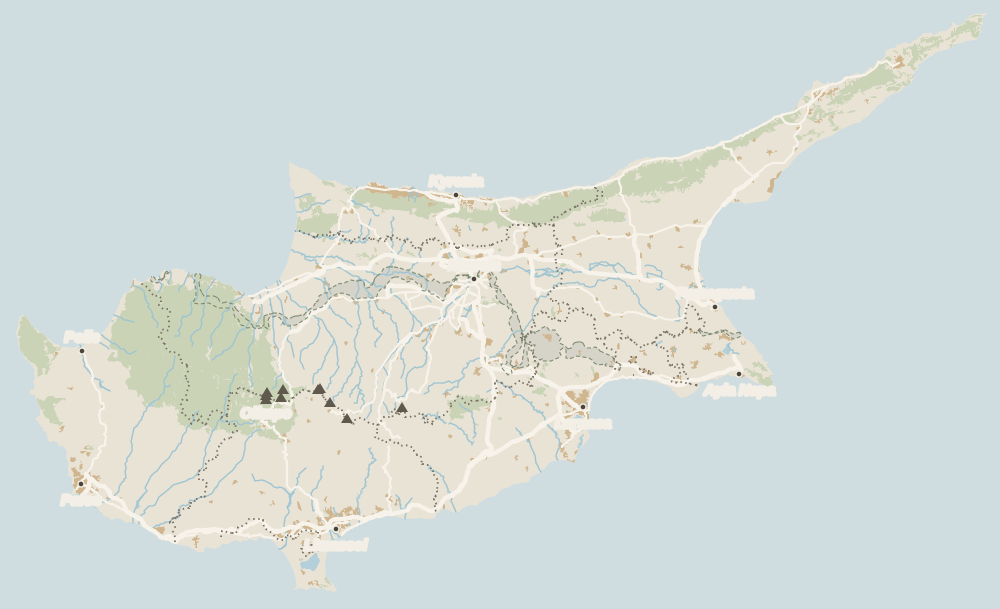 1Church of St Lazarus 2Golden Bay 3Larnaca 4Finikoudes 5Larnaca Castle 6Kition 7Pierides Museum 8Larnaca Archaeological Museum 9Kamares Aqueduct 10Hala Sultan Tekke 11Larnaca Salt Lake 12Mackenzie beach 13Zenobia wreck 14Larnaca beaches
Map data © OpenStreetMap contributors (ODbL)
- 1Church of St LazarusA Byzantine church in central Larnaca
- 2Golden BayFive stars on the Dhekelia road
- 3LarnacaA city on Cyprus's south-east coast
- 4FinikoudesSeafront promenade and beach in central Larnaca
- 5Larnaca CastleA seafront castle in Larnaca
- 6KitionAn archaeological site in Larnaca
- 7Pierides MuseumA museum of antiquities in central Larnaca
- 8Larnaca Archaeological MuseumA Department of Antiquities museum in Larnaca
- 9Kamares AqueductAn open-air monument in Larnaca
- 10Hala Sultan TekkeMosque and mausoleum on the edge of Larnaca
- 11Larnaca Salt LakeA protected wetland next to Larnaca
- 12Mackenzie beachA town beach south of central Larnaca
- 13Zenobia wreckDiving in Larnaca Bay
- 14Larnaca beachesA guide to the beaches of Larnaca district
- Salt lakes
- 4
- Water surface
- 2.2 km²
- Migratory bird species
- 85+
- Trail
- 4 km
What people ask most about Larnaca Salt Lake
When are there flamingos at Larnaca Salt Lake?
According to the tourist board, they arrive with the first rains, usually in November, and stay until March. When the water is high there can be tens of thousands.
Where does the salt lake trail start?
It has two starting points, one at the Kamares aqueduct and the other at the salt collection area on Artemis Avenue, 150 m past the District Court towards the old airport. It's 4 km long.
Can I wade into the lake to see the flamingos?
No. The tourist board stresses that wading in to get closer is forbidden, as it does the birds a lot of harm.
Why are there flamingos in Larnaca?
Because of a dark red alga that feeds small shrimp, which in turn feed the flamingos and other birds. The lake is a stop on their migration route.
0 of 424 Cyprus guides
Your next stamp
- Larnaca
- Kamares Aqueduct
- Hala Sultan Tekke
- Larnaca district
- Finikoudes
- Kataklysmos
- Larnaca beaches
- Hotels in Larnaca
- Almyra Hotel
- Anassa Hotel
- Anastasia Beach
- Aphrodite Hills Resort
- Apostolos Andreas
- Bellapais Abbey
- Cap St Georges
- Church of St Lazarus
- Columbia Beach Resort
- Commandaria
- Coral Beach Hotel
- Cypriot food
- Dome Beach
- Four Seasons Limassol
- Golden Bay
- Grecian Park
- Hilton Nicosia
- Kourion
- Kyrenia Castle
- Lefkara lace
- Limassol
- Limassol Carnival
- Meze
- Omodos
- Panagia Angeloktisti
- Places to visit
- Selimiye Mosque
- Soli
- St Barnabas Monastery
- Weather
- Wine routes
- Atlantica Miramare
- Büyük Han
- Cheap eats
- Cyprus in winter
- Halloumi
- Kantara Castle
- Limassol Castle
- Narcissos
- Nissi Beach Resort
- Olympic Lagoon Paphos
- Othello Tower
- Sanctuary of Apollo Hylates
- Sea temperature
- Things to do
- Vouni
- Vouni Palace
- Alion Beach
- Cypriot desserts
- Cyprus in spring
- Elias Beach
- Golden Coast
- Koilani
- Kolossi Castle
- Lala Mustafa Pasha Mosque
- Larnaca Castle
- Leonardo Laura Beach
- Limassol old town
- Limassol Wine Festival
- Most beautiful places
- Souvla
- St Hilarion Castle
- Arsos
- Buffavento Castle
- Crystal Springs
- Cypriot wine
- Cyprus in summer
- Easter in Cyprus
- Episkopi
- Kition
- Kleftiko
- Limanaki Beach
- Molos promenade
- Pafos Aphrodite Festival
- Pagona
- Prettiest villages
- St Raphael Resort
- Adams Beach
- Akrotiri peninsula
- Alasia Hotel
- Bellapais
- Cyprus in autumn
- Elysium Hotel
- Green Monday
- Independence Day
- Limassol Marina
- Pierides Museum
- Sheftalia
- Sunrise Pearl
- UNESCO World Heritage
- Vasa Koilaniou
- Akrotiri salt lake
- Amathus Beach
- Christmas
- Cyprus in January
- Grecian Bay
- Larnaca Archaeological Museum
- Limassol old port
- Lofou
- Map
- Venus Beach Hotel
- Vrissiana
- Asterias Beach
- Capo Bay
- Cypriot coffee
- Cyprus in February
- Kefalos Beach
- Lania
- Limassol Archaeological Museum
- Parklane
- St Nicholas of the Cats
- Where is Cyprus
- Alexander the Great
- Carob Mill
- Cyprus in March
- Districts
- Lady's Mile
- Tsokkos Gardens
- Zivania
- Beer
- Cavo Maris
- Cyprus in April
- Germasogeia
- King Evelthon
- Pissouri
- Towns and villages
- Amathus
- Anogyra
- Athena Beach
- Cyprus in May
- Mackenzie beach
- Population
- Archaeological sites
- Cyprus in June
- King Jason
- Limassol beaches
- Size
- Zenobia wreck
- Aliathon Resort
- Castles in Cyprus
- Cyprus in July
- Governor's Beach
- Languages
- Annabelle Hotel
- Cyprus in August
- Monasteries in Cyprus
- Name
- Azia Resort
- Cyprus in September
- Museums in Cyprus
- Capital Coast Resort
- Cyprus in October
- Pyla
- Cyprus in November
- Kiti
- Cyprus in December
- Lefkara
- Choirokoitia
- Tochni
- Flag
- How to get there
- Kalavasos
- Krasochoria
- Salamis
- Aphrodite
- Flights
- Karpas Peninsula
- Stavrovouni Monastery
- Kornos
- Larnaca Airport
- Limassol District
- Paphos Airport
- Pyrga
- Airport transfers
- Athienou
- Ferry
- Odou
- Cruises
- Kato Drys
- Getting around
- Vavla
- Buses
- Zygi
- Psematismenos
- Taxis
- Agios Irakleidios
- Car hire
- Paphos district
- Driving
- Paphos
- Kato Paphos
- Parking
- Cycling
- Paphos old town (Ktima)
- Paphos Archaeological Park
- Road trip
- Distances
- Tombs of the Kings
- Agia Kyriaki and St Paul's Pillar
- Paphos Byzantine Museum
- Paphos beaches
- Geroskipou
- Cyprus Wine Museum
- Greek or Turkish?
- Peyia (Pegeia)
- Coral Bay
- History
- Sea caves, Peyia
- The division
- Agios Georgios, Peyia
- Political system
- Akamas peninsula
- Religion
- Blue Lagoon, Akamas
- Public holidays
- Baths of Aphrodite
- Time
- Currency and payments
- Lara beach
- Avakas Gorge
- EU and Schengen
- Entry requirements
- Polis Chrysochous
- Facts
- Latchi
- Neo Chorio
- Aphrodite's Rock
- Palaepaphos (Kouklia)
- Paphos Castle
- Paphos Archaeological Museum
- Agia Solomoni Catacomb
- Kathikas
- Drouseia
- Ineia
- Diarizos Valley
- Pano Panagia
- The north
- Where to eat
- Where to stay
- Chrysorrogiatissa Monastery
- Crossing to the north
- Hotels in Ayia Napa
- Agios Neophytos Monastery
- Green Line
- Hotels in Protaras
- British bases
- Hotels in Limassol
- Tala
- Ercan airport
- Lempa
- Hotels in Paphos
- Hotels in the north
- Pano Arodes
- Hotels in Coral Bay
- Kritou Terra
- Kyrenia district
- Hotels in Polis and Latchi
- Kyrenia
- Lysos
- Hotels in Nicosia
- Lapithos
- Pomos
- Cedar Valley
- Hotels in the Troodos
- Ayia Napa
- Best time to visit
- Famagusta district
- Luxury hotels
- North Nicosia
- Agrotourism
- All-inclusive hotels
- Famagusta
- Thalassa Museum
- Adults-only hotels
- Apartments
- Ayia Napa Monastery
- Varosha
- Ayia Napa Sculpture Park
- Family hotels
- Morphou
- Boutique hotels
- Nissi Beach
- Beachfront hotels
- Casinos in Cyprus
- Events
- Makronissos
- Ayia Napa sea caves
- Cheap hotels
- Love Bridge
- Villas
- Ayia Napa beaches
- Campsites
- Cape Greco
- Safety
- Konnos Bay
- Scams and pitfalls
- Cyclops Cave
- Healthcare
- Mobile and roaming
- Free things to do
- What to buy
- With a dog
- Accessible Cyprus
- Plugs
- Tipping
- Protaras
- Tourist information
- Fig Tree Bay
- Packing list
- Prices and budget
- Profitis Ilias Church
- Cyprus on a budget
- Protaras beaches
- Shopping
- Paralimni
- With kids
- Deryneia
- For couples
- Kokkinochoria
- Weddings
- Nightlife
- Sotira
- Liopetri
- Package holidays
- Day trips
- Frenaros
- Nicosia district
- Avgorou
- Boat trips
- Nicosia
- Jeep safari
- Venetian walls
- Famagusta Gate
- Ledra Street
- Laiki Geitonia
- Cyprus Museum
- Byzantine Museum, Nicosia
- St John's Cathedral
- Archbishop's Palace
- 3 days
- Museums in Nicosia
- 5 days
- Chrysaliniotissa
- Leventis Museum
- One week
- 10 days
- Leventis Gallery
- Kornesios house
- Two weeks
- National Struggle Museum
- Ömeriye Mosque
- Faneromeni Church
- Shacolas observatory
- Tamassos
- Idalion
- Machairas Monastery
- Fikardou
- Lythrodontas
- Tilliria
- Kato Pyrgos
- Troodos Mountains
- Mount Olympus
- Troodos Square
- Skiing in Cyprus
- Troodos Geopark
- Painted churches of Troodos
- Kykkos Monastery
- Makarios's tomb
- Trooditissa Monastery
- Platres
- Prodromos
- Foini
- Treis Elies
- Marathasa valley
- Solea valley
- Agios Nikolaos tis Stegis
- Panagia Asinou
- Panagia Podithou
- Archangelos Michael, Pedoulas
- Panagia tou Moutoulla
- Agios Ioannis Lampadistis
- Kalopanayiotis
- Pedoulas
- Moutoullas
- Kakopetria
- Galata
- Evrychou
- Pitsilia
- Stavros tou Agiasmati
- Panagia tou Araka
- Timios Stavros, Pelendri
- Transfiguration church, Palaichori
- Palaichori
- Askas
- Lagoudera
- Polystypos
- Alona
- Agros
- Kyperounta
- Louvaras
- Hiking in Cyprus
- Artemis Trail
- Atalante Trail
- Persephone Trail
- Teisia tis Madaris
- Waterfalls in Cyprus
- Caledonia Waterfall
- Nature parks in Cyprus
- Viewpoints in Cyprus
- Cyprus beaches
- Diving in Cyprus
- Water sports in Cyprus
- Water parks in Cyprus
- Golf in Cyprus
- Mazotos Camel Park

Questions about Larnaca Salt Lake? Write to me
If something does not add up or a fact is missing, write to me and I will answer myself.
My email sergiolepone@gmail.com
By
Tourism graduate with a master’s in Tourism Management and Planning from the University of Málaga, who has travelled across Europe. He writes every guide from official sources and his own judgement.
Published on . Updated on . Facts checked on .
Sources
Some links in this guide are affiliate links: if you book through them, the site earns a commission at no extra cost to you. Affiliate disclosure
Photos: Amanda Slater (CC BY-SA 2.0); Gerda Arendt (CC0); Diego Delso (CC BY-SA 4.0); A.Savin (FAL), via Wikimedia Commons.