The Troodos are the mountain range of central and western Cyprus, topped by Mount Olympus, the island's highest point at 1,953 metres. They hold the ten painted churches UNESCO listed as World Heritage in 1985, Kykkos Monastery, stone villages spread across the Marathasa, Solea and Pitsilia valleys, waymarked trails and the country's only ski centre.
In 30 seconds
Full read: 3 min
The Troodos are Cyprus's central mountain range, topped by Mount Olympus at 1,953 m.
They hold ten painted churches listed as World Heritage since 1985.
They split into valleys with their own character, such as Marathasa, Solea and Pitsilia.
It snows in winter, and skiing runs from January to March when there's enough snow.
I wouldn't do the Troodos as a day trip from the coast. I'd spend two nights in a mountain village, in Marathasa or Solea, and give one day to the churches and another to walking on Olympus.
Sergio LeponeMy advice
Before you go
What I would keep in mind
01 Most beautiful
Ten churches full of frescoes
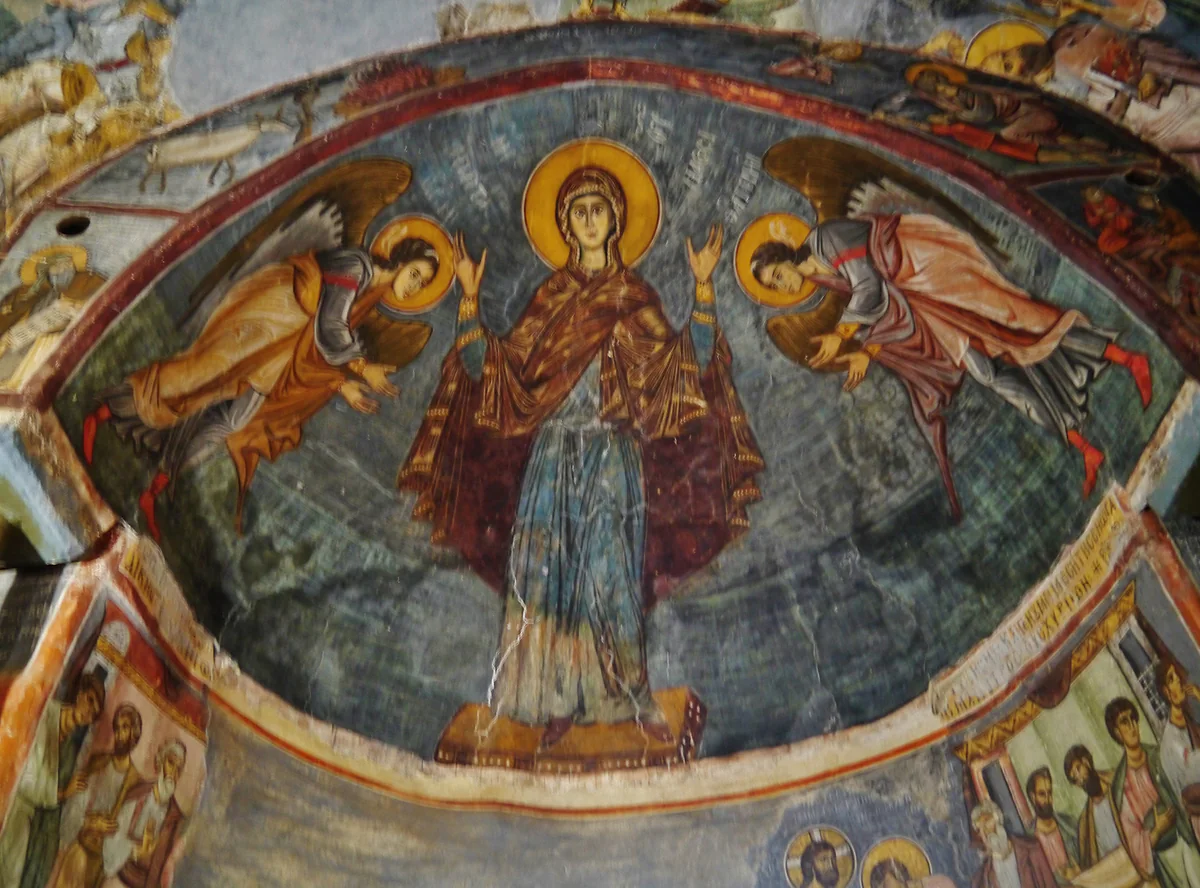
UNESCO listed ten Byzantine churches and monasteries of the region in 1985, with steep wooden roofs and murals painted between the 11th and 17th centuries.
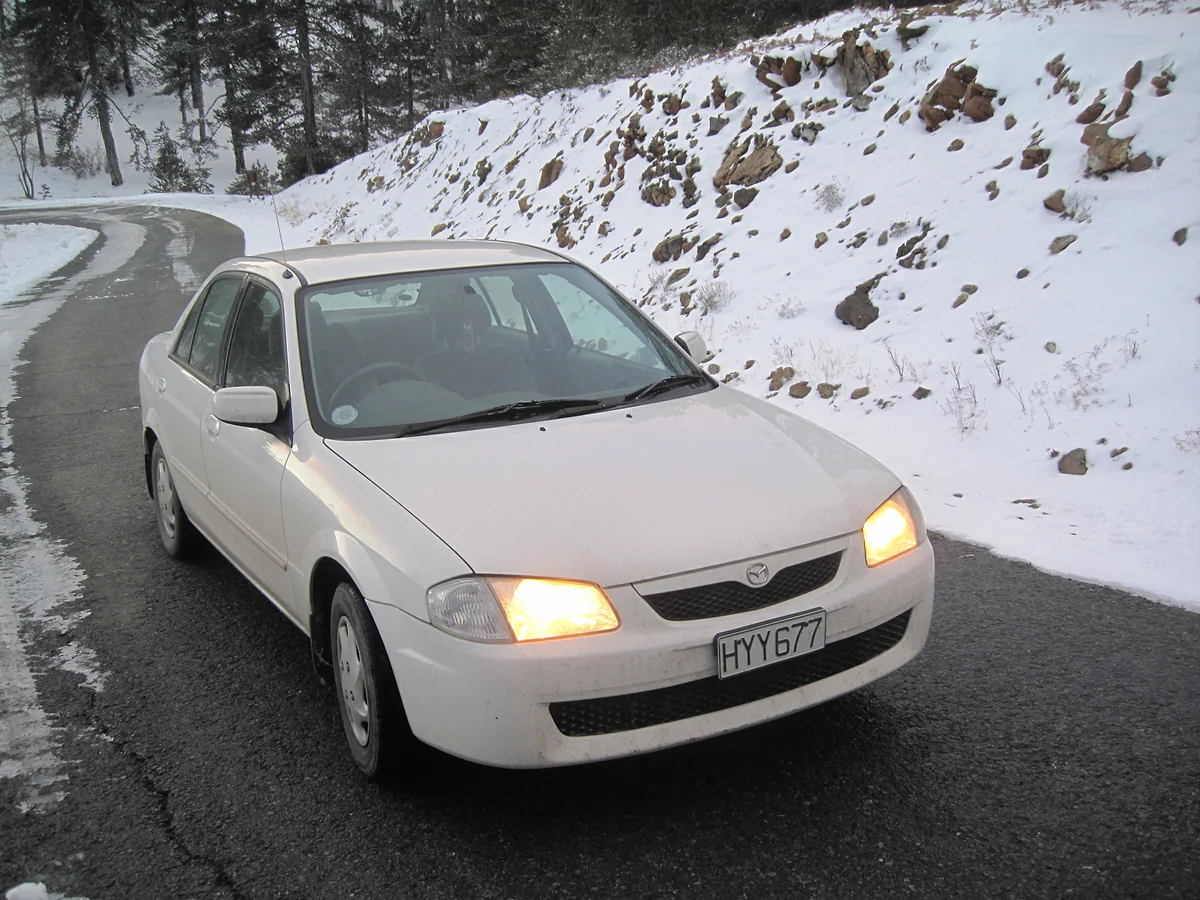
From Nicosia you climb via Evrychou on the north side, and from Limassol via Platres and Prodromos on the south. Pick the one that suits the valley you're staying in.
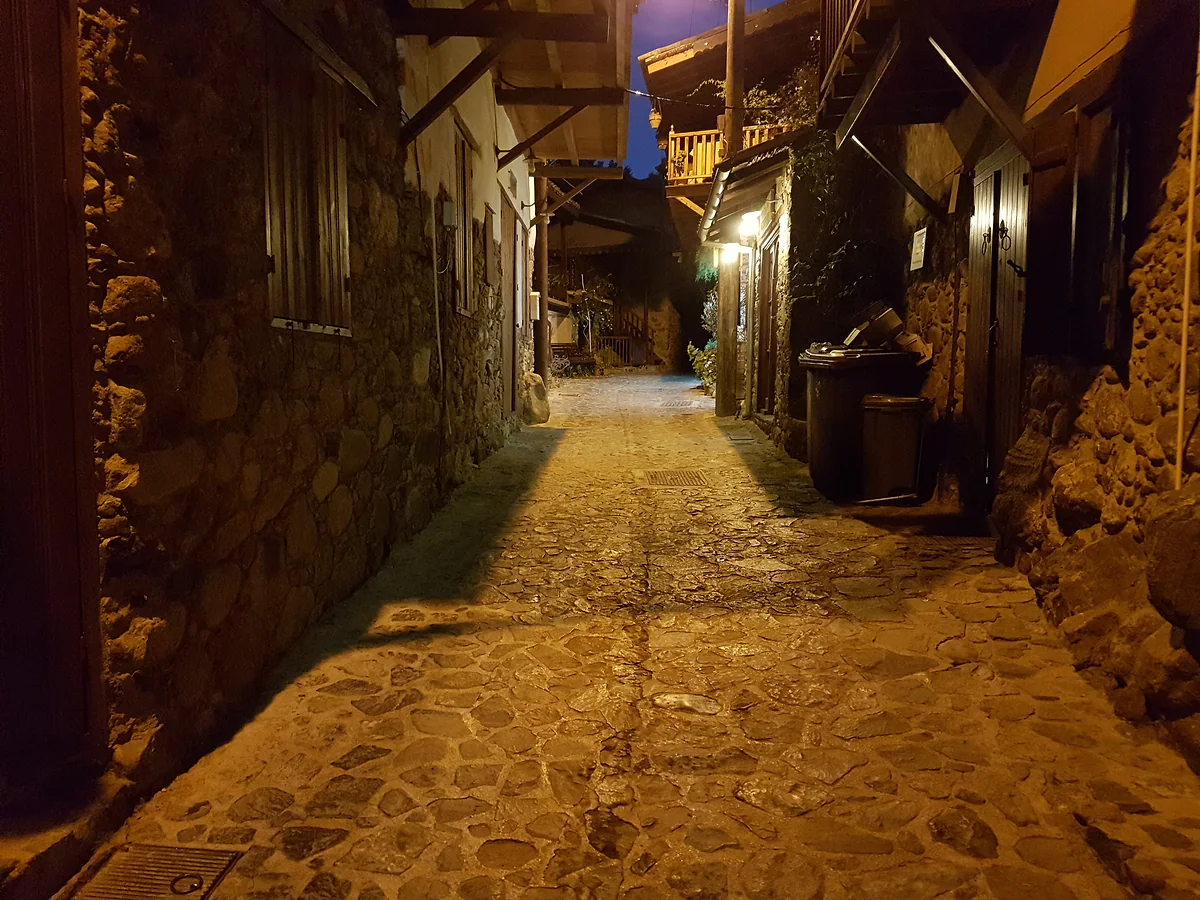
Think of Cyprus and you think of beaches, which is fair enough. But the island has a real mountain range, with pine forest, winter snow and stone villages where life slows right down. To me the Troodos are the most underrated part of the country, and I’ll explain why using UNESCO, the ski club and the Troodos Development Company, which publishes detailed guides to the mountains.
Mountains that rose from the sea
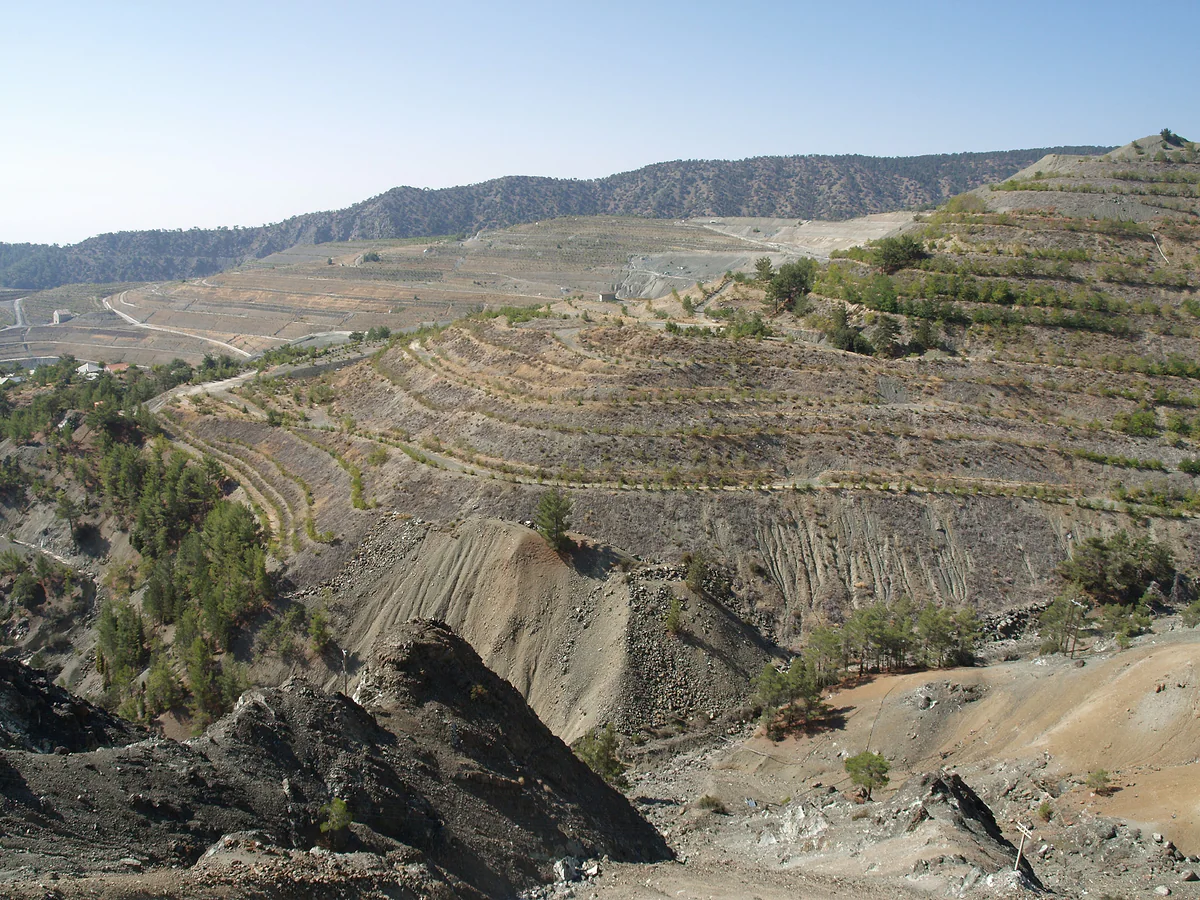
The geology is the first draw. The company explains that these rocks formed more than 92 million years ago on the ocean floor and then rose to create the range and the island itself. That story is told at the visitor centre of the Troodos Geopark, beside an old asbestos mine, and you notice it on foot, as the ground changes colour and texture within a few kilometres.
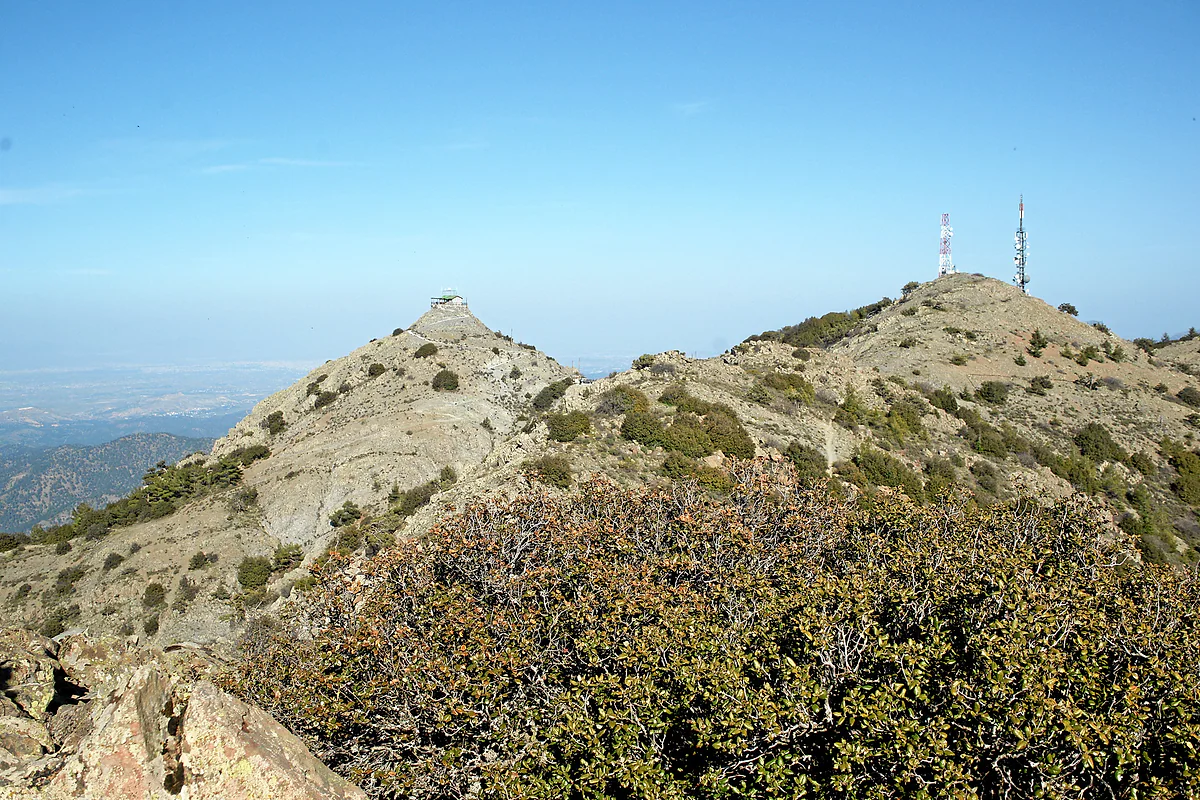
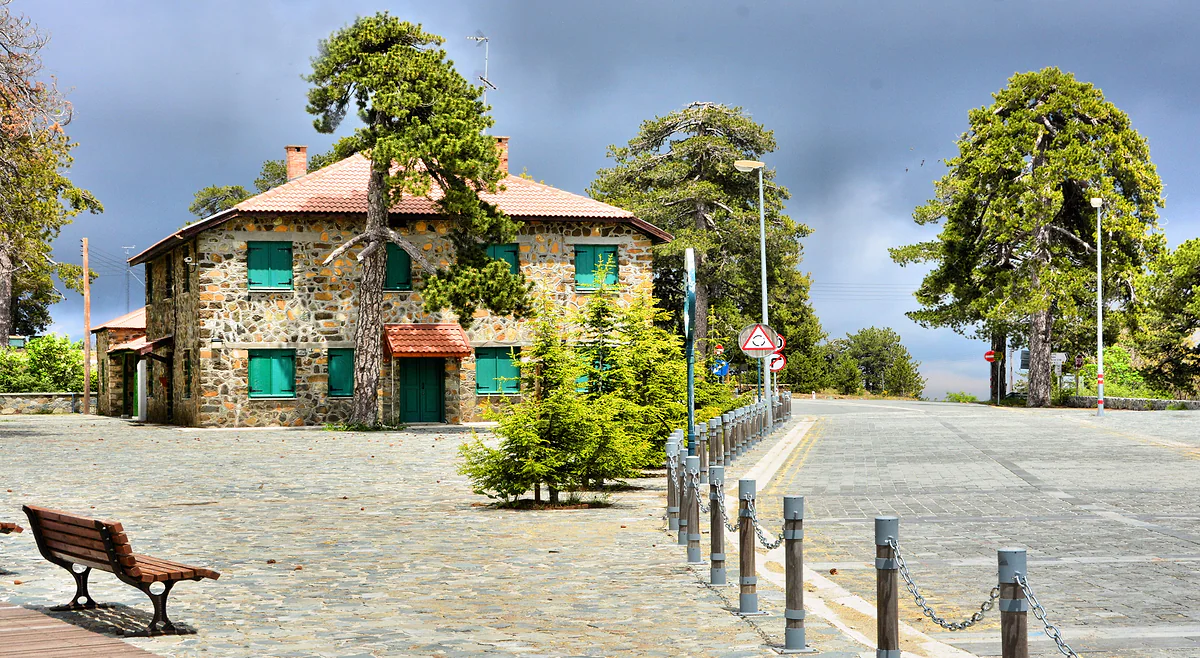
The highest summit is Mount Olympus, at 1,953 metres according to Spain’s Foreign Ministry and CYSTAT. Close by is Troodos Square, the small cluster of hotels, cafés and information centres where several trails begin.
The painted churches, the reason to go up
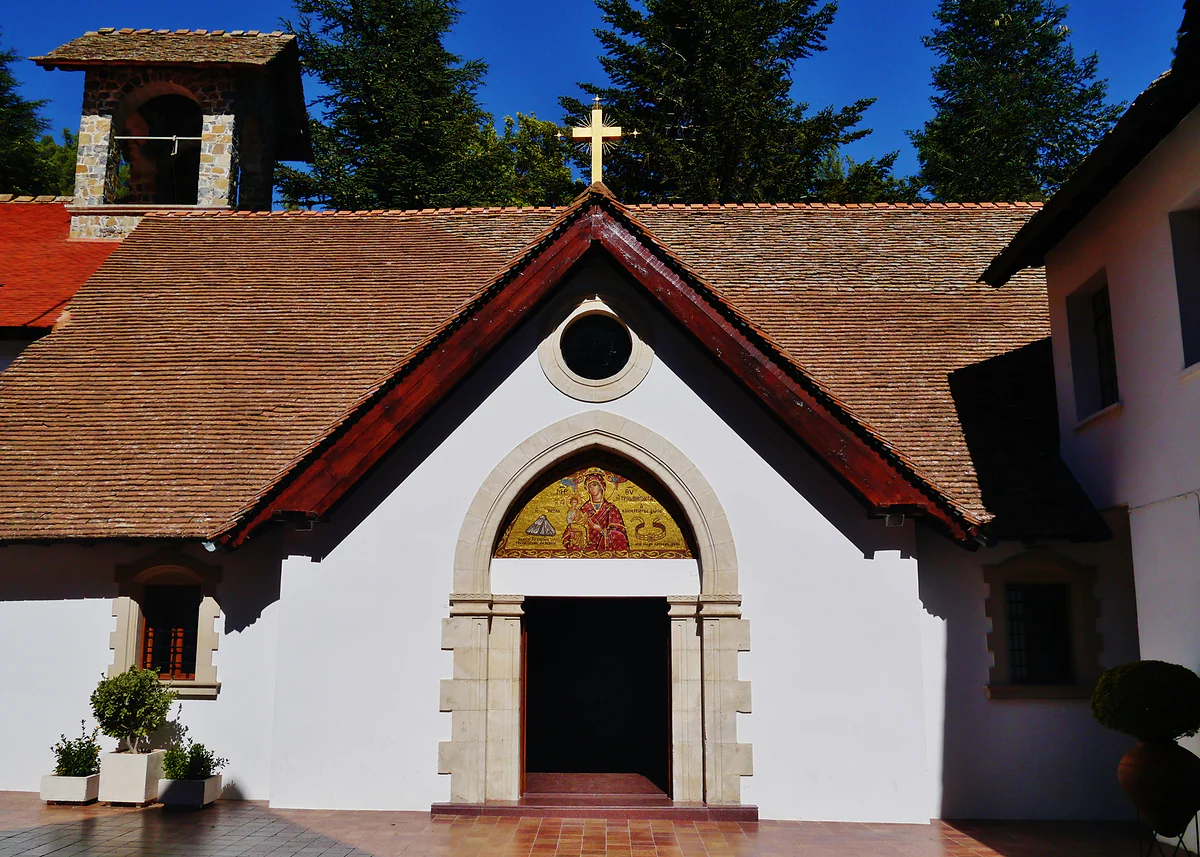
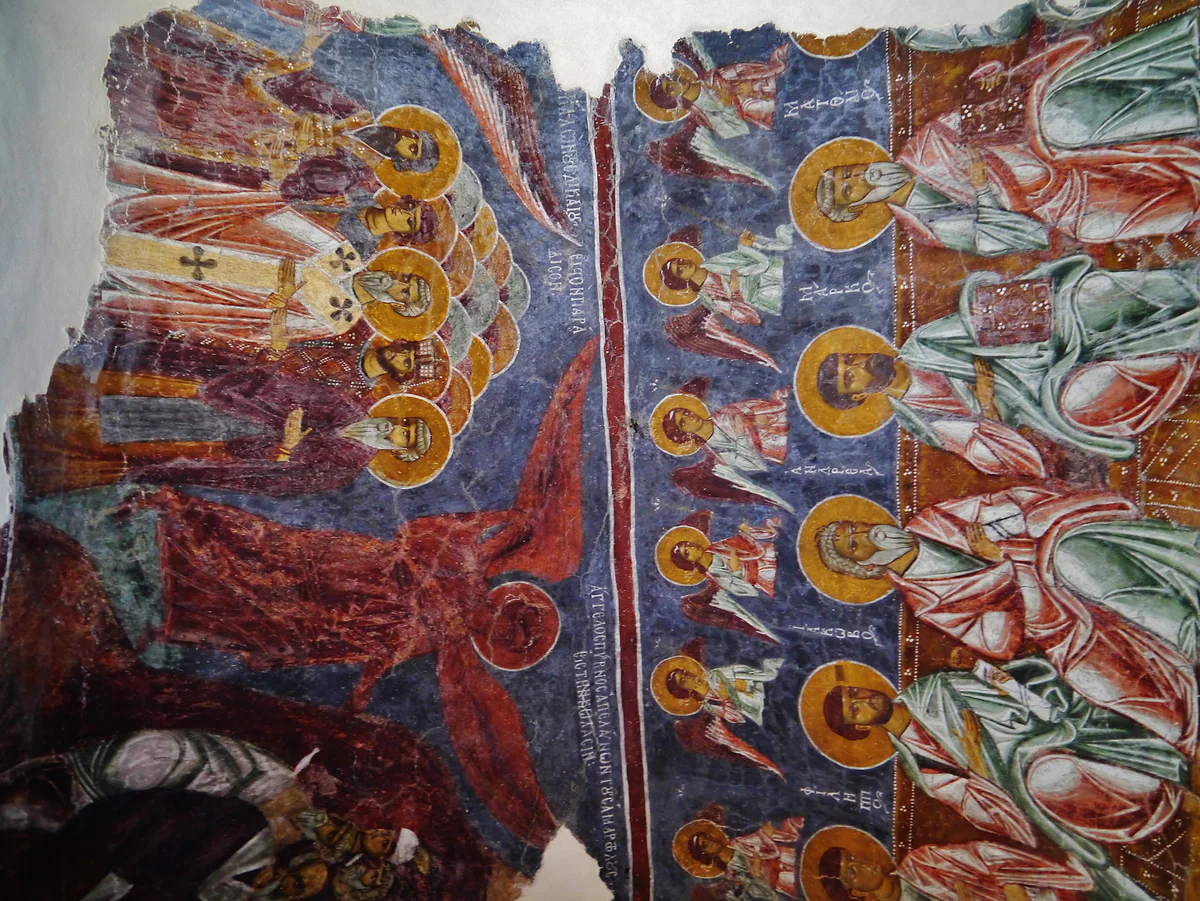
UNESCO listed the region’s painted churches in 1985 and extended the property in 2001. There are ten, spread over several valleys, nine in Nicosia district and one in Limassol district, and they share a feature you spot straight away, steep wooden roofs sheltering vaults and domes. Inside are murals running from Byzantine to post-Byzantine art, and they remain places of worship that you can visit without paying. I rank them and suggest how to combine them in the painted churches of Troodos.
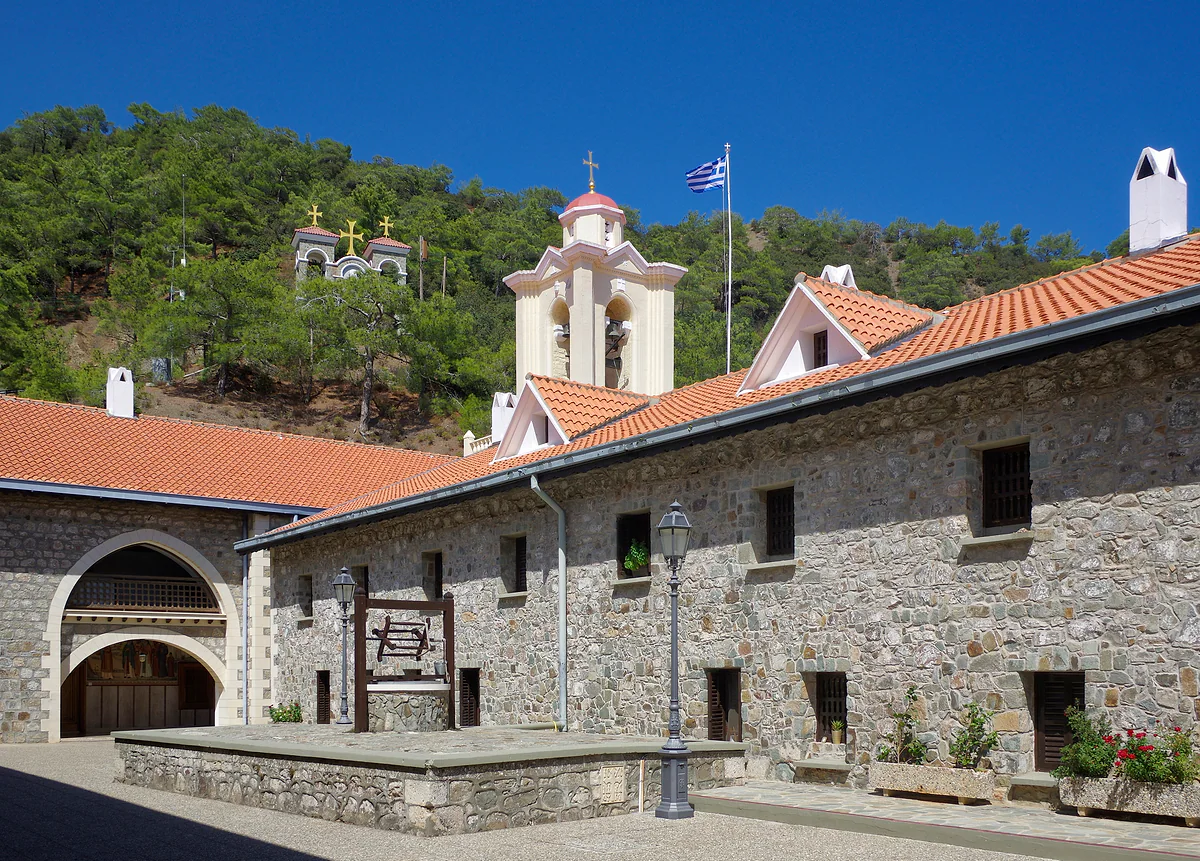
Then there are the monasteries. The best known is Kykkos Monastery, founded at the end of the 11th century, with its own museum and, on the nearby summit of Throni, Makarios’s tomb.
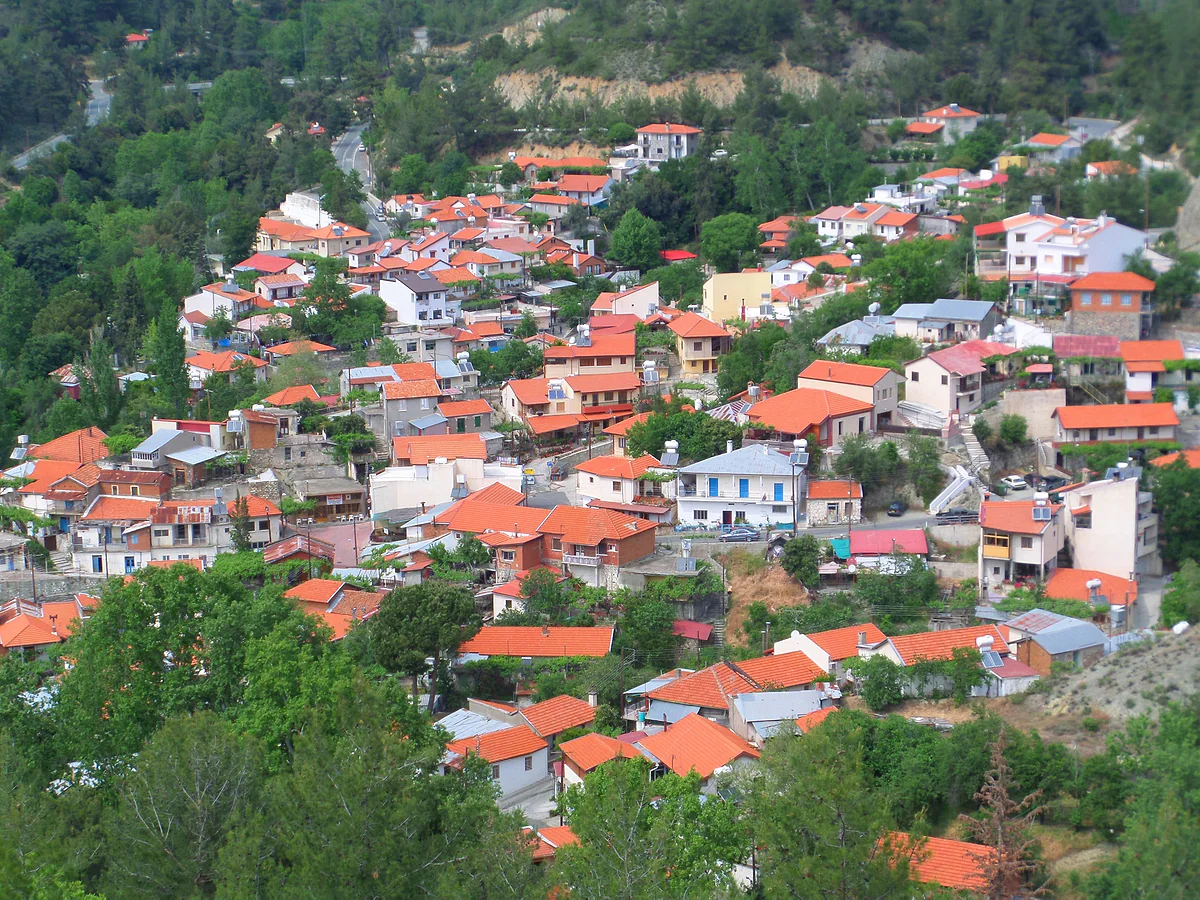
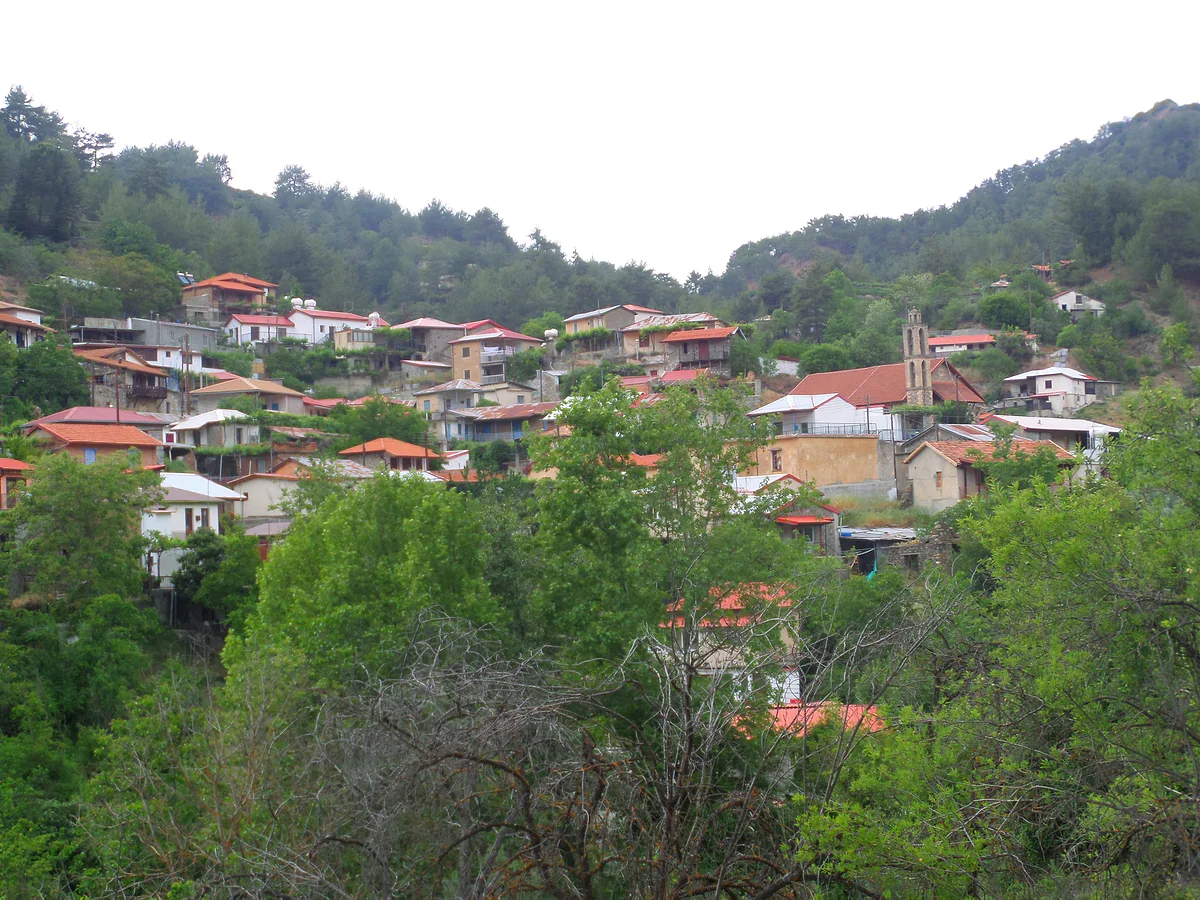
The range isn’t one block. The company divides it into areas with distinct personalities. The Marathasa valley is the one of cherry trees and of the churches at Pedoulas, Moutoullas and Kalopanayiotis. The Solea valley, 56 kilometres from both Nicosia and Limassol, is the valley of Kakopetria and Galata. Pitsilia, east of Olympus, groups eleven villages among high vineyards. And on the southern slopes lie the wine villages, where Commandaria is made.
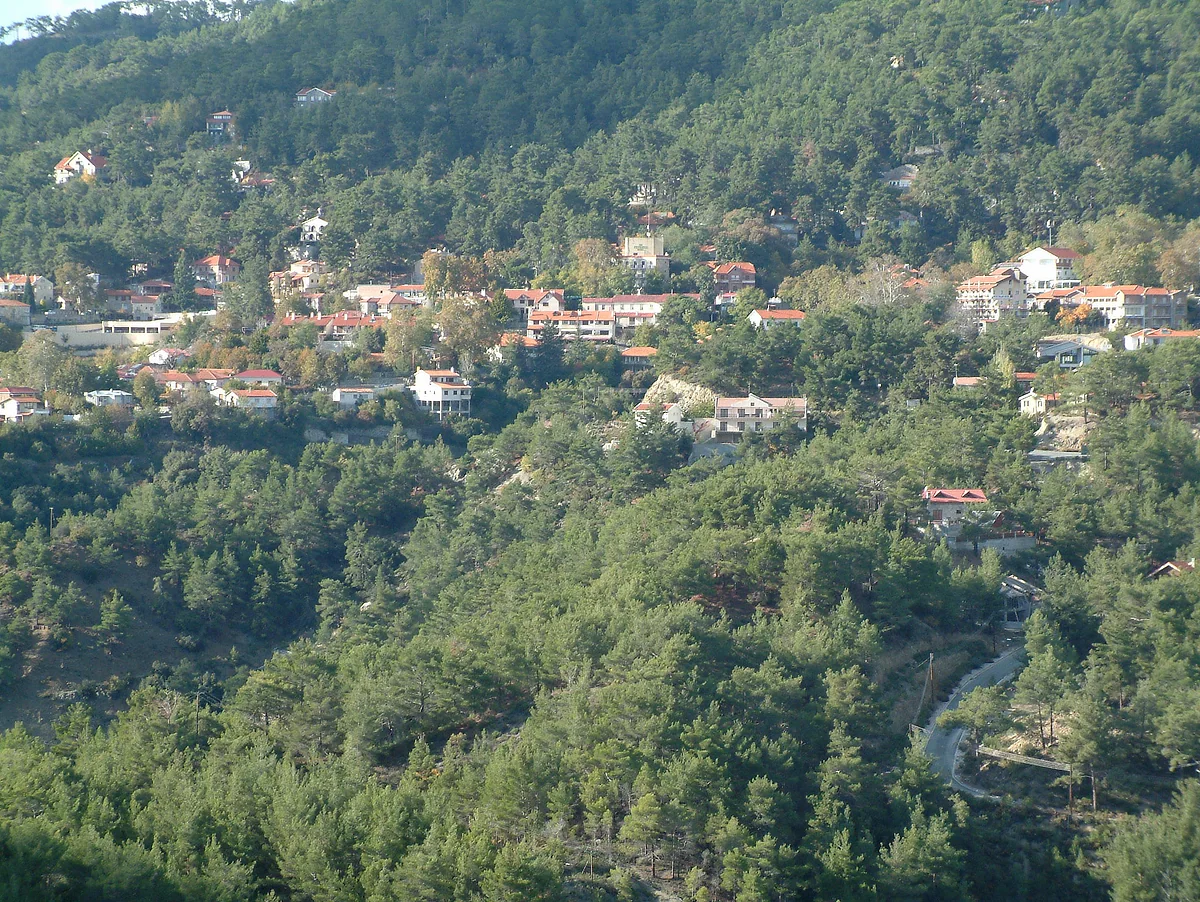
The central massif keeps the old summer resorts. Platres is the biggest and has the most places to stay, and Prodromos claims to be the island’s highest village, at 1,380 metres. Among the pines and orchards lie hamlets such as Foini, with its pottery, or Treis Elies, on the Drakontas river, and close to them Trooditissa Monastery, the highest on the island according to the company.
What to do in each season
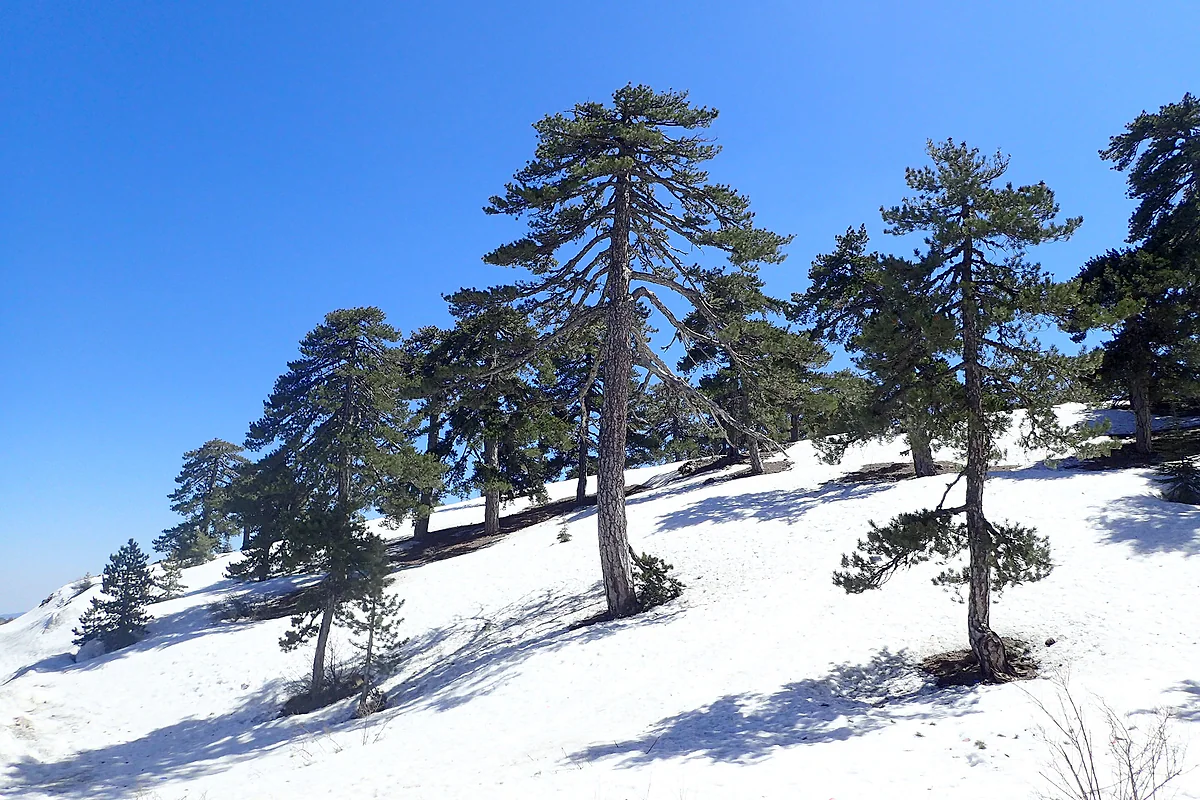
Spring and autumn are for walking. Olympus trails such as Artemis circle the summit through black pines, and from Platres you can walk down to the Caledonia waterfall. In summer the Troodos are the escape from the heat on the coast, since the average July high in Prodromos is about 29 °C, according to the World Meteorological Organization, against more than 37 °C in Nicosia. The walking routes are in hiking in Cyprus, the waterfalls in waterfalls in Cyprus and the protected areas in nature parks in Cyprus.
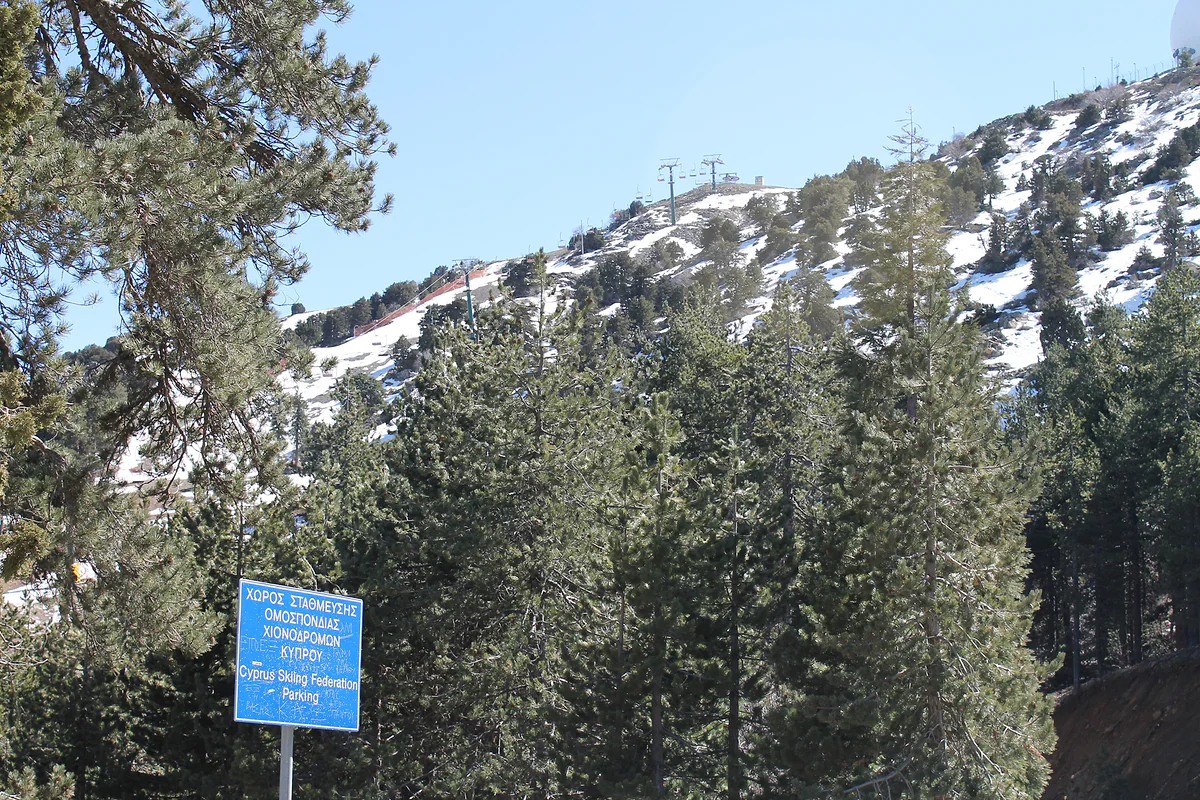
Winter changes everything. Skiing in Cyprus usually runs from January to the end of March on Olympus, with four lifts run by the Cyprus Ski Club, and the road up is snowbound on some days. Before setting off, check the slope and road conditions the club itself posts.
From Nicosia you go up through Evrychou and the Solea valley, and from Limassol through Platres and Prodromos. As the villages are far apart and the churches keep short hours, my advice is to stay up there for at least two nights. You’ll find the options in hotels in the Troodos, and if you fancy something more rural, plenty of restored traditional houses take guests. If you only have one day, pick one valley and don’t try to see everything. For two nights or more, my 10 days in Cyprus and two weeks in Cyprus routes leave two and three nights for the mountains.
Troodos Square, with a stone building with green shutters, black pines and a bench beside the paved street in the Troodos Mountains
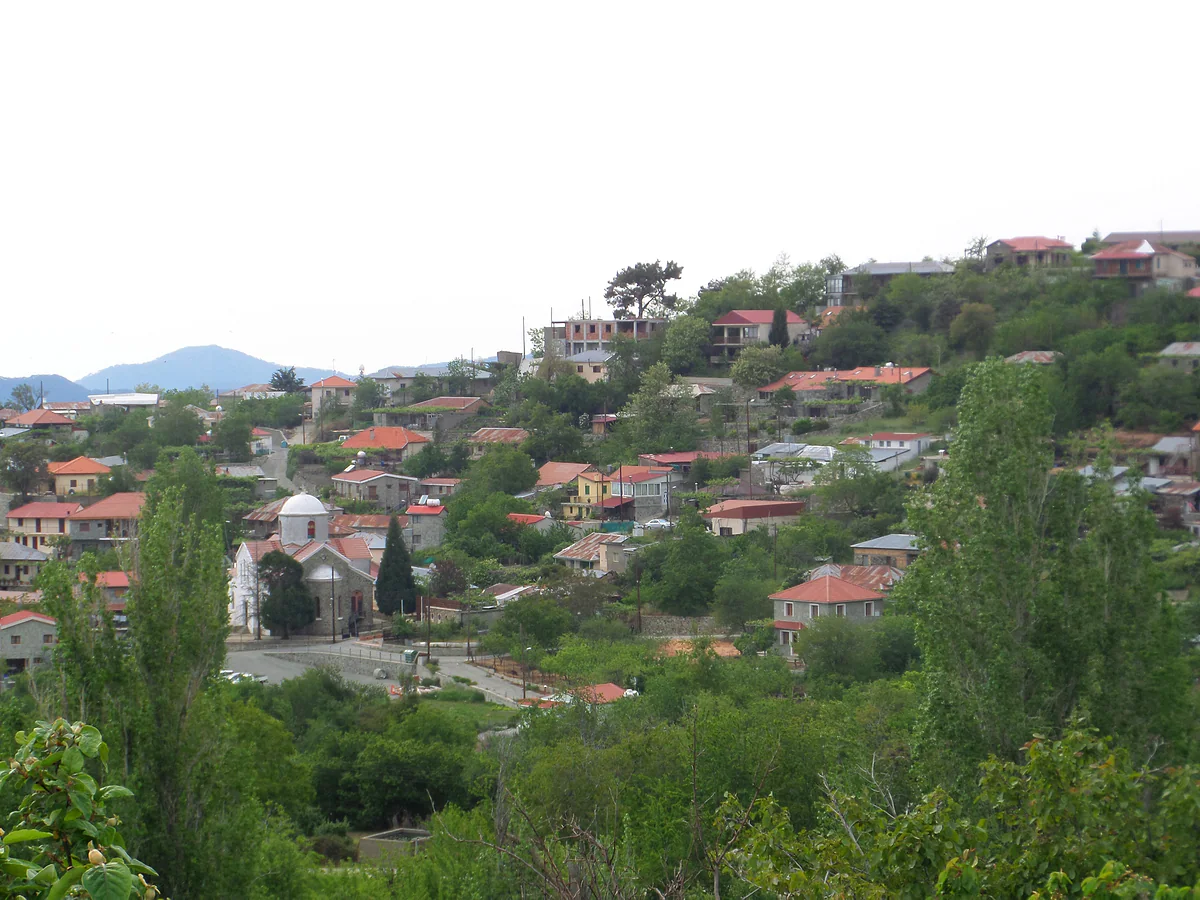
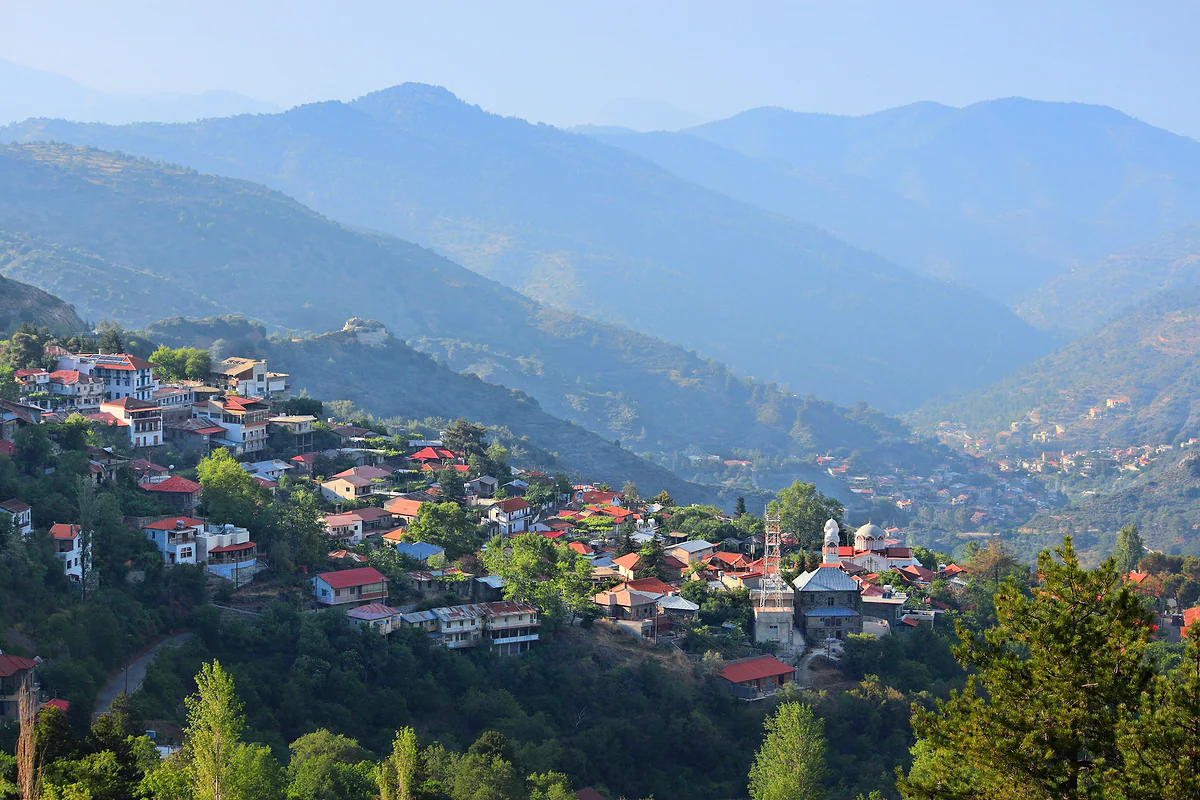
Pedoulas spread across the slope of the Marathasa valley, with red roofs among pines and bluish mountains behind
Byzantine frescoes of saints and Bible scenes on a vault of Agios Nikolaos tis Stegis, a painted church of the Troodos
The mountain's areas
Area
What sets it apart
Villages
Central massif
Olympus, Troodos Square, skiing and the highest trails
Troodos, Platres, Prodromos
Marathasa
Cherry orchards, Kykkos and three UNESCO churches
Pedoulas, Kalopanayiotis, Moutoullas
Solea
The Karkotis valley and three UNESCO churches
Kakopetria, Galata, Evrychou
Pitsilia
High vineyards and four UNESCO churches
Agros, Lagoudera, Palaichori
Southern slopes
The wine villages and Commandaria
The 20 Krasochoria
My own grouping of the areas the Troodos Development Company describes.
Weather in Prodromos
Month
Average high
Average low
Rain
January
6.9 °C
1.0 °C
165 mm
April
15.7 °C
6.7 °C
50 mm
July
28.6 °C
18.6 °C
24 mm
October
19.8 °C
11.1 °C
37 mm
World Meteorological Organization, 2002-2011 averages.
Test yourself
True or false?
0/3Pick before you peek.
All ten painted churches of the Troodos are in Nicosia district.
See the answer
False. Nine are, but Timios Stavros at Pelendri is in Limassol district, according to UNESCO.
The rocks of the Troodos formed on the seabed.
See the answer
True. The Troodos Development Company explains that they formed over 92 million years ago at the bottom of the ocean and later rose out of it.
Cyprus has several ski resorts.
See the answer
False. The Cyprus Ski Club runs the country's only ski centre, on the slopes of Mount Olympus.
Height of Mount Olympus
1,953 m
World Heritage churches
10
Age of the rock in years, at least
92 M
Ski lifts
4
Map
Where Troodos Mountains is
The grey strip with green dashes across the island is the UN buffer zone, the Green Line; to the north is the part of the island not under the control of the Government of the Republic. The Troodos fill the centre and west. Every number opens its guide.
In central and western Cyprus, mainly in Nicosia and Limassol districts. From Nicosia you drive up through Evrychou, and from Limassol through Platres.
What is the highest point of the Troodos?
Mount Olympus, at 1,953 metres according to the Spanish Foreign Ministry and the Cyprus Statistical Service. It's also the island's highest point.
Does it snow in the Troodos?
Yes. The Troodos Development Company describes snowy winters, and the ski club usually opens its slopes from early January to the end of March.
How many days do you need for the Troodos?
I'd give it two or three. One for the painted churches of a single valley, one for Olympus and its trails, and a third if you want Kykkos and Pitsilia without rushing.
Can you visit the Troodos without a car?
It's hard. The villages and churches are scattered over several valleys, so driving or joining a tour is the practical way to get round.
Tourism graduate with a master’s in Tourism Management and Planning from the University of Málaga, who has travelled across Europe. He writes every guide from official sources and his own judgement.

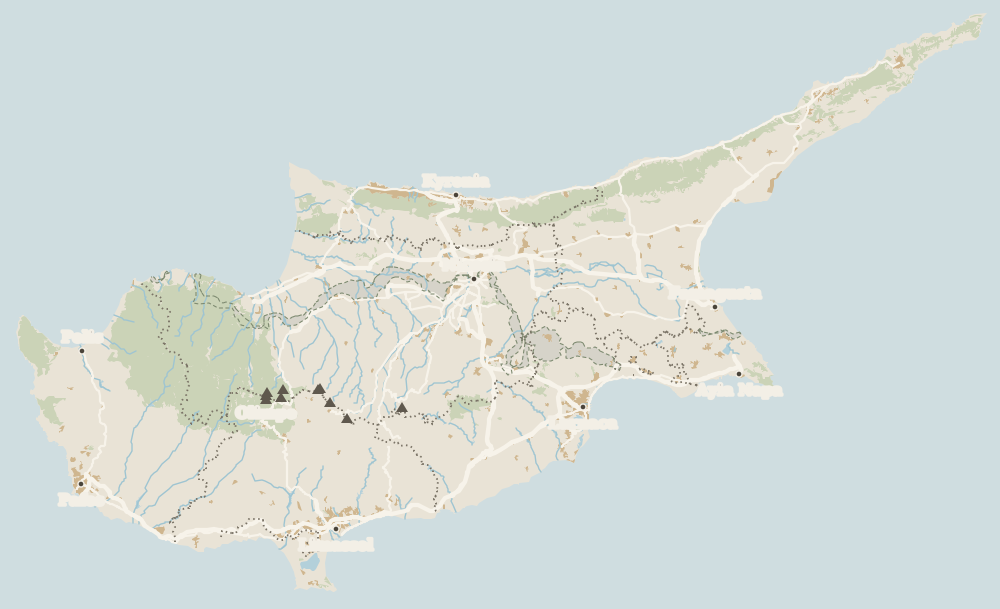 1Troodos Mountains 2Mount Olympus 3Troodos Square 4Skiing in Cyprus 5Troodos Geopark 6Kykkos Monastery 7Trooditissa Monastery 8Platres 9Prodromos 10Foini 11Treis Elies