Industrial heritage by the castle
The Carob Mill, Limassol's old carob works
The Carob Mill is Limassol's old carob works, a complex from the late 19th and early 20th centuries beside the medieval castle and the old port. It keeps the original machinery used to process carob, once one of Cyprus's major exports, and now hosts cultural and leisure uses. The tourist board lists admission as free.
In 30 seconds
Full read: 2 min
- The Carob Mill is Limassol's old carob works.
- It dates from the late 19th and early 20th centuries.
- Its original machinery survives.
- It opens 07:00 to 23:00 and is free, says the tourist board.
To my mind it's the most underrated stop in the centre. It's quick to see, costs nothing and explains why Limassol was an export port for so long. I'd do it straight after the castle, right next door.

Before you go
What I would keep in mind
-
01 To save money
Free and open late
According to the tourist board's historic centre route, it opens daily from 07:00 to 23:00 and entry is free.
Limassol old town -
02 Most beautiful
The original machinery
The machines and the architectural character of the complex have been kept, so you get a sense of how big that industry was.
-
03 Getting there
Next to the castle
The medieval castle, home to the Cyprus Medieval Museum, is a few metres away. Two visits in one morning.
Limassol Castle
What I would book
When I think of Cyprus’s heritage, I think of mosaics, churches and castles. That’s exactly why the Carob Mill appeals to me, because it tells a different story, of an island that lived off what it grew and sold it by sea. And it does so right next to the castle, without charging a penny.
A mill built for carob
The Limassol tourist board explains that carob was one of Cyprus’s major export products, and that Limassol played an important part in processing it and sending it abroad. The mill is what’s left of that era. It’s a complex from the late 19th and early 20th centuries, its buildings put up and extended over several decades.
Everything was designed around processing and storing carob, which was turned into syrup, animal feed and other industrial and food products. The location was no accident. Being beside the old port made it easier to move and export carob and other goods.
What you see today
The original machinery and the architectural character of the complex have been preserved, and that’s what I like most. It isn’t a reconstruction, these are the actual machines people worked with, and you grasp the scale of that industry. The historic centre route presents it as the Carob Museum, with processing equipment that shows how production and trade worked back then.
The restored complex has also been given new cultural and leisure uses. For the board, it’s an example of how industrial heritage can be preserved while becoming part of everyday life in town.
Once your dates are set, check which hotels are still free in Limassol before prices climb.
Opening hours and admission
According to the tourist board’s historic centre route, the Carob Mill is open every day from 07:00 to 23:00 and admission is free. Those long hours reflect the site’s leisure uses, so I’d go in daylight if you want to look at the machinery properly.
Fitting it into your visit
The mill is stop 19 on the free Limassol old town route, just before you return to the harbour. I’d see it alongside Limassol Castle, a few metres away, then carry on to the Limassol old port, about 300 m further. That’s all three in a single morning.
If you would rather have a local show you round, book a guided tour in Carob Mill and choose by the reviews.
Carob beyond Limassol
The town mill isn’t the only trace of the trade. The tourist board explains that Pissouri, on the district’s west coast, was a small port in medieval times from which carob was shipped, and that its stone carob warehouses have survived and been turned into restaurants and homes. OpenStreetMap also marks another carob mill with a museum at Anogyra, a village inland in the same district. If the subject interests you, both make good stops on the way to Paphos.
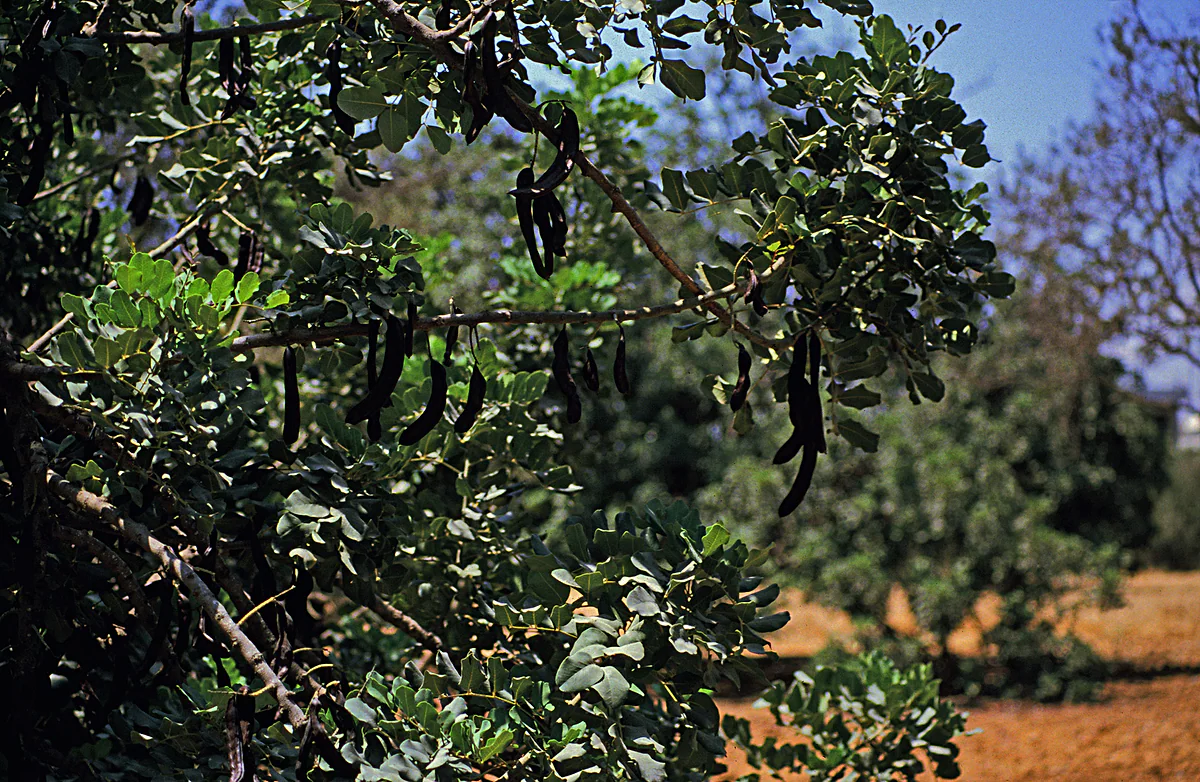
Carob trees still dot the landscape, like the one pictured here on the outskirts of Limassol. The background on the town is on the Limassol page, and other museums in museums in Cyprus.
A car frees you from timetables: search car hire in Limassol on DiscoverCars and compare companies.
Once your dates are set, check which hotels are still free in Limassol before prices climb.
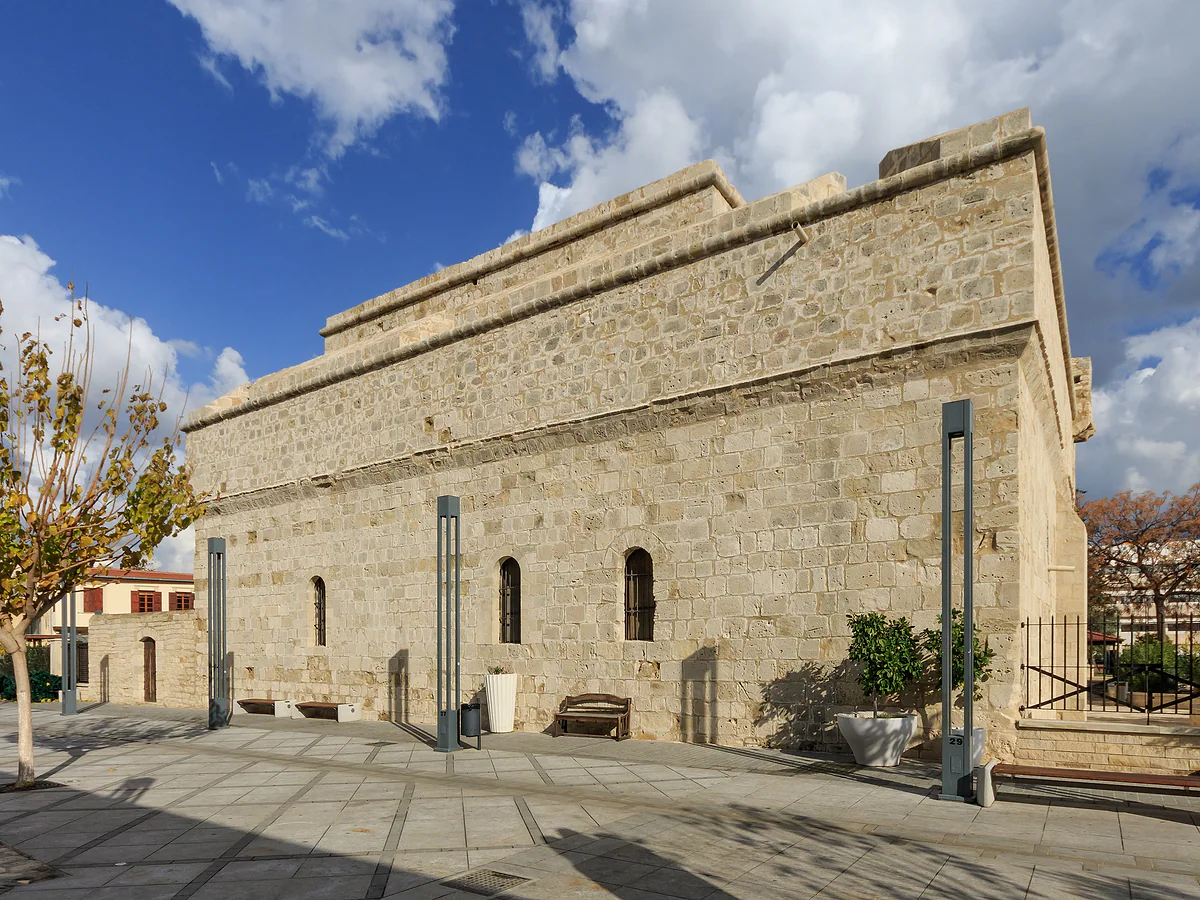
Limassol's medieval castle, a solid building of pale stone by the old port, under a sky with scattered clouds
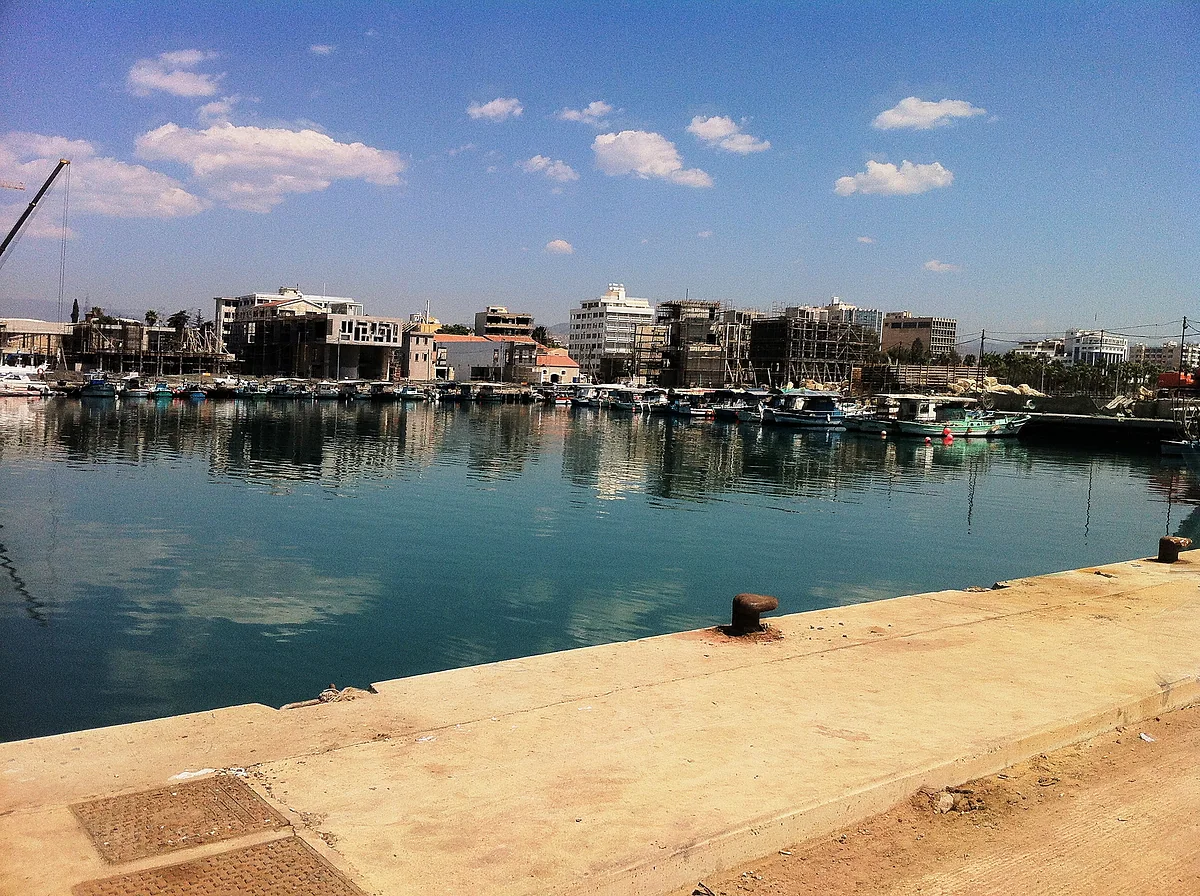
The quay of Limassol old port during its regeneration, with boats moored and the town reflected in the calm water
What carob was used for
| Product | Use |
|---|---|
| Carob syrup | Food |
| Animal feed | Livestock |
| Other products | Industry and food |
Limassol Tourism Board, Carob Mill page, read on 4 October 2026.
Opening hours and admission
| Days | Hours | Admission |
|---|---|---|
| Monday to Sunday | 07:00-23:00 | Free |
Limassol Tourism Board historic centre route, read on 4 October 2026. As the complex has leisure uses, those may be the site's hours rather than each venue's.
Test yourself
True or false?
0/3 Pick before you peek.
-
Admission to Limassol's Carob Mill is free.
See the answer
True. The tourist board's historic centre route lists entry as free.
-
Carob was a minor product for Cyprus.
See the answer
False. The tourist board counts it among the island's major exports.
-
The Carob Mill stands beside the old port.
See the answer
True. Being next to the harbour made it easier to ship carob and other goods.
- Daily opening hours
- 07:00-23:00
- Admission
- €0
- Stop number on the old town route
- 19
Map
Where Carob Mill is
The grey strip with green dashes across the island is the UN buffer zone, the Green Line; to the north is the part of the island not under the control of the Government of the Republic. The Troodos fill the centre and west. Every number opens its guide.
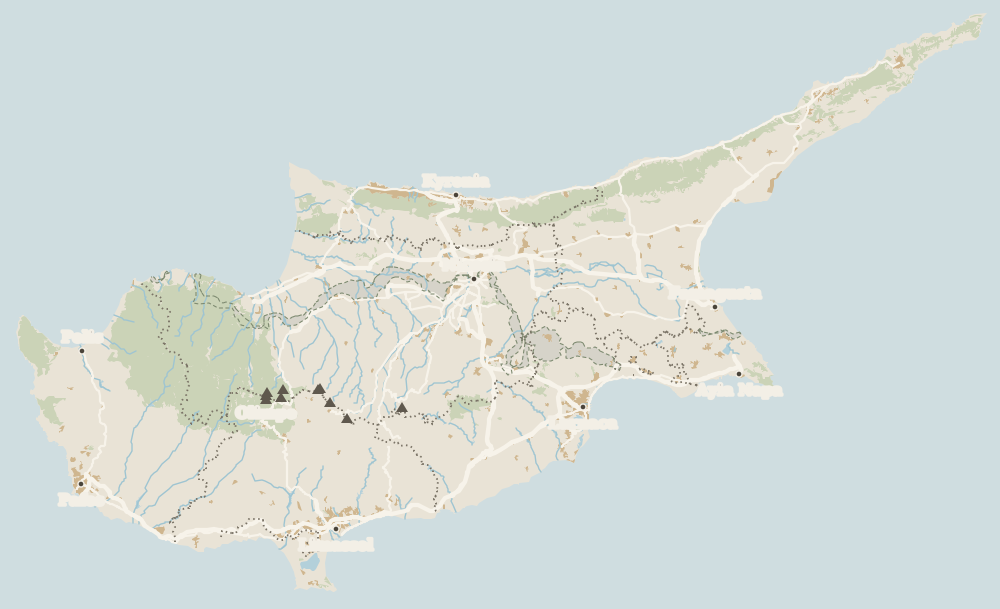 1Four Seasons Limassol 2Limassol 3Atlantica Miramare 4Limassol Castle 5Elias Beach 6Limassol old town 7Molos promenade 8St Raphael Resort 9Alasia Hotel 10Limassol Marina 11Amathus Beach 12Limassol old port 13Limassol Archaeological Museum 14Parklane 15Carob Mill
 Map data © OpenStreetMap contributors (ODbL)
- 1Four Seasons LimassolOn the Amathus coast
- 2LimassolCyprus's second city
- 3Atlantica MiramareA confirmed four-star in Limassol
- 4Limassol CastleHome of the Cyprus Medieval Museum
- 5Elias BeachFour stars in Parekklisia, Limassol
- 6Limassol old townThe historic centre on foot
- 7Molos promenadePromenade and sculpture park
- 8St Raphael ResortA confirmed five-star in Pyrgos
- 9Alasia HotelA city hotel with a confirmed licence
- 10Limassol MarinaThe town-centre marina
- 11Amathus BeachFive stars on the Amathus coast
- 12Limassol old portThe old fishing harbour
- 13Limassol Archaeological MuseumThe district archaeological museum
- 14ParklaneFive stars on Limassol's east coast
- 15Carob MillIndustrial heritage by the castle
0 of 421 Cyprus guides
Your next stamp
- Limassol Castle
- Limassol
- Limassol Archaeological Museum
- Limassol old port
- Limassol old town
- Molos promenade
- Cruises
- Anogyra
- Almyra Hotel
- Anassa Hotel
- Anastasia Beach
- Aphrodite Hills Resort
- Apostolos Andreas
- Bellapais Abbey
- Cap St Georges
- Church of St Lazarus
- Columbia Beach Resort
- Commandaria
- Coral Beach Hotel
- Cypriot food
- Dome Beach
- Four Seasons Limassol
- Golden Bay
- Grecian Park
- Hilton Nicosia
- Kourion
- Kyrenia Castle
- Larnaca
- Lefkara lace
- Limassol Carnival
- Meze
- Omodos
- Panagia Angeloktisti
- Places to visit
- Selimiye Mosque
- Soli
- St Barnabas Monastery
- Weather
- Wine routes
- Atlantica Miramare
- Büyük Han
- Cheap eats
- Cyprus in winter
- Finikoudes
- Halloumi
- Kantara Castle
- Kataklysmos
- Narcissos
- Nissi Beach Resort
- Olympic Lagoon Paphos
- Othello Tower
- Sanctuary of Apollo Hylates
- Sea temperature
- Things to do
- Vouni
- Vouni Palace
- Alion Beach
- Cypriot desserts
- Cyprus in spring
- Elias Beach
- Golden Coast
- Koilani
- Kolossi Castle
- Lala Mustafa Pasha Mosque
- Larnaca Castle
- Leonardo Laura Beach
- Limassol Wine Festival
- Most beautiful places
- Souvla
- St Hilarion Castle
- Arsos
- Buffavento Castle
- Crystal Springs
- Cypriot wine
- Cyprus in summer
- Easter in Cyprus
- Episkopi
- Kition
- Kleftiko
- Limanaki Beach
- Pafos Aphrodite Festival
- Pagona
- Prettiest villages
- St Raphael Resort
- Adams Beach
- Akrotiri peninsula
- Alasia Hotel
- Bellapais
- Cyprus in autumn
- Elysium Hotel
- Green Monday
- Independence Day
- Limassol Marina
- Pierides Museum
- Sheftalia
- Sunrise Pearl
- UNESCO World Heritage
- Vasa Koilaniou
- Akrotiri salt lake
- Amathus Beach
- Christmas
- Cyprus in January
- Grecian Bay
- Larnaca Archaeological Museum
- Lofou
- Map
- Venus Beach Hotel
- Vrissiana
- Asterias Beach
- Capo Bay
- Cypriot coffee
- Cyprus in February
- Kamares Aqueduct
- Kefalos Beach
- Lania
- Parklane
- St Nicholas of the Cats
- Where is Cyprus
- Alexander the Great
- Cyprus in March
- Districts
- Hala Sultan Tekke
- Lady's Mile
- Tsokkos Gardens
- Zivania
- Beer
- Cavo Maris
- Cyprus in April
- Germasogeia
- King Evelthon
- Larnaca Salt Lake
- Pissouri
- Towns and villages
- Amathus
- Athena Beach
- Cyprus in May
- Mackenzie beach
- Population
- Archaeological sites
- Cyprus in June
- King Jason
- Limassol beaches
- Size
- Zenobia wreck
- Aliathon Resort
- Castles in Cyprus
- Cyprus in July
- Governor's Beach
- Languages
- Larnaca beaches
- Annabelle Hotel
- Cyprus in August
- Monasteries in Cyprus
- Name
- Azia Resort
- Cyprus in September
- Museums in Cyprus
- Capital Coast Resort
- Cyprus in October
- Pyla
- Cyprus in November
- Kiti
- Cyprus in December
- Lefkara
- Choirokoitia
- Tochni
- Flag
- How to get there
- Kalavasos
- Krasochoria
- Salamis
- Aphrodite
- Flights
- Karpas Peninsula
- Stavrovouni Monastery
- Kornos
- Larnaca Airport
- Limassol District
- Larnaca district
- Paphos Airport
- Pyrga
- Airport transfers
- Athienou
- Ferry
- Odou
- Kato Drys
- Getting around
- Vavla
- Buses
- Zygi
- Taxis
- Agios Irakleidios
- Car hire
- Paphos district
- Driving
- Paphos
- Kato Paphos
- Parking
- Cycling
- Paphos old town (Ktima)
- Paphos Archaeological Park
- Road trip
- Distances
- Tombs of the Kings
- Agia Kyriaki and St Paul's Pillar
- Paphos Byzantine Museum
- Paphos beaches
- Geroskipou
- Cyprus Wine Museum
- Greek or Turkish?
- Peyia (Pegeia)
- Coral Bay
- History
- Sea caves, Peyia
- The division
- Agios Georgios, Peyia
- Political system
- Akamas peninsula
- Religion
- Blue Lagoon, Akamas
- Public holidays
- Baths of Aphrodite
- Time
- Currency and payments
- Lara beach
- Avakas Gorge
- EU and Schengen
- Entry requirements
- Polis Chrysochous
- Facts
- Latchi
- Neo Chorio
- Aphrodite's Rock
- Palaepaphos (Kouklia)
- Paphos Castle
- Paphos Archaeological Museum
- Agia Solomoni Catacomb
- Kathikas
- Drouseia
- Ineia
- Diarizos Valley
- Pano Panagia
- The north
- Where to eat
- Where to stay
- Chrysorrogiatissa Monastery
- Crossing to the north
- Hotels in Ayia Napa
- Agios Neophytos Monastery
- Green Line
- Hotels in Protaras
- British bases
- Hotels in Limassol
- Tala
- Ercan airport
- Hotels in Larnaca
- Lempa
- Hotels in Paphos
- Hotels in the north
- Pano Arodes
- Hotels in Coral Bay
- Kritou Terra
- Kyrenia district
- Hotels in Polis and Latchi
- Kyrenia
- Lysos
- Hotels in Nicosia
- Lapithos
- Pomos
- Cedar Valley
- Hotels in the Troodos
- Ayia Napa
- Best time to visit
- Famagusta district
- Luxury hotels
- North Nicosia
- Agrotourism
- All-inclusive hotels
- Famagusta
- Thalassa Museum
- Adults-only hotels
- Apartments
- Ayia Napa Monastery
- Varosha
- Ayia Napa Sculpture Park
- Family hotels
- Morphou
- Boutique hotels
- Nissi Beach
- Beachfront hotels
- Events
- Makronissos
- Ayia Napa sea caves
- Cheap hotels
- Love Bridge
- Villas
- Ayia Napa beaches
- Campsites
- Cape Greco
- Safety
- Konnos Bay
- Scams and pitfalls
- Cyclops Cave
- Healthcare
- Mobile and roaming
- Free things to do
- What to buy
- With a dog
- Accessible Cyprus
- Plugs
- Tipping
- Protaras
- Tourist information
- Fig Tree Bay
- Packing list
- Prices and budget
- Profitis Ilias Church
- Cyprus on a budget
- Protaras beaches
- Shopping
- Paralimni
- With kids
- Deryneia
- For couples
- Kokkinochoria
- Weddings
- Nightlife
- Sotira
- Liopetri
- Package holidays
- Day trips
- Frenaros
- Nicosia district
- Avgorou
- Boat trips
- Nicosia
- Jeep safari
- Venetian walls
- Famagusta Gate
- Ledra Street
- Laiki Geitonia
- Cyprus Museum
- Byzantine Museum, Nicosia
- St John's Cathedral
- Archbishop's Palace
- 3 days
- Museums in Nicosia
- 5 days
- Chrysaliniotissa
- Leventis Museum
- One week
- 10 days
- Leventis Gallery
- Kornesios house
- Two weeks
- National Struggle Museum
- Ömeriye Mosque
- Faneromeni Church
- Shacolas observatory
- Tamassos
- Idalion
- Machairas Monastery
- Fikardou
- Lythrodontas
- Tilliria
- Kato Pyrgos
- Troodos Mountains
- Mount Olympus
- Troodos Square
- Skiing in Cyprus
- Troodos Geopark
- Painted churches of Troodos
- Kykkos Monastery
- Makarios's tomb
- Trooditissa Monastery
- Platres
- Prodromos
- Foini
- Treis Elies
- Marathasa valley
- Solea valley
- Agios Nikolaos tis Stegis
- Panagia Asinou
- Panagia Podithou
- Archangelos Michael, Pedoulas
- Panagia tou Moutoulla
- Agios Ioannis Lampadistis
- Kalopanayiotis
- Pedoulas
- Moutoullas
- Kakopetria
- Galata
- Evrychou
- Pitsilia
- Stavros tou Agiasmati
- Panagia tou Araka
- Timios Stavros, Pelendri
- Transfiguration church, Palaichori
- Palaichori
- Askas
- Lagoudera
- Polystypos
- Alona
- Agros
- Kyperounta
- Louvaras
- Hiking in Cyprus
- Artemis Trail
- Atalante Trail
- Persephone Trail
- Teisia tis Madaris
- Waterfalls in Cyprus
- Caledonia Waterfall
- Nature parks in Cyprus
- Viewpoints in Cyprus
- Cyprus beaches
- Diving in Cyprus
- Water sports in Cyprus
- Water parks in Cyprus
- Golf in Cyprus
Frequently asked questions
What is the Carob Mill in Limassol?
A former carob mill from the late 19th and early 20th centuries, beside the castle. Its original machinery survives and it's now used for culture and leisure, as a showcase of the town's industrial heritage.
How much does it cost to visit the Carob Mill?
Nothing. The tourist board's historic centre route lists entry as free and the hours as 07:00 to 23:00 every day.
Why was there a carob mill in Limassol?
Because carob was one of Cyprus's main exports, and Limassol played a key role in processing and shipping it. The mill sat beside the old port to make transport easier.
What was carob used for?
According to the tourist board, carob syrup, animal feed and a range of other industrial and food products.
Where is the Carob Mill?
In the historic centre, beside the medieval castle and the old port. It's one of the 20 stops on the free old town route.
By
Tourism graduate with a master’s in Tourism Management and Planning from the University of Málaga, who has travelled across Europe. He writes every guide from official sources and his own judgement.
Published on . Facts checked on .
Sources
Some links in this guide are affiliate links: if you book through them, the site earns a commission at no extra cost to you. Affiliate disclosure
Photos: Rüdiger Stehn (CC BY-SA 2.0); A.Savin (FAL); Tech bro (CC BY-SA 3.0), via Wikimedia Commons.