Larnaca district covers the south-east of Cyprus, between Limassol to the west, Nicosia to the north and Famagusta to the east. It had 155,765 residents in the 2021 census. It holds Larnaca town and the island's main airport, the flamingo salt lake, the UNESCO-listed Neolithic settlement of Choirokoitia, the lace village of Lefkara and the mountain villages inland.
In 30 seconds
Full read: 3 min
Larnaca district had 155,765 residents in 2021.
It has the main airport and the flamingo salt lake.
Choirokoitia has been World Heritage since 1998.
Lefkara is the village of UNESCO-listed lace.
I'd split it into three days. One for the city and the salt lake, one for Choirokoitia and Lefkara, and one for the west coast from Kiti to Zygi. With a car and a base in town, there's no need to change hotel.
Sergio LeponeMy advice
Before you go
What I would keep in mind
01 Most beautiful
UNESCO's Neolithic village
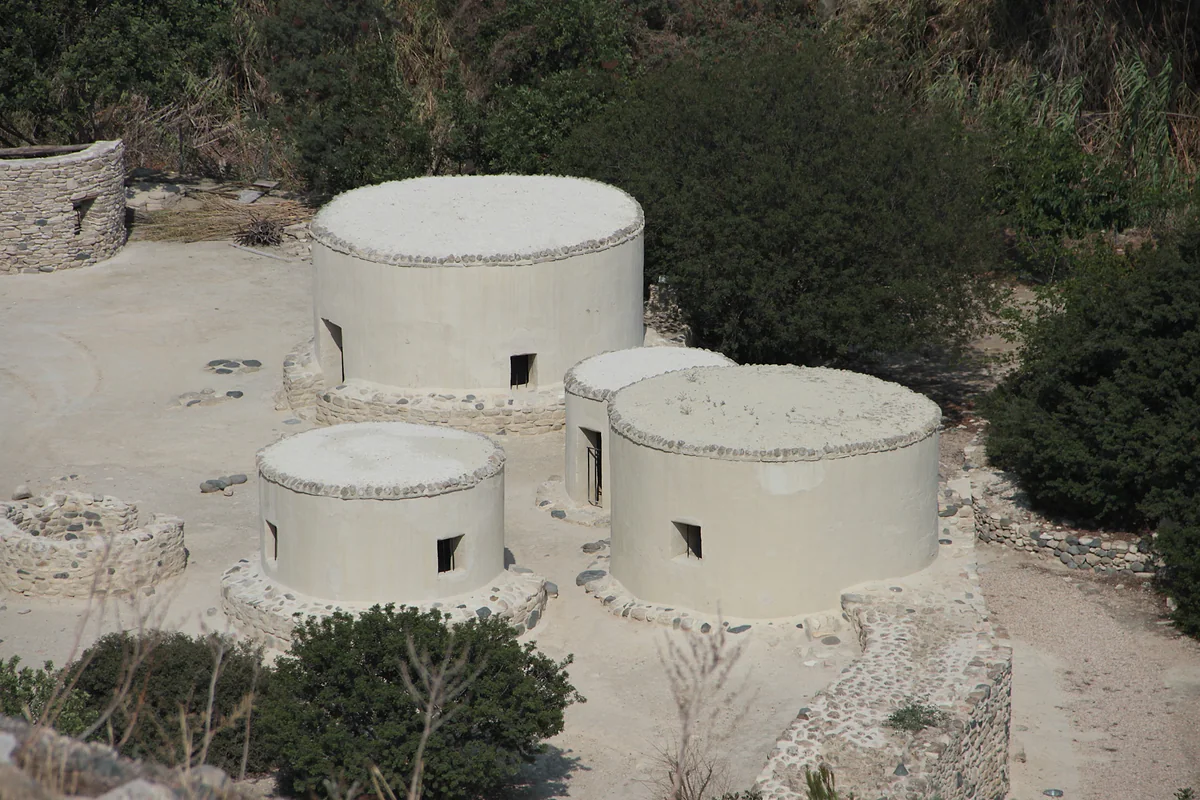
Choirokoitia, inhabited from the 7th millennium BC, has been World Heritage since 1998 and is one of the most important prehistoric sites in the eastern Mediterranean.
For many travellers, Larnaca district is just where the airport is. I find it one of the most varied in Cyprus, because in under an hour by car you go from a city thousands of years old to a UNESCO-listed Neolithic village and on to hill villages where people still embroider as they did centuries ago.
Where it is and who lives there
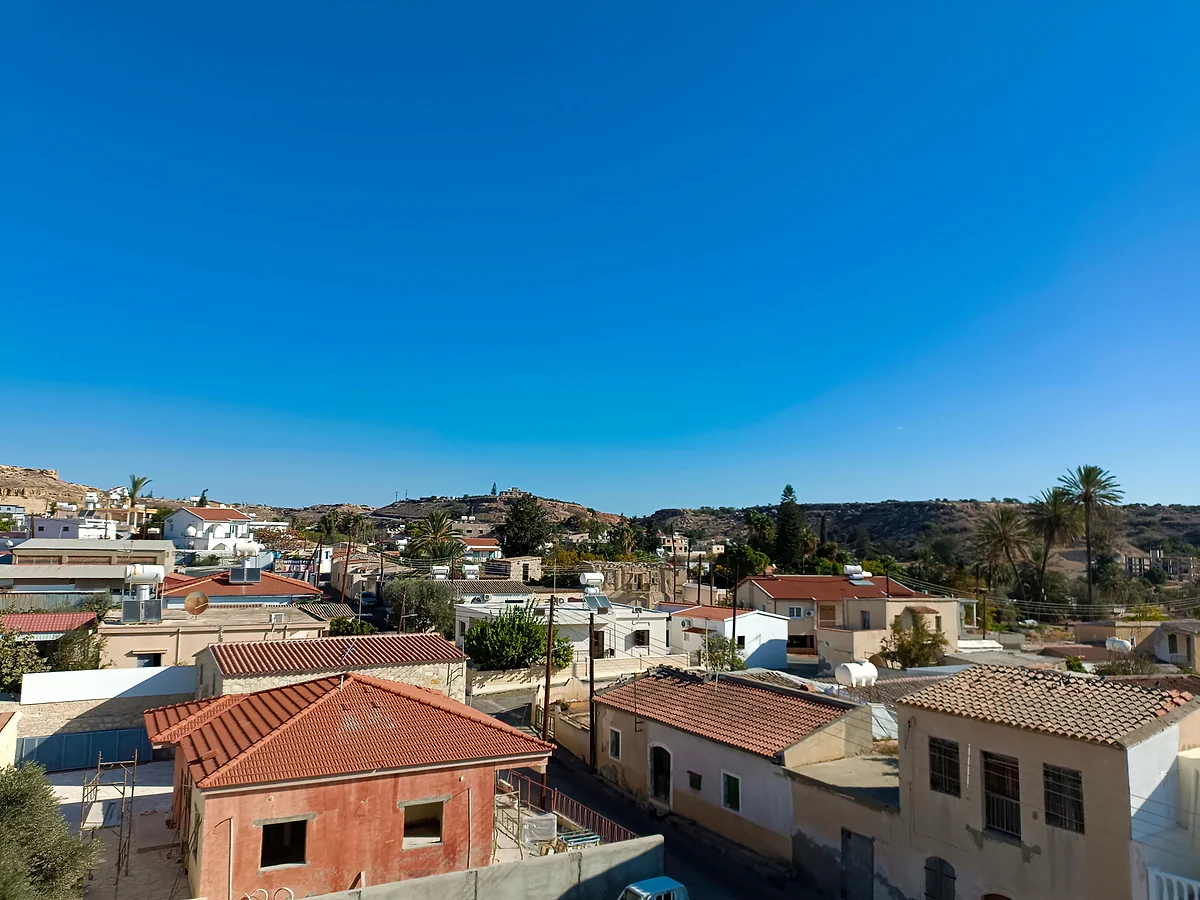
The district covers the south-east of the island. It borders Limassol to the west, Nicosia to the north and Famagusta to the east, and on its eastern edge is the British base at Dhekelia, one of the two British Sovereign Base Areas. The 2021 census counted 155,765 residents, and the main town, Larnaca, 52,046. Next come Aradippou, Xylofagou, Athienou and Pyla, where, uniquely on the island, people from both communities share a village inside the UN buffer zone.
Ten thousand years of history
The Larnaca Tourism Board says this is the island’s longest continuously inhabited area. There are remains from before the Neolithic by the Tremithos river, and about 25 km west of the city lies Choirokoitia, a settlement occupied from the 7th millennium BC that UNESCO inscribed in 1998. In the Bronze Age the area was the most populous in Cyprus, thanks to copper and its port. Then came Kition, the city-kingdom of Mycenaeans and Phoenicians, and, according to tradition, the visit of Saint Helena in 326, who left a piece of the True Cross at Stavrovouni Monastery.
Under the Venetians the lake’s salt was big business and watchtowers went up around the bay. Under the Ottomans, Larnaca was the chief port and the city of the consuls.
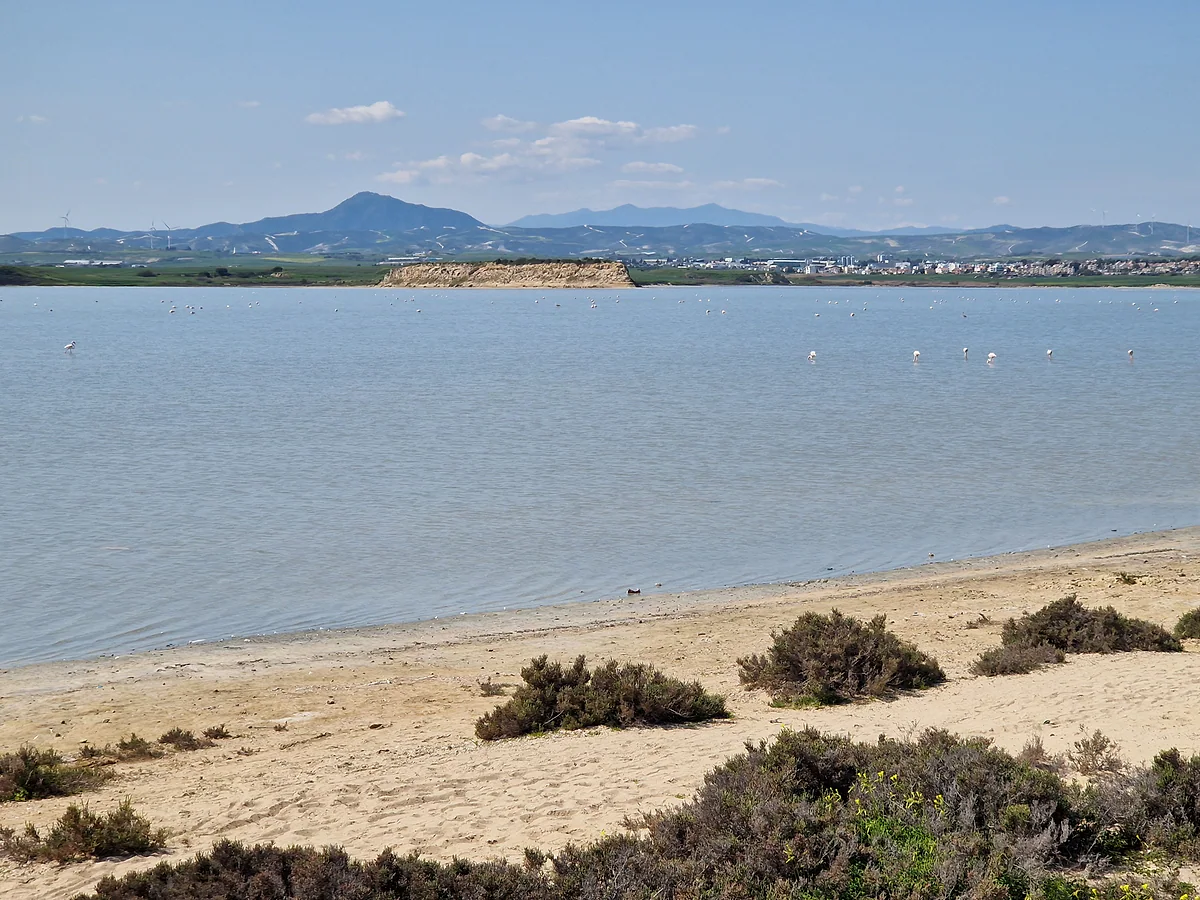
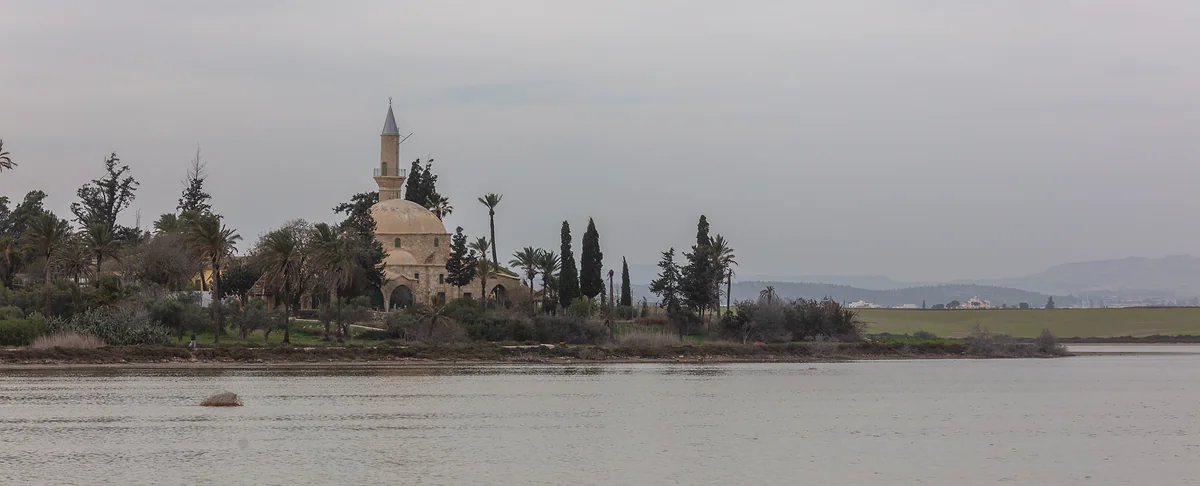
The main town is compact and best on foot. It has the church of St Lazarus, the Finikoudes promenade, the fort, good museums and, about 2 km away, the Larnaca Salt Lake, where thousands of flamingos stop in winter, with the Hala Sultan Tekke mosque on its shore.
The coast
The district’s coast runs from the Dhekelia road in the east, with beaches such as Yiannades and Pyla, to a string of villages in the west. Heading west out of town, one coastal village follows another as far as Zygi, with fishing harbours and fish tavernas. Beneath the sea off the main town rests the Zenobia wreck, one of the great wreck dives of the Mediterranean. I compare them all in Larnaca beaches.
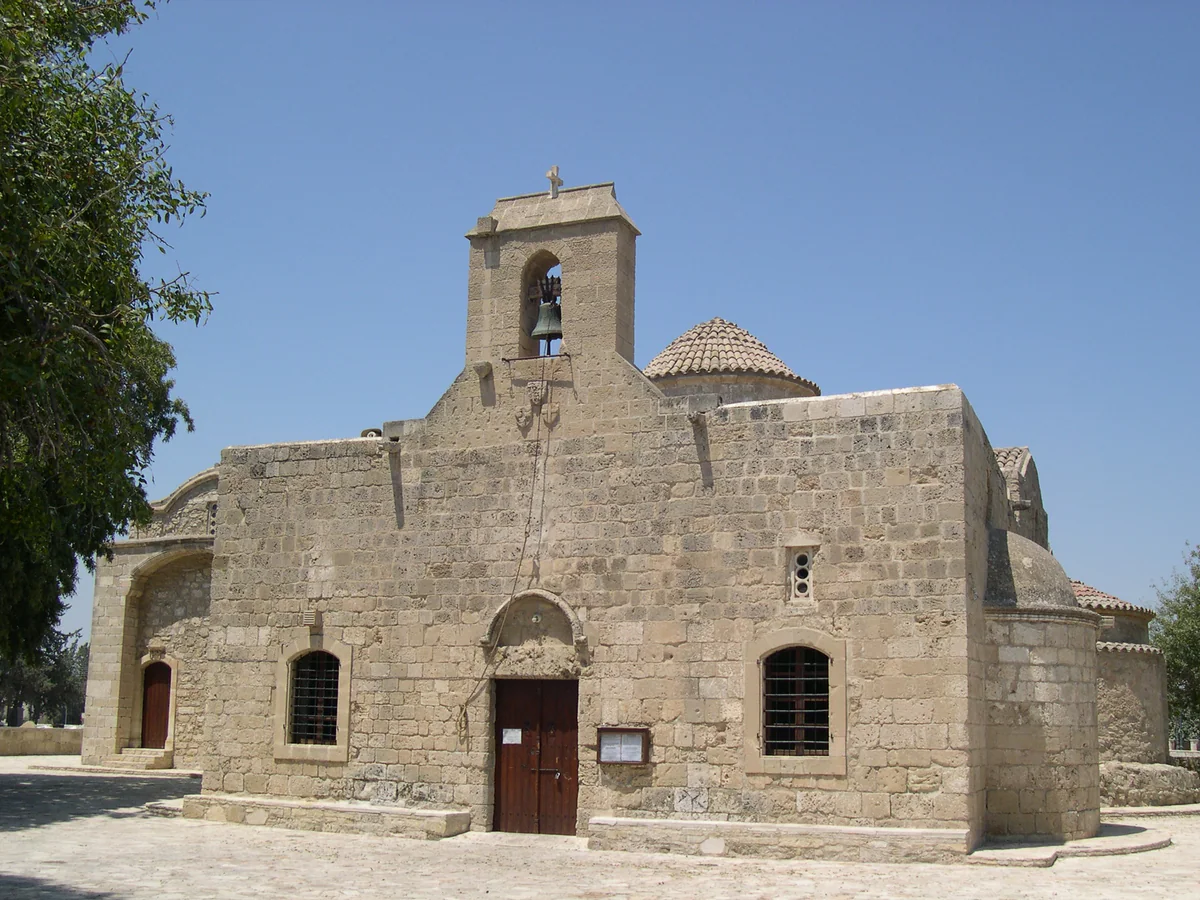
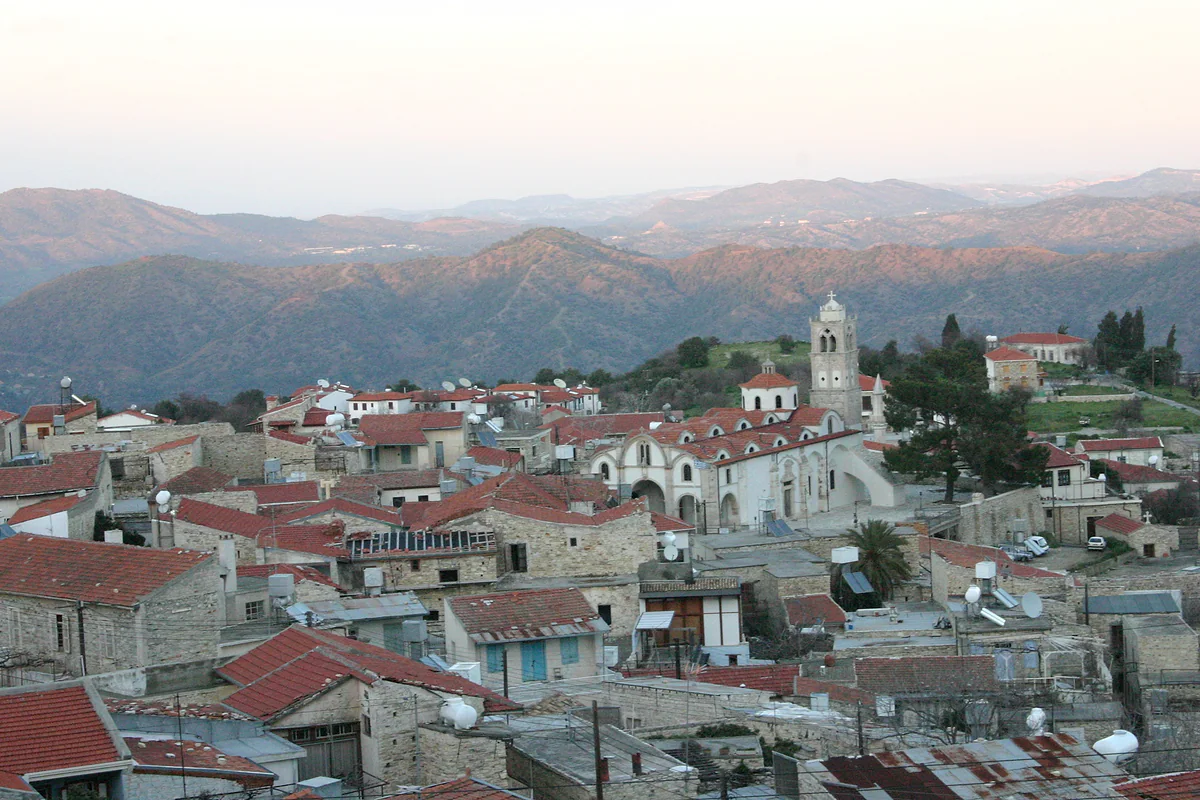
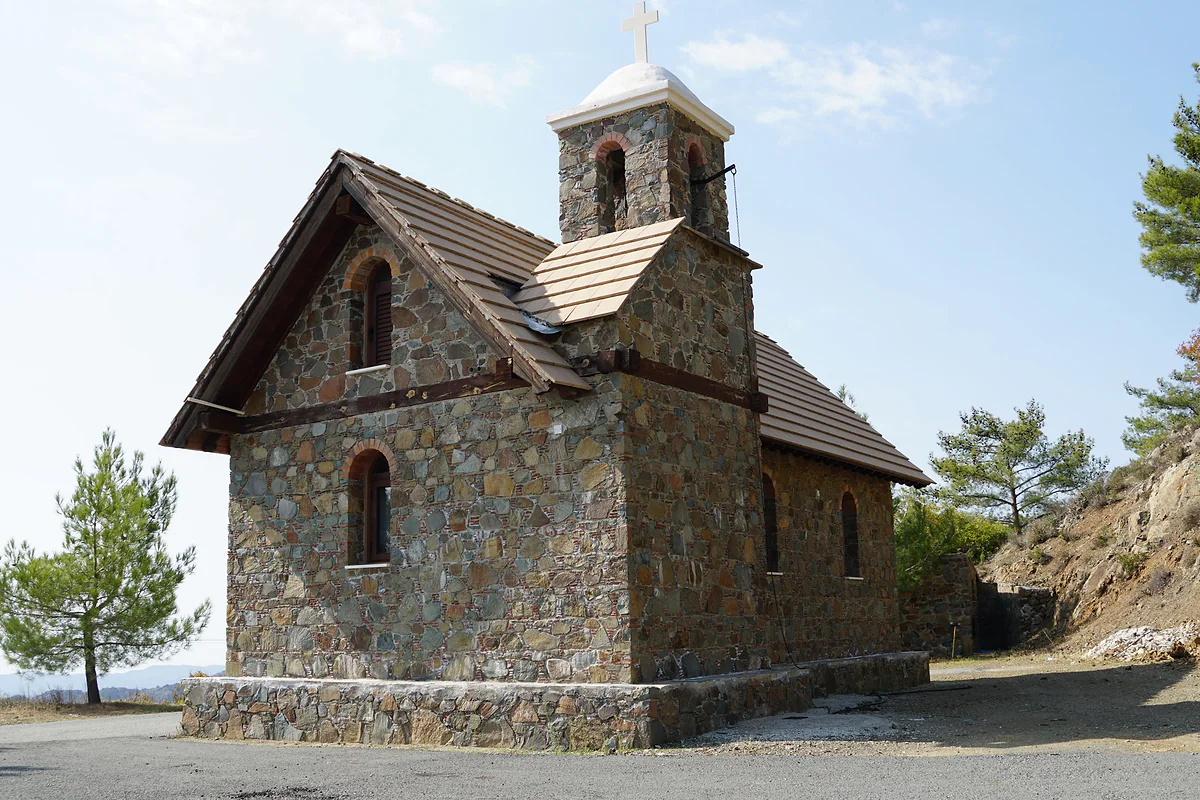
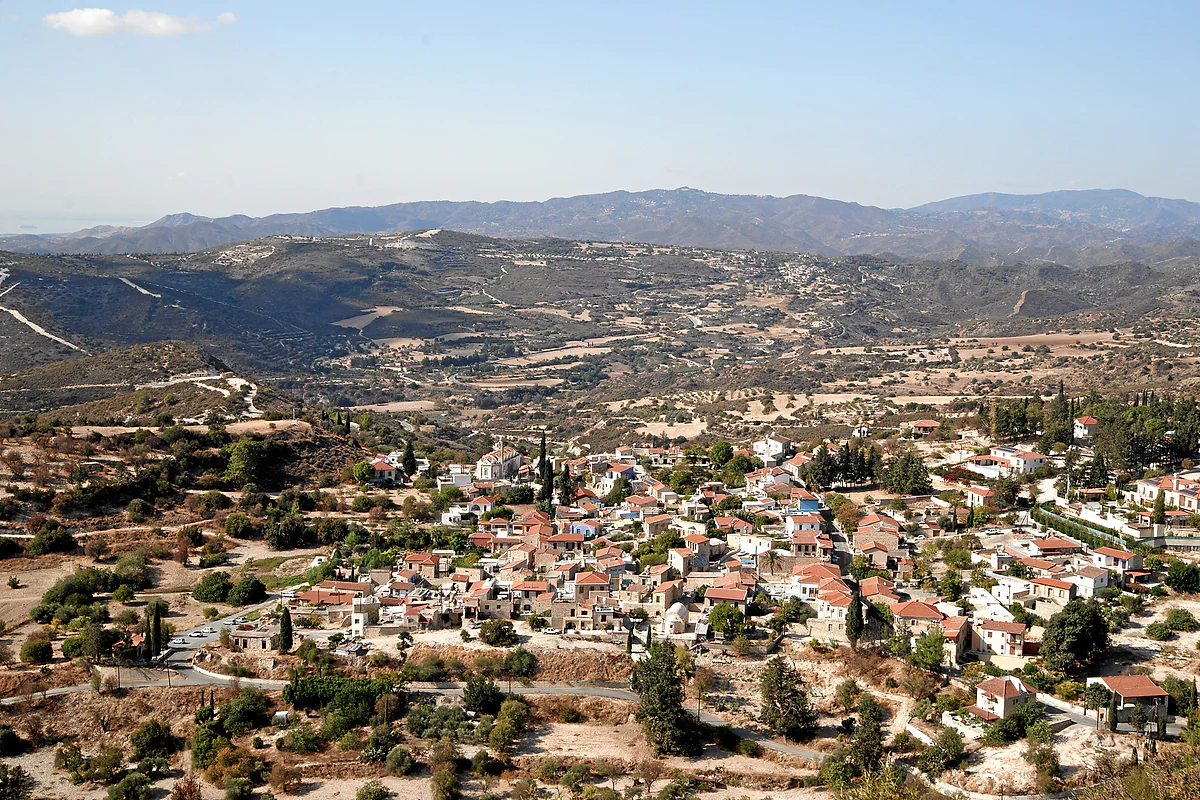
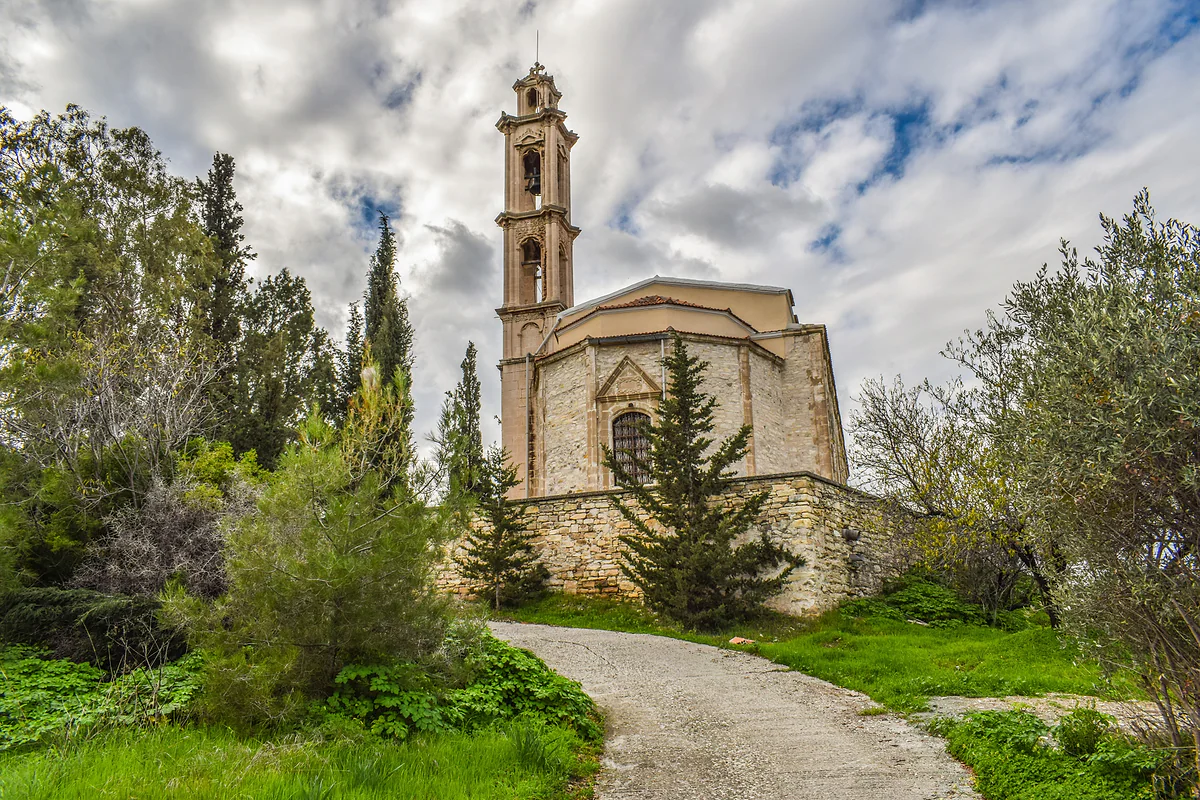
Inland, the area the board calls Orini rises towards the Troodos with villages of narrow lanes and rustic architecture, each with its own craft. Lefkara is the most famous, for the UNESCO-listed Lefkara lace, and around it lie Kato Drys, Vavla and Odou. Closer to the coast, Kiti keeps the church of Panagia Angeloktisti, with a 6th-century mosaic, and Tochni and Kalavasos make good rural bases near Choirokoitia. To the north, Athienou is known for its bread and lace, Kornos for its red clay pottery and Pyrga for the royal chapel of St Catherine.
Getting around
The international airport sits right next to the city, and everything about it is in Larnaca Airport. For the district, you’ll want a car, as the hill villages and archaeological sites are away from the main routes. I go through accommodation in where to stay in Larnaca.
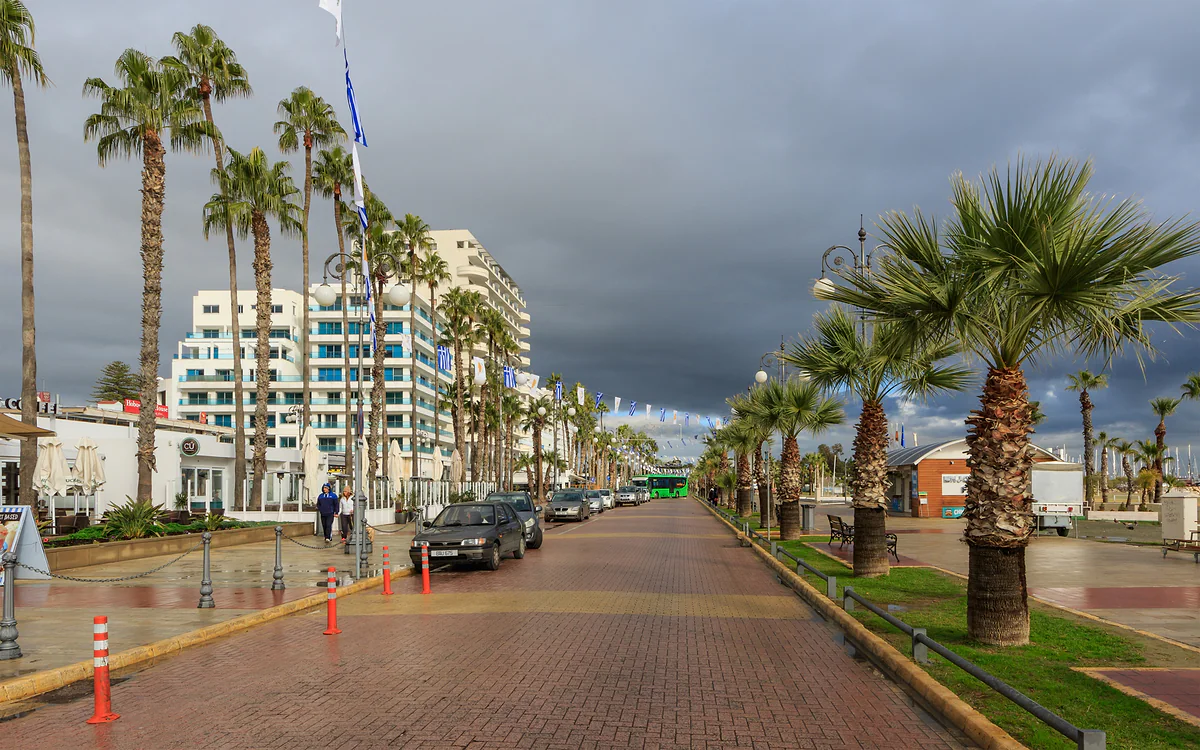
The Finikoudes promenade in Larnaca, lined with palm trees and seafront hotels, in Cyprus
Hala Sultan Tekke across Larnaca Salt Lake, its minaret and dome rising among palms and cypresses on the far shore
The rebuilt round stone houses of the Neolithic settlement of Choirokoitia, a World Heritage Site since 1998
The district's most populous places
Place
Residents (2021)
Larnaca
52,046
Aradippou
22,932
Xylofagou
6,625
Athienou
5,202
Pyla
3,869
CYSTAT, 2021 census, using the municipal boundaries of the time.
Test yourself
True or false?
0/3Pick before you peek.
Choirokoitia is a UNESCO World Heritage Site.
See the answer
True. UNESCO inscribed it in 1998 as one of the most important prehistoric sites in the eastern Mediterranean.
The UN operates inside the Dhekelia base.
See the answer
False. UNFICYP explains that the British base at Dhekelia interrupts the buffer zone and that the UN does not operate there.
Larnaca district had more than 150,000 residents in 2021.
See the answer
True. CYSTAT's census counted 155,765 residents in the district.
Residents in 2021
155,765
Choirokoitia, World Heritage
1998
District traditions on UNESCO's intangible list
2
Map
Where Larnaca district is
The grey strip with green dashes across the island is the UN buffer zone, the Green Line; to the north is the part of the island not under the control of the Government of the Republic. The Troodos fill the centre and west. Every number opens its guide.
Larnaca itself, with St Lazarus and the salt lake, the Neolithic settlement of Choirokoitia, Lefkara and its lace, the church of Panagia Angeloktisti at Kiti, Stavrovouni Monastery and the hill villages.
How many people live in Larnaca district?
155,765 in the 2021 census. By the end of 2024 CYSTAT estimated about 165,500.
What is Dhekelia?
One of the two British Sovereign Base Areas in Cyprus, on the east of the district. The UN explains that it interrupts the buffer zone and that the UN does not operate there.
What beaches does Larnaca district have?
Those in town, such as Finikoudes, Mackenzie and Kastella, those along the Dhekelia road, such as Yiannades and Pyla, and those of the west-coast villages from Pervolia to Zygi.
Tourism graduate with a master’s in Tourism Management and Planning from the University of Málaga, who has travelled across Europe. He writes every guide from official sources and his own judgement.

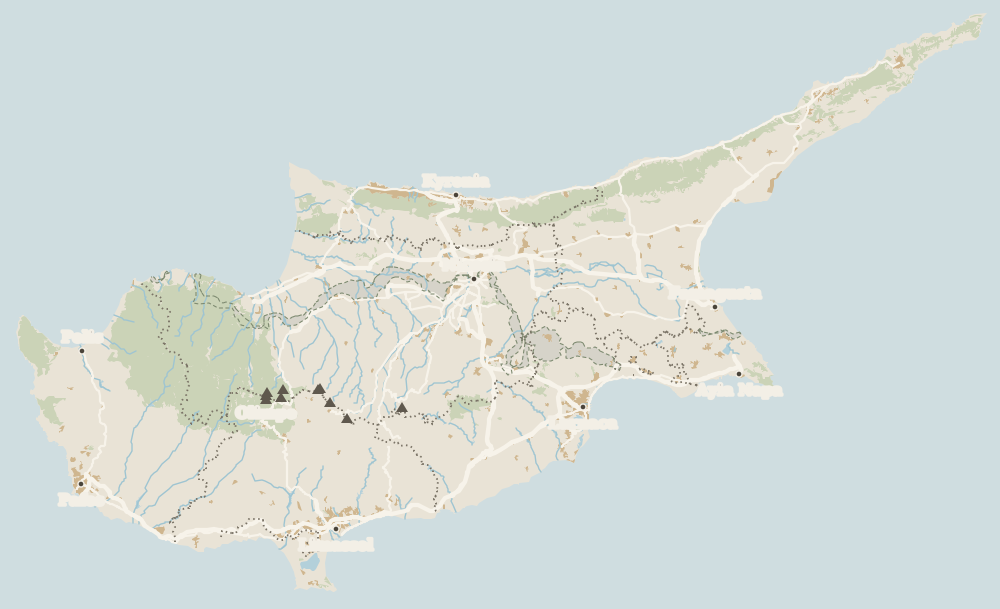 1Larnaca 2Pyla 3Kiti 4Lefkara 5Choirokoitia 6Tochni 7Kalavasos 8Stavrovouni Monastery 9Kornos 10Larnaca district 11Pyrga 12Athienou 13Odou 14Kato Drys 15Vavla 16Zygi