The painted churches of Troodos, ten Byzantine treasures
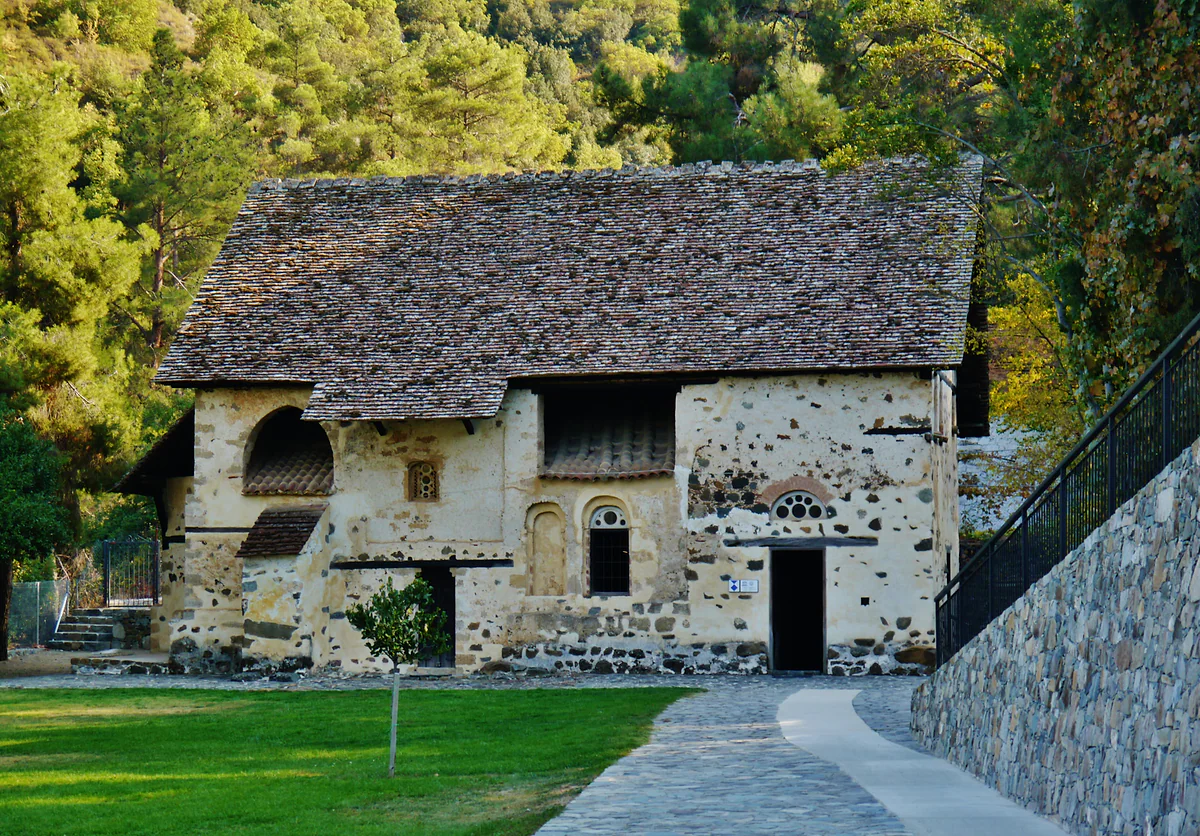
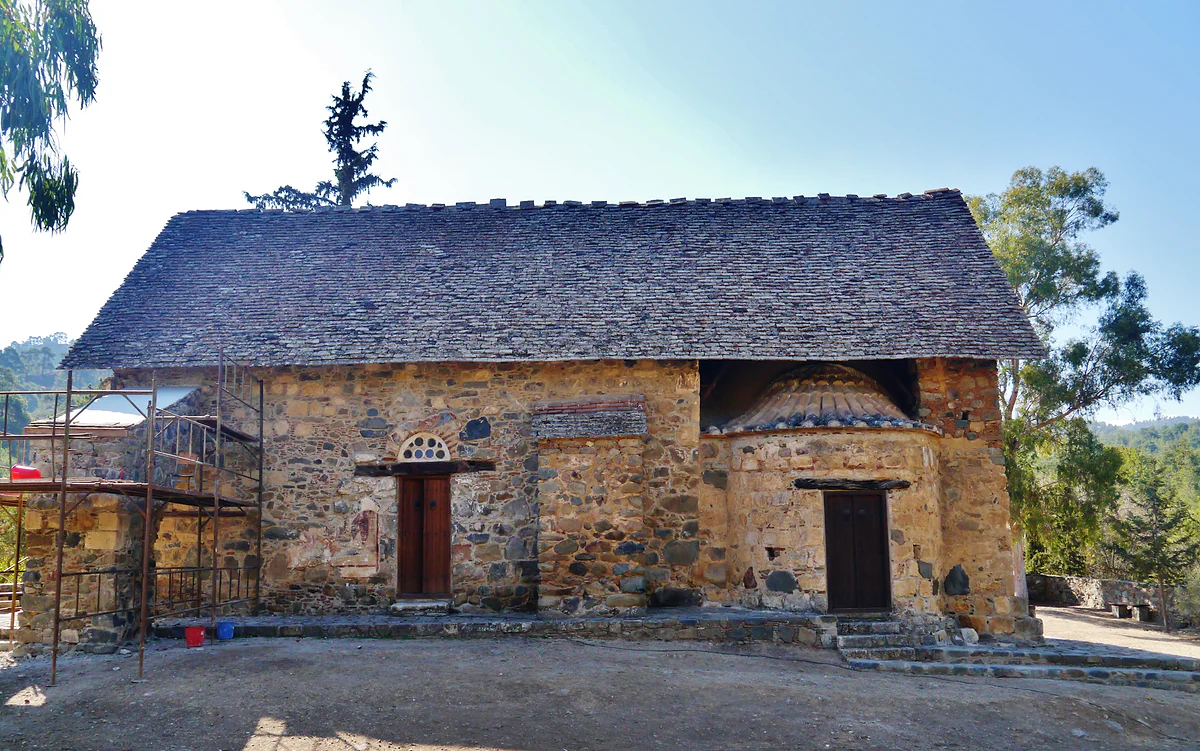
The Painted Churches in the Troodos Region are ten Byzantine churches and monasteries that UNESCO listed as World Heritage in 1985 and extended in 2001. Nine are in Nicosia district and one in Limassol district. All have steep wooden roofs and murals from the 11th to the 17th century, are still used for worship and can be visited free of charge.
In 30 seconds
Full read: 3 min
They're ten Byzantine churches in the Troodos, World Heritage since 1985.
Nine are in Nicosia district and one, at Pelendri, in Limassol district.
They're free to visit and still used for worship.
It's best to group them by valley, Solea, Marathasa and Pitsilia.
I wouldn't try to see all ten in one day, as they're in different valleys and many keep short hours. I'd take one valley per day and, if there's only time for one church, go to Panagia tou Araka or Asinou.
Sergio LeponeMy advice
Before you go
What I would keep in mind
01 To save money
No entrance fee
UNESCO points out that all ten churches are living monuments, still used for worship and open to the public with no entrance fee.
At some, such as Panagia tou Moutoulla or Stavros tou Agiasmati, the Troodos Development Company says you ask for the key or the custodian at the village coffee shop.
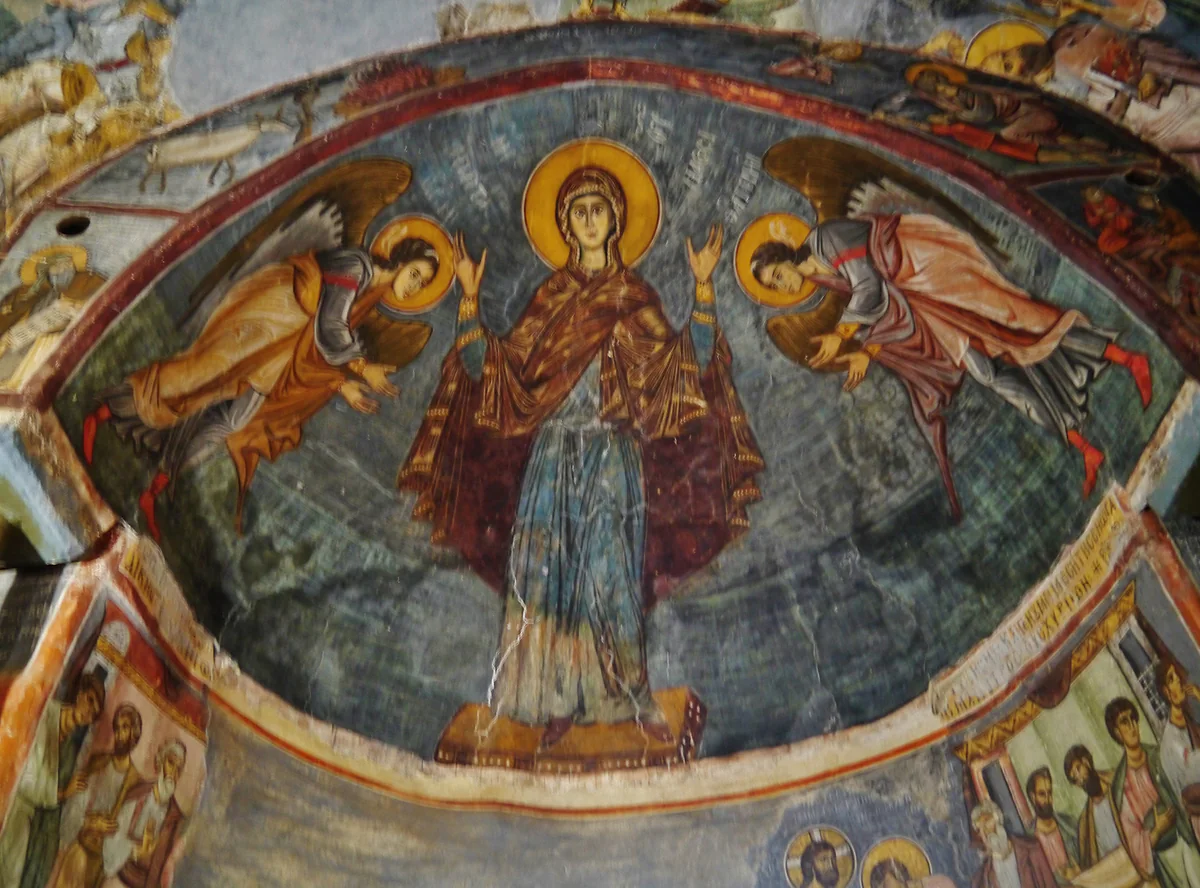
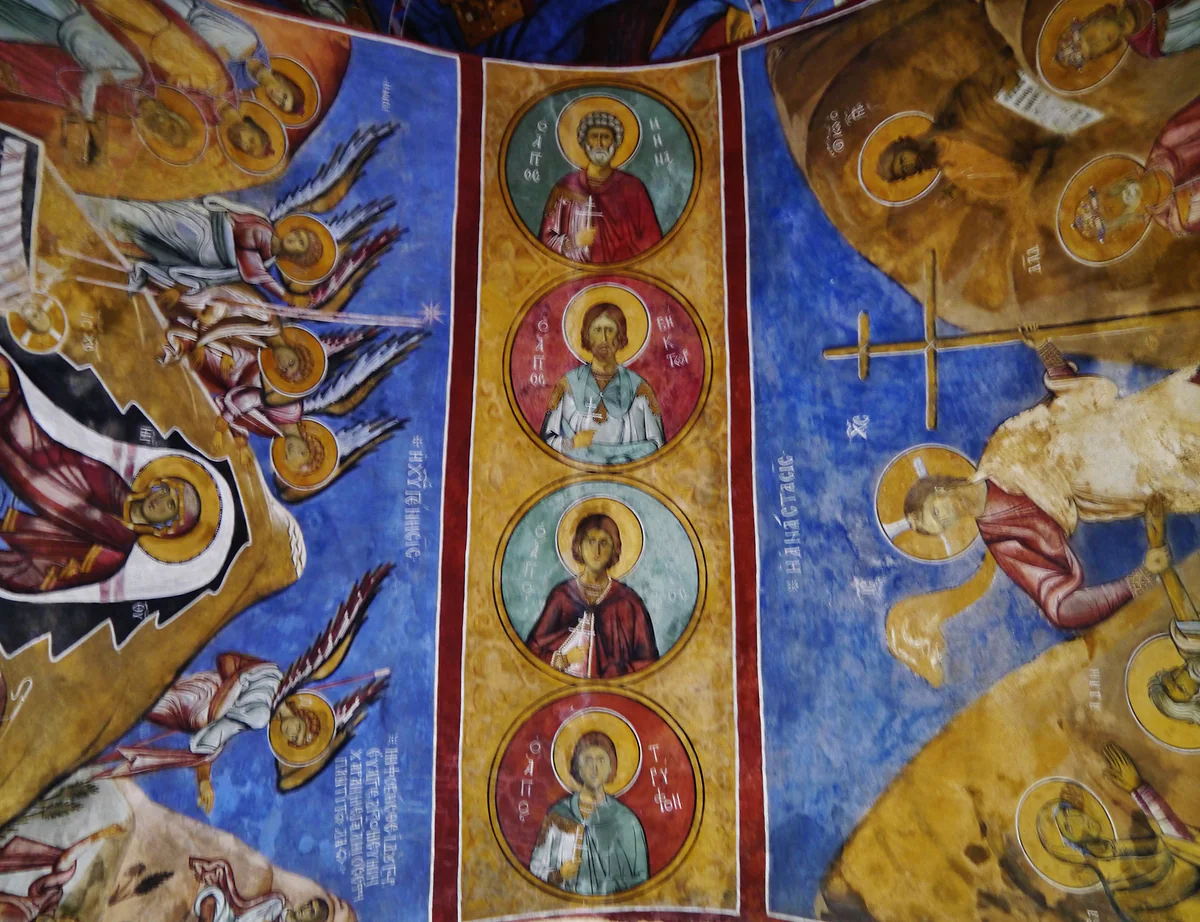
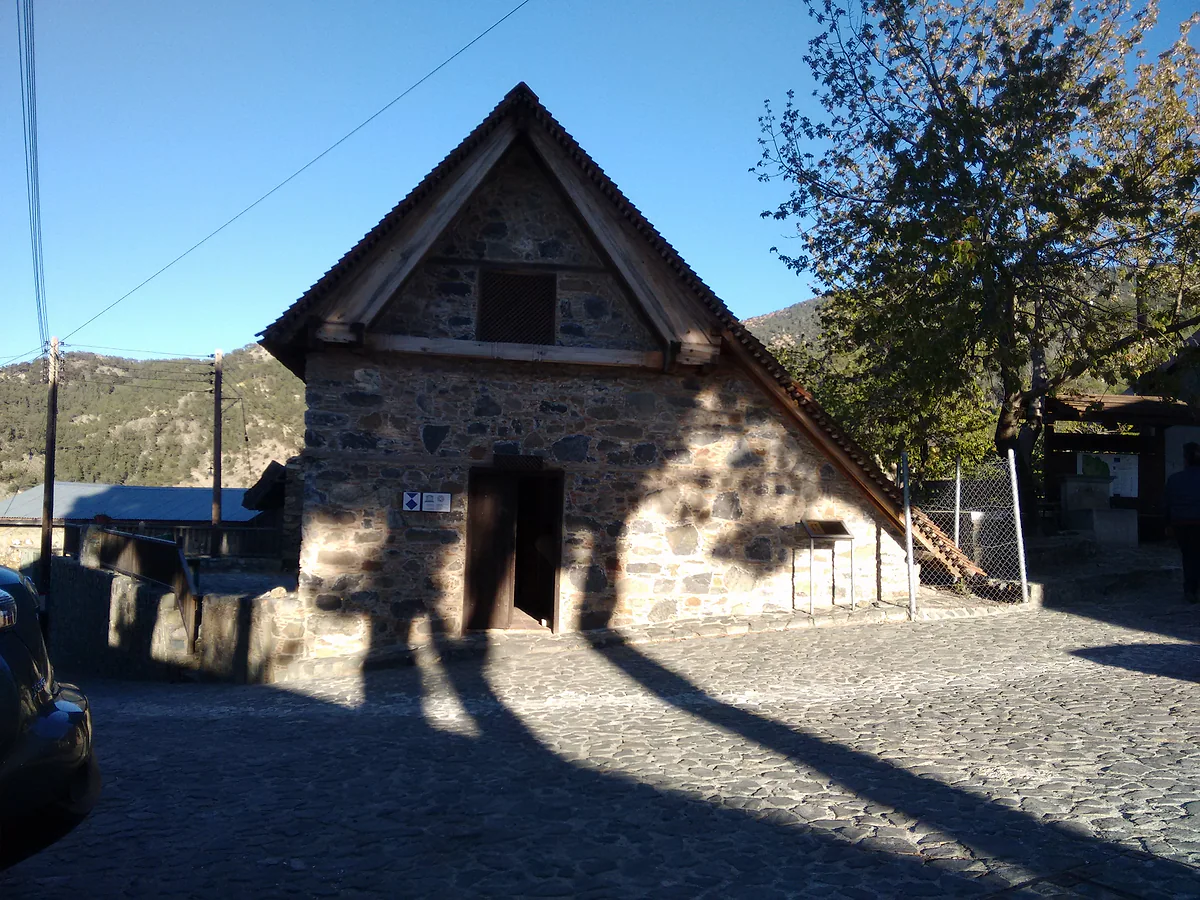
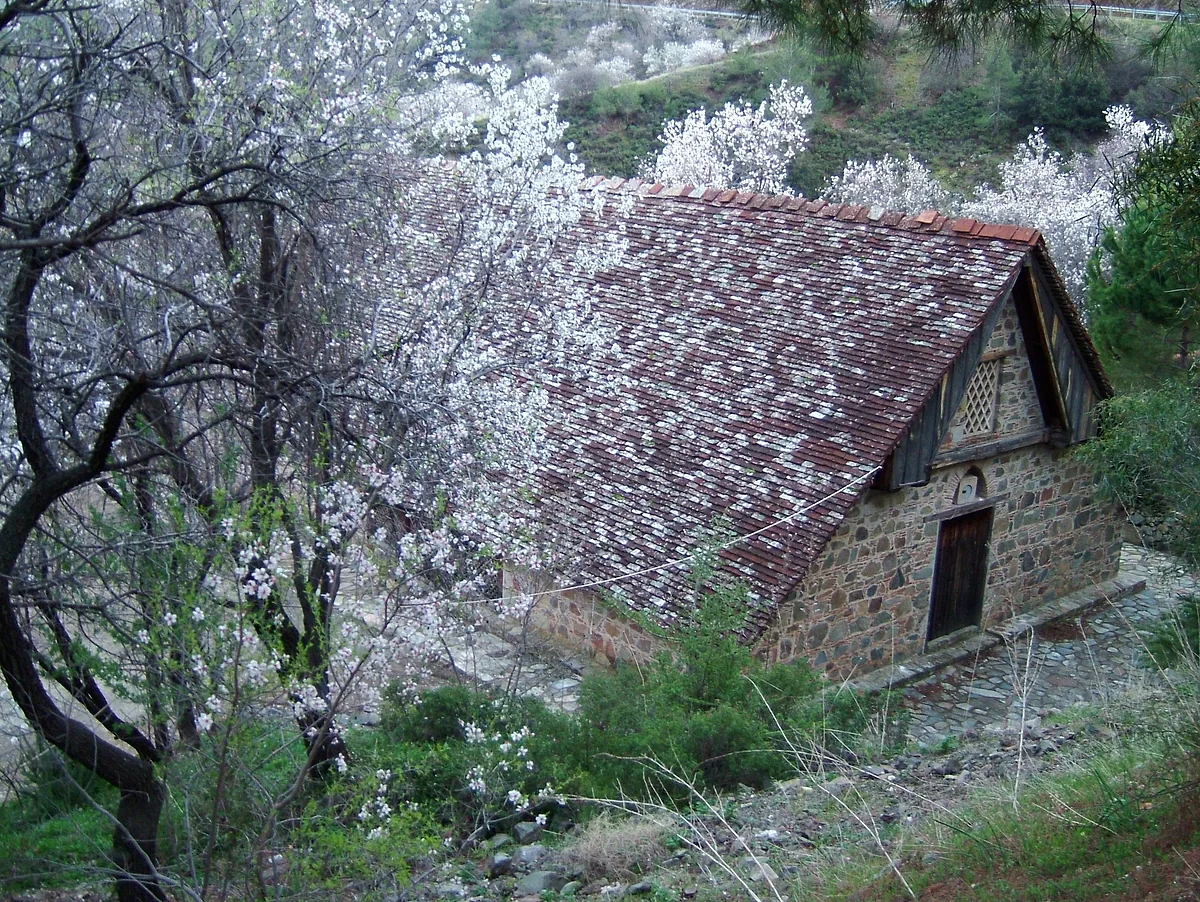
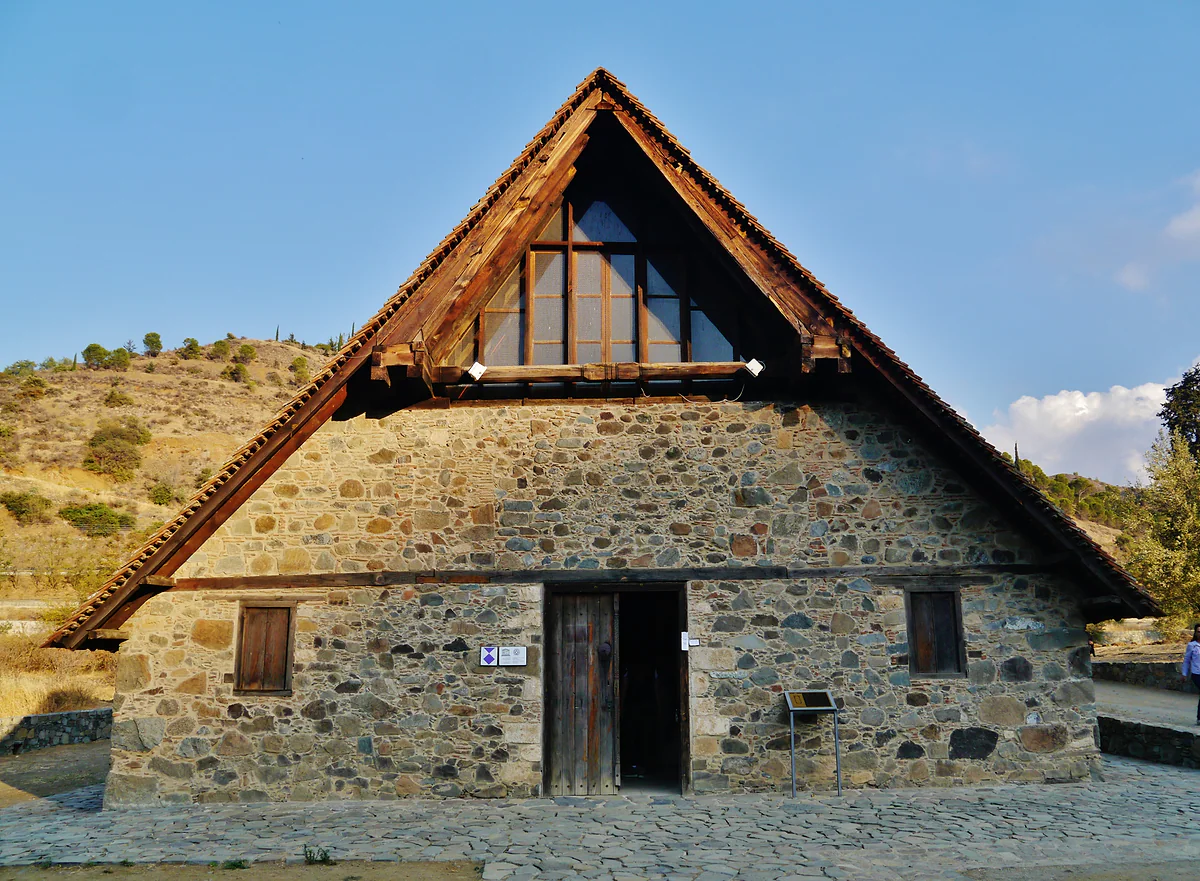
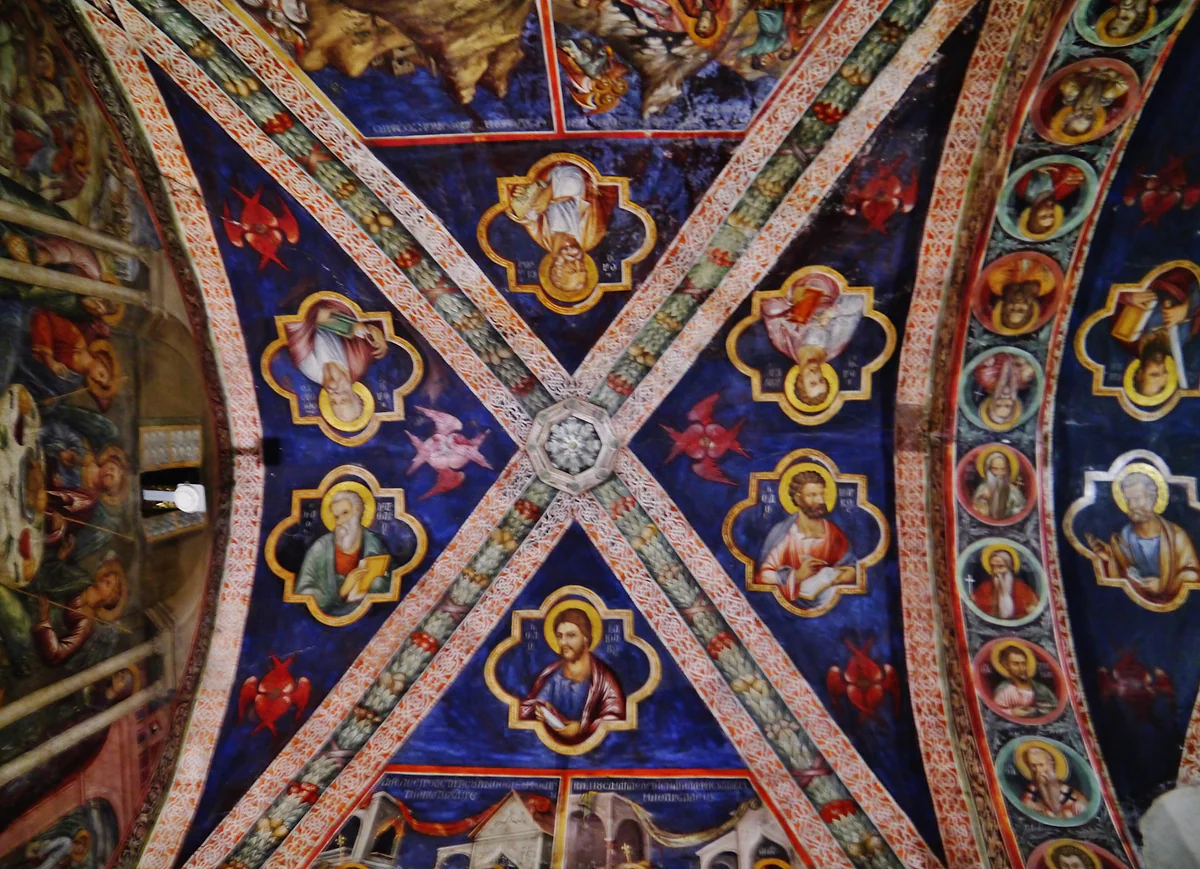
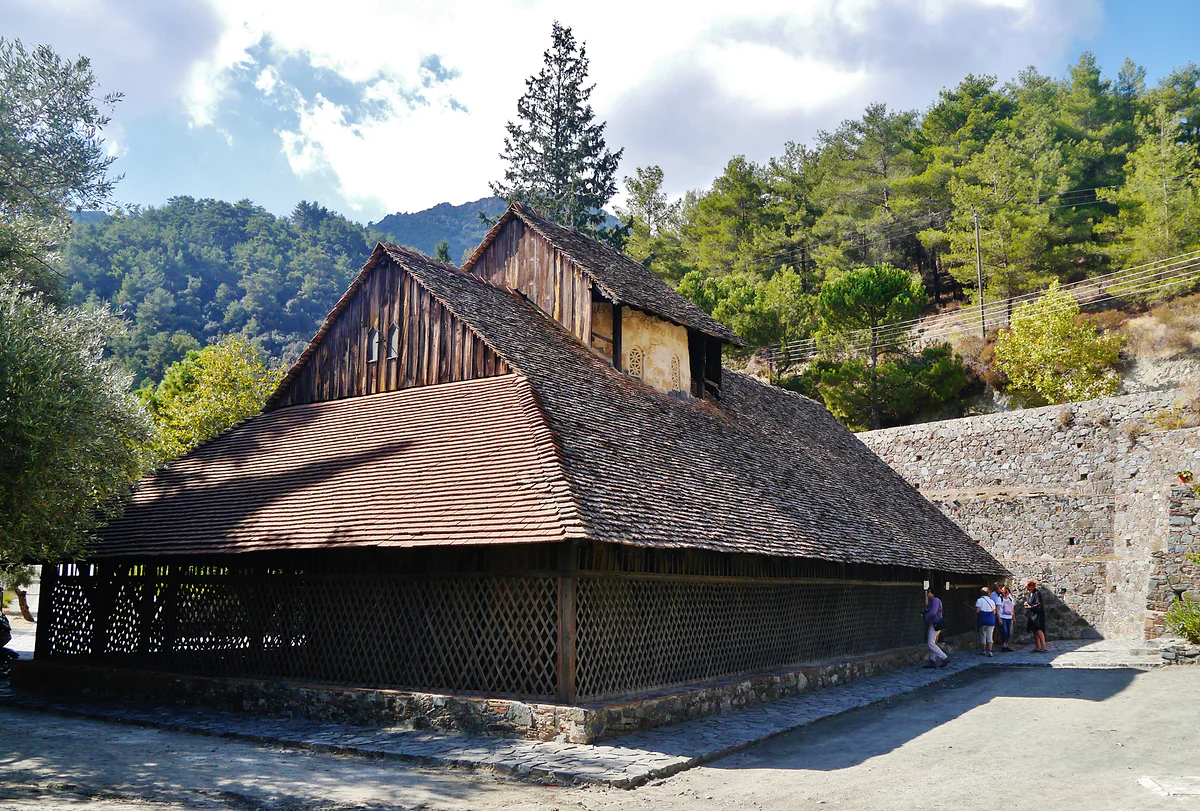
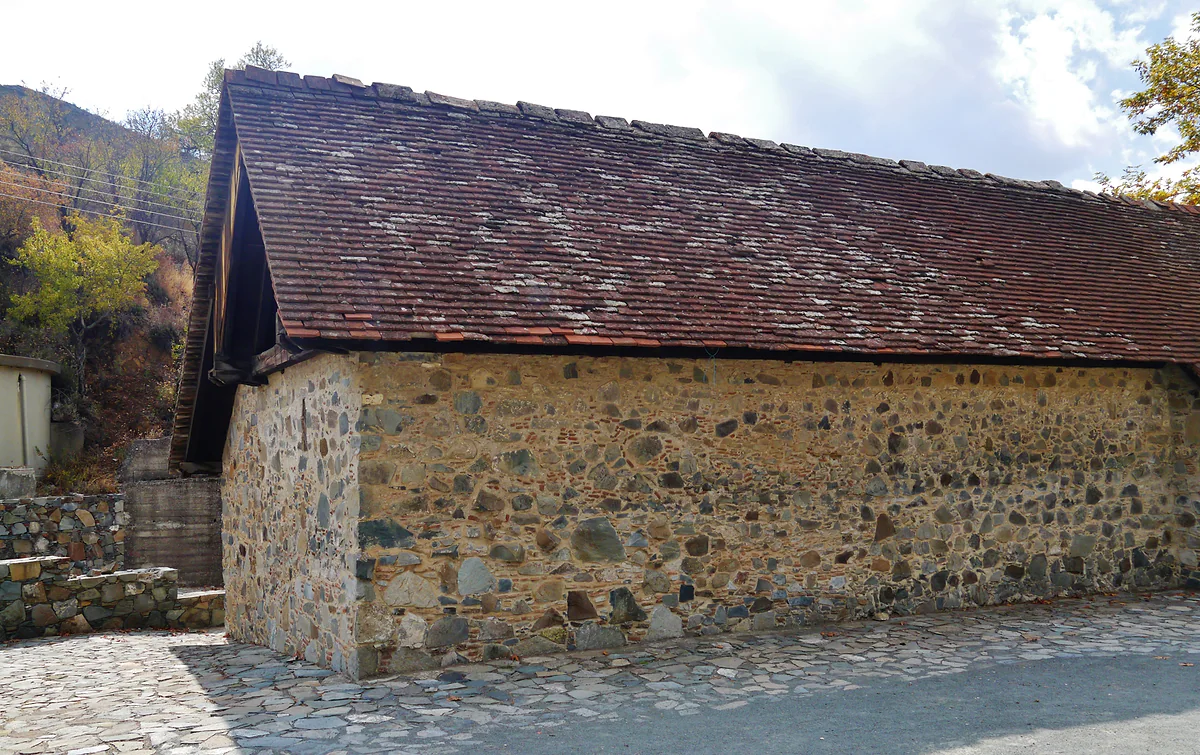
If I could give only one reason for heading up into the Troodos Mountains, it would be these churches. From outside they look like mountain barns, with their wooden roofs, and inside they’re painted from floor to ceiling. Here’s which they are, how to group them and where I’d start, using UNESCO’s listing and the routes the Troodos Development Company suggests.
One property, ten churches
UNESCO inscribed the Painted Churches in the Troodos Region in 1985 and changed the property’s boundaries in 2001. The company explains that the Palaichori church was the last one added. To UNESCO they form one of the largest clusters of churches and monasteries built under the Byzantine Empire, from small rural churches whose plain architecture contrasts with their refined decoration to major monasteries such as Agios Ioannis Lampadistis.
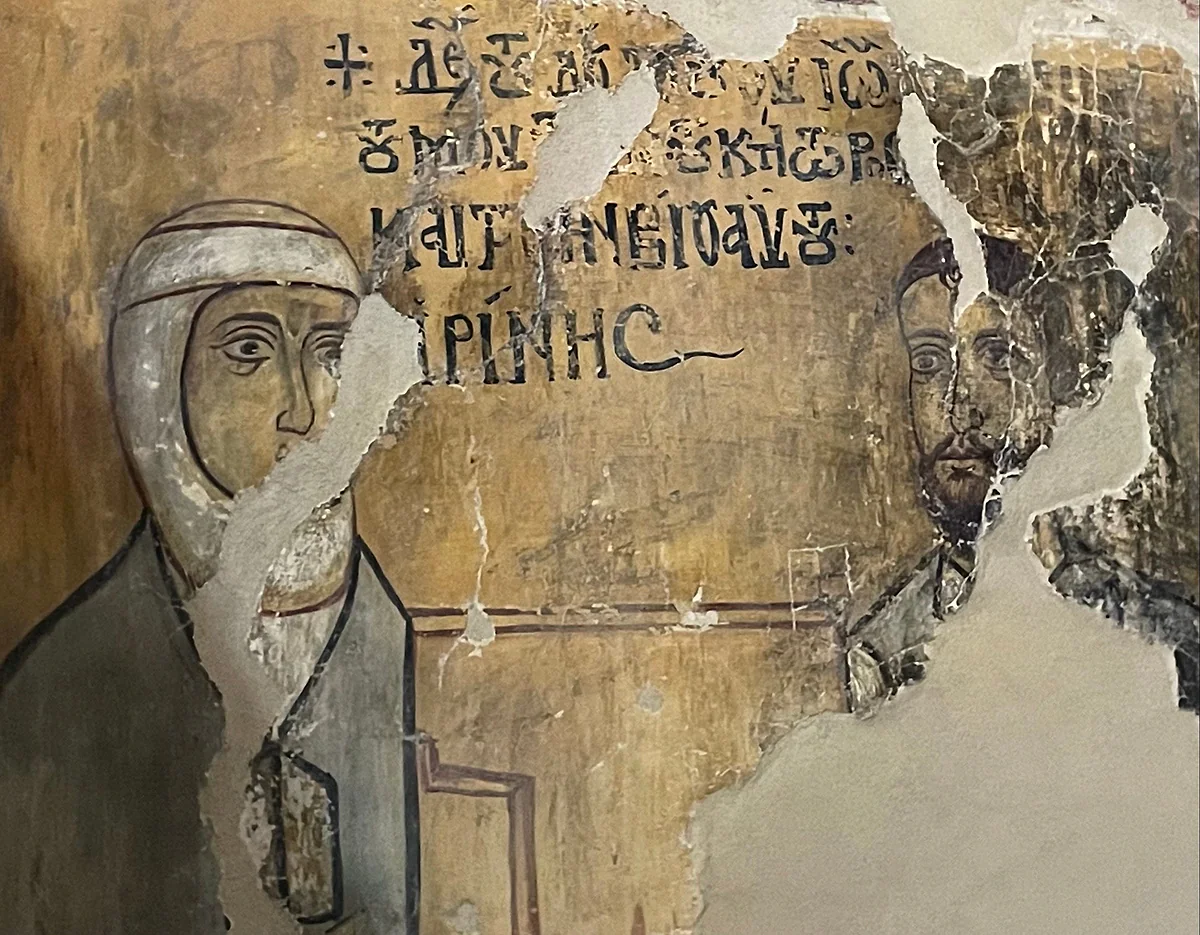
They share a feature you recognise from afar, steep wooden roofs with flat tiles, which in some cases form a second roof over stone vaults and domes. And they have something else a curious visitor will value, plenty of dated inscriptions telling you who paid for each church and when. Since 2010 the property has also had enhanced protection against armed conflict, according to UNESCO, which also lists the Troodos Geopark among the designations that overlap with it.
The Solea valley
This is the easiest valley from Nicosia. Agios Nikolaos tis Stegis, 2 km from Kakopetria, is all that remains of an 11th-century monastery and owes its name, St Nicholas of the Roof, to its steep covering. Panagia Asinou, three kilometres south of Nikitari, keeps frescoes from the 12th to the 17th centuries. And at Galata, Panagia Podithou, from 1502, has Italo-Byzantine paintings and a portrait of the donor offering a model of the church to the Virgin.
Three very different churches a few kilometres apart. The monastery of Agios Ioannis Lampadistis, above Kalopanayiotis, brings together buildings from the 11th to the 18th century and a Latin chapel with the island’s most complete Italo-Byzantine cycle. Panagia tou Moutoulla has an inscription dating it to 1280. And Archangelos Michael at Pedoulas was built and painted in 1474 with money from the priest Vasilios Chamados, who appears in a portrait with his wife and two daughters.
Pitsilia
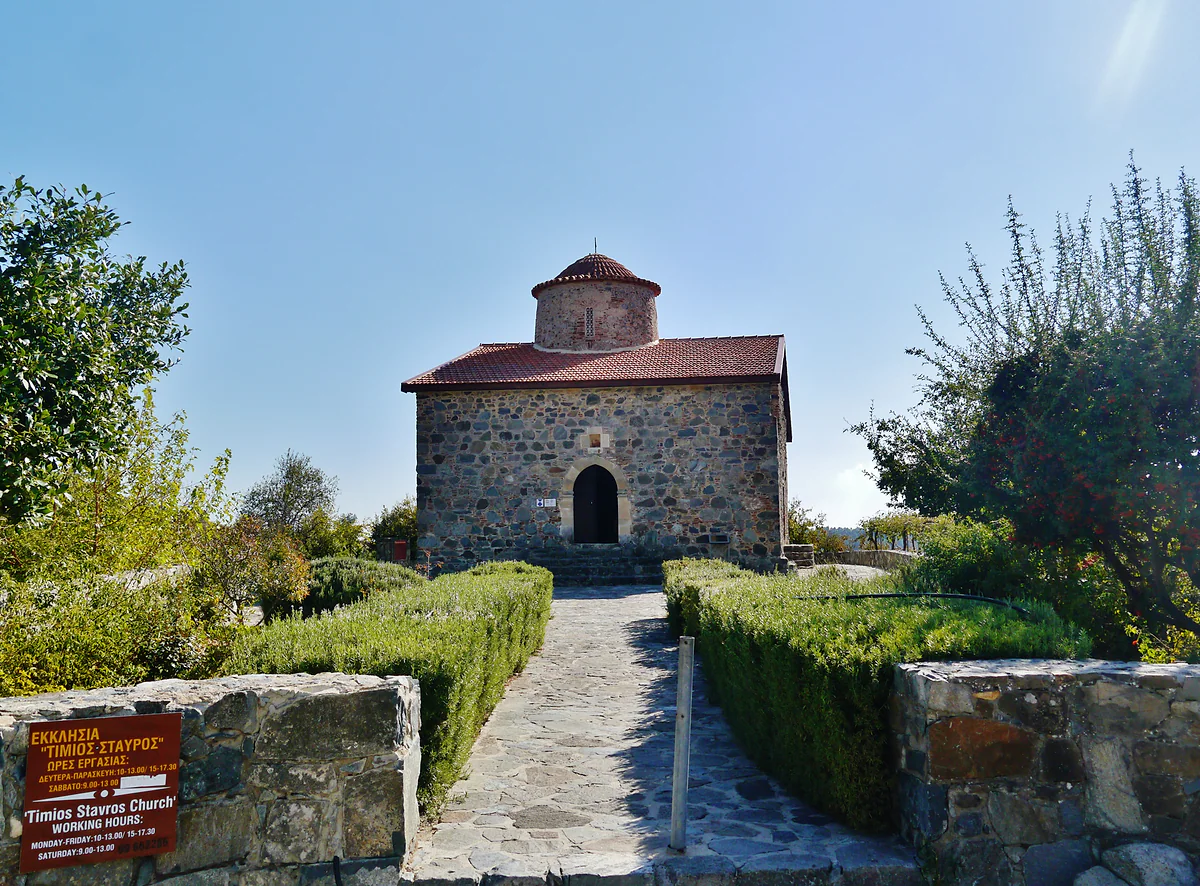
This is where my favourite is. Panagia tou Araka, between Lagoudera and Saranti, has frescoes paid for by Leon Afthentis in 1192, the most complete middle Byzantine set in Cyprus according to the company. Nearby are Stavros tou Agiasmati, from 1494, with its entire interior painted, the Transfiguration church at Palaichori, from the 16th century, and Timios Stavros at Pelendri, the only one in Limassol district. The company’s Pitsilia route also takes in the chapel of Agios Mamas at Louvaras, which isn’t UNESCO-listed.
The company suggests three routes, one per valley, of 97 to 148 kilometres. My advice is to do one a day and stay in the mountains, as opening hours are short and vary from church to church. At some you have to ask for the key or the custodian at the village coffee shop, so arrive with time to spare rather than at the last minute. Remember they’re churches in use, so dress appropriately and respect services. To see how they fit with the island’s other two World Heritage Sites, I cover it in Cyprus’s World Heritage Sites.
If you would rather go at your own pace, see the car hire deals in Limassol: the earlier you book, the more cars are left to choose from.
How many painted churches of Troodos are World Heritage?
Ten. UNESCO inscribed them in 1985 as a single property, the Painted Churches in the Troodos Region, and changed its boundaries in 2001.
How much does it cost to visit the painted churches?
Nothing. UNESCO states that all ten are open to the public with no entrance fee. Some nearby museums, such as the Lampadistis icon museum, have their own arrangements.
Which is the most beautiful painted church in the Troodos?
For me, Panagia tou Araka at Lagoudera, for its frescoes of 1192, which the Troodos Development Company considers the most complete set from the period in Cyprus. Asinou comes a close second.
Can you see them all in a day?
I don't recommend it. They're spread over three valleys, and the routes the Troodos Development Company suggests are 97 to 148 km each.
Can you take photos inside?
I haven't found photography rules published by an official source. The sensible thing is to ask the custodian or the priest before getting your camera out.
Tourism graduate with a master’s in Tourism Management and Planning from the University of Málaga, who has travelled across Europe. He writes every guide from official sources and his own judgement.