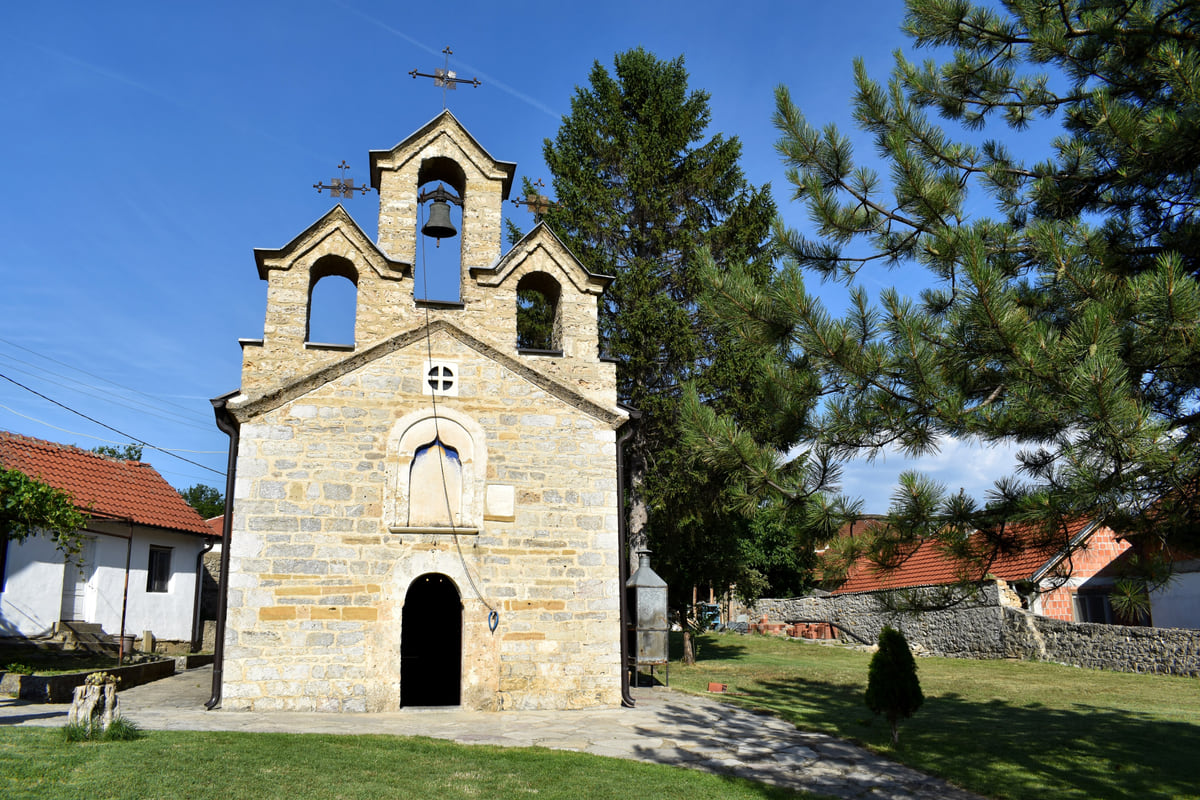
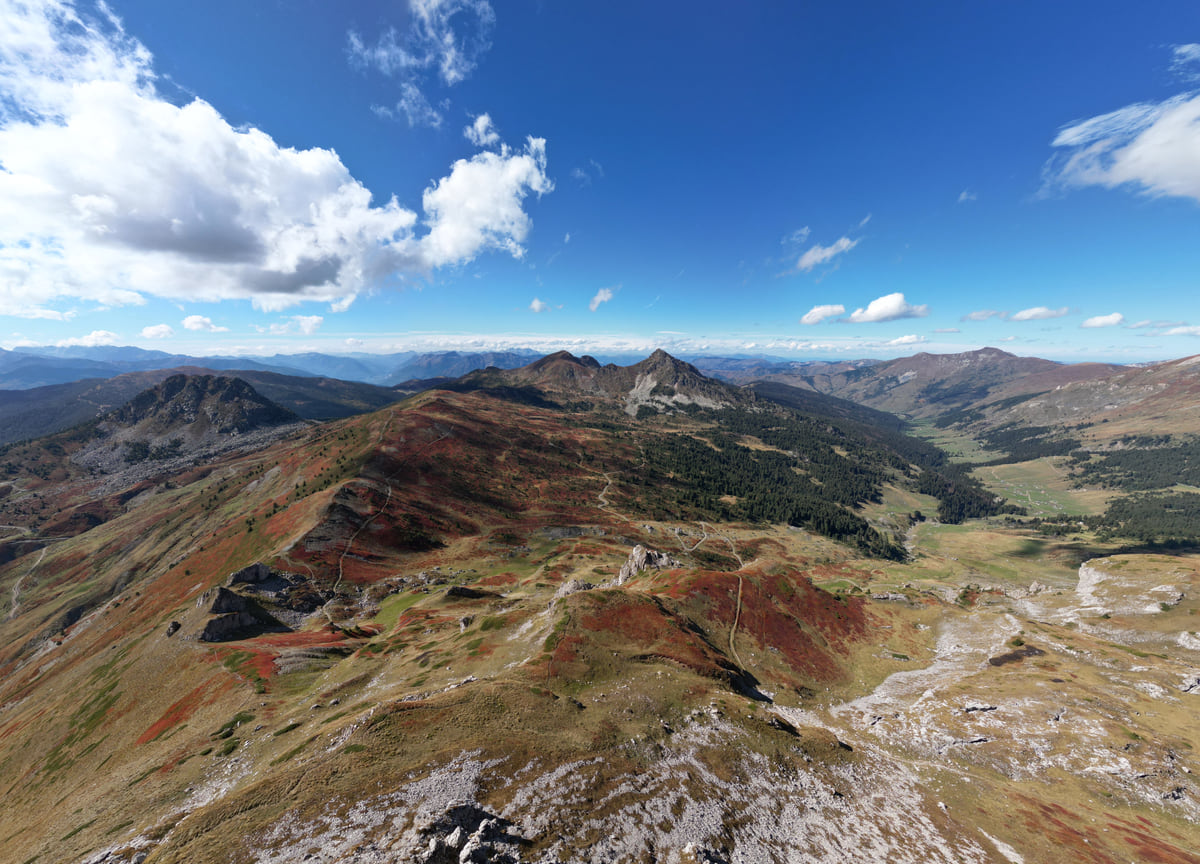
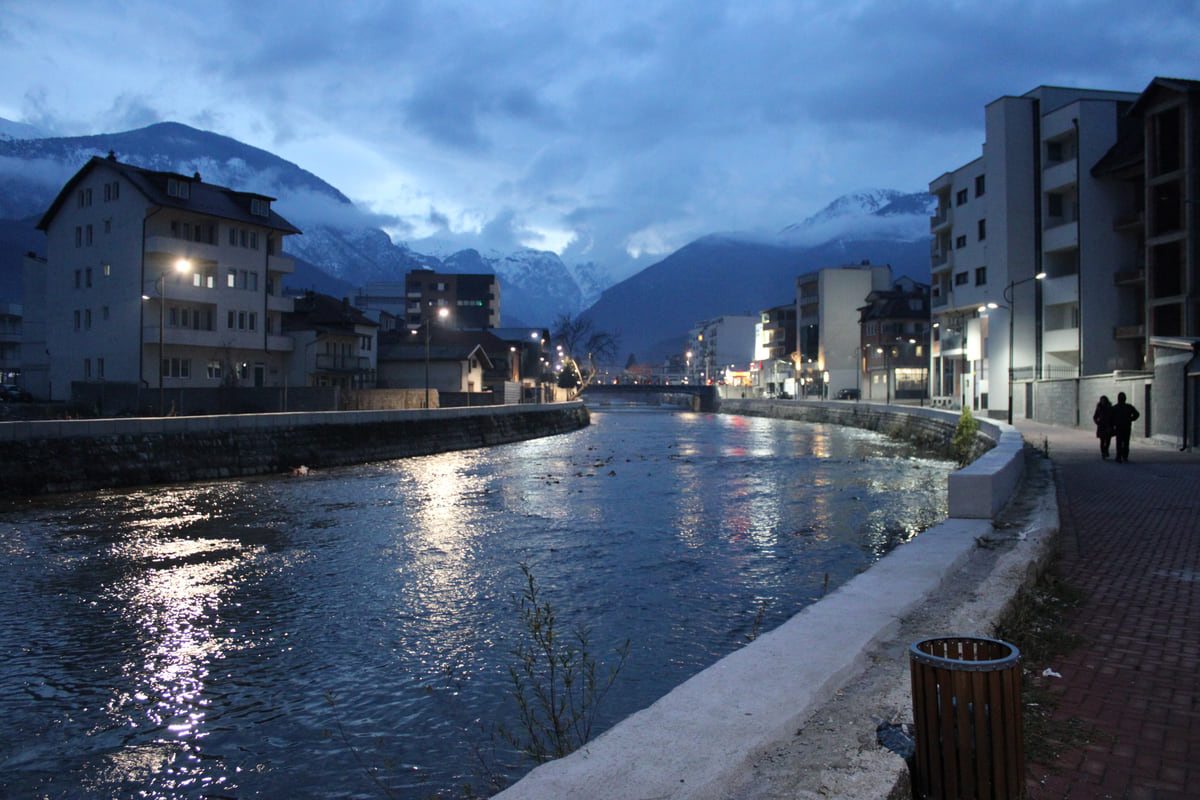
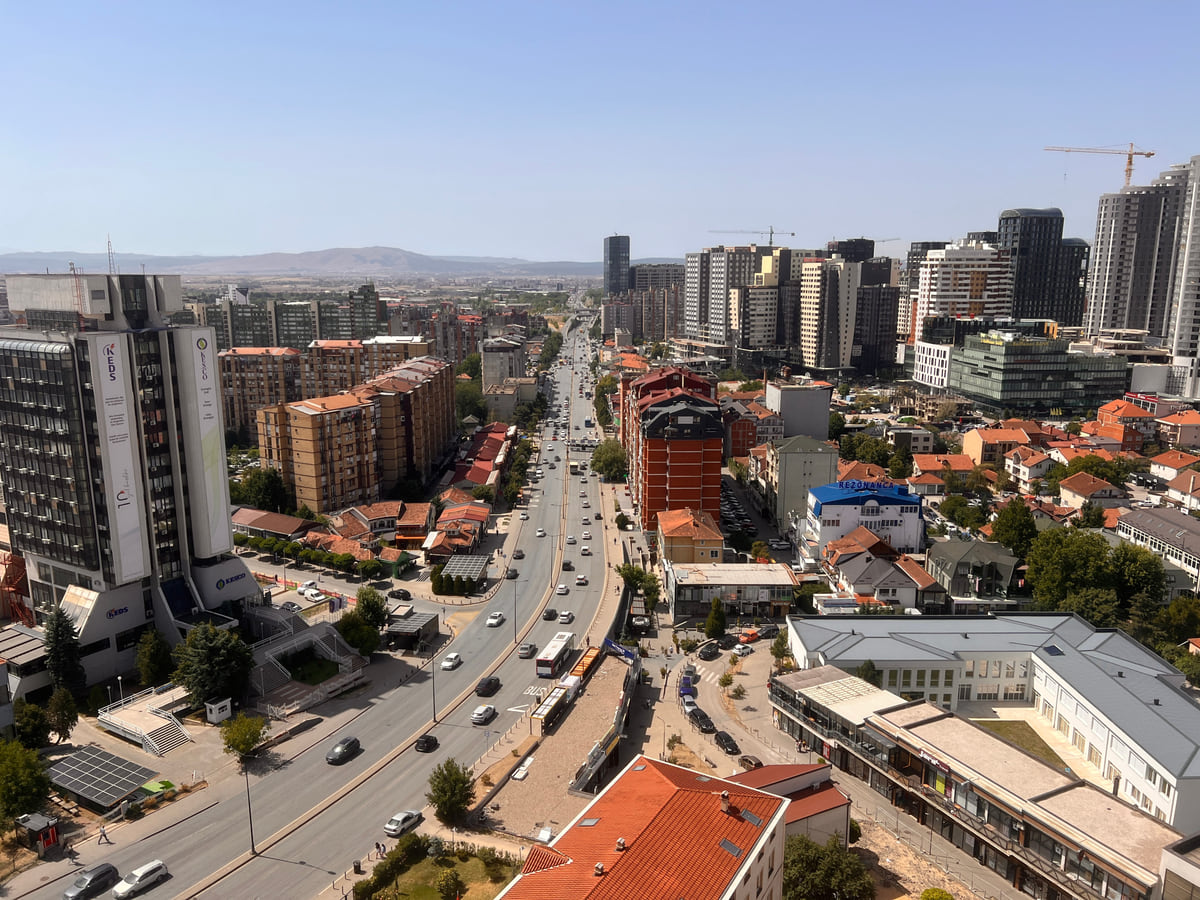
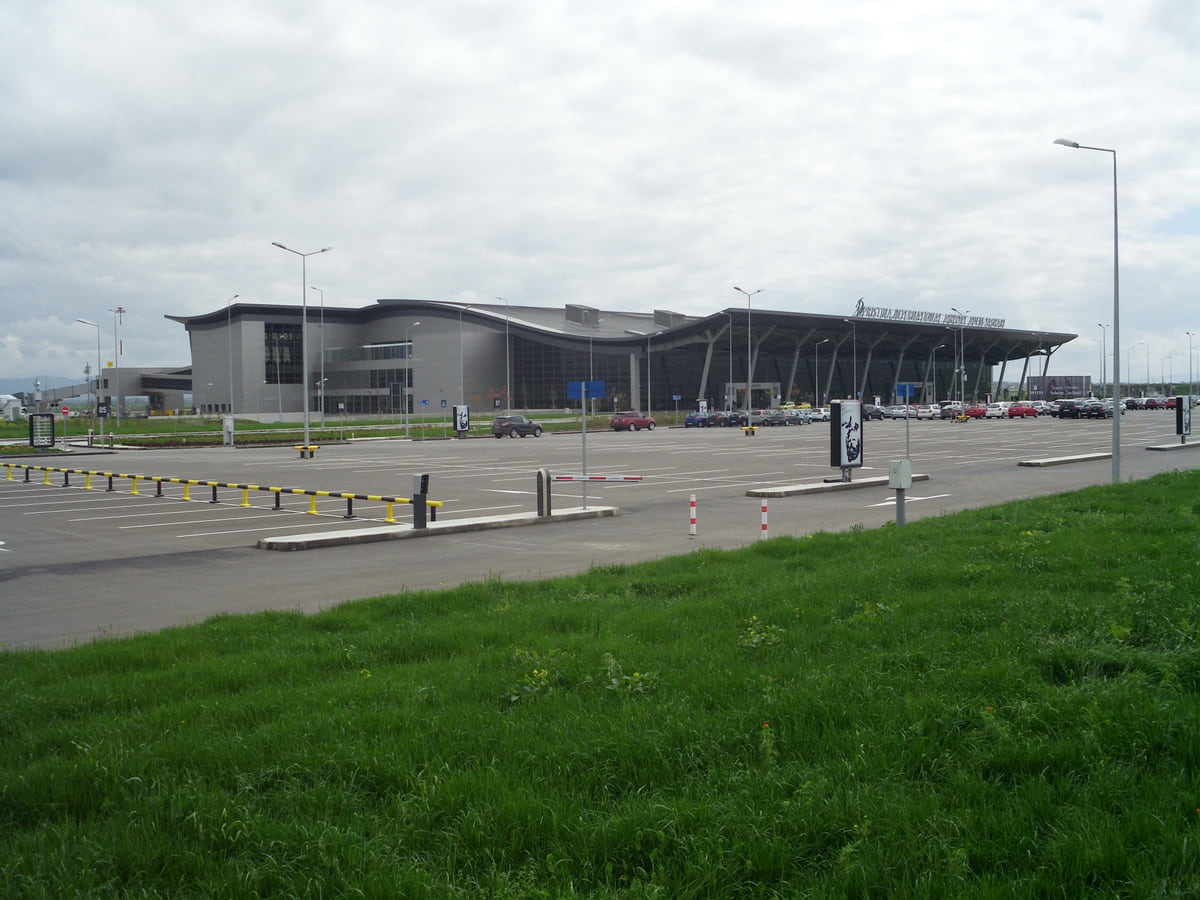
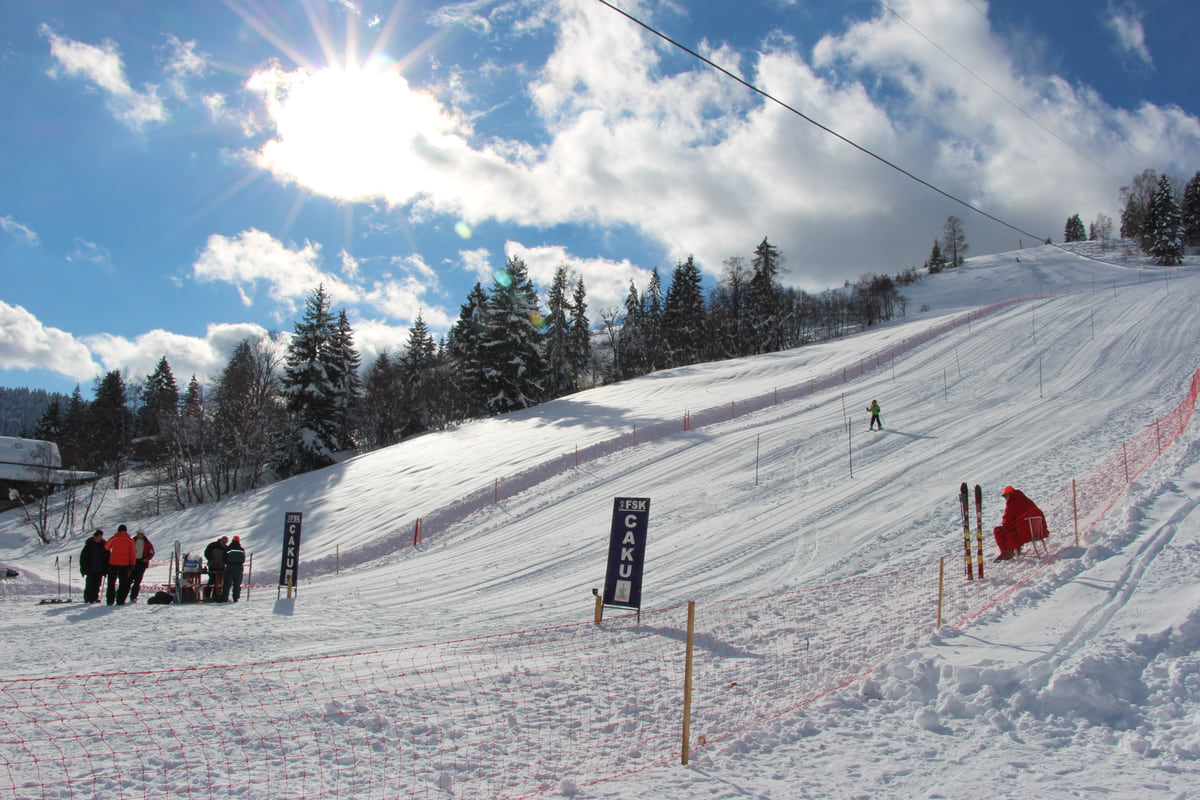
Kosovo covers 10,905 km² in the middle of the Balkans, wedged between Albania, North Macedonia, Montenegro and Serbia. Its statistics agency counted 1,585,566 people in the 2024 census, and the capital is Pristina. It uses the euro without being in the EU, and gov.uk lets British passport holders stay up to 90 days without a visa.
In 30 seconds
Full read: 4 min
Kosovo covers 10,905 km² in the central Balkans and counted 1,585,566 people in the 2024 census.
The capital is Pristina, the official languages are Albanian and Serbian, and the currency is the euro.
British passport holders can stay up to 90 days without a visa, but the GHIC doesn't apply.
If you arrive by air or from Albania, North Macedonia or Montenegro, you can't then cross from Kosovo into Serbia.
There are four medieval monuments on the UNESCO list and two mountain national parks.
I'd base a first trip in Prizren and Peja rather than Pristina. Prizren gives you the Ottoman old town and the Sharr Mountains; Peja gives you the Rugova Canyon and two of the four UNESCO monasteries. Pristina deserves a day, ideally your last one if you're flying home from there.
Sergio LeponeMy advice
Before you go
What I would keep in mind
01 Most beautiful
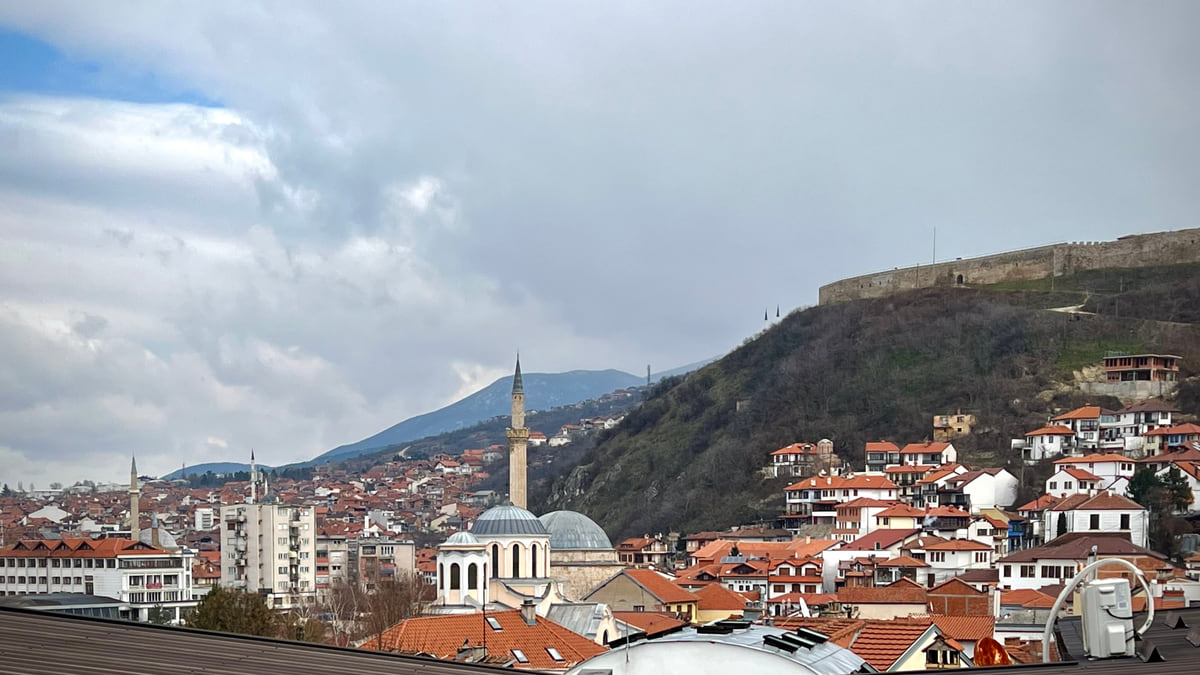
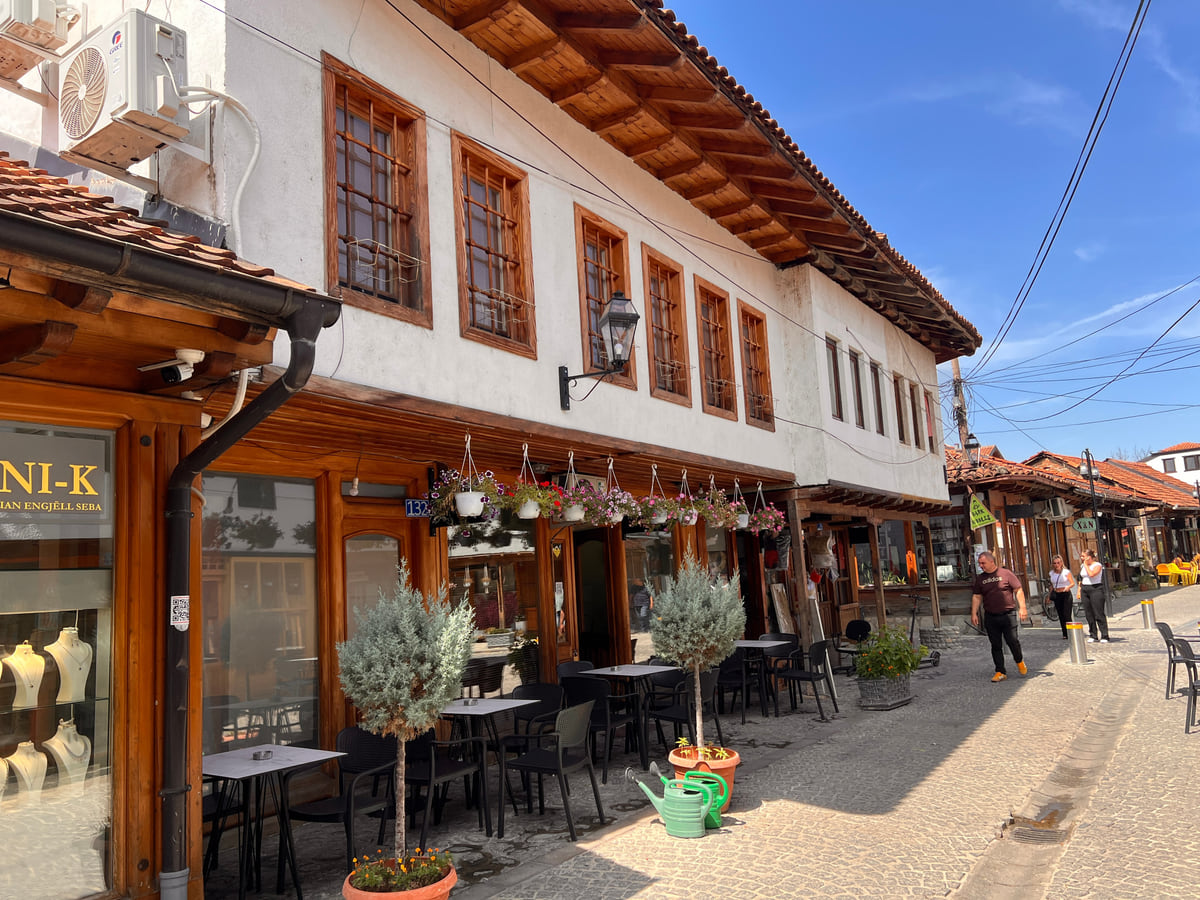
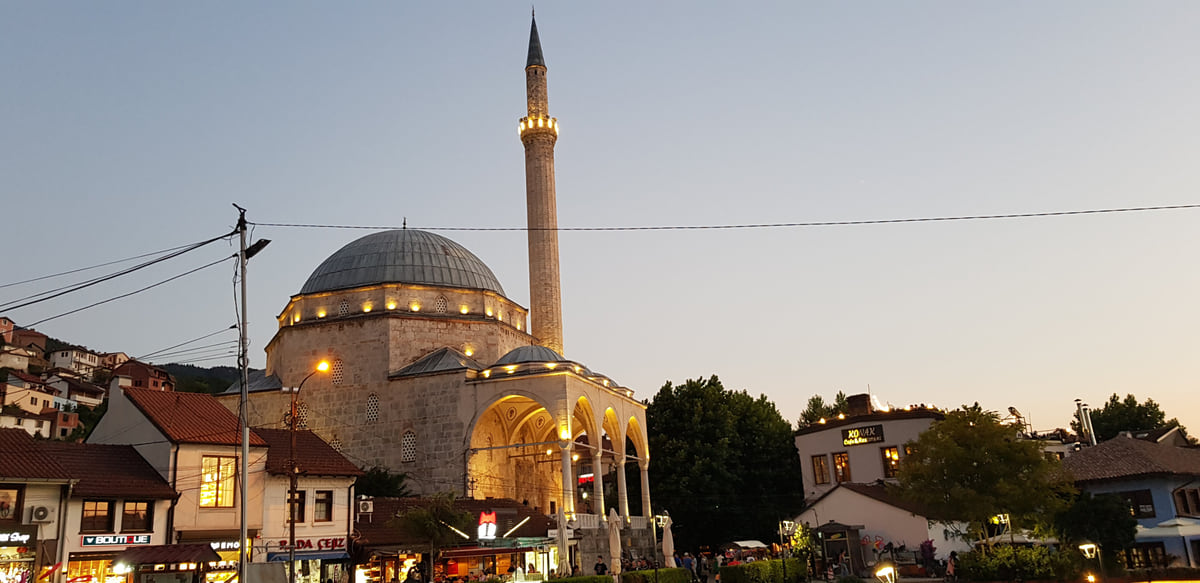
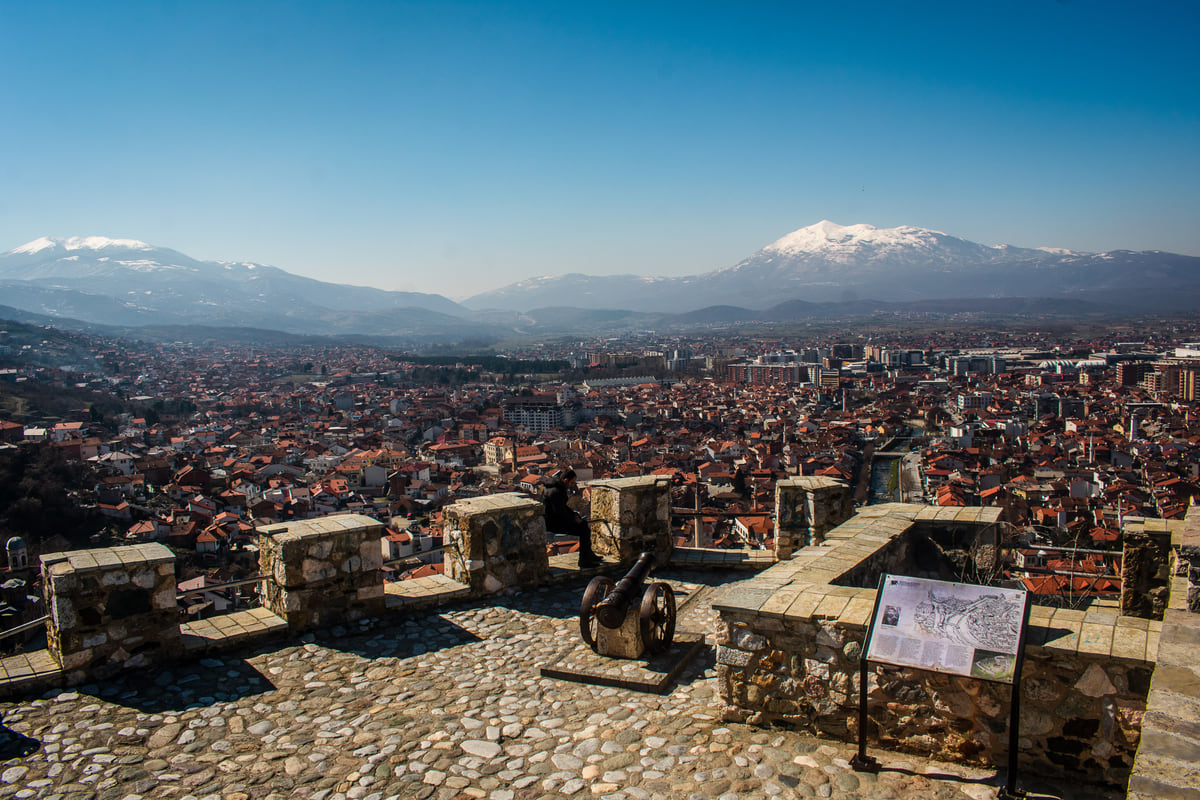
Prizren is the town I'd come back for
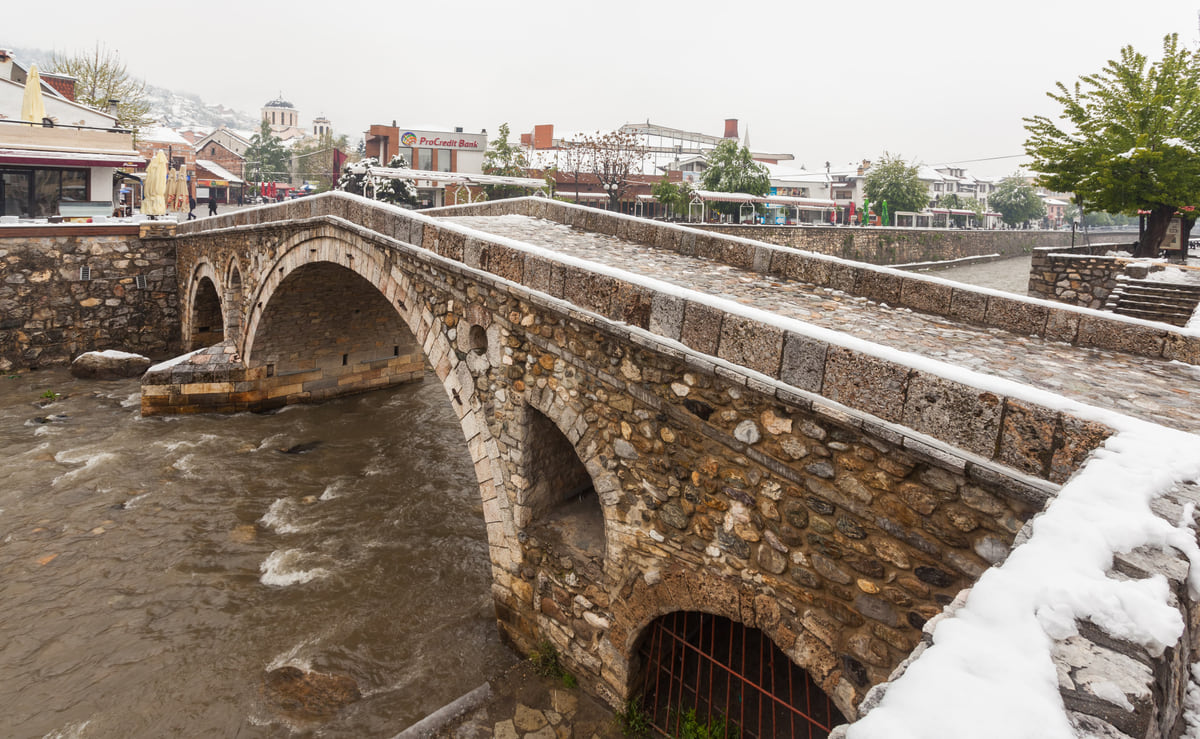
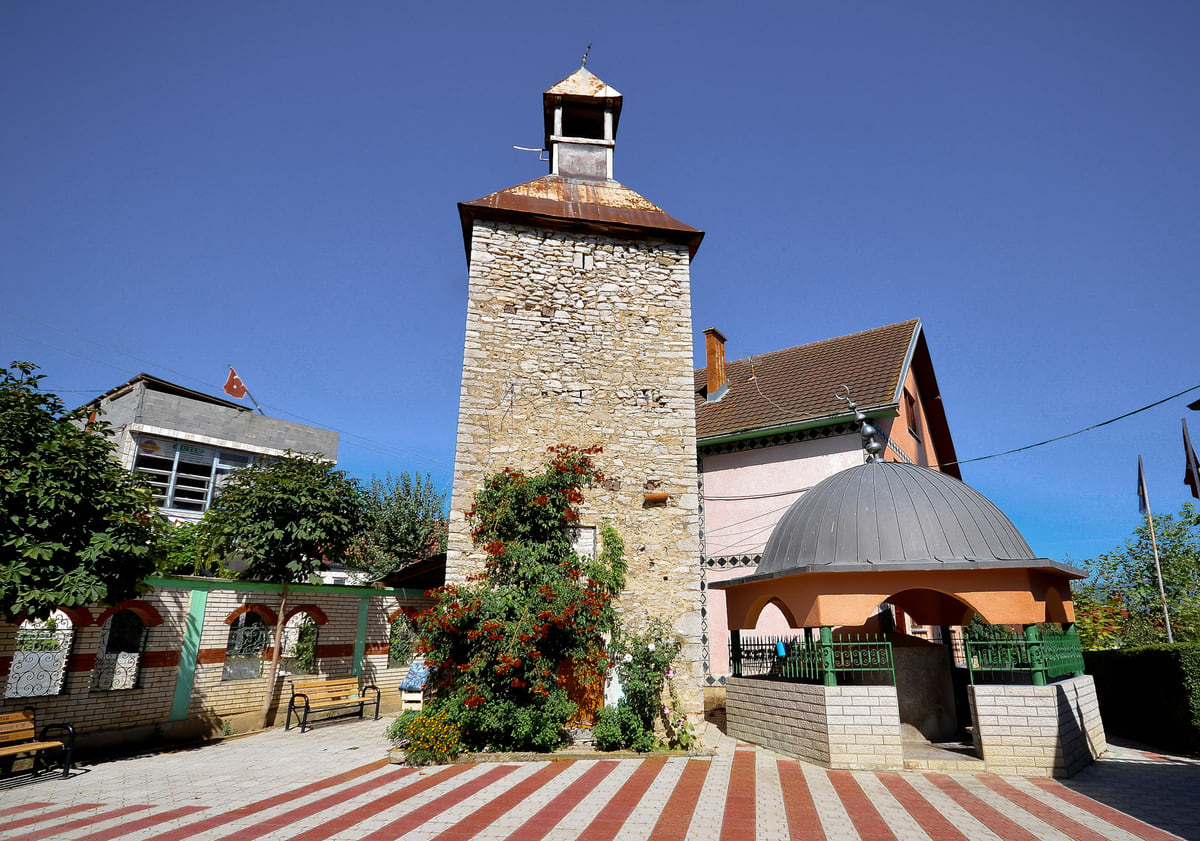
It has more listed sites than any other municipality in the culture ministry's heritage database, 81 of 373, from the fortress and the stone bridge to the hammam and the Church of Our Lady of Ljeviš on the UNESCO list.
Gov.uk is clear that you cannot travel from Kosovo into Serbia without a Serbian entry stamp from somewhere else first. If you fly into Pristina, you'll have to leave via a third country such as North Macedonia.
The European Commission explains that Kosovo uses the euro as its de facto currency without any EU agreement. Change or withdraw euros, and keep some cash, because gov.uk says border car insurance is paid in euros.
Kosovo isn't in the EU, so the UK Global Health Insurance Card doesn't cover you. Gov.uk describes public hospitals as poorly funded and private clinics as better and relatively affordable, so get proper travel insurance.
If you drive in, gov.uk says the European green card doesn't count. You buy local third-party cover at the border, and a UK photocard licence is fine for driving.
Most people only know Kosovo from the news, and that’s exactly why it catches visitors off guard. In 10,905 km² you get an Ottoman town with a fortress and a river running through it, medieval monasteries whose frescoes UNESCO counts as world heritage, mountains topping 2,600 metres and a young capital you can walk end to end. This is where I’ve gathered all my guides, with the order I’d read them in.
What to understand first. Kosovo declared independence on 17 February 2008. The UK deals with its authorities as a state (gov.uk sends you to the Kosovan Embassy in London), the EU treats it as a potential candidate, Spain doesn’t recognise it and UNESCO lists its monuments under Serbia. For you as a traveller, it boils down to two practical points, the order in which you cross into Serbia and what your passport stamps say. I set out the facts in is Kosovo a country.
A landlocked patch of the Balkans ringed by mountains
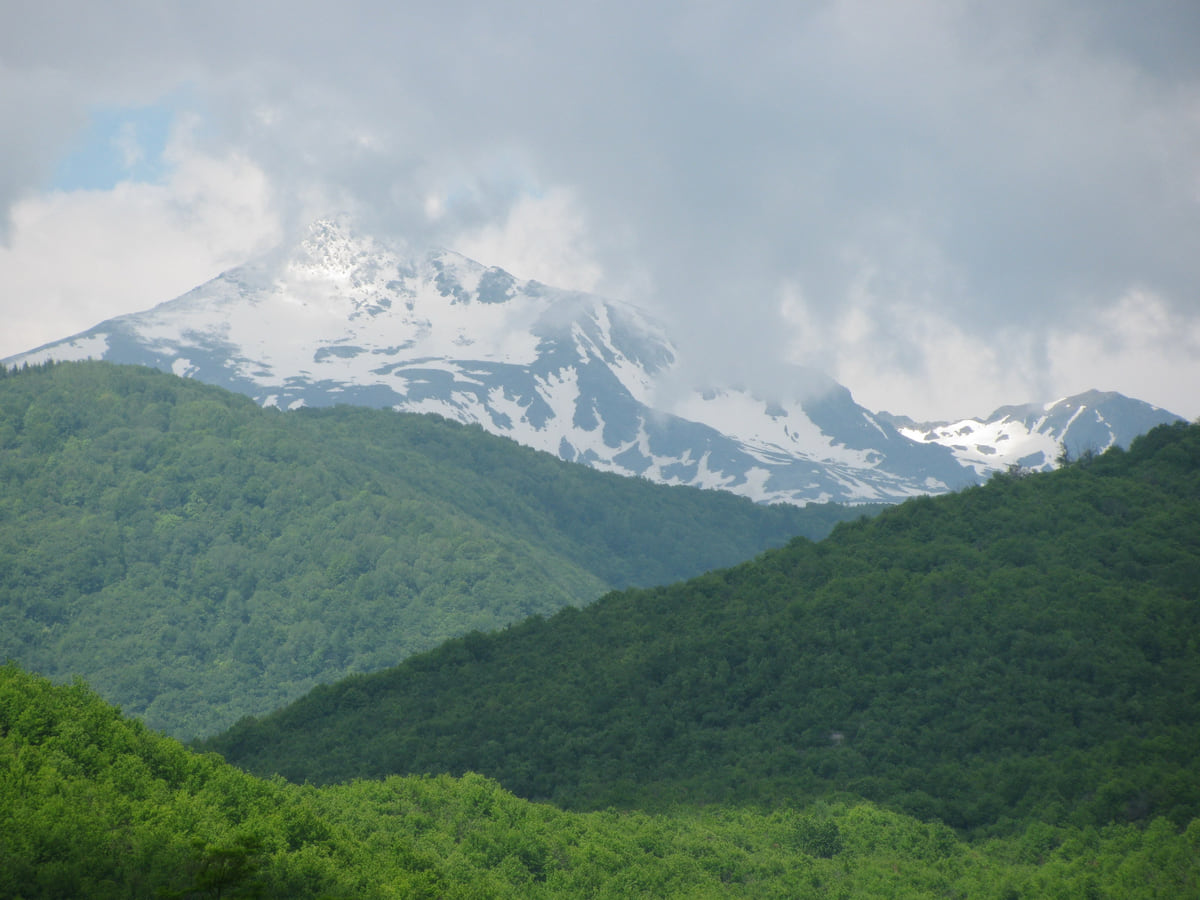
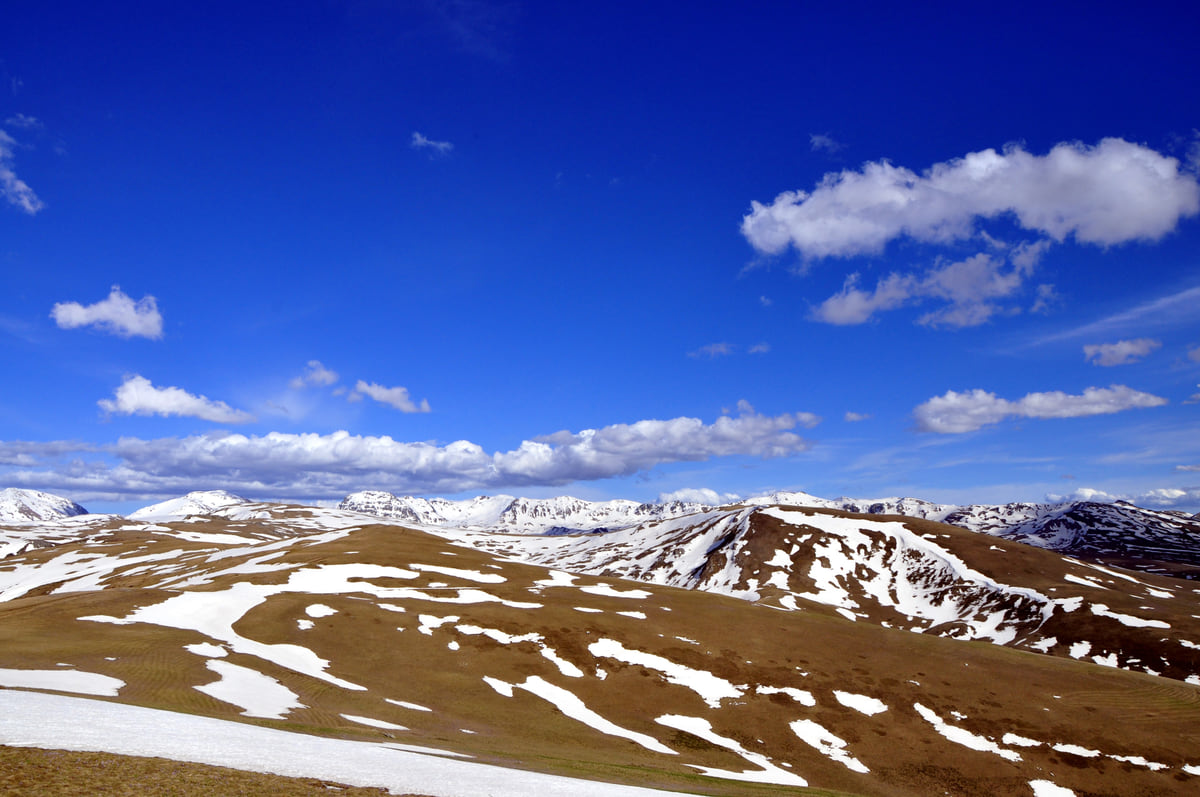
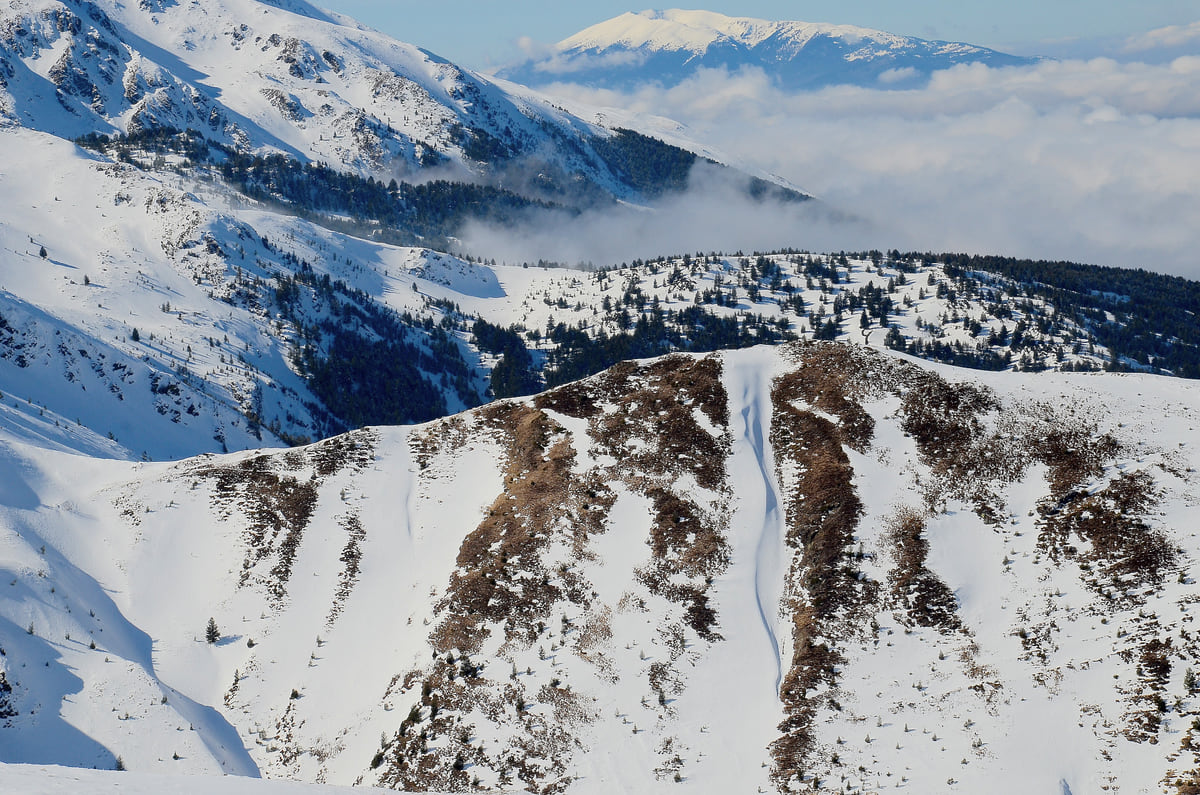
The Kosovo Agency of Statistics (ASK) gives the area as 10,905 km². There’s no coast. Albania, North Macedonia, Montenegro and Serbia surround it, with the Sharr range to the south-west and Bjeshkët e Nemuna to the west, known in Serbian as Prokletije and in English as the Accursed Mountains. Its summit is Gjeravica, which the Spanish foreign ministry measures at 2,656 metres. ASK lists the White Drin as the longest river inside Kosovo, 112 km, followed by the Sitnica and the Ibar.
To get your bearings, see where is Kosovo for the neighbours and the Kosovo map for the seven regions, the municipalities and the high ground.
Who lives here, and what you’ll hear spoken
In 2024 the census recorded 1,585,566 residents, and ASK also publishes 1,602,515 with an estimate for four northern municipalities where very few were counted. Most residents identify as Albanian, alongside Serbian, Bosniak, Turkish, Ashkali, Egyptian, Gorani and Roma communities, which I break down in Kosovo’s population. Albanian and Serbian are the official languages, with Turkish, Bosnian and Romani official at municipal level.
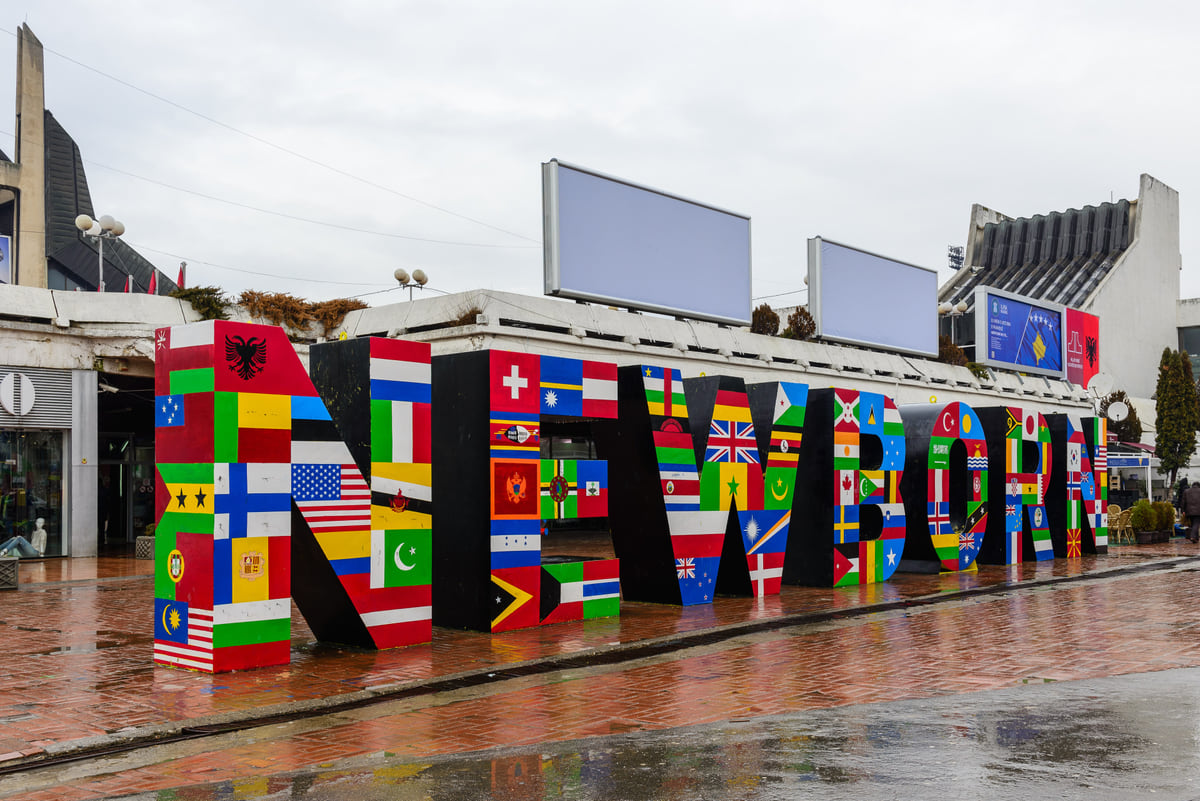
Pristina is the biggest city, with 143,469 people, followed by Prizren, Gjilan, Ferizaj, Gjakova and Peja. If you’re choosing where to stay, I compare them in cities in Kosovo.
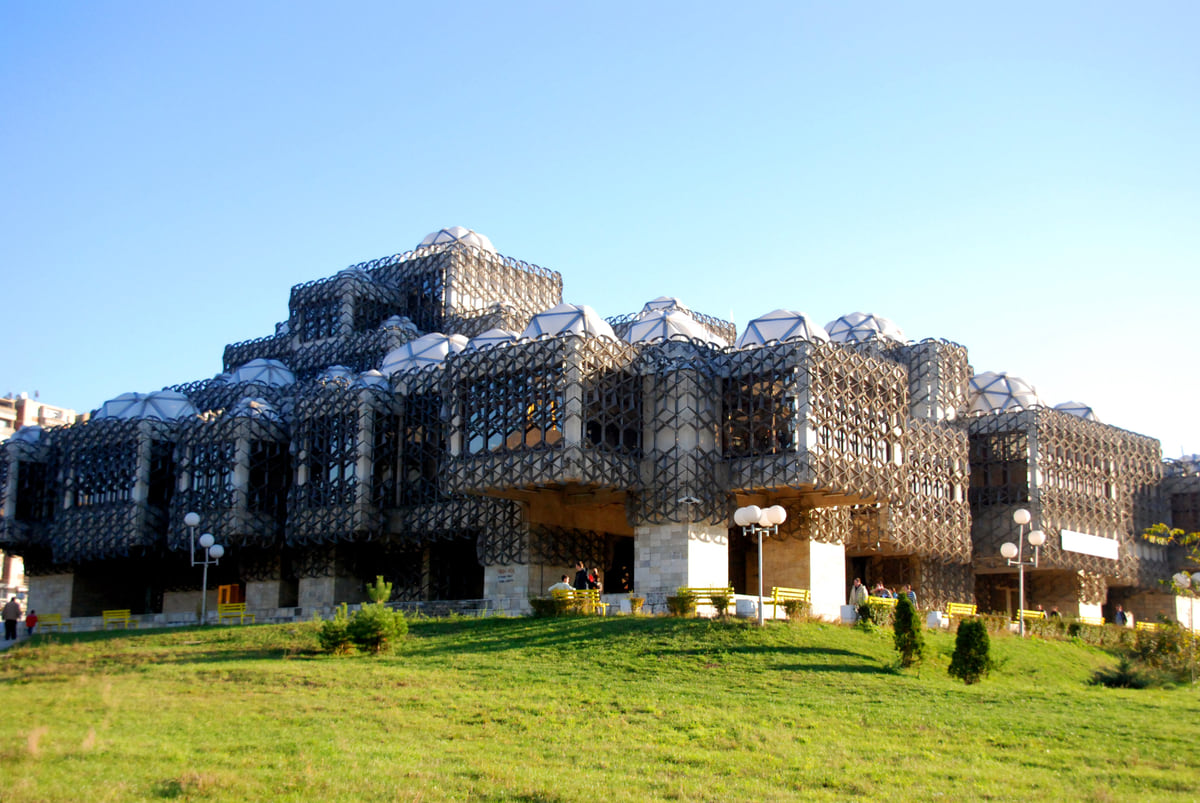
The order I’d see things in, with scores and reasons, is in places to visit in Kosovo. Top of the list is Prizren, the municipality with the most entries in the culture ministry’s heritage database (DTK), 81 out of 373. Then come the Rugova Canyon, the Peć Patriarchate and Visoki Dečani in the west, followed by Pristina and Gračanica Monastery on the edge of the capital.
Those monasteries are why plenty of people cross half of Europe to get here. UNESCO treats the four of them as one listing, inscribed in 2004 and extended in 2006, and I go through each in UNESCO sites in Kosovo. If scenery is more your thing, my personal shortlist is in the most beautiful places in Kosovo, and for walking, bazaars and the rest, see things to do in Kosovo.
Three practical points that shape the trip
Money first. You pay in euros even though Kosovo isn’t in the EU, so you’ll be changing or withdrawing euros as you would in Spain or Greece. Health second. The GHIC is an EU arrangement and Kosovo isn’t a member, so take out travel insurance that covers treatment and repatriation, which is exactly what gov.uk asks. Serbia third. Gov.uk leaves no room for doubt here. Fly into Pristina, or drive in from one of the other three neighbours, and the Kosovo crossings into Serbia are closed to you unless your passport already carries a Serbian entry stamp; the usual workaround is a detour via Skopje.
Gov.uk calls the political situation generally stable and warns that protests may break out in the northern municipalities of Zvečan, Zubin Potok and Leposavić and in Mitrovica north of the Ibar. Its 23 September 2026 update adds that large gatherings have been taking place in Pristina in the evenings, so allow extra time and keep away from crowds. It also warns of old landmines along the Albanian border, the Dulje Pass and the mountains where Kosovo meets Albania and Montenegro, with the simple rule of sticking to main roads. The full picture is in is Kosovo safe.
How I’d split the time
With three days I’d stay in Prizren and Peja and keep Pristina for the last afternoon. With a week I’d add Gjakova, Dečani and a night up in Rugova. You’ll find both routes, and a five-day version, in 3 days in Kosovo and in one week in Kosovo. If you’re tying it in with Albania or North Macedonia, read my Balkans itinerary first, because the order of countries matters here.
ASK counted 762,836 overnight guests in 2025, and only 10,569 of them came from the UK. For me, that scarcity of fellow travellers is half the attraction.
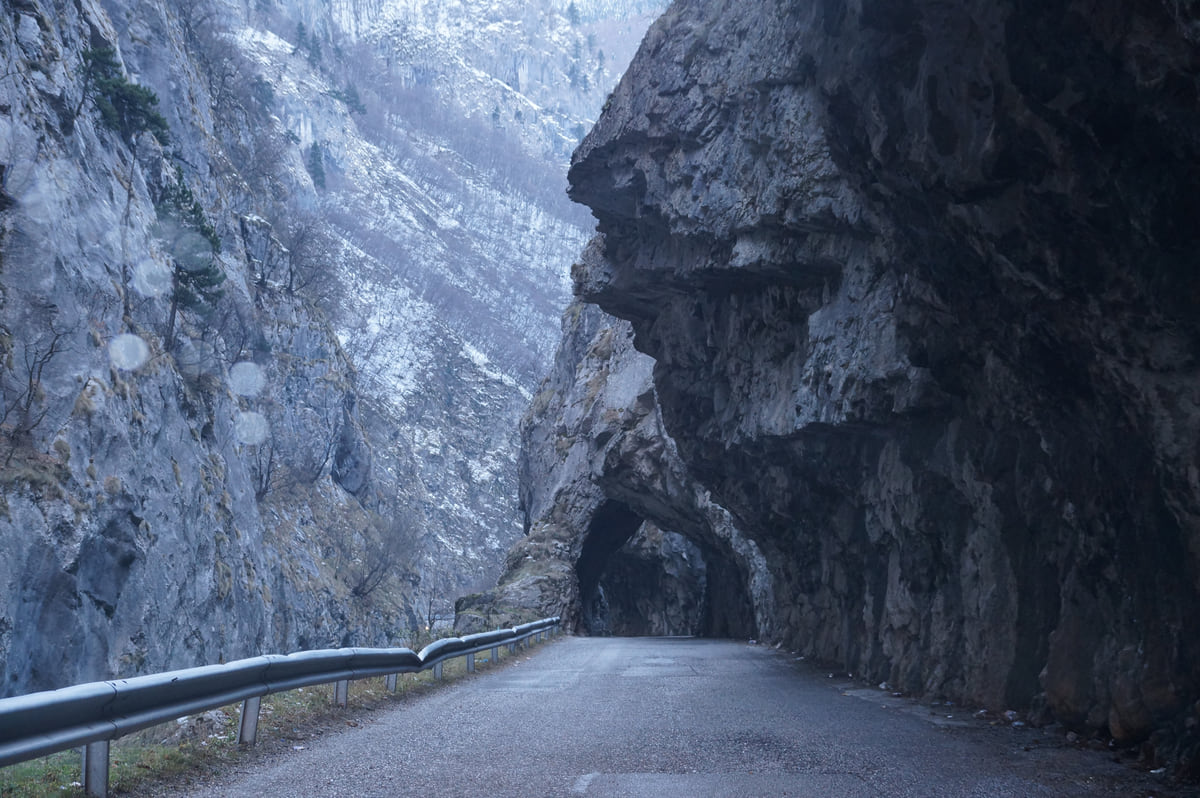
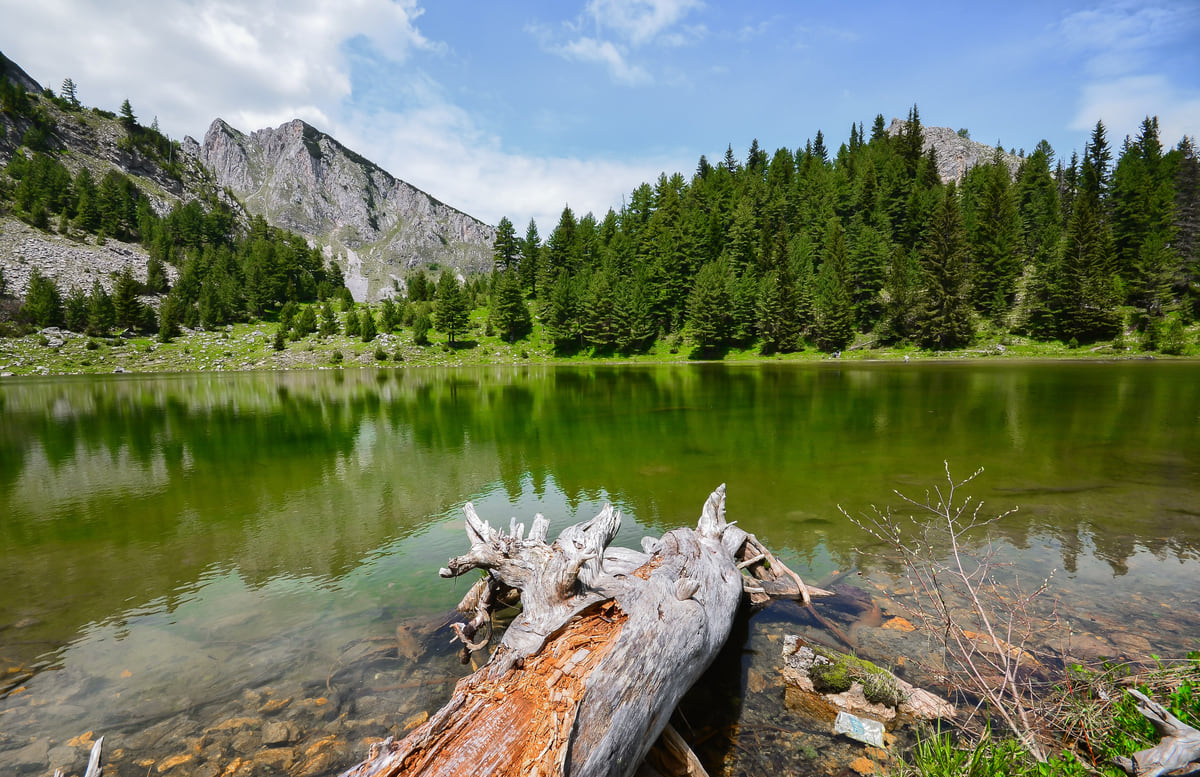
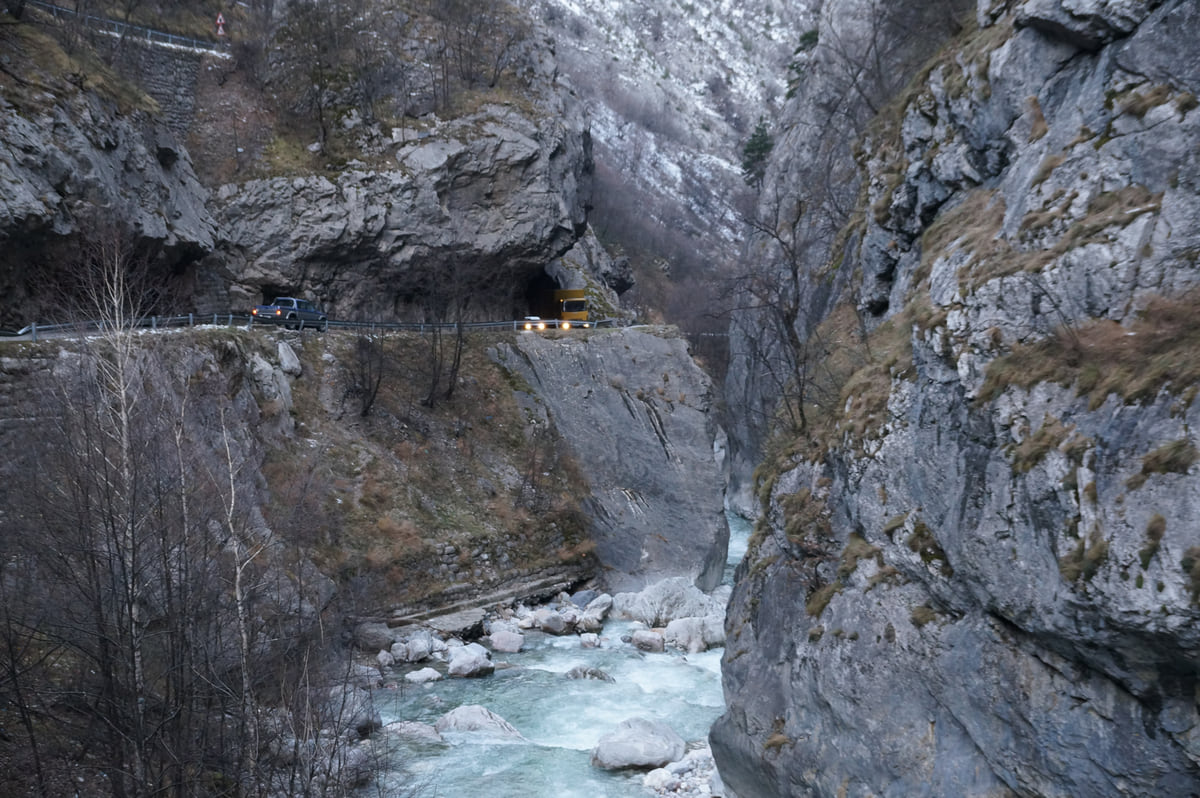
The Lumbardhi river of Peja rushing along the bottom of the Rugova Canyon, between grey rock walls and greenery
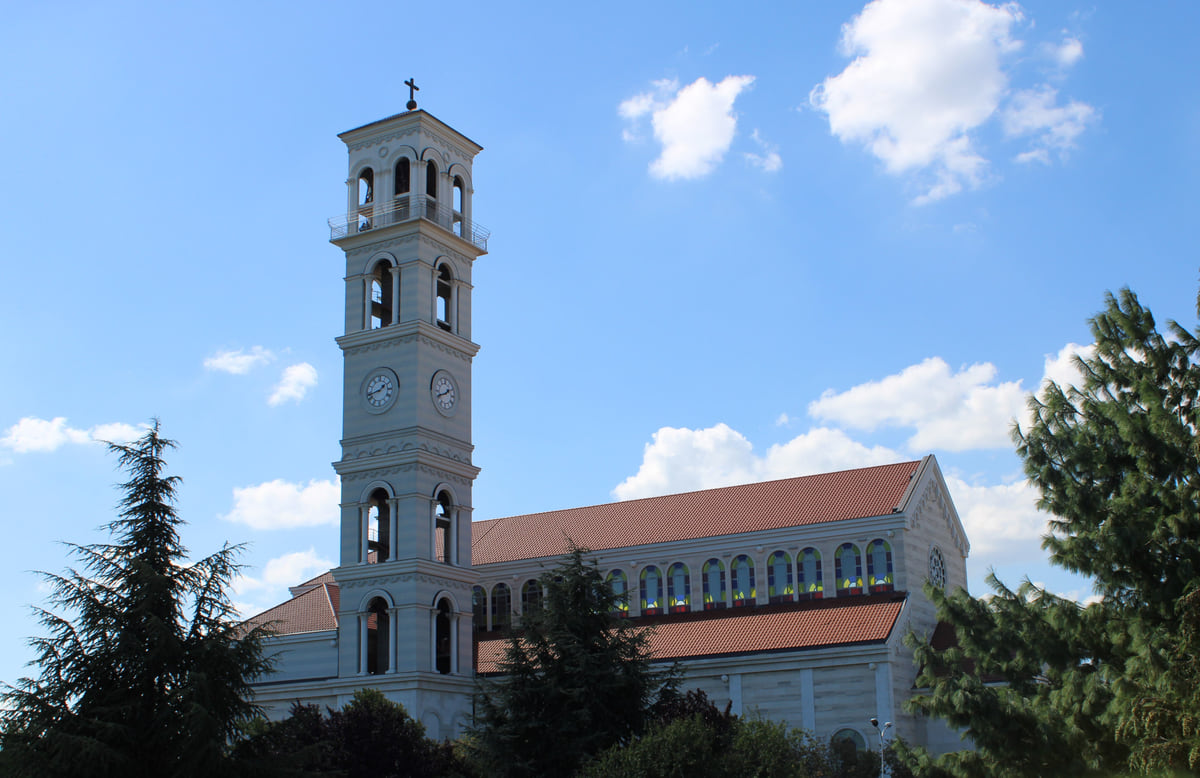
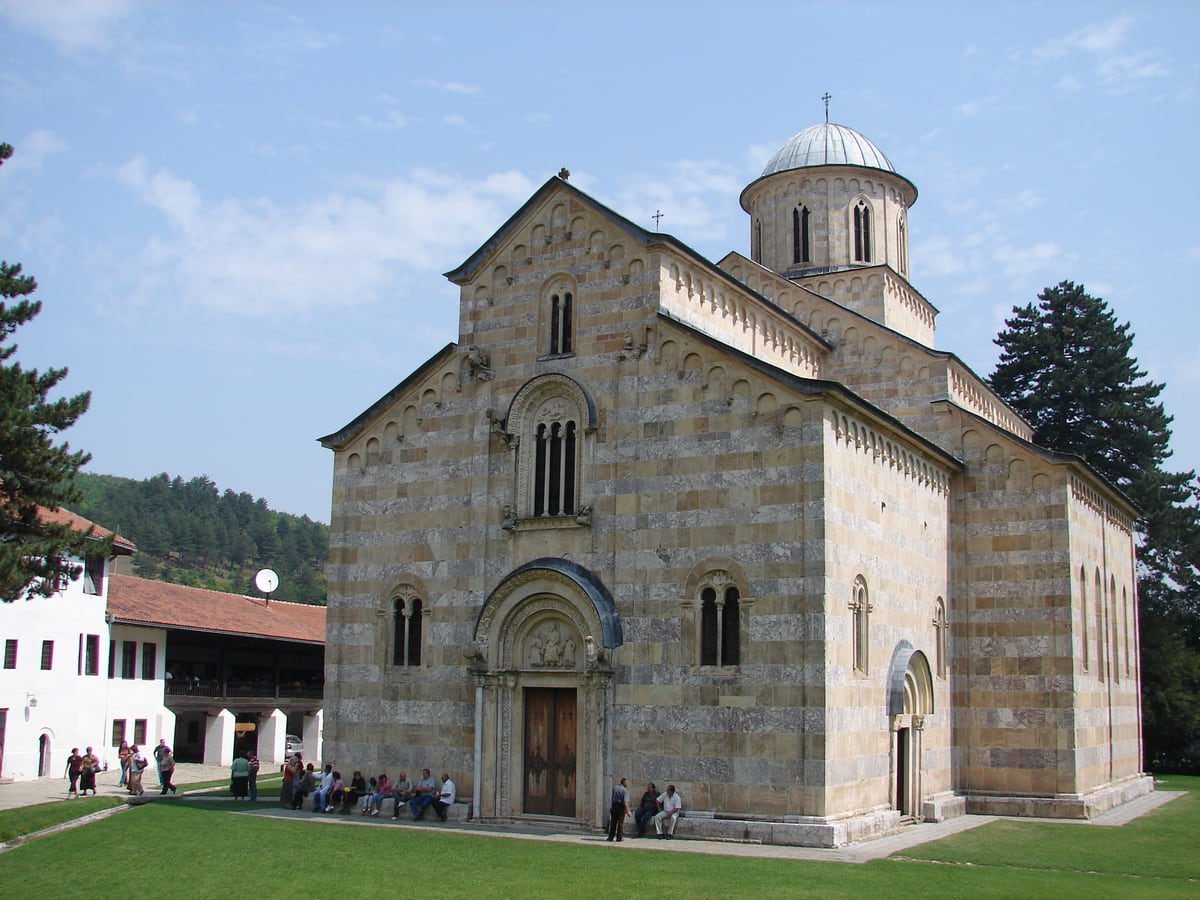
The church of Visoki Dečani Monastery, in pale banded marble, among trees and whitewashed monastery buildings
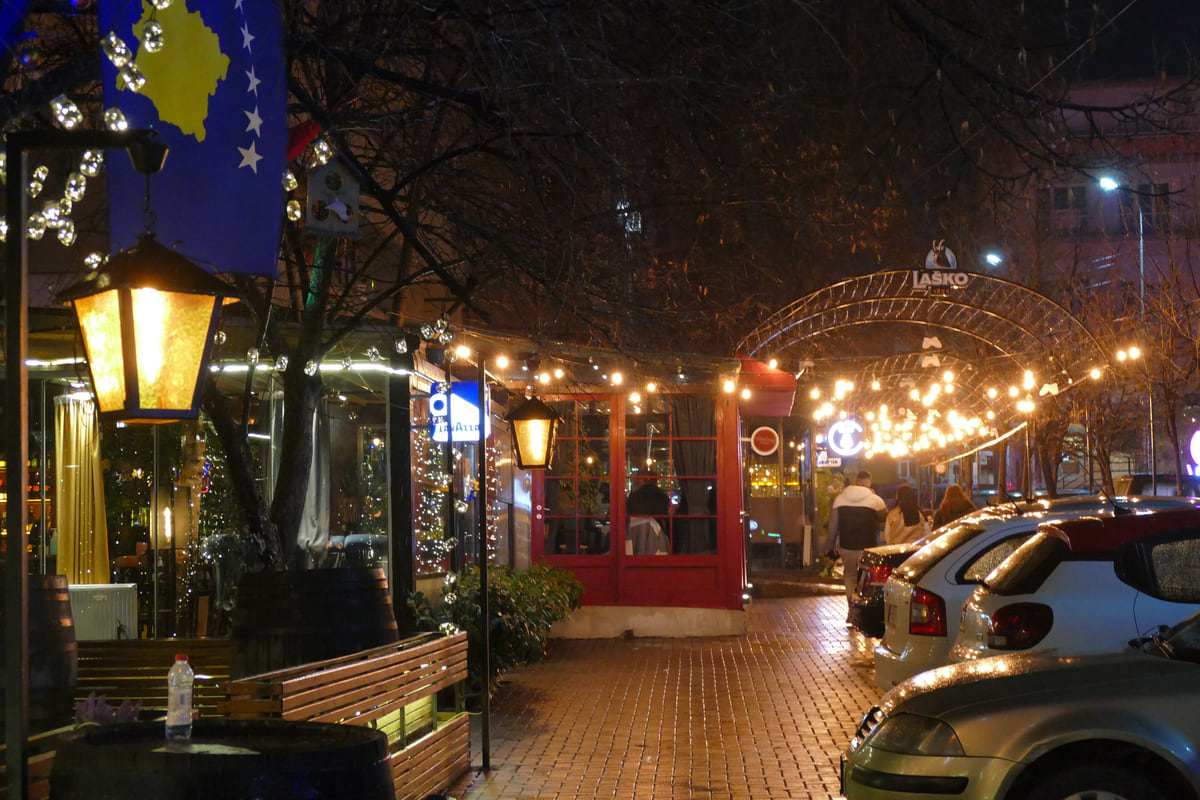
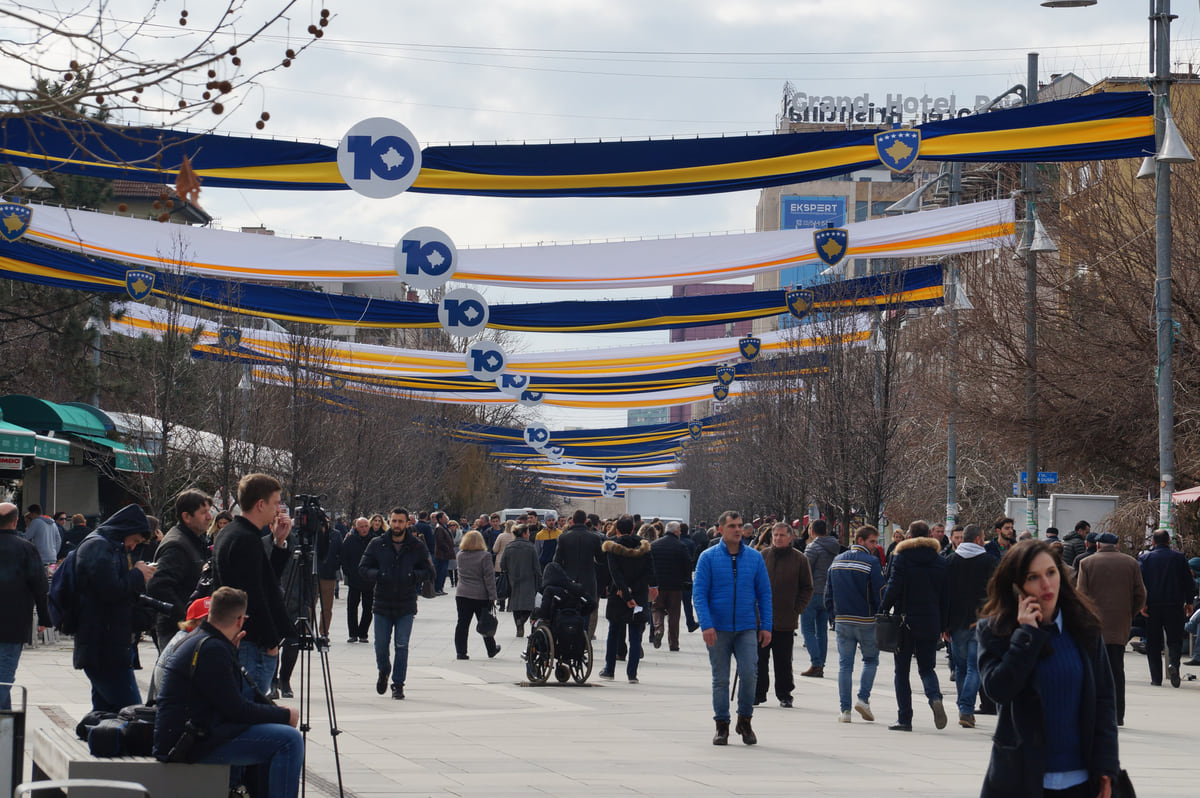
Pristina's pedestrianised Mother Teresa Boulevard busy with walkers, with strings of coloured bunting hung above the street
Kosovo in numbers
Fact
Figure
Source
Area
10,905 km²
ASK, 2024
Population at the census
1,585,566 (2024)
ASK
Population with estimate
1,602,515 (2024)
ASK
Density
147 people per km²
ASK
Municipalities and settlements
38 and 1,469
ASK
Pristina, city and municipality
143,469 and 227,466 people
ASK
Highest peak
Gjeravica, 2,656 m
Spanish foreign ministry
Overnight guests in 2025
762,836, of whom 10,569 from the UK
ASK
ASK is the Kosovo Agency of Statistics. The estimated figure only differs in four northern municipalities, where the 2024 census counted very few people. Checked on 10 October 2026.
Before you go
What
Detail
Source
Passport
Undamaged and valid for your whole stay
gov.uk
Visa
Not needed for up to 90 days
gov.uk
Currency
Euro, used without an EU agreement
European Commission
EU membership
No; a potential candidate
European Commission
Emergencies
112
gov.uk
Car insurance
Bought locally at the border; green card not valid
gov.uk
Entry rules are set by Kosovo's own authorities. Gov.uk suggests contacting the Kosovan Embassy in the UK if you're unsure.
Test yourself
True or false?
0/4Pick before you peek.
Kosovo uses the euro under a monetary agreement with the EU.
See the answer
False. The European Commission says the opposite. Kosovo, like Montenegro, uses the euro as a de facto currency with no agreement, continuing an older practice with the German mark.
A UK GHIC covers state healthcare in Kosovo.
See the answer
False. Kosovo isn't an EU member, so the card doesn't apply. Gov.uk asks you to have travel insurance that covers treatment and repatriation.
All four of Kosovo's medieval monuments are on UNESCO's danger list.
See the answer
True. UNESCO placed them on the List of World Heritage in Danger in 2006, the same year it extended the Dečani listing to Peć, Gračanica and Ljeviš.
British visitors can stay in Kosovo for up to 90 days without a visa.
See the answer
True. That's what gov.uk says for business or tourism. You get a 90-day stamp, renewable, and longer stays need a residence permit.
Area (ASK, 2024)
10,905 km²
People counted in the 2024 census
1,585,566
Municipalities
38
Gjeravica, the highest peak
2,656 m
Guests from the UK in 2025
10,569
Map
Kosovo, from Prizren to Mitrovica
The Bjeshkët e Nemuna mountains close off the west and the Sharr the south; in the middle lies the Pristina plain. Every number opens its guide.
In the central Balkans, with no coastline. It borders Albania to the south-west, North Macedonia to the south, Montenegro to the west and Serbia to the north and east, going by the OpenStreetMap boundary.
Is Kosovo a country?
It declared independence on 17 February 2008. Some states recognise it and others don't. The UK deals with its authorities as a state, and the International Court of Justice found in 2010 that the declaration did not violate international law.
What currency does Kosovo use?
The euro. The European Commission says Kosovo uses it as a de facto currency with no agreement with the EU, following its earlier use of the German mark.
What is the capital of Kosovo?
Pristina, written Prishtinë in Albanian and Priština in Serbian, as set by Article 13 of the Constitution. The city had 143,469 people at the 2024 census and the municipality 227,466.
Is Kosovo safe to visit?
Gov.uk calls the political situation generally stable but flags a risk of protests in the northern municipalities and north Mitrovica. It also warns about old landmines in remote mountain areas, so stick to main roads there.
Do I need a visa for Kosovo?
Not on a British passport for visits of up to 90 days, according to gov.uk. Your passport must be valid for the whole stay, and officials may ask about the reason for your trip or your funds.
What language do they speak in Kosovo?
Albanian and Serbian are the official languages under Article 5 of the Constitution. Turkish, Bosnian and Romani have official status at municipal level.
Tourism graduate with a master’s in Tourism Management and Planning from the University of Málaga, who has travelled across Europe. He writes every guide from official sources and his own judgement.

 1Pristina region 2Mitrovica Region 3Gjakova 4Mitrovica 5Pristina 6Prizren 7Fushë Kosovë 8Vushtrri 9Podujeva 10Peja 11Prizren region 12Ferizaj region 13Ferizaj 14Peja region 15Gjakova region 16Gjilan region 17Gjilan