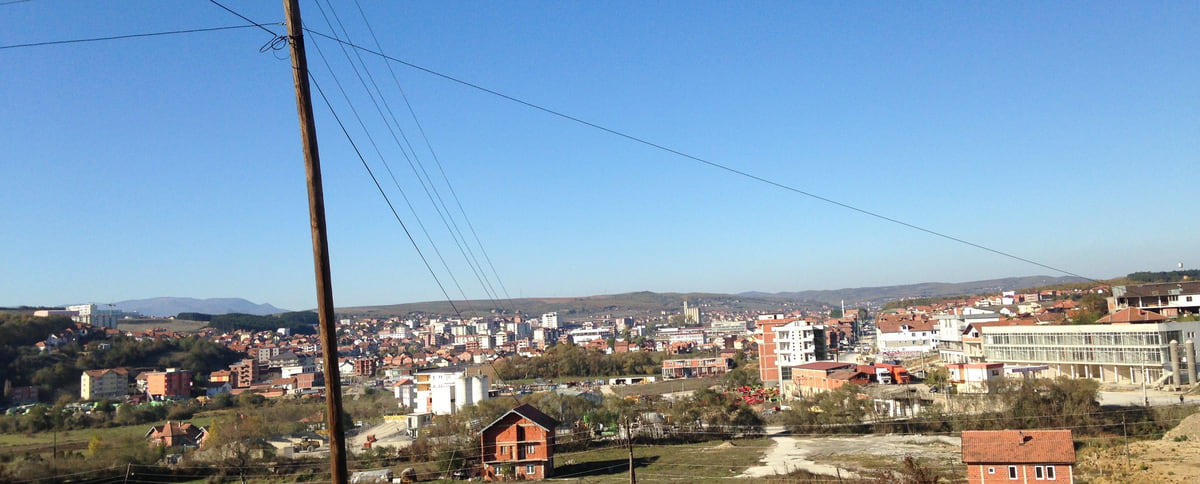
Municipality in the Mitrovica region
Skënderaj, home of the Runik ocarina
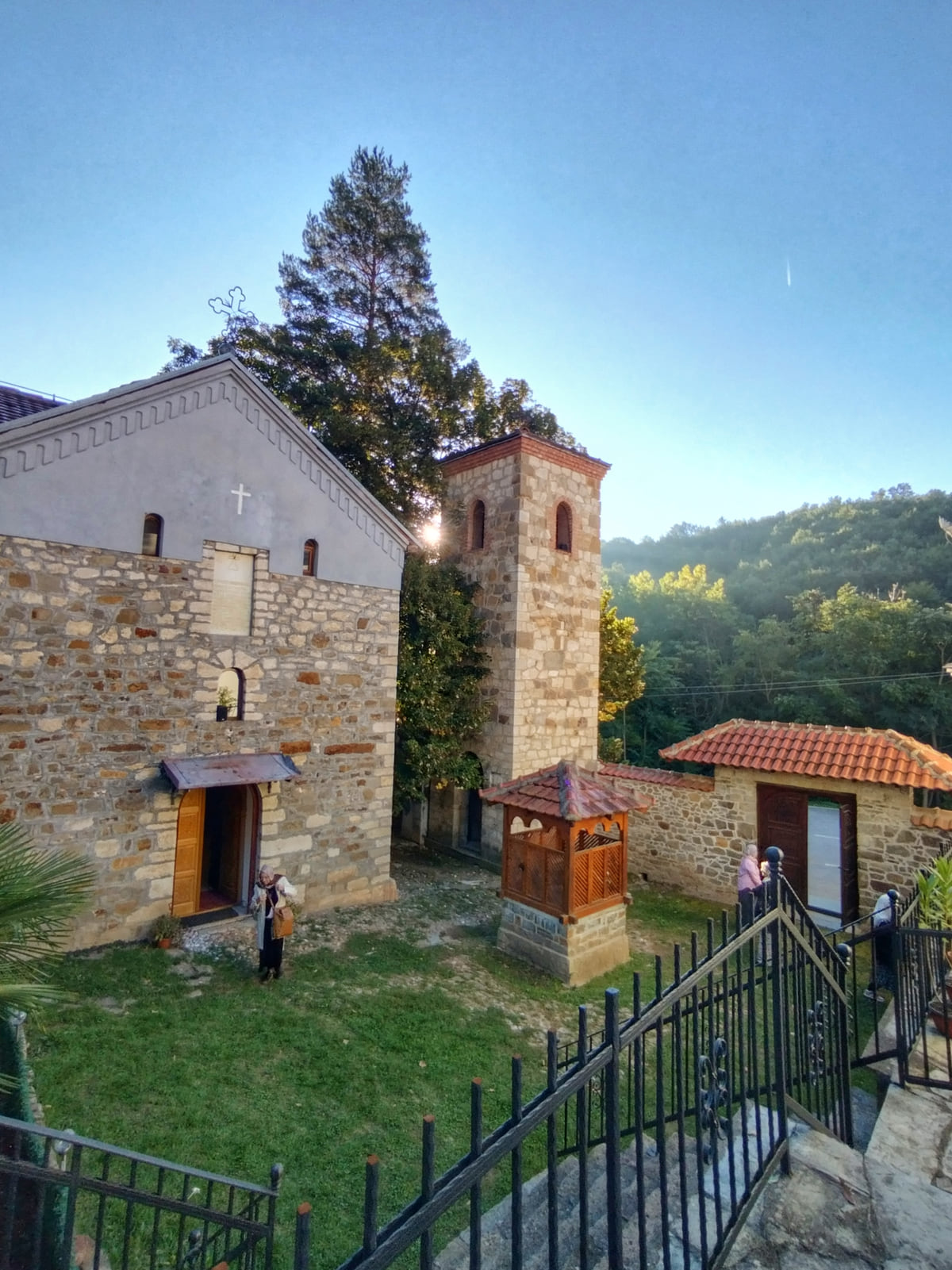
Skënderaj (Srbica in Serbian) is a municipality of 40,664 people and 49 settlements on the Drenica plateau, about 16 km from Mitrovica. At Runik, the Ministry of Culture protects a Neolithic settlement from the 6th millennium BC where a clay ocarina was found, and about 5 km from town stands Devič monastery, founded around 1434.
In 30 seconds
Full read: 2 min
- Skënderaj (Srbica) has 40,664 people and 49 settlements on the Drenica plateau.
- At Runik, a 6th-millennium BC Neolithic settlement yielded Kosovo's oldest ocarina.
- About 5 km from town is Devič monastery, a Special Protective Zone.
Skënderaj isn't a place for strolling round monuments; it's a rural municipality with two clear reasons to come, Devič and the story of Runik. I'd slot it into a driving day between Mitrovica and Peja and not expect more than that.

Before you go
What I would keep in mind
-
01 Most beautiful
Kosovo's oldest ocarina
Runik produced a clay ocarina just 8 cm tall, the oldest musical instrument found in Kosovo, according to the Ministry of Culture.
-
02 Getting there
Devič monastery, about 5 km away
A convent the Eparchy of Raška-Prizren dates to around 1434, with Special Protective Zone status. It's the most visitable site in the municipality.
Devič monastery -
03 Most beautiful
A water mill some 300 years old
In Kuqicë, the Beka family mill has always ground grain. Its owners put it at about 300 years old, and the Ministry inventoried it in 2002.
-
04 Getting there
Mitrovica, about 16 km away
The region's main town lies to the north-east, with its 18th-century hammam and the ruins of St Peter's at Stan Tërg.
Mitrovica
Hardly anyone plans a trip around Skënderaj, and I can see why, since there’s no old town to wander. But it has two things that would make me take the detour, a 15th-century monastery in the woods and, in a nearby village, the spot where Kosovo’s oldest musical instrument came out of the ground.
A rural municipality on the Drenica plateau
Skënderaj (Srbica in Serbian) went from 50,858 people in 2011 to 40,664 at the 2024 census, on Statistics Agency figures. The town itself counted 9,451, followed by Llaushë with 2,201 and Polac with 2,115. The municipality has 49 settlements, and the OSCE’s 2018 profile reckoned on some 378 km², living off farming, brickworks, flour mills and small shops. It lies about 16 km from Mitrovica and 32 from Pristina as the crow flies.
Runik and its ocarina
The Ministry of Culture places the Runik site on the Drenica plateau, about 10 km north-west of town on the road to Istog. It describes it as one of Kosovo’s earliest Neolithic settlements, belonging to the Starčevo culture and the 6th millennium BC. Test trenches were dug in 1966-68 and again in 1984, and in March 2010 a magnetometer survey covered around 10,000 m².
Out came pottery, figurines and a cult table, plus two pieces the Ministry singles out. One is a vessel painted ochre with a black spiral shaped like the palm of a hand. The other, and to me the municipality’s great story, is a fired-clay ocarina just 8 cm tall with finger holes, which the Ministry presents as the oldest musical instrument found in Kosovo. Whether the site can be visited, and where the ocarina is displayed, isn’t stated in anything official I’ve read, so treat it as a story that gives the place meaning rather than a stop.
Once your dates are set, check which hotels are still free in Pristina before prices climb.
Devič monastery
About 5 km south of town, in woodland below Mount Devič, stands Devič monastery. The Eparchy of Raška-Prizren credits Despot Đurađ Branković with founding it around 1434 and says nuns live there now, and the 2008 Special Zones law includes it in its list. It’s what I’d come for.
Mills, kullas and a timber-lined mosque
The rest of the listed heritage is out in the villages. At Kuqicë, the Beka family’s water mill, with stone walls and a timber roof, has always ground grain for the family and the area, and its owners reckon it’s around 300 years old. At Açarevë, the Tahir Rrahmani kulla dates from the last decade of the 18th century, with two storeys and a stone-slab roof. At Pemishtë, Fetah Loshi’s house is an early 19th-century çardak. And the Syriganë mosque was built in 1825 at the villagers’ initiative, with a wooden gallery inside carved with geometric patterns.
The environment agency also protects the Banjë thermal spring as a natural monument, since 2007.
If you would rather have a local show you round, book a guided tour in Pristina and choose by the reviews.
How to fit it in
I see it as a stop on a driving day, not an overnight. From Mitrovica, Devič and Skënderaj fill half a day; from Vushtrri, about 17 km away, likewise. If you’re hiring a car, the FCDO advises against driving at night, and on rural roads like these that’s advice I’d follow. For the bigger picture, see the Mitrovica region guide.
Once your dates are set, check which hotels are still free in Pristina before prices climb.
Skënderaj in figures
| Detail | Value |
|---|---|
| Town population (2024) | 9,451 |
| Municipality (2024 / 2011) | 40,664 / 50,858 |
| Settlements | 49 |
| Municipal area (OSCE, 2018) | About 378 km² |
| Sites in the Ministry of Culture database | 7 |
Kosovo Agency of Statistics (2024 census) and the Ministry of Culture database, checked on 3 October 2026; area from the OSCE's 2018 municipal profile.
Protected heritage in Skënderaj
| Site | Village | Period |
|---|---|---|
| Runik Neolithic settlement | Runik | Neolithic (6th millennium BC) |
| Beka family mill | Kuqicë | 18th century |
| Tahir Rrahmani kulla | Açarevë | Late 18th century |
| Fetah Loshi house (çardak) | Pemishtë | Early 19th century |
| Syriganë mosque | Syriganë | 1825 |
| Devič monastery (Special Zone) | Near Llaushë | Around 1434 |
Kosovo Ministry of Culture (records 8800, 5818, 5710, 8347 and 9349), Law 03/L-039 (art. 7.1 e) and the Eparchy of Raška-Prizren. No opening hours or prices published.
Test yourself
True or false?
0/3 Pick before you peek.
-
The Runik ocarina is the oldest musical instrument found in Kosovo.
See the answer
True. That's how the Ministry of Culture presents it, describing an 8 cm piece of fired clay with finger holes.
-
Skënderaj's population grew between 2011 and 2024.
See the answer
False. It fell from 50,858 to 40,664, according to the Kosovo Agency of Statistics.
-
Devič monastery has Special Protective Zone status.
See the answer
True. Law 03/L-039 lists it in article 7.1 e, in Skënderaj municipality.
Map
Where Skënderaj is
The Bjeshkët e Nemuna mountains close off the west and the Sharr the south; in the middle lies the Pristina plain. Every number opens its guide.
 1Mitrovica Region 2Mitrovica 3Vushtrri 4Skënderaj 5Zvečan 6Leposavić 7Zubin Potok
 Map data © OpenStreetMap contributors (ODbL)
- 1Mitrovica RegionOne of Kosovo's seven statistical regions
- 2MitrovicaNorthern Kosovo's main town, on the River Ibar
- 3VushtrriTown in the Mitrovica region
- 4SkënderajMunicipality in the Mitrovica region
- 5ZvečanNorthern municipality, Mitrovica region
- 6LeposavićNorthern municipality, Mitrovica region
- 7Zubin PotokNorthern municipality, Mitrovica region
What to see
What to see in Skënderaj
0 of 208 Kosovo guides
Your next stamp
- Devič Monastery
- Deçan
- Suhareka
- Kaçanik
- Kamenica
- Gjakova region
- Drenas
- Zvečan
- Gjakova Grand Bazaar
- Gjeravica
- Places to visit
- Pristina region
- Visoki Dečani Monastery
- Bjeshkët e Nemuna National Park
- Hadum Mosque
- Mitrovica Region
- Things to do
- Most beautiful places
- Sheh Danjolli tekke
- Prettiest villages
- Tailors' Bridge
- Rugova Canyon
- UNESCO sites
- Gjakova
- Map
- Where is Kosovo
- Regions
- Municipalities
- Cities
- Gračanica Monastery
- Mitrovica
- Patriarchate of Peć
- Pristina
- Prizren
- Rugova via ferrata
- Fushë Kosovë
- Population
- Vushtrri
- Podujeva
- Radavc Cave
- Size
- Bajrakli Mosque
- Gazimestan
- Ibar Bridge
- Is it a country?
- Istog
- One day in Pristina
- Peja
- Prizren region
- Ulpiana
- Vushtrri Stone Bridge
- Gadime Cave
- Klina
- Name
- Vushtrri Fortress
- Flag
- Isa Boletini Complex
- Novo Brdo Fortress
- History
- Junik
- Lake Batllava
- Zvečan Fortress
- Banjska Monastery
- Ferizaj region
- Languages
- Rahovec
- Ferizaj
- Religion
- Sokolica Monastery
- Currency
- Lake Gazivoda
- Štrpce
- Brezovica
- EU membership
- Entry requirements
- Skiing in Kosovo
- Serbian border
- Gračanica
- Guesthouses in Rugova
- Hotels in Peja
- Kaçanik fortress
- Newborn monument
- North Mitrovica
- One day in Prizren
- Peja bazaar
- Peja region
- Public holidays
- Velika Hoča
- Facts
- Hani i Elezit
- Hotels in Gjakova
- National Library
- Obiliq
- Zočište Monastery
- Mother Teresa Cathedral
- Shtime
- Lipjan
- Mother Teresa Boulevard
- Kosovo Museum
- Leposavić
- Novo Brdo
- Emin Gjiku Ethnological Museum
- Janjevo
- Zubin Potok
- Imperial Mosque
- Pristina Clock Tower
- Pristina Old Bazaar
- Great Hammam of Pristina
- Bogë
- Germia Park
- Getting there
- Lake Radoniq
- Prizren Fortress
- Bear Sanctuary Prishtina
- Drelaj
- Flights
- Sinan Pasha Mosque
- Hotels in Pristina
- Pristina airport
- Prizren stone bridge
- Buses
- Grand Hotel Pristina
- Our Lady of Ljeviš
- Prizren hammam
- Swiss Diamond Hotel
- Tirana to Pristina
- League of Prizren
- Restaurants in Pristina
- Skopje to Pristina
- Belgrade to Pristina
- Prizren Archaeological Museum
- Balkans itinerary
- St George's Cathedral
- Church of the Holy Saviour
- Getting around
- Holy Archangels Monastery
- Trains
- Car hire
- Day trips
- Marash
- Driving
- Sharr National Park
- Taxis
- Distances
- Prevalla
- Dragash
- Road trip
- Brod
- Prices and budget
- On a budget
- Restelica
- Free things to do
- Mirusha waterfalls
- Malisheva
- Safety
- Mamusha
- Scams
- Healthcare
- National parks in Kosovo
- Nightlife
- Mobile and roaming
- Mountains in Kosovo
- Mushtisht
- Hiking in Kosovo
- Korisha
- Packing list
- DokuFest
- Peaks of the Balkans
- With kids
- Holidays
- Hotels in Prizren
- Kosovo lakes
- 3 days
- Caves and waterfalls
- Restaurants in Prizren
- 5 days
- One week
- Gjilan region
- Kosovo food
- Sunny Hill Festival
- Gjilan
- Rahovec wine
- Atik Mosque, Gjilan
- Kosovo beer
- Draganac Monastery
- Where to eat in Kosovo
- Where to stay in Kosovo
- Kllokot
- Weather in Kosovo
- Best time to visit Kosovo
- Partesh
- Kosovo in winter
- Ranillug
- Kosovo in spring
- Viti
- Kosovo in summer
- Letnica
- Binač Monastery
- Kosovo in autumn
- Events in Kosovo
- Independence Day
- Kosovo monasteries
- Mosques in Kosovo
- Kullas in Kosovo
- Castles in Kosovo
- Museums in Kosovo
- Bazaars in Kosovo
Frequently asked questions
Where is Skenderaj in Kosovo?
In the Mitrovica region, on the Drenica plateau, about 16 km from Mitrovica and 32 km from Pristina as the crow flies, according to OpenStreetMap.
Is Skenderaj the same as Srbica?
Yes. Srbica is the Serbian name and Skënderaj the Albanian form used by the Kosovo Agency of Statistics and the Ministry of Culture.
What is there to see in Skënderaj?
Devič monastery, a Special Protective Zone, and the Neolithic site at Runik. In the villages, the Beka water mill at Kuqicë, the Tahir Rrahmani kulla at Açarevë and the 1825 mosque at Syriganë.
What is the Runik ocarina?
A small fired-clay wind instrument, 8 cm tall, found at the Neolithic settlement of Runik. The Ministry of Culture presents it as the oldest musical instrument discovered in Kosovo.
What is the population of Skënderaj?
9,451 in town and 40,664 in the municipality at the 2024 census, down from 50,858 in 2011, according to the Kosovo Agency of Statistics.
By
Tourism graduate with a master’s in Tourism Management and Planning from the University of Málaga, who has travelled across Europe. He writes every guide from official sources and his own judgement.
Published on . Facts checked on .
Sources
Some links in this guide are affiliate links: if you book through them, the site earns a commission at no extra cost to you. Affiliate disclosure
Photos: Leotrimhamiti9 (CC BY-SA 4.0), via Wikimedia Commons.