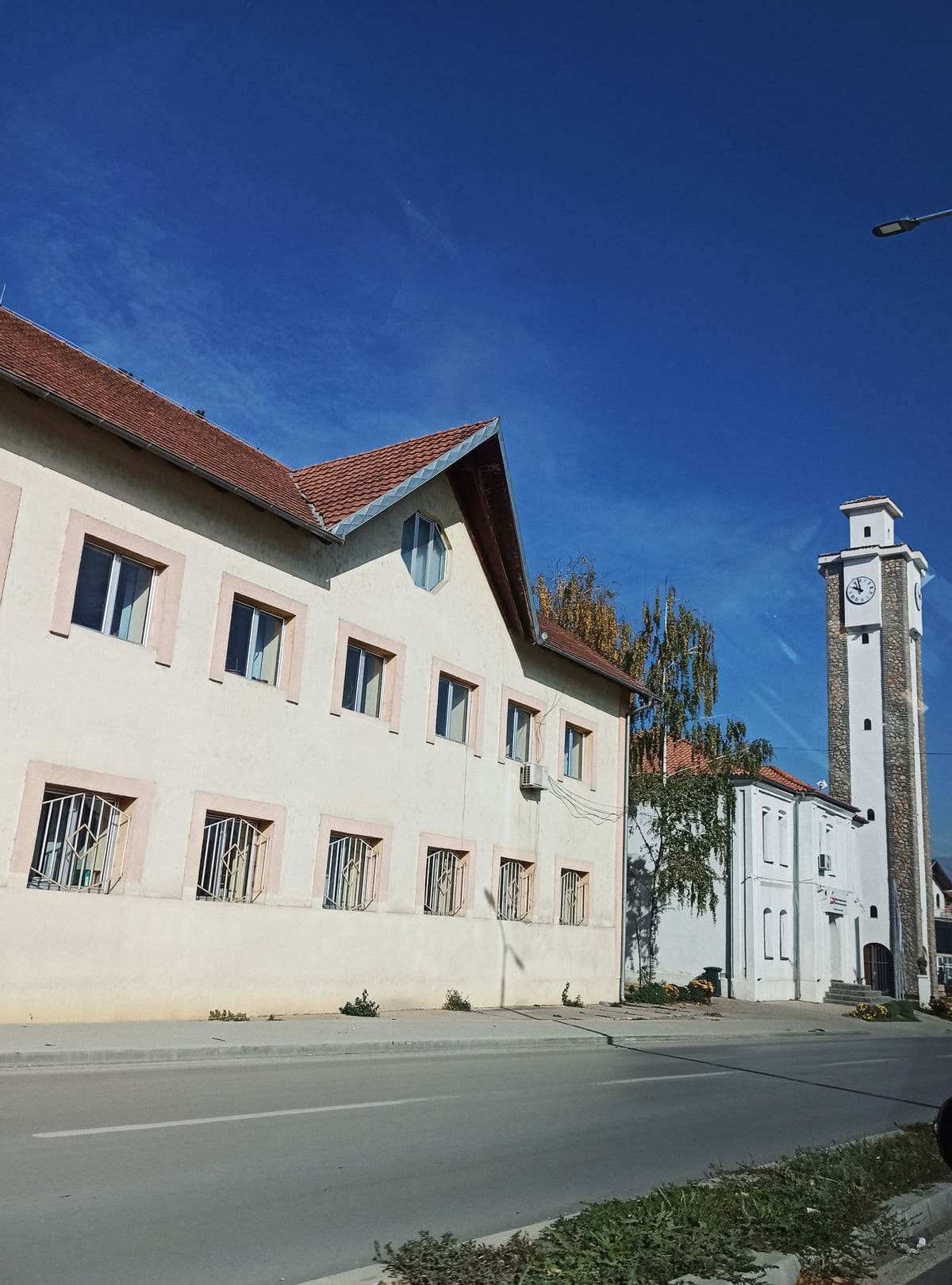
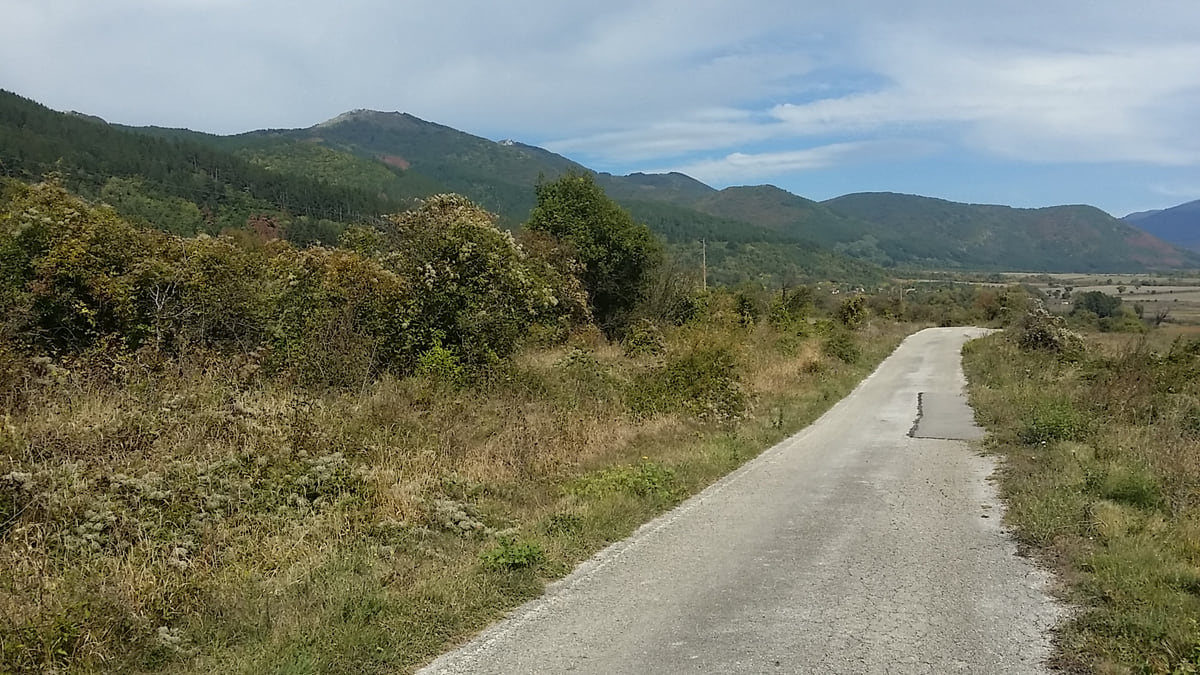
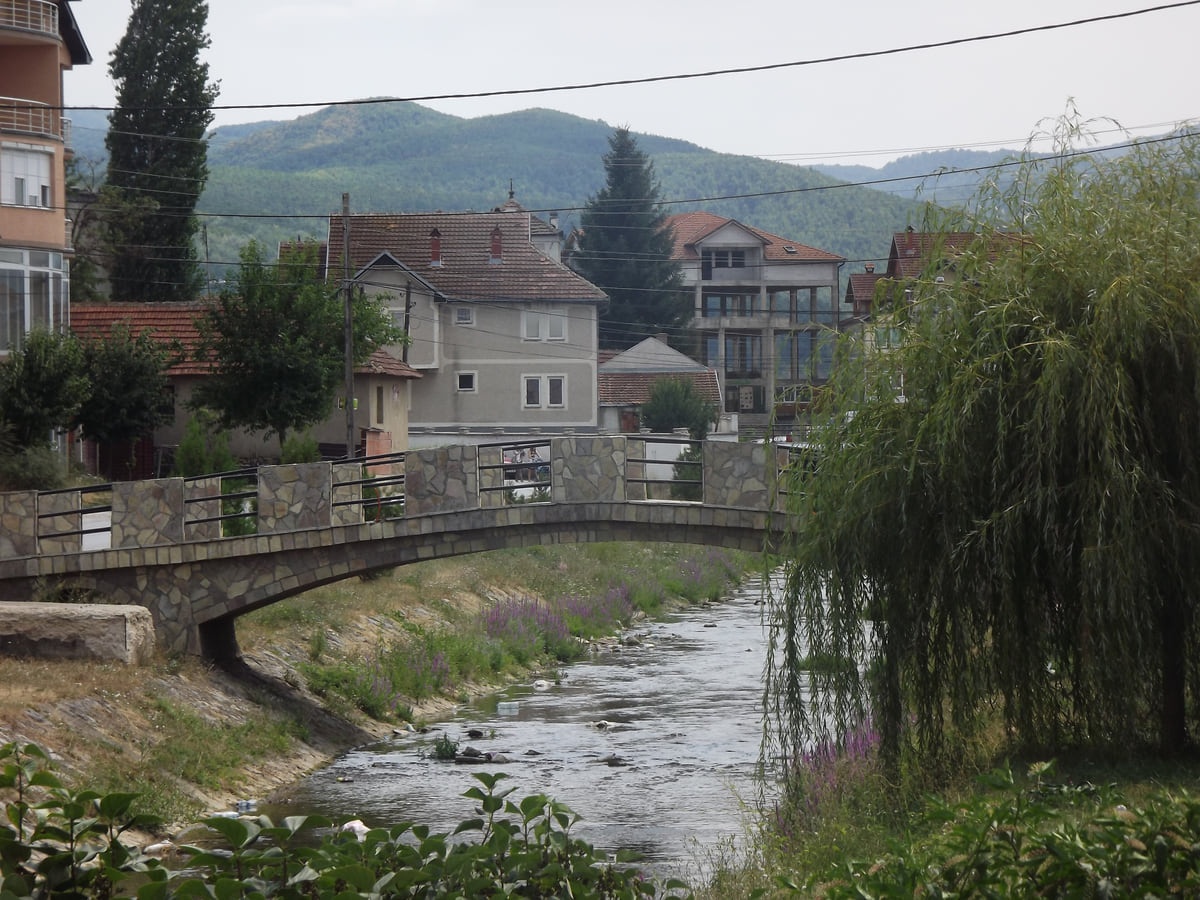
Eastern Kosovo, the Binačka Morava valley
The Gjilan region, Kosovo's overlooked east
The Gjilan region is eastern Kosovo. OpenStreetMap gives it six municipalities, Gjilan, Kamenicë, Kllokot, Partesh, Ranillug and Viti, with 150,176 people in the 2024 census. According to ASK, overnight guests stay longer here than in any other region, and its listed heritage runs from Iron Age burial mounds to the 17th-century Atik Mosque.
In 30 seconds
Full read: 3 min
- The Gjilan region is eastern Kosovo, with six municipalities and 150,176 people in 2024.
- Overnight guests stay longer than in any other region, with 155,562 nights for 34,666 guests in 2025 (ASK).
- The 17th-century Atik Mosque and Draganac Monastery, with its Special Protective Zone, are the best-known sights.
- Kllokot, Partesh and Ranillug are among Kosovo's smallest municipalities.
Nobody comes to eastern Kosovo for one headline sight; you come for the mix. Within twenty kilometres of Gjilan there's a 17th-century mosque, a monastery with a Special Protective Zone, a fort from Justinian's time and a Catholic shrine. I'd do it by car over two days, based in Gjilan.

Before you go
What I would keep in mind
-
01 My tip
Kllokot's banja and a Roman site next door
The heritage database places the Roman site of Vërban right beside the Kllokot Banja, close to springs of hot mineral water.
Kllokot -
02 Getting there
Partesh, a municipality of three villages
ASK counts just three settlements in Partesh, home to 3,240 people in 2024. Its 1861 church at Pasjan is on the heritage register.
Partesh -
03 My tip
Ranillug, thirteen hamlets in the eastern hills
Ranillug spreads 2,481 people across 13 settlements. It's one of Kosovo's least populated municipalities and has nothing on the heritage register.
Ranillug -
04 Most beautiful
Letnica and its shrine
The Diocese of Prizren-Pristina calls the church at Letnica a shrine. The village, in Viti municipality, had 168 residents in 2024.
Letnica
What I would book
Eastern Kosovo barely features on most itineraries. People land in Pristina and head for Prizren or Peja, and Gjilan gets left to one side. If small-scale heritage is your thing, I think that’s a mistake, because within a short drive you’ll find things that elsewhere in Kosovo you’d have to chase down one at a time.
Six municipalities along the Binačka Morava
Kosovo’s seven regions are the units its statistics agency (ASK) counts tourists by, but the agency never says which municipalities belong where, so I take the split from OpenStreetMap. This one gets six, Gjilan, Kamenica, Kllokot, Partesh, Ranillug and Viti. Together they had 150,176 people in 2024, and Gjilan municipality alone had 82,980, the fourth largest in Kosovo.
The trends vary a lot. Kamenica fell from 36,085 in 2011 to 22,868 in 2024, and Viti from 46,987 to 35,566, while Partesh nearly doubled, from 1,787 to 3,240. ASK doesn’t explain the swings, so I won’t guess at them.
On mother tongue, the 2024 census shows Albanian majorities in Gjilan, Kamenica and Viti and Serbian majorities in Partesh and Ranillug. Kllokot sits in between, with Albanian slightly ahead of Serbian. I mention it purely as practical information, since both are official languages and you’ll hear both around here.
The listed sights
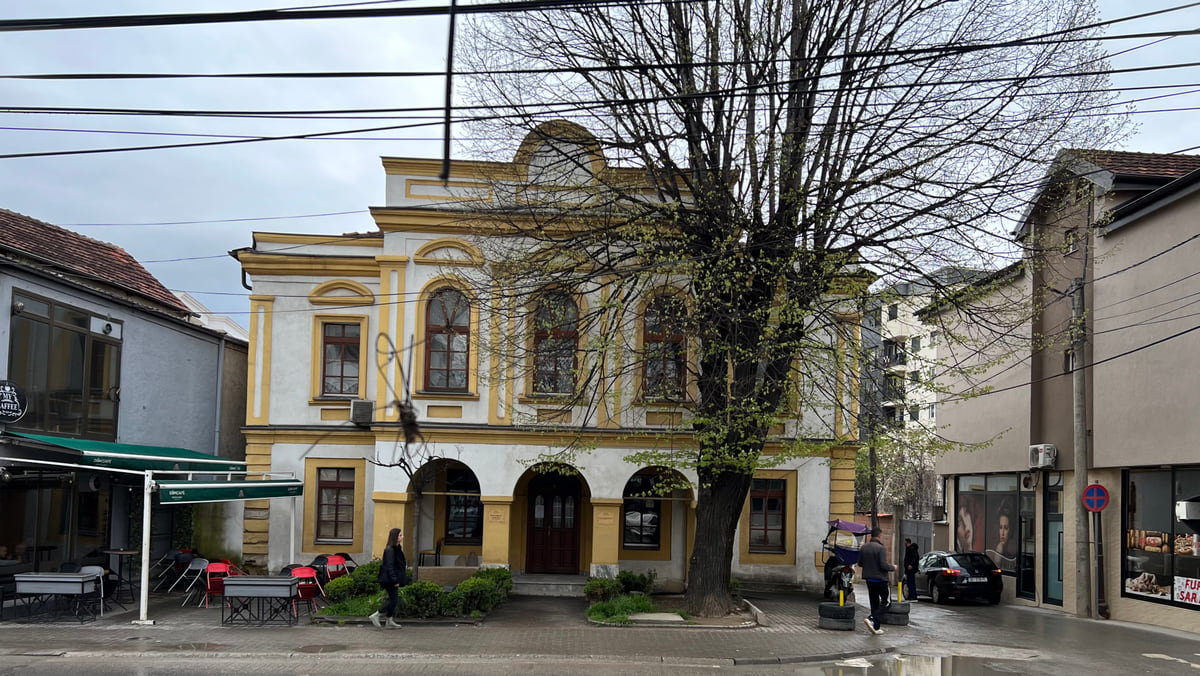
Kosovo’s official heritage inventory, the Ministry of Culture’s DTK, holds 24 entries in Gjilan municipality, nine in Viti, eight in Kamenica, one in Partesh and none in Kllokot or Ranillug. The most visitable are in town. The Atik Mosque in Gjilan, which the DTK dates to the early 17th century and calls the town’s first mosque, faces Mustafa Pasha’s former residence of 1887, which the municipality reopened as an ethnological museum on 18 May 2021.
Out of town the periods stack up. The DTK records a cemetery of nine Iron Age burial mounds at Llashticë, about 10 km north-east, where the best-preserved mound still measures 32 m across and 1.6 m high and dates from the 8th to 7th centuries BC, and the fort at Pogragjë, about 10 km south-east, with a 1.2-hectare enclosure, an 8 by 8 m watchtower and the layout typical of Justinian’s fortifications. The oldest coin found there, from the years 246 to 249, carries the portrait of Otacilia Severa, wife of the emperor Philip I. At Topanicë, near Kamenica, Sheikh Zenel’s tekke dates from 1754, with seven graves in its tomb. I set them alongside the rest of Kosovo’s in castles in Kosovo and in the mosque and museum guides.
Once your dates are set, check which hotels are still free in Gjilan before prices climb.
Monasteries and churches
Two monasteries in the region fall under Law 03/L-039, the one that created Kosovo’s Special Protective Zones. Draganac Monastery, about 9 km north of Gjilan on OpenStreetMap, is one of the zones drawn on an attached map. Binač, at Buzovik in Viti municipality, gets a 100 m zone, though the DTK now describes it as ruined.
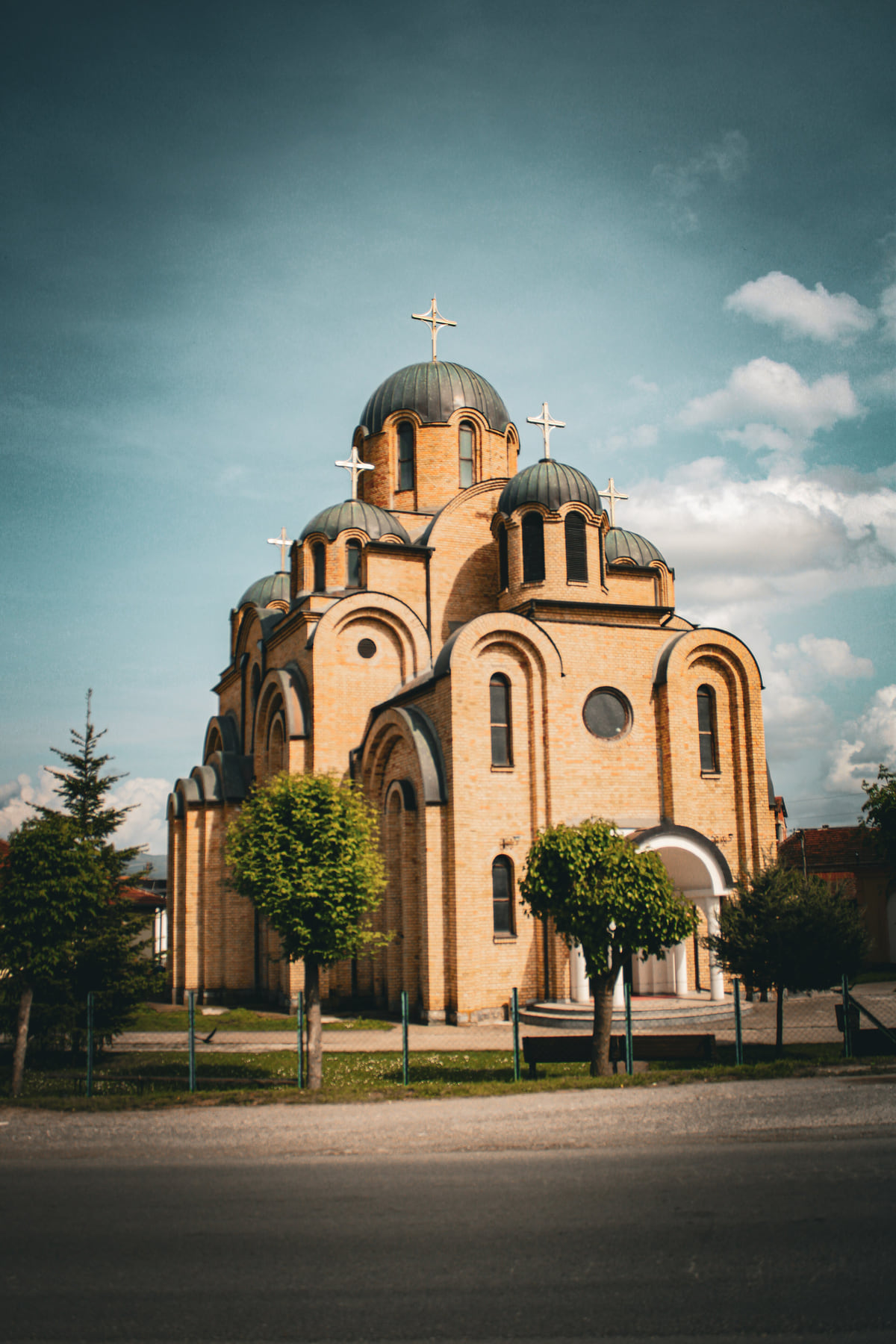
The register also includes medieval churches, such as the ruined St Demetrius at Kmetoc, from the 14th century, and, around Kamenica, those at Vaganesh, Hajnoc and Moçar, from the 13th and 14th centuries. There’s Catholic heritage too, including St Anthony’s at Binçë, opened in 1972, and St Anne’s at Dunav, built in 1938 and, according to its record, the only Catholic church in Gjilan municipality. It stands 800 m up, close to the point where Kosovo, Serbia and North Macedonia meet, in a churchyard ringed by poplars, pines and limes.
Getting around and where to stay
I couldn’t find official bus timetables between the villages, so a car is the sensible way to cover the region, driving on the right. On OpenStreetMap, Gjilan sits some 33 km from Pristina in a direct line, and from Gjilan most places are within 20 km. Out here that means minor roads, and the FCDO warns that conditions get worse in rural areas and recommends keeping off the road after dark. If you’re hiring, remember your UK licence is fine but your GHIC isn’t, so travel insurance comes first.
ASK counted 34,666 overnight guests and 155,562 overnight stays in the region in 2025. That’s about 4.5 nights each, the longest average stay of the seven regions, though only 9,537 guests came from abroad. Capacity stood at 39 establishments, 1,465 rooms and 3,760 beds. I’d stay in Gjilan and head out in a different direction each day.
If you would rather have a local show you round, book a guided tour in Gjilan and choose by the reviews.
Once your dates are set, check which hotels are still free in Gjilan before prices climb.
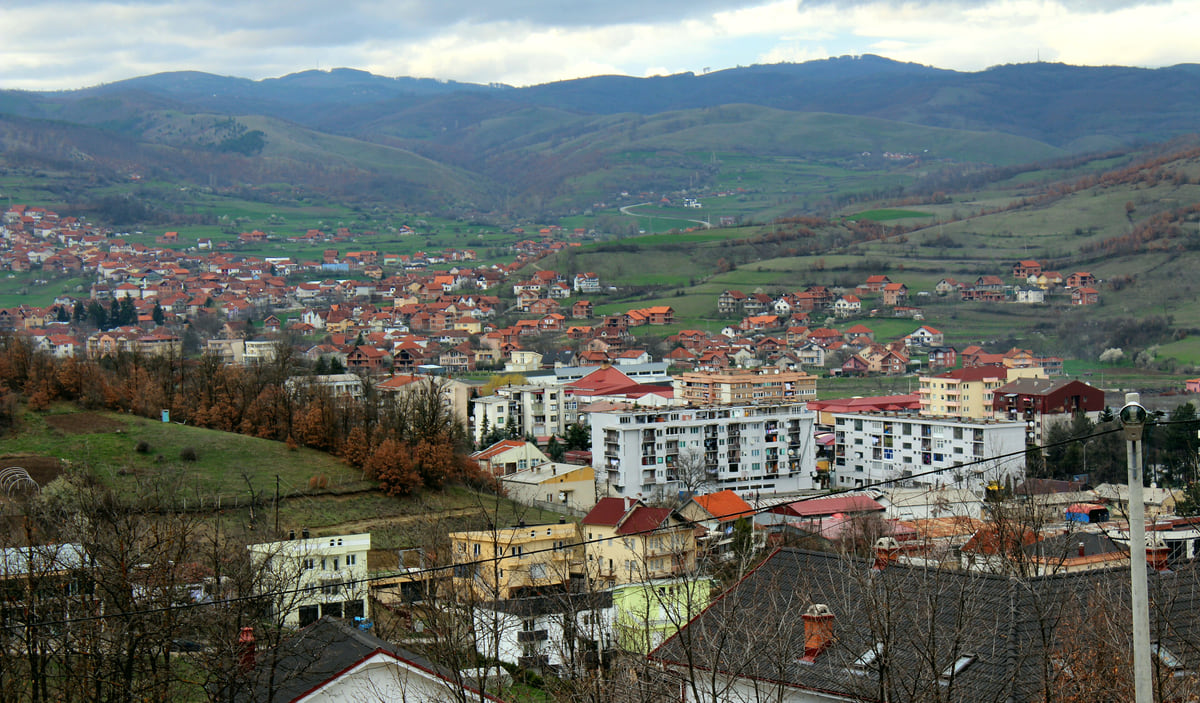
Kamenica seen from a hillside, with blocks of flats, red-roofed houses spreading up the valley and wooded hills behind
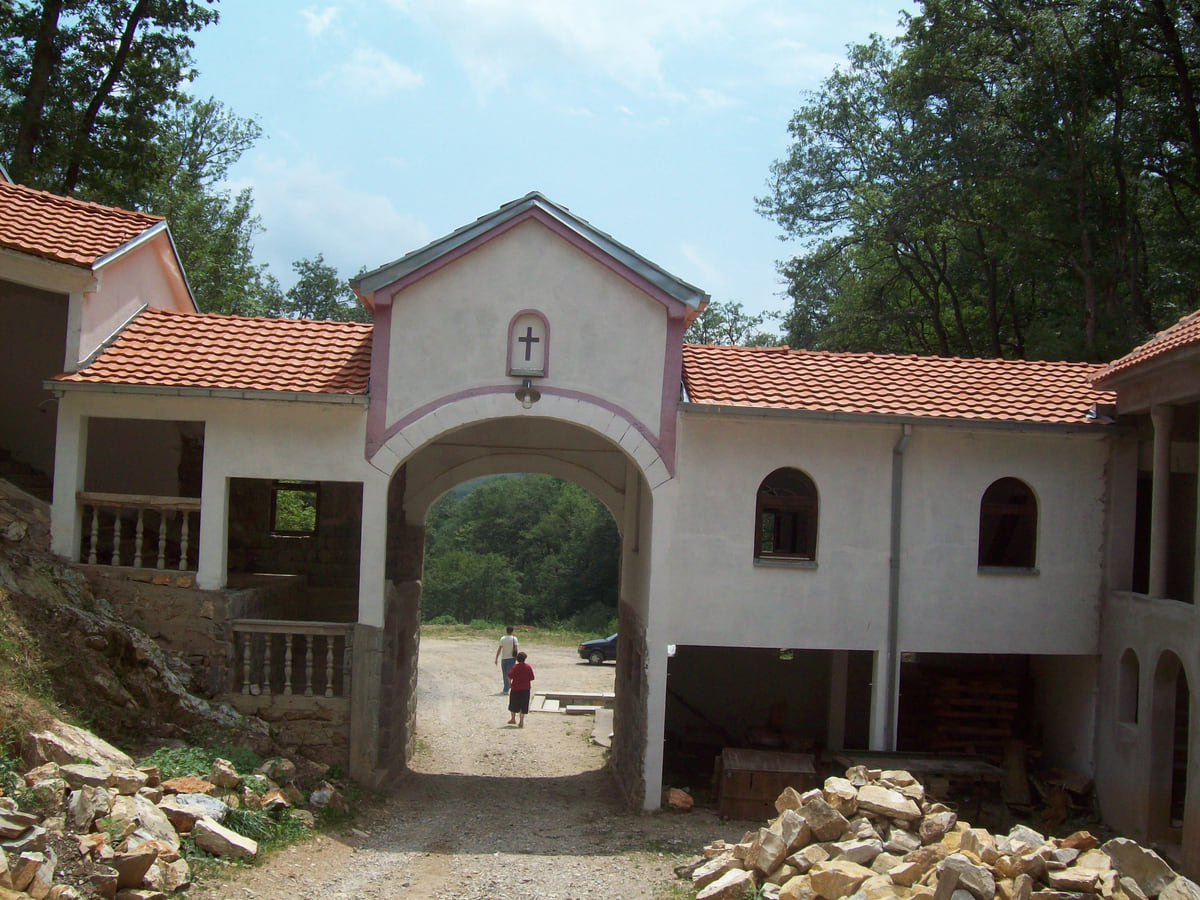
The gateway into the Draganac monastery compound, a white arch with a cross under a tiled roof, between buildings and woodland
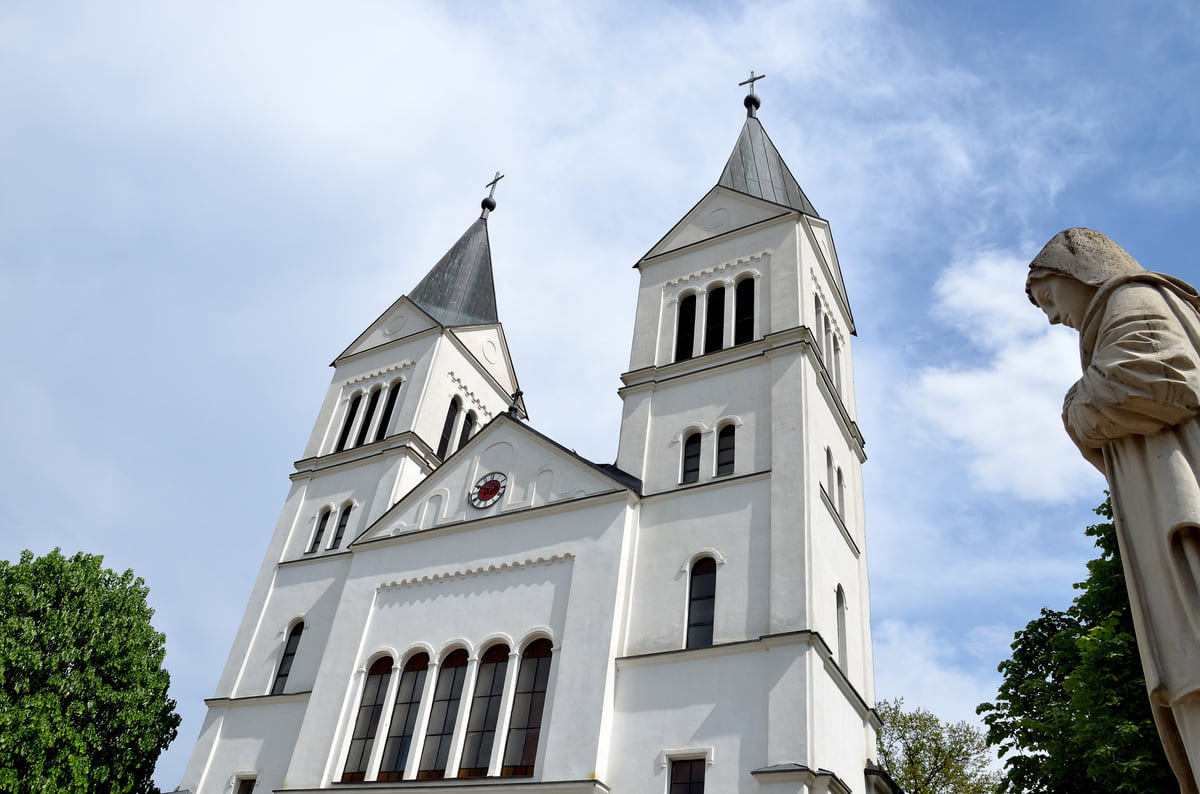
The white front of the Catholic church at Letnica, with two spired towers, a clock and a stone statue to one side
The region's six municipalities
| Municipality | Serbian | 2024 | 2011 | Settlements |
|---|---|---|---|---|
| Gjilan | Gnjilane | 82,980 | 90,178 | 49 |
| Viti | Vitina | 35,566 | 46,987 | 39 |
| Kamenicë | Kamenica | 22,868 | 36,085 | 58 |
| Partesh | Parteš | 3,240 | 1,787 | 3 |
| Kllokot | Klokot | 3,041 | 2,556 | 4 |
| Ranillug | Ranilug | 2,481 | 3,866 | 13 |
Source: ASK (population and settlements); Serbian names and regional split from OpenStreetMap.
Tourism in the Gjilan region (2025)
| Indicator | Figure |
|---|---|
| Overnight guests | 34,666 |
| Of whom from abroad | 9,537 |
| Overnight stays | 155,562 |
| Overnight stays by foreign guests | 21,888 |
| Establishments | 39 |
| Rooms and beds | 1,465 and 3,760 |
Source: ASK, annual tourism indicators by region.
Test yourself
True or false?
0/3 Pick before you peek.
-
The Gjilan region gets more overnight guests than anywhere else in Kosovo.
See the answer
False. It had 34,666 in 2025, far fewer than Pristina, Peja or Prizren. What stands out is how long people stay.
-
Partesh and Ranillug have both grown since 2011.
See the answer
False. Partesh rose from 1,787 to 3,240, but Ranillug fell from 3,866 to 2,481, according to ASK.
-
Draganac Monastery has a Special Protective Zone.
See the answer
True. Law 03/L-039 lists it in Article 7.1, among the zones defined by an attached map.
- Population in 2024
- 150,176
- Overnight stays in 2025
- 155,562
- Beds in the region
- 3,760

What to see
What to see in Gjilan region
0 of 208 Kosovo guides
Your next stamp
- Gjilan
- Gjakova region
- Regions
- Mosques in Kosovo
- Klina
- Istog
- Cities
- Museums in Kosovo
- Gjakova Grand Bazaar
- Gjeravica
- Places to visit
- Pristina region
- Visoki Dečani Monastery
- Bjeshkët e Nemuna National Park
- Hadum Mosque
- Mitrovica Region
- Things to do
- Most beautiful places
- Sheh Danjolli tekke
- Prettiest villages
- Tailors' Bridge
- Rugova Canyon
- UNESCO sites
- Gjakova
- Map
- Where is Kosovo
- Municipalities
- Gračanica Monastery
- Mitrovica
- Patriarchate of Peć
- Pristina
- Prizren
- Rugova via ferrata
- Fushë Kosovë
- Population
- Vushtrri
- Podujeva
- Radavc Cave
- Size
- Bajrakli Mosque
- Devič Monastery
- Gazimestan
- Ibar Bridge
- Is it a country?
- One day in Pristina
- Peja
- Prizren region
- Ulpiana
- Vushtrri Stone Bridge
- Gadime Cave
- Name
- Vushtrri Fortress
- Deçan
- Flag
- Isa Boletini Complex
- Novo Brdo Fortress
- History
- Junik
- Lake Batllava
- Zvečan Fortress
- Banjska Monastery
- Ferizaj region
- Languages
- Rahovec
- Ferizaj
- Religion
- Sokolica Monastery
- Currency
- Lake Gazivoda
- Štrpce
- Brezovica
- EU membership
- Entry requirements
- Skiing in Kosovo
- Kaçanik
- Serbian border
- Gračanica
- Guesthouses in Rugova
- Hotels in Peja
- Kaçanik fortress
- Newborn monument
- North Mitrovica
- One day in Prizren
- Peja bazaar
- Peja region
- Public holidays
- Velika Hoča
- Facts
- Hani i Elezit
- Hotels in Gjakova
- National Library
- Obiliq
- Zočište Monastery
- Drenas
- Mother Teresa Cathedral
- Shtime
- Skënderaj
- Lipjan
- Mother Teresa Boulevard
- Zvečan
- Kosovo Museum
- Leposavić
- Novo Brdo
- Emin Gjiku Ethnological Museum
- Janjevo
- Zubin Potok
- Imperial Mosque
- Pristina Clock Tower
- Pristina Old Bazaar
- Great Hammam of Pristina
- Bogë
- Germia Park
- Getting there
- Lake Radoniq
- Prizren Fortress
- Bear Sanctuary Prishtina
- Drelaj
- Flights
- Sinan Pasha Mosque
- Hotels in Pristina
- Pristina airport
- Prizren stone bridge
- Buses
- Grand Hotel Pristina
- Our Lady of Ljeviš
- Prizren hammam
- Swiss Diamond Hotel
- Tirana to Pristina
- League of Prizren
- Restaurants in Pristina
- Skopje to Pristina
- Belgrade to Pristina
- Prizren Archaeological Museum
- Balkans itinerary
- St George's Cathedral
- Church of the Holy Saviour
- Getting around
- Holy Archangels Monastery
- Trains
- Car hire
- Day trips
- Marash
- Driving
- Sharr National Park
- Taxis
- Distances
- Prevalla
- Dragash
- Road trip
- Brod
- Prices and budget
- On a budget
- Restelica
- Free things to do
- Mirusha waterfalls
- Malisheva
- Safety
- Mamusha
- Scams
- Healthcare
- National parks in Kosovo
- Nightlife
- Suhareka
- Mobile and roaming
- Mountains in Kosovo
- Mushtisht
- Hiking in Kosovo
- Korisha
- Packing list
- DokuFest
- Peaks of the Balkans
- With kids
- Holidays
- Hotels in Prizren
- Kosovo lakes
- 3 days
- Caves and waterfalls
- Restaurants in Prizren
- 5 days
- One week
- Kosovo food
- Sunny Hill Festival
- Rahovec wine
- Atik Mosque, Gjilan
- Kosovo beer
- Draganac Monastery
- Where to eat in Kosovo
- Kamenica
- Where to stay in Kosovo
- Kllokot
- Weather in Kosovo
- Best time to visit Kosovo
- Partesh
- Kosovo in winter
- Ranillug
- Kosovo in spring
- Viti
- Kosovo in summer
- Letnica
- Binač Monastery
- Kosovo in autumn
- Events in Kosovo
- Independence Day
- Kosovo monasteries
- Kullas in Kosovo
- Castles in Kosovo
- Bazaars in Kosovo
Frequently asked questions
Which municipalities make up the Gjilan region?
Gjilan, Kamenicë, Kllokot, Partesh, Ranillug and Viti, according to OpenStreetMap. ASK uses the region in its tourism statistics but doesn't publish the list of municipalities.
What is there to do around Gjilan?
In town, the Atik Mosque and the ethnological museum opposite. Further out, Draganac Monastery, the late Roman fort at Pogragjë, the tekke at Topanicë near Kamenica and the church at Letnica.
Where is Gjilan?
In eastern Kosovo, in the valley of the Binačka Morava. OpenStreetMap puts the town about 33 km south-east of Pristina as the crow flies.
What is the population of the Gjilan region?
150,176 in the 2024 census, adding up the six municipalities. Just over half live in Gjilan municipality, with 82,980.
Where should I stay in the Gjilan region?
In Gjilan town, which has most of the services. ASK counted 39 establishments and 3,760 beds across the region in 2025.
By
Tourism graduate with a master’s in Tourism Management and Planning from the University of Málaga, who has travelled across Europe. He writes every guide from official sources and his own judgement.
Published on . Facts checked on .
Sources
Some links in this guide are affiliate links: if you book through them, the site earns a commission at no extra cost to you. Affiliate disclosure
Photos: Drilon94 (CC BY-SA 4.0); Toksave (CC BY-SA 3.0); Milivoje Aleksić (CC BY-SA 3.0); Bujar Imer Gashi (CC BY-SA 3.0), via Wikimedia Commons.