Pristina region, 4,493 people in 2024
Novo Brdo, a tiny municipality with a medieval mining town
Novo Brdo (Novobërdë in Albanian) is the least populated municipality in the Pristina region, with 4,493 people in 2024 and 26 settlements, according to the Kosovo Agency of Statistics. Its name is tied to the medieval silver and gold-mining town, now a Special Protective Zone, with a fortress, a 15th-century cathedral and the Saxon miners' church.
In 30 seconds
Full read: 2 min
- Novo Brdo is the least populated municipality in the Pristina region, with 4,493 people in 2024.
- Its medieval silver and gold-mining town is a Special Protective Zone by law.
- Next to the fortress stand Artana cathedral and the ruins of the Saxon church.
In Novo Brdo the municipality is almost an excuse and the fortress is everything. I'd come for it, add the cathedral and the Saxon church right next door, and head back to Pristina to sleep; I haven't found accommodation in the municipality from an official source.

Before you go
What I would keep in mind
-
01 Most beautiful
The medieval town, a Special Zone
Law 03/L-039 makes the medieval town of Novo Brdo a Special Protective Zone, fortress and all, a 13th and 14th-century stronghold known for its silver and gold mines and its mint.
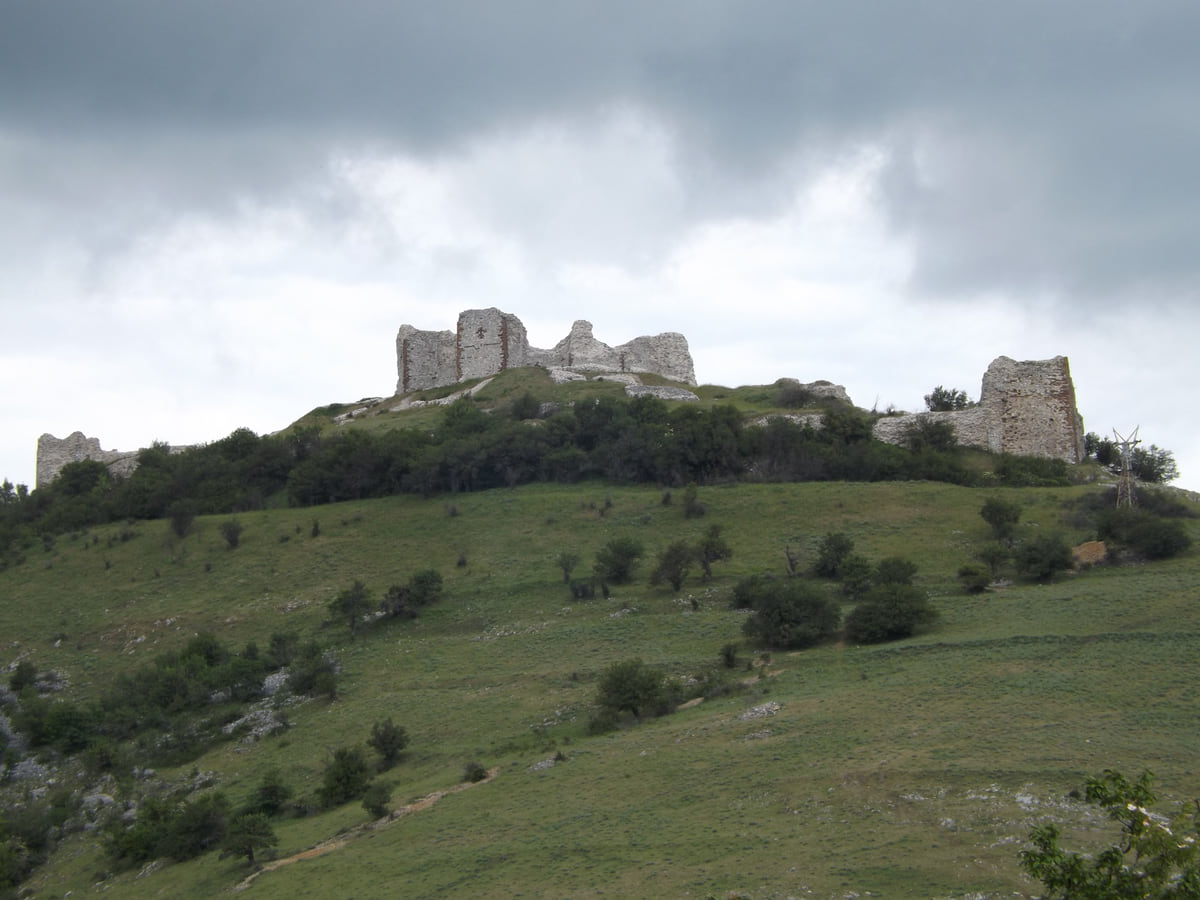
Novo Brdo fortress -
02 Most beautiful
A cathedral that became a mosque
Artana cathedral, from the 15th century, was built by merchants from Ragusa over an earlier church. After the Ottoman conquest of 1455 it became a mosque in 1466, according to the Ministry of Culture.
-
03 My tip
A namesake village of 117 people
The settlement that gives the municipality its name had 117 residents in 2024. The largest is Pasjak, with 1,440, according to the statistics agency.
-
04 Getting there
Between Pristina and Gjilan
The Ministry of Culture places the fortress about 39 km south-east of Pristina and 30 to 35 km from Gjilan, so you can take it in on the way between the two.
Gjilan
Novo Brdo is an odd one. The municipality barely has 4,493 residents and its namesake village just 117, yet in the Middle Ages this was a mining town of the first rank, with silver, gold, its own mint and merchants who’d come from Ragusa, today’s Dubrovnik. What’s left of all that is the reason I come.
A small, rural municipality
Novo Brdo (Novobërdë in Albanian) sits at the eastern end of the Pristina region. The statistics agency counted 4,493 people here in 2024, down from 6,729 in 2011, spread over 26 settlements. The largest is Pasjak, with 1,440, and three villages, Bolec, Carevc and Mazgovë, had nobody at all. The OSCE’s 2018 figures give it about 204 km² and describes an economy of farming, rural tourism and small traders, with around 280 registered businesses. According to the same profile, the municipality has seven Serbian Orthodox churches and two mosques in use.
The silver town
The Ministry of Culture explains that Novo Brdo appears under this name in documents from the early decades of the 14th century, as Nuovo Monte, and that it was a silver and gold-mining centre known for its forges and its coin minting. By 1326 it was already a market frequented by the Ragusans and by the Saxon community, miners who’d arrived to work the seams. Law 03/L-039 now protects the medieval town as a Special Zone.
At its heart is Novo Brdo fortress, from the 13th and 14th centuries, on a hilltop between the Përlepnica and Krivareka rivers. It has its own page with everything in the official record.
Once your dates are set, check which hotels are still free in Pristina before prices climb.
A cathedral, a mosque and a miners’ church
Just north-east of the fortress lie the ruins of Artana cathedral, the town’s largest church, 30.7 by 23.4 metres. Digs in 1956 and 1957 found an earlier 14th-century church beneath it, ringed by graves, and the Ministry says that in the 15th century the Ragusans raised the Romanesque cathedral on top. For a time it was the seat of a Catholic bishopric. After the Ottoman conquest of June 1455 it was turned into a mosque in 1466, gaining a minaret. Part of the walls was restored in 1954, and an estimated 900 graves lie within.
A kilometre to the south-east, in the village of Bostan, are the ruins of the Saxon church, St Mary’s, from the early 14th century. In the early 17th century Marin Bizzi, Archbishop of Bar, described it as a painted church that could hold 3,000 worshippers. Its walls now stand a metre high and the Ministry warns that they need urgent work.
How I’d see it
I’d leave Pristina in the morning with the whole day ahead, climb to the fortress, walk down to the cathedral and the Saxon church, then carry on to Gjilan or return to the capital. No official source publishes opening hours or access details for the ruins, so walking boots and water are firmly on my list. If castles are your thing, I cover the rest in castles and fortresses in Kosovo. On my 5 days in Kosovo route, Novo Brdo is the day-two stop, 41 km from Pristina.
If you would rather have a local show you round, book a guided tour in Pristina and choose by the reviews.
Once your dates are set, check which hotels are still free in Pristina before prices climb.
Novo Brdo's largest settlements (2024)
| Settlement | Population |
|---|---|
| Pasjak | 1,440 |
| Llabjan | 856 |
| Kufcë e Epërme | 372 |
| Koretishtë | 321 |
| Izvor | 273 |
| Bostan | 255 |
| Novobërdë | 117 |
| Municipality total (26 settlements) | 4,493 |
Kosovo Agency of Statistics (ASK), 2024 census. For 2011 ASK only gives the municipal total (6,729), not settlement figures.
Test yourself
True or false?
0/3 Pick before you peek.
-
Novo Brdo is the most populated municipality in the Pristina region.
See the answer
False. It's the least populated, with 4,493 people in 2024, against 227,466 in Pristina municipality.
-
Artana cathedral was turned into a mosque in the 15th century.
See the answer
True. The Ministry of Culture says that after the Ottoman conquest of 1455 it became a mosque in 1466, with a minaret added.
-
Saxon miners worked at Novo Brdo.
See the answer
True. The Ministry of Culture explains that a Saxon community came to work the mines and had its own church built in the early 14th century.
Map
Where Novo Brdo is
The Bjeshkët e Nemuna mountains close off the west and the Sharr the south; in the middle lies the Pristina plain. Every number opens its guide.
 1Pristina region 2Pristina 3Fushë Kosovë 4Podujeva 5Gračanica 6Obiliq 7Drenas 8Lipjan 9Novo Brdo
 Map data © OpenStreetMap contributors (ODbL)
- 1Pristina regionOne of Kosovo's seven statistical regions
- 2PristinaCapital of Kosovo under its Constitution
- 3Fushë KosovëPristina region, 63,949 people in 2024
- 4PodujevaPristina region, 70,975 people in 2024
- 5GračanicaPristina region, 18,486 people in 2024
- 6ObiliqPristina region, 22,815 people in 2024
- 7DrenasPristina region, 48,079 people in 2024
- 8LipjanPristina region, 55,044 people in 2024
- 9Novo BrdoPristina region, 4,493 people in 2024
What to see
What to see in Novo Brdo
0 of 208 Kosovo guides
Your next stamp
- Novo Brdo Fortress
- 5 days
- Pristina region
- Drenas
- Vushtrri
- Gračanica
- Castles in Kosovo
- Prizren
- Gjakova Grand Bazaar
- Gjeravica
- Places to visit
- Visoki Dečani Monastery
- Bjeshkët e Nemuna National Park
- Hadum Mosque
- Mitrovica Region
- Things to do
- Most beautiful places
- Sheh Danjolli tekke
- Prettiest villages
- Tailors' Bridge
- Rugova Canyon
- UNESCO sites
- Gjakova
- Map
- Where is Kosovo
- Regions
- Municipalities
- Cities
- Gračanica Monastery
- Mitrovica
- Patriarchate of Peć
- Pristina
- Rugova via ferrata
- Fushë Kosovë
- Population
- Podujeva
- Radavc Cave
- Size
- Bajrakli Mosque
- Devič Monastery
- Gazimestan
- Ibar Bridge
- Is it a country?
- Istog
- One day in Pristina
- Peja
- Prizren region
- Ulpiana
- Vushtrri Stone Bridge
- Gadime Cave
- Klina
- Name
- Vushtrri Fortress
- Deçan
- Flag
- Isa Boletini Complex
- History
- Junik
- Lake Batllava
- Zvečan Fortress
- Banjska Monastery
- Ferizaj region
- Languages
- Rahovec
- Ferizaj
- Religion
- Sokolica Monastery
- Currency
- Lake Gazivoda
- Štrpce
- Brezovica
- EU membership
- Entry requirements
- Skiing in Kosovo
- Kaçanik
- Serbian border
- Guesthouses in Rugova
- Hotels in Peja
- Kaçanik fortress
- Newborn monument
- North Mitrovica
- One day in Prizren
- Peja bazaar
- Peja region
- Public holidays
- Velika Hoča
- Facts
- Gjakova region
- Hani i Elezit
- Hotels in Gjakova
- National Library
- Obiliq
- Zočište Monastery
- Mother Teresa Cathedral
- Shtime
- Skënderaj
- Lipjan
- Mother Teresa Boulevard
- Zvečan
- Kosovo Museum
- Leposavić
- Emin Gjiku Ethnological Museum
- Janjevo
- Zubin Potok
- Imperial Mosque
- Pristina Clock Tower
- Pristina Old Bazaar
- Great Hammam of Pristina
- Bogë
- Germia Park
- Getting there
- Lake Radoniq
- Prizren Fortress
- Bear Sanctuary Prishtina
- Drelaj
- Flights
- Sinan Pasha Mosque
- Hotels in Pristina
- Pristina airport
- Prizren stone bridge
- Buses
- Grand Hotel Pristina
- Our Lady of Ljeviš
- Prizren hammam
- Swiss Diamond Hotel
- Tirana to Pristina
- League of Prizren
- Restaurants in Pristina
- Skopje to Pristina
- Belgrade to Pristina
- Prizren Archaeological Museum
- Balkans itinerary
- St George's Cathedral
- Church of the Holy Saviour
- Getting around
- Holy Archangels Monastery
- Trains
- Car hire
- Day trips
- Marash
- Driving
- Sharr National Park
- Taxis
- Distances
- Prevalla
- Dragash
- Road trip
- Brod
- Prices and budget
- On a budget
- Restelica
- Free things to do
- Mirusha waterfalls
- Malisheva
- Safety
- Mamusha
- Scams
- Healthcare
- National parks in Kosovo
- Nightlife
- Suhareka
- Mobile and roaming
- Mountains in Kosovo
- Mushtisht
- Hiking in Kosovo
- Korisha
- Packing list
- DokuFest
- Peaks of the Balkans
- With kids
- Holidays
- Hotels in Prizren
- Kosovo lakes
- 3 days
- Caves and waterfalls
- Restaurants in Prizren
- One week
- Gjilan region
- Kosovo food
- Sunny Hill Festival
- Gjilan
- Rahovec wine
- Atik Mosque, Gjilan
- Kosovo beer
- Draganac Monastery
- Where to eat in Kosovo
- Kamenica
- Where to stay in Kosovo
- Kllokot
- Weather in Kosovo
- Best time to visit Kosovo
- Partesh
- Kosovo in winter
- Ranillug
- Kosovo in spring
- Viti
- Kosovo in summer
- Letnica
- Binač Monastery
- Kosovo in autumn
- Events in Kosovo
- Independence Day
- Kosovo monasteries
- Mosques in Kosovo
- Kullas in Kosovo
- Museums in Kosovo
- Bazaars in Kosovo
Frequently asked questions
Where is Novo Brdo?
East of Pristina, in the Pristina statistical region. The Ministry of Culture puts the medieval town about 39 km south-east of the capital and 30 to 35 km from Gjilan; as the crow flies, OpenStreetMap gives about 21 km from central Pristina.
What is the population of Novo Brdo?
4,493 at the 2024 census and 6,729 in 2011, according to the Kosovo Agency of Statistics. It's the least populated municipality in the Pristina region.
What is there to see in Novo Brdo?
The medieval fortress, Artana cathedral, turned into a mosque in 1466, and the ruins of the Saxon church a kilometre away. The Ministry of Culture also protects a 19th-century church at Bostan and a 16th-century monastery at Strazhë.
Where does the name Novo Brdo come from?
The Ministry of Culture says the town first appears under this name in the early decades of the 14th century, as Nuovo Monte. In Albanian it's Novobërdë, and also Artana.
Why was Novo Brdo important?
For its silver and gold mines, its forges and its mint. By 1326 it was already a market visited by merchants from Ragusa and by Saxon miners, according to the Ministry of Culture.
By
Tourism graduate with a master’s in Tourism Management and Planning from the University of Málaga, who has travelled across Europe. He writes every guide from official sources and his own judgement.
Published on . Facts checked on .
Sources
Some links in this guide are affiliate links: if you book through them, the site earns a commission at no extra cost to you. Affiliate disclosure
Photos: Atdheu (CC BY-SA 3.0), via Wikimedia Commons.