The Pristina region (Rajoni i Prishtinës) is one of Kosovo's seven statistical regions, with no government of its own, and groups eight municipalities with 511,307 residents in 2024. Beyond the capital it holds Gračanica monastery (UNESCO), the Roman city of Ulpiana, the medieval town of Novo Brdo, the Marble Cave at Gadime and the Batllava and Badoc lakes.
In 30 seconds
Full read: 3 min
The Pristina region groups eight municipalities and 511,307 people, and gets more overnight guests than any other part of Kosovo.
Its headline monument is Gračanica monastery, World Heritage and on the Danger List since 2006.
Ulpiana, Novo Brdo and Gadime's Marble Cave are the other obvious day trips from the capital.
I'd do the region as a set of spokes from Pristina without moving hotel. Gračanica and Ulpiana fill a morning together, Gadime and Janjevo another, and Novo Brdo deserves an afternoon of its own, because the climb to the fortress is not one to rush.
Sergio LeponeMy advice
Before you go
What I would keep in mind
01 Most beautiful
Gračanica, the region's World Heritage site
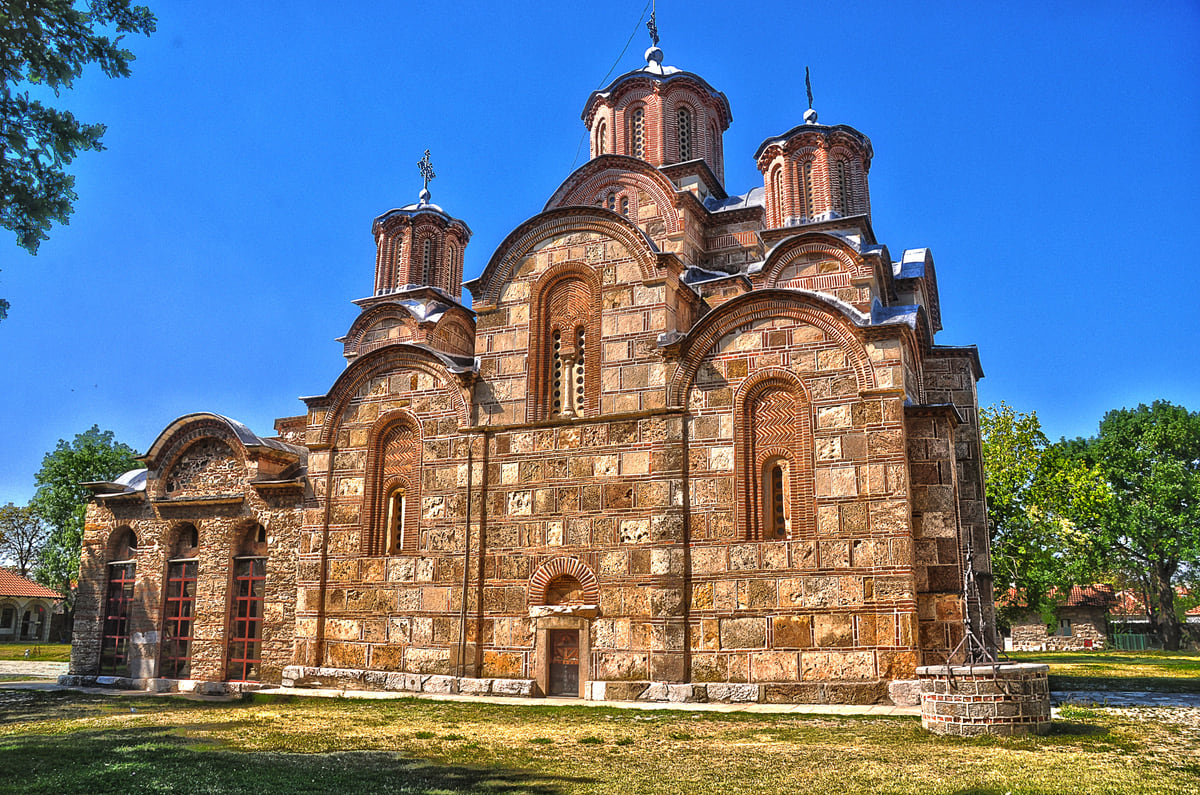
Gračanica monastery is one of the four parts of UNESCO's Medieval Monuments in Kosovo, on the Danger List since 2006. Its frescoes were finished around 1321.
Ulpiana, a Roman municipium renamed Justiniana Secunda in the 6th century, had 35.5 walled hectares according to the Ministry of Culture. It has been an archaeological park since 2016.
The Municipality's leaflet gives it 1,126 hectares and reckons a million people visit each year. It's the cheapest escape you'll find from the city centre.
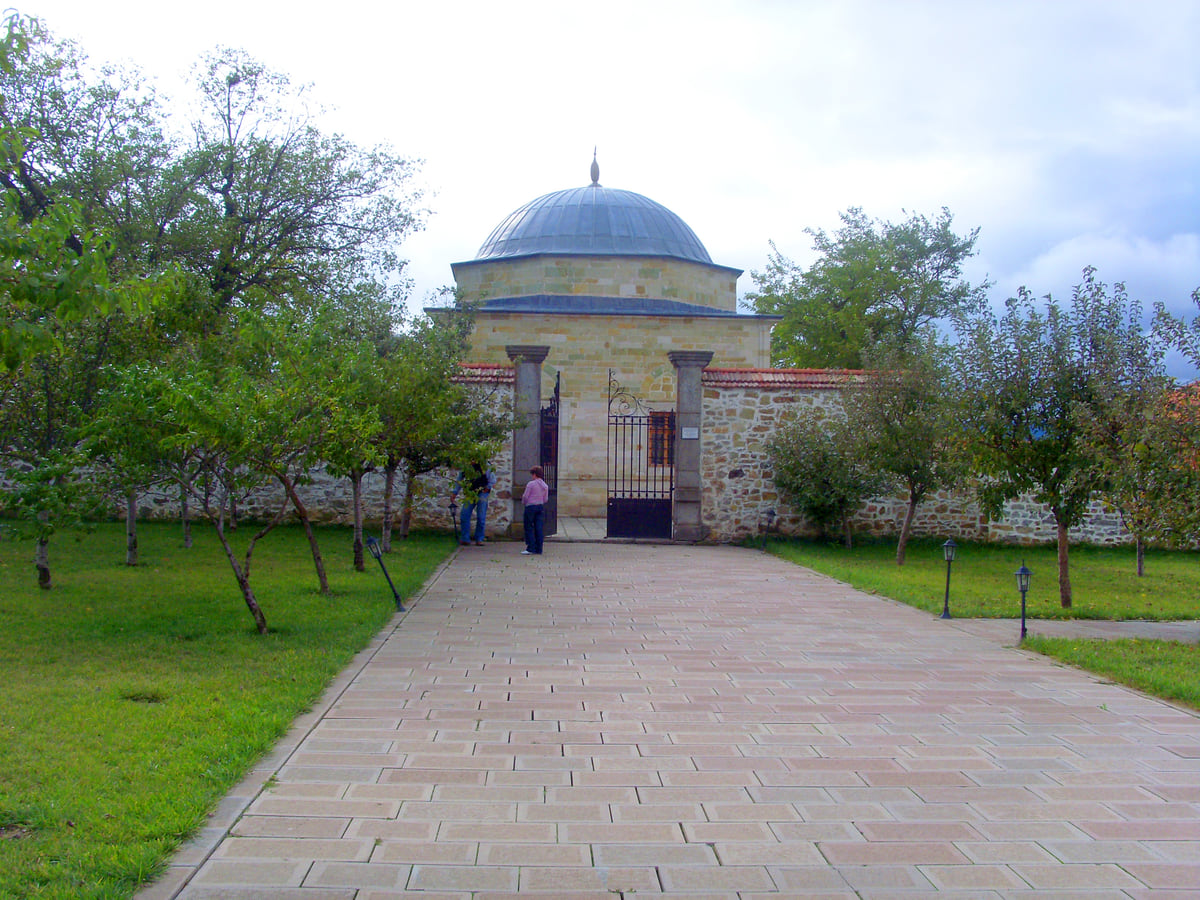
In Obiliq, north-west of the capital, the Ministry of Culture protects the tombs of Sultan Murad I and of the standard-bearer, beside the Gazimestan memorial. A morning covers them.
My picks in the Pristina region, the capital aside
My own scores out of 10. They weigh each place's value according to the official sources (UNESCO, Special Protective Zones, the Ministry of Culture, Kosovo's environment agency) and how easily it fits into a day out from Pristina.
World Heritage, a Special Protective Zone and 14th-century frescoes by the painters Michael and Eutychios. The first thing I'd see outside the capital.
An 18th and 19th-century compound of tower houses at Gradicë, with a men's kulla and a women's kulla. The best way to see how people lived in one.
6.4 out of 10
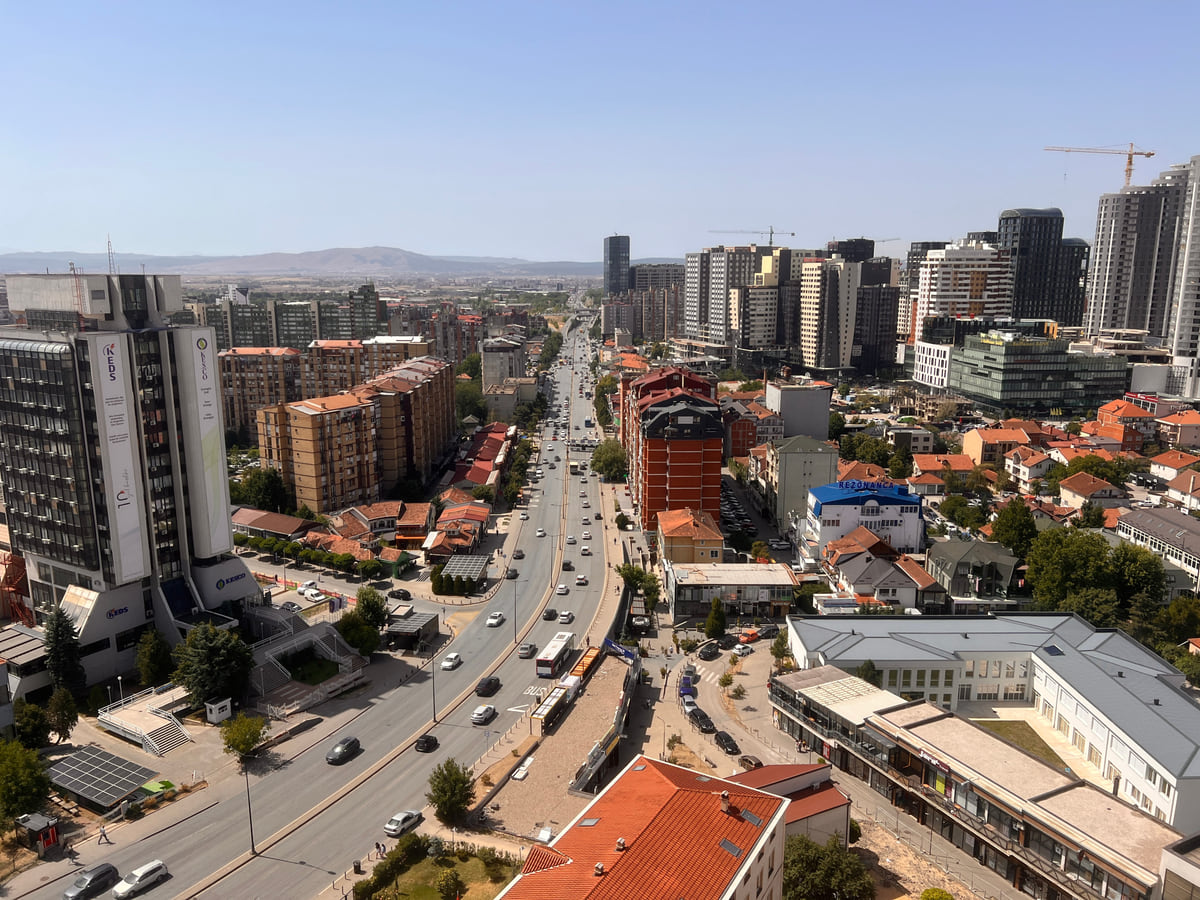
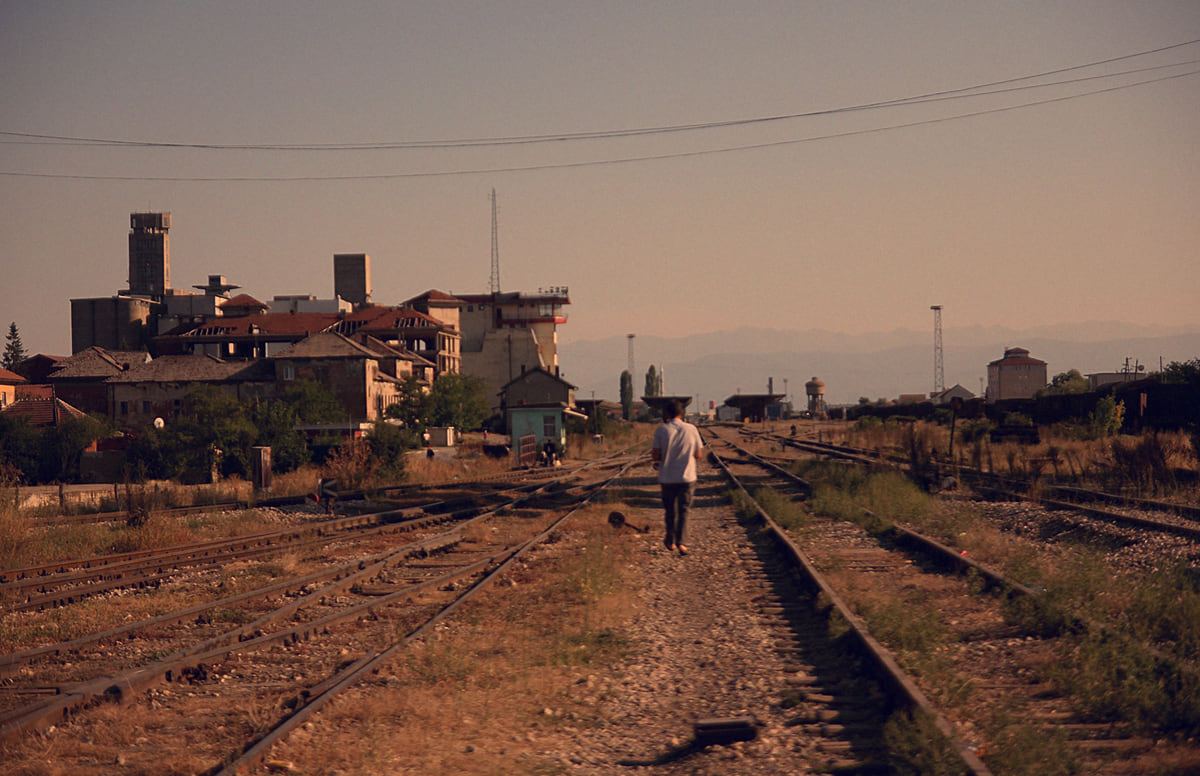
Nearly everyone who comes to Kosovo goes through Pristina, but few explore the country around it. That’s a shame, because within forty kilometres of the capital you’ll find a World Heritage monastery, a Roman city, a medieval mining town and a marble cave. That’s how I see the region, as Pristina’s belt of day trips.
Eight municipalities ringing the capital
The Kosovo Agency of Statistics uses seven regions in its tourism tables, but they have no government and no law listing their municipalities. So the breakdown I use comes from OpenStreetMap, which places eight municipalities here, home to 511,307 people in 2024. The capital takes 227,466 of them, and the city of Pristina itself 143,469.
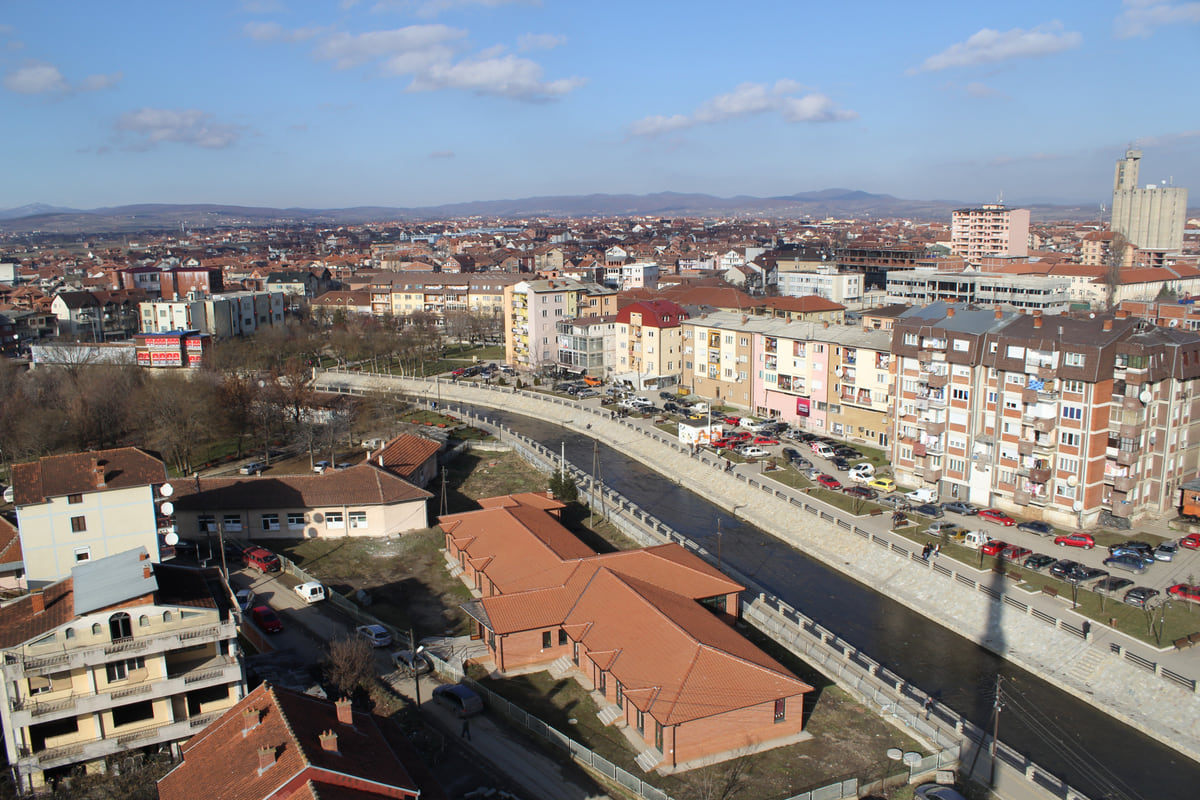
The rest are very different from one another. Podujevë, to the north, is the second largest and has 77 settlements. Fushë Kosovë, right up against the capital on the west, has nearly doubled since 2011. Drenas and Lipjan are big rural municipalities, Obiliq and Graçanicë are small and close in, and Novobërdë, out east, had 4,493 people in 2024 and just 117 in the village that gives it its name.
If you want a feel for the heritage, the Ministry of Culture’s database helps. It lists 33 protected sites under the municipality of Pristina, half a dozen around Novobërdë, five each in Drenas and Podujevë, three in Fushë Kosovë, two in Obiliq and one apiece in Graçanicë and Lipjan. Those numbers flatter the capital slightly, since Graçanicë’s single entry is Ulpiana and the monastery is filed under Pristina, but the picture is clear enough.
What I’d see outside Pristina
Top of the list is Gračanica monastery, south of the capital. UNESCO counts it among the four Medieval Monuments in Kosovo, and Law 03/L-039 adds a protective zone around it. The Ministry of Culture adds that nuns have lived there since the years after the Second World War. Less than a kilometre to the west lies Ulpiana, the Roman city that Emperor Justinian rebuilt and renamed in the 6th century.
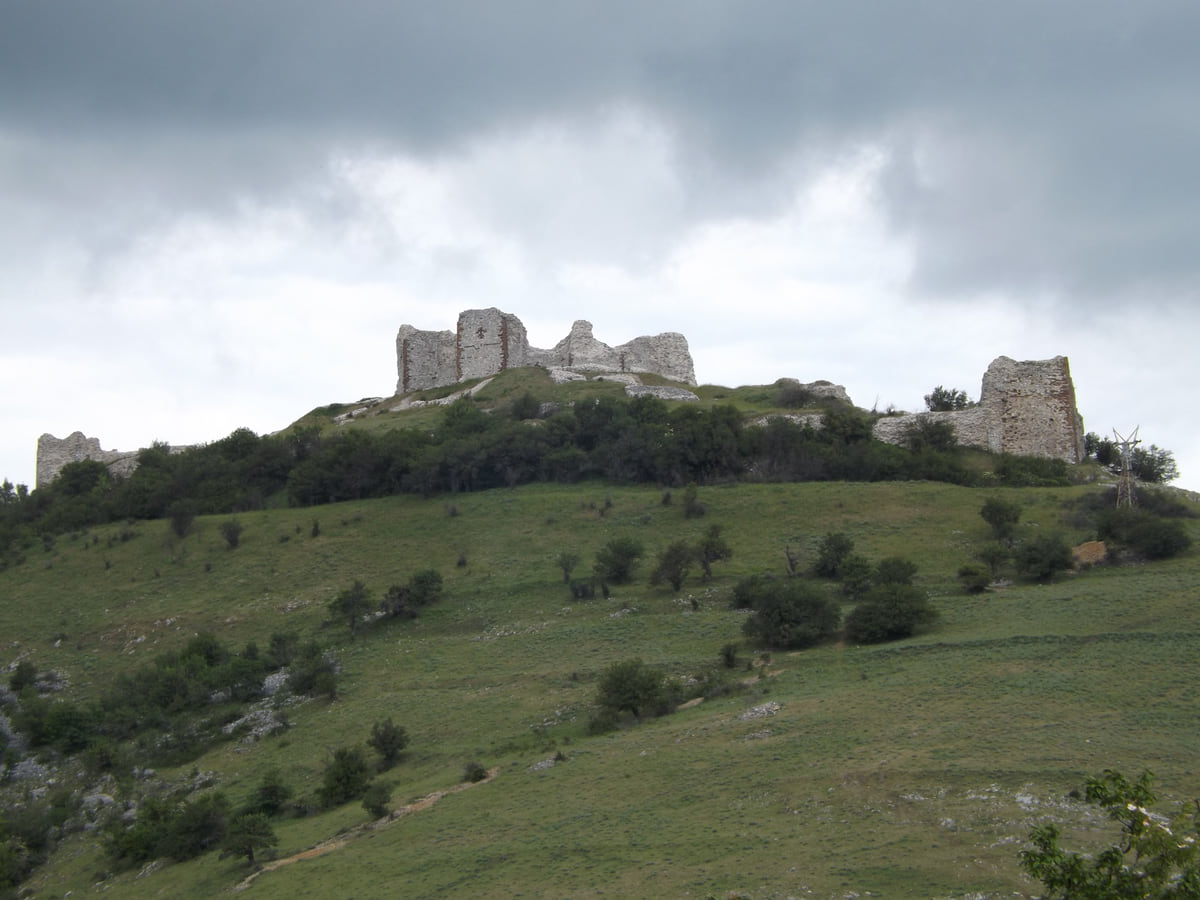
To the east, Novo Brdo fortress crowns a hill about 39 km from Pristina, according to the Ministry of Culture. It was a silver and gold mining town with a cathedral, a church for its Saxon miners and two walled enclosures, and today the medieval town is a Special Protective Zone. Of all the trips in the region, it’s the one that tempts me most, though you’ll want decent shoes.
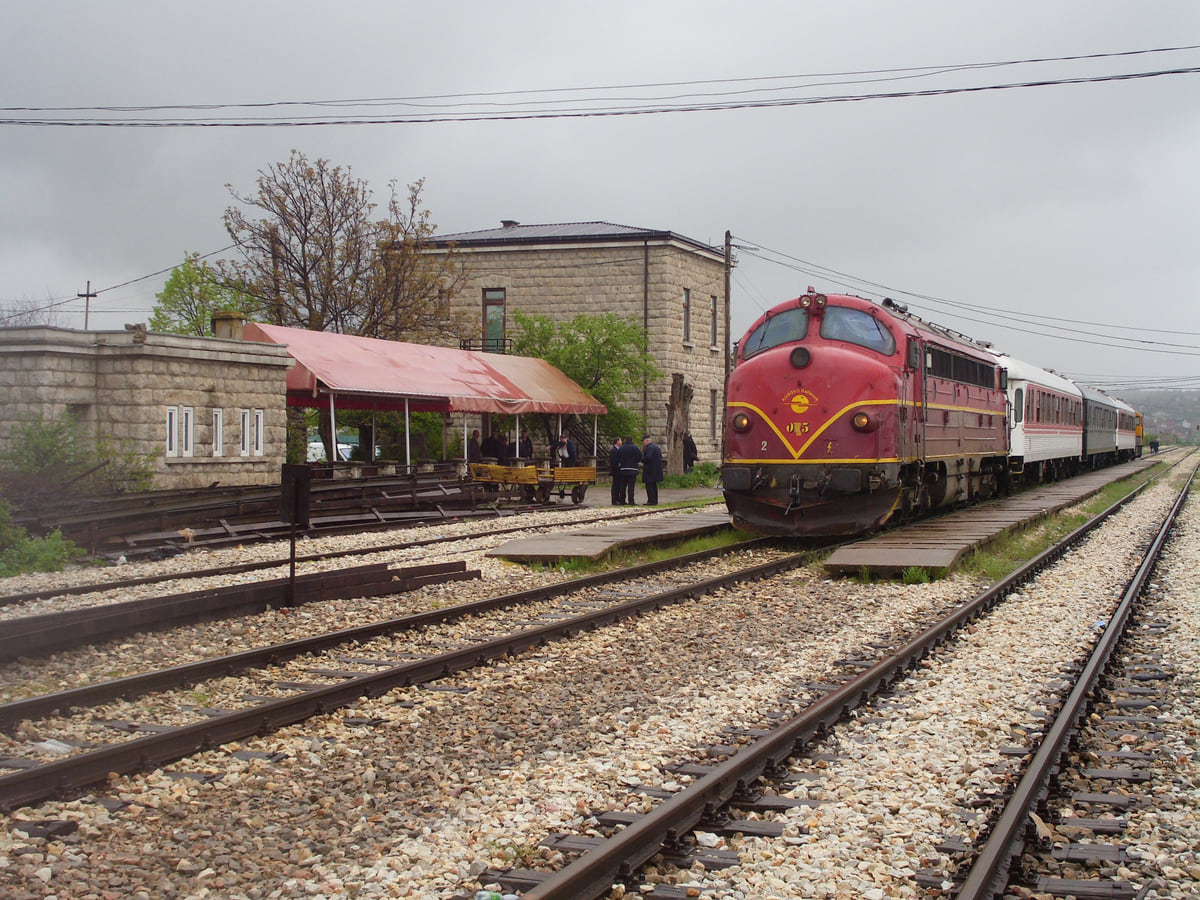
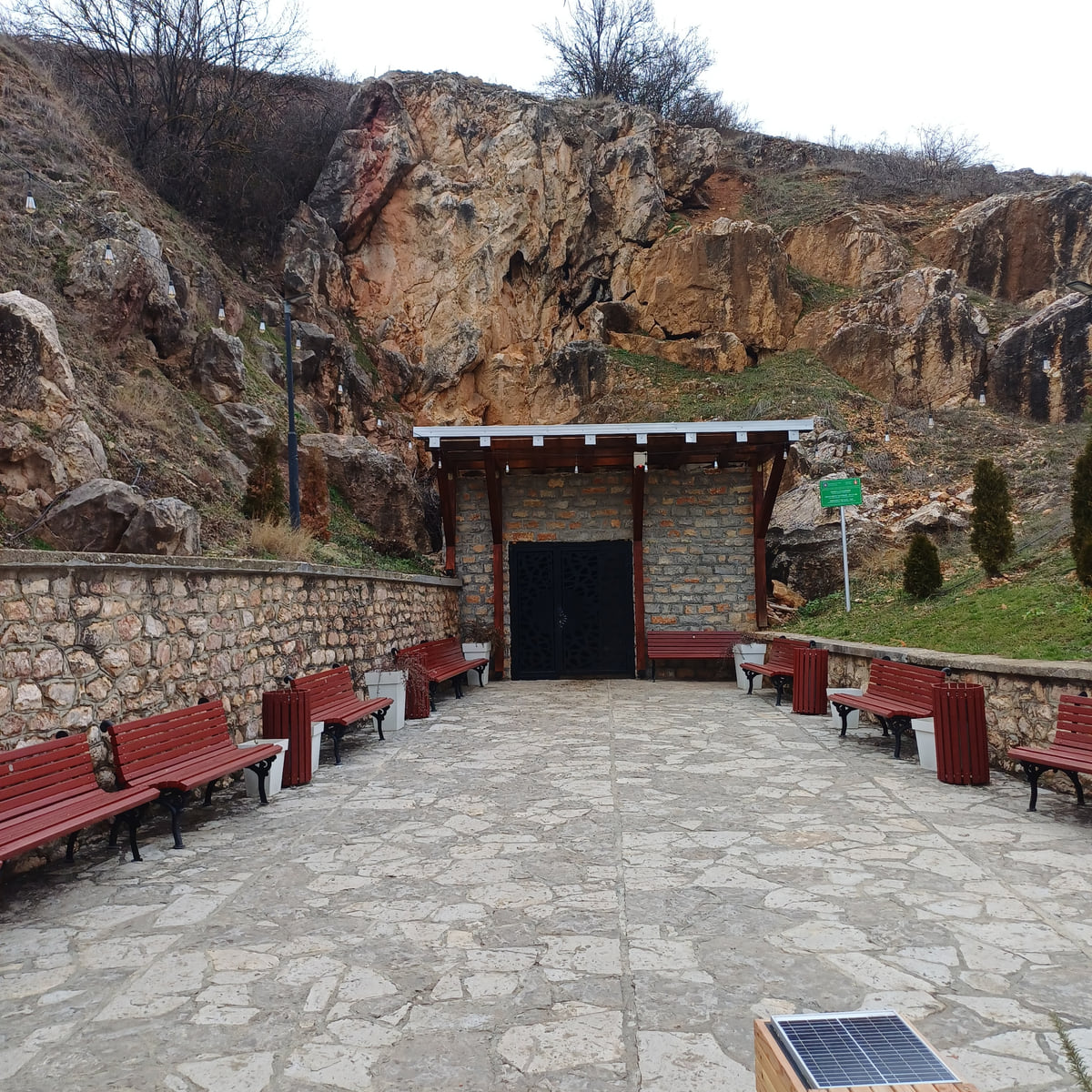
Down south in Lipjan municipality is the Marble Cave at Gadime, managed by Kosovo’s environment agency as a natural monument of special importance. Janjevo, a village of 1,407 people in 2024, is close by. North of the capital, in Obiliq, stand the Gazimestan memorial, a Special Protective Zone, and the tomb of Sultan Murad I, which the Ministry of Culture dates to the 14th century.
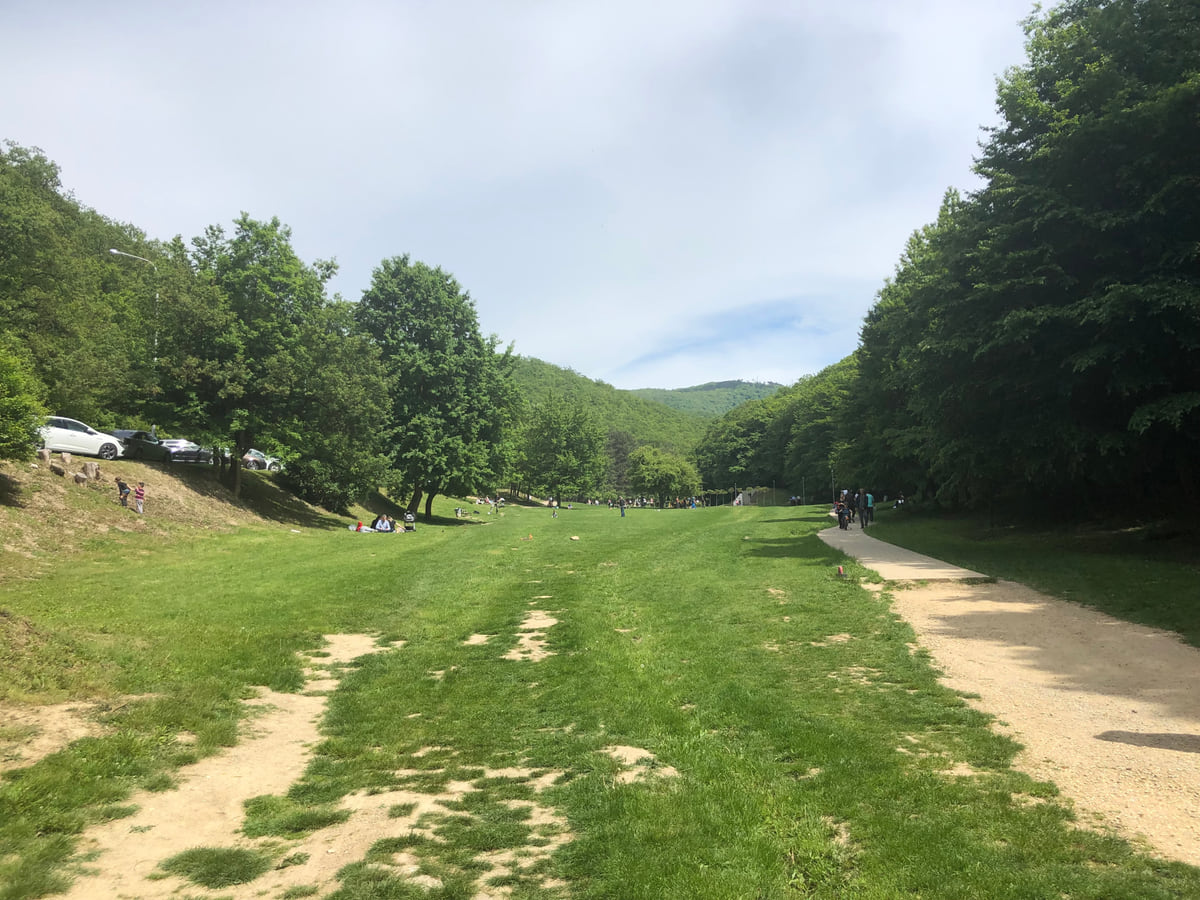
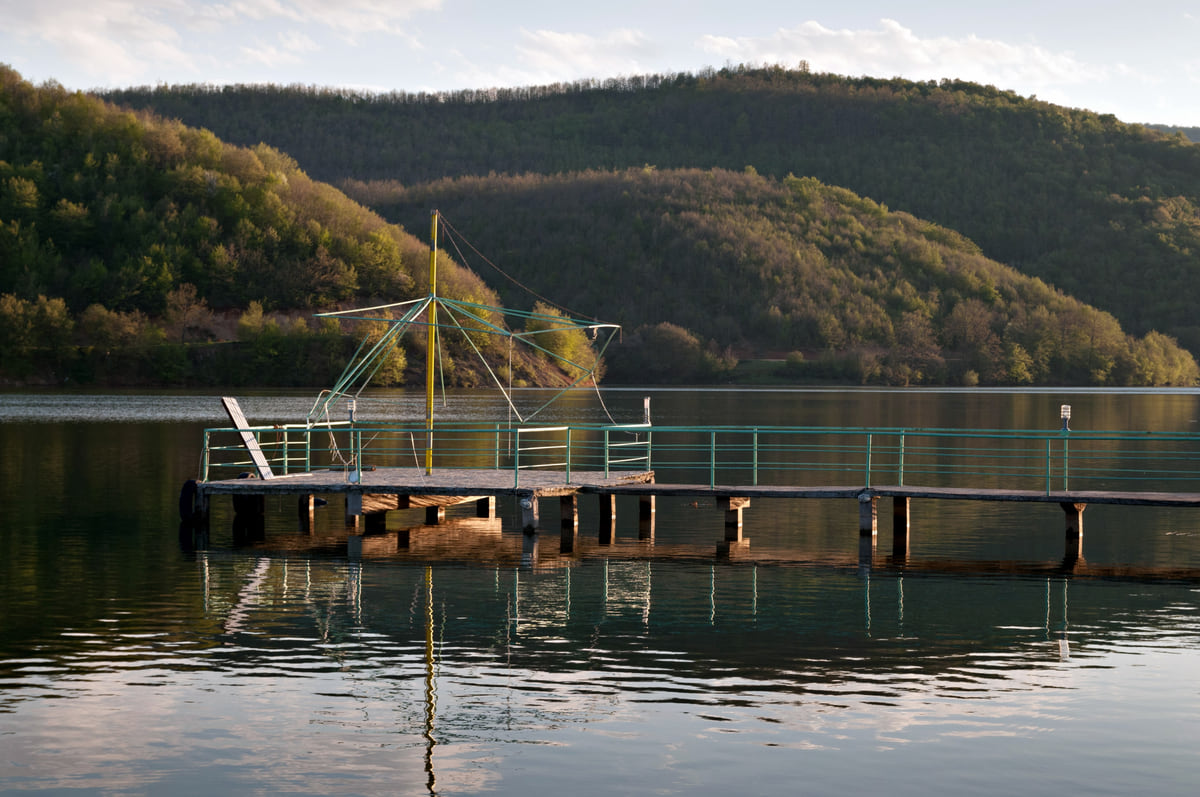
The statistics agency gives the region two lakes, Batllava at 3.27 km² and Badoc at 2.57. The Municipality of Pristina’s leaflet explains that both supply the capital with drinking water and that Badoc, the nearer of the two, connects with Germia Park. Lake Batllava, beside the village of Batllavë in Podujevë municipality, is the larger one.
Germia is the capital’s great park, 1,126 hectares according to the Municipality, and by Lake Badoc sits the Four Paws bear sanctuary at Mramor, opened in 2013 for bears once kept in cages next to restaurants. The sanctuary’s own website gives the bears 16 hectares of enclosures and says it opens every day, with a children’s programme and a restaurant. Both make a welcome change from monuments, and they work well with kids.
Where to stay to see the region
In the capital. In 2025 the region had 176 establishments with 3,255 rooms and 6,206 beds according to the statistics agency, and most of them are in Pristina. From there every outing is a half-day, and I’ve set them out with timings and combinations in day trips from Pristina.
The region drew 261,110 overnight guests in 2025, more than any other in Kosovo, although the Peja region racked up more overnight stays. That tells me something I agree with, that plenty of people use Pristina as the gateway and then head off quickly to the western mountains. I’d give this ring of sights two days before moving on.
The church of Gračanica Monastery, with its stepped stone-and-brick domes, standing on a lawn under a deep blue sky
The ruins of the medieval fortress of Novo Brdo (Novobërdë) on top of a green hill under a cloudy sky
A wooden jetty on Lake Batlava, with calm water and forested hills rising behind it on a bright day
The eight municipalities of the Pristina region
Municipality (Albanian / Serbian)
Population 2024
Population 2011
Settlements
Prishtinë / Priština
227,466
198,897
43
Podujevë / Podujevo
70,975
88,499
77
Fushë Kosovë / Kosovo Polje
63,949
34,827
16
Lipjan / Lipljan
55,044
57,605
62
Drenas (Gllogoc) / Glogovac
48,079
58,531
35
Obiliq / Obilić
22,815
21,549
20
Graçanicë / Gračanica
18,486
10,675
17
Novobërdë / Novo Brdo
4,493
6,729
26
Census population and settlements from the Kosovo Agency of Statistics (ASK). Which municipality sits in which region comes from OpenStreetMap, as ASK doesn't publish the list.
Tourism in the Pristina region (2025)
Indicator
Total
Foreign
Overnight guests
261,110
184,937
Overnight stays
425,427
316,736
Establishments
176
-
Rooms / beds
3,255 / 6,206
-
ASK, annual tourism indicators, checked on 3 October 2026.
Test yourself
True or false?
0/3Pick before you peek.
Kosovo's regions each have their own regional government.
See the answer
False. The Constitution makes the municipality the basic unit of local self-government. The seven regions exist for statistics only.
Fushë Kosovë almost doubled its population between 2011 and 2024.
See the answer
True. It went from 34,827 to 63,949 people according to the Kosovo Agency of Statistics, the biggest jump in the region.
Novo Brdo is the region's second most populous municipality.
See the answer
False. It's the smallest, with 4,493 people in 2024. Second place goes to Podujevë, with 70,975.
Municipalities in the region
8
Residents at the 2024 census
511,307
Overnight guests in 2025
261,110
Area of Lake Batllava
3.27 km²
Map
Where Pristina region is
The Bjeshkët e Nemuna mountains close off the west and the Sharr the south; in the middle lies the Pristina plain. Every number opens its guide.
Eight, according to OpenStreetMap: Prishtinë, Podujevë, Fushë Kosovë, Lipjan, Drenas (Gllogoc), Obiliq, Graçanicë and Novobërdë. The statistics agency uses the region in its tables but doesn't say which municipalities belong to it.
How many people live in the Pristina region?
511,307 at the 2024 census, adding up the eight municipalities from the Kosovo Agency of Statistics. Just under half live in the city of Pristina, which had 143,469.
Does the Pristina region have its own council?
No. Under Article 12 of Kosovo's Constitution the basic unit of local self-government is the municipality. The seven regions are purely statistical.
What is there to see near Pristina?
Gračanica monastery and the Roman city of Ulpiana, the Marble Cave at Gadime, Novo Brdo fortress, Germia Park, the Mramor bear sanctuary and Lake Batllava.
How many tourists visit the Pristina region?
261,110 overnight guests in 2025, of whom 184,937 came from abroad, according to the Kosovo Agency of Statistics. No other region in Kosovo had more guests.
Tourism graduate with a master’s in Tourism Management and Planning from the University of Málaga, who has travelled across Europe. He writes every guide from official sources and his own judgement.

 1Pristina region 2Pristina 3Fushë Kosovë 4Podujeva 5Gračanica 6Obiliq 7Drenas 8Lipjan 9Novo Brdo