One of Kosovo's seven statistical regions
The Mitrovica region, from the Ibar to Lake Gazivoda
The Mitrovica region (Rajoni i Mitrovicës) is one of Kosovo's seven statistical regions and covers the north of the territory. It groups seven municipalities, with 173,642 people counted in the 2024 census and 190,591 on the Statistics Agency's estimate. It holds Vushtrri's stone bridge, Zvečan fortress, the Banjska, Sokolica and Devič monasteries and Lake Gazivoda, Kosovo's largest lake.
In 30 seconds
Full read: 3 min
- The Mitrovica region groups seven municipalities in northern Kosovo, with 173,642 people counted in 2024.
- Its most visitable heritage is in Vushtrri (bridge and fortress) and Zvečan (fortress, Banjska, Sokolica and Isa Boletini).
- The FCDO and Spain's foreign ministry urge caution in the northern municipalities and in Mitrovica north of the Ibar.
I'd split the region in two. Vushtrri and Mitrovica make an easy day out from Pristina; Zvečan, Banjska and Gazivoda, further north, are the ones to check against the FCDO page the night before, because that's where things shift. And I'd sleep in Pristina.

Before you go
What I would keep in mind
-
01 Most beautiful
A nine-arched bridge that lost its river
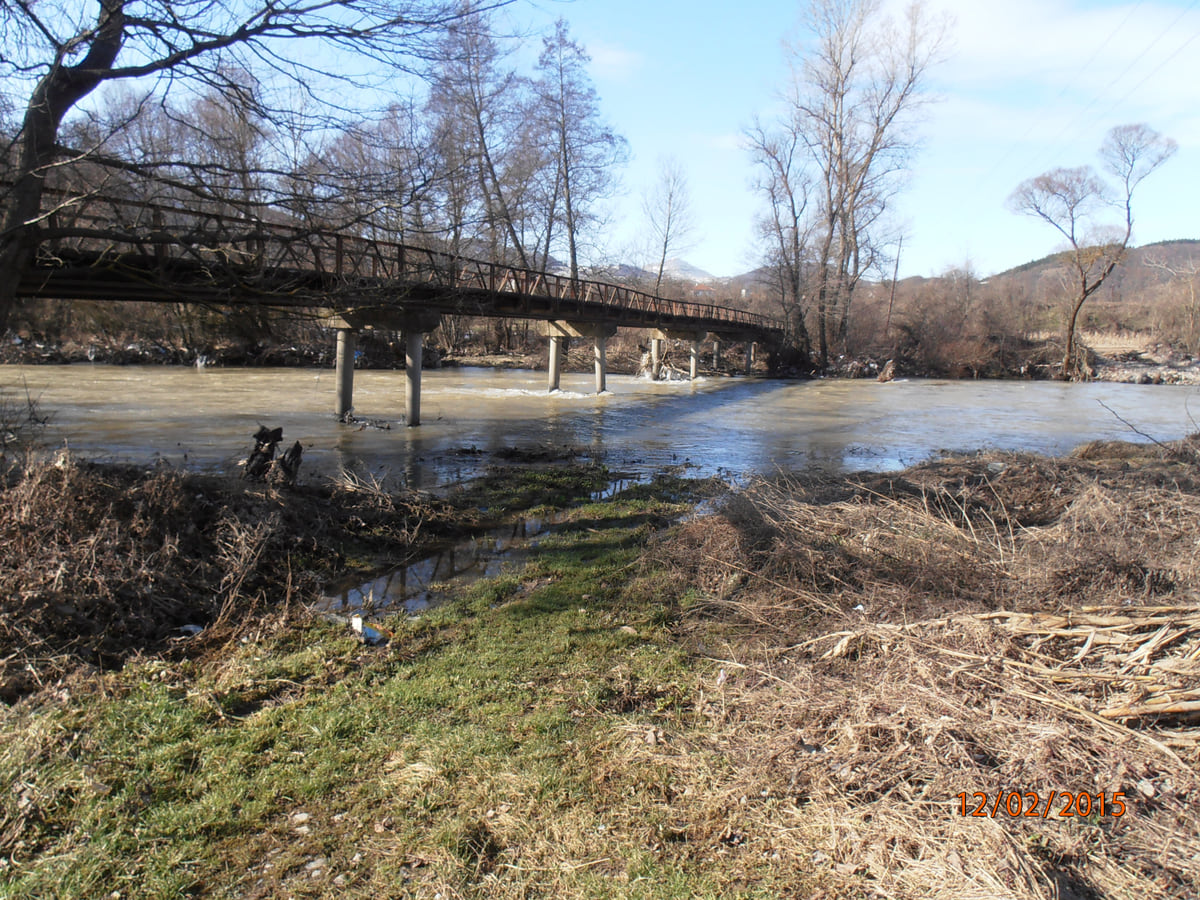
Vushtrri's old bridge is 135 metres long with nine arches. The River Sitnica moved its course in the 20th century and left it high and dry, according to the Ministry of Culture.
Vushtrri bridge -
02 Getting there
Mitrovica, the town on the Ibar
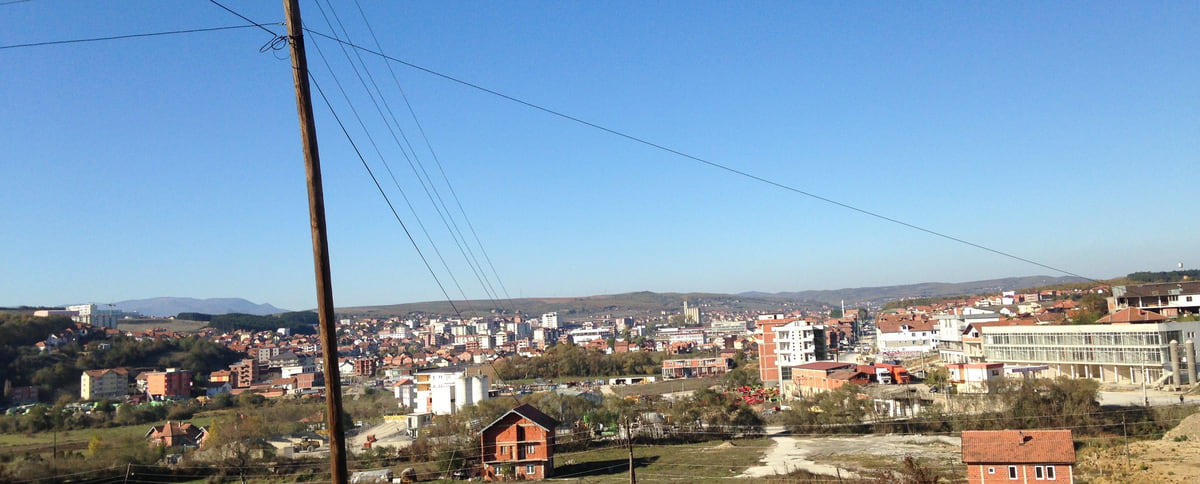
Mitrovica is the region's main town, with 33,628 people in 2024. The River Ibar divides the southern municipality from North Mitrovica.
Mitrovica -
03 My tip
Read up before heading north
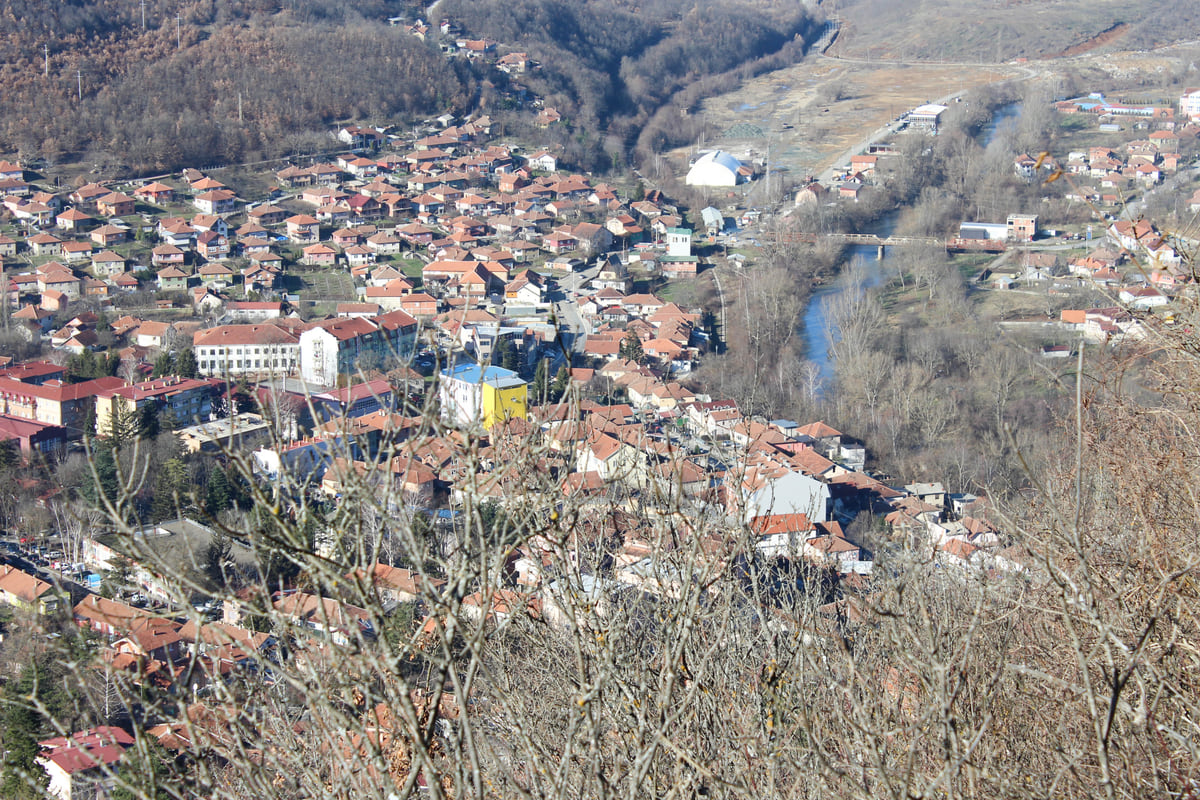
The FCDO flags a risk of protests in Zvečan, Zubin Potok, Leposavić and the parts of Mitrovica north of the Ibar, and warns that conditions can change quickly.
North Mitrovica -
04 Most beautiful
Kullas and a monastery, side by side
In Boletin the law puts the Isa Boletini complex and Sokolica monastery in one shared Special Zone. OpenStreetMap has them about a hundred metres apart.
Isa Boletini memorial -
05 Getting there
Skënderaj and Devič monastery
To the south-west, Skënderaj has the Neolithic site where the Runik ocarina was found and, about 5 km away, the 15th-century Devič monastery.
Skënderaj
What I would book
My ranking, scored
What I'd see in the Mitrovica region
My own marks out of 10. They weigh each place's standing in its official sources (Special Zones under Law 03/L-039, Ministry of Culture, Statistics Agency) and how easy it is to visit under current travel advice.
0 of 7 seen
-
Old stone bridge, Vushtrri
Nine arches, 135 metres, a Special Protective Zone and a river that wandered off. It sits in a quiet town and you can take your time.
8.4 out of 10
-
Vushtrri fortress
A two-storey tower and curtain wall right in the centre, restored in 2013 and 2014. It has been a prison, an arms store and even a summer cinema.
7.8 out of 10
-
Banjska monastery
A monastery with Special Zone status in Zvečan, about 12 km from Mitrovica. The marble Virgin now kept at Sokolica came from here.
7.7 out of 10
-
Zvečan fortress
A medieval fortress protected as a Special Zone under the 2008 law, about 2 km from the Ibar bridge as the crow flies.
7.5 out of 10
-
Isa Boletini complex and Sokolica monastery
Two sites in one Special Zone a hundred metres apart, 19th-century kullas turned museum and a convent.
7.3 out of 10
-
Devič monastery
A convent founded around 1434 in woodland south of Skënderaj, with Special Protective Zone status.
7.0 out of 10
-
Lake Gazivoda
At 9.1 km², the largest lake in the Statistics Agency's table. A 1977 reservoir the OSCE lists among Zubin Potok's attractions.
6.8 out of 10
Of all Kosovo’s regions, Mitrovica is the one that holds on to its overnight guests for the least time. Divide the 2025 overnight stays by the number of guests, using the Statistics Agency’s figures, and you get 1.3 nights per head, the shortest average stay of the seven. I read that as an opening rather than a flaw, because up here there’s a medieval bridge with no river under it, a fortress that once showed summer films and several monasteries with Special Protective Zone status.
Seven municipalities, two population figures
The Statistics Agency’s seven regions are a frame for its tourism figures and it never lists their municipalities, so I take the split from OpenStreetMap, which places seven municipalities and 336 settlements in this one. Three are large and carry the region, Mitrovicë with 64,742 people in 2024, Vushtrri with 61,528 and Skënderaj with 40,664.
The other four are the northern ones, Mitrovicë e Veriut, Leposaviq, Zubin Potok and Zveçan. There the 2024 census recorded very few residents, and the Agency publishes two numbers, the counted population and an estimate. Leposaviq, for instance, has 3,185 counted and 9,485 estimated. The source doesn’t explain the gap, so neither will I; I give both and label them, which is the straight way to do it.
What I’d see, south to north
I’d start in Vushtrri, about 24 km from Pristina as the crow flies. Its old stone bridge has nine arches and runs for 135 metres; the Ministry of Culture dates it to the 14th century and notes that it lost its river when the Sitnica shifted course. In the centre stands Vushtrri fortress, a two-storey tower with its wall, and a hammam from the late 14th century lies 100 metres from the Gazi Ali Bey mosque.
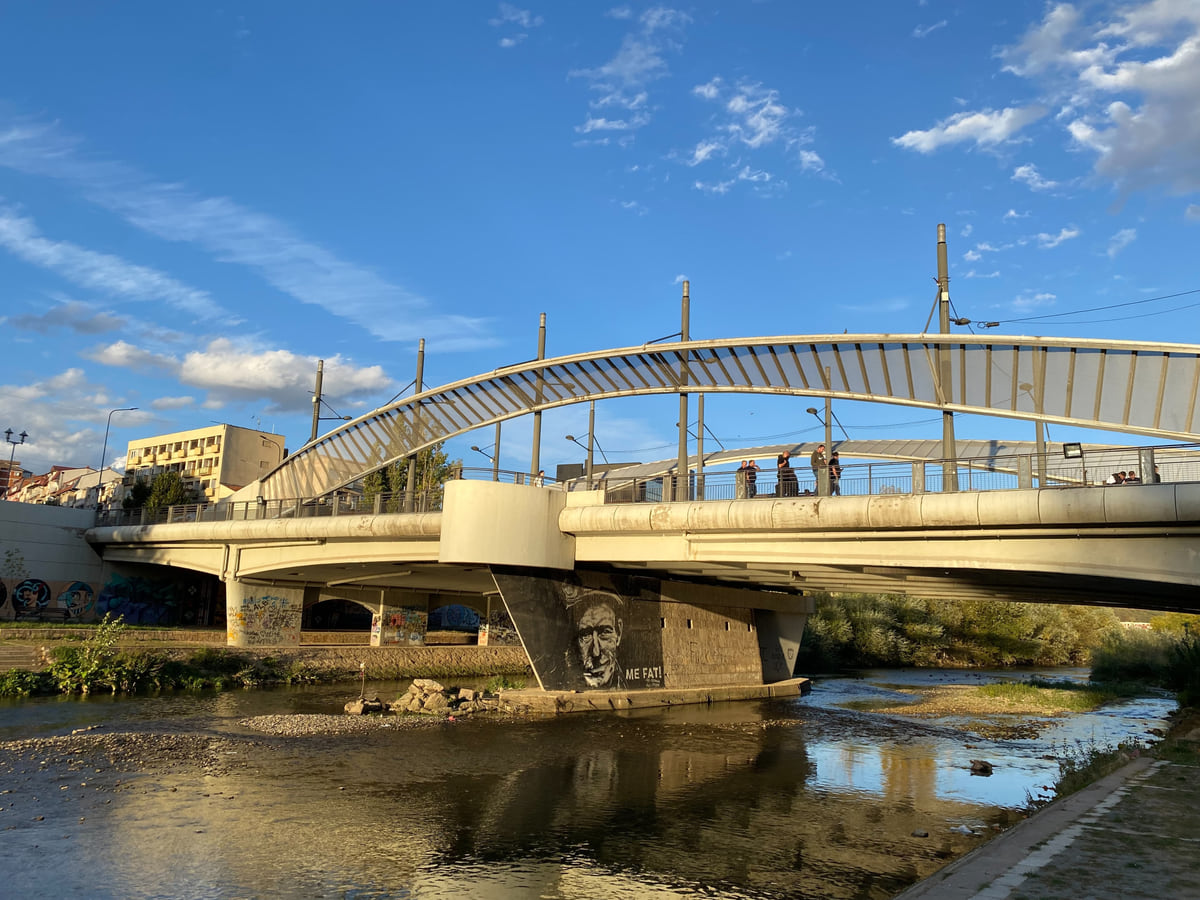
Ten kilometres further north is Mitrovica, which the Ibar divides into two municipalities linked by the Mitrovica bridge. On the southern side the Ministry protects a late 18th-century hammam and, about 9 km east, what remains of St Peter’s at Stan Tërg, a 13th-century Catholic church that appears in the records in 1303, just like the Trepça mines.
Across the Ibar the north begins. Zvečan has the medieval fortress, Banjska monastery and Sokolica monastery, the latter sharing a single Special Zone with the Isa Boletini complex. Further west, in Zubin Potok, Lake Gazivoda covers 9.1 km², more than any other lake the Agency lists. And in Leposaviq, about 27 km north of Mitrovica, the Ministry protects Municipium DD, a Roman town of around 30 hectares with a forum, basilica and baths.
If you are staying the night, see the best hotel deals in Pristina for your dates: the well-placed rooms go fast.
Skënderaj, out to the south-west
Skënderaj sits off the Ibar corridor, about 16 km from Mitrovica. Its big surprise is archaeological. At Runik the Ministry of Culture records one of Kosovo’s earliest Neolithic settlements, from the 6th millennium BC, where an 8 cm clay ocarina turned up, the oldest musical instrument found in Kosovo. Around 5 km south of town is Devič monastery, which the Eparchy of Raška-Prizren dates to about 1434.
Is the north safe?
Two sources matter here and I’ll stick to them. In the FCDO’s view Kosovo is broadly stable politically, with one precise exception, Zvečan, Zubin Potok, Leposavić and Mitrovica’s far bank, where protests have sometimes ended in violence. It adds that tensions have eased since 2024 while the north remains sensitive and conditions can change quickly. Spain’s foreign ministry, in its advice for Serbia, asks travellers to take extreme care in the Serb-majority northern municipalities and mentions frequent road blocks.
My approach is simple. Check the FCDO page the day before, keep clear of any gathering and don’t improvise routes along back tracks. If you’ve hired a car, remember the green card isn’t valid in Kosovo and you buy local insurance at the border. I go into more detail on the North Mitrovica page, which is where all this is felt most.
So you do not lose the morning at the ticket office, browse tickets and tours in Pristina on GetYourGuide.
Guest numbers and where to stay
The region welcomed 40,243 overnight guests in 2025, 27,476 of them from abroad, and had 33 establishments with 549 rooms and 1,084 beds. That’s a thin choice and, above all, short stays. I’d do what most people do, base myself in Pristina and take day trips, one for Vushtrri and Mitrovica and another, if the advice allows, for Zvečan and Banjska.
If you are staying the night, see the best hotel deals in Pristina for your dates: the well-placed rooms go fast.
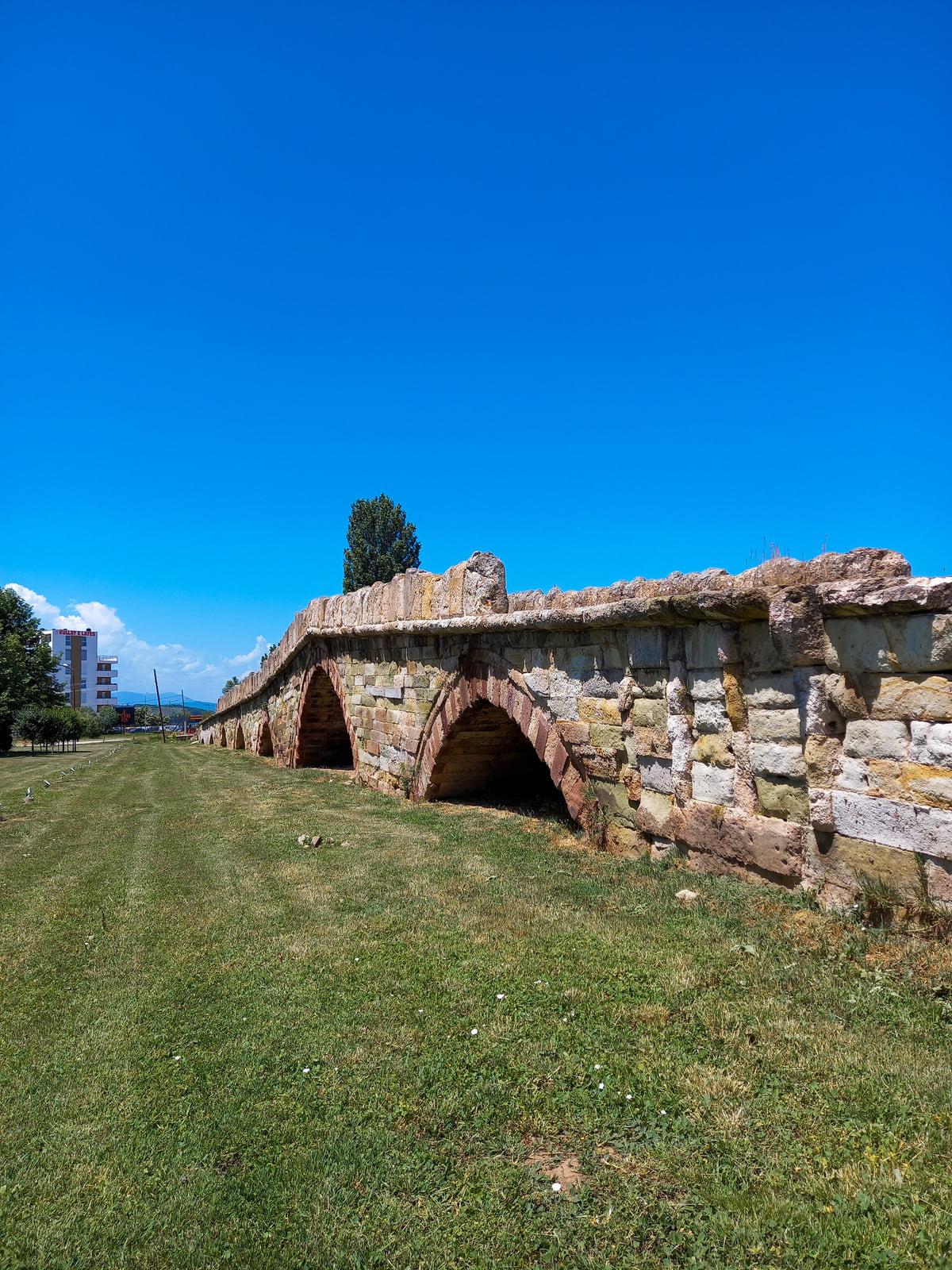
The multi-arched stone bridge of Vushtrri (Vučitrn) standing on grass under a deep blue sky
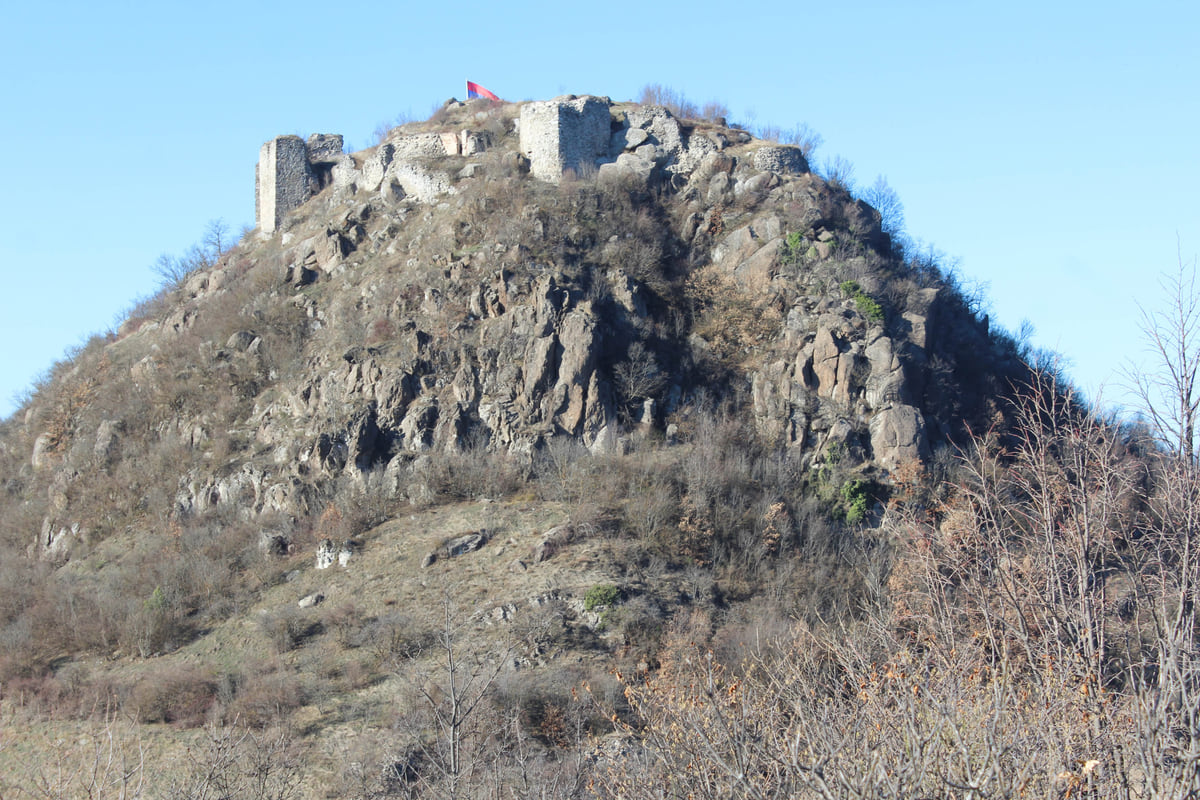
The ruins of Zvečan (Zveçan) fortress on the summit of a steep, rocky hill of volcanic origin
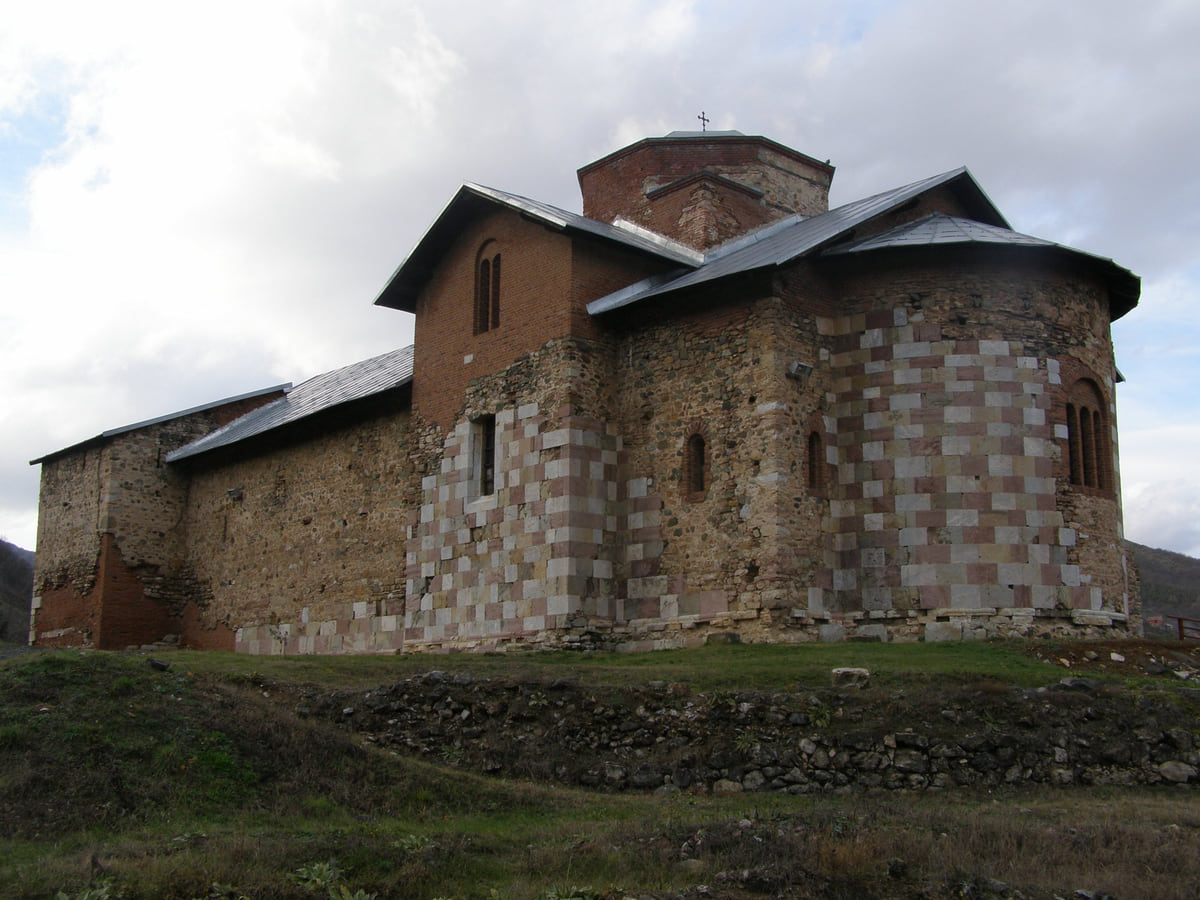
The church of Banjska Monastery, in stone with light and dark bands, standing on grass with mountains behind
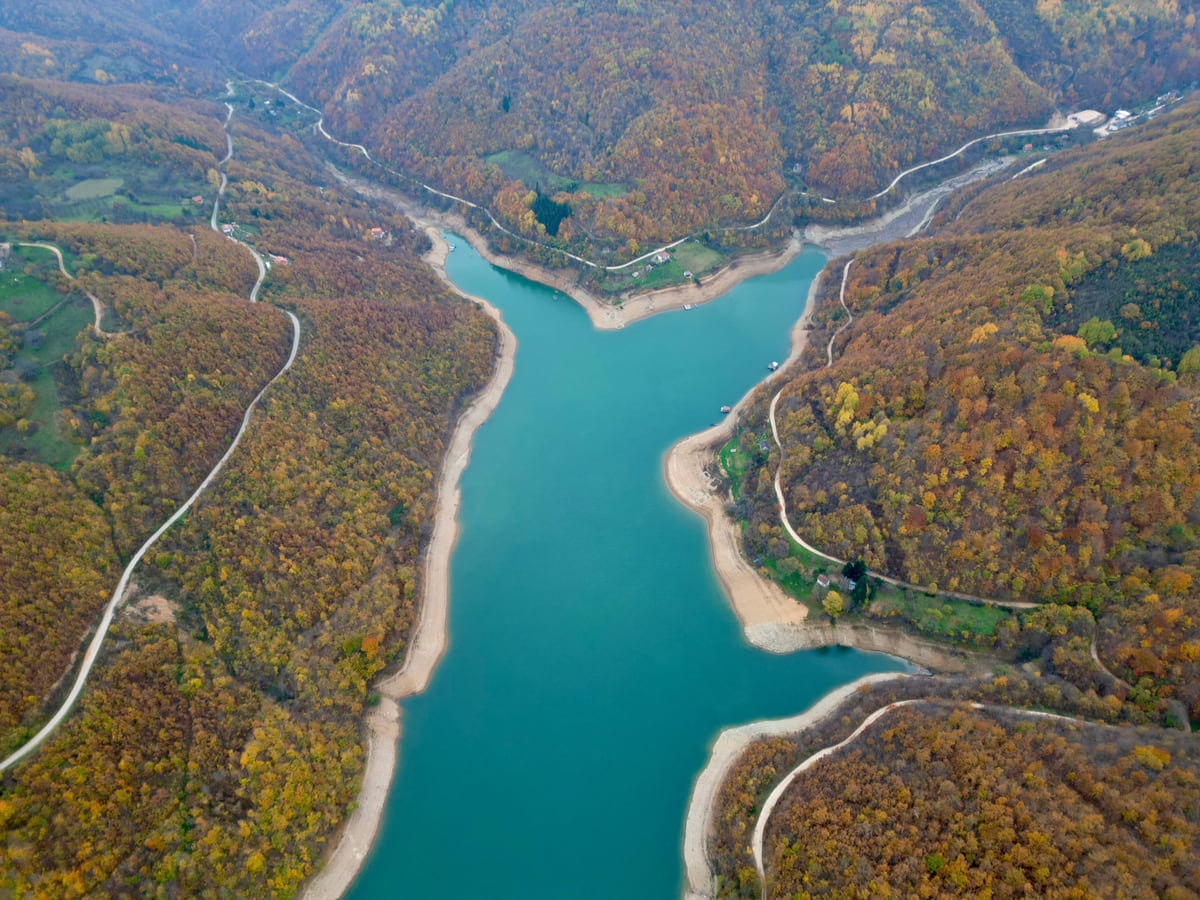
Lake Gazivoda (Ujmani) from the air, an arm of turquoise water winding between slopes of autumn woodland
The seven municipalities of the Mitrovica region
| Municipality (Albanian / Serbian) | Counted 2024 | Estimated 2024 | Settlements |
|---|---|---|---|
| Mitrovicë / Kosovska Mitrovica | 64,742 | 64,742 | 46 |
| Vushtrri / Vučitrn | 61,528 | 61,528 | 67 |
| Skënderaj / Srbica | 40,664 | 40,664 | 49 |
| Leposaviq / Leposavić | 3,185 | 9,485 | 75 |
| Mitrovicë e Veriut / Severna Kosovska Mitrovica | 2,326 | 7,920 | 3 |
| Zubin Potok | 763 | 3,385 | 61 |
| Zveçan / Zvečan | 434 | 2,867 | 35 |
Kosovo Agency of Statistics (ASK), 2024 census and population with estimation. In the four northern municipalities the census recorded very few people and ASK also publishes an estimate. The regional split comes from OpenStreetMap.
Tourism in the Mitrovica region (2025)
| Indicator | Total | Foreign |
|---|---|---|
| Overnight guests | 40,243 | 27,476 |
| Overnight stays | 51,394 | 34,588 |
| Establishments | 33 | - |
| Rooms / beds | 549 / 1,084 | - |
ASK annual tourism indicators, checked on 3 October 2026.
Test yourself
True or false?
0/3 Pick before you peek.
-
Lake Gazivoda is the largest lake in the Kosovo Agency of Statistics' table.
See the answer
True. ASK gives it 9.1 km², ahead of Radoniq (5.96), Batllava (3.27) and Badoc (2.57).
-
North Mitrovica is part of the municipality of Mitrovicë.
See the answer
False. It's a separate municipality, Mitrovicë e Veriut, with its own figures from the Kosovo Agency of Statistics.
-
Vushtrri's old bridge still spans the River Sitnica.
See the answer
False. The Ministry of Culture explains that the Sitnica changed course in the 20th century, leaving the bridge without a river.
- Municipalities in the region
- 7
- People counted in the 2024 census
- 173,642
- Overnight guests in 2025
- 40,243
- Area of Lake Gazivoda
- 9.1 km²
Map
Where Mitrovica Region is
The Bjeshkët e Nemuna mountains close off the west and the Sharr the south; in the middle lies the Pristina plain. Every number opens its guide.
 1Mitrovica Region 2Mitrovica 3Vushtrri 4Skënderaj 5Zvečan 6Leposavić 7Zubin Potok
 Map data © OpenStreetMap contributors (ODbL)
- 1Mitrovica RegionOne of Kosovo's seven statistical regions
- 2MitrovicaNorthern Kosovo's main town, on the River Ibar
- 3VushtrriTown in the Mitrovica region
- 4SkënderajMunicipality in the Mitrovica region
- 5ZvečanNorthern municipality, Mitrovica region
- 6LeposavićNorthern municipality, Mitrovica region
- 7Zubin PotokNorthern municipality, Mitrovica region
What to see
What to see in Mitrovica Region
0 of 208 Kosovo guides
Your next stamp
- Mitrovica
- Regions
- Vushtrri
- Zvečan
- Places to visit
- Zvečan Fortress
- Ibar Bridge
- North Mitrovica
- Gjakova Grand Bazaar
- Gjeravica
- Pristina region
- Visoki Dečani Monastery
- Bjeshkët e Nemuna National Park
- Hadum Mosque
- Things to do
- Most beautiful places
- Sheh Danjolli tekke
- Prettiest villages
- Tailors' Bridge
- Rugova Canyon
- UNESCO sites
- Gjakova
- Map
- Where is Kosovo
- Municipalities
- Cities
- Gračanica Monastery
- Patriarchate of Peć
- Pristina
- Prizren
- Rugova via ferrata
- Fushë Kosovë
- Population
- Podujeva
- Radavc Cave
- Size
- Bajrakli Mosque
- Devič Monastery
- Gazimestan
- Is it a country?
- Istog
- One day in Pristina
- Peja
- Prizren region
- Ulpiana
- Vushtrri Stone Bridge
- Gadime Cave
- Klina
- Name
- Vushtrri Fortress
- Deçan
- Flag
- Isa Boletini Complex
- Novo Brdo Fortress
- History
- Junik
- Lake Batllava
- Banjska Monastery
- Ferizaj region
- Languages
- Rahovec
- Ferizaj
- Religion
- Sokolica Monastery
- Currency
- Lake Gazivoda
- Štrpce
- Brezovica
- EU membership
- Entry requirements
- Skiing in Kosovo
- Kaçanik
- Serbian border
- Gračanica
- Guesthouses in Rugova
- Hotels in Peja
- Kaçanik fortress
- Newborn monument
- One day in Prizren
- Peja bazaar
- Peja region
- Public holidays
- Velika Hoča
- Facts
- Gjakova region
- Hani i Elezit
- Hotels in Gjakova
- National Library
- Obiliq
- Zočište Monastery
- Drenas
- Mother Teresa Cathedral
- Shtime
- Skënderaj
- Lipjan
- Mother Teresa Boulevard
- Kosovo Museum
- Leposavić
- Novo Brdo
- Emin Gjiku Ethnological Museum
- Janjevo
- Zubin Potok
- Imperial Mosque
- Pristina Clock Tower
- Pristina Old Bazaar
- Great Hammam of Pristina
- Bogë
- Germia Park
- Getting there
- Lake Radoniq
- Prizren Fortress
- Bear Sanctuary Prishtina
- Drelaj
- Flights
- Sinan Pasha Mosque
- Hotels in Pristina
- Pristina airport
- Prizren stone bridge
- Buses
- Grand Hotel Pristina
- Our Lady of Ljeviš
- Prizren hammam
- Swiss Diamond Hotel
- Tirana to Pristina
- League of Prizren
- Restaurants in Pristina
- Skopje to Pristina
- Belgrade to Pristina
- Prizren Archaeological Museum
- Balkans itinerary
- St George's Cathedral
- Church of the Holy Saviour
- Getting around
- Holy Archangels Monastery
- Trains
- Car hire
- Day trips
- Marash
- Driving
- Sharr National Park
- Taxis
- Distances
- Prevalla
- Dragash
- Road trip
- Brod
- Prices and budget
- On a budget
- Restelica
- Free things to do
- Mirusha waterfalls
- Malisheva
- Safety
- Mamusha
- Scams
- Healthcare
- National parks in Kosovo
- Nightlife
- Suhareka
- Mobile and roaming
- Mountains in Kosovo
- Mushtisht
- Hiking in Kosovo
- Korisha
- Packing list
- DokuFest
- Peaks of the Balkans
- With kids
- Holidays
- Hotels in Prizren
- Kosovo lakes
- 3 days
- Caves and waterfalls
- Restaurants in Prizren
- 5 days
- One week
- Gjilan region
- Kosovo food
- Sunny Hill Festival
- Gjilan
- Rahovec wine
- Atik Mosque, Gjilan
- Kosovo beer
- Draganac Monastery
- Where to eat in Kosovo
- Kamenica
- Where to stay in Kosovo
- Kllokot
- Weather in Kosovo
- Best time to visit Kosovo
- Partesh
- Kosovo in winter
- Ranillug
- Kosovo in spring
- Viti
- Kosovo in summer
- Letnica
- Binač Monastery
- Kosovo in autumn
- Events in Kosovo
- Independence Day
- Kosovo monasteries
- Mosques in Kosovo
- Kullas in Kosovo
- Castles in Kosovo
- Museums in Kosovo
- Bazaars in Kosovo
Frequently asked questions
Which municipalities make up the Mitrovica region?
Seven, according to OpenStreetMap: Mitrovicë, Mitrovicë e Veriut, Vushtrri, Skënderaj, Zveçan, Zubin Potok and Leposaviq. The Statistics Agency uses the region in its tourism tables but doesn't publish which municipalities belong to each.
What is the Mitrovica population?
For the whole region, 173,642 counted in 2024 and 190,591 on the Kosovo Agency of Statistics' estimate. The gap comes from the four northern municipalities, where the census recorded very few people and ASK publishes both figures.
Is northern Kosovo safe to visit?
The FCDO says things have improved since 2024 but that northern Kosovo remains politically sensitive, protests can flare with little warning and you should stay away from crowds. Spain's foreign ministry goes further and asks travellers to take extreme care.
What is there to see in the Mitrovica region?
Vushtrri's old bridge and fortress, Zvečan fortress, the Banjska, Sokolica and Devič monasteries, the Isa Boletini complex and Lake Gazivoda. Near Mitrovica, the ruined 13th-century church of St Peter at Stan Tërg.
Where should I stay to explore the region?
The region had 33 establishments and 1,084 beds in 2025, according to the Statistics Agency. I'd base myself in Pristina, about 34 km from Mitrovica as the crow flies, and see the region on day trips.
By
Tourism graduate with a master’s in Tourism Management and Planning from the University of Málaga, who has travelled across Europe. He writes every guide from official sources and his own judgement.
Published on . Facts checked on .
Sources
Some links in this guide are affiliate links: if you book through them, the site earns a commission at no extra cost to you. Affiliate disclosure
Photos: GentiBehramaj (CC BY-SA 4.0); Berishasinan (CC BY-SA 4.0); Geograf208 (CC BY-SA 4.0); Vanjagenije (CC BY-SA 3.0); SUHEJLO (CC BY 4.0), via Wikimedia Commons.