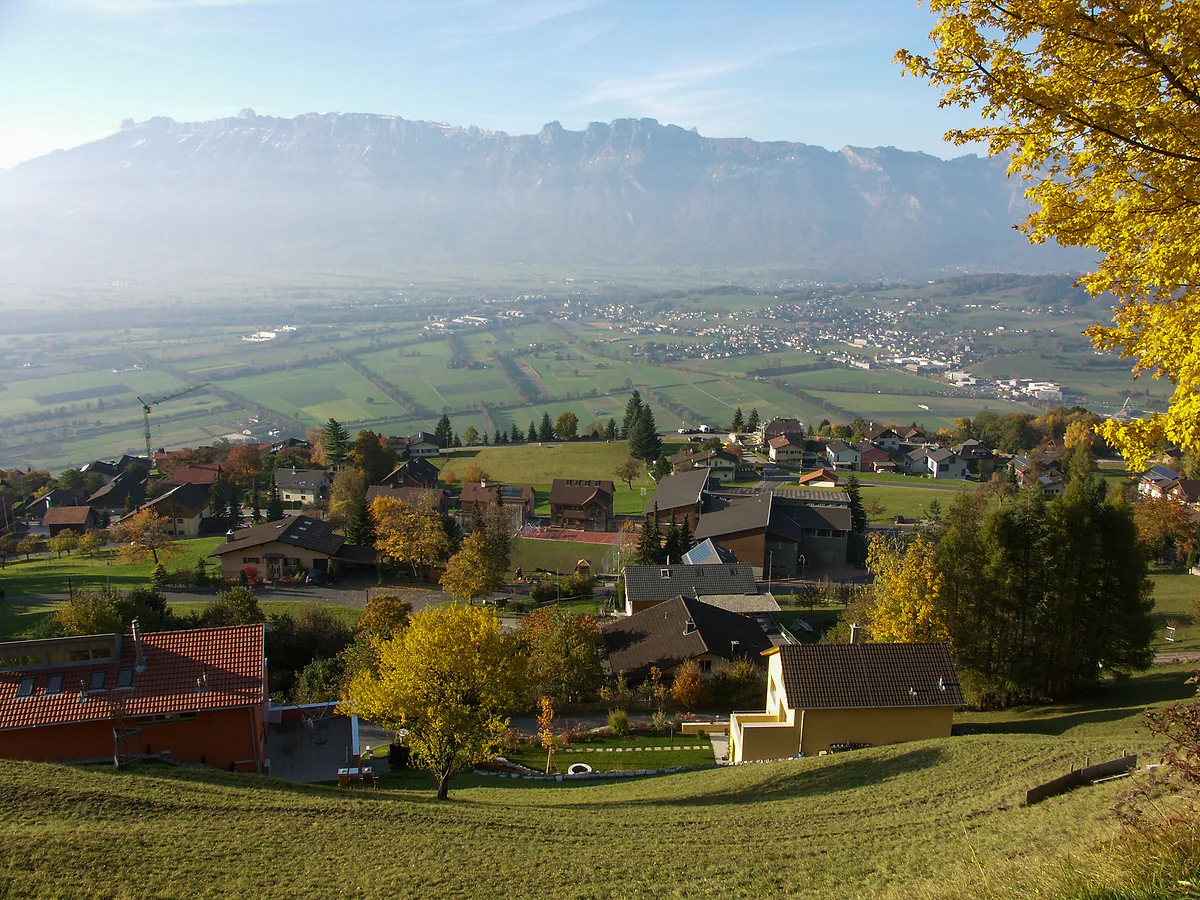
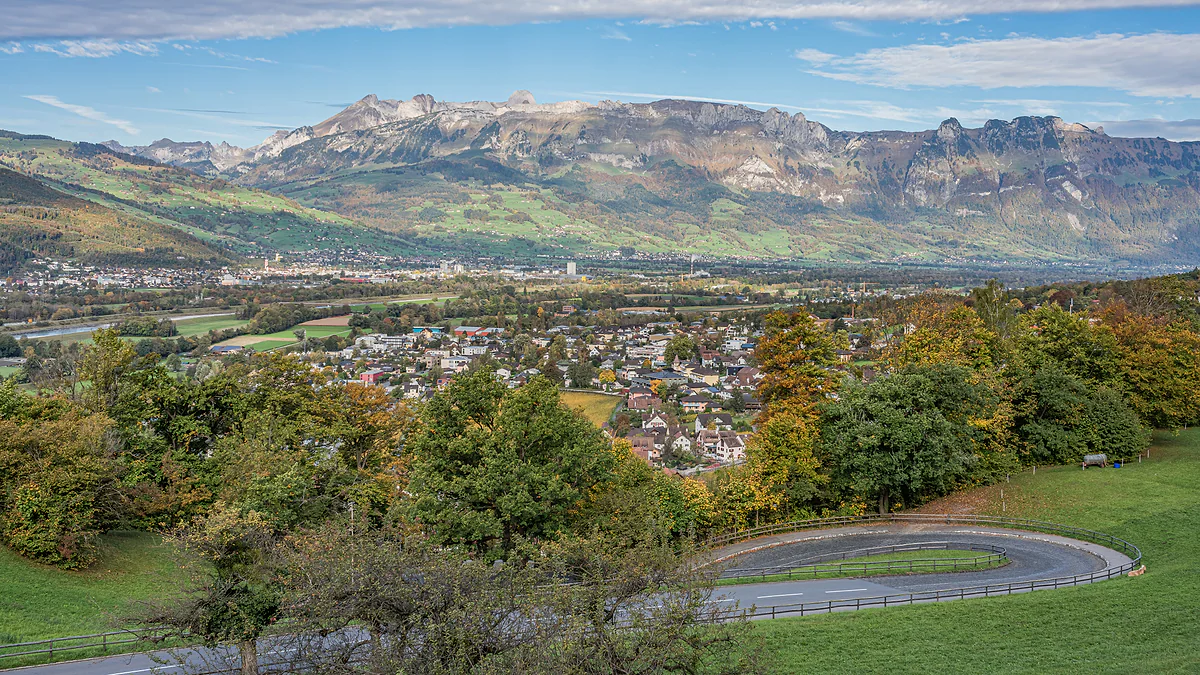
Liechtenstein is a 160 km² principality wedged between Switzerland and Austria, the fourth-smallest country in Europe, with 41,228 residents at the end of 2025. Its capital is Vaduz, it pays in Swiss francs and has no airport, so most people arrive from Zurich, 115 km away, switching to the bus at Sargans, Buchs or Feldkirch.
In 30 seconds
Full read: 4 min
Liechtenstein is a 160 km² principality between Switzerland and Austria, with 41,228 residents at the end of 2025 and Vaduz as its capital.
There's no airport; from Zurich, 115 km away, it's 1 h 40 min to 2 h by train and bus.
It uses the Swiss franc and sits in the EEA and Schengen, but not in the EU.
Vaduz Castle is the Prince's home and stays closed; the Städtle museums and the Prince's winery are open.
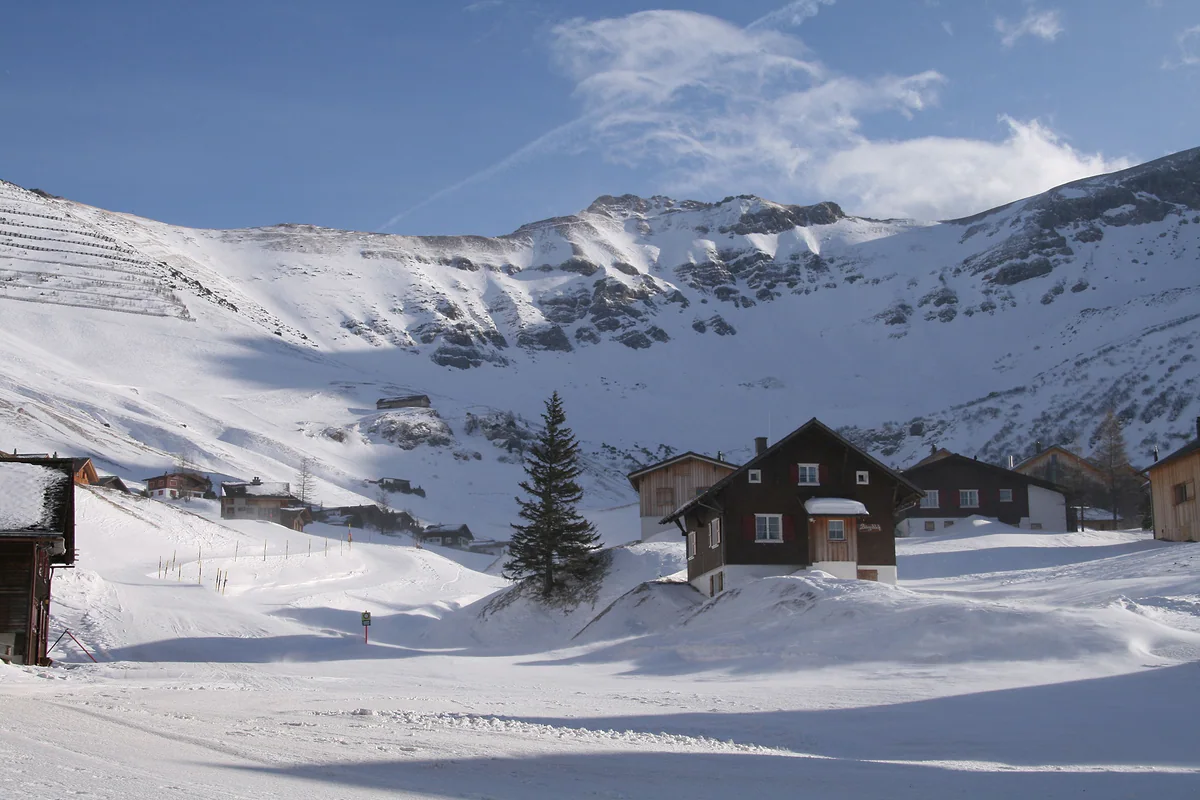
Half the country is mountain, with skiing in Malbun from 19-12-2026 to 04-04-2027.
With a single day I wouldn't spend all of it on the Städtle. I'd do the Vaduz museums in the morning and the Prince's winery tasting at 15:00, then keep another day for Malbun or Gaflei, because half the country is mountain and you simply can't see it from the valley floor.
Sergio LeponeMy advice
Before you go
What I would keep in mind
01 Most beautiful
The best of it sits at 1,600 metres, not in the capital
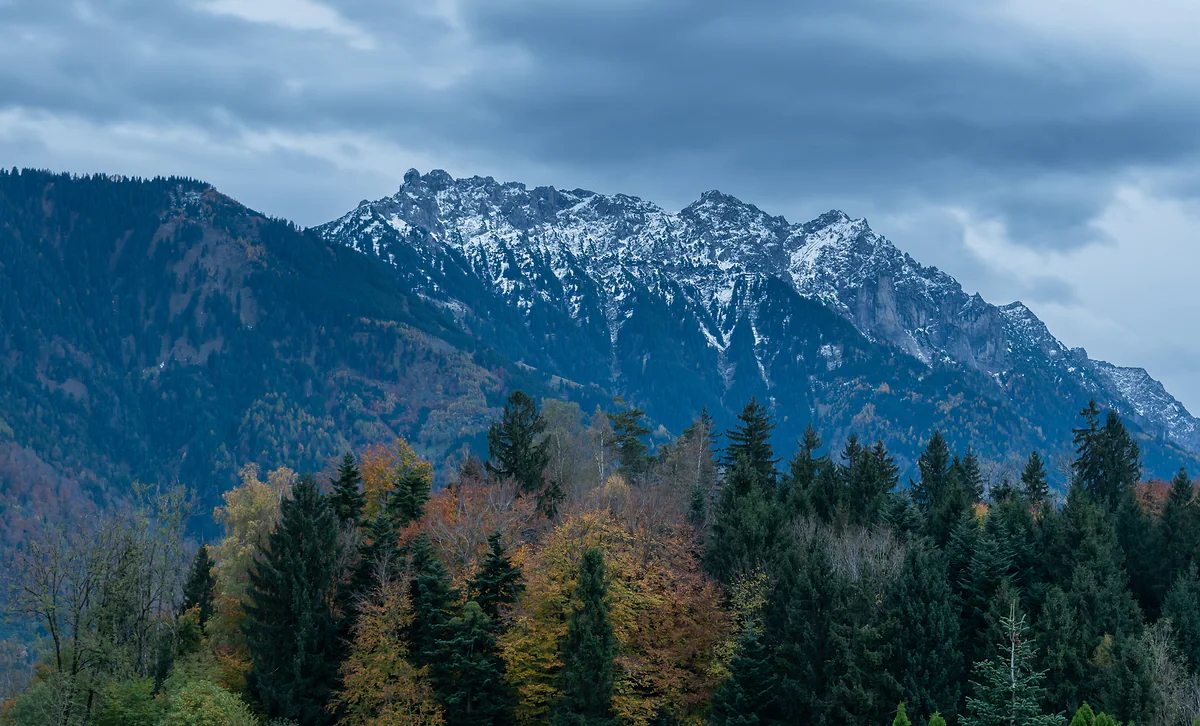
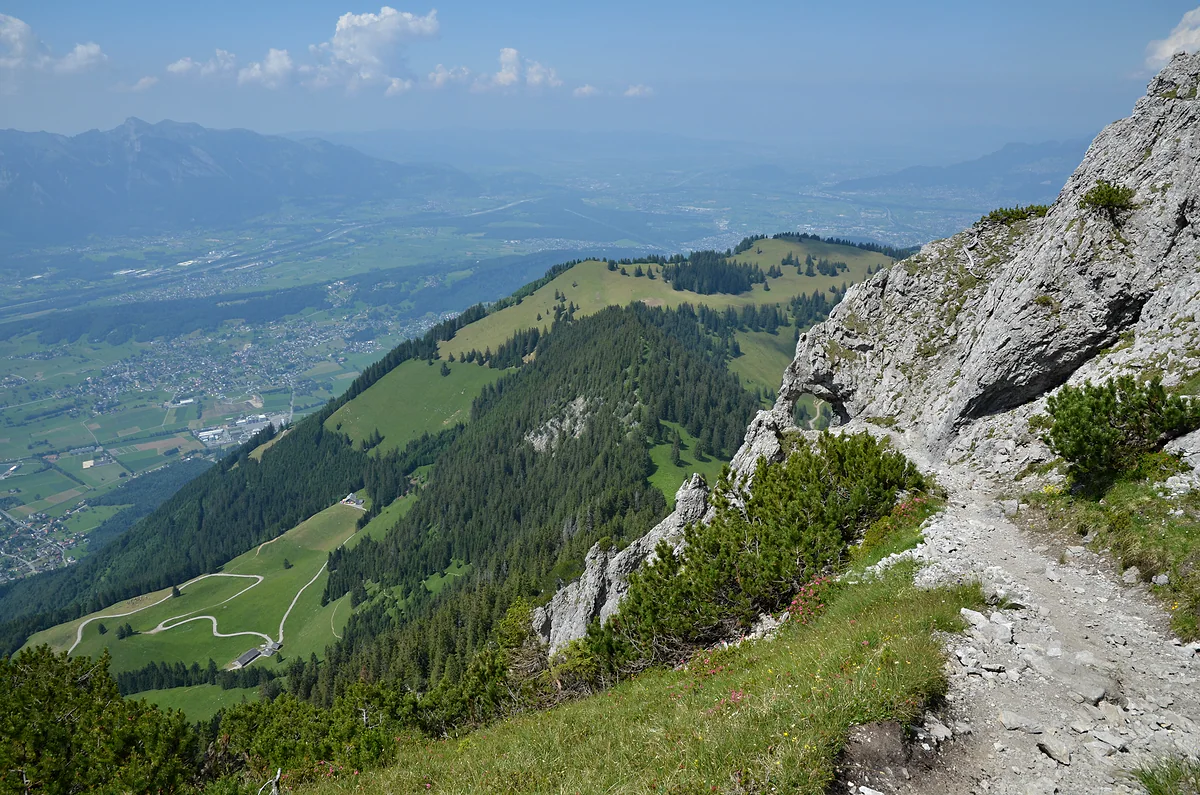
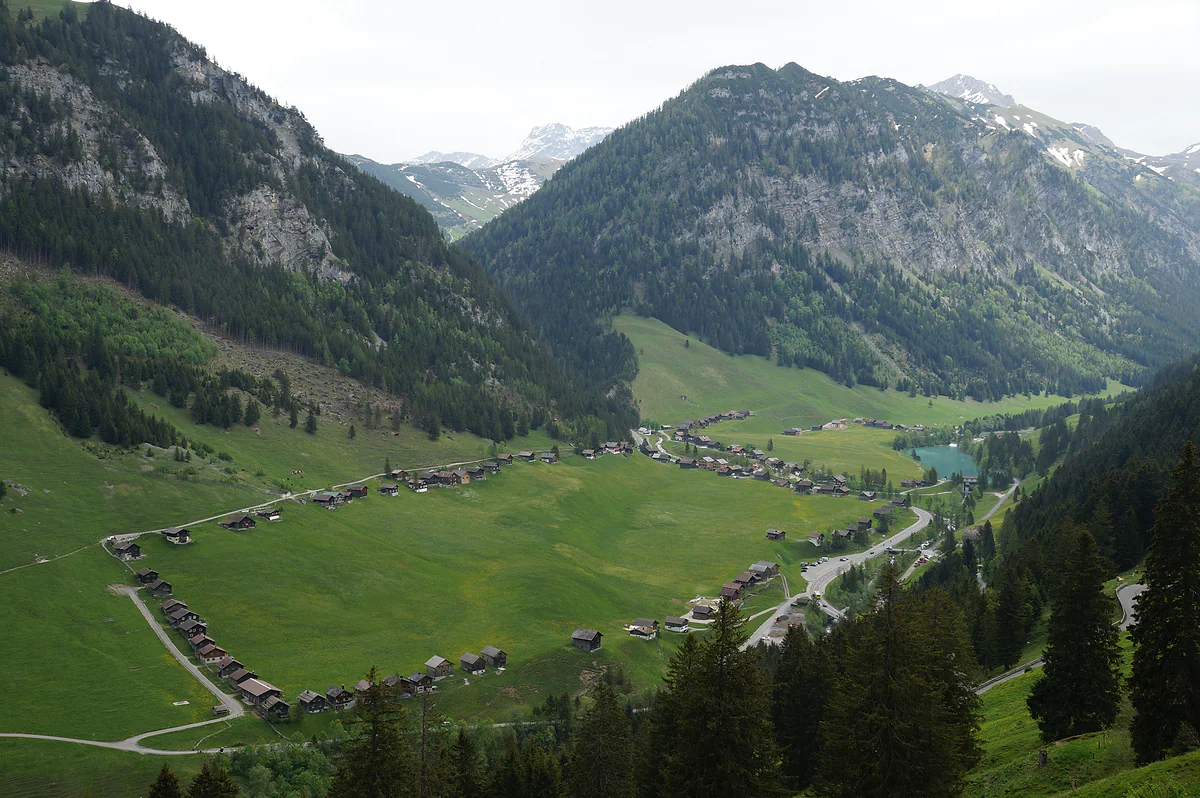
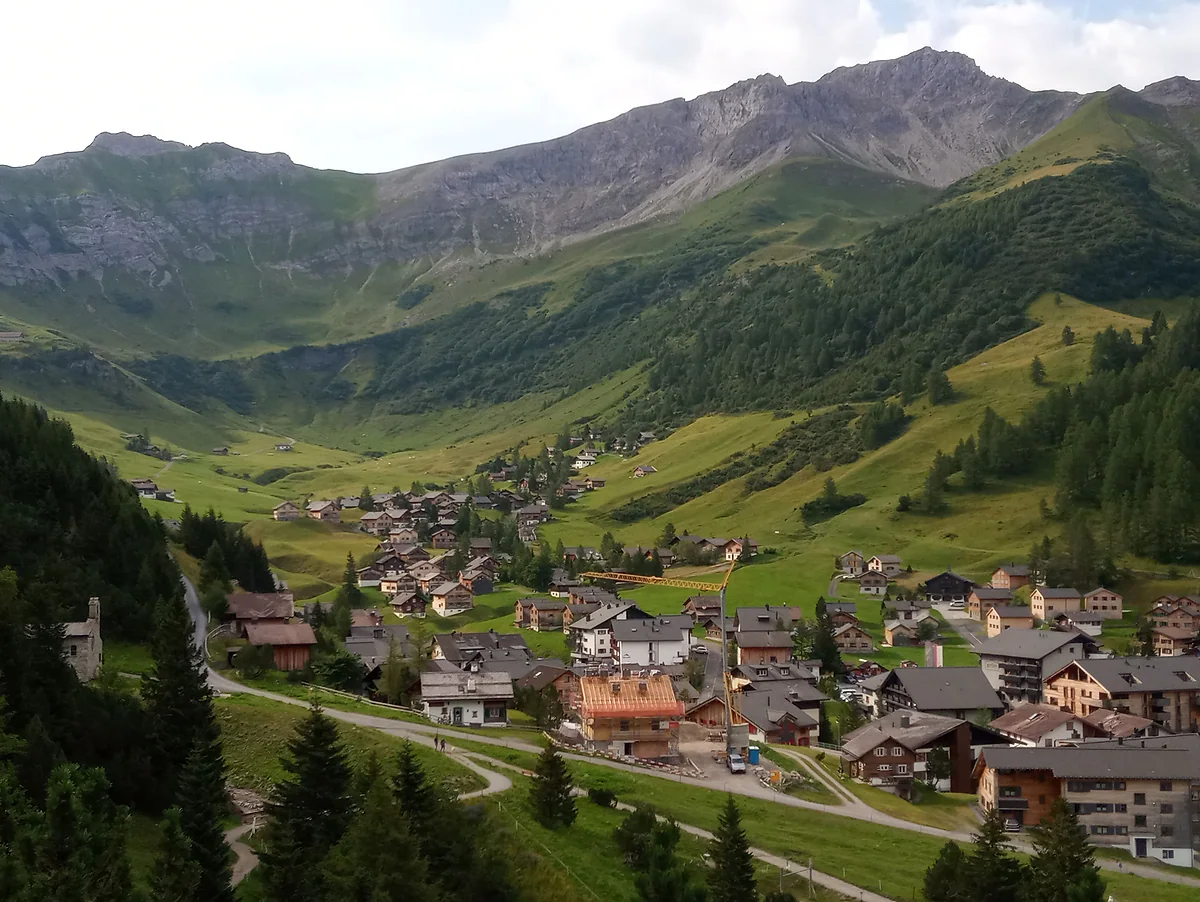
For me the highlight is the bus 21 ride from Vaduz up to Malbun, half an hour of hairpins to a valley of chalets at about 1,600 m. I've scored every place in the country, and the mountains rank near the top.
A CHF 25 pass covering buses, museums and the stamp
The one-day ALL INCLUSIVE Erlebnispass costs CHF 25 and covers the buses, the Kunstmuseum, the LandesMuseum with the Treasure Chamber, the Sareis chairlift, two wines at the Prince's winery and the passport stamp.
The Hofkellerei runs a guided tasting of about 90 minutes for CHF 19, Monday to Friday at 15:00 and Saturday at 14:00. Groups of up to six don't need to book. It's the one spend I wouldn't skip.
Riding the bus without a ticket costs CHF 80 or more
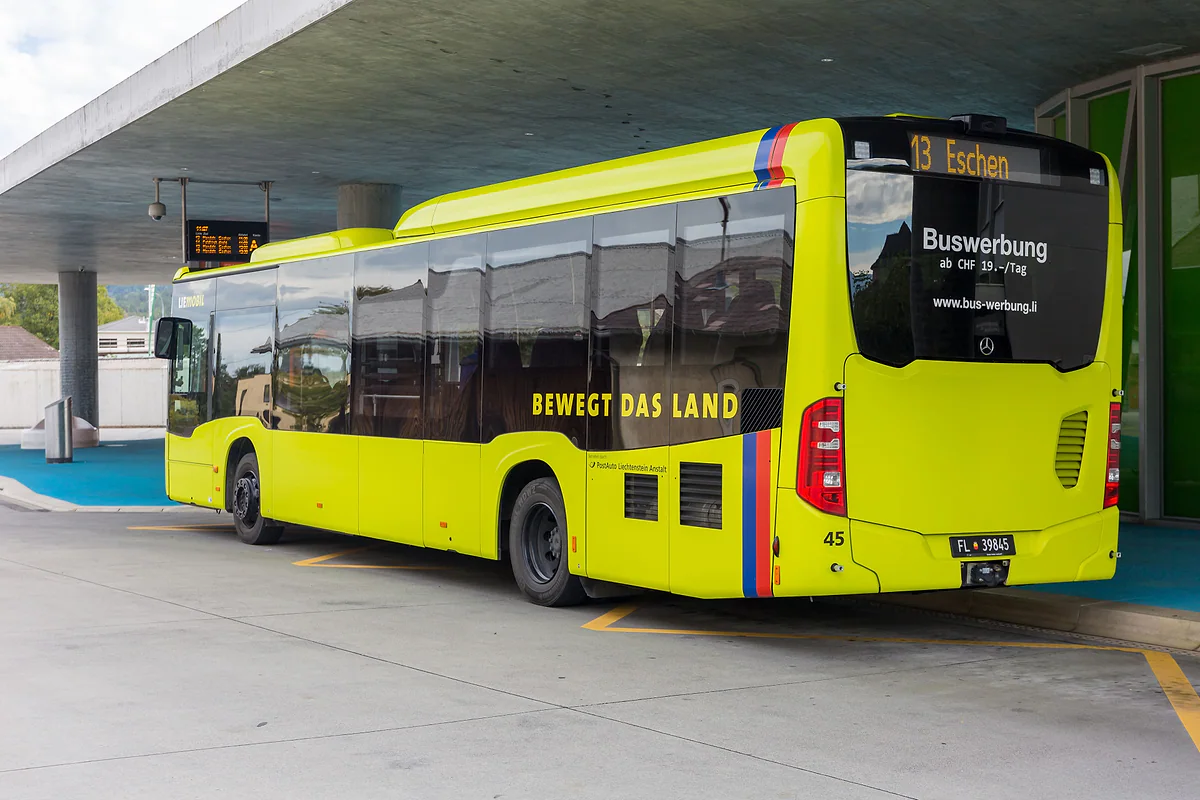
LIEmobil buses take no cash at all, only cards or an app. Fare dodgers pay a CHF 10 charge plus a surcharge of at least CHF 70 or 90. A day pass costs CHF 5 to 9 depending on zones.
The currency has been the Swiss franc since 1924. The official tourist board says euros are accepted in most places, but buses only take cards, while Vaduz parking meters and the mountain huts want cash.
Zurich, 115 km away, is the airport most people use. By public transport it takes 1 h 40 min to 2 h with two changes, a train to Sargans and then a LIEmobil bus to Vaduz.
Liechtenstein is in the European Economic Area, not the EU, and since Brexit UK networks set their own charges for Europe. Switzerland is outside the EEA too, and near the Rhine your phone can latch onto a Swiss mast.
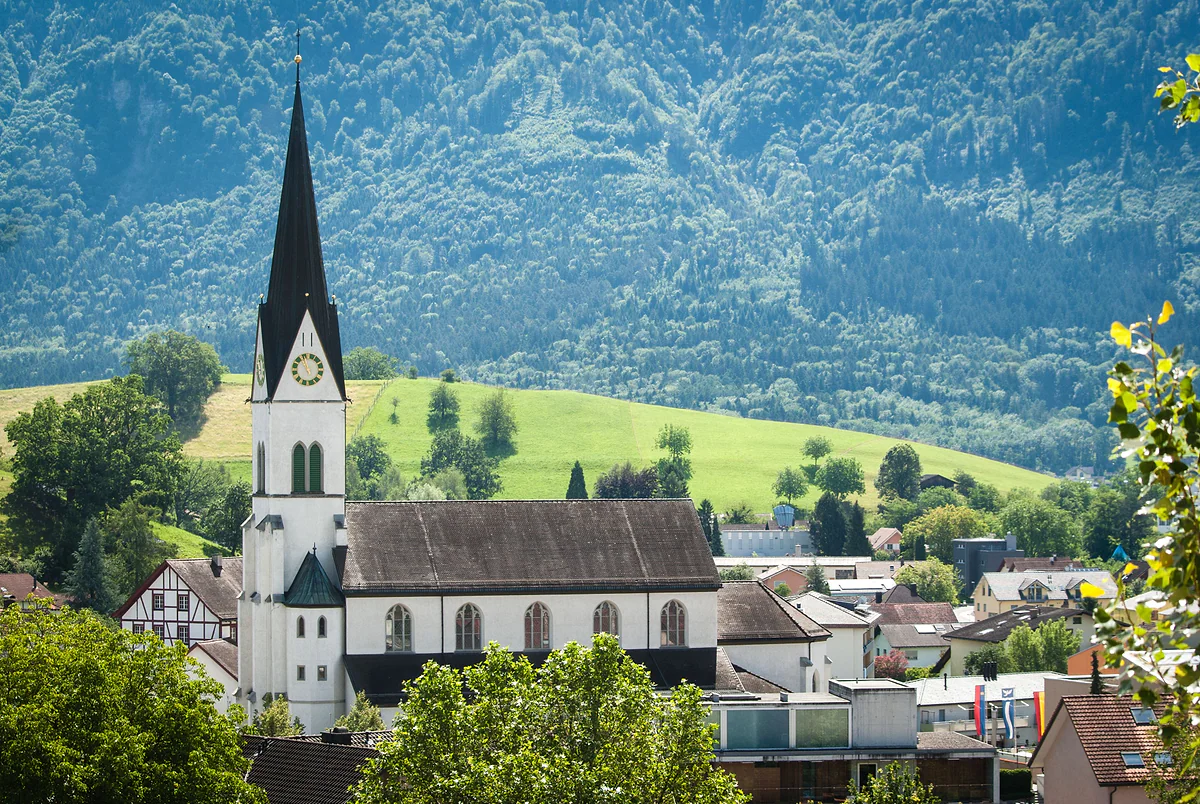
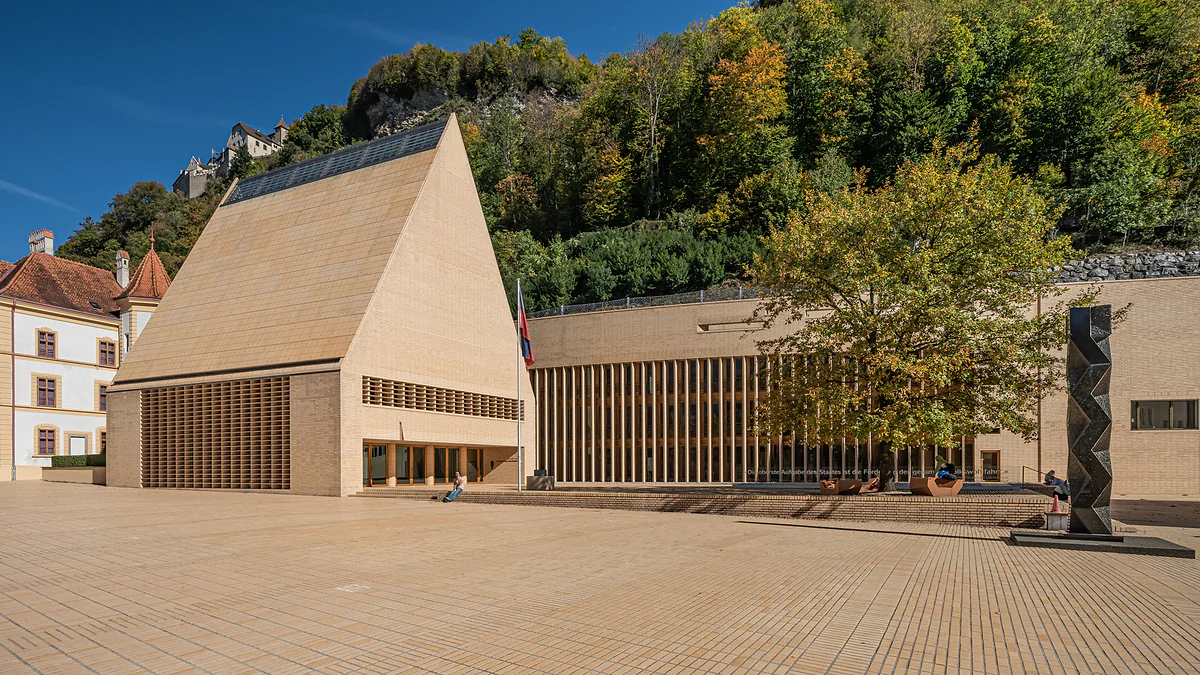
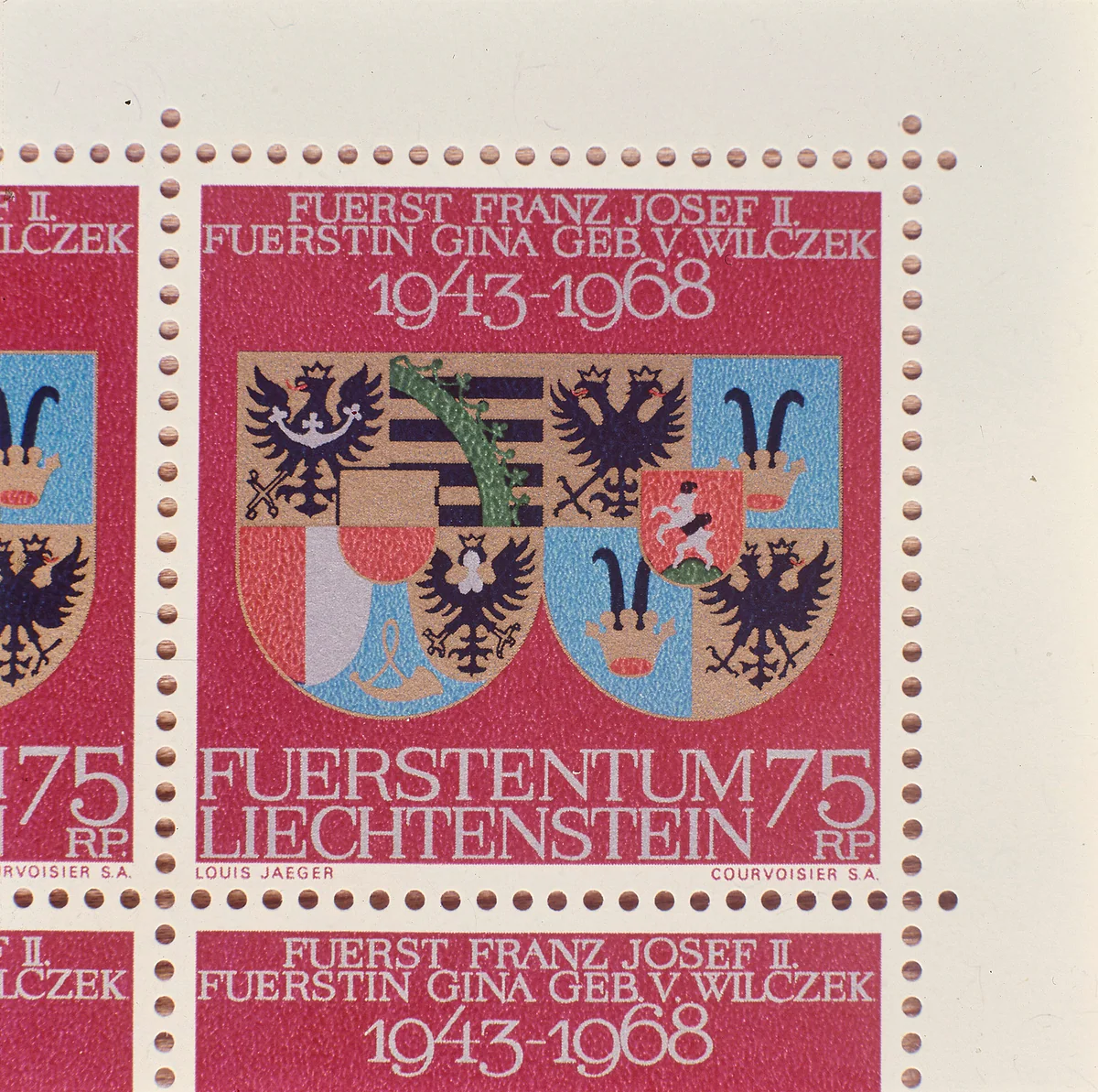
Liechtenstein is the country plenty of people drive straight through on the way to Innsbruck or Zurich, and I think that’s a shame. In 24.7 km from end to end it fits a prince living in a castle above the capital, a parliament, its own postage stamps, a princely winery with a tasting every afternoon and a whole mountain half with a ski resort. This page brings together everything I’ve written on the principality, in the order I’d tackle it.
Before you pack, a word on your phone. Liechtenstein belongs to the European Economic Area, so EU roam like at home rules cover it just as they cover Norway or Iceland. Since Brexit, though, a UK contract only gets whatever European deal your network chooses to offer. Switzerland sits outside the EEA as well, and near the Rhine your phone can pick up a Swiss mast. I’d pick the local network by hand, and I explain why in phone and roaming in Liechtenstein.
Between Switzerland and Austria, and neither of them
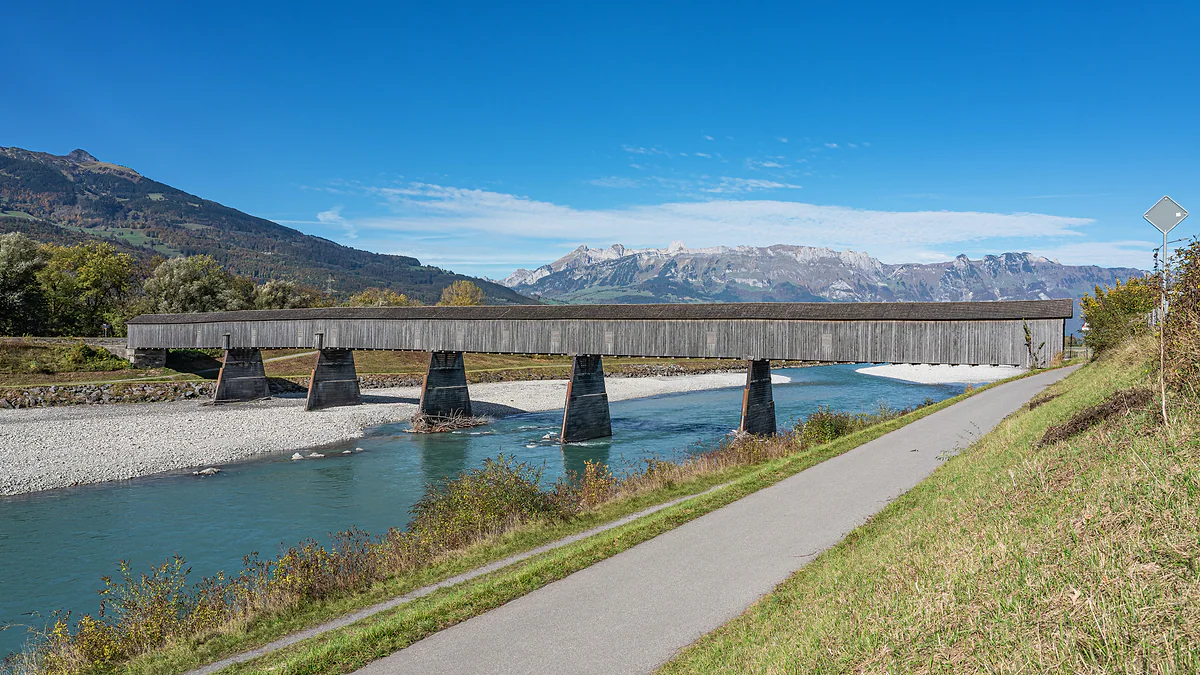
Liechtenstein meets Switzerland to the west and south, with the Rhine as the border, and Austria along its northern and eastern edges. I pin it down, with a plan of the whole country, in the map of Liechtenstein. At 160 km² it’s the fourth-smallest state in Europe after Vatican City, Monaco and San Marino, and Switzerland is about 260 times larger. The comparisons that make that figure click are on how big Liechtenstein is.
The question people type most is whether it’s really a country, and it is. It became an imperial principality in 1719, when Emperor Charles VI joined the county of Vaduz and the lordship of Schellenberg, and its sovereignty dates from 1806. It shares the franc and a customs union with Switzerland since 1924, yet it has its own constitution, government and UN seat, all covered in is Liechtenstein a country?. Nor is it in the European Union, although it joined the EEA in 1995 and Schengen in December 2011, which has its own page on Liechtenstein, the EU and Schengen.
Eleven municipalities split into two halves
The constitution describes the state as a union of two «Landschaften» made up of eleven municipalities. To the south lies the Oberland of Liechtenstein, the old county of Vaduz, with the capital, Schaan, Triesen, Balzers, Triesenberg and Planken. To the north sits the Unterland of Liechtenstein, the former lordship of Schellenberg, with Eschen, Mauren, Gamprin, Ruggell and Schellenberg. The full list with residents and altitude is under the municipalities of Liechtenstein.
Vaduz is the capital, but Schaan has more people. The largest and highest municipality is Triesenberg, the Walser village that also looks after Malbun and Steg on the far side of the ridge. How many people live here and where they come from is on Liechtenstein’s population.
Where I’d start
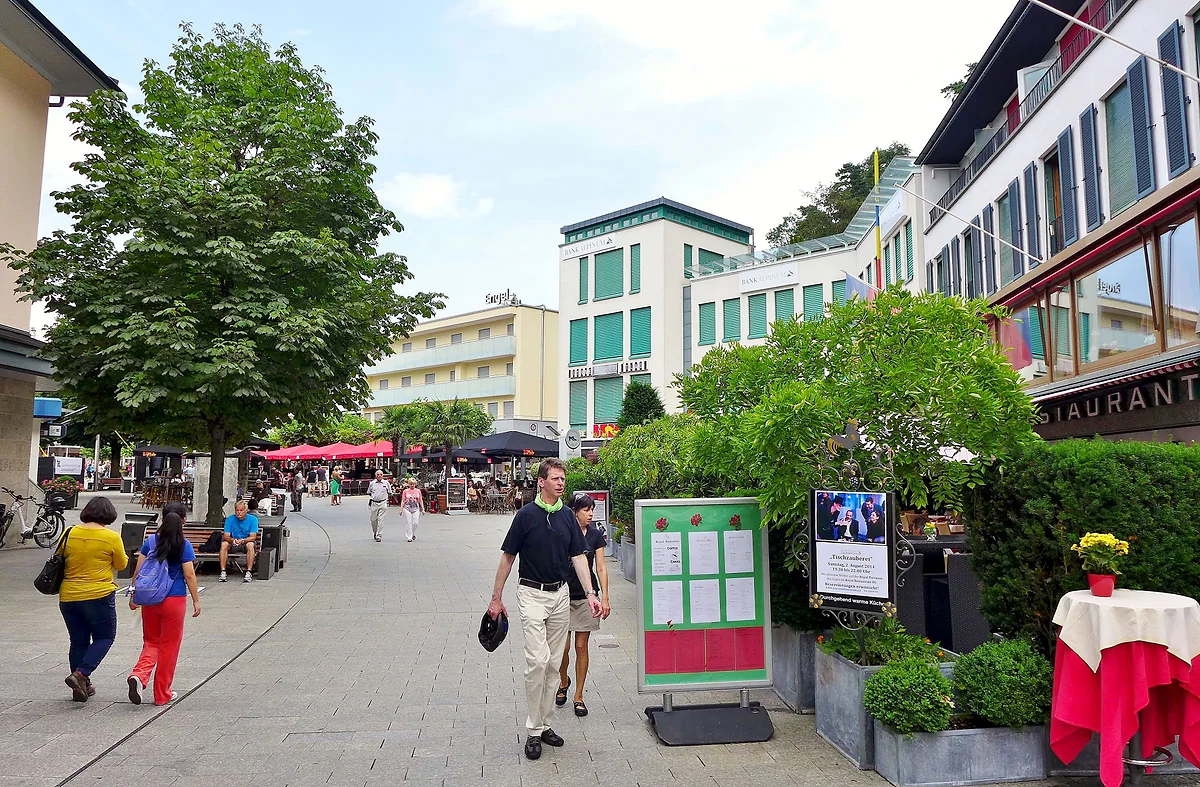
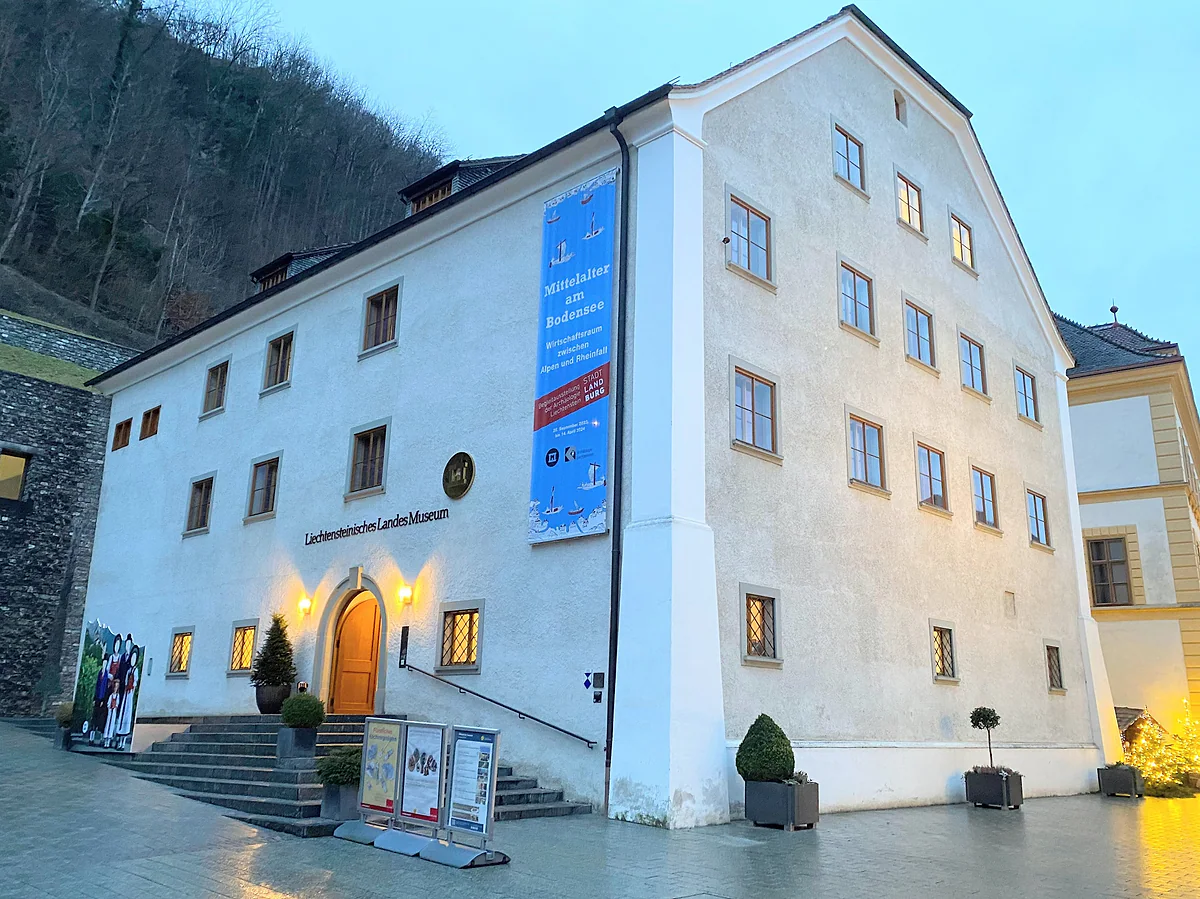
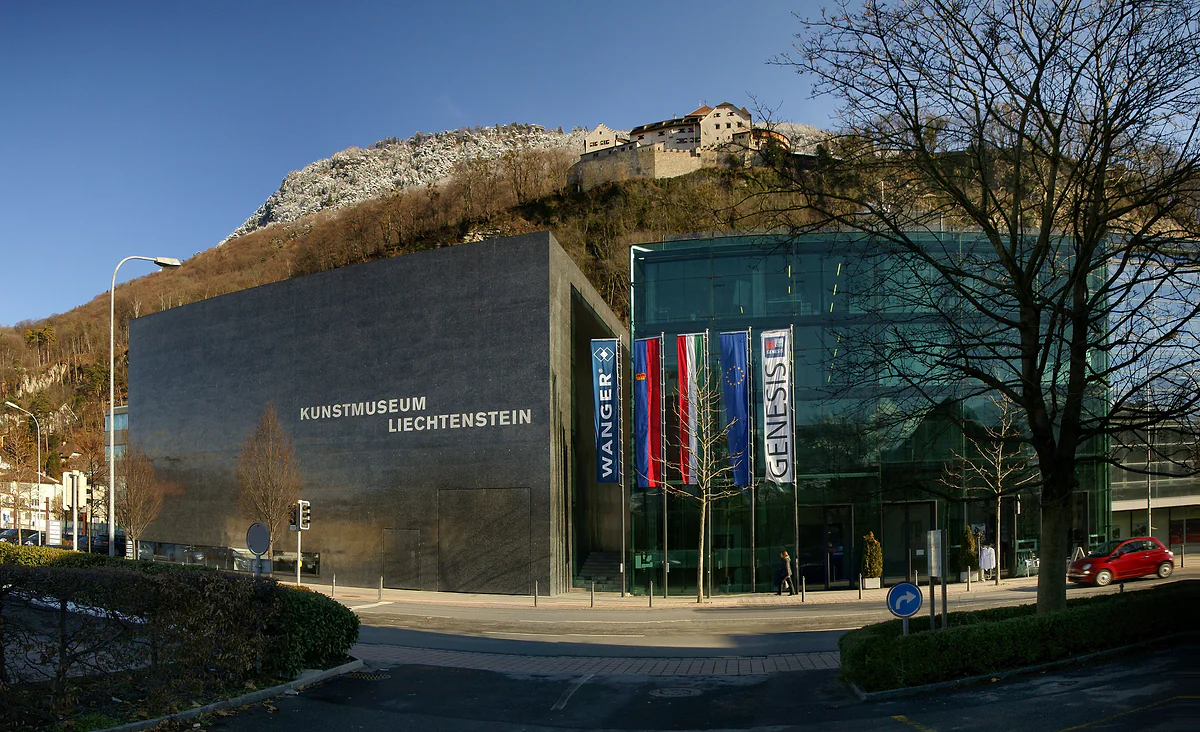
My list of things to do in Liechtenstein scores every sight with my reasons. Down in the valley, the first stop is the Städtle, the pedestrian street in Vaduz, where, by the tourist board’s count, six museums sit a few hundred metres apart. The Kunstmuseum Liechtenstein shares a CHF 15 ticket with the Hilti Art Foundation and is free on Wednesdays, and the Liechtenstein Treasure Chamber holds Fabergé eggs and moon rock.
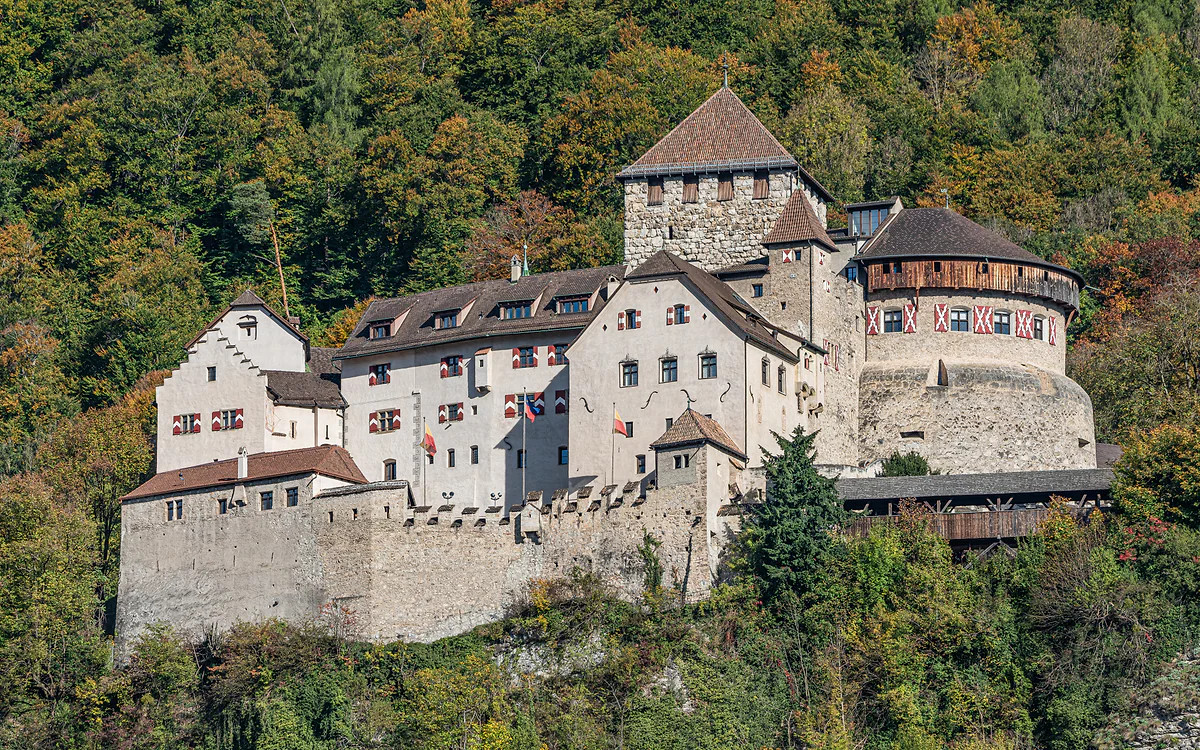
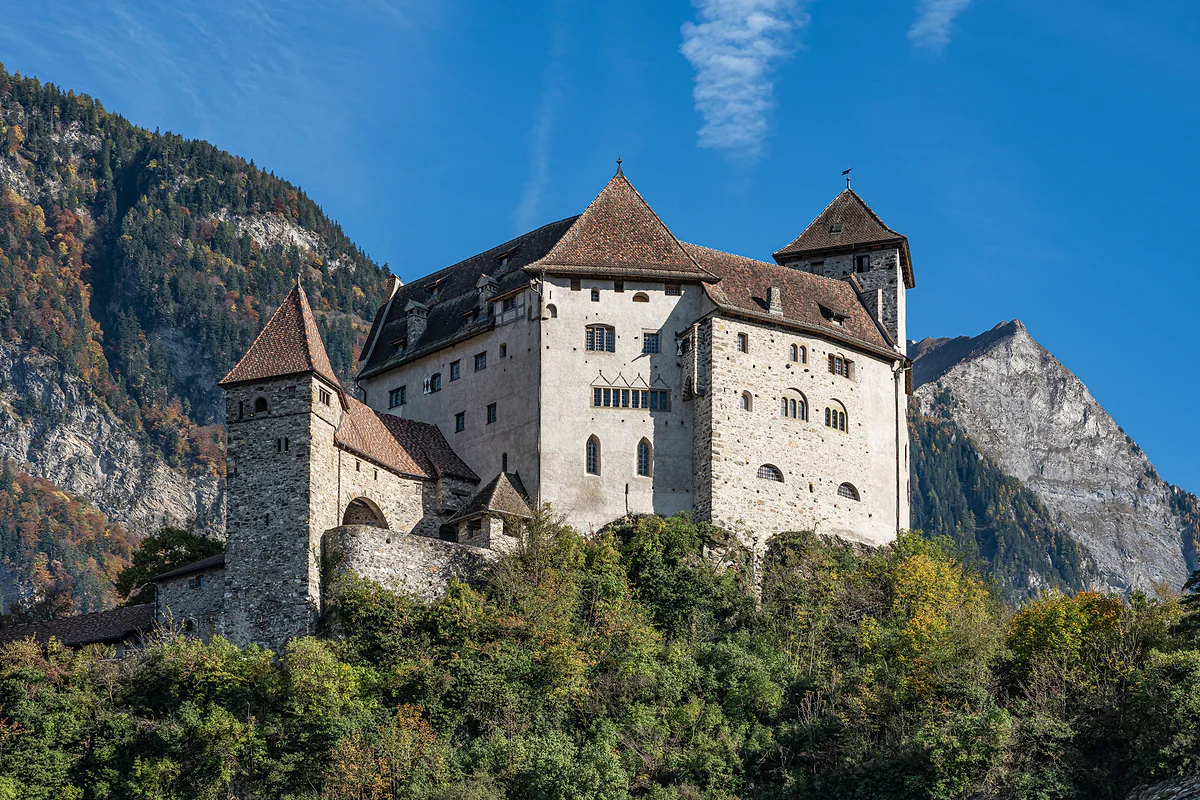
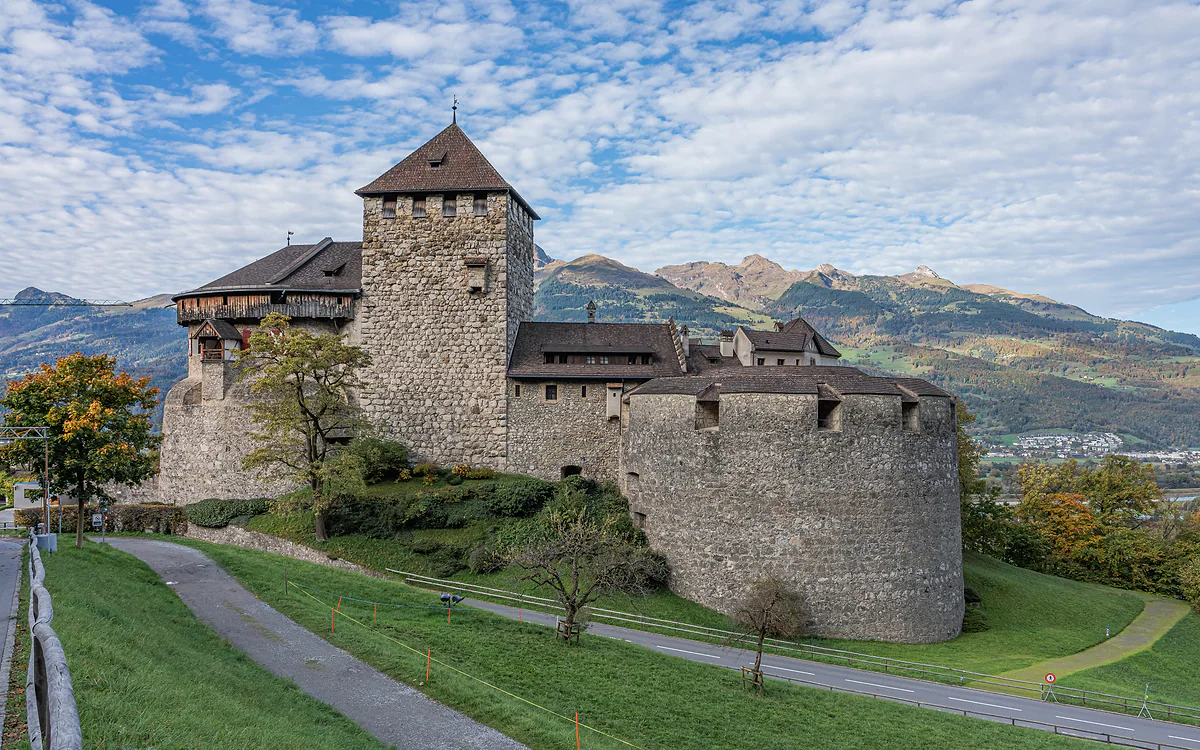
About 120 metres above the town stands Vaduz Castle. The Prince lives there, so the interior is off limits, which is worth knowing before you climb. Further south, in Balzers, Gutenberg Castle does open, by appointment from May to October. And for anyone steady on rock, the Fürstensteig is a path built in 1897-1898 between Gaflei and the Drei Schwestern, with secured rocky sections.
One day, two days or a whole season
According to the Office of Statistics most visitors only come for the day. For them I’ve laid out a one-day Liechtenstein itinerary hour by hour, with Vaduz, the museums and the afternoon tasting. If you can stay, two days in Liechtenstein adds the mountains, which I rate as the best part of the country.
The calendar matters more than it seems. Skiing in Malbun runs from 19 December 2026 to 4 April 2027, and the Sareis chairlift is a summer affair, in 2026 from 13 June to 18 October. To choose dates, start with the best time to visit Liechtenstein.
How do you get to Liechtenstein without an airport?
Fly to Zurich, 115 km away, or to the smaller airports at Altenrhein (50 km) and Friedrichshafen (85 km). There’s no mainline station either, so from Sargans, Buchs or Feldkirch you carry on by LIEmobil bus. Every combination is laid out in getting to Liechtenstein. As for the regional train that crosses the country, I wouldn’t rely on it in 2026 without checking the Austrian railways’ timetable first.
Once you’re in, buses reach all eleven municipalities. They take no cash, only cards or an app, and the fares for each zone are on Liechtenstein’s buses.
Francs, a prince and German with its own accent
You pay in Swiss francs, and what happens with euros and cards is covered in currency and payments in Liechtenstein. The official language is German, but on the street you’ll hear an Alemannic dialect that shifts between the Oberland, the Unterland and Triesenberg, which I go into on the language of Liechtenstein.
It’s a hereditary constitutional monarchy with a strong streak of direct democracy. Hans-Adam II reigns, and his son, Hereditary Prince Alois, has acted as regent since 15 August 2004. How prince, parliament, government and referendums fit together is on Liechtenstein’s political system.
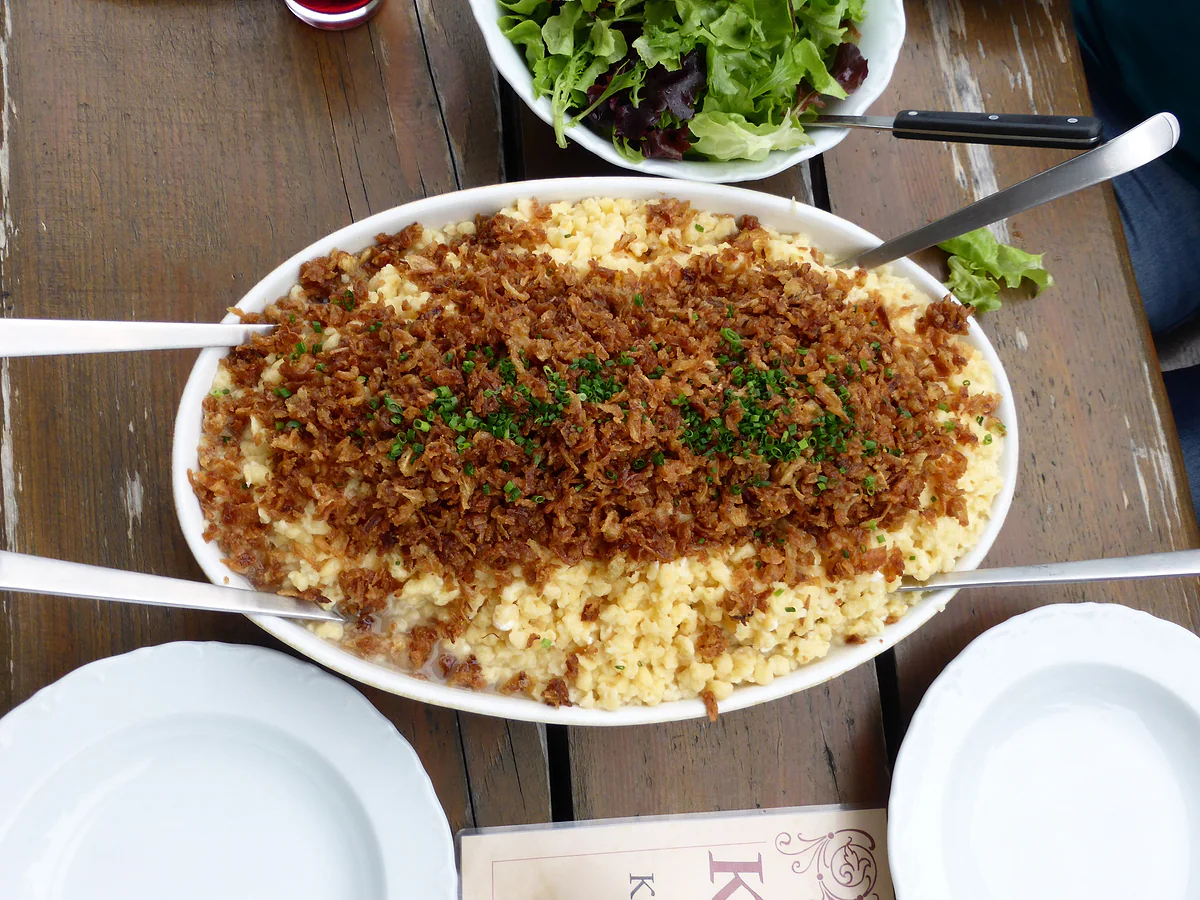
For beds and meals, everything is small scale. The Office of Statistics counted 28 hotels in 2024, and how to pick an area is in where to stay in Liechtenstein. If you try one dish, make it Käsknöpfle, cheesy dumplings eaten with fried onions and apple sauce.
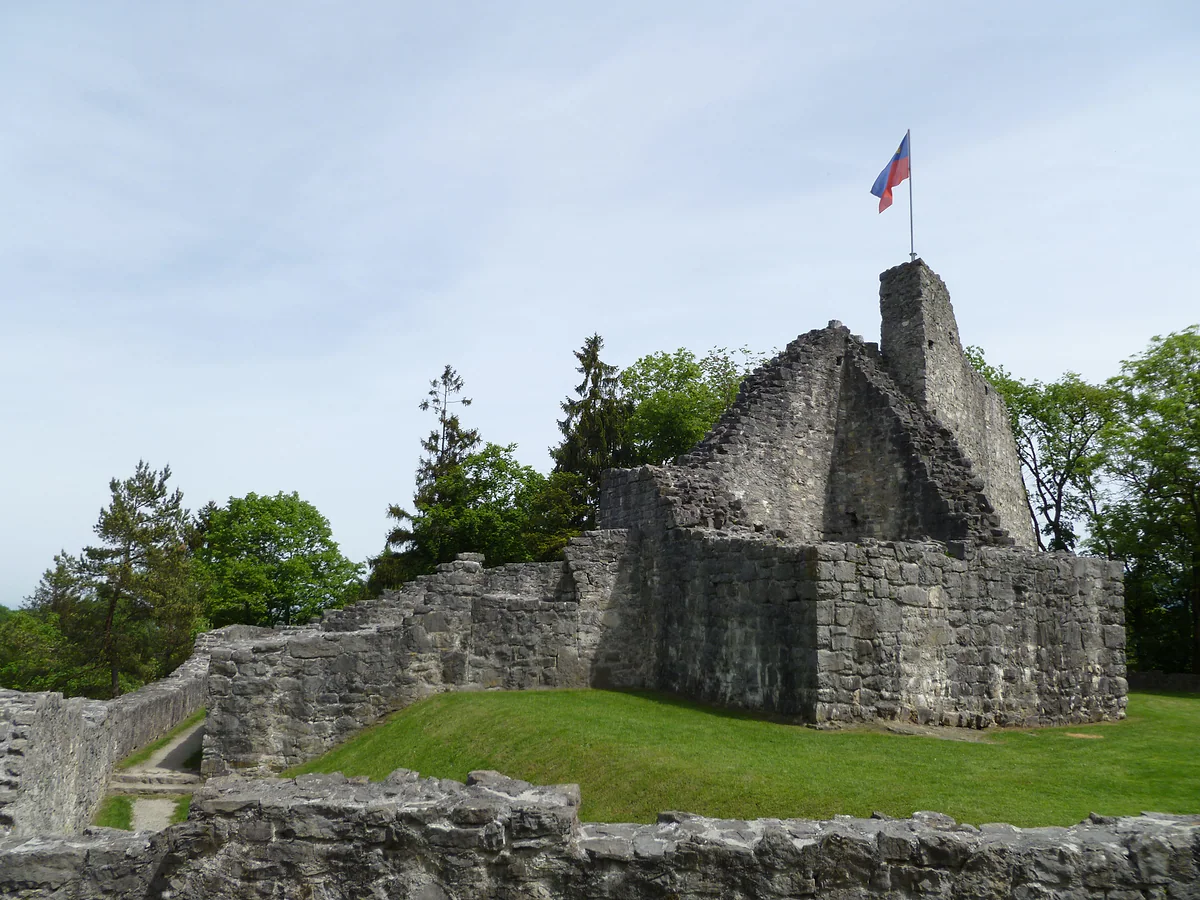
Vaduz Castle, with its stone keep and round bastions, above the meadow and the path, with the Swiss mountains behind.
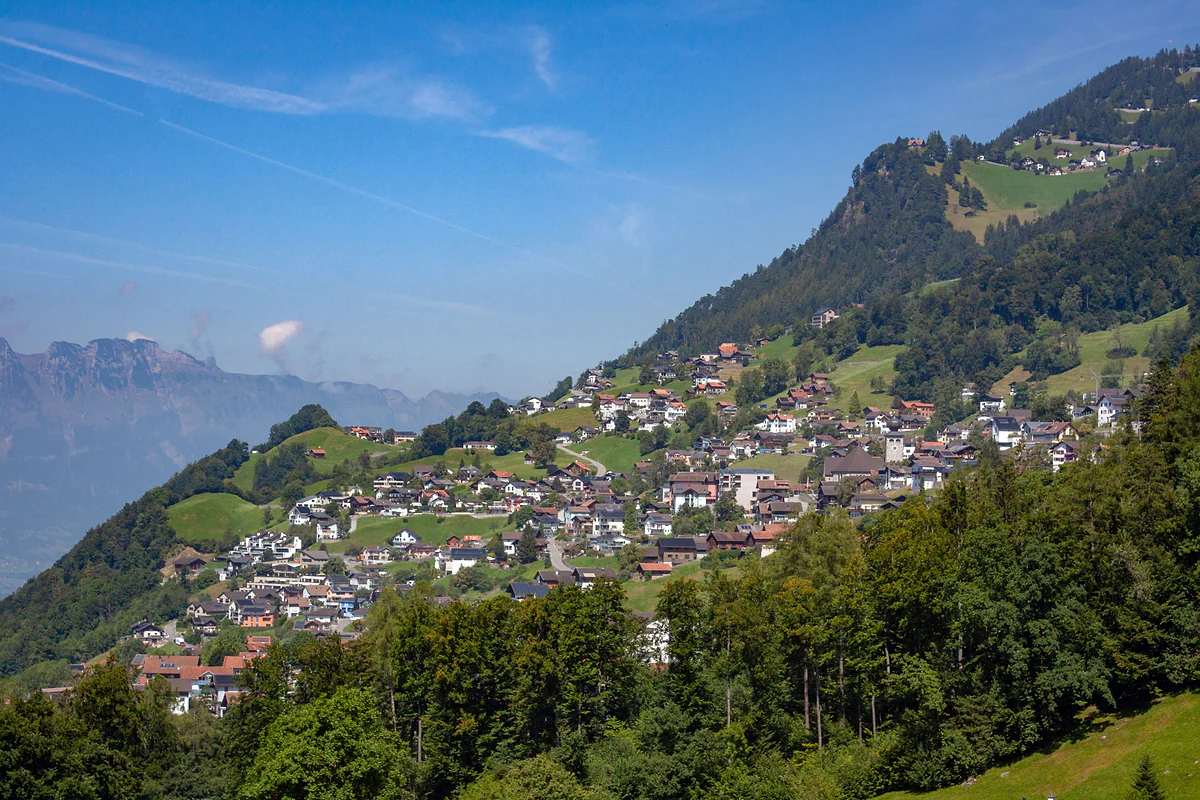
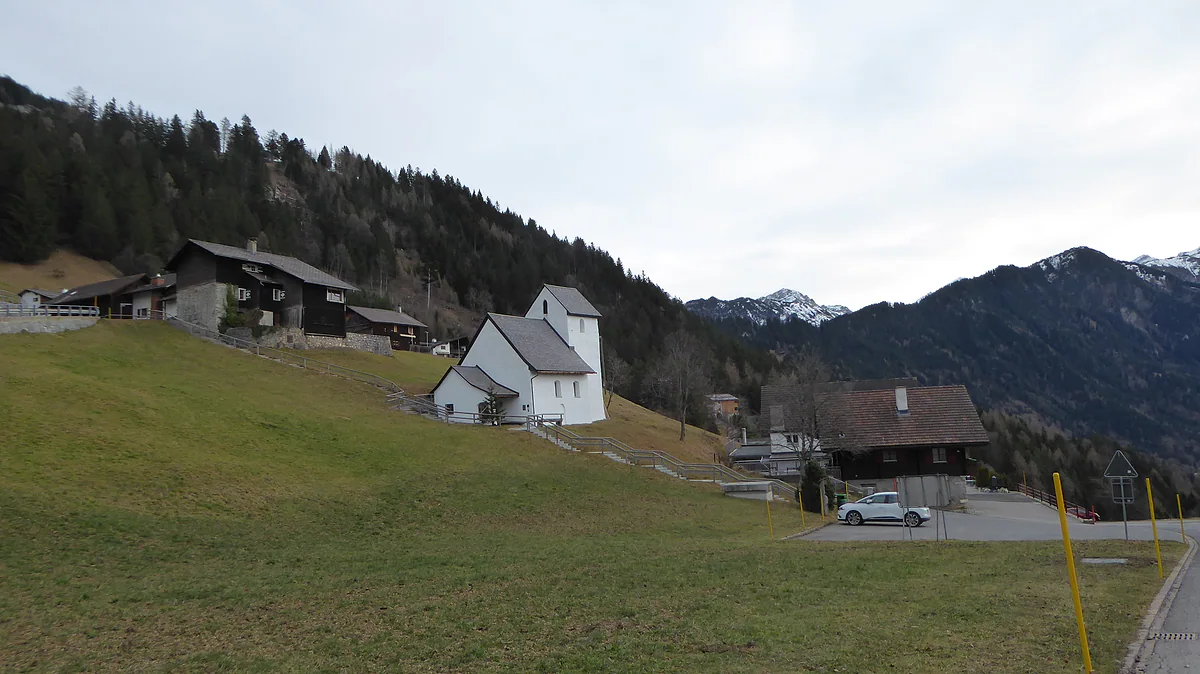
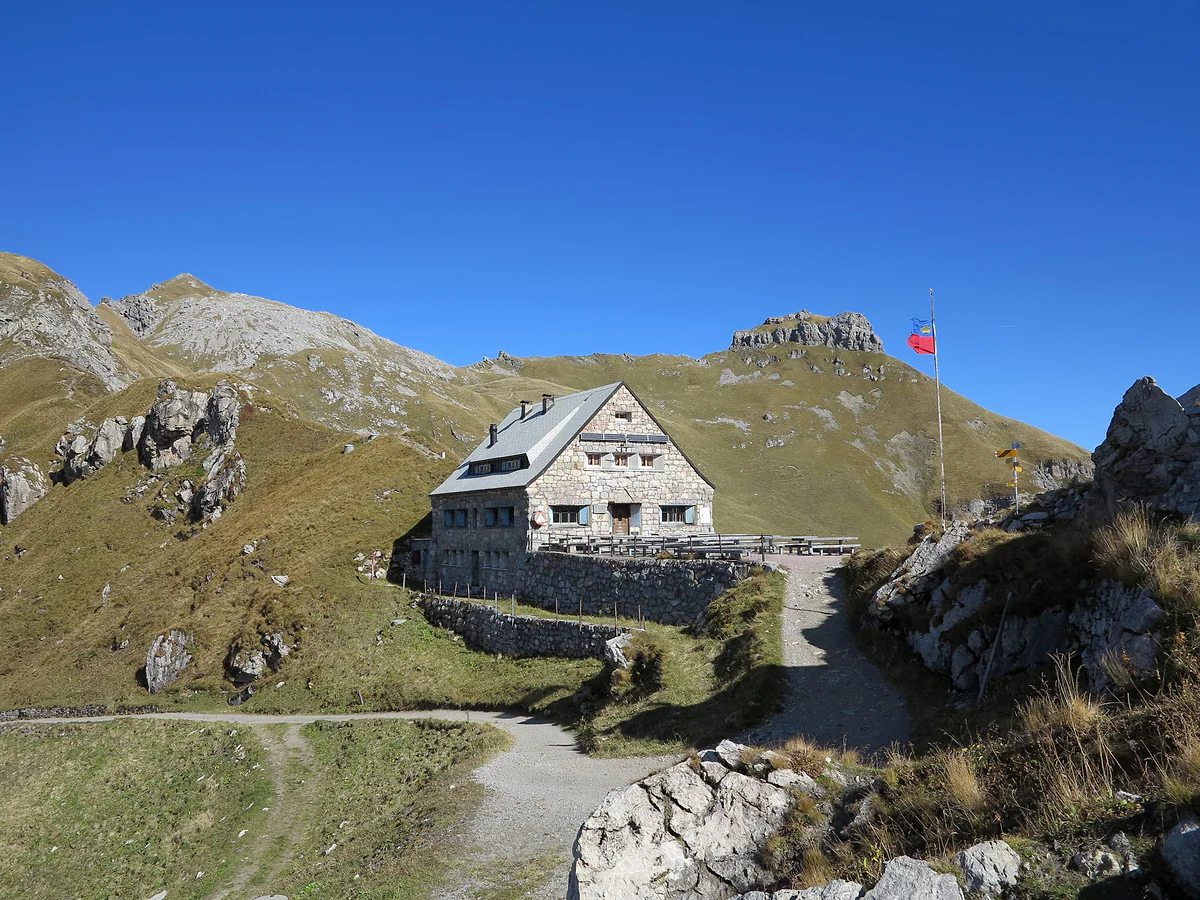
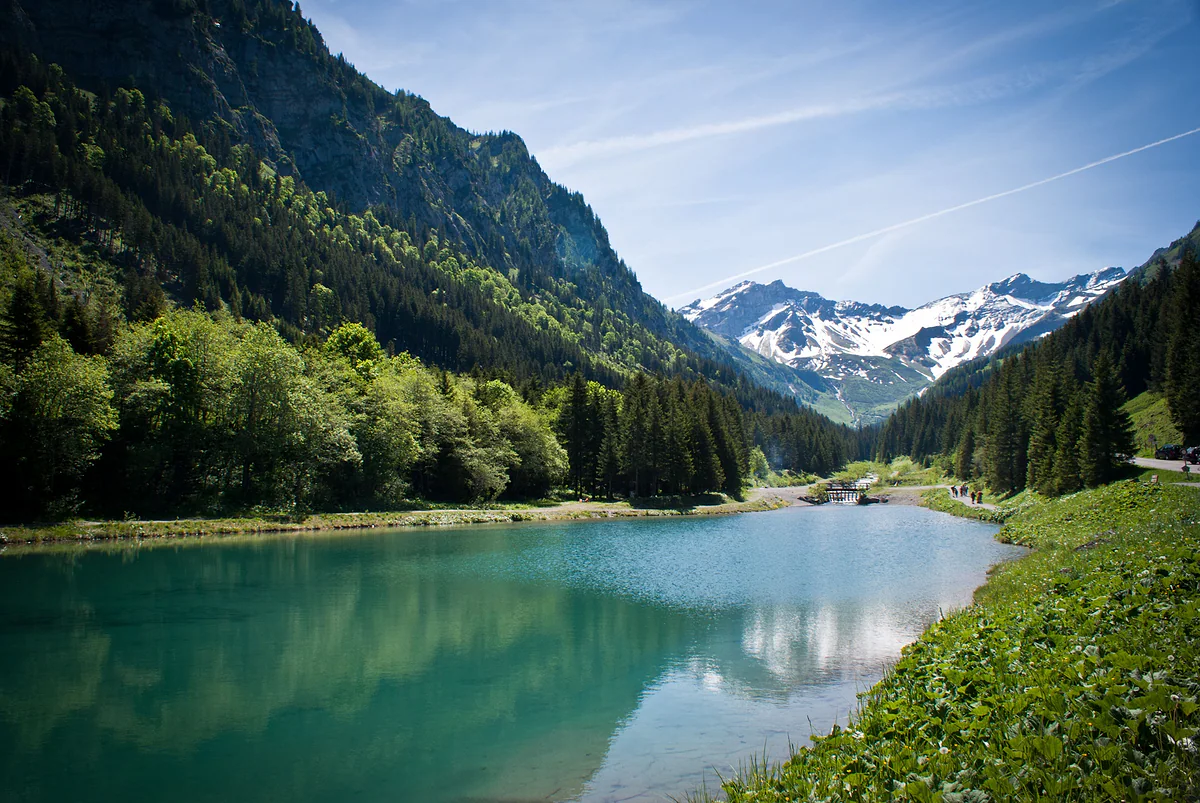
Malbun in summer, with the chalet village on the valley floor, green meadows and rocky peaks above.
Liechtenstein in numbers
Fact
Figure
Source
Area
160 km²
Office of Statistics
Permanent residents
41,228 (31-12-2025)
Office of Statistics
Foreign nationals
35.3% of residents
Office of Statistics
Borders
41.3 km with Switzerland, 36.6 km with Austria
Office of Statistics
Highest and lowest points
Grauspitz, about 2,600 m; Ruggeller Riet, 430 m
Office of Statistics
Municipalities
11, in two regions
Constitution, art. 1
Dialling code
+423
Liechtenstein tourist board
What each visit costs in 2026
Visit
Adult price
When
Kunstmuseum and Hilti Art Foundation
CHF 15 (one ticket for both)
Tuesday to Sunday, 10:00-17:00; Thursday until 20:00; free on Wednesdays
LandesMuseum and Treasure Chamber
CHF 13 combined
LandesMuseum Tuesday to Sunday; Treasure Chamber daily, 10:00-17:00
Postage Stamp Museum
Free
Daily, 10:00-17:00
Kunstraum Engländerbau
Free
Daily, 13:00-17:00
Hofkellerei tasting
CHF 19
Monday to Friday at 15:00, Saturday at 14:00
Sareis chairlift, return
CHF 17
Summer season, 13 June to 18 October 2026
Passport stamp
CHF 3 or EUR 3.30
Liechtenstein Center, Vaduz, every day
ALL INCLUSIVE Erlebnispass
CHF 25 one day, CHF 29 two
All year, consecutive days
Official prices checked on 26-09-2026. Vaduz Castle is not open to visitors. The Malbun lift company's website shows the Sareis chairlift's live status, so check it before heading up.
Test yourself
True or false?
0/4Pick before you peek.
Liechtenstein is part of Switzerland.
See the answer
False. It's a sovereign state with its own constitution and a UN member since 1990. It has shared a customs union and the franc with Switzerland since 1924, but it isn't a canton.
Schaan has more residents than Vaduz, the capital.
See the answer
True. On 31 December 2025 Schaan had 6,294 permanent residents and Vaduz 6,108, according to the Office of Statistics.
You can tour the inside of Vaduz Castle.
See the answer
False. It's the home of the Prince and the Hereditary Prince and Princess, and the Princely House says it isn't open to the public except on special occasions.
Liechtenstein is covered by the EU's roam-like-at-home rules.
See the answer
True. The EU extends roam like at home to the European Economic Area, which includes Liechtenstein, Iceland and Norway. For UK phones, what counts is your own network's European deal.
Area of the country
160 km²
Permanent residents at 31-12-2025
41,228
Municipalities, six in the Oberland and five in the Unterland
11
Approximate height of the Grauspitz, the highest point
2,600 m
Distance to Zurich airport
115 km
Map
All 11 municipalities, from the Rhine to Malbun
The dashed line is the border: Switzerland across the Rhine, Austria to the north and east. Every number opens its guide.
Yes. It's a sovereign principality with its own constitution, a UN member since 1990 and part of the European Economic Area since 1995. It became an imperial principality in 1719, and Napoleon's Confederation of the Rhine in 1806 laid the foundation of its sovereignty.
Where is Liechtenstein?
In the Alps, between Switzerland to the west and south and Austria to the north and east. The Rhine forms the Swiss border. Zurich is 115 km away and the closest airport, St. Gallen-Altenrhein, is 50 km away.
What currency does Liechtenstein use?
The Swiss franc, official since the customs treaty with Switzerland in 1924. The tourist board says euros are accepted in most places, but I'd carry francs or a card, because the buses don't take cash.
Is Liechtenstein in the European Union?
No. It joined the European Economic Area in 1995 and has applied Schengen since 19 December 2011, but it isn't an EU member. In practice that means no fixed border checks with Switzerland or Austria.
What language is spoken in Liechtenstein?
German is the official language under Article 6 of the constitution. Day to day people speak an Alemannic dialect, and Triesenberg keeps the Walser speech of settlers who arrived in the late 13th century.
What is the population of Liechtenstein?
41,228 permanent residents on 31 December 2025, according to the Office of Statistics, which released the final figure on 25 September 2026. Foreign nationals make up 35.3%, mostly Swiss, Austrian and German.
How big is Liechtenstein?
160 km², roughly 62 square miles, and 24.7 km at its longest. It's the fourth-smallest state in Europe after Vatican City, Monaco and San Marino, and Switzerland is about 260 times bigger.
Tourism graduate with a master’s in Tourism Management and Planning from the University of Málaga, who has travelled across Europe. He writes every guide from official sources and his own judgement.

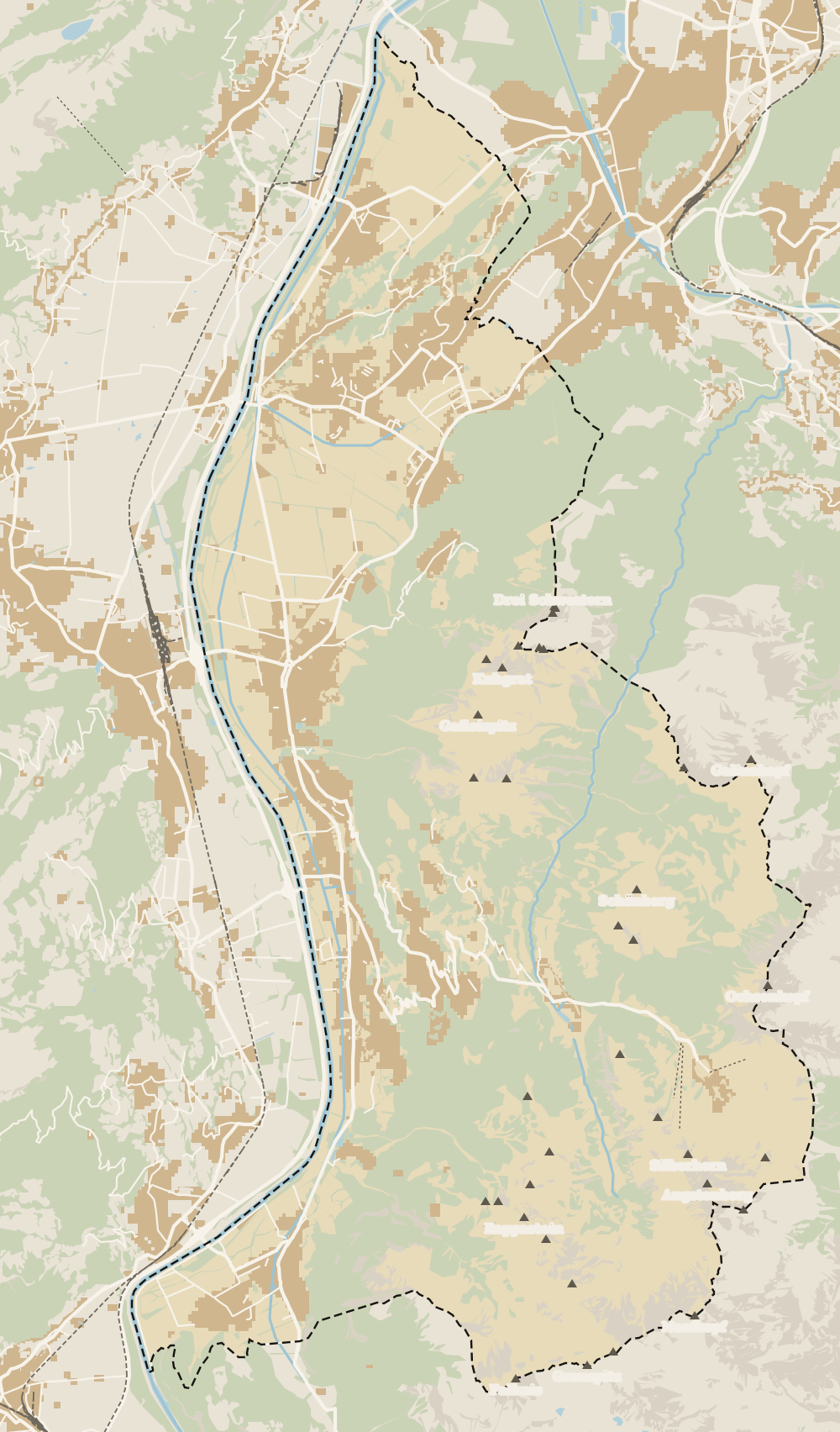 1Vaduz 2Städtle 3Mitteldorf 4Schaan 5Balzers 6Triesen 7Triesenberg 8Planken 9Mäls 10Eschen 11Masescha 12Gaflei 13Nendeln 14Mauren 15Silum 16Rotenboden 17Schaanwald 18Gamprin 19Wangerberg 20Bendern 21Steg 22Ruggell 23Schellenberg 24Hinterschellenberg 25Malbun