Five shells on Malbun in 1968
The Swiss 'invasions' of Liechtenstein, with sources
Switzerland has never seriously invaded Liechtenstein, but its army has crossed the border more than once. According to the Historisches Lexikon, exercises at the St. Luzisteig firing range set Balzers forest on fire in 1956, 1960 and 1985, and in 1968 five shells landed on Malbun by mistake. In 1949 Switzerland also secured the Ellhorn hill under pressure.
In 30 seconds
Full read: 3 min
- Switzerland hasn't invaded Liechtenstein in modern times, but its army has crossed the border with shells and soldiers.
- In 1968 five Swiss shells landed on Malbun by mistake.
- Exercises at St. Luzisteig burnt Balzers forest in 1956, 1960 and 1985.
- In 1949 Liechtenstein ceded the 45-hectare Ellhorn to Switzerland under pressure.
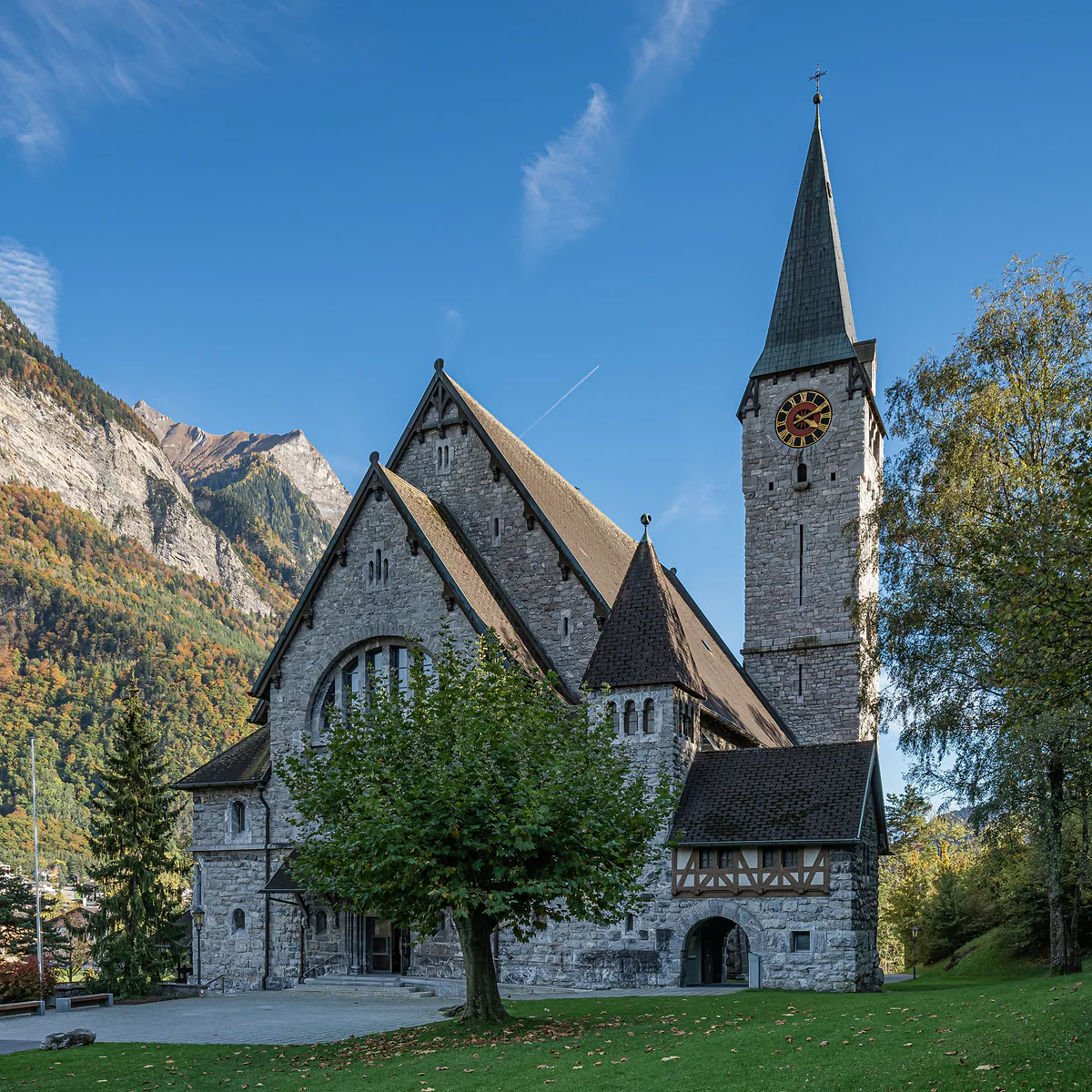
If the story tickles you, walk up to Gutenberg Castle in Balzers. From there you look across to the Fläscherberg and the St. Luzisteig area beyond the border, and you see at a glance how tightly life in Balzers is bound up with the Swiss army next door.

Before you go
What I would keep in mind
-
01 Most beautiful
The best viewpoint on this story, Gutenberg
Gutenberg Castle in Balzers overlooks the country's southern tip, right by the Swiss border. It's the ideal spot to locate the Ellhorn and St. Luzisteig.
Gutenberg Castle in Balzers -
02 My tip
Malbun, the resort that took five shells
In 1968 the Swiss army accidentally fired five shells into Malbun, according to the Historisches Lexikon. Today it's the country's winter and summer mountain resort.
Malbun -
03 Watch out
The 2007 invasion I couldn't confirm
Plenty of websites say that in 2007 a Swiss army company got lost at night and marched into Liechtenstein. I haven't found it in official sources or the Historisches Lexikon, so I don't treat it as fact.
What I would book
“Switzerland accidentally invaded Liechtenstein” turns up on every list of quirky facts, usually with a tale of lost soldiers stumbling across the border at night. I wanted to know what lies underneath, and what lies underneath is better than the anecdote. Not a real invasion, but decades of awkward coexistence with a firing range right on the border, five shells on Malbun and a hill Liechtenstein had to give up.
The firing range next door
South of Balzers, already on Swiss soil, lies the St. Luzisteig pass, with a fortress and, since 1834, a Swiss army firing range. The Historisches Lexikon explains that this caused endless trouble for Balzers. Live-firing exercises set parts of Balzers’ municipal forest, which lies in Graubünden, alight in 1956, 1960 and 1985. There was the noise, and unexploded shells were a hazard for local people.
The Lexikon goes further and says the Swiss army repeatedly violated Liechtenstein’s sovereignty with shots and shellfire across the border, and by crossing it. The best-known episode came in 1968, when five shells landed by mistake on Malbun, the country’s mountain resort. Those, with sources, are the Swiss “invasions”. None of it was an attack, of course. It was the side effect of having one of Switzerland’s training grounds a stone’s throw from a neighbour with no army at all, where the only uniforms on the other side of the line belong to police officers.
There were more serious plans too, though they never left the drawing board. The Lexikon records that in the 1920s and 1930s the Swiss army had plans to occupy Liechtenstein, which sits right in front of Sargans, a weak point in Swiss defences, or at least to bring it under Swiss neutrality. And the Federal Council decided more than once, in the 1930s and during the Second World War, not to defend it if Germany attacked.
How it was sorted out
The two countries negotiated from 1964. In 1985 they set up a joint commission for the St. Luzisteig range, and in 1992 that commission agreed to use non-flammable ammunition and to cap the firing noise heard in Balzers. According to the Lexikon, that settled most of the problems between the two states. It strikes me as very typical of these neighbours, who sort everything out with committees and paperwork.
The hill Liechtenstein had to hand over
The more serious story isn’t the shells but the Ellhorn, a 752-metre spur of the Fläscherberg that belonged to Balzers until 1949. The Swiss army had wanted it since 1934, because it can seal off the approach to the Sargans basin. In 1938 Liechtenstein agreed, but in January 1939 it backed out after German pressure, and Switzerland retaliated by freezing a loan and a labour agreement.
After the war Switzerland asked again and, according to the Lexikon, threatened to end the customs treaty. On 21 November 1948 Balzers residents voted against by 302 to 4 in a non-binding ballot. On 13 December parliament gave way by 10 votes to 5. Under the treaty, in force from 15 August 1949, Liechtenstein handed over 45 hectares and received the same area of more usable land, plus a reduction in a wartime debt. Switzerland built a fort there from 1952. The Lexikon says the Ellhorn still reminds many in Balzers of the difference in size between the two countries.
Real invasions, centuries ago
If you want a Swiss invasion in the strict sense, you have to go back to the Middle Ages. Confederate troops fought men from the area in 1351-1352, in the Old Zurich War and finally in the Swabian War of 1499, and laid waste to villages in Schellenberg and Vaduz in 1445, 1460 and 1499. Vaduz Castle fell in that last year too. I cover it in my history of Liechtenstein.
And the 2007 story?
The version that gets shared most is of a Swiss company that lost its way at night in 2007 and wandered into Liechtenstein. Neither the official websites nor the Historisches Lexikon, written in 2011, mention it. I’m not saying it didn’t happen. I’m saying I can’t back it up, and here I only tell what’s documented. If you like sourced facts like these, there are more on my page of Liechtenstein facts.
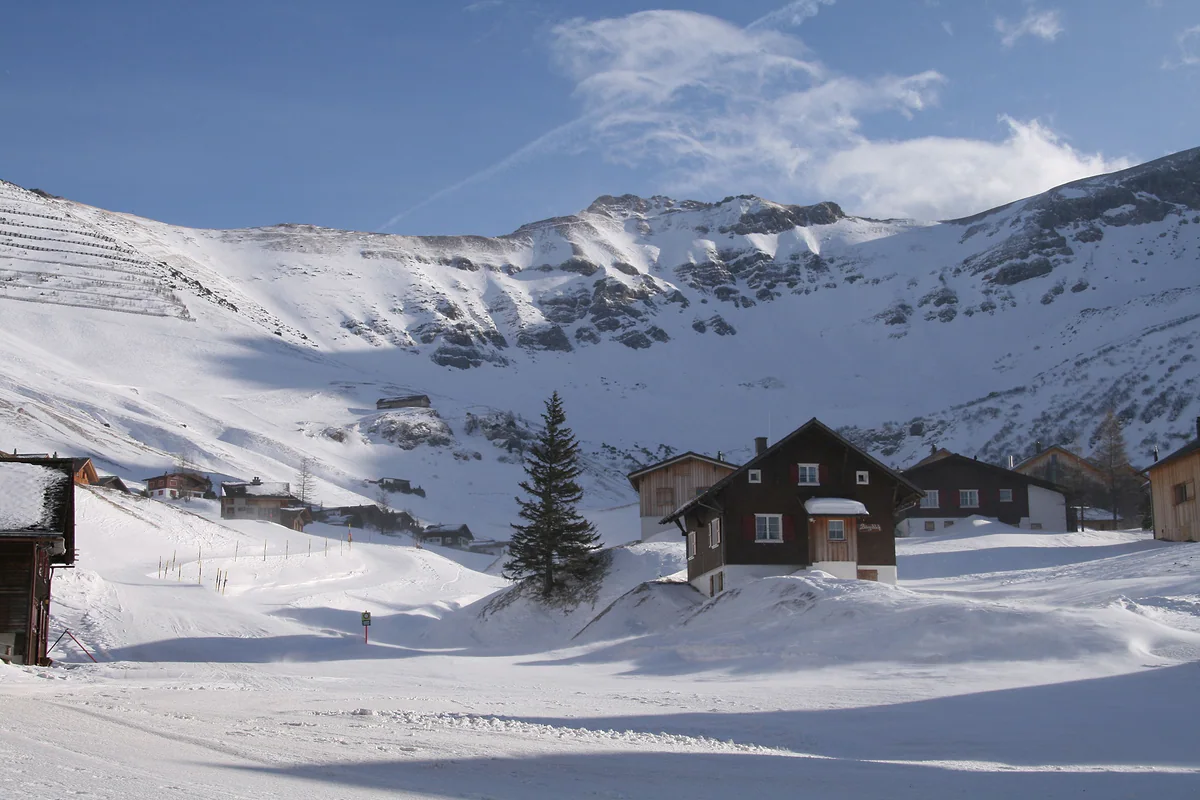
Snow-covered Malbun, with wooden chalets, a fir tree and the ski slopes below the white peaks.
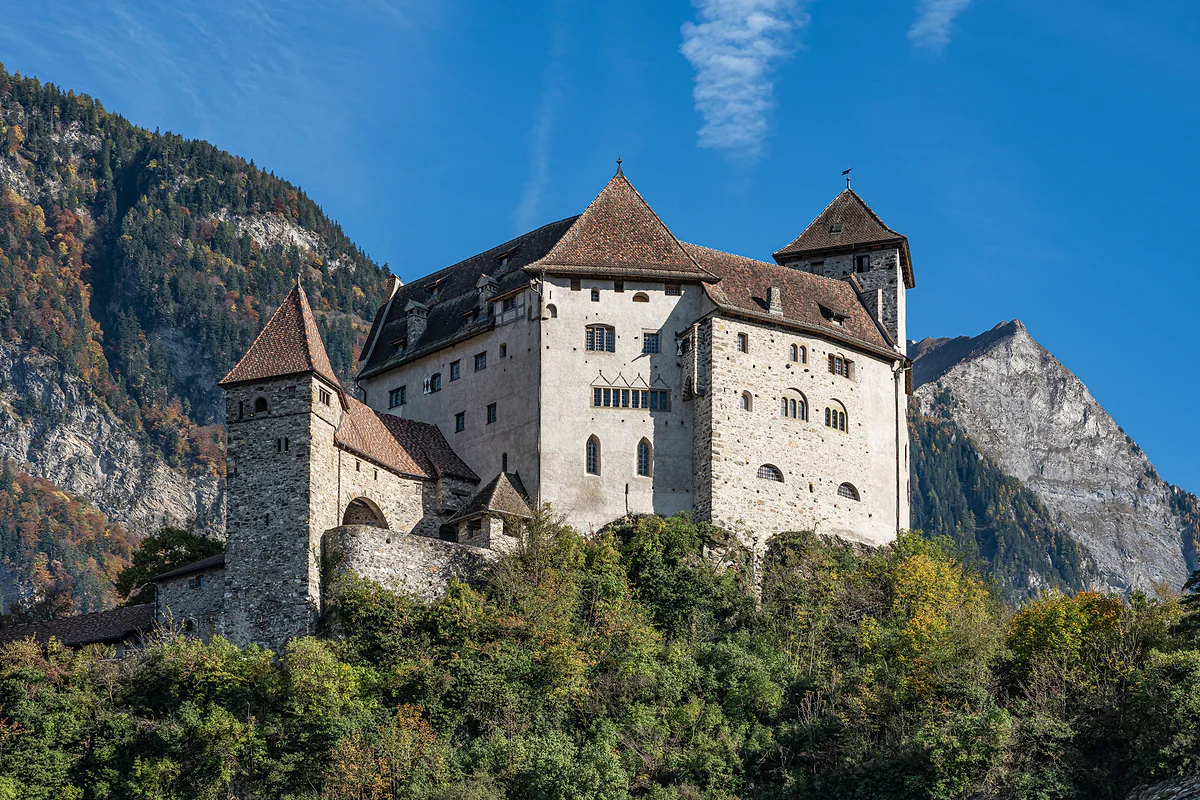
Gutenberg Castle in Balzers, with its towers and white walls on the wooded hill and a rocky peak behind.
The Swiss army and Liechtenstein, a timeline
| Year | What happened |
|---|---|
| 1445, 1460 and 1499 | Confederate troops lay waste to villages in Schellenberg and Vaduz in medieval wars |
| 1920s and 1930s | The Swiss army draws up plans to occupy Liechtenstein, given its value in front of Sargans |
| 1956 and 1960 | Exercises at St. Luzisteig set fire to Balzers forest |
| 1948-1949 | Switzerland obtains the Ellhorn (45 ha) in exchange for an equal area |
| 1964 | Talks on the firing range begin |
| 1968 | Five shells land on Malbun by mistake |
| 1985 | Another fire in Balzers; the joint St. Luzisteig commission is set up |
| 1992 | Non-flammable ammunition and a cap on firing noise |
Sources: Historisches Lexikon, 'Schweizer Armee', 'Sankt Luzisteig' and 'Ellhorn' (texts as of 2011).
The Ellhorn, a cession under pressure
| Date | What happened |
|---|---|
| 1934 | The Swiss army first sets its sights on the Ellhorn |
| January 1939 | Liechtenstein withdraws its agreement after German pressure |
| 21 November 1948 | Balzers residents vote no by 302 to 4 (non-binding) |
| 13 December 1948 | Parliament gives way by 10 votes to 5 under threat to the customs treaty |
| 15 August 1949 | The border treaty comes into force |
Source: Historisches Lexikon, 'Ellhorn'.
Test yourself
True or false?
0/4 Pick before you peek.
-
The Swiss army has fired shells onto Liechtenstein by mistake.
See the answer
True. Five shells landed on Malbun in 1968, according to the Historisches Lexikon, which also mentions repeated shooting across the border.
-
The 2007 night-time Swiss invasion is documented in official sources.
See the answer
False. I haven't found it in official sources or the Historisches Lexikon. It's widely repeated, but I can't confirm it.
-
Liechtenstein gave territory to Switzerland in the 20th century.
See the answer
True. It ceded the Ellhorn, 45 hectares next to Balzers, in exchange for an equal area. The treaty came into force on 15 August 1949.
-
Balzers residents voted in favour of handing over the Ellhorn.
See the answer
False. In the non-binding vote of 21 November 1948 they rejected it by 302 to 4. Parliament gave way afterwards under Swiss pressure.
- Swiss shells that landed on Malbun in 1968
- 5
- Documented fires in Balzers forest
- 3
- Area of the Ellhorn ceded to Switzerland
- 45 ha
- Balzers vote against the cession in 1948
- 302 to 4
0 of 168 Liechtenstein guides
Your next stamp
- Second World War
- Borders and customs
- History
- Facts
- No army
- Is it a country?
- Malbun
- The Rhine
- Things to do
- One day
- Two days
- Municipalities
- Oberland
- Unterland
- Map
- Vaduz
- Städtle
- Mitteldorf
- Vaduz Castle
- Vaduz Cathedral
- Parliament
- Government Building
- Vaduz Town Hall
- Red House
- Prince's Winery
- Old Rhine Bridge
- Schaan
- Schalun Castle Ruin
- Balzers
- Citytrain
- Triesen
- Triesenberg
- Walser Museum
- Planken
- Gutenberg Castle
- Schaan Roman fort
- Dux
- St Mamertus chapel
- Lawena valley
- Mäls
- DoMuS
- TAK Theatre
- Castles
- Churches and chapels
- Viewpoints
- Mountains
- Museums
- Kunstmuseum
- Mountain huts
- Hilti Art Foundation
- Pfälzerhütte
- Gafadura hut
- National Museum
- Treasure Chamber
- Postage Stamp Museum
- Kunstraum Engländerbau
- Eschen
- Masescha
- Gaflei
- Nendeln
- Mauren
- Silum
- Rotenboden
- Schaanwald
- Gamprin
- Wangerberg
- Bendern
- Steg
- Ruggell
- Samina valley
- Schellenberg Farmhouse Museum
- Cross-country skiing at Steg
- Küefer-Martis-Huus
- Ruggeller Riet
- Schellenberg
- Hinterschellenberg
- Fürstensteig
- Liechtenstein Trail
- Schellenberg castles
- Eschnerberg
- Malbun in summer
- Population
- Stage 1: Balzers - Triesenberg
- Lakes
- Sareis
- Size
- Stage 2: Triesenberg - Vaduz
- Malbun Peace Chapel
- Political system
- Stage 3: Vaduz - Nendeln
- Swimming pools
- Language
- Skiing in Malbun
- Stage 4: Nendeln - Ruggell
- Dialect
- Malbun ski pass
- Stage 5: Ruggell - Schaanwald
- Hotels in Malbun
- Stamps
- Princess Gina Trail
- Hut-to-hut Route 66
- Hiking
- Getting there
- In winter
- Weather
- Airport
- Best time to visit
- In summer
- Events
- With kids
- Zurich to Liechtenstein
- National day
- Sargans to Vaduz
- Christmas
- Feldkirch to Vaduz
- By train
- Traditions
- Carnival
- Getting around
- Buses
- Funken Sunday
- Alpine cattle drive
- Driving and vignette
- Parking
- Bike hire
- Cycling
- EU and Schengen
- Entry requirements
- The prince
- The princely house
- The flag
- The coat of arms
- The national anthem
- Why so rich?
- Banks and tax haven
- Where to stay
- Hilti
- Hotels in Vaduz
- False teeth
- Hostel and camping
- Rent the country?
- Where to eat
- Restaurants in Vaduz
- Bars and nightlife
- Food
- Käsknöpfle
- Wine
- Casinos
- Adventure Pass
- Rainy days
- Guided tours
- Tourist office
- Day trips
- Passport stamp
- Music festivals
- Phone and roaming
- Currency and payments
- Prices and budget
- Tipping
- Plugs and sockets
- Tap water
- Opening hours
- Public holidays
- Safety
- Accessibility
- With a dog
- Shopping and souvenirs
Frequently asked questions
Did Switzerland invade Liechtenstein?
Not with any intent to conquer in modern times, but its army has breached the border. The Historisches Lexikon describes shots and shells crossing it, soldiers stepping over it and five shells landing on Malbun by mistake in 1968.
Did Switzerland accidentally invade Liechtenstein in 2007?
It's a much-repeated story, but I haven't found it in any official source or in the Historisches Lexikon, so I don't treat it as fact. What is documented are the incidents at the St. Luzisteig firing range.
What happened at Malbun in 1968?
According to the Historisches Lexikon, the Swiss army accidentally fired five shells that landed on Malbun, Liechtenstein's mountain resort. It's one of the most quoted border incidents between the two countries.
Why did the Swiss army set fire to Liechtenstein's forest?
Because of live-firing exercises at the St. Luzisteig range next to Balzers. The shooting set parts of Balzers' municipal forest, which lies on Graubünden soil, alight in 1956, 1960 and 1985.
Did Switzerland take land from Liechtenstein?
Yes, the Ellhorn, a 45-hectare spur next to Balzers. After years of pressure and a threat to end the customs treaty, parliament accepted the swap in 1948 and the treaty came into force on 15 August 1949.
Does Switzerland defend Liechtenstein militarily?
No. In the 1930s and during the Second World War the Swiss Federal Council decided more than once not to defend it if Germany attacked, according to the Historisches Lexikon.
By
Tourism graduate with a master’s in Tourism Management and Planning from the University of Málaga, who has travelled across Europe. He writes every guide from official sources and his own judgement.
Published on . Facts checked on .
Sources
Photos: A.Savin (FAL); böhringer friedrich (CC BY-SA 2.5); A.Savin (FAL), via Wikimedia Commons.