Customs shared with Switzerland and Vorarlberg
Liechtenstein traditions, an Alpine village calendar
Liechtenstein's traditions follow the farming and church calendar. February brings carnival and the Funken bonfires; May and October, the village fairs; autumn, the cattle coming down from the pastures with their beauty contest; and 15 August, the national day. Triesenberg also keeps its own Walser culture alive.
In 30 seconds
Full read: 3 min
- Carnival and the Funken bonfires fill February.
- Fairs take place in May in Schaan and Balzers and in October in Vaduz and Eschen.
- In autumn the cattle come down and Miss Liechtenstein, the prettiest cow, is crowned.
- 15 August is the national day, and Triesenberg keeps Walser culture alive.
If you can only catch one tradition, I'd pick the Vaduz autumn fair, which coincides with the cattle show. And if you're there in February, don't miss a Funken bonfire, the closest you'll get to stepping inside village life.

Before you go
What I would keep in mind
-
01 Most beautiful
Cows in headdresses in autumn
At the end of summer the cattle come down from the mountain pastures dressed in headdresses and bells, and three shows crown Miss Liechtenstein.
the alpine cattle drive and Miss Liechtenstein -
02 My tip
Christmas trees burn in February
Dry trees are collected in January and, on Funken weekend, burnt on a pyre with a rag witch perched on top.
the Funken Sunday bonfires in Liechtenstein -
03 Worth the splurge
The autumn Walser menu
During the Triesenberger Wochen, from mid-October to mid-November, the restaurants of Triesenberg serve traditional Walser dishes.
Liechtenstein food -
04 Watch out
Not every date on the calendar is a holiday
Carnival Tuesday, Christmas Eve and New Year's Eve appear on the tourist board calendar, but they aren't legal public holidays. Shops may well open.
Liechtenstein's public holidays
What I would book
My ranking, scored
The traditions I'd try to see
My own scores out of 10, for a visitor passing through. They weigh how genuine it feels, how easy it is to see and whether there's a date you can plan around.
0 of 5 seen
-
Autumn fair with the cattle show
Fair, rides and prize-winning cows in central Vaduz in early October, and a week later in Eschen. Thoroughly local and easy to catch.
9.3 out of 10
-
Funken Sunday bonfires
Nearly every village burns its pyre with the witch on top, with doughnuts and torches. A tradition lived by locals, not staged for tourists.
9.0 out of 10
-
Carnival and the Schaan parade
Deliberately out-of-tune brass bands, fancy dress and the big international parade in Schaan. Loud and good fun.
8.7 out of 10
-
National day on 15 August
The country's biggest party, with lights on the mountains. I dock a few points for the crowds.
8.5 out of 10
-
Walser culture in Triesenberg
A museum, a legends trail and an autumn menu. You can see most of it nearly all year.
8.0 out of 10
Mention Liechtenstein and most people think of banks and a castle, but underneath there’s a country of villages with a very lively festival calendar. The tourist board puts it well, saying church feasts and everyday customs link past and present, and that being so close to Switzerland and Austria’s Vorarlberg, it shares a number of traditions with them. For me it’s the most interesting side of the country, precisely because it never makes the postcards. It has a practical upside too, since nearly all of it is open to anyone, free and a bus ride away.
Winter, noise and fire
Oddly enough, the festive year kicks off in November. On 11 November at 11:11 the carnival season, the Fasnacht, officially opens, then builds through masked balls and concerts until it bursts out in February. That’s when the parades hit the streets, along with the Guggamusik bands, which play deliberately out of tune, and the big international parade in Schaan.
Right after carnival comes my favourite tradition, Funken Sunday. In nearly every village a pyre goes up, built from the Christmas trees collected in January, with a rag witch stuffed with gunpowder on top. The sooner it burns and she explodes, the saying goes, the sooner winter leaves.
Spring and autumn, the fairs
Village fairs, the Jahrmärkte, have been part of local life for centuries, according to the tourist board. Think stalls, the smell of Magenbrot, a spiced gingerbread, and dodgems, which locals call Tütschauto. In 2026 the spring fairs were in Schaan and Balzers in May, and in autumn it’s the turn of Vaduz, from 2 to 4 October, and Eschen, from 9 to 11 October.
The autumn fair has a lovely backstory. It used to coincide with the cattle market, and prize-winning animals earned their owners a cash award from the state, which many families spent right there at the fair on clothes and essentials. Today Vaduz and Eschen still hold their fairs alongside the cattle show.
What is the cattle drive?
When summer ends, the herds leave the high pastures and come down to the valley decked out in headdresses and bells, in what’s known as the Alpabfahrt. Each pasture has its own customs, and the timing depends on how much grass is left and on the weather. Then comes a contest I find utterly charming, the crowning of Miss Liechtenstein, the country’s prettiest cow, across three shows in Triesenberg, Vaduz and Eschen. I cover it in detail in the alpine cattle drive.
The Walser, a culture within the country
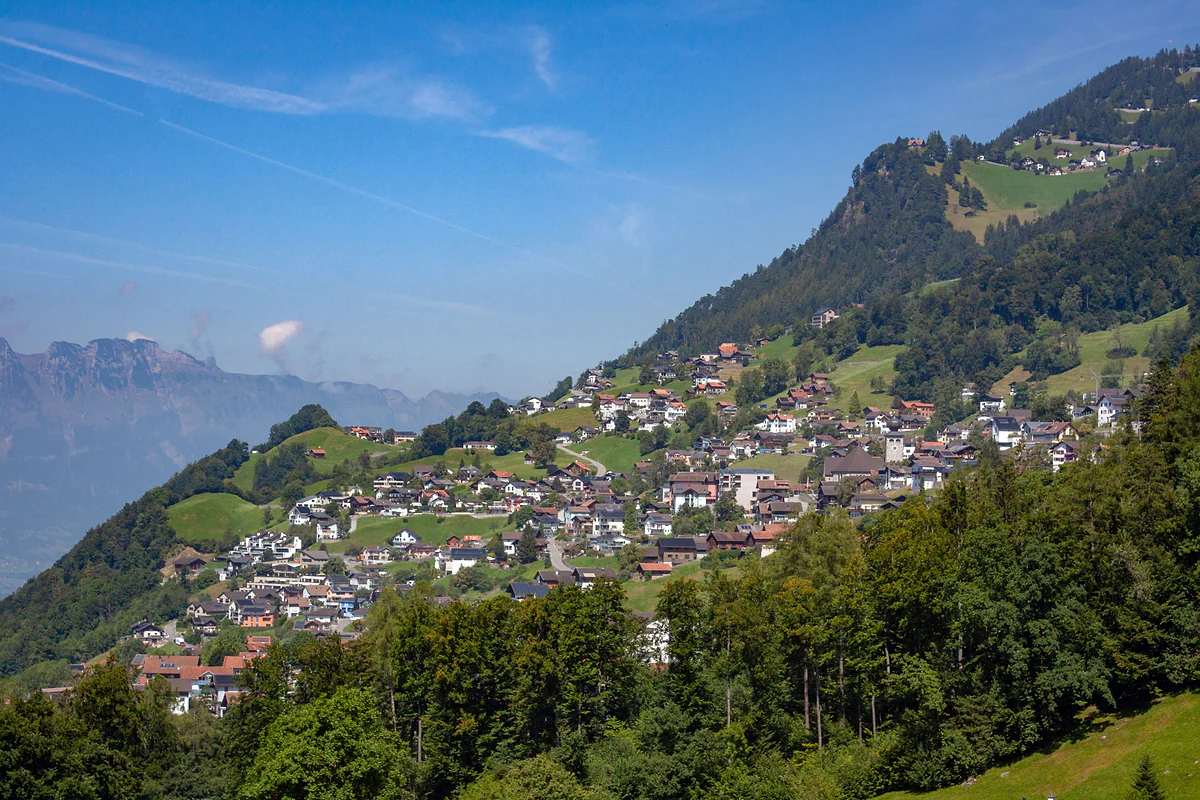
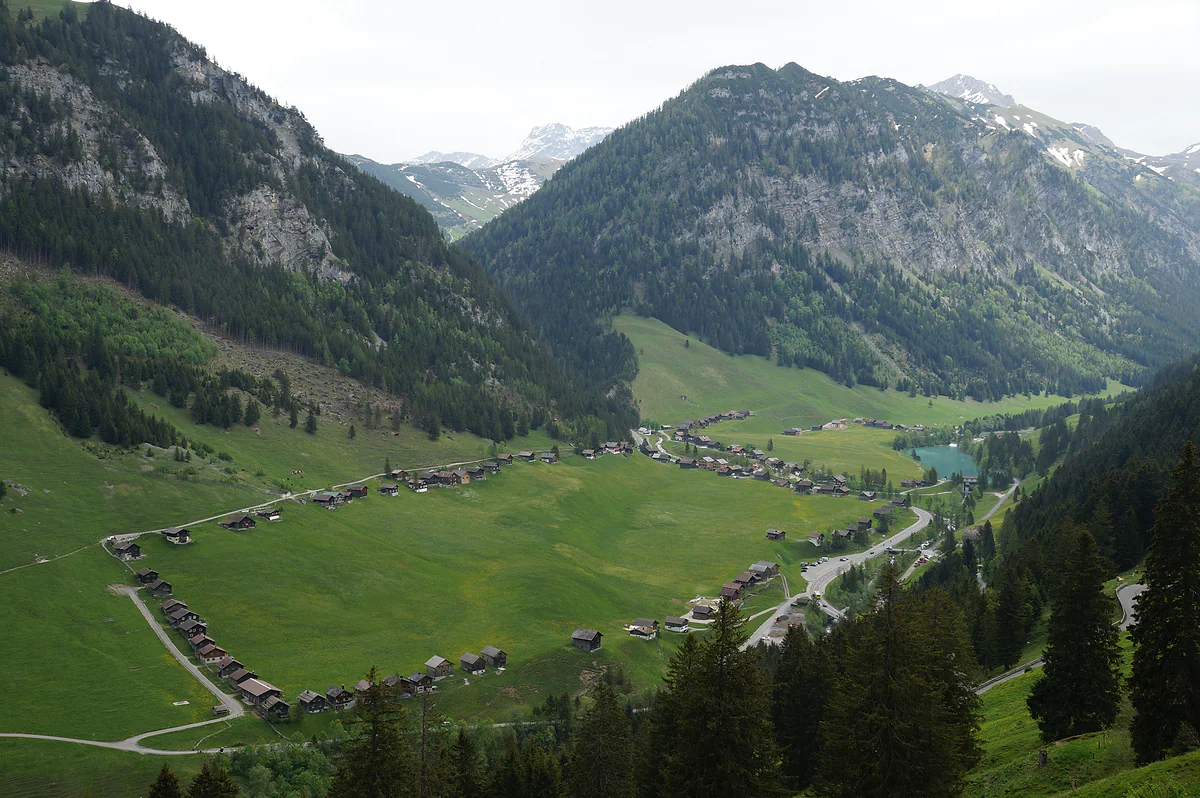
Triesenberg has a culture all its own. The Walser were mountain farmers who emigrated between the 12th and 13th centuries from the Goms, in what’s now the Swiss Valais, and settled on the high slopes. The tourist board suggests three ways in, the Walser Museum, the WalserSagenWeg, a trail whose panels tell the country’s legends with views over the Rhine, and the Triesenberger Wochen, a few autumn weeks when the village restaurants serve Walser food. The 2025 edition opened on 10 October and closed on 23 November, and the tourist board sells a package to experience the culture over that period.
The legends deserve a word. The official site tells several, such as the Drei Schwestern, the Nachtvolk, or night folk, and the Wildmannli, and I find them a good way into how people here once saw their own land. If you’re keen, I’d give Triesenberg a proper half-day; the museum opens Monday to Saturday, the legends trail starts from the village and the view alone justifies the bus ride up from Vaduz.
Everyone’s party, 15 August
The newest tradition is the biggest. The national day has been held every 15 August since 1940 and fills Vaduz like no other day, with a state ceremony, a street party and lights on the mountains. It was born in the middle of the Second World War as a gesture of unity between prince and people. The rest of the religious calendar makes itself felt too, as days such as Candlemas, St Joseph’s Day, Corpus Christi and the Nativity of Mary on 8 September are public holidays. I’d bear them in mind when planning, because the shops close, and a holiday can easily catch you out if you were counting on buying picnic supplies that morning.
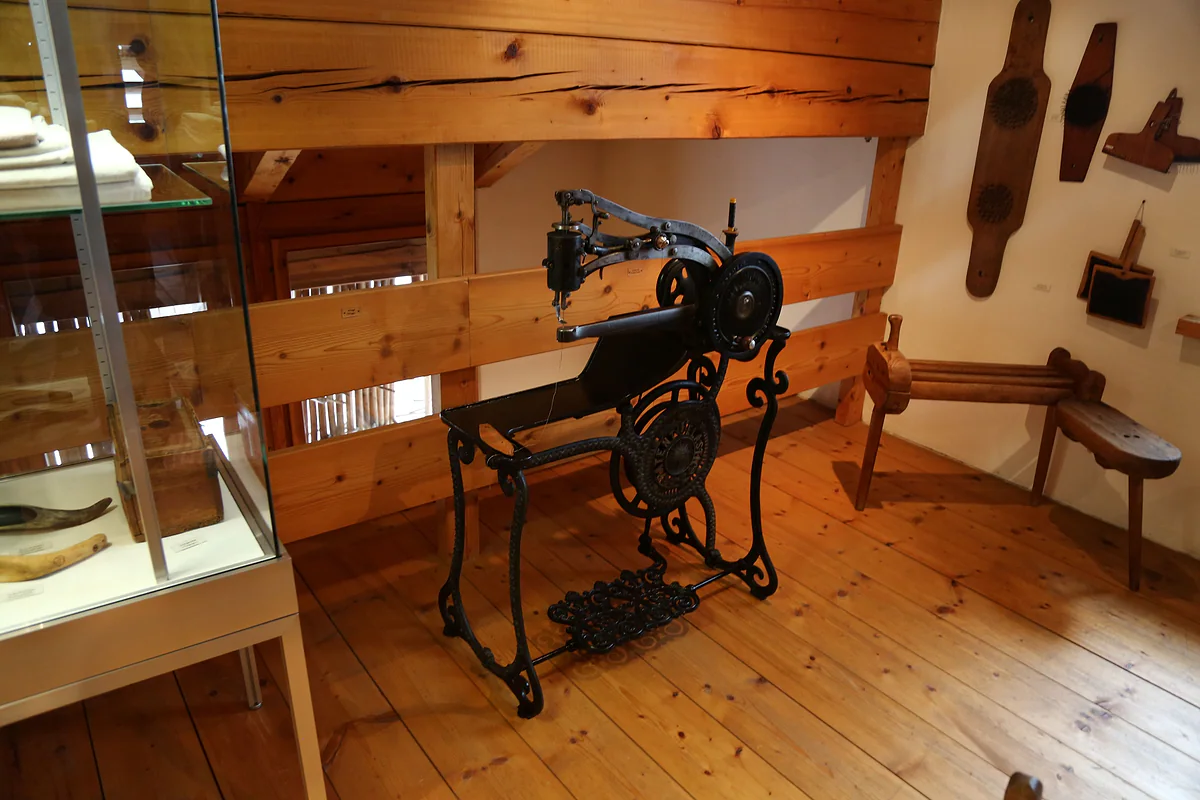
A room in the Walser Museum in Triesenberg, with wooden floor and walls, an old sewing machine and hanging tools.
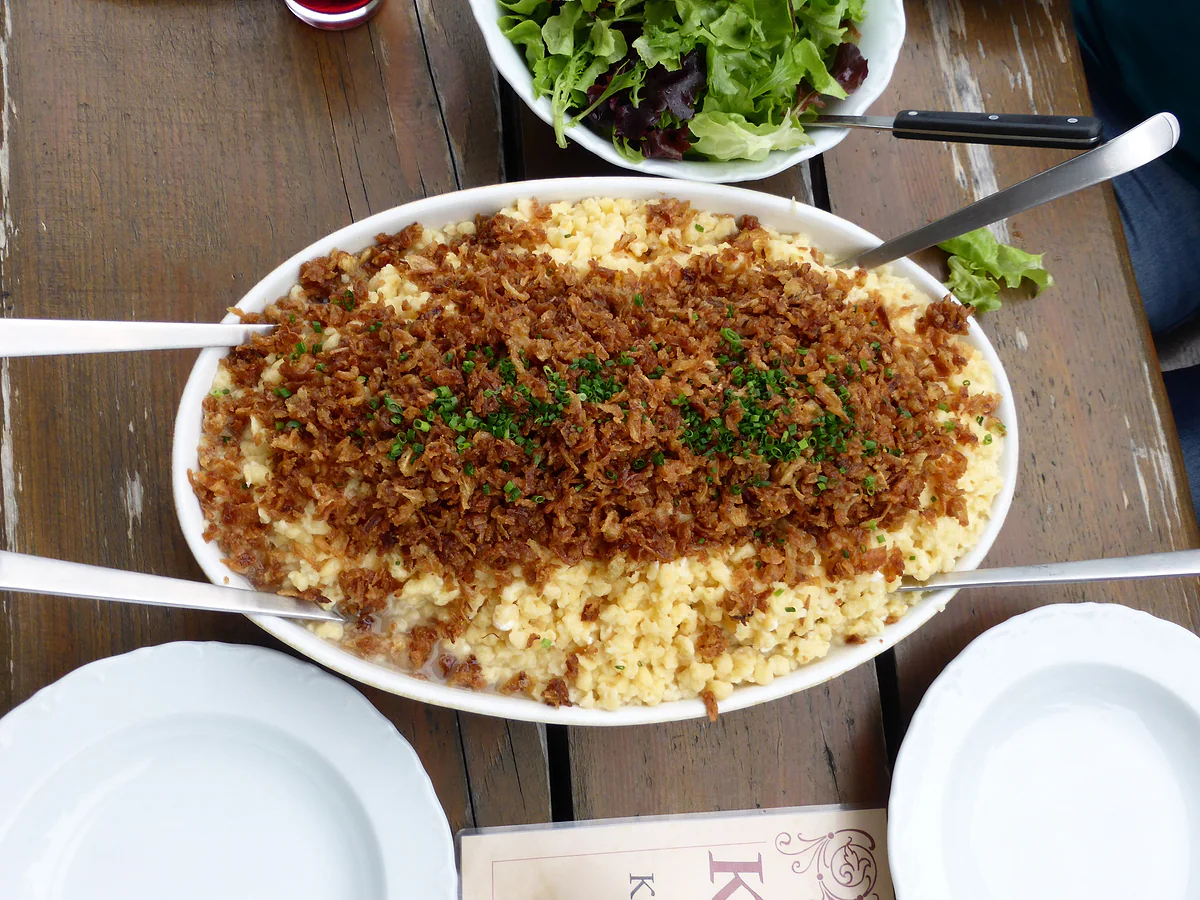
A dish of Käsknöpfle, cheese noodles topped with fried onions and chives, with salad on the table.
The year in traditions
| When | Tradition | Where |
|---|---|---|
| 11 November, 11:11 | Carnival season opens | Nationwide |
| January and February | Masked balls and brass-band concerts | Most municipalities |
| Carnival week (7-17 Feb in 2026) | Parades, including the international one in Schaan | Vaduz, Malbun, Schaan, Mauren, Triesenberg |
| Following weekend (21-22 Feb in 2026) | Funken Sunday bonfires | Most municipalities |
| May (16-17 and 29-31 in 2026) | Spring fairs | Schaan and Balzers |
| 15 August | National day | Vaduz |
| Mid-September and October | Cattle drive and cow contests | Triesenberg, Vaduz and Eschen |
| October (2-4 and 9-11 in 2026) | Autumn fairs | Vaduz and Eschen |
| Mid-October to mid-November | Triesenberger Wochen, Walser cooking | Triesenberg |
Tourist board (archive.org copies from 2026) and the Standortmarketing Vaduz website.
Test yourself
True or false?
0/3 Pick before you peek.
-
Miss Liechtenstein is a cow contest.
See the answer
True. She's the prettiest cow in the country, chosen at the autumn cattle shows in Triesenberg, Vaduz and Eschen.
-
Carnival season starts in January.
See the answer
False. It officially opens on 11 November at 11:11, although the parades are concentrated in February.
-
The Walser came to Triesenberg from Austria.
See the answer
False. They came between the 12th and 13th centuries from the Goms, in what's now the Swiss Valais.
What to see
What to see in Traditions
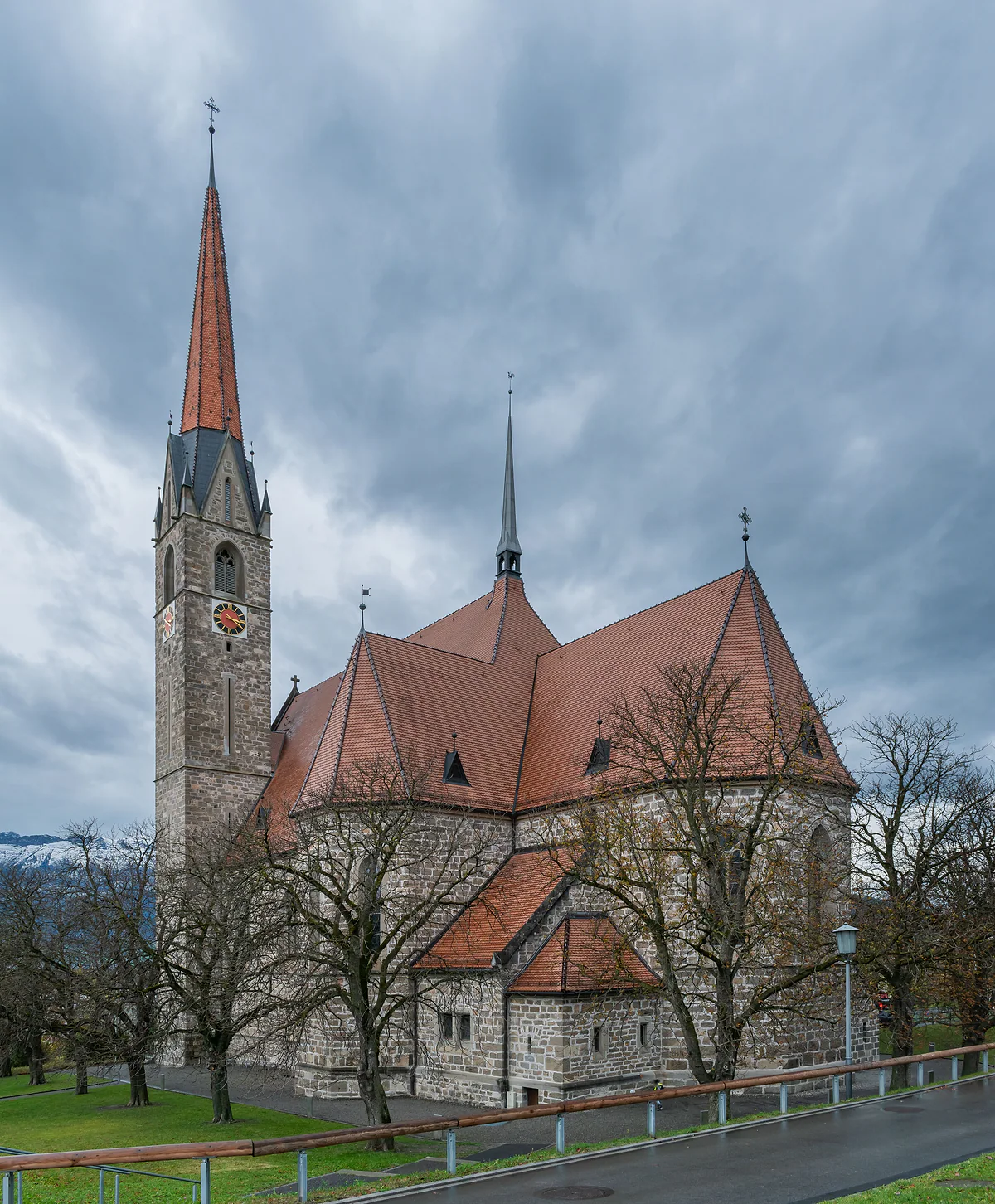
0 of 168 Liechtenstein guides
Your next stamp
- Events
- National day
- Public holidays
- Two days
- Bars and nightlife
- Carnival
- Food
- Borders and customs
- Things to do
- One day
- Municipalities
- Oberland
- Unterland
- Map
- Vaduz
- Städtle
- Mitteldorf
- Vaduz Castle
- Vaduz Cathedral
- Parliament
- Government Building
- Vaduz Town Hall
- Red House
- Prince's Winery
- Old Rhine Bridge
- Schaan
- Schalun Castle Ruin
- Balzers
- Citytrain
- Triesen
- Triesenberg
- Walser Museum
- Planken
- Gutenberg Castle
- The Rhine
- Schaan Roman fort
- Dux
- St Mamertus chapel
- Lawena valley
- Mäls
- DoMuS
- TAK Theatre
- Castles
- Churches and chapels
- Viewpoints
- Mountains
- Museums
- Kunstmuseum
- Mountain huts
- Hilti Art Foundation
- Pfälzerhütte
- Gafadura hut
- National Museum
- Treasure Chamber
- Postage Stamp Museum
- Kunstraum Engländerbau
- Eschen
- Masescha
- Gaflei
- Nendeln
- Mauren
- Silum
- Rotenboden
- Schaanwald
- Gamprin
- Wangerberg
- Bendern
- Steg
- Ruggell
- Samina valley
- Schellenberg Farmhouse Museum
- Cross-country skiing at Steg
- Küefer-Martis-Huus
- Ruggeller Riet
- Schellenberg
- Hinterschellenberg
- Fürstensteig
- Is it a country?
- Liechtenstein Trail
- Malbun
- Schellenberg castles
- Eschnerberg
- Malbun in summer
- Population
- Stage 1: Balzers - Triesenberg
- Lakes
- Sareis
- Size
- Stage 2: Triesenberg - Vaduz
- Malbun Peace Chapel
- Political system
- Stage 3: Vaduz - Nendeln
- Swimming pools
- Language
- Skiing in Malbun
- Stage 4: Nendeln - Ruggell
- Dialect
- Malbun ski pass
- Stage 5: Ruggell - Schaanwald
- Hotels in Malbun
- Stamps
- Princess Gina Trail
- Hut-to-hut Route 66
- Hiking
- Getting there
- In winter
- Weather
- Airport
- Best time to visit
- In summer
- With kids
- Zurich to Liechtenstein
- Sargans to Vaduz
- Christmas
- Feldkirch to Vaduz
- By train
- Getting around
- Buses
- Funken Sunday
- Alpine cattle drive
- Driving and vignette
- Parking
- Bike hire
- Cycling
- EU and Schengen
- Entry requirements
- The prince
- The princely house
- The flag
- The coat of arms
- The national anthem
- History
- Second World War
- No army
- Facts
- Why so rich?
- Banks and tax haven
- Where to stay
- Hilti
- Hotels in Vaduz
- False teeth
- Hostel and camping
- Rent the country?
- Where to eat
- Restaurants in Vaduz
- Swiss invasions
- Käsknöpfle
- Wine
- Casinos
- Adventure Pass
- Rainy days
- Guided tours
- Tourist office
- Day trips
- Passport stamp
- Music festivals
- Phone and roaming
- Currency and payments
- Prices and budget
- Tipping
- Plugs and sockets
- Tap water
- Opening hours
- Safety
- Accessibility
- With a dog
- Shopping and souvenirs
Frequently asked questions
What are the traditions of Liechtenstein?
The liveliest are carnival or Fasnacht, the Funken Sunday bonfires, the spring and autumn fairs, the cattle drive with the Miss Liechtenstein contest and the 15 August national day. Triesenberg preserves Walser culture.
What is Liechtenstein's culture like?
A German-speaking Alpine culture much like its neighbours'. The tourist board says that, being so close to Switzerland and Austria's Vorarlberg, it shares several customs with them and keeps them up with real affection.
What is Miss Liechtenstein?
The prettiest cow in the country. She's chosen at three autumn cattle shows, in Triesenberg, Vaduz and Eschen, with the final pick made from the three winners.
Who are the Walser of Liechtenstein?
Descendants of mountain farmers who emigrated between the 12th and 13th centuries from the Goms, in what's now the Swiss Valais, and settled in Triesenberg. Their story is told at the Walser Museum.
What do people eat at festivals in Liechtenstein?
Funkaküachle, a fried pastry, on Funken Sunday; Fasnachtsküachle at carnival; Magenbrot at the fairs; and in autumn in Triesenberg, Walser dishes such as Chääs-Chnöpfli.
Does Liechtenstein have legends?
Plenty. The tourist board tells several, such as the Drei Schwestern, three sisters turned into mountains, the Nachtvolk or the Wildmannli, and Triesenberg's WalserSagenWeg sets them out on panels.
By
Tourism graduate with a master’s in Tourism Management and Planning from the University of Málaga, who has travelled across Europe. He writes every guide from official sources and his own judgement.
Published on . Facts checked on .
Sources
Photos: Lucas Kendall (CC BY-SA 4.0); Wikiolo (CC BY-SA 3.0); © 1971markus (CC BY-SA 4.0), via Wikimedia Commons.