The first place to visit in Cyprus is the Kato Paphos Archaeological Park, with the mosaics of Nea Paphos, followed by the ten painted churches of the Troodos and old Nicosia inside its Venetian walls. The first two have been World Heritage since 1980 and 1985, and UNESCO says the churches are open to visitors with no entrance fee.
In 30 seconds
Full read: 4 min
Start with the Kato Paphos Archaeological Park and the mosaics of Nea Paphos.
The ten painted churches of the Troodos are free to visit, according to UNESCO.
Old Nicosia inside its Venetian walls is the best city visit.
Check opening times and prices at each site before you go.
I wouldn't do Cyprus as a beach-only trip. If I had to cut something, I'd lose an afternoon on the sand before the drive up to the painted churches, because there's nothing like them on any other Mediterranean island.
Sergio LeponeMy advice
Before you go
What I would keep in mind
01 Most beautiful
The mosaics of Nea Paphos
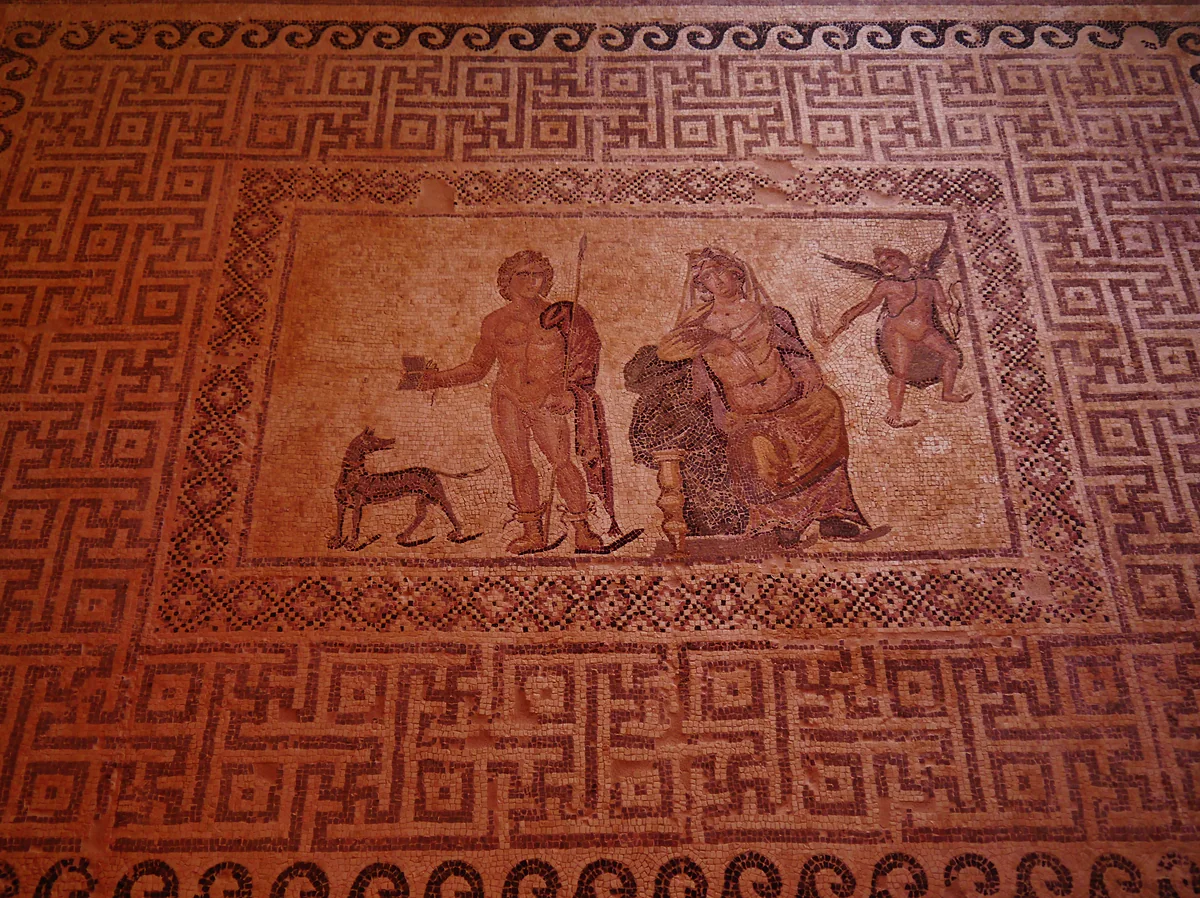
UNESCO counts the mosaics of Nea Paphos among the most beautiful in the world, spanning the Hellenistic to the Byzantine period. For me it's the most rewarding visit on the island.
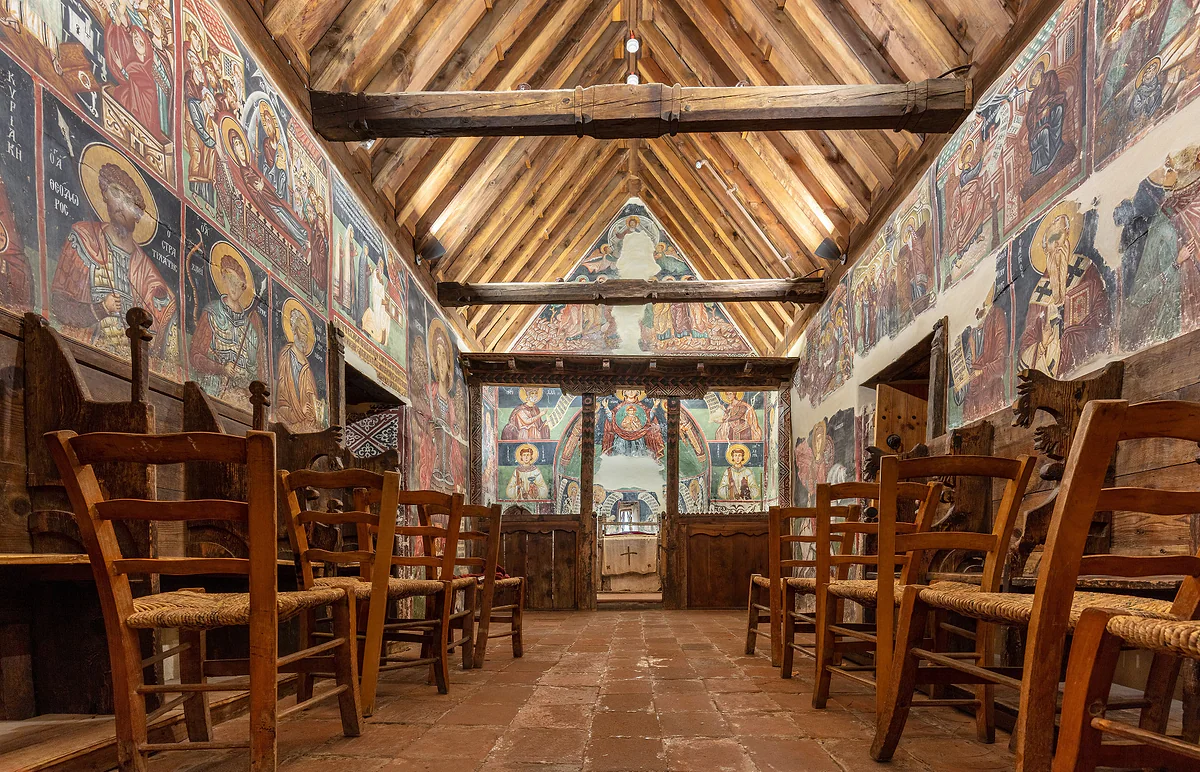
UNESCO notes that the ten painted churches of the Troodos are still places of worship and are open to the public with no entrance fee. It's the best free sight in Cyprus.
I'm not listing site opening times or prices, because the website that published them doesn't allow its content to be reused. Check the day before, at the site or with your hotel.
To see three or four painted churches without rushing, I'd spend a night in Kakopetria, with Agios Nikolaos tis Stegis on the edge of the village. You save the climb up from the coast.
The scores are mine. They weigh what you can't see anywhere else, how well it's preserved and what you get for the time it takes. The north has its own guide and isn't included.
The remains of Nea Paphos, with mosaics from the Hellenistic to the Byzantine period that UNESCO counts among the world's most beautiful, plus the Tombs of the Kings. World Heritage since 1980.
Ten churches with Byzantine and post-Byzantine murals and steep wooden roofs, nine in Nicosia district and one, Timios Stavros, at Pelendri. Still in use, and free to enter.
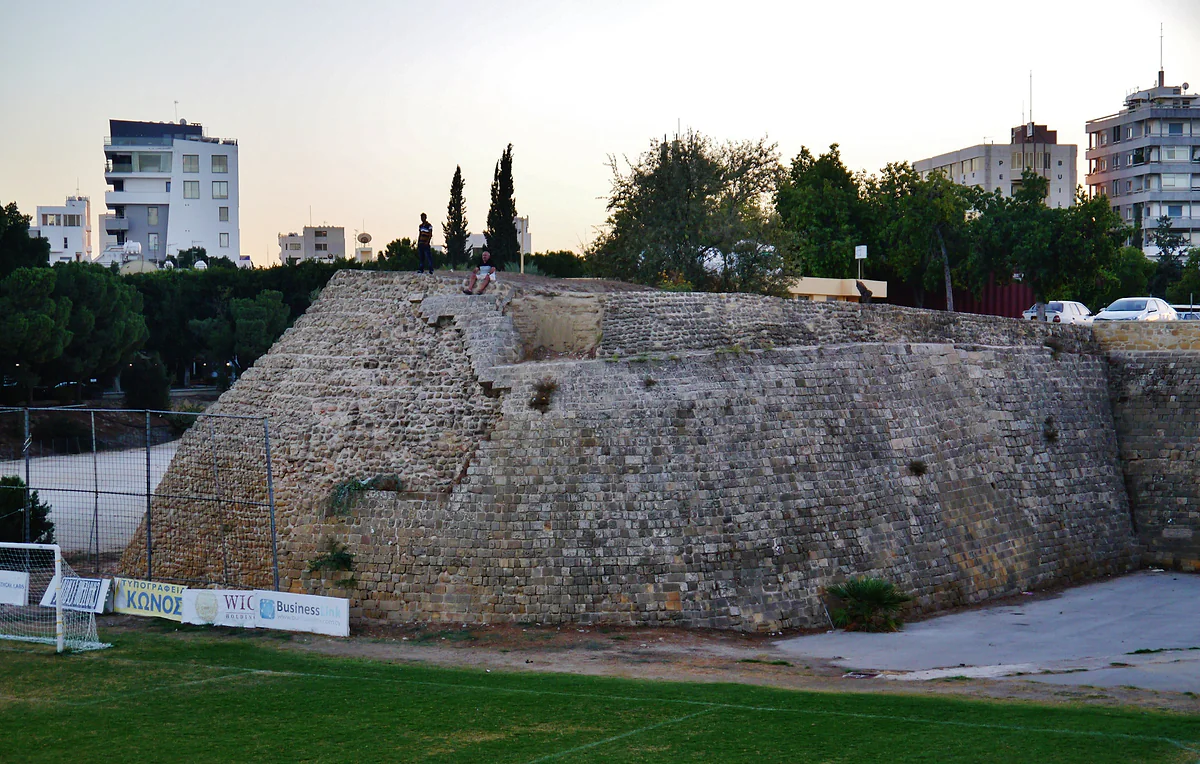
Sixteenth-century Venetian walls in a star shape with eleven bastions, pedestrianised Ledra Street and the Green Line right in the city. The best way to understand Cyprus today in one walk.
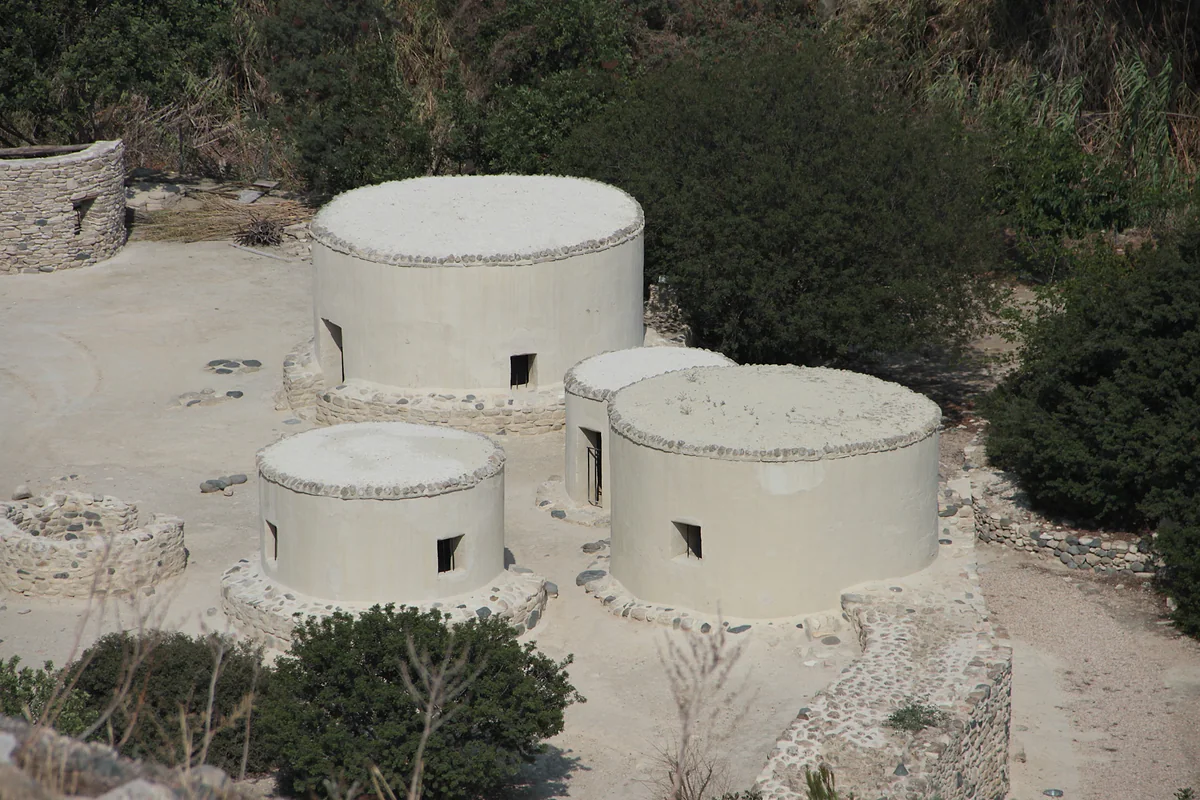
A Neolithic settlement occupied from the 7th to the 5th millennium BC, World Heritage since 1998. UNESCO calls it one of the key prehistoric sites of the eastern Mediterranean.
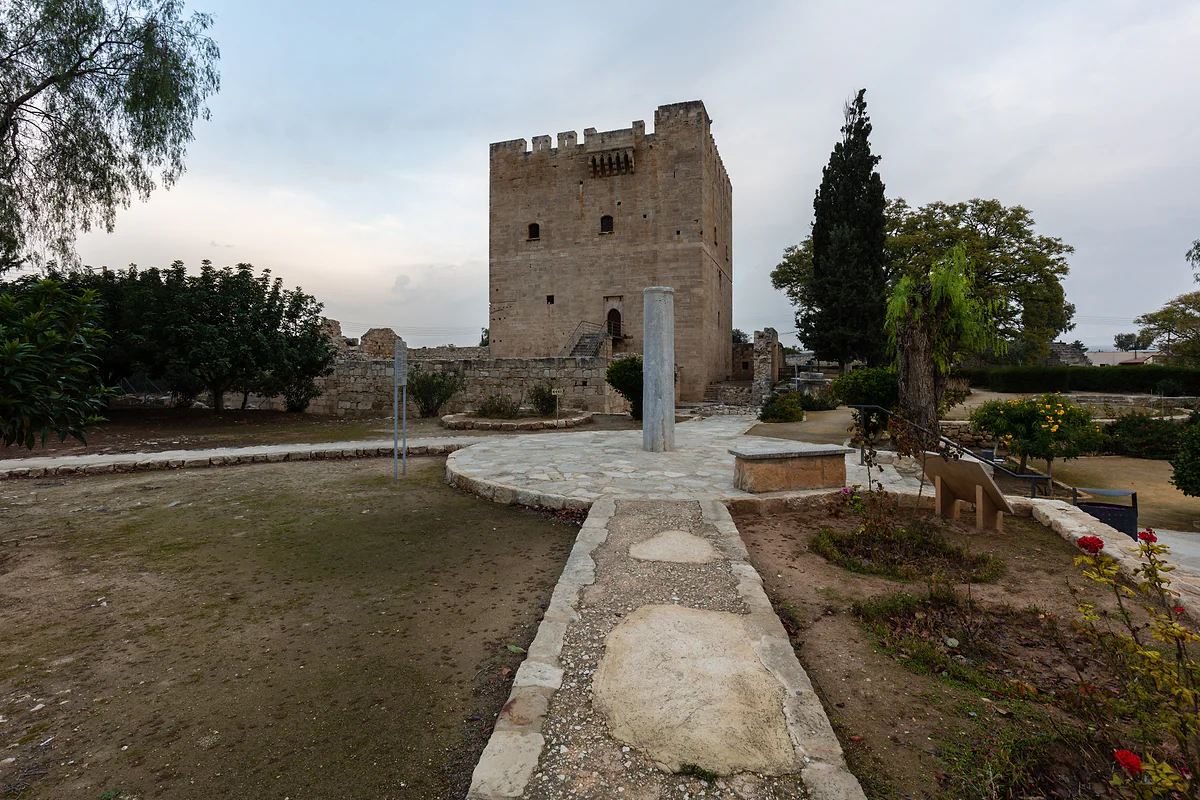
At Kouklia, the quietest part of the Paphos property. UNESCO dates the temple of Aphrodite to the 12th century BC, built by the Mycenaeans and used until Roman times.
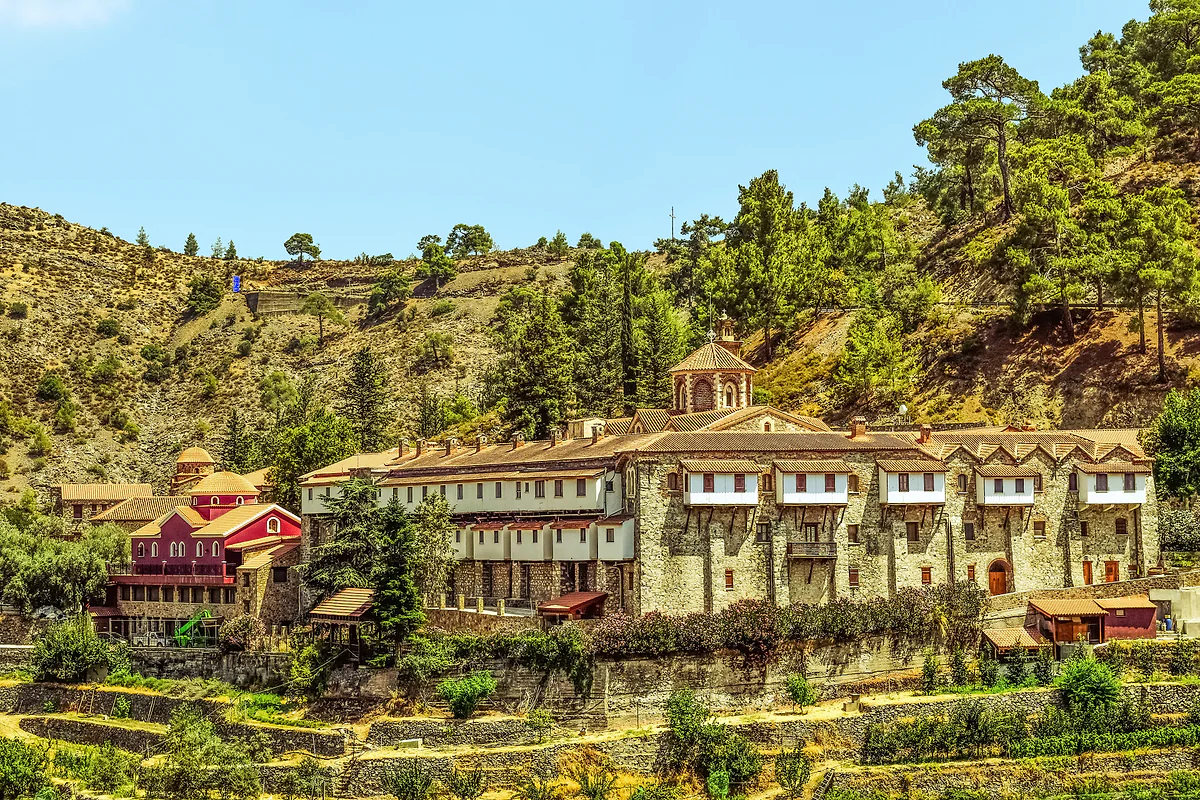
The great monastery of the Troodos. To the north-west, on the peak of Throni at around 1,450 m according to the monastery itself, is the tomb of Makarios III.
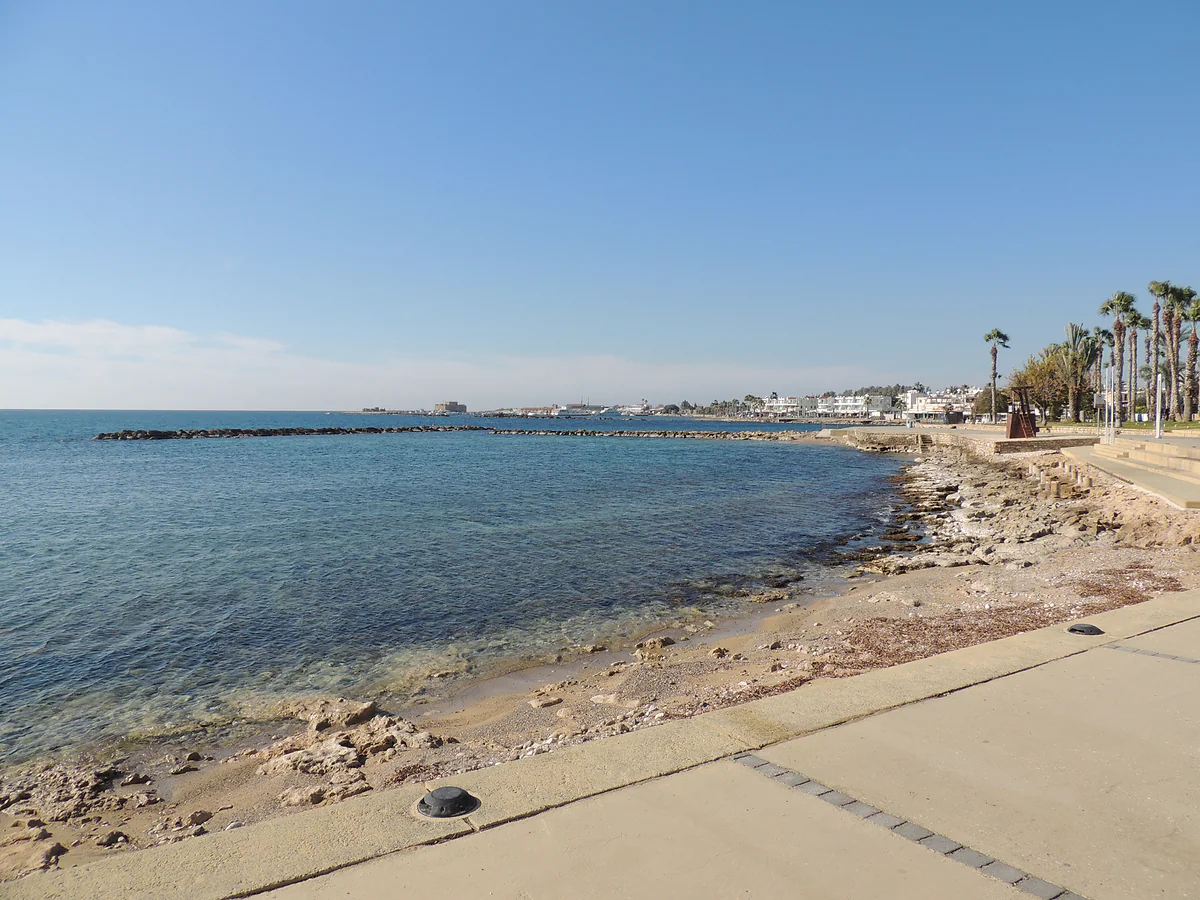
Shopping streets, the creative Saripolou quarter and the castle where the tourism board places Richard the Lionheart's wedding in 1191, with the old port and the Molos nearby.
The island's south-eastern tip near Ayia Napa, protected since 1993 according to the region's tourism website, with a lighthouse the British built in 1892.
Time: Half a day
7.4 out of 10
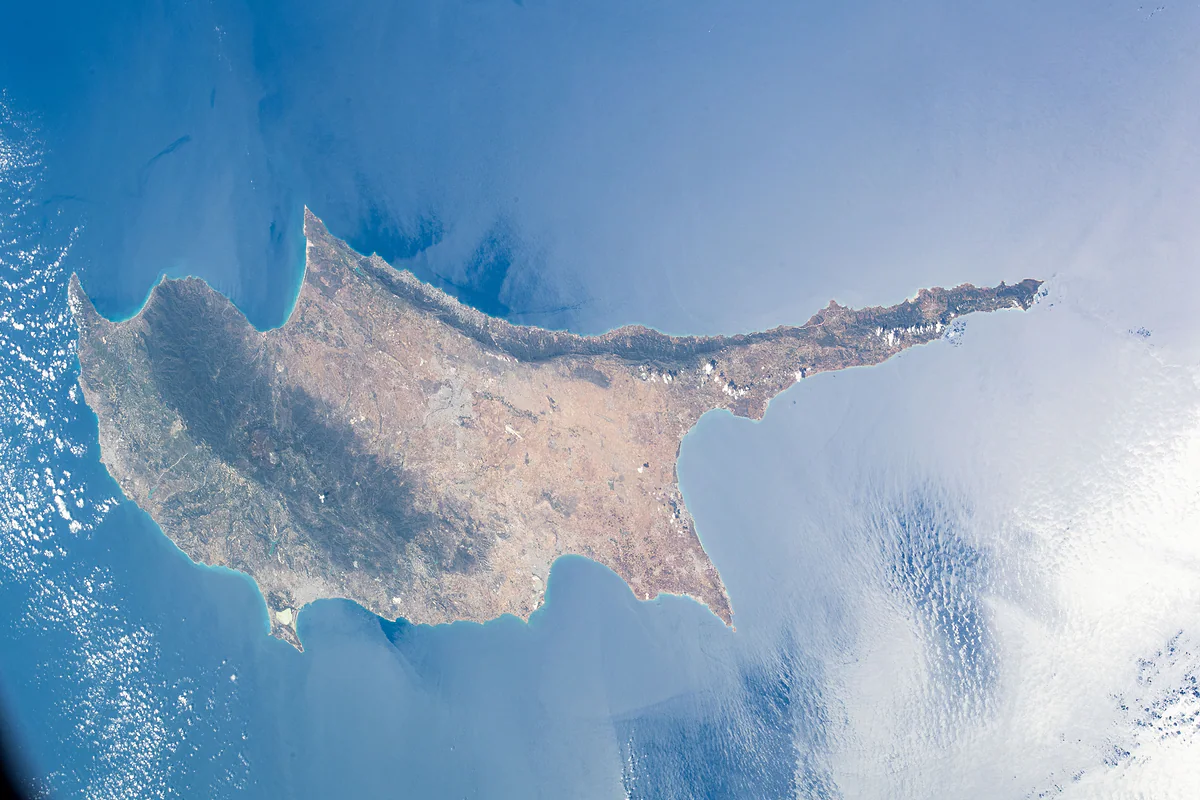
Cyprus is sold as a beach destination, and the beaches are there, but what sets it apart from Crete, Malta or the Balearics lies inland and underground. Here’s my scored list of sights in the government-controlled part of the island, with the official facts I can cite. The north has its own guide in northern Cyprus, and the wider picture is in my Cyprus guide.
Why Kato Paphos comes first
Because there’s nothing quite like it in the eastern Mediterranean. Paphos has been World Heritage since 1980, a serial site joining the ruins of the lower town with Aphrodite’s sanctuary out at Kouklia. The mosaics of Nea Paphos span the Hellenistic to the Byzantine period, and UNESCO itself counts them among the most beautiful in the world.
I’d go first thing, before the groups and the heat. Times and prices change and I’ve no citable source, so confirm them the day before. How it all fits UNESCO’s list is in UNESCO World Heritage in Cyprus.
The mountains, which people skip
Second place goes to the painted churches of the Troodos. UNESCO describes them as one of the largest groups of churches and monasteries from the Byzantine era, with steep wooden roofs and murals that give an exceptional view of Byzantine and post-Byzantine painting in Cyprus. Nine are in Nicosia district and one, Timios Stavros at Pelendri, in Limassol district. They’re still places of worship and there’s no entrance fee.
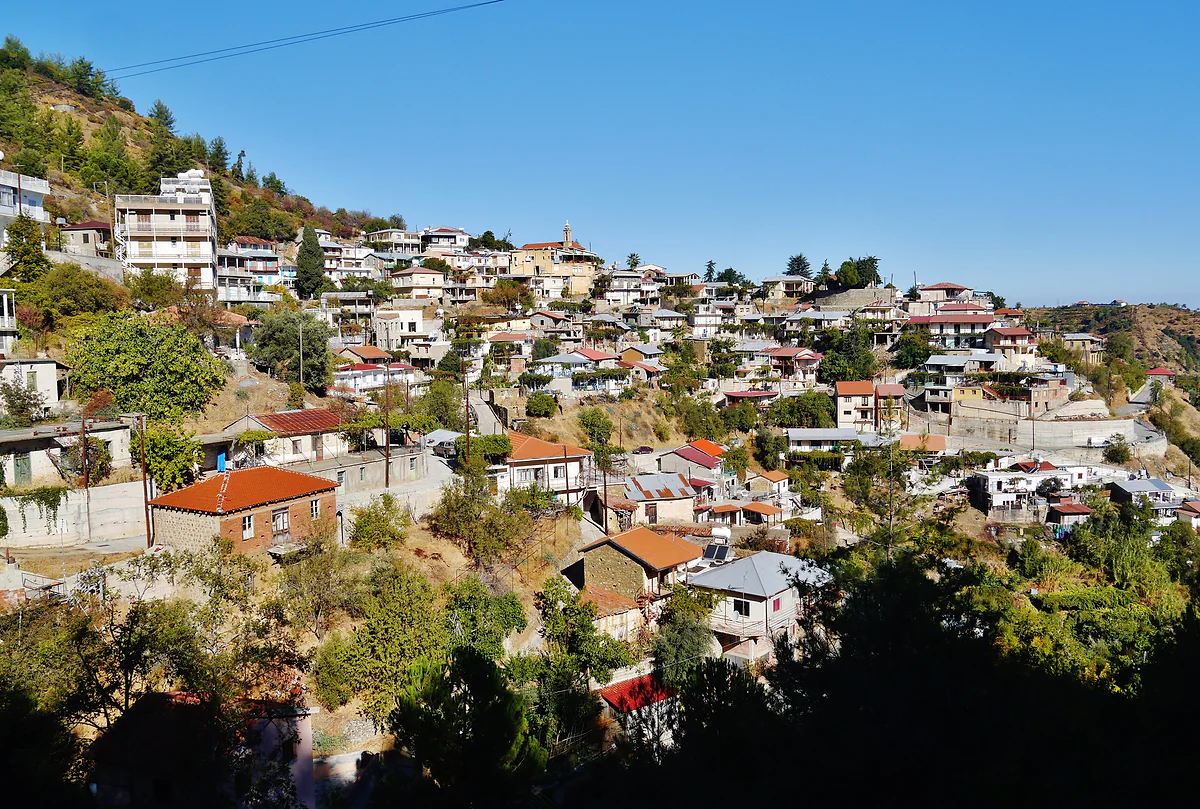
Kykkos Monastery, the great monastery of the mountains, goes with them. To the north-west, on the peak of Throni at around 1,450 m according to the monastery, is Makarios’s tomb at Throni. If you’re giving them a day, sleep up there, and my prettiest villages in Cyprus will help you choose where.
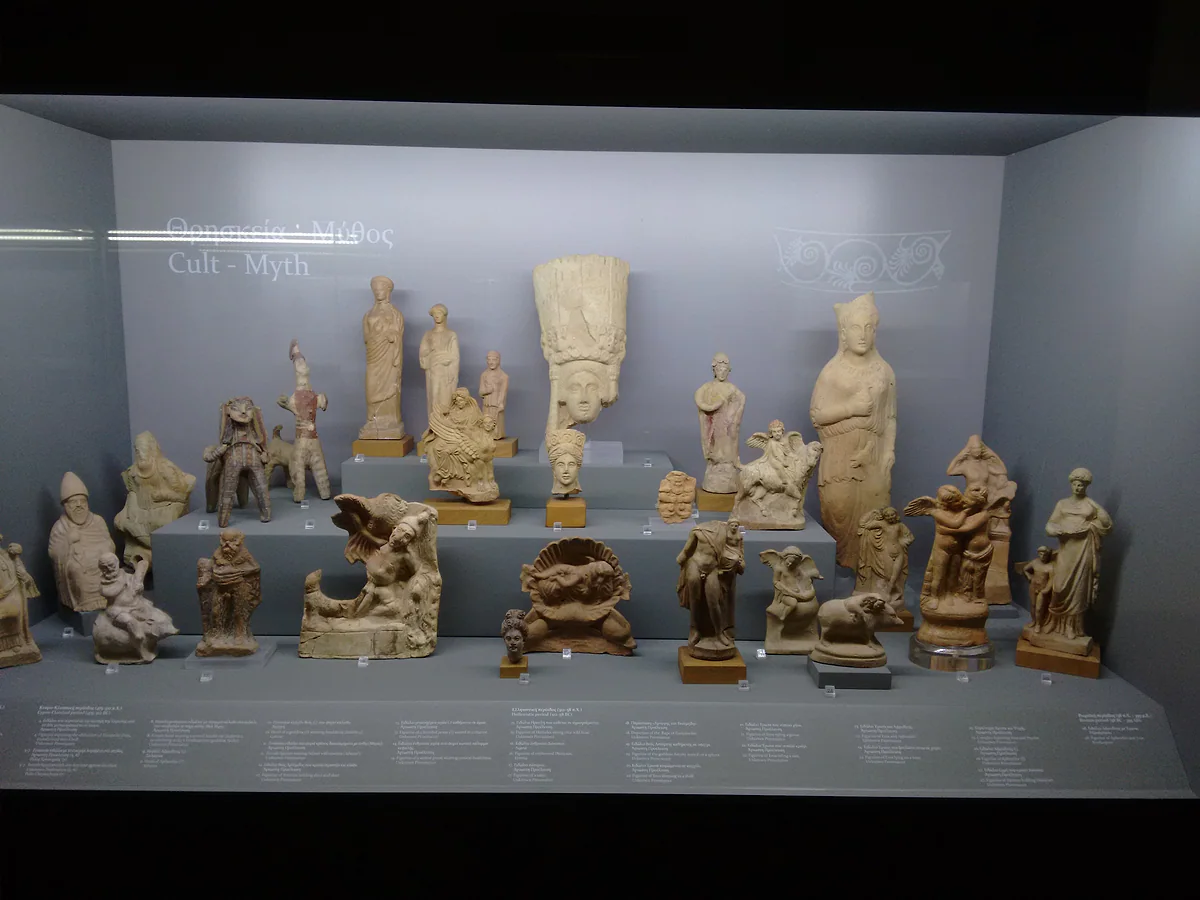
Third is old Nicosia inside the walls. The municipality explains that the Venetians built star-shaped walls in the 16th century, with eleven bastions and just three gates, Kyrenia Gate, Paphos Gate and Famagusta Gate. Inside are pedestrianised Ledra Street and Onasagorou Street and the restored Laiki Geitonia quarter, with 18th-century houses. If you only go into one museum on the island, make it the Cyprus Museum in Nicosia. And the Green Line, the UN buffer zone, runs straight through the city. It’s all in Nicosia.
What if you only have three days?
I’d stick to the south coast, Paphos to Limassol. One day for Kato Paphos, one for Palaepaphos at Kouklia and Kourion, and a third to drive up to two or three painted churches from Limassol. I’d save Nicosia for a trip where you can give it a whole day.
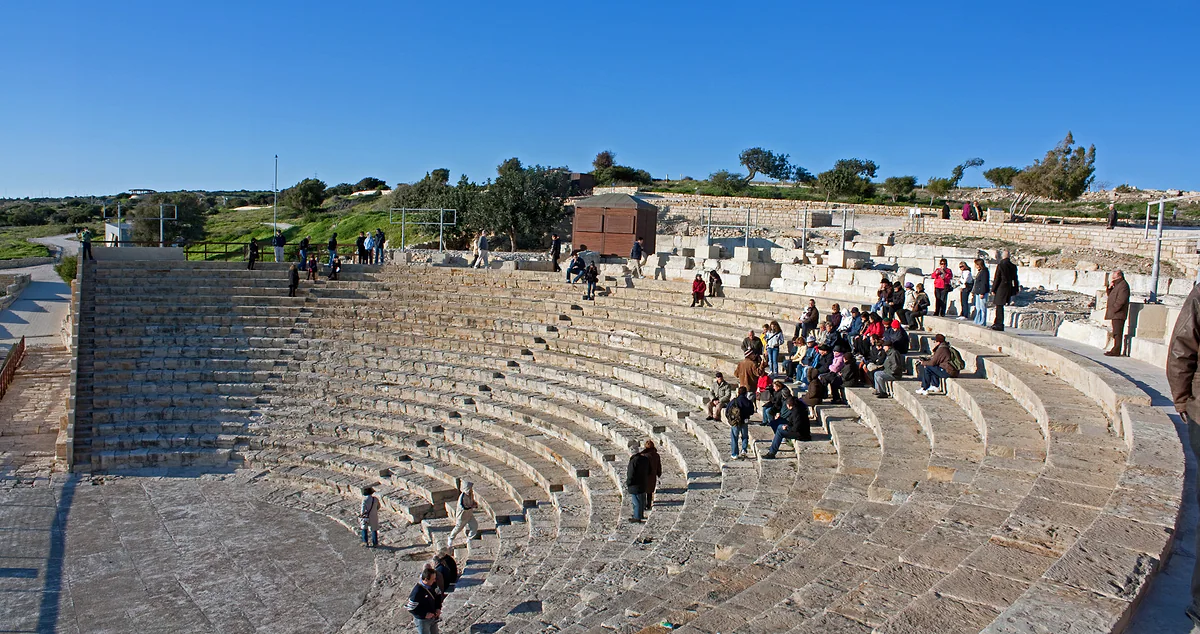
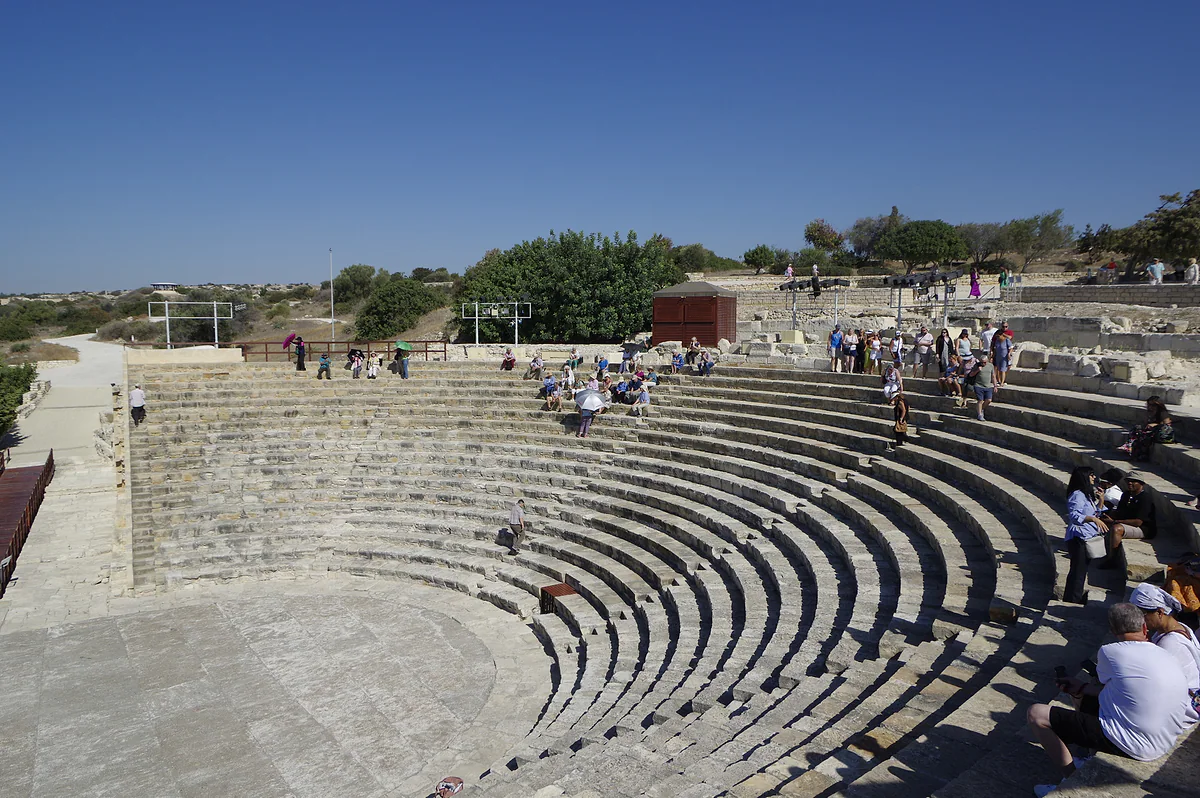
Kourion deserves more time than the photos suggest. It’s the site of an ancient city overlooking the sea, with its theatre, and a nice detail for British visitors is that OpenStreetMap places it inside the Sovereign Base Area of Akrotiri, as I explain in the British bases in Cyprus. If you want activities rather than ruins, see things to do in Cyprus. And for a swim below the ancient site, Kourion Beach is in my guide to Cyprus beaches.
The order of visits depends a lot on the season, and in high summer I’d save the mountains for the cooler hours. I explain it in the best time to visit Cyprus and Cyprus weather. If your trip coincides with a festival, it’ll be in events in Cyprus, and between sights there’s Cypriot food to get to know.
Choirokoitia is the third World Heritage property and, for me, the easiest to underrate. UNESCO describes it as a Neolithic settlement occupied from the 7th to the 5th millennium BC, about 6 km from the south coast. The same morning you can drive up to Lefkara, the lace village.
In Limassol, a morning covers the old town and castle, linked by legend to Richard the Lionheart’s 1191 wedding, plus the Molos and the old port. And at the far end of the island, Cape Greco near Ayia Napa is nature at its best. It also features in my most beautiful places in Cyprus, and to choose where to sleep, see towns and villages in Cyprus. The best views on the island, from the Madari ridge to the Paphos sunsets, are gathered in viewpoints in Cyprus.
What is the most important place to visit in Cyprus?
For me, the Kato Paphos Archaeological Park, the painted churches of the Troodos and old Nicosia inside its walls. The first two are World Heritage, and between the three you get Cyprus from Roman times to today.
What should I see in Cyprus in a week?
Three days around Paphos and the west coast, two in the Troodos for the churches and Kykkos, and one in Nicosia, with Kourion on the way. With a spare day, Choirokoitia and Lefkara sit close together.
Is Cyprus worth visiting?
I think so, if you want more than a beach. There are three World Heritage properties, mountains approaching 2,000 metres and a capital divided by the Green Line.
How much does it cost to visit Cyprus's ancient sites?
I'm not quoting prices, because the website that published them doesn't allow its content to be reused and the Department of Antiquities' site can't be read automatically. What UNESCO does confirm is that the ten painted churches have no entrance fee.
What can I see in Cyprus for free?
The ten painted churches of the Troodos, according to UNESCO, plus walking Nicosia's walls and Ledra Street or Limassol's Molos seafront. For me the churches are the best free sight on the island.
Can you see Cyprus without a car?
The towns and Kato Paphos, yes. For the Troodos, Kykkos or Choirokoitia you'll really need a car or an organised trip, because bus routes and frequencies are limited.
Tourism graduate with a master’s in Tourism Management and Planning from the University of Málaga, who has travelled across Europe. He writes every guide from official sources and his own judgement.