Nicosia (Lefkosia in Greek, Lefkoşa in Turkish) has been the capital of Cyprus since independence and is the only large inland city. Its old town sits inside Venetian walls begun in 1567, with eleven bastions, and the UN Green Line runs through it, crossed on foot at Ledra Street. The urban area had about 269,900 residents at the end of 2024.
In 30 seconds
Full read: 3 min
Nicosia is the capital of Cyprus and its only large inland city.
The old town lies inside Venetian walls with eleven bastions.
The UN Green Line divides it, and you cross on foot at Ledra Street.
The essentials are the Cyprus Museum, the Byzantine Museum and Ledra Street.
It's about 40 km from Larnaca airport as the crow flies.
Nicosia looks nothing like the Cyprus on the brochures, which is exactly why I'd never skip it. Stay inside or just outside the walls, do everything on foot and keep half a morning to walk across to the north at Ledra Street.
Sergio LeponeMy advice
Before you go
What I would keep in mind
01 Most beautiful
A city inside a star
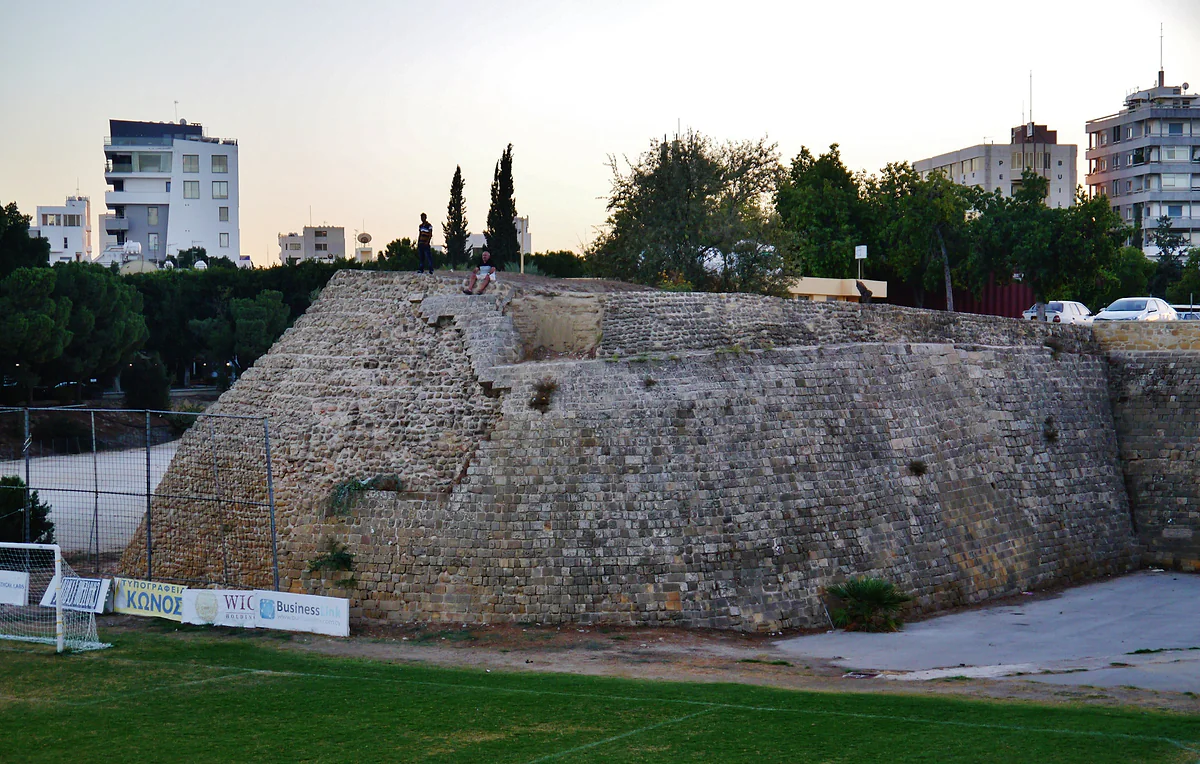
The Venetian walls form a star of eleven bastions with three gates. The municipality calls them the prototype of Renaissance military architecture.
My score out of 10 weighs how much each place tells you about the city, how unique it is in Cyprus and how easy it is to see on a first visit. It's my opinion, backed by the facts on each page.
Two old-town quarters, one restored for strolling and the other right up against the Green Line.
7.8 out of 10
Nicosia has no beach and no resorts, and most people on a Cyprus holiday never see it. In my view they’re missing out, because it’s the city that explains the island best. Below you’ll find what I’d see, in which sequence, and how I’d plan it, using what Nicosia municipality publishes and CYSTAT’s figures. The rest of the district is in Nicosia district.
Why Nicosia and not just the coast
It’s one of the oldest cities in this corner of the Mediterranean. The municipality explains that Ledra appears as a kingdom around 672 BC, that the town was later called Lefkothea and Lefkousia, and that it probably became the island’s capital in the 9th or 10th century, safe from the raids that emptied the coast. It was the capital of the Lusignan kingdom, seat of the Venetian governor, and fell to the Ottomans after a siege that ended on 9 September 1570.
The modern capital dates from independence. Makarios returned from exile on 1 March 1959, was elected president on 13 December that year, and Nicosia officially became capital of the Republic.
The walls and the old town
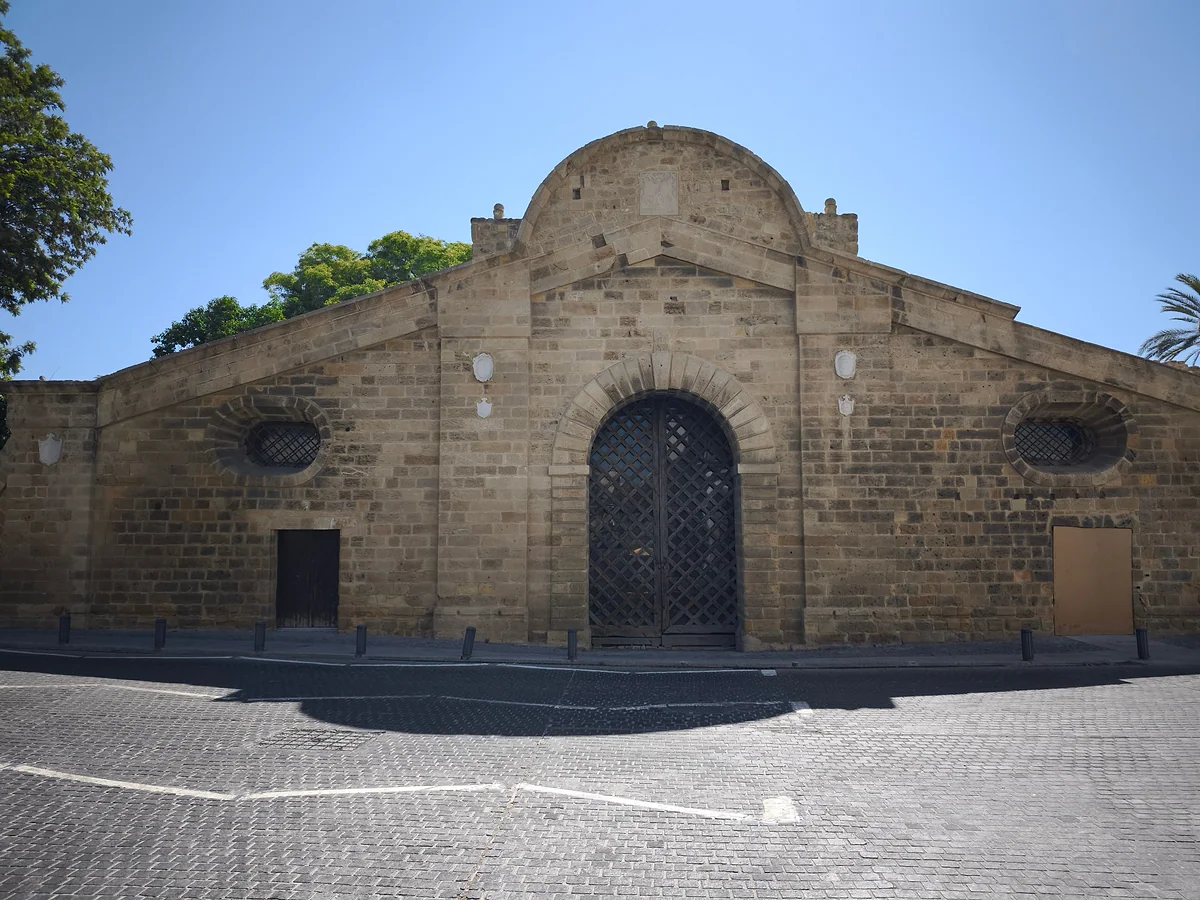
Everything worth seeing fits inside a circle. The Venetian walls of Nicosia went up from 1567 with eleven heart-shaped bastions and a moat 80 metres wide, which is now a park, car park and sports ground. The largest of the three gates is Famagusta Gate, now a cultural centre.
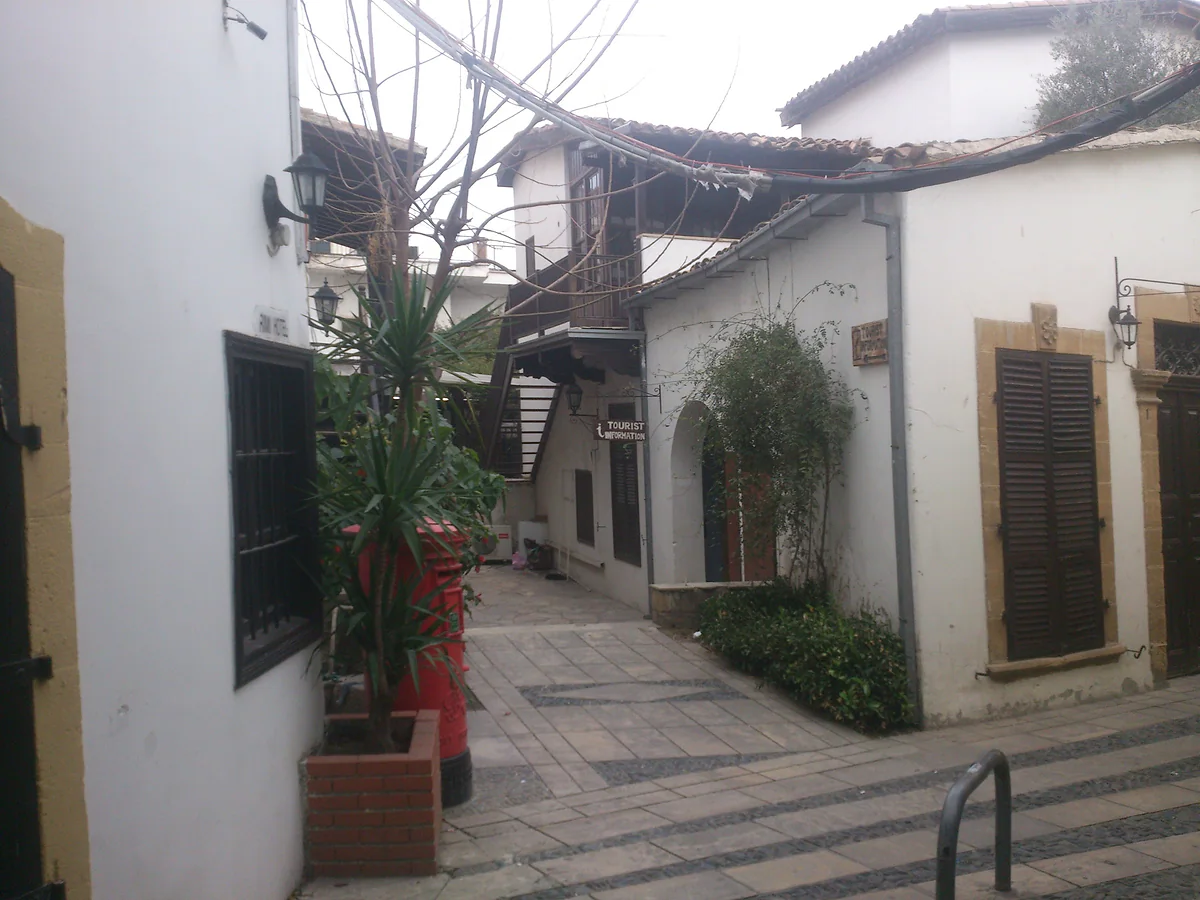
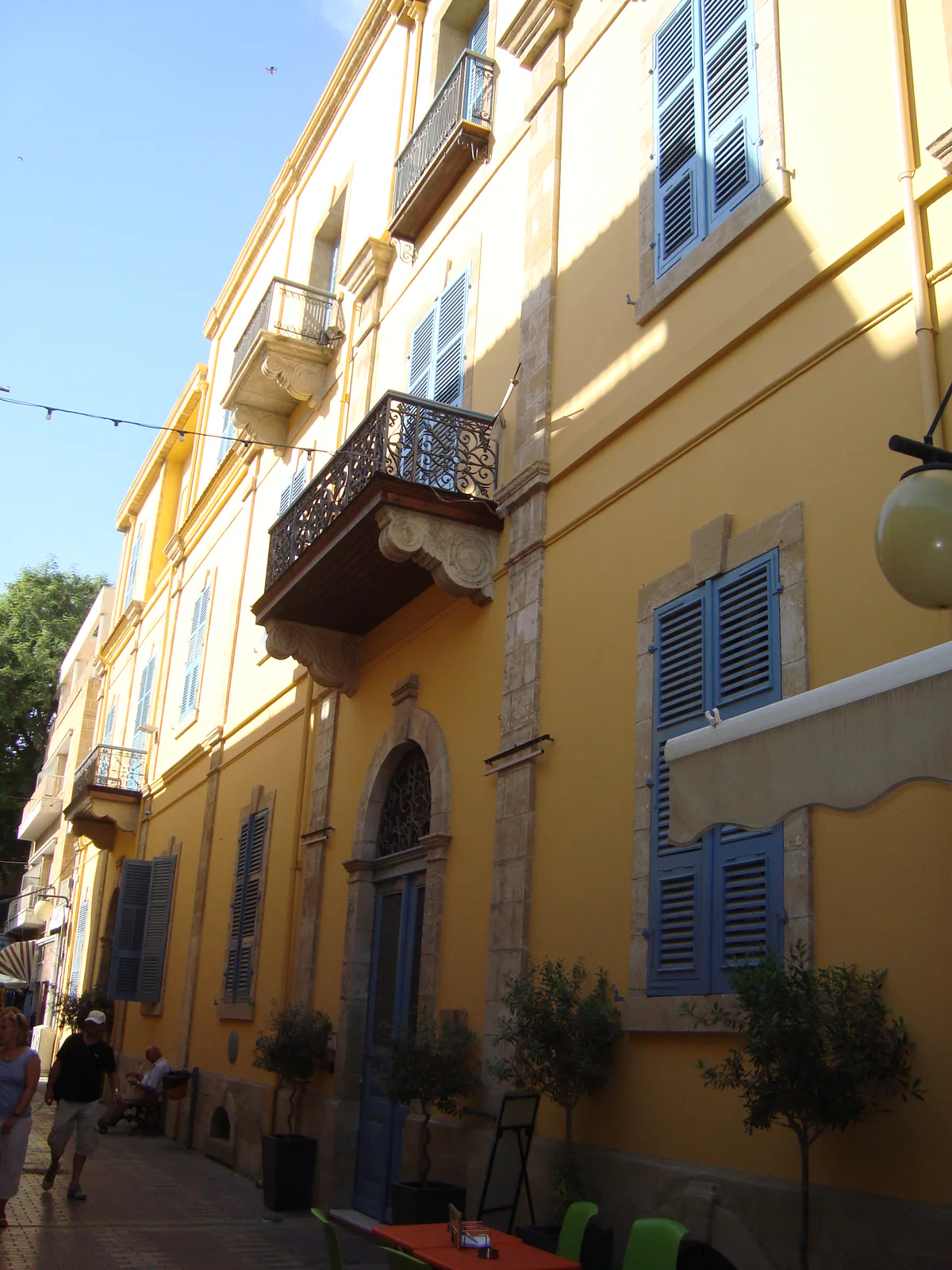
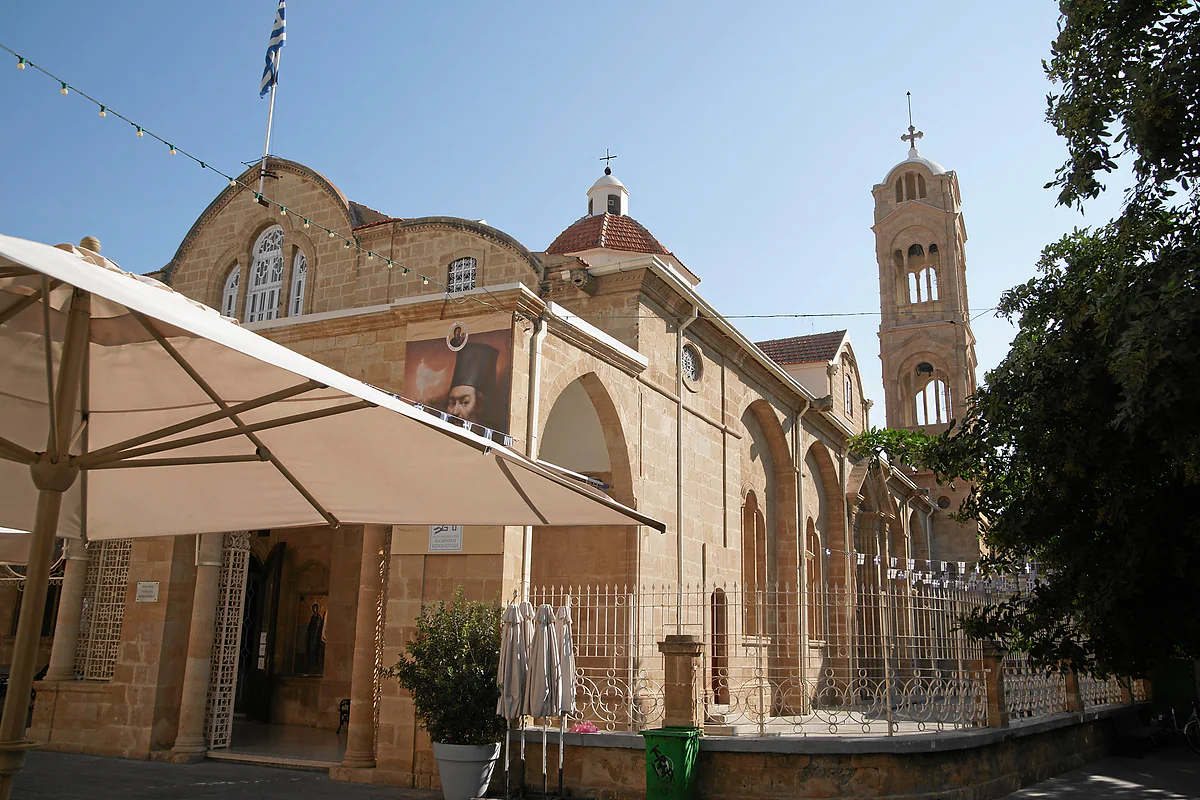
The easiest way in is Eleftheria Square, a bridge over the moat designed by Zaha Hadid’s practice. Ledra Street starts there, with Laiki Geitonia, the restored quarter for strolling, to one side. A little further up opens the square of Faneromeni Church, the liveliest in the old town.
What makes Nicosia unique is the Green Line. The municipality explains that after the fighting of December 1963 the city was split into Greek and Turkish quarters, and that the line took its name from the green pen a UN officer used on the map. Since 1974 the northern half of the old town has been outside the government’s effective control, and in parts of the old town the buffer zone is only a few metres wide, according to the UN.
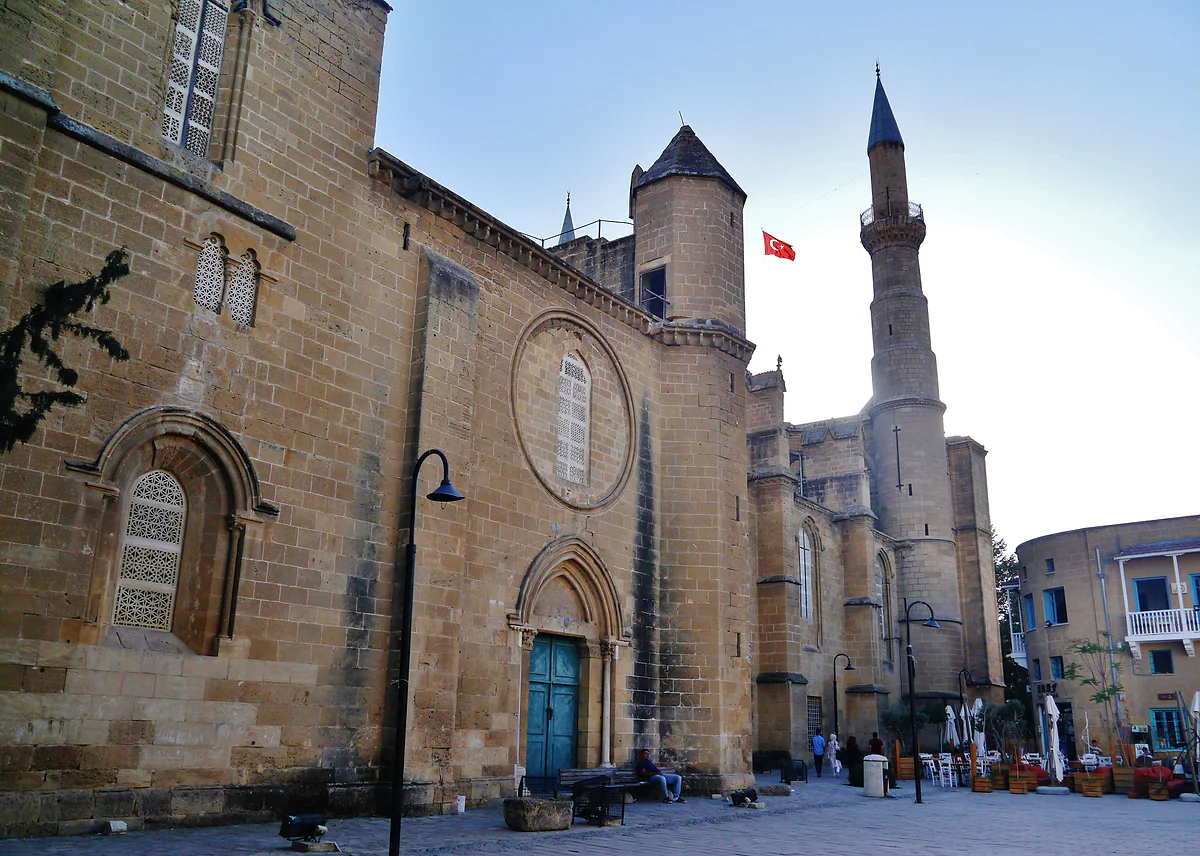
In practice, Ledra Street ends at a checkpoint you walk through with your passport. What’s on the other side is in North Nicosia, and its two biggest monuments have pages of their own, the Selimiye Mosque, the Lusignans’ former cathedral, and Büyük Han, with 68 rooms round a courtyard.
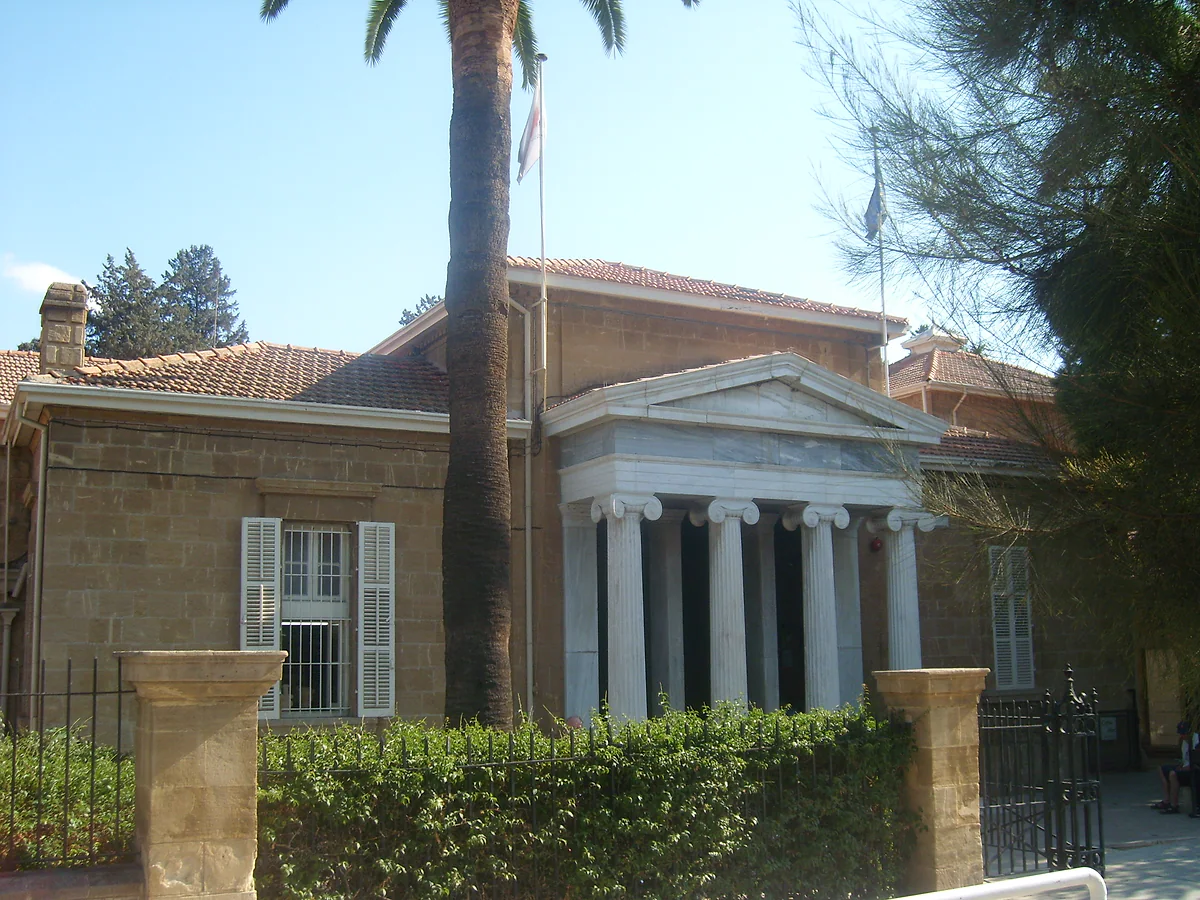
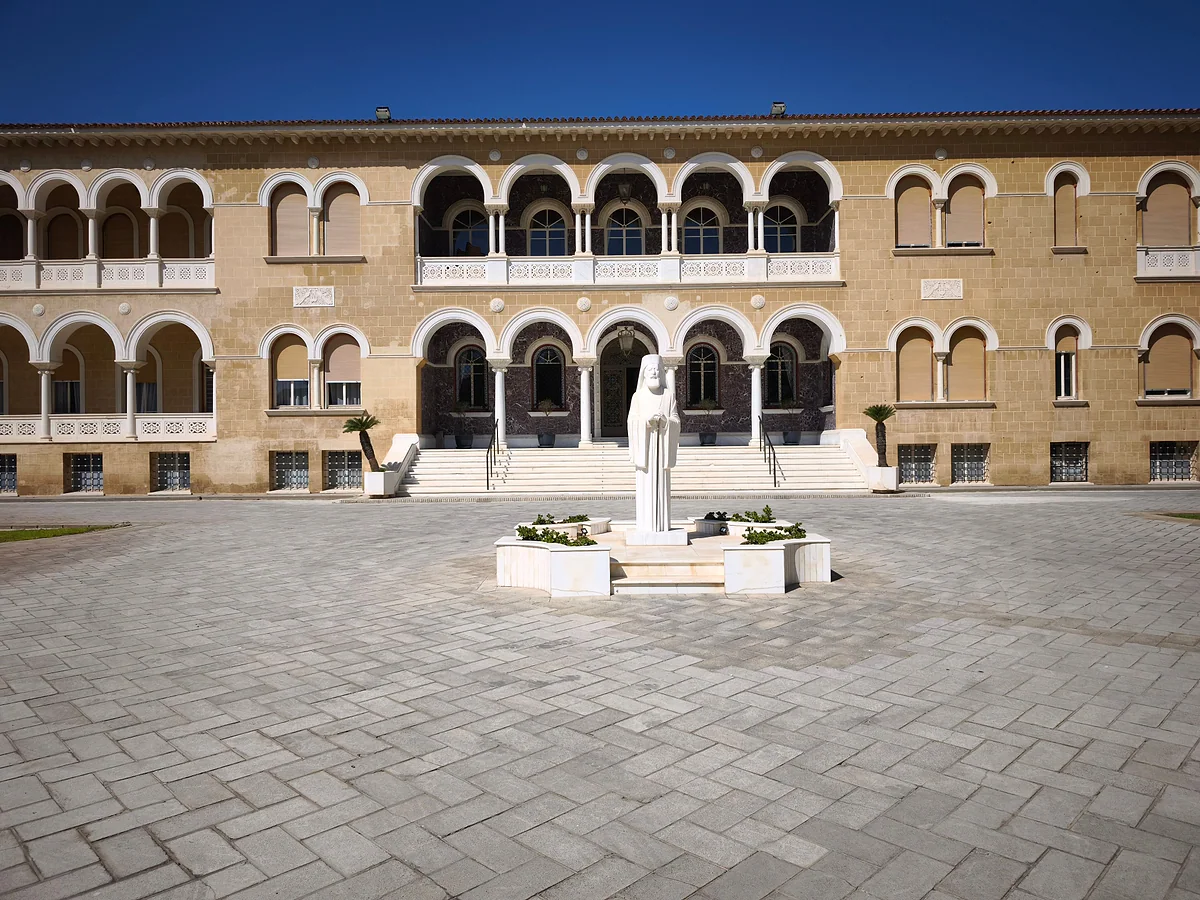
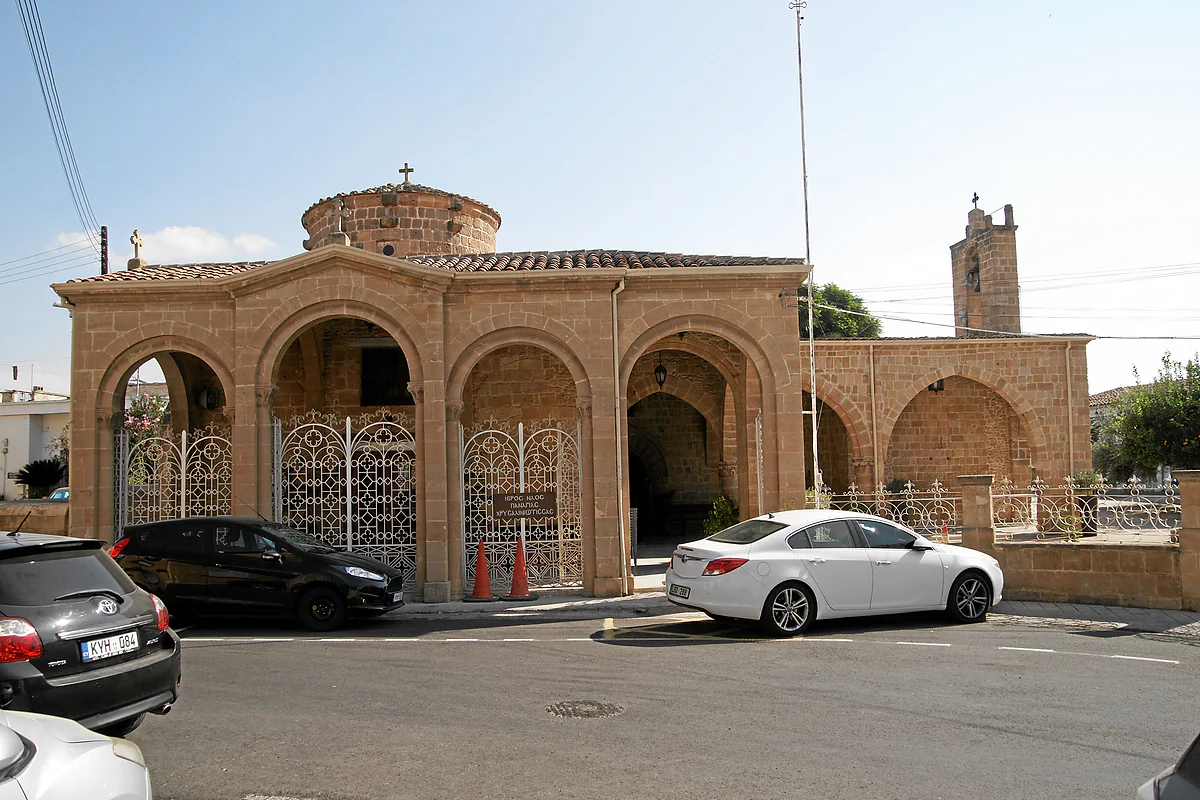
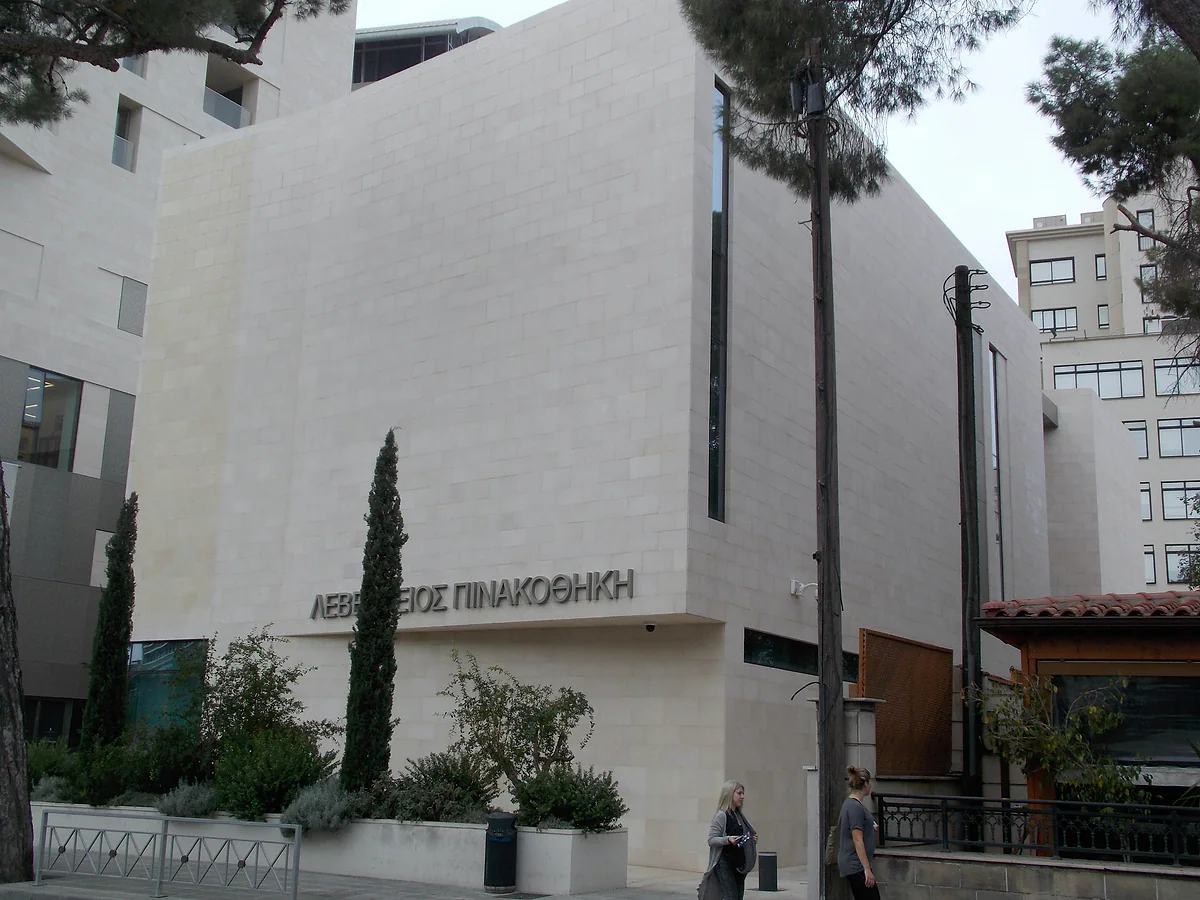
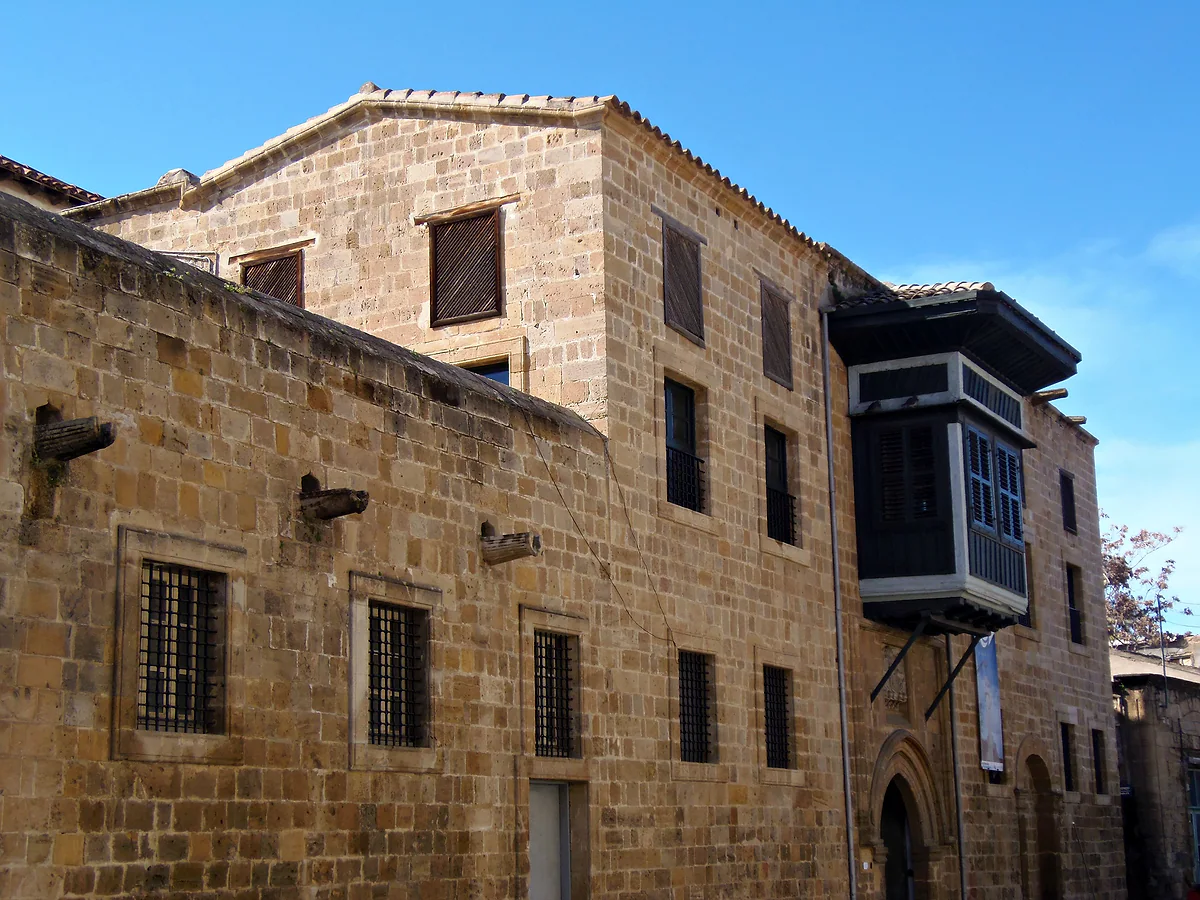
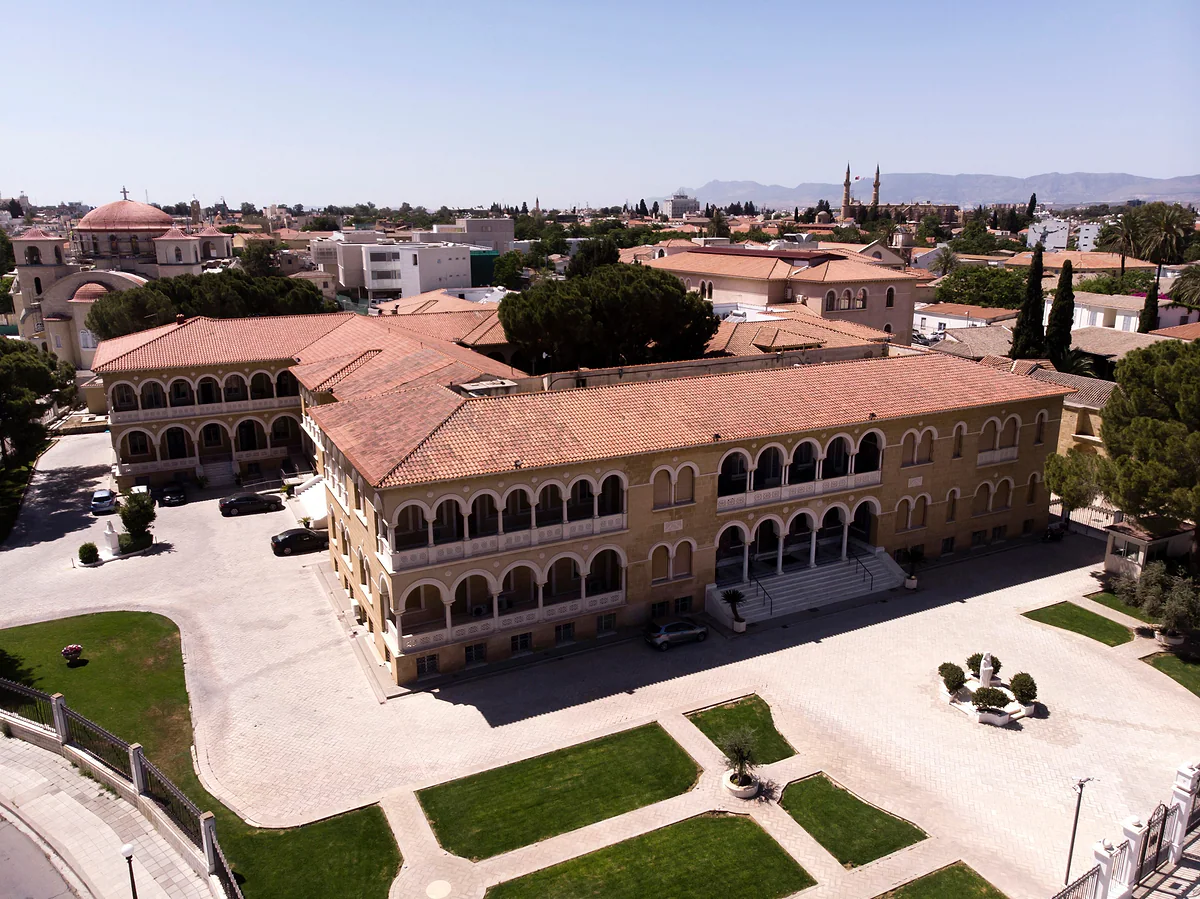
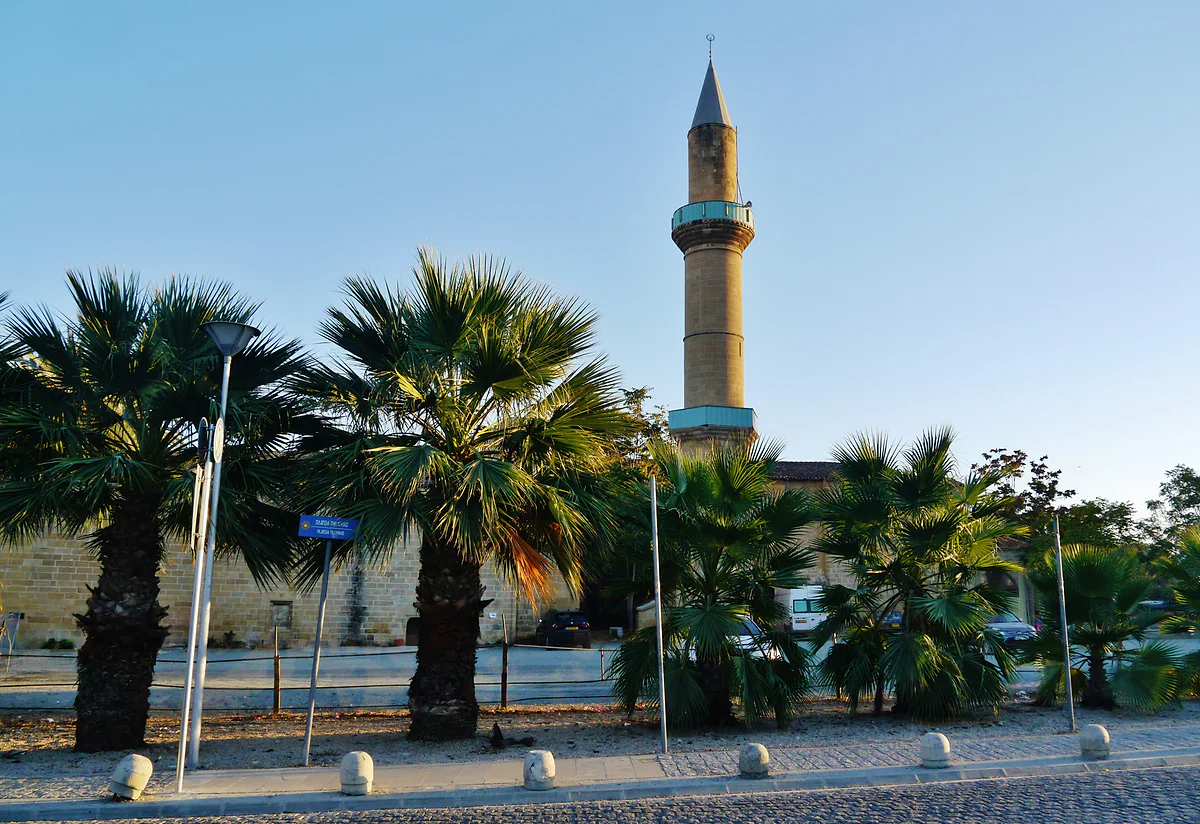
On day one I’d start early at the Cyprus Museum, just outside the western walls, go in through Eleftheria Square, wander down Ledra Street and cross to the north mid-morning. On day two, the archbishopric with its museum and the cathedral, Famagusta Gate and the Chrysaliniotissa quarter. If it’s a Saturday, I’d drop into the Central Municipal Market, which the municipality says is its busiest day, and next door I’d look into the Ömeriye Mosque in Nicosia, a former Gothic church.
Nicosia is about 40 km from Larnaca airport as the crow flies, and a Cyprus Public Transport city bus costs €2.70 with a paper ticket. To book a bed, see Nicosia hotels. Two nights here, with half a day in the other half of the city, are one stage of my two weeks in Cyprus route.
If you would rather go at your own pace, see the car hire deals in Nicosia: the earlier you book, the more cars are left to choose from.
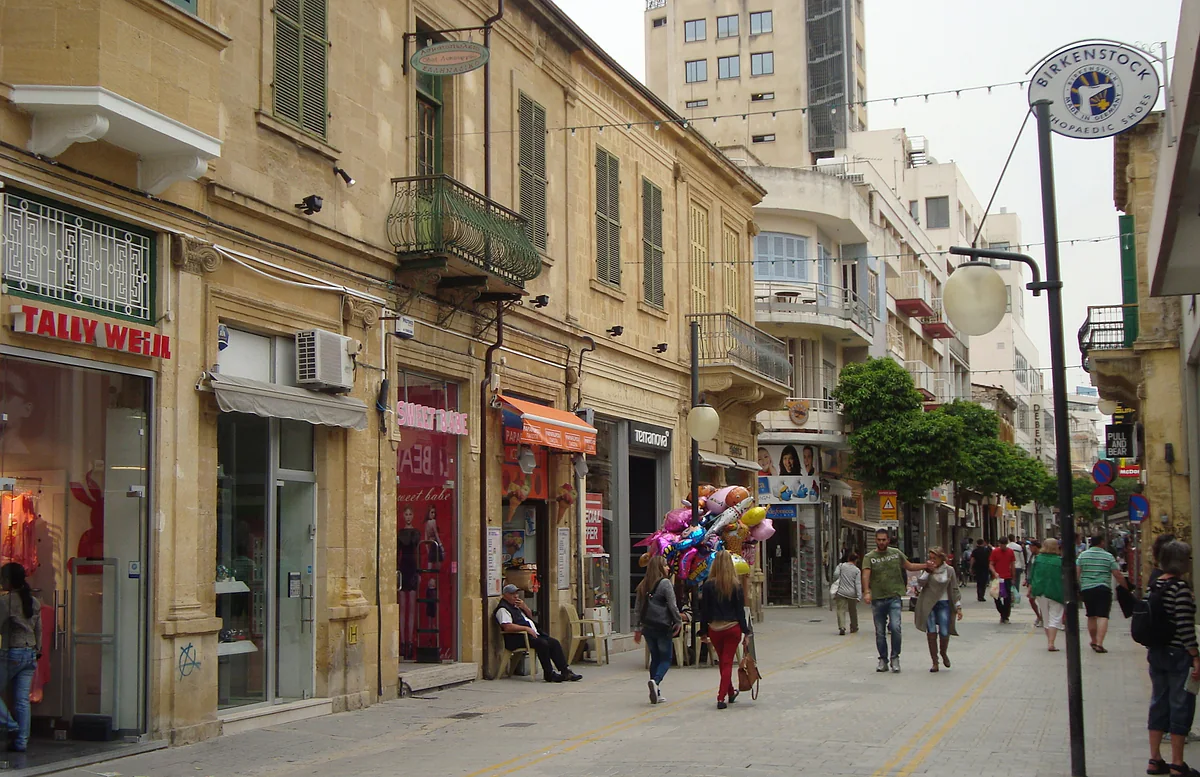
Ledra Street in Nicosia in the afternoon, pedestrianised and lined with shops and old buildings with balconies
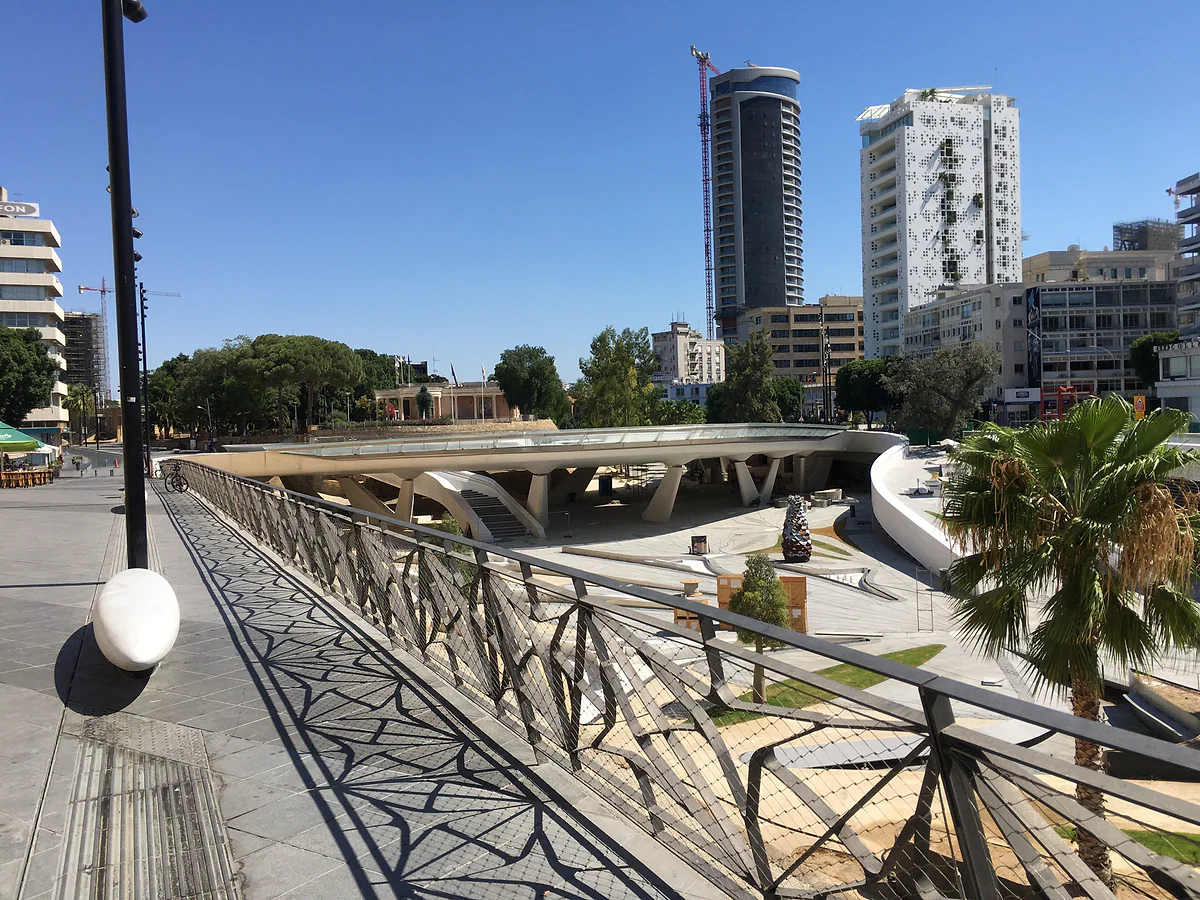
Eleftheria Square in Nicosia spanning the moat of the Venetian walls, with white walkways and modern towers behind
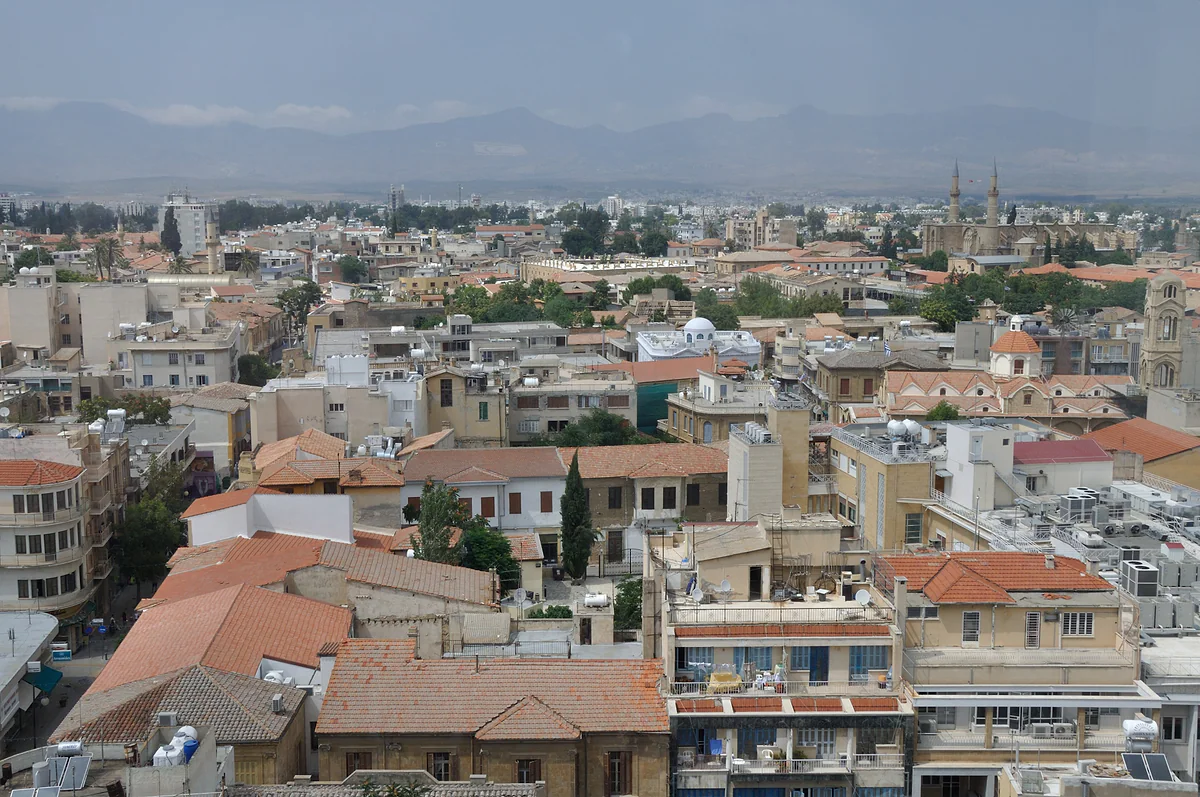
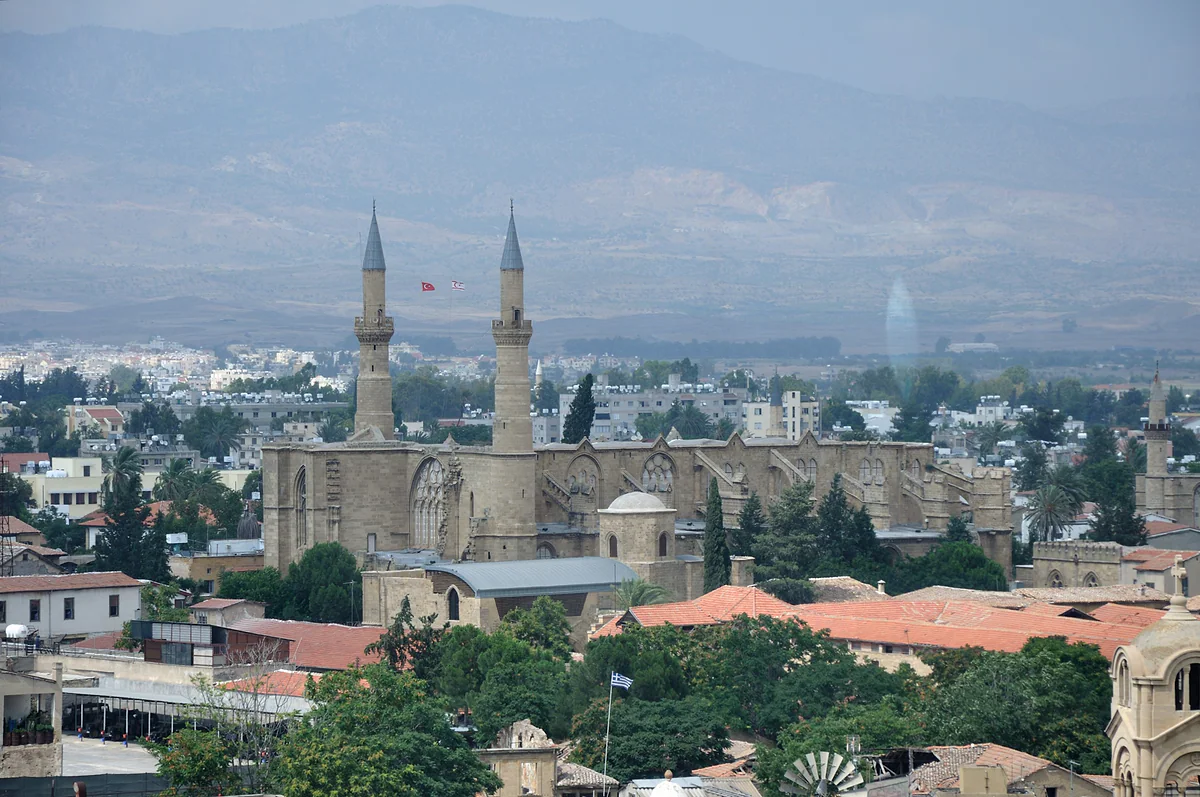
Nicosia seen from the Shacolas Tower, with the twin minarets of the Selimiye Mosque and the Kyrenia range behind
Test yourself
True or false?
0/4Pick before you peek.
Nicosia has been the capital without interruption since the Lusignan kings.
See the answer
False. It was the Lusignan capital, but it became capital of the Republic when Makarios was elected on 13 December 1959.
The Green Line is named after the colour of the pen that drew it.
See the answer
True. The municipality says a UN officer drew it in green on a city map in 1963.
The Venetian walls had seven gates.
See the answer
False. They had only three, Kyrenia, Paphos and Famagusta, the largest.
During the 1955-1959 struggle, Ledra Street was nicknamed the Murder Mile.
See the answer
True. Nicosia municipality records it in its history of the city.
Urban area residents, end of 2024
269,900
Bastions in the Venetian walls
11
Year the walls were begun
1567
Map
Where Nicosia is
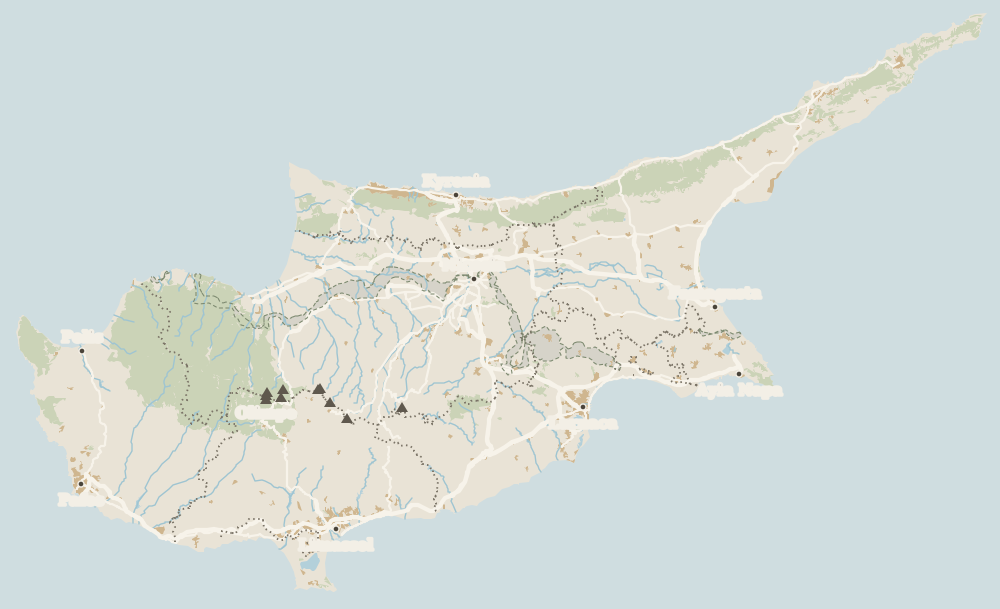
The grey strip with green dashes across the island is the UN buffer zone, the Green Line; to the north is the part of the island not under the control of the Government of the Republic. The Troodos fill the centre and west. Every number opens its guide.
Nicosia, Lefkosia in Greek. It officially became capital of the Republic when Makarios was elected president on 13 December 1959, according to the municipality.
What are the best things to do in Nicosia?
The Venetian walls and Famagusta Gate, Ledra Street and the crossing to the north, the Cyprus Museum, the Byzantine Museum in the archbishopric, St John's Cathedral and the Laiki Geitonia and Chrysaliniotissa quarters.
Is Nicosia still divided?
Yes. The Green Line, the UN buffer zone, splits the old town in two. The northern half has been outside the government's effective control since 1974 and you cross on foot at Ledra Street.
How many days do you need in Nicosia?
Two, in my view. One for the walls, Ledra Street and the north, and another for the Cyprus Museum, the archbishopric and the old quarters.
How far is Nicosia from Larnaca airport?
About 40 km as the crow flies, according to OpenStreetMap, and about 37 km from Larnaca town.
Why is it called the Green Line?
Nicosia municipality explains that in 1963 a UN officer drew the line on a city map with a green pen.
Tourism graduate with a master’s in Tourism Management and Planning from the University of Málaga, who has travelled across Europe. He writes every guide from official sources and his own judgement.

 1Agios Irakleidios 2Morphou 3Nicosia district 4Nicosia 5Tamassos 6Idalion 7Machairas Monastery 8Fikardou 9Lythrodontas