Eating and drinking in Cyprus
Zivania, the clear spirit of the Cypriot vineyards
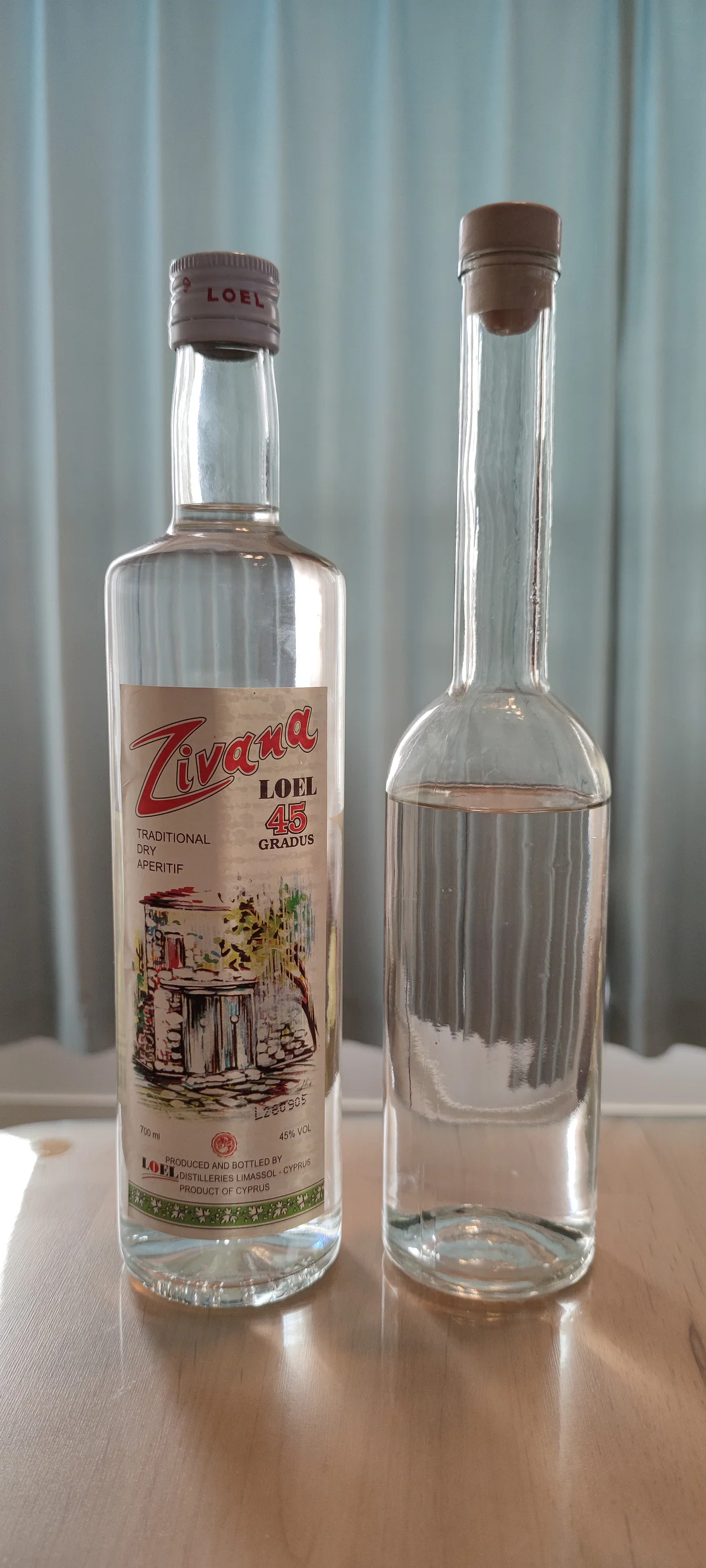
Zivania is Cyprus's grape marc spirit, registered as an EU geographical indication on 13 February 2008. It's distilled only from fermented marc, mostly of the native Mavro and Xynisteri grapes, in batch stills, and bottled clear at between 43 and 52 per cent alcohol.
In 30 seconds
Full read: 4 min
- Zivania is Cyprus's grape marc spirit.
- It has been an EU geographical indication since 13 February 2008.
- It's bottled clear at 43 to 52 per cent ABV.
- Locals drink it cold, in small glasses, with meze.
Drink it the village way, ice-cold in a small glass alongside a meze, and take your time over it. At 43 per cent or more, one measure tells you everything you need to know.

Before you go
What I would keep in mind
-
01 My tip
Check the label before buying
The GI file requires the word Zivania in letters at least 7 mm high and a stated strength within 0.2 per cent of the real one.
souvenirs from Cyprus -
02 Most beautiful
Village zivania festivals
The file itself names the best-known zivania feasts, in Alona, Polystypos, Pelendri, Omodos, Koilani and the Kouris valley.
Alona -
03 Worth the splurge
Apple zivania from Kyperounta
The Cyprus Food Virtual Museum notes that zivania is now also distilled from apples, and that Kyperounta is known for its apple products.
Kyperounta
What I would book
Sooner or later, at a village taverna in Cyprus, a plain clear bottle will appear next to the wine. That’s zivania, and the thing I like about it is that it makes no effort to win you over. It’s a dry, strong grape marc spirit with the same kind of legal protection as halloumi. Here’s how it’s made according to its EU file, and how I’d drink it. The rest of the Cypriot table is in Cypriot food.
A spirit with protected status
Zivania has been listed as a Cypriot geographical indication since 13 February 2008, under file PGI-CY-01942 in the EU’s eAmbrosia register, and in 2021 it was also entered in WIPO’s Lisbon system. The production area is the territory of the Republic. The file places it in the same family as Italian grappa, Spanish orujo and Greek tsipouro, and then explains where it parts company with them. No flavourings, no sweetening, no colouring. What you get is a clear liquid that smells of the grapes it came from.
How it’s made
Healthy grapes are picked when ripe, destemmed and left to ferment with their skins, sometimes still in clay jars and without sulphur dioxide. When fermentation ends, the free-run wine is drawn off and isn’t distilled. What goes into the still is the fermented marc, with up to 2 per cent healthy lees, distilled once and directly in batch stills. Iron stills are banned. It’s then cut with water to between 43 and 52 per cent and rested until it settles.
Most of it comes from the native grapes, red Mavro and white Xynisteri. A single foreign variety is allowed, but it must be fermented and distilled on its own and named on the label. That’s why KEO sells a Soultanina zivania, and it’s details like that which make the subject worth a closer look.
If you are staying the night, see the best hotel deals in Platres for your dates: the well-placed rooms go fast.
Why it tastes of Cyprus
The file doesn’t stop at the method, it also makes the case for origin. It cites chemical studies that set zivania apart from other European marc spirits by its copper, magnesium and zinc content, which it links to the island’s soils, shallow, chalky and eroded in the foothills, and volcanic, on dry-stone terraces, along the south-eastern slopes of the Troodos. Add the climate, with mild winters and long, dry summers, and two grapes that cope with drought better than imported ones. It also puts the spirit’s touch of furfural and copper down to simple distillation in traditional copper stills. Put plainly, what you’re poured in a mountain village comes out of that landscape, which is why I’d rather order it there than at the airport.
Picking a bottle
If you want to bring one home, the labelling rules help. The name Zivania must appear in letters at least 7 mm high, the producer or bottler has to be named, and the stated strength can’t be more than 0.2 per cent away from the real one. A single-grape bottle will also name the variety. Plain as the bottles look, those details tell you more than the design does.
So you do not lose the morning at the ticket office, browse tickets and tours in Platres on GetYourGuide.
A drink with a long village history
The Cyprus Food Virtual Museum records that villages had their own stills, the «lambikos», and neighbours brought their marc to whoever owned one. Zivania was drunk like wine, formed part of farmworkers’ breakfast before a day in the fields and went with meze. It also served as a home remedy for rubs, colds and toothache. At old-style weddings, the Monday after the ceremony meant toasting the couple with brandy, wine or zivania. And in Kyperounta today, it’s also distilled from apples.
The Famagusta tourism board speaks of some 700 years of tradition, while the museum dates it at least to Venetian rule as a source of income for growers. Either way, it’s as old as winemaking on the island, which I cover in Cypriot wine.
How should you drink zivania?
Cold, in a small glass, and slowly. KEO suggests serving it ice-cold with something savoury, such as nuts or dried fruit, as an aperitif or at the end of a meal. I’d have it with a Cypriot meze, where it fits best because it cuts through grilled meat and halloumi. If you want something sweet to finish, the island’s dessert wine is Commandaria, not zivania.
If you would rather go at your own pace, see the car hire deals in Limassol: the earlier you book, the more cars are left to choose from.
Where to find it
Most supermarkets stock it, as do the shops in the wine villages. Its file names the best-known zivania festivals, in the Kouris valley, Alona, Polystypos, Pelendri, Omodos and Koilani. Alona and Polystypos sit in Pitsilia, on the Nicosia side of the Troodos, covered in Alona and Polystypos. If you’re packing a bottle in your hold luggage, the best sign of the real thing is a label with the name in large letters and the exact strength, as the rules require. More ideas in souvenirs from Cyprus.
If you are staying the night, see the best hotel deals in Platres for your dates: the well-placed rooms go fast.
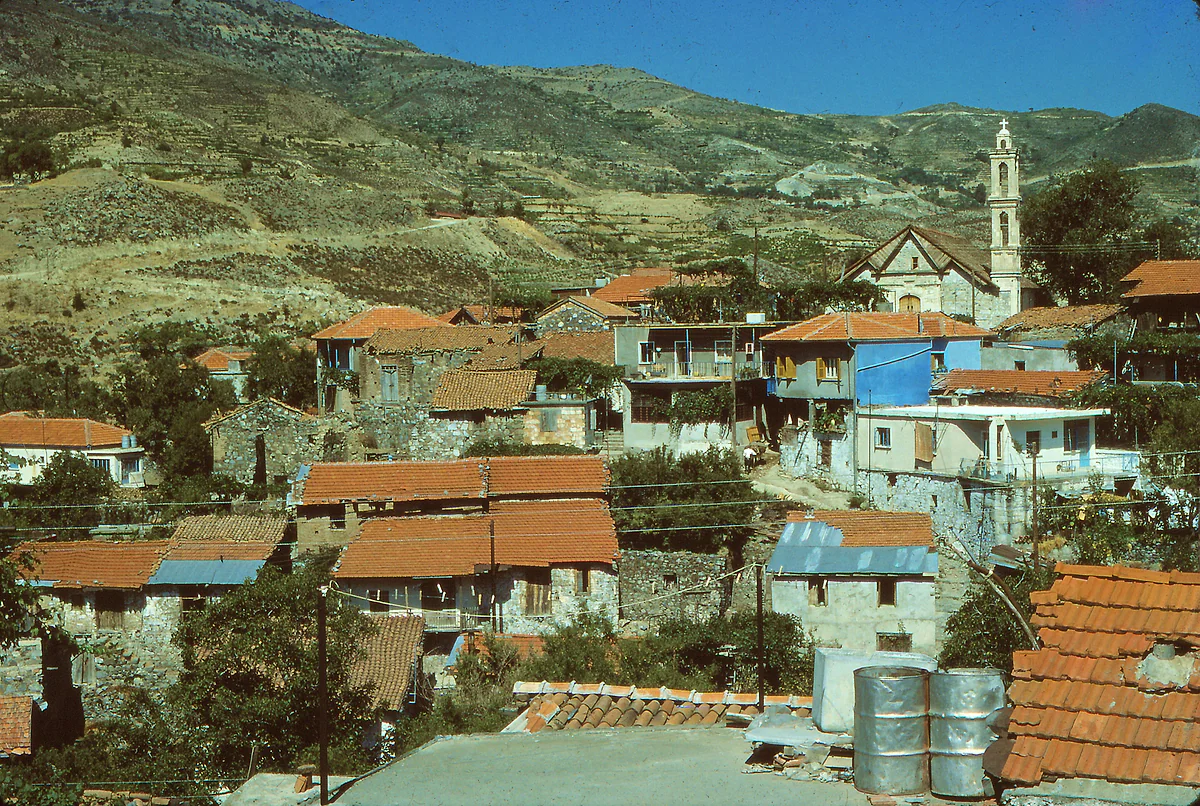
Laneia, one of the wine villages of Limassol district, with red-roofed houses and its church among vine slopes
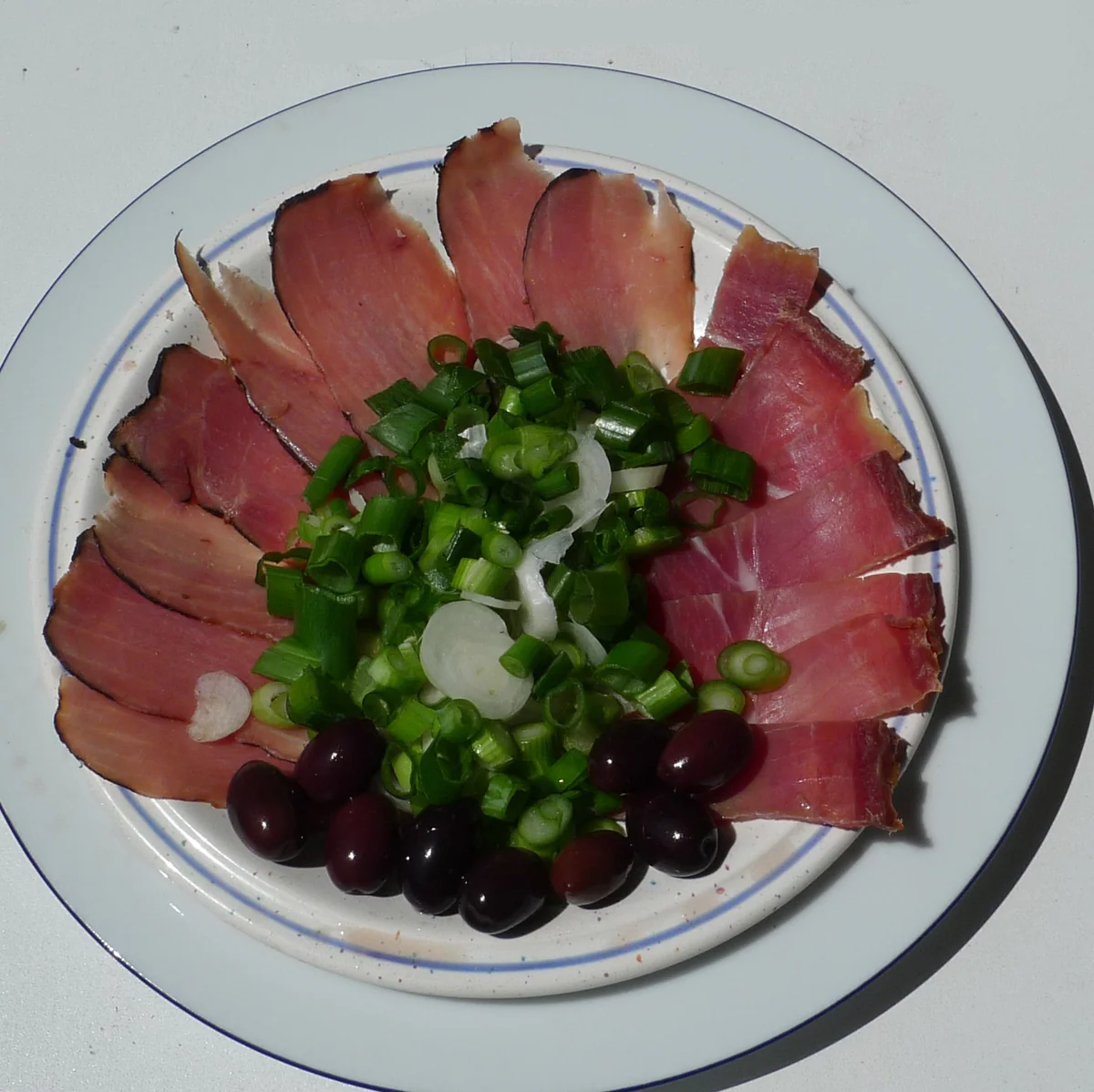
A plate of Cypriot meze with sliced lountza and chiromeri, spring onion, green pepper and black olives
Zivania under its geographical indication
| Rule | What the file sets |
|---|---|
| Category | Grape marc spirit (EU category 6) |
| Raw material | Fermented marc only, with up to 2 % healthy lees |
| Grapes | Mostly native, Mavro and Xynisteri |
| Distillation | Direct, in batch stills; iron stills banned |
| Strength | 43-52 % vol. at 20 °C |
| Appearance | Colourless, clear, no sediment |
| Area | Territory of the Republic of Cyprus |
Technical file PGI-CY-01942 (eAmbrosia), English version registered with WIPO as GI-1239 on 22 June 2021. Checked 4 October 2026.
Test yourself
True or false?
0/3 Pick before you peek.
-
Zivania can be flavoured with anise, like ouzo.
See the answer
False. Its file defines it as an unflavoured, clear marc spirit; anise belongs to ouzo.
-
Zivania must be between 43 and 52 per cent ABV.
See the answer
True. That's the range set in the technical file of the geographical indication.
-
Iron stills may be used to make zivania.
See the answer
False. The technical file expressly bans stills made of iron for zivania.
- EU geographical indication
- 2008
- Permitted strength
- 43-52 %
- Maximum lees in the marc
- 2 %
0 of 421 Cyprus guides
Your next stamp
- Cypriot wine
- Cypriot food
- Facts
- Commandaria
- What to buy
- Safety
- Package holidays
- Prices and budget
- Almyra Hotel
- Anassa Hotel
- Anastasia Beach
- Aphrodite Hills Resort
- Apostolos Andreas
- Bellapais Abbey
- Cap St Georges
- Church of St Lazarus
- Columbia Beach Resort
- Coral Beach Hotel
- Dome Beach
- Four Seasons Limassol
- Golden Bay
- Grecian Park
- Hilton Nicosia
- Kourion
- Kyrenia Castle
- Larnaca
- Lefkara lace
- Limassol
- Limassol Carnival
- Meze
- Omodos
- Panagia Angeloktisti
- Places to visit
- Selimiye Mosque
- Soli
- St Barnabas Monastery
- Weather
- Wine routes
- Atlantica Miramare
- Büyük Han
- Cheap eats
- Cyprus in winter
- Finikoudes
- Halloumi
- Kantara Castle
- Kataklysmos
- Limassol Castle
- Narcissos
- Nissi Beach Resort
- Olympic Lagoon Paphos
- Othello Tower
- Sanctuary of Apollo Hylates
- Sea temperature
- Things to do
- Vouni
- Vouni Palace
- Alion Beach
- Cypriot desserts
- Cyprus in spring
- Elias Beach
- Golden Coast
- Koilani
- Kolossi Castle
- Lala Mustafa Pasha Mosque
- Larnaca Castle
- Leonardo Laura Beach
- Limassol old town
- Limassol Wine Festival
- Most beautiful places
- Souvla
- St Hilarion Castle
- Arsos
- Buffavento Castle
- Crystal Springs
- Cyprus in summer
- Easter in Cyprus
- Episkopi
- Kition
- Kleftiko
- Limanaki Beach
- Molos promenade
- Pafos Aphrodite Festival
- Pagona
- Prettiest villages
- St Raphael Resort
- Adams Beach
- Akrotiri peninsula
- Alasia Hotel
- Bellapais
- Cyprus in autumn
- Elysium Hotel
- Green Monday
- Independence Day
- Limassol Marina
- Pierides Museum
- Sheftalia
- Sunrise Pearl
- UNESCO World Heritage
- Vasa Koilaniou
- Akrotiri salt lake
- Amathus Beach
- Christmas
- Cyprus in January
- Grecian Bay
- Larnaca Archaeological Museum
- Limassol old port
- Lofou
- Map
- Venus Beach Hotel
- Vrissiana
- Asterias Beach
- Capo Bay
- Cypriot coffee
- Cyprus in February
- Kamares Aqueduct
- Kefalos Beach
- Lania
- Limassol Archaeological Museum
- Parklane
- St Nicholas of the Cats
- Where is Cyprus
- Alexander the Great
- Carob Mill
- Cyprus in March
- Districts
- Hala Sultan Tekke
- Lady's Mile
- Tsokkos Gardens
- Beer
- Cavo Maris
- Cyprus in April
- Germasogeia
- King Evelthon
- Larnaca Salt Lake
- Pissouri
- Towns and villages
- Amathus
- Anogyra
- Athena Beach
- Cyprus in May
- Mackenzie beach
- Population
- Archaeological sites
- Cyprus in June
- King Jason
- Limassol beaches
- Size
- Zenobia wreck
- Aliathon Resort
- Castles in Cyprus
- Cyprus in July
- Governor's Beach
- Languages
- Larnaca beaches
- Annabelle Hotel
- Cyprus in August
- Monasteries in Cyprus
- Name
- Azia Resort
- Cyprus in September
- Museums in Cyprus
- Capital Coast Resort
- Cyprus in October
- Pyla
- Cyprus in November
- Kiti
- Cyprus in December
- Lefkara
- Choirokoitia
- Tochni
- Flag
- How to get there
- Kalavasos
- Krasochoria
- Salamis
- Aphrodite
- Flights
- Karpas Peninsula
- Stavrovouni Monastery
- Kornos
- Larnaca Airport
- Limassol District
- Larnaca district
- Paphos Airport
- Pyrga
- Airport transfers
- Athienou
- Ferry
- Odou
- Cruises
- Kato Drys
- Getting around
- Vavla
- Buses
- Zygi
- Taxis
- Agios Irakleidios
- Car hire
- Paphos district
- Driving
- Paphos
- Kato Paphos
- Parking
- Cycling
- Paphos old town (Ktima)
- Paphos Archaeological Park
- Road trip
- Distances
- Tombs of the Kings
- Agia Kyriaki and St Paul's Pillar
- Paphos Byzantine Museum
- Paphos beaches
- Geroskipou
- Cyprus Wine Museum
- Greek or Turkish?
- Peyia (Pegeia)
- Coral Bay
- History
- Sea caves, Peyia
- The division
- Agios Georgios, Peyia
- Political system
- Akamas peninsula
- Religion
- Blue Lagoon, Akamas
- Public holidays
- Baths of Aphrodite
- Time
- Currency and payments
- Lara beach
- Avakas Gorge
- EU and Schengen
- Entry requirements
- Polis Chrysochous
- Latchi
- Neo Chorio
- Aphrodite's Rock
- Palaepaphos (Kouklia)
- Paphos Castle
- Paphos Archaeological Museum
- Agia Solomoni Catacomb
- Kathikas
- Drouseia
- Ineia
- Diarizos Valley
- Pano Panagia
- The north
- Where to eat
- Where to stay
- Chrysorrogiatissa Monastery
- Crossing to the north
- Hotels in Ayia Napa
- Agios Neophytos Monastery
- Green Line
- Hotels in Protaras
- British bases
- Hotels in Limassol
- Tala
- Ercan airport
- Hotels in Larnaca
- Lempa
- Hotels in Paphos
- Hotels in the north
- Pano Arodes
- Hotels in Coral Bay
- Kritou Terra
- Kyrenia district
- Hotels in Polis and Latchi
- Kyrenia
- Lysos
- Hotels in Nicosia
- Lapithos
- Pomos
- Cedar Valley
- Hotels in the Troodos
- Ayia Napa
- Best time to visit
- Famagusta district
- Luxury hotels
- North Nicosia
- Agrotourism
- All-inclusive hotels
- Famagusta
- Thalassa Museum
- Adults-only hotels
- Apartments
- Ayia Napa Monastery
- Varosha
- Ayia Napa Sculpture Park
- Family hotels
- Morphou
- Boutique hotels
- Nissi Beach
- Beachfront hotels
- Events
- Makronissos
- Ayia Napa sea caves
- Cheap hotels
- Love Bridge
- Villas
- Ayia Napa beaches
- Campsites
- Cape Greco
- Konnos Bay
- Scams and pitfalls
- Cyclops Cave
- Healthcare
- Mobile and roaming
- Free things to do
- With a dog
- Accessible Cyprus
- Plugs
- Tipping
- Protaras
- Tourist information
- Fig Tree Bay
- Packing list
- Profitis Ilias Church
- Cyprus on a budget
- Protaras beaches
- Shopping
- Paralimni
- With kids
- Deryneia
- For couples
- Kokkinochoria
- Weddings
- Nightlife
- Sotira
- Liopetri
- Day trips
- Frenaros
- Nicosia district
- Avgorou
- Boat trips
- Nicosia
- Jeep safari
- Venetian walls
- Famagusta Gate
- Ledra Street
- Laiki Geitonia
- Cyprus Museum
- Byzantine Museum, Nicosia
- St John's Cathedral
- Archbishop's Palace
- 3 days
- Museums in Nicosia
- 5 days
- Chrysaliniotissa
- Leventis Museum
- One week
- 10 days
- Leventis Gallery
- Kornesios house
- Two weeks
- National Struggle Museum
- Ömeriye Mosque
- Faneromeni Church
- Shacolas observatory
- Tamassos
- Idalion
- Machairas Monastery
- Fikardou
- Lythrodontas
- Tilliria
- Kato Pyrgos
- Troodos Mountains
- Mount Olympus
- Troodos Square
- Skiing in Cyprus
- Troodos Geopark
- Painted churches of Troodos
- Kykkos Monastery
- Makarios's tomb
- Trooditissa Monastery
- Platres
- Prodromos
- Foini
- Treis Elies
- Marathasa valley
- Solea valley
- Agios Nikolaos tis Stegis
- Panagia Asinou
- Panagia Podithou
- Archangelos Michael, Pedoulas
- Panagia tou Moutoulla
- Agios Ioannis Lampadistis
- Kalopanayiotis
- Pedoulas
- Moutoullas
- Kakopetria
- Galata
- Evrychou
- Pitsilia
- Stavros tou Agiasmati
- Panagia tou Araka
- Timios Stavros, Pelendri
- Transfiguration church, Palaichori
- Palaichori
- Askas
- Lagoudera
- Polystypos
- Alona
- Agros
- Kyperounta
- Louvaras
- Hiking in Cyprus
- Artemis Trail
- Atalante Trail
- Persephone Trail
- Teisia tis Madaris
- Waterfalls in Cyprus
- Caledonia Waterfall
- Nature parks in Cyprus
- Viewpoints in Cyprus
- Cyprus beaches
- Diving in Cyprus
- Water sports in Cyprus
- Water parks in Cyprus
- Golf in Cyprus
Frequently asked questions
What is zivania?
Cyprus's traditional spirit, distilled from grape marc after fermentation. The EU has protected it as a geographical indication since 2008.
How strong is zivania?
Its technical file sets 43 to 52 per cent ABV. The Cyprus Food Virtual Museum puts the usual average at 47 to 52 per cent.
How do you drink zivania?
Ice-cold, in a small glass, as an aperitif or with meze, nuts or dried fruit. KEO recommends serving it frozen-cold with something savoury.
Is zivania the same as ouzo?
No. Ouzo is flavoured with anise and other seeds, while zivania is an unflavoured, clear marc spirit. Its file compares it with grappa, Spanish orujo and Greek tsipouro.
Which grapes are used for zivania?
Mostly the marc of the native Mavro and Xynisteri. If a single non-native variety is used, it has to be distilled separately and named on the label.
Where can I try zivania festivals?
The file lists Alona, Polystypos, Pelendri, Omodos, Koilani and the Kouris valley among the best-known. Dates change each year, so check locally before you go.
By
Tourism graduate with a master’s in Tourism Management and Planning from the University of Málaga, who has travelled across Europe. He writes every guide from official sources and his own judgement.
Published on . Facts checked on .
Sources
Some links in this guide are affiliate links: if you book through them, the site earns a commission at no extra cost to you. Affiliate disclosure
Photos: Christakis Mina (CC BY-SA 4.0); Brian Harrington Spier (CC BY-SA 2.0); Ulrich prokop (CC BY-SA 3.0), via Wikimedia Commons.